Category: Blog

Your blog category

  • An Holistic Framework for Shared Design Leadership

    An Holistic Framework for Shared Design Leadership

    Picture this: You’re in a meeting room at your tech company, and two people are having what looks like the same conversation about the same design problem. One is talking about whether the team has the right skills to tackle it. The other is diving deep into whether the solution actually solves the user’s problem. Same room, same problem, completely different lenses.

    This is the beautiful, sometimes messy reality of having both a Design Manager and a Lead Designer on the same team. And if you’re wondering how to make this work without creating confusion, overlap, or the dreaded “too many cooks” scenario, you’re asking the right question.

    The traditional answer has been to draw clean lines on an org chart. The Design Manager handles people, the Lead Designer handles craft. Problem solved, right? Except clean org charts are fantasy. In reality, both roles care deeply about team health, design quality, and shipping great work. 

    The magic happens when you embrace the overlap instead of fighting it—when you start thinking of your design org as a design organism.

    The Anatomy of a Healthy Design Team

    Here’s what I’ve learned from years of being on both sides of this equation: think of your design team as a living organism. The Design Manager tends to the mind (the psychological safety, the career growth, the team dynamics). The Lead Designer tends to the body (the craft skills, the design standards, the hands-on work that ships to users).

    But just like mind and body aren’t completely separate systems, so, too, do these roles overlap in important ways. You can’t have a healthy person without both working in harmony. The trick is knowing where those overlaps are and how to navigate them gracefully.

    When we look at how healthy teams actually function, three critical systems emerge. Each requires both roles to work together, but with one taking primary responsibility for keeping that system strong.

    The Nervous System: People & Psychology

    Primary caretaker: Design Manager
    Supporting role: Lead Designer

    The nervous system is all about signals, feedback, and psychological safety. When this system is healthy, information flows freely, people feel safe to take risks, and the team can adapt quickly to new challenges.

    The Design Manager is the primary caretaker here. They’re monitoring the team’s psychological pulse, ensuring feedback loops are healthy, and creating the conditions for people to grow. They’re hosting career conversations, managing workload, and making sure no one burns out.

    But the Lead Designer plays a crucial supporting role. They’re providing sensory input about craft development needs, spotting when someone’s design skills are stagnating, and helping identify growth opportunities that the Design Manager might miss.

    Design Manager tends to:

    • Career conversations and growth planning
    • Team psychological safety and dynamics
    • Workload management and resource allocation
    • Performance reviews and feedback systems
    • Creating learning opportunities

    Lead Designer supports by:

    • Providing craft-specific feedback on team member development
    • Identifying design skill gaps and growth opportunities
    • Offering design mentorship and guidance
    • Signaling when team members are ready for more complex challenges

    The Muscular System: Craft & Execution

    Primary caretaker: Lead Designer
    Supporting role: Design Manager

    The muscular system is about strength, coordination, and skill development. When this system is healthy, the team can execute complex design work with precision, maintain consistent quality, and adapt their craft to new challenges.

    The Lead Designer is the primary caretaker here. They’re setting design standards, providing craft coaching, and ensuring that shipping work meets the quality bar. They’re the ones who can tell you if a design decision is sound or if we’re solving the right problem.

    But the Design Manager plays a crucial supporting role. They’re ensuring the team has the resources and support to do their best craft work, like proper nutrition and recovery time for an athlete.

    Lead Designer tends to:

    • Definition of design standards and system usage
    • Feedback on what design work meets the standard
    • Experience direction for the product
    • Design decisions and product-wide alignment
    • Innovation and craft advancement

    Design Manager supports by:

    • Ensuring design standards are understood and adopted across the team
    • Confirming experience direction is being followed
    • Supporting practices and systems that scale without bottlenecking
    • Facilitating design alignment across teams
    • Providing resources and removing obstacles to great craft work

    The Circulatory System: Strategy & Flow

    Shared caretakers: Both Design Manager and Lead Designer

    The circulatory system is about how information, decisions, and energy flow through the team. When this system is healthy, strategic direction is clear, priorities are aligned, and the team can respond quickly to new opportunities or challenges.

    This is where true partnership happens. Both roles are responsible for keeping the circulation strong, but they’re bringing different perspectives to the table.

    Lead Designer contributes:

    • User needs are met by the product
    • Overall product quality and experience
    • Strategic design initiatives
    • Research-based user needs for each initiative

    Design Manager contributes:

    • Communication to team and stakeholders
    • Stakeholder management and alignment
    • Cross-functional team accountability
    • Strategic business initiatives

    Both collaborate on:

    • Co-creation of strategy with leadership
    • Team goals and prioritization approach
    • Organizational structure decisions
    • Success measures and frameworks

    Keeping the Organism Healthy

    The key to making this partnership sing is understanding that all three systems need to work together. A team with great craft skills but poor psychological safety will burn out. A team with great culture but weak craft execution will ship mediocre work. A team with both but poor strategic circulation will work hard on the wrong things.

    Be Explicit About Which System You’re Tending

    When you’re in a meeting about a design problem, it helps to acknowledge which system you’re primarily focused on. “I’m thinking about this from a team capacity perspective” (nervous system) or “I’m looking at this through the lens of user needs” (muscular system) gives everyone context for your input.

    This isn’t about staying in your lane. It’s about being transparent as to which lens you’re using, so the other person knows how to best add their perspective.

    Create Healthy Feedback Loops

    The most successful partnerships I’ve seen establish clear feedback loops between the systems:

    Nervous system signals to muscular system: “The team is struggling with confidence in their design skills” → Lead Designer provides more craft coaching and clearer standards.

    Muscular system signals to nervous system: “The team’s craft skills are advancing faster than their project complexity” → Design Manager finds more challenging growth opportunities.

    Both systems signal to circulatory system: “We’re seeing patterns in team health and craft development that suggest we need to adjust our strategic priorities.”

    Handle Handoffs Gracefully

    The most critical moments in this partnership are when something moves from one system to another. This might be when a design standard (muscular system) needs to be rolled out across the team (nervous system), or when a strategic initiative (circulatory system) needs specific craft execution (muscular system).

    Make these transitions explicit. “I’ve defined the new component standards. Can you help me think through how to get the team up to speed?” or “We’ve agreed on this strategic direction. I’m going to focus on the specific user experience approach from here.”

    Stay Curious, Not Territorial

    The Design Manager who never thinks about craft, or the Lead Designer who never considers team dynamics, is like a doctor who only looks at one body system. Great design leadership requires both people to care about the whole organism, even when they’re not the primary caretaker.

    This means asking questions rather than making assumptions. “What do you think about the team’s craft development in this area?” or “How do you see this impacting team morale and workload?” keeps both perspectives active in every decision.

    When the Organism Gets Sick

    Even with clear roles, this partnership can go sideways. Here are the most common failure modes I’ve seen:

    System Isolation

    The Design Manager focuses only on the nervous system and ignores craft development. The Lead Designer focuses only on the muscular system and ignores team dynamics. Both people retreat to their comfort zones and stop collaborating.

    The symptoms: Team members get mixed messages, work quality suffers, morale drops.

    The treatment: Reconnect around shared outcomes. What are you both trying to achieve? Usually it’s great design work that ships on time from a healthy team. Figure out how both systems serve that goal.

    Poor Circulation

    Strategic direction is unclear, priorities keep shifting, and neither role is taking responsibility for keeping information flowing.

    The symptoms: Team members are confused about priorities, work gets duplicated or dropped, deadlines are missed.

    The treatment: Explicitly assign responsibility for circulation. Who’s communicating what to whom? How often? What’s the feedback loop?

    Autoimmune Response

    One person feels threatened by the other’s expertise. The Design Manager thinks the Lead Designer is undermining their authority. The Lead Designer thinks the Design Manager doesn’t understand craft.

    The symptoms: Defensive behavior, territorial disputes, team members caught in the middle.

    The treatment: Remember that you’re both caretakers of the same organism. When one system fails, the whole team suffers. When both systems are healthy, the team thrives.

    The Payoff

    Yes, this model requires more communication. Yes, it requires both people to be secure enough to share responsibility for team health. But the payoff is worth it: better decisions, stronger teams, and design work that’s both excellent and sustainable.

    When both roles are healthy and working well together, you get the best of both worlds: deep craft expertise and strong people leadership. When one person is out sick, on vacation, or overwhelmed, the other can help maintain the team’s health. When a decision requires both the people perspective and the craft perspective, you’ve got both right there in the room.

    Most importantly, the framework scales. As your team grows, you can apply the same system thinking to new challenges. Need to launch a design system? Lead Designer tends to the muscular system (standards and implementation), Design Manager tends to the nervous system (team adoption and change management), and both tend to circulation (communication and stakeholder alignment).

    The Bottom Line

    The relationship between a Design Manager and Lead Designer isn’t about dividing territories. It’s about multiplying impact. When both roles understand they’re tending to different aspects of the same healthy organism, magic happens.

    The mind and body work together. The team gets both the strategic thinking and the craft excellence they need. And most importantly, the work that ships to users benefits from both perspectives.

    So the next time you’re in that meeting room, wondering why two people are talking about the same problem from different angles, remember: you’re watching shared leadership in action. And if it’s working well, both the mind and body of your design team are getting stronger.


  • Scrubs: How a Real-Life Friendship Shapes J.D. ‘At the Tail-End of His Career’

    Scrubs: How a Real-Life Friendship Shapes J.D. ‘At the Tail-End of His Career’

    To this day, television maestro Bill Lawrence and Dr. Jonathan Doris remain old buddies. That their friendship goes back nearly four decades to when they were in school together at the College of William & Mary is heartwarming to anyone, but doubly so for fans of a particular era of millennial humor that Lawrence created. […]

    The post Scrubs: How a Real-Life Friendship Shapes J.D. ‘At the Tail-End of His Career’ appeared first on Den of Geek.

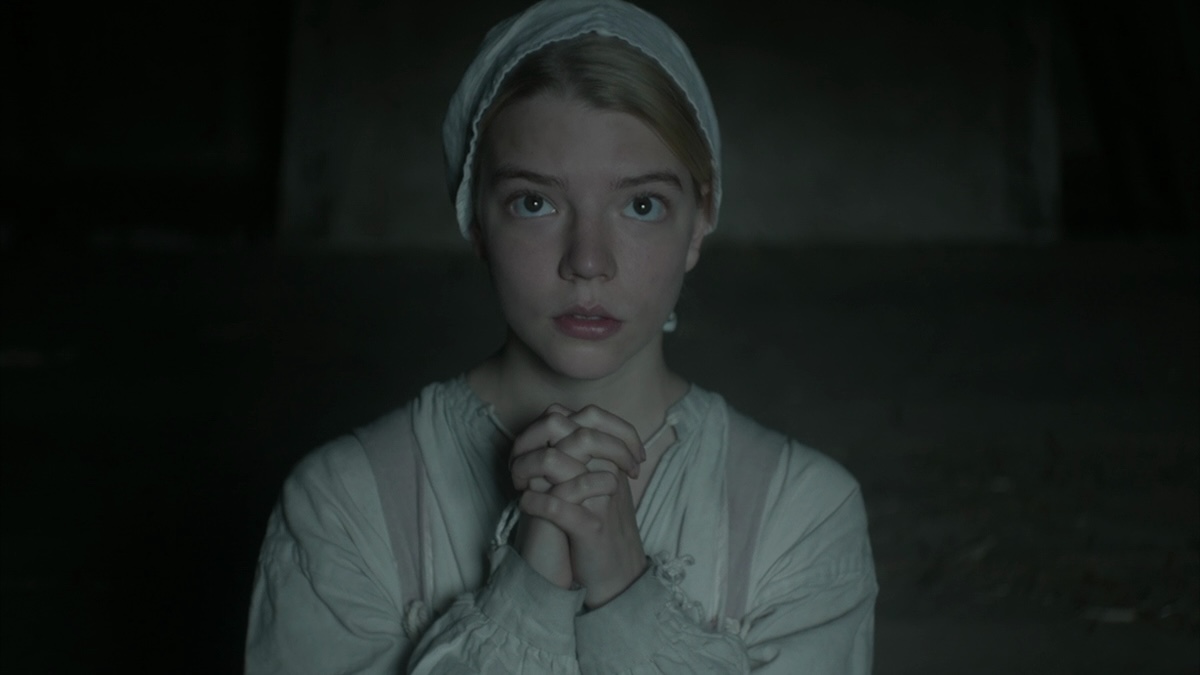
    Butter and a pretty dress. Apparently, that’s all it took for young Puritan Thomasin to sell her soul to the devil. Even if we just isolated the scene of Black Phillip’s arrival from the rest of Robert Eggers‘ 2016 debut The Witch and read it just at face value, it would be powerful. The combination of vulnerability and desire that Anya Taylor-Joy plays as Thomasin, the sound design that sends Black Phillip’s whispered echoes across the room, thick shadows that fill the screen: all of that would be enough to make The Witch a memorable film.

    But within the context of the rest of the movie, Thomasin’s encounter with Black Phillip transcends the merely spooky and becomes sublimely terrifying. In the 10 years since Eggers released his movie, no other filmmaker has matched his depiction of the devil. Furthermore, no movie released in the more than 100 years of motion pictures that preceded The Witch had a more terrifying or more tempting look at Lucifer.

    cnx.cmd.push(function() {
    cnx({
    playerId: “106e33c0-3911-473c-b599-b1426db57530”,

    }).render(“0270c398a82f44f49c23c16122516796”);
    });

    The Eyes of Black Phillip

    Thomasin conjures the devil 84 minutes into The Witch, with only nine minutes of runtime remaining. But Black Phillip makes his presence known throughout the entirety of the film. Most obviously, Black Phillip is the name of the ebony goat that lives on the farm with Thomasin and her family: father William (Ralph Ineson), mother Katherine (Kate Dickie), younger brother Caleb (Harvey Scrimshaw), twins Mercy (Ellie Grainger) and Jonas (Lucas Dawson), and the newborn Samuel. Banished for somehow being more judgmental than their Puritan peers, Thomasin’s family must settle outside of the community, at the edge of the woods in 1630s New England.

    The goat Black Phillip stalks about the family camp and the twins taunt their sister about her name appearing in his book. But it’s the way the family treats one another that truly embodies the spirit of Satan, literally “the accuser.” Whether it’s Samuel’s disappearance at the start of the movie or the lust that Caleb feels when looking at his sister, Thomasin gets charged with all manner of wrong doing. As things grow worse, the family intensifies its blame towards Thomasin, claiming that she is a witch in league with Satan, and therefore she—not the arrogance of William and Katherine that got them expelled from the village—is the source of all their problems.

    Thus, when Thomas finally breaks and walks into the barn to summon Black Phillip, he is a welcome presence in her life. And that’s what sets Black Phillip apart from other cinematic Satans.

    Hell in Hollywood

    The devil is certainly nothing new to cinema. Even before the popularization of synchronized sound, Satan appeared in the 1922 psuedo-documentary Häxan and in F. W. Murnau’s adaptation of Faust. The devil has manifested as everything from the folksy Mr. Scratch in 1941’s The Devil and Daniel Webster to primordial space ooze in John Carpenter‘s inexplicable Prince of Darkness (1987) to an exhausted Peter Stormare in Constantine (2005).

    In most cases, movies portray the devil as some ultimate, almost impersonal evil. Such is the case with the winged figure that ascends in the “Night on Bald Mountain Segment” from Fantasia (1940) or the unconvincing CGI that Al Simmons faces at the climax of Spawn (1997). However, the devil is most interesting when he appears as a tempting trickster, something that wants to enter into a bargain with the protagonist. Robert De Niro and Al Pacino played sweaty versions of this Satan in Angel Heart (1987) and The Devil’s Advocate (1997), respectively, and Max von Sydow puts a playful spin on it for 1993’s Needful Things.

    Perhaps the most well-known cinematic Satan combines both of these qualities. Jack Nicholson portrays Daryl Van Horne in George Miller‘s 1987 comedy The Witches of Eastwick. Miller and screenwriter Michael Cristofer amp up the sensuality and Protestant guilt of the John Updike novel, making Nicholson’s devil into a crazed schmoozer who injects some excitement into the lives of three banal women. In fact, it was that very banality, the fact that these very ordinary women would join up with Satan that made The Witches of Eastwick compelling, even if the combination of Nicholson, Miller, and Updike proved to be less than the sum of its parts.

    While all of these depictions have their strong points, none of them are as insidious as Black Philip in The Witch.

    Many Hands Doing the Devil’s Work

    The arrival of Black Phillip (Daniel Malik as a human, Charlie as a goat) is marked not by fire or brimstone or anything so dramatic. Rather, it is marked by questions. “What dost thou want?” he asks first, before offering two suggestions: “Wouldst thou like the taste of butter? A pretty dress?” And then he sums up all his offers with the final question, “Wouldst thou like to live deliciously?”

    To a certain degree, anyone who has sold their souls to Satan onscreen has done so for a delicious life. Faust gains youth, the Eastwick women an ideal man, Tommy Johnson of O Brother Where Art Thou? learns to play guitar. Next to these rewards, butter seems boring.

    But that’s the point. Black Phillip offers Thomasin not things, but something deeper, something that she’s been lacking throughout the entire film. For the first time, her desires and actions receive acknowledgment. For the first time, she feels as if she has a choice in a matter. And if the devil is the one person who will accept her choices, then she’ll take the devil.

    Of course, Black Phillip didn’t put Thomasin in this position. It was her mother and father, her siblings, everyone else who told Thomasin that she was evil. They did the devil’s work by denouncing her from the start of the film.

    But that’s the power of Eggers’s depiction. Black Phillip isn’t just a single big bad who must be resisted. Rather, he’s only the manifestation of a hatefulness running all through the family. The evil spreads wider and deeper than any one person or thing could contain. It lives inside each of Thomasin’s family members, it lives inside the goat that watches her on the farm, and it lives inside of Thomasin herself, waiting for when the accusations and mistrust finally break her. Then, the devil is ready with butter, a pretty dress, and so much more.

    The post Ten Years Ago, The Witch Gave Us the Best Cinematic Satan appeared first on Den of Geek.

  • The 10 Best Sony Animation Movies, Ranked: KPop Demon Hunters, Spider-Verse, and More

    The 10 Best Sony Animation Movies, Ranked: KPop Demon Hunters, Spider-Verse, and More

    When one thinks of the great cartoon houses, names such as Studio Ghibli, Pixar, and Walt Disney leap to mind. In fact, most would have to go pretty deep before they got to Sony Pictures Animation, and not just because it officially opened its doors in 2002. Rather, it’s because SPA turned out a lot […]

    The post The 10 Best Sony Animation Movies, Ranked: KPop Demon Hunters, Spider-Verse, and More appeared first on Den of Geek.

    Butter and a pretty dress. Apparently, that’s all it took for young Puritan Thomasin to sell her soul to the devil. Even if we just isolated the scene of Black Phillip’s arrival from the rest of Robert Eggers‘ 2016 debut The Witch and read it just at face value, it would be powerful. The combination of vulnerability and desire that Anya Taylor-Joy plays as Thomasin, the sound design that sends Black Phillip’s whispered echoes across the room, thick shadows that fill the screen: all of that would be enough to make The Witch a memorable film.

    But within the context of the rest of the movie, Thomasin’s encounter with Black Phillip transcends the merely spooky and becomes sublimely terrifying. In the 10 years since Eggers released his movie, no other filmmaker has matched his depiction of the devil. Furthermore, no movie released in the more than 100 years of motion pictures that preceded The Witch had a more terrifying or more tempting look at Lucifer.

    cnx.cmd.push(function() {
    cnx({
    playerId: “106e33c0-3911-473c-b599-b1426db57530”,

    }).render(“0270c398a82f44f49c23c16122516796”);
    });

    The Eyes of Black Phillip

    Thomasin conjures the devil 84 minutes into The Witch, with only nine minutes of runtime remaining. But Black Phillip makes his presence known throughout the entirety of the film. Most obviously, Black Phillip is the name of the ebony goat that lives on the farm with Thomasin and her family: father William (Ralph Ineson), mother Katherine (Kate Dickie), younger brother Caleb (Harvey Scrimshaw), twins Mercy (Ellie Grainger) and Jonas (Lucas Dawson), and the newborn Samuel. Banished for somehow being more judgmental than their Puritan peers, Thomasin’s family must settle outside of the community, at the edge of the woods in 1630s New England.

    The goat Black Phillip stalks about the family camp and the twins taunt their sister about her name appearing in his book. But it’s the way the family treats one another that truly embodies the spirit of Satan, literally “the accuser.” Whether it’s Samuel’s disappearance at the start of the movie or the lust that Caleb feels when looking at his sister, Thomasin gets charged with all manner of wrong doing. As things grow worse, the family intensifies its blame towards Thomasin, claiming that she is a witch in league with Satan, and therefore she—not the arrogance of William and Katherine that got them expelled from the village—is the source of all their problems.

    Thus, when Thomas finally breaks and walks into the barn to summon Black Phillip, he is a welcome presence in her life. And that’s what sets Black Phillip apart from other cinematic Satans.

    Hell in Hollywood

    The devil is certainly nothing new to cinema. Even before the popularization of synchronized sound, Satan appeared in the 1922 psuedo-documentary Häxan and in F. W. Murnau’s adaptation of Faust. The devil has manifested as everything from the folksy Mr. Scratch in 1941’s The Devil and Daniel Webster to primordial space ooze in John Carpenter‘s inexplicable Prince of Darkness (1987) to an exhausted Peter Stormare in Constantine (2005).

    In most cases, movies portray the devil as some ultimate, almost impersonal evil. Such is the case with the winged figure that ascends in the “Night on Bald Mountain Segment” from Fantasia (1940) or the unconvincing CGI that Al Simmons faces at the climax of Spawn (1997). However, the devil is most interesting when he appears as a tempting trickster, something that wants to enter into a bargain with the protagonist. Robert De Niro and Al Pacino played sweaty versions of this Satan in Angel Heart (1987) and The Devil’s Advocate (1997), respectively, and Max von Sydow puts a playful spin on it for 1993’s Needful Things.

    Perhaps the most well-known cinematic Satan combines both of these qualities. Jack Nicholson portrays Daryl Van Horne in George Miller‘s 1987 comedy The Witches of Eastwick. Miller and screenwriter Michael Cristofer amp up the sensuality and Protestant guilt of the John Updike novel, making Nicholson’s devil into a crazed schmoozer who injects some excitement into the lives of three banal women. In fact, it was that very banality, the fact that these very ordinary women would join up with Satan that made The Witches of Eastwick compelling, even if the combination of Nicholson, Miller, and Updike proved to be less than the sum of its parts.

    While all of these depictions have their strong points, none of them are as insidious as Black Philip in The Witch.

    Many Hands Doing the Devil’s Work

    The arrival of Black Phillip (Daniel Malik as a human, Charlie as a goat) is marked not by fire or brimstone or anything so dramatic. Rather, it is marked by questions. “What dost thou want?” he asks first, before offering two suggestions: “Wouldst thou like the taste of butter? A pretty dress?” And then he sums up all his offers with the final question, “Wouldst thou like to live deliciously?”

    To a certain degree, anyone who has sold their souls to Satan onscreen has done so for a delicious life. Faust gains youth, the Eastwick women an ideal man, Tommy Johnson of O Brother Where Art Thou? learns to play guitar. Next to these rewards, butter seems boring.

    But that’s the point. Black Phillip offers Thomasin not things, but something deeper, something that she’s been lacking throughout the entire film. For the first time, her desires and actions receive acknowledgment. For the first time, she feels as if she has a choice in a matter. And if the devil is the one person who will accept her choices, then she’ll take the devil.

    Of course, Black Phillip didn’t put Thomasin in this position. It was her mother and father, her siblings, everyone else who told Thomasin that she was evil. They did the devil’s work by denouncing her from the start of the film.

    But that’s the power of Eggers’s depiction. Black Phillip isn’t just a single big bad who must be resisted. Rather, he’s only the manifestation of a hatefulness running all through the family. The evil spreads wider and deeper than any one person or thing could contain. It lives inside each of Thomasin’s family members, it lives inside the goat that watches her on the farm, and it lives inside of Thomasin herself, waiting for when the accusations and mistrust finally break her. Then, the devil is ready with butter, a pretty dress, and so much more.

    The post Ten Years Ago, The Witch Gave Us the Best Cinematic Satan appeared first on Den of Geek.

  • Sopranos Star Says the Show’s Themes Might Be Different Today

    Sopranos Star Says the Show’s Themes Might Be Different Today

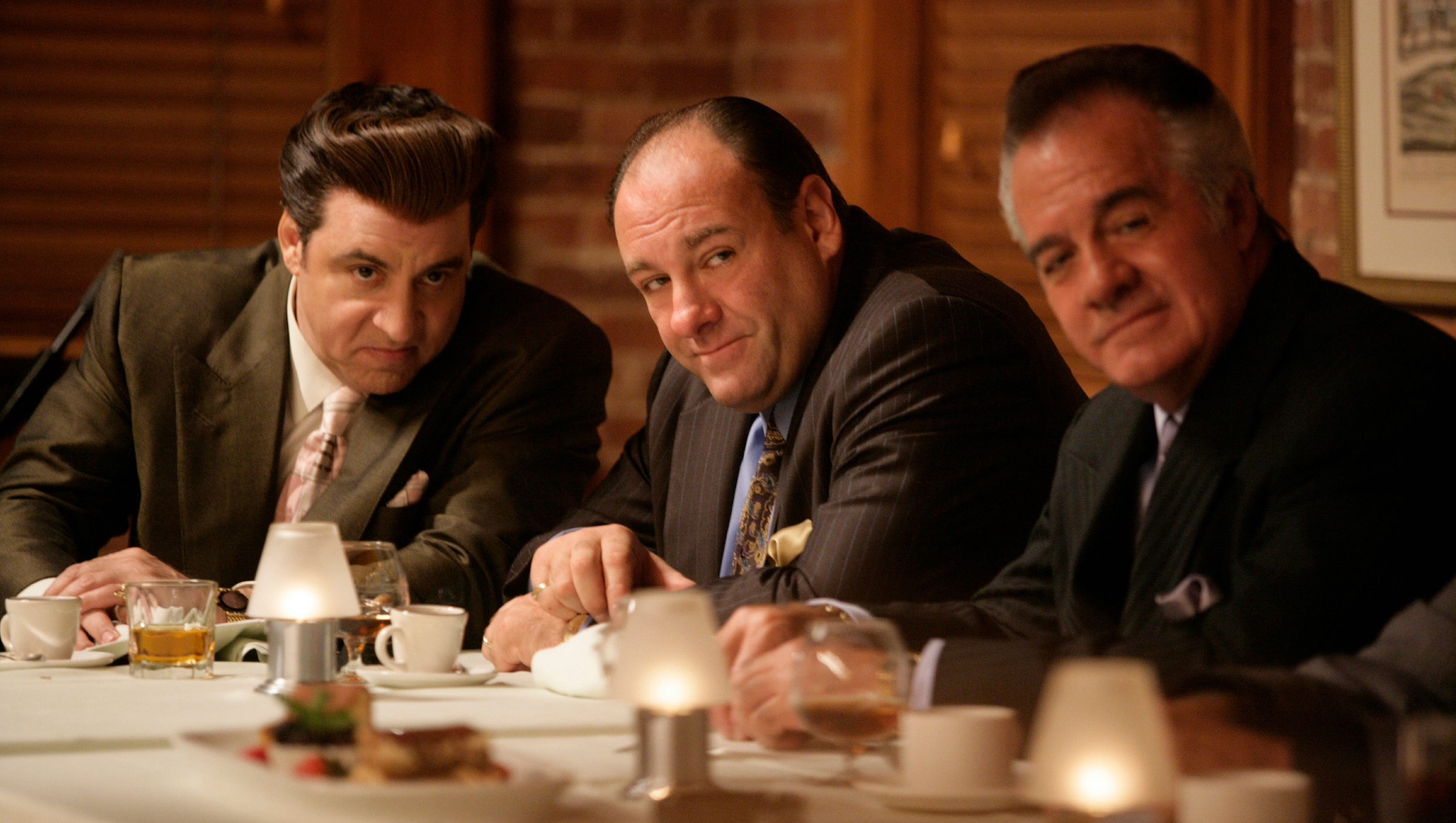
    Michael Imperioli, still best known for his Emmy-winning performance as Christopher Moltisanti on The Sopranos, has recently offered his take on how the iconic HBO drama’s characters might fit into today’s political landscape. The actor told The Independent that if the series were set in the current United States and characters’ political views were part […]

    The post Sopranos Star Says the Show’s Themes Might Be Different Today appeared first on Den of Geek.

    Butter and a pretty dress. Apparently, that’s all it took for young Puritan Thomasin to sell her soul to the devil. Even if we just isolated the scene of Black Phillip’s arrival from the rest of Robert Eggers‘ 2016 debut The Witch and read it just at face value, it would be powerful. The combination of vulnerability and desire that Anya Taylor-Joy plays as Thomasin, the sound design that sends Black Phillip’s whispered echoes across the room, thick shadows that fill the screen: all of that would be enough to make The Witch a memorable film.

    But within the context of the rest of the movie, Thomasin’s encounter with Black Phillip transcends the merely spooky and becomes sublimely terrifying. In the 10 years since Eggers released his movie, no other filmmaker has matched his depiction of the devil. Furthermore, no movie released in the more than 100 years of motion pictures that preceded The Witch had a more terrifying or more tempting look at Lucifer.

    cnx.cmd.push(function() {
    cnx({
    playerId: “106e33c0-3911-473c-b599-b1426db57530”,

    }).render(“0270c398a82f44f49c23c16122516796”);
    });

    The Eyes of Black Phillip

    Thomasin conjures the devil 84 minutes into The Witch, with only nine minutes of runtime remaining. But Black Phillip makes his presence known throughout the entirety of the film. Most obviously, Black Phillip is the name of the ebony goat that lives on the farm with Thomasin and her family: father William (Ralph Ineson), mother Katherine (Kate Dickie), younger brother Caleb (Harvey Scrimshaw), twins Mercy (Ellie Grainger) and Jonas (Lucas Dawson), and the newborn Samuel. Banished for somehow being more judgmental than their Puritan peers, Thomasin’s family must settle outside of the community, at the edge of the woods in 1630s New England.

    The goat Black Phillip stalks about the family camp and the twins taunt their sister about her name appearing in his book. But it’s the way the family treats one another that truly embodies the spirit of Satan, literally “the accuser.” Whether it’s Samuel’s disappearance at the start of the movie or the lust that Caleb feels when looking at his sister, Thomasin gets charged with all manner of wrong doing. As things grow worse, the family intensifies its blame towards Thomasin, claiming that she is a witch in league with Satan, and therefore she—not the arrogance of William and Katherine that got them expelled from the village—is the source of all their problems.

    Thus, when Thomas finally breaks and walks into the barn to summon Black Phillip, he is a welcome presence in her life. And that’s what sets Black Phillip apart from other cinematic Satans.

    Hell in Hollywood

    The devil is certainly nothing new to cinema. Even before the popularization of synchronized sound, Satan appeared in the 1922 psuedo-documentary Häxan and in F. W. Murnau’s adaptation of Faust. The devil has manifested as everything from the folksy Mr. Scratch in 1941’s The Devil and Daniel Webster to primordial space ooze in John Carpenter‘s inexplicable Prince of Darkness (1987) to an exhausted Peter Stormare in Constantine (2005).

    In most cases, movies portray the devil as some ultimate, almost impersonal evil. Such is the case with the winged figure that ascends in the “Night on Bald Mountain Segment” from Fantasia (1940) or the unconvincing CGI that Al Simmons faces at the climax of Spawn (1997). However, the devil is most interesting when he appears as a tempting trickster, something that wants to enter into a bargain with the protagonist. Robert De Niro and Al Pacino played sweaty versions of this Satan in Angel Heart (1987) and The Devil’s Advocate (1997), respectively, and Max von Sydow puts a playful spin on it for 1993’s Needful Things.

    Perhaps the most well-known cinematic Satan combines both of these qualities. Jack Nicholson portrays Daryl Van Horne in George Miller‘s 1987 comedy The Witches of Eastwick. Miller and screenwriter Michael Cristofer amp up the sensuality and Protestant guilt of the John Updike novel, making Nicholson’s devil into a crazed schmoozer who injects some excitement into the lives of three banal women. In fact, it was that very banality, the fact that these very ordinary women would join up with Satan that made The Witches of Eastwick compelling, even if the combination of Nicholson, Miller, and Updike proved to be less than the sum of its parts.

    While all of these depictions have their strong points, none of them are as insidious as Black Philip in The Witch.

    Many Hands Doing the Devil’s Work

    The arrival of Black Phillip (Daniel Malik as a human, Charlie as a goat) is marked not by fire or brimstone or anything so dramatic. Rather, it is marked by questions. “What dost thou want?” he asks first, before offering two suggestions: “Wouldst thou like the taste of butter? A pretty dress?” And then he sums up all his offers with the final question, “Wouldst thou like to live deliciously?”

    To a certain degree, anyone who has sold their souls to Satan onscreen has done so for a delicious life. Faust gains youth, the Eastwick women an ideal man, Tommy Johnson of O Brother Where Art Thou? learns to play guitar. Next to these rewards, butter seems boring.

    But that’s the point. Black Phillip offers Thomasin not things, but something deeper, something that she’s been lacking throughout the entire film. For the first time, her desires and actions receive acknowledgment. For the first time, she feels as if she has a choice in a matter. And if the devil is the one person who will accept her choices, then she’ll take the devil.

    Of course, Black Phillip didn’t put Thomasin in this position. It was her mother and father, her siblings, everyone else who told Thomasin that she was evil. They did the devil’s work by denouncing her from the start of the film.

    But that’s the power of Eggers’s depiction. Black Phillip isn’t just a single big bad who must be resisted. Rather, he’s only the manifestation of a hatefulness running all through the family. The evil spreads wider and deeper than any one person or thing could contain. It lives inside each of Thomasin’s family members, it lives inside the goat that watches her on the farm, and it lives inside of Thomasin herself, waiting for when the accusations and mistrust finally break her. Then, the devil is ready with butter, a pretty dress, and so much more.

    The post Ten Years Ago, The Witch Gave Us the Best Cinematic Satan appeared first on Den of Geek.

  • Interstellar Turd Prank Left Timothée Chalamet Feeling Disrespected

    Interstellar Turd Prank Left Timothée Chalamet Feeling Disrespected

    Timothée Chalamet has had complex feelings about his work on Interstellar since its 2014 release. Previously, he shared that he felt like a “fraud” after attending an early screening of Christopher Nolan’s beloved sci-fi flick and then “wept for an hour” afterwards because he thought his role would be bigger than it was. Still, Chalamet […]

    The post Interstellar Turd Prank Left Timothée Chalamet Feeling Disrespected appeared first on Den of Geek.

    Butter and a pretty dress. Apparently, that’s all it took for young Puritan Thomasin to sell her soul to the devil. Even if we just isolated the scene of Black Phillip’s arrival from the rest of Robert Eggers‘ 2016 debut The Witch and read it just at face value, it would be powerful. The combination of vulnerability and desire that Anya Taylor-Joy plays as Thomasin, the sound design that sends Black Phillip’s whispered echoes across the room, thick shadows that fill the screen: all of that would be enough to make The Witch a memorable film.

    But within the context of the rest of the movie, Thomasin’s encounter with Black Phillip transcends the merely spooky and becomes sublimely terrifying. In the 10 years since Eggers released his movie, no other filmmaker has matched his depiction of the devil. Furthermore, no movie released in the more than 100 years of motion pictures that preceded The Witch had a more terrifying or more tempting look at Lucifer.

    cnx.cmd.push(function() {
    cnx({
    playerId: “106e33c0-3911-473c-b599-b1426db57530”,

    }).render(“0270c398a82f44f49c23c16122516796”);
    });

    The Eyes of Black Phillip

    Thomasin conjures the devil 84 minutes into The Witch, with only nine minutes of runtime remaining. But Black Phillip makes his presence known throughout the entirety of the film. Most obviously, Black Phillip is the name of the ebony goat that lives on the farm with Thomasin and her family: father William (Ralph Ineson), mother Katherine (Kate Dickie), younger brother Caleb (Harvey Scrimshaw), twins Mercy (Ellie Grainger) and Jonas (Lucas Dawson), and the newborn Samuel. Banished for somehow being more judgmental than their Puritan peers, Thomasin’s family must settle outside of the community, at the edge of the woods in 1630s New England.

    The goat Black Phillip stalks about the family camp and the twins taunt their sister about her name appearing in his book. But it’s the way the family treats one another that truly embodies the spirit of Satan, literally “the accuser.” Whether it’s Samuel’s disappearance at the start of the movie or the lust that Caleb feels when looking at his sister, Thomasin gets charged with all manner of wrong doing. As things grow worse, the family intensifies its blame towards Thomasin, claiming that she is a witch in league with Satan, and therefore she—not the arrogance of William and Katherine that got them expelled from the village—is the source of all their problems.

    Thus, when Thomas finally breaks and walks into the barn to summon Black Phillip, he is a welcome presence in her life. And that’s what sets Black Phillip apart from other cinematic Satans.

    Hell in Hollywood

    The devil is certainly nothing new to cinema. Even before the popularization of synchronized sound, Satan appeared in the 1922 psuedo-documentary Häxan and in F. W. Murnau’s adaptation of Faust. The devil has manifested as everything from the folksy Mr. Scratch in 1941’s The Devil and Daniel Webster to primordial space ooze in John Carpenter‘s inexplicable Prince of Darkness (1987) to an exhausted Peter Stormare in Constantine (2005).

    In most cases, movies portray the devil as some ultimate, almost impersonal evil. Such is the case with the winged figure that ascends in the “Night on Bald Mountain Segment” from Fantasia (1940) or the unconvincing CGI that Al Simmons faces at the climax of Spawn (1997). However, the devil is most interesting when he appears as a tempting trickster, something that wants to enter into a bargain with the protagonist. Robert De Niro and Al Pacino played sweaty versions of this Satan in Angel Heart (1987) and The Devil’s Advocate (1997), respectively, and Max von Sydow puts a playful spin on it for 1993’s Needful Things.

    Perhaps the most well-known cinematic Satan combines both of these qualities. Jack Nicholson portrays Daryl Van Horne in George Miller‘s 1987 comedy The Witches of Eastwick. Miller and screenwriter Michael Cristofer amp up the sensuality and Protestant guilt of the John Updike novel, making Nicholson’s devil into a crazed schmoozer who injects some excitement into the lives of three banal women. In fact, it was that very banality, the fact that these very ordinary women would join up with Satan that made The Witches of Eastwick compelling, even if the combination of Nicholson, Miller, and Updike proved to be less than the sum of its parts.

    While all of these depictions have their strong points, none of them are as insidious as Black Philip in The Witch.

    Many Hands Doing the Devil’s Work

    The arrival of Black Phillip (Daniel Malik as a human, Charlie as a goat) is marked not by fire or brimstone or anything so dramatic. Rather, it is marked by questions. “What dost thou want?” he asks first, before offering two suggestions: “Wouldst thou like the taste of butter? A pretty dress?” And then he sums up all his offers with the final question, “Wouldst thou like to live deliciously?”

    To a certain degree, anyone who has sold their souls to Satan onscreen has done so for a delicious life. Faust gains youth, the Eastwick women an ideal man, Tommy Johnson of O Brother Where Art Thou? learns to play guitar. Next to these rewards, butter seems boring.

    But that’s the point. Black Phillip offers Thomasin not things, but something deeper, something that she’s been lacking throughout the entire film. For the first time, her desires and actions receive acknowledgment. For the first time, she feels as if she has a choice in a matter. And if the devil is the one person who will accept her choices, then she’ll take the devil.

    Of course, Black Phillip didn’t put Thomasin in this position. It was her mother and father, her siblings, everyone else who told Thomasin that she was evil. They did the devil’s work by denouncing her from the start of the film.

    But that’s the power of Eggers’s depiction. Black Phillip isn’t just a single big bad who must be resisted. Rather, he’s only the manifestation of a hatefulness running all through the family. The evil spreads wider and deeper than any one person or thing could contain. It lives inside each of Thomasin’s family members, it lives inside the goat that watches her on the farm, and it lives inside of Thomasin herself, waiting for when the accusations and mistrust finally break her. Then, the devil is ready with butter, a pretty dress, and so much more.

    The post Ten Years Ago, The Witch Gave Us the Best Cinematic Satan appeared first on Den of Geek.

  • A Knight of the Seven Kingdoms: House Beesbury Is REALLY Committed to the Bit

    A Knight of the Seven Kingdoms: House Beesbury Is REALLY Committed to the Bit

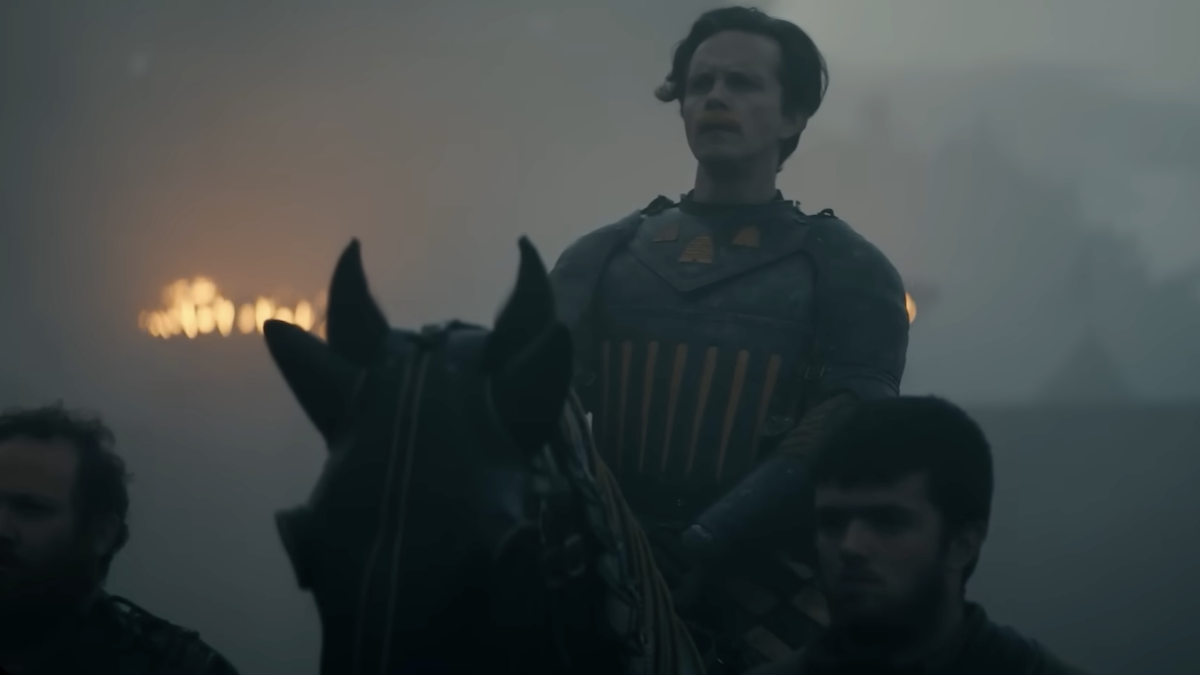
    This article contains spoilers for A Knight of the Seven Kingdoms episode 6. One of the more charming aspects of A Knight of the Seven Kingdoms is the way it depicts the Westeros that exists beyond the big Houses that most Game of Thrones fans are already familiar with. Sure, there are Targaryens and Baratheons […]

    The post A Knight of the Seven Kingdoms: House Beesbury Is REALLY Committed to the Bit appeared first on Den of Geek.

    Butter and a pretty dress. Apparently, that’s all it took for young Puritan Thomasin to sell her soul to the devil. Even if we just isolated the scene of Black Phillip’s arrival from the rest of Robert Eggers‘ 2016 debut The Witch and read it just at face value, it would be powerful. The combination of vulnerability and desire that Anya Taylor-Joy plays as Thomasin, the sound design that sends Black Phillip’s whispered echoes across the room, thick shadows that fill the screen: all of that would be enough to make The Witch a memorable film.

    But within the context of the rest of the movie, Thomasin’s encounter with Black Phillip transcends the merely spooky and becomes sublimely terrifying. In the 10 years since Eggers released his movie, no other filmmaker has matched his depiction of the devil. Furthermore, no movie released in the more than 100 years of motion pictures that preceded The Witch had a more terrifying or more tempting look at Lucifer.

    cnx.cmd.push(function() {
    cnx({
    playerId: “106e33c0-3911-473c-b599-b1426db57530”,

    }).render(“0270c398a82f44f49c23c16122516796”);
    });

    The Eyes of Black Phillip

    Thomasin conjures the devil 84 minutes into The Witch, with only nine minutes of runtime remaining. But Black Phillip makes his presence known throughout the entirety of the film. Most obviously, Black Phillip is the name of the ebony goat that lives on the farm with Thomasin and her family: father William (Ralph Ineson), mother Katherine (Kate Dickie), younger brother Caleb (Harvey Scrimshaw), twins Mercy (Ellie Grainger) and Jonas (Lucas Dawson), and the newborn Samuel. Banished for somehow being more judgmental than their Puritan peers, Thomasin’s family must settle outside of the community, at the edge of the woods in 1630s New England.

    The goat Black Phillip stalks about the family camp and the twins taunt their sister about her name appearing in his book. But it’s the way the family treats one another that truly embodies the spirit of Satan, literally “the accuser.” Whether it’s Samuel’s disappearance at the start of the movie or the lust that Caleb feels when looking at his sister, Thomasin gets charged with all manner of wrong doing. As things grow worse, the family intensifies its blame towards Thomasin, claiming that she is a witch in league with Satan, and therefore she—not the arrogance of William and Katherine that got them expelled from the village—is the source of all their problems.

    Thus, when Thomas finally breaks and walks into the barn to summon Black Phillip, he is a welcome presence in her life. And that’s what sets Black Phillip apart from other cinematic Satans.

    Hell in Hollywood

    The devil is certainly nothing new to cinema. Even before the popularization of synchronized sound, Satan appeared in the 1922 psuedo-documentary Häxan and in F. W. Murnau’s adaptation of Faust. The devil has manifested as everything from the folksy Mr. Scratch in 1941’s The Devil and Daniel Webster to primordial space ooze in John Carpenter‘s inexplicable Prince of Darkness (1987) to an exhausted Peter Stormare in Constantine (2005).

    In most cases, movies portray the devil as some ultimate, almost impersonal evil. Such is the case with the winged figure that ascends in the “Night on Bald Mountain Segment” from Fantasia (1940) or the unconvincing CGI that Al Simmons faces at the climax of Spawn (1997). However, the devil is most interesting when he appears as a tempting trickster, something that wants to enter into a bargain with the protagonist. Robert De Niro and Al Pacino played sweaty versions of this Satan in Angel Heart (1987) and The Devil’s Advocate (1997), respectively, and Max von Sydow puts a playful spin on it for 1993’s Needful Things.

    Perhaps the most well-known cinematic Satan combines both of these qualities. Jack Nicholson portrays Daryl Van Horne in George Miller‘s 1987 comedy The Witches of Eastwick. Miller and screenwriter Michael Cristofer amp up the sensuality and Protestant guilt of the John Updike novel, making Nicholson’s devil into a crazed schmoozer who injects some excitement into the lives of three banal women. In fact, it was that very banality, the fact that these very ordinary women would join up with Satan that made The Witches of Eastwick compelling, even if the combination of Nicholson, Miller, and Updike proved to be less than the sum of its parts.

    While all of these depictions have their strong points, none of them are as insidious as Black Philip in The Witch.

    Many Hands Doing the Devil’s Work

    The arrival of Black Phillip (Daniel Malik as a human, Charlie as a goat) is marked not by fire or brimstone or anything so dramatic. Rather, it is marked by questions. “What dost thou want?” he asks first, before offering two suggestions: “Wouldst thou like the taste of butter? A pretty dress?” And then he sums up all his offers with the final question, “Wouldst thou like to live deliciously?”

    To a certain degree, anyone who has sold their souls to Satan onscreen has done so for a delicious life. Faust gains youth, the Eastwick women an ideal man, Tommy Johnson of O Brother Where Art Thou? learns to play guitar. Next to these rewards, butter seems boring.

    But that’s the point. Black Phillip offers Thomasin not things, but something deeper, something that she’s been lacking throughout the entire film. For the first time, her desires and actions receive acknowledgment. For the first time, she feels as if she has a choice in a matter. And if the devil is the one person who will accept her choices, then she’ll take the devil.

    Of course, Black Phillip didn’t put Thomasin in this position. It was her mother and father, her siblings, everyone else who told Thomasin that she was evil. They did the devil’s work by denouncing her from the start of the film.

    But that’s the power of Eggers’s depiction. Black Phillip isn’t just a single big bad who must be resisted. Rather, he’s only the manifestation of a hatefulness running all through the family. The evil spreads wider and deeper than any one person or thing could contain. It lives inside each of Thomasin’s family members, it lives inside the goat that watches her on the farm, and it lives inside of Thomasin herself, waiting for when the accusations and mistrust finally break her. Then, the devil is ready with butter, a pretty dress, and so much more.

    The post Ten Years Ago, The Witch Gave Us the Best Cinematic Satan appeared first on Den of Geek.

  • Venom Animated Movie Can Reestablish the Marvel Monster’s Horror Roots

    Venom Animated Movie Can Reestablish the Marvel Monster’s Horror Roots

    To the average superhero fan, Venom is Eddie Brock’s goofy buddy, a lethal protector who will occasionally munch on a baddie’s brain, but would just as easily enjoy some chocolates. Even to those who read Marvel Comics, Venom is a tortured anti-hero, the symbiotic partner of the genuinely good, if flawed, Eddie. That’s a far […]

    The post Venom Animated Movie Can Reestablish the Marvel Monster’s Horror Roots appeared first on Den of Geek.

    Butter and a pretty dress. Apparently, that’s all it took for young Puritan Thomasin to sell her soul to the devil. Even if we just isolated the scene of Black Phillip’s arrival from the rest of Robert Eggers‘ 2016 debut The Witch and read it just at face value, it would be powerful. The combination of vulnerability and desire that Anya Taylor-Joy plays as Thomasin, the sound design that sends Black Phillip’s whispered echoes across the room, thick shadows that fill the screen: all of that would be enough to make The Witch a memorable film.

    But within the context of the rest of the movie, Thomasin’s encounter with Black Phillip transcends the merely spooky and becomes sublimely terrifying. In the 10 years since Eggers released his movie, no other filmmaker has matched his depiction of the devil. Furthermore, no movie released in the more than 100 years of motion pictures that preceded The Witch had a more terrifying or more tempting look at Lucifer.

    cnx.cmd.push(function() {
    cnx({
    playerId: “106e33c0-3911-473c-b599-b1426db57530”,

    }).render(“0270c398a82f44f49c23c16122516796”);
    });

    The Eyes of Black Phillip

    Thomasin conjures the devil 84 minutes into The Witch, with only nine minutes of runtime remaining. But Black Phillip makes his presence known throughout the entirety of the film. Most obviously, Black Phillip is the name of the ebony goat that lives on the farm with Thomasin and her family: father William (Ralph Ineson), mother Katherine (Kate Dickie), younger brother Caleb (Harvey Scrimshaw), twins Mercy (Ellie Grainger) and Jonas (Lucas Dawson), and the newborn Samuel. Banished for somehow being more judgmental than their Puritan peers, Thomasin’s family must settle outside of the community, at the edge of the woods in 1630s New England.

    The goat Black Phillip stalks about the family camp and the twins taunt their sister about her name appearing in his book. But it’s the way the family treats one another that truly embodies the spirit of Satan, literally “the accuser.” Whether it’s Samuel’s disappearance at the start of the movie or the lust that Caleb feels when looking at his sister, Thomasin gets charged with all manner of wrong doing. As things grow worse, the family intensifies its blame towards Thomasin, claiming that she is a witch in league with Satan, and therefore she—not the arrogance of William and Katherine that got them expelled from the village—is the source of all their problems.

    Thus, when Thomas finally breaks and walks into the barn to summon Black Phillip, he is a welcome presence in her life. And that’s what sets Black Phillip apart from other cinematic Satans.

    Hell in Hollywood

    The devil is certainly nothing new to cinema. Even before the popularization of synchronized sound, Satan appeared in the 1922 psuedo-documentary Häxan and in F. W. Murnau’s adaptation of Faust. The devil has manifested as everything from the folksy Mr. Scratch in 1941’s The Devil and Daniel Webster to primordial space ooze in John Carpenter‘s inexplicable Prince of Darkness (1987) to an exhausted Peter Stormare in Constantine (2005).

    In most cases, movies portray the devil as some ultimate, almost impersonal evil. Such is the case with the winged figure that ascends in the “Night on Bald Mountain Segment” from Fantasia (1940) or the unconvincing CGI that Al Simmons faces at the climax of Spawn (1997). However, the devil is most interesting when he appears as a tempting trickster, something that wants to enter into a bargain with the protagonist. Robert De Niro and Al Pacino played sweaty versions of this Satan in Angel Heart (1987) and The Devil’s Advocate (1997), respectively, and Max von Sydow puts a playful spin on it for 1993’s Needful Things.

    Perhaps the most well-known cinematic Satan combines both of these qualities. Jack Nicholson portrays Daryl Van Horne in George Miller‘s 1987 comedy The Witches of Eastwick. Miller and screenwriter Michael Cristofer amp up the sensuality and Protestant guilt of the John Updike novel, making Nicholson’s devil into a crazed schmoozer who injects some excitement into the lives of three banal women. In fact, it was that very banality, the fact that these very ordinary women would join up with Satan that made The Witches of Eastwick compelling, even if the combination of Nicholson, Miller, and Updike proved to be less than the sum of its parts.

    While all of these depictions have their strong points, none of them are as insidious as Black Philip in The Witch.

    Many Hands Doing the Devil’s Work

    The arrival of Black Phillip (Daniel Malik as a human, Charlie as a goat) is marked not by fire or brimstone or anything so dramatic. Rather, it is marked by questions. “What dost thou want?” he asks first, before offering two suggestions: “Wouldst thou like the taste of butter? A pretty dress?” And then he sums up all his offers with the final question, “Wouldst thou like to live deliciously?”

    To a certain degree, anyone who has sold their souls to Satan onscreen has done so for a delicious life. Faust gains youth, the Eastwick women an ideal man, Tommy Johnson of O Brother Where Art Thou? learns to play guitar. Next to these rewards, butter seems boring.

    But that’s the point. Black Phillip offers Thomasin not things, but something deeper, something that she’s been lacking throughout the entire film. For the first time, her desires and actions receive acknowledgment. For the first time, she feels as if she has a choice in a matter. And if the devil is the one person who will accept her choices, then she’ll take the devil.

    Of course, Black Phillip didn’t put Thomasin in this position. It was her mother and father, her siblings, everyone else who told Thomasin that she was evil. They did the devil’s work by denouncing her from the start of the film.

    But that’s the power of Eggers’s depiction. Black Phillip isn’t just a single big bad who must be resisted. Rather, he’s only the manifestation of a hatefulness running all through the family. The evil spreads wider and deeper than any one person or thing could contain. It lives inside each of Thomasin’s family members, it lives inside the goat that watches her on the farm, and it lives inside of Thomasin herself, waiting for when the accusations and mistrust finally break her. Then, the devil is ready with butter, a pretty dress, and so much more.

    The post Ten Years Ago, The Witch Gave Us the Best Cinematic Satan appeared first on Den of Geek.

  • Winona Ryder’s Wednesday Season 3 Casting Reunites Tim Burton With His Greatest Muse

    Winona Ryder’s Wednesday Season 3 Casting Reunites Tim Burton With His Greatest Muse

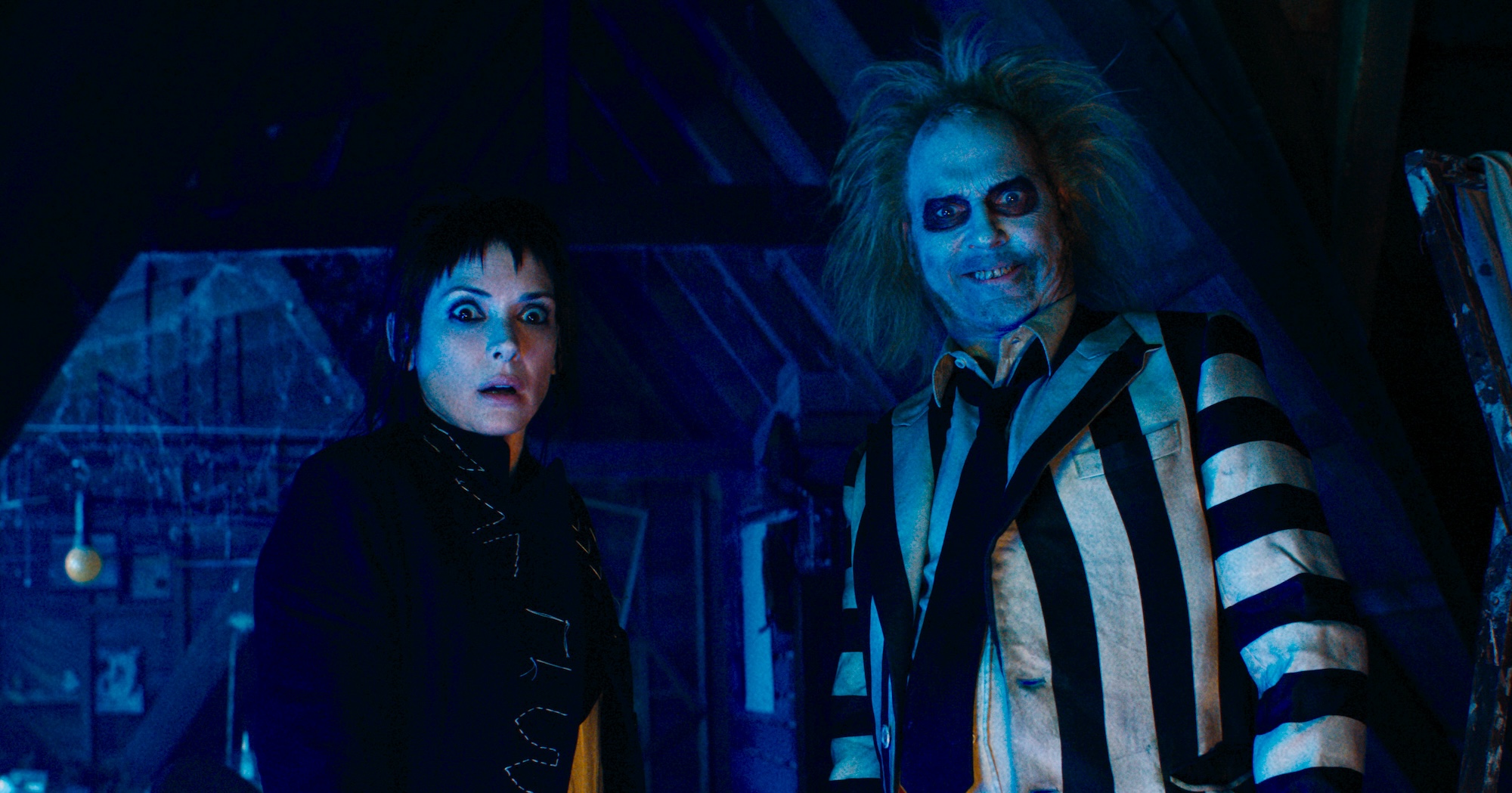
    From his early days at Walt Disney Animation to his work producing and directing episodes of Wednesday, Tim Burton has had his own distinctive qualities. He loves jagged checkerboard patterns, straight out of German impressionist films. He sympathizes with monsters and weirdos, especially when contrasting their sincerity to 1950s kitsch. And he loves his leading […]

    The post Winona Ryder’s Wednesday Season 3 Casting Reunites Tim Burton With His Greatest Muse appeared first on Den of Geek.

    Butter and a pretty dress. Apparently, that’s all it took for young Puritan Thomasin to sell her soul to the devil. Even if we just isolated the scene of Black Phillip’s arrival from the rest of Robert Eggers‘ 2016 debut The Witch and read it just at face value, it would be powerful. The combination of vulnerability and desire that Anya Taylor-Joy plays as Thomasin, the sound design that sends Black Phillip’s whispered echoes across the room, thick shadows that fill the screen: all of that would be enough to make The Witch a memorable film.

    But within the context of the rest of the movie, Thomasin’s encounter with Black Phillip transcends the merely spooky and becomes sublimely terrifying. In the 10 years since Eggers released his movie, no other filmmaker has matched his depiction of the devil. Furthermore, no movie released in the more than 100 years of motion pictures that preceded The Witch had a more terrifying or more tempting look at Lucifer.

    cnx.cmd.push(function() {
    cnx({
    playerId: “106e33c0-3911-473c-b599-b1426db57530”,

    }).render(“0270c398a82f44f49c23c16122516796”);
    });

    The Eyes of Black Phillip

    Thomasin conjures the devil 84 minutes into The Witch, with only nine minutes of runtime remaining. But Black Phillip makes his presence known throughout the entirety of the film. Most obviously, Black Phillip is the name of the ebony goat that lives on the farm with Thomasin and her family: father William (Ralph Ineson), mother Katherine (Kate Dickie), younger brother Caleb (Harvey Scrimshaw), twins Mercy (Ellie Grainger) and Jonas (Lucas Dawson), and the newborn Samuel. Banished for somehow being more judgmental than their Puritan peers, Thomasin’s family must settle outside of the community, at the edge of the woods in 1630s New England.

    The goat Black Phillip stalks about the family camp and the twins taunt their sister about her name appearing in his book. But it’s the way the family treats one another that truly embodies the spirit of Satan, literally “the accuser.” Whether it’s Samuel’s disappearance at the start of the movie or the lust that Caleb feels when looking at his sister, Thomasin gets charged with all manner of wrong doing. As things grow worse, the family intensifies its blame towards Thomasin, claiming that she is a witch in league with Satan, and therefore she—not the arrogance of William and Katherine that got them expelled from the village—is the source of all their problems.

    Thus, when Thomas finally breaks and walks into the barn to summon Black Phillip, he is a welcome presence in her life. And that’s what sets Black Phillip apart from other cinematic Satans.

    Hell in Hollywood

    The devil is certainly nothing new to cinema. Even before the popularization of synchronized sound, Satan appeared in the 1922 psuedo-documentary Häxan and in F. W. Murnau’s adaptation of Faust. The devil has manifested as everything from the folksy Mr. Scratch in 1941’s The Devil and Daniel Webster to primordial space ooze in John Carpenter‘s inexplicable Prince of Darkness (1987) to an exhausted Peter Stormare in Constantine (2005).

    In most cases, movies portray the devil as some ultimate, almost impersonal evil. Such is the case with the winged figure that ascends in the “Night on Bald Mountain Segment” from Fantasia (1940) or the unconvincing CGI that Al Simmons faces at the climax of Spawn (1997). However, the devil is most interesting when he appears as a tempting trickster, something that wants to enter into a bargain with the protagonist. Robert De Niro and Al Pacino played sweaty versions of this Satan in Angel Heart (1987) and The Devil’s Advocate (1997), respectively, and Max von Sydow puts a playful spin on it for 1993’s Needful Things.

    Perhaps the most well-known cinematic Satan combines both of these qualities. Jack Nicholson portrays Daryl Van Horne in George Miller‘s 1987 comedy The Witches of Eastwick. Miller and screenwriter Michael Cristofer amp up the sensuality and Protestant guilt of the John Updike novel, making Nicholson’s devil into a crazed schmoozer who injects some excitement into the lives of three banal women. In fact, it was that very banality, the fact that these very ordinary women would join up with Satan that made The Witches of Eastwick compelling, even if the combination of Nicholson, Miller, and Updike proved to be less than the sum of its parts.

    While all of these depictions have their strong points, none of them are as insidious as Black Philip in The Witch.

    Many Hands Doing the Devil’s Work

    The arrival of Black Phillip (Daniel Malik as a human, Charlie as a goat) is marked not by fire or brimstone or anything so dramatic. Rather, it is marked by questions. “What dost thou want?” he asks first, before offering two suggestions: “Wouldst thou like the taste of butter? A pretty dress?” And then he sums up all his offers with the final question, “Wouldst thou like to live deliciously?”

    To a certain degree, anyone who has sold their souls to Satan onscreen has done so for a delicious life. Faust gains youth, the Eastwick women an ideal man, Tommy Johnson of O Brother Where Art Thou? learns to play guitar. Next to these rewards, butter seems boring.

    But that’s the point. Black Phillip offers Thomasin not things, but something deeper, something that she’s been lacking throughout the entire film. For the first time, her desires and actions receive acknowledgment. For the first time, she feels as if she has a choice in a matter. And if the devil is the one person who will accept her choices, then she’ll take the devil.

    Of course, Black Phillip didn’t put Thomasin in this position. It was her mother and father, her siblings, everyone else who told Thomasin that she was evil. They did the devil’s work by denouncing her from the start of the film.

    But that’s the power of Eggers’s depiction. Black Phillip isn’t just a single big bad who must be resisted. Rather, he’s only the manifestation of a hatefulness running all through the family. The evil spreads wider and deeper than any one person or thing could contain. It lives inside each of Thomasin’s family members, it lives inside the goat that watches her on the farm, and it lives inside of Thomasin herself, waiting for when the accusations and mistrust finally break her. Then, the devil is ready with butter, a pretty dress, and so much more.

    The post Ten Years Ago, The Witch Gave Us the Best Cinematic Satan appeared first on Den of Geek.

  • Ten Years Ago, The Witch Gave Us the Best Cinematic Satan

    Ten Years Ago, The Witch Gave Us the Best Cinematic Satan

    Butter and a pretty dress. Apparently, that’s all it took for young Puritan Thomasin to sell her soul to the devil. Even if we just isolated the scene of Black Phillip’s arrival from the rest of Robert Eggers‘ 2016 debut The Witch and read it just at face value, it would be powerful. The combination […]

    The post Ten Years Ago, The Witch Gave Us the Best Cinematic Satan appeared first on Den of Geek.

    Butter and a pretty dress. Apparently, that’s all it took for young Puritan Thomasin to sell her soul to the devil. Even if we just isolated the scene of Black Phillip’s arrival from the rest of Robert Eggers‘ 2016 debut The Witch and read it just at face value, it would be powerful. The combination of vulnerability and desire that Anya Taylor-Joy plays as Thomasin, the sound design that sends Black Phillip’s whispered echoes across the room, thick shadows that fill the screen: all of that would be enough to make The Witch a memorable film.

    But within the context of the rest of the movie, Thomasin’s encounter with Black Phillip transcends the merely spooky and becomes sublimely terrifying. In the 10 years since Eggers released his movie, no other filmmaker has matched his depiction of the devil. Furthermore, no movie released in the more than 100 years of motion pictures that preceded The Witch had a more terrifying or more tempting look at Lucifer.

    cnx.cmd.push(function() {
    cnx({
    playerId: “106e33c0-3911-473c-b599-b1426db57530”,

    }).render(“0270c398a82f44f49c23c16122516796”);
    });

    The Eyes of Black Phillip

    Thomasin conjures the devil 84 minutes into The Witch, with only nine minutes of runtime remaining. But Black Phillip makes his presence known throughout the entirety of the film. Most obviously, Black Phillip is the name of the ebony goat that lives on the farm with Thomasin and her family: father William (Ralph Ineson), mother Katherine (Kate Dickie), younger brother Caleb (Harvey Scrimshaw), twins Mercy (Ellie Grainger) and Jonas (Lucas Dawson), and the newborn Samuel. Banished for somehow being more judgmental than their Puritan peers, Thomasin’s family must settle outside of the community, at the edge of the woods in 1630s New England.

    The goat Black Phillip stalks about the family camp and the twins taunt their sister about her name appearing in his book. But it’s the way the family treats one another that truly embodies the spirit of Satan, literally “the accuser.” Whether it’s Samuel’s disappearance at the start of the movie or the lust that Caleb feels when looking at his sister, Thomasin gets charged with all manner of wrong doing. As things grow worse, the family intensifies its blame towards Thomasin, claiming that she is a witch in league with Satan, and therefore she—not the arrogance of William and Katherine that got them expelled from the village—is the source of all their problems.

    Thus, when Thomas finally breaks and walks into the barn to summon Black Phillip, he is a welcome presence in her life. And that’s what sets Black Phillip apart from other cinematic Satans.

    Hell in Hollywood

    The devil is certainly nothing new to cinema. Even before the popularization of synchronized sound, Satan appeared in the 1922 psuedo-documentary Häxan and in F. W. Murnau’s adaptation of Faust. The devil has manifested as everything from the folksy Mr. Scratch in 1941’s The Devil and Daniel Webster to primordial space ooze in John Carpenter‘s inexplicable Prince of Darkness (1987) to an exhausted Peter Stormare in Constantine (2005).

    In most cases, movies portray the devil as some ultimate, almost impersonal evil. Such is the case with the winged figure that ascends in the “Night on Bald Mountain Segment” from Fantasia (1940) or the unconvincing CGI that Al Simmons faces at the climax of Spawn (1997). However, the devil is most interesting when he appears as a tempting trickster, something that wants to enter into a bargain with the protagonist. Robert De Niro and Al Pacino played sweaty versions of this Satan in Angel Heart (1987) and The Devil’s Advocate (1997), respectively, and Max von Sydow puts a playful spin on it for 1993’s Needful Things.

    Perhaps the most well-known cinematic Satan combines both of these qualities. Jack Nicholson portrays Daryl Van Horne in George Miller‘s 1987 comedy The Witches of Eastwick. Miller and screenwriter Michael Cristofer amp up the sensuality and Protestant guilt of the John Updike novel, making Nicholson’s devil into a crazed schmoozer who injects some excitement into the lives of three banal women. In fact, it was that very banality, the fact that these very ordinary women would join up with Satan that made The Witches of Eastwick compelling, even if the combination of Nicholson, Miller, and Updike proved to be less than the sum of its parts.

    While all of these depictions have their strong points, none of them are as insidious as Black Philip in The Witch.

    Many Hands Doing the Devil’s Work

    The arrival of Black Phillip (Daniel Malik as a human, Charlie as a goat) is marked not by fire or brimstone or anything so dramatic. Rather, it is marked by questions. “What dost thou want?” he asks first, before offering two suggestions: “Wouldst thou like the taste of butter? A pretty dress?” And then he sums up all his offers with the final question, “Wouldst thou like to live deliciously?”

    To a certain degree, anyone who has sold their souls to Satan onscreen has done so for a delicious life. Faust gains youth, the Eastwick women an ideal man, Tommy Johnson of O Brother Where Art Thou? learns to play guitar. Next to these rewards, butter seems boring.

    But that’s the point. Black Phillip offers Thomasin not things, but something deeper, something that she’s been lacking throughout the entire film. For the first time, her desires and actions receive acknowledgment. For the first time, she feels as if she has a choice in a matter. And if the devil is the one person who will accept her choices, then she’ll take the devil.

    Of course, Black Phillip didn’t put Thomasin in this position. It was her mother and father, her siblings, everyone else who told Thomasin that she was evil. They did the devil’s work by denouncing her from the start of the film.

    But that’s the power of Eggers’s depiction. Black Phillip isn’t just a single big bad who must be resisted. Rather, he’s only the manifestation of a hatefulness running all through the family. The evil spreads wider and deeper than any one person or thing could contain. It lives inside each of Thomasin’s family members, it lives inside the goat that watches her on the farm, and it lives inside of Thomasin herself, waiting for when the accusations and mistrust finally break her. Then, the devil is ready with butter, a pretty dress, and so much more.

    The post Ten Years Ago, The Witch Gave Us the Best Cinematic Satan appeared first on Den of Geek.

  • Ryan Coogler’s X-Files Reboot Is Officially Happening… With the Right Star Attached

    Ryan Coogler’s X-Files Reboot Is Officially Happening… With the Right Star Attached

    Fans of The X-Files want to believe that a reboot could work. And believing has just gotten a lot easier, as The Hollywood Reporter revealed that Danielle Deadwyler will be one of the show’s two co-leads. Furthermore, Ryan Coogler will officially write and direct the pilot. At this point, it’s still unclear how the new […]

    The post Ryan Coogler’s X-Files Reboot Is Officially Happening… With the Right Star Attached appeared first on Den of Geek.

    Butter and a pretty dress. Apparently, that’s all it took for young Puritan Thomasin to sell her soul to the devil. Even if we just isolated the scene of Black Phillip’s arrival from the rest of Robert Eggers‘ 2016 debut The Witch and read it just at face value, it would be powerful. The combination of vulnerability and desire that Anya Taylor-Joy plays as Thomasin, the sound design that sends Black Phillip’s whispered echoes across the room, thick shadows that fill the screen: all of that would be enough to make The Witch a memorable film.

    But within the context of the rest of the movie, Thomasin’s encounter with Black Phillip transcends the merely spooky and becomes sublimely terrifying. In the 10 years since Eggers released his movie, no other filmmaker has matched his depiction of the devil. Furthermore, no movie released in the more than 100 years of motion pictures that preceded The Witch had a more terrifying or more tempting look at Lucifer.

    cnx.cmd.push(function() {
    cnx({
    playerId: “106e33c0-3911-473c-b599-b1426db57530”,

    }).render(“0270c398a82f44f49c23c16122516796”);
    });

    The Eyes of Black Phillip

    Thomasin conjures the devil 84 minutes into The Witch, with only nine minutes of runtime remaining. But Black Phillip makes his presence known throughout the entirety of the film. Most obviously, Black Phillip is the name of the ebony goat that lives on the farm with Thomasin and her family: father William (Ralph Ineson), mother Katherine (Kate Dickie), younger brother Caleb (Harvey Scrimshaw), twins Mercy (Ellie Grainger) and Jonas (Lucas Dawson), and the newborn Samuel. Banished for somehow being more judgmental than their Puritan peers, Thomasin’s family must settle outside of the community, at the edge of the woods in 1630s New England.

    The goat Black Phillip stalks about the family camp and the twins taunt their sister about her name appearing in his book. But it’s the way the family treats one another that truly embodies the spirit of Satan, literally “the accuser.” Whether it’s Samuel’s disappearance at the start of the movie or the lust that Caleb feels when looking at his sister, Thomasin gets charged with all manner of wrong doing. As things grow worse, the family intensifies its blame towards Thomasin, claiming that she is a witch in league with Satan, and therefore she—not the arrogance of William and Katherine that got them expelled from the village—is the source of all their problems.

    Thus, when Thomas finally breaks and walks into the barn to summon Black Phillip, he is a welcome presence in her life. And that’s what sets Black Phillip apart from other cinematic Satans.

    Hell in Hollywood

    The devil is certainly nothing new to cinema. Even before the popularization of synchronized sound, Satan appeared in the 1922 psuedo-documentary Häxan and in F. W. Murnau’s adaptation of Faust. The devil has manifested as everything from the folksy Mr. Scratch in 1941’s The Devil and Daniel Webster to primordial space ooze in John Carpenter‘s inexplicable Prince of Darkness (1987) to an exhausted Peter Stormare in Constantine (2005).

    In most cases, movies portray the devil as some ultimate, almost impersonal evil. Such is the case with the winged figure that ascends in the “Night on Bald Mountain Segment” from Fantasia (1940) or the unconvincing CGI that Al Simmons faces at the climax of Spawn (1997). However, the devil is most interesting when he appears as a tempting trickster, something that wants to enter into a bargain with the protagonist. Robert De Niro and Al Pacino played sweaty versions of this Satan in Angel Heart (1987) and The Devil’s Advocate (1997), respectively, and Max von Sydow puts a playful spin on it for 1993’s Needful Things.

    Perhaps the most well-known cinematic Satan combines both of these qualities. Jack Nicholson portrays Daryl Van Horne in George Miller‘s 1987 comedy The Witches of Eastwick. Miller and screenwriter Michael Cristofer amp up the sensuality and Protestant guilt of the John Updike novel, making Nicholson’s devil into a crazed schmoozer who injects some excitement into the lives of three banal women. In fact, it was that very banality, the fact that these very ordinary women would join up with Satan that made The Witches of Eastwick compelling, even if the combination of Nicholson, Miller, and Updike proved to be less than the sum of its parts.

    While all of these depictions have their strong points, none of them are as insidious as Black Philip in The Witch.

    Many Hands Doing the Devil’s Work

    The arrival of Black Phillip (Daniel Malik as a human, Charlie as a goat) is marked not by fire or brimstone or anything so dramatic. Rather, it is marked by questions. “What dost thou want?” he asks first, before offering two suggestions: “Wouldst thou like the taste of butter? A pretty dress?” And then he sums up all his offers with the final question, “Wouldst thou like to live deliciously?”

    To a certain degree, anyone who has sold their souls to Satan onscreen has done so for a delicious life. Faust gains youth, the Eastwick women an ideal man, Tommy Johnson of O Brother Where Art Thou? learns to play guitar. Next to these rewards, butter seems boring.

    But that’s the point. Black Phillip offers Thomasin not things, but something deeper, something that she’s been lacking throughout the entire film. For the first time, her desires and actions receive acknowledgment. For the first time, she feels as if she has a choice in a matter. And if the devil is the one person who will accept her choices, then she’ll take the devil.

    Of course, Black Phillip didn’t put Thomasin in this position. It was her mother and father, her siblings, everyone else who told Thomasin that she was evil. They did the devil’s work by denouncing her from the start of the film.

    But that’s the power of Eggers’s depiction. Black Phillip isn’t just a single big bad who must be resisted. Rather, he’s only the manifestation of a hatefulness running all through the family. The evil spreads wider and deeper than any one person or thing could contain. It lives inside each of Thomasin’s family members, it lives inside the goat that watches her on the farm, and it lives inside of Thomasin herself, waiting for when the accusations and mistrust finally break her. Then, the devil is ready with butter, a pretty dress, and so much more.

    The post Ten Years Ago, The Witch Gave Us the Best Cinematic Satan appeared first on Den of Geek.