Blog

  • To Ignite a Personalization Practice, Run this Prepersonalization Workshop

    To Ignite a Personalization Practice, Run this Prepersonalization Workshop

    Picture this. You’ve joined a squad at your company that’s designing new product features with an emphasis on automation or AI. Or your company has just implemented a personalization engine. Either way, you’re designing with data. Now what? When it comes to designing for personalization, there are many cautionary tales, no overnight successes, and few guides for the perplexed. 

    Between the fantasy of getting it right and the fear of it going wrong—like when we encounter “persofails” in the vein of a company repeatedly imploring everyday consumers to buy additional toilet seats—the personalization gap is real. It’s an especially confounding place to be a digital professional without a map, a compass, or a plan.

    For those of you venturing into personalization, there’s no Lonely Planet and few tour guides because effective personalization is so specific to each organization’s talent, technology, and market position. 

    But you can ensure that your team has packed its bags sensibly.

    There’s a DIY formula to increase your chances for success. At minimum, you’ll defuse your boss’s irrational exuberance. Before the party you’ll need to effectively prepare.

    We call it prepersonalization.

    Behind the music

    Consider Spotify’s DJ feature, which debuted this past year.

    We’re used to seeing the polished final result of a personalization feature. Before the year-end award, the making-of backstory, or the behind-the-scenes victory lap, a personalized feature had to be conceived, budgeted, and prioritized. Before any personalization feature goes live in your product or service, it lives amid a backlog of worthy ideas for expressing customer experiences more dynamically.

    So how do you know where to place your personalization bets? How do you design consistent interactions that won’t trip up users or—worse—breed mistrust? We’ve found that for many budgeted programs to justify their ongoing investments, they first needed one or more workshops to convene key stakeholders and internal customers of the technology. Make yours count.

    ​From Big Tech to fledgling startups, we’ve seen the same evolution up close with our clients. In our experiences with working on small and large personalization efforts, a program’s ultimate track record—and its ability to weather tough questions, work steadily toward shared answers, and organize its design and technology efforts—turns on how effectively these prepersonalization activities play out.

    Time and again, we’ve seen effective workshops separate future success stories from unsuccessful efforts, saving countless time, resources, and collective well-being in the process.

    A personalization practice involves a multiyear effort of testing and feature development. It’s not a switch-flip moment in your tech stack. It’s best managed as a backlog that often evolves through three steps: 

    1. customer experience optimization (CXO, also known as A/B testing or experimentation)
    2. always-on automations (whether rules-based or machine-generated)
    3. mature features or standalone product development (such as Spotify’s DJ experience)

    This is why we created our progressive personalization framework and why we’re field-testing an accompanying deck of cards: we believe that there’s a base grammar, a set of “nouns and verbs” that your organization can use to design experiences that are customized, personalized, or automated. You won’t need these cards. But we strongly recommend that you create something similar, whether that might be digital or physical.

    Set your kitchen timer

    How long does it take to cook up a prepersonalization workshop? The surrounding assessment activities that we recommend including can (and often do) span weeks. For the core workshop, we recommend aiming for two to three days. Here’s a summary of our broader approach along with details on the essential first-day activities.

    The full arc of the wider workshop is threefold:

    1. Kickstart: This sets the terms of engagement as you focus on the opportunity as well as the readiness and drive of your team and your leadership. .
    2. Plan your work: This is the heart of the card-based workshop activities where you specify a plan of attack and the scope of work.
    3. Work your plan: This phase is all about creating a competitive environment for team participants to individually pitch their own pilots that each contain a proof-of-concept project, its business case, and its operating model.

    Give yourself at least a day, split into two large time blocks, to power through a concentrated version of those first two phases.

    Kickstart: Whet your appetite

    We call the first lesson the “landscape of connected experience.” It explores the personalization possibilities in your organization. A connected experience, in our parlance, is any UX requiring the orchestration of multiple systems of record on the backend. This could be a content-management system combined with a marketing-automation platform. It could be a digital-asset manager combined with a customer-data platform.

    Spark conversation by naming consumer examples and business-to-business examples of connected experience interactions that you admire, find familiar, or even dislike. This should cover a representative range of personalization patterns, including automated app-based interactions (such as onboarding sequences or wizards), notifications, and recommenders. We have a catalog of these in the cards. Here’s a list of 142 different interactions to jog your thinking.

    This is all about setting the table. What are the possible paths for the practice in your organization? If you want a broader view, here’s a long-form primer and a strategic framework.

    Assess each example that you discuss for its complexity and the level of effort that you estimate that it would take for your team to deliver that feature (or something similar). In our cards, we divide connected experiences into five levels: functions, features, experiences, complete products, and portfolios. Size your own build here. This will help to focus the conversation on the merits of ongoing investment as well as the gap between what you deliver today and what you want to deliver in the future.

    Next, have your team plot each idea on the following 2×2 grid, which lays out the four enduring arguments for a personalized experience. This is critical because it emphasizes how personalization can not only help your external customers but also affect your own ways of working. It’s also a reminder (which is why we used the word argument earlier) of the broader effort beyond these tactical interventions.

    Each team member should vote on where they see your product or service putting its emphasis. Naturally, you can’t prioritize all of them. The intention here is to flesh out how different departments may view their own upsides to the effort, which can vary from one to the next. Documenting your desired outcomes lets you know how the team internally aligns across representatives from different departments or functional areas.

    The third and final kickstart activity is about naming your personalization gap. Is your customer journey well documented? Will data and privacy compliance be too big of a challenge? Do you have content metadata needs that you have to address? (We’re pretty sure that you do: it’s just a matter of recognizing the relative size of that need and its remedy.) In our cards, we’ve noted a number of program risks, including common team dispositions. Our Detractor card, for example, lists six stakeholder behaviors that hinder progress.

    Effectively collaborating and managing expectations is critical to your success. Consider the potential barriers to your future progress. Press the participants to name specific steps to overcome or mitigate those barriers in your organization. As studies have shown, personalization efforts face many common barriers.

    At this point, you’ve hopefully discussed sample interactions, emphasized a key area of benefit, and flagged key gaps? Good—you’re ready to continue.

    Hit that test kitchen

    Next, let’s look at what you’ll need to bring your personalization recipes to life. Personalization engines, which are robust software suites for automating and expressing dynamic content, can intimidate new customers. Their capabilities are sweeping and powerful, and they present broad options for how your organization can conduct its activities. This presents the question: Where do you begin when you’re configuring a connected experience?

    What’s important here is to avoid treating the installed software like it were a dream kitchen from some fantasy remodeling project (as one of our client executives memorably put it). These software engines are more like test kitchens where your team can begin devising, tasting, and refining the snacks and meals that will become a part of your personalization program’s regularly evolving menu.

    The ultimate menu of the prioritized backlog will come together over the course of the workshop. And creating “dishes” is the way that you’ll have individual team stakeholders construct personalized interactions that serve their needs or the needs of others.

    The dishes will come from recipes, and those recipes have set ingredients.

    Verify your ingredients

    Like a good product manager, you’ll make sure—andyou’ll validate with the right stakeholders present—that you have all the ingredients on hand to cook up your desired interaction (or that you can work out what needs to be added to your pantry). These ingredients include the audience that you’re targeting, content and design elements, the context for the interaction, and your measure for how it’ll come together. 

    This isn’t just about discovering requirements. Documenting your personalizations as a series of if-then statements lets the team: 

    1. compare findings toward a unified approach for developing features, not unlike when artists paint with the same palette; 
    2. specify a consistent set of interactions that users find uniform or familiar; 
    3. and develop parity across performance measurements and key performance indicators too. 

    This helps you streamline your designs and your technical efforts while you deliver a shared palette of core motifs of your personalized or automated experience.

    Compose your recipe

    What ingredients are important to you? Think of a who-what-when-why construct: 

    • Who are your key audience segments or groups?
    • What kind of content will you give them, in what design elements, and under what circumstances?
    • And for which business and user benefits?

    We first developed these cards and card categories five years ago. We regularly play-test their fit with conference audiences and clients. And we still encounter new possibilities. But they all follow an underlying who-what-when-why logic.

    Here are three examples for a subscription-based reading app, which you can generally follow along with right to left in the cards in the accompanying photo below. 

    1. Nurture personalization: When a guest or an unknown visitor interacts with  a product title, a banner or alert bar appears that makes it easier for them to encounter a related title they may want to read, saving them time.
    2. Welcome automation: When there’s a newly registered user, an email is generated to call out the breadth of the content catalog and to make them a happier subscriber.
    3. Winback automation: Before their subscription lapses or after a recent failed renewal, a user is sent an email that gives them a promotional offer to suggest that they reconsider renewing or to remind them to renew.

    A useful preworkshop activity may be to think through a first draft of what these cards might be for your organization, although we’ve also found that this process sometimes flows best through cocreating the recipes themselves. Start with a set of blank cards, and begin labeling and grouping them through the design process, eventually distilling them to a refined subset of highly useful candidate cards.

    You can think of the later stages of the workshop as moving from recipes toward a cookbook in focus—like a more nuanced customer-journey mapping. Individual “cooks” will pitch their recipes to the team, using a common jobs-to-be-done format so that measurability and results are baked in, and from there, the resulting collection will be prioritized for finished design and delivery to production.

    Better kitchens require better architecture

    Simplifying a customer experience is a complicated effort for those who are inside delivering it. Beware anyone who says otherwise. With that being said,  “Complicated problems can be hard to solve, but they are addressable with rules and recipes.”

    When personalization becomes a laugh line, it’s because a team is overfitting: they aren’t designing with their best data. Like a sparse pantry, every organization has metadata debt to go along with its technical debt, and this creates a drag on personalization effectiveness. Your AI’s output quality, for example, is indeed limited by your IA. Spotify’s poster-child prowess today was unfathomable before they acquired a seemingly modest metadata startup that now powers its underlying information architecture.

    You can definitely stand the heat…

    Personalization technology opens a doorway into a confounding ocean of possible designs. Only a disciplined and highly collaborative approach will bring about the necessary focus and intention to succeed. So banish the dream kitchen. Instead, hit the test kitchen to save time, preserve job satisfaction and security, and safely dispense with the fanciful ideas that originate upstairs of the doers in your organization. There are meals to serve and mouths to feed.

    This workshop framework gives you a fighting shot at lasting success as well as sound beginnings. Wiring up your information layer isn’t an overnight affair. But if you use the same cookbook and shared recipes, you’ll have solid footing for success. We designed these activities to make your organization’s needs concrete and clear, long before the hazards pile up.

    While there are associated costs toward investing in this kind of technology and product design, your ability to size up and confront your unique situation and your digital capabilities is time well spent. Don’t squander it. The proof, as they say, is in the pudding.
  • User Research Is Storytelling

    User Research Is Storytelling

    Ever since I was a boy, I’ve been fascinated with movies. I loved the characters and the excitement—but most of all the stories. I wanted to be an actor. And I believed that I’d get to do the things that Indiana Jones did and go on exciting adventures. I even dreamed up ideas for movies that my friends and I could make and star in. But they never went any further. I did, however, end up working in user experience (UX). Now, I realize that there’s an element of theater to UX—I hadn’t really considered it before, but user research is storytelling. And to get the most out of user research, you need to tell a good story where you bring stakeholders—the product team and decision makers—along and get them interested in learning more.

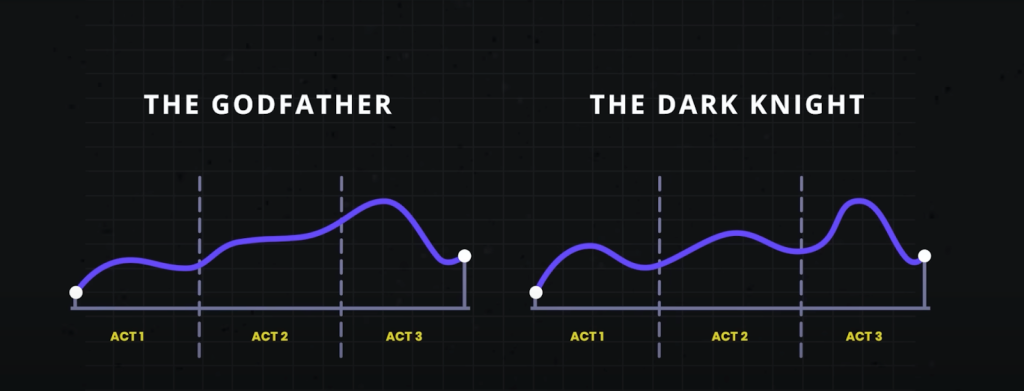
    Think of your favorite movie. More than likely it follows a three-act structure that’s commonly seen in storytelling: the setup, the conflict, and the resolution. The first act shows what exists today, and it helps you get to know the characters and the challenges and problems that they face. Act two introduces the conflict, where the action is. Here, problems grow or get worse. And the third and final act is the resolution. This is where the issues are resolved and the characters learn and change. I believe that this structure is also a great way to think about user research, and I think that it can be especially helpful in explaining user research to others.

    Use storytelling as a structure to do research

    It’s sad to say, but many have come to see research as being expendable. If budgets or timelines are tight, research tends to be one of the first things to go. Instead of investing in research, some product managers rely on designers or—worse—their own opinion to make the “right” choices for users based on their experience or accepted best practices. That may get teams some of the way, but that approach can so easily miss out on solving users’ real problems. To remain user-centered, this is something we should avoid. User research elevates design. It keeps it on track, pointing to problems and opportunities. Being aware of the issues with your product and reacting to them can help you stay ahead of your competitors.

    In the three-act structure, each act corresponds to a part of the process, and each part is critical to telling the whole story. Let’s look at the different acts and how they align with user research.

    Act one: setup

    The setup is all about understanding the background, and that’s where foundational research comes in. Foundational research (also called generative, discovery, or initial research) helps you understand users and identify their problems. You’re learning about what exists today, the challenges users have, and how the challenges affect them—just like in the movies. To do foundational research, you can conduct contextual inquiries or diary studies (or both!), which can help you start to identify problems as well as opportunities. It doesn’t need to be a huge investment in time or money.

    Erika Hall writes about minimum viable ethnography, which can be as simple as spending 15 minutes with a user and asking them one thing: “‘Walk me through your day yesterday.’ That’s it. Present that one request. Shut up and listen to them for 15 minutes. Do your damndest to keep yourself and your interests out of it. Bam, you’re doing ethnography.” According to Hall, “[This] will probably prove quite illuminating. In the highly unlikely case that you didn’t learn anything new or useful, carry on with enhanced confidence in your direction.”  

    This makes total sense to me. And I love that this makes user research so accessible. You don’t need to prepare a lot of documentation; you can just recruit participants and do it! This can yield a wealth of information about your users, and it’ll help you better understand them and what’s going on in their lives. That’s really what act one is all about: understanding where users are coming from. 

    Jared Spool talks about the importance of foundational research and how it should form the bulk of your research. If you can draw from any additional user data that you can get your hands on, such as surveys or analytics, that can supplement what you’ve heard in the foundational studies or even point to areas that need further investigation. Together, all this data paints a clearer picture of the state of things and all its shortcomings. And that’s the beginning of a compelling story. It’s the point in the plot where you realize that the main characters—or the users in this case—are facing challenges that they need to overcome. Like in the movies, this is where you start to build empathy for the characters and root for them to succeed. And hopefully stakeholders are now doing the same. Their sympathy may be with their business, which could be losing money because users can’t complete certain tasks. Or maybe they do empathize with users’ struggles. Either way, act one is your initial hook to get the stakeholders interested and invested.

    Once stakeholders begin to understand the value of foundational research, that can open doors to more opportunities that involve users in the decision-making process. And that can guide product teams toward being more user-centered. This benefits everyone—users, the product, and stakeholders. It’s like winning an Oscar in movie terms—it often leads to your product being well received and successful. And this can be an incentive for stakeholders to repeat this process with other products. Storytelling is the key to this process, and knowing how to tell a good story is the only way to get stakeholders to really care about doing more research. 

    This brings us to act two, where you iteratively evaluate a design or concept to see whether it addresses the issues.

    Act two: conflict

    Act two is all about digging deeper into the problems that you identified in act one. This usually involves directional research, such as usability tests, where you assess a potential solution (such as a design) to see whether it addresses the issues that you found. The issues could include unmet needs or problems with a flow or process that’s tripping users up. Like act two in a movie, more issues will crop up along the way. It’s here that you learn more about the characters as they grow and develop through this act. 

    Usability tests should typically include around five participants according to Jakob Nielsen, who found that that number of users can usually identify most of the problems: “As you add more and more users, you learn less and less because you will keep seeing the same things again and again… After the fifth user, you are wasting your time by observing the same findings repeatedly but not learning much new.” 

    There are parallels with storytelling here too; if you try to tell a story with too many characters, the plot may get lost. Having fewer participants means that each user’s struggles will be more memorable and easier to relay to other stakeholders when talking about the research. This can help convey the issues that need to be addressed while also highlighting the value of doing the research in the first place.

    Researchers have run usability tests in person for decades, but you can also conduct usability tests remotely using tools like Microsoft Teams, Zoom, or other teleconferencing software. This approach has become increasingly popular since the beginning of the pandemic, and it works well. You can think of in-person usability tests like going to a play and remote sessions as more like watching a movie. There are advantages and disadvantages to each. In-person usability research is a much richer experience. Stakeholders can experience the sessions with other stakeholders. You also get real-time reactions—including surprise, agreement, disagreement, and discussions about what they’re seeing. Much like going to a play, where audiences get to take in the stage, the costumes, the lighting, and the actors’ interactions, in-person research lets you see users up close, including their body language, how they interact with the moderator, and how the scene is set up.

    If in-person usability testing is like watching a play—staged and controlled—then conducting usability testing in the field is like immersive theater where any two sessions might be very different from one another. You can take usability testing into the field by creating a replica of the space where users interact with the product and then conduct your research there. Or you can go out to meet users at their location to do your research. With either option, you get to see how things work in context, things come up that wouldn’t have in a lab environment—and conversion can shift in entirely different directions. As researchers, you have less control over how these sessions go, but this can sometimes help you understand users even better. Meeting users where they are can provide clues to the external forces that could be affecting how they use your product. In-person usability tests provide another level of detail that’s often missing from remote usability tests. 

    That’s not to say that the “movies”—remote sessions—aren’t a good option. Remote sessions can reach a wider audience. They allow a lot more stakeholders to be involved in the research and to see what’s going on. And they open the doors to a much wider geographical pool of users. But with any remote session there is the potential of time wasted if participants can’t log in or get their microphone working. 

    The benefit of usability testing, whether remote or in person, is that you get to see real users interact with the designs in real time, and you can ask them questions to understand their thought processes and grasp of the solution. This can help you not only identify problems but also glean why they’re problems in the first place. Furthermore, you can test hypotheses and gauge whether your thinking is correct. By the end of the sessions, you’ll have a much clearer picture of how usable the designs are and whether they work for their intended purposes. Act two is the heart of the story—where the excitement is—but there can be surprises too. This is equally true of usability tests. Often, participants will say unexpected things, which change the way that you look at things—and these twists in the story can move things in new directions. 

    Unfortunately, user research is sometimes seen as expendable. And too often usability testing is the only research process that some stakeholders think that they ever need. In fact, if the designs that you’re evaluating in the usability test aren’t grounded in a solid understanding of your users (foundational research), there’s not much to be gained by doing usability testing in the first place. That’s because you’re narrowing the focus of what you’re getting feedback on, without understanding the users’ needs. As a result, there’s no way of knowing whether the designs might solve a problem that users have. It’s only feedback on a particular design in the context of a usability test.  

    On the other hand, if you only do foundational research, while you might have set out to solve the right problem, you won’t know whether the thing that you’re building will actually solve that. This illustrates the importance of doing both foundational and directional research. 

    In act two, stakeholders will—hopefully—get to watch the story unfold in the user sessions, which creates the conflict and tension in the current design by surfacing their highs and lows. And in turn, this can help motivate stakeholders to address the issues that come up.

    Act three: resolution

    While the first two acts are about understanding the background and the tensions that can propel stakeholders into action, the third part is about resolving the problems from the first two acts. While it’s important to have an audience for the first two acts, it’s crucial that they stick around for the final act. That means the whole product team, including developers, UX practitioners, business analysts, delivery managers, product managers, and any other stakeholders that have a say in the next steps. It allows the whole team to hear users’ feedback together, ask questions, and discuss what’s possible within the project’s constraints. And it lets the UX research and design teams clarify, suggest alternatives, or give more context behind their decisions. So you can get everyone on the same page and get agreement on the way forward.

    This act is mostly told in voiceover with some audience participation. The researcher is the narrator, who paints a picture of the issues and what the future of the product could look like given the things that the team has learned. They give the stakeholders their recommendations and their guidance on creating this vision.

    Nancy Duarte in the Harvard Business Review offers an approach to structuring presentations that follow a persuasive story. “The most effective presenters use the same techniques as great storytellers: By reminding people of the status quo and then revealing the path to a better way, they set up a conflict that needs to be resolved,” writes Duarte. “That tension helps them persuade the audience to adopt a new mindset or behave differently.”

    This type of structure aligns well with research results, and particularly results from usability tests. It provides evidence for “what is”—the problems that you’ve identified. And “what could be”—your recommendations on how to address them. And so on and so forth.

    You can reinforce your recommendations with examples of things that competitors are doing that could address these issues or with examples where competitors are gaining an edge. Or they can be visual, like quick mockups of how a new design could look that solves a problem. These can help generate conversation and momentum. And this continues until the end of the session when you’ve wrapped everything up in the conclusion by summarizing the main issues and suggesting a way forward. This is the part where you reiterate the main themes or problems and what they mean for the product—the denouement of the story. This stage gives stakeholders the next steps and hopefully the momentum to take those steps!

    While we are nearly at the end of this story, let’s reflect on the idea that user research is storytelling. All the elements of a good story are there in the three-act structure of user research: 

    • Act one: You meet the protagonists (the users) and the antagonists (the problems affecting users). This is the beginning of the plot. In act one, researchers might use methods including contextual inquiry, ethnography, diary studies, surveys, and analytics. The output of these methods can include personas, empathy maps, user journeys, and analytics dashboards.
    • Act two: Next, there’s character development. There’s conflict and tension as the protagonists encounter problems and challenges, which they must overcome. In act two, researchers might use methods including usability testing, competitive benchmarking, and heuristics evaluation. The output of these can include usability findings reports, UX strategy documents, usability guidelines, and best practices.
    • Act three: The protagonists triumph and you see what a better future looks like. In act three, researchers may use methods including presentation decks, storytelling, and digital media. The output of these can be: presentation decks, video clips, audio clips, and pictures. 

    The researcher has multiple roles: they’re the storyteller, the director, and the producer. The participants have a small role, but they are significant characters (in the research). And the stakeholders are the audience. But the most important thing is to get the story right and to use storytelling to tell users’ stories through research. By the end, the stakeholders should walk away with a purpose and an eagerness to resolve the product’s ills. 

    So the next time that you’re planning research with clients or you’re speaking to stakeholders about research that you’ve done, think about how you can weave in some storytelling. Ultimately, user research is a win-win for everyone, and you just need to get stakeholders interested in how the story ends.

  • How to Adapt, Thrive, and Stay Human in an AI-Driven World

    How to Adapt, Thrive, and Stay Human in an AI-Driven World

    How to Adapt, Thrive, and Stay Human in an AI-Driven World written by John Jantsch read more at Duct Tape Marketing

    The Duct Tape Marketing Podcast with John Jantsch In this episode of the Duct Tape Marketing Podcast, we dive into the evolving world of marketing in 2025, where artificial intelligence (AI) is reshaping how businesses operate. The discussion highlights the importance of balancing cutting-edge AI tools with timeless human elements like emotional intelligence (EI) and […]

    How to Adapt, Thrive, and Stay Human in an AI-Driven World written by John Jantsch read more at Duct Tape Marketing

    The Duct Tape Marketing Podcast with John Jantsch

    In this episode of the Duct Tape Marketing Podcast, we dive into the evolving world of marketing in 2025, where artificial intelligence (AI) is reshaping how businesses operate. The discussion highlights the importance of balancing cutting-edge AI tools with timeless human elements like emotional intelligence (EI) and authentic connection. As marketing trends accelerate and marketing tools multiply, the challenge lies in leveraging these advancements strategically while staying true to your brand voice and fostering personalization.

    AI in marketing has the power to disrupt industries, but as discussed, it’s critical to focus on strategic marketing and storytelling to maintain authenticity. The conversation also explores hyper-personalization, marketing automation, and how businesses can navigate the fast-paced evolution of marketing tools while creating meaningful relationships with their customers.

    By blending cutting-edge AI with timeless human values, businesses can adapt, thrive, and stay human in an AI-driven world. As marketing evolves, success will depend on leveraging personalization, EI, and a clear brand voice to cut through the noise.

    Key Takeaways:

    • Strategy Before Technology
      Without a solid marketing strategy, shiny new AI tools can lead to faster failure. Focus on aligning AI applications with your business goals to maximize impact.
    • The Role of Emotional Intelligence (EI)
      As AI democratizes intelligence, EI becomes a key differentiator. Skills like empathy, communication, and contextual understanding are more important than ever in strategic marketing.
    • The Power of Storytelling in Marketing
      Storytelling remains a vital way to humanize your brand and connect with audiences. AI can’t replicate personal experiences, making your authentic stories a unique advantage.
    • Brand Voice and Personalization
      Define and maintain your brand voice to stand out in an AI-saturated landscape. Use AI-driven hyper-personalization to deliver tailored messages that resonate with your audience.
    • Navigating AI Disruption
      AI is transforming marketing trends and tools across content creation, design, and personalized sales. However, businesses that prioritize the human element in marketing will create stronger, more authentic connections.

    Chapters:

    [01:15] AI vs Previous Tech Excitement
    [03:25] Approaching AI Strategically
    [05:02] Adopting the Right Mindset Around AI
    [10:47] The Human Element Stands Out
    [13:04] Importance of Storytelling for Your Brand
    [13:49] AI’s Impact on Marketing
    [16:08] The Future of Personalization
    [18:55] Marketing Focus for 2025

    John Jantsch (00:00.686)

    Hello and welcome to another episode of the Duct Tape Marketing Podcast. This is Jon Jantsch and I think I’m kind of the guest today because my host today is Sarah Ney, CEO of Duct Tape Marketing and she’s gonna, we’re just gonna have a conversation about some of the things going on in the world of marketing. I’ve said before, I think 2025 is going to be a year to remember in terms of change. I’ll say that next year too, I bet.

    But I think the pace of change that I think we’re seeing right now, just in the first couple of weeks of January, it’s kind of flooring me. And I think it’s going to be tough to keep up. So strap in, hang on, and here we go, sir.

    Sara Nay (00:40.285)

    And we were just having a discussion with some of our team about how we’re always, you know, looked at it, staying in top of marketing trends. And that’s been the position of duct tape marketing for a while. And right now we feel like we’re sprinting more than we have before with all the advancements. And that’s a lot of what we’re going to talk about today. So thanks for letting me steal the host seat. I want to start with a question. Sure.

    John Jantsch (00:46.574)

    You

    John Jantsch (00:58.368)

    Yeah. Well, I can, throw in a joke, a lame joke. So R and D now stands for run and dash.

    Sara Nay (01:03.805)

    I it. Well, I’m going to start with a question. You’ve been in the game, the marketing game for quite some time now. So you were involved when websites, everyone started building websites and getting online. And also when social media became a thing and everyone was talking about how that’s going to change the whole entire industry. And so right now, obviously we’re going through a lot of conversation and discussion and excitement around AI and everything that’s evolving there. So I’m curious, how does right now feel the same?

    than some of those different excitement phases that have happened or developments that have happened over the years. And also on the other end, how does it feel a bit different this time or does it feel different?

    John Jantsch (01:41.964)

    Yeah. So, I mean, in some ways it feels if there’s a same, it’s fundamentally what we’re here to do as marketers. I don’t think it’ll ever change. And so a lot of the changes that came along were like, wait, we have a new way to interact with customers. We have a new platform to be found. Customers, you know, have a different way to buy from us. So those were, those were kind of in a lot of ways, incremental changes, significant ones for a lot of folks.

    In terms of the change with what AI is bringing, I think it’s much more foundational. It certainly feels very different. And I think partly because it impacts so many areas of a business. A lot of the website was kind of a marketing thing, whereas AI is impacting finance, it’s impacting customer service, it’s impacting certainly all the marketing functions. And ultimately it’s impacting consumers and what they’re able to do greatly.

    I just feel like this is a, you know, I’ve heard some people say this, it might be kind of cliche, but you know, this is almost like, this is almost like, you know, the industrial revolution, like all these machines, you know, came along that automated, you know, manual labor that, you know, that, that really displaced a lot of jobs and started creating the, you know, the knowledge economy. And I think this is a bit more like that. This is going to fundamentally shift how we work.

    Sara Nay (03:04.059)

    Yeah, absolutely. And the school system, a lot of it was built from that era as well. And so I’ve heard a lot of conversation about, you know, potentially AI adjusting how we actually teach our children in school as well. Who needs it? It’s done for you. A lot of what you’ve spoken about over the years is strategy before tactics. And now a lot of people are talking about strategy before technology. And so I’m just curious your take on there’s, there’s a lot of shiny objects in AI.

    John Jantsch (03:08.546)

    Yeah. Yeah.

    John Jantsch (03:14.722)

    Yeah, no more math, right? Who needs math? Who needs learned math, right?

    John Jantsch (03:24.557)

    Yes.

    John Jantsch (03:31.278)

    Yeah.

    Sara Nay (03:31.867)

    There’s a lot of, every time I check my email, there’s 10 different tools that are being recommended for me that relate to AI. And so I think a lot of people are getting sucked into just doing things and figuring out how it works, but not necessarily taking a step back and saying, how could this apply to my business? How could I approach this strategically? So what would your advice be there for someone that needs to get out of the shiny object syndrome and focus on the strategy behind it?

    John Jantsch (03:54.498)

    Well, I think there’s a real danger in not. In fact, think strategy is more important. And here’s why. It’s like taking somebody who used to ride a bike. You know, got a helmet, you’re riding the bike, you’re probably okay if you crash unless you’re like on a mountain or something, right? But now we’re going to put somebody in the seat of a Lamborghini without a seatbelt, without a helmet. We’re going to say, drive really fast. And if they don’t…

    If they’re on the right road, if they don’t have the right map, if they don’t have the right skills, you know, they’re just going to, they’re just going to die faster. I know that’s sort of dramatic, but I think that that’s what’s going to happen from a marketing state, from a business. If your strategy is wrong, if your messaging is wrong, if your product market fit is wrong, you’re just going to fail faster now. So you might succeed faster as well.

    Sara Nay (04:29.233)

    Yeah.

    Sara Nay (04:43.648)

    Yeah.

    John Jantsch (04:46.606)

    But if you don’t have the right strategy in place, it’s going to say, here’s the path we’re going to take. There’s a real danger in just having a whole lot of technology that’s going to get you there faster.

    Sara Nay (04:57.649)

    Yeah, absolutely. What about the mindset shift too? Cause there definitely are different sides of things. People are like AI is the future, stuff’s changing quickly. This is the best thing ever. But there’s also the other side of things where people are like, I’m terrified as where we’re going, we’re going to lose all these jobs. And so what about adopting the right mindset to be able to advance with these different tools?

    John Jantsch (05:04.824)

    Yeah.

    John Jantsch (05:10.424)

    Sure. Yeah.

    John Jantsch (05:16.13)

    Well, I think there’s legitimate fear. There are a lot of jobs that are going to be displaced, a lot of positions, a lot of skills that are not going to be that important. mean, when you think about it, I now have the world’s smartest human beings, the world’s greatest IQ at my disposal. All of sudden being smarter is not going to be an advantage necessarily because we can tap that computing power.

    so the mindset shifts, I think, I think it’s a two level, certainly at the leadership level, you have to embrace it. You have to train your folks. You have to get them ready. And I think at the manager, the skilled, you know, person working in an organization, you know, they have to realize that their job is probably not, any more about doing technical things. it is going to be about managing the path that those technical things are being done on. So.

    You know, that might not be a fit for everybody who really likes to get in there and crunch the numbers and analyze the data. You know, instead of really looking at like, I need to be really good at reading actuary tables, for example, you actually need to be really good at analyzing this amazing output that you’re going to get from these tools and managing and orchestrating the output that you get and making sense of it and contextualizing it. And that’s probably a different skill set.

    You know, before we got on the call, I was, and I give Lisa Adams full credit for this. her up on LinkedIn. If you want to find out some somebody who’s really doing some great things in AI. But she, she said this statement. I think we’ve been saying it for a long time. Strategy is going to be more important. The human element is going to be more important, but she, just nails it with this. As AI democratizes IQ, EQ is going to become more important.

    Some people call them soft skills, but emotional quotient. The ability to bring emotion, the ability to bring reality into who you’re trying to market you, to understand your customers, to understand the context in which your customers are trying to solve their problems. Those are things that humans with high EQ are very, very good at.

    John Jantsch (07:33.058)

    you can take it farther. mean, AI is democratizing reach. So community is going to be more important. Like as we can like spam more people, you know, communicating is going to be more important as AI just makes it so easy for anybody who’s never written two words, or put two sentences together, can now create, you know, theoretically create long form content, you know, having that personal connection with your clients is going to become more important. So those are all things that

    If you were going to go read a book or take a course on EQ, those are the kinds of things, listening, empathy are the kinds of things that they would talk about. And I think those are going to be the things that those are going to be the skills that are going to be valued in the job market moving forward.

    Sara Nay (08:19.611)

    Yeah, absolutely. And so we’ve talked about this a lot, you and I too, it’s right now it’s we’re not thinking about AI is replacing jobs. It’s helping us do different or better or higher level work. And so think that also sums up what you were saying there. We’re not like firing our whole team and letting them go because we’re bringing a bunch of AI. but we are helping them all elevate and us ourselves elevate, you know, to, focus on the strategic thinking and the creativity and the collaboration and the EQ elements that you talked about there as well.

    John Jantsch (08:48.844)

    Yeah, and sadly, there will be people that are looking at that way. Look, I can have all these agents and I don’t have to have any people. I saw somebody post on LinkedIn, the $3 billion company with only three employees. you know, those get headlines, those get clicks. But, you know, frankly, it is going to displace the positions or the functions inside of organizations. you know, certainly people with high EQ, I think, will

    who can adapt to kind of a new way to work, I think will thrive. And there will be some, you know, just like everything. I mean, when the automobile came along, you know, when the factories came along, mean, different jobs got displaced when the computer came along, you know, different jobs got displaced. And, you know, the, the, it ultimately, you know, new jobs were created, new education was created, new training was created for people to, you know, to change the skills. But that’s

    Sara Nay (09:20.669)

    Yeah.

    John Jantsch (09:44.482)

    You know, it’s never great for somebody that, you know, all their life has done a certain type of job and now they’re being told, you have to, you have to work differently than you have your whole life. But you know, that that’s come really with, with even incremental changes, you know, over time in the workplace.

    Sara Nay (09:53.776)

    No.

    Sara Nay (10:00.197)

    Yeah, I think it’s really important. I read something the other day about the mind shift with AI and what you were talking about there is like, you really have to have a growth mindset with this thing. You have to be eager to learn and expand and grow as a human to be able to get the full capabilities of AI. And I think that’s a good, good way to think about it as well.

    John Jantsch (10:07.918)

    Totally. Totally.

    John Jantsch (10:16.504)

    Yeah. And I’ll acknowledge it’s exhausting. but you, you know, I think particularly at the speed, you know, that we’re moving right now, but you’re absolutely right. You have to have that gross mindset and, and it’s tough because I mean, it means you have to do things that are not comfortable. Maybe, you know, there, there’s a lot of people that you mentioned this idea that AI seems really frightening and kind of techie. And so there’s just.

    Sara Nay (10:18.993)

    Yeah.

    John Jantsch (10:43.468)

    You know, some folks that that’s, know, that’s not their comfort zone, but it’s a matter of, don’t mean this in a really negative sounding way, but, I don’t think we have much choice.

    Sara Nay (10:55.079)

    Yeah.

    Another area I want to dive into a bit more is you mentioned the human element a little bit more and making personal connections with your clients. And so with the evolution of AI right now, we’re seeing people are producing more content. There’s chat bots online, you’re, you know, you’re getting cold outreach, direct outreach from AI tools. And so there’s a lot of stuff that feels very automated. LinkedIn comments is another example where it just feels very automated. So how can companies stand out from that noise by doing things such as, you know, building trust, building brand actually

    John Jantsch (11:07.491)

    Yeah.

    John Jantsch (11:25.635)

    Yeah.

    Sara Nay (11:26.675)

    connecting with people. So what are some examples to stand out from the noise?

    John Jantsch (11:30.894)

    Well, I think for a lot of marketers, particularly, you have to really understand your brand voice. mean, you have to have a brand voice. mean, that’s one of your differentiators. Duct tape marketing is quite often seen by people as very practical, down to earth, plain spoken. And that’s a brand voice that we’ve spent a lot of time developing. And shame on us if we use some of the automation tools to not sound like us.

    so, so I think that’s really, you know, I feel like we’re very empathetic. think we’re very caring about what we do, and care about the people that we serve. and that comes out, I think in the content that we produce and, you know, it is really tempting to say, look, I can do a, I can automate somebody having a hundred LinkedIn comments, you know, spread all over the place. Well, first off, it probably is counter.

    to what you’re trying to do because you know, you and I have laughed about it. You see these comments on your LinkedIn posts and it’s clearly, you know, that was just AI generated and, and, you know, it really actually kind of makes you want to ban that person, you know? And so it’s certainly not doing any value for them. But I think what it just means is it’ll get easier to spot something that is both AI generated and something that is actually authentically generated.

    I think you’ll get, I think the gap between those two is going to get even larger. And so spending the time to say, Hey, here’s who I really am. And this is how I talk. And maybe I don’t use punctuation here, you know, whatever, whatever it is, that is your brand voice. I think just understand it and stay true to it. And I know there are a lot of people talking about, you can train AI to do that. but I can spot it.

    Sara Nay (13:18.619)

    Yeah. think one of the easiest ways to spot an actual human producing content for me versus AI, one of the best ways I can see is storytelling. If someone’s talking about their actual personal experiences, I think that’s an easy way to spot. do you think there’s going to be an increased importance of storytelling as a brand and also humans representing the brand as well?

    John Jantsch (13:27.458)

    Yeah, yeah, yeah, yeah, yeah.

    John Jantsch (13:39.148)

    Yeah. Yeah. I think storytelling has actually been, it’s been hot for 10 years. know, I mean that idea in marketing, but I think you’re right. It’s now going to be a key differentiator. mean, AI can’t make up that case story or that example of, know, what happened, you know, on the day at work in your actual office can’t be made up. And so, you know, I think that that’s a lot of ways going to be a huge differentiator.

    Sara Nay (14:04.081)

    Yeah, absolutely. Do you think there’s a specific area of marketing that’s being shaken up the most right now? So SEO, paid, any channels that are being shaken up the most right now?

    John Jantsch (14:12.653)

    Yeah.

    John Jantsch (14:16.194)

    Well, I think the content one was the first one that of course, you know, when people woke up and went, wait, I hate writing content. You mean I can just put this in this thing and it’ll spit out 700 words? I mean, the real temptation, you know, was first there because it seemed so easy. It seemed, you know, too good to be true, right? And so people certainly jumped in there. So it, now a lot of people are starting to realize the backlash of that and the fallacy of, you know, of that just being able to produce content. So that was the first area though that clearly got disrupted.

    I would say the next one is clearly going to be coming in the creative space, the design, the video, the editing. mean, those are things that, again, I don’t think there’s too many people out there going to Dali and producing images for everything, but certainly it’s not far away and they’re not only having video and audio editing tools that work quite well, they’re going to have video and audio creation.

    tools that are going to work, you know, to the, to the level where you could actually put in a script and it will actually create an entire video for you. So I think there’ll be some disruption there. Again, I think that’s one of those things that now all of a sudden there’s the, know, there’s a lot of things that AI tools can do. And, you know, I think the differentiator is going to be somebody looking at it and saying, you know, with our brand voice in mind, with our brand promise in mind.

    what should it do? And so, you know, there are things, you know, I had somebody that wanted to have an AI bot interview me for a podcast, you know, for, for example, I was like, well, first off, I wasn’t interested, but secondly, I was like, why would anybody, you know, think that was a good idea? But, you know, there are a lot of things that people do because they look at it they go, look, if we connect this together and this connect and people get really excited about that.

    Sara Nay (16:01.852)

    Yeah.

    John Jantsch (16:10.382)

    But I think we have to stay real and say, okay, from a practical sense, what would be best experience for our clients?

    Sara Nay (16:17.723)

    Yeah, absolutely. And that’s why we’ve been really focused on recently in our conversations is what’s a good use case. Like, why are we exploring this? How can we actually make a difference with that? And I think that’s an important thing to keep in mind. Another area that I’ve heard you talk about a little bit is hyper personalization in terms of communication. And so it’s not going to be just about mass content to everyone that follows you. Like we have an opportunity to get a lot more focused in what we’re saying to specific people. So I would love to just hear your, your insights and what do you think the opportunity there is for 2025?

    John Jantsch (16:47.352)

    Well, for a lot of smaller businesses, the opportunity, mean, personalization has been there. Let’s face it, since email service providers came along and you could say, John, inside an email, that’s a level of personalization that’s been there forever. But what AI does is gives us easier access to a lot of data. So for instance, not only do I know your first name,

    I know your LinkedIn profile and I know the last five things you’ve posted about. And that can actually be brought into a data set, you know, keeping all privacy, you know, things in mind that can be brought into a data set that would allow me to say, Hey, here are four products we sell. You talked about this. I’m going to send you an email on Tuesday morning at seven o’clock, because that’s when you post all the time. And I know you’re around on your computer. So I’m going to send you that email and I’m going to talk about.

    not only a certain product that we have that I think would be a fit for you, but the problem that you uniquely identified that it solves for you. So that’s the promise of it. Now, the challenge of course is, you know, a lot of small businesses don’t have access to that data. A lot of larger organizations certainly are way ahead in that game. but

    Segmenting and personalizing is something that, you know, a lot of the tool sets are going to start making easier in the very near future. And I think it’s, you know, a lot of what we have to do as marketers is informed by behavior that other companies are doing, that people get used to. And so when people start expecting that you’re going to understand, you know, what they need, or you’re going to understand it.

    They already bought that product. They’re going to be less tolerant about, you know, your kind of one size fits all kind of promotion.

    Sara Nay (18:41.275)

    Yeah. On the sales side of things, I’m using a tool right now to prepare for sales calls where it basically brings in someone’s disc profile based on their LinkedIn. And it helps me understand how to sell to that unique individual, how to get their attention. Should I stay very high level or should I get down into the weeds? And so that’s just an example of more personalized sales. I know you were talking a lot about marketing, but marketing and sales go together. So

    John Jantsch (18:57.485)

    Right.

    John Jantsch (19:05.582)

    Yeah. I, it’s funny that I use that same tool. Of course, I just did a Google meet with somebody and it actually popped up in the Google meet and said, here’s how to talk with that person. So it was pretty, pretty cool. Yeah. I suspect it does in zoom. I didn’t, I’ve never done it, but I, that was the first time I’d seen it.

    Sara Nay (19:16.414)

    well.

    Sara Nay (19:23.724)

    Well, we’re at the top of our time about so any final thoughts just on the topic of 2025, what people should be focusing on right now in marketing.

    John Jantsch (19:31.436)

    Well, you said probably the one that’s the biggest, know, is, is continue to evolve. I mean, this is not going to stop. You’re not going to catch up necessarily. So continue, you know, to grow, continue to commit to growth. And I don’t think you have to, I don’t think you have to throw your hands up and say, I have to learn everything about this. Follow a couple of good people, focus on one new tool or one new use case, you know, a month.

    or something so that you’ll start understanding it and start making it a priority for your teams to start, to continue to grow, to continue to learn these things so that you can actually explore them together and really start to get that mindset cemented about how we have to work with this new set of tools and technology that we’re all going to have available, whether we like it or not.

    Sara Nay (20:24.893)

    And I would add one more to I’ve learned a lot from just connecting and masterminding with other people that are doing really interesting things with AI and so I would also encourage you on top of what John just shared to form a mini mastermind group with some peers and share use cases and how you’re both all exploring the different tools as well because I think you can just learn a lot from others because we’re all just figuring it out right now.

    John Jantsch (20:32.622)

    100%.

    John Jantsch (20:46.668)

    We ought to do that. Why don’t we create a membership type of program where you can join and we’ll give you a use case once a month and kind of collaborate as a group in a live training or something. If that sounds interesting to you, send me an email, because that’s something we might actually work on. think that would be a really cool thing. So it’s just John at Duct Tape Marketing if you think that that idea of a collaboration membership.

    around AI so you can learn in real time. Like there’s no way to create a course on AI because it’s changing so fast, but kind of having a monthly accountability group where you’re working on a use case might actually be kind of cool. So let’s do that, sir.

    Sara Nay (21:26.609)

    Let’s do it. heard it here first. We’ll keep it as practical as possible. So thanks, John.

    John Jantsch (21:28.206)

    All right. Awesome. Well, thank you all for tuning in to another episode of the Duct Tape Marketing Podcast. And this is where I guess I’m supposed to say, hopefully we’ll see you one of these days out there on the road.

    Sara Nay (21:42.109)

    Thanks everyone.

    powered by


  • Your Friendly Neighborhood Spider-Man Review: Not X-Men ’97 But Not Bad

    Your Friendly Neighborhood Spider-Man Review: Not X-Men ’97 But Not Bad

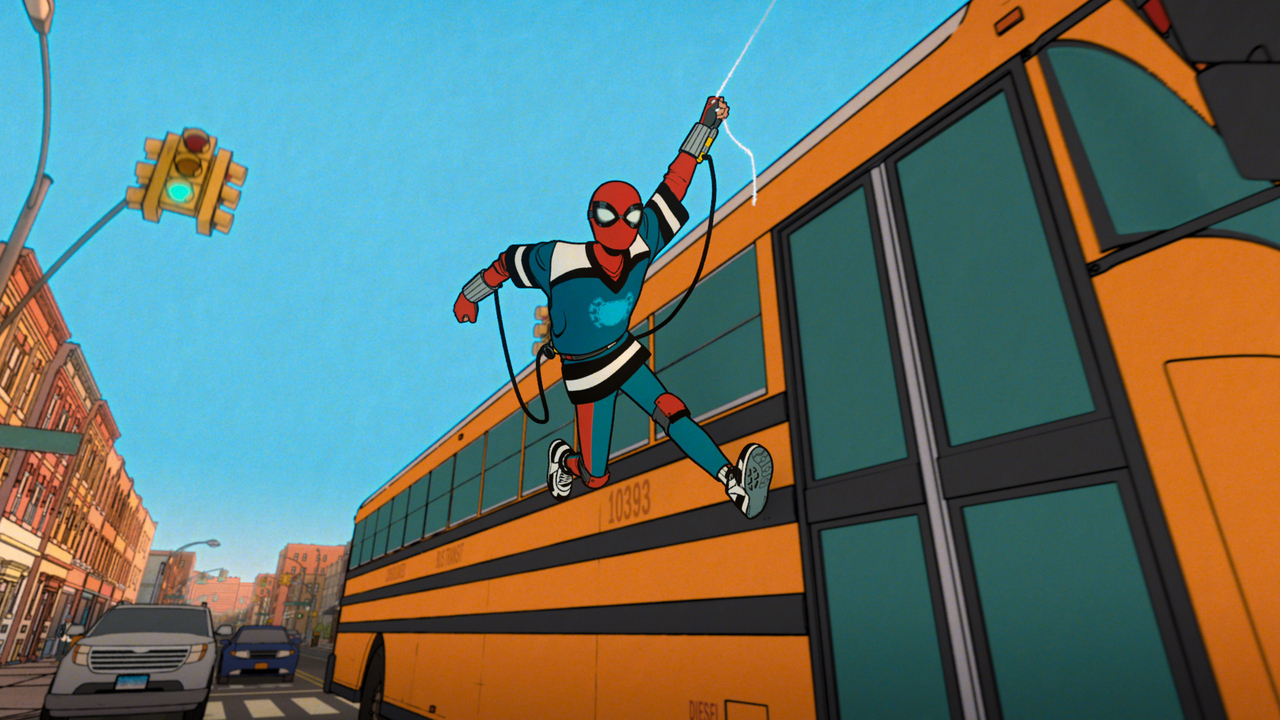
    Based on all ten incidents of winter 1, this article is a no-spoiler for Your Friendly Neighborhood Spider-Man. Your Friendly Neighborhood Spider-Man’s path to success appeared very clear when it was first announced around the close of 2021. As long as the Marvel Disney + series projected the same energy of previous animated Spider-Man ]…]

    The article Your Friendly Neighborhood Spider-Man Review: No X-Men ‘ 97 But Never Poor appeared first on Den of Geek.

    Tubi has picked up Roboforce: The Active Series, an interesting new sci-fi present from The Nacelle Company and Dwayne Johnson &#8217, s Seven Money Productions, set to launch this April on the channel.

    &#8220, Based on the nostalgic toys of the 1980s, the animated series, written by Gavin Hignight ( Teenage Mutant Ninja Turtles 2012, Transformers: Cyberverse ) and Tom Stern ( Freaked ), will continue the narrative inspired by the original robot action figures. In 2089 Detroit, Soraya Aviram’s RoboForce debuted with ideas to help a new galactic nation on Earth. However, the same day as the announcement, Soraya’s foe, Silas Duke, revealed his fresh Utopia Aegis 101 collection of machines, which made RoboForce soon obsolete. Without any hope of ever becoming heroes, RoboForce split up and was forced to work in mundane jobs for 15 years before abruptly the Utopia Aegis 101s turn against humanity and no one else can stop them. &#8221,

    Read more about the news around.

    cnx. command. push ( function ( ) {cnx ( {playerId:” 106e33c0-3911-473c-b599-b1426db57530″, }). render ( “0270c398a82f44f49c23c16122516796” ), }),

    LEGO and Minecraft have been working together for well over a century, but the style may cross over into new territory when new models based on A Minecraft Movie, which debuted in spring venues, are released.

    &#8220, Warner Bros. Pictures, Legendary and Mojang &#8217, s A Minecraft Movie, releasing in April, has attracted considerable attention since its first trailer debuted in September. LEGO has now revealed two tie-in set, both of which will be available on March 1st. &#8221,

    Learn more at Brickset

    Lady Gaga addresses the repulsive greeting of the Joker movie, which features her portrayal of the well-known DC criminal Harley Quinn in an open letter.

    &#8220, Released next October, Joker: Folie À Deux was the costly musical movie to 2019&#8217, s amazement hit Joker. Harley Quinn and Lady Gaga, both returning as Arthur Fleck/Joker, are in Joaquin Phoenix’s shoes. Before its launch, the film had a lot of hype, but detractors hated it afterward. Viewers didn’t care for it, sometimes. Worst of all, it was just a dull musical music that wasted Gaga’s talents and posthumously made the first film worse with its bizarre end, which wasn’t actually a fun type of negative. It grossed$ 207 million on a reported budget of$ 200 million, which means it flopped hard. Lady Gaga has now expressed her thoughts on the failed sequel from WB and DC. &#8221,

    Read more at Kotaku

    Charli XCX, who helmed the pop culture scene with her album Brat last summer, is stepping up to the plate with her acting work, co-starring and producing in an upcoming movie from A24.

    &#8220, Charli XCX’s creative journey takes an exciting turn as she ventures into filmmaking with her upcoming A24 feature, The Moment. In addition to starring in the film, she will produce it through her newly founded production company, Studio365. Although plot details are being kept secret, Charli’s unique artistic vision and its promising creative team have already caused a lot of buzz with the project. &#8221,

    Read more at HypeBeast

    A new TV spot for James Gunn&#8217, s Superman debuted during the NFL conference championship games this past weekend, and some fans aren&#8217, t happy about a new shot of Superman flying.

    &#8220, A new look at James Gunn’s Superman has the internet in a tizzy. Warner Bros. released a new TV spot for the movie this weekend during the NFL games, and while the footage mostly comes from the teaser trailer, there are some fresh shots, including one of Superman gliding across a icy plain. The camera looks like it’s flying with him and, well, it looks a little weird. In fact, Gunn had to jump on social media to stop the spreading wave of misinformation and presumptions. &#8221,

    Read more at Gizmodo

    The post Link Tank: Roboforce: The Animated Series Headed to Tubi in April appeared first on Den of Geek.

  • The Biggest Horror Books of 2025

    The Biggest Horror Books of 2025

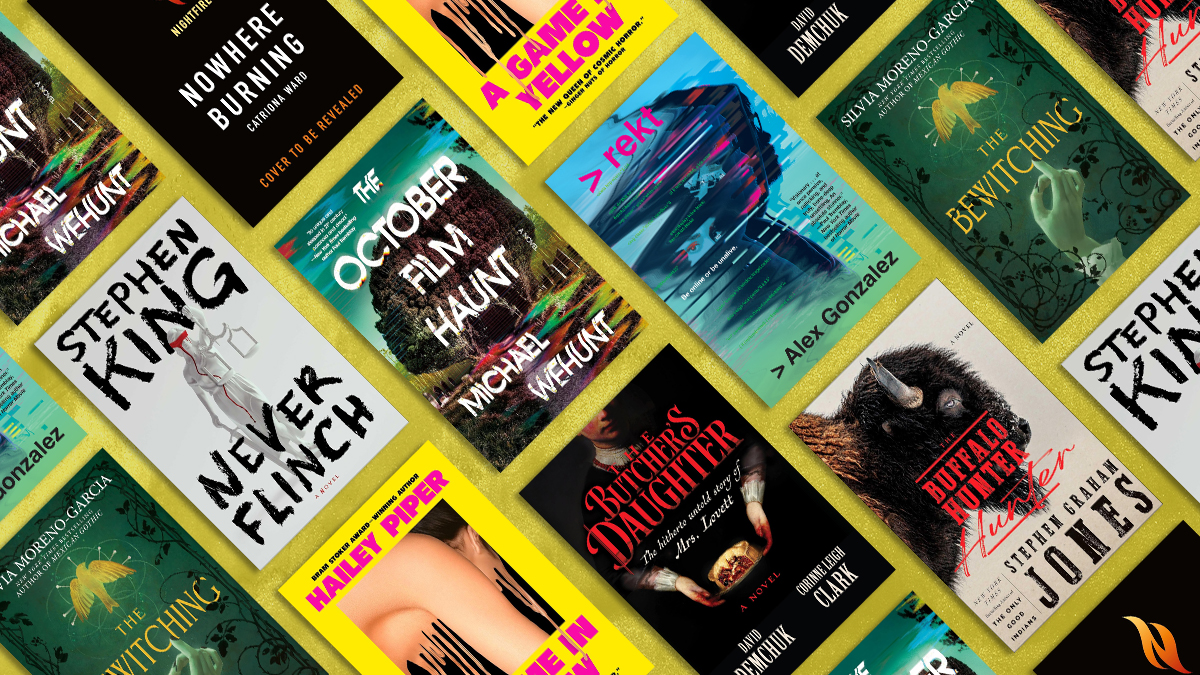
    If the world isn’t already intimidating much, horror can provide a secure, managed release of pressure. It’s no wonder, therefore, that now despair is more common than ever. 2025 has already seen the release of some hotly anticipated names, including Eric LaRocca’s story about a grieving father, At Dark, I Become Loathsome, and the latest ]… ]

    The biggest despair novels of 2025 first appeared on Den of Geek.

    Tubi has picked up Roboforce: The Active Series, an interesting new sci-fi present from The Nacelle Company and Dwayne Johnson &#8217, s Seven Money Productions, set to launch this April on the channel.

    &#8220, Based on the nostalgic toys of the 1980s, the animated series, written by Gavin Hignight ( Teenage Mutant Ninja Turtles 2012, Transformers: Cyberverse ) and Tom Stern ( Freaked ), will continue the narrative inspired by the original robot action figures. In 2089 Detroit, Soraya Aviram’s RoboForce debuted with ideas to help a new galactic nation on Earth. However, the same day as the announcement, Soraya’s foe, Silas Duke, revealed his fresh Utopia Aegis 101 collection of machines, which made RoboForce soon obsolete. When RoboForce split up, he was forced to work in menial work for 15 years without any hope of ever becoming a hero. Until immediately, the Utopia Aegis 101s change on humanity and no one else can stop them. &#8221,

    Read more about the news around.

    cnx. powershell. push ( function ( ) {cnx ( {playerId:” 106e33c0-3911-473c-b599-b1426db57530″, }). render ( “0270c398a82f44f49c23c16122516796” ), }),

    LEGO and Minecraft have been working together for well over a century, but the style may cross over into new territory when new models based on A Minecraft Movie, which debuted in spring venues, are released.

    &#8220, Warner Bros. Pictures, Legendary and Mojang &#8217, s A Minecraft Movie, releasing in April, has attracted considerable attention since its first trailer debuted in September. LEGO has now revealed two tie-in set, both of which will be available on March 1st. &#8221,

    Learn more at Brickset

    Lady Gaga makes an honest comment about the awful answer to the Joker movie, which features her as the well-known DC criminal Harley Quinn.

    &#8220, Released next October, Joker: Folie À Deux was the costly musical movie to 2019&#8217, s amazement hit Joker. Harley Quinn and Lady Gaga, both returning as Arthur Fleck/Joker, are in Joaquin Phoenix’s shoes. Prior to its launch, the film received a lot of positive press, but critics disliked it. Viewers didn’t care for it, neither. And worst of all, it was just a dull musical music that wasted Gaga’s talents and posthumously made the first film worse with its bizarre end, which wasn’t actually a fun sort of negative. It grossed$ 207 million on a reported budget of$ 200 million, which means it flopped hard. And now Lady Gaga has revealed her thoughts on the lackedluster sequel from WB and DC. &#8221,

    Read more at Kotaku

    Charli XCX, who helmed the pop culture scene with her album Brat last summer, is stepping up to the plate with her acting work, which she co-stars in and directs for A24’s upcoming feature.

    &#8220, Charli XCX’s creative journey takes an exciting turn as she ventures into filmmaking with her upcoming A24 feature, The Moment. In addition to starring in the film, she will produce it through her newly founded production company, Studio365. The project has already generated a lot of buzz thanks to Charli’s unique artistic vision and its promising creative team, despite keeping plot details a secret. &#8221,

    Read more at HypeBeast

    A new TV spot for James Gunn&#8217, s Superman debuted during the NFL conference championship games this past weekend, and some fans aren&#8217, t happy about a new shot of Superman flying.

    &#8220, A new look at James Gunn’s Superman has the internet in a tizzy. Warner Bros. released a new TV spot for the movie this weekend during the NFL games, and while the footage mostly comes from the teaser trailer, there are some fresh shots, including one of Superman gliding across a icy plain. The camera looks like it’s flying with him and, well, it looks a little weird. In fact, Gunn had to jump on social media to stop the spreading wave of misinformation and presumptions. &#8221,

    Read more at Gizmodo

    The post Link Tank: Roboforce: The Animated Series Headed to Tubi in April appeared first on Den of Geek.

  • Your Friendly Neighborhood Spider-Man Just Remixed Spidey’s Comic and MCU Origin Stories

    Your Friendly Neighborhood Spider-Man Just Remixed Spidey’s Comic and MCU Origin Stories

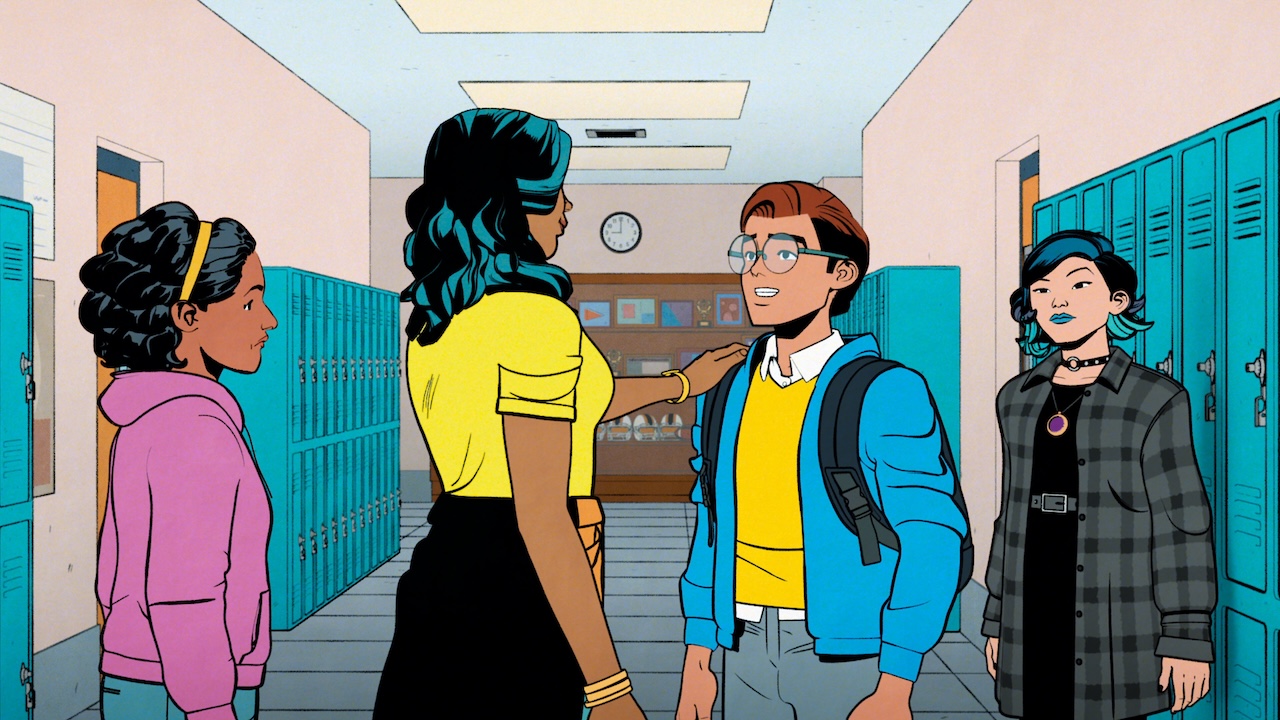
    The first two bouts of Your Friendly Neighborhood Spider-Man have clues in this post. Straight from its beginning funds, Your Friendly Neighborhood Spider-Man teaches people what they can believe. The Math Club’s” Neighbor Like Me” features Relaye and Melo Makes Music, a remix of the timeless design from the animated series from 1967.

    The first article on Den of Geek was Your Friendly Neighborhood Spider-Man Really Remixed Spidey’s Comic and MCU Origin Stories.

    Tubi has picked up Roboforce: The Active Series, an interesting new sci-fi present from The Nacelle Company and Dwayne Johnson &#8217, s Seven Money Productions, set to launch this April on the channel.

    &#8220, Based on the nostalgic toys of the 1980s, the animated series, written by Gavin Hignight ( Teenage Mutant Ninja Turtles 2012, Transformers: Cyberverse ) and Tom Stern ( Freaked ), will continue the narrative inspired by the original robot action figures. In 2089 Detroit, Soraya Aviram’s RoboForce debuted with ideas to help a new galactic nation on Earth. However, the same day as the announcement, Soraya’s foe, Silas Duke, revealed his fresh Utopia Aegis 101 collection of machines, which made RoboForce soon obsolete. Without any hope of ever becoming heroes, RoboForce split up and was forced to work in mundane jobs for 15 years before abruptly the Utopia Aegis 101s change on mankind and no one else can stop them. &#8221,

    Read more about the news around.

    cnx. powershell. push ( function ( ) {cnx ( {playerId:” 106e33c0-3911-473c-b599-b1426db57530″, }). render ( “0270c398a82f44f49c23c16122516796” ), }),

    LEGO and Minecraft have collaborated for nicely over a century, but the style may cross over into new territory when new models based on A Minecraft Movie, which debuted in spring theaters, are released.

    &#8220, Warner Bros. Pictures, Legendary and Mojang &#8217, s A Minecraft Movie, releasing in April, has attracted considerable attention since its first trailer debuted in September. LEGO has now revealed two tie-in set, both of which will be available on March 1st. &#8221,

    Learn more at Brickset

    Lady Gaga makes an honest comment about the awful answer to the Joker movie, which features her as the well-known DC criminal Harley Quinn.

    &#8220, Released next October, Joker: Folie À Deux was the costly musical movie to 2019&#8217, s amazement hit Joker. Joaquin Phoenix made a comeback as Arthur Fleck/Joker, along with Lady Gaga as Harley Quinn. Before its launch, the film received a lot of publicity, but critics detested it afterward. Viewers didn’t care for it, neither. And worst of all, it was just a dull musical music that wasted Gaga’s talents and posthumously made the first film worse with its bizarre end, which wasn’t actually a fun sort of negative. It grossed$ 207 million on a documented budget of$ 200 million, which means it flopped hard. And now Lady Gaga has revealed her thoughts on the lackedluster spinoff from WB and DC. &#8221,

    Learn more at Kotaku

    Charli XCX, who helmed the pop culture scene with her record Brat last summer, is stepping up to the plate with her speaking work, co-starring and producing in an upcoming movie from A24.

    &#8220, Charli XCX’s creative trip takes an interesting move as she enterprises into filmmaking with her future A24 function, The Moment. In addition to starring in the movie, she did make it through her recently founded manufacturing business, Studio365. The project has now generated a lot of buzz thanks to Charli’s special artistic vision and its promising innovative team, despite keeping plot details a secret. &#8221,

    Learn more at HypeBeast

    A new Television area for James Gunn&#8217, s Superman debuted during the NFL conference championship matches this past weekend, and some fans aren&#8217, t content about a new photo of Superman flying.

    &#8220, A fresh look at James Gunn’s Superman has the web in a huff. Warner Bros. released a new TV place for the movie this weekend during the NFL game, and while the majority of the film is from the preview video, there are some fresh shots, including one of Superman flying across a icy simple. The camera looks like it’s flying with him and, well, it looks a little weird. In fact, Gunn had to jump on social media to stop the spread of misinformation and false information. &#8221,

    Read more at Gizmodo

    The post Link Tank: Roboforce: The Animated Series Headed to Tubi in April appeared first on Den of Geek.

  • Companion Review: The Stepford Wives Sequel We Deserve

    Companion Review: The Stepford Wives Sequel We Deserve

    Companion’s significant part is mental tension. After all, it was made to be a function in the movie’s mythical companion series, artificial microbes that provide physical and emotional support to their masters ( or “fuck-bots” as Jack Quaid’s Josh refers to his purchase ). These deliberately clever machines are intended to resemble individual perception.

    The Stepford Wives Sequel We Deserve Companion Review initially appeared on Den of Geek.

    Tubi has picked up Roboforce: The Active Series, an interesting new sci-fi present from The Nacelle Company and Dwayne Johnson &#8217, s Seven Money Productions, set to launch this April on the channel.

    &#8220, Based on the nostalgic toys of the 1980s, the animated series, written by Gavin Hignight ( Teenage Mutant Ninja Turtles 2012, Transformers: Cyberverse ) and Tom Stern ( Freaked ), will continue the narrative inspired by the original robot action figures. In 2089 Detroit, Soraya Aviram’s RoboForce debuted with ideas to help a new galactic nation on Earth. However, the same day as the announcement, Soraya’s foe, Silas Duke, revealed his fresh Utopia Aegis 101 collection of machines, which made RoboForce soon obsolete. When RoboForce split up, he was forced to work in menial work for 15 years without any hope of ever becoming a hero. Until abruptly, the Utopia Aegis 101s change on humanity and no one else can stop them. &#8221,

    Read more about the news below.

    cnx. command. push ( function ( ) {cnx ( {playerId:” 106e33c0-3911-473c-b599-b1426db57530″, }). render ( “0270c398a82f44f49c23c16122516796” ), }),

    LEGO and Minecraft have been working together for well over a century, but the style may cross over into new territory when new models based on A Minecraft Movie, which debuted in spring venues, are released.

    &#8220, Warner Bros. Pictures, Legendary and Mojang &#8217, s A Minecraft Movie, releasing in April, has attracted considerable attention since its first trailer debuted in September. LEGO has now revealed two tie-in set, both of which will be available on March 1st. &#8221,

    Learn more at Brickset

    Lady Gaga addresses the repulsive welcome of the Joker movie, which features her portrayal of the well-known DC villain Harley Quinn in an open letter.

    &#8220, Released next October, Joker: Folie À Deux was the costly musical movie to 2019&#8217, s amazement hit Joker. Harley Quinn and fresh cast member Lady Gaga reprise their roles as Arthur Fleck/Joker. Before its launch, the film had a lot of publicity, but reviewers hated it afterward. Viewers didn’t care for it, sometimes. Worst of all, it was just a dull musical music that wasted Gaga’s talents and posthumously made the first film worse with its bizarre end, which wasn’t actually a fun sort of negative. It grossed$ 207 million on a reported budget of$ 200 million, which means it flopped hard. Lady Gaga has now expressed her thoughts on the failed sequel from WB and DC. &#8221,

    Read more at Kotaku

    Charli XCX, who helmed the pop culture scene with her album Brat last summer, is stepping up to the plate with her acting work, co-starring and producing in an upcoming movie from A24.

    &#8220, Charli XCX’s creative journey takes an exciting turn as she ventures into filmmaking with her upcoming A24 feature, The Moment. In addition to starring in the film, she will produce it through her newly founded production company, Studio365. The project has already generated a lot of buzz thanks to Charli’s unique artistic vision and its promising creative team, despite keeping plot details a secret. &#8221,

    Read more at HypeBeast

    A new TV spot for James Gunn&#8217, s Superman debuted during the NFL conference championship games this past weekend, and some fans aren&#8217, t happy about a new shot of Superman flying.

    &#8220, A new look at James Gunn’s Superman has the internet in a tizzy. Warner Bros. released a new TV spot for the movie this weekend during the NFL games, and while the majority of the footage is from the teaser trailer, there are some fresh shots, including one of Superman flying across a icy plain. The camera looks like it’s flying with him and, well, it looks a little weird. In fact, Gunn had to jump on social media to stop the spread of misinformation and false information. &#8221,

    Read more at Gizmodo

    The post Link Tank: Roboforce: The Animated Series Headed to Tubi in April appeared first on Den of Geek.

  • The Hottest Gaming Leaks and Rumors of 2025: From Half-Life 3 to a Zelda Remake

    The Hottest Gaming Leaks and Rumors of 2025: From Half-Life 3 to a Zelda Remake

    We all live for fresh game reveals, vans, and wonder presentations. We adore it when Nintendo provides a 45-minute supply of the future of their newest console. Grant us a sneak peak at the most popular activities of the year. We require food all the time. Which is why we also]… ]

    From Half-Life 3 to a Zelda Remake: The Hottest Gaming Leaks and Rumors of 2025 appeared initially on Den of Geek.

    Tubi has picked up Roboforce: The Active Series, an interesting new sci-fi present from The Nacelle Company and Dwayne Johnson &#8217, s Seven Money Productions, set to launch this April on the channel.

    &#8220, Based on the nostalgic toys of the 1980s, the animated series, written by Gavin Hignight ( Teenage Mutant Ninja Turtles 2012, Transformers: Cyberverse ) and Tom Stern ( Freaked ), will continue the narrative inspired by the original robot action figures. In 2089 Detroit, Soraya Aviram’s RoboForce debuted with ideas to help a new galactic nation on Earth. However, the same day as the announcement, Soraya’s foe, Silas Duke, revealed his fresh Utopia Aegis 101 collection of machines, which made RoboForce soon obsolete. When RoboForce split up, he was forced to work in menial work for 15 years without any hope of ever becoming a hero. Until abruptly, the Utopia Aegis 101s change on humanity and no one else can stop them. &#8221,

    Read more about the news around.

    cnx. powershell. push ( function ( ) {cnx ( {playerId:” 106e33c0-3911-473c-b599-b1426db57530″, }). render ( “0270c398a82f44f49c23c16122516796” ), }),

    The concept will venture into unfamiliar territory with the launch of new models based on A Minecraft Movie, which debuted in cinemas this Spring, despite the partnership that has been in place for well over a century.

    &#8220, Warner Bros. Pictures, Legendary and Mojang &#8217, s A Minecraft Movie, releasing in April, has attracted considerable attention since its first trailer debuted in September. LEGO has now revealed two tie-in set, both of which will be available starting March 1. &#8221,

    Learn more at Brickset

    Lady Gaga addresses the repulsive welcome of the Joker movie, which features her portrayal of the well-known DC villain Harley Quinn in an open letter.

    &#8220, Released next October, Joker: Folie À Deux was the costly musical movie to 2019&#8217, s amazement hit Joker. Harley Quinn and fresh cast member Lady Gaga reprise their roles as Arthur Fleck/Joker. Prior to its launch, the film received a lot of positive press, but reviewers disliked it. Viewers didn’t care for it, sometimes. Worst of all, it was just a dull musical music that wasted Gaga’s talents and posthumously made the first film worse with its bizarre end, which wasn’t actually a fun sort of negative. It grossed$ 207 million on a documented budget of$ 200 million, which means it flopped hard. And then Lady Gaga has revealed her thoughts on the lackedluster spinoff from WB and DC. &#8221,

    Learn more at Kotaku

    Charli XCX, who dominated the pop culture scene last summers with her song Brat, is stepping up to the plate and co-producing an impending movie from A24.

    &#8220, Charli XCX’s creative trip takes an interesting move as she enterprises into filmmaking with her future A24 function, The Moment. In addition to starring in the film, she will produce it through her newly founded production company, Studio365. The project has already generated a lot of buzz thanks to Charli’s unique artistic vision and its promising creative team, despite keeping plot details a secret. &#8221,

    Read more at HypeBeast

    A new TV spot for James Gunn&#8217, s Superman debuted during the NFL conference championship games this past weekend, and some fans aren&#8217, t happy about a new shot of Superman flying.

    &#8220, A new look at James Gunn’s Superman has the internet in a tizzy. Warner Bros. released a new TV spot for the movie this weekend during the NFL games, and while the footage mostly comes from the teaser trailer, there are some fresh shots, including one of Superman gliding across a icy plain. The camera looks like it’s flying with him and, well, it looks a little weird. In fact, Gunn had to jump on social media to stop the growing wave of misinformation and presumptions. &#8221,

    Read more at Gizmodo

    The post Link Tank: Roboforce: The Animated Series Headed to Tubi in April appeared first on Den of Geek.

  • The Best Star Wars Toys and Collectibles Coming in 2025

    The Best Star Wars Toys and Collectibles Coming in 2025

    The cosmos of Star Wars items is huge and ever-expanding. The biggest doll companies regularly release new Star Wars toys, and a large number of different unorthodox partners have also thrown their own spin on the mixture. It can be challenging to keep up with as a Star Wars fan, as Den of Geek has done […]…

    The Best Sun War Toys and Items Coming in 2025 appeared first on Den of Geek.

    Tubi has picked up Roboforce: The Active Series, an interesting new sci-fi present from The Nacelle Company and Dwayne Johnson &#8217, s Seven Money Productions, set to launch this April on the channel.

    &#8220, Based on the nostalgic toys of the 1980s, the animated series, written by Gavin Hignight ( Teenage Mutant Ninja Turtles 2012, Transformers: Cyberverse ) and Tom Stern ( Freaked ), will continue the narrative inspired by the original robot action figures. In 2089 Detroit, Soraya Aviram’s RoboForce debuted with ideas to help a new galactic nation on Earth. However, the same day as the announcement, Soraya’s foe, Silas Duke, revealed his fresh Utopia Aegis 101 collection of machines, which made RoboForce soon obsolete. Without any hope of ever becoming heroes, RoboForce split up and was forced to work in mundane jobs for 15 years before abruptly the Utopia Aegis 101s turn on mankind and no one else can stop them. &#8221,

    Read more about the news below.

    cnx. command. push ( function ( ) {cnx ( {playerId:” 106e33c0-3911-473c-b599-b1426db57530″, }). render ( “0270c398a82f44f49c23c16122516796” ), }),

    LEGO and Minecraft have been working together for well over a century, but the style may cross over into new territory when new models based on A Minecraft Movie, which debuted in spring venues, are released.

    &#8220, Warner Bros. Pictures, Legendary and Mojang &#8217, s A Minecraft Movie, releasing in April, has attracted considerable attention since its first trailer debuted in September. LEGO has now revealed two tie-in set, both of which will be available on March 1st. &#8221,

    Learn more at Brickset

    Lady Gaga addresses the repulsive welcome of the Joker movie, which features her portrayal of the well-known DC villain Harley Quinn in an open letter.

    &#8220, Released next October, Joker: Folie À Deux was the costly musical movie to 2019&#8217, s amazement hit Joker. Joaquin Phoenix made a comeback as Arthur Fleck/Joker, along with Lady Gaga as Harley Quinn. Prior to its launch, the film received a lot of positive press, but critics disliked it. Viewers didn’t care for it, sometimes. And worst of all, it was just a dull musical music that wasted Gaga’s talents and posthumously made the first film worse with its bizarre closing, which wasn’t actually a fun sort of negative. It grossed$ 207 million on a reported budget of$ 200 million, which means it flopped hard. Lady Gaga has now expressed her thoughts on the failed sequel from WB and DC. &#8221,

    Read more at Kotaku

    Charli XCX, who dominated the pop culture scene last summer with her album Brat, is stepping up to the plate and co-producing an upcoming movie from A24.

    &#8220, Charli XCX’s creative journey takes an exciting turn as she ventures into filmmaking with her upcoming A24 feature, The Moment. In addition to starring in the film, she will produce it through her newly founded production company, Studio365. Although plot details are being kept secret, the project has already generated a lot of positive publicity as a result of its promising creative team and Charli’s unique artistic vision. &#8221,

    Read more at HypeBeast

    A new TV spot for James Gunn&#8217, s Superman debuted during the NFL conference championship games this past weekend, and some fans aren&#8217, t happy about a new shot of Superman flying.

    &#8220, A new look at James Gunn’s Superman has the internet in a tizzy. Warner Bros. released a new TV spot for the movie this weekend during the NFL games, and while the majority of the footage is from the teaser trailer, there are some fresh shots, including one of Superman flying across a icy plain. The camera looks like it’s flying with him and, well, it looks a little weird. In fact, Gunn had to jump on social media to stop the growing wave of misinformation and presumptions. &#8221,

    Read more at Gizmodo

    The post Link Tank: Roboforce: The Animated Series Headed to Tubi in April appeared first on Den of Geek.

  • Your Friendly Neighborhood Spider-Man Episode 1 and 2 Bring Back Deep-Cut Marvel Characters

    Your Friendly Neighborhood Spider-Man Episode 1 and 2 Bring Back Deep-Cut Marvel Characters

    True to its name, Your Friendly Neighborhood Spider-Man isn’t just about the major webhead. It’s also about his community, the Amazing Spidey companions who live around him. And because this is a Marvel Universe rendition of New York, it features a ton of familiar faces and sharp cuts [ …].

    On Den of Geek, the second article Your Friendly Neighborhood Spider-Man Episodes 1 and 2 Give Up Deep-Cut Marvel Characters appeared.

    Tubi has picked up Roboforce: The Active Series, an interesting new sci-fi present from The Nacelle Company and Dwayne Johnson &#8217, s Seven Money Productions, set to launch this April on the channel.

    &#8220, Based on the nostalgic toys of the 1980s, the animated series, written by Gavin Hignight ( Teenage Mutant Ninja Turtles 2012, Transformers: Cyberverse ) and Tom Stern ( Freaked ), will continue the narrative inspired by the original robot action figures. In 2089 Detroit, Soraya Aviram’s RoboForce debuted with ideas to help a new galactic nation on Earth. However, the same day as the announcement, Soraya’s foe, Silas Duke, revealed his fresh Utopia Aegis 101 collection of machines, which made RoboForce soon obsolete. Without any hope of ever becoming heroes, RoboForce split up and was forced to work in mundane jobs for 15 years before abruptly the Utopia Aegis 101s change on mankind and no one else can stop them. &#8221,

    Read more about the news below.

    cnx. powershell. push ( function ( ) {cnx ( {playerId:” 106e33c0-3911-473c-b599-b1426db57530″, }). render ( “0270c398a82f44f49c23c16122516796” ), }),

    LEGO and Minecraft have collaborated for nicely over a century, but the style may cross over into new territory when new models based on A Minecraft Movie, which debuted in spring theaters, are released.

    &#8220, Warner Bros. Pictures, Legendary and Mojang &#8217, s A Minecraft Movie, releasing in April, has attracted considerable attention since its first trailer debuted in September. LEGO has now revealed two tie-in set, both of which will be available on March 1st. &#8221,

    Learn more at Brickset

    Lady Gaga addresses the repulsive welcome of the Joker movie, which features her portrayal of the well-known DC villain Harley Quinn in an open letter.

    &#8220, Released next October, Joker: Folie À Deux was the costly musical movie to 2019&#8217, s amazement hit Joker. Joaquin Phoenix made a comeback as Arthur Fleck/Joker, along with Lady Gaga as Harley Quinn. Before its launch, the film received a lot of hype, but reviewers detested it afterward. Viewers didn’t care for it, neither. And worst of all, it wasn’t even a kind of bad drama, only a dull jukebox music that wasted Gaga’s skills and posthumously made the first film worse with its bizarre ending. It grossed$ 207 million on a documented budget of$ 200 million, which means it flopped hard. And now Lady Gaga has revealed her thoughts on the lackedluster spinoff from WB and DC. &#8221,

    Learn more at Kotaku

    Charli XCX, who helmed the pop culture scene with her album Brat last summer, is stepping up to the plate with her speaking work, which she co-stars in and directs for A24’s future feature.

    &#8220, Charli XCX’s creative trip takes an interesting move as she enterprises into filmmaking with her future A24 function, The Moment. In addition to starring in the movie, she did make it through her recently founded manufacturing business, Studio365. Although plot details are being kept secret, the project has previously generated a lot of positive publicity as a result of its promising creative group and Charli’s unique musical vision. &#8221,

    Learn more at HypeBeast

    A new Television area for James Gunn&#8217, s Superman debuted during the NFL conference championship matches this past weekend, and some fans aren&#8217, t content about a new photo of Superman flying.

    &#8220, A fresh look at James Gunn’s Superman has the web in a huff. Warner Bros. released a new TV place for the movie this weekend during the NFL game, and while the majority of the film is from the preview video, there are some fresh shots, including one of Superman flying across a icy simple. The camera looks like it’s flying with him and, also, it looks a little crazy. In fact, Gunn had to climb on social media to prevent the growing wave of misinformation and presumptions. &#8221,

    Learn more at Gizmodo

    The article Link Tank: Roboforce: The Active Set Headed to Tubi in April appeared initially on Den of Geek.