Category: Blog

Your blog category

  • User Research Is Storytelling

    User Research Is Storytelling

    Ever since I was a boy, I’ve been fascinated with movies. I loved the characters and the excitement—but most of all the stories. I wanted to be an actor. And I believed that I’d get to do the things that Indiana Jones did and go on exciting adventures. I even dreamed up ideas for movies that my friends and I could make and star in. But they never went any further. I did, however, end up working in user experience (UX). Now, I realize that there’s an element of theater to UX—I hadn’t really considered it before, but user research is storytelling. And to get the most out of user research, you need to tell a good story where you bring stakeholders—the product team and decision makers—along and get them interested in learning more.

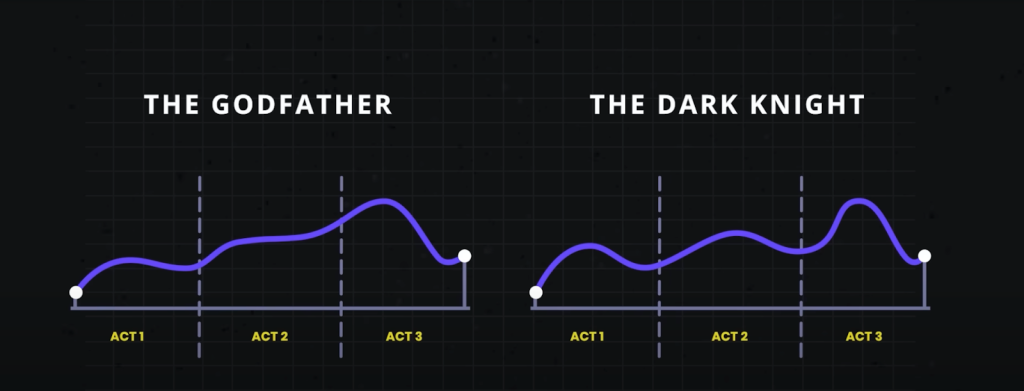
    Think of your favorite movie. More than likely it follows a three-act structure that’s commonly seen in storytelling: the setup, the conflict, and the resolution. The first act shows what exists today, and it helps you get to know the characters and the challenges and problems that they face. Act two introduces the conflict, where the action is. Here, problems grow or get worse. And the third and final act is the resolution. This is where the issues are resolved and the characters learn and change. I believe that this structure is also a great way to think about user research, and I think that it can be especially helpful in explaining user research to others.

    Use storytelling as a structure to do research

    It’s sad to say, but many have come to see research as being expendable. If budgets or timelines are tight, research tends to be one of the first things to go. Instead of investing in research, some product managers rely on designers or—worse—their own opinion to make the “right” choices for users based on their experience or accepted best practices. That may get teams some of the way, but that approach can so easily miss out on solving users’ real problems. To remain user-centered, this is something we should avoid. User research elevates design. It keeps it on track, pointing to problems and opportunities. Being aware of the issues with your product and reacting to them can help you stay ahead of your competitors.

    In the three-act structure, each act corresponds to a part of the process, and each part is critical to telling the whole story. Let’s look at the different acts and how they align with user research.

    Act one: setup

    The setup is all about understanding the background, and that’s where foundational research comes in. Foundational research (also called generative, discovery, or initial research) helps you understand users and identify their problems. You’re learning about what exists today, the challenges users have, and how the challenges affect them—just like in the movies. To do foundational research, you can conduct contextual inquiries or diary studies (or both!), which can help you start to identify problems as well as opportunities. It doesn’t need to be a huge investment in time or money.

    Erika Hall writes about minimum viable ethnography, which can be as simple as spending 15 minutes with a user and asking them one thing: “‘Walk me through your day yesterday.’ That’s it. Present that one request. Shut up and listen to them for 15 minutes. Do your damndest to keep yourself and your interests out of it. Bam, you’re doing ethnography.” According to Hall, [This] will probably prove quite illuminating. In the highly unlikely case that you didn’t learn anything new or useful, carry on with enhanced confidence in your direction.”  

    This makes total sense to me. And I love that this makes user research so accessible. You don’t need to prepare a lot of documentation; you can just recruit participants and do it! This can yield a wealth of information about your users, and it’ll help you better understand them and what’s going on in their lives. That’s really what act one is all about: understanding where users are coming from. 

    Jared Spool talks about the importance of foundational research and how it should form the bulk of your research. If you can draw from any additional user data that you can get your hands on, such as surveys or analytics, that can supplement what you’ve heard in the foundational studies or even point to areas that need further investigation. Together, all this data paints a clearer picture of the state of things and all its shortcomings. And that’s the beginning of a compelling story. It’s the point in the plot where you realize that the main characters—or the users in this case—are facing challenges that they need to overcome. Like in the movies, this is where you start to build empathy for the characters and root for them to succeed. And hopefully stakeholders are now doing the same. Their sympathy may be with their business, which could be losing money because users can’t complete certain tasks. Or maybe they do empathize with users’ struggles. Either way, act one is your initial hook to get the stakeholders interested and invested.

    Once stakeholders begin to understand the value of foundational research, that can open doors to more opportunities that involve users in the decision-making process. And that can guide product teams toward being more user-centered. This benefits everyone—users, the product, and stakeholders. It’s like winning an Oscar in movie terms—it often leads to your product being well received and successful. And this can be an incentive for stakeholders to repeat this process with other products. Storytelling is the key to this process, and knowing how to tell a good story is the only way to get stakeholders to really care about doing more research. 

    This brings us to act two, where you iteratively evaluate a design or concept to see whether it addresses the issues.

    Act two: conflict

    Act two is all about digging deeper into the problems that you identified in act one. This usually involves directional research, such as usability tests, where you assess a potential solution (such as a design) to see whether it addresses the issues that you found. The issues could include unmet needs or problems with a flow or process that’s tripping users up. Like act two in a movie, more issues will crop up along the way. It’s here that you learn more about the characters as they grow and develop through this act. 

    Usability tests should typically include around five participants according to Jakob Nielsen, who found that that number of users can usually identify most of the problems: “As you add more and more users, you learn less and less because you will keep seeing the same things again and again… After the fifth user, you are wasting your time by observing the same findings repeatedly but not learning much new.” 

    There are parallels with storytelling here too; if you try to tell a story with too many characters, the plot may get lost. Having fewer participants means that each user’s struggles will be more memorable and easier to relay to other stakeholders when talking about the research. This can help convey the issues that need to be addressed while also highlighting the value of doing the research in the first place.

    Researchers have run usability tests in person for decades, but you can also conduct usability tests remotely using tools like Microsoft Teams, Zoom, or other teleconferencing software. This approach has become increasingly popular since the beginning of the pandemic, and it works well. You can think of in-person usability tests like going to a play and remote sessions as more like watching a movie. There are advantages and disadvantages to each. In-person usability research is a much richer experience. Stakeholders can experience the sessions with other stakeholders. You also get real-time reactions—including surprise, agreement, disagreement, and discussions about what they’re seeing. Much like going to a play, where audiences get to take in the stage, the costumes, the lighting, and the actors’ interactions, in-person research lets you see users up close, including their body language, how they interact with the moderator, and how the scene is set up.

    If in-person usability testing is like watching a play—staged and controlled—then conducting usability testing in the field is like immersive theater where any two sessions might be very different from one another. You can take usability testing into the field by creating a replica of the space where users interact with the product and then conduct your research there. Or you can go out to meet users at their location to do your research. With either option, you get to see how things work in context, things come up that wouldn’t have in a lab environment—and conversion can shift in entirely different directions. As researchers, you have less control over how these sessions go, but this can sometimes help you understand users even better. Meeting users where they are can provide clues to the external forces that could be affecting how they use your product. In-person usability tests provide another level of detail that’s often missing from remote usability tests. 

    That’s not to say that the “movies”—remote sessions—aren’t a good option. Remote sessions can reach a wider audience. They allow a lot more stakeholders to be involved in the research and to see what’s going on. And they open the doors to a much wider geographical pool of users. But with any remote session there is the potential of time wasted if participants can’t log in or get their microphone working. 

    The benefit of usability testing, whether remote or in person, is that you get to see real users interact with the designs in real time, and you can ask them questions to understand their thought processes and grasp of the solution. This can help you not only identify problems but also glean why they’re problems in the first place. Furthermore, you can test hypotheses and gauge whether your thinking is correct. By the end of the sessions, you’ll have a much clearer picture of how usable the designs are and whether they work for their intended purposes. Act two is the heart of the story—where the excitement is—but there can be surprises too. This is equally true of usability tests. Often, participants will say unexpected things, which change the way that you look at things—and these twists in the story can move things in new directions. 

    Unfortunately, user research is sometimes seen as expendable. And too often usability testing is the only research process that some stakeholders think that they ever need. In fact, if the designs that you’re evaluating in the usability test aren’t grounded in a solid understanding of your users (foundational research), there’s not much to be gained by doing usability testing in the first place. That’s because you’re narrowing the focus of what you’re getting feedback on, without understanding the users’ needs. As a result, there’s no way of knowing whether the designs might solve a problem that users have. It’s only feedback on a particular design in the context of a usability test.  

    On the other hand, if you only do foundational research, while you might have set out to solve the right problem, you won’t know whether the thing that you’re building will actually solve that. This illustrates the importance of doing both foundational and directional research. 

    In act two, stakeholders will—hopefully—get to watch the story unfold in the user sessions, which creates the conflict and tension in the current design by surfacing their highs and lows. And in turn, this can help motivate stakeholders to address the issues that come up.

    Act three: resolution

    While the first two acts are about understanding the background and the tensions that can propel stakeholders into action, the third part is about resolving the problems from the first two acts. While it’s important to have an audience for the first two acts, it’s crucial that they stick around for the final act. That means the whole product team, including developers, UX practitioners, business analysts, delivery managers, product managers, and any other stakeholders that have a say in the next steps. It allows the whole team to hear users’ feedback together, ask questions, and discuss what’s possible within the project’s constraints. And it lets the UX research and design teams clarify, suggest alternatives, or give more context behind their decisions. So you can get everyone on the same page and get agreement on the way forward.

    This act is mostly told in voiceover with some audience participation. The researcher is the narrator, who paints a picture of the issues and what the future of the product could look like given the things that the team has learned. They give the stakeholders their recommendations and their guidance on creating this vision.

    Nancy Duarte in the Harvard Business Review offers an approach to structuring presentations that follow a persuasive story. “The most effective presenters use the same techniques as great storytellers: By reminding people of the status quo and then revealing the path to a better way, they set up a conflict that needs to be resolved,” writes Duarte. “That tension helps them persuade the audience to adopt a new mindset or behave differently.”

    This type of structure aligns well with research results, and particularly results from usability tests. It provides evidence for “what is”—the problems that you’ve identified. And “what could be”—your recommendations on how to address them. And so on and so forth.

    You can reinforce your recommendations with examples of things that competitors are doing that could address these issues or with examples where competitors are gaining an edge. Or they can be visual, like quick mockups of how a new design could look that solves a problem. These can help generate conversation and momentum. And this continues until the end of the session when you’ve wrapped everything up in the conclusion by summarizing the main issues and suggesting a way forward. This is the part where you reiterate the main themes or problems and what they mean for the product—the denouement of the story. This stage gives stakeholders the next steps and hopefully the momentum to take those steps!

    While we are nearly at the end of this story, let’s reflect on the idea that user research is storytelling. All the elements of a good story are there in the three-act structure of user research: 

    • Act one: You meet the protagonists (the users) and the antagonists (the problems affecting users). This is the beginning of the plot. In act one, researchers might use methods including contextual inquiry, ethnography, diary studies, surveys, and analytics. The output of these methods can include personas, empathy maps, user journeys, and analytics dashboards.
    • Act two: Next, there’s character development. There’s conflict and tension as the protagonists encounter problems and challenges, which they must overcome. In act two, researchers might use methods including usability testing, competitive benchmarking, and heuristics evaluation. The output of these can include usability findings reports, UX strategy documents, usability guidelines, and best practices.
    • Act three: The protagonists triumph and you see what a better future looks like. In act three, researchers may use methods including presentation decks, storytelling, and digital media. The output of these can be: presentation decks, video clips, audio clips, and pictures. 

    The researcher has multiple roles: they’re the storyteller, the director, and the producer. The participants have a small role, but they are significant characters (in the research). And the stakeholders are the audience. But the most important thing is to get the story right and to use storytelling to tell users’ stories through research. By the end, the stakeholders should walk away with a purpose and an eagerness to resolve the product’s ills. 

    So the next time that you’re planning research with clients or you’re speaking to stakeholders about research that you’ve done, think about how you can weave in some storytelling. Ultimately, user research is a win-win for everyone, and you just need to get stakeholders interested in how the story ends.


  • To Ignite a Personalization Practice, Run this Prepersonalization Workshop

    To Ignite a Personalization Practice, Run this Prepersonalization Workshop

    Picture this. You’ve joined a squad at your company that’s designing new product features with an emphasis on automation or AI. Or your company has just implemented a personalization engine. Either way, you’re designing with data. Now what? When it comes to designing for personalization, there are many cautionary tales, no overnight successes, and few guides for the perplexed. 

    Between the fantasy of getting it right and the fear of it going wrong—like when we encounter “persofails” in the vein of a company repeatedly imploring everyday consumers to buy additional toilet seats—the personalization gap is real. It’s an especially confounding place to be a digital professional without a map, a compass, or a plan.

    For those of you venturing into personalization, there’s no Lonely Planet and few tour guides because effective personalization is so specific to each organization’s talent, technology, and market position. 

    But you can ensure that your team has packed its bags sensibly.

    There’s a DIY formula to increase your chances for success. At minimum, you’ll defuse your boss’s irrational exuberance. Before the party you’ll need to effectively prepare.

    We call it prepersonalization.

    Behind the music

    Consider Spotify’s DJ feature, which debuted this past year.

    We’re used to seeing the polished final result of a personalization feature. Before the year-end award, the making-of backstory, or the behind-the-scenes victory lap, a personalized feature had to be conceived, budgeted, and prioritized. Before any personalization feature goes live in your product or service, it lives amid a backlog of worthy ideas for expressing customer experiences more dynamically.

    So how do you know where to place your personalization bets? How do you design consistent interactions that won’t trip up users or—worse—breed mistrust? We’ve found that for many budgeted programs to justify their ongoing investments, they first needed one or more workshops to convene key stakeholders and internal customers of the technology. Make yours count.

    ​From Big Tech to fledgling startups, we’ve seen the same evolution up close with our clients. In our experiences with working on small and large personalization efforts, a program’s ultimate track record—and its ability to weather tough questions, work steadily toward shared answers, and organize its design and technology efforts—turns on how effectively these prepersonalization activities play out.

    Time and again, we’ve seen effective workshops separate future success stories from unsuccessful efforts, saving countless time, resources, and collective well-being in the process.

    A personalization practice involves a multiyear effort of testing and feature development. It’s not a switch-flip moment in your tech stack. It’s best managed as a backlog that often evolves through three steps: 

    1. customer experience optimization (CXO, also known as A/B testing or experimentation)
    2. always-on automations (whether rules-based or machine-generated)
    3. mature features or standalone product development (such as Spotify’s DJ experience)

    This is why we created our progressive personalization framework and why we’re field-testing an accompanying deck of cards: we believe that there’s a base grammar, a set of “nouns and verbs” that your organization can use to design experiences that are customized, personalized, or automated. You won’t need these cards. But we strongly recommend that you create something similar, whether that might be digital or physical.

    Set your kitchen timer

    How long does it take to cook up a prepersonalization workshop? The surrounding assessment activities that we recommend including can (and often do) span weeks. For the core workshop, we recommend aiming for two to three days. Here’s a summary of our broader approach along with details on the essential first-day activities.

    The full arc of the wider workshop is threefold:

    1. Kickstart: This sets the terms of engagement as you focus on the opportunity as well as the readiness and drive of your team and your leadership. .
    2. Plan your work: This is the heart of the card-based workshop activities where you specify a plan of attack and the scope of work.
    3. Work your plan: This phase is all about creating a competitive environment for team participants to individually pitch their own pilots that each contain a proof-of-concept project, its business case, and its operating model.

    Give yourself at least a day, split into two large time blocks, to power through a concentrated version of those first two phases.

    Kickstart: Whet your appetite

    We call the first lesson the “landscape of connected experience.” It explores the personalization possibilities in your organization. A connected experience, in our parlance, is any UX requiring the orchestration of multiple systems of record on the backend. This could be a content-management system combined with a marketing-automation platform. It could be a digital-asset manager combined with a customer-data platform.

    Spark conversation by naming consumer examples and business-to-business examples of connected experience interactions that you admire, find familiar, or even dislike. This should cover a representative range of personalization patterns, including automated app-based interactions (such as onboarding sequences or wizards), notifications, and recommenders. We have a catalog of these in the cards. Here’s a list of 142 different interactions to jog your thinking.

    This is all about setting the table. What are the possible paths for the practice in your organization? If you want a broader view, here’s a long-form primer and a strategic framework.

    Assess each example that you discuss for its complexity and the level of effort that you estimate that it would take for your team to deliver that feature (or something similar). In our cards, we divide connected experiences into five levels: functions, features, experiences, complete products, and portfolios. Size your own build here. This will help to focus the conversation on the merits of ongoing investment as well as the gap between what you deliver today and what you want to deliver in the future.

    Next, have your team plot each idea on the following 2×2 grid, which lays out the four enduring arguments for a personalized experience. This is critical because it emphasizes how personalization can not only help your external customers but also affect your own ways of working. It’s also a reminder (which is why we used the word argument earlier) of the broader effort beyond these tactical interventions.

    Each team member should vote on where they see your product or service putting its emphasis. Naturally, you can’t prioritize all of them. The intention here is to flesh out how different departments may view their own upsides to the effort, which can vary from one to the next. Documenting your desired outcomes lets you know how the team internally aligns across representatives from different departments or functional areas.

    The third and final kickstart activity is about naming your personalization gap. Is your customer journey well documented? Will data and privacy compliance be too big of a challenge? Do you have content metadata needs that you have to address? (We’re pretty sure that you do: it’s just a matter of recognizing the relative size of that need and its remedy.) In our cards, we’ve noted a number of program risks, including common team dispositions. Our Detractor card, for example, lists six stakeholder behaviors that hinder progress.

    Effectively collaborating and managing expectations is critical to your success. Consider the potential barriers to your future progress. Press the participants to name specific steps to overcome or mitigate those barriers in your organization. As studies have shown, personalization efforts face many common barriers.

    At this point, you’ve hopefully discussed sample interactions, emphasized a key area of benefit, and flagged key gaps? Good—you’re ready to continue.

    Hit that test kitchen

    Next, let’s look at what you’ll need to bring your personalization recipes to life. Personalization engines, which are robust software suites for automating and expressing dynamic content, can intimidate new customers. Their capabilities are sweeping and powerful, and they present broad options for how your organization can conduct its activities. This presents the question: Where do you begin when you’re configuring a connected experience?

    What’s important here is to avoid treating the installed software like it were a dream kitchen from some fantasy remodeling project (as one of our client executives memorably put it). These software engines are more like test kitchens where your team can begin devising, tasting, and refining the snacks and meals that will become a part of your personalization program’s regularly evolving menu.

    The ultimate menu of the prioritized backlog will come together over the course of the workshop. And creating “dishes” is the way that you’ll have individual team stakeholders construct personalized interactions that serve their needs or the needs of others.

    The dishes will come from recipes, and those recipes have set ingredients.

    Verify your ingredients

    Like a good product manager, you’ll make sure—andyou’ll validate with the right stakeholders present—that you have all the ingredients on hand to cook up your desired interaction (or that you can work out what needs to be added to your pantry). These ingredients include the audience that you’re targeting, content and design elements, the context for the interaction, and your measure for how it’ll come together. 

    This isn’t just about discovering requirements. Documenting your personalizations as a series of if-then statements lets the team: 

    1. compare findings toward a unified approach for developing features, not unlike when artists paint with the same palette; 
    2. specify a consistent set of interactions that users find uniform or familiar; 
    3. and develop parity across performance measurements and key performance indicators too. 

    This helps you streamline your designs and your technical efforts while you deliver a shared palette of core motifs of your personalized or automated experience.

    Compose your recipe

    What ingredients are important to you? Think of a who-what-when-why construct

    • Who are your key audience segments or groups?
    • What kind of content will you give them, in what design elements, and under what circumstances?
    • And for which business and user benefits?

    We first developed these cards and card categories five years ago. We regularly play-test their fit with conference audiences and clients. And we still encounter new possibilities. But they all follow an underlying who-what-when-why logic.

    Here are three examples for a subscription-based reading app, which you can generally follow along with right to left in the cards in the accompanying photo below. 

    1. Nurture personalization: When a guest or an unknown visitor interacts with  a product title, a banner or alert bar appears that makes it easier for them to encounter a related title they may want to read, saving them time.
    2. Welcome automation: When there’s a newly registered user, an email is generated to call out the breadth of the content catalog and to make them a happier subscriber.
    3. Winback automation: Before their subscription lapses or after a recent failed renewal, a user is sent an email that gives them a promotional offer to suggest that they reconsider renewing or to remind them to renew.

    A useful preworkshop activity may be to think through a first draft of what these cards might be for your organization, although we’ve also found that this process sometimes flows best through cocreating the recipes themselves. Start with a set of blank cards, and begin labeling and grouping them through the design process, eventually distilling them to a refined subset of highly useful candidate cards.

    You can think of the later stages of the workshop as moving from recipes toward a cookbook in focus—like a more nuanced customer-journey mapping. Individual “cooks” will pitch their recipes to the team, using a common jobs-to-be-done format so that measurability and results are baked in, and from there, the resulting collection will be prioritized for finished design and delivery to production.

    Better kitchens require better architecture

    Simplifying a customer experience is a complicated effort for those who are inside delivering it. Beware anyone who says otherwise. With that being said,  “Complicated problems can be hard to solve, but they are addressable with rules and recipes.”

    When personalization becomes a laugh line, it’s because a team is overfitting: they aren’t designing with their best data. Like a sparse pantry, every organization has metadata debt to go along with its technical debt, and this creates a drag on personalization effectiveness. Your AI’s output quality, for example, is indeed limited by your IA. Spotify’s poster-child prowess today was unfathomable before they acquired a seemingly modest metadata startup that now powers its underlying information architecture.

    You can definitely stand the heat…

    Personalization technology opens a doorway into a confounding ocean of possible designs. Only a disciplined and highly collaborative approach will bring about the necessary focus and intention to succeed. So banish the dream kitchen. Instead, hit the test kitchen to save time, preserve job satisfaction and security, and safely dispense with the fanciful ideas that originate upstairs of the doers in your organization. There are meals to serve and mouths to feed.

    This workshop framework gives you a fighting shot at lasting success as well as sound beginnings. Wiring up your information layer isn’t an overnight affair. But if you use the same cookbook and shared recipes, you’ll have solid footing for success. We designed these activities to make your organization’s needs concrete and clear, long before the hazards pile up.

    While there are associated costs toward investing in this kind of technology and product design, your ability to size up and confront your unique situation and your digital capabilities is time well spent. Don’t squander it. The proof, as they say, is in the pudding.

  • UK TV Premiere Dates: 2025 Calendar

    UK TV Premiere Dates: 2025 Calendar

    In the coming weeks, there will be new sitcom on UK television: Daisy May Cooper and Selin Hizli’s Am I Being Absurd?, and the third and final line of Jack Rooke’s excellent Great Boys.

    The article UK TV Premiere Dates: 2025 Calendar appeared initially on Den of Geek.

    If you’ve followed The White Lotus for the past few months, you’ll realize that when and who may pass away is always more important than when. According to the recently released standard season 3 trailer, it appears as though this trip might be even stranger because at least one body bag appears and a violent robbery is depicted among the regional crime that threatens the exquisite Thailand resort. Offer it a see below.

    Mike White, the line ‘ father, has already made a series-related joke about how death will be on the horizon. According to White,” the second period kind of emphasized money, and the subsequent season was sex, and I believe the third season will be a satirical and humorous look at death and eastern religion and spirituality.” It doesn’t seem possible that a period about death will end with just one body, despite the fact that he doesn’t say whether there will be more than one death this season.

    cnx. powershell. push ( function ( ) {cnx ( {playerId:” 106e33c0-3911-473c-b599-b1426db57530″, }). render ( “0270c398a82f44f49c23c16122516796” ), }),

    We also see an increasingly worried and stressed out Jason Isaacs ( who has an excellent Southern voice in this by the means ) loading a firearm without a clear intended target, along with the system bag and the regional crime both depicted and mentioned in the trailer.

    Belinda ( Natasha Rothwell ), who appears to be trying to get over what transpired in Maui in season 1, may have found herself in a dangerous situation as well. We hear her discussing with hotel employees about reaching out to the authorities, and about leaving in a “goddamn body bag” with someone at dinner.

    Many of the characters in this time give the impression that they are trying to escape something, just like many White Lotus characters do. But as some of them may soon know, fatality comes for us all, whether we’re prepared for it or not. &nbsp,

    But with dying usually comes resurrection. ” At the end of the year, you will be an entirely different person”, says the speech at the beginning of the video. We might be seeing more than just dying in the literal sense if this time actually explores concepts of Eastern religion and spirituality in relation to suicide. We could also see the demise of thoughts, actions, or other parts of these figures ‘ pasts as they are reborn from their experiences at the White Lotus – both good, bad, and everything in between.

    Based on the show’s trailer and previous seasons, we are aware that at least one body will appear this season. This season’s cast is stacked, and we cannot wait to get to know these characters, no matter how long they might last. Who will and won’t survive this season of The White Lotus will undoubtedly be entertaining to watch.

    The White Lotus season 3 premieres Sunday, February 16 at 9 p. m. ET on HBO.

    The White Lotus Season 3 Trailer Teases More Death Than Usual a la Den of Geek.

  • Kerblam! Writer Back for Doctor Who Series 15 Plus Three Newcomers

    Kerblam! Writer Back for Doctor Who Series 15 Plus Three Newcomers

    Also, Russell T Davies didn’t write them all himself, is he? It’s been typical information to users of Doctor Who Magazine that set 15/season-two-as-they-insist-on-calling-it will have four shows written by producer Davies, plus four by other artists. Had Steven Moffat once more enter the Who retirement pool? Would” Rogue “‘s Kate Herron and Briony Redman return for ]…]

    The blog Kerblam! The initial episode of Den of Geek was written for Doctor Who Series 15 Plus Three Newcomers.

    If you’ve followed The White Lotus for the past few months, you’ll realize that when and who may pass away is always more important than when. According to the recently released established season 3 trailer, it appears as though this trip might be even stranger because at least one body bag is visible and a violent robbery is depicted among the native crime, which threatens the lovely Thailand resort. Offer it a see below.

    Mike White, the line ‘ father, has already made a tease about how this season will be about suicide. According to White,” The first time sort of highlighted money, and then the next season is sex, and I think the second season will be a humorous and humorous look at death and eastern religion and spirituality.” It seems unlikely that a year about death may end with just one body, despite the fact that he doesn’t say if there will be more than one death this season.

    cnx. powershell. push ( function ( ) {cnx ( {playerId:” 106e33c0-3911-473c-b599-b1426db57530″, }). render ( “0270c398a82f44f49c23c16122516796” ), }),

    We also see an increasingly worried and stressed out Jason Isaacs ( who has an excellent Southern voice in this by the means ) loading a firearm without a clear intended target, along with the system bag and the regional crime both depicted and mentioned in the trailer.

    Belinda ( Natasha Rothwell ), who appears to be trying to get over what transpired in Maui in season 1, may have stumbled into something dangerous as well. We hear her discussing with hotel employees about reaching out to the authorities, and about leaving in a “goddamn body bag” with someone at dinner.

    Many of the characters in this time give the impression that they are trying to escape something, just like many White Lotus characters do. But as some of them may soon know, fatality comes for us all, whether we’re prepared for it or not. &nbsp,

    But with dying usually comes resurrection. ” At the end of the year, you will be an entirely different person”, says the speech at the beginning of the video. If this time actually explores concepts of Eastern religion and spirituality in relation to suicide, we might be seeing more than just dying in the simplest terms. We could also see the demise of thoughts, actions, or other parts of these figures ‘ histories as they are reborn from their experience at the White Lotus – both good, bad, and everything in between.

    Based on the show’s trailer and previous seasons, we are aware that at least one body will appear this season. This season’s cast is stacked, and we cannot wait to get to know these characters, no matter how long they might last. It’ll undoubtedly be entertaining to see who will and won’t survive this season of The White Lotus.

    The White Lotus season 3 premieres Sunday, February 16 at 9 p. m. ET on HBO.

    The White Lotus Season 3 Trailer Teases More Death Than Usual Originally appeared on Den of Geek.

  • Oscars: The Case for How Conclave Wins Best Picture

    Oscars: The Case for How Conclave Wins Best Picture

    Conclave, a film that won eight Awards, including Best Picture and Best Actor, is becoming somewhat of a Best Picture much chance, but conventional wisdom suggests it is already somewhat of a Best Picture lengthy chance. While the Vatican movie received a host of nominations, including a Best ]…]

    The first article on Den of Geek was titled Oscars: The Case for How Conclave Wins Best Image.

    If you’ve followed The White Lotus for the past couple of months, you’re aware that it’s not really about whether someone did pass away, but rather when and who. According to the recently released established season 3 trailer, it appears as though this trip might be even stranger because at least one body bag appears and a violent robbery is depicted among the regional crime that threatens the lovely Thailand resort. Offer it a see below.

    Mike White, the line ‘ father, has already made a tease about how this season will be about suicide. The second period kind of focused on money, followed by sex, and I believe the next season will be a sarcastic and humorous look at death and eastern religion and spirituality, White says. It doesn’t seem possible that a time about death may end with just one body, despite the fact that he doesn’t say whether there will be more than one death this season.

    cnx. command. push ( function ( ) {cnx ( {playerId:” 106e33c0-3911-473c-b599-b1426db57530″, }). render ( “0270c398a82f44f49c23c16122516796” ), }),

    We also see an increasingly worried and stressed out Jason Isaacs ( who has an excellent Southern voice in this by the means ) loading a firearm without a clear intended target, along with the system bag and the regional crime both depicted and mentioned in the trailer.

    Belinda ( Natasha Rothwell ), who appears to be trying to get over what transpired in Maui in season 1, may have stumbled into something dangerous as well. We hear her discussing leaving the hotel with a “goddamn body bag” and talking to beach staff about reaching out to the authorities at dinner.

    Many of the characters in this time give the impression that they are trying to escape things, just like they do for White Lotus characters. But as some of them may soon know, fatality comes for us all, whether we’re prepared for it or not. &nbsp,

    But with dying usually comes resurrection. ” At the end of the year, you will be an entirely different person”, says the speech at the beginning of the video. We might be seeing more than just dying in the literal sense if this time actually explores concepts of Eastern religion and spirituality in relation to suicide. We could also see the demise of thoughts, actions, or other parts of these figures ‘ histories as they are reborn from their experience at the White Lotus – both good, poor, and everything in between.

    Despite the trailer and past seasons of the present, we know that there will be at least one physique this season. This month’s put is stacked, and we cannot rush to get to know these figures, no matter how much they may continue. It’ll undoubtedly been entertaining to see who will and won’t live this time of The White Lotus.

    The White Lotus year 3 premieres Sunday, February 16 at 9 p. m. ET on HBO.

    The White Lotus Season 3 Video Tells More Death Than Common Originally appeared on Den of Geek.

  • Clair Obscur: Expedition 33 Is an RPG Adventure We Can’t Wait to Take

    Clair Obscur: Expedition 33 Is an RPG Adventure We Can’t Wait to Take

    One of the upcoming headings featured on this year’s Xbox Developer Direct is Sandfall Interactive’s approaching RPG Clair Obscur: Mission 33, which is taking a huge step forward. This little French studio has spent the past four decades crafting the show’s fantasy world, writing the story, and developing a turn-based fight system, ]…]

    WeCan’t Wait to Take an RPG Experience on Clair Obscur: Mission 33 appeared first on Den of Geek.

    If you’ve followed The White Lotus for the past couple of months, you’re aware that it’s not really about whether someone did pass away, but rather when and who. According to the recently released established season 3 trailer, it appears as though this trip might be even stranger because at least one body bag is seen and a violent robbery is depicted among the local criminal activity that threatens the lovely Thailand resort. Offer it a see below.

    Mike White, the line ‘ father, has now made a series-related joke about how death will be on the horizon. According to White,” The first time sort of highlighted money, and then the next season is sex, and I think the second season will be a humorous and humorous look at death and eastern religion and spirituality.” It doesn’t seem possible that a year about suicide may end with just one figure, despite the fact that he doesn’t ensure that there will be more than one death this season.

    cnx. powershell. push ( function ( ) {cnx ( {playerId:” 106e33c0-3911-473c-b599-b1426db57530″, }). render ( “0270c398a82f44f49c23c16122516796” ), }),

    We also see an increasingly worried and stressed out Jason Isaacs ( who has an excellent Southern voice in this by the means ) loading a firearm without a clear intended target, along with the system bag and the regional crime both depicted and mentioned in the trailer.

    Belinda ( Natasha Rothwell ), who appears to be trying to move on from what transpired in Maui in season 1, may have stumbled into something dangerous as well. We hear her discussing with resort staff about reaching out to the police, and about leaving in a “goddamn body bag” with someone at dinner.

    Many of the characters in this season give the impression that they are trying to escape something, just like many White Lotus characters do. But as some of them may soon realize, death comes for us all, whether we’re ready for it or not. &nbsp,

    But with death often comes rebirth. ” At the end of the week, you will be an entirely different person”, says the voice at the beginning of the trailer. If this season really explores concepts of Eastern religion and spirituality in relation to death, we might be seeing more than just death in the simplest terms. We could also see the death of ideas, behaviors, or other elements of these characters ‘ pasts as they are reborn from their experiences at the White Lotus – both good, bad, and everything in between.

    Despite the trailer and the show’s previous seasons, we are aware that there will be at least one body for this season. This season’s cast is stacked, and we cannot wait to get to know these characters, no matter how long they might last. Who will and won’t survive this season of The White Lotus will undoubtedly be entertaining to watch.

    The White Lotus season 3 premieres Sunday, February 16 at 9 p. m. ET on HBO.

    The White Lotus Season 3 Trailer Teases More Death Than Usual Originally appeared on Den of Geek.

  • The Best TV Shows to Watch After The Traitors

    The Best TV Shows to Watch After The Traitors

    The Traitors US, The Traitors NZ, The Traitors Australia… and shortly, Celebrity Traitors! You don’t need to look further than the show’s worldwide and subsidiary types if it’s Television shows like The Traitors that you’re looking for then that line three of the UK variant has ended. In addition to that, you could opt for one ]… ]

    The first article on Den of Geek: The Best Television Shows to See After The Traitors was the first post.

    If you’ve followed The White Lotus for the past couple of months, you’re aware that it’s not really about whether someone did pass away, but rather when and who. According to the recently released standard season 3 trailer, it appears as though this trip might be even stranger because at least one body bag is seen and a violent robbery is depicted among the local criminal activity that threatens the exquisite Thailand resort. Offer it a see below.

    Mike White, the line ‘ father, has already made a tease about how this season will be about suicide. According to White,” The first time sort of highlighted money, and then the next season is sex, and I think the second season will be a humorous and humorous look at death and eastern religion and spirituality.” It doesn’t seem possible that a period about death will end with just one body, despite the fact that he doesn’t say whether there will be more than one death this season.

    cnx. command. push ( function ( ) {cnx ( {playerId:” 106e33c0-3911-473c-b599-b1426db57530″, }). render ( “0270c398a82f44f49c23c16122516796” ), }),

    We also see an increasingly worried and stressed out Jason Isaacs ( who has an excellent Southern voice in this by the means ) loading a firearm without a clear intended target, along with the system bag and the regional crime both depicted and mentioned in the trailer.

    Belinda ( Natasha Rothwell ), who appears to be trying to get over what transpired in Maui in season 1, may have found herself in a dangerous situation as well. We hear her discussing with hotel employees about reaching out to the authorities, and about leaving in a “goddamn body bag” with someone at dinner.

    Many of the characters in this time give the impression that they are trying to escape something, just like many White Lotus characters do. But as some of them may soon know, fatality comes for us all, whether we’re prepared for it or not. &nbsp,

    But with dying usually comes resurrection. ” At the end of the year, you will be an entirely different person”, says the speech at the beginning of the video. We might be seeing more than just dying in the literal sense if this time actually explores concepts of Eastern religion and spirituality in relation to suicide. We could also see the demise of thoughts, actions, or other parts of these figures ‘ histories as they are reborn from their experience at the White Lotus – both good, bad, and everything in between.

    Despite the trailer and previous seasons of the show, we know that there will be at least one body this season. This season’s cast is stacked, and we cannot wait to get to know these characters, no matter how long they might last. Who will and won’t survive this season of The White Lotus will undoubtedly be entertaining to watch.

    The White Lotus season 3 premieres Sunday, February 16 at 9 p. m. ET on HBO.

    The White Lotus Season 3 Trailer Teases More Death Than Usual Originally appeared on Den of Geek.

  • Echo and Agatha’s Poor Ratings Show That Viewers Only Want A-List Marvel Heroes on Disney+

    Echo and Agatha’s Poor Ratings Show That Viewers Only Want A-List Marvel Heroes on Disney+

    Poor reports, Real Believers. The Marvel TV set Echo and Agatha All Along has bad figures. According to Deadline, all big franchise streaming shows performed badly last year, but Echo and Agatha “underperformed earlier Marvel streaming collection.” Tempting as it is to blame the shortcomings on superhero fatigue, the]… ]

    The first article on Den of Geek was Echo and Agatha’s Poor Ratings Show that People Just Want A-List World Champions on Disney+.

    If you’ve followed The White Lotus for the past few months, you’ll realize that when and who may pass away is always more important than when. According to the recently released established season 3 trailer, it appears as though this trip might be even stranger because at least one body bag appears and a violent robbery is depicted among the regional crime that threatens the lovely Thailand resort. Offer it a see below.

    Mike White, the line ‘ father, has already made a series-related joke about how death will be on the horizon. The second period kind of focused on money, followed by sex, and I believe the next season will be a sarcastic and humorous look at death and eastern religion and spirituality, White says. It doesn’t seem possible that a time about death will end with just one body, despite the fact that he doesn’t say whether there will be more than one death this season.

    cnx. powershell. push ( function ( ) {cnx ( {playerId:” 106e33c0-3911-473c-b599-b1426db57530″, }). render ( “0270c398a82f44f49c23c16122516796” ), }),

    We also see an increasingly worried and stressed out Jason Isaacs ( who has an excellent Southern voice in this by the means ) loading a firearm without a clear intended target, along with the system bag and the regional crime both depicted and mentioned in the trailer.

    Belinda ( Natasha Rothwell ), who appears to be trying to get over what transpired in Maui in season 1, may have found herself in a dangerous situation as well. We hear her discussing with hotel employees about reaching out to the authorities, and about leaving in a “goddamn body bag” with someone at dinner.

    Many of the characters in this time give the impression that they are trying to escape things, just like many White Lotus characters do. But as some of them may soon know, fatality comes for us all, whether we’re prepared for it or not. &nbsp,

    But with dying usually comes resurrection. ” At the end of the year, you will be an entirely different person”, says the speech at the beginning of the video. If this time actually explores concepts of Eastern religion and spirituality in relation to suicide, we might be seeing more than just dying in the simplest terms. We could also see the demise of thoughts, actions, or other parts of these figures ‘ histories as they are reborn from their experience at the White Lotus – both good, poor, and everything in between.

    Despite the trailer and the show’s past seasons, we are aware that there will be at least one body for this season. This month’s put is stacked, and we cannot rush to get to know these figures, no matter how much they may continue. Who will and won’t succeed this time of The White Lotus will undoubtedly be entertaining to watch.

    The White Lotus year 3 airs Sunday, February 16 at 9 p. m. ET on HBO.

    The White Lotus Season 3 Video Tells More Death Than Common a la Den of Geek.

  • Star Trek Movies Ranked From Worst to Best (Including Section 31)

    Star Trek Movies Ranked From Worst to Best (Including Section 31)

    In a list of the various Star Trek films, you’d assume there wouldn’t be that some surprises. Standard fan theory tends to raise a select handful of them to the very top ( and rightly so, because when this franchise is wonderful, it’s really great ) while dismissing, fairly or unfairly, others. But the reality is, ]… ]

    Star Trek: The Best ( Including Section 31 ) appeared first on Den of Geek.

    If you’ve followed The White Lotus for the past couple of months, you’re aware that it’s not really about whether someone did pass away, but rather when and who. According to the recently released established season 3 trailer, it appears as though this trip might be even stranger because at least one body bag appears and a violent robbery is depicted among the regional crime that threatens the lovely Thailand resort. Offer it a see below.

    Mike White, the line ‘ father, has now made a series-related joke about how death will be on the horizon. The second period kind of focused on money, followed by sex, and I believe the third season will be a sarcastic and humorous look at death and eastern religion and spirituality, White says. It doesn’t seem possible that a time about death may end with just one body, despite the fact that he doesn’t say whether there will be more than one death this season.

    cnx. powershell. push ( function ( ) {cnx ( {playerId:” 106e33c0-3911-473c-b599-b1426db57530″, }). render ( “0270c398a82f44f49c23c16122516796” ), }),

    We also see an increasingly worried and stressed-out Jason Isaacs ( who, by the way, has an excellent Southern voice in this ) loading a gun without a clear target, along with the physique bag and the regional crime both depicted and mentioned in the trailer.

    Belinda ( Natasha Rothwell ), who appears to be trying to move on from what transpired in Maui in season 1, may have stumbled into something dangerous as well. We hear her discussing leaving the hotel with a “goddamn body bag” and talking to beach staff about reaching out to the authorities at dinner.

    Many of the characters in this time give the impression that they are trying to escape something, just like many White Lotus characters do. But as some of them may soon know, fatality comes for us all, whether we’re prepared for it or not. &nbsp,

    But with dying usually comes resurrection. ” At the end of the year, you will be an entirely different person”, says the speech at the beginning of the video. If this time actually explores concepts of Eastern religion and spirituality in relation to death, then we might be seeing more than just dying in the simplest terms. We could also see the demise of thoughts, actions, or other parts of these figures ‘ histories as they are reborn from their experience at the White Lotus – both good, poor, and everything in between.

    Based on the show’s truck and earlier seasons, we are aware that at least one body will appear this season. This month’s put is stacked, and we cannot rush to get to know these figures, no matter how much they may continue. It’ll undoubtedly been entertaining to see who will and won’t live this time of The White Lotus.

    The White Lotus year 3 premieres Sunday, February 16 at 9 p. m. ET on HBO.

    The White Lotus Season 3 Video Tells More Death Than Common a la Den of Geek.

  • The Hottest LEGO Set Leaks and Rumors of 2025

    The Hottest LEGO Set Leaks and Rumors of 2025

    The LEGO class is gearing up for an even bigger 2025, following on from another effective strategy in 2024. Next year, the nation’s largest make expanded into The Legend of Zelda, Animal Crossing, Wicked, and more planets. This year, favorite elements such as Star Wars, Harry Potter, and The Lord of the Rings ]…]

    The second article on Den of Geek was The Hottest LEGO Set Leaks and Rumors of 2025.

    If you’ve followed The White Lotus for the past couple of times, you’re aware that it’s not really about when someone dies, but rather when and who. According to the recently released standard season 3 trailer, it appears as though this trip might be even stranger because at least one body bag is visible and a violent robbery is depicted among the native crime, which threatens the lovely Thailand resort. Offer it a see below.

    Mike White, the line ‘ father, has already made a tease about how this season will be about suicide. According to White,” The first time sort of highlighted money, and then the next season is sex, and I think the second season will be a humorous and humorous look at death and eastern religion and spirituality.” It seems unlikely that a year about dying may end with just one body, despite the fact that he doesn’t say if there will be more than one death this season.

    cnx. command. push ( function ( ) {cnx ( {playerId:” 106e33c0-3911-473c-b599-b1426db57530″, }). render ( “0270c398a82f44f49c23c16122516796” ), }),

    We also see an increasingly worried and stressed out Jason Isaacs ( who has an excellent Southern voice in this by the means ) loading a firearm without a clear intended target, along with the system bag and the regional crime both depicted and mentioned in the trailer.

    Belinda ( Natasha Rothwell ), who appears to be trying to get over what transpired in Maui in season 1, may have found herself in a dangerous situation as well. She is reportedly discussing leaving the beach with someone who is “goddamn body bags” and about reaching out to the authorities at dinner.

    Many of the characters in this time give the impression that they are trying to escape something, just like many White Lotus characters do. But as some of them may soon know, fatality comes for us all, whether we’re prepared for it or not. &nbsp,

    But with dying usually comes resurrection. ” At the end of the year, you will be an entirely different person”, says the speech at the beginning of the video. If this time actually explores concepts of Eastern religion and spirituality in relation to suicide, we might be seeing more than just dying in the simplest terms. We could also see the demise of thoughts, actions, or other parts of these figures ‘ histories as they are reborn from their experience at the White Lotus – both good, poor, and everything in between.

    Based on the show’s truck and earlier seasons, we are aware that at least one body will appear this season. This month’s put is stacked, and we cannot rush to get to know these figures, no matter how much they may continue. Who will and won’t succeed this time of The White Lotus will undoubtedly be entertaining to watch.

    The White Lotus year 3 premieres Sunday, February 16 at 9 p. m. ET on HBO.

    The White Lotus Season 3 Video Tells More Death Than Common a la Den of Geek.