Category: Blog

Your blog category

  • Opportunities for AI in Accessibility

    Opportunities for AI in Accessibility

    In reading Joe Dolson’s recent piece on the intersection of AI and accessibility, I absolutely appreciated the skepticism that he has for AI in general as well as for the ways that many have been using it. In fact, I’m very skeptical of AI myself, despite my role at Microsoft as an accessibility innovation strategist who helps run the AI for Accessibility grant program. As with any tool, AI can be used in very constructive, inclusive, and accessible ways; and it can also be used in destructive, exclusive, and harmful ones. And there are a ton of uses somewhere in the mediocre middle as well.

    I’d like you to consider this a “yes… and” piece to complement Joe’s post. I’m not trying to refute any of what he’s saying but rather provide some visibility to projects and opportunities where AI can make meaningful differences for people with disabilities. To be clear, I’m not saying that there aren’t real risks or pressing issues with AI that need to be addressed—there are, and we’ve needed to address them, like, yesterday—but I want to take a little time to talk about what’s possible in hopes that we’ll get there one day.

    Alternative text

    Joe’s piece spends a lot of time talking about computer-vision models generating alternative text. He highlights a ton of valid issues with the current state of things. And while computer-vision models continue to improve in the quality and richness of detail in their descriptions, their results aren’t great. As he rightly points out, the current state of image analysis is pretty poor—especially for certain image types—in large part because current AI systems examine images in isolation rather than within the contexts that they’re in (which is a consequence of having separate “foundation” models for text analysis and image analysis). Today’s models aren’t trained to distinguish between images that are contextually relevant (that should probably have descriptions) and those that are purely decorative (which might not need a description) either. Still, I still think there’s potential in this space.

    As Joe mentions, human-in-the-loop authoring of alt text should absolutely be a thing. And if AI can pop in to offer a starting point for alt text—even if that starting point might be a prompt saying What is this BS? That’s not right at all… Let me try to offer a starting point—I think that’s a win.

    Taking things a step further, if we can specifically train a model to analyze image usage in context, it could help us more quickly identify which images are likely to be decorative and which ones likely require a description. That will help reinforce which contexts call for image descriptions and it’ll improve authors’ efficiency toward making their pages more accessible.

    While complex images—like graphs and charts—are challenging to describe in any sort of succinct way (even for humans), the image example shared in the GPT4 announcement points to an interesting opportunity as well. Let’s suppose that you came across a chart whose description was simply the title of the chart and the kind of visualization it was, such as: Pie chart comparing smartphone usage to feature phone usage among US households making under $30,000 a year. (That would be a pretty awful alt text for a chart since that would tend to leave many questions about the data unanswered, but then again, let’s suppose that that was the description that was in place.) If your browser knew that that image was a pie chart (because an onboard model concluded this), imagine a world where users could ask questions like these about the graphic:

    • Do more people use smartphones or feature phones?
    • How many more?
    • Is there a group of people that don’t fall into either of these buckets?
    • How many is that?

    Setting aside the realities of large language model (LLM) hallucinations—where a model just makes up plausible-sounding “facts”—for a moment, the opportunity to learn more about images and data in this way could be revolutionary for blind and low-vision folks as well as for people with various forms of color blindness, cognitive disabilities, and so on. It could also be useful in educational contexts to help people who can see these charts, as is, to understand the data in the charts.

    Taking things a step further: What if you could ask your browser to simplify a complex chart? What if you could ask it to isolate a single line on a line graph? What if you could ask your browser to transpose the colors of the different lines to work better for form of color blindness you have? What if you could ask it to swap colors for patterns? Given these tools’ chat-based interfaces and our existing ability to manipulate images in today’s AI tools, that seems like a possibility.

    Now imagine a purpose-built model that could extract the information from that chart and convert it to another format. For example, perhaps it could turn that pie chart (or better yet, a series of pie charts) into more accessible (and useful) formats, like spreadsheets. That would be amazing!

    Matching algorithms

    Safiya Umoja Noble absolutely hit the nail on the head when she titled her book Algorithms of Oppression. While her book was focused on the ways that search engines reinforce racism, I think that it’s equally true that all computer models have the potential to amplify conflict, bias, and intolerance. Whether it’s Twitter always showing you the latest tweet from a bored billionaire, YouTube sending us into a Q-hole, or Instagram warping our ideas of what natural bodies look like, we know that poorly authored and maintained algorithms are incredibly harmful. A lot of this stems from a lack of diversity among the people who shape and build them. When these platforms are built with inclusively baked in, however, there’s real potential for algorithm development to help people with disabilities.

    Take Mentra, for example. They are an employment network for neurodivergent people. They use an algorithm to match job seekers with potential employers based on over 75 data points. On the job-seeker side of things, it considers each candidate’s strengths, their necessary and preferred workplace accommodations, environmental sensitivities, and so on. On the employer side, it considers each work environment, communication factors related to each job, and the like. As a company run by neurodivergent folks, Mentra made the decision to flip the script when it came to typical employment sites. They use their algorithm to propose available candidates to companies, who can then connect with job seekers that they are interested in; reducing the emotional and physical labor on the job-seeker side of things.

    When more people with disabilities are involved in the creation of algorithms, that can reduce the chances that these algorithms will inflict harm on their communities. That’s why diverse teams are so important.

    Imagine that a social media company’s recommendation engine was tuned to analyze who you’re following and if it was tuned to prioritize follow recommendations for people who talked about similar things but who were different in some key ways from your existing sphere of influence. For example, if you were to follow a bunch of nondisabled white male academics who talk about AI, it could suggest that you follow academics who are disabled or aren’t white or aren’t male who also talk about AI. If you took its recommendations, perhaps you’d get a more holistic and nuanced understanding of what’s happening in the AI field. These same systems should also use their understanding of biases about particular communities—including, for instance, the disability community—to make sure that they aren’t recommending any of their users follow accounts that perpetuate biases against (or, worse, spewing hate toward) those groups.

    Other ways that AI can helps people with disabilities

    If I weren’t trying to put this together between other tasks, I’m sure that I could go on and on, providing all kinds of examples of how AI could be used to help people with disabilities, but I’m going to make this last section into a bit of a lightning round. In no particular order:

    • Voice preservation. You may have seen the VALL-E paper or Apple’s Global Accessibility Awareness Day announcement or you may be familiar with the voice-preservation offerings from Microsoft, Acapela, or others. It’s possible to train an AI model to replicate your voice, which can be a tremendous boon for people who have ALS (Lou Gehrig’s disease) or motor-neuron disease or other medical conditions that can lead to an inability to talk. This is, of course, the same tech that can also be used to create audio deepfakes, so it’s something that we need to approach responsibly, but the tech has truly transformative potential.
    • Voice recognition. Researchers like those in the Speech Accessibility Project are paying people with disabilities for their help in collecting recordings of people with atypical speech. As I type, they are actively recruiting people with Parkinson’s and related conditions, and they have plans to expand this to other conditions as the project progresses. This research will result in more inclusive data sets that will let more people with disabilities use voice assistants, dictation software, and voice-response services as well as control their computers and other devices more easily, using only their voice.
    • Text transformation. The current generation of LLMs is quite capable of adjusting existing text content without injecting hallucinations. This is hugely empowering for people with cognitive disabilities who may benefit from text summaries or simplified versions of text or even text that’s prepped for Bionic Reading.

    The importance of diverse teams and data

    We need to recognize that our differences matter. Our lived experiences are influenced by the intersections of the identities that we exist in. These lived experiences—with all their complexities (and joys and pain)—are valuable inputs to the software, services, and societies that we shape. Our differences need to be represented in the data that we use to train new models, and the folks who contribute that valuable information need to be compensated for sharing it with us. Inclusive data sets yield more robust models that foster more equitable outcomes.

    Want a model that doesn’t demean or patronize or objectify people with disabilities? Make sure that you have content about disabilities that’s authored by people with a range of disabilities, and make sure that that’s well represented in the training data.

    Want a model that doesn’t use ableist language? You may be able to use existing data sets to build a filter that can intercept and remediate ableist language before it reaches readers. That being said, when it comes to sensitivity reading, AI models won’t be replacing human copy editors anytime soon. 

    Want a coding copilot that gives you accessible recommendations from the jump? Train it on code that you know to be accessible.


    I have no doubt that AI can and will harm people… today, tomorrow, and well into the future. But I also believe that we can acknowledge that and, with an eye towards accessibility (and, more broadly, inclusion), make thoughtful, considerate, and intentional changes in our approaches to AI that will reduce harm over time as well. Today, tomorrow, and well into the future.


    Many thanks to Kartik Sawhney for helping me with the development of this piece, Ashley Bischoff for her invaluable editorial assistance, and, of course, Joe Dolson for the prompt.

  • I am a creative.

    I am a creative.

    I am a artistic. What I do is alchemy. It is a puzzle. I don’t perform it as much as I let it be done by me.

    I am a innovative. Certainly all creative people approve of this brand. No everyone sees themselves in this way. Some innovative people incorporate technology into their work. That is their reality, and I regard it. Sometimes I even envy them, a minor. But my approach is different—my becoming is unique.

    Apologizing and qualifying in progress is a diversion. That’s what my mind does to destroy me. I put it off for the moment. I may come back later to make amends and count. after I’ve said what I should have. Which is challenging enough.

    Except when it flows like a beverage valley and is simple.

    Sometimes it does. Often I have to create something right away. When I say something at that moment, I’ve learned not to say it because people often don’t work hard enough to acknowledge that the idea is the best idea even when you know it’s the best idea.

    Sometimes I just keep working until the thought strikes me. Maybe it arrives right away and I don’t remind people for three days. Sometimes I blurt out the plan so quickly that I didn’t stop myself. like a child who discovered a medal in one of his Cracker Jacks. I occasionally manage to get away with this. Maybe other people agree: yes, that is the best idea. Most times they don’t and I regret having given way to joy.

    Passion should be saved for the meeting, where it will matter. not the informal gathering that two different gatherings precede that meeting. Anyone knows why we have all these discussions. We keep saying we’re going to get rid of them, but we just keep trying to find different ways to get them. They occasionally yet excel. But occasionally they are a hindrance to the actual job. The percentages between when conferences are important, and when they are a sad distraction, vary, depending on what you do and where you do it. also who you are and what you do. Suddenly I digress. I am a innovative. That is the design.

    Sometimes, despite many hours of diligent effort, someone is hardly useful. Maybe I have to accept that and move on to the next task.

    Don’t question about method. I am a artistic.

    I am a artistic. I don’t command my goals. And I don’t handle my best tips.

    I can nail aside, surround myself with information or photos, and maybe that works. I can go for a walk, and occasionally that works. There is a Eureka that has nothing to do with sizzling crude and flowing pots. I may be making dinner. I frequently have a plan for action when I wake up. The idea that may have saved me disappears almost as frequently as I become aware and part of the world once more in a senseless wind of oblivion. For imagination, I believe, comes from that other planet. The one we enter in aspirations, and possibly, before conception and after death. But that’s for writers to know, and I am not a writer. I am a innovative. Theologians should circulate large armies throughout their artistic globe, which they claim to be true. But that is another diversion. And it’s miserable. Possibly on a much bigger issue than whether or not I am creative. But that’s also a step backwards from what I’m trying to say.

    Often the process is evasion. And horror. You know the cliché about the tortured designer? It’s true, even when the artist ( and let’s put that noun in quotes ) is trying to write a soft drink jingle, a callback in a tired sitcom, a budget request.

    Some individuals who detest the idea of being called artistic perhaps been closeted artists, but that’s between them and their gods. No offence meant. Your reality is correct, too. But I should take care of me.

    Creatives understand creatives.

    Disadvantages know cons, just like real rappers recognize true rappers, just like queers recognize queers. Creatives feel enormous regard for creatives. We love, respect, emulate, and nearly deify the excellent ones. To revere any man is, of course, a horrible mistake. We have been warned. We know much. We know people are really people. They dispute, they are depressed, they regret their most critical decisions, they are weak and thirsty, they can be cruel, they can be just as terrible as we can, if, like us, they are clay. But. But. However, they produce this incredible issue. They give birth to something that may not occur before them and couldn’t exist without. They are thought’s founders. And I suppose, since it’s only lying it, I have to put that they are the mother of technology. Ba ho bum! Okay, that’s done. Continue.

    Creatives disparage our personal small successes, because we compare them to those of the wonderful people. Wonderful graphics! Also, I‘m no Miyazaki. Now THAT is brilliance. That is brilliance straight out of the mouth of God. This half-starved small item that I made? It essentially fell off the back of the pumpkin truck. And the carrots weren’t even new.

    Creatives knows that, at best, they are Salieri. Yet Mozart’s original artists hold that opinion.

    I am a artistic. I haven’t worked in advertising in 30 times, but in my hallucinations, it’s my former artistic managers who judge me. They are correct to do that. I am very lazy, overly simplistic, and when it actually counts, my mind goes blank. There is no supplement for artistic function.

    I am a innovative. Every experience I create has the potential to make Indiana Jones look older while snoring in a balcony seat. The more I pursue creativity, the faster I can finish my work, and the longer I brood and circle and gaze blankly before I can finish that job.

    I can move ten times more quickly than those who aren’t imaginative, those who have just been creative for a short while, and those who have just had a short time of creative work. Simply that I spend twice as long putting the work off as they do before I work ten times as quickly as they do. When I put my mind to it, I am so confident in my ability to do a great career. I am that attached to the excitement scramble of delay. The climb also terrifies me.

    I am not an actor.

    I am a artistic. No an actor. Though I dreamed, as a boy, of eventually being that. Some of us fear and criticize our talents because we are not Michelangelos and Warhols. That is narcissism—but at least we aren’t in elections.

    I am a artistic. Though I believe in reason and science, I decide by intelligence and desire. And sit with what follows—the disasters as well as the successes.

    I am a innovative. Every term I’ve said these may offend another artists, who see things differently. Ask two artists a problem, get three ideas. Our debate, our enthusiasm about it, and our responsibility to our own reality are, at least to me, the facts that we are artists, no matter how we may think about it.

    I am a artistic. I lament my lack of taste in almost all of the areas of human understanding, which I know very little about. And I trust my preference above all other items in the regions closest to my soul, or perhaps, more precisely, to my passions. Without my addictions, I’d probably have to spend the majority of our time looking ourselves in the eye, which is something that almost none of us can do for very long. No seriously. No truly. Because many in existence, if you really look at it, is terrible.

    I am a innovative. I believe, as a family believes, that when I am gone, some little good part of me will take on in the head of at least one other people.

    Working frees me from worrying about my job.

    I am a artistic. I fear that my little present will disappear without warning.

    I am a innovative. I’m too busy making the next thing to devote too much time to it, especially since practically everything I create did achieve the level of success I conceive of.

    I am a innovative. I think that approach is the greatest secret. I think it is so important that I’m actually foolish enough to publish an essay I wrote into a small machine without having to go through or edit it. I didn’t do this generally, I promise. But I did it right away because I was even more scared of forgetting what I was saying because I was as worried as I might be of you seeing through my sad gestures toward the gorgeous.

    There. I think I’ve said it.

  • Humility: An Essential Value

    Humility: An Essential Value

    Humility, a writer’s necessary value—that has a good ring to it. What about sincerity, an business manager’s necessary value? Or a doctor’s? Or a teacher’s? They all good wonderful. When humility is our guiding light, the course is usually available for fulfillment, development, relation, and commitment. In this section, we’re going to discuss about why.

    That said, this is a guide for developers, and to that conclusion, I’d like to begin with a story—well, a voyage, actually. It’s a personal one, and I’m going to make myself susceptible as well. I call it:

    The Tale of Justin’s Preposterous Pate

    When I was coming out of arts school, a long-haired, goateed novice, write was a known quantity to me, design on the web, however, was riddled with complexities to understand and learn, a problem to be solved. Though I had been fully trained in graphic design, font, and design, what fascinated me was how these classic skills may be applied to a budding online landscape. In the end, this topic may determine my career’s direction.

    But I drained HTML and JavaScript novels into the wee hours of the morning and self-taught myself how to code during my freshman year rather than student and go into print like many of my companions. I needed to understand the main ramifications of what my style choices may ultimately result in when a computer is rendered.

    The later ‘ 90s and early 2000s were the so-called” Wild West” of web design. The modern landscape was being studied by designers at the time as they attempted to incorporate design and visual communication. What were the laws? How may we break them and also engage, entertain, and present information? At a more micro level, how was my values, inclusive of modesty, admiration, and link, coincide in combination with that? I was looking for answers.

    Those are amazing factors between non-career relationships and the world of style, even though I’m talking about a different time. What are your main passions, or ideals, that elevate medium? The main themes are the same, basically the same as what we previously discussed on the immediate parallels between what fulfills you, independent of the physical or digital realms.

    First within tables, animated GIFs, Flash, then with Web Standards, divs, and CSS, there was personality, raw unbridled creativity, and unique means of presentment that often defied any semblance of a visible grid. Splash screens and “browser requirement” pages aplenty. Usability and accessibility were typically victims of such a creation, but such paramount facets of any digital design were largely (and, in hindsight, unfairly) disregarded at the expense of experimentation.

    For example, this iteration of my personal portfolio site (” the pseudoroom” ) from that era was experimental, if not a bit heavy- handed, in the visual communication of the concept of a living sketchbook. Very skeuomorphic. On this one, we would first sketch and then pass a Photoshop file back and forth to trick things out and play with various user interactions. I co-founded the creative project organizing app Milanote and my dear friend, fellow designer Marc Clancy. Then, I’d break it down and code it into a digital layout.

    Along with design folio pieces, the site also offered free downloads for Mac OS customizations: desktop wallpapers that were effectively design experimentation, custom-designed typefaces, and desktop icons.

    From around the same time, GUI Galaxy was a design, pixel art, and Mac-centric news portal some graphic designer friends and I conceived, designed, developed, and deployed.

    Design news portals were incredibly popular during this period, featuring ( what would now be considered ) Tweet-size, small-format snippets of pertinent news from the categories I previously mentioned. If you took Twitter, curated it to a few categories, and wrapped it in a custom-branded experience, you’d have a design news portal from the late 90s / early 2000s.

    We as designers had evolved and created a bandwidth-sensitive, web standards award-winning, much more accessibility-conscious website. Still ripe with experimentation, yet more mindful of equitable engagement. You can see a couple of content panes here, noting general news (tech, design ) and Mac-centric news below. We also provided many of the custom downloads that I previously mentioned on my folio website with a GUI Galaxy theme and name.

    The site’s backbone was a homegrown CMS, with the presentation layer consisting of global design + illustration + news author collaboration. And the collaboration effort here, in addition to experimentation on a’ brand’ and content delivery, was hitting my core. We were creating something bigger than just one of us and establishing a global audience.

    Collaboration and connection transcend media, which have a huge impact on my design career.

    Why am I taking you on this journey of design memory lane, now? Two reasons.

    First, there’s a reason for the nostalgia for that design era ( the” Wild West” era, as I called it earlier ): the inherent exploration, personality, and creativity that saturated many design portals and personal portfolio sites. Ultra-finely detailed pixel art UI, custom illustration, bespoke vector graphics, all underpinned by a strong design community.

    Today’s web design has been in a period of stagnation. There’s a good chance of seeing a website with a hero image or banner with text overlaying, perhaps with a lovely rotating carousel of images ( laying the snark on heavy there ), a call to action, and three columns of sub-content directly beneath. Perhaps there are selections that vaguely relate to their respective content in an icon library.

    Design, as it’s applied to the digital landscape, is in dire need of thoughtful layout, typography, and visual engagement that goes hand-in-hand with all the modern considerations we now know are paramount: usability. Accessibility. Load times and bandwidth- sensitive content delivery. A user-friendly presentation that is relevant wherever they are. We must be mindful of, and respectful toward, those concerns—but not at the expense of creativity of visual communication or via replicating cookie-cutter layouts.

    Pixel Problems

    Websites built during this time period were frequently built using Macs with OS and desktops that resembled this. This is Mac OS 7.5, but 8 and 9 weren’t that different.

    Desktop icons fascinated me: how could any single one, at any given point, stand out to get my attention? In this example, the user’s desktop is tidy, but think of a more realistic example with icon pandemonium. Or, say an icon was part of a larger system grouping ( fonts, extensions, control panels ) —how did it also maintain cohesion amongst a group?

    These were 32 x 32 pixel creations, utilizing a 256-color palette, designed pixel-by-pixel as mini mosaics. Under such absurd constraints, this seemed to me to be the embodiment of digital visual communication. And frequently, ridiculous limitations can lead to the purification of concept and theme.

    So I began to research and do my homework. I was a student of this new medium, hungry to dissect, process, discover, and make it my own.

    Expanding upon the notion of exploration, I wanted to see how I could push the limits of a 32×32 pixel grid with that 256-color palette. These absurd restrictions imposed a clarity of concept and presentation that I found incredibly appealing. The challenge of throwing the digital gauntlet had been thrown at me. And so, in my dorm room into the wee hours of the morning, I toiled away, bringing conceptual sketches into mini mosaic fruition.

    These are some of my creations that I made using ResEdit, the only program I had at the time, to create icons. ResEdit was a clumsy, built-in Mac OS utility that wasn’t really designed for what we were using it for. At the core of all of this work: Research. Challenge. Problem- solving. Again, these core connection-based values are agnostic of medium.

    One more design portal that serves as the second component of my story’s fusion also serves as a great source of information.

    This is K10k, short for Kaliber 1000. Michael Schmidt and Toke Nygaard founded K10k in 1998 as the web’s first design news site at the time. With its pixel art-fueled presentation, ultra-focused care given to every facet and detail, and with many of the more influential designers of the time who were invited to be news authors on the site, well… it was the place to be, my friend. The idea for GUI Galaxy was inspired by what these people were doing, respect where respect is due.

    For my part, I gained some notoriety in the design industry as a result of combining my web design work with my pixel art exploration. K10k eventually added me as one of their very select group of news writers to the website’s content.

    Amongst my personal work and side projects —and now with this inclusion—in the design community, this put me on the map. My design work has also begun to appear on other design news portals, as well as in publications abroad and domestically as well as in various printed collections. With that degree of success while in my early twenties, something else happened:

    I evolved—devolved, really—into a colossal asshole ( and in just about a year out of art school, no less ). The praise and the press immediately surpassed what I needed to fulfill, and they did just that. They inflated my ego. I actually felt a little better than my fellow designers.

    The casualties? My design stagnated. Its evolution—my evolution — stagnated.

    I effectively stopped researching and discovering because I was so confident in my abilities. When I used to lead myself to iterate through concepts or sketches, I leaped right into Photoshop. I got my inspiration from the tiniest of sources ( while wearing a blindfold ). My peers frequently vehemently disapproved of any criticism of my work. The most tragic loss: I had lost touch with my values.

    My ego almost destroyed some of my friendships and blossoming professional relationships. I was toxic in talking about design and in collaboration. But thankfully, those same friends gave me a priceless gift: candor. They called me out on my unhealthy behavior.

    It’s true, I initially didn’t accept it, but after much reflection, I was able to accept it. I was soon able to accept, and process, and course correct. The realization laid me low, but the re-awakening was essential. I let go of the “reward” of admiration and turned my attention to the issues that had sparked my passion for art school. Most importantly: I got back to my core values.

    Always Students

    Following that short-term regression, I was able to push forward in my personal design and career. And as I grew older, I could reflect on myself to help with further development and course correction.

    As an example, let’s talk about the Large Hadron Collider. The LHC was created” to assist in answering some of the fundamental open questions in physics, which concern the fundamental laws governing the interactions and forces between elementary objects, the complex structure of space and time, and in particular the relationship between general relativity and quantum mechanics.” Thanks, Wikipedia.

    In one of my earlier professional roles, I created the interface for the application that produced the LHC’s particle collision diagrams about fifteen years ago. These diagrams are often regarded as works of art unto themselves because they depict what is actually happening inside the Collider during any given particle collision event.

    I had a fascinating experience designing the interface for this application because I collaborated with Fermilab physicists to understand both what the application was trying to achieve and how the physicists themselves would be using it. To that end, in this role,

    Working with the Fermilab team to iterate and make improvements to the interface, I cut my teeth on usability testing. To me, their language and the topics they discussed seemed foreign. And by accepting that I was just a student and working with the mindset that I was only a student, I made myself available to them in order to form that crucial bond.

    I also had the opportunity to observe the physicists ‘ use of the tool in their own homes, on their own terminals, during my first ethnographic observation. One takeaway was that the data columns ended up using white text on a dark gray background rather than black text-on-white because of the facility’s level of ambient light-driven contrast. They were able to focus on their eyes while working during the day while poring over enormous amounts of data. Additionally, since Fermilab and CERN are government entities with strict accessibility requirements, my knowledge in that field also expanded. The barrier-free design was another essential form of connection.

    So to those core drivers of my visual problem-solving soul and ultimate fulfillment: discovery, exposure to new media, observation, human connection, and evolution. I checked my ego before entering those values, which opened the door for those values.

    An evergreen willingness to listen, learn, understand, grow, evolve, and connect yields our best work. In particular, I want to focus on the words’ grow’ and ‘ evolve’ in that statement. If we constantly practice our craft, we are also making ourselves more and more adaptable. Yes, we have years of practical design experience under our belt. or the intensive lab training offered at a UX bootcamp. Or the monogrammed portfolio of our creative work. Or, ultimately, decades of a career behind us.

    But all that said: experience does not equal “expert”.

    The designer we are is our final form as soon as we close our minds through an inner monologue of “knowing it all” or branding ourselves a” #thoughtleader” on social media. The creator who we can be will never be there.

  • User Research Is Storytelling

    User Research Is Storytelling

    Ever since I was a boy, I’ve been fascinated with movies. I loved the characters and the excitement—but most of all the stories. I wanted to be an actor. And I believed that I’d get to do the things that Indiana Jones did and go on exciting adventures. I even dreamed up ideas for movies that my friends and I could make and star in. But they never went any further. I did, however, end up working in user experience (UX). Now, I realize that there’s an element of theater to UX—I hadn’t really considered it before, but user research is storytelling. And to get the most out of user research, you need to tell a good story where you bring stakeholders—the product team and decision makers—along and get them interested in learning more.

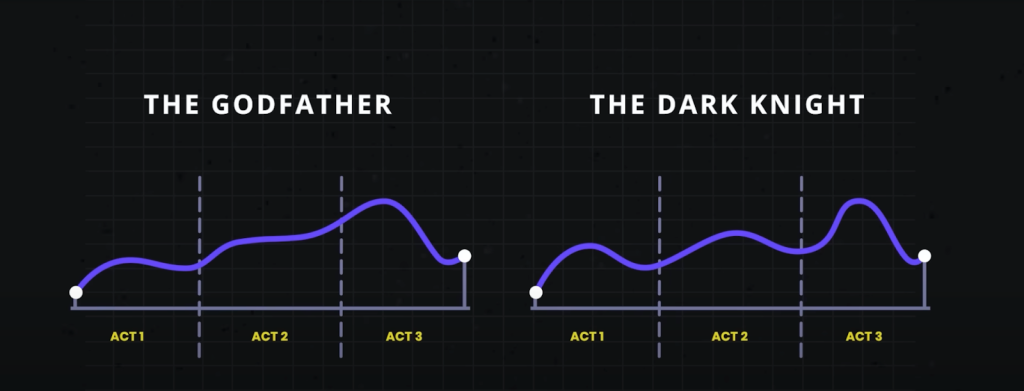
    Think of your favorite movie. More than likely it follows a three-act structure that’s commonly seen in storytelling: the setup, the conflict, and the resolution. The first act shows what exists today, and it helps you get to know the characters and the challenges and problems that they face. Act two introduces the conflict, where the action is. Here, problems grow or get worse. And the third and final act is the resolution. This is where the issues are resolved and the characters learn and change. I believe that this structure is also a great way to think about user research, and I think that it can be especially helpful in explaining user research to others.

    Use storytelling as a structure to do research

    It’s sad to say, but many have come to see research as being expendable. If budgets or timelines are tight, research tends to be one of the first things to go. Instead of investing in research, some product managers rely on designers or—worse—their own opinion to make the “right” choices for users based on their experience or accepted best practices. That may get teams some of the way, but that approach can so easily miss out on solving users’ real problems. To remain user-centered, this is something we should avoid. User research elevates design. It keeps it on track, pointing to problems and opportunities. Being aware of the issues with your product and reacting to them can help you stay ahead of your competitors.

    In the three-act structure, each act corresponds to a part of the process, and each part is critical to telling the whole story. Let’s look at the different acts and how they align with user research.

    Act one: setup

    The setup is all about understanding the background, and that’s where foundational research comes in. Foundational research (also called generative, discovery, or initial research) helps you understand users and identify their problems. You’re learning about what exists today, the challenges users have, and how the challenges affect them—just like in the movies. To do foundational research, you can conduct contextual inquiries or diary studies (or both!), which can help you start to identify problems as well as opportunities. It doesn’t need to be a huge investment in time or money.

    Erika Hall writes about minimum viable ethnography, which can be as simple as spending 15 minutes with a user and asking them one thing: “‘Walk me through your day yesterday.’ That’s it. Present that one request. Shut up and listen to them for 15 minutes. Do your damndest to keep yourself and your interests out of it. Bam, you’re doing ethnography.” According to Hall, [This] will probably prove quite illuminating. In the highly unlikely case that you didn’t learn anything new or useful, carry on with enhanced confidence in your direction.”  

    This makes total sense to me. And I love that this makes user research so accessible. You don’t need to prepare a lot of documentation; you can just recruit participants and do it! This can yield a wealth of information about your users, and it’ll help you better understand them and what’s going on in their lives. That’s really what act one is all about: understanding where users are coming from. 

    Jared Spool talks about the importance of foundational research and how it should form the bulk of your research. If you can draw from any additional user data that you can get your hands on, such as surveys or analytics, that can supplement what you’ve heard in the foundational studies or even point to areas that need further investigation. Together, all this data paints a clearer picture of the state of things and all its shortcomings. And that’s the beginning of a compelling story. It’s the point in the plot where you realize that the main characters—or the users in this case—are facing challenges that they need to overcome. Like in the movies, this is where you start to build empathy for the characters and root for them to succeed. And hopefully stakeholders are now doing the same. Their sympathy may be with their business, which could be losing money because users can’t complete certain tasks. Or maybe they do empathize with users’ struggles. Either way, act one is your initial hook to get the stakeholders interested and invested.

    Once stakeholders begin to understand the value of foundational research, that can open doors to more opportunities that involve users in the decision-making process. And that can guide product teams toward being more user-centered. This benefits everyone—users, the product, and stakeholders. It’s like winning an Oscar in movie terms—it often leads to your product being well received and successful. And this can be an incentive for stakeholders to repeat this process with other products. Storytelling is the key to this process, and knowing how to tell a good story is the only way to get stakeholders to really care about doing more research. 

    This brings us to act two, where you iteratively evaluate a design or concept to see whether it addresses the issues.

    Act two: conflict

    Act two is all about digging deeper into the problems that you identified in act one. This usually involves directional research, such as usability tests, where you assess a potential solution (such as a design) to see whether it addresses the issues that you found. The issues could include unmet needs or problems with a flow or process that’s tripping users up. Like act two in a movie, more issues will crop up along the way. It’s here that you learn more about the characters as they grow and develop through this act. 

    Usability tests should typically include around five participants according to Jakob Nielsen, who found that that number of users can usually identify most of the problems: “As you add more and more users, you learn less and less because you will keep seeing the same things again and again… After the fifth user, you are wasting your time by observing the same findings repeatedly but not learning much new.” 

    There are parallels with storytelling here too; if you try to tell a story with too many characters, the plot may get lost. Having fewer participants means that each user’s struggles will be more memorable and easier to relay to other stakeholders when talking about the research. This can help convey the issues that need to be addressed while also highlighting the value of doing the research in the first place.

    Researchers have run usability tests in person for decades, but you can also conduct usability tests remotely using tools like Microsoft Teams, Zoom, or other teleconferencing software. This approach has become increasingly popular since the beginning of the pandemic, and it works well. You can think of in-person usability tests like going to a play and remote sessions as more like watching a movie. There are advantages and disadvantages to each. In-person usability research is a much richer experience. Stakeholders can experience the sessions with other stakeholders. You also get real-time reactions—including surprise, agreement, disagreement, and discussions about what they’re seeing. Much like going to a play, where audiences get to take in the stage, the costumes, the lighting, and the actors’ interactions, in-person research lets you see users up close, including their body language, how they interact with the moderator, and how the scene is set up.

    If in-person usability testing is like watching a play—staged and controlled—then conducting usability testing in the field is like immersive theater where any two sessions might be very different from one another. You can take usability testing into the field by creating a replica of the space where users interact with the product and then conduct your research there. Or you can go out to meet users at their location to do your research. With either option, you get to see how things work in context, things come up that wouldn’t have in a lab environment—and conversion can shift in entirely different directions. As researchers, you have less control over how these sessions go, but this can sometimes help you understand users even better. Meeting users where they are can provide clues to the external forces that could be affecting how they use your product. In-person usability tests provide another level of detail that’s often missing from remote usability tests. 

    That’s not to say that the “movies”—remote sessions—aren’t a good option. Remote sessions can reach a wider audience. They allow a lot more stakeholders to be involved in the research and to see what’s going on. And they open the doors to a much wider geographical pool of users. But with any remote session there is the potential of time wasted if participants can’t log in or get their microphone working. 

    The benefit of usability testing, whether remote or in person, is that you get to see real users interact with the designs in real time, and you can ask them questions to understand their thought processes and grasp of the solution. This can help you not only identify problems but also glean why they’re problems in the first place. Furthermore, you can test hypotheses and gauge whether your thinking is correct. By the end of the sessions, you’ll have a much clearer picture of how usable the designs are and whether they work for their intended purposes. Act two is the heart of the story—where the excitement is—but there can be surprises too. This is equally true of usability tests. Often, participants will say unexpected things, which change the way that you look at things—and these twists in the story can move things in new directions. 

    Unfortunately, user research is sometimes seen as expendable. And too often usability testing is the only research process that some stakeholders think that they ever need. In fact, if the designs that you’re evaluating in the usability test aren’t grounded in a solid understanding of your users (foundational research), there’s not much to be gained by doing usability testing in the first place. That’s because you’re narrowing the focus of what you’re getting feedback on, without understanding the users’ needs. As a result, there’s no way of knowing whether the designs might solve a problem that users have. It’s only feedback on a particular design in the context of a usability test.  

    On the other hand, if you only do foundational research, while you might have set out to solve the right problem, you won’t know whether the thing that you’re building will actually solve that. This illustrates the importance of doing both foundational and directional research. 

    In act two, stakeholders will—hopefully—get to watch the story unfold in the user sessions, which creates the conflict and tension in the current design by surfacing their highs and lows. And in turn, this can help motivate stakeholders to address the issues that come up.

    Act three: resolution

    While the first two acts are about understanding the background and the tensions that can propel stakeholders into action, the third part is about resolving the problems from the first two acts. While it’s important to have an audience for the first two acts, it’s crucial that they stick around for the final act. That means the whole product team, including developers, UX practitioners, business analysts, delivery managers, product managers, and any other stakeholders that have a say in the next steps. It allows the whole team to hear users’ feedback together, ask questions, and discuss what’s possible within the project’s constraints. And it lets the UX research and design teams clarify, suggest alternatives, or give more context behind their decisions. So you can get everyone on the same page and get agreement on the way forward.

    This act is mostly told in voiceover with some audience participation. The researcher is the narrator, who paints a picture of the issues and what the future of the product could look like given the things that the team has learned. They give the stakeholders their recommendations and their guidance on creating this vision.

    Nancy Duarte in the Harvard Business Review offers an approach to structuring presentations that follow a persuasive story. “The most effective presenters use the same techniques as great storytellers: By reminding people of the status quo and then revealing the path to a better way, they set up a conflict that needs to be resolved,” writes Duarte. “That tension helps them persuade the audience to adopt a new mindset or behave differently.”

    This type of structure aligns well with research results, and particularly results from usability tests. It provides evidence for “what is”—the problems that you’ve identified. And “what could be”—your recommendations on how to address them. And so on and so forth.

    You can reinforce your recommendations with examples of things that competitors are doing that could address these issues or with examples where competitors are gaining an edge. Or they can be visual, like quick mockups of how a new design could look that solves a problem. These can help generate conversation and momentum. And this continues until the end of the session when you’ve wrapped everything up in the conclusion by summarizing the main issues and suggesting a way forward. This is the part where you reiterate the main themes or problems and what they mean for the product—the denouement of the story. This stage gives stakeholders the next steps and hopefully the momentum to take those steps!

    While we are nearly at the end of this story, let’s reflect on the idea that user research is storytelling. All the elements of a good story are there in the three-act structure of user research: 

    • Act one: You meet the protagonists (the users) and the antagonists (the problems affecting users). This is the beginning of the plot. In act one, researchers might use methods including contextual inquiry, ethnography, diary studies, surveys, and analytics. The output of these methods can include personas, empathy maps, user journeys, and analytics dashboards.
    • Act two: Next, there’s character development. There’s conflict and tension as the protagonists encounter problems and challenges, which they must overcome. In act two, researchers might use methods including usability testing, competitive benchmarking, and heuristics evaluation. The output of these can include usability findings reports, UX strategy documents, usability guidelines, and best practices.
    • Act three: The protagonists triumph and you see what a better future looks like. In act three, researchers may use methods including presentation decks, storytelling, and digital media. The output of these can be: presentation decks, video clips, audio clips, and pictures. 

    The researcher has multiple roles: they’re the storyteller, the director, and the producer. The participants have a small role, but they are significant characters (in the research). And the stakeholders are the audience. But the most important thing is to get the story right and to use storytelling to tell users’ stories through research. By the end, the stakeholders should walk away with a purpose and an eagerness to resolve the product’s ills. 

    So the next time that you’re planning research with clients or you’re speaking to stakeholders about research that you’ve done, think about how you can weave in some storytelling. Ultimately, user research is a win-win for everyone, and you just need to get stakeholders interested in how the story ends.

  • Weekend Favs January 4th

    Weekend Favs January 4th

    Weeknight Favs, January 4th, written by John Jantsch, are available for more reading at Duct Tape Marketing.

    My weekly blog post schedule includes including links to a few instruments or useful information that I came across during the week. I don’t go into detail about the sees, but I encourage you to check them out if they sound exciting. The post’s pictures, which was posted online, is my favorite of the week.

    The framework written by John Jantsch, The Framework That Transformed My Business ( And Can Transform Yours as Well ) is available for purchase at Duct Tape Marketing.


    The Duct Tape Marketing Podcast with Nick Sonnenberg

    In this instance of the Duct Tape Marketing Podcast, I interviewed Nick Sonnenberg, chairman of Leverage, a leading operating efficiency firm, and creator of the bestselling book Travel Up for Air. Nick is an expert in company performance, team performance, and office networks. His CPR model has transformed the way companies operate by addressing common obstacles in conversation, planning, and tools.

    During our chat, Nick shared his personal voyage of overcoming panic in his company, where rapid development led to incompetence and burnout. He explained how the CPR framework—focusing on Communication, Planning, and Resources —helps businesses optimize processes, improve staff engagement, and improve time management. By implementing this strategy, businesses can obtain administrative efficiency, decrease stress, and create lasting systems that support long-term success.

    Nick Sonnenberg’s CPR model is a game-changer for business owners looking to improve staff efficiency, optimize workflows, and make a stress-free operating environment. Adopting this model is change the way you work and prepare you for long-term success, whether you’re an overworked businessman or a growing organization.

    Important Restaurants:

    • The CPR Framework
        Communication: Streamline inner conversation by consolidating resources and reducing unnecessary back-and-forth. For example, task-related conversations may dwell in project management tools, never Slack or message.

      • Planning: Centralize process and task management in devices like Asana or Monday .com. This ensures all knows what needs to be done, by whom, and when.
      • Resources: Create a knowledge base or website where team members is self-serve responses to daily concerns, reducing disruptions and improving productivity.
    • Prioritize Return on Time ( ROT ) prioritization
      • Focus on tasks that save the most money while reducing the most time. This approach makes sure that efforts are made to improve team productivity and business workflows.
    • Systemize Early to Scale Effectively
      • Even solopreneurs should begin putting systems into practice right away to get ready for growth. Small, incremental adjustments to processes can stop chaos as the business grows.
    • The Importance of Documentation
      • Use tools like Loom to record processes and create step-by-step guides. Documenting workflows helps current employees, as well as reducing risks when welcoming new team members or changing roles.
    • Long-Term vs. Short-Term Thinking
      • Businesses that prioritize long-term success over those that focus on quick wins. A stress-free and scalable environment can be created by improving business systems and operational efficiency in the present.

    Chapters:

      ]00: 09 ] Introducing Nick Sonnenberg

    • ]00: 44] How Nick Stopped Drowning in Work
    • ]06: 25 ] Prioritizing Where to Start
    • ]07: 46] Focusing on What Matters
    • ]10: 08 ] Investing in Implementing Change
    • ]11: 34] Solving Operational Efficiency Holistically
    • ]12: 48] Best Practices of CPR ( Communication, Planning, and Resources )
    • ]16: 24] What Size Business is CPR for?
    • ]18: 14] Find Out More About Nick and His Work

    More About Duncan Wardle:

      Check out Nick Sonnenberg&#8217, s Website

    • Connect with Nick Sonnenberg on LinkedIn
    • Read Nick Sonnenberg’s book Come Up for Air: How Teams Can Leverage Systems and Tools to Stop Drowning at Work.

    Duct Tape Marketing Podcast brings you this episode.

    Do you want to improve your marketing skills? AdCritter combines precise digital retargeting with Connected TV ads to deliver real results. Discover how their full-funnel approach can enhance your company’s ability to succeed. Let them know Duct Tape Marketing sent you, and you’ll get a dollar-for-dollar match on your first campaign! Learn more at adcritter.com.

  • The Secret to Smarter, Focused Productivity

    The Secret to Smarter, Focused Productivity

    Read more about John Jantsch’s The Key to Smarter, Focused Productivity at Duct Tape Marketing.

    The Duct Tape Marketing Podcast with Jay Papasan In this instance of the Duct Tape Marketing Podcast, I interviewed Jay Papasan, a best author, VP of corporate information at Keller Williams Realty International, and co-creator of The One Point. Jay has made a career out of designing priorities to help people and businesses achieve amazing results.

    Read more at Duct Tape Marketing about John Jantsch‘s The Framework That Transformed My Business ( And Can Transform Yours As Well ).


    The Duct Tape Marketing Podcast with Nick Sonnenberg

    In this instance of the Duct Tape Marketing Podcast, I interviewed Nick Sonnenberg, chairman of Leverage, a leading operating efficiency firm, and creator of the bestselling book Travel Up for Air. Nick is an expert in company performance, team performance, and office networks. His CPR model has transformed the way companies operate by addressing common obstacles in conversation, planning, and solutions.

    During our chat, Nick shared his personal voyage of overcoming panic in his company, where rapid development led to incompetence and burnout. He explained how the CPR framework—focusing on Communication, Planning, and Resources —helps businesses optimize processes, improve staff engagement, and improve time management. By implementing this strategy, businesses can obtain administrative efficiency, decrease stress, and create lasting systems that support long-term success.

    Nick Sonnenberg’s CPR model is a game-changer for business owners looking to improve staff efficiency, optimize workflows, and make a stress-free operating environment. Adopting this framework can change the way you work and prepare you for long-term success, whether you’re an overworked entrepreneur or a growing organization.

    Key Takeaways:

    • The CPR Framework
      • Communication: Streamline internal communication by consolidating tools and reducing unnecessary back-and-forth. For example, task-related discussions should live in project management tools, not Slack or email.
      • Planning: Centralize task and project management in tools like Asana or Monday .com. This ensures everyone knows what needs to be done, by whom, and when.
      • Resources: Create a knowledge base or wiki where team members can self-serve answers to routine questions, reducing disruptions and improving efficiency.
    • Prioritize Return on Time ( ROT ) Priority
      • Focus on the tasks that result in the most time savings for the least amount of money. This approach makes sure that all efforts are made to improve team productivity and business workflows.
    • Systemize Early to Scale Effectively
      • Even solopreneurs should begin putting systems into practice right away to get ready for growth. Small, incremental adjustments to processes can stop chaos as the business grows.
    • The Importance of Documentation
      • Use tools like Loom to record processes and create step-by-step guides. Documenting workflows helps current employees, as well as reducing risks when welcoming new team members or changing roles.
    • Long-Term vs. Short-Term Thinking
      • Businesses that focus on long-term efficiency experience greater success than those chasing quick profits. A stress-free and scalable environment can be created by investing in operational efficiency and business systems at this time.

    Chapters:

      ]00: 09 ] Introducing Nick Sonnenberg

    • ]00: 44] How Nick Stopped Drowning in Work
    • ]06: 25 ] Prioritizing Where to Start
    • ]07: 46] Focusing on What Matters
    • ]10: 08 ] Investing in Implementing Change
    • ]11: 34] Solving Operational Efficiency Holistically
    • ]12: 48] Best Practices of CPR ( Communication, Planning, and Resources )
    • ]16: 24] What Size Business is CPR for?
    • ]18: 14] Find Out More About Nick and His Work

    More About Duncan Wardle:

      Check out Nick Sonnenberg&#8217, s Website

    • Connect with Nick Sonnenberg on LinkedIn
    • Read Nick Sonnenberg’s book Come Up for Air: How Teams Can Leverage Systems and Tools to Stop Drowning at Work.

    This episode of the Duct Tape Marketing Podcast is brought to you by the podcast.

    Do you want to improve your marketing skills? To achieve real results, AdCritter combines connected TV ads with precise digital retargeting. Discover how their full-funnel approach can enhance your company’s ability to succeed. Let them know Duct Tape Marketing sent you, and you’ll get a dollar-for-dollar match on your first campaign! Learn more at adcritter.com.

  • Solving the Marketing Leadership Gap for Small Business (Marketing Leadership as a Service)

    Solving the Marketing Leadership Gap for Small Business (Marketing Leadership as a Service)

    The book Solving the Marketing Leadership Gap for Small Businesses ( Marketing Leadership as a Service ) by John Jantsch is available online at Duct Tape Marketing.

    Small business marketing may feel like an infinite checklist: make information, run Google Ads, post on social media, and boost for SEO. The guidance is outside, but what if you’ve tried it all and still don’t see results? If this sounds familiar, you’re never alone. Many small business owners have trouble coming up with marketing tactics that work.

    The framework that transformed my business ( And Can Transform Yours As Well ) by John Jantsch is available for purchase at Duct Tape Marketing.


    The Duct Tape Marketing Podcast with Nick Sonnenberg

    In this instance of the Duct Tape Marketing Podcast, I interviewed Nick Sonnenberg, chairman of Leverage, a leading operating efficiency firm, and creator of the bestselling book Travel Up for Air. Nick is an expert in company performance, team performance, and office networks. His CPR model has transformed the way companies operate by addressing common obstacles in conversation, planning, and tools.

    During our chat, Nick shared his personal voyage of overcoming panic in his company, where rapid development led to incompetence and burnout. He explained how the CPR framework—focusing on Communication, Planning, and Resources —helps businesses optimize processes, improve staff engagement, and improve time management. By implementing this strategy, businesses can obtain administrative efficiency, decrease stress, and create lasting systems that support long-term success.

    Nick Sonnenberg’s CPR model is a game-changer for business owners looking to improve staff efficiency, optimize workflows, and make a stress-free operating environment. Adopting this model is change the way you work and prepare you for long-term success, whether you’re an overworked businessman or a growing organization.

    Important Restaurants:

    • The CPR Framework
        Communication: Streamline inner conversation by consolidating equipment and reducing unnecessary back-and-forth. For instance, task-related debate may dwell in project management tools, never Slack or email.

      • Planning: Centralize process and task management in devices like Asana or Monday .com. This ensures all knows what needs to be done, by whom, and when.
      • Resources: Create a knowledge base or website where team members is self-serve responses to daily concerns, reducing disruptions and improving productivity.
    • Prioritize Return on Time ( ROT ) Priority
      • Focus on the tasks that result in the most time savings for the least amount of money spent. This approach makes sure that efforts are made to improve team productivity and business workflows.
    • Systemize Early to Scale Effectively
      • Even solopreneurs should begin putting systems into practice as soon as possible to get ready for growth. Small, incremental adjustments to processes can stop chaos as the business grows.
    • The Importance of Documentation
      • Use tools like Loom to record processes and create step-by-step guides. Documenting workflows helps current employees as well as reducing risks when introducing new team members or changing roles.
    • Long-Term vs. Short-Term Thinking
      • More success is achieved by companies that focus on long-term efficiency than by those chasing quick profits. A stress-free and scalable environment can be created by improving business systems and operational efficiency in the present.

    Chapters:

      ]00: 09 ] Introducing Nick Sonnenberg

    • ]00: 44] How Nick Stopped Drowning in Work
    • ]06: 25 ] Prioritizing Where to Start
    • ]07: 46] Focusing on What Matters
    • ]10: 08 ] Investing in Implementing Change
    • ]11: 34] Solving Operational Efficiency Holistically
    • ]12: 48] Best Practices of CPR ( Communication, Planning, and Resources )
    • ]16: 24] What Size Business is CPR for?
    • ]18: 14] Find Out More About Nick and His Work

    More About Duncan Wardle:

      Check out Nick Sonnenberg&#8217, s Website

    • Connect with Nick Sonnenberg on LinkedIn
    • Read Nick Sonnenberg’s book Come Up for Air: How Teams Can Leverage Systems and Tools to Stop Drowning at Work.

    Duct Tape Marketing Podcast brings you this episode.

    Want to improve your marketing strategy? To achieve real results, AdCritter combines connected TV ads with precise digital retargeting. Discover how their full-funnel approach can aid your company in becoming more intelligent. Let them know Duct Tape Marketing sent you, and you’ll get a dollar-for-dollar match on your first campaign! Learn more at adcritter.com.

  • Link Tank: Death of the Author Is Nnedi Okorafor’s Best Novel in an Already Stellar Body of Sci-Fi

    Link Tank: Death of the Author Is Nnedi Okorafor’s Best Novel in an Already Stellar Body of Sci-Fi

    Nnedi Okorafor has earned her status as a trailblazer in modern science fiction, but her latest work, Death of the Author, is on another level. “Death of the Author is a masterwork of modern speculative fiction, and arguably Nnedi Okorafor’s best book yet. It’s an unusual novel that defies easy definition, combining Africanfuturism, speculative fiction, […]

    The post Link Tank: Death of the Author Is Nnedi Okorafor’s Best Novel in an Already Stellar Body of Sci-Fi appeared first on Den of Geek.

    The best Nintendo Switch games are not going anywhere thanks to the Switch 2’s confirmed backward compatibility functionality. While the extent of that feature has yet to be confirmed, millions of Switch owners are rightfully relieved to know the bulk of the Switch’s library will live on. While the Switch’s historic success is very much based on its incredible hardware design, the Switch’s best games have greatly exceeded the expectations of those who once worried the device was a novelty.

    Instead, the console upended the industry by showing how great modern gaming is when we can experience it wherever we go. While it’s hard to ignore the mostly first-party exclusives that largely dominated the Switch’s library, the console’s greatest gift may just be the way it gave indie developers the perfect platform for their smaller games and big dreams. Together, they form a library that makes the Switch exactly what Nintendo hyped it up to be: a sign of a great time wherever you may see one. 

    Below, we’ve ranked what we consider to be the 15 best games on the Nintendo Switch.

    cnx.cmd.push(function() {
    cnx({
    playerId: “106e33c0-3911-473c-b599-b1426db57530”,

    }).render(“0270c398a82f44f49c23c16122516796”);
    });

    15. Tetris 99

    Released on the Nintendo Switch eShop the day it was announced, Tetris 99 is a rare example of Nintendo using the flexibility of the modern digital marketplace to do something fun and surprising. Even if the idea of playing Tetris against 98 other people in a battle royale setting ended up being just a silly gimmick, at least it was going to be a free gimmick.

    Instead, Tetris 99 ended up being pretty special. The basic battle royale concept (though it’s closer to a Last Man Standing mode in many respects) adds enough of a hook to keep you addicted to what has long been an underrated gaming experience: multiplayer Tetris. It reminded some of their love of the base game, it ensnared a new generation of players, and it kicked off the trend off the wonderful trend of “99” titles that grew to include Super Mario, F-Zero, and Pac-Man.

    14. Pokémon Legends: Arceus

    Nintendo fans spent decades begging the publisher to release a traditional, mainline new Pokémon game on a console. While the Switch finally gave those fans such a game (a few of them, in fact) the best Pokémon game on the console is ironically the least traditional one: Pokémon Legends: Arceus.

    Yet, despite its lack of traditional Pokémon progression and combat mechanics, Arceus sometimes feels closer to the console Pokémon game fans long dreamed of. Its much more open design lets you lose yourself in the Pokémon universe while its more active combat and crafting mechanics make Pokémon feel more modern than it has in quite some time. It’s far from perfect, but it may be the future of the franchise. 

    13. Pikmin 4

    Pikmin 4 was careering toward meme status before it was finally released in 2023. After about eight years of vague promises, fans of the cult classic series started to accept that the franchise had probably gone to live at the farm upstate that Nintendo sent F-Zero to. Besides, how much could we expect from whatever Pikmin game we may be lucky enough to even get? 

    Yet, Pikmin 4 really is one of the purest examples of Nintendo magic on the Switch. It’s both a glorious celebration of the creative blend of puzzles and explorations that always set Pikmin apart and an ideal starting point for the many who never gave the series a shot. You can feel the love that went into making Pikmin 4 either the best Pikmin we’ll ever get or the start of a bright new era for the franchise. 

    12. Super Mario Party Jamboree

    At a time when the traditional party game is practically endangered, a night with Mario Party feels particularly special. At its best, Mario Party is a remarkably unpretentious good time that is just deep enough and competitive enough to enthrall any group of players. The problem is that Mario Party has rarely been at its best in recent years. 

    Super Mario Party Jamboree finally gets the franchise back on track. It features one of the best collections of boards and minigames we’ve seen from the series since the N64 days and is (mostly) mercifully free of the gimmicks that plagued previous entries. So long as you’re willing to embrace the chaos, it’s one of the absolute best local multiplayer experiences of the Switch era. 

    11. Astral Chain

    For quite some time, Bayonetta 3 was hyped as the Switch’s biggest action exclusive. While Bayonetta 3 lived up to much of that hype when it was released in 2022, developer PlatinumGames somewhat quietly delivered an even better action gaming experience with 2019’s Astral Chain

    Rather than give us “Bayonetta 3 in a hat and mustache” (a perfectly acceptable and visually amusing compromise), PlatinumGames made Astral Chain its own, special thing. Its emphasis on exploration, narrative, and customization makes it slightly more experimental than PlatinumGames’ other action masterpieces while its creative, companion-based combat showcases the refined ambition of a studio at the top of its game. 

    10. Fire Emblem: Three Houses

    There’s a degree to which the basic Fire Emblem formula is pretty much bulletproof. An airtight tactical RPG game with a compelling permadeath system tends to be a good time. With Three Houses, developer Intelligent Systems added a significant variable to that formula. This time around, players are encouraged to make meaningful loyalty choices and navigate a richer social system in a game designed to be played multiple times. 

    While not a flawless system by any means, those new and refined mechanics accomplish exactly what Intelligent Systems looked to accomplish: make Fire Emblem feel worthy of a major modern console. Like many Switch exclusives, Three Houses serves as both an effective gateway and the new bar for Nintendo’s legendary strategy franchise. 

    9. Mario + Rabbids Kingdom Battle

    The game that famously brought its director Davide Soliani to tears when it was revealed at E3 2017 has gone on to inspire similar outbursts of joy among those who gave it a chance. Yes, the idea of an XCOM-like strategy title starring Mario and the Ubisoft Rabbids was always a little silly and hasn’t gotten less silly in the intervening years. You’ll get no arguments against from us. 

    Yet, that silliness is at the heart of what makes the whole thing so special. Kingdom Battle represents not only its team’s love of the Super Mario universe but the joy of strategy games that we still don’t get enough of. It’s a minor miracle that this game dilutes XCOM’s defining difficulty yet somehow still taps into the heart of that series while emphasizing distinct Super Mario gameplay and charms. 

    8. Super Mario Bros. Wonder

    The brilliance of Super Mario Bros. Wonder can be found in its name. With this modern 2D entry in gaming’s most famous franchise, the team wanted modern games to experience the same kinds of joys and surprises that the original Super Mario Bros. inspired nearly four decades ago. The wonder of it all, if you will. 

    They succeeded spectacularly. Every aspect of Wonder is designed to invoke a sense of surprise from those who play it. No object or ability is ever quite what it seems, and the joy of discovering the true nature of it all amplifies what has always been one of gaming’s most purely enjoyable experiences. 

    7. Super Smash Bros. Ultimate

    Much like Super Mario Bros. Wonder, Super Smash Bros. Ultimate’s name is a rare example of truth in advertising. This game’s absurd roster of 80+ characters is larger, weirder, and more ambitious than even those fan-created roster pages that once defined the Super Smash Bros. corners of the internet. If we never get another Smash Bros. game, we at least know the developers left nothing on the table with this one. 

    Despite its ambition, this is a remarkably refined take on the Smash Bros. experience. The series’ mythical blend of competitive depth and enjoyable accessibility is on full display in this game that often transcends the fighting genre and the ways we analyze it.  

    6. Metroid Dread

    For decades, the Metroid franchise has been a critical darling and a consistent sales disappointment. While the games Metroid inspired have gone on to sell millions and millions of copies, the Metroid franchise has consistently struggled to justify a sequel. 

    So when we celebrate Metroid Dread’s record-breaking series sales, know that we’re really celebrating a franchise that finally got more of the love it always deserved. More than a victory lap, Metroid Dread is a throwback to the series’ roots that brilliantly refines or evolves the franchise’s core mechanics while emphasizing those atmospheric qualities that Metroid has long done better than most. It’s not just the best-selling Metroid game; it may be the best Metroid game yet. 

    5. Super Mario Odyssey

    There are times when it feels like we take Super Mario Odyssey for granted. Though we expect a new Super Mario game alongside a new Nintendo console, perhaps we have become so complacent in our expectations for those games to be great that we let them come and go like another Meryl Streep Oscar nomination. 

    Super Mario Odyssey deserves better. An evolution of the franchise’s 3D platformer era, Super Mario Odyssey features all the secrets, objectives, and collectibles we lovingly associate with that era. Yet, we’ve rarely seen levels this creative, movements this refined, or cinematic moments this satisfying in even the best 3D Super Mario titles. Most importantly, Odyssey is downright weird at a time when some of gaming’s other major franchises are a little too eager to play things a bit too safe. 

    4. The Legend of Zelda: Breath of the Wild

    Few could have seen a game like Breath of the Wild coming. Yes, it’s an entry in one of gaming’s greatest franchises, but its many deviations from that franchise’s norms were enough to make you wonder if this game was more of an elaborate experiment than a proper Zelda sequel. It turns out it was the best of both those things. 

    With Breath of the Wild, Nintendo upended the blockbuster open-world genre by emphasizing the joy of organically discovering absolutely everything. By doing so, they were really bringing the adventurous, explorative joys of the original Legend of Zelda to life in the modern era. It’s one of the boldest and greatest games to ever reach true blockbuster status. 

    3. Animal Crossing: New Horizons

    There’s a degree to which New Horizons will always be associated with the early days of the COVID-19 pandemic lockdowns. What should be an entirely tragic association instead often inspires an unlikely smile. At a time when we looked for community, adventures, and the idea we were all sharing something a little bit better, New Horizons provided all that and more. 

    Then again, that’s always been the magic of the Animal Crossing experience. It’s a quaint and enjoyable series that demands little and gives so much. Like some of the Switch’s other great games, Animal Crossing was one of those franchises that fans hoped would eventually return to Nintendo’s consoles in the grandest way possible. Even then, few dared to dream the dream that New Horizons gave many at a time when the reality of it all often felt like too much to handle. 

    2. Mario Kart 8 Deluxe

    One of the greatest magic tricks Nintendo pulled with the Switch was to use the hardware’s popularity to resurrect many of the Wii U’s greatest and most overlooked titles. While the Switch supported updated versions of numerous Wii U games that deserved better, Mario Kart 8 Deluxe will always be the definitive example of that movement. 

    You certainly could have argued that the Wii U version of Mario Kart 8 was the best Mario Kart game up until that point. The Switch version of Mario Kart 8 simply solidified that position. Yes, the Deluxe version of the game features various improvements and quite a bit of new content, but its greatest advantage has long been how good it feels to play Mario Kart on the Switch hardware (especially in handheld mode). This was the earliest and most powerful example of how invaluable the “Switch advantage” would be.

    1. The Legend of Zelda: Tears of the Kingdom

    Tears of the Kingdom lingered in a rather odd position ahead of its release. On the one hand, even a better version of Breath of the Wild would have been a worthy experience. On the other hand, people expected Tears of the Kingdom to not just build upon Breath of the Wild’s mechanical greatness but recreate what they felt when they played that game. How would this sequel live up to those expectations?

    Well, Nintendo did with a game that now makes even the incredible Breath of the Wild sometimes feel like it’s missing several special somethings. Defined by its Ultrahand and Fusion mechanics that enable levels of creative exploration not seen outside of games that are basically elaborate toolkits, Tears of the Kingdom lets you explore and implement the limits of your imagination in an experience that still manages to be fundamentally brilliant even if you play it in the most vanilla ways possible. As we prepare to enter the Switch 2 era, Tears of the Kingdom shows just how much more the Switch platform has to give.

    The post The Best Nintendo Switch Games, Ranked appeared first on Den of Geek.

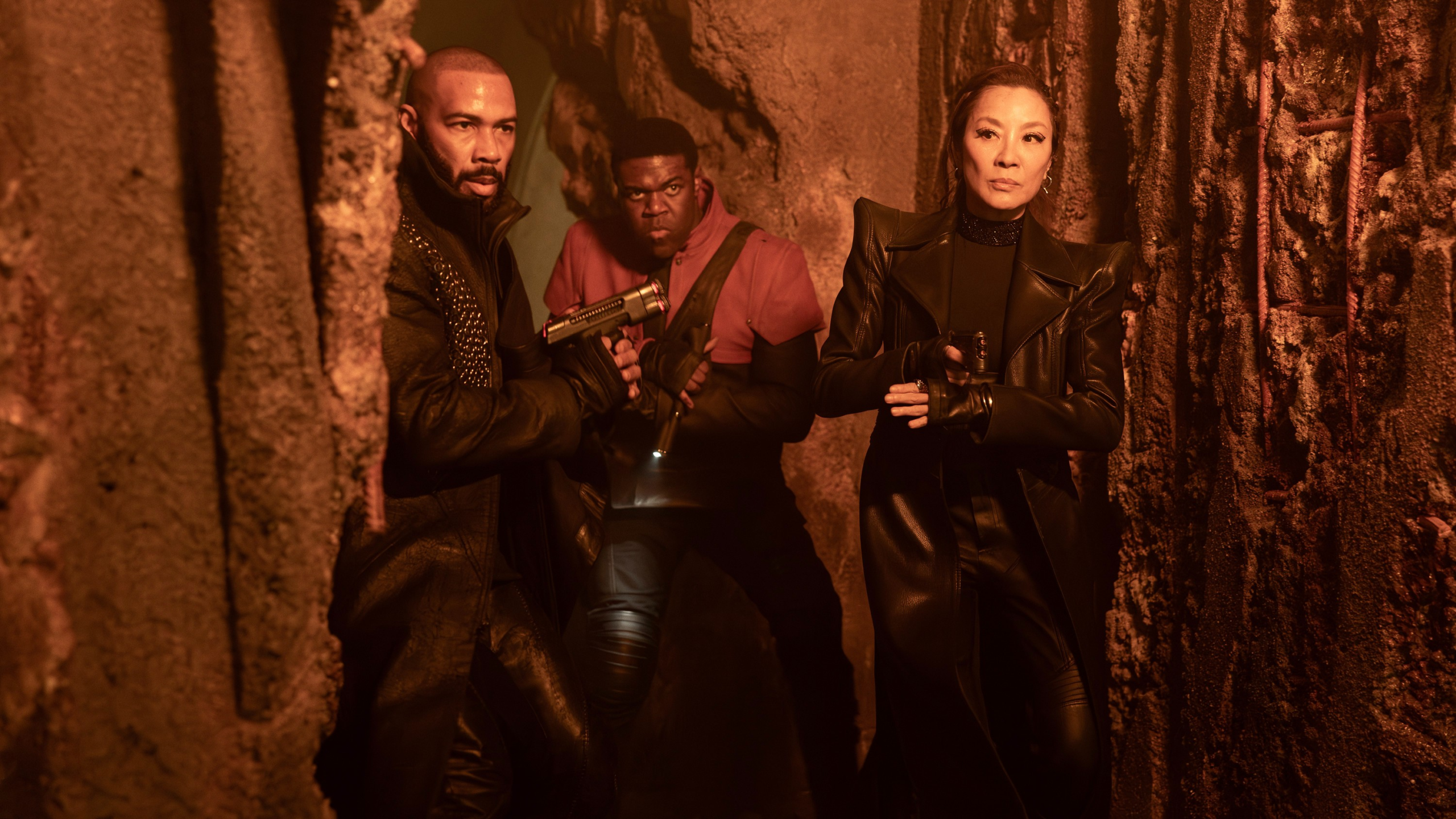
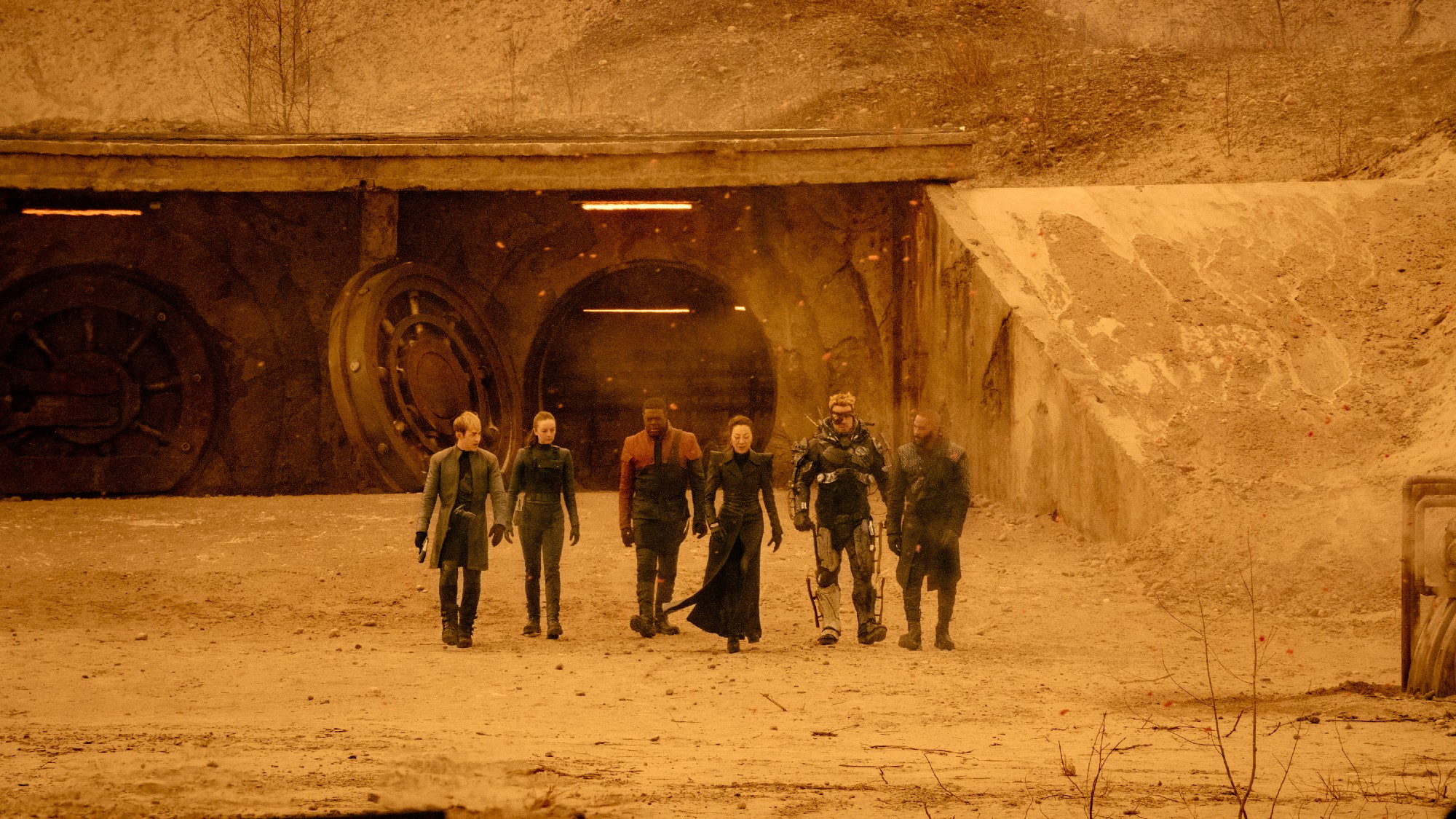
  • Section 31 Just Made the Star Trek Timeline Even More Confusing

    Section 31 Just Made the Star Trek Timeline Even More Confusing

    This Star Trek article contains spoilers for Section 31. The new movie Star Trek: Section 31 takes its heroes deep outside of Federation space. But in the Star Trek universe, you can’t go anywhere without hearing the word, “KHAN!” No one in Section 31 actually names Khan Noonien Singh, but the 20th century warlord’s presence […]

    The post Section 31 Just Made the Star Trek Timeline Even More Confusing appeared first on Den of Geek.

    The best Nintendo Switch games are not going anywhere thanks to the Switch 2’s confirmed backward compatibility functionality. While the extent of that feature has yet to be confirmed, millions of Switch owners are rightfully relieved to know the bulk of the Switch’s library will live on. While the Switch’s historic success is very much based on its incredible hardware design, the Switch’s best games have greatly exceeded the expectations of those who once worried the device was a novelty.

    Instead, the console upended the industry by showing how great modern gaming is when we can experience it wherever we go. While it’s hard to ignore the mostly first-party exclusives that largely dominated the Switch’s library, the console’s greatest gift may just be the way it gave indie developers the perfect platform for their smaller games and big dreams. Together, they form a library that makes the Switch exactly what Nintendo hyped it up to be: a sign of a great time wherever you may see one. 

    Below, we’ve ranked what we consider to be the 15 best games on the Nintendo Switch.

    cnx.cmd.push(function() {
    cnx({
    playerId: “106e33c0-3911-473c-b599-b1426db57530”,

    }).render(“0270c398a82f44f49c23c16122516796”);
    });

    15. Tetris 99

    Released on the Nintendo Switch eShop the day it was announced, Tetris 99 is a rare example of Nintendo using the flexibility of the modern digital marketplace to do something fun and surprising. Even if the idea of playing Tetris against 98 other people in a battle royale setting ended up being just a silly gimmick, at least it was going to be a free gimmick.

    Instead, Tetris 99 ended up being pretty special. The basic battle royale concept (though it’s closer to a Last Man Standing mode in many respects) adds enough of a hook to keep you addicted to what has long been an underrated gaming experience: multiplayer Tetris. It reminded some of their love of the base game, it ensnared a new generation of players, and it kicked off the trend off the wonderful trend of “99” titles that grew to include Super Mario, F-Zero, and Pac-Man.

    14. Pokémon Legends: Arceus

    Nintendo fans spent decades begging the publisher to release a traditional, mainline new Pokémon game on a console. While the Switch finally gave those fans such a game (a few of them, in fact) the best Pokémon game on the console is ironically the least traditional one: Pokémon Legends: Arceus.

    Yet, despite its lack of traditional Pokémon progression and combat mechanics, Arceus sometimes feels closer to the console Pokémon game fans long dreamed of. Its much more open design lets you lose yourself in the Pokémon universe while its more active combat and crafting mechanics make Pokémon feel more modern than it has in quite some time. It’s far from perfect, but it may be the future of the franchise. 

    13. Pikmin 4

    Pikmin 4 was careering toward meme status before it was finally released in 2023. After about eight years of vague promises, fans of the cult classic series started to accept that the franchise had probably gone to live at the farm upstate that Nintendo sent F-Zero to. Besides, how much could we expect from whatever Pikmin game we may be lucky enough to even get? 

    Yet, Pikmin 4 really is one of the purest examples of Nintendo magic on the Switch. It’s both a glorious celebration of the creative blend of puzzles and explorations that always set Pikmin apart and an ideal starting point for the many who never gave the series a shot. You can feel the love that went into making Pikmin 4 either the best Pikmin we’ll ever get or the start of a bright new era for the franchise. 

    12. Super Mario Party Jamboree

    At a time when the traditional party game is practically endangered, a night with Mario Party feels particularly special. At its best, Mario Party is a remarkably unpretentious good time that is just deep enough and competitive enough to enthrall any group of players. The problem is that Mario Party has rarely been at its best in recent years. 

    Super Mario Party Jamboree finally gets the franchise back on track. It features one of the best collections of boards and minigames we’ve seen from the series since the N64 days and is (mostly) mercifully free of the gimmicks that plagued previous entries. So long as you’re willing to embrace the chaos, it’s one of the absolute best local multiplayer experiences of the Switch era. 

    11. Astral Chain

    For quite some time, Bayonetta 3 was hyped as the Switch’s biggest action exclusive. While Bayonetta 3 lived up to much of that hype when it was released in 2022, developer PlatinumGames somewhat quietly delivered an even better action gaming experience with 2019’s Astral Chain

    Rather than give us “Bayonetta 3 in a hat and mustache” (a perfectly acceptable and visually amusing compromise), PlatinumGames made Astral Chain its own, special thing. Its emphasis on exploration, narrative, and customization makes it slightly more experimental than PlatinumGames’ other action masterpieces while its creative, companion-based combat showcases the refined ambition of a studio at the top of its game. 

    10. Fire Emblem: Three Houses

    There’s a degree to which the basic Fire Emblem formula is pretty much bulletproof. An airtight tactical RPG game with a compelling permadeath system tends to be a good time. With Three Houses, developer Intelligent Systems added a significant variable to that formula. This time around, players are encouraged to make meaningful loyalty choices and navigate a richer social system in a game designed to be played multiple times. 

    While not a flawless system by any means, those new and refined mechanics accomplish exactly what Intelligent Systems looked to accomplish: make Fire Emblem feel worthy of a major modern console. Like many Switch exclusives, Three Houses serves as both an effective gateway and the new bar for Nintendo’s legendary strategy franchise. 

    9. Mario + Rabbids Kingdom Battle

    The game that famously brought its director Davide Soliani to tears when it was revealed at E3 2017 has gone on to inspire similar outbursts of joy among those who gave it a chance. Yes, the idea of an XCOM-like strategy title starring Mario and the Ubisoft Rabbids was always a little silly and hasn’t gotten less silly in the intervening years. You’ll get no arguments against from us. 

    Yet, that silliness is at the heart of what makes the whole thing so special. Kingdom Battle represents not only its team’s love of the Super Mario universe but the joy of strategy games that we still don’t get enough of. It’s a minor miracle that this game dilutes XCOM’s defining difficulty yet somehow still taps into the heart of that series while emphasizing distinct Super Mario gameplay and charms. 

    8. Super Mario Bros. Wonder

    The brilliance of Super Mario Bros. Wonder can be found in its name. With this modern 2D entry in gaming’s most famous franchise, the team wanted modern games to experience the same kinds of joys and surprises that the original Super Mario Bros. inspired nearly four decades ago. The wonder of it all, if you will. 

    They succeeded spectacularly. Every aspect of Wonder is designed to invoke a sense of surprise from those who play it. No object or ability is ever quite what it seems, and the joy of discovering the true nature of it all amplifies what has always been one of gaming’s most purely enjoyable experiences. 

    7. Super Smash Bros. Ultimate

    Much like Super Mario Bros. Wonder, Super Smash Bros. Ultimate’s name is a rare example of truth in advertising. This game’s absurd roster of 80+ characters is larger, weirder, and more ambitious than even those fan-created roster pages that once defined the Super Smash Bros. corners of the internet. If we never get another Smash Bros. game, we at least know the developers left nothing on the table with this one. 

    Despite its ambition, this is a remarkably refined take on the Smash Bros. experience. The series’ mythical blend of competitive depth and enjoyable accessibility is on full display in this game that often transcends the fighting genre and the ways we analyze it.  

    6. Metroid Dread

    For decades, the Metroid franchise has been a critical darling and a consistent sales disappointment. While the games Metroid inspired have gone on to sell millions and millions of copies, the Metroid franchise has consistently struggled to justify a sequel. 

    So when we celebrate Metroid Dread’s record-breaking series sales, know that we’re really celebrating a franchise that finally got more of the love it always deserved. More than a victory lap, Metroid Dread is a throwback to the series’ roots that brilliantly refines or evolves the franchise’s core mechanics while emphasizing those atmospheric qualities that Metroid has long done better than most. It’s not just the best-selling Metroid game; it may be the best Metroid game yet. 

    5. Super Mario Odyssey

    There are times when it feels like we take Super Mario Odyssey for granted. Though we expect a new Super Mario game alongside a new Nintendo console, perhaps we have become so complacent in our expectations for those games to be great that we let them come and go like another Meryl Streep Oscar nomination. 

    Super Mario Odyssey deserves better. An evolution of the franchise’s 3D platformer era, Super Mario Odyssey features all the secrets, objectives, and collectibles we lovingly associate with that era. Yet, we’ve rarely seen levels this creative, movements this refined, or cinematic moments this satisfying in even the best 3D Super Mario titles. Most importantly, Odyssey is downright weird at a time when some of gaming’s other major franchises are a little too eager to play things a bit too safe. 

    4. The Legend of Zelda: Breath of the Wild

    Few could have seen a game like Breath of the Wild coming. Yes, it’s an entry in one of gaming’s greatest franchises, but its many deviations from that franchise’s norms were enough to make you wonder if this game was more of an elaborate experiment than a proper Zelda sequel. It turns out it was the best of both those things. 

    With Breath of the Wild, Nintendo upended the blockbuster open-world genre by emphasizing the joy of organically discovering absolutely everything. By doing so, they were really bringing the adventurous, explorative joys of the original Legend of Zelda to life in the modern era. It’s one of the boldest and greatest games to ever reach true blockbuster status. 

    3. Animal Crossing: New Horizons

    There’s a degree to which New Horizons will always be associated with the early days of the COVID-19 pandemic lockdowns. What should be an entirely tragic association instead often inspires an unlikely smile. At a time when we looked for community, adventures, and the idea we were all sharing something a little bit better, New Horizons provided all that and more. 

    Then again, that’s always been the magic of the Animal Crossing experience. It’s a quaint and enjoyable series that demands little and gives so much. Like some of the Switch’s other great games, Animal Crossing was one of those franchises that fans hoped would eventually return to Nintendo’s consoles in the grandest way possible. Even then, few dared to dream the dream that New Horizons gave many at a time when the reality of it all often felt like too much to handle. 

    2. Mario Kart 8 Deluxe

    One of the greatest magic tricks Nintendo pulled with the Switch was to use the hardware’s popularity to resurrect many of the Wii U’s greatest and most overlooked titles. While the Switch supported updated versions of numerous Wii U games that deserved better, Mario Kart 8 Deluxe will always be the definitive example of that movement. 

    You certainly could have argued that the Wii U version of Mario Kart 8 was the best Mario Kart game up until that point. The Switch version of Mario Kart 8 simply solidified that position. Yes, the Deluxe version of the game features various improvements and quite a bit of new content, but its greatest advantage has long been how good it feels to play Mario Kart on the Switch hardware (especially in handheld mode). This was the earliest and most powerful example of how invaluable the “Switch advantage” would be.

    1. The Legend of Zelda: Tears of the Kingdom

    Tears of the Kingdom lingered in a rather odd position ahead of its release. On the one hand, even a better version of Breath of the Wild would have been a worthy experience. On the other hand, people expected Tears of the Kingdom to not just build upon Breath of the Wild’s mechanical greatness but recreate what they felt when they played that game. How would this sequel live up to those expectations?

    Well, Nintendo did with a game that now makes even the incredible Breath of the Wild sometimes feel like it’s missing several special somethings. Defined by its Ultrahand and Fusion mechanics that enable levels of creative exploration not seen outside of games that are basically elaborate toolkits, Tears of the Kingdom lets you explore and implement the limits of your imagination in an experience that still manages to be fundamentally brilliant even if you play it in the most vanilla ways possible. As we prepare to enter the Switch 2 era, Tears of the Kingdom shows just how much more the Switch platform has to give.

    The post The Best Nintendo Switch Games, Ranked appeared first on Den of Geek.

  • Why Section 31 Fails as Star Trek’s Suicide Squad Movie

    Why Section 31 Fails as Star Trek’s Suicide Squad Movie

    This Star Trek article contains spoilers for Section 31. After an extremely long wait, which has seen it truncated from a spin-off show into a TV movie while Michelle Yeoh has gone and become an Oscar winner, Star Trek: Section 31 is finally here. We have reviewed it. We got the man who wrote a […]

    The post Why Section 31 Fails as Star Trek’s Suicide Squad Movie appeared first on Den of Geek.

    The best Nintendo Switch games are not going anywhere thanks to the Switch 2’s confirmed backward compatibility functionality. While the extent of that feature has yet to be confirmed, millions of Switch owners are rightfully relieved to know the bulk of the Switch’s library will live on. While the Switch’s historic success is very much based on its incredible hardware design, the Switch’s best games have greatly exceeded the expectations of those who once worried the device was a novelty.

    Instead, the console upended the industry by showing how great modern gaming is when we can experience it wherever we go. While it’s hard to ignore the mostly first-party exclusives that largely dominated the Switch’s library, the console’s greatest gift may just be the way it gave indie developers the perfect platform for their smaller games and big dreams. Together, they form a library that makes the Switch exactly what Nintendo hyped it up to be: a sign of a great time wherever you may see one. 

    Below, we’ve ranked what we consider to be the 15 best games on the Nintendo Switch.

    cnx.cmd.push(function() {
    cnx({
    playerId: “106e33c0-3911-473c-b599-b1426db57530”,

    }).render(“0270c398a82f44f49c23c16122516796”);
    });

    15. Tetris 99

    Released on the Nintendo Switch eShop the day it was announced, Tetris 99 is a rare example of Nintendo using the flexibility of the modern digital marketplace to do something fun and surprising. Even if the idea of playing Tetris against 98 other people in a battle royale setting ended up being just a silly gimmick, at least it was going to be a free gimmick.

    Instead, Tetris 99 ended up being pretty special. The basic battle royale concept (though it’s closer to a Last Man Standing mode in many respects) adds enough of a hook to keep you addicted to what has long been an underrated gaming experience: multiplayer Tetris. It reminded some of their love of the base game, it ensnared a new generation of players, and it kicked off the trend off the wonderful trend of “99” titles that grew to include Super Mario, F-Zero, and Pac-Man.

    14. Pokémon Legends: Arceus

    Nintendo fans spent decades begging the publisher to release a traditional, mainline new Pokémon game on a console. While the Switch finally gave those fans such a game (a few of them, in fact) the best Pokémon game on the console is ironically the least traditional one: Pokémon Legends: Arceus.

    Yet, despite its lack of traditional Pokémon progression and combat mechanics, Arceus sometimes feels closer to the console Pokémon game fans long dreamed of. Its much more open design lets you lose yourself in the Pokémon universe while its more active combat and crafting mechanics make Pokémon feel more modern than it has in quite some time. It’s far from perfect, but it may be the future of the franchise. 

    13. Pikmin 4

    Pikmin 4 was careering toward meme status before it was finally released in 2023. After about eight years of vague promises, fans of the cult classic series started to accept that the franchise had probably gone to live at the farm upstate that Nintendo sent F-Zero to. Besides, how much could we expect from whatever Pikmin game we may be lucky enough to even get? 

    Yet, Pikmin 4 really is one of the purest examples of Nintendo magic on the Switch. It’s both a glorious celebration of the creative blend of puzzles and explorations that always set Pikmin apart and an ideal starting point for the many who never gave the series a shot. You can feel the love that went into making Pikmin 4 either the best Pikmin we’ll ever get or the start of a bright new era for the franchise. 

    12. Super Mario Party Jamboree

    At a time when the traditional party game is practically endangered, a night with Mario Party feels particularly special. At its best, Mario Party is a remarkably unpretentious good time that is just deep enough and competitive enough to enthrall any group of players. The problem is that Mario Party has rarely been at its best in recent years. 

    Super Mario Party Jamboree finally gets the franchise back on track. It features one of the best collections of boards and minigames we’ve seen from the series since the N64 days and is (mostly) mercifully free of the gimmicks that plagued previous entries. So long as you’re willing to embrace the chaos, it’s one of the absolute best local multiplayer experiences of the Switch era. 

    11. Astral Chain

    For quite some time, Bayonetta 3 was hyped as the Switch’s biggest action exclusive. While Bayonetta 3 lived up to much of that hype when it was released in 2022, developer PlatinumGames somewhat quietly delivered an even better action gaming experience with 2019’s Astral Chain

    Rather than give us “Bayonetta 3 in a hat and mustache” (a perfectly acceptable and visually amusing compromise), PlatinumGames made Astral Chain its own, special thing. Its emphasis on exploration, narrative, and customization makes it slightly more experimental than PlatinumGames’ other action masterpieces while its creative, companion-based combat showcases the refined ambition of a studio at the top of its game. 

    10. Fire Emblem: Three Houses

    There’s a degree to which the basic Fire Emblem formula is pretty much bulletproof. An airtight tactical RPG game with a compelling permadeath system tends to be a good time. With Three Houses, developer Intelligent Systems added a significant variable to that formula. This time around, players are encouraged to make meaningful loyalty choices and navigate a richer social system in a game designed to be played multiple times. 

    While not a flawless system by any means, those new and refined mechanics accomplish exactly what Intelligent Systems looked to accomplish: make Fire Emblem feel worthy of a major modern console. Like many Switch exclusives, Three Houses serves as both an effective gateway and the new bar for Nintendo’s legendary strategy franchise. 

    9. Mario + Rabbids Kingdom Battle

    The game that famously brought its director Davide Soliani to tears when it was revealed at E3 2017 has gone on to inspire similar outbursts of joy among those who gave it a chance. Yes, the idea of an XCOM-like strategy title starring Mario and the Ubisoft Rabbids was always a little silly and hasn’t gotten less silly in the intervening years. You’ll get no arguments against from us. 

    Yet, that silliness is at the heart of what makes the whole thing so special. Kingdom Battle represents not only its team’s love of the Super Mario universe but the joy of strategy games that we still don’t get enough of. It’s a minor miracle that this game dilutes XCOM’s defining difficulty yet somehow still taps into the heart of that series while emphasizing distinct Super Mario gameplay and charms. 

    8. Super Mario Bros. Wonder

    The brilliance of Super Mario Bros. Wonder can be found in its name. With this modern 2D entry in gaming’s most famous franchise, the team wanted modern games to experience the same kinds of joys and surprises that the original Super Mario Bros. inspired nearly four decades ago. The wonder of it all, if you will. 

    They succeeded spectacularly. Every aspect of Wonder is designed to invoke a sense of surprise from those who play it. No object or ability is ever quite what it seems, and the joy of discovering the true nature of it all amplifies what has always been one of gaming’s most purely enjoyable experiences. 

    7. Super Smash Bros. Ultimate

    Much like Super Mario Bros. Wonder, Super Smash Bros. Ultimate’s name is a rare example of truth in advertising. This game’s absurd roster of 80+ characters is larger, weirder, and more ambitious than even those fan-created roster pages that once defined the Super Smash Bros. corners of the internet. If we never get another Smash Bros. game, we at least know the developers left nothing on the table with this one. 

    Despite its ambition, this is a remarkably refined take on the Smash Bros. experience. The series’ mythical blend of competitive depth and enjoyable accessibility is on full display in this game that often transcends the fighting genre and the ways we analyze it.  

    6. Metroid Dread

    For decades, the Metroid franchise has been a critical darling and a consistent sales disappointment. While the games Metroid inspired have gone on to sell millions and millions of copies, the Metroid franchise has consistently struggled to justify a sequel. 

    So when we celebrate Metroid Dread’s record-breaking series sales, know that we’re really celebrating a franchise that finally got more of the love it always deserved. More than a victory lap, Metroid Dread is a throwback to the series’ roots that brilliantly refines or evolves the franchise’s core mechanics while emphasizing those atmospheric qualities that Metroid has long done better than most. It’s not just the best-selling Metroid game; it may be the best Metroid game yet. 

    5. Super Mario Odyssey

    There are times when it feels like we take Super Mario Odyssey for granted. Though we expect a new Super Mario game alongside a new Nintendo console, perhaps we have become so complacent in our expectations for those games to be great that we let them come and go like another Meryl Streep Oscar nomination. 

    Super Mario Odyssey deserves better. An evolution of the franchise’s 3D platformer era, Super Mario Odyssey features all the secrets, objectives, and collectibles we lovingly associate with that era. Yet, we’ve rarely seen levels this creative, movements this refined, or cinematic moments this satisfying in even the best 3D Super Mario titles. Most importantly, Odyssey is downright weird at a time when some of gaming’s other major franchises are a little too eager to play things a bit too safe. 

    4. The Legend of Zelda: Breath of the Wild

    Few could have seen a game like Breath of the Wild coming. Yes, it’s an entry in one of gaming’s greatest franchises, but its many deviations from that franchise’s norms were enough to make you wonder if this game was more of an elaborate experiment than a proper Zelda sequel. It turns out it was the best of both those things. 

    With Breath of the Wild, Nintendo upended the blockbuster open-world genre by emphasizing the joy of organically discovering absolutely everything. By doing so, they were really bringing the adventurous, explorative joys of the original Legend of Zelda to life in the modern era. It’s one of the boldest and greatest games to ever reach true blockbuster status. 

    3. Animal Crossing: New Horizons

    There’s a degree to which New Horizons will always be associated with the early days of the COVID-19 pandemic lockdowns. What should be an entirely tragic association instead often inspires an unlikely smile. At a time when we looked for community, adventures, and the idea we were all sharing something a little bit better, New Horizons provided all that and more. 

    Then again, that’s always been the magic of the Animal Crossing experience. It’s a quaint and enjoyable series that demands little and gives so much. Like some of the Switch’s other great games, Animal Crossing was one of those franchises that fans hoped would eventually return to Nintendo’s consoles in the grandest way possible. Even then, few dared to dream the dream that New Horizons gave many at a time when the reality of it all often felt like too much to handle. 

    2. Mario Kart 8 Deluxe

    One of the greatest magic tricks Nintendo pulled with the Switch was to use the hardware’s popularity to resurrect many of the Wii U’s greatest and most overlooked titles. While the Switch supported updated versions of numerous Wii U games that deserved better, Mario Kart 8 Deluxe will always be the definitive example of that movement. 

    You certainly could have argued that the Wii U version of Mario Kart 8 was the best Mario Kart game up until that point. The Switch version of Mario Kart 8 simply solidified that position. Yes, the Deluxe version of the game features various improvements and quite a bit of new content, but its greatest advantage has long been how good it feels to play Mario Kart on the Switch hardware (especially in handheld mode). This was the earliest and most powerful example of how invaluable the “Switch advantage” would be.

    1. The Legend of Zelda: Tears of the Kingdom

    Tears of the Kingdom lingered in a rather odd position ahead of its release. On the one hand, even a better version of Breath of the Wild would have been a worthy experience. On the other hand, people expected Tears of the Kingdom to not just build upon Breath of the Wild’s mechanical greatness but recreate what they felt when they played that game. How would this sequel live up to those expectations?

    Well, Nintendo did with a game that now makes even the incredible Breath of the Wild sometimes feel like it’s missing several special somethings. Defined by its Ultrahand and Fusion mechanics that enable levels of creative exploration not seen outside of games that are basically elaborate toolkits, Tears of the Kingdom lets you explore and implement the limits of your imagination in an experience that still manages to be fundamentally brilliant even if you play it in the most vanilla ways possible. As we prepare to enter the Switch 2 era, Tears of the Kingdom shows just how much more the Switch platform has to give.

    The post The Best Nintendo Switch Games, Ranked appeared first on Den of Geek.