Category: Blog

Your blog category

  • An Holistic Framework for Shared Design Leadership

    An Holistic Framework for Shared Design Leadership

    Picture this: You’re in a meeting room at your tech company, and two people are having what looks like the same conversation about the same design problem. One is talking about whether the team has the right skills to tackle it. The other is diving deep into whether the solution actually solves the user’s problem. Same room, same problem, completely different lenses.

    This is the beautiful, sometimes messy reality of having both a Design Manager and a Lead Designer on the same team. And if you’re wondering how to make this work without creating confusion, overlap, or the dreaded “too many cooks” scenario, you’re asking the right question.

    The traditional answer has been to draw clean lines on an org chart. The Design Manager handles people, the Lead Designer handles craft. Problem solved, right? Except clean org charts are fantasy. In reality, both roles care deeply about team health, design quality, and shipping great work. 

    The magic happens when you embrace the overlap instead of fighting it—when you start thinking of your design org as a design organism.

    The Anatomy of a Healthy Design Team

    Here’s what I’ve learned from years of being on both sides of this equation: think of your design team as a living organism. The Design Manager tends to the mind (the psychological safety, the career growth, the team dynamics). The Lead Designer tends to the body (the craft skills, the design standards, the hands-on work that ships to users).

    But just like mind and body aren’t completely separate systems, so, too, do these roles overlap in important ways. You can’t have a healthy person without both working in harmony. The trick is knowing where those overlaps are and how to navigate them gracefully.

    When we look at how healthy teams actually function, three critical systems emerge. Each requires both roles to work together, but with one taking primary responsibility for keeping that system strong.

    The Nervous System: People & Psychology

    Primary caretaker: Design Manager
    Supporting role: Lead Designer

    The nervous system is all about signals, feedback, and psychological safety. When this system is healthy, information flows freely, people feel safe to take risks, and the team can adapt quickly to new challenges.

    The Design Manager is the primary caretaker here. They’re monitoring the team’s psychological pulse, ensuring feedback loops are healthy, and creating the conditions for people to grow. They’re hosting career conversations, managing workload, and making sure no one burns out.

    But the Lead Designer plays a crucial supporting role. They’re providing sensory input about craft development needs, spotting when someone’s design skills are stagnating, and helping identify growth opportunities that the Design Manager might miss.

    Design Manager tends to:

    • Career conversations and growth planning
    • Team psychological safety and dynamics
    • Workload management and resource allocation
    • Performance reviews and feedback systems
    • Creating learning opportunities

    Lead Designer supports by:

    • Providing craft-specific feedback on team member development
    • Identifying design skill gaps and growth opportunities
    • Offering design mentorship and guidance
    • Signaling when team members are ready for more complex challenges

    The Muscular System: Craft & Execution

    Primary caretaker: Lead Designer
    Supporting role: Design Manager

    The muscular system is about strength, coordination, and skill development. When this system is healthy, the team can execute complex design work with precision, maintain consistent quality, and adapt their craft to new challenges.

    The Lead Designer is the primary caretaker here. They’re setting design standards, providing craft coaching, and ensuring that shipping work meets the quality bar. They’re the ones who can tell you if a design decision is sound or if we’re solving the right problem.

    But the Design Manager plays a crucial supporting role. They’re ensuring the team has the resources and support to do their best craft work, like proper nutrition and recovery time for an athlete.

    Lead Designer tends to:

    • Definition of design standards and system usage
    • Feedback on what design work meets the standard
    • Experience direction for the product
    • Design decisions and product-wide alignment
    • Innovation and craft advancement

    Design Manager supports by:

    • Ensuring design standards are understood and adopted across the team
    • Confirming experience direction is being followed
    • Supporting practices and systems that scale without bottlenecking
    • Facilitating design alignment across teams
    • Providing resources and removing obstacles to great craft work

    The Circulatory System: Strategy & Flow

    Shared caretakers: Both Design Manager and Lead Designer

    The circulatory system is about how information, decisions, and energy flow through the team. When this system is healthy, strategic direction is clear, priorities are aligned, and the team can respond quickly to new opportunities or challenges.

    This is where true partnership happens. Both roles are responsible for keeping the circulation strong, but they’re bringing different perspectives to the table.

    Lead Designer contributes:

    • User needs are met by the product
    • Overall product quality and experience
    • Strategic design initiatives
    • Research-based user needs for each initiative

    Design Manager contributes:

    • Communication to team and stakeholders
    • Stakeholder management and alignment
    • Cross-functional team accountability
    • Strategic business initiatives

    Both collaborate on:

    • Co-creation of strategy with leadership
    • Team goals and prioritization approach
    • Organizational structure decisions
    • Success measures and frameworks

    Keeping the Organism Healthy

    The key to making this partnership sing is understanding that all three systems need to work together. A team with great craft skills but poor psychological safety will burn out. A team with great culture but weak craft execution will ship mediocre work. A team with both but poor strategic circulation will work hard on the wrong things.

    Be Explicit About Which System You’re Tending

    When you’re in a meeting about a design problem, it helps to acknowledge which system you’re primarily focused on. “I’m thinking about this from a team capacity perspective” (nervous system) or “I’m looking at this through the lens of user needs” (muscular system) gives everyone context for your input.

    This isn’t about staying in your lane. It’s about being transparent as to which lens you’re using, so the other person knows how to best add their perspective.

    Create Healthy Feedback Loops

    The most successful partnerships I’ve seen establish clear feedback loops between the systems:

    Nervous system signals to muscular system: “The team is struggling with confidence in their design skills” → Lead Designer provides more craft coaching and clearer standards.

    Muscular system signals to nervous system: “The team’s craft skills are advancing faster than their project complexity” → Design Manager finds more challenging growth opportunities.

    Both systems signal to circulatory system: “We’re seeing patterns in team health and craft development that suggest we need to adjust our strategic priorities.”

    Handle Handoffs Gracefully

    The most critical moments in this partnership are when something moves from one system to another. This might be when a design standard (muscular system) needs to be rolled out across the team (nervous system), or when a strategic initiative (circulatory system) needs specific craft execution (muscular system).

    Make these transitions explicit. “I’ve defined the new component standards. Can you help me think through how to get the team up to speed?” or “We’ve agreed on this strategic direction. I’m going to focus on the specific user experience approach from here.”

    Stay Curious, Not Territorial

    The Design Manager who never thinks about craft, or the Lead Designer who never considers team dynamics, is like a doctor who only looks at one body system. Great design leadership requires both people to care about the whole organism, even when they’re not the primary caretaker.

    This means asking questions rather than making assumptions. “What do you think about the team’s craft development in this area?” or “How do you see this impacting team morale and workload?” keeps both perspectives active in every decision.

    When the Organism Gets Sick

    Even with clear roles, this partnership can go sideways. Here are the most common failure modes I’ve seen:

    System Isolation

    The Design Manager focuses only on the nervous system and ignores craft development. The Lead Designer focuses only on the muscular system and ignores team dynamics. Both people retreat to their comfort zones and stop collaborating.

    The symptoms: Team members get mixed messages, work quality suffers, morale drops.

    The treatment: Reconnect around shared outcomes. What are you both trying to achieve? Usually it’s great design work that ships on time from a healthy team. Figure out how both systems serve that goal.

    Poor Circulation

    Strategic direction is unclear, priorities keep shifting, and neither role is taking responsibility for keeping information flowing.

    The symptoms: Team members are confused about priorities, work gets duplicated or dropped, deadlines are missed.

    The treatment: Explicitly assign responsibility for circulation. Who’s communicating what to whom? How often? What’s the feedback loop?

    Autoimmune Response

    One person feels threatened by the other’s expertise. The Design Manager thinks the Lead Designer is undermining their authority. The Lead Designer thinks the Design Manager doesn’t understand craft.

    The symptoms: Defensive behavior, territorial disputes, team members caught in the middle.

    The treatment: Remember that you’re both caretakers of the same organism. When one system fails, the whole team suffers. When both systems are healthy, the team thrives.

    The Payoff

    Yes, this model requires more communication. Yes, it requires both people to be secure enough to share responsibility for team health. But the payoff is worth it: better decisions, stronger teams, and design work that’s both excellent and sustainable.

    When both roles are healthy and working well together, you get the best of both worlds: deep craft expertise and strong people leadership. When one person is out sick, on vacation, or overwhelmed, the other can help maintain the team’s health. When a decision requires both the people perspective and the craft perspective, you’ve got both right there in the room.

    Most importantly, the framework scales. As your team grows, you can apply the same system thinking to new challenges. Need to launch a design system? Lead Designer tends to the muscular system (standards and implementation), Design Manager tends to the nervous system (team adoption and change management), and both tend to circulation (communication and stakeholder alignment).

    The Bottom Line

    The relationship between a Design Manager and Lead Designer isn’t about dividing territories. It’s about multiplying impact. When both roles understand they’re tending to different aspects of the same healthy organism, magic happens.

    The mind and body work together. The team gets both the strategic thinking and the craft excellence they need. And most importantly, the work that ships to users benefits from both perspectives.

    So the next time you’re in that meeting room, wondering why two people are talking about the same problem from different angles, remember: you’re watching shared leadership in action. And if it’s working well, both the mind and body of your design team are getting stronger.

  • From Beta to Bedrock: Build Products that Stick.

    From Beta to Bedrock: Build Products that Stick.

    I’ve lost count of the times when promising ideas go from being useless in a few days to being useless after working as a solution designer for too long to explain.

    Financial items, which is the industry in which I work, are no exception. It’s tempting to put as many features at the ceiling as possible and expect something sticks because people’s true, hard-earned money is on the line, user expectations are high, and crowded market. However, this strategy is a formula for disaster. Why? How’s why:

    The drawbacks of feature-first creation

    It’s easy to get swept up in the enthusiasm of developing innovative features when you start developing a financial product from scratch or are migrating existing user journeys from papers or telephony channels to online bank or mobile applications. They may believe,” If I may only add one more thing that solves this particular person problem, they’ll enjoy me”! But what happens if you eventually encounter a roadblock as a result of your security team’s negligence? don’t like it, right? When a battle-tested film isn’t as well-known as you anticipated, or when it fails due to unforeseen difficulty?

    The concept of Minimum Viable Product ( MVP ) comes into play in this context. Even if Jason Fried doesn’t usually refer to this concept, his book Getting Real and his radio Rework frequently discuss it. An MVP is a product that offers only enough significance to your users to keep them interested without becoming too hard or frustrating to use. Although the idea seems simple, it requires a razor-sharp eye, a ruthless edge, and the courage to stand up for your position because it is easy to fall for” the Columbo Effect” when there is always” just one more thing …” to add.

    The issue with most funding apps is that they frequently turn out to be reflections of the company’s internal politics rather than an experience created exclusively for the customer. This implies that the priority should be given to delivering as many features and functionalities as possible in order to satisfy the requirements and wishes of competing internal departments as opposed to crafting a compelling value statement that is focused on what people in the real world actually want. These products may therefore quickly become a muddled mess of confusing, related, and finally unlovable client experiences—a feature salad, you might say.

    The significance of the foundation

    What is a better strategy, then? How can we create items that are reliable, user-friendly, and most importantly, stick?

    The concept of “bedrock” comes into play in this context. The mainstay of your product is really important to consumers, and Bedrock is that. It’s the fundamental building block that creates price and maintains relevance over time.

    The core has to be in and around the standard servicing journeys in the world of retail bank, which is where I work. People only look at their existing account once every blue moon, but they do so daily. They sign up for a credit card every year or two, but they check their stability and pay their bill at least once a quarter.

    The key is in identifying the main tasks that individuals want to complete and therefore persistently striving to make them simple, reliable, and trustworthy.

    How can you reach the foundation, though? By focusing on the” MVP” strategy, giving ease the top priority, and working toward a distinct value proposition. This means avoiding unnecessary functions and putting your users first, and adding real value.

    It also requires some nerve, as your coworkers might not always agree on your perspective right away. And in some cases, it might even mean making it clear to consumers that you won’t be coming over to their home to prepare their meal. Sometimes you may need to use the sporadic “opinionated user interface design” ( i .e. clunky workaround for edge cases ) to test a concept or to give yourself some room to work on something more crucial stuff.

    Functional methods for creating stick-like economic items

    What are the main learnings I’ve made from my own research and practice, then?

    1. What trouble are you trying to solve first, and make a distinct “why”? For whom? Make sure your goal is unmistakable before beginning any work. Make certain it also complies with the goals of your business.
    2. Avoid putting too many features on the list at again; instead, focus on getting that right first. Choose one that actually adds price, and work from that.
    3. Give clarity the precedence it deserves over difficulty when it comes to financial products. Eliminate unwanted details and concentrate solely on what matters most.
    4. Accept constant iteration as Bedrock is a powerful process rather than a set destination. Continuously collect customer feedback, improve your product, and work toward that foundational state.
    5. Stop, look, and listen: Don’t just go through with testing your product as part of the delivery process; test it frequently in the field. Use it for yourself. Move the A/B testing. User opinions on Gatter. Speak to users and make adjustments accordingly.

    The “bedrock dilemma”

    Building towards rock implies sacrificing some short-term growth prospective in favor of long-term balance, which is an interesting paradox at play here. But the reward is worthwhile because products created with a concentrate on core will outlive and outperform their competitors and provide people with ongoing value over time.

    How do you begin your quest for rock, then? Consider it gradually. Start by identifying the underlying factors that your customers actually care about. Focus on developing and improving a second, potent have that delivers real value. And most importantly, make an obsessive effort because, whatever you think, Abraham Lincoln, Alan Kay, or Peter Drucker, you can’t deny it! The best way to foretell the future is to make it, he said.

  • Star Wars Confirms Plans to Make Fan Favorite Character the First Knight of Ren

    Star Wars Confirms Plans to Make Fan Favorite Character the First Knight of Ren

    The Acolyte promised something tantalizing when it premiered on Disney+ last year. Star Wars fans had been waiting for a deep dive into the dying High Republic for a long time, and the series planned to deliver one over several seasons. Unfortunately, it was abruptly cancelled due to low ratings and budget overruns, so we’ll […]

    The post Star Wars Confirms Plans to Make Fan Favorite Character the First Knight of Ren appeared first on Den of Geek.

    This post contains light spoilers for It: Welcome to Derry episode 1.

    As a prequel series to the It movies, It: Welcome to Derry has more than a few nods to the adaptations of Stephen King‘s novel. There’s relatives of members of the Losers’ Club, including Mike Hanlon’s grandfather and Bev Marsh’s dad. There’s the Paul Bunyan statue that will later terrorize Eddie Kaspbrak. There are even lots of turtle references because of course there are.

    cnx.cmd.push(function() {
    cnx({
    playerId: “106e33c0-3911-473c-b599-b1426db57530”,

    }).render(“0270c398a82f44f49c23c16122516796”);
    });

    But the most surprising easter egg may have nothing to do with King’s world and everything to do with another big Warner Bros. franchise. In an early scene, when the children of Derry are just trying to be kids and not food for the inter-dimensional terror known only as It, we see one reading a copy of Detective Comics #298, first published in 1961.

    One could dismiss the comic as just a normal bit of place-building, no different than the movie theater in Derry or the Cold War concerns of the various military people. The series does take place in 1962, and even though Detective wasn’t quite as hip as anything published by the young Marvel Comics at the time, it wouldn’t be out of place to see a youngster reading Batman’s adventures.

    However, the same day that Welcome to Derry hit HBO Max, DC Studios co-head James Gunn shared to social media a picture of Detective Comics #298. “Happy Annivrsarry to the perennially misunderstood villain, Clayface,” read Gunn’s message. Yes, Detective Comics #298 is the first appearance of Matt Hagen, the Silver Age incarnation of the Batman villain Clayface. Moreover, Matt Hagen will be the main character in the upcoming DCU project Clayface, portrayed, as Gunn’s message points out, by Tom Rhys Harries.

    Harries isn’t the only one bringing Hagen to the screen. Clayface is written by Mike Flanagan, who reportedly won over a skeptical Gunn with a strong take on the character. And the film will be directed by James Watkins, who recently did the delightfully whacky remake of Speak No Evil.

    Of course, Andy Muschietti, who directs the first four episodes of Welcome to Derry, didn’t just include the Clayface comic out of a sense of corporate team spirit. He also has his own DCU project coming up, one that stars at least one of the superheroes seen on the cover of Detective #298. Muschietti is directing The Brave and the Bold, the hotly-anticipated first Dark Knight project in Gunn’s new DC Universe.

    The Brave and the Bold has high expectations not just because it’s Batman and we all love Batman. Many are also wondering how Muschietti will handle the character, given that his last superhero project was the much maligned The Flash. On recent press tour stops, Muschietti has stuck up for his superhero flop, insisting that it was hampered by off-screen problems. In fact, Muschietti has refused to run from the Flash so much that he also includes the Scarlet Speedster in the Welcome to Derry premiere, as 1961’s Flash #123 appears on screen.

    By including a Flash comic in his show, Muschietti reminds viewers that he hasn’t forgotten the past. But the Detective Comics issue, like the many references to the Derry’s later denizens, proves that Muschietti has his eye on the future.

    It: Welcome to Derry streams every Sunday at 9 p.m. on HBO. Episode 2 will have a special early Halloween premiere on HBO Max on Friday, October 31.

    The post The DCU Easter Egg in It: Welcome to Derry You Probably Missed appeared first on Den of Geek.

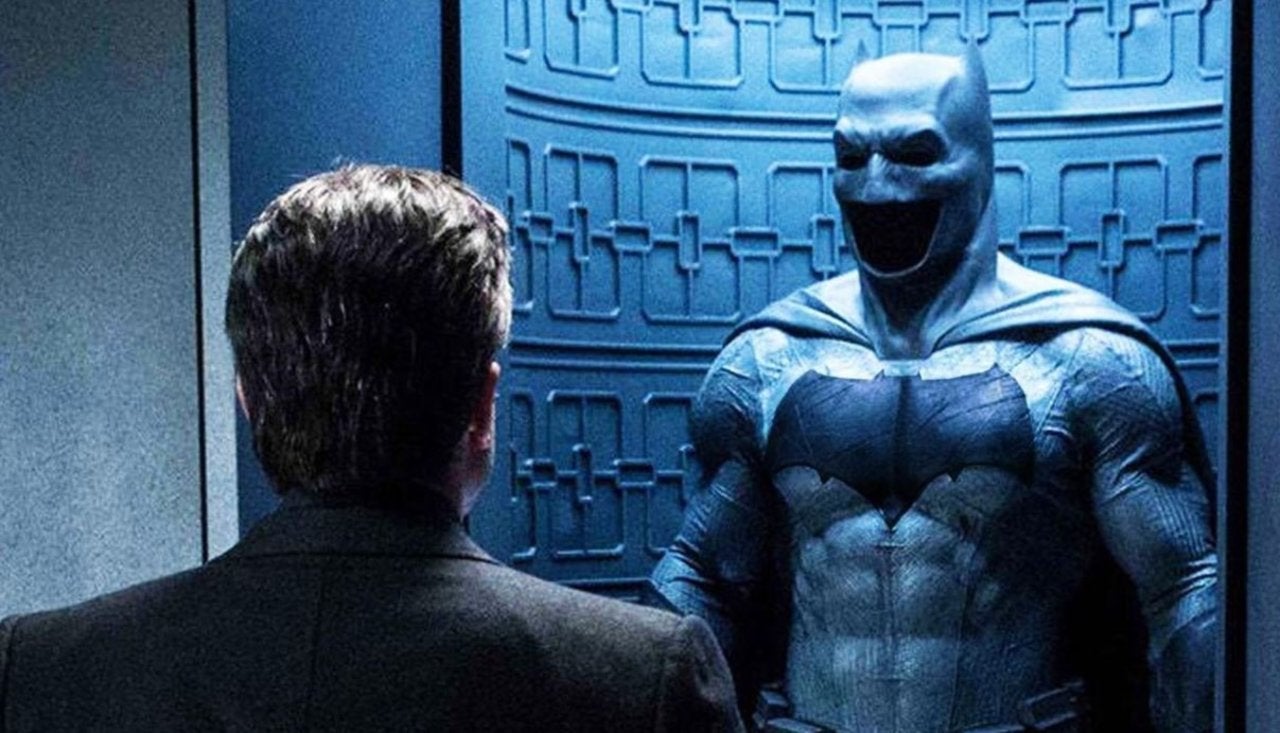
  • Zack Snyder Unveils Never-Before-Seen Ben Affleck Batman Costume Test Photo

    Zack Snyder Unveils Never-Before-Seen Ben Affleck Batman Costume Test Photo

    Zack Snyder has been dipping into his DC treasure trove again over on Instagram, this time sharing a never-before-seen black-and-white Polaroid of Ben Affleck in his Batman costume from a Batman v. Superman: Dawn of Justice costume test. The image captures Affleck in the full Batsuit for the first time, with Snyder noting, “Everything I […]

    The post Zack Snyder Unveils Never-Before-Seen Ben Affleck Batman Costume Test Photo appeared first on Den of Geek.

    This post contains light spoilers for It: Welcome to Derry episode 1.

    As a prequel series to the It movies, It: Welcome to Derry has more than a few nods to the adaptations of Stephen King‘s novel. There’s relatives of members of the Losers’ Club, including Mike Hanlon’s grandfather and Bev Marsh’s dad. There’s the Paul Bunyan statue that will later terrorize Eddie Kaspbrak. There are even lots of turtle references because of course there are.

    cnx.cmd.push(function() {
    cnx({
    playerId: “106e33c0-3911-473c-b599-b1426db57530”,

    }).render(“0270c398a82f44f49c23c16122516796”);
    });

    But the most surprising easter egg may have nothing to do with King’s world and everything to do with another big Warner Bros. franchise. In an early scene, when the children of Derry are just trying to be kids and not food for the inter-dimensional terror known only as It, we see one reading a copy of Detective Comics #298, first published in 1961.

    One could dismiss the comic as just a normal bit of place-building, no different than the movie theater in Derry or the Cold War concerns of the various military people. The series does take place in 1962, and even though Detective wasn’t quite as hip as anything published by the young Marvel Comics at the time, it wouldn’t be out of place to see a youngster reading Batman’s adventures.

    However, the same day that Welcome to Derry hit HBO Max, DC Studios co-head James Gunn shared to social media a picture of Detective Comics #298. “Happy Annivrsarry to the perennially misunderstood villain, Clayface,” read Gunn’s message. Yes, Detective Comics #298 is the first appearance of Matt Hagen, the Silver Age incarnation of the Batman villain Clayface. Moreover, Matt Hagen will be the main character in the upcoming DCU project Clayface, portrayed, as Gunn’s message points out, by Tom Rhys Harries.

    Harries isn’t the only one bringing Hagen to the screen. Clayface is written by Mike Flanagan, who reportedly won over a skeptical Gunn with a strong take on the character. And the film will be directed by James Watkins, who recently did the delightfully whacky remake of Speak No Evil.

    Of course, Andy Muschietti, who directs the first four episodes of Welcome to Derry, didn’t just include the Clayface comic out of a sense of corporate team spirit. He also has his own DCU project coming up, one that stars at least one of the superheroes seen on the cover of Detective #298. Muschietti is directing The Brave and the Bold, the hotly-anticipated first Dark Knight project in Gunn’s new DC Universe.

    The Brave and the Bold has high expectations not just because it’s Batman and we all love Batman. Many are also wondering how Muschietti will handle the character, given that his last superhero project was the much maligned The Flash. On recent press tour stops, Muschietti has stuck up for his superhero flop, insisting that it was hampered by off-screen problems. In fact, Muschietti has refused to run from the Flash so much that he also includes the Scarlet Speedster in the Welcome to Derry premiere, as 1961’s Flash #123 appears on screen.

    By including a Flash comic in his show, Muschietti reminds viewers that he hasn’t forgotten the past. But the Detective Comics issue, like the many references to the Derry’s later denizens, proves that Muschietti has his eye on the future.

    It: Welcome to Derry streams every Sunday at 9 p.m. on HBO. Episode 2 will have a special early Halloween premiere on HBO Max on Friday, October 31.

    The post The DCU Easter Egg in It: Welcome to Derry You Probably Missed appeared first on Den of Geek.

  • Alien: Earth Creator Reveals Season 2 Story Plans

    Alien: Earth Creator Reveals Season 2 Story Plans

    Alien: Earth has proved to be a hit for FX on Hulu and Disney+, but there’s still no word on whether the gruesome series has been renewed for a second season. Of course, that hasn’t stopped creator Noah Hawley from teasing what he hopes to explore in the future, and in a new interview with […]

    The post Alien: Earth Creator Reveals Season 2 Story Plans appeared first on Den of Geek.

    This post contains light spoilers for It: Welcome to Derry episode 1.

    As a prequel series to the It movies, It: Welcome to Derry has more than a few nods to the adaptations of Stephen King‘s novel. There’s relatives of members of the Losers’ Club, including Mike Hanlon’s grandfather and Bev Marsh’s dad. There’s the Paul Bunyan statue that will later terrorize Eddie Kaspbrak. There are even lots of turtle references because of course there are.

    cnx.cmd.push(function() {
    cnx({
    playerId: “106e33c0-3911-473c-b599-b1426db57530”,

    }).render(“0270c398a82f44f49c23c16122516796”);
    });

    But the most surprising easter egg may have nothing to do with King’s world and everything to do with another big Warner Bros. franchise. In an early scene, when the children of Derry are just trying to be kids and not food for the inter-dimensional terror known only as It, we see one reading a copy of Detective Comics #298, first published in 1961.

    One could dismiss the comic as just a normal bit of place-building, no different than the movie theater in Derry or the Cold War concerns of the various military people. The series does take place in 1962, and even though Detective wasn’t quite as hip as anything published by the young Marvel Comics at the time, it wouldn’t be out of place to see a youngster reading Batman’s adventures.

    However, the same day that Welcome to Derry hit HBO Max, DC Studios co-head James Gunn shared to social media a picture of Detective Comics #298. “Happy Annivrsarry to the perennially misunderstood villain, Clayface,” read Gunn’s message. Yes, Detective Comics #298 is the first appearance of Matt Hagen, the Silver Age incarnation of the Batman villain Clayface. Moreover, Matt Hagen will be the main character in the upcoming DCU project Clayface, portrayed, as Gunn’s message points out, by Tom Rhys Harries.

    Harries isn’t the only one bringing Hagen to the screen. Clayface is written by Mike Flanagan, who reportedly won over a skeptical Gunn with a strong take on the character. And the film will be directed by James Watkins, who recently did the delightfully whacky remake of Speak No Evil.

    Of course, Andy Muschietti, who directs the first four episodes of Welcome to Derry, didn’t just include the Clayface comic out of a sense of corporate team spirit. He also has his own DCU project coming up, one that stars at least one of the superheroes seen on the cover of Detective #298. Muschietti is directing The Brave and the Bold, the hotly-anticipated first Dark Knight project in Gunn’s new DC Universe.

    The Brave and the Bold has high expectations not just because it’s Batman and we all love Batman. Many are also wondering how Muschietti will handle the character, given that his last superhero project was the much maligned The Flash. On recent press tour stops, Muschietti has stuck up for his superhero flop, insisting that it was hampered by off-screen problems. In fact, Muschietti has refused to run from the Flash so much that he also includes the Scarlet Speedster in the Welcome to Derry premiere, as 1961’s Flash #123 appears on screen.

    By including a Flash comic in his show, Muschietti reminds viewers that he hasn’t forgotten the past. But the Detective Comics issue, like the many references to the Derry’s later denizens, proves that Muschietti has his eye on the future.

    It: Welcome to Derry streams every Sunday at 9 p.m. on HBO. Episode 2 will have a special early Halloween premiere on HBO Max on Friday, October 31.

    The post The DCU Easter Egg in It: Welcome to Derry You Probably Missed appeared first on Den of Geek.

  • Katee Sackhoff Hasn’t Forgotten How Battlestar Galactica Fans Booed Her

    Katee Sackhoff Hasn’t Forgotten How Battlestar Galactica Fans Booed Her

    Nerdy fandoms, the Joe Rogan show, and toxicity seem like the most natural combination in the world. But that doesn’t make them easy for stars like Katee Sackhoff to forget, even after two decades and plenty of acclaim. On a recent visit to The Joe Rogan Experience (via Deadline), Sackhoff remembered the hostile reception she […]

    The post Katee Sackhoff Hasn’t Forgotten How Battlestar Galactica Fans Booed Her appeared first on Den of Geek.

    This post contains light spoilers for It: Welcome to Derry episode 1.

    As a prequel series to the It movies, It: Welcome to Derry has more than a few nods to the adaptations of Stephen King‘s novel. There’s relatives of members of the Losers’ Club, including Mike Hanlon’s grandfather and Bev Marsh’s dad. There’s the Paul Bunyan statue that will later terrorize Eddie Kaspbrak. There are even lots of turtle references because of course there are.

    cnx.cmd.push(function() {
    cnx({
    playerId: “106e33c0-3911-473c-b599-b1426db57530”,

    }).render(“0270c398a82f44f49c23c16122516796”);
    });

    But the most surprising easter egg may have nothing to do with King’s world and everything to do with another big Warner Bros. franchise. In an early scene, when the children of Derry are just trying to be kids and not food for the inter-dimensional terror known only as It, we see one reading a copy of Detective Comics #298, first published in 1961.

    One could dismiss the comic as just a normal bit of place-building, no different than the movie theater in Derry or the Cold War concerns of the various military people. The series does take place in 1962, and even though Detective wasn’t quite as hip as anything published by the young Marvel Comics at the time, it wouldn’t be out of place to see a youngster reading Batman’s adventures.

    However, the same day that Welcome to Derry hit HBO Max, DC Studios co-head James Gunn shared to social media a picture of Detective Comics #298. “Happy Annivrsarry to the perennially misunderstood villain, Clayface,” read Gunn’s message. Yes, Detective Comics #298 is the first appearance of Matt Hagen, the Silver Age incarnation of the Batman villain Clayface. Moreover, Matt Hagen will be the main character in the upcoming DCU project Clayface, portrayed, as Gunn’s message points out, by Tom Rhys Harries.

    Harries isn’t the only one bringing Hagen to the screen. Clayface is written by Mike Flanagan, who reportedly won over a skeptical Gunn with a strong take on the character. And the film will be directed by James Watkins, who recently did the delightfully whacky remake of Speak No Evil.

    Of course, Andy Muschietti, who directs the first four episodes of Welcome to Derry, didn’t just include the Clayface comic out of a sense of corporate team spirit. He also has his own DCU project coming up, one that stars at least one of the superheroes seen on the cover of Detective #298. Muschietti is directing The Brave and the Bold, the hotly-anticipated first Dark Knight project in Gunn’s new DC Universe.

    The Brave and the Bold has high expectations not just because it’s Batman and we all love Batman. Many are also wondering how Muschietti will handle the character, given that his last superhero project was the much maligned The Flash. On recent press tour stops, Muschietti has stuck up for his superhero flop, insisting that it was hampered by off-screen problems. In fact, Muschietti has refused to run from the Flash so much that he also includes the Scarlet Speedster in the Welcome to Derry premiere, as 1961’s Flash #123 appears on screen.

    By including a Flash comic in his show, Muschietti reminds viewers that he hasn’t forgotten the past. But the Detective Comics issue, like the many references to the Derry’s later denizens, proves that Muschietti has his eye on the future.

    It: Welcome to Derry streams every Sunday at 9 p.m. on HBO. Episode 2 will have a special early Halloween premiere on HBO Max on Friday, October 31.

    The post The DCU Easter Egg in It: Welcome to Derry You Probably Missed appeared first on Den of Geek.

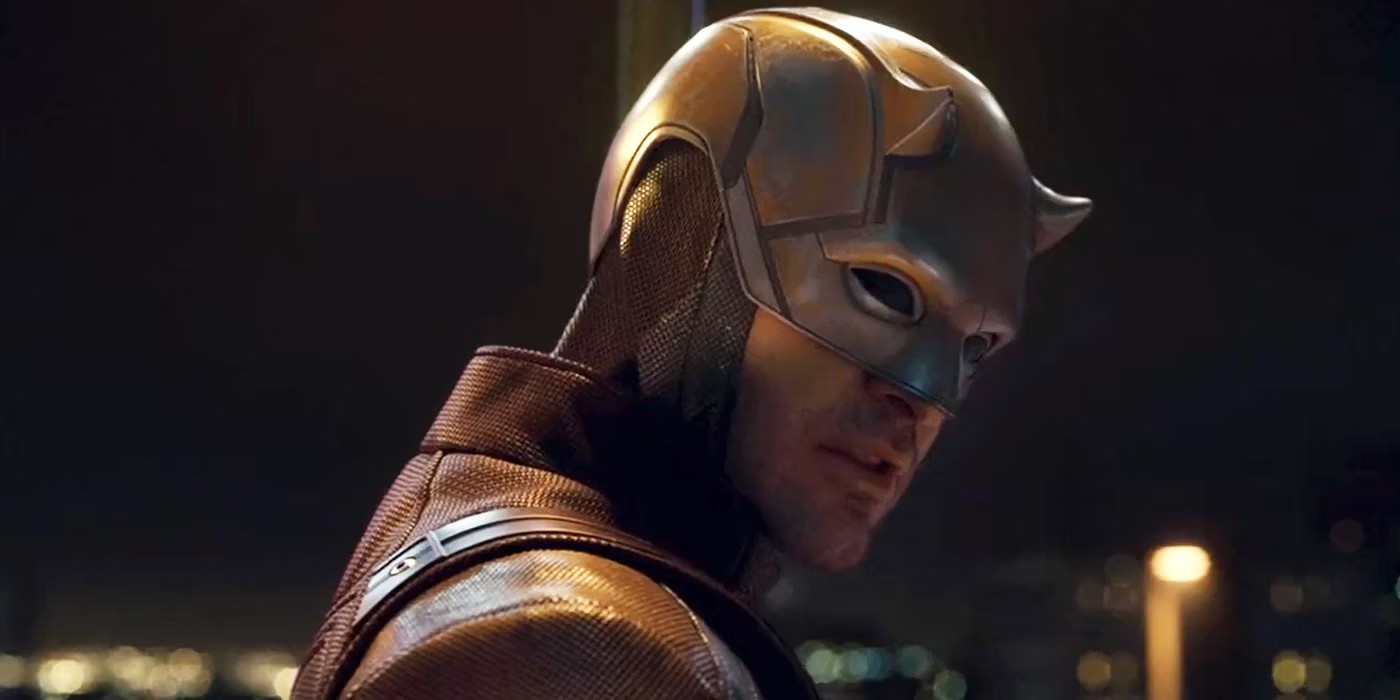
  • Daredevil: Born Again Season 3 Spoiler Emerges as Villain Return Confirmed

    Daredevil: Born Again Season 3 Spoiler Emerges as Villain Return Confirmed

    We’ve learned that Wilson Bethel’s portrayal of infamous assassin Bullseye is set to continue in Daredevil: Born Again season 3.  Bethel confirmed his return during a recent appearance at San Antonio’s Spacecon, stating, “As some of you might know, we’ve already [got] picked up for another new season that we will start doing next year. […]

    The post Daredevil: Born Again Season 3 Spoiler Emerges as Villain Return Confirmed appeared first on Den of Geek.

    This post contains light spoilers for It: Welcome to Derry episode 1.

    As a prequel series to the It movies, It: Welcome to Derry has more than a few nods to the adaptations of Stephen King‘s novel. There’s relatives of members of the Losers’ Club, including Mike Hanlon’s grandfather and Bev Marsh’s dad. There’s the Paul Bunyan statue that will later terrorize Eddie Kaspbrak. There are even lots of turtle references because of course there are.

    cnx.cmd.push(function() {
    cnx({
    playerId: “106e33c0-3911-473c-b599-b1426db57530”,

    }).render(“0270c398a82f44f49c23c16122516796”);
    });

    But the most surprising easter egg may have nothing to do with King’s world and everything to do with another big Warner Bros. franchise. In an early scene, when the children of Derry are just trying to be kids and not food for the inter-dimensional terror known only as It, we see one reading a copy of Detective Comics #298, first published in 1961.

    One could dismiss the comic as just a normal bit of place-building, no different than the movie theater in Derry or the Cold War concerns of the various military people. The series does take place in 1962, and even though Detective wasn’t quite as hip as anything published by the young Marvel Comics at the time, it wouldn’t be out of place to see a youngster reading Batman’s adventures.

    However, the same day that Welcome to Derry hit HBO Max, DC Studios co-head James Gunn shared to social media a picture of Detective Comics #298. “Happy Annivrsarry to the perennially misunderstood villain, Clayface,” read Gunn’s message. Yes, Detective Comics #298 is the first appearance of Matt Hagen, the Silver Age incarnation of the Batman villain Clayface. Moreover, Matt Hagen will be the main character in the upcoming DCU project Clayface, portrayed, as Gunn’s message points out, by Tom Rhys Harries.

    Harries isn’t the only one bringing Hagen to the screen. Clayface is written by Mike Flanagan, who reportedly won over a skeptical Gunn with a strong take on the character. And the film will be directed by James Watkins, who recently did the delightfully whacky remake of Speak No Evil.

    Of course, Andy Muschietti, who directs the first four episodes of Welcome to Derry, didn’t just include the Clayface comic out of a sense of corporate team spirit. He also has his own DCU project coming up, one that stars at least one of the superheroes seen on the cover of Detective #298. Muschietti is directing The Brave and the Bold, the hotly-anticipated first Dark Knight project in Gunn’s new DC Universe.

    The Brave and the Bold has high expectations not just because it’s Batman and we all love Batman. Many are also wondering how Muschietti will handle the character, given that his last superhero project was the much maligned The Flash. On recent press tour stops, Muschietti has stuck up for his superhero flop, insisting that it was hampered by off-screen problems. In fact, Muschietti has refused to run from the Flash so much that he also includes the Scarlet Speedster in the Welcome to Derry premiere, as 1961’s Flash #123 appears on screen.

    By including a Flash comic in his show, Muschietti reminds viewers that he hasn’t forgotten the past. But the Detective Comics issue, like the many references to the Derry’s later denizens, proves that Muschietti has his eye on the future.

    It: Welcome to Derry streams every Sunday at 9 p.m. on HBO. Episode 2 will have a special early Halloween premiere on HBO Max on Friday, October 31.

    The post The DCU Easter Egg in It: Welcome to Derry You Probably Missed appeared first on Den of Geek.

  • Even Yorgos Lanthimos is Burned Out on Yorgos Lanthimos Movies

    Even Yorgos Lanthimos is Burned Out on Yorgos Lanthimos Movies

    We here at Den of Geek love Yorgos Lanthimos. We’ve praised the unique use of language in his breakout Dogtooth. We gave four and a half stars to his period piece The Favourite. Heck, even our two-star review of Kinds of Kindness showed respect for making something so off-putting. But there’s no question that Yorgos […]

    The post Even Yorgos Lanthimos is Burned Out on Yorgos Lanthimos Movies appeared first on Den of Geek.

    This post contains light spoilers for It: Welcome to Derry episode 1.

    As a prequel series to the It movies, It: Welcome to Derry has more than a few nods to the adaptations of Stephen King‘s novel. There’s relatives of members of the Losers’ Club, including Mike Hanlon’s grandfather and Bev Marsh’s dad. There’s the Paul Bunyan statue that will later terrorize Eddie Kaspbrak. There are even lots of turtle references because of course there are.

    cnx.cmd.push(function() {
    cnx({
    playerId: “106e33c0-3911-473c-b599-b1426db57530”,

    }).render(“0270c398a82f44f49c23c16122516796”);
    });

    But the most surprising easter egg may have nothing to do with King’s world and everything to do with another big Warner Bros. franchise. In an early scene, when the children of Derry are just trying to be kids and not food for the inter-dimensional terror known only as It, we see one reading a copy of Detective Comics #298, first published in 1961.

    One could dismiss the comic as just a normal bit of place-building, no different than the movie theater in Derry or the Cold War concerns of the various military people. The series does take place in 1962, and even though Detective wasn’t quite as hip as anything published by the young Marvel Comics at the time, it wouldn’t be out of place to see a youngster reading Batman’s adventures.

    However, the same day that Welcome to Derry hit HBO Max, DC Studios co-head James Gunn shared to social media a picture of Detective Comics #298. “Happy Annivrsarry to the perennially misunderstood villain, Clayface,” read Gunn’s message. Yes, Detective Comics #298 is the first appearance of Matt Hagen, the Silver Age incarnation of the Batman villain Clayface. Moreover, Matt Hagen will be the main character in the upcoming DCU project Clayface, portrayed, as Gunn’s message points out, by Tom Rhys Harries.

    Harries isn’t the only one bringing Hagen to the screen. Clayface is written by Mike Flanagan, who reportedly won over a skeptical Gunn with a strong take on the character. And the film will be directed by James Watkins, who recently did the delightfully whacky remake of Speak No Evil.

    Of course, Andy Muschietti, who directs the first four episodes of Welcome to Derry, didn’t just include the Clayface comic out of a sense of corporate team spirit. He also has his own DCU project coming up, one that stars at least one of the superheroes seen on the cover of Detective #298. Muschietti is directing The Brave and the Bold, the hotly-anticipated first Dark Knight project in Gunn’s new DC Universe.

    The Brave and the Bold has high expectations not just because it’s Batman and we all love Batman. Many are also wondering how Muschietti will handle the character, given that his last superhero project was the much maligned The Flash. On recent press tour stops, Muschietti has stuck up for his superhero flop, insisting that it was hampered by off-screen problems. In fact, Muschietti has refused to run from the Flash so much that he also includes the Scarlet Speedster in the Welcome to Derry premiere, as 1961’s Flash #123 appears on screen.

    By including a Flash comic in his show, Muschietti reminds viewers that he hasn’t forgotten the past. But the Detective Comics issue, like the many references to the Derry’s later denizens, proves that Muschietti has his eye on the future.

    It: Welcome to Derry streams every Sunday at 9 p.m. on HBO. Episode 2 will have a special early Halloween premiere on HBO Max on Friday, October 31.

    The post The DCU Easter Egg in It: Welcome to Derry You Probably Missed appeared first on Den of Geek.

  • Chainsaw Man: Ryan Colt Levy Is Fired Up for the Reze Arc Movie

    Chainsaw Man: Ryan Colt Levy Is Fired Up for the Reze Arc Movie

    It’s been three years since the first season of Chainsaw Man debuted and the hit anime is poised to become even bigger than ever with the release of Chainsaw Man – The Movie: Reze Arc. Based on the best-selling manga series by Tatsuki Fujimoto, the movie has the story’s protagonist Denji find love with a […]

    The post Chainsaw Man: Ryan Colt Levy Is Fired Up for the Reze Arc Movie appeared first on Den of Geek.

    This post contains light spoilers for It: Welcome to Derry episode 1.

    As a prequel series to the It movies, It: Welcome to Derry has more than a few nods to the adaptations of Stephen King‘s novel. There’s relatives of members of the Losers’ Club, including Mike Hanlon’s grandfather and Bev Marsh’s dad. There’s the Paul Bunyan statue that will later terrorize Eddie Kaspbrak. There are even lots of turtle references because of course there are.

    cnx.cmd.push(function() {
    cnx({
    playerId: “106e33c0-3911-473c-b599-b1426db57530”,

    }).render(“0270c398a82f44f49c23c16122516796”);
    });

    But the most surprising easter egg may have nothing to do with King’s world and everything to do with another big Warner Bros. franchise. In an early scene, when the children of Derry are just trying to be kids and not food for the inter-dimensional terror known only as It, we see one reading a copy of Detective Comics #298, first published in 1961.

    One could dismiss the comic as just a normal bit of place-building, no different than the movie theater in Derry or the Cold War concerns of the various military people. The series does take place in 1962, and even though Detective wasn’t quite as hip as anything published by the young Marvel Comics at the time, it wouldn’t be out of place to see a youngster reading Batman’s adventures.

    However, the same day that Welcome to Derry hit HBO Max, DC Studios co-head James Gunn shared to social media a picture of Detective Comics #298. “Happy Annivrsarry to the perennially misunderstood villain, Clayface,” read Gunn’s message. Yes, Detective Comics #298 is the first appearance of Matt Hagen, the Silver Age incarnation of the Batman villain Clayface. Moreover, Matt Hagen will be the main character in the upcoming DCU project Clayface, portrayed, as Gunn’s message points out, by Tom Rhys Harries.

    Harries isn’t the only one bringing Hagen to the screen. Clayface is written by Mike Flanagan, who reportedly won over a skeptical Gunn with a strong take on the character. And the film will be directed by James Watkins, who recently did the delightfully whacky remake of Speak No Evil.

    Of course, Andy Muschietti, who directs the first four episodes of Welcome to Derry, didn’t just include the Clayface comic out of a sense of corporate team spirit. He also has his own DCU project coming up, one that stars at least one of the superheroes seen on the cover of Detective #298. Muschietti is directing The Brave and the Bold, the hotly-anticipated first Dark Knight project in Gunn’s new DC Universe.

    The Brave and the Bold has high expectations not just because it’s Batman and we all love Batman. Many are also wondering how Muschietti will handle the character, given that his last superhero project was the much maligned The Flash. On recent press tour stops, Muschietti has stuck up for his superhero flop, insisting that it was hampered by off-screen problems. In fact, Muschietti has refused to run from the Flash so much that he also includes the Scarlet Speedster in the Welcome to Derry premiere, as 1961’s Flash #123 appears on screen.

    By including a Flash comic in his show, Muschietti reminds viewers that he hasn’t forgotten the past. But the Detective Comics issue, like the many references to the Derry’s later denizens, proves that Muschietti has his eye on the future.

    It: Welcome to Derry streams every Sunday at 9 p.m. on HBO. Episode 2 will have a special early Halloween premiere on HBO Max on Friday, October 31.

    The post The DCU Easter Egg in It: Welcome to Derry You Probably Missed appeared first on Den of Geek.

  • Sydney Sweeney Dismisses Bond Girl Rumors By Gunning for Bond

    Sydney Sweeney Dismisses Bond Girl Rumors By Gunning for Bond

    Vesper Lynd. Tracy di Vicenzo. Pussy Galore. Honey Ryder. The characters who have loved and lost James Bond are almost as legendary as 007 himself. Thus, while the search is on for a new James Bond, director Denis Villeneuve and producer Amazon are also looking for a new Bond girl. And the most obvious choice […]

    The post Sydney Sweeney Dismisses Bond Girl Rumors By Gunning for Bond appeared first on Den of Geek.

    This post contains light spoilers for It: Welcome to Derry episode 1.

    As a prequel series to the It movies, It: Welcome to Derry has more than a few nods to the adaptations of Stephen King‘s novel. There’s relatives of members of the Losers’ Club, including Mike Hanlon’s grandfather and Bev Marsh’s dad. There’s the Paul Bunyan statue that will later terrorize Eddie Kaspbrak. There are even lots of turtle references because of course there are.

    cnx.cmd.push(function() {
    cnx({
    playerId: “106e33c0-3911-473c-b599-b1426db57530”,

    }).render(“0270c398a82f44f49c23c16122516796”);
    });

    But the most surprising easter egg may have nothing to do with King’s world and everything to do with another big Warner Bros. franchise. In an early scene, when the children of Derry are just trying to be kids and not food for the inter-dimensional terror known only as It, we see one reading a copy of Detective Comics #298, first published in 1961.

    One could dismiss the comic as just a normal bit of place-building, no different than the movie theater in Derry or the Cold War concerns of the various military people. The series does take place in 1962, and even though Detective wasn’t quite as hip as anything published by the young Marvel Comics at the time, it wouldn’t be out of place to see a youngster reading Batman’s adventures.

    However, the same day that Welcome to Derry hit HBO Max, DC Studios co-head James Gunn shared to social media a picture of Detective Comics #298. “Happy Annivrsarry to the perennially misunderstood villain, Clayface,” read Gunn’s message. Yes, Detective Comics #298 is the first appearance of Matt Hagen, the Silver Age incarnation of the Batman villain Clayface. Moreover, Matt Hagen will be the main character in the upcoming DCU project Clayface, portrayed, as Gunn’s message points out, by Tom Rhys Harries.

    Harries isn’t the only one bringing Hagen to the screen. Clayface is written by Mike Flanagan, who reportedly won over a skeptical Gunn with a strong take on the character. And the film will be directed by James Watkins, who recently did the delightfully whacky remake of Speak No Evil.

    Of course, Andy Muschietti, who directs the first four episodes of Welcome to Derry, didn’t just include the Clayface comic out of a sense of corporate team spirit. He also has his own DCU project coming up, one that stars at least one of the superheroes seen on the cover of Detective #298. Muschietti is directing The Brave and the Bold, the hotly-anticipated first Dark Knight project in Gunn’s new DC Universe.

    The Brave and the Bold has high expectations not just because it’s Batman and we all love Batman. Many are also wondering how Muschietti will handle the character, given that his last superhero project was the much maligned The Flash. On recent press tour stops, Muschietti has stuck up for his superhero flop, insisting that it was hampered by off-screen problems. In fact, Muschietti has refused to run from the Flash so much that he also includes the Scarlet Speedster in the Welcome to Derry premiere, as 1961’s Flash #123 appears on screen.

    By including a Flash comic in his show, Muschietti reminds viewers that he hasn’t forgotten the past. But the Detective Comics issue, like the many references to the Derry’s later denizens, proves that Muschietti has his eye on the future.

    It: Welcome to Derry streams every Sunday at 9 p.m. on HBO. Episode 2 will have a special early Halloween premiere on HBO Max on Friday, October 31.

    The post The DCU Easter Egg in It: Welcome to Derry You Probably Missed appeared first on Den of Geek.