Category: Blog

Your blog category

  • An Holistic Framework for Shared Design Leadership

    An Holistic Framework for Shared Design Leadership

    Picture this: You’re in a meeting room at your tech company, and two people are having what looks like the same conversation about the same design problem. One is talking about whether the team has the right skills to tackle it. The other is diving deep into whether the solution actually solves the user’s problem. Same room, same problem, completely different lenses.

    This is the beautiful, sometimes messy reality of having both a Design Manager and a Lead Designer on the same team. And if you’re wondering how to make this work without creating confusion, overlap, or the dreaded “too many cooks” scenario, you’re asking the right question.

    The traditional answer has been to draw clean lines on an org chart. The Design Manager handles people, the Lead Designer handles craft. Problem solved, right? Except clean org charts are fantasy. In reality, both roles care deeply about team health, design quality, and shipping great work. 

    The magic happens when you embrace the overlap instead of fighting it—when you start thinking of your design org as a design organism.

    The Anatomy of a Healthy Design Team

    Here’s what I’ve learned from years of being on both sides of this equation: think of your design team as a living organism. The Design Manager tends to the mind (the psychological safety, the career growth, the team dynamics). The Lead Designer tends to the body (the craft skills, the design standards, the hands-on work that ships to users).

    But just like mind and body aren’t completely separate systems, so, too, do these roles overlap in important ways. You can’t have a healthy person without both working in harmony. The trick is knowing where those overlaps are and how to navigate them gracefully.

    When we look at how healthy teams actually function, three critical systems emerge. Each requires both roles to work together, but with one taking primary responsibility for keeping that system strong.

    The Nervous System: People & Psychology

    Primary caretaker: Design Manager
    Supporting role: Lead Designer

    The nervous system is all about signals, feedback, and psychological safety. When this system is healthy, information flows freely, people feel safe to take risks, and the team can adapt quickly to new challenges.

    The Design Manager is the primary caretaker here. They’re monitoring the team’s psychological pulse, ensuring feedback loops are healthy, and creating the conditions for people to grow. They’re hosting career conversations, managing workload, and making sure no one burns out.

    But the Lead Designer plays a crucial supporting role. They’re providing sensory input about craft development needs, spotting when someone’s design skills are stagnating, and helping identify growth opportunities that the Design Manager might miss.

    Design Manager tends to:

    • Career conversations and growth planning
    • Team psychological safety and dynamics
    • Workload management and resource allocation
    • Performance reviews and feedback systems
    • Creating learning opportunities

    Lead Designer supports by:

    • Providing craft-specific feedback on team member development
    • Identifying design skill gaps and growth opportunities
    • Offering design mentorship and guidance
    • Signaling when team members are ready for more complex challenges

    The Muscular System: Craft & Execution

    Primary caretaker: Lead Designer
    Supporting role: Design Manager

    The muscular system is about strength, coordination, and skill development. When this system is healthy, the team can execute complex design work with precision, maintain consistent quality, and adapt their craft to new challenges.

    The Lead Designer is the primary caretaker here. They’re setting design standards, providing craft coaching, and ensuring that shipping work meets the quality bar. They’re the ones who can tell you if a design decision is sound or if we’re solving the right problem.

    But the Design Manager plays a crucial supporting role. They’re ensuring the team has the resources and support to do their best craft work, like proper nutrition and recovery time for an athlete.

    Lead Designer tends to:

    • Definition of design standards and system usage
    • Feedback on what design work meets the standard
    • Experience direction for the product
    • Design decisions and product-wide alignment
    • Innovation and craft advancement

    Design Manager supports by:

    • Ensuring design standards are understood and adopted across the team
    • Confirming experience direction is being followed
    • Supporting practices and systems that scale without bottlenecking
    • Facilitating design alignment across teams
    • Providing resources and removing obstacles to great craft work

    The Circulatory System: Strategy & Flow

    Shared caretakers: Both Design Manager and Lead Designer

    The circulatory system is about how information, decisions, and energy flow through the team. When this system is healthy, strategic direction is clear, priorities are aligned, and the team can respond quickly to new opportunities or challenges.

    This is where true partnership happens. Both roles are responsible for keeping the circulation strong, but they’re bringing different perspectives to the table.

    Lead Designer contributes:

    • User needs are met by the product
    • Overall product quality and experience
    • Strategic design initiatives
    • Research-based user needs for each initiative

    Design Manager contributes:

    • Communication to team and stakeholders
    • Stakeholder management and alignment
    • Cross-functional team accountability
    • Strategic business initiatives

    Both collaborate on:

    • Co-creation of strategy with leadership
    • Team goals and prioritization approach
    • Organizational structure decisions
    • Success measures and frameworks

    Keeping the Organism Healthy

    The key to making this partnership sing is understanding that all three systems need to work together. A team with great craft skills but poor psychological safety will burn out. A team with great culture but weak craft execution will ship mediocre work. A team with both but poor strategic circulation will work hard on the wrong things.

    Be Explicit About Which System You’re Tending

    When you’re in a meeting about a design problem, it helps to acknowledge which system you’re primarily focused on. “I’m thinking about this from a team capacity perspective” (nervous system) or “I’m looking at this through the lens of user needs” (muscular system) gives everyone context for your input.

    This isn’t about staying in your lane. It’s about being transparent as to which lens you’re using, so the other person knows how to best add their perspective.

    Create Healthy Feedback Loops

    The most successful partnerships I’ve seen establish clear feedback loops between the systems:

    Nervous system signals to muscular system: “The team is struggling with confidence in their design skills” → Lead Designer provides more craft coaching and clearer standards.

    Muscular system signals to nervous system: “The team’s craft skills are advancing faster than their project complexity” → Design Manager finds more challenging growth opportunities.

    Both systems signal to circulatory system: “We’re seeing patterns in team health and craft development that suggest we need to adjust our strategic priorities.”

    Handle Handoffs Gracefully

    The most critical moments in this partnership are when something moves from one system to another. This might be when a design standard (muscular system) needs to be rolled out across the team (nervous system), or when a strategic initiative (circulatory system) needs specific craft execution (muscular system).

    Make these transitions explicit. “I’ve defined the new component standards. Can you help me think through how to get the team up to speed?” or “We’ve agreed on this strategic direction. I’m going to focus on the specific user experience approach from here.”

    Stay Curious, Not Territorial

    The Design Manager who never thinks about craft, or the Lead Designer who never considers team dynamics, is like a doctor who only looks at one body system. Great design leadership requires both people to care about the whole organism, even when they’re not the primary caretaker.

    This means asking questions rather than making assumptions. “What do you think about the team’s craft development in this area?” or “How do you see this impacting team morale and workload?” keeps both perspectives active in every decision.

    When the Organism Gets Sick

    Even with clear roles, this partnership can go sideways. Here are the most common failure modes I’ve seen:

    System Isolation

    The Design Manager focuses only on the nervous system and ignores craft development. The Lead Designer focuses only on the muscular system and ignores team dynamics. Both people retreat to their comfort zones and stop collaborating.

    The symptoms: Team members get mixed messages, work quality suffers, morale drops.

    The treatment: Reconnect around shared outcomes. What are you both trying to achieve? Usually it’s great design work that ships on time from a healthy team. Figure out how both systems serve that goal.

    Poor Circulation

    Strategic direction is unclear, priorities keep shifting, and neither role is taking responsibility for keeping information flowing.

    The symptoms: Team members are confused about priorities, work gets duplicated or dropped, deadlines are missed.

    The treatment: Explicitly assign responsibility for circulation. Who’s communicating what to whom? How often? What’s the feedback loop?

    Autoimmune Response

    One person feels threatened by the other’s expertise. The Design Manager thinks the Lead Designer is undermining their authority. The Lead Designer thinks the Design Manager doesn’t understand craft.

    The symptoms: Defensive behavior, territorial disputes, team members caught in the middle.

    The treatment: Remember that you’re both caretakers of the same organism. When one system fails, the whole team suffers. When both systems are healthy, the team thrives.

    The Payoff

    Yes, this model requires more communication. Yes, it requires both people to be secure enough to share responsibility for team health. But the payoff is worth it: better decisions, stronger teams, and design work that’s both excellent and sustainable.

    When both roles are healthy and working well together, you get the best of both worlds: deep craft expertise and strong people leadership. When one person is out sick, on vacation, or overwhelmed, the other can help maintain the team’s health. When a decision requires both the people perspective and the craft perspective, you’ve got both right there in the room.

    Most importantly, the framework scales. As your team grows, you can apply the same system thinking to new challenges. Need to launch a design system? Lead Designer tends to the muscular system (standards and implementation), Design Manager tends to the nervous system (team adoption and change management), and both tend to circulation (communication and stakeholder alignment).

    The Bottom Line

    The relationship between a Design Manager and Lead Designer isn’t about dividing territories. It’s about multiplying impact. When both roles understand they’re tending to different aspects of the same healthy organism, magic happens.

    The mind and body work together. The team gets both the strategic thinking and the craft excellence they need. And most importantly, the work that ships to users benefits from both perspectives.

    So the next time you’re in that meeting room, wondering why two people are talking about the same problem from different angles, remember: you’re watching shared leadership in action. And if it’s working well, both the mind and body of your design team are getting stronger.

  • From Beta to Bedrock: Build Products that Stick.

    From Beta to Bedrock: Build Products that Stick.

    As a product builder over too many years to mention, I’ve lost count of the number of times I’ve seen promising ideas go from zero to hero in a few weeks, only to fizzle out within months.

    Financial products, which is the field I work in, are no exception. With people’s real hard-earned money on the line, user expectations running high, and a crowded market, it’s tempting to throw as many features at the wall as possible and hope something sticks. But this approach is a recipe for disaster. Here’s why:

    The pitfalls of feature-first development

    When you start building a financial product from the ground up, or are migrating existing customer journeys from paper or telephony channels onto online banking or mobile apps, it’s easy to get caught up in the excitement of creating new features. You might think, “If I can just add one more thing that solves this particular user problem, they’ll love me!” But what happens when you inevitably hit a roadblock because the narcs (your security team!) don’t like it? When a hard-fought feature isn’t as popular as you thought, or it breaks due to unforeseen complexity?

    This is where the concept of Minimum Viable Product (MVP) comes in. Jason Fried’s book Getting Real and his podcast Rework often touch on this idea, even if he doesn’t always call it that. An MVP is a product that provides just enough value to your users to keep them engaged, but not so much that it becomes overwhelming or difficult to maintain. It sounds like an easy concept but it requires a razor sharp eye, a ruthless edge and having the courage to stick by your opinion because it is easy to be seduced by “the Columbo Effect”… when there’s always “just one more thing…” that someone wants to add.

    The problem with most finance apps, however, is that they often become a reflection of the internal politics of the business rather than an experience solely designed around the customer. This means that the focus is on delivering as many features and functionalities as possible to satisfy the needs and desires of competing internal departments, rather than providing a clear value proposition that is focused on what the people out there in the real world want. As a result, these products can very easily bloat to become a mixed bag of confusing, unrelated and ultimately unlovable customer experiences—a feature salad, you might say.

    The importance of bedrock

    So what’s a better approach? How can we build products that are stable, user-friendly, and—most importantly—stick?

    That’s where the concept of “bedrock” comes in. Bedrock is the core element of your product that truly matters to users. It’s the fundamental building block that provides value and stays relevant over time.

    In the world of retail banking, which is where I work, the bedrock has got to be in and around the regular servicing journeys. People open their current account once in a blue moon but they look at it every day. They sign up for a credit card every year or two, but they check their balance and pay their bill at least once a month.

    Identifying the core tasks that people want to do and then relentlessly striving to make them easy to do, dependable, and trustworthy is where the gravy’s at.

    But how do you get to bedrock? By focusing on the “MVP” approach, prioritizing simplicity, and iterating towards a clear value proposition. This means cutting out unnecessary features and focusing on delivering real value to your users.

    It also means having some guts, because your colleagues might not always instantly share your vision to start with. And controversially, sometimes it can even mean making it clear to customers that you’re not going to come to their house and make their dinner. The occasional “opinionated user interface design” (i.e. clunky workaround for edge cases) might sometimes be what you need to use to test a concept or buy you space to work on something more important.

    Practical strategies for building financial products that stick

    So what are the key strategies I’ve learned from my own experience and research?

    1. Start with a clear “why”: What problem are you trying to solve? For whom? Make sure your mission is crystal clear before building anything. Make sure it aligns with your company’s objectives, too.
    2. Focus on a single, core feature and obsess on getting that right before moving on to something else: Resist the temptation to add too many features at once. Instead, choose one that delivers real value and iterate from there.
    3. Prioritize simplicity over complexity: Less is often more when it comes to financial products. Cut out unnecessary bells and whistles and keep the focus on what matters most.
    4. Embrace continuous iteration: Bedrock isn’t a fixed destination—it’s a dynamic process. Continuously gather user feedback, refine your product, and iterate towards that bedrock state.
    5. Stop, look and listen: Don’t just test your product as part of your delivery process—test it repeatedly in the field. Use it yourself. Run A/B tests. Gather user feedback. Talk to people who use it, and refine accordingly.

    The bedrock paradox

    There’s an interesting paradox at play here: building towards bedrock means sacrificing some short-term growth potential in favour of long-term stability. But the payoff is worth it—products built with a focus on bedrock will outlast and outperform their competitors, and deliver sustained value to users over time.

    So, how do you start your journey towards bedrock? Take it one step at a time. Start by identifying those core elements that truly matter to your users. Focus on building and refining a single, powerful feature that delivers real value. And above all, test obsessively—for, in the words of Abraham Lincoln, Alan Kay, or Peter Drucker (whomever you believe!!), “The best way to predict the future is to create it.”

  • 19 Dangerous Cars You Can Legally Own Anyway

    19 Dangerous Cars You Can Legally Own Anyway

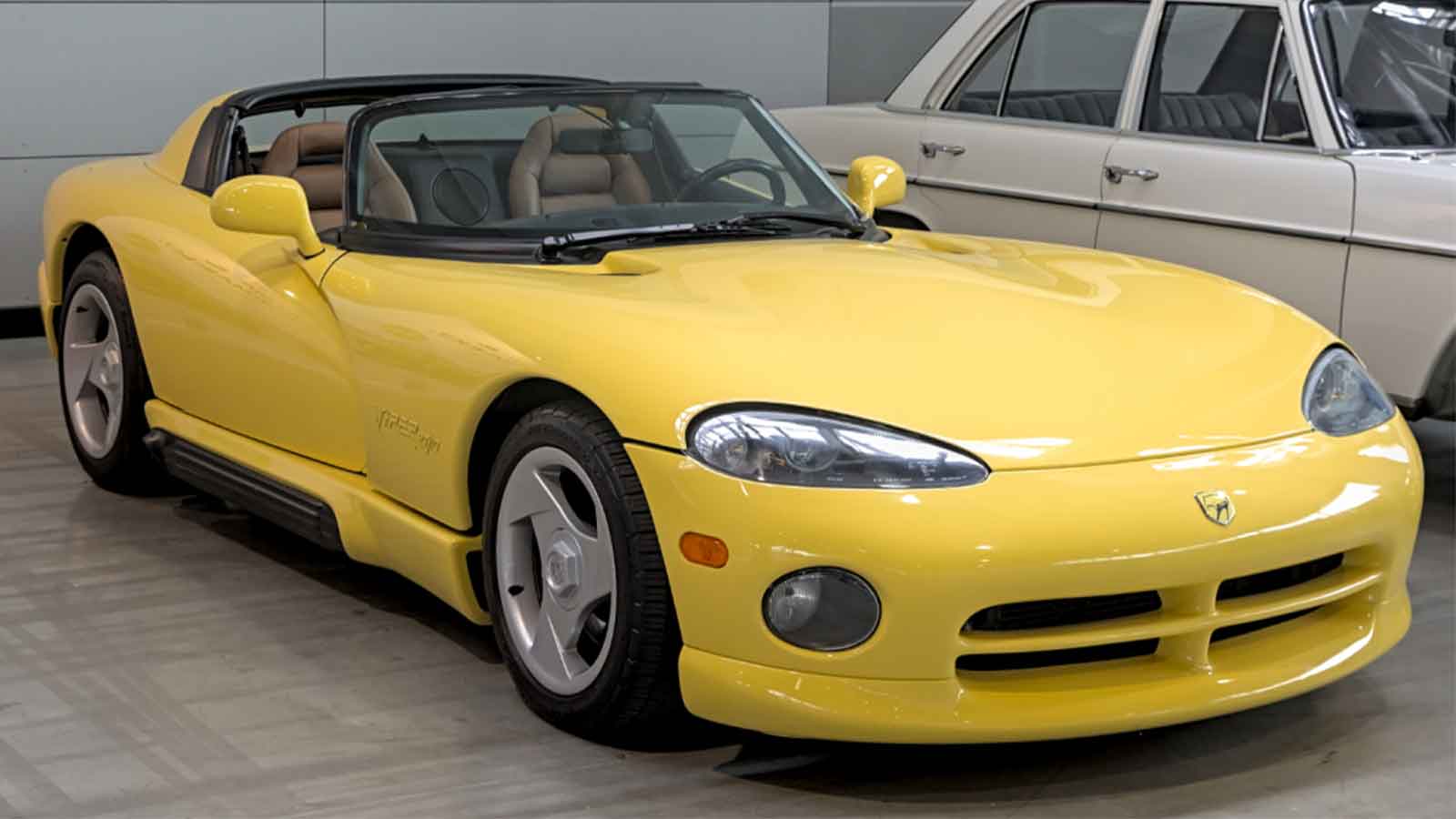
    Car safety has advanced so much over the last few decades, it makes vehicles that are still out on the road feel like a massive gamble to drive. Many of those old cars, despite their questionable engineering or tendency to spin out of control, are still perfectly legal to own and drive.

    This is why we wanted to include some of these cars in one handy list. The type of vehicles we’re talking about are things like 3-wheelers and overpowered cars that shouldn’t be on the streets. We’ve also included some questionable aftermarket modifications that somehow fly under the radar of local traffic laws.

    The post 19 Dangerous Cars You Can Legally Own Anyway appeared first on Den of Geek.

    Ever since the final moments of Dune: Part Two, we’ve been worried. Not about Paul Atreides, the protagonist of the Dune series, who becomes more of a tyrant with each film. Anyone paying attention to the movie or has read the books knows that author Frank Herbert wrote them as a warning against charismatic leaders. No, we’ve been worried about Paul’s beloved Chani, who stormed away from Muad’Dib at the end of the last movie.

    We who have read Herbert’s 1969 novel Dune Messiah, the basis for Dune: Part Three, took comfort in knowing that Chani and Paul would stay together, and their bond would get closer as Princess Irulan and the face dancer Scytale launched a conspiracy against them. But the final trailer for Dune: Part Three steals that comfort away from us, suggesting that in the world of the films, Chani will join the conspiracy against Paul.

    cnx.cmd.push(function() {
    cnx({
    playerId: “106e33c0-3911-473c-b599-b1426db57530”,

    }).render(“0270c398a82f44f49c23c16122516796”);
    });

    A book with more palace intrigue than giant sand battles, Dune Messiah takes place twelve years after Dune, with Paul (Timothée Chalamet) firmly in place as the Emperor. That fact irritates powerful factions, such as the religious Bene Gesserit, the mercantile Spacing Guild, and the science-focused Tleilaxu, who launch a conspiracy against him. Central to that conspiracy is Princess Irulan (Florence Pugh), the daughter of the deposed previous emperor and wife (in law only) to Paul, and Scytale (Robert Pattinson), a shapeshifter.

    That conspiracy takes center stage in the final trailer for Dune: Part Three, with Scytale talking with Reverend Mother Gaius Helen Mohiam (Charlotte Rampling) of the Bene Gesserit. The trailer features more scenes with Jason Momoa as Hayt, the clone of Duncan Idaho who the conspirators created to distract Paul and his sister Alia (Anya Taylor-Joy) from their advances. And we see Paul confront Irulan about her involvement, showing the level of mistrust he experiences.

    The trailer also features interesting deep cuts for those who know the books. We get brief shots of Isaach de Bankolé as Farok, a fighter in Paul’s Freman jihad who betrays his emperor. We may even get our first look at Leto II and Ghanima, Paul and Chani’s twin children, one of whom becomes the main character of the next several Herbert novels.

    But even book readers are shocked to see the way Chani (Zendaya) behaves. Throughout the trailer, Chani declares her opposition to Paul, fighting against him and even seemingly joining the conspiracy. Instead of a victim, a bit of collateral damage in the fight against Paul, Chani has become an antagonist.

    Strong as this deviation from the source material may be, it does track with the characters set up in the first two movies from director Denis Villeneuve. Even in the first film, where Chani appeared largely in visions, she was separate from Paul, less drawn in. Her fiery exit in Dune: Part Two only solidified the feeling that she would not simply go along with her lover. Now, we see just how far she’s willing to go.

    Or do we? Again, Scytale is a face dancer, which allows him to change his form and copy other people. Is that actually Chani we see fighting against Paul? Or is it just one more trick to undermine his leadership? The fact that we can’t tell makes movie fans and book readers equally excited to see how Villeneuve plans to close the trilogy.

    Dune: Part Three arrives in theaters on December 18, 2026.

    The post Dune 3 Final Trailer Reveals a Major Deviation from the Books appeared first on Den of Geek.

  • 15 Actors Who’ll Never Work With a Director Again

    15 Actors Who’ll Never Work With a Director Again

    Taking on any kind of creative endeavor, particularly when we’re talking about a group effort, will have people clashing with each other at some point or another. It’s only natural for that to happen when creative minds clash, although when all is said and done, some people never want to go through that again.

    This is particularly true when high profile actors work with equally high profile directors. In honor of those conflicts, we’ve gathered the actors that decided that they didn’t want to work with certain directors ever again, or at least if they could help it.

    The post 15 Actors Who’ll Never Work With a Director Again appeared first on Den of Geek.

    Ever since the final moments of Dune: Part Two, we’ve been worried. Not about Paul Atreides, the protagonist of the Dune series, who becomes more of a tyrant with each film. Anyone paying attention to the movie or has read the books knows that author Frank Herbert wrote them as a warning against charismatic leaders. No, we’ve been worried about Paul’s beloved Chani, who stormed away from Muad’Dib at the end of the last movie.

    We who have read Herbert’s 1969 novel Dune Messiah, the basis for Dune: Part Three, took comfort in knowing that Chani and Paul would stay together, and their bond would get closer as Princess Irulan and the face dancer Scytale launched a conspiracy against them. But the final trailer for Dune: Part Three steals that comfort away from us, suggesting that in the world of the films, Chani will join the conspiracy against Paul.

    cnx.cmd.push(function() {
    cnx({
    playerId: “106e33c0-3911-473c-b599-b1426db57530”,

    }).render(“0270c398a82f44f49c23c16122516796”);
    });

    A book with more palace intrigue than giant sand battles, Dune Messiah takes place twelve years after Dune, with Paul (Timothée Chalamet) firmly in place as the Emperor. That fact irritates powerful factions, such as the religious Bene Gesserit, the mercantile Spacing Guild, and the science-focused Tleilaxu, who launch a conspiracy against him. Central to that conspiracy is Princess Irulan (Florence Pugh), the daughter of the deposed previous emperor and wife (in law only) to Paul, and Scytale (Robert Pattinson), a shapeshifter.

    That conspiracy takes center stage in the final trailer for Dune: Part Three, with Scytale talking with Reverend Mother Gaius Helen Mohiam (Charlotte Rampling) of the Bene Gesserit. The trailer features more scenes with Jason Momoa as Hayt, the clone of Duncan Idaho who the conspirators created to distract Paul and his sister Alia (Anya Taylor-Joy) from their advances. And we see Paul confront Irulan about her involvement, showing the level of mistrust he experiences.

    The trailer also features interesting deep cuts for those who know the books. We get brief shots of Isaach de Bankolé as Farok, a fighter in Paul’s Freman jihad who betrays his emperor. We may even get our first look at Leto II and Ghanima, Paul and Chani’s twin children, one of whom becomes the main character of the next several Herbert novels.

    But even book readers are shocked to see the way Chani (Zendaya) behaves. Throughout the trailer, Chani declares her opposition to Paul, fighting against him and even seemingly joining the conspiracy. Instead of a victim, a bit of collateral damage in the fight against Paul, Chani has become an antagonist.

    Strong as this deviation from the source material may be, it does track with the characters set up in the first two movies from director Denis Villeneuve. Even in the first film, where Chani appeared largely in visions, she was separate from Paul, less drawn in. Her fiery exit in Dune: Part Two only solidified the feeling that she would not simply go along with her lover. Now, we see just how far she’s willing to go.

    Or do we? Again, Scytale is a face dancer, which allows him to change his form and copy other people. Is that actually Chani we see fighting against Paul? Or is it just one more trick to undermine his leadership? The fact that we can’t tell makes movie fans and book readers equally excited to see how Villeneuve plans to close the trilogy.

    Dune: Part Three arrives in theaters on December 18, 2026.

    The post Dune 3 Final Trailer Reveals a Major Deviation from the Books appeared first on Den of Geek.

  • 15 Photos Before Our Biggest Stars Hit Their ‘Glow Up’

    15 Photos Before Our Biggest Stars Hit Their ‘Glow Up’

    We get so used to seeing Hollywood’s biggest names as the impeccable image they showcase, we forget that they had to start from somewhere. Their image is something carefully planned by more people than just them, so it’s always fun to see them before all that created makeover.

    So that’s what we’ve brought here today, images of the world’s most famous people and how they looked before all that fame. You’ll notice that they still look as good as ever, meaning that they had a pretty good base to begin with.

    The post 15 Photos Before Our Biggest Stars Hit Their ‘Glow Up’ appeared first on Den of Geek.

    Ever since the final moments of Dune: Part Two, we’ve been worried. Not about Paul Atreides, the protagonist of the Dune series, who becomes more of a tyrant with each film. Anyone paying attention to the movie or has read the books knows that author Frank Herbert wrote them as a warning against charismatic leaders. No, we’ve been worried about Paul’s beloved Chani, who stormed away from Muad’Dib at the end of the last movie.

    We who have read Herbert’s 1969 novel Dune Messiah, the basis for Dune: Part Three, took comfort in knowing that Chani and Paul would stay together, and their bond would get closer as Princess Irulan and the face dancer Scytale launched a conspiracy against them. But the final trailer for Dune: Part Three steals that comfort away from us, suggesting that in the world of the films, Chani will join the conspiracy against Paul.

    cnx.cmd.push(function() {
    cnx({
    playerId: “106e33c0-3911-473c-b599-b1426db57530”,

    }).render(“0270c398a82f44f49c23c16122516796”);
    });

    A book with more palace intrigue than giant sand battles, Dune Messiah takes place twelve years after Dune, with Paul (Timothée Chalamet) firmly in place as the Emperor. That fact irritates powerful factions, such as the religious Bene Gesserit, the mercantile Spacing Guild, and the science-focused Tleilaxu, who launch a conspiracy against him. Central to that conspiracy is Princess Irulan (Florence Pugh), the daughter of the deposed previous emperor and wife (in law only) to Paul, and Scytale (Robert Pattinson), a shapeshifter.

    That conspiracy takes center stage in the final trailer for Dune: Part Three, with Scytale talking with Reverend Mother Gaius Helen Mohiam (Charlotte Rampling) of the Bene Gesserit. The trailer features more scenes with Jason Momoa as Hayt, the clone of Duncan Idaho who the conspirators created to distract Paul and his sister Alia (Anya Taylor-Joy) from their advances. And we see Paul confront Irulan about her involvement, showing the level of mistrust he experiences.

    The trailer also features interesting deep cuts for those who know the books. We get brief shots of Isaach de Bankolé as Farok, a fighter in Paul’s Freman jihad who betrays his emperor. We may even get our first look at Leto II and Ghanima, Paul and Chani’s twin children, one of whom becomes the main character of the next several Herbert novels.

    But even book readers are shocked to see the way Chani (Zendaya) behaves. Throughout the trailer, Chani declares her opposition to Paul, fighting against him and even seemingly joining the conspiracy. Instead of a victim, a bit of collateral damage in the fight against Paul, Chani has become an antagonist.

    Strong as this deviation from the source material may be, it does track with the characters set up in the first two movies from director Denis Villeneuve. Even in the first film, where Chani appeared largely in visions, she was separate from Paul, less drawn in. Her fiery exit in Dune: Part Two only solidified the feeling that she would not simply go along with her lover. Now, we see just how far she’s willing to go.

    Or do we? Again, Scytale is a face dancer, which allows him to change his form and copy other people. Is that actually Chani we see fighting against Paul? Or is it just one more trick to undermine his leadership? The fact that we can’t tell makes movie fans and book readers equally excited to see how Villeneuve plans to close the trilogy.

    Dune: Part Three arrives in theaters on December 18, 2026.

    The post Dune 3 Final Trailer Reveals a Major Deviation from the Books appeared first on Den of Geek.

  • 15 Historical Figures Who Were Into Some Weird Stuff

    15 Historical Figures Who Were Into Some Weird Stuff

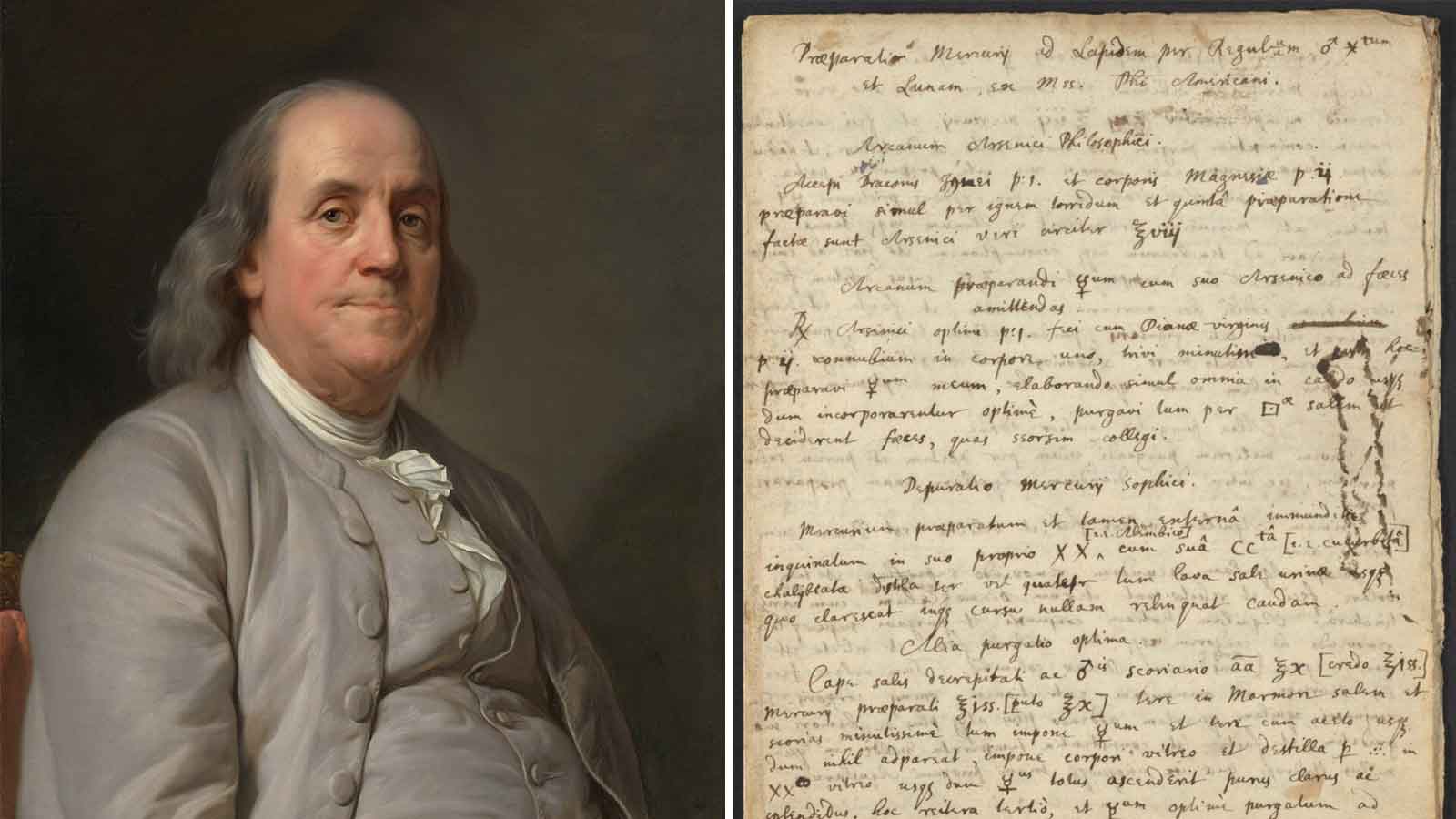
    History books tend to focus on what famous people accomplished, leaving out the strange things they did in their spare time. Isaac Newton spent years studying alchemy, Charles Darwin conducted experiments on earthworms, and one Russian emperor developed a rather alarming interest in dentistry. Some of these hobbies were harmless ways to pass the time, while others involved elaborate routines that would probably confuse anyone watching. Even the greatest minds had their peculiar habits, and a few took their personal interests almost as seriously as their life’s work. Here are 15 historical figures whose unusual pastimes deserve a little more attention.

    The post 15 Historical Figures Who Were Into Some Weird Stuff appeared first on Den of Geek.

    Ever since the final moments of Dune: Part Two, we’ve been worried. Not about Paul Atreides, the protagonist of the Dune series, who becomes more of a tyrant with each film. Anyone paying attention to the movie or has read the books knows that author Frank Herbert wrote them as a warning against charismatic leaders. No, we’ve been worried about Paul’s beloved Chani, who stormed away from Muad’Dib at the end of the last movie.

    We who have read Herbert’s 1969 novel Dune Messiah, the basis for Dune: Part Three, took comfort in knowing that Chani and Paul would stay together, and their bond would get closer as Princess Irulan and the face dancer Scytale launched a conspiracy against them. But the final trailer for Dune: Part Three steals that comfort away from us, suggesting that in the world of the films, Chani will join the conspiracy against Paul.

    cnx.cmd.push(function() {
    cnx({
    playerId: “106e33c0-3911-473c-b599-b1426db57530”,

    }).render(“0270c398a82f44f49c23c16122516796”);
    });

    A book with more palace intrigue than giant sand battles, Dune Messiah takes place twelve years after Dune, with Paul (Timothée Chalamet) firmly in place as the Emperor. That fact irritates powerful factions, such as the religious Bene Gesserit, the mercantile Spacing Guild, and the science-focused Tleilaxu, who launch a conspiracy against him. Central to that conspiracy is Princess Irulan (Florence Pugh), the daughter of the deposed previous emperor and wife (in law only) to Paul, and Scytale (Robert Pattinson), a shapeshifter.

    That conspiracy takes center stage in the final trailer for Dune: Part Three, with Scytale talking with Reverend Mother Gaius Helen Mohiam (Charlotte Rampling) of the Bene Gesserit. The trailer features more scenes with Jason Momoa as Hayt, the clone of Duncan Idaho who the conspirators created to distract Paul and his sister Alia (Anya Taylor-Joy) from their advances. And we see Paul confront Irulan about her involvement, showing the level of mistrust he experiences.

    The trailer also features interesting deep cuts for those who know the books. We get brief shots of Isaach de Bankolé as Farok, a fighter in Paul’s Freman jihad who betrays his emperor. We may even get our first look at Leto II and Ghanima, Paul and Chani’s twin children, one of whom becomes the main character of the next several Herbert novels.

    But even book readers are shocked to see the way Chani (Zendaya) behaves. Throughout the trailer, Chani declares her opposition to Paul, fighting against him and even seemingly joining the conspiracy. Instead of a victim, a bit of collateral damage in the fight against Paul, Chani has become an antagonist.

    Strong as this deviation from the source material may be, it does track with the characters set up in the first two movies from director Denis Villeneuve. Even in the first film, where Chani appeared largely in visions, she was separate from Paul, less drawn in. Her fiery exit in Dune: Part Two only solidified the feeling that she would not simply go along with her lover. Now, we see just how far she’s willing to go.

    Or do we? Again, Scytale is a face dancer, which allows him to change his form and copy other people. Is that actually Chani we see fighting against Paul? Or is it just one more trick to undermine his leadership? The fact that we can’t tell makes movie fans and book readers equally excited to see how Villeneuve plans to close the trilogy.

    Dune: Part Three arrives in theaters on December 18, 2026.

    The post Dune 3 Final Trailer Reveals a Major Deviation from the Books appeared first on Den of Geek.

  • 15 Vintage Ads Reminding You it Was a Different Time

    15 Vintage Ads Reminding You it Was a Different Time

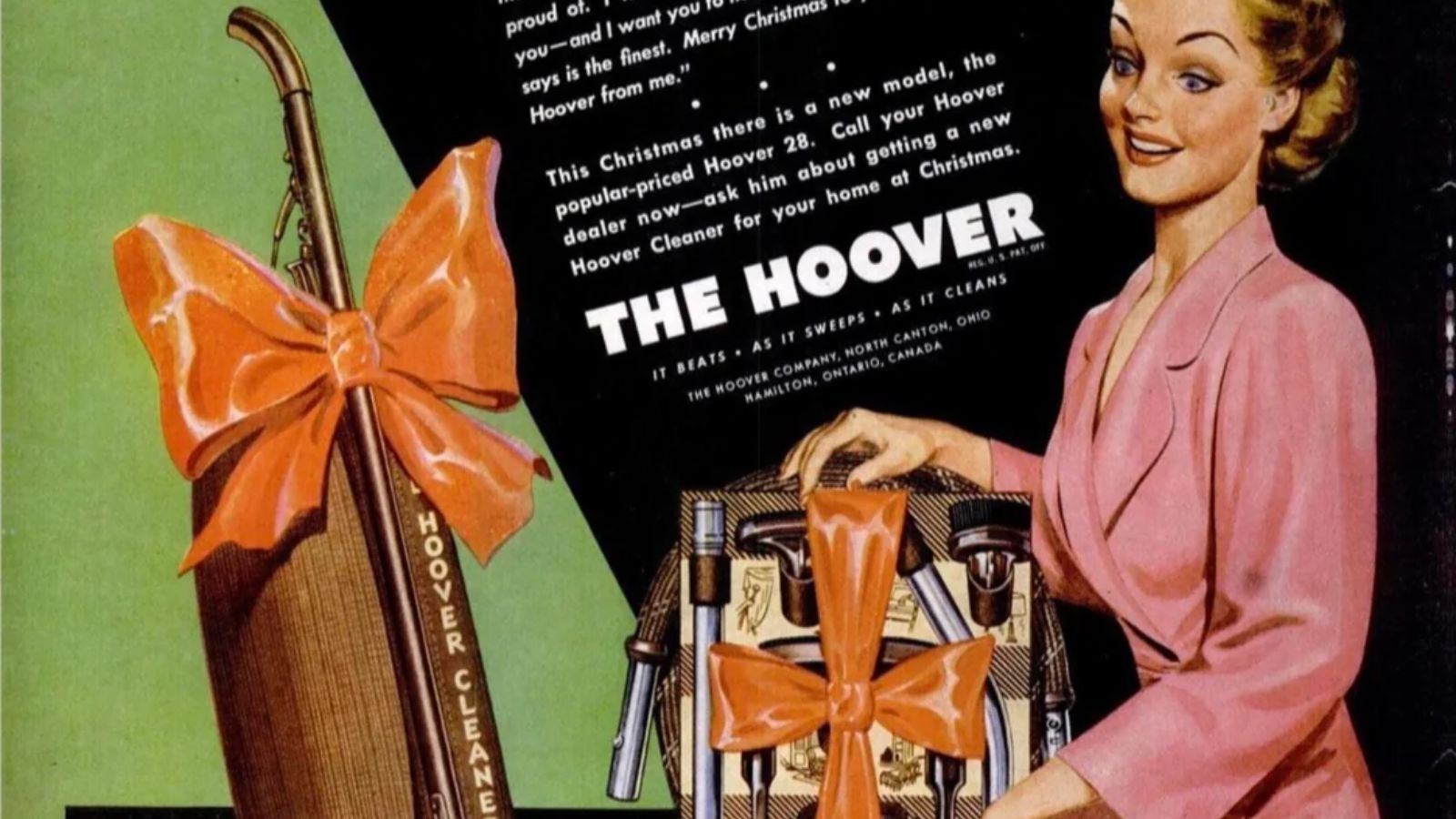
    Old advertisements can tell you a surprising amount about what people used to buy, eat, and expect from everyday life. A vacuum cleaner was once promoted as a perfectly good Christmas present, vegetables somehow ended up inside gelatin desserts, and buying a home computer required a budget that would make most people reconsider the whole idea. Some of the ads are charming, others are completely baffling, and a few make you wonder who approved the campaign in the first place. Reddit users have collected plenty of these forgotten magazine pages, complete with illustrations, strange slogans, and products that have since disappeared. Here are 15 vintage advertisements that belong to a very different era.

    The post 15 Vintage Ads Reminding You it Was a Different Time appeared first on Den of Geek.

    Ever since the final moments of Dune: Part Two, we’ve been worried. Not about Paul Atreides, the protagonist of the Dune series, who becomes more of a tyrant with each film. Anyone paying attention to the movie or has read the books knows that author Frank Herbert wrote them as a warning against charismatic leaders. No, we’ve been worried about Paul’s beloved Chani, who stormed away from Muad’Dib at the end of the last movie.

    We who have read Herbert’s 1969 novel Dune Messiah, the basis for Dune: Part Three, took comfort in knowing that Chani and Paul would stay together, and their bond would get closer as Princess Irulan and the face dancer Scytale launched a conspiracy against them. But the final trailer for Dune: Part Three steals that comfort away from us, suggesting that in the world of the films, Chani will join the conspiracy against Paul.

    cnx.cmd.push(function() {
    cnx({
    playerId: “106e33c0-3911-473c-b599-b1426db57530”,

    }).render(“0270c398a82f44f49c23c16122516796”);
    });

    A book with more palace intrigue than giant sand battles, Dune Messiah takes place twelve years after Dune, with Paul (Timothée Chalamet) firmly in place as the Emperor. That fact irritates powerful factions, such as the religious Bene Gesserit, the mercantile Spacing Guild, and the science-focused Tleilaxu, who launch a conspiracy against him. Central to that conspiracy is Princess Irulan (Florence Pugh), the daughter of the deposed previous emperor and wife (in law only) to Paul, and Scytale (Robert Pattinson), a shapeshifter.

    That conspiracy takes center stage in the final trailer for Dune: Part Three, with Scytale talking with Reverend Mother Gaius Helen Mohiam (Charlotte Rampling) of the Bene Gesserit. The trailer features more scenes with Jason Momoa as Hayt, the clone of Duncan Idaho who the conspirators created to distract Paul and his sister Alia (Anya Taylor-Joy) from their advances. And we see Paul confront Irulan about her involvement, showing the level of mistrust he experiences.

    The trailer also features interesting deep cuts for those who know the books. We get brief shots of Isaach de Bankolé as Farok, a fighter in Paul’s Freman jihad who betrays his emperor. We may even get our first look at Leto II and Ghanima, Paul and Chani’s twin children, one of whom becomes the main character of the next several Herbert novels.

    But even book readers are shocked to see the way Chani (Zendaya) behaves. Throughout the trailer, Chani declares her opposition to Paul, fighting against him and even seemingly joining the conspiracy. Instead of a victim, a bit of collateral damage in the fight against Paul, Chani has become an antagonist.

    Strong as this deviation from the source material may be, it does track with the characters set up in the first two movies from director Denis Villeneuve. Even in the first film, where Chani appeared largely in visions, she was separate from Paul, less drawn in. Her fiery exit in Dune: Part Two only solidified the feeling that she would not simply go along with her lover. Now, we see just how far she’s willing to go.

    Or do we? Again, Scytale is a face dancer, which allows him to change his form and copy other people. Is that actually Chani we see fighting against Paul? Or is it just one more trick to undermine his leadership? The fact that we can’t tell makes movie fans and book readers equally excited to see how Villeneuve plans to close the trilogy.

    Dune: Part Three arrives in theaters on December 18, 2026.

    The post Dune 3 Final Trailer Reveals a Major Deviation from the Books appeared first on Den of Geek.

  • 15 Vintage ‘Work’ Photos Making Your Job Seem Pretty Normal

    15 Vintage ‘Work’ Photos Making Your Job Seem Pretty Normal

    Bad days at work aren’t exactly a modern invention. Long before office computers, video meetings, and endless email chains, people had jobs that involved climbing into chimneys, resetting bowling pins by hand, or spending entire days connecting telephone calls. Some occupations have disappeared completely, while others have changed so much that their old working conditions are difficult to recognize. Fortunately, photographers documented plenty of these workplaces, including the unusual equipment and exhausting routines that came with them. A few of the pictures are fascinating, and others are reminders of how much labor protections have improved. Here are 15 vintage workplace photos that might make your next Monday seem a little more manageable.

    The post 15 Vintage ‘Work’ Photos Making Your Job Seem Pretty Normal appeared first on Den of Geek.

    Ever since the final moments of Dune: Part Two, we’ve been worried. Not about Paul Atreides, the protagonist of the Dune series, who becomes more of a tyrant with each film. Anyone paying attention to the movie or has read the books knows that author Frank Herbert wrote them as a warning against charismatic leaders. No, we’ve been worried about Paul’s beloved Chani, who stormed away from Muad’Dib at the end of the last movie.

    We who have read Herbert’s 1969 novel Dune Messiah, the basis for Dune: Part Three, took comfort in knowing that Chani and Paul would stay together, and their bond would get closer as Princess Irulan and the face dancer Scytale launched a conspiracy against them. But the final trailer for Dune: Part Three steals that comfort away from us, suggesting that in the world of the films, Chani will join the conspiracy against Paul.

    cnx.cmd.push(function() {
    cnx({
    playerId: “106e33c0-3911-473c-b599-b1426db57530”,

    }).render(“0270c398a82f44f49c23c16122516796”);
    });

    A book with more palace intrigue than giant sand battles, Dune Messiah takes place twelve years after Dune, with Paul (Timothée Chalamet) firmly in place as the Emperor. That fact irritates powerful factions, such as the religious Bene Gesserit, the mercantile Spacing Guild, and the science-focused Tleilaxu, who launch a conspiracy against him. Central to that conspiracy is Princess Irulan (Florence Pugh), the daughter of the deposed previous emperor and wife (in law only) to Paul, and Scytale (Robert Pattinson), a shapeshifter.

    That conspiracy takes center stage in the final trailer for Dune: Part Three, with Scytale talking with Reverend Mother Gaius Helen Mohiam (Charlotte Rampling) of the Bene Gesserit. The trailer features more scenes with Jason Momoa as Hayt, the clone of Duncan Idaho who the conspirators created to distract Paul and his sister Alia (Anya Taylor-Joy) from their advances. And we see Paul confront Irulan about her involvement, showing the level of mistrust he experiences.

    The trailer also features interesting deep cuts for those who know the books. We get brief shots of Isaach de Bankolé as Farok, a fighter in Paul’s Freman jihad who betrays his emperor. We may even get our first look at Leto II and Ghanima, Paul and Chani’s twin children, one of whom becomes the main character of the next several Herbert novels.

    But even book readers are shocked to see the way Chani (Zendaya) behaves. Throughout the trailer, Chani declares her opposition to Paul, fighting against him and even seemingly joining the conspiracy. Instead of a victim, a bit of collateral damage in the fight against Paul, Chani has become an antagonist.

    Strong as this deviation from the source material may be, it does track with the characters set up in the first two movies from director Denis Villeneuve. Even in the first film, where Chani appeared largely in visions, she was separate from Paul, less drawn in. Her fiery exit in Dune: Part Two only solidified the feeling that she would not simply go along with her lover. Now, we see just how far she’s willing to go.

    Or do we? Again, Scytale is a face dancer, which allows him to change his form and copy other people. Is that actually Chani we see fighting against Paul? Or is it just one more trick to undermine his leadership? The fact that we can’t tell makes movie fans and book readers equally excited to see how Villeneuve plans to close the trilogy.

    Dune: Part Three arrives in theaters on December 18, 2026.

    The post Dune 3 Final Trailer Reveals a Major Deviation from the Books appeared first on Den of Geek.

  • 15 Historical Photos Where Work Looks Especially Exhausting

    15 Historical Photos Where Work Looks Especially Exhausting

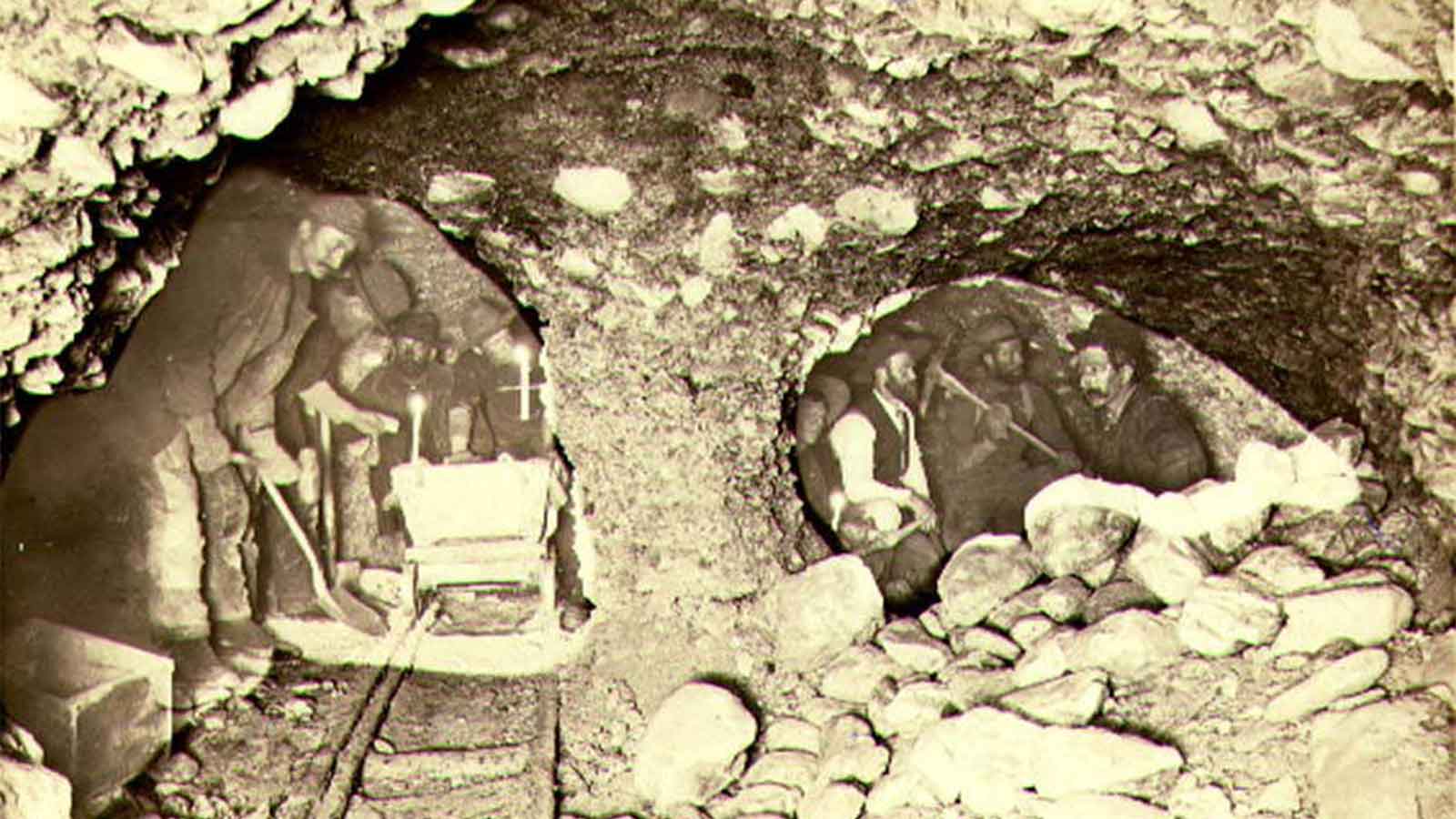
    A long day at the office can be tiring, but some old workplace photographs put that feeling into perspective. Imagine spending your shift balancing on the steel framework of a skyscraper, hauling fishing nets out of the ocean, or digging through solid ground to make room for a subway station. These weren’t unusual assignments for the people doing them. They were ordinary working days, often involving heavy equipment, dangerous conditions, and very little physical comfort. Historical photographers captured many of these jobs in remarkable detail, including the people who helped build cities, harvest crops, and keep industries running. Here are 15 photographs of work that looks genuinely exhausting.

    The post 15 Historical Photos Where Work Looks Especially Exhausting appeared first on Den of Geek.

    Ever since the final moments of Dune: Part Two, we’ve been worried. Not about Paul Atreides, the protagonist of the Dune series, who becomes more of a tyrant with each film. Anyone paying attention to the movie or has read the books knows that author Frank Herbert wrote them as a warning against charismatic leaders. No, we’ve been worried about Paul’s beloved Chani, who stormed away from Muad’Dib at the end of the last movie.

    We who have read Herbert’s 1969 novel Dune Messiah, the basis for Dune: Part Three, took comfort in knowing that Chani and Paul would stay together, and their bond would get closer as Princess Irulan and the face dancer Scytale launched a conspiracy against them. But the final trailer for Dune: Part Three steals that comfort away from us, suggesting that in the world of the films, Chani will join the conspiracy against Paul.

    cnx.cmd.push(function() {
    cnx({
    playerId: “106e33c0-3911-473c-b599-b1426db57530”,

    }).render(“0270c398a82f44f49c23c16122516796”);
    });

    A book with more palace intrigue than giant sand battles, Dune Messiah takes place twelve years after Dune, with Paul (Timothée Chalamet) firmly in place as the Emperor. That fact irritates powerful factions, such as the religious Bene Gesserit, the mercantile Spacing Guild, and the science-focused Tleilaxu, who launch a conspiracy against him. Central to that conspiracy is Princess Irulan (Florence Pugh), the daughter of the deposed previous emperor and wife (in law only) to Paul, and Scytale (Robert Pattinson), a shapeshifter.

    That conspiracy takes center stage in the final trailer for Dune: Part Three, with Scytale talking with Reverend Mother Gaius Helen Mohiam (Charlotte Rampling) of the Bene Gesserit. The trailer features more scenes with Jason Momoa as Hayt, the clone of Duncan Idaho who the conspirators created to distract Paul and his sister Alia (Anya Taylor-Joy) from their advances. And we see Paul confront Irulan about her involvement, showing the level of mistrust he experiences.

    The trailer also features interesting deep cuts for those who know the books. We get brief shots of Isaach de Bankolé as Farok, a fighter in Paul’s Freman jihad who betrays his emperor. We may even get our first look at Leto II and Ghanima, Paul and Chani’s twin children, one of whom becomes the main character of the next several Herbert novels.

    But even book readers are shocked to see the way Chani (Zendaya) behaves. Throughout the trailer, Chani declares her opposition to Paul, fighting against him and even seemingly joining the conspiracy. Instead of a victim, a bit of collateral damage in the fight against Paul, Chani has become an antagonist.

    Strong as this deviation from the source material may be, it does track with the characters set up in the first two movies from director Denis Villeneuve. Even in the first film, where Chani appeared largely in visions, she was separate from Paul, less drawn in. Her fiery exit in Dune: Part Two only solidified the feeling that she would not simply go along with her lover. Now, we see just how far she’s willing to go.

    Or do we? Again, Scytale is a face dancer, which allows him to change his form and copy other people. Is that actually Chani we see fighting against Paul? Or is it just one more trick to undermine his leadership? The fact that we can’t tell makes movie fans and book readers equally excited to see how Villeneuve plans to close the trilogy.

    Dune: Part Three arrives in theaters on December 18, 2026.

    The post Dune 3 Final Trailer Reveals a Major Deviation from the Books appeared first on Den of Geek.

  • 15 People Share the Worst Thing Someone Has Ever Done in Their Home

    15 People Share the Worst Thing Someone Has Ever Done in Their Home

    Having people over is usually pretty straightforward. You offer them something to drink, maybe order food, and hope they remember to close the door on their way out. But some guests apparently see an invitation as permission to do absolutely anything. One person had a visitor walk off with an entire bathroom sink, while another came home to find someone had practically moved into their living room. Then there are the smaller offenses, like ruining a favorite sweater or leaving food in places where food definitely doesn’t belong. People on Reddit shared the houseguest experiences they still haven’t forgotten, and some are hard to believe. Here are 15 stories about visitors who seriously overstayed their welcome.

    The post 15 People Share the Worst Thing Someone Has Ever Done in Their Home appeared first on Den of Geek.

    Ever since the final moments of Dune: Part Two, we’ve been worried. Not about Paul Atreides, the protagonist of the Dune series, who becomes more of a tyrant with each film. Anyone paying attention to the movie or has read the books knows that author Frank Herbert wrote them as a warning against charismatic leaders. No, we’ve been worried about Paul’s beloved Chani, who stormed away from Muad’Dib at the end of the last movie.

    We who have read Herbert’s 1969 novel Dune Messiah, the basis for Dune: Part Three, took comfort in knowing that Chani and Paul would stay together, and their bond would get closer as Princess Irulan and the face dancer Scytale launched a conspiracy against them. But the final trailer for Dune: Part Three steals that comfort away from us, suggesting that in the world of the films, Chani will join the conspiracy against Paul.

    cnx.cmd.push(function() {
    cnx({
    playerId: “106e33c0-3911-473c-b599-b1426db57530”,

    }).render(“0270c398a82f44f49c23c16122516796”);
    });

    A book with more palace intrigue than giant sand battles, Dune Messiah takes place twelve years after Dune, with Paul (Timothée Chalamet) firmly in place as the Emperor. That fact irritates powerful factions, such as the religious Bene Gesserit, the mercantile Spacing Guild, and the science-focused Tleilaxu, who launch a conspiracy against him. Central to that conspiracy is Princess Irulan (Florence Pugh), the daughter of the deposed previous emperor and wife (in law only) to Paul, and Scytale (Robert Pattinson), a shapeshifter.

    That conspiracy takes center stage in the final trailer for Dune: Part Three, with Scytale talking with Reverend Mother Gaius Helen Mohiam (Charlotte Rampling) of the Bene Gesserit. The trailer features more scenes with Jason Momoa as Hayt, the clone of Duncan Idaho who the conspirators created to distract Paul and his sister Alia (Anya Taylor-Joy) from their advances. And we see Paul confront Irulan about her involvement, showing the level of mistrust he experiences.

    The trailer also features interesting deep cuts for those who know the books. We get brief shots of Isaach de Bankolé as Farok, a fighter in Paul’s Freman jihad who betrays his emperor. We may even get our first look at Leto II and Ghanima, Paul and Chani’s twin children, one of whom becomes the main character of the next several Herbert novels.

    But even book readers are shocked to see the way Chani (Zendaya) behaves. Throughout the trailer, Chani declares her opposition to Paul, fighting against him and even seemingly joining the conspiracy. Instead of a victim, a bit of collateral damage in the fight against Paul, Chani has become an antagonist.

    Strong as this deviation from the source material may be, it does track with the characters set up in the first two movies from director Denis Villeneuve. Even in the first film, where Chani appeared largely in visions, she was separate from Paul, less drawn in. Her fiery exit in Dune: Part Two only solidified the feeling that she would not simply go along with her lover. Now, we see just how far she’s willing to go.

    Or do we? Again, Scytale is a face dancer, which allows him to change his form and copy other people. Is that actually Chani we see fighting against Paul? Or is it just one more trick to undermine his leadership? The fact that we can’t tell makes movie fans and book readers equally excited to see how Villeneuve plans to close the trilogy.

    Dune: Part Three arrives in theaters on December 18, 2026.

    The post Dune 3 Final Trailer Reveals a Major Deviation from the Books appeared first on Den of Geek.