Category: Blog

Your blog category

  • An Holistic Framework for Shared Design Leadership

    An Holistic Framework for Shared Design Leadership

    Picture this: You’re in a meeting room at your tech company, and two people are having what looks like the same conversation about the same design problem. One is talking about whether the team has the right skills to tackle it. The other is diving deep into whether the solution actually solves the user’s problem. Same room, same problem, completely different lenses.

    This is the beautiful, sometimes messy reality of having both a Design Manager and a Lead Designer on the same team. And if you’re wondering how to make this work without creating confusion, overlap, or the dreaded “too many cooks” scenario, you’re asking the right question.

    The traditional answer has been to draw clean lines on an org chart. The Design Manager handles people, the Lead Designer handles craft. Problem solved, right? Except clean org charts are fantasy. In reality, both roles care deeply about team health, design quality, and shipping great work. 

    The magic happens when you embrace the overlap instead of fighting it—when you start thinking of your design org as a design organism.

    The Anatomy of a Healthy Design Team

    Here’s what I’ve learned from years of being on both sides of this equation: think of your design team as a living organism. The Design Manager tends to the mind (the psychological safety, the career growth, the team dynamics). The Lead Designer tends to the body (the craft skills, the design standards, the hands-on work that ships to users).

    But just like mind and body aren’t completely separate systems, so, too, do these roles overlap in important ways. You can’t have a healthy person without both working in harmony. The trick is knowing where those overlaps are and how to navigate them gracefully.

    When we look at how healthy teams actually function, three critical systems emerge. Each requires both roles to work together, but with one taking primary responsibility for keeping that system strong.

    The Nervous System: People & Psychology

    Primary caretaker: Design Manager
    Supporting role: Lead Designer

    The nervous system is all about signals, feedback, and psychological safety. When this system is healthy, information flows freely, people feel safe to take risks, and the team can adapt quickly to new challenges.

    The Design Manager is the primary caretaker here. They’re monitoring the team’s psychological pulse, ensuring feedback loops are healthy, and creating the conditions for people to grow. They’re hosting career conversations, managing workload, and making sure no one burns out.

    But the Lead Designer plays a crucial supporting role. They’re providing sensory input about craft development needs, spotting when someone’s design skills are stagnating, and helping identify growth opportunities that the Design Manager might miss.

    Design Manager tends to:

    • Career conversations and growth planning
    • Team psychological safety and dynamics
    • Workload management and resource allocation
    • Performance reviews and feedback systems
    • Creating learning opportunities

    Lead Designer supports by:

    • Providing craft-specific feedback on team member development
    • Identifying design skill gaps and growth opportunities
    • Offering design mentorship and guidance
    • Signaling when team members are ready for more complex challenges

    The Muscular System: Craft & Execution

    Primary caretaker: Lead Designer
    Supporting role: Design Manager

    The muscular system is about strength, coordination, and skill development. When this system is healthy, the team can execute complex design work with precision, maintain consistent quality, and adapt their craft to new challenges.

    The Lead Designer is the primary caretaker here. They’re setting design standards, providing craft coaching, and ensuring that shipping work meets the quality bar. They’re the ones who can tell you if a design decision is sound or if we’re solving the right problem.

    But the Design Manager plays a crucial supporting role. They’re ensuring the team has the resources and support to do their best craft work, like proper nutrition and recovery time for an athlete.

    Lead Designer tends to:

    • Definition of design standards and system usage
    • Feedback on what design work meets the standard
    • Experience direction for the product
    • Design decisions and product-wide alignment
    • Innovation and craft advancement

    Design Manager supports by:

    • Ensuring design standards are understood and adopted across the team
    • Confirming experience direction is being followed
    • Supporting practices and systems that scale without bottlenecking
    • Facilitating design alignment across teams
    • Providing resources and removing obstacles to great craft work

    The Circulatory System: Strategy & Flow

    Shared caretakers: Both Design Manager and Lead Designer

    The circulatory system is about how information, decisions, and energy flow through the team. When this system is healthy, strategic direction is clear, priorities are aligned, and the team can respond quickly to new opportunities or challenges.

    This is where true partnership happens. Both roles are responsible for keeping the circulation strong, but they’re bringing different perspectives to the table.

    Lead Designer contributes:

    • User needs are met by the product
    • Overall product quality and experience
    • Strategic design initiatives
    • Research-based user needs for each initiative

    Design Manager contributes:

    • Communication to team and stakeholders
    • Stakeholder management and alignment
    • Cross-functional team accountability
    • Strategic business initiatives

    Both collaborate on:

    • Co-creation of strategy with leadership
    • Team goals and prioritization approach
    • Organizational structure decisions
    • Success measures and frameworks

    Keeping the Organism Healthy

    The key to making this partnership sing is understanding that all three systems need to work together. A team with great craft skills but poor psychological safety will burn out. A team with great culture but weak craft execution will ship mediocre work. A team with both but poor strategic circulation will work hard on the wrong things.

    Be Explicit About Which System You’re Tending

    When you’re in a meeting about a design problem, it helps to acknowledge which system you’re primarily focused on. “I’m thinking about this from a team capacity perspective” (nervous system) or “I’m looking at this through the lens of user needs” (muscular system) gives everyone context for your input.

    This isn’t about staying in your lane. It’s about being transparent as to which lens you’re using, so the other person knows how to best add their perspective.

    Create Healthy Feedback Loops

    The most successful partnerships I’ve seen establish clear feedback loops between the systems:

    Nervous system signals to muscular system: “The team is struggling with confidence in their design skills” → Lead Designer provides more craft coaching and clearer standards.

    Muscular system signals to nervous system: “The team’s craft skills are advancing faster than their project complexity” → Design Manager finds more challenging growth opportunities.

    Both systems signal to circulatory system: “We’re seeing patterns in team health and craft development that suggest we need to adjust our strategic priorities.”

    Handle Handoffs Gracefully

    The most critical moments in this partnership are when something moves from one system to another. This might be when a design standard (muscular system) needs to be rolled out across the team (nervous system), or when a strategic initiative (circulatory system) needs specific craft execution (muscular system).

    Make these transitions explicit. “I’ve defined the new component standards. Can you help me think through how to get the team up to speed?” or “We’ve agreed on this strategic direction. I’m going to focus on the specific user experience approach from here.”

    Stay Curious, Not Territorial

    The Design Manager who never thinks about craft, or the Lead Designer who never considers team dynamics, is like a doctor who only looks at one body system. Great design leadership requires both people to care about the whole organism, even when they’re not the primary caretaker.

    This means asking questions rather than making assumptions. “What do you think about the team’s craft development in this area?” or “How do you see this impacting team morale and workload?” keeps both perspectives active in every decision.

    When the Organism Gets Sick

    Even with clear roles, this partnership can go sideways. Here are the most common failure modes I’ve seen:

    System Isolation

    The Design Manager focuses only on the nervous system and ignores craft development. The Lead Designer focuses only on the muscular system and ignores team dynamics. Both people retreat to their comfort zones and stop collaborating.

    The symptoms: Team members get mixed messages, work quality suffers, morale drops.

    The treatment: Reconnect around shared outcomes. What are you both trying to achieve? Usually it’s great design work that ships on time from a healthy team. Figure out how both systems serve that goal.

    Poor Circulation

    Strategic direction is unclear, priorities keep shifting, and neither role is taking responsibility for keeping information flowing.

    The symptoms: Team members are confused about priorities, work gets duplicated or dropped, deadlines are missed.

    The treatment: Explicitly assign responsibility for circulation. Who’s communicating what to whom? How often? What’s the feedback loop?

    Autoimmune Response

    One person feels threatened by the other’s expertise. The Design Manager thinks the Lead Designer is undermining their authority. The Lead Designer thinks the Design Manager doesn’t understand craft.

    The symptoms: Defensive behavior, territorial disputes, team members caught in the middle.

    The treatment: Remember that you’re both caretakers of the same organism. When one system fails, the whole team suffers. When both systems are healthy, the team thrives.

    The Payoff

    Yes, this model requires more communication. Yes, it requires both people to be secure enough to share responsibility for team health. But the payoff is worth it: better decisions, stronger teams, and design work that’s both excellent and sustainable.

    When both roles are healthy and working well together, you get the best of both worlds: deep craft expertise and strong people leadership. When one person is out sick, on vacation, or overwhelmed, the other can help maintain the team’s health. When a decision requires both the people perspective and the craft perspective, you’ve got both right there in the room.

    Most importantly, the framework scales. As your team grows, you can apply the same system thinking to new challenges. Need to launch a design system? Lead Designer tends to the muscular system (standards and implementation), Design Manager tends to the nervous system (team adoption and change management), and both tend to circulation (communication and stakeholder alignment).

    The Bottom Line

    The relationship between a Design Manager and Lead Designer isn’t about dividing territories. It’s about multiplying impact. When both roles understand they’re tending to different aspects of the same healthy organism, magic happens.

    The mind and body work together. The team gets both the strategic thinking and the craft excellence they need. And most importantly, the work that ships to users benefits from both perspectives.

    So the next time you’re in that meeting room, wondering why two people are talking about the same problem from different angles, remember: you’re watching shared leadership in action. And if it’s working well, both the mind and body of your design team are getting stronger.
  • From Beta to Bedrock: Build Products that Stick.

    From Beta to Bedrock: Build Products that Stick.

    As a product builder over too many years to mention, I’ve lost count of the number of times I’ve seen promising ideas go from zero to hero in a few weeks, only to fizzle out within months.

    Financial products, which is the field I work in, are no exception. With people’s real hard-earned money on the line, user expectations running high, and a crowded market, it’s tempting to throw as many features at the wall as possible and hope something sticks. But this approach is a recipe for disaster. Here’s why:

    The pitfalls of feature-first development

    When you start building a financial product from the ground up, or are migrating existing customer journeys from paper or telephony channels onto online banking or mobile apps, it’s easy to get caught up in the excitement of creating new features. You might think, “If I can just add one more thing that solves this particular user problem, they’ll love me!” But what happens when you inevitably hit a roadblock because the narcs (your security team!) don’t like it? When a hard-fought feature isn’t as popular as you thought, or it breaks due to unforeseen complexity?

    This is where the concept of Minimum Viable Product (MVP) comes in. Jason Fried’s book Getting Real and his podcast Rework often touch on this idea, even if he doesn’t always call it that. An MVP is a product that provides just enough value to your users to keep them engaged, but not so much that it becomes overwhelming or difficult to maintain. It sounds like an easy concept but it requires a razor sharp eye, a ruthless edge and having the courage to stick by your opinion because it is easy to be seduced by “the Columbo Effect”… when there’s always “just one more thing…” that someone wants to add.

    The problem with most finance apps, however, is that they often become a reflection of the internal politics of the business rather than an experience solely designed around the customer. This means that the focus is on delivering as many features and functionalities as possible to satisfy the needs and desires of competing internal departments, rather than providing a clear value proposition that is focused on what the people out there in the real world want. As a result, these products can very easily bloat to become a mixed bag of confusing, unrelated and ultimately unlovable customer experiences—a feature salad, you might say.

    The importance of bedrock

    So what’s a better approach? How can we build products that are stable, user-friendly, and—most importantly—stick?

    That’s where the concept of “bedrock” comes in. Bedrock is the core element of your product that truly matters to users. It’s the fundamental building block that provides value and stays relevant over time.

    In the world of retail banking, which is where I work, the bedrock has got to be in and around the regular servicing journeys. People open their current account once in a blue moon but they look at it every day. They sign up for a credit card every year or two, but they check their balance and pay their bill at least once a month.

    Identifying the core tasks that people want to do and then relentlessly striving to make them easy to do, dependable, and trustworthy is where the gravy’s at.

    But how do you get to bedrock? By focusing on the “MVP” approach, prioritizing simplicity, and iterating towards a clear value proposition. This means cutting out unnecessary features and focusing on delivering real value to your users.

    It also means having some guts, because your colleagues might not always instantly share your vision to start with. And controversially, sometimes it can even mean making it clear to customers that you’re not going to come to their house and make their dinner. The occasional “opinionated user interface design” (i.e. clunky workaround for edge cases) might sometimes be what you need to use to test a concept or buy you space to work on something more important.

    Practical strategies for building financial products that stick

    So what are the key strategies I’ve learned from my own experience and research?

    1. Start with a clear “why”: What problem are you trying to solve? For whom? Make sure your mission is crystal clear before building anything. Make sure it aligns with your company’s objectives, too.
    2. Focus on a single, core feature and obsess on getting that right before moving on to something else: Resist the temptation to add too many features at once. Instead, choose one that delivers real value and iterate from there.
    3. Prioritize simplicity over complexity: Less is often more when it comes to financial products. Cut out unnecessary bells and whistles and keep the focus on what matters most.
    4. Embrace continuous iteration: Bedrock isn’t a fixed destination—it’s a dynamic process. Continuously gather user feedback, refine your product, and iterate towards that bedrock state.
    5. Stop, look and listen: Don’t just test your product as part of your delivery process—test it repeatedly in the field. Use it yourself. Run A/B tests. Gather user feedback. Talk to people who use it, and refine accordingly.

    The bedrock paradox

    There’s an interesting paradox at play here: building towards bedrock means sacrificing some short-term growth potential in favour of long-term stability. But the payoff is worth it—products built with a focus on bedrock will outlast and outperform their competitors, and deliver sustained value to users over time.

    So, how do you start your journey towards bedrock? Take it one step at a time. Start by identifying those core elements that truly matter to your users. Focus on building and refining a single, powerful feature that delivers real value. And above all, test obsessively—for, in the words of Abraham Lincoln, Alan Kay, or Peter Drucker (whomever you believe!!), “The best way to predict the future is to create it.”

  • 15 Burt Reynolds Movies That Couldn’t Be More 1970s

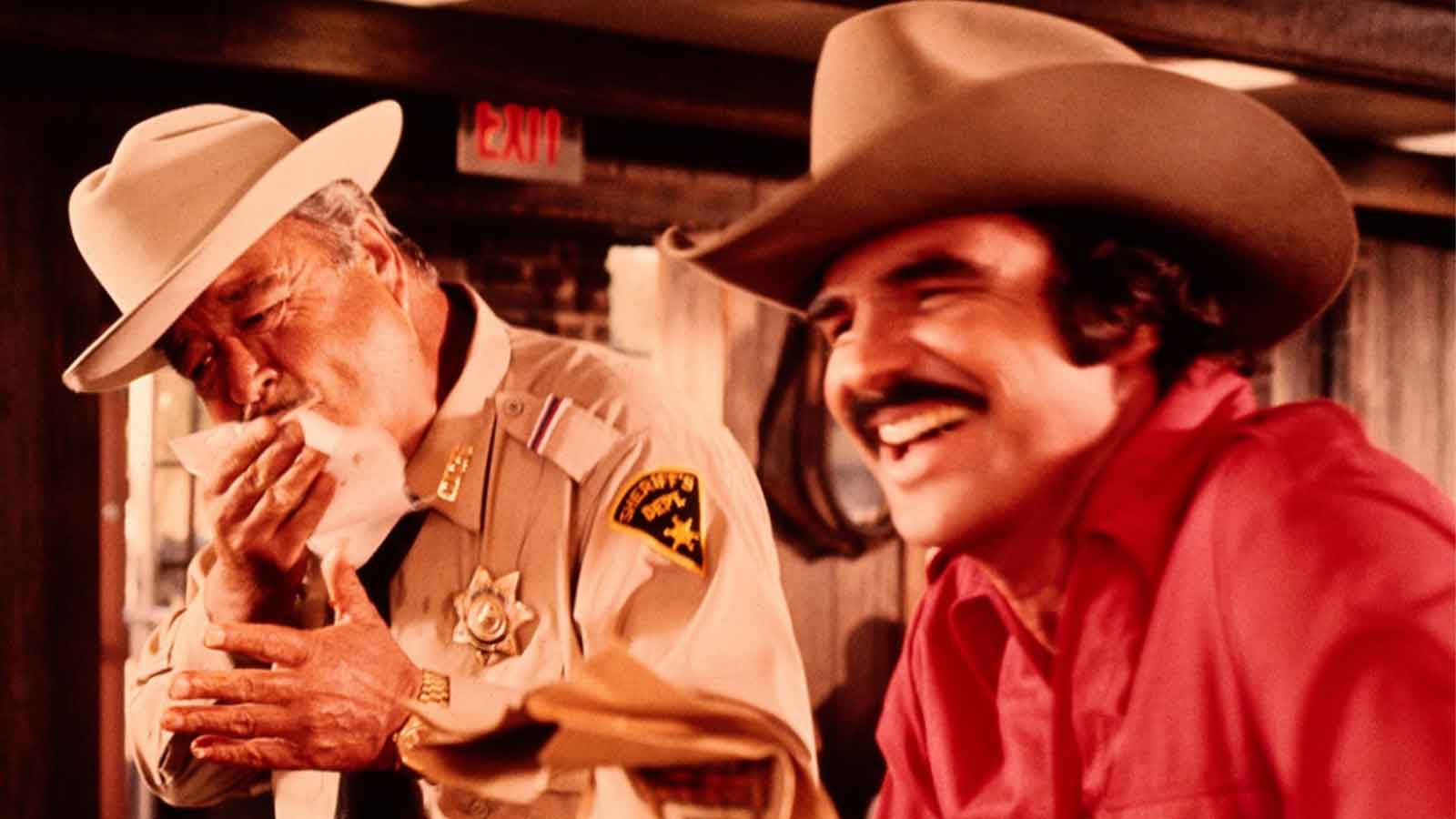
    15 Burt Reynolds Movies That Couldn’t Be More 1970s

    Few actors are as tightly linked to a single decade as Burt Reynolds is to the 1970s. With his swagger, humor, and unmistakable screen presence, Reynolds became the embodiment of the era’s laid-back, rebellious cool. His films often mixed action, comedy, and a distinctly Southern charm, reflecting a time when Hollywood leaned into grit, masculinity, and anti-establishment attitudes.

    He’s often seen outrunning the law, playing flawed heroes, or leaning into pure absurdity, showing how Reynolds dominated the box office and pop culture alike. These movies feature him at his peak, making them inseparable from the tone, style, and attitude of the 1970s itself.

    The post 15 Burt Reynolds Movies That Couldn’t Be More 1970s appeared first on Den of Geek.

    Ask most people about the greatest monologue in The Devil Wears Prada, and one word will come to mind: “Cerulean.” The speech that Miranda Priestly delivers to her awkward new assistant, Andy, seems to encapsulate the film’s worldview, the faith that the fashion industry matters because regular people are beholden to decisions made by those at the top of field. It’s a tough, cynical moment, one that underscores the movie’s plucky tone.

    The better speech occurs just minutes later, when a frustrated Andy complains to fashion director Nigel about the recognition Miranda refuses to give her. What follows is a more complex speech, one that reaffirms the same hierarchies that Miranda praises, but approaches them from a more kind, humane angle. Moreover, Stanley Tucci‘s performance as Nigel serves as the perfect counterpart to Meryl Streep‘s take on the towering mogul, suggesting that people may matter beyond the products they buy.

    cnx.cmd.push(function() {
    cnx({
    playerId: “106e33c0-3911-473c-b599-b1426db57530”,

    }).render(“0270c398a82f44f49c23c16122516796”);
    });

    The scene occurs at the end of the first act, after fully establishing Andy as both our protagonist and audience surrogate. Played to awkward perfection by Anne Hathaway, Andy is both a try-hard and hopelessly outmatched by the job, attempting to play her ignorance about fashion as a type of reserved cool and convincing no one.

    The first act has also established Nigel as something like Miranda’s majordomo, someone who enforces her orders and echoes many of her sentiments. He makes a point of mocking Andy’s weight, suggesting that a size six is overweight, and dismissing her clothing choices. Yet, because Nigel’s the chief point of contact for Andy (certainly more so than Emily, Miranda’s sneering first assistant, played by Emily Blunt), she has to rant to him.

    Unsurprisingly, he also offers little sympathy for Andy’s desire to be recognized for her hard work. However, his speech frames even Miranda herself as insignificant in the grand scheme of the fashion industry. “She’s just doing her job,” Nigel explains, depersonalizing his boss’s behavior to draw attention to the institution that is the magazine Runway. “Don’t you know that you are working at the place that published some of the greatest artists of the century? Halston, Lagerfeld, de la Renta. And what they did, what they created was greater than art because you live your life in it.”

    However, then, Nigel shifts attention away from genuflecting individuals for their genius and instead turns to the average person. Where Miranda’s speech framed the little people as unwitting and ungrateful pieces whose choices are determined by their betters, Nigel’s speech extends hope to even those who aren’t icons.

    “You think this is just a magazine, hmm? This is not just a magazine,” he declares. “This is a shining beacon of hope for—oh, I don’t know. Let’s say a young boy growing up in Rhode Island with six brothers, pretending to go to soccer practice when he was really going to sewing class and reading Runway under the covers at night with a flashlight.”

    When put this way, the work done by Nigel, Miranda, and everyone else at Runway seems less like reinforcing an aristocracy and almost republican, if not democratic. Runway, in Nigel’s imagination, offers a place for those who don’t have one otherwise, especially for those who do not believe they belong anywhere else. With Runway‘s goal reframed, Andy’s aloofness seems cruel and selfish, which Nigel further points out.

    Effective as the speech is, written by Aline Brosh McKenna and adapted from the novel by Lauren Weisberger, the key moment comes right at the end. That’s when director David Frankel pulls the camera close-up to Nigel as he lightly pushes the soft end of his pen onto Andy’s forehead, to replicate the childish star he believes she wants for her work.

    The gesture could be condescending, and perhaps if any other actor had done it, it would be condescending. But Tucci plays the moment as playful, affirming, perhaps even kind. It’s just one of many such moments in Tucci’s performance as Nigel. He delivers withering lines about Andy’s fashion choices, and backs up his critiques with his own natty apparel, but there’s a softness in his eyes, a warmth in his voice that makes the observations something other than cruel cuts.

    In the hands of a lesser actor, Nigel would be too cruel, and he would not be able to become the mentor that Andy needs. Andy’s transformation and ultimate victory at the end of the story would feel like a perverse loss of self, a surrender to the same emotional beating that Miranda gives everyone. But because Tucci found the actual person within the character, he lends pathos to Andy’s transformation.

    Combined with Hathaway’s unashamed take on Andy, Tucci’s performance as Nigel allows us to enjoy The Devil Wears Prada. Through their perspectives, what could be a cynical look at a cruel industry turns into something fun, human, and enjoyable… even for those of us with cerulean in our closets.

    The Devil Wears Prada 2 arrives in theaters on Friday, May 1.

    The post The Devil Wears Prada Is a Stanley Tucci Masterclass appeared first on Den of Geek.

  • Andy Serkis on the Legacy of Orwell, Gollum, and His Passion for Animals

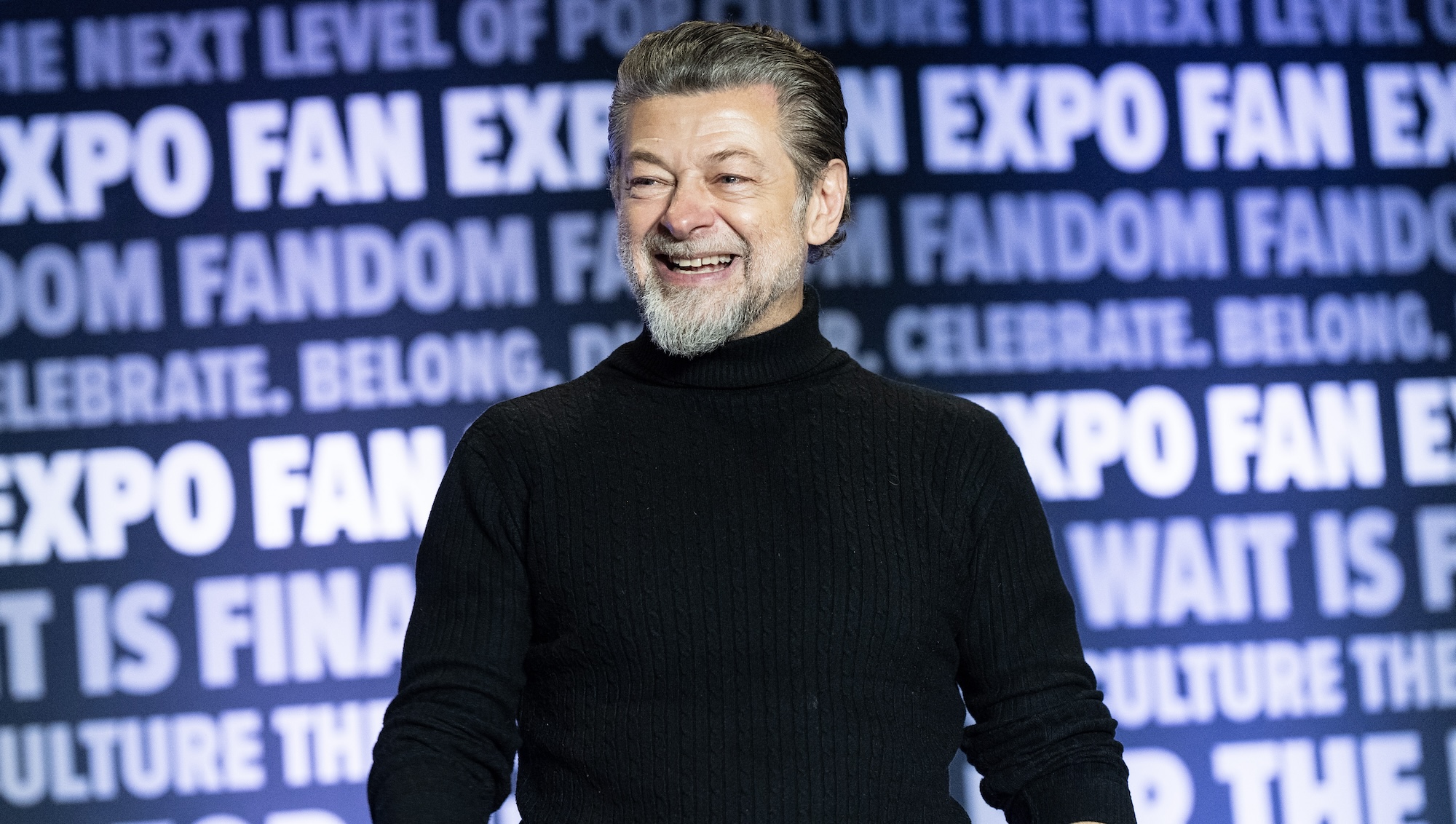
    Andy Serkis on the Legacy of Orwell, Gollum, and His Passion for Animals

    Andy Serkis was still a child when his father disappeared into a black bag. Before that horrible, indescribable plunge into uncertainty, the future actor and filmmaker had something of a cosmopolitan upbringing. Raised in Ruislip Manor, an area in the outer reaches of West London, Serkis is the son of Lylie, a half-English and Iraqi […]

    The post Andy Serkis on the Legacy of Orwell, Gollum, and His Passion for Animals appeared first on Den of Geek.

    Ask most people about the greatest monologue in The Devil Wears Prada, and one word will come to mind: “Cerulean.” The speech that Miranda Priestly delivers to her awkward new assistant, Andy, seems to encapsulate the film’s worldview, the faith that the fashion industry matters because regular people are beholden to decisions made by those at the top of field. It’s a tough, cynical moment, one that underscores the movie’s plucky tone.

    The better speech occurs just minutes later, when a frustrated Andy complains to fashion director Nigel about the recognition Miranda refuses to give her. What follows is a more complex speech, one that reaffirms the same hierarchies that Miranda praises, but approaches them from a more kind, humane angle. Moreover, Stanley Tucci‘s performance as Nigel serves as the perfect counterpart to Meryl Streep‘s take on the towering mogul, suggesting that people may matter beyond the products they buy.

    cnx.cmd.push(function() {
    cnx({
    playerId: “106e33c0-3911-473c-b599-b1426db57530”,

    }).render(“0270c398a82f44f49c23c16122516796”);
    });

    The scene occurs at the end of the first act, after fully establishing Andy as both our protagonist and audience surrogate. Played to awkward perfection by Anne Hathaway, Andy is both a try-hard and hopelessly outmatched by the job, attempting to play her ignorance about fashion as a type of reserved cool and convincing no one.

    The first act has also established Nigel as something like Miranda’s majordomo, someone who enforces her orders and echoes many of her sentiments. He makes a point of mocking Andy’s weight, suggesting that a size six is overweight, and dismissing her clothing choices. Yet, because Nigel’s the chief point of contact for Andy (certainly more so than Emily, Miranda’s sneering first assistant, played by Emily Blunt), she has to rant to him.

    Unsurprisingly, he also offers little sympathy for Andy’s desire to be recognized for her hard work. However, his speech frames even Miranda herself as insignificant in the grand scheme of the fashion industry. “She’s just doing her job,” Nigel explains, depersonalizing his boss’s behavior to draw attention to the institution that is the magazine Runway. “Don’t you know that you are working at the place that published some of the greatest artists of the century? Halston, Lagerfeld, de la Renta. And what they did, what they created was greater than art because you live your life in it.”

    However, then, Nigel shifts attention away from genuflecting individuals for their genius and instead turns to the average person. Where Miranda’s speech framed the little people as unwitting and ungrateful pieces whose choices are determined by their betters, Nigel’s speech extends hope to even those who aren’t icons.

    “You think this is just a magazine, hmm? This is not just a magazine,” he declares. “This is a shining beacon of hope for—oh, I don’t know. Let’s say a young boy growing up in Rhode Island with six brothers, pretending to go to soccer practice when he was really going to sewing class and reading Runway under the covers at night with a flashlight.”

    When put this way, the work done by Nigel, Miranda, and everyone else at Runway seems less like reinforcing an aristocracy and almost republican, if not democratic. Runway, in Nigel’s imagination, offers a place for those who don’t have one otherwise, especially for those who do not believe they belong anywhere else. With Runway‘s goal reframed, Andy’s aloofness seems cruel and selfish, which Nigel further points out.

    Effective as the speech is, written by Aline Brosh McKenna and adapted from the novel by Lauren Weisberger, the key moment comes right at the end. That’s when director David Frankel pulls the camera close-up to Nigel as he lightly pushes the soft end of his pen onto Andy’s forehead, to replicate the childish star he believes she wants for her work.

    The gesture could be condescending, and perhaps if any other actor had done it, it would be condescending. But Tucci plays the moment as playful, affirming, perhaps even kind. It’s just one of many such moments in Tucci’s performance as Nigel. He delivers withering lines about Andy’s fashion choices, and backs up his critiques with his own natty apparel, but there’s a softness in his eyes, a warmth in his voice that makes the observations something other than cruel cuts.

    In the hands of a lesser actor, Nigel would be too cruel, and he would not be able to become the mentor that Andy needs. Andy’s transformation and ultimate victory at the end of the story would feel like a perverse loss of self, a surrender to the same emotional beating that Miranda gives everyone. But because Tucci found the actual person within the character, he lends pathos to Andy’s transformation.

    Combined with Hathaway’s unashamed take on Andy, Tucci’s performance as Nigel allows us to enjoy The Devil Wears Prada. Through their perspectives, what could be a cynical look at a cruel industry turns into something fun, human, and enjoyable… even for those of us with cerulean in our closets.

    The Devil Wears Prada 2 arrives in theaters on Friday, May 1.

    The post The Devil Wears Prada Is a Stanley Tucci Masterclass appeared first on Den of Geek.

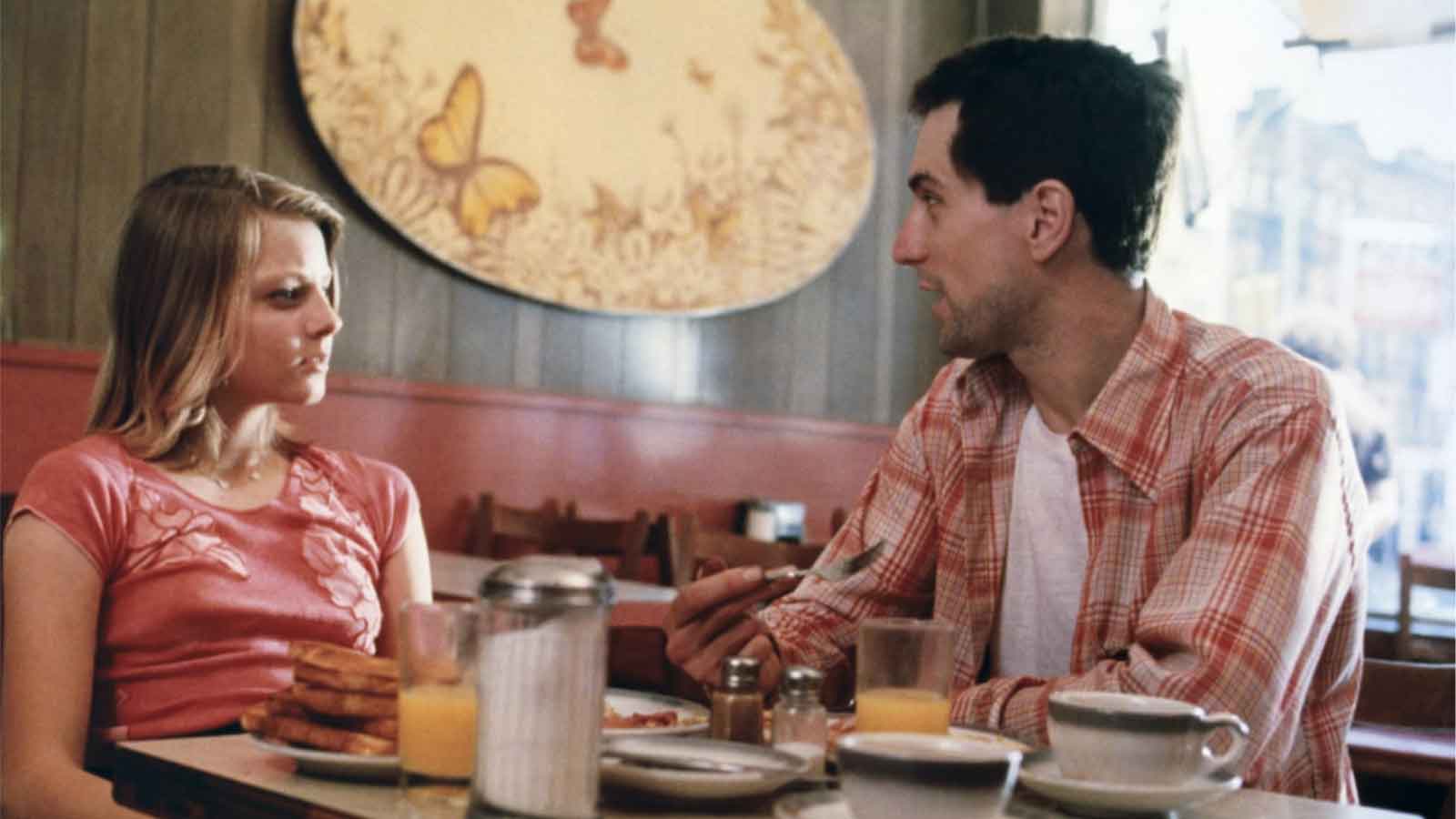
  • 14 Iconic Photos From 1976’s “Taxi Driver”

    14 Iconic Photos From 1976’s “Taxi Driver”

    Few films have left as lasting an impression as Taxi Driver. Directed by Martin Scorsese and starring Robert De Niro, the film captures a grim, haunting vision of 1970s New York through the eyes of a deeply troubled loner.

    Its imagery has become inseparable from its legacy, with moments that feel burned into pop culture history. It can go from quiet introspection to sudden bursts of violence, with nearly every scene carrying a distinct visual identity. These photos revisit some of these moments from the film, the kind that could easily be frozen into unforgettable images.

    The post 14 Iconic Photos From 1976’s “Taxi Driver” appeared first on Den of Geek.

    Ask most people about the greatest monologue in The Devil Wears Prada, and one word will come to mind: “Cerulean.” The speech that Miranda Priestly delivers to her awkward new assistant, Andy, seems to encapsulate the film’s worldview, the faith that the fashion industry matters because regular people are beholden to decisions made by those at the top of field. It’s a tough, cynical moment, one that underscores the movie’s plucky tone.

    The better speech occurs just minutes later, when a frustrated Andy complains to fashion director Nigel about the recognition Miranda refuses to give her. What follows is a more complex speech, one that reaffirms the same hierarchies that Miranda praises, but approaches them from a more kind, humane angle. Moreover, Stanley Tucci‘s performance as Nigel serves as the perfect counterpart to Meryl Streep‘s take on the towering mogul, suggesting that people may matter beyond the products they buy.

    cnx.cmd.push(function() {
    cnx({
    playerId: “106e33c0-3911-473c-b599-b1426db57530”,

    }).render(“0270c398a82f44f49c23c16122516796”);
    });

    The scene occurs at the end of the first act, after fully establishing Andy as both our protagonist and audience surrogate. Played to awkward perfection by Anne Hathaway, Andy is both a try-hard and hopelessly outmatched by the job, attempting to play her ignorance about fashion as a type of reserved cool and convincing no one.

    The first act has also established Nigel as something like Miranda’s majordomo, someone who enforces her orders and echoes many of her sentiments. He makes a point of mocking Andy’s weight, suggesting that a size six is overweight, and dismissing her clothing choices. Yet, because Nigel’s the chief point of contact for Andy (certainly more so than Emily, Miranda’s sneering first assistant, played by Emily Blunt), she has to rant to him.

    Unsurprisingly, he also offers little sympathy for Andy’s desire to be recognized for her hard work. However, his speech frames even Miranda herself as insignificant in the grand scheme of the fashion industry. “She’s just doing her job,” Nigel explains, depersonalizing his boss’s behavior to draw attention to the institution that is the magazine Runway. “Don’t you know that you are working at the place that published some of the greatest artists of the century? Halston, Lagerfeld, de la Renta. And what they did, what they created was greater than art because you live your life in it.”

    However, then, Nigel shifts attention away from genuflecting individuals for their genius and instead turns to the average person. Where Miranda’s speech framed the little people as unwitting and ungrateful pieces whose choices are determined by their betters, Nigel’s speech extends hope to even those who aren’t icons.

    “You think this is just a magazine, hmm? This is not just a magazine,” he declares. “This is a shining beacon of hope for—oh, I don’t know. Let’s say a young boy growing up in Rhode Island with six brothers, pretending to go to soccer practice when he was really going to sewing class and reading Runway under the covers at night with a flashlight.”

    When put this way, the work done by Nigel, Miranda, and everyone else at Runway seems less like reinforcing an aristocracy and almost republican, if not democratic. Runway, in Nigel’s imagination, offers a place for those who don’t have one otherwise, especially for those who do not believe they belong anywhere else. With Runway‘s goal reframed, Andy’s aloofness seems cruel and selfish, which Nigel further points out.

    Effective as the speech is, written by Aline Brosh McKenna and adapted from the novel by Lauren Weisberger, the key moment comes right at the end. That’s when director David Frankel pulls the camera close-up to Nigel as he lightly pushes the soft end of his pen onto Andy’s forehead, to replicate the childish star he believes she wants for her work.

    The gesture could be condescending, and perhaps if any other actor had done it, it would be condescending. But Tucci plays the moment as playful, affirming, perhaps even kind. It’s just one of many such moments in Tucci’s performance as Nigel. He delivers withering lines about Andy’s fashion choices, and backs up his critiques with his own natty apparel, but there’s a softness in his eyes, a warmth in his voice that makes the observations something other than cruel cuts.

    In the hands of a lesser actor, Nigel would be too cruel, and he would not be able to become the mentor that Andy needs. Andy’s transformation and ultimate victory at the end of the story would feel like a perverse loss of self, a surrender to the same emotional beating that Miranda gives everyone. But because Tucci found the actual person within the character, he lends pathos to Andy’s transformation.

    Combined with Hathaway’s unashamed take on Andy, Tucci’s performance as Nigel allows us to enjoy The Devil Wears Prada. Through their perspectives, what could be a cynical look at a cruel industry turns into something fun, human, and enjoyable… even for those of us with cerulean in our closets.

    The Devil Wears Prada 2 arrives in theaters on Friday, May 1.

    The post The Devil Wears Prada Is a Stanley Tucci Masterclass appeared first on Den of Geek.

  • 20 One-Hit Wonder Songs from the ’80s Everyone Still Knows

    20 One-Hit Wonder Songs from the ’80s Everyone Still Knows

    The 1980s were a perfect storm for one-hit wonders. With the rise of MTV, radio-friendly pop, and synth-driven production, artists could explode onto the charts with a single unforgettable track. Even if they never matched that success again, the songs themselves stuck around.

    In fact, the era produced hundreds of acts remembered primarily for one standout hit, many of which still get regular airplay decades later. These tracks became cultural touchstones, tied to movies, commercials, and nostalgia playlists. Here are some of the most recognizable one-hit wonder songs from the ’80s that people still hum constantly today.

    The post 20 One-Hit Wonder Songs from the ’80s Everyone Still Knows appeared first on Den of Geek.

    Ask most people about the greatest monologue in The Devil Wears Prada, and one word will come to mind: “Cerulean.” The speech that Miranda Priestly delivers to her awkward new assistant, Andy, seems to encapsulate the film’s worldview, the faith that the fashion industry matters because regular people are beholden to decisions made by those at the top of field. It’s a tough, cynical moment, one that underscores the movie’s plucky tone.

    The better speech occurs just minutes later, when a frustrated Andy complains to fashion director Nigel about the recognition Miranda refuses to give her. What follows is a more complex speech, one that reaffirms the same hierarchies that Miranda praises, but approaches them from a more kind, humane angle. Moreover, Stanley Tucci‘s performance as Nigel serves as the perfect counterpart to Meryl Streep‘s take on the towering mogul, suggesting that people may matter beyond the products they buy.

    cnx.cmd.push(function() {
    cnx({
    playerId: “106e33c0-3911-473c-b599-b1426db57530”,

    }).render(“0270c398a82f44f49c23c16122516796”);
    });

    The scene occurs at the end of the first act, after fully establishing Andy as both our protagonist and audience surrogate. Played to awkward perfection by Anne Hathaway, Andy is both a try-hard and hopelessly outmatched by the job, attempting to play her ignorance about fashion as a type of reserved cool and convincing no one.

    The first act has also established Nigel as something like Miranda’s majordomo, someone who enforces her orders and echoes many of her sentiments. He makes a point of mocking Andy’s weight, suggesting that a size six is overweight, and dismissing her clothing choices. Yet, because Nigel’s the chief point of contact for Andy (certainly more so than Emily, Miranda’s sneering first assistant, played by Emily Blunt), she has to rant to him.

    Unsurprisingly, he also offers little sympathy for Andy’s desire to be recognized for her hard work. However, his speech frames even Miranda herself as insignificant in the grand scheme of the fashion industry. “She’s just doing her job,” Nigel explains, depersonalizing his boss’s behavior to draw attention to the institution that is the magazine Runway. “Don’t you know that you are working at the place that published some of the greatest artists of the century? Halston, Lagerfeld, de la Renta. And what they did, what they created was greater than art because you live your life in it.”

    However, then, Nigel shifts attention away from genuflecting individuals for their genius and instead turns to the average person. Where Miranda’s speech framed the little people as unwitting and ungrateful pieces whose choices are determined by their betters, Nigel’s speech extends hope to even those who aren’t icons.

    “You think this is just a magazine, hmm? This is not just a magazine,” he declares. “This is a shining beacon of hope for—oh, I don’t know. Let’s say a young boy growing up in Rhode Island with six brothers, pretending to go to soccer practice when he was really going to sewing class and reading Runway under the covers at night with a flashlight.”

    When put this way, the work done by Nigel, Miranda, and everyone else at Runway seems less like reinforcing an aristocracy and almost republican, if not democratic. Runway, in Nigel’s imagination, offers a place for those who don’t have one otherwise, especially for those who do not believe they belong anywhere else. With Runway‘s goal reframed, Andy’s aloofness seems cruel and selfish, which Nigel further points out.

    Effective as the speech is, written by Aline Brosh McKenna and adapted from the novel by Lauren Weisberger, the key moment comes right at the end. That’s when director David Frankel pulls the camera close-up to Nigel as he lightly pushes the soft end of his pen onto Andy’s forehead, to replicate the childish star he believes she wants for her work.

    The gesture could be condescending, and perhaps if any other actor had done it, it would be condescending. But Tucci plays the moment as playful, affirming, perhaps even kind. It’s just one of many such moments in Tucci’s performance as Nigel. He delivers withering lines about Andy’s fashion choices, and backs up his critiques with his own natty apparel, but there’s a softness in his eyes, a warmth in his voice that makes the observations something other than cruel cuts.

    In the hands of a lesser actor, Nigel would be too cruel, and he would not be able to become the mentor that Andy needs. Andy’s transformation and ultimate victory at the end of the story would feel like a perverse loss of self, a surrender to the same emotional beating that Miranda gives everyone. But because Tucci found the actual person within the character, he lends pathos to Andy’s transformation.

    Combined with Hathaway’s unashamed take on Andy, Tucci’s performance as Nigel allows us to enjoy The Devil Wears Prada. Through their perspectives, what could be a cynical look at a cruel industry turns into something fun, human, and enjoyable… even for those of us with cerulean in our closets.

    The Devil Wears Prada 2 arrives in theaters on Friday, May 1.

    The post The Devil Wears Prada Is a Stanley Tucci Masterclass appeared first on Den of Geek.

  • 15 ’80s Action Heroes Too Cool for the Present Day

    15 ’80s Action Heroes Too Cool for the Present Day

    The 1980s created a distinct version of the action hero that dominated pop culture. These characters often operated with a sense of insanity that matched ‘tone of the era’80s attitude. Over time, the way audiences respond to heroes has shifted, with more emphasis on complexity and vulnerability. Looking back, these figures stand out not only for their impact but also for how strongly they reflect the moment they came from. Here are fifteen ’80s action heroes whose style feels tied to their time.

    The post 15 ’80s Action Heroes Too Cool for the Present Day appeared first on Den of Geek.

    Ask most people about the greatest monologue in The Devil Wears Prada, and one word will come to mind: “Cerulean.” The speech that Miranda Priestly delivers to her awkward new assistant, Andy, seems to encapsulate the film’s worldview, the faith that the fashion industry matters because regular people are beholden to decisions made by those at the top of field. It’s a tough, cynical moment, one that underscores the movie’s plucky tone.

    The better speech occurs just minutes later, when a frustrated Andy complains to fashion director Nigel about the recognition Miranda refuses to give her. What follows is a more complex speech, one that reaffirms the same hierarchies that Miranda praises, but approaches them from a more kind, humane angle. Moreover, Stanley Tucci‘s performance as Nigel serves as the perfect counterpart to Meryl Streep‘s take on the towering mogul, suggesting that people may matter beyond the products they buy.

    cnx.cmd.push(function() {
    cnx({
    playerId: “106e33c0-3911-473c-b599-b1426db57530”,

    }).render(“0270c398a82f44f49c23c16122516796”);
    });

    The scene occurs at the end of the first act, after fully establishing Andy as both our protagonist and audience surrogate. Played to awkward perfection by Anne Hathaway, Andy is both a try-hard and hopelessly outmatched by the job, attempting to play her ignorance about fashion as a type of reserved cool and convincing no one.

    The first act has also established Nigel as something like Miranda’s majordomo, someone who enforces her orders and echoes many of her sentiments. He makes a point of mocking Andy’s weight, suggesting that a size six is overweight, and dismissing her clothing choices. Yet, because Nigel’s the chief point of contact for Andy (certainly more so than Emily, Miranda’s sneering first assistant, played by Emily Blunt), she has to rant to him.

    Unsurprisingly, he also offers little sympathy for Andy’s desire to be recognized for her hard work. However, his speech frames even Miranda herself as insignificant in the grand scheme of the fashion industry. “She’s just doing her job,” Nigel explains, depersonalizing his boss’s behavior to draw attention to the institution that is the magazine Runway. “Don’t you know that you are working at the place that published some of the greatest artists of the century? Halston, Lagerfeld, de la Renta. And what they did, what they created was greater than art because you live your life in it.”

    However, then, Nigel shifts attention away from genuflecting individuals for their genius and instead turns to the average person. Where Miranda’s speech framed the little people as unwitting and ungrateful pieces whose choices are determined by their betters, Nigel’s speech extends hope to even those who aren’t icons.

    “You think this is just a magazine, hmm? This is not just a magazine,” he declares. “This is a shining beacon of hope for—oh, I don’t know. Let’s say a young boy growing up in Rhode Island with six brothers, pretending to go to soccer practice when he was really going to sewing class and reading Runway under the covers at night with a flashlight.”

    When put this way, the work done by Nigel, Miranda, and everyone else at Runway seems less like reinforcing an aristocracy and almost republican, if not democratic. Runway, in Nigel’s imagination, offers a place for those who don’t have one otherwise, especially for those who do not believe they belong anywhere else. With Runway‘s goal reframed, Andy’s aloofness seems cruel and selfish, which Nigel further points out.

    Effective as the speech is, written by Aline Brosh McKenna and adapted from the novel by Lauren Weisberger, the key moment comes right at the end. That’s when director David Frankel pulls the camera close-up to Nigel as he lightly pushes the soft end of his pen onto Andy’s forehead, to replicate the childish star he believes she wants for her work.

    The gesture could be condescending, and perhaps if any other actor had done it, it would be condescending. But Tucci plays the moment as playful, affirming, perhaps even kind. It’s just one of many such moments in Tucci’s performance as Nigel. He delivers withering lines about Andy’s fashion choices, and backs up his critiques with his own natty apparel, but there’s a softness in his eyes, a warmth in his voice that makes the observations something other than cruel cuts.

    In the hands of a lesser actor, Nigel would be too cruel, and he would not be able to become the mentor that Andy needs. Andy’s transformation and ultimate victory at the end of the story would feel like a perverse loss of self, a surrender to the same emotional beating that Miranda gives everyone. But because Tucci found the actual person within the character, he lends pathos to Andy’s transformation.

    Combined with Hathaway’s unashamed take on Andy, Tucci’s performance as Nigel allows us to enjoy The Devil Wears Prada. Through their perspectives, what could be a cynical look at a cruel industry turns into something fun, human, and enjoyable… even for those of us with cerulean in our closets.

    The Devil Wears Prada 2 arrives in theaters on Friday, May 1.

    The post The Devil Wears Prada Is a Stanley Tucci Masterclass appeared first on Den of Geek.

  • Daredevil: Born Again Just Made a Major Change to One Character’s Fate

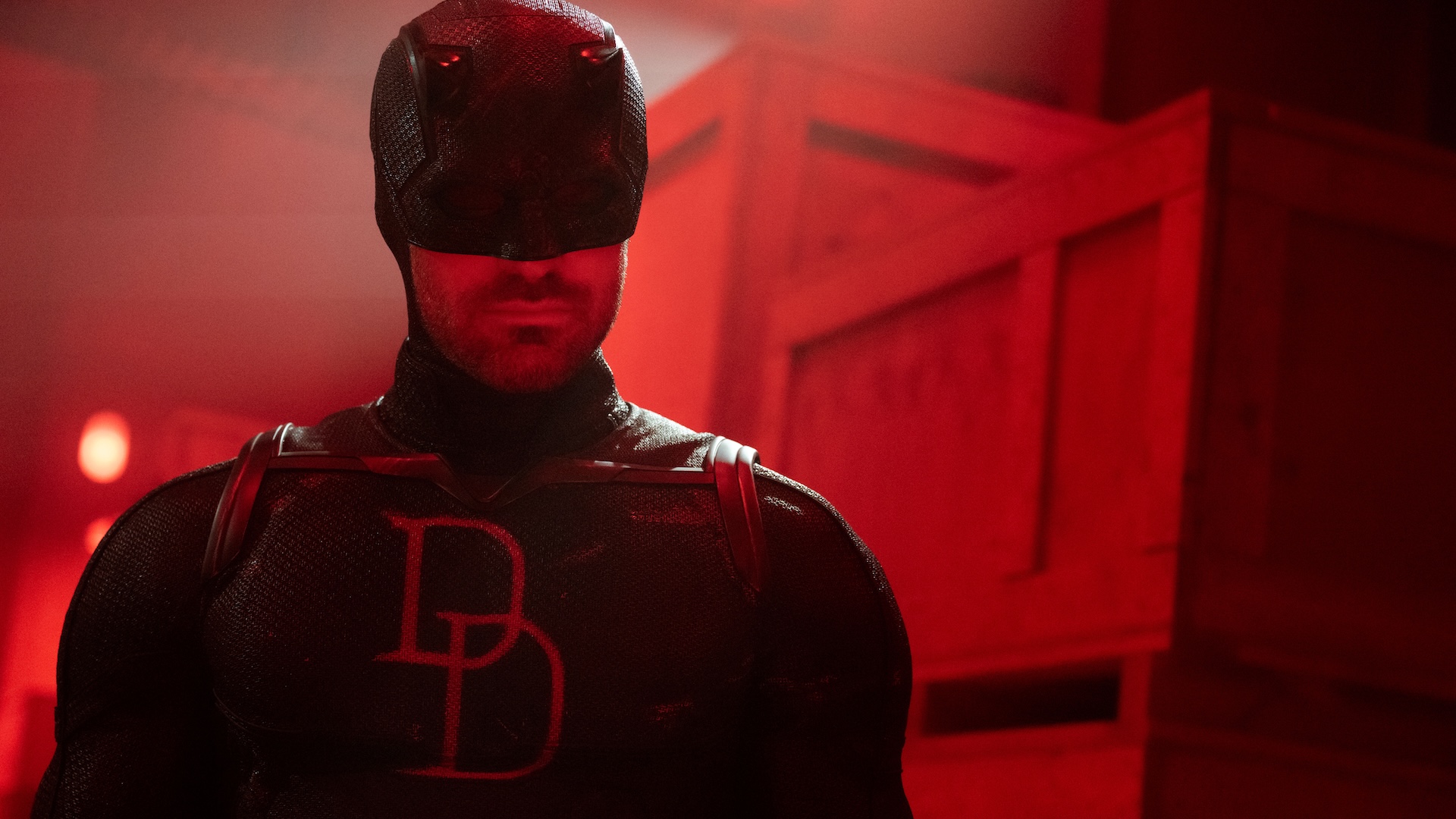
    Daredevil: Born Again Just Made a Major Change to One Character’s Fate

    This article contains spoilers for Daredevil: Born Again season 2, episode 7 Daniel Blake wasn’t supposed to die in the penultimate episode of Daredevil: Born Again’s second season. According to showrunner Dario Scardapane and star Arty Froushan, who plays Wilson Fisk’s lethal right-hand man Buck Cashman, the scene where the Deputy Mayor gets shot to […]

    The post Daredevil: Born Again Just Made a Major Change to One Character’s Fate appeared first on Den of Geek.

    Ask most people about the greatest monologue in The Devil Wears Prada, and one word will come to mind: “Cerulean.” The speech that Miranda Priestly delivers to her awkward new assistant, Andy, seems to encapsulate the film’s worldview, the faith that the fashion industry matters because regular people are beholden to decisions made by those at the top of field. It’s a tough, cynical moment, one that underscores the movie’s plucky tone.

    The better speech occurs just minutes later, when a frustrated Andy complains to fashion director Nigel about the recognition Miranda refuses to give her. What follows is a more complex speech, one that reaffirms the same hierarchies that Miranda praises, but approaches them from a more kind, humane angle. Moreover, Stanley Tucci‘s performance as Nigel serves as the perfect counterpart to Meryl Streep‘s take on the towering mogul, suggesting that people may matter beyond the products they buy.

    cnx.cmd.push(function() {
    cnx({
    playerId: “106e33c0-3911-473c-b599-b1426db57530”,

    }).render(“0270c398a82f44f49c23c16122516796”);
    });

    The scene occurs at the end of the first act, after fully establishing Andy as both our protagonist and audience surrogate. Played to awkward perfection by Anne Hathaway, Andy is both a try-hard and hopelessly outmatched by the job, attempting to play her ignorance about fashion as a type of reserved cool and convincing no one.

    The first act has also established Nigel as something like Miranda’s majordomo, someone who enforces her orders and echoes many of her sentiments. He makes a point of mocking Andy’s weight, suggesting that a size six is overweight, and dismissing her clothing choices. Yet, because Nigel’s the chief point of contact for Andy (certainly more so than Emily, Miranda’s sneering first assistant, played by Emily Blunt), she has to rant to him.

    Unsurprisingly, he also offers little sympathy for Andy’s desire to be recognized for her hard work. However, his speech frames even Miranda herself as insignificant in the grand scheme of the fashion industry. “She’s just doing her job,” Nigel explains, depersonalizing his boss’s behavior to draw attention to the institution that is the magazine Runway. “Don’t you know that you are working at the place that published some of the greatest artists of the century? Halston, Lagerfeld, de la Renta. And what they did, what they created was greater than art because you live your life in it.”

    However, then, Nigel shifts attention away from genuflecting individuals for their genius and instead turns to the average person. Where Miranda’s speech framed the little people as unwitting and ungrateful pieces whose choices are determined by their betters, Nigel’s speech extends hope to even those who aren’t icons.

    “You think this is just a magazine, hmm? This is not just a magazine,” he declares. “This is a shining beacon of hope for—oh, I don’t know. Let’s say a young boy growing up in Rhode Island with six brothers, pretending to go to soccer practice when he was really going to sewing class and reading Runway under the covers at night with a flashlight.”

    When put this way, the work done by Nigel, Miranda, and everyone else at Runway seems less like reinforcing an aristocracy and almost republican, if not democratic. Runway, in Nigel’s imagination, offers a place for those who don’t have one otherwise, especially for those who do not believe they belong anywhere else. With Runway‘s goal reframed, Andy’s aloofness seems cruel and selfish, which Nigel further points out.

    Effective as the speech is, written by Aline Brosh McKenna and adapted from the novel by Lauren Weisberger, the key moment comes right at the end. That’s when director David Frankel pulls the camera close-up to Nigel as he lightly pushes the soft end of his pen onto Andy’s forehead, to replicate the childish star he believes she wants for her work.

    The gesture could be condescending, and perhaps if any other actor had done it, it would be condescending. But Tucci plays the moment as playful, affirming, perhaps even kind. It’s just one of many such moments in Tucci’s performance as Nigel. He delivers withering lines about Andy’s fashion choices, and backs up his critiques with his own natty apparel, but there’s a softness in his eyes, a warmth in his voice that makes the observations something other than cruel cuts.

    In the hands of a lesser actor, Nigel would be too cruel, and he would not be able to become the mentor that Andy needs. Andy’s transformation and ultimate victory at the end of the story would feel like a perverse loss of self, a surrender to the same emotional beating that Miranda gives everyone. But because Tucci found the actual person within the character, he lends pathos to Andy’s transformation.

    Combined with Hathaway’s unashamed take on Andy, Tucci’s performance as Nigel allows us to enjoy The Devil Wears Prada. Through their perspectives, what could be a cynical look at a cruel industry turns into something fun, human, and enjoyable… even for those of us with cerulean in our closets.

    The Devil Wears Prada 2 arrives in theaters on Friday, May 1.

    The post The Devil Wears Prada Is a Stanley Tucci Masterclass appeared first on Den of Geek.

  • Daredevil: Born Again – Where is Luke Cage?

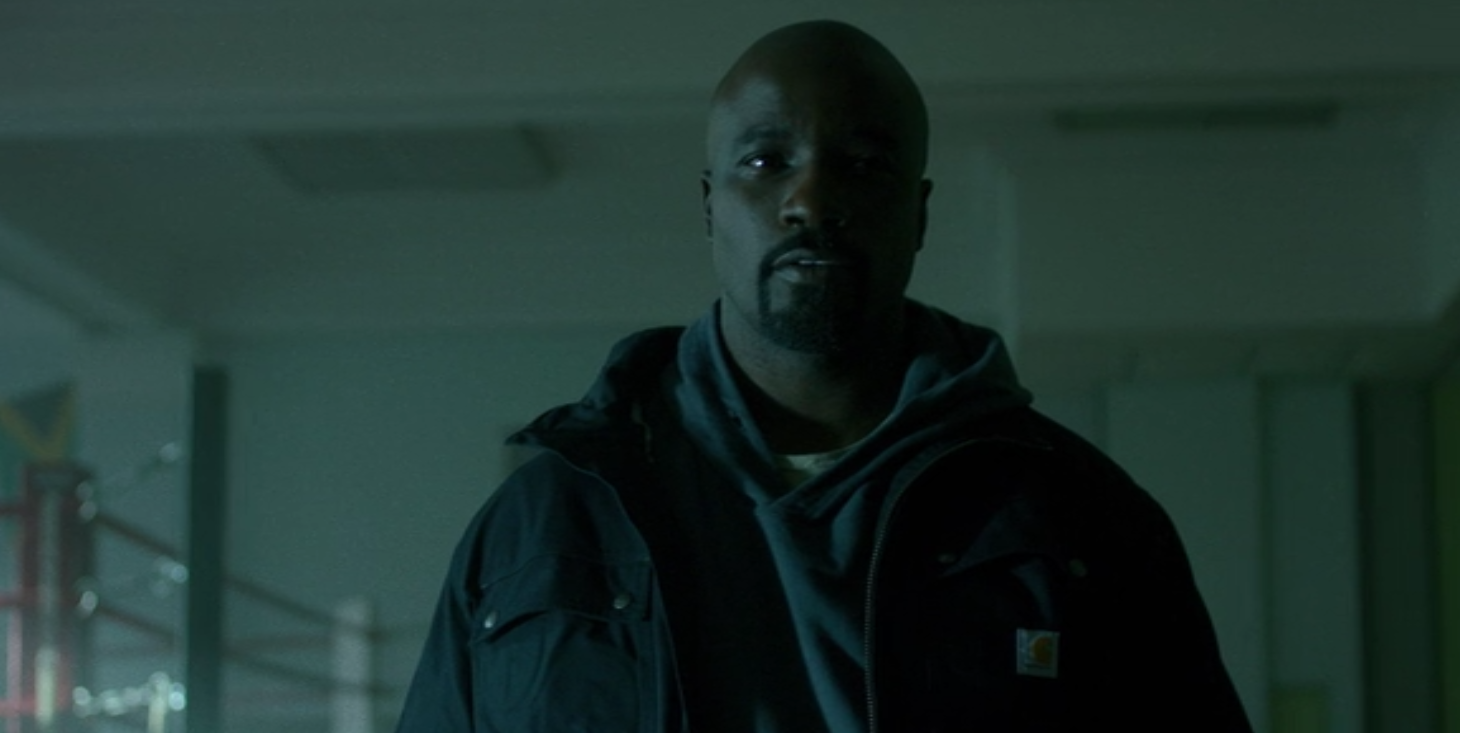
    Daredevil: Born Again – Where is Luke Cage?

    This article contains spoilers for Daredevil: Born Again seasons 2 and 3. Only those who aren’t paying attention to the absolute mountain of Disney marketing were surprised to see Jessica Jones stride onto a rooftop to meet up with Matt Murdock in season 2 of Daredevil: Born Again. And, thanks to some now-deleted posts from […]

    The post Daredevil: Born Again – Where is Luke Cage? appeared first on Den of Geek.

    Ask most people about the greatest monologue in The Devil Wears Prada, and one word will come to mind: “Cerulean.” The speech that Miranda Priestly delivers to her awkward new assistant, Andy, seems to encapsulate the film’s worldview, the faith that the fashion industry matters because regular people are beholden to decisions made by those at the top of field. It’s a tough, cynical moment, one that underscores the movie’s plucky tone.

    The better speech occurs just minutes later, when a frustrated Andy complains to fashion director Nigel about the recognition Miranda refuses to give her. What follows is a more complex speech, one that reaffirms the same hierarchies that Miranda praises, but approaches them from a more kind, humane angle. Moreover, Stanley Tucci‘s performance as Nigel serves as the perfect counterpart to Meryl Streep‘s take on the towering mogul, suggesting that people may matter beyond the products they buy.

    cnx.cmd.push(function() {
    cnx({
    playerId: “106e33c0-3911-473c-b599-b1426db57530”,

    }).render(“0270c398a82f44f49c23c16122516796”);
    });

    The scene occurs at the end of the first act, after fully establishing Andy as both our protagonist and audience surrogate. Played to awkward perfection by Anne Hathaway, Andy is both a try-hard and hopelessly outmatched by the job, attempting to play her ignorance about fashion as a type of reserved cool and convincing no one.

    The first act has also established Nigel as something like Miranda’s majordomo, someone who enforces her orders and echoes many of her sentiments. He makes a point of mocking Andy’s weight, suggesting that a size six is overweight, and dismissing her clothing choices. Yet, because Nigel’s the chief point of contact for Andy (certainly more so than Emily, Miranda’s sneering first assistant, played by Emily Blunt), she has to rant to him.

    Unsurprisingly, he also offers little sympathy for Andy’s desire to be recognized for her hard work. However, his speech frames even Miranda herself as insignificant in the grand scheme of the fashion industry. “She’s just doing her job,” Nigel explains, depersonalizing his boss’s behavior to draw attention to the institution that is the magazine Runway. “Don’t you know that you are working at the place that published some of the greatest artists of the century? Halston, Lagerfeld, de la Renta. And what they did, what they created was greater than art because you live your life in it.”

    However, then, Nigel shifts attention away from genuflecting individuals for their genius and instead turns to the average person. Where Miranda’s speech framed the little people as unwitting and ungrateful pieces whose choices are determined by their betters, Nigel’s speech extends hope to even those who aren’t icons.

    “You think this is just a magazine, hmm? This is not just a magazine,” he declares. “This is a shining beacon of hope for—oh, I don’t know. Let’s say a young boy growing up in Rhode Island with six brothers, pretending to go to soccer practice when he was really going to sewing class and reading Runway under the covers at night with a flashlight.”

    When put this way, the work done by Nigel, Miranda, and everyone else at Runway seems less like reinforcing an aristocracy and almost republican, if not democratic. Runway, in Nigel’s imagination, offers a place for those who don’t have one otherwise, especially for those who do not believe they belong anywhere else. With Runway‘s goal reframed, Andy’s aloofness seems cruel and selfish, which Nigel further points out.

    Effective as the speech is, written by Aline Brosh McKenna and adapted from the novel by Lauren Weisberger, the key moment comes right at the end. That’s when director David Frankel pulls the camera close-up to Nigel as he lightly pushes the soft end of his pen onto Andy’s forehead, to replicate the childish star he believes she wants for her work.

    The gesture could be condescending, and perhaps if any other actor had done it, it would be condescending. But Tucci plays the moment as playful, affirming, perhaps even kind. It’s just one of many such moments in Tucci’s performance as Nigel. He delivers withering lines about Andy’s fashion choices, and backs up his critiques with his own natty apparel, but there’s a softness in his eyes, a warmth in his voice that makes the observations something other than cruel cuts.

    In the hands of a lesser actor, Nigel would be too cruel, and he would not be able to become the mentor that Andy needs. Andy’s transformation and ultimate victory at the end of the story would feel like a perverse loss of self, a surrender to the same emotional beating that Miranda gives everyone. But because Tucci found the actual person within the character, he lends pathos to Andy’s transformation.

    Combined with Hathaway’s unashamed take on Andy, Tucci’s performance as Nigel allows us to enjoy The Devil Wears Prada. Through their perspectives, what could be a cynical look at a cruel industry turns into something fun, human, and enjoyable… even for those of us with cerulean in our closets.

    The Devil Wears Prada 2 arrives in theaters on Friday, May 1.

    The post The Devil Wears Prada Is a Stanley Tucci Masterclass appeared first on Den of Geek.

  • Spider-Man: Brand New Day Script Notes Reveal a Half-Step Fix to the MCU’s Peter Parker

    Spider-Man: Brand New Day Script Notes Reveal a Half-Step Fix to the MCU’s Peter Parker

    When he entered the MCU, Peter Parker was the Queens kid we knew from the comics and movies… for about 30 seconds. He strides through his crowded apartment building, proudly holding a DVD player he found on the street, just like standard-issue Peter Parker would do. But then, he finds Tony Stark sitting on his […]

    The post Spider-Man: Brand New Day Script Notes Reveal a Half-Step Fix to the MCU’s Peter Parker appeared first on Den of Geek.

    Ask most people about the greatest monologue in The Devil Wears Prada, and one word will come to mind: “Cerulean.” The speech that Miranda Priestly delivers to her awkward new assistant, Andy, seems to encapsulate the film’s worldview, the faith that the fashion industry matters because regular people are beholden to decisions made by those at the top of field. It’s a tough, cynical moment, one that underscores the movie’s plucky tone.

    The better speech occurs just minutes later, when a frustrated Andy complains to fashion director Nigel about the recognition Miranda refuses to give her. What follows is a more complex speech, one that reaffirms the same hierarchies that Miranda praises, but approaches them from a more kind, humane angle. Moreover, Stanley Tucci‘s performance as Nigel serves as the perfect counterpart to Meryl Streep‘s take on the towering mogul, suggesting that people may matter beyond the products they buy.

    cnx.cmd.push(function() {
    cnx({
    playerId: “106e33c0-3911-473c-b599-b1426db57530”,

    }).render(“0270c398a82f44f49c23c16122516796”);
    });

    The scene occurs at the end of the first act, after fully establishing Andy as both our protagonist and audience surrogate. Played to awkward perfection by Anne Hathaway, Andy is both a try-hard and hopelessly outmatched by the job, attempting to play her ignorance about fashion as a type of reserved cool and convincing no one.

    The first act has also established Nigel as something like Miranda’s majordomo, someone who enforces her orders and echoes many of her sentiments. He makes a point of mocking Andy’s weight, suggesting that a size six is overweight, and dismissing her clothing choices. Yet, because Nigel’s the chief point of contact for Andy (certainly more so than Emily, Miranda’s sneering first assistant, played by Emily Blunt), she has to rant to him.

    Unsurprisingly, he also offers little sympathy for Andy’s desire to be recognized for her hard work. However, his speech frames even Miranda herself as insignificant in the grand scheme of the fashion industry. “She’s just doing her job,” Nigel explains, depersonalizing his boss’s behavior to draw attention to the institution that is the magazine Runway. “Don’t you know that you are working at the place that published some of the greatest artists of the century? Halston, Lagerfeld, de la Renta. And what they did, what they created was greater than art because you live your life in it.”

    However, then, Nigel shifts attention away from genuflecting individuals for their genius and instead turns to the average person. Where Miranda’s speech framed the little people as unwitting and ungrateful pieces whose choices are determined by their betters, Nigel’s speech extends hope to even those who aren’t icons.

    “You think this is just a magazine, hmm? This is not just a magazine,” he declares. “This is a shining beacon of hope for—oh, I don’t know. Let’s say a young boy growing up in Rhode Island with six brothers, pretending to go to soccer practice when he was really going to sewing class and reading Runway under the covers at night with a flashlight.”

    When put this way, the work done by Nigel, Miranda, and everyone else at Runway seems less like reinforcing an aristocracy and almost republican, if not democratic. Runway, in Nigel’s imagination, offers a place for those who don’t have one otherwise, especially for those who do not believe they belong anywhere else. With Runway‘s goal reframed, Andy’s aloofness seems cruel and selfish, which Nigel further points out.

    Effective as the speech is, written by Aline Brosh McKenna and adapted from the novel by Lauren Weisberger, the key moment comes right at the end. That’s when director David Frankel pulls the camera close-up to Nigel as he lightly pushes the soft end of his pen onto Andy’s forehead, to replicate the childish star he believes she wants for her work.

    The gesture could be condescending, and perhaps if any other actor had done it, it would be condescending. But Tucci plays the moment as playful, affirming, perhaps even kind. It’s just one of many such moments in Tucci’s performance as Nigel. He delivers withering lines about Andy’s fashion choices, and backs up his critiques with his own natty apparel, but there’s a softness in his eyes, a warmth in his voice that makes the observations something other than cruel cuts.

    In the hands of a lesser actor, Nigel would be too cruel, and he would not be able to become the mentor that Andy needs. Andy’s transformation and ultimate victory at the end of the story would feel like a perverse loss of self, a surrender to the same emotional beating that Miranda gives everyone. But because Tucci found the actual person within the character, he lends pathos to Andy’s transformation.

    Combined with Hathaway’s unashamed take on Andy, Tucci’s performance as Nigel allows us to enjoy The Devil Wears Prada. Through their perspectives, what could be a cynical look at a cruel industry turns into something fun, human, and enjoyable… even for those of us with cerulean in our closets.

    The Devil Wears Prada 2 arrives in theaters on Friday, May 1.

    The post The Devil Wears Prada Is a Stanley Tucci Masterclass appeared first on Den of Geek.