Category: Blog

Your blog category

  • An Holistic Framework for Shared Design Leadership

    An Holistic Framework for Shared Design Leadership

    Picture this: You’re in a meeting room at your tech company, and two people are having what looks like the same conversation about the same design problem. One is talking about whether the team has the right skills to tackle it. The other is diving deep into whether the solution actually solves the user’s problem. Same room, same problem, completely different lenses.

    This is the beautiful, sometimes messy reality of having both a Design Manager and a Lead Designer on the same team. And if you’re wondering how to make this work without creating confusion, overlap, or the dreaded “too many cooks” scenario, you’re asking the right question.

    The traditional answer has been to draw clean lines on an org chart. The Design Manager handles people, the Lead Designer handles craft. Problem solved, right? Except clean org charts are fantasy. In reality, both roles care deeply about team health, design quality, and shipping great work. 

    The magic happens when you embrace the overlap instead of fighting it—when you start thinking of your design org as a design organism.

    The Anatomy of a Healthy Design Team

    Here’s what I’ve learned from years of being on both sides of this equation: think of your design team as a living organism. The Design Manager tends to the mind (the psychological safety, the career growth, the team dynamics). The Lead Designer tends to the body (the craft skills, the design standards, the hands-on work that ships to users).

    But just like mind and body aren’t completely separate systems, so, too, do these roles overlap in important ways. You can’t have a healthy person without both working in harmony. The trick is knowing where those overlaps are and how to navigate them gracefully.

    When we look at how healthy teams actually function, three critical systems emerge. Each requires both roles to work together, but with one taking primary responsibility for keeping that system strong.

    The Nervous System: People & Psychology

    Primary caretaker: Design Manager
    Supporting role: Lead Designer

    The nervous system is all about signals, feedback, and psychological safety. When this system is healthy, information flows freely, people feel safe to take risks, and the team can adapt quickly to new challenges.

    The Design Manager is the primary caretaker here. They’re monitoring the team’s psychological pulse, ensuring feedback loops are healthy, and creating the conditions for people to grow. They’re hosting career conversations, managing workload, and making sure no one burns out.

    But the Lead Designer plays a crucial supporting role. They’re providing sensory input about craft development needs, spotting when someone’s design skills are stagnating, and helping identify growth opportunities that the Design Manager might miss.

    Design Manager tends to:

    • Career conversations and growth planning
    • Team psychological safety and dynamics
    • Workload management and resource allocation
    • Performance reviews and feedback systems
    • Creating learning opportunities

    Lead Designer supports by:

    • Providing craft-specific feedback on team member development
    • Identifying design skill gaps and growth opportunities
    • Offering design mentorship and guidance
    • Signaling when team members are ready for more complex challenges

    The Muscular System: Craft & Execution

    Primary caretaker: Lead Designer
    Supporting role: Design Manager

    The muscular system is about strength, coordination, and skill development. When this system is healthy, the team can execute complex design work with precision, maintain consistent quality, and adapt their craft to new challenges.

    The Lead Designer is the primary caretaker here. They’re setting design standards, providing craft coaching, and ensuring that shipping work meets the quality bar. They’re the ones who can tell you if a design decision is sound or if we’re solving the right problem.

    But the Design Manager plays a crucial supporting role. They’re ensuring the team has the resources and support to do their best craft work, like proper nutrition and recovery time for an athlete.

    Lead Designer tends to:

    • Definition of design standards and system usage
    • Feedback on what design work meets the standard
    • Experience direction for the product
    • Design decisions and product-wide alignment
    • Innovation and craft advancement

    Design Manager supports by:

    • Ensuring design standards are understood and adopted across the team
    • Confirming experience direction is being followed
    • Supporting practices and systems that scale without bottlenecking
    • Facilitating design alignment across teams
    • Providing resources and removing obstacles to great craft work

    The Circulatory System: Strategy & Flow

    Shared caretakers: Both Design Manager and Lead Designer

    The circulatory system is about how information, decisions, and energy flow through the team. When this system is healthy, strategic direction is clear, priorities are aligned, and the team can respond quickly to new opportunities or challenges.

    This is where true partnership happens. Both roles are responsible for keeping the circulation strong, but they’re bringing different perspectives to the table.

    Lead Designer contributes:

    • User needs are met by the product
    • Overall product quality and experience
    • Strategic design initiatives
    • Research-based user needs for each initiative

    Design Manager contributes:

    • Communication to team and stakeholders
    • Stakeholder management and alignment
    • Cross-functional team accountability
    • Strategic business initiatives

    Both collaborate on:

    • Co-creation of strategy with leadership
    • Team goals and prioritization approach
    • Organizational structure decisions
    • Success measures and frameworks

    Keeping the Organism Healthy

    The key to making this partnership sing is understanding that all three systems need to work together. A team with great craft skills but poor psychological safety will burn out. A team with great culture but weak craft execution will ship mediocre work. A team with both but poor strategic circulation will work hard on the wrong things.

    Be Explicit About Which System You’re Tending

    When you’re in a meeting about a design problem, it helps to acknowledge which system you’re primarily focused on. “I’m thinking about this from a team capacity perspective” (nervous system) or “I’m looking at this through the lens of user needs” (muscular system) gives everyone context for your input.

    This isn’t about staying in your lane. It’s about being transparent as to which lens you’re using, so the other person knows how to best add their perspective.

    Create Healthy Feedback Loops

    The most successful partnerships I’ve seen establish clear feedback loops between the systems:

    Nervous system signals to muscular system: “The team is struggling with confidence in their design skills” → Lead Designer provides more craft coaching and clearer standards.

    Muscular system signals to nervous system: “The team’s craft skills are advancing faster than their project complexity” → Design Manager finds more challenging growth opportunities.

    Both systems signal to circulatory system: “We’re seeing patterns in team health and craft development that suggest we need to adjust our strategic priorities.”

    Handle Handoffs Gracefully

    The most critical moments in this partnership are when something moves from one system to another. This might be when a design standard (muscular system) needs to be rolled out across the team (nervous system), or when a strategic initiative (circulatory system) needs specific craft execution (muscular system).

    Make these transitions explicit. “I’ve defined the new component standards. Can you help me think through how to get the team up to speed?” or “We’ve agreed on this strategic direction. I’m going to focus on the specific user experience approach from here.”

    Stay Curious, Not Territorial

    The Design Manager who never thinks about craft, or the Lead Designer who never considers team dynamics, is like a doctor who only looks at one body system. Great design leadership requires both people to care about the whole organism, even when they’re not the primary caretaker.

    This means asking questions rather than making assumptions. “What do you think about the team’s craft development in this area?” or “How do you see this impacting team morale and workload?” keeps both perspectives active in every decision.

    When the Organism Gets Sick

    Even with clear roles, this partnership can go sideways. Here are the most common failure modes I’ve seen:

    System Isolation

    The Design Manager focuses only on the nervous system and ignores craft development. The Lead Designer focuses only on the muscular system and ignores team dynamics. Both people retreat to their comfort zones and stop collaborating.

    The symptoms: Team members get mixed messages, work quality suffers, morale drops.

    The treatment: Reconnect around shared outcomes. What are you both trying to achieve? Usually it’s great design work that ships on time from a healthy team. Figure out how both systems serve that goal.

    Poor Circulation

    Strategic direction is unclear, priorities keep shifting, and neither role is taking responsibility for keeping information flowing.

    The symptoms: Team members are confused about priorities, work gets duplicated or dropped, deadlines are missed.

    The treatment: Explicitly assign responsibility for circulation. Who’s communicating what to whom? How often? What’s the feedback loop?

    Autoimmune Response

    One person feels threatened by the other’s expertise. The Design Manager thinks the Lead Designer is undermining their authority. The Lead Designer thinks the Design Manager doesn’t understand craft.

    The symptoms: Defensive behavior, territorial disputes, team members caught in the middle.

    The treatment: Remember that you’re both caretakers of the same organism. When one system fails, the whole team suffers. When both systems are healthy, the team thrives.

    The Payoff

    Yes, this model requires more communication. Yes, it requires both people to be secure enough to share responsibility for team health. But the payoff is worth it: better decisions, stronger teams, and design work that’s both excellent and sustainable.

    When both roles are healthy and working well together, you get the best of both worlds: deep craft expertise and strong people leadership. When one person is out sick, on vacation, or overwhelmed, the other can help maintain the team’s health. When a decision requires both the people perspective and the craft perspective, you’ve got both right there in the room.

    Most importantly, the framework scales. As your team grows, you can apply the same system thinking to new challenges. Need to launch a design system? Lead Designer tends to the muscular system (standards and implementation), Design Manager tends to the nervous system (team adoption and change management), and both tend to circulation (communication and stakeholder alignment).

    The Bottom Line

    The relationship between a Design Manager and Lead Designer isn’t about dividing territories. It’s about multiplying impact. When both roles understand they’re tending to different aspects of the same healthy organism, magic happens.

    The mind and body work together. The team gets both the strategic thinking and the craft excellence they need. And most importantly, the work that ships to users benefits from both perspectives.

    So the next time you’re in that meeting room, wondering why two people are talking about the same problem from different angles, remember: you’re watching shared leadership in action. And if it’s working well, both the mind and body of your design team are getting stronger.

  • From Beta to Bedrock: Build Products that Stick.

    From Beta to Bedrock: Build Products that Stick.

    As a product builder over too many years to mention, I’ve lost count of the number of times I’ve seen promising ideas go from zero to hero in a few weeks, only to fizzle out within months.

    Financial products, which is the field I work in, are no exception. With people’s real hard-earned money on the line, user expectations running high, and a crowded market, it’s tempting to throw as many features at the wall as possible and hope something sticks. But this approach is a recipe for disaster. Here’s why:

    The pitfalls of feature-first development

    When you start building a financial product from the ground up, or are migrating existing customer journeys from paper or telephony channels onto online banking or mobile apps, it’s easy to get caught up in the excitement of creating new features. You might think, “If I can just add one more thing that solves this particular user problem, they’ll love me!” But what happens when you inevitably hit a roadblock because the narcs (your security team!) don’t like it? When a hard-fought feature isn’t as popular as you thought, or it breaks due to unforeseen complexity?

    This is where the concept of Minimum Viable Product (MVP) comes in. Jason Fried’s book Getting Real and his podcast Rework often touch on this idea, even if he doesn’t always call it that. An MVP is a product that provides just enough value to your users to keep them engaged, but not so much that it becomes overwhelming or difficult to maintain. It sounds like an easy concept but it requires a razor sharp eye, a ruthless edge and having the courage to stick by your opinion because it is easy to be seduced by “the Columbo Effect”… when there’s always “just one more thing…” that someone wants to add.

    The problem with most finance apps, however, is that they often become a reflection of the internal politics of the business rather than an experience solely designed around the customer. This means that the focus is on delivering as many features and functionalities as possible to satisfy the needs and desires of competing internal departments, rather than providing a clear value proposition that is focused on what the people out there in the real world want. As a result, these products can very easily bloat to become a mixed bag of confusing, unrelated and ultimately unlovable customer experiences—a feature salad, you might say.

    The importance of bedrock

    So what’s a better approach? How can we build products that are stable, user-friendly, and—most importantly—stick?

    That’s where the concept of “bedrock” comes in. Bedrock is the core element of your product that truly matters to users. It’s the fundamental building block that provides value and stays relevant over time.

    In the world of retail banking, which is where I work, the bedrock has got to be in and around the regular servicing journeys. People open their current account once in a blue moon but they look at it every day. They sign up for a credit card every year or two, but they check their balance and pay their bill at least once a month.

    Identifying the core tasks that people want to do and then relentlessly striving to make them easy to do, dependable, and trustworthy is where the gravy’s at.

    But how do you get to bedrock? By focusing on the “MVP” approach, prioritizing simplicity, and iterating towards a clear value proposition. This means cutting out unnecessary features and focusing on delivering real value to your users.

    It also means having some guts, because your colleagues might not always instantly share your vision to start with. And controversially, sometimes it can even mean making it clear to customers that you’re not going to come to their house and make their dinner. The occasional “opinionated user interface design” (i.e. clunky workaround for edge cases) might sometimes be what you need to use to test a concept or buy you space to work on something more important.

    Practical strategies for building financial products that stick

    So what are the key strategies I’ve learned from my own experience and research?

    1. Start with a clear “why”: What problem are you trying to solve? For whom? Make sure your mission is crystal clear before building anything. Make sure it aligns with your company’s objectives, too.
    2. Focus on a single, core feature and obsess on getting that right before moving on to something else: Resist the temptation to add too many features at once. Instead, choose one that delivers real value and iterate from there.
    3. Prioritize simplicity over complexity: Less is often more when it comes to financial products. Cut out unnecessary bells and whistles and keep the focus on what matters most.
    4. Embrace continuous iteration: Bedrock isn’t a fixed destination—it’s a dynamic process. Continuously gather user feedback, refine your product, and iterate towards that bedrock state.
    5. Stop, look and listen: Don’t just test your product as part of your delivery process—test it repeatedly in the field. Use it yourself. Run A/B tests. Gather user feedback. Talk to people who use it, and refine accordingly.

    The bedrock paradox

    There’s an interesting paradox at play here: building towards bedrock means sacrificing some short-term growth potential in favour of long-term stability. But the payoff is worth it—products built with a focus on bedrock will outlast and outperform their competitors, and deliver sustained value to users over time.

    So, how do you start your journey towards bedrock? Take it one step at a time. Start by identifying those core elements that truly matter to your users. Focus on building and refining a single, powerful feature that delivers real value. And above all, test obsessively—for, in the words of Abraham Lincoln, Alan Kay, or Peter Drucker (whomever you believe!!), “The best way to predict the future is to create it.”

  • Good designers, bad websites: a proposal

    Good designers, bad websites: a proposal

    I want to discuss accessibility because it is the most important thing for making websites. Other A List Apart articles give you innovation and insight. This article will give you homework. These are just my personal views, but they’re pretty good.

    I want to start off with a couple of statements, and you will agree:

    1. Designers are good people. I have never heard a designer say, “I don’t care if somebody can’t read this text”, “Not my fault if somebody can’t use this device”, or “Who cares if this is confusing?”
    2. Some designs exclude people. You have seen people unable to read the text on a website or app that somebody designed. You’ve seen people unable to use a physical device that somebody has designed. You’ve seen people utterly bamboozled while trying to use a service that somebody designed.

    So what?

    The first question is, “Is this life-or-death stuff?” The answer is, “Yes.” In my favorite essay, This Is All There Is, Aral Balkan makes the point that pretty much everything that we design can affect life events and death events. Aral gives the example of how even a straightforward bus timetable app can affect life and death events, if we design it badly:

    • somebody might miss a life event, such as their daughter’s fifth birthday party; or
    • somebody might miss a death event, such as the chance to say goodbye to a dying grandmother.

    The next—and frustrating—question is, “Why do some designs still exclude people?” After all, we know that:

    • not everybody can see perfectly;
    • not everybody can hear perfectly;
    • not everybody thinks the same way; and
    • not everybody moves the same way.

    I think the answer is that there’s too much to recall. Consider, if you will, the wide variety of topics that A List Apart articles cover. Designers are expected to remember all of that guidance, plus all of the accessibility guidance, plus so much more. It is too much.

    Recognizing accessibility issues while designing

    I’d like to point toward one possible solution, starting from Jakob Nielsen’s 10 Usability Heuristics for User Interface Design. These are from the mid-1990s, and—although there’s a good chance that you, gentle reader, are a lot younger than that—please bear with me. 

    Seeing as the problem is that there’s too much to recall, I want to look at heuristic № 6, “Recognition rather than Recall.” Jakob Nielsen said that for users, information required to use the design should be visible or easily retrievable when needed. I suggest we tweak that to make life easier for designers. Let’s say that the information required to produce the design should be visible or easily retrievable when needed. In other words, let’s make it easier to recognise accessibility issues while we’re designing.

    How are we going to do that? I really like the book A Web for Everyone—Designing Accessible User Experiences by Sarah Horton and Whitney Quesenbery. I really like this book not only because it includes a quote from me—actually two quotes, but I don’t like to boast—but because it includes personas that are perfect for helping us to recognise accessibility issues. That’s the good news. The even better news is that these personas are available now for free on the companion website to the book What Every Engineer Should Know About Digital Accessibility, again by Sarah Horton, with David Sloan this time.

    Meet your users

    I’m going to introduce you to these personas now:

    I want to throw one more persona at you now, because, well, A List Apart readers are overachievers. One of my favorite authors, Cennydd Bowles—who literally wrote the book on Future Ethics—says to create Personas Non Grata. In other words, every time we design something, we have to think about what a bad guy could do with that thing, and whom that might affect.

    To actually use these personas while designing, I like what Eric Meyer and Sara Wachter-Boettcher in Design for Real Life call the Designated Dissenter: for each project that you work on, one of your teams should be responsible for asking, “Will this work for Vishnu?”, “How’s Trevor going to get on with this?”, and so on. 

    Then, once you’ve used the personas to recognise the accessibility issues, you can look up the guidelines for whichever platforms you’re designing for: 

    Your mission, should you choose to accept it

    I told you in the introduction of this article that I would give you homework. You thought I was joking. So, here’s your homework: I want you to grab the personas from the Know About Accessibility website, and use them throughout every design project to help you recognise accessibility issues while you work—and reclaim design for everyone.


    NOTE: This article is based on “Recognise,” my five-minute presentation from Interaction Design Association (IxDA) Dublin’s Defuse (Design for Use) event in 2025.

  • Tom Rath on Purpose, Meaning, and the Question Every Business Owner Needs to Answer

    Tom Rath on Purpose, Meaning, and the Question Every Business Owner Needs to Answer

    Tom Rath on Purpose, Meaning, and the Question Every Business Owner Needs to Answer written by John Jantsch read more at Duct Tape Marketing

    Catch the Full Episode:     Overview Most small business owners are not stuck because of strategy. They are stuck because they have drifted away from a clear answer to one question: what is the point? In this episode, John Jantsch sits down with Tom Rath, bestselling author of StrengthsFinder 2.0 and Eat Move Sleep, […]

    When Referrals Stop, Do This Before Touching a Single Marketing Tactic written by Shawna Salinger read more at Duct Tape Marketing

    { “@context”: “”, “@type”: “BlogPosting”, “mainEntityOfPage”: { “@type”: “WebPage”, “@id”: “” }, “headline”: “When Referrals Stop: What Small Businesses Should Do Before Touching a Single Marketing Tactic”, “description”: “When referrals dry up, most small businesses panic into tactics. Sara Nay, CEO of Duct Tape Marketing, explains why strategy has to come first.”, “image”: “”, “author”: { “@type”: “Person”, “name”: “Sara Nay”, “jobTitle”: “CEO”, “worksFor”: { “@type”: “Organization”, “name”: “Duct Tape Marketing” }, “url”: “” }, “publisher”: { “@type”: “Organization”, “name”: “Duct Tape Marketing”, “logo”: { “@type”: “ImageObject”, “url”: “” } }, “datePublished”: “2026-05-01”, “dateModified”: “2026-05-01”, “keywords”: [“when referrals dry up small business”,”small business marketing strategy”,”Marketing Hourglass”,”Strategy First”,”fractional CMO”,”content repurposing”,”AI marketing”]}{ “@context”: “”, “@type”: “FAQPage”, “mainEntity”: [ { “@type”: “Question”, “name”: “What should I do first when referrals dry up?”, “acceptedAnswer”: { “@type”: “Answer”, “text”: “Do not start with a channel. Start with your ideal client profile. Define who they are, where they spend time, how they make decisions, and what message will resonate with them. Only then does channel selection make sense. Sara Nay of Duct Tape Marketing also recommends auditing your customer journey using the Marketing Hourglass to find where existing client relationships are breaking down.” } }, { “@type”: “Question”, “name”: “Should I run paid ads when referrals stop?”, “acceptedAnswer”: { “@type”: “Answer”, “text”: “Not until you have a strategy foundation in place. Paid ads without a clear ideal client profile and resonant messaging will waste budget. Build those first, then decide whether paid ads are the right channel for where your clients actually spend time.” } }, { “@type”: “Question”, “name”: “How do I get referrals to come back naturally?”, “acceptedAnswer”: { “@type”: “Answer”, “text”: “Map your customer journey using the Marketing Hourglass: Know, Like, Trust, Try, Buy, Repeat, and Refer. Gaps in the Repeat and Refer stages often explain why referrals have dried up. Fixing those gaps creates the conditions for referrals to restart without actively asking for them.” } }, { “@type”: “Question”, “name”: “What is the Marketing Hourglass?”, “acceptedAnswer”: { “@type”: “Answer”, “text”: “The Marketing Hourglass is a customer journey model created by John Jantsch of Duct Tape Marketing. It maps seven stages: Know, Like, Trust, Try, Buy, Repeat, and Refer. Unlike a traditional funnel, it continues past the first sale into retention and referral.” } }, { “@type”: “Question”, “name”: “How should small businesses use AI in their marketing?”, “acceptedAnswer”: { “@type”: “Answer”, “text”: “Sara Nay’s framework: human on the front end, AI in the middle, human on the back end. Bring your own insight, stories, and direction. Let AI help shape and scale that into content. Then edit and refine the output. The goal is to use AI to elevate your thinking, not replace it.” } } ]}

    When Referrals Dry Up: What Small Businesses Should Do Before Touching a Single Marketing Tactic

    Featuring insights from Sara Nay, CEO of Duct Tape Marketing

    It starts with a sick feeling.

    You built your business on referrals. Good work led to good word of mouth and for years, that was enough. Then you look up and realise it has been months since a new one came in. When referrals dry up for a small business, there is often nothing else in place. No ads. No content strategy. No real pipeline. Just the hope the phone will ring.

    Sara Nay, CEO of Duct Tape Marketing, knows this scenario well. She sees it constantly across the small businesses she works with. And she has a direct message for anyone in that position: the answer is not to start running ads next week.

    The answer is to build a strategy first.

    Sara Nay’s segment begins at 13:04. Full episode on Paul Green’s MSP Marketing Edge.

    Why referrals dry up and what most small businesses do wrong next

    Growing through referrals is actually a good sign. It means clients like you, trust your work, and talk about you. Sara is the first to say so.

    “It’s great that you’ve been able to grow based on referrals,” she says. “That shows that you provide a good service and clients are happy. That’s checkbox one.”

    But referrals are not a marketing strategy. They are a single, uncontrollable channel. When they slow down, businesses with nothing else in place have nothing to fall back on.

    The instinct when referrals dry up is to grab the nearest tactic. Run some paid ads. Start posting on LinkedIn. Hire someone to do SEO. Sara says that instinct is understandable but almost always wrong.

    “Instead of just going okay, we’re now going to do paid ads,” she explains, “it’s taking a step back and saying: who are our clients? Where do they hang out online? How do they make buying decisions? What keeps them up at night?”

    Channel selection follows strategy. It does not precede it.

    The two things you need before you pick any channel

    Sara is clear about what has to come before any channel decision. Two things.

    First, a real picture of your ideal client. Not just their job title. Where do they spend time online? How do they make buying decisions? What keeps them up at night? What problems are they trying to solve?

    Second, messaging that gives people a reason to care, not just a list of what you sell.

    “You really need to understand those two things first before you can decide what channel or how you’re going to approach the channel moving forward,” Sara says.

    This is the foundation of what Duct Tape Marketing calls Strategy First. It is a structured 30-day process that produces a complete marketing strategy before any tactics start. Duct Tape Marketing has built their client work on it for over 30 years, and Sara argues it is more important now than ever. The current positioning at DTM says it plainly: strategy before technology.

    Technology, AI tools, platforms, none of them become valuable until a clear strategic direction is in place. The tools should follow the strategy, not the other way around.

    Map the customer journey before you map the tactics

    Once you know who you are serving and what to say to them, the next step is understanding how people move through a relationship with your business.

    Duct Tape Marketing uses the Marketing Hourglass. It is a customer journey model John Jantsch first laid out in his book Duct Tape Marketing, and Sara still uses it with every client. The seven stages are Know, Like, Trust, Try, Buy, Repeat, and Refer.

    Think of it as a complete loop rather than a one-way funnel. The goal is not just to get someone in at the top. It is to move them through every stage and bring them back again.

    Sara explains why this matters in practice: “You can sit down and analyze what are we doing in each of these stages. Where are gaps? Where are opportunities to improve? And if you can really nail moving someone through each of those stages as they interact with your business, they’re going to become repeat customers and then they’re also going to just naturally refer you.”

    A well-mapped customer journey does not just improve retention. It restarts referral flow naturally. When referrals dry up for a small business, this audit is often where the answer lives.

    Tactics without tracking are just busy work

    Sara sees a pattern constantly. A new client walks in running five or six marketing activities. When she asks what is working, they have no idea. They never set a goal before they started.

    “It’s not enough just to create your list of tactics at the end of strategy,” she says. “You need to say, if we’re going to do these things for the next 90 days, what’s the definition of success and how are we going to track that? Because that information is going to help guide if you should keep doing things or if you should shift.”

    Set a goal for each tactic before you start, then track it over 90 days. Hitting the goal, keep it. Not hitting it, stop or adjust. That is a system. Running activity without measurement is just spending time.

    How to stand out when everything feels like noise

    The marketing environment right now is loud. AI-generated cold outreach fills inboxes and LinkedIn messages. New platforms launch weekly. Every vendor promises a lead generation system.

    Sara says she barely checks her LinkedIn messages anymore because so much of what arrives is automated pitch after pitch.

    “It is harder to get people’s attention and it is harder to stand out,” she says. “But if you approach marketing with a more authentic human feel to it and not just trying to scale with AI, there is opportunity for people to see your authentic selves.”

    Her take on AI is precise. Use it, but put a human on both ends. Lead with your own insight, stories, and direction. Let AI help shape and scale that into content. Then edit and refine the output yourself.

    “Human on the front end, AI in the middle, human on the back end. That’s where it can be powerful,” she says. “It helps elevate you and your skill set and not replace your creativity.”

    Low-budget marketing that actually works

    If you have a few hundred dollars a month and no marketing infrastructure, Sara has a clear point of view on where to start.

    • Content repurposing. Record short videos on specific topics your audience needs to know about. Use those videos as the source material for social clips, email newsletters, and blog posts. AI makes the repurposing faster, but the original thinking has to come from you.
    • Direct personal outreach. Build a list of people in your ideal target market and reach out to them as a human. Call them. Send a personal message. When every inbox is full of automated pitches, a real call or personal message stands out immediately.
    • Podcast guesting. Getting onto someone else’s podcast costs nothing but your time. It puts you in front of their audience and builds authority in a format people actually trust.

    None of these require a big budget. They require clarity about who you are talking to and the discipline to show up consistently. That clarity, as Sara would say, comes from strategy first.

    Frequently asked questions

    What should I do first when referrals dry up?

    Do not start with a channel. Start with your ideal client profile. Define who they are, where they spend time, how they make decisions, and what message will resonate with them. Only then does channel selection make sense. Sara Nay of Duct Tape Marketing also recommends auditing your customer journey using the Marketing Hourglass to find where existing client relationships are breaking down.

    Should I run paid ads when referrals stop?

    Not until you have a strategy foundation in place. Paid ads without a clear ideal client profile and resonant messaging will waste budget. Build those first, then decide whether paid ads are the right channel for where your clients actually spend time.

    How do I get referrals to come back naturally?

    Map your customer journey using the Marketing Hourglass. Look at what you are doing at the Know, Like, Trust, Try, Buy, Repeat, and Refer stages. Gaps in the Repeat and Refer stages often explain why referrals have dried up. Fixing those gaps creates the conditions for referrals to restart without actively asking for them.

    What is the Marketing Hourglass?

    The Marketing Hourglass is a customer journey model created by John Jantsch of Duct Tape Marketing. It maps seven stages: Know, Like, Trust, Try, Buy, Repeat, and Refer. Unlike a traditional funnel, it continues past the first sale into retention and referral. Duct Tape Marketing uses it as an audit tool to identify gaps and set marketing priorities.

    How should small businesses use AI in their marketing?

    Sara Nay’s framework: human on the front end, AI in the middle, human on the back end. Bring your own insight, stories, and direction. Let AI help shape and scale that into content. Then edit and refine the output. The goal is to use AI to elevate your thinking, not replace it.

    Ready to build your marketing strategy before your next tactic?

    Duct Tape Marketing works with small businesses to create a complete marketing strategy through a structured 30-day engagement called Strategy First. You leave with a full plan you can run with internally or have us execute as your fractional CMO.

    Visit ducttapemarketing.com/strategy-first or connect with Sara Nay on LinkedIn.


  • 15 Of the Pettiest Entertainment Rivalries

    15 Of the Pettiest Entertainment Rivalries

    The entertainment business is filled with strong, outgoing personalities, something needed to catch the attention of people on screen or stage. With so many people competing for the spotlight, it is only natural for confrontations to occur, even if they tend to get out of hand.

    And yet, we as audience members find these disputes incredibly entertaining. Some might be exaggerated for the cameras, but that’s what we want: drama to chew over as we go on with our daily lives. Well, these are some of Hollywood’s pettiest rivalries for our entertainment and pleasure.

    The post 15 Of the Pettiest Entertainment Rivalries appeared first on Den of Geek.

    Stop me if you’ve heard this one. One of the big two comic book publishers is launching a new imprint, one that puts a dark spin on existing characters. Living in a world driven by a fundamental evil, these heroes lack some of their defining features. And yet, the contrast only gives the heroes a chance to restore hope.

    cnx.cmd.push(function() {
    cnx({
    playerId: “106e33c0-3911-473c-b599-b1426db57530”,

    }).render(“0270c398a82f44f49c23c16122516796”);
    });

    Up until recently, that description fit only the Absolute Universe, DC Comics‘ wildly successful spinoff. But yesterday, Marvel announced the Midnight Universe, a new take on some of their most important heroes. “The Midnight Universe draws in longtime fans and newcomers alike to enter a terrifying new world where anything can happen,” reads a press release from the publisher. “Interconnected by rich lore-building, Marvel’s most definitive modern creators are given free rein to reimagine heroes with shocking twists and chilling transformations in boundary-less, creator-driven storytelling that will keep readers on edge issue after issue.”

    The release goes on to identify the heroes in the first batch of Midnight comics: “The X-Men no longer fight for acceptance, they hunger for blood. The Fantastic Four venture into the unknown not to save the world—but to unleash terror upon it. And Spider-Man discovers that with great power… comes something monstrous.”

    Written by Jonathan Hickman and penciled by Matteo Della Fonte, Midnight X-Men takes place in a New York City ruled by secret empires of vampires and mutants, giving Marvel a chance to once again turn Storm and Jubilee back into bloodsuckers. Writer Benjamin Percy and artist Kev Walker take on Midnight Fantastic Four, in which Reed Richards is a scientist whose obsessions have horrifying effects on his family. Midnight Spider-Man, written by Phillip Kennedy Johnson and illustrated by Scie Tronc, imagines Peter Parker as a hybrid creature created by Oscorp.

    Although the release gestures toward a type of shared lore between the two books, it’s not clear if there’s an in-universe explanation for the spinoff, as exists in DC. The Absolute Universe came about from an explosion of Darkseid’s energy after a battle with the Justice League, spawning a reality in which evil is the defining force. Thus, Superman loses Krypton as an adult, Batman grows up without his fortune, and Wonder Woman is separated from the Amazons. Moreover, the new conceit has given creators such as Scott Snyder, Jason Aaron, and Kelly Thompson carte blanche to make extreme storytelling decisions, which have paid off with top-sellers.

    So successful is the Absolute line that it’s hard not to dismiss the Midnight Universe as a rip-off. Which, it probably is. But one must remember that the Absolute line is just the latest attempt by DC to replicate Marvel’s Ultimate line, a spinoff that reset the continuities of its most popular characters. And the Ultimate line was Marvel’s attempt to untangle continuity like DC did with Crisis on Infinite Earths. And Crisis was a maxi-series in the vein of Marvel’s Secret Wars. But the Marvel heroes only exist because publisher Martin Goodman saw the sales numbers on DC’s Justice League and told his nephew-in-law Stan Lee to try superheroes again, leading to the creation of the Fantastic Four.

    In short, the companies cross-pollinate and borrow from each other all the time. And as long as the comics are good, who cares who got there first? If the Midnight Universe is half as compelling as the Absolute Universe has been, then Marvel’s nightmare will be a dream come true for comics fans.

    Midnight X-Men arrives in stores in August 2026.

    The post Marvel Pitches its Own Absolute Universe With the Midnight Universe appeared first on Den of Geek.

  • 15 Movies That Weren’t Filmed Where You Might Think

    15 Movies That Weren’t Filmed Where You Might Think

    Movies often create such convincing settings that audiences naturally assume they were filmed in the exact places shown on screen. In reality, productions are rarely based where you think they are. Budget, logistics, and set convenience can all influence where filming actually takes place. Here are fifteen movies that were not filmed where you might think.

    The post 15 Movies That Weren’t Filmed Where You Might Think appeared first on Den of Geek.

    Stop me if you’ve heard this one. One of the big two comic book publishers is launching a new imprint, one that puts a dark spin on existing characters. Living in a world driven by a fundamental evil, these heroes lack some of their defining features. And yet, the contrast only gives the heroes a chance to restore hope.

    cnx.cmd.push(function() {
    cnx({
    playerId: “106e33c0-3911-473c-b599-b1426db57530”,

    }).render(“0270c398a82f44f49c23c16122516796”);
    });

    Up until recently, that description fit only the Absolute Universe, DC Comics‘ wildly successful spinoff. But yesterday, Marvel announced the Midnight Universe, a new take on some of their most important heroes. “The Midnight Universe draws in longtime fans and newcomers alike to enter a terrifying new world where anything can happen,” reads a press release from the publisher. “Interconnected by rich lore-building, Marvel’s most definitive modern creators are given free rein to reimagine heroes with shocking twists and chilling transformations in boundary-less, creator-driven storytelling that will keep readers on edge issue after issue.”

    The release goes on to identify the heroes in the first batch of Midnight comics: “The X-Men no longer fight for acceptance, they hunger for blood. The Fantastic Four venture into the unknown not to save the world—but to unleash terror upon it. And Spider-Man discovers that with great power… comes something monstrous.”

    Written by Jonathan Hickman and penciled by Matteo Della Fonte, Midnight X-Men takes place in a New York City ruled by secret empires of vampires and mutants, giving Marvel a chance to once again turn Storm and Jubilee back into bloodsuckers. Writer Benjamin Percy and artist Kev Walker take on Midnight Fantastic Four, in which Reed Richards is a scientist whose obsessions have horrifying effects on his family. Midnight Spider-Man, written by Phillip Kennedy Johnson and illustrated by Scie Tronc, imagines Peter Parker as a hybrid creature created by Oscorp.

    Although the release gestures toward a type of shared lore between the two books, it’s not clear if there’s an in-universe explanation for the spinoff, as exists in DC. The Absolute Universe came about from an explosion of Darkseid’s energy after a battle with the Justice League, spawning a reality in which evil is the defining force. Thus, Superman loses Krypton as an adult, Batman grows up without his fortune, and Wonder Woman is separated from the Amazons. Moreover, the new conceit has given creators such as Scott Snyder, Jason Aaron, and Kelly Thompson carte blanche to make extreme storytelling decisions, which have paid off with top-sellers.

    So successful is the Absolute line that it’s hard not to dismiss the Midnight Universe as a rip-off. Which, it probably is. But one must remember that the Absolute line is just the latest attempt by DC to replicate Marvel’s Ultimate line, a spinoff that reset the continuities of its most popular characters. And the Ultimate line was Marvel’s attempt to untangle continuity like DC did with Crisis on Infinite Earths. And Crisis was a maxi-series in the vein of Marvel’s Secret Wars. But the Marvel heroes only exist because publisher Martin Goodman saw the sales numbers on DC’s Justice League and told his nephew-in-law Stan Lee to try superheroes again, leading to the creation of the Fantastic Four.

    In short, the companies cross-pollinate and borrow from each other all the time. And as long as the comics are good, who cares who got there first? If the Midnight Universe is half as compelling as the Absolute Universe has been, then Marvel’s nightmare will be a dream come true for comics fans.

    Midnight X-Men arrives in stores in August 2026.

    The post Marvel Pitches its Own Absolute Universe With the Midnight Universe appeared first on Den of Geek.

  • 20 Polarizing Movies You Either Love or Hate

    20 Polarizing Movies You Either Love or Hate

    There’s nothing wrong with either liking or disliking a film; we each have our tastes, after all. Exactly what we end up liking is incredibly subjective, yet certain films have an ability to push us towards extremes, fueling endless discussions online about meaning, what makes a film, and what is good taste.

    The ability to push towards such polarizing extremes is admirable, no matter the film, and all of the following titles managed just that. Even if they happen to land on your most hated movies ever, you still have to admire their commitment to their themes, to the point of finding an audience outside your circle.

    The post 20 Polarizing Movies You Either Love or Hate appeared first on Den of Geek.

    Stop me if you’ve heard this one. One of the big two comic book publishers is launching a new imprint, one that puts a dark spin on existing characters. Living in a world driven by a fundamental evil, these heroes lack some of their defining features. And yet, the contrast only gives the heroes a chance to restore hope.

    cnx.cmd.push(function() {
    cnx({
    playerId: “106e33c0-3911-473c-b599-b1426db57530”,

    }).render(“0270c398a82f44f49c23c16122516796”);
    });

    Up until recently, that description fit only the Absolute Universe, DC Comics‘ wildly successful spinoff. But yesterday, Marvel announced the Midnight Universe, a new take on some of their most important heroes. “The Midnight Universe draws in longtime fans and newcomers alike to enter a terrifying new world where anything can happen,” reads a press release from the publisher. “Interconnected by rich lore-building, Marvel’s most definitive modern creators are given free rein to reimagine heroes with shocking twists and chilling transformations in boundary-less, creator-driven storytelling that will keep readers on edge issue after issue.”

    The release goes on to identify the heroes in the first batch of Midnight comics: “The X-Men no longer fight for acceptance, they hunger for blood. The Fantastic Four venture into the unknown not to save the world—but to unleash terror upon it. And Spider-Man discovers that with great power… comes something monstrous.”

    Written by Jonathan Hickman and penciled by Matteo Della Fonte, Midnight X-Men takes place in a New York City ruled by secret empires of vampires and mutants, giving Marvel a chance to once again turn Storm and Jubilee back into bloodsuckers. Writer Benjamin Percy and artist Kev Walker take on Midnight Fantastic Four, in which Reed Richards is a scientist whose obsessions have horrifying effects on his family. Midnight Spider-Man, written by Phillip Kennedy Johnson and illustrated by Scie Tronc, imagines Peter Parker as a hybrid creature created by Oscorp.

    Although the release gestures toward a type of shared lore between the two books, it’s not clear if there’s an in-universe explanation for the spinoff, as exists in DC. The Absolute Universe came about from an explosion of Darkseid’s energy after a battle with the Justice League, spawning a reality in which evil is the defining force. Thus, Superman loses Krypton as an adult, Batman grows up without his fortune, and Wonder Woman is separated from the Amazons. Moreover, the new conceit has given creators such as Scott Snyder, Jason Aaron, and Kelly Thompson carte blanche to make extreme storytelling decisions, which have paid off with top-sellers.

    So successful is the Absolute line that it’s hard not to dismiss the Midnight Universe as a rip-off. Which, it probably is. But one must remember that the Absolute line is just the latest attempt by DC to replicate Marvel’s Ultimate line, a spinoff that reset the continuities of its most popular characters. And the Ultimate line was Marvel’s attempt to untangle continuity like DC did with Crisis on Infinite Earths. And Crisis was a maxi-series in the vein of Marvel’s Secret Wars. But the Marvel heroes only exist because publisher Martin Goodman saw the sales numbers on DC’s Justice League and told his nephew-in-law Stan Lee to try superheroes again, leading to the creation of the Fantastic Four.

    In short, the companies cross-pollinate and borrow from each other all the time. And as long as the comics are good, who cares who got there first? If the Midnight Universe is half as compelling as the Absolute Universe has been, then Marvel’s nightmare will be a dream come true for comics fans.

    Midnight X-Men arrives in stores in August 2026.

    The post Marvel Pitches its Own Absolute Universe With the Midnight Universe appeared first on Den of Geek.

  • 15 Athletes Who Nailed Their On-Screen Acting Performances

    15 Athletes Who Nailed Their On-Screen Acting Performances

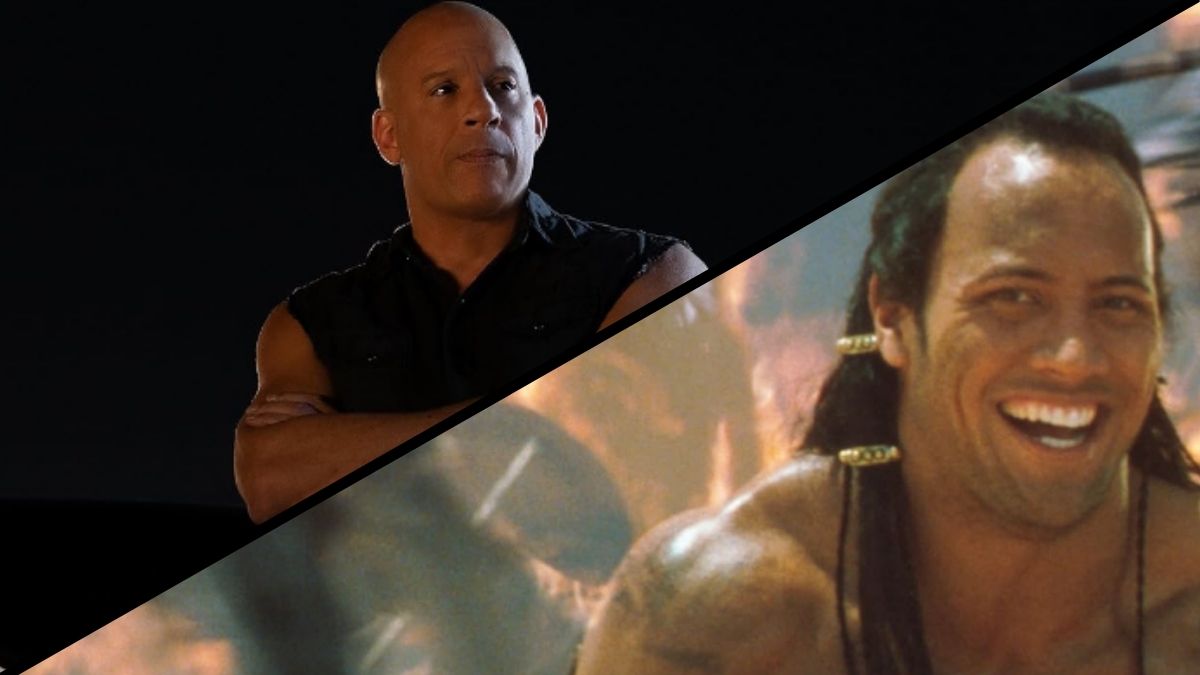
    Athletes have appeared in movies and television for decades, but strong performances are much rarer than simple cameos. In some cases, professional athletes surprised audiences by showing real comedic timing, screen presence, or dramatic ability that went far beyond expectations. Whether playing fictional characters or exaggerated versions of themselves, these performances stood out because they felt natural and genuinely entertaining. Some even became memorable highlights of the projects they appeared in. Here are fifteen athletes who nailed their on screen acting performances.

    The post 15 Athletes Who Nailed Their On-Screen Acting Performances appeared first on Den of Geek.

    Stop me if you’ve heard this one. One of the big two comic book publishers is launching a new imprint, one that puts a dark spin on existing characters. Living in a world driven by a fundamental evil, these heroes lack some of their defining features. And yet, the contrast only gives the heroes a chance to restore hope.

    cnx.cmd.push(function() {
    cnx({
    playerId: “106e33c0-3911-473c-b599-b1426db57530”,

    }).render(“0270c398a82f44f49c23c16122516796”);
    });

    Up until recently, that description fit only the Absolute Universe, DC Comics‘ wildly successful spinoff. But yesterday, Marvel announced the Midnight Universe, a new take on some of their most important heroes. “The Midnight Universe draws in longtime fans and newcomers alike to enter a terrifying new world where anything can happen,” reads a press release from the publisher. “Interconnected by rich lore-building, Marvel’s most definitive modern creators are given free rein to reimagine heroes with shocking twists and chilling transformations in boundary-less, creator-driven storytelling that will keep readers on edge issue after issue.”

    The release goes on to identify the heroes in the first batch of Midnight comics: “The X-Men no longer fight for acceptance, they hunger for blood. The Fantastic Four venture into the unknown not to save the world—but to unleash terror upon it. And Spider-Man discovers that with great power… comes something monstrous.”

    Written by Jonathan Hickman and penciled by Matteo Della Fonte, Midnight X-Men takes place in a New York City ruled by secret empires of vampires and mutants, giving Marvel a chance to once again turn Storm and Jubilee back into bloodsuckers. Writer Benjamin Percy and artist Kev Walker take on Midnight Fantastic Four, in which Reed Richards is a scientist whose obsessions have horrifying effects on his family. Midnight Spider-Man, written by Phillip Kennedy Johnson and illustrated by Scie Tronc, imagines Peter Parker as a hybrid creature created by Oscorp.

    Although the release gestures toward a type of shared lore between the two books, it’s not clear if there’s an in-universe explanation for the spinoff, as exists in DC. The Absolute Universe came about from an explosion of Darkseid’s energy after a battle with the Justice League, spawning a reality in which evil is the defining force. Thus, Superman loses Krypton as an adult, Batman grows up without his fortune, and Wonder Woman is separated from the Amazons. Moreover, the new conceit has given creators such as Scott Snyder, Jason Aaron, and Kelly Thompson carte blanche to make extreme storytelling decisions, which have paid off with top-sellers.

    So successful is the Absolute line that it’s hard not to dismiss the Midnight Universe as a rip-off. Which, it probably is. But one must remember that the Absolute line is just the latest attempt by DC to replicate Marvel’s Ultimate line, a spinoff that reset the continuities of its most popular characters. And the Ultimate line was Marvel’s attempt to untangle continuity like DC did with Crisis on Infinite Earths. And Crisis was a maxi-series in the vein of Marvel’s Secret Wars. But the Marvel heroes only exist because publisher Martin Goodman saw the sales numbers on DC’s Justice League and told his nephew-in-law Stan Lee to try superheroes again, leading to the creation of the Fantastic Four.

    In short, the companies cross-pollinate and borrow from each other all the time. And as long as the comics are good, who cares who got there first? If the Midnight Universe is half as compelling as the Absolute Universe has been, then Marvel’s nightmare will be a dream come true for comics fans.

    Midnight X-Men arrives in stores in August 2026.

    The post Marvel Pitches its Own Absolute Universe With the Midnight Universe appeared first on Den of Geek.

  • 15 Retired Actors, and Their Last Movie Before Hanging it Up

    15 Retired Actors, and Their Last Movie Before Hanging it Up

    Acting is a tough business, and no matter how iconic the movie you make, the pressure can get to all of us. The spotlight is hard to hold no matter who you are, and it can’t be denied that living as a ‘regular person’ is easier and, often, preferred.

    Not all of these actors are of advanced age, but most of them are. While there are always worthwhile roles for the elderly, that doesn’t mean that you want to keep working once you hit retirement age. These are the performers that already gave their all, and deserve some rest.

    The post 15 Retired Actors, and Their Last Movie Before Hanging it Up appeared first on Den of Geek.

    Stop me if you’ve heard this one. One of the big two comic book publishers is launching a new imprint, one that puts a dark spin on existing characters. Living in a world driven by a fundamental evil, these heroes lack some of their defining features. And yet, the contrast only gives the heroes a chance to restore hope.

    cnx.cmd.push(function() {
    cnx({
    playerId: “106e33c0-3911-473c-b599-b1426db57530”,

    }).render(“0270c398a82f44f49c23c16122516796”);
    });

    Up until recently, that description fit only the Absolute Universe, DC Comics‘ wildly successful spinoff. But yesterday, Marvel announced the Midnight Universe, a new take on some of their most important heroes. “The Midnight Universe draws in longtime fans and newcomers alike to enter a terrifying new world where anything can happen,” reads a press release from the publisher. “Interconnected by rich lore-building, Marvel’s most definitive modern creators are given free rein to reimagine heroes with shocking twists and chilling transformations in boundary-less, creator-driven storytelling that will keep readers on edge issue after issue.”

    The release goes on to identify the heroes in the first batch of Midnight comics: “The X-Men no longer fight for acceptance, they hunger for blood. The Fantastic Four venture into the unknown not to save the world—but to unleash terror upon it. And Spider-Man discovers that with great power… comes something monstrous.”

    Written by Jonathan Hickman and penciled by Matteo Della Fonte, Midnight X-Men takes place in a New York City ruled by secret empires of vampires and mutants, giving Marvel a chance to once again turn Storm and Jubilee back into bloodsuckers. Writer Benjamin Percy and artist Kev Walker take on Midnight Fantastic Four, in which Reed Richards is a scientist whose obsessions have horrifying effects on his family. Midnight Spider-Man, written by Phillip Kennedy Johnson and illustrated by Scie Tronc, imagines Peter Parker as a hybrid creature created by Oscorp.

    Although the release gestures toward a type of shared lore between the two books, it’s not clear if there’s an in-universe explanation for the spinoff, as exists in DC. The Absolute Universe came about from an explosion of Darkseid’s energy after a battle with the Justice League, spawning a reality in which evil is the defining force. Thus, Superman loses Krypton as an adult, Batman grows up without his fortune, and Wonder Woman is separated from the Amazons. Moreover, the new conceit has given creators such as Scott Snyder, Jason Aaron, and Kelly Thompson carte blanche to make extreme storytelling decisions, which have paid off with top-sellers.

    So successful is the Absolute line that it’s hard not to dismiss the Midnight Universe as a rip-off. Which, it probably is. But one must remember that the Absolute line is just the latest attempt by DC to replicate Marvel’s Ultimate line, a spinoff that reset the continuities of its most popular characters. And the Ultimate line was Marvel’s attempt to untangle continuity like DC did with Crisis on Infinite Earths. And Crisis was a maxi-series in the vein of Marvel’s Secret Wars. But the Marvel heroes only exist because publisher Martin Goodman saw the sales numbers on DC’s Justice League and told his nephew-in-law Stan Lee to try superheroes again, leading to the creation of the Fantastic Four.

    In short, the companies cross-pollinate and borrow from each other all the time. And as long as the comics are good, who cares who got there first? If the Midnight Universe is half as compelling as the Absolute Universe has been, then Marvel’s nightmare will be a dream come true for comics fans.

    Midnight X-Men arrives in stores in August 2026.

    The post Marvel Pitches its Own Absolute Universe With the Midnight Universe appeared first on Den of Geek.

  • Black Zombie Director on Decolonizing the Horror Icon

    Black Zombie Director on Decolonizing the Horror Icon

    Everybody knows about zombies, right? They’re flesh-eating monsters, reanimated corpses that rise from the grave to devour the living, feasting especially on their brains. But every horror fan can tell you that version of the monster came from George A. Romero, whose 1969 Night of the Living Dead defined the zombie genre—even if he intended […]

    The post Black Zombie Director on Decolonizing the Horror Icon appeared first on Den of Geek.

    Stop me if you’ve heard this one. One of the big two comic book publishers is launching a new imprint, one that puts a dark spin on existing characters. Living in a world driven by a fundamental evil, these heroes lack some of their defining features. And yet, the contrast only gives the heroes a chance to restore hope.

    cnx.cmd.push(function() {
    cnx({
    playerId: “106e33c0-3911-473c-b599-b1426db57530”,

    }).render(“0270c398a82f44f49c23c16122516796”);
    });

    Up until recently, that description fit only the Absolute Universe, DC Comics‘ wildly successful spinoff. But yesterday, Marvel announced the Midnight Universe, a new take on some of their most important heroes. “The Midnight Universe draws in longtime fans and newcomers alike to enter a terrifying new world where anything can happen,” reads a press release from the publisher. “Interconnected by rich lore-building, Marvel’s most definitive modern creators are given free rein to reimagine heroes with shocking twists and chilling transformations in boundary-less, creator-driven storytelling that will keep readers on edge issue after issue.”

    The release goes on to identify the heroes in the first batch of Midnight comics: “The X-Men no longer fight for acceptance, they hunger for blood. The Fantastic Four venture into the unknown not to save the world—but to unleash terror upon it. And Spider-Man discovers that with great power… comes something monstrous.”

    Written by Jonathan Hickman and penciled by Matteo Della Fonte, Midnight X-Men takes place in a New York City ruled by secret empires of vampires and mutants, giving Marvel a chance to once again turn Storm and Jubilee back into bloodsuckers. Writer Benjamin Percy and artist Kev Walker take on Midnight Fantastic Four, in which Reed Richards is a scientist whose obsessions have horrifying effects on his family. Midnight Spider-Man, written by Phillip Kennedy Johnson and illustrated by Scie Tronc, imagines Peter Parker as a hybrid creature created by Oscorp.

    Although the release gestures toward a type of shared lore between the two books, it’s not clear if there’s an in-universe explanation for the spinoff, as exists in DC. The Absolute Universe came about from an explosion of Darkseid’s energy after a battle with the Justice League, spawning a reality in which evil is the defining force. Thus, Superman loses Krypton as an adult, Batman grows up without his fortune, and Wonder Woman is separated from the Amazons. Moreover, the new conceit has given creators such as Scott Snyder, Jason Aaron, and Kelly Thompson carte blanche to make extreme storytelling decisions, which have paid off with top-sellers.

    So successful is the Absolute line that it’s hard not to dismiss the Midnight Universe as a rip-off. Which, it probably is. But one must remember that the Absolute line is just the latest attempt by DC to replicate Marvel’s Ultimate line, a spinoff that reset the continuities of its most popular characters. And the Ultimate line was Marvel’s attempt to untangle continuity like DC did with Crisis on Infinite Earths. And Crisis was a maxi-series in the vein of Marvel’s Secret Wars. But the Marvel heroes only exist because publisher Martin Goodman saw the sales numbers on DC’s Justice League and told his nephew-in-law Stan Lee to try superheroes again, leading to the creation of the Fantastic Four.

    In short, the companies cross-pollinate and borrow from each other all the time. And as long as the comics are good, who cares who got there first? If the Midnight Universe is half as compelling as the Absolute Universe has been, then Marvel’s nightmare will be a dream come true for comics fans.

    Midnight X-Men arrives in stores in August 2026.

    The post Marvel Pitches its Own Absolute Universe With the Midnight Universe appeared first on Den of Geek.