Category: Blog

Your blog category

  • Why the Smartest Leader Usually Fails

    Why the Smartest Leader Usually Fails

    Why the Smartest Leader Usually Fails written by John Jantsch read more at Duct Tape Marketing

    Catch the full episode: Overview Most companies hit a ceiling not because of strategy or market conditions, but because the leader is still trying to be the smartest person in the room. In this episode, John Jantsch sits down with Jason Wild, executive advisor and co-author of Genius at Scale, published by HBR Press, to […]

    Why the Smartest Leader Usually Fails written by John Jantsch read more at Duct Tape Marketing

    Catch the full episode:

    Overview

    Most companies hit a ceiling not because of strategy or market conditions, but because the leader is still trying to be the smartest person in the room. In this episode, John Jantsch sits down with Jason Wild, executive advisor and co-author of Genius at Scale, published by HBR Press, to make the case that the lone genius model of leadership is not just outdated. It is actively holding companies back.

    Jason spent more than 20 years in senior roles at Microsoft, IBM, and Salesforce, leading projects across 40 countries. He watched brilliant people pour their careers into innovation efforts that succeeded at rates of five to fifteen percent, not because the ideas were bad, but because the conditions around those ideas were never built to support them. Genius at Scale is his answer to that problem.

    This episode covers the shift from pathfinding to wayfinding, the three leadership roles that drive repeatable innovation, why most good ideas die in integration rather than ideation, and what small business owners can do right now to build a team that does not need them to be the source of every good idea.

    About Jason Wild

    Jason Wild is an executive advisor, co-founder of Wild Innovation Consulting, and co-author of Genius at Scale: How Great Leaders Drive Innovation, published by HBR Press. He spent more than two decades in senior leadership roles at IBM, Microsoft, and Salesforce and has led projects in 40 countries. Earlier in his career he had television and film credits, including a co-starring role opposite Mr. T in a CBS movie. Learn more at geniusatscale.com.

    Key Takeaways

    • Stop hiring for the A player. Build the A team. The distinction sounds small but it changes everything about how you lead, hire, and structure work.
    • Innovation is a social process. You cannot mandate it. You have to create the conditions where people feel safe enough and inspired enough to want to co-create the future with you.
    • Most innovation stalls at integration, not ideation. Good ideas are not the bottleneck. Getting them through the seams between people, systems, and teams is where everything falls apart.
    • Language shapes culture more than most leaders realize. The Pfizer VP who banned the word change and replaced it with evolve saw an immediate shift in how his skeptical team responded to new initiatives.
    • The most dangerous place to make decisions is your office. Getting out and experiencing what your customers actually experience is not a nice-to-have. It is a leadership practice.
    • Celebrating individual achievement sends the wrong signal. If you want collaboration to be the norm, recognize teams, not heroes.
    • Wayfinding is replacing pathfinding. In a world changing this fast, the job of a leader is not to set a fixed destination and remove barriers. It is to figure out where you are going while you are already moving.
    • Self-awareness is an underrated leadership skill. How you make people feel when you give feedback shapes whether they will ever bring you their best thinking again.
    • Small business owners are better positioned for this than they think. Smaller teams, less bureaucracy, and closer proximity to customers are advantages in building cultures of repeatable innovation.

    Timestamps

    [00:02] Opening hook: the reason your company hits a ceiling might have nothing to do with strategy.

    [00:53] Jason’s first career in Hollywood and co-starring with Mr. T in a CBS movie of the week.

    [01:44] The core premise: why the lone genius model of leadership fails and what replaces it.

    [03:33] What Jason saw at IBM that shaped his thinking about why smart people accept such low innovation success rates.

    [06:37] Why small business founders are wired to be the genius in the room and why that eventually becomes the ceiling.

    [07:19] The ABC framework: architect, bridger, and catalyst unpacked.

    [10:07] Why the architect role is really about culture and psychological safety.

    [11:03] The bridger as the unsung hero of innovation and why Death Valley is where most good ideas go to die.

    [13:04] The role outside consultants and third parties play in bridging across boundaries.

    [14:03] What catalysts do differently and how movements start with people and ideas, not companies.

    [16:35] The Pfizer story: how banning the word change helped get a vaccine out in 266 days instead of eight to ten years.

    [18:25] What we typically celebrate about leadership that the research says is actually wrong.

    [20:31] How writing the book as a collaborative team proved its own thesis.

    Memorable Quotes

    “Stop trying to hire the A player. Focus on building the A team. It sounds subtle but it is a fundamentally different way to lead.”

    “Innovation is not about coming up with the best idea. The organizations that innovate time and time again focus on the conditions and the environment around the idea.”

    “Most innovation stalls not at the ideation phase but the integration phase. That is where good ideas go off to die.”

    “Self-awareness is one of the most undervalued skills in leadership. How you make people feel when you give them feedback determines whether they will ever bring you their real thinking.”

    “If the billionaire founder can make time to stand in line at a bank branch, everyone else can practice empathy too.”


    Learn more at geniusatscale.com.

    John Jantsch (00:02.083)

    So what if the reason your company hits a ceiling has nothing to do with strategy, funding or market conditions and everything to do with who you think the genius in the room is supposed to be? Hello and welcome to another episode of the Duct Tape Marketing Podcast. This is John Jantsch and my guest today is Jason Wilde. He’s an executive advisor and co-author of a book we’re going to talk about today, Genius at Scale, How Great Leaders Drive Innovation. was published by HBR Press.

    Jason spent more than 20 years in senior roles at Microsoft, IBM, and Salesforce and led projects in 40 countries and co-founded Wild Innovation Consulting. And this wasn’t in your bio, I don’t think, but I found you had some television credits, movie credits. So can we start there?

    Jason Wild (00:53.47)

    We can start wherever you want, John. It’s great to on your show, yes. My first career was Hollywood. My mom was the classic stage actor, stage mom, trying to get me and my brother to be famous. So yes, believe it or not.

    John Jantsch (01:09.562)

    That’s awesome. So you started with Mr. T in something? Is that one I found maybe? Was he? Yeah.

    Jason Wild (01:16.238)

    I did. did. It’s, yeah, going back to the eighties, but at the peak of his his fame in the 18, I did co-starred a movie was the CBS movie of week called The Toughest Man in the World that you can find on Amazon or YouTube. I think actually a few years ago, I found a YouTube clip where whoever uploaded the clips said it was the worst fight scene in Hollywood history. And I agree.

    John Jantsch (01:43.081)

    Well, you have that permanent record for you. All right, so let’s dive into the book. The core idea is that the idea of the genius at the top, the boss, is really now out of date and what’s needed now is genius at scale. Can you make that concrete really for a business owner, say, running a team of 10, 20 people?

    Jason Wild (02:08.046)

    Yeah, absolutely. this is a book that when my co-author invited me to write the book almost 10 years ago, I kind of thought it would be the book writing version of the Gilligan’s Island, right? It’d be maybe a two, three year tour. And here we are, believe it or not, almost 10 years later and thousands and thousands of hours and worth every minute. So basic premise was I was not interested. I’m a practitioner. You know, I’ve been leading projects in teams.

    trying to do meaningful work around technology, digital transformation, cultures of innovation around the world with large companies as well as startups. honestly, at this point in my career, John, I was not interested in just writing a book to write a book. But I was really lucky to start my career at IBM when Lou Gerstner was still CEO there and got to interact with Lou a little bit and

    And it was a really important moment, I think, for me at that part of my career, because IBM was very client focused, very customer centric. And that was ingrained deeply in my brain. I was surrounded literally by geniuses. I was there when IBM did Watson on Jeopardy. I got to know the guy who invented the relational database, eventually a small company called Oracle monetized and created a nice little business around.

    John Jantsch (03:30.042)

    You

    Jason Wild (03:33.711)

    You know, as I was working on these projects, long story short, I was seeing these incredibly talented people literally pour their life into these projects or whatever it is they were working on, but accepting very low success rates, 5%, 10%, 15%. And, you know, I bought into the same notion that innovation was all about coming up with the best idea, that it was about the lone genius.

    John Jantsch (03:58.329)

    you

    Jason Wild (04:01.672)

    I’m the person with the biggest title and power. But over time, I became really curious about what really did set out in a small company or a big company. You why did some ideas, you know, go far enough along to actually change the way that we live or work or change the system? And others didn’t. And it kind of became a little bit of my career and life passion. And I saw so many of these people that I really looked up to just approaching it kind of the wrong way.

    falling in love with the ideas, focusing on the world of innovation. And maybe they get lucky or there’s some heroic result, but the real organizations or teams that were great at innovating time and time again, were the ones that really focused more on the conditions and the environment around them. And so, we started talking about Mr. T, it took me 40 years for my life to come full circle away.

    But, know, genius at scale in some ways is meant to kind of put down this notion of, you know, senior leaders stop looking to hire that A-Team player and instead focus on building an A-Team. And I think it sounds very small and subtle, but it’s a big part of the difference. And then when I looked at it, there are lots of books on innovation, of course, and lots of books on leadership, but there are no books about how do you actually lead innovation.

    John Jantsch (05:25.433)

    Yes.

    Jason Wild (05:25.486)

    which to me was really really fascinating because it’s one of those words or topics that lots of people lean forward, they’re interested, they’re curious, but there was a lot more opinions than actual science around how do you actually create those conditions as a leader for people to be willing and able to want to innovate. In my co-author’s last book that was published about 12 years ago, focused a lot on companies like Pixar and eBay.

    right, super creative, know, digital native companies where innovating is not easy, but it’s certainly easier than being, you know, a mom and pop small company, right, or a legacy company that, you know, was founded 80 years ago. So in Geniuses Scale, the book that we wrote, we, you know, we focused on companies in regulated environments, healthcare, banking, you know, as well as startups, startups in Africa and Japan to really shine a light on, you know,

    Everyone’s context is different, but really the role of leaders is to create the environment where innovation organically thrives as a result of the community versus constantly trying to chase the next shiny object.

    John Jantsch (06:37.322)

    So, a lot of my listeners are small business owners, mid-size business owners, founders. And I think the very nature of that is like, I created this thing, I’m the genius, it starts there. And so then I’m going to build a team and everybody looks to me to continue to say, what’s next? And you really introduce the evolution, I guess, that that leader needs to go through and even some roles that they need to take on. You’re ABC, you’ve got a good, like all consultants, you have a…

    a good framework there for architect, bridger, and catalyst. Walk me through a little bit of what those roles are and maybe the challenges for lot of business owners to step into those roles.

    Jason Wild (07:19.446)

    Yeah, no, absolutely. I think, you know, for small businesses, you know, even large businesses these days, you know, doing business in the past was, don’t think it was ever easy, but it was, it was, it was easier. And, you know, and literally the world is shifting two or three feet underneath our feet, you know, every single week. So there’s so much to keep up with and

    Yeah, you know, so legacy leadership was, you know, some would call kind of pathfinding to your point, whether you’re, you know, the owner of a small business or a 4,200, 500 company, right? And that legacy kind of leadership is change management, setting the direction, right? Articulating the vision, hopefully very, very clearly, and then convincing as many people as quickly as possible to get in the car and follow you to that, to that destination. And maybe that was okay, right? When you had the luxury of time.

    But the world is changing really quickly and you could argue that it’s never going to be as slow as it is right now. It’s only going to accelerate. So part of what the book is about is this what we’re calling wayfinding. If classic leadership was pathfinding, setting that direction and trying to remove those inhibitors and barriers, which is even more important as a small business owner because your margin of error is even less than a large company.

    It’s very uncomfortable for many leaders, regardless of your pedigree and your background. But I do think that small business owners are going to be more ready and in a better position to be able to pursue this. And what we talk about is more wayfinding. And part of the uncomfort is, how do you lead when we’re surrounded by fog? Because it’s not just artificial intelligence that’s changing the world. There’s geopolitical aspects, there’s supply chain.

    There’s other technologies, quantum, 5G, blockchain, all of these things are like feeding off of each other that makes predicting the future even more difficult than it was before. So this notion of wayfinding is figuring out what the destination is while you’re on the path. And to your point, we identified common patterns and three very distinct roles that leaders play.

    Jason Wild (09:39.119)

    in cultures that have proven that they can innovate routinely in time and time again, and not just get lucky once or in the right place at the right time. So the ABCs, which yes, are convenient and memorable, but did kind of like surface naturally, you know, out of our research and work. So first and foremost, the foundation is the architect. And the architect’s job is really about building community. And what I touched on a little bit earlier,

    John Jantsch (09:52.218)

    you

    Jason Wild (10:07.118)

    it recognizes that innovation is a social process. And especially in small companies, you can’t mandate innovation. You have to invite people to want to co-create the future with you. And we define innovation very broadly, not just disruptive innovation, but anything that’s new and useful, which I think makes it even more applicable to the world of small business. So architects do a good job of creating environments where people are both willing and able.

    to want to contribute, there’s a psychological safety. They don’t feel like there’s going to be a negative reaction when you challenge, right, or come up with a new idea. So that’s why that’s the foundation. And it is, it’s a lot about culture. It is totally about culture. And I think in a way where the culture is continuously learning and experimenting too. And I think especially for small business owners,

    John Jantsch (10:47.064)

    That sounds like culture to me.

    Yeah.

    Jason Wild (11:03.5)

    Right, your business is not too big or too small to at least have a couple of working hypotheses. And I think that’s what great architects do is they have working hypotheses and they encourage and empower others to have working hypotheses of at least one or two big questions this calendar year that we want to get smarter about. And those questions will lead us to better questions. So architect is a foundation and I think we realize that

    You know, that’s important, but it’s not enough. And then the next one is the Bridger B. Bridger is really about focusing on building partnerships and Bridgers, you know, tend to be more junior people in the organization. And I really feel having been a practitioner and out there like doing the work, the Bridger is the unsung hero of innovation where the architects maybe get, you know, the award and the Steven Spielberg and the Oscar.

    And then we’ll get to the catalyst, which is about igniting movements that literally change the world. The bridgers are usually behind the scenes doing really tough work and recognize that, recognizing that most innovation stalls, not at the ideation phase of coming up with the ideas, but the integration phase, human integration, system integration, integration with partners. So these bridges are, you know, focus on these boundaries or these seams.

    where lots of good ideas go off to die. And one of my previous employers actually called this area Death Valley, as if it was a place that was a badge of honor if you survived it. So great architects and bridgers kind of flip the lens and create environments where it’s not about surviving Death Valley, but it’s about creating conditions.

    John Jantsch (12:32.09)

    Yeah.

    John Jantsch (12:46.03)

    Well, so what role then does like outside consultants and third parties play in that too? I’ve said, when you talk about partnerships, you’re kind of focusing on internally, but bringing in great talent from the outside is probably a part of that bridge, isn’t it?

    Jason Wild (13:04.994)

    Yeah, it is. It can be internal and external. can be sales and marketing, business and tech, right? A lot of it is people who speak different languages, have different objectives, feel that they’re part of a different community. And, but you got to get them to kind of work together. They may not want to like hang out together at the end of the day and be best friends, but you know, the role of that leader and that bridger is getting the collective value out of them that individually never would have happened. So.

    Absolutely, there’s a lot of focus on partnering externally. And I think what Bridges, Bridges are good at many things, but one of things that really good at John is building trust in low trust environments, being proactive at mapping the ecosystem and places where, hey, if this goes well or not well, we think we’re going to need some solutions or partners here and not waiting until it’s a five alarm fire. And they give credit to others and go out of their way.

    John Jantsch (13:45.338)

    Mm-hmm.

    Jason Wild (14:03.192)

    to make others the hero and not about themselves. And then C is the catalyst, C is about really igniting movements, movements that become bigger than the individuals. And I think this is where it’s not every day where people wake up and say, hey, John, I want to ignite a global movement, right? Because it just seems so far away.

    And, but you look, I I worked at Salesforce for many years, which is one of the CRM platforms for small business. And, you know, what’s interesting about a place like Salesforce is it’s become kind of the de facto movement for CRM and cloud computing. So a lot of people associate the companies with those movements, but movements are really started by people and ideas. And so part of the reason of the book is to give hope.

    to people that it may seem very difficult or impossible, but anybody can ignite a movement that changes how we work and live with the right focus and other best practices that obviously we would love for you and people to read the book and learn about.

    John Jantsch (15:13.478)

    Well, so the ABCs basically add up to what you’re saying is we need to have collective genius in order to have innovation. how do, I mean, do people resist or maybe misunderstand that idea?

    Jason Wild (15:29.656)

    Yeah, think there’s resistance everywhere. one of the things that I think in writing the book, we wanted to write a book that is educational and inspiring, but also a business book that doesn’t put you to sleep and has an element of entertainment because we’re so fortunate and privileged, John, to be able to have studied for years some of these leaders and be a fly on the wall.

    And one of them was the leader of clinical supply chain at Pfizer, who was a relatively new executive. And it’s the story behind what he and his team did to get the vaccine out there in 266 days, in usually what would take eight to 10 years. And one of the things that they did was a real focus on language. And it’s a reminder that every detail matters if you want it to.

    And Michael Koo, this Pfizer VP, he inherited the team that was skeptical of almost everything, just because of past failures and attempts and other leaders and the usual stuff inside of a big company. And one of the things that Michael decided in his first few months of joining Pfizer was he banned the word change. And it sounds very petty, but…

    John Jantsch (16:52.346)

    Hmm.

    Jason Wild (16:56.386)

    I think it represents a bit of the genius of him understanding the environment that he was parachuting into. And instead he said, let’s talk about evolve. Cause when people would talk about change, immediately it would be a negative reaction, more change. We went through a change management program last year. I’m tired of change, but who doesn’t want to evolve, right? Who doesn’t want to keep up with the Joneses? And so there was something psychological there about

    You know, everyone should want to get better, better, better at their craft. And if you don’t, why are you here? And I think you again have less luxury in a small business. So language matters. And I think self-awareness is one of the most undervalued skills of leadership. How you make people feel when you give them feedback.

    And these soft skills now with the arrival of AI, you you hear lots of people saying they’re not soft skills anymore, right? Because, you know, getting the most out of people and tapping into as Pixar would say, everyone has their slice of genius is not the responsibility of the individual worker. It’s of the leader to activate that and figure out what it is individually.

    John Jantsch (17:58.614)

    You

    John Jantsch (18:11.918)

    Yeah, I’m curious because you studied so many exceptional leaders, are there things that we typically celebrate that are wrong about leadership and leadership culture that your research found?

    Jason Wild (18:25.294)

    Oh yeah, know lots of things. One of the things that’s a pet peeve of mine is celebrating like individual awards. And I mean, even like Thomas Edison said, it’s like, nobody did anything alone. And whether it’s intentional or not, just putting someone up on stage as an individual, it sends their own signals of, right, be an individual hero and be like this person, right? And you’ll get to lift the trophy too.

    and instead recognize teams. And that might mean that sometimes you’re recognizing people who, you know, aren’t pulling their own weight. But the real message you’re trying to send to the organization is collaboration is not optional. And even better, get great at collaboration because that’s how like meaningful value creation happens. I think the second thing is, that back to stop trying to be the smartest person in the room. And instead,

    try to activate that collective intelligence of the entire team. And I think the third one, and I’m not as worried about this small business, but I’ll say it anyway, is what do you think is the most dangerous place to make a decision,

    John Jantsch (19:39.81)

    in a meeting.

    Jason Wild (19:41.635)

    Yeah, in the office, right? In the comfort of your office. So I’m a big believer in getting out there and walking a mile in the shoes of your customers. Do it sometimes with purpose. Do it sometimes with a blank sheet of paper. I worked at Salesforce. Mark Benioff, the founder, co-founder of Salesforce, is a billionaire. know, famously ahead of a big meeting with one of the big American banks.

    John Jantsch (19:52.792)

    This is

    Jason Wild (20:08.77)

    He wanted to go to a local branch, wait in line, to see the experience. And Yad helped him prepare for the meeting, but it was more about sending a signal to the whole organization that if the billionaire founder can care about time to do it, then everyone else can practice and develop empathy. So those are a few things off the top of my head.

    John Jantsch (20:31.406)

    So this book, you had a co-writer, so this book in some ways was collective genius. Do you think that that collaboration itself made for a better book or at least a different experience than writing a solo book?

    Jason Wild (20:45.442)

    I think so, for sure. And we’re still friends, thankfully. so yeah, it’s a multi-generational team. I’m in the middle. know, two academics with me as a practitioner. And yeah, I think it was just a phenomenal experience that I think we all agree that there’s no way we would have ended up where we got to if we tried to do this alone.

    And I think the most important thing is that, you you write a book, but you never know how the world is going to respond. And, you know, I think some of the things like wayfinding is in the epilogue. And we wanted to write a book that was meant to be timeless, because I have some friends writing books about AI. You know, one was the former chief AI officer at NASA. And like tongue in cheek, I tell them like, good luck, hopefully it’s still relevant by the time it’s published. And

    John Jantsch (21:40.806)

    Yeah, no kidding.

    Jason Wild (21:42.286)

    So it’s interesting that we didn’t write a book about AI, but a lot of people serendipitously are saying that the ABCs represent a really interesting operating system, right? Because organizations, you need some structure and predictability, but again, you need to adapt and flex and morph your value proposition like great startups do. And so I don’t think we would have landed there without this,

    two exceptional co-authors that I’ve had the privilege of working

    John Jantsch (22:15.578)

    Well, and I think you also surfaced in this day and age, what are probably going to be the human skills that are going to remain the most valuable, I think, in the long run as well. Well, Jason, I appreciate you taking a few moments to stop by the Duct Tape Marketing Podcast. Is there a place you’d invite people to connect with you and certainly learn more about Genius at Scale?

    Jason Wild (22:35.756)

    Yes, thanks for asking. yeah, it was just published a couple of months ago. We’ve got a wonderful website in multiple languages, genius at scale.com, genius at scale all one.

    John Jantsch (22:49.144)

    Awesome. Well, again, I appreciate you stopping by and hopefully we’ll run into you one of these days out there on the road.

    Jason Wild (22:53.977)

    Sounds great. Thank you so much, John.

    powered by

  • Good designers, bad websites: a proposal

    Good designers, bad websites: a proposal

    I want to discuss accessibility because it is the most important thing for making websites. Other A List Apart articles give you innovation and insight. This article will give you homework. These are just my personal views, but they’re pretty good.

    I want to start off with a couple of statements, and you will agree:

    1. Designers are good people. I have never heard a designer say, “I don’t care if somebody can’t read this text”, “Not my fault if somebody can’t use this device”, or “Who cares if this is confusing?”
    2. Some designs exclude people. You have seen people unable to read the text on a website or app that somebody designed. You’ve seen people unable to use a physical device that somebody has designed. You’ve seen people utterly bamboozled while trying to use a service that somebody designed.

    So what?

    The first question is, “Is this life-or-death stuff?” The answer is, “Yes.” In my favorite essay, This Is All There Is, Aral Balkan makes the point that pretty much everything that we design can affect life events and death events. Aral gives the example of how even a straightforward bus timetable app can affect life and death events, if we design it badly:

    • somebody might miss a life event, such as their daughter’s fifth birthday party; or
    • somebody might miss a death event, such as the chance to say goodbye to a dying grandmother.

    The next—and frustrating—question is, “Why do some designs still exclude people?” After all, we know that:

    • not everybody can see perfectly;
    • not everybody can hear perfectly;
    • not everybody thinks the same way; and
    • not everybody moves the same way.

    I think the answer is that there’s too much to recall. Consider, if you will, the wide variety of topics that A List Apart articles cover. Designers are expected to remember all of that guidance, plus all of the accessibility guidance, plus so much more. It is too much.

    Recognizing accessibility issues while designing

    I’d like to point toward one possible solution, starting from Jakob Nielsen’s 10 Usability Heuristics for User Interface Design. These are from the mid-1990s, and—although there’s a good chance that you, gentle reader, are a lot younger than that—please bear with me. 

    Seeing as the problem is that there’s too much to recall, I want to look at heuristic № 6, “Recognition rather than Recall.” Jakob Nielsen said that for users, information required to use the design should be visible or easily retrievable when needed. I suggest we tweak that to make life easier for designers. Let’s say that the information required to produce the design should be visible or easily retrievable when needed. In other words, let’s make it easier to recognise accessibility issues while we’re designing.

    How are we going to do that? I really like the book A Web for Everyone—Designing Accessible User Experiences by Sarah Horton and Whitney Quesenbery. I really like this book not only because it includes a quote from me—actually two quotes, but I don’t like to boast—but because it includes personas that are perfect for helping us to recognise accessibility issues. That’s the good news. The even better news is that these personas are available now for free on the companion website to the book What Every Engineer Should Know About Digital Accessibility, again by Sarah Horton, with David Sloan this time.

    Meet your users

    I’m going to introduce you to these personas now:

    I want to throw one more persona at you now, because, well, A List Apart readers are overachievers. One of my favorite authors, Cennydd Bowles—who literally wrote the book on Future Ethics—says to create Personas Non Grata. In other words, every time we design something, we have to think about what a bad guy could do with that thing, and whom that might affect.

    To actually use these personas while designing, I like what Eric Meyer and Sara Wachter-Boettcher in Design for Real Life call the Designated Dissenter: for each project that you work on, one of your teams should be responsible for asking, “Will this work for Vishnu?”, “How’s Trevor going to get on with this?”, and so on. 

    Then, once you’ve used the personas to recognise the accessibility issues, you can look up the guidelines for whichever platforms you’re designing for: 

    Your mission, should you choose to accept it

    I told you in the introduction of this article that I would give you homework. You thought I was joking. So, here’s your homework: I want you to grab the personas from the Know About Accessibility website, and use them throughout every design project to help you recognise accessibility issues while you work—and reclaim design for everyone.


    NOTE: This article is based on “Recognise,” my five-minute presentation from Interaction Design Association (IxDA) Dublin’s Defuse (Design for Use) event in 2025.

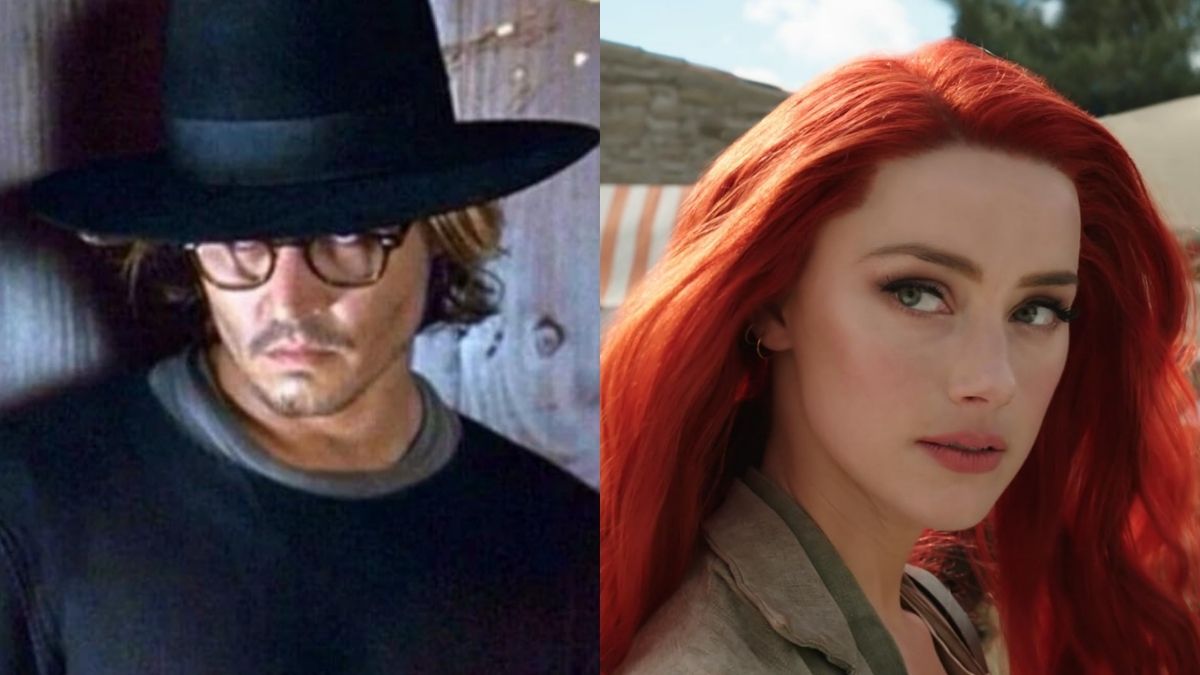
  • Celebrity Couples That Are Never, Ever, Getting Back Together

    Celebrity Couples That Are Never, Ever, Getting Back Together

    Relationships are about commitment, respect and companionship more than they are about love. As such, even when couples seem fine from the outside, there might be problems brewing on the inside. And that’s quite evident with celebrity couples, where we don’t truly know what happens behind closed doors.

    Many of these entries are based on rumors, but it is a reality that these celebrities were once together, and their paths are now set apart. From public breakdowns to quiet separations, these are the celebrity couples that, even if now single, would never get back together.

    The post Celebrity Couples That Are Never, Ever, Getting Back Together appeared first on Den of Geek.

    The hunt for James Bond is on. Even though it has been years since Daniel Craig ended his run with a bang in No Time to Die, a year since Amazon bought the rights from Eon Productions, and months since Denis Villeneuve was announced as the next director, apparently the search for the next 007 has just now begun in earnest. Amazon MGM has named Nina Gold as the casting director. In a statement released through Variety, the studio said, “While we don’t plan to comment on specific details during the casting process, we’re excited to share more news with 007 fans as soon as the time is right.”

    Such is their prerogative as a movie studio. But it’s our prerogative as fans to do our own casting. And because we don’t have to worry about things like budgets, schedules, and franchise plans, we can get as wild as we want. So here are five unusual, but ultimately realistic, choices to play James Bond.

    cnx.cmd.push(function() {
    cnx({
    playerId: “106e33c0-3911-473c-b599-b1426db57530”,

    }).render(“0270c398a82f44f49c23c16122516796”);
    });

    A quick note on the word “realistic”: six different male actors have played Bond since 1962’s Dr. No, and although Amazon MGM is not Eon Productions, they’ll likely follow suit. Moreover, James Bond was imagined by Ian Fleming as a blunt instrument of the British empire, a quality that has remained part of the character, even as the edges are sanded down. Modern Bond stories tend to ignore the degree to which Bond kills people to advance England’s colonial and capitalist interests. And while Amazon is happy to produce The Boys, they likely won’t want audiences thinking too much about how Bond is a colonizer.

    Which is to say that Bond will probably be another white British man, and so that’s what we’re sticking with here. But that doesn’t mean we can’t get a little weird daydreaming, at least until Gold has found her man.

    George Mackay

    Easily the most likely of the choices on this list, George Mackay has two strikes against him when looking at traditional Bond candidates. First, his hair is too light. Second, his face is too distinctive. If you think these are silly complaints, well… they are silly complaints. But do a little digging to find the reaction to Craig’s casting 20 years ago, and you’ll find plenty of griping about the actor’s hair color and ear shape. All this despite the fact that the Bond novels by Fleming compare the spy to Hoagy Carmichael, a man with a longer face and wider ears than Sean Connery or Pierce Brosnan.

    Moreover, Craig showed that a distinctive look can make for a distinctive Bond, especially if the actor has the chops to suggest sorrow in his cold eyes. Mackay certainly fits the bill here. After debuting as a Lost Boy in 2003’s Peter Pan, Mackay has gone on to do impressive work in independent films, earning acclaim for Femme and The Beast, with 1917 being his most well-known movie. It would be quite the leap to go from those productions to a franchise picture helmed by Villeneuve, but Mackay would have just the right energy to be an off-beat leading man in a unique Bond flick.

    Josh O’Connor

    As long as we’re talking about Bonds with idiosyncratic appearances, let’s consider Josh O’Connor. Unlike McKay, O’Connor has a higher profile, having played major roles in Challengers, Wake Up Dead Man, and the upcoming Steven Spielberg film Disclosure Day. But ever since Villeneuve landed the directing gig—reversing Eon’s tendency to deny big name filmmakers such as Spielberg, Quentin Tarantino, and Danny Boyle—a B- or A-list star doesn’t seem impossible.

    With his lanky frame, curly hair, and pronounced ears, O’Connor certainly doesn’t fit the usual Bond mold. But O’Connor does have an off-kilter energy that captures something about the secret agent. Anyone who has watched a Bond film knows that 007 isn’t a spy, not really. He walks right into the bad guy’s lair and introduces himself with his real name. He succeeds in his missions thanks to his ability to charm everyone, from women to the villains themselves, even when it doesn’t make sense. O’Connor has just that type of appeal.

    Jack O’Connell

    Bond films tend to be either serious and brutal or goofy and slick. After five Craig movies that fell into the former category, conventional wisdom suggested that the pendulum would swing toward the lighthearted. But with Villeneuve as director, Bond isn’t going to be driving submarine cars anytime soon, which means that we need another 007 in the mold of Connery and Craig. And if there’s one thing those two actors brought to the character, it’s a sense of danger.

    No young British actor has been as charming and scary onscreen as Jack O’Connell. Whether playing an ageless Irish vampire in Sinners or the charitable killer Sir Jimmy in 28 Years Later, O’Connell is at once alluring and unnerving. Moreover, there’s a roughness to O’Connell that can remind viewers that Bond didn’t grow up in the lap of luxury. He’s the son of an arms company rep, and was shuffled around after he lost his parents at the age of eleven. O’Connell can clean up nice, slicking back his hair and slipping into a tux. But he can retain that edge of menace necessary, a reminder that no matter how many martinis he enjoys, Bond always carries a license to kill.

    Matt Smith

    If we’re talking about unique physiology combined with the ability to play charming and menacing, then we have to look at Matt Smith. Yes, the guy from Doctor Who, House of the Dragon, and, of course, Morbius. Smith oozes charisma that made him a delightful Doctor and a terrifying Targaryen. If he put those qualities together, then he would be the ideal Bond. Don’t believe me? Just look at any of his scenes from Edgar Wright‘s Last Night in Soho, in which he was at once the coolest guy in the room and the one with murder in his heart.

    Furthermore, Smith fits the profile of an ideal Bond actor. Like Roger Moore and Pierce Brosnan before him, Smith has a strong television career, but hasn’t yet become a movie star. He has just enough cache to bring in fans and to do the work, but not so much that the actor will overshadow the character.

    Pierce Brosnan

    No, I didn’t make a mistake. What if we just brought back Brosnan? Despite starring in two of the worst Bond films, Brosnan never gave up his love for the character and wanted to keep playing the part, even after the disaster that was Die Another Day. As long as No Time to Die already requires a continuity shift, and as long as the movie has Villeneuve on board, a filmmaker who will likely make a single idiosyncratic film instead of a standard franchise entry, why not bring Brosnan back for something different?

    Imagine Old Man Bond, the story of a once dashing spy forced to contend with a world he doesn’t understand. Brosnan never totally left the world of espionage and secret service, having appeared in The Matador and in last year’s excellent Black Bag. It wouldn’t be a great leap for him, and it would give Villeneuve a chance to tell a very different type of Bond story.

    Plus, it would give Amazon MGM just a little more time to pick their next long-running Bond, since they seem to be making that decision as slowly as possible.

    The post The 5 Most Unusual (But Realistic) Choices to Play James Bond appeared first on Den of Geek.

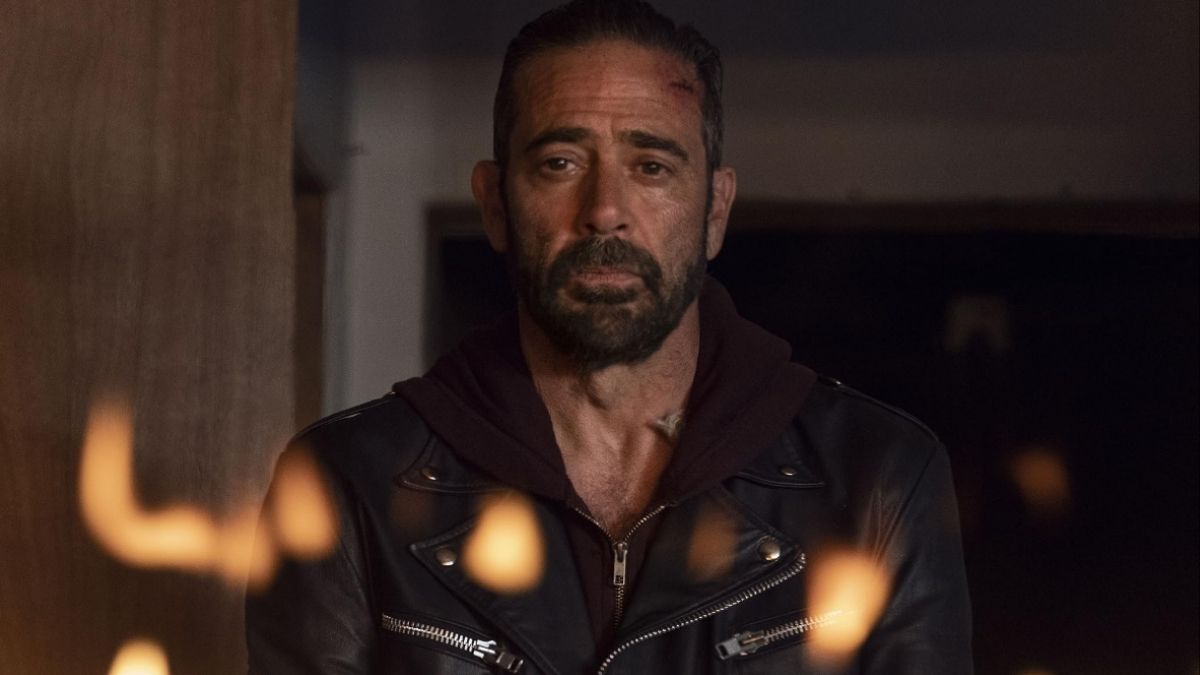
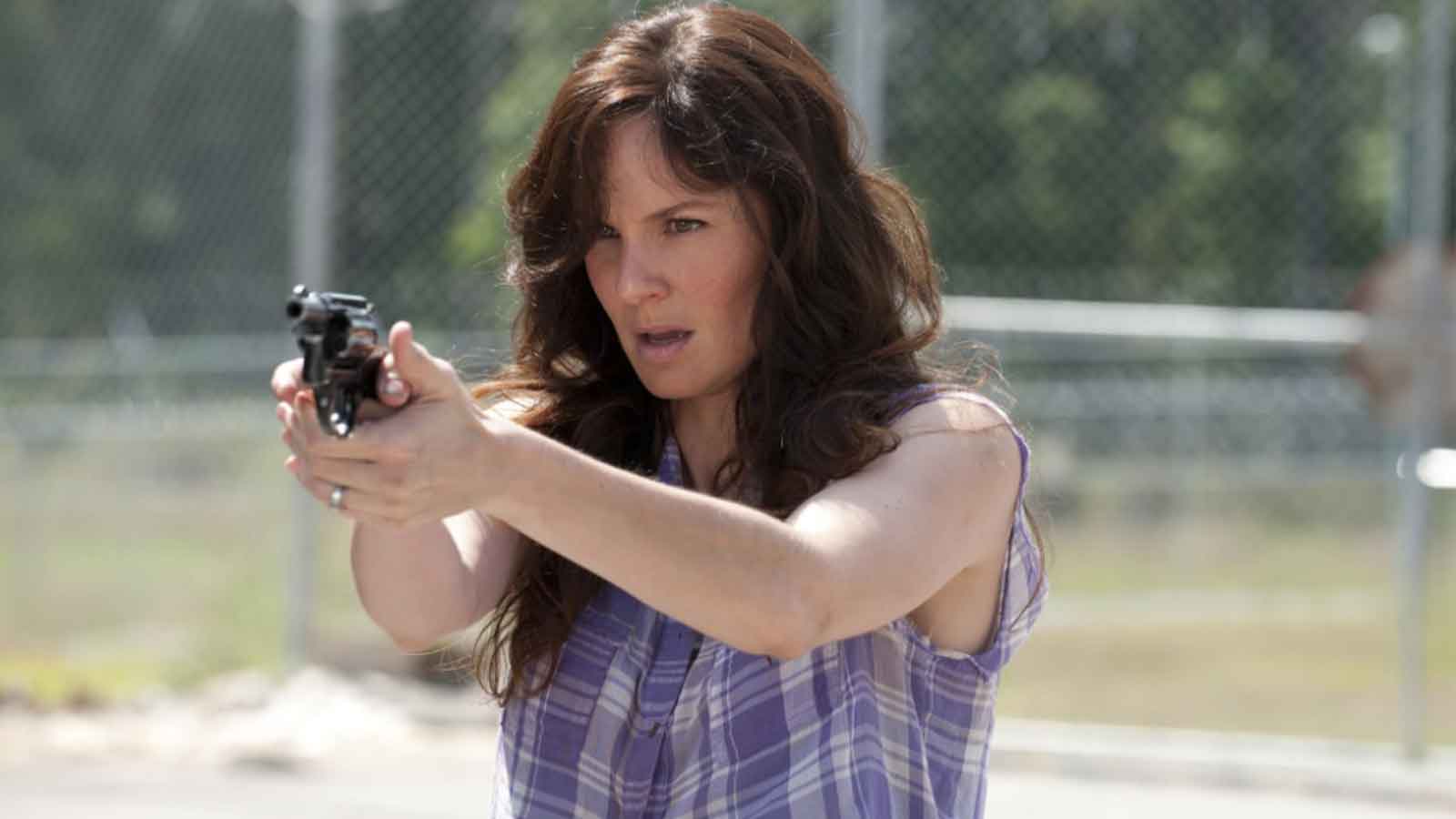
  • 15 TV Characters Who Needed to Die Much Sooner

    15 TV Characters Who Needed to Die Much Sooner

    On long-running TV shows, characters tend to die quite often; it’s what keeps a show interesting after all. But certain characters, those that become loathsome for whatever reason, become the target of the audience’s ire, and we wished they left the show earlier than they did.

    Not all of these characters are villains, some are just side characters that we don’t want to see anymore. Conflict is an important part of storytelling, but considering how hard it was to watch these characters on the screen, a bit less conflict would’ve sufficed. They did meet their end, but not soon enough.

    The post 15 TV Characters Who Needed to Die Much Sooner appeared first on Den of Geek.

    The hunt for James Bond is on. Even though it has been years since Daniel Craig ended his run with a bang in No Time to Die, a year since Amazon bought the rights from Eon Productions, and months since Denis Villeneuve was announced as the next director, apparently the search for the next 007 has just now begun in earnest. Amazon MGM has named Nina Gold as the casting director. In a statement released through Variety, the studio said, “While we don’t plan to comment on specific details during the casting process, we’re excited to share more news with 007 fans as soon as the time is right.”

    Such is their prerogative as a movie studio. But it’s our prerogative as fans to do our own casting. And because we don’t have to worry about things like budgets, schedules, and franchise plans, we can get as wild as we want. So here are five unusual, but ultimately realistic, choices to play James Bond.

    cnx.cmd.push(function() {
    cnx({
    playerId: “106e33c0-3911-473c-b599-b1426db57530”,

    }).render(“0270c398a82f44f49c23c16122516796”);
    });

    A quick note on the word “realistic”: six different male actors have played Bond since 1962’s Dr. No, and although Amazon MGM is not Eon Productions, they’ll likely follow suit. Moreover, James Bond was imagined by Ian Fleming as a blunt instrument of the British empire, a quality that has remained part of the character, even as the edges are sanded down. Modern Bond stories tend to ignore the degree to which Bond kills people to advance England’s colonial and capitalist interests. And while Amazon is happy to produce The Boys, they likely won’t want audiences thinking too much about how Bond is a colonizer.

    Which is to say that Bond will probably be another white British man, and so that’s what we’re sticking with here. But that doesn’t mean we can’t get a little weird daydreaming, at least until Gold has found her man.

    George Mackay

    Easily the most likely of the choices on this list, George Mackay has two strikes against him when looking at traditional Bond candidates. First, his hair is too light. Second, his face is too distinctive. If you think these are silly complaints, well… they are silly complaints. But do a little digging to find the reaction to Craig’s casting 20 years ago, and you’ll find plenty of griping about the actor’s hair color and ear shape. All this despite the fact that the Bond novels by Fleming compare the spy to Hoagy Carmichael, a man with a longer face and wider ears than Sean Connery or Pierce Brosnan.

    Moreover, Craig showed that a distinctive look can make for a distinctive Bond, especially if the actor has the chops to suggest sorrow in his cold eyes. Mackay certainly fits the bill here. After debuting as a Lost Boy in 2003’s Peter Pan, Mackay has gone on to do impressive work in independent films, earning acclaim for Femme and The Beast, with 1917 being his most well-known movie. It would be quite the leap to go from those productions to a franchise picture helmed by Villeneuve, but Mackay would have just the right energy to be an off-beat leading man in a unique Bond flick.

    Josh O’Connor

    As long as we’re talking about Bonds with idiosyncratic appearances, let’s consider Josh O’Connor. Unlike McKay, O’Connor has a higher profile, having played major roles in Challengers, Wake Up Dead Man, and the upcoming Steven Spielberg film Disclosure Day. But ever since Villeneuve landed the directing gig—reversing Eon’s tendency to deny big name filmmakers such as Spielberg, Quentin Tarantino, and Danny Boyle—a B- or A-list star doesn’t seem impossible.

    With his lanky frame, curly hair, and pronounced ears, O’Connor certainly doesn’t fit the usual Bond mold. But O’Connor does have an off-kilter energy that captures something about the secret agent. Anyone who has watched a Bond film knows that 007 isn’t a spy, not really. He walks right into the bad guy’s lair and introduces himself with his real name. He succeeds in his missions thanks to his ability to charm everyone, from women to the villains themselves, even when it doesn’t make sense. O’Connor has just that type of appeal.

    Jack O’Connell

    Bond films tend to be either serious and brutal or goofy and slick. After five Craig movies that fell into the former category, conventional wisdom suggested that the pendulum would swing toward the lighthearted. But with Villeneuve as director, Bond isn’t going to be driving submarine cars anytime soon, which means that we need another 007 in the mold of Connery and Craig. And if there’s one thing those two actors brought to the character, it’s a sense of danger.

    No young British actor has been as charming and scary onscreen as Jack O’Connell. Whether playing an ageless Irish vampire in Sinners or the charitable killer Sir Jimmy in 28 Years Later, O’Connell is at once alluring and unnerving. Moreover, there’s a roughness to O’Connell that can remind viewers that Bond didn’t grow up in the lap of luxury. He’s the son of an arms company rep, and was shuffled around after he lost his parents at the age of eleven. O’Connell can clean up nice, slicking back his hair and slipping into a tux. But he can retain that edge of menace necessary, a reminder that no matter how many martinis he enjoys, Bond always carries a license to kill.

    Matt Smith

    If we’re talking about unique physiology combined with the ability to play charming and menacing, then we have to look at Matt Smith. Yes, the guy from Doctor Who, House of the Dragon, and, of course, Morbius. Smith oozes charisma that made him a delightful Doctor and a terrifying Targaryen. If he put those qualities together, then he would be the ideal Bond. Don’t believe me? Just look at any of his scenes from Edgar Wright‘s Last Night in Soho, in which he was at once the coolest guy in the room and the one with murder in his heart.

    Furthermore, Smith fits the profile of an ideal Bond actor. Like Roger Moore and Pierce Brosnan before him, Smith has a strong television career, but hasn’t yet become a movie star. He has just enough cache to bring in fans and to do the work, but not so much that the actor will overshadow the character.

    Pierce Brosnan

    No, I didn’t make a mistake. What if we just brought back Brosnan? Despite starring in two of the worst Bond films, Brosnan never gave up his love for the character and wanted to keep playing the part, even after the disaster that was Die Another Day. As long as No Time to Die already requires a continuity shift, and as long as the movie has Villeneuve on board, a filmmaker who will likely make a single idiosyncratic film instead of a standard franchise entry, why not bring Brosnan back for something different?

    Imagine Old Man Bond, the story of a once dashing spy forced to contend with a world he doesn’t understand. Brosnan never totally left the world of espionage and secret service, having appeared in The Matador and in last year’s excellent Black Bag. It wouldn’t be a great leap for him, and it would give Villeneuve a chance to tell a very different type of Bond story.

    Plus, it would give Amazon MGM just a little more time to pick their next long-running Bond, since they seem to be making that decision as slowly as possible.

    The post The 5 Most Unusual (But Realistic) Choices to Play James Bond appeared first on Den of Geek.

  • 15 Games That Were Designed to Last Forever but Died Immediately Instead

    15 Games That Were Designed to Last Forever but Died Immediately Instead

    When we think of video games, we often think of titles that start and end, not unlike a show or a movie. But live-service games offer a different kind of experience, one that tries to go on forever. Fortnite and Marvel Rivals know how to capitalize such an ecosystem, and even if they ever shut down, they would still be considered successful.

    That isn’t the fate of all live-service games, since players might have the money, but they don’t have the time to play every game in existence. Without an audience, there is no game, so this are the experiences that tried to compete with the multiplayer juggernauts, and failed almost immediately.

    The post 15 Games That Were Designed to Last Forever but Died Immediately Instead appeared first on Den of Geek.

    The hunt for James Bond is on. Even though it has been years since Daniel Craig ended his run with a bang in No Time to Die, a year since Amazon bought the rights from Eon Productions, and months since Denis Villeneuve was announced as the next director, apparently the search for the next 007 has just now begun in earnest. Amazon MGM has named Nina Gold as the casting director. In a statement released through Variety, the studio said, “While we don’t plan to comment on specific details during the casting process, we’re excited to share more news with 007 fans as soon as the time is right.”

    Such is their prerogative as a movie studio. But it’s our prerogative as fans to do our own casting. And because we don’t have to worry about things like budgets, schedules, and franchise plans, we can get as wild as we want. So here are five unusual, but ultimately realistic, choices to play James Bond.

    cnx.cmd.push(function() {
    cnx({
    playerId: “106e33c0-3911-473c-b599-b1426db57530”,

    }).render(“0270c398a82f44f49c23c16122516796”);
    });

    A quick note on the word “realistic”: six different male actors have played Bond since 1962’s Dr. No, and although Amazon MGM is not Eon Productions, they’ll likely follow suit. Moreover, James Bond was imagined by Ian Fleming as a blunt instrument of the British empire, a quality that has remained part of the character, even as the edges are sanded down. Modern Bond stories tend to ignore the degree to which Bond kills people to advance England’s colonial and capitalist interests. And while Amazon is happy to produce The Boys, they likely won’t want audiences thinking too much about how Bond is a colonizer.

    Which is to say that Bond will probably be another white British man, and so that’s what we’re sticking with here. But that doesn’t mean we can’t get a little weird daydreaming, at least until Gold has found her man.

    George Mackay

    Easily the most likely of the choices on this list, George Mackay has two strikes against him when looking at traditional Bond candidates. First, his hair is too light. Second, his face is too distinctive. If you think these are silly complaints, well… they are silly complaints. But do a little digging to find the reaction to Craig’s casting 20 years ago, and you’ll find plenty of griping about the actor’s hair color and ear shape. All this despite the fact that the Bond novels by Fleming compare the spy to Hoagy Carmichael, a man with a longer face and wider ears than Sean Connery or Pierce Brosnan.

    Moreover, Craig showed that a distinctive look can make for a distinctive Bond, especially if the actor has the chops to suggest sorrow in his cold eyes. Mackay certainly fits the bill here. After debuting as a Lost Boy in 2003’s Peter Pan, Mackay has gone on to do impressive work in independent films, earning acclaim for Femme and The Beast, with 1917 being his most well-known movie. It would be quite the leap to go from those productions to a franchise picture helmed by Villeneuve, but Mackay would have just the right energy to be an off-beat leading man in a unique Bond flick.

    Josh O’Connor

    As long as we’re talking about Bonds with idiosyncratic appearances, let’s consider Josh O’Connor. Unlike McKay, O’Connor has a higher profile, having played major roles in Challengers, Wake Up Dead Man, and the upcoming Steven Spielberg film Disclosure Day. But ever since Villeneuve landed the directing gig—reversing Eon’s tendency to deny big name filmmakers such as Spielberg, Quentin Tarantino, and Danny Boyle—a B- or A-list star doesn’t seem impossible.

    With his lanky frame, curly hair, and pronounced ears, O’Connor certainly doesn’t fit the usual Bond mold. But O’Connor does have an off-kilter energy that captures something about the secret agent. Anyone who has watched a Bond film knows that 007 isn’t a spy, not really. He walks right into the bad guy’s lair and introduces himself with his real name. He succeeds in his missions thanks to his ability to charm everyone, from women to the villains themselves, even when it doesn’t make sense. O’Connor has just that type of appeal.

    Jack O’Connell

    Bond films tend to be either serious and brutal or goofy and slick. After five Craig movies that fell into the former category, conventional wisdom suggested that the pendulum would swing toward the lighthearted. But with Villeneuve as director, Bond isn’t going to be driving submarine cars anytime soon, which means that we need another 007 in the mold of Connery and Craig. And if there’s one thing those two actors brought to the character, it’s a sense of danger.

    No young British actor has been as charming and scary onscreen as Jack O’Connell. Whether playing an ageless Irish vampire in Sinners or the charitable killer Sir Jimmy in 28 Years Later, O’Connell is at once alluring and unnerving. Moreover, there’s a roughness to O’Connell that can remind viewers that Bond didn’t grow up in the lap of luxury. He’s the son of an arms company rep, and was shuffled around after he lost his parents at the age of eleven. O’Connell can clean up nice, slicking back his hair and slipping into a tux. But he can retain that edge of menace necessary, a reminder that no matter how many martinis he enjoys, Bond always carries a license to kill.

    Matt Smith

    If we’re talking about unique physiology combined with the ability to play charming and menacing, then we have to look at Matt Smith. Yes, the guy from Doctor Who, House of the Dragon, and, of course, Morbius. Smith oozes charisma that made him a delightful Doctor and a terrifying Targaryen. If he put those qualities together, then he would be the ideal Bond. Don’t believe me? Just look at any of his scenes from Edgar Wright‘s Last Night in Soho, in which he was at once the coolest guy in the room and the one with murder in his heart.

    Furthermore, Smith fits the profile of an ideal Bond actor. Like Roger Moore and Pierce Brosnan before him, Smith has a strong television career, but hasn’t yet become a movie star. He has just enough cache to bring in fans and to do the work, but not so much that the actor will overshadow the character.

    Pierce Brosnan

    No, I didn’t make a mistake. What if we just brought back Brosnan? Despite starring in two of the worst Bond films, Brosnan never gave up his love for the character and wanted to keep playing the part, even after the disaster that was Die Another Day. As long as No Time to Die already requires a continuity shift, and as long as the movie has Villeneuve on board, a filmmaker who will likely make a single idiosyncratic film instead of a standard franchise entry, why not bring Brosnan back for something different?

    Imagine Old Man Bond, the story of a once dashing spy forced to contend with a world he doesn’t understand. Brosnan never totally left the world of espionage and secret service, having appeared in The Matador and in last year’s excellent Black Bag. It wouldn’t be a great leap for him, and it would give Villeneuve a chance to tell a very different type of Bond story.

    Plus, it would give Amazon MGM just a little more time to pick their next long-running Bond, since they seem to be making that decision as slowly as possible.

    The post The 5 Most Unusual (But Realistic) Choices to Play James Bond appeared first on Den of Geek.

  • 15 Shows We Don’t Believe Anyone Actually Watched All the Way Through

    15 Shows We Don’t Believe Anyone Actually Watched All the Way Through

    TV Shows often become a huge commitment, not only of your time, but of your emotional investment to the characters. As years go on, trying to keep that momentum going is difficult, not to mention that certain stories shouldn’t be several seasons long.

    But if something has the proper rating, the show must go on, even if it doesn’t make sense. These are the shows that, unless you’re a serious fan, it’s hard to imagine anyone watching them all the way through. And as a new viewer today, it is even harder to believe.

    The post 15 Shows We Don’t Believe Anyone Actually Watched All the Way Through appeared first on Den of Geek.

    The hunt for James Bond is on. Even though it has been years since Daniel Craig ended his run with a bang in No Time to Die, a year since Amazon bought the rights from Eon Productions, and months since Denis Villeneuve was announced as the next director, apparently the search for the next 007 has just now begun in earnest. Amazon MGM has named Nina Gold as the casting director. In a statement released through Variety, the studio said, “While we don’t plan to comment on specific details during the casting process, we’re excited to share more news with 007 fans as soon as the time is right.”

    Such is their prerogative as a movie studio. But it’s our prerogative as fans to do our own casting. And because we don’t have to worry about things like budgets, schedules, and franchise plans, we can get as wild as we want. So here are five unusual, but ultimately realistic, choices to play James Bond.

    cnx.cmd.push(function() {
    cnx({
    playerId: “106e33c0-3911-473c-b599-b1426db57530”,

    }).render(“0270c398a82f44f49c23c16122516796”);
    });

    A quick note on the word “realistic”: six different male actors have played Bond since 1962’s Dr. No, and although Amazon MGM is not Eon Productions, they’ll likely follow suit. Moreover, James Bond was imagined by Ian Fleming as a blunt instrument of the British empire, a quality that has remained part of the character, even as the edges are sanded down. Modern Bond stories tend to ignore the degree to which Bond kills people to advance England’s colonial and capitalist interests. And while Amazon is happy to produce The Boys, they likely won’t want audiences thinking too much about how Bond is a colonizer.

    Which is to say that Bond will probably be another white British man, and so that’s what we’re sticking with here. But that doesn’t mean we can’t get a little weird daydreaming, at least until Gold has found her man.

    George Mackay

    Easily the most likely of the choices on this list, George Mackay has two strikes against him when looking at traditional Bond candidates. First, his hair is too light. Second, his face is too distinctive. If you think these are silly complaints, well… they are silly complaints. But do a little digging to find the reaction to Craig’s casting 20 years ago, and you’ll find plenty of griping about the actor’s hair color and ear shape. All this despite the fact that the Bond novels by Fleming compare the spy to Hoagy Carmichael, a man with a longer face and wider ears than Sean Connery or Pierce Brosnan.

    Moreover, Craig showed that a distinctive look can make for a distinctive Bond, especially if the actor has the chops to suggest sorrow in his cold eyes. Mackay certainly fits the bill here. After debuting as a Lost Boy in 2003’s Peter Pan, Mackay has gone on to do impressive work in independent films, earning acclaim for Femme and The Beast, with 1917 being his most well-known movie. It would be quite the leap to go from those productions to a franchise picture helmed by Villeneuve, but Mackay would have just the right energy to be an off-beat leading man in a unique Bond flick.

    Josh O’Connor

    As long as we’re talking about Bonds with idiosyncratic appearances, let’s consider Josh O’Connor. Unlike McKay, O’Connor has a higher profile, having played major roles in Challengers, Wake Up Dead Man, and the upcoming Steven Spielberg film Disclosure Day. But ever since Villeneuve landed the directing gig—reversing Eon’s tendency to deny big name filmmakers such as Spielberg, Quentin Tarantino, and Danny Boyle—a B- or A-list star doesn’t seem impossible.

    With his lanky frame, curly hair, and pronounced ears, O’Connor certainly doesn’t fit the usual Bond mold. But O’Connor does have an off-kilter energy that captures something about the secret agent. Anyone who has watched a Bond film knows that 007 isn’t a spy, not really. He walks right into the bad guy’s lair and introduces himself with his real name. He succeeds in his missions thanks to his ability to charm everyone, from women to the villains themselves, even when it doesn’t make sense. O’Connor has just that type of appeal.

    Jack O’Connell

    Bond films tend to be either serious and brutal or goofy and slick. After five Craig movies that fell into the former category, conventional wisdom suggested that the pendulum would swing toward the lighthearted. But with Villeneuve as director, Bond isn’t going to be driving submarine cars anytime soon, which means that we need another 007 in the mold of Connery and Craig. And if there’s one thing those two actors brought to the character, it’s a sense of danger.

    No young British actor has been as charming and scary onscreen as Jack O’Connell. Whether playing an ageless Irish vampire in Sinners or the charitable killer Sir Jimmy in 28 Years Later, O’Connell is at once alluring and unnerving. Moreover, there’s a roughness to O’Connell that can remind viewers that Bond didn’t grow up in the lap of luxury. He’s the son of an arms company rep, and was shuffled around after he lost his parents at the age of eleven. O’Connell can clean up nice, slicking back his hair and slipping into a tux. But he can retain that edge of menace necessary, a reminder that no matter how many martinis he enjoys, Bond always carries a license to kill.

    Matt Smith

    If we’re talking about unique physiology combined with the ability to play charming and menacing, then we have to look at Matt Smith. Yes, the guy from Doctor Who, House of the Dragon, and, of course, Morbius. Smith oozes charisma that made him a delightful Doctor and a terrifying Targaryen. If he put those qualities together, then he would be the ideal Bond. Don’t believe me? Just look at any of his scenes from Edgar Wright‘s Last Night in Soho, in which he was at once the coolest guy in the room and the one with murder in his heart.

    Furthermore, Smith fits the profile of an ideal Bond actor. Like Roger Moore and Pierce Brosnan before him, Smith has a strong television career, but hasn’t yet become a movie star. He has just enough cache to bring in fans and to do the work, but not so much that the actor will overshadow the character.

    Pierce Brosnan

    No, I didn’t make a mistake. What if we just brought back Brosnan? Despite starring in two of the worst Bond films, Brosnan never gave up his love for the character and wanted to keep playing the part, even after the disaster that was Die Another Day. As long as No Time to Die already requires a continuity shift, and as long as the movie has Villeneuve on board, a filmmaker who will likely make a single idiosyncratic film instead of a standard franchise entry, why not bring Brosnan back for something different?

    Imagine Old Man Bond, the story of a once dashing spy forced to contend with a world he doesn’t understand. Brosnan never totally left the world of espionage and secret service, having appeared in The Matador and in last year’s excellent Black Bag. It wouldn’t be a great leap for him, and it would give Villeneuve a chance to tell a very different type of Bond story.

    Plus, it would give Amazon MGM just a little more time to pick their next long-running Bond, since they seem to be making that decision as slowly as possible.

    The post The 5 Most Unusual (But Realistic) Choices to Play James Bond appeared first on Den of Geek.

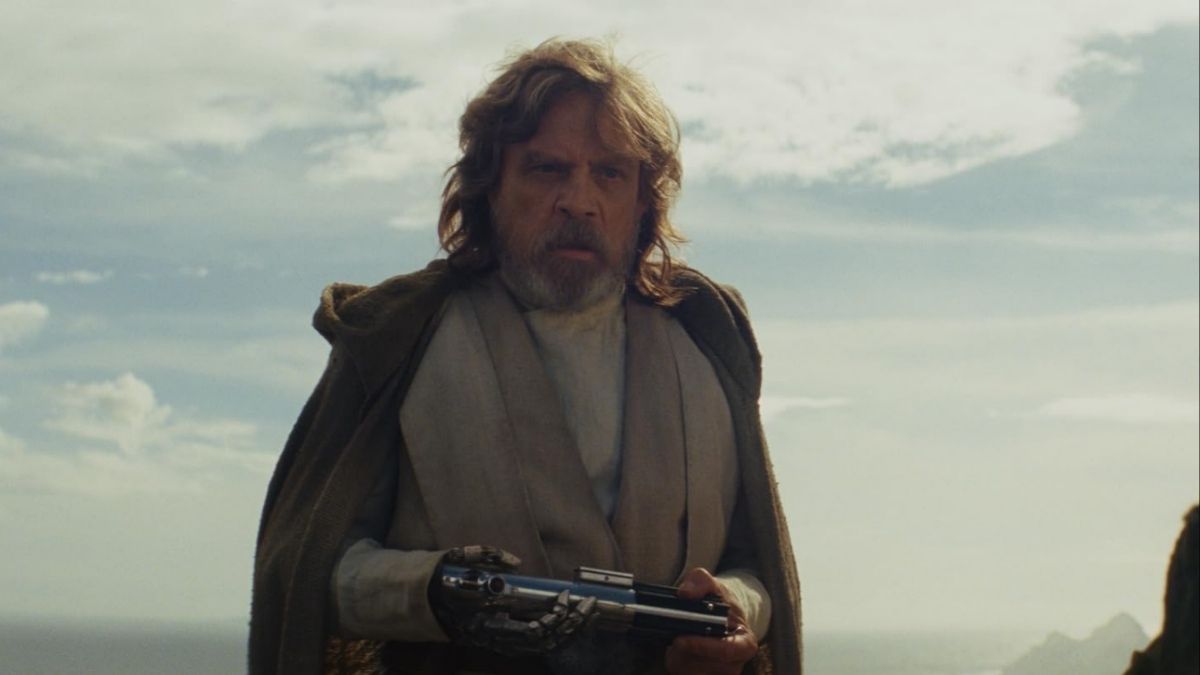
  • 15 Times the Actor Didn’t Agree With the Creative Direction

    15 Times the Actor Didn’t Agree With the Creative Direction

    A character in a movie isn’t just made by the actor; the director, writer, and many other creatives are deeply involved in what makes a scene work. But the one putting their face on the line is, of course, the actor, and it can happen that they don’t fully agree (or commit) to the creative vision of the film.

    Actors clashing with creative decisions likely happens more often than we know, but the cases covered here are with veterans of the industry. These are the cases where the actor isn’t an amateur, but someone with a legacy worth noting, yet their voice wasn’t heard in time.

    The post 15 Times the Actor Didn’t Agree With the Creative Direction appeared first on Den of Geek.

    The hunt for James Bond is on. Even though it has been years since Daniel Craig ended his run with a bang in No Time to Die, a year since Amazon bought the rights from Eon Productions, and months since Denis Villeneuve was announced as the next director, apparently the search for the next 007 has just now begun in earnest. Amazon MGM has named Nina Gold as the casting director. In a statement released through Variety, the studio said, “While we don’t plan to comment on specific details during the casting process, we’re excited to share more news with 007 fans as soon as the time is right.”

    Such is their prerogative as a movie studio. But it’s our prerogative as fans to do our own casting. And because we don’t have to worry about things like budgets, schedules, and franchise plans, we can get as wild as we want. So here are five unusual, but ultimately realistic, choices to play James Bond.

    cnx.cmd.push(function() {
    cnx({
    playerId: “106e33c0-3911-473c-b599-b1426db57530”,

    }).render(“0270c398a82f44f49c23c16122516796”);
    });

    A quick note on the word “realistic”: six different male actors have played Bond since 1962’s Dr. No, and although Amazon MGM is not Eon Productions, they’ll likely follow suit. Moreover, James Bond was imagined by Ian Fleming as a blunt instrument of the British empire, a quality that has remained part of the character, even as the edges are sanded down. Modern Bond stories tend to ignore the degree to which Bond kills people to advance England’s colonial and capitalist interests. And while Amazon is happy to produce The Boys, they likely won’t want audiences thinking too much about how Bond is a colonizer.

    Which is to say that Bond will probably be another white British man, and so that’s what we’re sticking with here. But that doesn’t mean we can’t get a little weird daydreaming, at least until Gold has found her man.

    George Mackay

    Easily the most likely of the choices on this list, George Mackay has two strikes against him when looking at traditional Bond candidates. First, his hair is too light. Second, his face is too distinctive. If you think these are silly complaints, well… they are silly complaints. But do a little digging to find the reaction to Craig’s casting 20 years ago, and you’ll find plenty of griping about the actor’s hair color and ear shape. All this despite the fact that the Bond novels by Fleming compare the spy to Hoagy Carmichael, a man with a longer face and wider ears than Sean Connery or Pierce Brosnan.

    Moreover, Craig showed that a distinctive look can make for a distinctive Bond, especially if the actor has the chops to suggest sorrow in his cold eyes. Mackay certainly fits the bill here. After debuting as a Lost Boy in 2003’s Peter Pan, Mackay has gone on to do impressive work in independent films, earning acclaim for Femme and The Beast, with 1917 being his most well-known movie. It would be quite the leap to go from those productions to a franchise picture helmed by Villeneuve, but Mackay would have just the right energy to be an off-beat leading man in a unique Bond flick.

    Josh O’Connor

    As long as we’re talking about Bonds with idiosyncratic appearances, let’s consider Josh O’Connor. Unlike McKay, O’Connor has a higher profile, having played major roles in Challengers, Wake Up Dead Man, and the upcoming Steven Spielberg film Disclosure Day. But ever since Villeneuve landed the directing gig—reversing Eon’s tendency to deny big name filmmakers such as Spielberg, Quentin Tarantino, and Danny Boyle—a B- or A-list star doesn’t seem impossible.

    With his lanky frame, curly hair, and pronounced ears, O’Connor certainly doesn’t fit the usual Bond mold. But O’Connor does have an off-kilter energy that captures something about the secret agent. Anyone who has watched a Bond film knows that 007 isn’t a spy, not really. He walks right into the bad guy’s lair and introduces himself with his real name. He succeeds in his missions thanks to his ability to charm everyone, from women to the villains themselves, even when it doesn’t make sense. O’Connor has just that type of appeal.

    Jack O’Connell

    Bond films tend to be either serious and brutal or goofy and slick. After five Craig movies that fell into the former category, conventional wisdom suggested that the pendulum would swing toward the lighthearted. But with Villeneuve as director, Bond isn’t going to be driving submarine cars anytime soon, which means that we need another 007 in the mold of Connery and Craig. And if there’s one thing those two actors brought to the character, it’s a sense of danger.

    No young British actor has been as charming and scary onscreen as Jack O’Connell. Whether playing an ageless Irish vampire in Sinners or the charitable killer Sir Jimmy in 28 Years Later, O’Connell is at once alluring and unnerving. Moreover, there’s a roughness to O’Connell that can remind viewers that Bond didn’t grow up in the lap of luxury. He’s the son of an arms company rep, and was shuffled around after he lost his parents at the age of eleven. O’Connell can clean up nice, slicking back his hair and slipping into a tux. But he can retain that edge of menace necessary, a reminder that no matter how many martinis he enjoys, Bond always carries a license to kill.

    Matt Smith

    If we’re talking about unique physiology combined with the ability to play charming and menacing, then we have to look at Matt Smith. Yes, the guy from Doctor Who, House of the Dragon, and, of course, Morbius. Smith oozes charisma that made him a delightful Doctor and a terrifying Targaryen. If he put those qualities together, then he would be the ideal Bond. Don’t believe me? Just look at any of his scenes from Edgar Wright‘s Last Night in Soho, in which he was at once the coolest guy in the room and the one with murder in his heart.

    Furthermore, Smith fits the profile of an ideal Bond actor. Like Roger Moore and Pierce Brosnan before him, Smith has a strong television career, but hasn’t yet become a movie star. He has just enough cache to bring in fans and to do the work, but not so much that the actor will overshadow the character.

    Pierce Brosnan

    No, I didn’t make a mistake. What if we just brought back Brosnan? Despite starring in two of the worst Bond films, Brosnan never gave up his love for the character and wanted to keep playing the part, even after the disaster that was Die Another Day. As long as No Time to Die already requires a continuity shift, and as long as the movie has Villeneuve on board, a filmmaker who will likely make a single idiosyncratic film instead of a standard franchise entry, why not bring Brosnan back for something different?

    Imagine Old Man Bond, the story of a once dashing spy forced to contend with a world he doesn’t understand. Brosnan never totally left the world of espionage and secret service, having appeared in The Matador and in last year’s excellent Black Bag. It wouldn’t be a great leap for him, and it would give Villeneuve a chance to tell a very different type of Bond story.

    Plus, it would give Amazon MGM just a little more time to pick their next long-running Bond, since they seem to be making that decision as slowly as possible.

    The post The 5 Most Unusual (But Realistic) Choices to Play James Bond appeared first on Den of Geek.

  • Alien: Isolation 2 Might Be Losing the Original Game’s Best Feature 

    Alien: Isolation 2 Might Be Losing the Original Game’s Best Feature 

    The blaring sirens of a space station’s decontamination room are set to hit gaming consoles once again with the sequel to Creative Assembly’s survival horror game Alien: Isolation.  In the teaser for the sequel, a 25-second clip titled A False Sense of Security, we are introduced to the familiar intense atmosphere of a deserted ship, […]

    The post Alien: Isolation 2 Might Be Losing the Original Game’s Best Feature  appeared first on Den of Geek.

    The hunt for James Bond is on. Even though it has been years since Daniel Craig ended his run with a bang in No Time to Die, a year since Amazon bought the rights from Eon Productions, and months since Denis Villeneuve was announced as the next director, apparently the search for the next 007 has just now begun in earnest. Amazon MGM has named Nina Gold as the casting director. In a statement released through Variety, the studio said, “While we don’t plan to comment on specific details during the casting process, we’re excited to share more news with 007 fans as soon as the time is right.”

    Such is their prerogative as a movie studio. But it’s our prerogative as fans to do our own casting. And because we don’t have to worry about things like budgets, schedules, and franchise plans, we can get as wild as we want. So here are five unusual, but ultimately realistic, choices to play James Bond.

    cnx.cmd.push(function() {
    cnx({
    playerId: “106e33c0-3911-473c-b599-b1426db57530”,

    }).render(“0270c398a82f44f49c23c16122516796”);
    });

    A quick note on the word “realistic”: six different male actors have played Bond since 1962’s Dr. No, and although Amazon MGM is not Eon Productions, they’ll likely follow suit. Moreover, James Bond was imagined by Ian Fleming as a blunt instrument of the British empire, a quality that has remained part of the character, even as the edges are sanded down. Modern Bond stories tend to ignore the degree to which Bond kills people to advance England’s colonial and capitalist interests. And while Amazon is happy to produce The Boys, they likely won’t want audiences thinking too much about how Bond is a colonizer.

    Which is to say that Bond will probably be another white British man, and so that’s what we’re sticking with here. But that doesn’t mean we can’t get a little weird daydreaming, at least until Gold has found her man.

    George Mackay

    Easily the most likely of the choices on this list, George Mackay has two strikes against him when looking at traditional Bond candidates. First, his hair is too light. Second, his face is too distinctive. If you think these are silly complaints, well… they are silly complaints. But do a little digging to find the reaction to Craig’s casting 20 years ago, and you’ll find plenty of griping about the actor’s hair color and ear shape. All this despite the fact that the Bond novels by Fleming compare the spy to Hoagy Carmichael, a man with a longer face and wider ears than Sean Connery or Pierce Brosnan.

    Moreover, Craig showed that a distinctive look can make for a distinctive Bond, especially if the actor has the chops to suggest sorrow in his cold eyes. Mackay certainly fits the bill here. After debuting as a Lost Boy in 2003’s Peter Pan, Mackay has gone on to do impressive work in independent films, earning acclaim for Femme and The Beast, with 1917 being his most well-known movie. It would be quite the leap to go from those productions to a franchise picture helmed by Villeneuve, but Mackay would have just the right energy to be an off-beat leading man in a unique Bond flick.

    Josh O’Connor

    As long as we’re talking about Bonds with idiosyncratic appearances, let’s consider Josh O’Connor. Unlike McKay, O’Connor has a higher profile, having played major roles in Challengers, Wake Up Dead Man, and the upcoming Steven Spielberg film Disclosure Day. But ever since Villeneuve landed the directing gig—reversing Eon’s tendency to deny big name filmmakers such as Spielberg, Quentin Tarantino, and Danny Boyle—a B- or A-list star doesn’t seem impossible.

    With his lanky frame, curly hair, and pronounced ears, O’Connor certainly doesn’t fit the usual Bond mold. But O’Connor does have an off-kilter energy that captures something about the secret agent. Anyone who has watched a Bond film knows that 007 isn’t a spy, not really. He walks right into the bad guy’s lair and introduces himself with his real name. He succeeds in his missions thanks to his ability to charm everyone, from women to the villains themselves, even when it doesn’t make sense. O’Connor has just that type of appeal.

    Jack O’Connell

    Bond films tend to be either serious and brutal or goofy and slick. After five Craig movies that fell into the former category, conventional wisdom suggested that the pendulum would swing toward the lighthearted. But with Villeneuve as director, Bond isn’t going to be driving submarine cars anytime soon, which means that we need another 007 in the mold of Connery and Craig. And if there’s one thing those two actors brought to the character, it’s a sense of danger.

    No young British actor has been as charming and scary onscreen as Jack O’Connell. Whether playing an ageless Irish vampire in Sinners or the charitable killer Sir Jimmy in 28 Years Later, O’Connell is at once alluring and unnerving. Moreover, there’s a roughness to O’Connell that can remind viewers that Bond didn’t grow up in the lap of luxury. He’s the son of an arms company rep, and was shuffled around after he lost his parents at the age of eleven. O’Connell can clean up nice, slicking back his hair and slipping into a tux. But he can retain that edge of menace necessary, a reminder that no matter how many martinis he enjoys, Bond always carries a license to kill.

    Matt Smith

    If we’re talking about unique physiology combined with the ability to play charming and menacing, then we have to look at Matt Smith. Yes, the guy from Doctor Who, House of the Dragon, and, of course, Morbius. Smith oozes charisma that made him a delightful Doctor and a terrifying Targaryen. If he put those qualities together, then he would be the ideal Bond. Don’t believe me? Just look at any of his scenes from Edgar Wright‘s Last Night in Soho, in which he was at once the coolest guy in the room and the one with murder in his heart.

    Furthermore, Smith fits the profile of an ideal Bond actor. Like Roger Moore and Pierce Brosnan before him, Smith has a strong television career, but hasn’t yet become a movie star. He has just enough cache to bring in fans and to do the work, but not so much that the actor will overshadow the character.

    Pierce Brosnan

    No, I didn’t make a mistake. What if we just brought back Brosnan? Despite starring in two of the worst Bond films, Brosnan never gave up his love for the character and wanted to keep playing the part, even after the disaster that was Die Another Day. As long as No Time to Die already requires a continuity shift, and as long as the movie has Villeneuve on board, a filmmaker who will likely make a single idiosyncratic film instead of a standard franchise entry, why not bring Brosnan back for something different?

    Imagine Old Man Bond, the story of a once dashing spy forced to contend with a world he doesn’t understand. Brosnan never totally left the world of espionage and secret service, having appeared in The Matador and in last year’s excellent Black Bag. It wouldn’t be a great leap for him, and it would give Villeneuve a chance to tell a very different type of Bond story.

    Plus, it would give Amazon MGM just a little more time to pick their next long-running Bond, since they seem to be making that decision as slowly as possible.

    The post The 5 Most Unusual (But Realistic) Choices to Play James Bond appeared first on Den of Geek.

  • Rivals Stars on Rupert and Taggie’s “Emotional Edging” in Season 2 

    Rivals Stars on Rupert and Taggie’s “Emotional Edging” in Season 2 

    The following contains spoilers for the first three episodes of Rivals season 2. Rivals is back for a second season, and it’s bigger, bolder, and more complicated than ever before. But while the show has garnered plenty of buzz for its copious amounts of sex, hedonistic attitude, and gleeful depiction of some of the worst […]

    The post Rivals Stars on Rupert and Taggie’s “Emotional Edging” in Season 2  appeared first on Den of Geek.

    The hunt for James Bond is on. Even though it has been years since Daniel Craig ended his run with a bang in No Time to Die, a year since Amazon bought the rights from Eon Productions, and months since Denis Villeneuve was announced as the next director, apparently the search for the next 007 has just now begun in earnest. Amazon MGM has named Nina Gold as the casting director. In a statement released through Variety, the studio said, “While we don’t plan to comment on specific details during the casting process, we’re excited to share more news with 007 fans as soon as the time is right.”

    Such is their prerogative as a movie studio. But it’s our prerogative as fans to do our own casting. And because we don’t have to worry about things like budgets, schedules, and franchise plans, we can get as wild as we want. So here are five unusual, but ultimately realistic, choices to play James Bond.

    cnx.cmd.push(function() {
    cnx({
    playerId: “106e33c0-3911-473c-b599-b1426db57530”,

    }).render(“0270c398a82f44f49c23c16122516796”);
    });

    A quick note on the word “realistic”: six different male actors have played Bond since 1962’s Dr. No, and although Amazon MGM is not Eon Productions, they’ll likely follow suit. Moreover, James Bond was imagined by Ian Fleming as a blunt instrument of the British empire, a quality that has remained part of the character, even as the edges are sanded down. Modern Bond stories tend to ignore the degree to which Bond kills people to advance England’s colonial and capitalist interests. And while Amazon is happy to produce The Boys, they likely won’t want audiences thinking too much about how Bond is a colonizer.

    Which is to say that Bond will probably be another white British man, and so that’s what we’re sticking with here. But that doesn’t mean we can’t get a little weird daydreaming, at least until Gold has found her man.

    George Mackay

    Easily the most likely of the choices on this list, George Mackay has two strikes against him when looking at traditional Bond candidates. First, his hair is too light. Second, his face is too distinctive. If you think these are silly complaints, well… they are silly complaints. But do a little digging to find the reaction to Craig’s casting 20 years ago, and you’ll find plenty of griping about the actor’s hair color and ear shape. All this despite the fact that the Bond novels by Fleming compare the spy to Hoagy Carmichael, a man with a longer face and wider ears than Sean Connery or Pierce Brosnan.

    Moreover, Craig showed that a distinctive look can make for a distinctive Bond, especially if the actor has the chops to suggest sorrow in his cold eyes. Mackay certainly fits the bill here. After debuting as a Lost Boy in 2003’s Peter Pan, Mackay has gone on to do impressive work in independent films, earning acclaim for Femme and The Beast, with 1917 being his most well-known movie. It would be quite the leap to go from those productions to a franchise picture helmed by Villeneuve, but Mackay would have just the right energy to be an off-beat leading man in a unique Bond flick.

    Josh O’Connor

    As long as we’re talking about Bonds with idiosyncratic appearances, let’s consider Josh O’Connor. Unlike McKay, O’Connor has a higher profile, having played major roles in Challengers, Wake Up Dead Man, and the upcoming Steven Spielberg film Disclosure Day. But ever since Villeneuve landed the directing gig—reversing Eon’s tendency to deny big name filmmakers such as Spielberg, Quentin Tarantino, and Danny Boyle—a B- or A-list star doesn’t seem impossible.

    With his lanky frame, curly hair, and pronounced ears, O’Connor certainly doesn’t fit the usual Bond mold. But O’Connor does have an off-kilter energy that captures something about the secret agent. Anyone who has watched a Bond film knows that 007 isn’t a spy, not really. He walks right into the bad guy’s lair and introduces himself with his real name. He succeeds in his missions thanks to his ability to charm everyone, from women to the villains themselves, even when it doesn’t make sense. O’Connor has just that type of appeal.

    Jack O’Connell

    Bond films tend to be either serious and brutal or goofy and slick. After five Craig movies that fell into the former category, conventional wisdom suggested that the pendulum would swing toward the lighthearted. But with Villeneuve as director, Bond isn’t going to be driving submarine cars anytime soon, which means that we need another 007 in the mold of Connery and Craig. And if there’s one thing those two actors brought to the character, it’s a sense of danger.

    No young British actor has been as charming and scary onscreen as Jack O’Connell. Whether playing an ageless Irish vampire in Sinners or the charitable killer Sir Jimmy in 28 Years Later, O’Connell is at once alluring and unnerving. Moreover, there’s a roughness to O’Connell that can remind viewers that Bond didn’t grow up in the lap of luxury. He’s the son of an arms company rep, and was shuffled around after he lost his parents at the age of eleven. O’Connell can clean up nice, slicking back his hair and slipping into a tux. But he can retain that edge of menace necessary, a reminder that no matter how many martinis he enjoys, Bond always carries a license to kill.

    Matt Smith

    If we’re talking about unique physiology combined with the ability to play charming and menacing, then we have to look at Matt Smith. Yes, the guy from Doctor Who, House of the Dragon, and, of course, Morbius. Smith oozes charisma that made him a delightful Doctor and a terrifying Targaryen. If he put those qualities together, then he would be the ideal Bond. Don’t believe me? Just look at any of his scenes from Edgar Wright‘s Last Night in Soho, in which he was at once the coolest guy in the room and the one with murder in his heart.

    Furthermore, Smith fits the profile of an ideal Bond actor. Like Roger Moore and Pierce Brosnan before him, Smith has a strong television career, but hasn’t yet become a movie star. He has just enough cache to bring in fans and to do the work, but not so much that the actor will overshadow the character.

    Pierce Brosnan

    No, I didn’t make a mistake. What if we just brought back Brosnan? Despite starring in two of the worst Bond films, Brosnan never gave up his love for the character and wanted to keep playing the part, even after the disaster that was Die Another Day. As long as No Time to Die already requires a continuity shift, and as long as the movie has Villeneuve on board, a filmmaker who will likely make a single idiosyncratic film instead of a standard franchise entry, why not bring Brosnan back for something different?

    Imagine Old Man Bond, the story of a once dashing spy forced to contend with a world he doesn’t understand. Brosnan never totally left the world of espionage and secret service, having appeared in The Matador and in last year’s excellent Black Bag. It wouldn’t be a great leap for him, and it would give Villeneuve a chance to tell a very different type of Bond story.

    Plus, it would give Amazon MGM just a little more time to pick their next long-running Bond, since they seem to be making that decision as slowly as possible.

    The post The 5 Most Unusual (But Realistic) Choices to Play James Bond appeared first on Den of Geek.

  • The 5 Most Unusual (But Realistic) Choices to Play James Bond

    The 5 Most Unusual (But Realistic) Choices to Play James Bond

    The hunt for James Bond is on. Even though it has been years since Daniel Craig ended his run with a bang in No Time to Die, a year since Amazon bought the rights from Eon Productions, and months since Denis Villeneuve was announced as the next director, apparently the search for the next 007 […]

    The post The 5 Most Unusual (But Realistic) Choices to Play James Bond appeared first on Den of Geek.

    The hunt for James Bond is on. Even though it has been years since Daniel Craig ended his run with a bang in No Time to Die, a year since Amazon bought the rights from Eon Productions, and months since Denis Villeneuve was announced as the next director, apparently the search for the next 007 has just now begun in earnest. Amazon MGM has named Nina Gold as the casting director. In a statement released through Variety, the studio said, “While we don’t plan to comment on specific details during the casting process, we’re excited to share more news with 007 fans as soon as the time is right.”

    Such is their prerogative as a movie studio. But it’s our prerogative as fans to do our own casting. And because we don’t have to worry about things like budgets, schedules, and franchise plans, we can get as wild as we want. So here are five unusual, but ultimately realistic, choices to play James Bond.

    cnx.cmd.push(function() {
    cnx({
    playerId: “106e33c0-3911-473c-b599-b1426db57530”,

    }).render(“0270c398a82f44f49c23c16122516796”);
    });

    A quick note on the word “realistic”: six different male actors have played Bond since 1962’s Dr. No, and although Amazon MGM is not Eon Productions, they’ll likely follow suit. Moreover, James Bond was imagined by Ian Fleming as a blunt instrument of the British empire, a quality that has remained part of the character, even as the edges are sanded down. Modern Bond stories tend to ignore the degree to which Bond kills people to advance England’s colonial and capitalist interests. And while Amazon is happy to produce The Boys, they likely won’t want audiences thinking too much about how Bond is a colonizer.

    Which is to say that Bond will probably be another white British man, and so that’s what we’re sticking with here. But that doesn’t mean we can’t get a little weird daydreaming, at least until Gold has found her man.

    George Mackay

    Easily the most likely of the choices on this list, George Mackay has two strikes against him when looking at traditional Bond candidates. First, his hair is too light. Second, his face is too distinctive. If you think these are silly complaints, well… they are silly complaints. But do a little digging to find the reaction to Craig’s casting 20 years ago, and you’ll find plenty of griping about the actor’s hair color and ear shape. All this despite the fact that the Bond novels by Fleming compare the spy to Hoagy Carmichael, a man with a longer face and wider ears than Sean Connery or Pierce Brosnan.

    Moreover, Craig showed that a distinctive look can make for a distinctive Bond, especially if the actor has the chops to suggest sorrow in his cold eyes. Mackay certainly fits the bill here. After debuting as a Lost Boy in 2003’s Peter Pan, Mackay has gone on to do impressive work in independent films, earning acclaim for Femme and The Beast, with 1917 being his most well-known movie. It would be quite the leap to go from those productions to a franchise picture helmed by Villeneuve, but Mackay would have just the right energy to be an off-beat leading man in a unique Bond flick.

    Josh O’Connor

    As long as we’re talking about Bonds with idiosyncratic appearances, let’s consider Josh O’Connor. Unlike McKay, O’Connor has a higher profile, having played major roles in Challengers, Wake Up Dead Man, and the upcoming Steven Spielberg film Disclosure Day. But ever since Villeneuve landed the directing gig—reversing Eon’s tendency to deny big name filmmakers such as Spielberg, Quentin Tarantino, and Danny Boyle—a B- or A-list star doesn’t seem impossible.

    With his lanky frame, curly hair, and pronounced ears, O’Connor certainly doesn’t fit the usual Bond mold. But O’Connor does have an off-kilter energy that captures something about the secret agent. Anyone who has watched a Bond film knows that 007 isn’t a spy, not really. He walks right into the bad guy’s lair and introduces himself with his real name. He succeeds in his missions thanks to his ability to charm everyone, from women to the villains themselves, even when it doesn’t make sense. O’Connor has just that type of appeal.

    Jack O’Connell

    Bond films tend to be either serious and brutal or goofy and slick. After five Craig movies that fell into the former category, conventional wisdom suggested that the pendulum would swing toward the lighthearted. But with Villeneuve as director, Bond isn’t going to be driving submarine cars anytime soon, which means that we need another 007 in the mold of Connery and Craig. And if there’s one thing those two actors brought to the character, it’s a sense of danger.

    No young British actor has been as charming and scary onscreen as Jack O’Connell. Whether playing an ageless Irish vampire in Sinners or the charitable killer Sir Jimmy in 28 Years Later, O’Connell is at once alluring and unnerving. Moreover, there’s a roughness to O’Connell that can remind viewers that Bond didn’t grow up in the lap of luxury. He’s the son of an arms company rep, and was shuffled around after he lost his parents at the age of eleven. O’Connell can clean up nice, slicking back his hair and slipping into a tux. But he can retain that edge of menace necessary, a reminder that no matter how many martinis he enjoys, Bond always carries a license to kill.

    Matt Smith

    If we’re talking about unique physiology combined with the ability to play charming and menacing, then we have to look at Matt Smith. Yes, the guy from Doctor Who, House of the Dragon, and, of course, Morbius. Smith oozes charisma that made him a delightful Doctor and a terrifying Targaryen. If he put those qualities together, then he would be the ideal Bond. Don’t believe me? Just look at any of his scenes from Edgar Wright‘s Last Night in Soho, in which he was at once the coolest guy in the room and the one with murder in his heart.

    Furthermore, Smith fits the profile of an ideal Bond actor. Like Roger Moore and Pierce Brosnan before him, Smith has a strong television career, but hasn’t yet become a movie star. He has just enough cache to bring in fans and to do the work, but not so much that the actor will overshadow the character.

    Pierce Brosnan

    No, I didn’t make a mistake. What if we just brought back Brosnan? Despite starring in two of the worst Bond films, Brosnan never gave up his love for the character and wanted to keep playing the part, even after the disaster that was Die Another Day. As long as No Time to Die already requires a continuity shift, and as long as the movie has Villeneuve on board, a filmmaker who will likely make a single idiosyncratic film instead of a standard franchise entry, why not bring Brosnan back for something different?

    Imagine Old Man Bond, the story of a once dashing spy forced to contend with a world he doesn’t understand. Brosnan never totally left the world of espionage and secret service, having appeared in The Matador and in last year’s excellent Black Bag. It wouldn’t be a great leap for him, and it would give Villeneuve a chance to tell a very different type of Bond story.

    Plus, it would give Amazon MGM just a little more time to pick their next long-running Bond, since they seem to be making that decision as slowly as possible.

    The post The 5 Most Unusual (But Realistic) Choices to Play James Bond appeared first on Den of Geek.