Category: Blog

Your blog category

  • An Holistic Framework for Shared Design Leadership

    An Holistic Framework for Shared Design Leadership

    Picture this: You’re in a meeting room at your tech company, and two people are having what looks like the same conversation about the same design problem. One is talking about whether the team has the right skills to tackle it. The other is diving deep into whether the solution actually solves the user’s problem. Same room, same problem, completely different lenses.

    This is the beautiful, sometimes messy reality of having both a Design Manager and a Lead Designer on the same team. And if you’re wondering how to make this work without creating confusion, overlap, or the dreaded “too many cooks” scenario, you’re asking the right question.

    The traditional answer has been to draw clean lines on an org chart. The Design Manager handles people, the Lead Designer handles craft. Problem solved, right? Except clean org charts are fantasy. In reality, both roles care deeply about team health, design quality, and shipping great work. 

    The magic happens when you embrace the overlap instead of fighting it—when you start thinking of your design org as a design organism.

    The Anatomy of a Healthy Design Team

    Here’s what I’ve learned from years of being on both sides of this equation: think of your design team as a living organism. The Design Manager tends to the mind (the psychological safety, the career growth, the team dynamics). The Lead Designer tends to the body (the craft skills, the design standards, the hands-on work that ships to users).

    But just like mind and body aren’t completely separate systems, so, too, do these roles overlap in important ways. You can’t have a healthy person without both working in harmony. The trick is knowing where those overlaps are and how to navigate them gracefully.

    When we look at how healthy teams actually function, three critical systems emerge. Each requires both roles to work together, but with one taking primary responsibility for keeping that system strong.

    The Nervous System: People & Psychology

    Primary caretaker: Design Manager
    Supporting role: Lead Designer

    The nervous system is all about signals, feedback, and psychological safety. When this system is healthy, information flows freely, people feel safe to take risks, and the team can adapt quickly to new challenges.

    The Design Manager is the primary caretaker here. They’re monitoring the team’s psychological pulse, ensuring feedback loops are healthy, and creating the conditions for people to grow. They’re hosting career conversations, managing workload, and making sure no one burns out.

    But the Lead Designer plays a crucial supporting role. They’re providing sensory input about craft development needs, spotting when someone’s design skills are stagnating, and helping identify growth opportunities that the Design Manager might miss.

    Design Manager tends to:

    • Career conversations and growth planning
    • Team psychological safety and dynamics
    • Workload management and resource allocation
    • Performance reviews and feedback systems
    • Creating learning opportunities

    Lead Designer supports by:

    • Providing craft-specific feedback on team member development
    • Identifying design skill gaps and growth opportunities
    • Offering design mentorship and guidance
    • Signaling when team members are ready for more complex challenges

    The Muscular System: Craft & Execution

    Primary caretaker: Lead Designer
    Supporting role: Design Manager

    The muscular system is about strength, coordination, and skill development. When this system is healthy, the team can execute complex design work with precision, maintain consistent quality, and adapt their craft to new challenges.

    The Lead Designer is the primary caretaker here. They’re setting design standards, providing craft coaching, and ensuring that shipping work meets the quality bar. They’re the ones who can tell you if a design decision is sound or if we’re solving the right problem.

    But the Design Manager plays a crucial supporting role. They’re ensuring the team has the resources and support to do their best craft work, like proper nutrition and recovery time for an athlete.

    Lead Designer tends to:

    • Definition of design standards and system usage
    • Feedback on what design work meets the standard
    • Experience direction for the product
    • Design decisions and product-wide alignment
    • Innovation and craft advancement

    Design Manager supports by:

    • Ensuring design standards are understood and adopted across the team
    • Confirming experience direction is being followed
    • Supporting practices and systems that scale without bottlenecking
    • Facilitating design alignment across teams
    • Providing resources and removing obstacles to great craft work

    The Circulatory System: Strategy & Flow

    Shared caretakers: Both Design Manager and Lead Designer

    The circulatory system is about how information, decisions, and energy flow through the team. When this system is healthy, strategic direction is clear, priorities are aligned, and the team can respond quickly to new opportunities or challenges.

    This is where true partnership happens. Both roles are responsible for keeping the circulation strong, but they’re bringing different perspectives to the table.

    Lead Designer contributes:

    • User needs are met by the product
    • Overall product quality and experience
    • Strategic design initiatives
    • Research-based user needs for each initiative

    Design Manager contributes:

    • Communication to team and stakeholders
    • Stakeholder management and alignment
    • Cross-functional team accountability
    • Strategic business initiatives

    Both collaborate on:

    • Co-creation of strategy with leadership
    • Team goals and prioritization approach
    • Organizational structure decisions
    • Success measures and frameworks

    Keeping the Organism Healthy

    The key to making this partnership sing is understanding that all three systems need to work together. A team with great craft skills but poor psychological safety will burn out. A team with great culture but weak craft execution will ship mediocre work. A team with both but poor strategic circulation will work hard on the wrong things.

    Be Explicit About Which System You’re Tending

    When you’re in a meeting about a design problem, it helps to acknowledge which system you’re primarily focused on. “I’m thinking about this from a team capacity perspective” (nervous system) or “I’m looking at this through the lens of user needs” (muscular system) gives everyone context for your input.

    This isn’t about staying in your lane. It’s about being transparent as to which lens you’re using, so the other person knows how to best add their perspective.

    Create Healthy Feedback Loops

    The most successful partnerships I’ve seen establish clear feedback loops between the systems:

    Nervous system signals to muscular system: “The team is struggling with confidence in their design skills” → Lead Designer provides more craft coaching and clearer standards.

    Muscular system signals to nervous system: “The team’s craft skills are advancing faster than their project complexity” → Design Manager finds more challenging growth opportunities.

    Both systems signal to circulatory system: “We’re seeing patterns in team health and craft development that suggest we need to adjust our strategic priorities.”

    Handle Handoffs Gracefully

    The most critical moments in this partnership are when something moves from one system to another. This might be when a design standard (muscular system) needs to be rolled out across the team (nervous system), or when a strategic initiative (circulatory system) needs specific craft execution (muscular system).

    Make these transitions explicit. “I’ve defined the new component standards. Can you help me think through how to get the team up to speed?” or “We’ve agreed on this strategic direction. I’m going to focus on the specific user experience approach from here.”

    Stay Curious, Not Territorial

    The Design Manager who never thinks about craft, or the Lead Designer who never considers team dynamics, is like a doctor who only looks at one body system. Great design leadership requires both people to care about the whole organism, even when they’re not the primary caretaker.

    This means asking questions rather than making assumptions. “What do you think about the team’s craft development in this area?” or “How do you see this impacting team morale and workload?” keeps both perspectives active in every decision.

    When the Organism Gets Sick

    Even with clear roles, this partnership can go sideways. Here are the most common failure modes I’ve seen:

    System Isolation

    The Design Manager focuses only on the nervous system and ignores craft development. The Lead Designer focuses only on the muscular system and ignores team dynamics. Both people retreat to their comfort zones and stop collaborating.

    The symptoms: Team members get mixed messages, work quality suffers, morale drops.

    The treatment: Reconnect around shared outcomes. What are you both trying to achieve? Usually it’s great design work that ships on time from a healthy team. Figure out how both systems serve that goal.

    Poor Circulation

    Strategic direction is unclear, priorities keep shifting, and neither role is taking responsibility for keeping information flowing.

    The symptoms: Team members are confused about priorities, work gets duplicated or dropped, deadlines are missed.

    The treatment: Explicitly assign responsibility for circulation. Who’s communicating what to whom? How often? What’s the feedback loop?

    Autoimmune Response

    One person feels threatened by the other’s expertise. The Design Manager thinks the Lead Designer is undermining their authority. The Lead Designer thinks the Design Manager doesn’t understand craft.

    The symptoms: Defensive behavior, territorial disputes, team members caught in the middle.

    The treatment: Remember that you’re both caretakers of the same organism. When one system fails, the whole team suffers. When both systems are healthy, the team thrives.

    The Payoff

    Yes, this model requires more communication. Yes, it requires both people to be secure enough to share responsibility for team health. But the payoff is worth it: better decisions, stronger teams, and design work that’s both excellent and sustainable.

    When both roles are healthy and working well together, you get the best of both worlds: deep craft expertise and strong people leadership. When one person is out sick, on vacation, or overwhelmed, the other can help maintain the team’s health. When a decision requires both the people perspective and the craft perspective, you’ve got both right there in the room.

    Most importantly, the framework scales. As your team grows, you can apply the same system thinking to new challenges. Need to launch a design system? Lead Designer tends to the muscular system (standards and implementation), Design Manager tends to the nervous system (team adoption and change management), and both tend to circulation (communication and stakeholder alignment).

    The Bottom Line

    The relationship between a Design Manager and Lead Designer isn’t about dividing territories. It’s about multiplying impact. When both roles understand they’re tending to different aspects of the same healthy organism, magic happens.

    The mind and body work together. The team gets both the strategic thinking and the craft excellence they need. And most importantly, the work that ships to users benefits from both perspectives.

    So the next time you’re in that meeting room, wondering why two people are talking about the same problem from different angles, remember: you’re watching shared leadership in action. And if it’s working well, both the mind and body of your design team are getting stronger.

  • From Beta to Bedrock: Build Products that Stick.

    From Beta to Bedrock: Build Products that Stick.

    As a product builder over too many years to mention, I’ve lost count of the number of times I’ve seen promising ideas go from zero to hero in a few weeks, only to fizzle out within months.

    Financial products, which is the field I work in, are no exception. With people’s real hard-earned money on the line, user expectations running high, and a crowded market, it’s tempting to throw as many features at the wall as possible and hope something sticks. But this approach is a recipe for disaster. Here’s why:

    The pitfalls of feature-first development

    When you start building a financial product from the ground up, or are migrating existing customer journeys from paper or telephony channels onto online banking or mobile apps, it’s easy to get caught up in the excitement of creating new features. You might think, “If I can just add one more thing that solves this particular user problem, they’ll love me!” But what happens when you inevitably hit a roadblock because the narcs (your security team!) don’t like it? When a hard-fought feature isn’t as popular as you thought, or it breaks due to unforeseen complexity?

    This is where the concept of Minimum Viable Product (MVP) comes in. Jason Fried’s book Getting Real and his podcast Rework often touch on this idea, even if he doesn’t always call it that. An MVP is a product that provides just enough value to your users to keep them engaged, but not so much that it becomes overwhelming or difficult to maintain. It sounds like an easy concept but it requires a razor sharp eye, a ruthless edge and having the courage to stick by your opinion because it is easy to be seduced by “the Columbo Effect”… when there’s always “just one more thing…” that someone wants to add.

    The problem with most finance apps, however, is that they often become a reflection of the internal politics of the business rather than an experience solely designed around the customer. This means that the focus is on delivering as many features and functionalities as possible to satisfy the needs and desires of competing internal departments, rather than providing a clear value proposition that is focused on what the people out there in the real world want. As a result, these products can very easily bloat to become a mixed bag of confusing, unrelated and ultimately unlovable customer experiences—a feature salad, you might say.

    The importance of bedrock

    So what’s a better approach? How can we build products that are stable, user-friendly, and—most importantly—stick?

    That’s where the concept of “bedrock” comes in. Bedrock is the core element of your product that truly matters to users. It’s the fundamental building block that provides value and stays relevant over time.

    In the world of retail banking, which is where I work, the bedrock has got to be in and around the regular servicing journeys. People open their current account once in a blue moon but they look at it every day. They sign up for a credit card every year or two, but they check their balance and pay their bill at least once a month.

    Identifying the core tasks that people want to do and then relentlessly striving to make them easy to do, dependable, and trustworthy is where the gravy’s at.

    But how do you get to bedrock? By focusing on the “MVP” approach, prioritizing simplicity, and iterating towards a clear value proposition. This means cutting out unnecessary features and focusing on delivering real value to your users.

    It also means having some guts, because your colleagues might not always instantly share your vision to start with. And controversially, sometimes it can even mean making it clear to customers that you’re not going to come to their house and make their dinner. The occasional “opinionated user interface design” (i.e. clunky workaround for edge cases) might sometimes be what you need to use to test a concept or buy you space to work on something more important.

    Practical strategies for building financial products that stick

    So what are the key strategies I’ve learned from my own experience and research?

    1. Start with a clear “why”: What problem are you trying to solve? For whom? Make sure your mission is crystal clear before building anything. Make sure it aligns with your company’s objectives, too.
    2. Focus on a single, core feature and obsess on getting that right before moving on to something else: Resist the temptation to add too many features at once. Instead, choose one that delivers real value and iterate from there.
    3. Prioritize simplicity over complexity: Less is often more when it comes to financial products. Cut out unnecessary bells and whistles and keep the focus on what matters most.
    4. Embrace continuous iteration: Bedrock isn’t a fixed destination—it’s a dynamic process. Continuously gather user feedback, refine your product, and iterate towards that bedrock state.
    5. Stop, look and listen: Don’t just test your product as part of your delivery process—test it repeatedly in the field. Use it yourself. Run A/B tests. Gather user feedback. Talk to people who use it, and refine accordingly.

    The bedrock paradox

    There’s an interesting paradox at play here: building towards bedrock means sacrificing some short-term growth potential in favour of long-term stability. But the payoff is worth it—products built with a focus on bedrock will outlast and outperform their competitors, and deliver sustained value to users over time.

    So, how do you start your journey towards bedrock? Take it one step at a time. Start by identifying those core elements that truly matter to your users. Focus on building and refining a single, powerful feature that delivers real value. And above all, test obsessively—for, in the words of Abraham Lincoln, Alan Kay, or Peter Drucker (whomever you believe!!), “The best way to predict the future is to create it.”

  • The Future of Horror is Low-Budget, Young, and Very Online

    The Future of Horror is Low-Budget, Young, and Very Online

    There is no feeling comparable to leaving a theater after a good horror movie. A slight chill hangs in the air while you walk to your car, even in the summer heat. A dreadful thought lingers in the back of your mind that what you watched on screen — no matter how fantastical the scares […]

    The post The Future of Horror is Low-Budget, Young, and Very Online appeared first on Den of Geek.

    Streaming may dominate entertainment headlines, but cable television continues to generate enormous audiences and massive revenue through a handful of highly reliable programs. Sports, live events, reality competition shows, and long running franchises still attract millions of viewers who tune in weekly rather than waiting for clips online later. Advertisers continue paying huge amounts for these audiences because live television remains one of the few places where people consistently watch in real time. While many cable channels have struggled in recent years, certain programs still pull impressive ratings and prove that traditional television is far from completely dead. These shows continue driving subscriptions, advertising money, and cultural conversation in ways that streaming platforms still cannot always replicate consistently.

    IMDb

    South Park

    The long running animated comedy remains one of cable’s most recognizable and profitable brands.

    cnx.cmd.push(function() {
    cnx({
    playerId: “106e33c0-3911-473c-b599-b1426db57530”,

    }).render(“0270c398a82f44f49c23c16122516796”);
    });

    IMDb

    The Five

    Cable news programs continue pulling strong ratings through loyal daily audiences.

    The Last of Us

    Prestige cable dramas still generate massive cultural attention when backed by strong franchises and production quality.

    IMDb

    The Real Housewives

    The franchise continues generating large audiences, spin offs, and constant social media discussion.

    IMDb

    The Walking Dead

    At its peak, the zombie drama generated enormous viewership numbers and became a merchandising giant.

    IMDb

    WWE Raw

    Professional wrestling continues delivering reliable weekly audiences and major television deals.

    IMDb

    Yellowstone

    The modern western became a cable phenomenon with massive ratings and strong advertising appeal.

    IMDb

    American Horror Story

    The anthology format helped maintain strong viewer interest across many different seasons.

    IMDb

    Deadliest Catch

    The reality series remained a dependable cable draw through high tension storytelling and long term audience loyalty.

    IMDb

    Impractical Jokers

    The prank series became a consistent ratings performer thanks to strong replay value.

    IMDb

    Monday Night Football

    Live sports remain one of cable television’s biggest financial engines because audiences still watch games in real time.

    IMDb

    NCIS

    Its massive syndication success and loyal audience keep it valuable across multiple television markets.

    IMDb

    Pawn Stars

    Its endless rerun value helped make it one of cable’s most recognizable reality programs.

    IMDb

    RuPaul’s Drag Race

    The reality competition series evolved into a major franchise with international expansion and strong fan engagement.

    IMDb

    Shark Week

    The annual event consistently generates huge ratings and advertising attention for cable networks.

    The post 15 TV Programs Showing That Cable Still Brings in the Big Bucks appeared first on Den of Geek.

  • Spider-Noir Is the Ultimate Nicolas Cage Highlight Reel

    Spider-Noir Is the Ultimate Nicolas Cage Highlight Reel

    This article contains light spoilers for Spider-Noir. As its name implies, the MGM+/Prime Video series Spider-Noir is many things. It is a story about Spider-Man, albeit as middle-aged private investigator Ben Reilly, who used to fight crime under the codename “the Spider.” It’s also a noir series, thanks to its postwar setting, its gangster baddies, […]

    The post Spider-Noir Is the Ultimate Nicolas Cage Highlight Reel appeared first on Den of Geek.

    Streaming may dominate entertainment headlines, but cable television continues to generate enormous audiences and massive revenue through a handful of highly reliable programs. Sports, live events, reality competition shows, and long running franchises still attract millions of viewers who tune in weekly rather than waiting for clips online later. Advertisers continue paying huge amounts for these audiences because live television remains one of the few places where people consistently watch in real time. While many cable channels have struggled in recent years, certain programs still pull impressive ratings and prove that traditional television is far from completely dead. These shows continue driving subscriptions, advertising money, and cultural conversation in ways that streaming platforms still cannot always replicate consistently.

    IMDb

    South Park

    The long running animated comedy remains one of cable’s most recognizable and profitable brands.

    cnx.cmd.push(function() {
    cnx({
    playerId: “106e33c0-3911-473c-b599-b1426db57530”,

    }).render(“0270c398a82f44f49c23c16122516796”);
    });

    IMDb

    The Five

    Cable news programs continue pulling strong ratings through loyal daily audiences.

    The Last of Us

    Prestige cable dramas still generate massive cultural attention when backed by strong franchises and production quality.

    IMDb

    The Real Housewives

    The franchise continues generating large audiences, spin offs, and constant social media discussion.

    IMDb

    The Walking Dead

    At its peak, the zombie drama generated enormous viewership numbers and became a merchandising giant.

    IMDb

    WWE Raw

    Professional wrestling continues delivering reliable weekly audiences and major television deals.

    IMDb

    Yellowstone

    The modern western became a cable phenomenon with massive ratings and strong advertising appeal.

    IMDb

    American Horror Story

    The anthology format helped maintain strong viewer interest across many different seasons.

    IMDb

    Deadliest Catch

    The reality series remained a dependable cable draw through high tension storytelling and long term audience loyalty.

    IMDb

    Impractical Jokers

    The prank series became a consistent ratings performer thanks to strong replay value.

    IMDb

    Monday Night Football

    Live sports remain one of cable television’s biggest financial engines because audiences still watch games in real time.

    IMDb

    NCIS

    Its massive syndication success and loyal audience keep it valuable across multiple television markets.

    IMDb

    Pawn Stars

    Its endless rerun value helped make it one of cable’s most recognizable reality programs.

    IMDb

    RuPaul’s Drag Race

    The reality competition series evolved into a major franchise with international expansion and strong fan engagement.

    IMDb

    Shark Week

    The annual event consistently generates huge ratings and advertising attention for cable networks.

    The post 15 TV Programs Showing That Cable Still Brings in the Big Bucks appeared first on Den of Geek.

  • I Love Boosters Marketing Campaign? Boots Riley Tweets at You

    I Love Boosters Marketing Campaign? Boots Riley Tweets at You

    “Gimme your address, I’ll look up the nearest showtime for you and find the best transit route to see I Love Boosters.” “You have to go see I Love Boosters ASAP. What are you waiting for? How can I move the needle for you?” “What the fuck Kansas City theaters??? How is no theater playing […]

    The post I Love Boosters Marketing Campaign? Boots Riley Tweets at You appeared first on Den of Geek.

    Streaming may dominate entertainment headlines, but cable television continues to generate enormous audiences and massive revenue through a handful of highly reliable programs. Sports, live events, reality competition shows, and long running franchises still attract millions of viewers who tune in weekly rather than waiting for clips online later. Advertisers continue paying huge amounts for these audiences because live television remains one of the few places where people consistently watch in real time. While many cable channels have struggled in recent years, certain programs still pull impressive ratings and prove that traditional television is far from completely dead. These shows continue driving subscriptions, advertising money, and cultural conversation in ways that streaming platforms still cannot always replicate consistently.

    IMDb

    South Park

    The long running animated comedy remains one of cable’s most recognizable and profitable brands.

    cnx.cmd.push(function() {
    cnx({
    playerId: “106e33c0-3911-473c-b599-b1426db57530”,

    }).render(“0270c398a82f44f49c23c16122516796”);
    });

    IMDb

    The Five

    Cable news programs continue pulling strong ratings through loyal daily audiences.

    The Last of Us

    Prestige cable dramas still generate massive cultural attention when backed by strong franchises and production quality.

    IMDb

    The Real Housewives

    The franchise continues generating large audiences, spin offs, and constant social media discussion.

    IMDb

    The Walking Dead

    At its peak, the zombie drama generated enormous viewership numbers and became a merchandising giant.

    IMDb

    WWE Raw

    Professional wrestling continues delivering reliable weekly audiences and major television deals.

    IMDb

    Yellowstone

    The modern western became a cable phenomenon with massive ratings and strong advertising appeal.

    IMDb

    American Horror Story

    The anthology format helped maintain strong viewer interest across many different seasons.

    IMDb

    Deadliest Catch

    The reality series remained a dependable cable draw through high tension storytelling and long term audience loyalty.

    IMDb

    Impractical Jokers

    The prank series became a consistent ratings performer thanks to strong replay value.

    IMDb

    Monday Night Football

    Live sports remain one of cable television’s biggest financial engines because audiences still watch games in real time.

    IMDb

    NCIS

    Its massive syndication success and loyal audience keep it valuable across multiple television markets.

    IMDb

    Pawn Stars

    Its endless rerun value helped make it one of cable’s most recognizable reality programs.

    IMDb

    RuPaul’s Drag Race

    The reality competition series evolved into a major franchise with international expansion and strong fan engagement.

    IMDb

    Shark Week

    The annual event consistently generates huge ratings and advertising attention for cable networks.

    The post 15 TV Programs Showing That Cable Still Brings in the Big Bucks appeared first on Den of Geek.

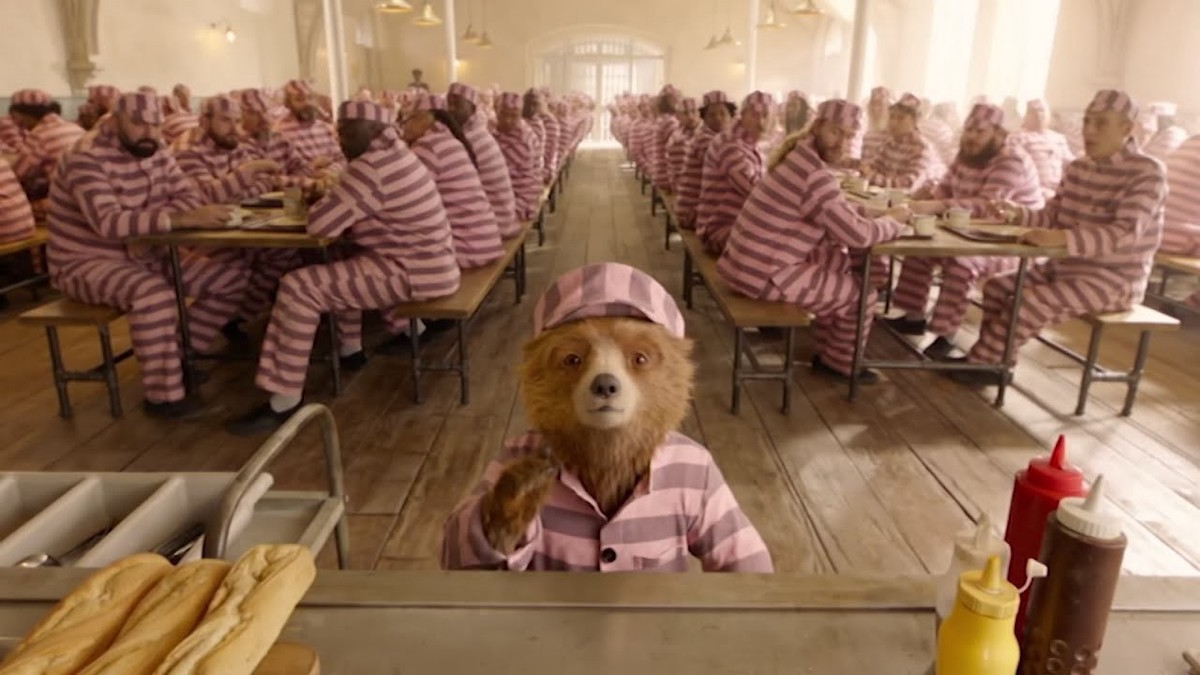
  • Paddington 4’s Writer Selection Hints at Political Satire for England’s Most Famous Bear

    Paddington 4’s Writer Selection Hints at Political Satire for England’s Most Famous Bear

    As the world heads toward unprecedented corruption, governmental collapse, and extreme polarization, at least we have Paddington, an adorable protagonist and a shining light of optimistic apolitical escapism to turn to. Even that, however, may be changing with the arrival of his latest sequel, Paddington 4. Armando Iannucci, the cynical genius behind the hit show […]

    The post Paddington 4’s Writer Selection Hints at Political Satire for England’s Most Famous Bear appeared first on Den of Geek.

    Streaming may dominate entertainment headlines, but cable television continues to generate enormous audiences and massive revenue through a handful of highly reliable programs. Sports, live events, reality competition shows, and long running franchises still attract millions of viewers who tune in weekly rather than waiting for clips online later. Advertisers continue paying huge amounts for these audiences because live television remains one of the few places where people consistently watch in real time. While many cable channels have struggled in recent years, certain programs still pull impressive ratings and prove that traditional television is far from completely dead. These shows continue driving subscriptions, advertising money, and cultural conversation in ways that streaming platforms still cannot always replicate consistently.

    IMDb

    South Park

    The long running animated comedy remains one of cable’s most recognizable and profitable brands.

    cnx.cmd.push(function() {
    cnx({
    playerId: “106e33c0-3911-473c-b599-b1426db57530”,

    }).render(“0270c398a82f44f49c23c16122516796”);
    });

    IMDb

    The Five

    Cable news programs continue pulling strong ratings through loyal daily audiences.

    The Last of Us

    Prestige cable dramas still generate massive cultural attention when backed by strong franchises and production quality.

    IMDb

    The Real Housewives

    The franchise continues generating large audiences, spin offs, and constant social media discussion.

    IMDb

    The Walking Dead

    At its peak, the zombie drama generated enormous viewership numbers and became a merchandising giant.

    IMDb

    WWE Raw

    Professional wrestling continues delivering reliable weekly audiences and major television deals.

    IMDb

    Yellowstone

    The modern western became a cable phenomenon with massive ratings and strong advertising appeal.

    IMDb

    American Horror Story

    The anthology format helped maintain strong viewer interest across many different seasons.

    IMDb

    Deadliest Catch

    The reality series remained a dependable cable draw through high tension storytelling and long term audience loyalty.

    IMDb

    Impractical Jokers

    The prank series became a consistent ratings performer thanks to strong replay value.

    IMDb

    Monday Night Football

    Live sports remain one of cable television’s biggest financial engines because audiences still watch games in real time.

    IMDb

    NCIS

    Its massive syndication success and loyal audience keep it valuable across multiple television markets.

    IMDb

    Pawn Stars

    Its endless rerun value helped make it one of cable’s most recognizable reality programs.

    IMDb

    RuPaul’s Drag Race

    The reality competition series evolved into a major franchise with international expansion and strong fan engagement.

    IMDb

    Shark Week

    The annual event consistently generates huge ratings and advertising attention for cable networks.

    The post 15 TV Programs Showing That Cable Still Brings in the Big Bucks appeared first on Den of Geek.

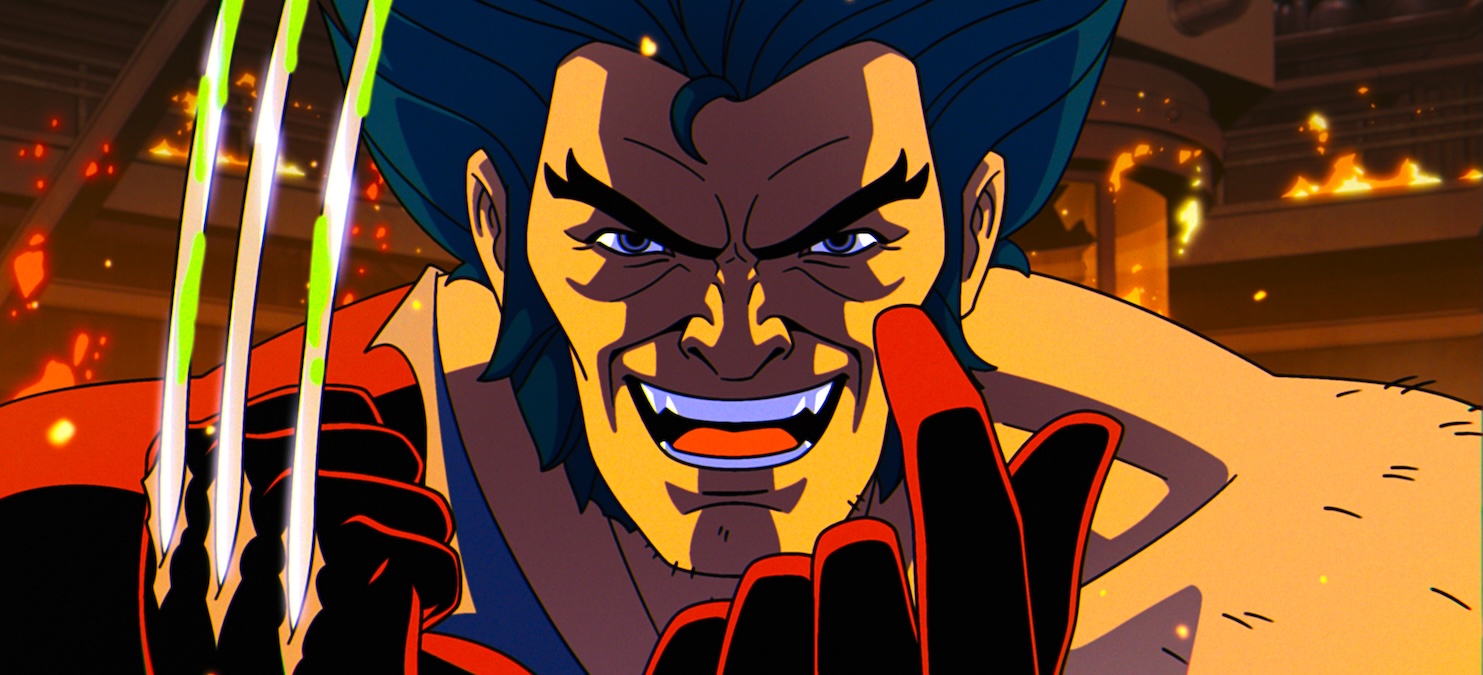
  • X-Men ’97 Season 2 Trailer Breakdown: Apocalypse, New Costumes, and More

    X-Men ’97 Season 2 Trailer Breakdown: Apocalypse, New Costumes, and More

    This article contains details from X-Men comics that could spoil X-Men ’97 season 2. It’s here, my X-Men! The first trailer for season 2 of X-Men ’97 has arrived, chock-full of the superhero soap opera goodies that made the first season such a sensation. Season 1 proved that X-Men ’97 wanted to be so much […]

    The post X-Men ’97 Season 2 Trailer Breakdown: Apocalypse, New Costumes, and More appeared first on Den of Geek.

    Streaming may dominate entertainment headlines, but cable television continues to generate enormous audiences and massive revenue through a handful of highly reliable programs. Sports, live events, reality competition shows, and long running franchises still attract millions of viewers who tune in weekly rather than waiting for clips online later. Advertisers continue paying huge amounts for these audiences because live television remains one of the few places where people consistently watch in real time. While many cable channels have struggled in recent years, certain programs still pull impressive ratings and prove that traditional television is far from completely dead. These shows continue driving subscriptions, advertising money, and cultural conversation in ways that streaming platforms still cannot always replicate consistently.

    IMDb

    South Park

    The long running animated comedy remains one of cable’s most recognizable and profitable brands.

    cnx.cmd.push(function() {
    cnx({
    playerId: “106e33c0-3911-473c-b599-b1426db57530”,

    }).render(“0270c398a82f44f49c23c16122516796”);
    });

    IMDb

    The Five

    Cable news programs continue pulling strong ratings through loyal daily audiences.

    The Last of Us

    Prestige cable dramas still generate massive cultural attention when backed by strong franchises and production quality.

    IMDb

    The Real Housewives

    The franchise continues generating large audiences, spin offs, and constant social media discussion.

    IMDb

    The Walking Dead

    At its peak, the zombie drama generated enormous viewership numbers and became a merchandising giant.

    IMDb

    WWE Raw

    Professional wrestling continues delivering reliable weekly audiences and major television deals.

    IMDb

    Yellowstone

    The modern western became a cable phenomenon with massive ratings and strong advertising appeal.

    IMDb

    American Horror Story

    The anthology format helped maintain strong viewer interest across many different seasons.

    IMDb

    Deadliest Catch

    The reality series remained a dependable cable draw through high tension storytelling and long term audience loyalty.

    IMDb

    Impractical Jokers

    The prank series became a consistent ratings performer thanks to strong replay value.

    IMDb

    Monday Night Football

    Live sports remain one of cable television’s biggest financial engines because audiences still watch games in real time.

    IMDb

    NCIS

    Its massive syndication success and loyal audience keep it valuable across multiple television markets.

    IMDb

    Pawn Stars

    Its endless rerun value helped make it one of cable’s most recognizable reality programs.

    IMDb

    RuPaul’s Drag Race

    The reality competition series evolved into a major franchise with international expansion and strong fan engagement.

    IMDb

    Shark Week

    The annual event consistently generates huge ratings and advertising attention for cable networks.

    The post 15 TV Programs Showing That Cable Still Brings in the Big Bucks appeared first on Den of Geek.

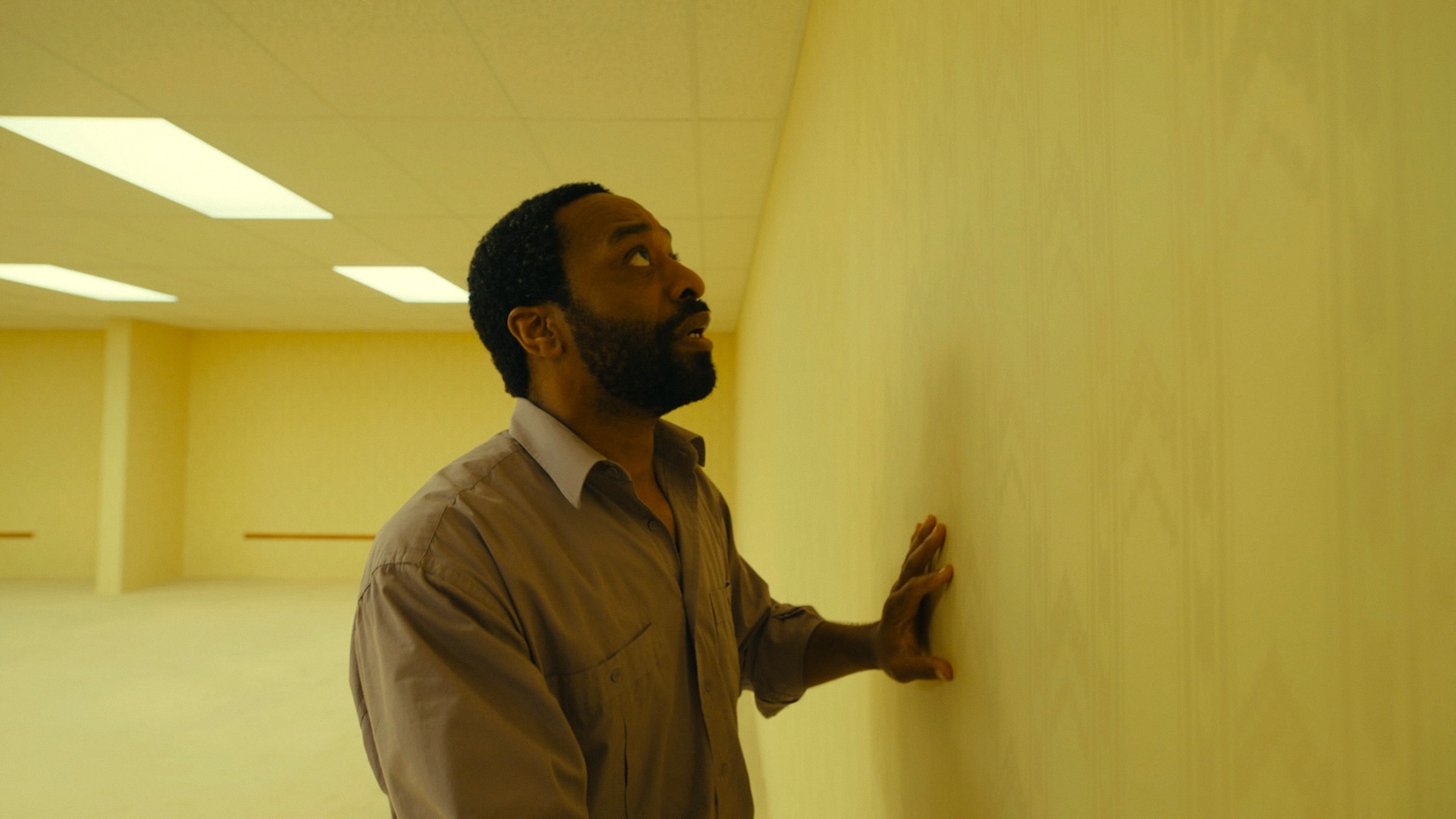
  • Backrooms Review: A24 Expansion of YouTube Series Goes in Circles

    Backrooms Review: A24 Expansion of YouTube Series Goes in Circles

    I never liked fluorescent lighting. Often aggressively bright, the hum of the once ubiquitous mercury-vapor tube always felt like threatened cheerfulness. It’s a forced smile stretched across a pained face. Wunderkind YouTuber and now bonafide big-screen director Kane Parsons would seem to agree. For his feature-film debut at A24, Backrooms, the 20-year-old content creator returns […]

    The post Backrooms Review: A24 Expansion of YouTube Series Goes in Circles appeared first on Den of Geek.

    Streaming may dominate entertainment headlines, but cable television continues to generate enormous audiences and massive revenue through a handful of highly reliable programs. Sports, live events, reality competition shows, and long running franchises still attract millions of viewers who tune in weekly rather than waiting for clips online later. Advertisers continue paying huge amounts for these audiences because live television remains one of the few places where people consistently watch in real time. While many cable channels have struggled in recent years, certain programs still pull impressive ratings and prove that traditional television is far from completely dead. These shows continue driving subscriptions, advertising money, and cultural conversation in ways that streaming platforms still cannot always replicate consistently.

    IMDb

    South Park

    The long running animated comedy remains one of cable’s most recognizable and profitable brands.

    cnx.cmd.push(function() {
    cnx({
    playerId: “106e33c0-3911-473c-b599-b1426db57530”,

    }).render(“0270c398a82f44f49c23c16122516796”);
    });

    IMDb

    The Five

    Cable news programs continue pulling strong ratings through loyal daily audiences.

    The Last of Us

    Prestige cable dramas still generate massive cultural attention when backed by strong franchises and production quality.

    IMDb

    The Real Housewives

    The franchise continues generating large audiences, spin offs, and constant social media discussion.

    IMDb

    The Walking Dead

    At its peak, the zombie drama generated enormous viewership numbers and became a merchandising giant.

    IMDb

    WWE Raw

    Professional wrestling continues delivering reliable weekly audiences and major television deals.

    IMDb

    Yellowstone

    The modern western became a cable phenomenon with massive ratings and strong advertising appeal.

    IMDb

    American Horror Story

    The anthology format helped maintain strong viewer interest across many different seasons.

    IMDb

    Deadliest Catch

    The reality series remained a dependable cable draw through high tension storytelling and long term audience loyalty.

    IMDb

    Impractical Jokers

    The prank series became a consistent ratings performer thanks to strong replay value.

    IMDb

    Monday Night Football

    Live sports remain one of cable television’s biggest financial engines because audiences still watch games in real time.

    IMDb

    NCIS

    Its massive syndication success and loyal audience keep it valuable across multiple television markets.

    IMDb

    Pawn Stars

    Its endless rerun value helped make it one of cable’s most recognizable reality programs.

    IMDb

    RuPaul’s Drag Race

    The reality competition series evolved into a major franchise with international expansion and strong fan engagement.

    IMDb

    Shark Week

    The annual event consistently generates huge ratings and advertising attention for cable networks.

    The post 15 TV Programs Showing That Cable Still Brings in the Big Bucks appeared first on Den of Geek.

  • 15 Movies That Never Intended to Be as Good as They Were

    15 Movies That Never Intended to Be as Good as They Were

    Some movies are only made with modest expectations, only to end up becoming genuinely excellent. Audiences sometimes walk into these films expecting disposable entertainment, low effort cash grabs, or goofy genre exercises, then leave surprised by how much heart, creativity, or craftsmanship they actually contain. These are the movies that completely outperformed their original plan.

    The post 15 Movies That Never Intended to Be as Good as They Were appeared first on Den of Geek.

    Streaming may dominate entertainment headlines, but cable television continues to generate enormous audiences and massive revenue through a handful of highly reliable programs. Sports, live events, reality competition shows, and long running franchises still attract millions of viewers who tune in weekly rather than waiting for clips online later. Advertisers continue paying huge amounts for these audiences because live television remains one of the few places where people consistently watch in real time. While many cable channels have struggled in recent years, certain programs still pull impressive ratings and prove that traditional television is far from completely dead. These shows continue driving subscriptions, advertising money, and cultural conversation in ways that streaming platforms still cannot always replicate consistently.

    IMDb

    South Park

    The long running animated comedy remains one of cable’s most recognizable and profitable brands.

    cnx.cmd.push(function() {
    cnx({
    playerId: “106e33c0-3911-473c-b599-b1426db57530”,

    }).render(“0270c398a82f44f49c23c16122516796”);
    });

    IMDb

    The Five

    Cable news programs continue pulling strong ratings through loyal daily audiences.

    The Last of Us

    Prestige cable dramas still generate massive cultural attention when backed by strong franchises and production quality.

    IMDb

    The Real Housewives

    The franchise continues generating large audiences, spin offs, and constant social media discussion.

    IMDb

    The Walking Dead

    At its peak, the zombie drama generated enormous viewership numbers and became a merchandising giant.

    IMDb

    WWE Raw

    Professional wrestling continues delivering reliable weekly audiences and major television deals.

    IMDb

    Yellowstone

    The modern western became a cable phenomenon with massive ratings and strong advertising appeal.

    IMDb

    American Horror Story

    The anthology format helped maintain strong viewer interest across many different seasons.

    IMDb

    Deadliest Catch

    The reality series remained a dependable cable draw through high tension storytelling and long term audience loyalty.

    IMDb

    Impractical Jokers

    The prank series became a consistent ratings performer thanks to strong replay value.

    IMDb

    Monday Night Football

    Live sports remain one of cable television’s biggest financial engines because audiences still watch games in real time.

    IMDb

    NCIS

    Its massive syndication success and loyal audience keep it valuable across multiple television markets.

    IMDb

    Pawn Stars

    Its endless rerun value helped make it one of cable’s most recognizable reality programs.

    IMDb

    RuPaul’s Drag Race

    The reality competition series evolved into a major franchise with international expansion and strong fan engagement.

    IMDb

    Shark Week

    The annual event consistently generates huge ratings and advertising attention for cable networks.

    The post 15 TV Programs Showing That Cable Still Brings in the Big Bucks appeared first on Den of Geek.

  • 15 Shows Where Only the First Season Was Good

    15 Shows Where Only the First Season Was Good

    Some television shows start off with a bang, featuring incredible first seasons that feel tightly written, and impossible to stop watching. But sometimes the mystery goes too far, the characters become exaggerated versions of themselves, or the writers simply run out of ideas after an explosive start. In other cases, network pressure and popularity push a concept well beyond the point where it naturally should have ended. What makes these shows especially frustrating is that the first season often remains genuinely fantastic, reminding audiences how strong the series once was before things started falling apart. These are the shows where the debut season still gets recommended, even when longtime fans quietly warn people to stop there.

    The post 15 Shows Where Only the First Season Was Good appeared first on Den of Geek.

    Streaming may dominate entertainment headlines, but cable television continues to generate enormous audiences and massive revenue through a handful of highly reliable programs. Sports, live events, reality competition shows, and long running franchises still attract millions of viewers who tune in weekly rather than waiting for clips online later. Advertisers continue paying huge amounts for these audiences because live television remains one of the few places where people consistently watch in real time. While many cable channels have struggled in recent years, certain programs still pull impressive ratings and prove that traditional television is far from completely dead. These shows continue driving subscriptions, advertising money, and cultural conversation in ways that streaming platforms still cannot always replicate consistently.

    IMDb

    South Park

    The long running animated comedy remains one of cable’s most recognizable and profitable brands.

    cnx.cmd.push(function() {
    cnx({
    playerId: “106e33c0-3911-473c-b599-b1426db57530”,

    }).render(“0270c398a82f44f49c23c16122516796”);
    });

    IMDb

    The Five

    Cable news programs continue pulling strong ratings through loyal daily audiences.

    The Last of Us

    Prestige cable dramas still generate massive cultural attention when backed by strong franchises and production quality.

    IMDb

    The Real Housewives

    The franchise continues generating large audiences, spin offs, and constant social media discussion.

    IMDb

    The Walking Dead

    At its peak, the zombie drama generated enormous viewership numbers and became a merchandising giant.

    IMDb

    WWE Raw

    Professional wrestling continues delivering reliable weekly audiences and major television deals.

    IMDb

    Yellowstone

    The modern western became a cable phenomenon with massive ratings and strong advertising appeal.

    IMDb

    American Horror Story

    The anthology format helped maintain strong viewer interest across many different seasons.

    IMDb

    Deadliest Catch

    The reality series remained a dependable cable draw through high tension storytelling and long term audience loyalty.

    IMDb

    Impractical Jokers

    The prank series became a consistent ratings performer thanks to strong replay value.

    IMDb

    Monday Night Football

    Live sports remain one of cable television’s biggest financial engines because audiences still watch games in real time.

    IMDb

    NCIS

    Its massive syndication success and loyal audience keep it valuable across multiple television markets.

    IMDb

    Pawn Stars

    Its endless rerun value helped make it one of cable’s most recognizable reality programs.

    IMDb

    RuPaul’s Drag Race

    The reality competition series evolved into a major franchise with international expansion and strong fan engagement.

    IMDb

    Shark Week

    The annual event consistently generates huge ratings and advertising attention for cable networks.

    The post 15 TV Programs Showing That Cable Still Brings in the Big Bucks appeared first on Den of Geek.