Category: Blog

Your blog category

  • An Holistic Framework for Shared Design Leadership

    An Holistic Framework for Shared Design Leadership

    Picture this: You’re in a meeting room at your tech company, and two people are having what looks like the same conversation about the same design problem. One is talking about whether the team has the right skills to tackle it. The other is diving deep into whether the solution actually solves the user’s problem. Same room, same problem, completely different lenses.

    This is the beautiful, sometimes messy reality of having both a Design Manager and a Lead Designer on the same team. And if you’re wondering how to make this work without creating confusion, overlap, or the dreaded “too many cooks” scenario, you’re asking the right question.

    The traditional answer has been to draw clean lines on an org chart. The Design Manager handles people, the Lead Designer handles craft. Problem solved, right? Except clean org charts are fantasy. In reality, both roles care deeply about team health, design quality, and shipping great work. 

    The magic happens when you embrace the overlap instead of fighting it—when you start thinking of your design org as a design organism.

    The Anatomy of a Healthy Design Team

    Here’s what I’ve learned from years of being on both sides of this equation: think of your design team as a living organism. The Design Manager tends to the mind (the psychological safety, the career growth, the team dynamics). The Lead Designer tends to the body (the craft skills, the design standards, the hands-on work that ships to users).

    But just like mind and body aren’t completely separate systems, so, too, do these roles overlap in important ways. You can’t have a healthy person without both working in harmony. The trick is knowing where those overlaps are and how to navigate them gracefully.

    When we look at how healthy teams actually function, three critical systems emerge. Each requires both roles to work together, but with one taking primary responsibility for keeping that system strong.

    The Nervous System: People & Psychology

    Primary caretaker: Design Manager
    Supporting role: Lead Designer

    The nervous system is all about signals, feedback, and psychological safety. When this system is healthy, information flows freely, people feel safe to take risks, and the team can adapt quickly to new challenges.

    The Design Manager is the primary caretaker here. They’re monitoring the team’s psychological pulse, ensuring feedback loops are healthy, and creating the conditions for people to grow. They’re hosting career conversations, managing workload, and making sure no one burns out.

    But the Lead Designer plays a crucial supporting role. They’re providing sensory input about craft development needs, spotting when someone’s design skills are stagnating, and helping identify growth opportunities that the Design Manager might miss.

    Design Manager tends to:

    • Career conversations and growth planning
    • Team psychological safety and dynamics
    • Workload management and resource allocation
    • Performance reviews and feedback systems
    • Creating learning opportunities

    Lead Designer supports by:

    • Providing craft-specific feedback on team member development
    • Identifying design skill gaps and growth opportunities
    • Offering design mentorship and guidance
    • Signaling when team members are ready for more complex challenges

    The Muscular System: Craft & Execution

    Primary caretaker: Lead Designer
    Supporting role: Design Manager

    The muscular system is about strength, coordination, and skill development. When this system is healthy, the team can execute complex design work with precision, maintain consistent quality, and adapt their craft to new challenges.

    The Lead Designer is the primary caretaker here. They’re setting design standards, providing craft coaching, and ensuring that shipping work meets the quality bar. They’re the ones who can tell you if a design decision is sound or if we’re solving the right problem.

    But the Design Manager plays a crucial supporting role. They’re ensuring the team has the resources and support to do their best craft work, like proper nutrition and recovery time for an athlete.

    Lead Designer tends to:

    • Definition of design standards and system usage
    • Feedback on what design work meets the standard
    • Experience direction for the product
    • Design decisions and product-wide alignment
    • Innovation and craft advancement

    Design Manager supports by:

    • Ensuring design standards are understood and adopted across the team
    • Confirming experience direction is being followed
    • Supporting practices and systems that scale without bottlenecking
    • Facilitating design alignment across teams
    • Providing resources and removing obstacles to great craft work

    The Circulatory System: Strategy & Flow

    Shared caretakers: Both Design Manager and Lead Designer

    The circulatory system is about how information, decisions, and energy flow through the team. When this system is healthy, strategic direction is clear, priorities are aligned, and the team can respond quickly to new opportunities or challenges.

    This is where true partnership happens. Both roles are responsible for keeping the circulation strong, but they’re bringing different perspectives to the table.

    Lead Designer contributes:

    • User needs are met by the product
    • Overall product quality and experience
    • Strategic design initiatives
    • Research-based user needs for each initiative

    Design Manager contributes:

    • Communication to team and stakeholders
    • Stakeholder management and alignment
    • Cross-functional team accountability
    • Strategic business initiatives

    Both collaborate on:

    • Co-creation of strategy with leadership
    • Team goals and prioritization approach
    • Organizational structure decisions
    • Success measures and frameworks

    Keeping the Organism Healthy

    The key to making this partnership sing is understanding that all three systems need to work together. A team with great craft skills but poor psychological safety will burn out. A team with great culture but weak craft execution will ship mediocre work. A team with both but poor strategic circulation will work hard on the wrong things.

    Be Explicit About Which System You’re Tending

    When you’re in a meeting about a design problem, it helps to acknowledge which system you’re primarily focused on. “I’m thinking about this from a team capacity perspective” (nervous system) or “I’m looking at this through the lens of user needs” (muscular system) gives everyone context for your input.

    This isn’t about staying in your lane. It’s about being transparent as to which lens you’re using, so the other person knows how to best add their perspective.

    Create Healthy Feedback Loops

    The most successful partnerships I’ve seen establish clear feedback loops between the systems:

    Nervous system signals to muscular system: “The team is struggling with confidence in their design skills” → Lead Designer provides more craft coaching and clearer standards.

    Muscular system signals to nervous system: “The team’s craft skills are advancing faster than their project complexity” → Design Manager finds more challenging growth opportunities.

    Both systems signal to circulatory system: “We’re seeing patterns in team health and craft development that suggest we need to adjust our strategic priorities.”

    Handle Handoffs Gracefully

    The most critical moments in this partnership are when something moves from one system to another. This might be when a design standard (muscular system) needs to be rolled out across the team (nervous system), or when a strategic initiative (circulatory system) needs specific craft execution (muscular system).

    Make these transitions explicit. “I’ve defined the new component standards. Can you help me think through how to get the team up to speed?” or “We’ve agreed on this strategic direction. I’m going to focus on the specific user experience approach from here.”

    Stay Curious, Not Territorial

    The Design Manager who never thinks about craft, or the Lead Designer who never considers team dynamics, is like a doctor who only looks at one body system. Great design leadership requires both people to care about the whole organism, even when they’re not the primary caretaker.

    This means asking questions rather than making assumptions. “What do you think about the team’s craft development in this area?” or “How do you see this impacting team morale and workload?” keeps both perspectives active in every decision.

    When the Organism Gets Sick

    Even with clear roles, this partnership can go sideways. Here are the most common failure modes I’ve seen:

    System Isolation

    The Design Manager focuses only on the nervous system and ignores craft development. The Lead Designer focuses only on the muscular system and ignores team dynamics. Both people retreat to their comfort zones and stop collaborating.

    The symptoms: Team members get mixed messages, work quality suffers, morale drops.

    The treatment: Reconnect around shared outcomes. What are you both trying to achieve? Usually it’s great design work that ships on time from a healthy team. Figure out how both systems serve that goal.

    Poor Circulation

    Strategic direction is unclear, priorities keep shifting, and neither role is taking responsibility for keeping information flowing.

    The symptoms: Team members are confused about priorities, work gets duplicated or dropped, deadlines are missed.

    The treatment: Explicitly assign responsibility for circulation. Who’s communicating what to whom? How often? What’s the feedback loop?

    Autoimmune Response

    One person feels threatened by the other’s expertise. The Design Manager thinks the Lead Designer is undermining their authority. The Lead Designer thinks the Design Manager doesn’t understand craft.

    The symptoms: Defensive behavior, territorial disputes, team members caught in the middle.

    The treatment: Remember that you’re both caretakers of the same organism. When one system fails, the whole team suffers. When both systems are healthy, the team thrives.

    The Payoff

    Yes, this model requires more communication. Yes, it requires both people to be secure enough to share responsibility for team health. But the payoff is worth it: better decisions, stronger teams, and design work that’s both excellent and sustainable.

    When both roles are healthy and working well together, you get the best of both worlds: deep craft expertise and strong people leadership. When one person is out sick, on vacation, or overwhelmed, the other can help maintain the team’s health. When a decision requires both the people perspective and the craft perspective, you’ve got both right there in the room.

    Most importantly, the framework scales. As your team grows, you can apply the same system thinking to new challenges. Need to launch a design system? Lead Designer tends to the muscular system (standards and implementation), Design Manager tends to the nervous system (team adoption and change management), and both tend to circulation (communication and stakeholder alignment).

    The Bottom Line

    The relationship between a Design Manager and Lead Designer isn’t about dividing territories. It’s about multiplying impact. When both roles understand they’re tending to different aspects of the same healthy organism, magic happens.

    The mind and body work together. The team gets both the strategic thinking and the craft excellence they need. And most importantly, the work that ships to users benefits from both perspectives.

    So the next time you’re in that meeting room, wondering why two people are talking about the same problem from different angles, remember: you’re watching shared leadership in action. And if it’s working well, both the mind and body of your design team are getting stronger.

  • The Wachowskis May Decide the Fate of The Matrix 5

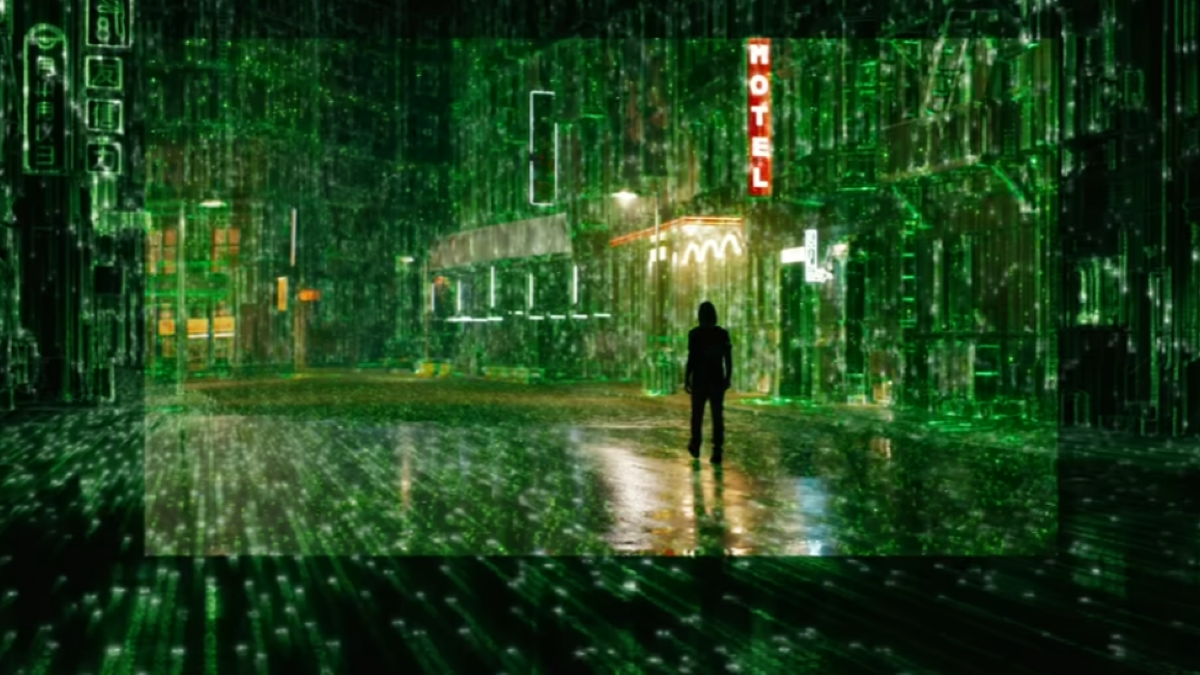
    The Wachowskis May Decide the Fate of The Matrix 5

    After The Matrix Resurrections debuted to an underwhelming box office and middling reviews in 2021, it became clear in the aftermath that the blockbuster franchise’s studio, Warner Bros., wanted a reset, with trades reporting that director Lana Wachowski would stay on as an executive producer of a proposed fifth Matrix movie but essentially hand off […]

    The post The Wachowskis May Decide the Fate of The Matrix 5 appeared first on Den of Geek.

    So over the long Labor Day weekend in the U.S.—a three-day respite that unofficially marks the end of summer with excursions to the beach or mountains, or at least hot dogs on the grill—President  Donald Trump took to his personal social media app, Truth Social. Quite a lot. And among the President of the United States’ many wordy, often bombastic posts was what appeared to be an announcement for the honest-to-Palpatine uniforms intended for the burgeoning U.S. Space Force.

    Complete with collar insignias, shoulder details, and hues that come in the monochrome selection of “space gray,” “midnight black,” and “silver gray,” the attire looks nearly like the spitting image of Imperial officers from Star Wars movies, not to mention a litany of other sci-fi characters deliberately modeled on a mode of fashionable dress in Germany between the years 1933 and 1945.

    And if you think we’re joking about Nazi influences running rampant in the image shared by Mr. Trump, please consider he or his team admitted to taking exactly such (in)direct influence. In the same infographic with all the other details is a small section labeled “Design Inspiration.” Apparently the whole aesthetic is informed “by the discipline and functionality of the Starship Trooper uniform.”

    Oh, dear.

    For those uninitiated in the minutiae of increasingly obscure Gen-X and millennial pop culture, Starship Troopers was an exceedingly arch 1997 adaptation (and some would say outright betrayal) of Robert A. Heinlein’s 1959 sci-fi novel of the same name. Directed by Dutch provocateur and cynic Paul Verhoeven, the movie cast pinup-ready TV and rising Hollywood teen talent like Casper Van Dien (One Life to Live), Denise Richards (Melrose Place), and Neil Patrick Harris (Doogie Howser, M.D.) as bright, attractive, fresh-faced American youths who spout patriotic platitudes with the usual heavy-handed delivery of a ‘90s primetime soap. Or a 1930s propaganda film.

    That was by design.

    cnx.cmd.push(function() {
    cnx({
    playerId: “106e33c0-3911-473c-b599-b1426db57530”,

    }).render(“0270c398a82f44f49c23c16122516796”);
    });

    “We really, really tried to get away from the novel, because we felt that the novel was fascistic and militaristic,” Verhoeven was quoted by IndieWire as saying in 2016. “Our philosophy was really different [from Heinlein’s book],we wanted to do a double story, a really wonderful adventure story about these young boys and girls fighting, but we also wanted to show that these people are really, in their heart, without knowing it, are on their way to fascism.”

    The effect comes through in the film with the good-looking people dying by the thousands as they’re sent on starships far away to fight an alien race of “bugs” that are blamed for a meteor striking planet Earth. (The evidence is deliberately vague and suspiciously scant.) There the kids are fed into what they happily refer to as “the grinder” of war while posing in ‘90s-flavored riffs on Leni Riefenstahl iconography. And in case this was missed by anyone, Harris’ intelligence officer wears the form-fitting, Nazi-infused regalia of a tight black uniform and its oh, so crisp, cleanly midnight-black, long leather trench coat.

    According to actor Michael Ironside, even while making the film Verhoeven apparently mused he might be “too subtle for the American consciousness.” Paul, it would seem you weren’t whistling, “The Deutchlandlied.”

    While Starship Troopers’ parody of hyper-nationalism and jingoistic valor is played with a tongue firmly in its cheek, it would seem many generations of viewers who grew up with it—or were already in their 50s in 1997—apparently missed the metaphor completely; this, despite the attire of the “good guys” in the movie looking conspicuously like the Third Reich, or at least the bad guys in Star Wars who were modeled on the same Triumph of the Will iconography. (Just wait until the president discovers where the word “stormtrooper” comes from!)

    Yet somehow the architects of the growing U.S. Space force over at the Department of Defense and their orange-hued executive in the White House somehow missed these parallels while explicitly designing the Space Force after this? Maybe.

    I’m not so sure since even Verhoeven had the good taste to not include the peaked cap of SS officers on Neil Patrick Harris. Sometimes, even to a satirist, a design can be a little too Nazi for a joke, much less a real-life military division.

    The post Do We Really Need to Explain the Nazis Metaphor in Starship Troopers, Mr. Trump? appeared first on Den of Geek.

  • 15 Fun Photos Taken From Behind the Scenes of Your Favorite Movies

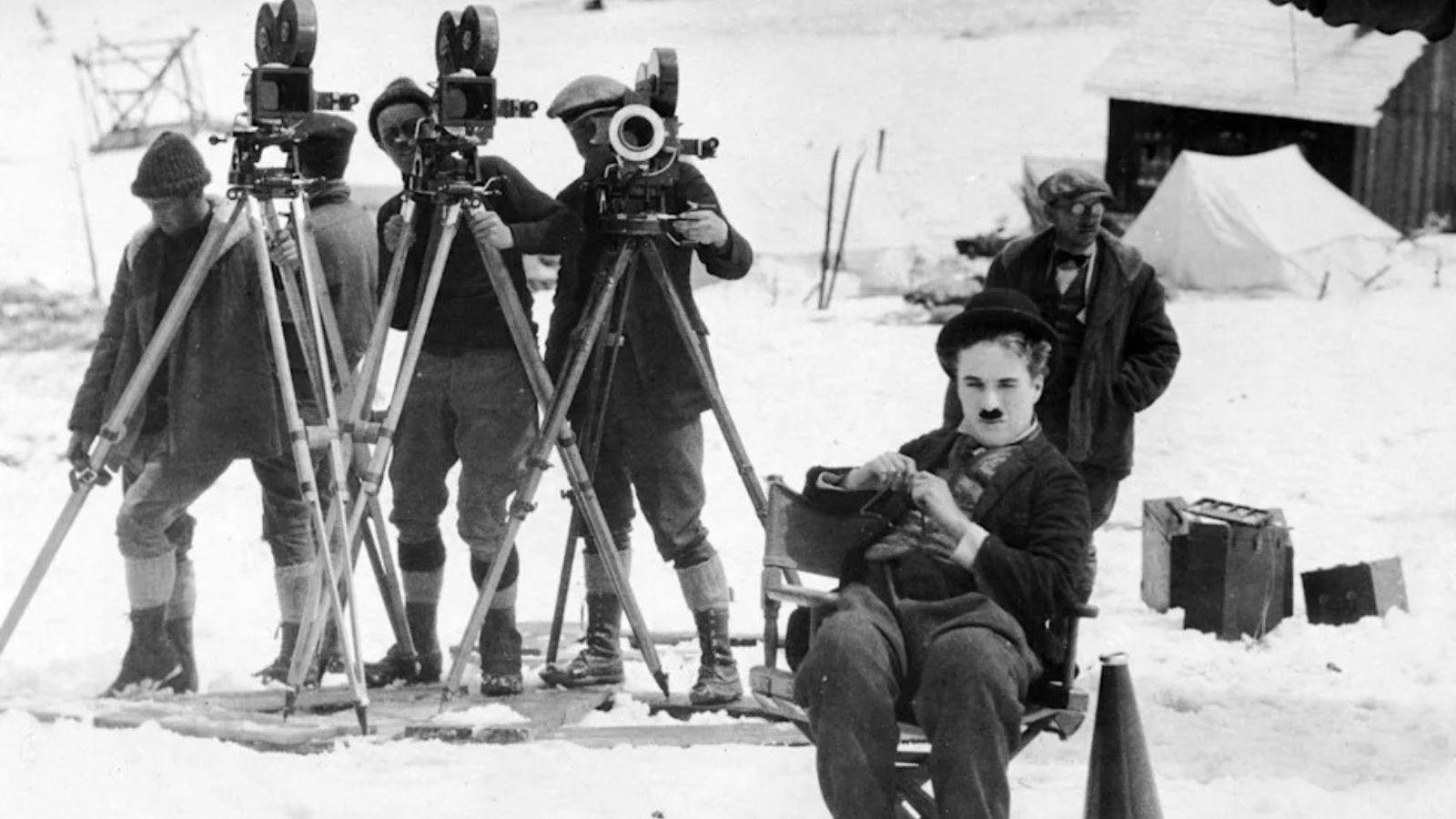
    15 Fun Photos Taken From Behind the Scenes of Your Favorite Movies

    The finished movie is usually what stays with us, but the people making it saw something completely different. Between takes, actors were joking around, enormous sets looked surprisingly ordinary, and terrifying creatures turned out to be people in costumes standing under studio lights. Behind the scenes photographs capture those moments when the illusion disappears for a second and everyone looks like they are simply making a movie. Some show famous actors having fun between takes, while others reveal just how much work went into creating a scene that looked effortless on screen. These photos offer a glimpse at the lighter side of some of the most memorable movies ever made.

    The post 15 Fun Photos Taken From Behind the Scenes of Your Favorite Movies appeared first on Den of Geek.

    So over the long Labor Day weekend in the U.S.—a three-day respite that unofficially marks the end of summer with excursions to the beach or mountains, or at least hot dogs on the grill—President  Donald Trump took to his personal social media app, Truth Social. Quite a lot. And among the President of the United States’ many wordy, often bombastic posts was what appeared to be an announcement for the honest-to-Palpatine uniforms intended for the burgeoning U.S. Space Force.

    Complete with collar insignias, shoulder details, and hues that come in the monochrome selection of “space gray,” “midnight black,” and “silver gray,” the attire looks nearly like the spitting image of Imperial officers from Star Wars movies, not to mention a litany of other sci-fi characters deliberately modeled on a mode of fashionable dress in Germany between the years 1933 and 1945.

    And if you think we’re joking about Nazi influences running rampant in the image shared by Mr. Trump, please consider he or his team admitted to taking exactly such (in)direct influence. In the same infographic with all the other details is a small section labeled “Design Inspiration.” Apparently the whole aesthetic is informed “by the discipline and functionality of the Starship Trooper uniform.”

    Oh, dear.

    For those uninitiated in the minutiae of increasingly obscure Gen-X and millennial pop culture, Starship Troopers was an exceedingly arch 1997 adaptation (and some would say outright betrayal) of Robert A. Heinlein’s 1959 sci-fi novel of the same name. Directed by Dutch provocateur and cynic Paul Verhoeven, the movie cast pinup-ready TV and rising Hollywood teen talent like Casper Van Dien (One Life to Live), Denise Richards (Melrose Place), and Neil Patrick Harris (Doogie Howser, M.D.) as bright, attractive, fresh-faced American youths who spout patriotic platitudes with the usual heavy-handed delivery of a ‘90s primetime soap. Or a 1930s propaganda film.

    That was by design.

    cnx.cmd.push(function() {
    cnx({
    playerId: “106e33c0-3911-473c-b599-b1426db57530”,

    }).render(“0270c398a82f44f49c23c16122516796”);
    });

    “We really, really tried to get away from the novel, because we felt that the novel was fascistic and militaristic,” Verhoeven was quoted by IndieWire as saying in 2016. “Our philosophy was really different [from Heinlein’s book],we wanted to do a double story, a really wonderful adventure story about these young boys and girls fighting, but we also wanted to show that these people are really, in their heart, without knowing it, are on their way to fascism.”

    The effect comes through in the film with the good-looking people dying by the thousands as they’re sent on starships far away to fight an alien race of “bugs” that are blamed for a meteor striking planet Earth. (The evidence is deliberately vague and suspiciously scant.) There the kids are fed into what they happily refer to as “the grinder” of war while posing in ‘90s-flavored riffs on Leni Riefenstahl iconography. And in case this was missed by anyone, Harris’ intelligence officer wears the form-fitting, Nazi-infused regalia of a tight black uniform and its oh, so crisp, cleanly midnight-black, long leather trench coat.

    According to actor Michael Ironside, even while making the film Verhoeven apparently mused he might be “too subtle for the American consciousness.” Paul, it would seem you weren’t whistling, “The Deutchlandlied.”

    While Starship Troopers’ parody of hyper-nationalism and jingoistic valor is played with a tongue firmly in its cheek, it would seem many generations of viewers who grew up with it—or were already in their 50s in 1997—apparently missed the metaphor completely; this, despite the attire of the “good guys” in the movie looking conspicuously like the Third Reich, or at least the bad guys in Star Wars who were modeled on the same Triumph of the Will iconography. (Just wait until the president discovers where the word “stormtrooper” comes from!)

    Yet somehow the architects of the growing U.S. Space force over at the Department of Defense and their orange-hued executive in the White House somehow missed these parallels while explicitly designing the Space Force after this? Maybe.

    I’m not so sure since even Verhoeven had the good taste to not include the peaked cap of SS officers on Neil Patrick Harris. Sometimes, even to a satirist, a design can be a little too Nazi for a joke, much less a real-life military division.

    The post Do We Really Need to Explain the Nazis Metaphor in Starship Troopers, Mr. Trump? appeared first on Den of Geek.

  • 15 People Who Didn’t Let Age Stop Them from Accomplishing Great Things

    15 People Who Didn’t Let Age Stop Them from Accomplishing Great Things

    There is a strange idea that major accomplishments are supposed to arrive on a schedule. Start a career when you are young, reach your peak somewhere in the middle, and spend the later years taking it easy. Plenty of people have ignored that timeline completely. Some found success in fields they barely pursued until retirement age, while others kept pushing themselves long after most people would have been happy to call it a career. Their achievements include graduating from college, publishing bestselling books, making art, returning to space, and tackling physical challenges that would be daunting at any age. Here are 15 people who didn’t let age stop them from accomplishing great things.

    The post 15 People Who Didn’t Let Age Stop Them from Accomplishing Great Things appeared first on Den of Geek.

    So over the long Labor Day weekend in the U.S.—a three-day respite that unofficially marks the end of summer with excursions to the beach or mountains, or at least hot dogs on the grill—President  Donald Trump took to his personal social media app, Truth Social. Quite a lot. And among the President of the United States’ many wordy, often bombastic posts was what appeared to be an announcement for the honest-to-Palpatine uniforms intended for the burgeoning U.S. Space Force.

    Complete with collar insignias, shoulder details, and hues that come in the monochrome selection of “space gray,” “midnight black,” and “silver gray,” the attire looks nearly like the spitting image of Imperial officers from Star Wars movies, not to mention a litany of other sci-fi characters deliberately modeled on a mode of fashionable dress in Germany between the years 1933 and 1945.

    And if you think we’re joking about Nazi influences running rampant in the image shared by Mr. Trump, please consider he or his team admitted to taking exactly such (in)direct influence. In the same infographic with all the other details is a small section labeled “Design Inspiration.” Apparently the whole aesthetic is informed “by the discipline and functionality of the Starship Trooper uniform.”

    Oh, dear.

    For those uninitiated in the minutiae of increasingly obscure Gen-X and millennial pop culture, Starship Troopers was an exceedingly arch 1997 adaptation (and some would say outright betrayal) of Robert A. Heinlein’s 1959 sci-fi novel of the same name. Directed by Dutch provocateur and cynic Paul Verhoeven, the movie cast pinup-ready TV and rising Hollywood teen talent like Casper Van Dien (One Life to Live), Denise Richards (Melrose Place), and Neil Patrick Harris (Doogie Howser, M.D.) as bright, attractive, fresh-faced American youths who spout patriotic platitudes with the usual heavy-handed delivery of a ‘90s primetime soap. Or a 1930s propaganda film.

    That was by design.

    cnx.cmd.push(function() {
    cnx({
    playerId: “106e33c0-3911-473c-b599-b1426db57530”,

    }).render(“0270c398a82f44f49c23c16122516796”);
    });

    “We really, really tried to get away from the novel, because we felt that the novel was fascistic and militaristic,” Verhoeven was quoted by IndieWire as saying in 2016. “Our philosophy was really different [from Heinlein’s book],we wanted to do a double story, a really wonderful adventure story about these young boys and girls fighting, but we also wanted to show that these people are really, in their heart, without knowing it, are on their way to fascism.”

    The effect comes through in the film with the good-looking people dying by the thousands as they’re sent on starships far away to fight an alien race of “bugs” that are blamed for a meteor striking planet Earth. (The evidence is deliberately vague and suspiciously scant.) There the kids are fed into what they happily refer to as “the grinder” of war while posing in ‘90s-flavored riffs on Leni Riefenstahl iconography. And in case this was missed by anyone, Harris’ intelligence officer wears the form-fitting, Nazi-infused regalia of a tight black uniform and its oh, so crisp, cleanly midnight-black, long leather trench coat.

    According to actor Michael Ironside, even while making the film Verhoeven apparently mused he might be “too subtle for the American consciousness.” Paul, it would seem you weren’t whistling, “The Deutchlandlied.”

    While Starship Troopers’ parody of hyper-nationalism and jingoistic valor is played with a tongue firmly in its cheek, it would seem many generations of viewers who grew up with it—or were already in their 50s in 1997—apparently missed the metaphor completely; this, despite the attire of the “good guys” in the movie looking conspicuously like the Third Reich, or at least the bad guys in Star Wars who were modeled on the same Triumph of the Will iconography. (Just wait until the president discovers where the word “stormtrooper” comes from!)

    Yet somehow the architects of the growing U.S. Space force over at the Department of Defense and their orange-hued executive in the White House somehow missed these parallels while explicitly designing the Space Force after this? Maybe.

    I’m not so sure since even Verhoeven had the good taste to not include the peaked cap of SS officers on Neil Patrick Harris. Sometimes, even to a satirist, a design can be a little too Nazi for a joke, much less a real-life military division.

    The post Do We Really Need to Explain the Nazis Metaphor in Starship Troopers, Mr. Trump? appeared first on Den of Geek.

  • Spider-Noir Is Canceled, But Nicolas Cage Isn’t Complaining

    Spider-Noir Is Canceled, But Nicolas Cage Isn’t Complaining

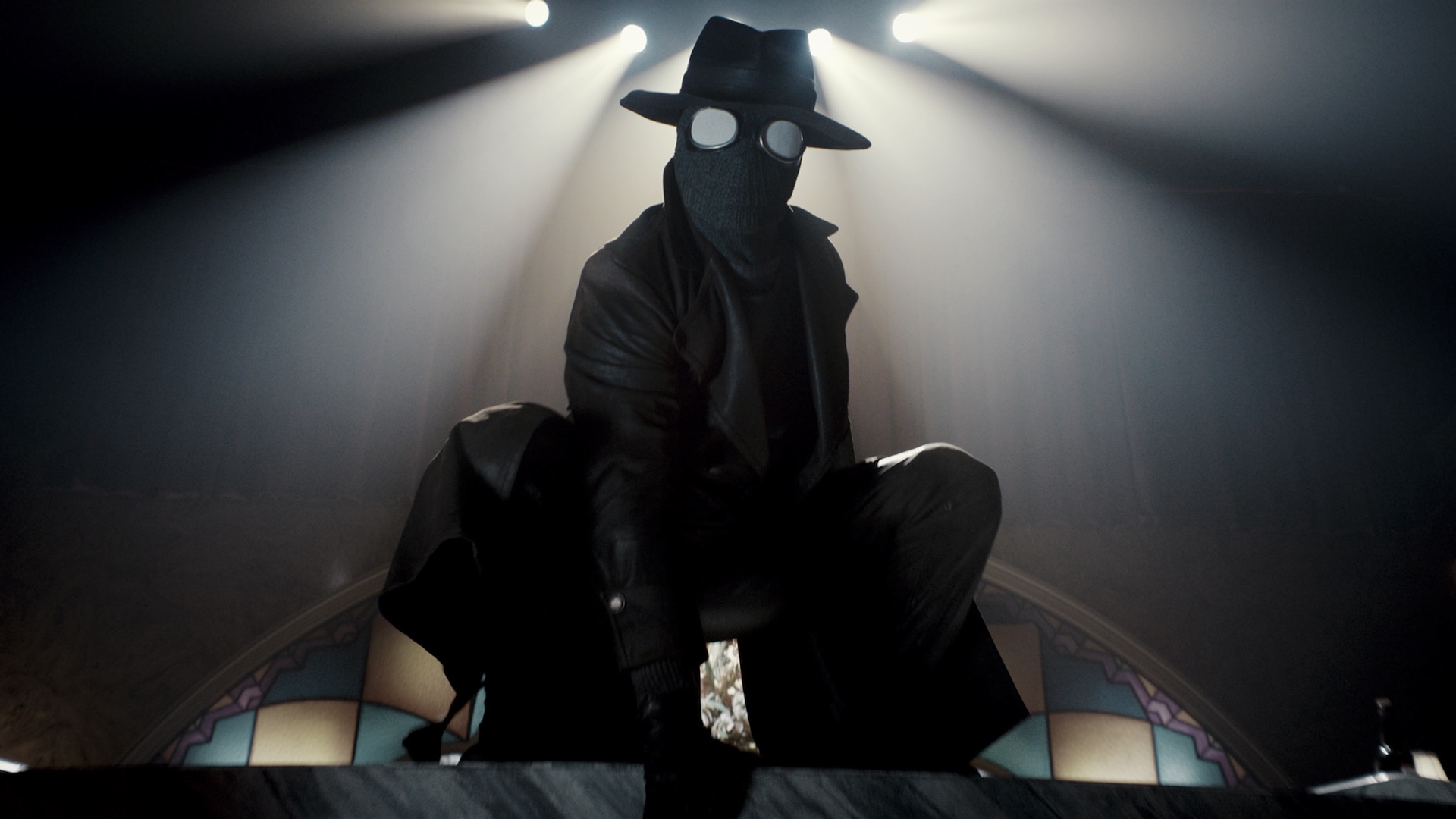
    In the current streaming landscape, there’s no such thing as a sure thing. Even an Emmy-winning Spider-Man series with a 92% Rotten Tomatoes score can get canceled after just one season, as proven by last week’s confirmation of Spider-Noir’s disappointing fate on Prime Video. If star Nicolas Cage is upset by the Spider-Noir news, he […]

    The post Spider-Noir Is Canceled, But Nicolas Cage Isn’t Complaining appeared first on Den of Geek.

    So over the long Labor Day weekend in the U.S.—a three-day respite that unofficially marks the end of summer with excursions to the beach or mountains, or at least hot dogs on the grill—President  Donald Trump took to his personal social media app, Truth Social. Quite a lot. And among the President of the United States’ many wordy, often bombastic posts was what appeared to be an announcement for the honest-to-Palpatine uniforms intended for the burgeoning U.S. Space Force.

    Complete with collar insignias, shoulder details, and hues that come in the monochrome selection of “space gray,” “midnight black,” and “silver gray,” the attire looks nearly like the spitting image of Imperial officers from Star Wars movies, not to mention a litany of other sci-fi characters deliberately modeled on a mode of fashionable dress in Germany between the years 1933 and 1945.

    And if you think we’re joking about Nazi influences running rampant in the image shared by Mr. Trump, please consider he or his team admitted to taking exactly such (in)direct influence. In the same infographic with all the other details is a small section labeled “Design Inspiration.” Apparently the whole aesthetic is informed “by the discipline and functionality of the Starship Trooper uniform.”

    Oh, dear.

    For those uninitiated in the minutiae of increasingly obscure Gen-X and millennial pop culture, Starship Troopers was an exceedingly arch 1997 adaptation (and some would say outright betrayal) of Robert A. Heinlein’s 1959 sci-fi novel of the same name. Directed by Dutch provocateur and cynic Paul Verhoeven, the movie cast pinup-ready TV and rising Hollywood teen talent like Casper Van Dien (One Life to Live), Denise Richards (Melrose Place), and Neil Patrick Harris (Doogie Howser, M.D.) as bright, attractive, fresh-faced American youths who spout patriotic platitudes with the usual heavy-handed delivery of a ‘90s primetime soap. Or a 1930s propaganda film.

    That was by design.

    cnx.cmd.push(function() {
    cnx({
    playerId: “106e33c0-3911-473c-b599-b1426db57530”,

    }).render(“0270c398a82f44f49c23c16122516796”);
    });

    “We really, really tried to get away from the novel, because we felt that the novel was fascistic and militaristic,” Verhoeven was quoted by IndieWire as saying in 2016. “Our philosophy was really different [from Heinlein’s book],we wanted to do a double story, a really wonderful adventure story about these young boys and girls fighting, but we also wanted to show that these people are really, in their heart, without knowing it, are on their way to fascism.”

    The effect comes through in the film with the good-looking people dying by the thousands as they’re sent on starships far away to fight an alien race of “bugs” that are blamed for a meteor striking planet Earth. (The evidence is deliberately vague and suspiciously scant.) There the kids are fed into what they happily refer to as “the grinder” of war while posing in ‘90s-flavored riffs on Leni Riefenstahl iconography. And in case this was missed by anyone, Harris’ intelligence officer wears the form-fitting, Nazi-infused regalia of a tight black uniform and its oh, so crisp, cleanly midnight-black, long leather trench coat.

    According to actor Michael Ironside, even while making the film Verhoeven apparently mused he might be “too subtle for the American consciousness.” Paul, it would seem you weren’t whistling, “The Deutchlandlied.”

    While Starship Troopers’ parody of hyper-nationalism and jingoistic valor is played with a tongue firmly in its cheek, it would seem many generations of viewers who grew up with it—or were already in their 50s in 1997—apparently missed the metaphor completely; this, despite the attire of the “good guys” in the movie looking conspicuously like the Third Reich, or at least the bad guys in Star Wars who were modeled on the same Triumph of the Will iconography. (Just wait until the president discovers where the word “stormtrooper” comes from!)

    Yet somehow the architects of the growing U.S. Space force over at the Department of Defense and their orange-hued executive in the White House somehow missed these parallels while explicitly designing the Space Force after this? Maybe.

    I’m not so sure since even Verhoeven had the good taste to not include the peaked cap of SS officers on Neil Patrick Harris. Sometimes, even to a satirist, a design can be a little too Nazi for a joke, much less a real-life military division.

    The post Do We Really Need to Explain the Nazis Metaphor in Starship Troopers, Mr. Trump? appeared first on Den of Geek.

  • 15 TV Shows That Got Cancelled Off the Back of a Massive Cliffhanger

    15 TV Shows That Got Cancelled Off the Back of a Massive Cliffhanger

    A season finale can get away with leaving a few unanswered questions when everyone assumes another batch of episodes is coming. The problem starts when a network or streaming service has other plans. Some shows have introduced new characters, revealed alternate realities, put their heroes in serious danger, or completely changed everything viewers thought they knew, only to get canceled before explaining any of it. In a few especially painful cases, the writers even ended the episode with an explicit promise that the story would continue. Instead, audiences were left waiting for a next season that never arrived. Here are 15 TV shows that got cancelled off the back of a massive cliffhanger.

    The post 15 TV Shows That Got Cancelled Off the Back of a Massive Cliffhanger appeared first on Den of Geek.

    So over the long Labor Day weekend in the U.S.—a three-day respite that unofficially marks the end of summer with excursions to the beach or mountains, or at least hot dogs on the grill—President  Donald Trump took to his personal social media app, Truth Social. Quite a lot. And among the President of the United States’ many wordy, often bombastic posts was what appeared to be an announcement for the honest-to-Palpatine uniforms intended for the burgeoning U.S. Space Force.

    Complete with collar insignias, shoulder details, and hues that come in the monochrome selection of “space gray,” “midnight black,” and “silver gray,” the attire looks nearly like the spitting image of Imperial officers from Star Wars movies, not to mention a litany of other sci-fi characters deliberately modeled on a mode of fashionable dress in Germany between the years 1933 and 1945.

    And if you think we’re joking about Nazi influences running rampant in the image shared by Mr. Trump, please consider he or his team admitted to taking exactly such (in)direct influence. In the same infographic with all the other details is a small section labeled “Design Inspiration.” Apparently the whole aesthetic is informed “by the discipline and functionality of the Starship Trooper uniform.”

    Oh, dear.

    For those uninitiated in the minutiae of increasingly obscure Gen-X and millennial pop culture, Starship Troopers was an exceedingly arch 1997 adaptation (and some would say outright betrayal) of Robert A. Heinlein’s 1959 sci-fi novel of the same name. Directed by Dutch provocateur and cynic Paul Verhoeven, the movie cast pinup-ready TV and rising Hollywood teen talent like Casper Van Dien (One Life to Live), Denise Richards (Melrose Place), and Neil Patrick Harris (Doogie Howser, M.D.) as bright, attractive, fresh-faced American youths who spout patriotic platitudes with the usual heavy-handed delivery of a ‘90s primetime soap. Or a 1930s propaganda film.

    That was by design.

    cnx.cmd.push(function() {
    cnx({
    playerId: “106e33c0-3911-473c-b599-b1426db57530”,

    }).render(“0270c398a82f44f49c23c16122516796”);
    });

    “We really, really tried to get away from the novel, because we felt that the novel was fascistic and militaristic,” Verhoeven was quoted by IndieWire as saying in 2016. “Our philosophy was really different [from Heinlein’s book],we wanted to do a double story, a really wonderful adventure story about these young boys and girls fighting, but we also wanted to show that these people are really, in their heart, without knowing it, are on their way to fascism.”

    The effect comes through in the film with the good-looking people dying by the thousands as they’re sent on starships far away to fight an alien race of “bugs” that are blamed for a meteor striking planet Earth. (The evidence is deliberately vague and suspiciously scant.) There the kids are fed into what they happily refer to as “the grinder” of war while posing in ‘90s-flavored riffs on Leni Riefenstahl iconography. And in case this was missed by anyone, Harris’ intelligence officer wears the form-fitting, Nazi-infused regalia of a tight black uniform and its oh, so crisp, cleanly midnight-black, long leather trench coat.

    According to actor Michael Ironside, even while making the film Verhoeven apparently mused he might be “too subtle for the American consciousness.” Paul, it would seem you weren’t whistling, “The Deutchlandlied.”

    While Starship Troopers’ parody of hyper-nationalism and jingoistic valor is played with a tongue firmly in its cheek, it would seem many generations of viewers who grew up with it—or were already in their 50s in 1997—apparently missed the metaphor completely; this, despite the attire of the “good guys” in the movie looking conspicuously like the Third Reich, or at least the bad guys in Star Wars who were modeled on the same Triumph of the Will iconography. (Just wait until the president discovers where the word “stormtrooper” comes from!)

    Yet somehow the architects of the growing U.S. Space force over at the Department of Defense and their orange-hued executive in the White House somehow missed these parallels while explicitly designing the Space Force after this? Maybe.

    I’m not so sure since even Verhoeven had the good taste to not include the peaked cap of SS officers on Neil Patrick Harris. Sometimes, even to a satirist, a design can be a little too Nazi for a joke, much less a real-life military division.

    The post Do We Really Need to Explain the Nazis Metaphor in Starship Troopers, Mr. Trump? appeared first on Den of Geek.

  • 15 Things That Quietly Disappeared From Everyday Life

    15 Things That Quietly Disappeared From Everyday Life

    Not everything that vanishes gets a proper goodbye. Plenty of things that once felt completely ordinary simply became less common year after year, until suddenly it was strange to see someone using them at all. Technology explains some of it, but changing habits, new laws, and different ways of shopping, traveling, and communicating played a part too. Nobody held a farewell ceremony for the phone book or mourned the last handwritten set of driving directions. We just found easier alternatives and moved on, often without noticing what we had stopped doing. Looking back, some of these routines now feel surprisingly distant. Here are 15 things that quietly disappeared from everyday life.

    The post 15 Things That Quietly Disappeared From Everyday Life appeared first on Den of Geek.

    So over the long Labor Day weekend in the U.S.—a three-day respite that unofficially marks the end of summer with excursions to the beach or mountains, or at least hot dogs on the grill—President  Donald Trump took to his personal social media app, Truth Social. Quite a lot. And among the President of the United States’ many wordy, often bombastic posts was what appeared to be an announcement for the honest-to-Palpatine uniforms intended for the burgeoning U.S. Space Force.

    Complete with collar insignias, shoulder details, and hues that come in the monochrome selection of “space gray,” “midnight black,” and “silver gray,” the attire looks nearly like the spitting image of Imperial officers from Star Wars movies, not to mention a litany of other sci-fi characters deliberately modeled on a mode of fashionable dress in Germany between the years 1933 and 1945.

    And if you think we’re joking about Nazi influences running rampant in the image shared by Mr. Trump, please consider he or his team admitted to taking exactly such (in)direct influence. In the same infographic with all the other details is a small section labeled “Design Inspiration.” Apparently the whole aesthetic is informed “by the discipline and functionality of the Starship Trooper uniform.”

    Oh, dear.

    For those uninitiated in the minutiae of increasingly obscure Gen-X and millennial pop culture, Starship Troopers was an exceedingly arch 1997 adaptation (and some would say outright betrayal) of Robert A. Heinlein’s 1959 sci-fi novel of the same name. Directed by Dutch provocateur and cynic Paul Verhoeven, the movie cast pinup-ready TV and rising Hollywood teen talent like Casper Van Dien (One Life to Live), Denise Richards (Melrose Place), and Neil Patrick Harris (Doogie Howser, M.D.) as bright, attractive, fresh-faced American youths who spout patriotic platitudes with the usual heavy-handed delivery of a ‘90s primetime soap. Or a 1930s propaganda film.

    That was by design.

    cnx.cmd.push(function() {
    cnx({
    playerId: “106e33c0-3911-473c-b599-b1426db57530”,

    }).render(“0270c398a82f44f49c23c16122516796”);
    });

    “We really, really tried to get away from the novel, because we felt that the novel was fascistic and militaristic,” Verhoeven was quoted by IndieWire as saying in 2016. “Our philosophy was really different [from Heinlein’s book],we wanted to do a double story, a really wonderful adventure story about these young boys and girls fighting, but we also wanted to show that these people are really, in their heart, without knowing it, are on their way to fascism.”

    The effect comes through in the film with the good-looking people dying by the thousands as they’re sent on starships far away to fight an alien race of “bugs” that are blamed for a meteor striking planet Earth. (The evidence is deliberately vague and suspiciously scant.) There the kids are fed into what they happily refer to as “the grinder” of war while posing in ‘90s-flavored riffs on Leni Riefenstahl iconography. And in case this was missed by anyone, Harris’ intelligence officer wears the form-fitting, Nazi-infused regalia of a tight black uniform and its oh, so crisp, cleanly midnight-black, long leather trench coat.

    According to actor Michael Ironside, even while making the film Verhoeven apparently mused he might be “too subtle for the American consciousness.” Paul, it would seem you weren’t whistling, “The Deutchlandlied.”

    While Starship Troopers’ parody of hyper-nationalism and jingoistic valor is played with a tongue firmly in its cheek, it would seem many generations of viewers who grew up with it—or were already in their 50s in 1997—apparently missed the metaphor completely; this, despite the attire of the “good guys” in the movie looking conspicuously like the Third Reich, or at least the bad guys in Star Wars who were modeled on the same Triumph of the Will iconography. (Just wait until the president discovers where the word “stormtrooper” comes from!)

    Yet somehow the architects of the growing U.S. Space force over at the Department of Defense and their orange-hued executive in the White House somehow missed these parallels while explicitly designing the Space Force after this? Maybe.

    I’m not so sure since even Verhoeven had the good taste to not include the peaked cap of SS officers on Neil Patrick Harris. Sometimes, even to a satirist, a design can be a little too Nazi for a joke, much less a real-life military division.

    The post Do We Really Need to Explain the Nazis Metaphor in Starship Troopers, Mr. Trump? appeared first on Den of Geek.

  • 15 Products That Were Invented for a Completely Different Purpose

    15 Products That Were Invented for a Completely Different Purpose

    Some products seem so perfectly suited to their jobs that it is hard to imagine anyone ever using them for something else. Their inventors, however, did not always have the final use in mind. A children’s toy started out cleaning dirty walls, a familiar household spray was developed for aerospace equipment, and one of the most recognizable tissues was originally sold as a beauty product. Sometimes consumers discovered a better use themselves, while other inventions simply failed at their original jobs and found unexpected second lives. A few of those detours eventually created products far more successful than anyone initially planned. Here are 15 products that were invented for a completely different purpose.

    The post 15 Products That Were Invented for a Completely Different Purpose appeared first on Den of Geek.

    So over the long Labor Day weekend in the U.S.—a three-day respite that unofficially marks the end of summer with excursions to the beach or mountains, or at least hot dogs on the grill—President  Donald Trump took to his personal social media app, Truth Social. Quite a lot. And among the President of the United States’ many wordy, often bombastic posts was what appeared to be an announcement for the honest-to-Palpatine uniforms intended for the burgeoning U.S. Space Force.

    Complete with collar insignias, shoulder details, and hues that come in the monochrome selection of “space gray,” “midnight black,” and “silver gray,” the attire looks nearly like the spitting image of Imperial officers from Star Wars movies, not to mention a litany of other sci-fi characters deliberately modeled on a mode of fashionable dress in Germany between the years 1933 and 1945.

    And if you think we’re joking about Nazi influences running rampant in the image shared by Mr. Trump, please consider he or his team admitted to taking exactly such (in)direct influence. In the same infographic with all the other details is a small section labeled “Design Inspiration.” Apparently the whole aesthetic is informed “by the discipline and functionality of the Starship Trooper uniform.”

    Oh, dear.

    For those uninitiated in the minutiae of increasingly obscure Gen-X and millennial pop culture, Starship Troopers was an exceedingly arch 1997 adaptation (and some would say outright betrayal) of Robert A. Heinlein’s 1959 sci-fi novel of the same name. Directed by Dutch provocateur and cynic Paul Verhoeven, the movie cast pinup-ready TV and rising Hollywood teen talent like Casper Van Dien (One Life to Live), Denise Richards (Melrose Place), and Neil Patrick Harris (Doogie Howser, M.D.) as bright, attractive, fresh-faced American youths who spout patriotic platitudes with the usual heavy-handed delivery of a ‘90s primetime soap. Or a 1930s propaganda film.

    That was by design.

    cnx.cmd.push(function() {
    cnx({
    playerId: “106e33c0-3911-473c-b599-b1426db57530”,

    }).render(“0270c398a82f44f49c23c16122516796”);
    });

    “We really, really tried to get away from the novel, because we felt that the novel was fascistic and militaristic,” Verhoeven was quoted by IndieWire as saying in 2016. “Our philosophy was really different [from Heinlein’s book],we wanted to do a double story, a really wonderful adventure story about these young boys and girls fighting, but we also wanted to show that these people are really, in their heart, without knowing it, are on their way to fascism.”

    The effect comes through in the film with the good-looking people dying by the thousands as they’re sent on starships far away to fight an alien race of “bugs” that are blamed for a meteor striking planet Earth. (The evidence is deliberately vague and suspiciously scant.) There the kids are fed into what they happily refer to as “the grinder” of war while posing in ‘90s-flavored riffs on Leni Riefenstahl iconography. And in case this was missed by anyone, Harris’ intelligence officer wears the form-fitting, Nazi-infused regalia of a tight black uniform and its oh, so crisp, cleanly midnight-black, long leather trench coat.

    According to actor Michael Ironside, even while making the film Verhoeven apparently mused he might be “too subtle for the American consciousness.” Paul, it would seem you weren’t whistling, “The Deutchlandlied.”

    While Starship Troopers’ parody of hyper-nationalism and jingoistic valor is played with a tongue firmly in its cheek, it would seem many generations of viewers who grew up with it—or were already in their 50s in 1997—apparently missed the metaphor completely; this, despite the attire of the “good guys” in the movie looking conspicuously like the Third Reich, or at least the bad guys in Star Wars who were modeled on the same Triumph of the Will iconography. (Just wait until the president discovers where the word “stormtrooper” comes from!)

    Yet somehow the architects of the growing U.S. Space force over at the Department of Defense and their orange-hued executive in the White House somehow missed these parallels while explicitly designing the Space Force after this? Maybe.

    I’m not so sure since even Verhoeven had the good taste to not include the peaked cap of SS officers on Neil Patrick Harris. Sometimes, even to a satirist, a design can be a little too Nazi for a joke, much less a real-life military division.

    The post Do We Really Need to Explain the Nazis Metaphor in Starship Troopers, Mr. Trump? appeared first on Den of Geek.

  • Did Godzilla Minus Zero Just Confirm King Ghidorah’s Return?

    Did Godzilla Minus Zero Just Confirm King Ghidorah’s Return?

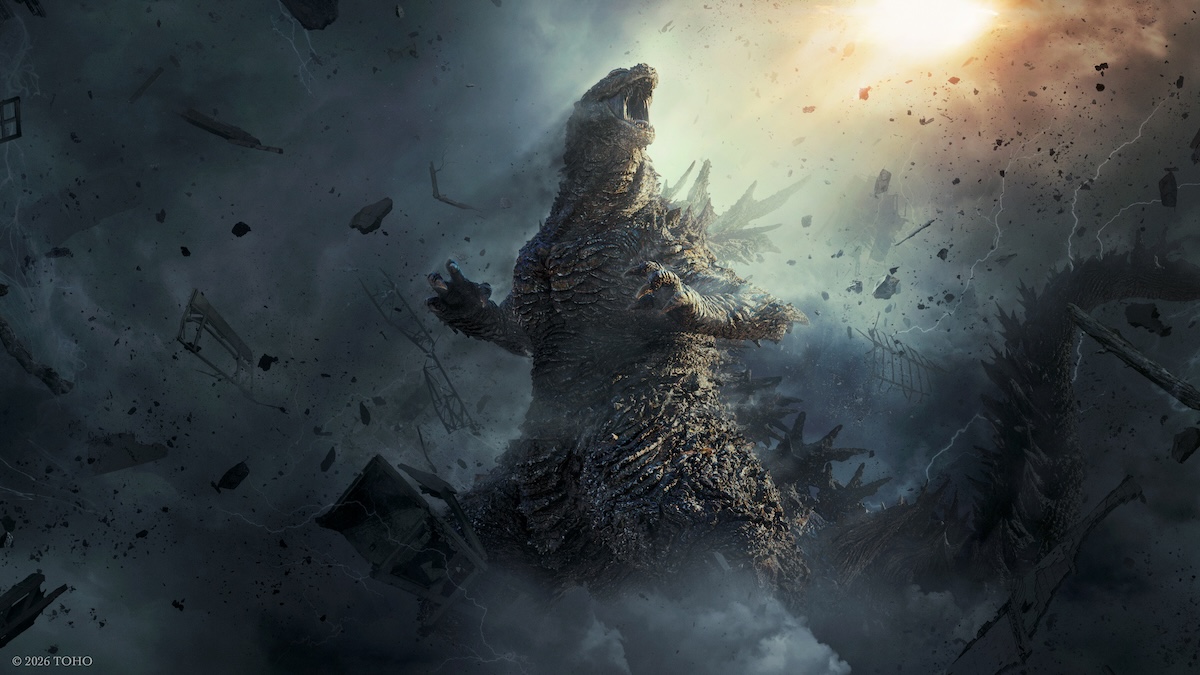
    In the final seconds of the latest trailer for Godzilla Minus Zero, the humans look on in horror. Not surprisingly before them stands a returned Godzilla, the beast who they thought they destroyed in the previous movie, Godzilla Minus One. In fact, they are witnessing Godzilla fall to the ground, as if dead, despite the […]

    The post Did Godzilla Minus Zero Just Confirm King Ghidorah’s Return? appeared first on Den of Geek.

    So over the long Labor Day weekend in the U.S.—a three-day respite that unofficially marks the end of summer with excursions to the beach or mountains, or at least hot dogs on the grill—President  Donald Trump took to his personal social media app, Truth Social. Quite a lot. And among the President of the United States’ many wordy, often bombastic posts was what appeared to be an announcement for the honest-to-Palpatine uniforms intended for the burgeoning U.S. Space Force.

    Complete with collar insignias, shoulder details, and hues that come in the monochrome selection of “space gray,” “midnight black,” and “silver gray,” the attire looks nearly like the spitting image of Imperial officers from Star Wars movies, not to mention a litany of other sci-fi characters deliberately modeled on a mode of fashionable dress in Germany between the years 1933 and 1945.

    And if you think we’re joking about Nazi influences running rampant in the image shared by Mr. Trump, please consider he or his team admitted to taking exactly such (in)direct influence. In the same infographic with all the other details is a small section labeled “Design Inspiration.” Apparently the whole aesthetic is informed “by the discipline and functionality of the Starship Trooper uniform.”

    Oh, dear.

    For those uninitiated in the minutiae of increasingly obscure Gen-X and millennial pop culture, Starship Troopers was an exceedingly arch 1997 adaptation (and some would say outright betrayal) of Robert A. Heinlein’s 1959 sci-fi novel of the same name. Directed by Dutch provocateur and cynic Paul Verhoeven, the movie cast pinup-ready TV and rising Hollywood teen talent like Casper Van Dien (One Life to Live), Denise Richards (Melrose Place), and Neil Patrick Harris (Doogie Howser, M.D.) as bright, attractive, fresh-faced American youths who spout patriotic platitudes with the usual heavy-handed delivery of a ‘90s primetime soap. Or a 1930s propaganda film.

    That was by design.

    cnx.cmd.push(function() {
    cnx({
    playerId: “106e33c0-3911-473c-b599-b1426db57530”,

    }).render(“0270c398a82f44f49c23c16122516796”);
    });

    “We really, really tried to get away from the novel, because we felt that the novel was fascistic and militaristic,” Verhoeven was quoted by IndieWire as saying in 2016. “Our philosophy was really different [from Heinlein’s book],we wanted to do a double story, a really wonderful adventure story about these young boys and girls fighting, but we also wanted to show that these people are really, in their heart, without knowing it, are on their way to fascism.”

    The effect comes through in the film with the good-looking people dying by the thousands as they’re sent on starships far away to fight an alien race of “bugs” that are blamed for a meteor striking planet Earth. (The evidence is deliberately vague and suspiciously scant.) There the kids are fed into what they happily refer to as “the grinder” of war while posing in ‘90s-flavored riffs on Leni Riefenstahl iconography. And in case this was missed by anyone, Harris’ intelligence officer wears the form-fitting, Nazi-infused regalia of a tight black uniform and its oh, so crisp, cleanly midnight-black, long leather trench coat.

    According to actor Michael Ironside, even while making the film Verhoeven apparently mused he might be “too subtle for the American consciousness.” Paul, it would seem you weren’t whistling, “The Deutchlandlied.”

    While Starship Troopers’ parody of hyper-nationalism and jingoistic valor is played with a tongue firmly in its cheek, it would seem many generations of viewers who grew up with it—or were already in their 50s in 1997—apparently missed the metaphor completely; this, despite the attire of the “good guys” in the movie looking conspicuously like the Third Reich, or at least the bad guys in Star Wars who were modeled on the same Triumph of the Will iconography. (Just wait until the president discovers where the word “stormtrooper” comes from!)

    Yet somehow the architects of the growing U.S. Space force over at the Department of Defense and their orange-hued executive in the White House somehow missed these parallels while explicitly designing the Space Force after this? Maybe.

    I’m not so sure since even Verhoeven had the good taste to not include the peaked cap of SS officers on Neil Patrick Harris. Sometimes, even to a satirist, a design can be a little too Nazi for a joke, much less a real-life military division.

    The post Do We Really Need to Explain the Nazis Metaphor in Starship Troopers, Mr. Trump? appeared first on Den of Geek.

  • Revisiting ‘90s Era Satanic Panic in Carry the Darkness

    Revisiting ‘90s Era Satanic Panic in Carry the Darkness

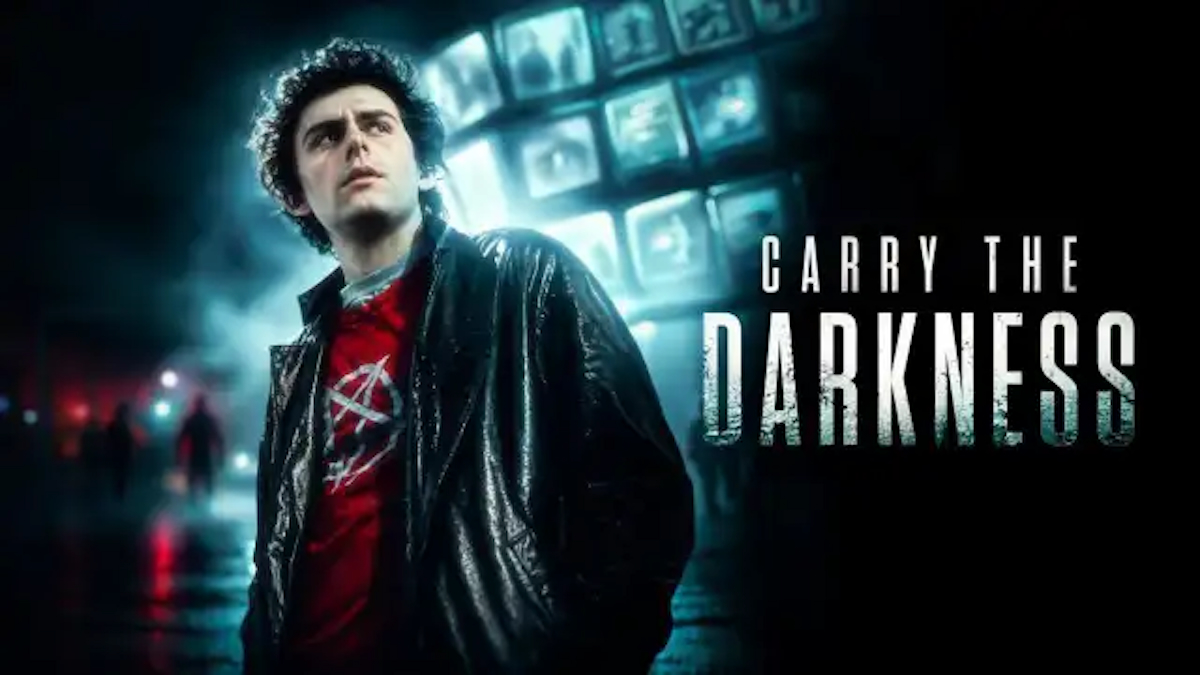
    Carry the Darkness recalls a time and place that should be intimately familiar for its writer-director. After all, Douglas Forrester shot much of the film literally in the small Maryland community he grew up in, which while hundreds of miles from West Memphis, Arkansas was nonetheless gripped by the same fears in the 1990s: teenagers […]

    The post Revisiting ‘90s Era Satanic Panic in Carry the Darkness appeared first on Den of Geek.

    So over the long Labor Day weekend in the U.S.—a three-day respite that unofficially marks the end of summer with excursions to the beach or mountains, or at least hot dogs on the grill—President  Donald Trump took to his personal social media app, Truth Social. Quite a lot. And among the President of the United States’ many wordy, often bombastic posts was what appeared to be an announcement for the honest-to-Palpatine uniforms intended for the burgeoning U.S. Space Force.

    Complete with collar insignias, shoulder details, and hues that come in the monochrome selection of “space gray,” “midnight black,” and “silver gray,” the attire looks nearly like the spitting image of Imperial officers from Star Wars movies, not to mention a litany of other sci-fi characters deliberately modeled on a mode of fashionable dress in Germany between the years 1933 and 1945.

    And if you think we’re joking about Nazi influences running rampant in the image shared by Mr. Trump, please consider he or his team admitted to taking exactly such (in)direct influence. In the same infographic with all the other details is a small section labeled “Design Inspiration.” Apparently the whole aesthetic is informed “by the discipline and functionality of the Starship Trooper uniform.”

    Oh, dear.

    For those uninitiated in the minutiae of increasingly obscure Gen-X and millennial pop culture, Starship Troopers was an exceedingly arch 1997 adaptation (and some would say outright betrayal) of Robert A. Heinlein’s 1959 sci-fi novel of the same name. Directed by Dutch provocateur and cynic Paul Verhoeven, the movie cast pinup-ready TV and rising Hollywood teen talent like Casper Van Dien (One Life to Live), Denise Richards (Melrose Place), and Neil Patrick Harris (Doogie Howser, M.D.) as bright, attractive, fresh-faced American youths who spout patriotic platitudes with the usual heavy-handed delivery of a ‘90s primetime soap. Or a 1930s propaganda film.

    That was by design.

    cnx.cmd.push(function() {
    cnx({
    playerId: “106e33c0-3911-473c-b599-b1426db57530”,

    }).render(“0270c398a82f44f49c23c16122516796”);
    });

    “We really, really tried to get away from the novel, because we felt that the novel was fascistic and militaristic,” Verhoeven was quoted by IndieWire as saying in 2016. “Our philosophy was really different [from Heinlein’s book],we wanted to do a double story, a really wonderful adventure story about these young boys and girls fighting, but we also wanted to show that these people are really, in their heart, without knowing it, are on their way to fascism.”

    The effect comes through in the film with the good-looking people dying by the thousands as they’re sent on starships far away to fight an alien race of “bugs” that are blamed for a meteor striking planet Earth. (The evidence is deliberately vague and suspiciously scant.) There the kids are fed into what they happily refer to as “the grinder” of war while posing in ‘90s-flavored riffs on Leni Riefenstahl iconography. And in case this was missed by anyone, Harris’ intelligence officer wears the form-fitting, Nazi-infused regalia of a tight black uniform and its oh, so crisp, cleanly midnight-black, long leather trench coat.

    According to actor Michael Ironside, even while making the film Verhoeven apparently mused he might be “too subtle for the American consciousness.” Paul, it would seem you weren’t whistling, “The Deutchlandlied.”

    While Starship Troopers’ parody of hyper-nationalism and jingoistic valor is played with a tongue firmly in its cheek, it would seem many generations of viewers who grew up with it—or were already in their 50s in 1997—apparently missed the metaphor completely; this, despite the attire of the “good guys” in the movie looking conspicuously like the Third Reich, or at least the bad guys in Star Wars who were modeled on the same Triumph of the Will iconography. (Just wait until the president discovers where the word “stormtrooper” comes from!)

    Yet somehow the architects of the growing U.S. Space force over at the Department of Defense and their orange-hued executive in the White House somehow missed these parallels while explicitly designing the Space Force after this? Maybe.

    I’m not so sure since even Verhoeven had the good taste to not include the peaked cap of SS officers on Neil Patrick Harris. Sometimes, even to a satirist, a design can be a little too Nazi for a joke, much less a real-life military division.

    The post Do We Really Need to Explain the Nazis Metaphor in Starship Troopers, Mr. Trump? appeared first on Den of Geek.