Category: Blog

Your blog category

  • An Holistic Framework for Shared Design Leadership

    An Holistic Framework for Shared Design Leadership

    Picture this: You’re in a meeting room at your tech company, and two people are having what looks like the same conversation about the same design problem. One is talking about whether the team has the right skills to tackle it. The other is diving deep into whether the solution actually solves the user’s problem. Same room, same problem, completely different lenses.

    This is the beautiful, sometimes messy reality of having both a Design Manager and a Lead Designer on the same team. And if you’re wondering how to make this work without creating confusion, overlap, or the dreaded “too many cooks” scenario, you’re asking the right question.

    The traditional answer has been to draw clean lines on an org chart. The Design Manager handles people, the Lead Designer handles craft. Problem solved, right? Except clean org charts are fantasy. In reality, both roles care deeply about team health, design quality, and shipping great work. 

    The magic happens when you embrace the overlap instead of fighting it—when you start thinking of your design org as a design organism.

    The Anatomy of a Healthy Design Team

    Here’s what I’ve learned from years of being on both sides of this equation: think of your design team as a living organism. The Design Manager tends to the mind (the psychological safety, the career growth, the team dynamics). The Lead Designer tends to the body (the craft skills, the design standards, the hands-on work that ships to users).

    But just like mind and body aren’t completely separate systems, so, too, do these roles overlap in important ways. You can’t have a healthy person without both working in harmony. The trick is knowing where those overlaps are and how to navigate them gracefully.

    When we look at how healthy teams actually function, three critical systems emerge. Each requires both roles to work together, but with one taking primary responsibility for keeping that system strong.

    The Nervous System: People & Psychology

    Primary caretaker: Design Manager
    Supporting role: Lead Designer

    The nervous system is all about signals, feedback, and psychological safety. When this system is healthy, information flows freely, people feel safe to take risks, and the team can adapt quickly to new challenges.

    The Design Manager is the primary caretaker here. They’re monitoring the team’s psychological pulse, ensuring feedback loops are healthy, and creating the conditions for people to grow. They’re hosting career conversations, managing workload, and making sure no one burns out.

    But the Lead Designer plays a crucial supporting role. They’re providing sensory input about craft development needs, spotting when someone’s design skills are stagnating, and helping identify growth opportunities that the Design Manager might miss.

    Design Manager tends to:

    • Career conversations and growth planning
    • Team psychological safety and dynamics
    • Workload management and resource allocation
    • Performance reviews and feedback systems
    • Creating learning opportunities

    Lead Designer supports by:

    • Providing craft-specific feedback on team member development
    • Identifying design skill gaps and growth opportunities
    • Offering design mentorship and guidance
    • Signaling when team members are ready for more complex challenges

    The Muscular System: Craft & Execution

    Primary caretaker: Lead Designer
    Supporting role: Design Manager

    The muscular system is about strength, coordination, and skill development. When this system is healthy, the team can execute complex design work with precision, maintain consistent quality, and adapt their craft to new challenges.

    The Lead Designer is the primary caretaker here. They’re setting design standards, providing craft coaching, and ensuring that shipping work meets the quality bar. They’re the ones who can tell you if a design decision is sound or if we’re solving the right problem.

    But the Design Manager plays a crucial supporting role. They’re ensuring the team has the resources and support to do their best craft work, like proper nutrition and recovery time for an athlete.

    Lead Designer tends to:

    • Definition of design standards and system usage
    • Feedback on what design work meets the standard
    • Experience direction for the product
    • Design decisions and product-wide alignment
    • Innovation and craft advancement

    Design Manager supports by:

    • Ensuring design standards are understood and adopted across the team
    • Confirming experience direction is being followed
    • Supporting practices and systems that scale without bottlenecking
    • Facilitating design alignment across teams
    • Providing resources and removing obstacles to great craft work

    The Circulatory System: Strategy & Flow

    Shared caretakers: Both Design Manager and Lead Designer

    The circulatory system is about how information, decisions, and energy flow through the team. When this system is healthy, strategic direction is clear, priorities are aligned, and the team can respond quickly to new opportunities or challenges.

    This is where true partnership happens. Both roles are responsible for keeping the circulation strong, but they’re bringing different perspectives to the table.

    Lead Designer contributes:

    • User needs are met by the product
    • Overall product quality and experience
    • Strategic design initiatives
    • Research-based user needs for each initiative

    Design Manager contributes:

    • Communication to team and stakeholders
    • Stakeholder management and alignment
    • Cross-functional team accountability
    • Strategic business initiatives

    Both collaborate on:

    • Co-creation of strategy with leadership
    • Team goals and prioritization approach
    • Organizational structure decisions
    • Success measures and frameworks

    Keeping the Organism Healthy

    The key to making this partnership sing is understanding that all three systems need to work together. A team with great craft skills but poor psychological safety will burn out. A team with great culture but weak craft execution will ship mediocre work. A team with both but poor strategic circulation will work hard on the wrong things.

    Be Explicit About Which System You’re Tending

    When you’re in a meeting about a design problem, it helps to acknowledge which system you’re primarily focused on. “I’m thinking about this from a team capacity perspective” (nervous system) or “I’m looking at this through the lens of user needs” (muscular system) gives everyone context for your input.

    This isn’t about staying in your lane. It’s about being transparent as to which lens you’re using, so the other person knows how to best add their perspective.

    Create Healthy Feedback Loops

    The most successful partnerships I’ve seen establish clear feedback loops between the systems:

    Nervous system signals to muscular system: “The team is struggling with confidence in their design skills” → Lead Designer provides more craft coaching and clearer standards.

    Muscular system signals to nervous system: “The team’s craft skills are advancing faster than their project complexity” → Design Manager finds more challenging growth opportunities.

    Both systems signal to circulatory system: “We’re seeing patterns in team health and craft development that suggest we need to adjust our strategic priorities.”

    Handle Handoffs Gracefully

    The most critical moments in this partnership are when something moves from one system to another. This might be when a design standard (muscular system) needs to be rolled out across the team (nervous system), or when a strategic initiative (circulatory system) needs specific craft execution (muscular system).

    Make these transitions explicit. “I’ve defined the new component standards. Can you help me think through how to get the team up to speed?” or “We’ve agreed on this strategic direction. I’m going to focus on the specific user experience approach from here.”

    Stay Curious, Not Territorial

    The Design Manager who never thinks about craft, or the Lead Designer who never considers team dynamics, is like a doctor who only looks at one body system. Great design leadership requires both people to care about the whole organism, even when they’re not the primary caretaker.

    This means asking questions rather than making assumptions. “What do you think about the team’s craft development in this area?” or “How do you see this impacting team morale and workload?” keeps both perspectives active in every decision.

    When the Organism Gets Sick

    Even with clear roles, this partnership can go sideways. Here are the most common failure modes I’ve seen:

    System Isolation

    The Design Manager focuses only on the nervous system and ignores craft development. The Lead Designer focuses only on the muscular system and ignores team dynamics. Both people retreat to their comfort zones and stop collaborating.

    The symptoms: Team members get mixed messages, work quality suffers, morale drops.

    The treatment: Reconnect around shared outcomes. What are you both trying to achieve? Usually it’s great design work that ships on time from a healthy team. Figure out how both systems serve that goal.

    Poor Circulation

    Strategic direction is unclear, priorities keep shifting, and neither role is taking responsibility for keeping information flowing.

    The symptoms: Team members are confused about priorities, work gets duplicated or dropped, deadlines are missed.

    The treatment: Explicitly assign responsibility for circulation. Who’s communicating what to whom? How often? What’s the feedback loop?

    Autoimmune Response

    One person feels threatened by the other’s expertise. The Design Manager thinks the Lead Designer is undermining their authority. The Lead Designer thinks the Design Manager doesn’t understand craft.

    The symptoms: Defensive behavior, territorial disputes, team members caught in the middle.

    The treatment: Remember that you’re both caretakers of the same organism. When one system fails, the whole team suffers. When both systems are healthy, the team thrives.

    The Payoff

    Yes, this model requires more communication. Yes, it requires both people to be secure enough to share responsibility for team health. But the payoff is worth it: better decisions, stronger teams, and design work that’s both excellent and sustainable.

    When both roles are healthy and working well together, you get the best of both worlds: deep craft expertise and strong people leadership. When one person is out sick, on vacation, or overwhelmed, the other can help maintain the team’s health. When a decision requires both the people perspective and the craft perspective, you’ve got both right there in the room.

    Most importantly, the framework scales. As your team grows, you can apply the same system thinking to new challenges. Need to launch a design system? Lead Designer tends to the muscular system (standards and implementation), Design Manager tends to the nervous system (team adoption and change management), and both tend to circulation (communication and stakeholder alignment).

    The Bottom Line

    The relationship between a Design Manager and Lead Designer isn’t about dividing territories. It’s about multiplying impact. When both roles understand they’re tending to different aspects of the same healthy organism, magic happens.

    The mind and body work together. The team gets both the strategic thinking and the craft excellence they need. And most importantly, the work that ships to users benefits from both perspectives.

    So the next time you’re in that meeting room, wondering why two people are talking about the same problem from different angles, remember: you’re watching shared leadership in action. And if it’s working well, both the mind and body of your design team are getting stronger.
  • From Beta to Bedrock: Build Products that Stick.

    From Beta to Bedrock: Build Products that Stick.

    As a product builder over too many years to mention, I’ve lost count of the number of times I’ve seen promising ideas go from zero to hero in a few weeks, only to fizzle out within months.

    Financial products, which is the field I work in, are no exception. With people’s real hard-earned money on the line, user expectations running high, and a crowded market, it’s tempting to throw as many features at the wall as possible and hope something sticks. But this approach is a recipe for disaster. Here’s why:

    The pitfalls of feature-first development

    When you start building a financial product from the ground up, or are migrating existing customer journeys from paper or telephony channels onto online banking or mobile apps, it’s easy to get caught up in the excitement of creating new features. You might think, “If I can just add one more thing that solves this particular user problem, they’ll love me!” But what happens when you inevitably hit a roadblock because the narcs (your security team!) don’t like it? When a hard-fought feature isn’t as popular as you thought, or it breaks due to unforeseen complexity?

    This is where the concept of Minimum Viable Product (MVP) comes in. Jason Fried’s book Getting Real and his podcast Rework often touch on this idea, even if he doesn’t always call it that. An MVP is a product that provides just enough value to your users to keep them engaged, but not so much that it becomes overwhelming or difficult to maintain. It sounds like an easy concept but it requires a razor sharp eye, a ruthless edge and having the courage to stick by your opinion because it is easy to be seduced by “the Columbo Effect”… when there’s always “just one more thing…” that someone wants to add.

    The problem with most finance apps, however, is that they often become a reflection of the internal politics of the business rather than an experience solely designed around the customer. This means that the focus is on delivering as many features and functionalities as possible to satisfy the needs and desires of competing internal departments, rather than providing a clear value proposition that is focused on what the people out there in the real world want. As a result, these products can very easily bloat to become a mixed bag of confusing, unrelated and ultimately unlovable customer experiences—a feature salad, you might say.

    The importance of bedrock

    So what’s a better approach? How can we build products that are stable, user-friendly, and—most importantly—stick?

    That’s where the concept of “bedrock” comes in. Bedrock is the core element of your product that truly matters to users. It’s the fundamental building block that provides value and stays relevant over time.

    In the world of retail banking, which is where I work, the bedrock has got to be in and around the regular servicing journeys. People open their current account once in a blue moon but they look at it every day. They sign up for a credit card every year or two, but they check their balance and pay their bill at least once a month.

    Identifying the core tasks that people want to do and then relentlessly striving to make them easy to do, dependable, and trustworthy is where the gravy’s at.

    But how do you get to bedrock? By focusing on the “MVP” approach, prioritizing simplicity, and iterating towards a clear value proposition. This means cutting out unnecessary features and focusing on delivering real value to your users.

    It also means having some guts, because your colleagues might not always instantly share your vision to start with. And controversially, sometimes it can even mean making it clear to customers that you’re not going to come to their house and make their dinner. The occasional “opinionated user interface design” (i.e. clunky workaround for edge cases) might sometimes be what you need to use to test a concept or buy you space to work on something more important.

    Practical strategies for building financial products that stick

    So what are the key strategies I’ve learned from my own experience and research?

    1. Start with a clear “why”: What problem are you trying to solve? For whom? Make sure your mission is crystal clear before building anything. Make sure it aligns with your company’s objectives, too.
    2. Focus on a single, core feature and obsess on getting that right before moving on to something else: Resist the temptation to add too many features at once. Instead, choose one that delivers real value and iterate from there.
    3. Prioritize simplicity over complexity: Less is often more when it comes to financial products. Cut out unnecessary bells and whistles and keep the focus on what matters most.
    4. Embrace continuous iteration: Bedrock isn’t a fixed destination—it’s a dynamic process. Continuously gather user feedback, refine your product, and iterate towards that bedrock state.
    5. Stop, look and listen: Don’t just test your product as part of your delivery process—test it repeatedly in the field. Use it yourself. Run A/B tests. Gather user feedback. Talk to people who use it, and refine accordingly.

    The bedrock paradox

    There’s an interesting paradox at play here: building towards bedrock means sacrificing some short-term growth potential in favour of long-term stability. But the payoff is worth it—products built with a focus on bedrock will outlast and outperform their competitors, and deliver sustained value to users over time.

    So, how do you start your journey towards bedrock? Take it one step at a time. Start by identifying those core elements that truly matter to your users. Focus on building and refining a single, powerful feature that delivers real value. And above all, test obsessively—for, in the words of Abraham Lincoln, Alan Kay, or Peter Drucker (whomever you believe!!), “The best way to predict the future is to create it.”

  • 10 Iconic Characters That Were Never Even Real

    10 Iconic Characters That Were Never Even Real

    Some of the most memorable characters in film history are not fully real within their own stories, even though audiences initially accept them as part of the narrative world. These figures often exist as hallucinations, psychological projections, fabricated identities, or deliberate deceptions designed to mislead both the viewer and other characters. Their impact comes from how convincingly they are integrated into the story before being revealed as something else entirely. When the twist arrives, it forces a complete reinterpretation of earlier scenes and character motivations. These moments are especially powerful because they rely on perception rather than physical reality, turning the idea of “character” itself into something unstable and subjective.

    The post 10 Iconic Characters That Were Never Even Real appeared first on Den of Geek.

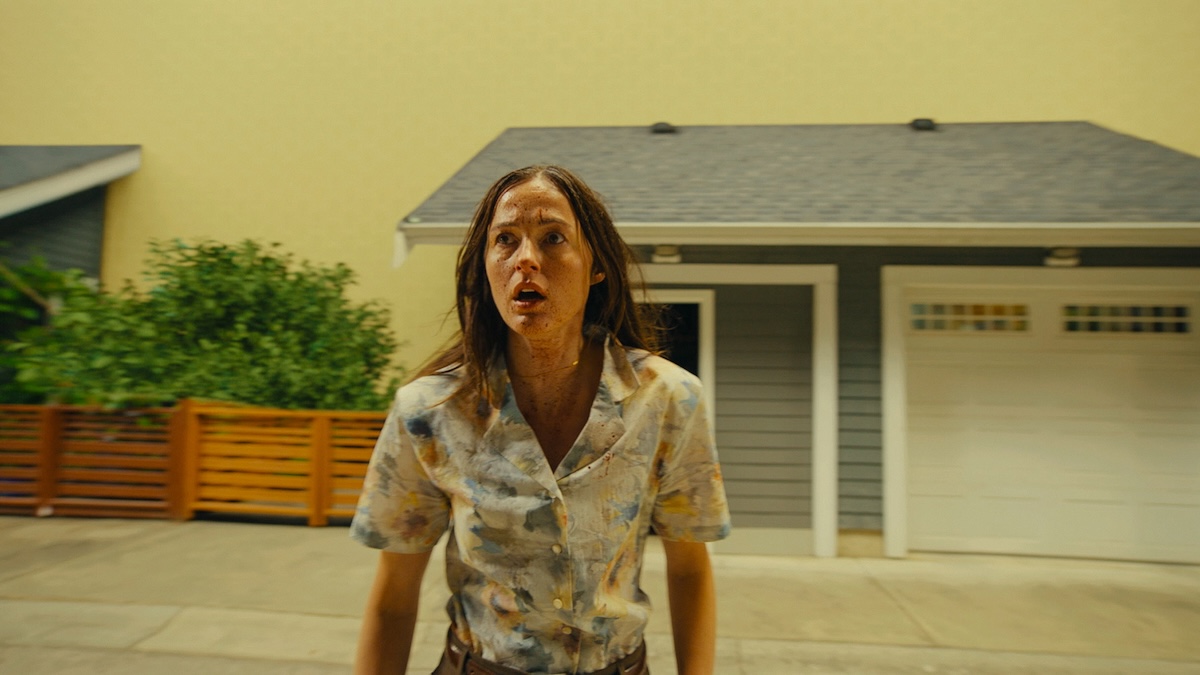
    In the latest trailer for an upcoming summer blockbuster, swelling music sets a fantastical scene. Regular people find themselves whisked out of their regular lives, on an adventure they never imagined. In a striking shot, we see their awe-filled faces as they look in wonder and terror at dinosaurs, somehow brought back to modern times. Ewan McGregor, my dear Anne Hathaway… Welcome to suburbia?

    As much as Jurassic Park has become synonymous with dinosaur movies, thunder lizards aren’t actually intellectual IP owned by Universal and Amblin. In fact, not only can anyone make a dinosaur movie, but you can do anything you want with the creatures. That’s what writer/director David Robert Mitchell is doing with The End of Oak Street, a sci-fi adventure starring McGregor and Hathaway as suburbanites who find their neighborhood sent back to prehistoric times.

    Of course, the trailer situates the movie in the past even before the first T-Rex makes an appearance. Set to a slowed down version of the Billy Joel track “My Life” (aka, the theme for the sitcom about Tom Hanks in drag), the trailer makes The End of Oak Street look like a lost Spielberg movie in which the dad stuck around. The central family has one of those round booths in their kitchen, the camera pans past a stacked cassette tape rack, and a boy wraps himself in blankets marketing the Christopher Reeves Superman movie.

    cnx.cmd.push(function() {
    cnx({
    playerId: “106e33c0-3911-473c-b599-b1426db57530”,

    }).render(“0270c398a82f44f49c23c16122516796”);
    });

    Further, the trailer includes shots that seem to come from ’80s classics like E.T. the Extra-Terrestrial and Poltergeist. In most cases, those homages would feel cloying, even after seeing the name J. J. Abrams in the credits. But the filmography of David Robert Mitchell suggests something more than mere imitation. In It Follows and especially Under the Silver Lake, Mitchell has demonstrated that he’s not interested in just replicating established tropes. Rather, Mitchell explores the reoccurring motifs in popular culture to find the persistent ideas that shape our imaginations.

    None of that metatextual playfulness appears in the Oak Street trailer. Instead, the movie seems like it’s playing the story straight, putting a white-bread suburban family into a dinosaur adventure, in which pteranodons fly past power lines and ankylosauruses cut across freshly-mowed lawns.

    Which is enough. At this point, the omnipresence of the Jurassic Park franchise is beginning to harm dinosaur movies as a concept. The first movie remains a perfect genre film, and even some of the sequels have their merits. But as Jurassic World Rebirth made very clear, the series is more interested in repeating familiar beats from the Spielberg film than it is playing around with dinosaurs. If feeding them a bunch of suburbanites is how we get new dinosaur movies, then we’re happy for The End of Oak Street to off as many ’80s Americans as needed.

    The End of Oak Street arrives August 14, 2026.

    The post Anne Hathaway and Ewan McGregor Fight Dinosaurs in a Movie That ISN’T Jurassic Park appeared first on Den of Geek.

  • 15 ’70s Movies Everyone’s Parents Made Them Watch

    15 ’70s Movies Everyone’s Parents Made Them Watch

    If you grew up with parents who loved movies, chances are you were eventually forced to sit down and watch at least one “classic” from the 1970s. Thrillers, epics, musicals, or even sci-fi adventures, these films became essential family viewing for an entire generation.

    Parents quoted them endlessly, insisted modern movies could never compare, and treated every rewatch like a major cultural event. Most of these movies hold up to scrutiny, no matter the time that has passed. They became the kinds of films younger audiences watched because their parents refused to let them skip them.

    The post 15 ’70s Movies Everyone’s Parents Made Them Watch appeared first on Den of Geek.

    In the latest trailer for an upcoming summer blockbuster, swelling music sets a fantastical scene. Regular people find themselves whisked out of their regular lives, on an adventure they never imagined. In a striking shot, we see their awe-filled faces as they look in wonder and terror at dinosaurs, somehow brought back to modern times. Ewan McGregor, my dear Anne Hathaway… Welcome to suburbia?

    As much as Jurassic Park has become synonymous with dinosaur movies, thunder lizards aren’t actually intellectual IP owned by Universal and Amblin. In fact, not only can anyone make a dinosaur movie, but you can do anything you want with the creatures. That’s what writer/director David Robert Mitchell is doing with The End of Oak Street, a sci-fi adventure starring McGregor and Hathaway as suburbanites who find their neighborhood sent back to prehistoric times.

    Of course, the trailer situates the movie in the past even before the first T-Rex makes an appearance. Set to a slowed down version of the Billy Joel track “My Life” (aka, the theme for the sitcom about Tom Hanks in drag), the trailer makes The End of Oak Street look like a lost Spielberg movie in which the dad stuck around. The central family has one of those round booths in their kitchen, the camera pans past a stacked cassette tape rack, and a boy wraps himself in blankets marketing the Christopher Reeves Superman movie.

    cnx.cmd.push(function() {
    cnx({
    playerId: “106e33c0-3911-473c-b599-b1426db57530”,

    }).render(“0270c398a82f44f49c23c16122516796”);
    });

    Further, the trailer includes shots that seem to come from ’80s classics like E.T. the Extra-Terrestrial and Poltergeist. In most cases, those homages would feel cloying, even after seeing the name J. J. Abrams in the credits. But the filmography of David Robert Mitchell suggests something more than mere imitation. In It Follows and especially Under the Silver Lake, Mitchell has demonstrated that he’s not interested in just replicating established tropes. Rather, Mitchell explores the reoccurring motifs in popular culture to find the persistent ideas that shape our imaginations.

    None of that metatextual playfulness appears in the Oak Street trailer. Instead, the movie seems like it’s playing the story straight, putting a white-bread suburban family into a dinosaur adventure, in which pteranodons fly past power lines and ankylosauruses cut across freshly-mowed lawns.

    Which is enough. At this point, the omnipresence of the Jurassic Park franchise is beginning to harm dinosaur movies as a concept. The first movie remains a perfect genre film, and even some of the sequels have their merits. But as Jurassic World Rebirth made very clear, the series is more interested in repeating familiar beats from the Spielberg film than it is playing around with dinosaurs. If feeding them a bunch of suburbanites is how we get new dinosaur movies, then we’re happy for The End of Oak Street to off as many ’80s Americans as needed.

    The End of Oak Street arrives August 14, 2026.

    The post Anne Hathaway and Ewan McGregor Fight Dinosaurs in a Movie That ISN’T Jurassic Park appeared first on Den of Geek.

  • 15 Times American Movies Pretended Mexico Was Yellow

    15 Times American Movies Pretended Mexico Was Yellow

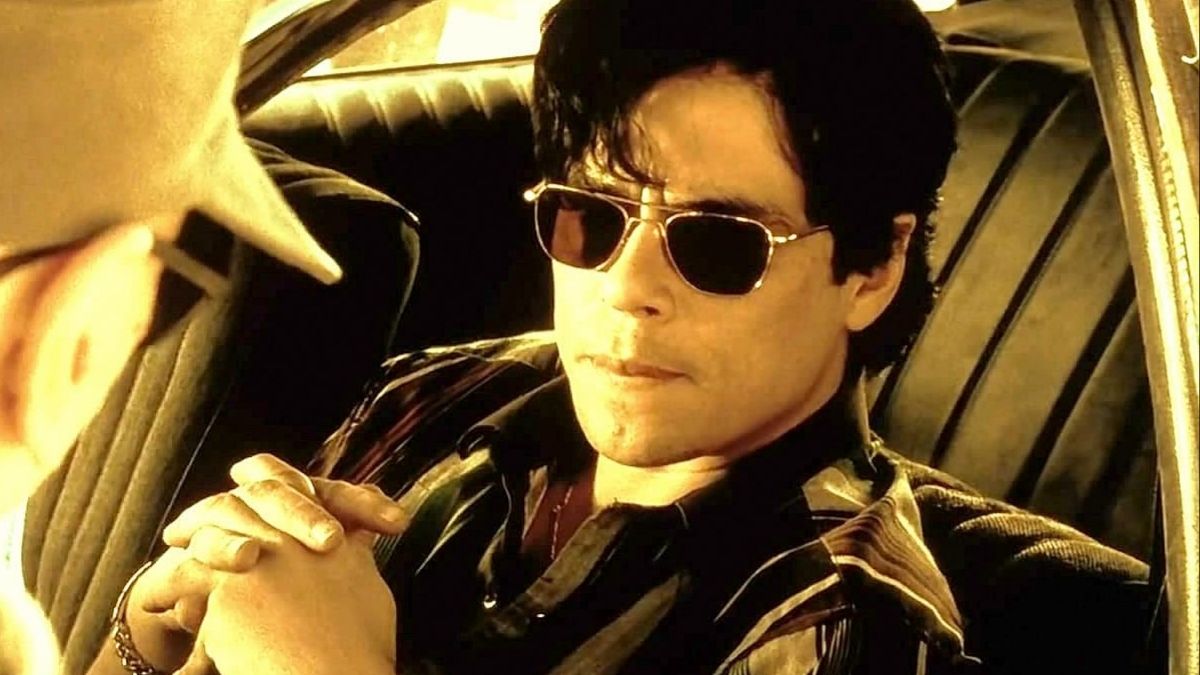
    You’d be forgiven for not knowing this, but Mexico isn’t covered in yellow tint. This is a myth propagated by popular media, since they insist on using the filter when showing scenes happening within the country. The alleged reason is that it helps inform the audience where a scene is taking place at a given time, but you don’t see the same technique being used when jumping around different USA states.

    Another reason is to denote temperature, with a blue filter for cold climates and a yellow one for hot. If that’s the case, we’ve never seen Miami being depicted with yellow, or Toronto with blue. In any case, here are some examples of extreme yellow filter usage.

    The post 15 Times American Movies Pretended Mexico Was Yellow appeared first on Den of Geek.

    In the latest trailer for an upcoming summer blockbuster, swelling music sets a fantastical scene. Regular people find themselves whisked out of their regular lives, on an adventure they never imagined. In a striking shot, we see their awe-filled faces as they look in wonder and terror at dinosaurs, somehow brought back to modern times. Ewan McGregor, my dear Anne Hathaway… Welcome to suburbia?

    As much as Jurassic Park has become synonymous with dinosaur movies, thunder lizards aren’t actually intellectual IP owned by Universal and Amblin. In fact, not only can anyone make a dinosaur movie, but you can do anything you want with the creatures. That’s what writer/director David Robert Mitchell is doing with The End of Oak Street, a sci-fi adventure starring McGregor and Hathaway as suburbanites who find their neighborhood sent back to prehistoric times.

    Of course, the trailer situates the movie in the past even before the first T-Rex makes an appearance. Set to a slowed down version of the Billy Joel track “My Life” (aka, the theme for the sitcom about Tom Hanks in drag), the trailer makes The End of Oak Street look like a lost Spielberg movie in which the dad stuck around. The central family has one of those round booths in their kitchen, the camera pans past a stacked cassette tape rack, and a boy wraps himself in blankets marketing the Christopher Reeves Superman movie.

    cnx.cmd.push(function() {
    cnx({
    playerId: “106e33c0-3911-473c-b599-b1426db57530”,

    }).render(“0270c398a82f44f49c23c16122516796”);
    });

    Further, the trailer includes shots that seem to come from ’80s classics like E.T. the Extra-Terrestrial and Poltergeist. In most cases, those homages would feel cloying, even after seeing the name J. J. Abrams in the credits. But the filmography of David Robert Mitchell suggests something more than mere imitation. In It Follows and especially Under the Silver Lake, Mitchell has demonstrated that he’s not interested in just replicating established tropes. Rather, Mitchell explores the reoccurring motifs in popular culture to find the persistent ideas that shape our imaginations.

    None of that metatextual playfulness appears in the Oak Street trailer. Instead, the movie seems like it’s playing the story straight, putting a white-bread suburban family into a dinosaur adventure, in which pteranodons fly past power lines and ankylosauruses cut across freshly-mowed lawns.

    Which is enough. At this point, the omnipresence of the Jurassic Park franchise is beginning to harm dinosaur movies as a concept. The first movie remains a perfect genre film, and even some of the sequels have their merits. But as Jurassic World Rebirth made very clear, the series is more interested in repeating familiar beats from the Spielberg film than it is playing around with dinosaurs. If feeding them a bunch of suburbanites is how we get new dinosaur movies, then we’re happy for The End of Oak Street to off as many ’80s Americans as needed.

    The End of Oak Street arrives August 14, 2026.

    The post Anne Hathaway and Ewan McGregor Fight Dinosaurs in a Movie That ISN’T Jurassic Park appeared first on Den of Geek.

  • Scream Star Confirms Fan Suspicions About Iconic Villain’s Fate

    Scream Star Confirms Fan Suspicions About Iconic Villain’s Fate

    This article contains Scream 7 spoilers It may have made a ton of money at the box office, but the seventh Scream movie was pummeled by critics, and even its Rotten Tomatoes audience score still lingers at around 70%. One of the main complaints from critics and fans alike about the latest entry in the […]

    The post Scream Star Confirms Fan Suspicions About Iconic Villain’s Fate appeared first on Den of Geek.

    In the latest trailer for an upcoming summer blockbuster, swelling music sets a fantastical scene. Regular people find themselves whisked out of their regular lives, on an adventure they never imagined. In a striking shot, we see their awe-filled faces as they look in wonder and terror at dinosaurs, somehow brought back to modern times. Ewan McGregor, my dear Anne Hathaway… Welcome to suburbia?

    As much as Jurassic Park has become synonymous with dinosaur movies, thunder lizards aren’t actually intellectual IP owned by Universal and Amblin. In fact, not only can anyone make a dinosaur movie, but you can do anything you want with the creatures. That’s what writer/director David Robert Mitchell is doing with The End of Oak Street, a sci-fi adventure starring McGregor and Hathaway as suburbanites who find their neighborhood sent back to prehistoric times.

    Of course, the trailer situates the movie in the past even before the first T-Rex makes an appearance. Set to a slowed down version of the Billy Joel track “My Life” (aka, the theme for the sitcom about Tom Hanks in drag), the trailer makes The End of Oak Street look like a lost Spielberg movie in which the dad stuck around. The central family has one of those round booths in their kitchen, the camera pans past a stacked cassette tape rack, and a boy wraps himself in blankets marketing the Christopher Reeves Superman movie.

    cnx.cmd.push(function() {
    cnx({
    playerId: “106e33c0-3911-473c-b599-b1426db57530”,

    }).render(“0270c398a82f44f49c23c16122516796”);
    });

    Further, the trailer includes shots that seem to come from ’80s classics like E.T. the Extra-Terrestrial and Poltergeist. In most cases, those homages would feel cloying, even after seeing the name J. J. Abrams in the credits. But the filmography of David Robert Mitchell suggests something more than mere imitation. In It Follows and especially Under the Silver Lake, Mitchell has demonstrated that he’s not interested in just replicating established tropes. Rather, Mitchell explores the reoccurring motifs in popular culture to find the persistent ideas that shape our imaginations.

    None of that metatextual playfulness appears in the Oak Street trailer. Instead, the movie seems like it’s playing the story straight, putting a white-bread suburban family into a dinosaur adventure, in which pteranodons fly past power lines and ankylosauruses cut across freshly-mowed lawns.

    Which is enough. At this point, the omnipresence of the Jurassic Park franchise is beginning to harm dinosaur movies as a concept. The first movie remains a perfect genre film, and even some of the sequels have their merits. But as Jurassic World Rebirth made very clear, the series is more interested in repeating familiar beats from the Spielberg film than it is playing around with dinosaurs. If feeding them a bunch of suburbanites is how we get new dinosaur movies, then we’re happy for The End of Oak Street to off as many ’80s Americans as needed.

    The End of Oak Street arrives August 14, 2026.

    The post Anne Hathaway and Ewan McGregor Fight Dinosaurs in a Movie That ISN’T Jurassic Park appeared first on Den of Geek.

  • Backrooms: Why Is Gen Z So Scared of the ’80s?

    Backrooms: Why Is Gen Z So Scared of the ’80s?

    A cursory glance at this weekend’s box office makes one thing clear: the future of cinema is here. Obsession and Backrooms dominated theaters, two films not just made by Gen Z directors, but also appealing primarily to Gen Z audiences. Without taking anything away from the achievement of Curry Barker’s Obsession, the success of Kane […]

    The post Backrooms: Why Is Gen Z So Scared of the ’80s? appeared first on Den of Geek.

    In the latest trailer for an upcoming summer blockbuster, swelling music sets a fantastical scene. Regular people find themselves whisked out of their regular lives, on an adventure they never imagined. In a striking shot, we see their awe-filled faces as they look in wonder and terror at dinosaurs, somehow brought back to modern times. Ewan McGregor, my dear Anne Hathaway… Welcome to suburbia?

    As much as Jurassic Park has become synonymous with dinosaur movies, thunder lizards aren’t actually intellectual IP owned by Universal and Amblin. In fact, not only can anyone make a dinosaur movie, but you can do anything you want with the creatures. That’s what writer/director David Robert Mitchell is doing with The End of Oak Street, a sci-fi adventure starring McGregor and Hathaway as suburbanites who find their neighborhood sent back to prehistoric times.

    Of course, the trailer situates the movie in the past even before the first T-Rex makes an appearance. Set to a slowed down version of the Billy Joel track “My Life” (aka, the theme for the sitcom about Tom Hanks in drag), the trailer makes The End of Oak Street look like a lost Spielberg movie in which the dad stuck around. The central family has one of those round booths in their kitchen, the camera pans past a stacked cassette tape rack, and a boy wraps himself in blankets marketing the Christopher Reeves Superman movie.

    cnx.cmd.push(function() {
    cnx({
    playerId: “106e33c0-3911-473c-b599-b1426db57530”,

    }).render(“0270c398a82f44f49c23c16122516796”);
    });

    Further, the trailer includes shots that seem to come from ’80s classics like E.T. the Extra-Terrestrial and Poltergeist. In most cases, those homages would feel cloying, even after seeing the name J. J. Abrams in the credits. But the filmography of David Robert Mitchell suggests something more than mere imitation. In It Follows and especially Under the Silver Lake, Mitchell has demonstrated that he’s not interested in just replicating established tropes. Rather, Mitchell explores the reoccurring motifs in popular culture to find the persistent ideas that shape our imaginations.

    None of that metatextual playfulness appears in the Oak Street trailer. Instead, the movie seems like it’s playing the story straight, putting a white-bread suburban family into a dinosaur adventure, in which pteranodons fly past power lines and ankylosauruses cut across freshly-mowed lawns.

    Which is enough. At this point, the omnipresence of the Jurassic Park franchise is beginning to harm dinosaur movies as a concept. The first movie remains a perfect genre film, and even some of the sequels have their merits. But as Jurassic World Rebirth made very clear, the series is more interested in repeating familiar beats from the Spielberg film than it is playing around with dinosaurs. If feeding them a bunch of suburbanites is how we get new dinosaur movies, then we’re happy for The End of Oak Street to off as many ’80s Americans as needed.

    The End of Oak Street arrives August 14, 2026.

    The post Anne Hathaway and Ewan McGregor Fight Dinosaurs in a Movie That ISN’T Jurassic Park appeared first on Den of Geek.

  • James Gunn Reveals The Real Reason Superman and Brainiac Have Beef

    James Gunn Reveals The Real Reason Superman and Brainiac Have Beef

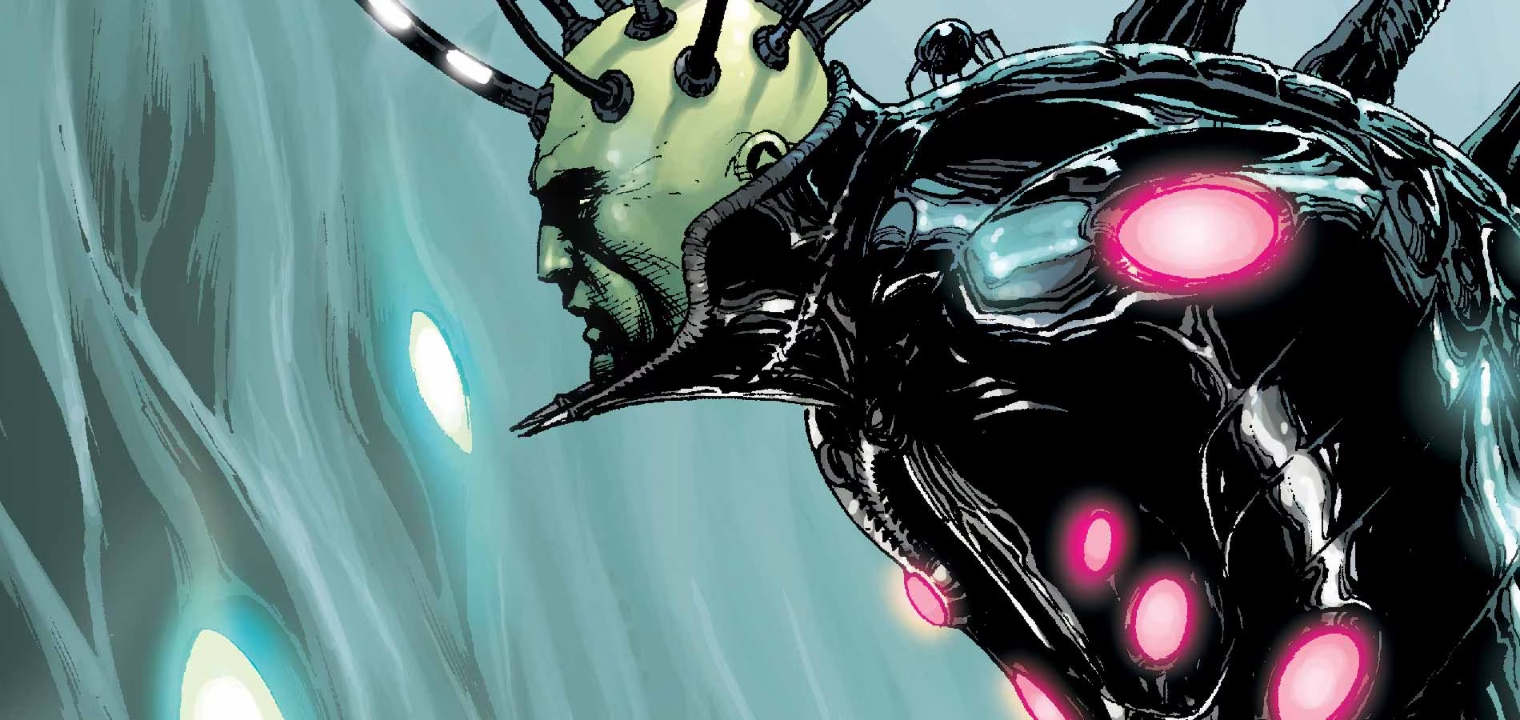
    May 29 marked the comic debut of the formidable DC supervillain Brainiac, and, as always, DC Studios co-head and Superman director James Gunn took the opportunity to geek out a bit on X and share some comic history.  In his tweet highlighting Brainiac’s first appearance in the 1958 Action Comics #242 issue, Gunn describes the […]

    The post James Gunn Reveals The Real Reason Superman and Brainiac Have Beef appeared first on Den of Geek.

    In the latest trailer for an upcoming summer blockbuster, swelling music sets a fantastical scene. Regular people find themselves whisked out of their regular lives, on an adventure they never imagined. In a striking shot, we see their awe-filled faces as they look in wonder and terror at dinosaurs, somehow brought back to modern times. Ewan McGregor, my dear Anne Hathaway… Welcome to suburbia?

    As much as Jurassic Park has become synonymous with dinosaur movies, thunder lizards aren’t actually intellectual IP owned by Universal and Amblin. In fact, not only can anyone make a dinosaur movie, but you can do anything you want with the creatures. That’s what writer/director David Robert Mitchell is doing with The End of Oak Street, a sci-fi adventure starring McGregor and Hathaway as suburbanites who find their neighborhood sent back to prehistoric times.

    Of course, the trailer situates the movie in the past even before the first T-Rex makes an appearance. Set to a slowed down version of the Billy Joel track “My Life” (aka, the theme for the sitcom about Tom Hanks in drag), the trailer makes The End of Oak Street look like a lost Spielberg movie in which the dad stuck around. The central family has one of those round booths in their kitchen, the camera pans past a stacked cassette tape rack, and a boy wraps himself in blankets marketing the Christopher Reeves Superman movie.

    cnx.cmd.push(function() {
    cnx({
    playerId: “106e33c0-3911-473c-b599-b1426db57530”,

    }).render(“0270c398a82f44f49c23c16122516796”);
    });

    Further, the trailer includes shots that seem to come from ’80s classics like E.T. the Extra-Terrestrial and Poltergeist. In most cases, those homages would feel cloying, even after seeing the name J. J. Abrams in the credits. But the filmography of David Robert Mitchell suggests something more than mere imitation. In It Follows and especially Under the Silver Lake, Mitchell has demonstrated that he’s not interested in just replicating established tropes. Rather, Mitchell explores the reoccurring motifs in popular culture to find the persistent ideas that shape our imaginations.

    None of that metatextual playfulness appears in the Oak Street trailer. Instead, the movie seems like it’s playing the story straight, putting a white-bread suburban family into a dinosaur adventure, in which pteranodons fly past power lines and ankylosauruses cut across freshly-mowed lawns.

    Which is enough. At this point, the omnipresence of the Jurassic Park franchise is beginning to harm dinosaur movies as a concept. The first movie remains a perfect genre film, and even some of the sequels have their merits. But as Jurassic World Rebirth made very clear, the series is more interested in repeating familiar beats from the Spielberg film than it is playing around with dinosaurs. If feeding them a bunch of suburbanites is how we get new dinosaur movies, then we’re happy for The End of Oak Street to off as many ’80s Americans as needed.

    The End of Oak Street arrives August 14, 2026.

    The post Anne Hathaway and Ewan McGregor Fight Dinosaurs in a Movie That ISN’T Jurassic Park appeared first on Den of Geek.

  • Marcia Lucas: The Unsung Hero of Star Wars and So Much Else

    Marcia Lucas: The Unsung Hero of Star Wars and So Much Else

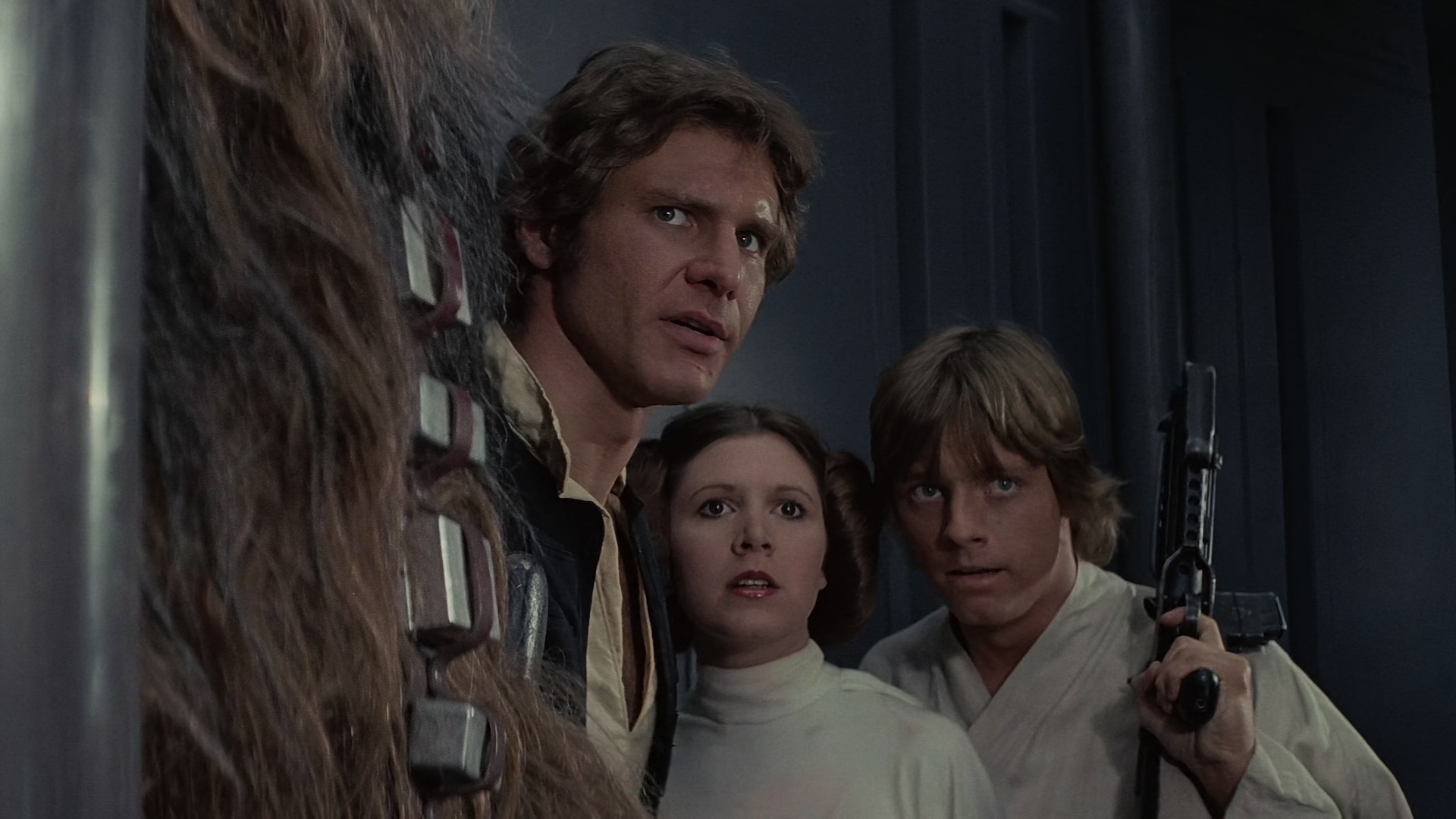
    When Marcia Lucas died at the age of 80 last week, she left behind a host of incredible achievements. Most famous among them, her Best Editing Academy Award for 1977’s Star Wars, a vaunted accolade that still doesn’t fully capture the extent of her work on that film. Famously, it was Marcia’s skills that transformed […]

    The post Marcia Lucas: The Unsung Hero of Star Wars and So Much Else appeared first on Den of Geek.

    In the latest trailer for an upcoming summer blockbuster, swelling music sets a fantastical scene. Regular people find themselves whisked out of their regular lives, on an adventure they never imagined. In a striking shot, we see their awe-filled faces as they look in wonder and terror at dinosaurs, somehow brought back to modern times. Ewan McGregor, my dear Anne Hathaway… Welcome to suburbia?

    As much as Jurassic Park has become synonymous with dinosaur movies, thunder lizards aren’t actually intellectual IP owned by Universal and Amblin. In fact, not only can anyone make a dinosaur movie, but you can do anything you want with the creatures. That’s what writer/director David Robert Mitchell is doing with The End of Oak Street, a sci-fi adventure starring McGregor and Hathaway as suburbanites who find their neighborhood sent back to prehistoric times.

    Of course, the trailer situates the movie in the past even before the first T-Rex makes an appearance. Set to a slowed down version of the Billy Joel track “My Life” (aka, the theme for the sitcom about Tom Hanks in drag), the trailer makes The End of Oak Street look like a lost Spielberg movie in which the dad stuck around. The central family has one of those round booths in their kitchen, the camera pans past a stacked cassette tape rack, and a boy wraps himself in blankets marketing the Christopher Reeves Superman movie.

    cnx.cmd.push(function() {
    cnx({
    playerId: “106e33c0-3911-473c-b599-b1426db57530”,

    }).render(“0270c398a82f44f49c23c16122516796”);
    });

    Further, the trailer includes shots that seem to come from ’80s classics like E.T. the Extra-Terrestrial and Poltergeist. In most cases, those homages would feel cloying, even after seeing the name J. J. Abrams in the credits. But the filmography of David Robert Mitchell suggests something more than mere imitation. In It Follows and especially Under the Silver Lake, Mitchell has demonstrated that he’s not interested in just replicating established tropes. Rather, Mitchell explores the reoccurring motifs in popular culture to find the persistent ideas that shape our imaginations.

    None of that metatextual playfulness appears in the Oak Street trailer. Instead, the movie seems like it’s playing the story straight, putting a white-bread suburban family into a dinosaur adventure, in which pteranodons fly past power lines and ankylosauruses cut across freshly-mowed lawns.

    Which is enough. At this point, the omnipresence of the Jurassic Park franchise is beginning to harm dinosaur movies as a concept. The first movie remains a perfect genre film, and even some of the sequels have their merits. But as Jurassic World Rebirth made very clear, the series is more interested in repeating familiar beats from the Spielberg film than it is playing around with dinosaurs. If feeding them a bunch of suburbanites is how we get new dinosaur movies, then we’re happy for The End of Oak Street to off as many ’80s Americans as needed.

    The End of Oak Street arrives August 14, 2026.

    The post Anne Hathaway and Ewan McGregor Fight Dinosaurs in a Movie That ISN’T Jurassic Park appeared first on Den of Geek.

  • After Years of Wild Crossovers, Modern Warfare 4 Wants to Be Taken Seriously Again

    After Years of Wild Crossovers, Modern Warfare 4 Wants to Be Taken Seriously Again

    After years of Call of Duty leaning into wild crossover skins, pop-culture nods, and increasingly meme-driven cosmetics, developers at Activision and Infinity Ward have finally assured fans that this trend will be no more with the upcoming installment, Call of Duty: Modern Warfare 4.  The promise to stay “grounded and transparent” arrived in the form of […]

    The post After Years of Wild Crossovers, Modern Warfare 4 Wants to Be Taken Seriously Again appeared first on Den of Geek.

    In the latest trailer for an upcoming summer blockbuster, swelling music sets a fantastical scene. Regular people find themselves whisked out of their regular lives, on an adventure they never imagined. In a striking shot, we see their awe-filled faces as they look in wonder and terror at dinosaurs, somehow brought back to modern times. Ewan McGregor, my dear Anne Hathaway… Welcome to suburbia?

    As much as Jurassic Park has become synonymous with dinosaur movies, thunder lizards aren’t actually intellectual IP owned by Universal and Amblin. In fact, not only can anyone make a dinosaur movie, but you can do anything you want with the creatures. That’s what writer/director David Robert Mitchell is doing with The End of Oak Street, a sci-fi adventure starring McGregor and Hathaway as suburbanites who find their neighborhood sent back to prehistoric times.

    Of course, the trailer situates the movie in the past even before the first T-Rex makes an appearance. Set to a slowed down version of the Billy Joel track “My Life” (aka, the theme for the sitcom about Tom Hanks in drag), the trailer makes The End of Oak Street look like a lost Spielberg movie in which the dad stuck around. The central family has one of those round booths in their kitchen, the camera pans past a stacked cassette tape rack, and a boy wraps himself in blankets marketing the Christopher Reeves Superman movie.

    cnx.cmd.push(function() {
    cnx({
    playerId: “106e33c0-3911-473c-b599-b1426db57530”,

    }).render(“0270c398a82f44f49c23c16122516796”);
    });

    Further, the trailer includes shots that seem to come from ’80s classics like E.T. the Extra-Terrestrial and Poltergeist. In most cases, those homages would feel cloying, even after seeing the name J. J. Abrams in the credits. But the filmography of David Robert Mitchell suggests something more than mere imitation. In It Follows and especially Under the Silver Lake, Mitchell has demonstrated that he’s not interested in just replicating established tropes. Rather, Mitchell explores the reoccurring motifs in popular culture to find the persistent ideas that shape our imaginations.

    None of that metatextual playfulness appears in the Oak Street trailer. Instead, the movie seems like it’s playing the story straight, putting a white-bread suburban family into a dinosaur adventure, in which pteranodons fly past power lines and ankylosauruses cut across freshly-mowed lawns.

    Which is enough. At this point, the omnipresence of the Jurassic Park franchise is beginning to harm dinosaur movies as a concept. The first movie remains a perfect genre film, and even some of the sequels have their merits. But as Jurassic World Rebirth made very clear, the series is more interested in repeating familiar beats from the Spielberg film than it is playing around with dinosaurs. If feeding them a bunch of suburbanites is how we get new dinosaur movies, then we’re happy for The End of Oak Street to off as many ’80s Americans as needed.

    The End of Oak Street arrives August 14, 2026.

    The post Anne Hathaway and Ewan McGregor Fight Dinosaurs in a Movie That ISN’T Jurassic Park appeared first on Den of Geek.