Category: Blog

Your blog category

  • Why Clarity Comes Before Strategy

    Why Clarity Comes Before Strategy

    Why Clarity Comes Before Strategy written by John Jantsch read more at Duct Tape Marketing

    Catch the Full Episode   Overview Most small business owners blame their marketing when growth stalls. They hire a new agency, rebuild the website, launch another campaign — and six months later, nothing has changed. In this solo episode, John Jantsch makes the case that the real problem lives upstream of tactics: it lives with […]

    Why Clarity Comes Before Strategy written by John Jantsch read more at Duct Tape Marketing

    Catch the Full Episode


    john jantsch (1)Overview

    Most small business owners blame their marketing when growth stalls. They hire a new agency, rebuild the website, launch another campaign — and six months later, nothing has changed. In this solo episode, John Jantsch makes the case that the real problem lives upstream of tactics: it lives with the founder.

    This is Step 1 of John’s updated “Seven Steps of Small Business Marketing Success” — a completely refreshed version of the ebook that was downloaded hundreds of thousands of times over the past two decades. Here, John introduces what he calls the Founder Portrait: a one-page, four-question exercise designed to surface the clarity that every downstream marketing decision depends on.

    If you are a small business owner, entrepreneur, or marketing consultant working with founders, this episode cuts through the noise. It asks the uncomfortable questions about what is actually working, what you are doing out of habit or guilt, where the real profit lives, and what you want the business to give you — questions that most marketing engagements never touch.

    Key Takeaways

    01: Marketing consistently fails not at the tactical level but at the founder level — before any campaign is built.
    02: Business drift happens slowly and then all at once. Many founders are operating a business that no longer reflects what they intended to build.
    03: Activity is not the same as results. What you are doing a lot of and what is actually producing revenue or reducing acquisition cost are often very different things.
    04: Naming the things you do out of habit, guilt, or misplaced optimism is the first step toward stopping them — and stopping the right things is often the beginning of real marketing strategy.
    05: Revenue and profit are not the same. Some service lines, channels, and client segments look productive but are actively costing you growth.
    06: Serving the wrong client — often picked up during a slow period — can hold back scale far more than any tactical gap.
    07: Question four — what do you want this business to give you — is the one most founders have stopped asking. No marketing strategy serves a founder who has not answered it.
    08: The Founder Portrait is a private document. It is not a plan, not a strategy deck, not something to share. It is the ground you stand on before any other marketing decision is made.
    09: One blank page, four questions, no team, no advisors, no AI. The clarity has to come from you.
    10: This framework is Strategy First in practice — revisiting who you are and what you want before defining who you serve and how you reach them.

    Great Moments

    00:01 John introduces the seven-episode series and the updated Seven Steps of Small Business Marketing Success workbook.
    01:50 Why marketing fails upstream — the founder is the variable nobody talks about.
    02:50 The concept of business drift: slow at first, then all at once.
    04:44 Question 1: What is actually working in your business — and how do you know?
    05:27 Question 2: What are you doing out of habit, guilt, or misplaced optimism that you should stop?
    06:51 Question 3: Where is your business actually making money — versus where are you pretending it is?
    09:00 Question 4: What do you actually want this business to give you?
    10:45 Introducing the Founder Portrait — the private document that everything else is built on.
    12:10 John’s personal ask: email him your answer to question four at john@ducttapemarketing.com.

    Memorable Quotes

    “Marketing fails upstream — in the tactics, when they are being done — but the founder is often the variable that nobody talks about.”

    — John Jantsch

    “Drift goes very slowly and then all at once — you find yourself somewhere you never thought you wanted to be.”

    — John Jantsch

    “There is a difference between activity and what is working. A lot of times we conflate the two.”

    — John Jantsch

    “No marketing strategy is going to serve you if you do not know what you want the business to give you.”

    — John Jantsch

    Resources

    Seven Steps of Small Business Marketing Success workbook (2026 edition) — dtm.world/7steps 

    Email John your answer to question four: john@ducttapemarketing.com


    John Jantsch (00:01.666)

    Hello and welcome to another episode of the Duct Tape Marketing Podcast. This is John Jantsch, and no guests today. I’m actually gonna do a bunch of solo shows. So I’m still gonna have a guest. So if you’re listening in line, you will hear the occasional guests still. But I’m doing seven shows as a series. So if you wanna, I’ll tag them all and I’ll remind you this is episode number three of the seven. but I wrote an ebook about 20 years ago.

    Called The Seven Steps of Small Business Marketing Success. It was extremely popular, downloaded hundreds of thousands of times. It was a talk that I gave dozens and dozens of times. Because it really took all of the issues that a lot of small business owners were experiencing with marketing and identified them, but also then put them in order to correct.

    So over time that became less relevant. however, the fundamentals of marketing have not changed. So for 2026, I completely updated this. And so there is a brand new version of the seven steps of small business marketing success. And I’ll tell you how you can get a copy of it. It’s more workbook, I think than than ebook. Certainly it has great information in it for you, but but it also asks you to do some things, to think about some things, to take action on things. So

    I’ve really been referring to it as more of a workbook. So this is episode number one, which is step number one, and something I call the the founder portrait, why clarity comes before strategy. So quite often marketing fails upstream, if you will, you know, in the tactics, when they’re being done, how they’re being done. but

    The founder is often the variable that nobody talks about. And that’s what this episode’s really about. You know, I’ve had this conversation many, many times with founders. they want to hire a new agency, build a new website, do new campaign. Six months later, nothing’s really changed. so the first question I always ask is: I mean, when did you last look at your business? Honestly, when did you last look at your relationship with

    John Jantsch (02:19.084)

    that business, honestly. And and frankly, that doesn’t sound like a marketing question, but it really is at the heart of a marketing question or or really at the heart of the challenge with marketing that a lot of small business owners face. So and what happens is, you know, a founder starts a business, they start growing successfully, maybe 10 years in, business feels okay.

    but it doesn’t feel the same. It doesn’t feel right. kind of it it it’s maybe drifted a little bit from you know, what they thought it was going to be. And and you know, it’s funny with drift, it it goes very slowly and then all at once you find yourself somewhere that that you didn’t think you wanted to be. And and a lot of that has to do with the fact that as a business grows, you know, decisions and how decisions are made actually.

    needs to change also. And I think that that what I’ve discovered is that’s one of the toughest ones. Maybe you’re hiring people to do tasks that you used to do, but the decisions for how they’re held accountable, the decisions for what it is that you do now as the founder, you know, is a thing that really never changed. and and this isn’t really a th this definitely is not a story about failure because a lot of times it’s just it’s that thing you just can’t identify. Things seem to be going okay, but you just can’t if identify, you know, the the

    The position that you’re in. So here’s what I want you to do. And and if you want to, if you need to stop this, I hate to tell you to stop it because I I want you to come back, but if you need to stop this, go grab a pen and paper, or a pencil, even and paper, and come back here. Cause I’m gonna ask you to give some thought to four pretty intense questions. but but and you may not know the answers to them, but I want to get you thinking.

    about them because I think that they can actually unlock some things that maybe you haven’t been able to identify in your marketing. All right, so I’ll pause. You can pause now. Go get that paper or if it’s right there. And we’re back, right? Okay, you’re back with your pen and paper. All right. So here are the four questions. Number one, and you can pause this to answer the questions and come back and and I’ll read the the the other questions as well.

    John Jantsch (04:44.534)

    What’s actually working in your business and how do you know? This can be a pretty broad question, but I am certainly talking about marketing for the most part. you know, the there’s a difference between activity, you know, like what we’re doing a bunch of and what’s working. and I think a lot of times we conflate activity with with what’s working. So working means it’s produces revenue.

    it or it reduces your cost to acquire a customer. I mean, a lot of times everything else is just activity. All right. So that’s number one. What’s actually working and how do you know?

    John Jantsch (05:27.436)

    Okay, number two.

    And this is this is where it starts getting a little interesting for you. What are you doing out of habit, guilt, or maybe even optimism that you should stop? Now, maybe nobody’s ever asked you that, maybe you’ve never even thought about that idea, but boy, especially out of habit. Things that we just do because, hey, we’ve always done them, or everybody in our industry has always done them that way.

    John Jantsch (06:01.312)

    So as you think about this, think about all the elements of your business. is there a service line that never quite worked, but you can’t give up on? You know, a channel that that that you’ve been on since 2021 and haven’t really considered. I think I think naming it is is quite frankly is the hard part. to really dig in and think, you know, are we on TikTok because everybody said we should be, but we hate it and we don’t know if we’re getting anything out of

    So naming it, I think sometimes then gives you the permission to stop doing it. And a lot of times effective marketing or marketing strategy starts with figuring out the things that you’re doing today that you should stop doing. Okay, answer question two, and we’ll move on to three.

    John Jantsch (06:51.948)

    Where is your business actually making money versus where are you pretending it is? Pretending might feel like a strong word, but I do think a lot of times we just assume you know that might be a better word, that that certain elements or certain things that we’re doing are actually making money for the business. And every now and then, especially if you’re one of those business owners like me, that you know, the the finance part of the business is something that I just

    Feel like we hire a bookkeeper and they take care of it. I don’t really study it. But if you’re ignoring that element of your business and you’re not really seeing where profit is, you’re not really tracking the inputs like labor that go into things, quite often we can convince ourselves or kid ourselves that something’s making money because it’s generating revenue. And revenue and profit are certainly not the same thing. So

    John Jantsch (07:50.424)

    Some of the things that we stick to and continue to do are because we like them, or because we like doing them, or because we feel good about them, or because we’ve always done them. You start doing this math on your PL or really digging into expenses, and you start realizing we should stop focusing on this. And I I’ll tell you one of the areas, one of the areas that I always find.

    this is true for a lot of businesses, is that we’re focused on the wrong client, or we’ve taken clients because maybe it was slow that month and and it wasn’t a good fit. We’re losing money on that. We should just stop doing that altogether. We should stop offering that service altogether because even though we can attract clients, it’s actually holding us back. It’s actually costing us an opportunity to actually be able to grow the business or scale the business because.

    we won’t let go of that because for fear of the fact that well gosh we’re gonna take a you know a hundred thousand dollar hit or something if we quit doing that line of business. When more often than not, that’s what’s gonna lead to the twenty, thirty, forty percent growth in in the really profitable business. All right. So that was question three.

    Question four is quite possibly the hardest for some because we’ve stopped thinking about this. What do we actually want this business to give us? What do you, in your particular case, want this business to give you? Now, most marketing work completely skips this category. And I think that you know, a lot of times when we work with business owners, and that’s why I’m asking these questions, because this is how we start a strategy first engagement.

    Is getting into this founder’s portrait, as I like to call it. because a lot of decisions are made because they are to grow revenue or because you saw somebody else doing their marketing a certain way. And and they’re not necessarily based in, well, this is actually what I want this business to give me. I just want to do meaningful work. I want to have a certain exit, I want to have a certain lifestyle. And if we’re not

    John Jantsch (09:59.04)

    making decisions based on that quite often we’ll we’ll make decisions for the wrong reasons. they won’t be bad decisions necessarily, but they’ll just be made for the wrong reason. So there’s a difference between I think how you would actually view marketing in general based on that. And and if if if you don’t know the answers to that question to number four, really no marketing strategy is going to serve you, or you’ll get lucky, I guess.

    if it does. All right. So I hope you took some time. If not, please go back and listen to this. when you’re at a place where that you can actually give some thought to those questions and actually record your thoughts on those questions because you’ll get a lot clearer if you do. So what we’re trying to do is create what what we call the founder’s portrait. So this is not a document that you would ever share. it’s just the ground you stand on. It’s like, okay.

    It it’s the filter. you know, without it, I think everything downstream, everything you ask people to do sort of inherits the blur, if you will, that that’s created. with it, I think, who you attract as an IC I see you know a a core client, who you attract

    From from a messaging standpoint, the channels that you go on. I mean, everything gets built on something that I think is real because of this founder’s portrait. So this process might take you an hour. One blank page, four questions, no team, no advisors, no AI. Don’t use AI to answer these questions. and and don’t try to turn this into a plan. see where it takes you. See if it opens up questions for you. see if it

    is challenging in a way that makes you rethink everything about your business. And again, maybe you’ve got the answer, maybe you’ve got clarity, but quite frankly, that can actually be just as potent knowing that can be just as impotent or just as potent as as as actually coming up with a plan because of it. So one of the things I’d ask you to do if you’re up for this challenge is if you answer these questions. I’d love it if you would

    John Jantsch (12:19.176)

    just email. It’s just John at Duct Tape Marketing. email me your thoughts on question number four. I would love to collect some of those. I I’d I’d really love to see, you know, what you want the business to give you. I want to see really personal responses. And I and certainly I will reply. There’s no wrong answer, so I’m not gonna tell you, no, you need to redo this. but I’d love to hear what you’re thinking. I’d love to hear how deep that you got.

    in those. So that’s all I have for day. for today. I will tell you if you want to get a copy of the ebook that I referenced, this is step number one. I’m going to do seven episodes based on obviously a a session on each step. is it’s DTM.world. So that’s DTM like duct tape marketing dot world slash seven steps. is five bucks. just so you have some skin in the game. But I think you will find

    the workbook aspect of this. lots of great information, but also lots of great action steps and things to to ask you to do. So take care and hopefully we will run into you one of these days out there on the road.

    powered by

  • Lee Cronin Isn’t Just Trying to Gross You Out

    Lee Cronin Isn’t Just Trying to Gross You Out

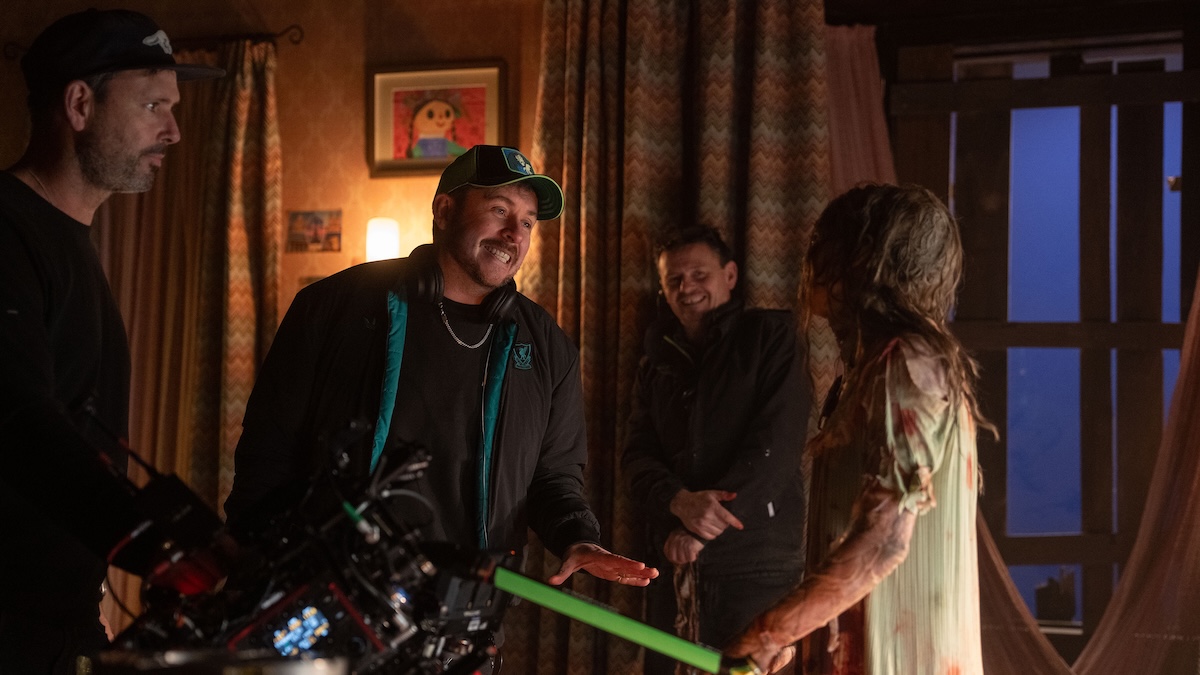
    This article contains spoilers for Lee Cronin’s The Mummy. Anyone coming to Lee Cronin’s The Mummy for a slow-burn horror in the vein of the classic Universal movies is in for a shock. The latest take on the mythical monster spends minimal time in haunted pyramids or tracking a love that spans centuries. But it […]

    The post Lee Cronin Isn’t Just Trying to Gross You Out appeared first on Den of Geek.

    Stan Lee played a role in coming up with some of the greatest villains of all time: Doctor Doom, Magneto, Devin Dark. Oh, you don’t know that last one? Well, clearly, you weren’t watching the NHL All-Star Game on January 30, 2011, in Raleigh, North Carolina. That was not just the night when Team Lidstrom, led by the Perfect Human Nicklas Lidstrom, beat Team Staal, led by then-Carolina Hurricanes captain Eric Staal. It was also the night when the NHL Guardians gathered to do battle with the evil cloud man known as Devin Dark.

    Okay, even if you were watching, you probably don’t remember. Because even though the flashy, CG-generated video of the Guardians saving attendees from Devin Dark ended on a cliffhanger, in which Dark kidnapped all the Guardians except the Hurricane and revealed the secret identity of the team leader, absolutely no one (except, perhaps, the hosts of the Puck Podcast) have mentioned it even once in the past 15 years. That’s because the Guardian Project was a spectacular failure, one that bored both fans of hockey and superheroes.

    Not the All-Stars

    The basic idea behind the Guardian Project did make a bit of sense. Each team has a cool mascot and they all wear colorful costumes. It shouldn’t be that much of a jump to turn them into superheroes, right? And Stan Lee created Spider-Man, the X-Men, and the Hulk, so who better than to make this new generation of costumed avengers? What could go wrong?

    cnx.cmd.push(function() {
    cnx({
    playerId: “106e33c0-3911-473c-b599-b1426db57530”,

    }).render(“0270c398a82f44f49c23c16122516796”);
    });

    A quick glance at the Guardian Project quickly reveals the answer. Lee (or, more likely, some intern who will never be credited) created a hero for each of the (then) 30 teams in the NHL. And in every case, he went for the most obvious possible choice. It isn’t just that each hero just has the name of the mascot; eg, the Duck, the Devil, the King. It’s that they all have generic power sets, derived from already established heroes.

    Take Pittsburgh’s Guardian, the Penguin. “The gritty young savior of Steel City,” reads the copy attached to his picture. “Can project ice missiles from his hands and travels on a frozen ice sheet.” Obviously, those are the same powers as Iceman from the X-Men. But to top it off, the Penguin wears a visor across his eyes, just like fellow X-Men Cyclops. Put together, the Penguin seems like Frozone from The Incredibles, but as a white guy in yellow and black.

    Or maybe you’d prefer Montreal’s hero the Canadian, a guy in a blue and red power suit who shoots blasters from his hands, just like Iron Man. How about the Arizona Coyote, aka Wolverine in a trench coat, or the Panther, who imagines what it would be like if Black Panther came not from the futuristic utopia Wakanda, but from Florida? At least the Edmonton Oiler, with blocky costume and goo gun, had the decency to rip off a good character, Paste-Pot Pete.

    Occasionally, an unwieldily mascot forced Lee to take some creative leaps. Sure, the Columbus Blue Jacket looks like a B-tier Go-Bot, but not often do you see a revived Civil War soldier with cannons in his robot legs. Lee didn’t just steal Falcon’s pet bird for the Detroit Red Wing, but embraced the team’s Motor City roots by sticking awkward wheels and pedals on what otherwise looks like Mach-1 of the Thunderbolts. And the St. Louis Blue may be kind of a rip-off of forgotten Ultraverse hero Night Man (jazz musician by night, superhero by later at night), but he looks kind of cool.

    Ultimately, the dull designs and generic power sets bring to mind not legends in the making, but the drawings of some random kid who just watched Hockey Night in Canada. Which they are, canonically-speaking.

    Unguarded Hockey

    According to the shared universe lore revealed in the graphic novel The Guardian Project Special Edition, the Guardians actually came from the mind of Mike Mason, a nondescript teenager who sketched out a series of superheroes in his notebook. Somehow, the pictures came to life, giving 30 North American cities their own superheroes… at least until the Thrasher leaves Atlanta to become the Jet and the Coyote decides Salt Lake City is nice and renames himself the Mammoth.

    The Guardian Project Special Edition boasts some supplemental artwork by the legendary Neal Adams and scripts by Chuck Dixon, then still closer to his incredible work on Batman and Birds of Prey and not the right-wing nonsense he does these days. It contains six-page origin stories for each of the heroes, all illustrated well and handsomely put together, but deadly boring.

    You’ll have to take my word on that assessment, because unless you still have your copy from 2011 or want to buy a copy from an eBay seller (including one selling their copy for $5000 dollars), you’ll never read The Guardian Project. Not even any of the shady sites that retrain digital copies of Marvel‘s Christian comic The Illuminator or Superman‘s team-up with Jared from Subway have bothered to upload The Guardian Project, because nobody cares.

    Sad as the Guardian Project is, it isn’t totally unexpected. Hockey has always been the fourth to seventh most popular sport in the United States, and Commissioner Gary Bettman has been willing to try almost anything to grow the sport, even putting a team in Utah. Even less surprising is the fact that Stan Lee would put his name on forgettable schlock. Lee was always more of a pitchman than he was a writer, and without guys like Jack Kirby and Steve Ditko to crib from, his projects have been uniformly cloying and dull.

    With a Stanley Cup final that has already had one incredibly exciting game against the Vegas Golden Knights—who joined the League in 2017 and thus, never suffered the ignominy of having a Guardian—the Hurricanes have once again drawn the eyes of hockey fans back to Raleigh. Hopefully, this experience will be more memorable than the time the Guardians battled Devin Dark.

    The post Remember the Guardians: Stan Lee’s Ill-Fated Collaboration With the NHL appeared first on Den of Geek.

  • Sci-Fi Storytelling Continues to Evolve Without AI

    Sci-Fi Storytelling Continues to Evolve Without AI

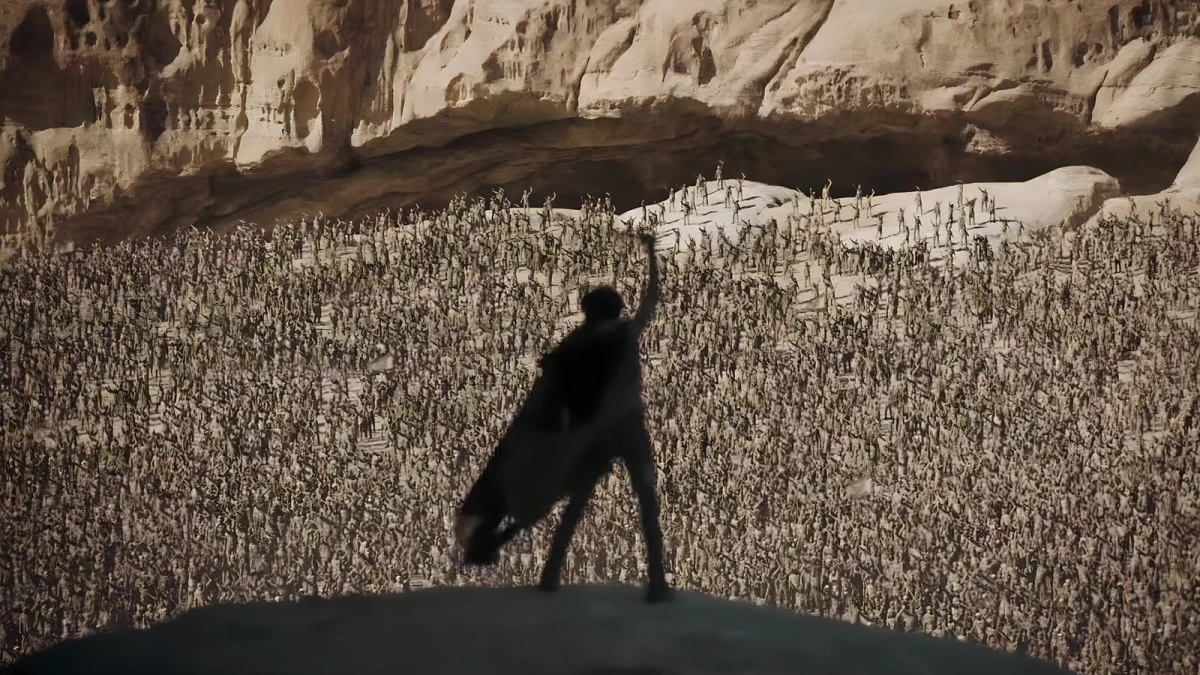
    The sudden insertion of generative artificial intelligence into the mainstream has resulted in fears of creative bankruptcy across all mediums, ranging from digital art to blockbuster filmmaking. At SXSW London on Tuesday, Patrice Vermette — the Oscar-winning production designer behind the Dune films — attacked the push for GenAI’s inclusion in his work. “When it […]

    The post Sci-Fi Storytelling Continues to Evolve Without AI appeared first on Den of Geek.

    Stan Lee played a role in coming up with some of the greatest villains of all time: Doctor Doom, Magneto, Devin Dark. Oh, you don’t know that last one? Well, clearly, you weren’t watching the NHL All-Star Game on January 30, 2011, in Raleigh, North Carolina. That was not just the night when Team Lidstrom, led by the Perfect Human Nicklas Lidstrom, beat Team Staal, led by then-Carolina Hurricanes captain Eric Staal. It was also the night when the NHL Guardians gathered to do battle with the evil cloud man known as Devin Dark.

    Okay, even if you were watching, you probably don’t remember. Because even though the flashy, CG-generated video of the Guardians saving attendees from Devin Dark ended on a cliffhanger, in which Dark kidnapped all the Guardians except the Hurricane and revealed the secret identity of the team leader, absolutely no one (except, perhaps, the hosts of the Puck Podcast) have mentioned it even once in the past 15 years. That’s because the Guardian Project was a spectacular failure, one that bored both fans of hockey and superheroes.

    Not the All-Stars

    The basic idea behind the Guardian Project did make a bit of sense. Each team has a cool mascot and they all wear colorful costumes. It shouldn’t be that much of a jump to turn them into superheroes, right? And Stan Lee created Spider-Man, the X-Men, and the Hulk, so who better than to make this new generation of costumed avengers? What could go wrong?

    cnx.cmd.push(function() {
    cnx({
    playerId: “106e33c0-3911-473c-b599-b1426db57530”,

    }).render(“0270c398a82f44f49c23c16122516796”);
    });

    A quick glance at the Guardian Project quickly reveals the answer. Lee (or, more likely, some intern who will never be credited) created a hero for each of the (then) 30 teams in the NHL. And in every case, he went for the most obvious possible choice. It isn’t just that each hero just has the name of the mascot; eg, the Duck, the Devil, the King. It’s that they all have generic power sets, derived from already established heroes.

    Take Pittsburgh’s Guardian, the Penguin. “The gritty young savior of Steel City,” reads the copy attached to his picture. “Can project ice missiles from his hands and travels on a frozen ice sheet.” Obviously, those are the same powers as Iceman from the X-Men. But to top it off, the Penguin wears a visor across his eyes, just like fellow X-Men Cyclops. Put together, the Penguin seems like Frozone from The Incredibles, but as a white guy in yellow and black.

    Or maybe you’d prefer Montreal’s hero the Canadian, a guy in a blue and red power suit who shoots blasters from his hands, just like Iron Man. How about the Arizona Coyote, aka Wolverine in a trench coat, or the Panther, who imagines what it would be like if Black Panther came not from the futuristic utopia Wakanda, but from Florida? At least the Edmonton Oiler, with blocky costume and goo gun, had the decency to rip off a good character, Paste-Pot Pete.

    Occasionally, an unwieldily mascot forced Lee to take some creative leaps. Sure, the Columbus Blue Jacket looks like a B-tier Go-Bot, but not often do you see a revived Civil War soldier with cannons in his robot legs. Lee didn’t just steal Falcon’s pet bird for the Detroit Red Wing, but embraced the team’s Motor City roots by sticking awkward wheels and pedals on what otherwise looks like Mach-1 of the Thunderbolts. And the St. Louis Blue may be kind of a rip-off of forgotten Ultraverse hero Night Man (jazz musician by night, superhero by later at night), but he looks kind of cool.

    Ultimately, the dull designs and generic power sets bring to mind not legends in the making, but the drawings of some random kid who just watched Hockey Night in Canada. Which they are, canonically-speaking.

    Unguarded Hockey

    According to the shared universe lore revealed in the graphic novel The Guardian Project Special Edition, the Guardians actually came from the mind of Mike Mason, a nondescript teenager who sketched out a series of superheroes in his notebook. Somehow, the pictures came to life, giving 30 North American cities their own superheroes… at least until the Thrasher leaves Atlanta to become the Jet and the Coyote decides Salt Lake City is nice and renames himself the Mammoth.

    The Guardian Project Special Edition boasts some supplemental artwork by the legendary Neal Adams and scripts by Chuck Dixon, then still closer to his incredible work on Batman and Birds of Prey and not the right-wing nonsense he does these days. It contains six-page origin stories for each of the heroes, all illustrated well and handsomely put together, but deadly boring.

    You’ll have to take my word on that assessment, because unless you still have your copy from 2011 or want to buy a copy from an eBay seller (including one selling their copy for $5000 dollars), you’ll never read The Guardian Project. Not even any of the shady sites that retrain digital copies of Marvel‘s Christian comic The Illuminator or Superman‘s team-up with Jared from Subway have bothered to upload The Guardian Project, because nobody cares.

    Sad as the Guardian Project is, it isn’t totally unexpected. Hockey has always been the fourth to seventh most popular sport in the United States, and Commissioner Gary Bettman has been willing to try almost anything to grow the sport, even putting a team in Utah. Even less surprising is the fact that Stan Lee would put his name on forgettable schlock. Lee was always more of a pitchman than he was a writer, and without guys like Jack Kirby and Steve Ditko to crib from, his projects have been uniformly cloying and dull.

    With a Stanley Cup final that has already had one incredibly exciting game against the Vegas Golden Knights—who joined the League in 2017 and thus, never suffered the ignominy of having a Guardian—the Hurricanes have once again drawn the eyes of hockey fans back to Raleigh. Hopefully, this experience will be more memorable than the time the Guardians battled Devin Dark.

    The post Remember the Guardians: Stan Lee’s Ill-Fated Collaboration With the NHL appeared first on Den of Geek.

  • New Documentary American Zoo Bridges Nostalgia and the Unbelievable 

    New Documentary American Zoo Bridges Nostalgia and the Unbelievable 

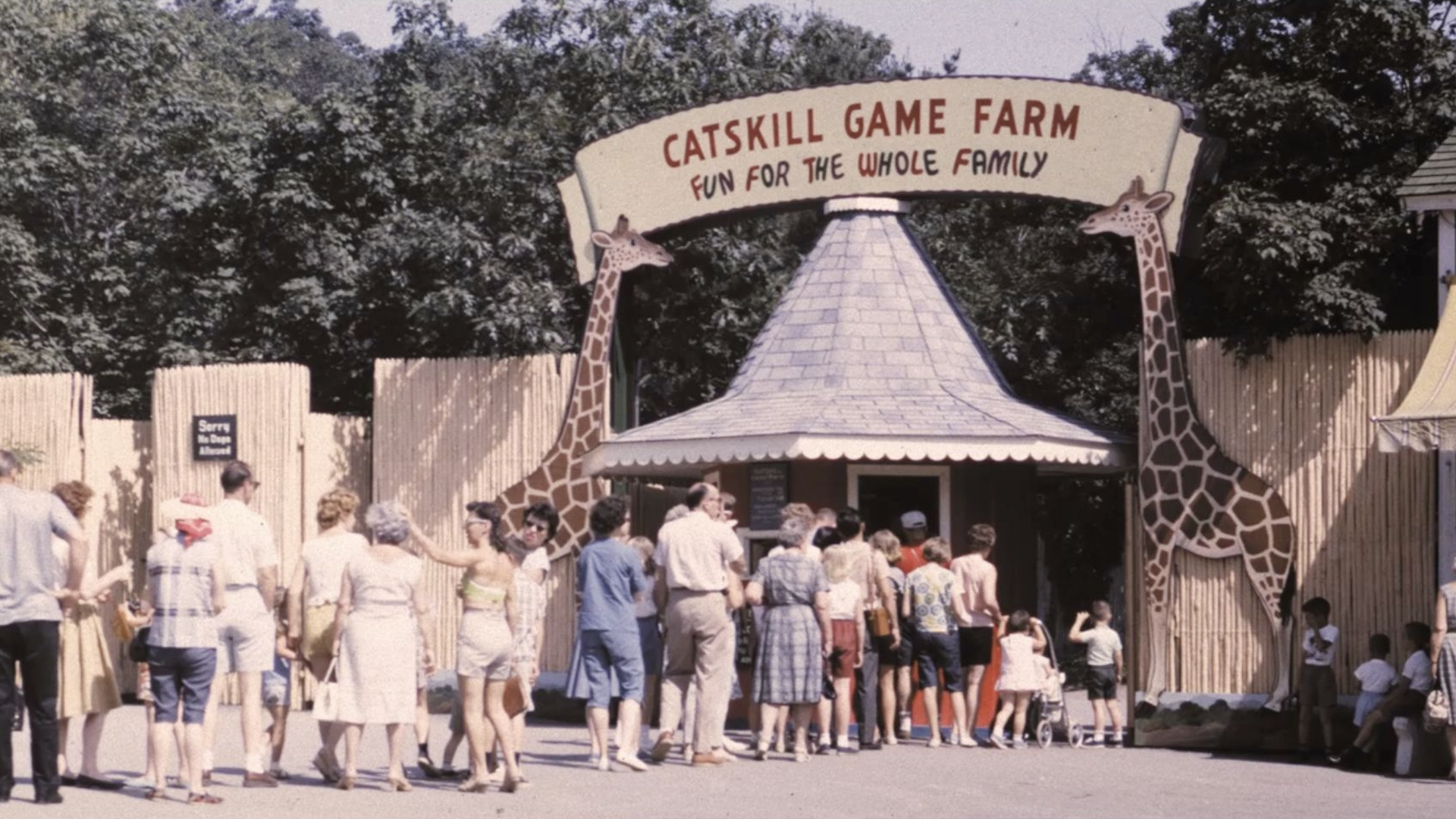
    Den of Geek got an exclusive first look at a new documentary film, and it couldn’t be more intriguing. With a bizarre synopsis and cohesive surreal visual style, American Zoo might just be a sleeper hit of New York’s Tribeca Film Festival. Give it a look below: American Zoo follows two families — the Lindemanns […]

    The post New Documentary American Zoo Bridges Nostalgia and the Unbelievable  appeared first on Den of Geek.

    Stan Lee played a role in coming up with some of the greatest villains of all time: Doctor Doom, Magneto, Devin Dark. Oh, you don’t know that last one? Well, clearly, you weren’t watching the NHL All-Star Game on January 30, 2011, in Raleigh, North Carolina. That was not just the night when Team Lidstrom, led by the Perfect Human Nicklas Lidstrom, beat Team Staal, led by then-Carolina Hurricanes captain Eric Staal. It was also the night when the NHL Guardians gathered to do battle with the evil cloud man known as Devin Dark.

    Okay, even if you were watching, you probably don’t remember. Because even though the flashy, CG-generated video of the Guardians saving attendees from Devin Dark ended on a cliffhanger, in which Dark kidnapped all the Guardians except the Hurricane and revealed the secret identity of the team leader, absolutely no one (except, perhaps, the hosts of the Puck Podcast) have mentioned it even once in the past 15 years. That’s because the Guardian Project was a spectacular failure, one that bored both fans of hockey and superheroes.

    Not the All-Stars

    The basic idea behind the Guardian Project did make a bit of sense. Each team has a cool mascot and they all wear colorful costumes. It shouldn’t be that much of a jump to turn them into superheroes, right? And Stan Lee created Spider-Man, the X-Men, and the Hulk, so who better than to make this new generation of costumed avengers? What could go wrong?

    cnx.cmd.push(function() {
    cnx({
    playerId: “106e33c0-3911-473c-b599-b1426db57530”,

    }).render(“0270c398a82f44f49c23c16122516796”);
    });

    A quick glance at the Guardian Project quickly reveals the answer. Lee (or, more likely, some intern who will never be credited) created a hero for each of the (then) 30 teams in the NHL. And in every case, he went for the most obvious possible choice. It isn’t just that each hero just has the name of the mascot; eg, the Duck, the Devil, the King. It’s that they all have generic power sets, derived from already established heroes.

    Take Pittsburgh’s Guardian, the Penguin. “The gritty young savior of Steel City,” reads the copy attached to his picture. “Can project ice missiles from his hands and travels on a frozen ice sheet.” Obviously, those are the same powers as Iceman from the X-Men. But to top it off, the Penguin wears a visor across his eyes, just like fellow X-Men Cyclops. Put together, the Penguin seems like Frozone from The Incredibles, but as a white guy in yellow and black.

    Or maybe you’d prefer Montreal’s hero the Canadian, a guy in a blue and red power suit who shoots blasters from his hands, just like Iron Man. How about the Arizona Coyote, aka Wolverine in a trench coat, or the Panther, who imagines what it would be like if Black Panther came not from the futuristic utopia Wakanda, but from Florida? At least the Edmonton Oiler, with blocky costume and goo gun, had the decency to rip off a good character, Paste-Pot Pete.

    Occasionally, an unwieldily mascot forced Lee to take some creative leaps. Sure, the Columbus Blue Jacket looks like a B-tier Go-Bot, but not often do you see a revived Civil War soldier with cannons in his robot legs. Lee didn’t just steal Falcon’s pet bird for the Detroit Red Wing, but embraced the team’s Motor City roots by sticking awkward wheels and pedals on what otherwise looks like Mach-1 of the Thunderbolts. And the St. Louis Blue may be kind of a rip-off of forgotten Ultraverse hero Night Man (jazz musician by night, superhero by later at night), but he looks kind of cool.

    Ultimately, the dull designs and generic power sets bring to mind not legends in the making, but the drawings of some random kid who just watched Hockey Night in Canada. Which they are, canonically-speaking.

    Unguarded Hockey

    According to the shared universe lore revealed in the graphic novel The Guardian Project Special Edition, the Guardians actually came from the mind of Mike Mason, a nondescript teenager who sketched out a series of superheroes in his notebook. Somehow, the pictures came to life, giving 30 North American cities their own superheroes… at least until the Thrasher leaves Atlanta to become the Jet and the Coyote decides Salt Lake City is nice and renames himself the Mammoth.

    The Guardian Project Special Edition boasts some supplemental artwork by the legendary Neal Adams and scripts by Chuck Dixon, then still closer to his incredible work on Batman and Birds of Prey and not the right-wing nonsense he does these days. It contains six-page origin stories for each of the heroes, all illustrated well and handsomely put together, but deadly boring.

    You’ll have to take my word on that assessment, because unless you still have your copy from 2011 or want to buy a copy from an eBay seller (including one selling their copy for $5000 dollars), you’ll never read The Guardian Project. Not even any of the shady sites that retrain digital copies of Marvel‘s Christian comic The Illuminator or Superman‘s team-up with Jared from Subway have bothered to upload The Guardian Project, because nobody cares.

    Sad as the Guardian Project is, it isn’t totally unexpected. Hockey has always been the fourth to seventh most popular sport in the United States, and Commissioner Gary Bettman has been willing to try almost anything to grow the sport, even putting a team in Utah. Even less surprising is the fact that Stan Lee would put his name on forgettable schlock. Lee was always more of a pitchman than he was a writer, and without guys like Jack Kirby and Steve Ditko to crib from, his projects have been uniformly cloying and dull.

    With a Stanley Cup final that has already had one incredibly exciting game against the Vegas Golden Knights—who joined the League in 2017 and thus, never suffered the ignominy of having a Guardian—the Hurricanes have once again drawn the eyes of hockey fans back to Raleigh. Hopefully, this experience will be more memorable than the time the Guardians battled Devin Dark.

    The post Remember the Guardians: Stan Lee’s Ill-Fated Collaboration With the NHL appeared first on Den of Geek.

  • Widow’s Bay Just Put Every Final Girl to Shame

    Widow’s Bay Just Put Every Final Girl to Shame

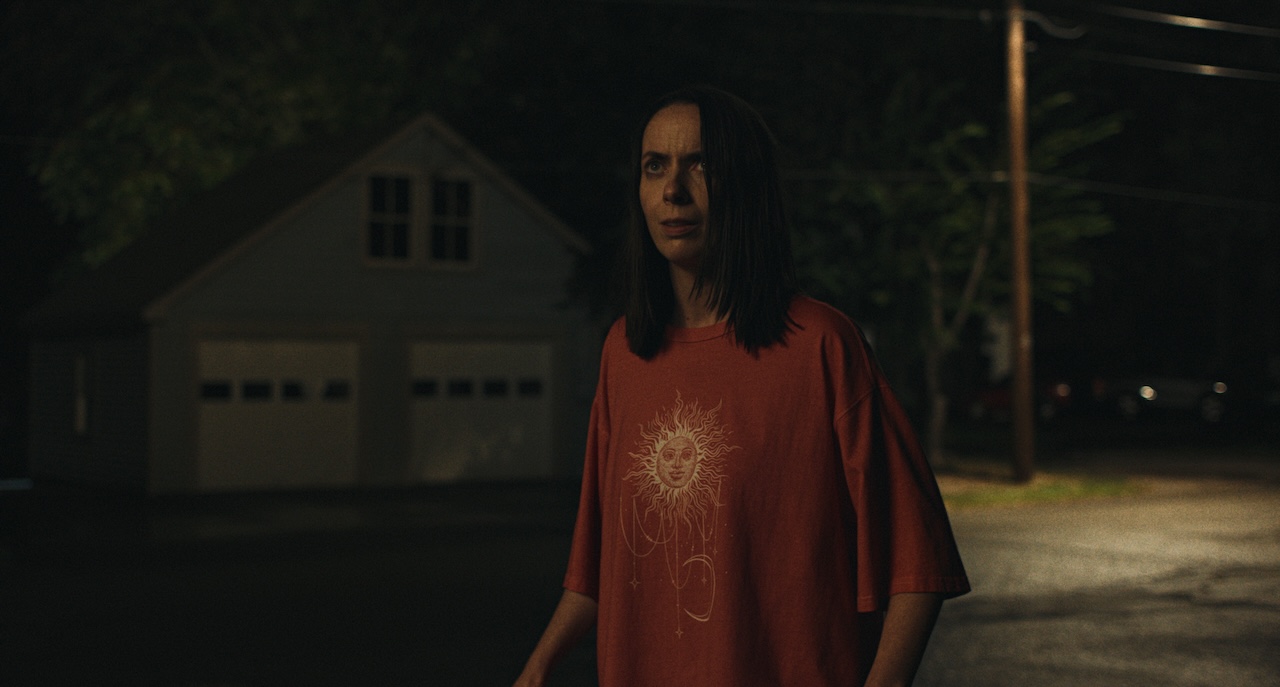
    This article contains full spoilers for Widow’s Bay episode eight “Your Baggage.” Midway through the eighth episode of the Apple TV series Widow’s Bay, “Your Baggage,” the masked killer (Airon Armstrong) who has been chasing local sad lady Patricia (Kate O’Flynn) seems to have been defeated. He has fallen through a top window to land […]

    The post Widow’s Bay Just Put Every Final Girl to Shame appeared first on Den of Geek.

    Stan Lee played a role in coming up with some of the greatest villains of all time: Doctor Doom, Magneto, Devin Dark. Oh, you don’t know that last one? Well, clearly, you weren’t watching the NHL All-Star Game on January 30, 2011, in Raleigh, North Carolina. That was not just the night when Team Lidstrom, led by the Perfect Human Nicklas Lidstrom, beat Team Staal, led by then-Carolina Hurricanes captain Eric Staal. It was also the night when the NHL Guardians gathered to do battle with the evil cloud man known as Devin Dark.

    Okay, even if you were watching, you probably don’t remember. Because even though the flashy, CG-generated video of the Guardians saving attendees from Devin Dark ended on a cliffhanger, in which Dark kidnapped all the Guardians except the Hurricane and revealed the secret identity of the team leader, absolutely no one (except, perhaps, the hosts of the Puck Podcast) have mentioned it even once in the past 15 years. That’s because the Guardian Project was a spectacular failure, one that bored both fans of hockey and superheroes.

    Not the All-Stars

    The basic idea behind the Guardian Project did make a bit of sense. Each team has a cool mascot and they all wear colorful costumes. It shouldn’t be that much of a jump to turn them into superheroes, right? And Stan Lee created Spider-Man, the X-Men, and the Hulk, so who better than to make this new generation of costumed avengers? What could go wrong?

    cnx.cmd.push(function() {
    cnx({
    playerId: “106e33c0-3911-473c-b599-b1426db57530”,

    }).render(“0270c398a82f44f49c23c16122516796”);
    });

    A quick glance at the Guardian Project quickly reveals the answer. Lee (or, more likely, some intern who will never be credited) created a hero for each of the (then) 30 teams in the NHL. And in every case, he went for the most obvious possible choice. It isn’t just that each hero just has the name of the mascot; eg, the Duck, the Devil, the King. It’s that they all have generic power sets, derived from already established heroes.

    Take Pittsburgh’s Guardian, the Penguin. “The gritty young savior of Steel City,” reads the copy attached to his picture. “Can project ice missiles from his hands and travels on a frozen ice sheet.” Obviously, those are the same powers as Iceman from the X-Men. But to top it off, the Penguin wears a visor across his eyes, just like fellow X-Men Cyclops. Put together, the Penguin seems like Frozone from The Incredibles, but as a white guy in yellow and black.

    Or maybe you’d prefer Montreal’s hero the Canadian, a guy in a blue and red power suit who shoots blasters from his hands, just like Iron Man. How about the Arizona Coyote, aka Wolverine in a trench coat, or the Panther, who imagines what it would be like if Black Panther came not from the futuristic utopia Wakanda, but from Florida? At least the Edmonton Oiler, with blocky costume and goo gun, had the decency to rip off a good character, Paste-Pot Pete.

    Occasionally, an unwieldily mascot forced Lee to take some creative leaps. Sure, the Columbus Blue Jacket looks like a B-tier Go-Bot, but not often do you see a revived Civil War soldier with cannons in his robot legs. Lee didn’t just steal Falcon’s pet bird for the Detroit Red Wing, but embraced the team’s Motor City roots by sticking awkward wheels and pedals on what otherwise looks like Mach-1 of the Thunderbolts. And the St. Louis Blue may be kind of a rip-off of forgotten Ultraverse hero Night Man (jazz musician by night, superhero by later at night), but he looks kind of cool.

    Ultimately, the dull designs and generic power sets bring to mind not legends in the making, but the drawings of some random kid who just watched Hockey Night in Canada. Which they are, canonically-speaking.

    Unguarded Hockey

    According to the shared universe lore revealed in the graphic novel The Guardian Project Special Edition, the Guardians actually came from the mind of Mike Mason, a nondescript teenager who sketched out a series of superheroes in his notebook. Somehow, the pictures came to life, giving 30 North American cities their own superheroes… at least until the Thrasher leaves Atlanta to become the Jet and the Coyote decides Salt Lake City is nice and renames himself the Mammoth.

    The Guardian Project Special Edition boasts some supplemental artwork by the legendary Neal Adams and scripts by Chuck Dixon, then still closer to his incredible work on Batman and Birds of Prey and not the right-wing nonsense he does these days. It contains six-page origin stories for each of the heroes, all illustrated well and handsomely put together, but deadly boring.

    You’ll have to take my word on that assessment, because unless you still have your copy from 2011 or want to buy a copy from an eBay seller (including one selling their copy for $5000 dollars), you’ll never read The Guardian Project. Not even any of the shady sites that retrain digital copies of Marvel‘s Christian comic The Illuminator or Superman‘s team-up with Jared from Subway have bothered to upload The Guardian Project, because nobody cares.

    Sad as the Guardian Project is, it isn’t totally unexpected. Hockey has always been the fourth to seventh most popular sport in the United States, and Commissioner Gary Bettman has been willing to try almost anything to grow the sport, even putting a team in Utah. Even less surprising is the fact that Stan Lee would put his name on forgettable schlock. Lee was always more of a pitchman than he was a writer, and without guys like Jack Kirby and Steve Ditko to crib from, his projects have been uniformly cloying and dull.

    With a Stanley Cup final that has already had one incredibly exciting game against the Vegas Golden Knights—who joined the League in 2017 and thus, never suffered the ignominy of having a Guardian—the Hurricanes have once again drawn the eyes of hockey fans back to Raleigh. Hopefully, this experience will be more memorable than the time the Guardians battled Devin Dark.

    The post Remember the Guardians: Stan Lee’s Ill-Fated Collaboration With the NHL appeared first on Den of Geek.

  • Backrooms Kids: Now’s the Time to Watch Twin Peaks

    Backrooms Kids: Now’s the Time to Watch Twin Peaks

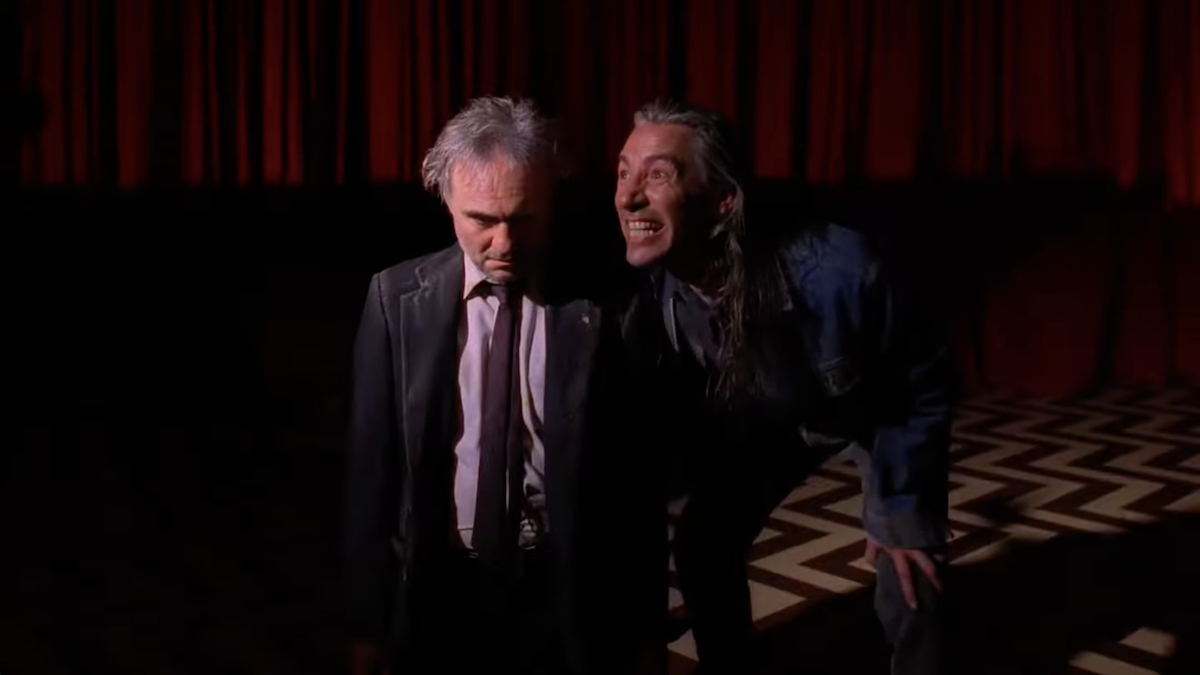
    This article contains light spoilers for Backrooms. For everything that Backrooms does right, there is one accolade that doesn’t quite fit. No, Backrooms may not be based on a major IP, but it isn’t entirely accurate to say that it’s an original film, owing as it does to not just director Kane Parson’s YouTube videos, […]

    The post Backrooms Kids: Now’s the Time to Watch Twin Peaks appeared first on Den of Geek.

    Stan Lee played a role in coming up with some of the greatest villains of all time: Doctor Doom, Magneto, Devin Dark. Oh, you don’t know that last one? Well, clearly, you weren’t watching the NHL All-Star Game on January 30, 2011, in Raleigh, North Carolina. That was not just the night when Team Lidstrom, led by the Perfect Human Nicklas Lidstrom, beat Team Staal, led by then-Carolina Hurricanes captain Eric Staal. It was also the night when the NHL Guardians gathered to do battle with the evil cloud man known as Devin Dark.

    Okay, even if you were watching, you probably don’t remember. Because even though the flashy, CG-generated video of the Guardians saving attendees from Devin Dark ended on a cliffhanger, in which Dark kidnapped all the Guardians except the Hurricane and revealed the secret identity of the team leader, absolutely no one (except, perhaps, the hosts of the Puck Podcast) have mentioned it even once in the past 15 years. That’s because the Guardian Project was a spectacular failure, one that bored both fans of hockey and superheroes.

    Not the All-Stars

    The basic idea behind the Guardian Project did make a bit of sense. Each team has a cool mascot and they all wear colorful costumes. It shouldn’t be that much of a jump to turn them into superheroes, right? And Stan Lee created Spider-Man, the X-Men, and the Hulk, so who better than to make this new generation of costumed avengers? What could go wrong?

    cnx.cmd.push(function() {
    cnx({
    playerId: “106e33c0-3911-473c-b599-b1426db57530”,

    }).render(“0270c398a82f44f49c23c16122516796”);
    });

    A quick glance at the Guardian Project quickly reveals the answer. Lee (or, more likely, some intern who will never be credited) created a hero for each of the (then) 30 teams in the NHL. And in every case, he went for the most obvious possible choice. It isn’t just that each hero just has the name of the mascot; eg, the Duck, the Devil, the King. It’s that they all have generic power sets, derived from already established heroes.

    Take Pittsburgh’s Guardian, the Penguin. “The gritty young savior of Steel City,” reads the copy attached to his picture. “Can project ice missiles from his hands and travels on a frozen ice sheet.” Obviously, those are the same powers as Iceman from the X-Men. But to top it off, the Penguin wears a visor across his eyes, just like fellow X-Men Cyclops. Put together, the Penguin seems like Frozone from The Incredibles, but as a white guy in yellow and black.

    Or maybe you’d prefer Montreal’s hero the Canadian, a guy in a blue and red power suit who shoots blasters from his hands, just like Iron Man. How about the Arizona Coyote, aka Wolverine in a trench coat, or the Panther, who imagines what it would be like if Black Panther came not from the futuristic utopia Wakanda, but from Florida? At least the Edmonton Oiler, with blocky costume and goo gun, had the decency to rip off a good character, Paste-Pot Pete.

    Occasionally, an unwieldily mascot forced Lee to take some creative leaps. Sure, the Columbus Blue Jacket looks like a B-tier Go-Bot, but not often do you see a revived Civil War soldier with cannons in his robot legs. Lee didn’t just steal Falcon’s pet bird for the Detroit Red Wing, but embraced the team’s Motor City roots by sticking awkward wheels and pedals on what otherwise looks like Mach-1 of the Thunderbolts. And the St. Louis Blue may be kind of a rip-off of forgotten Ultraverse hero Night Man (jazz musician by night, superhero by later at night), but he looks kind of cool.

    Ultimately, the dull designs and generic power sets bring to mind not legends in the making, but the drawings of some random kid who just watched Hockey Night in Canada. Which they are, canonically-speaking.

    Unguarded Hockey

    According to the shared universe lore revealed in the graphic novel The Guardian Project Special Edition, the Guardians actually came from the mind of Mike Mason, a nondescript teenager who sketched out a series of superheroes in his notebook. Somehow, the pictures came to life, giving 30 North American cities their own superheroes… at least until the Thrasher leaves Atlanta to become the Jet and the Coyote decides Salt Lake City is nice and renames himself the Mammoth.

    The Guardian Project Special Edition boasts some supplemental artwork by the legendary Neal Adams and scripts by Chuck Dixon, then still closer to his incredible work on Batman and Birds of Prey and not the right-wing nonsense he does these days. It contains six-page origin stories for each of the heroes, all illustrated well and handsomely put together, but deadly boring.

    You’ll have to take my word on that assessment, because unless you still have your copy from 2011 or want to buy a copy from an eBay seller (including one selling their copy for $5000 dollars), you’ll never read The Guardian Project. Not even any of the shady sites that retrain digital copies of Marvel‘s Christian comic The Illuminator or Superman‘s team-up with Jared from Subway have bothered to upload The Guardian Project, because nobody cares.

    Sad as the Guardian Project is, it isn’t totally unexpected. Hockey has always been the fourth to seventh most popular sport in the United States, and Commissioner Gary Bettman has been willing to try almost anything to grow the sport, even putting a team in Utah. Even less surprising is the fact that Stan Lee would put his name on forgettable schlock. Lee was always more of a pitchman than he was a writer, and without guys like Jack Kirby and Steve Ditko to crib from, his projects have been uniformly cloying and dull.

    With a Stanley Cup final that has already had one incredibly exciting game against the Vegas Golden Knights—who joined the League in 2017 and thus, never suffered the ignominy of having a Guardian—the Hurricanes have once again drawn the eyes of hockey fans back to Raleigh. Hopefully, this experience will be more memorable than the time the Guardians battled Devin Dark.

    The post Remember the Guardians: Stan Lee’s Ill-Fated Collaboration With the NHL appeared first on Den of Geek.

  • Batman: Caped Crusader to Mash Up Two Beloved Batman Stories in Season 2

    Batman: Caped Crusader to Mash Up Two Beloved Batman Stories in Season 2

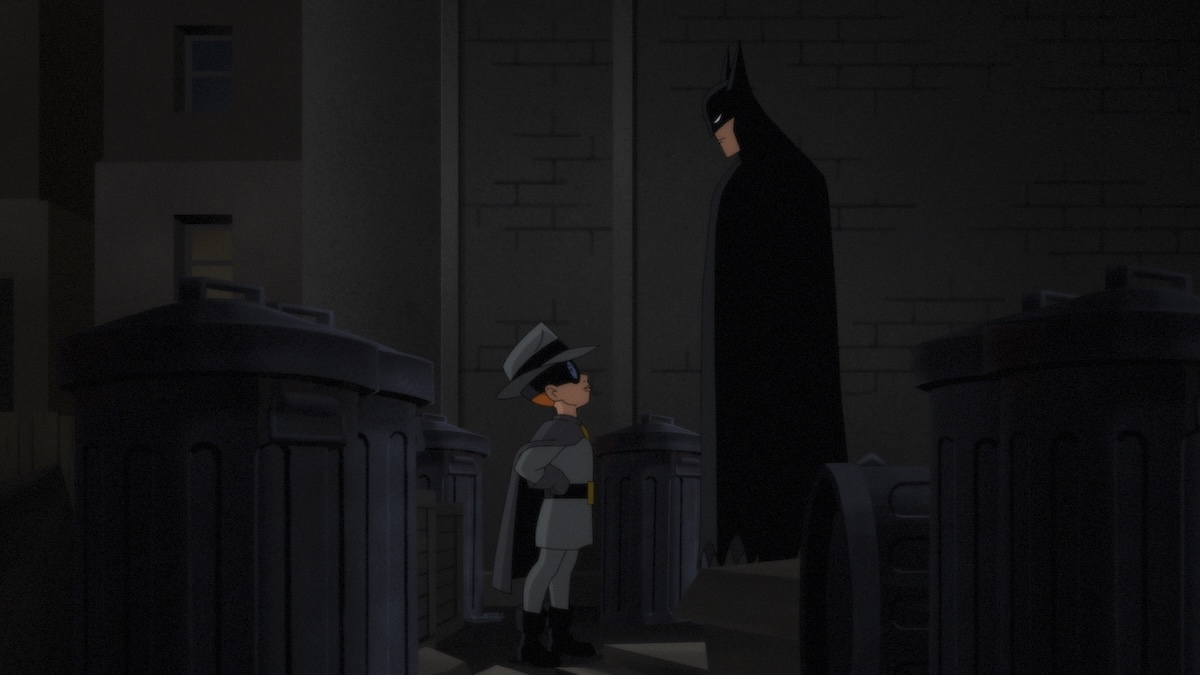
    No one would argue that Batman: The Animated Series got better when it was redesigned and renamed The New Batman Adventures in 1997, but that latter run still had its bright spots. Case in point, season 2’s “Legends of the Dark Knight,” which homages several classic Batman stories, including Frank Miller‘s The Dark Knight Returns. […]

    The post Batman: Caped Crusader to Mash Up Two Beloved Batman Stories in Season 2 appeared first on Den of Geek.

    Stan Lee played a role in coming up with some of the greatest villains of all time: Doctor Doom, Magneto, Devin Dark. Oh, you don’t know that last one? Well, clearly, you weren’t watching the NHL All-Star Game on January 30, 2011, in Raleigh, North Carolina. That was not just the night when Team Lidstrom, led by the Perfect Human Nicklas Lidstrom, beat Team Staal, led by then-Carolina Hurricanes captain Eric Staal. It was also the night when the NHL Guardians gathered to do battle with the evil cloud man known as Devin Dark.

    Okay, even if you were watching, you probably don’t remember. Because even though the flashy, CG-generated video of the Guardians saving attendees from Devin Dark ended on a cliffhanger, in which Dark kidnapped all the Guardians except the Hurricane and revealed the secret identity of the team leader, absolutely no one (except, perhaps, the hosts of the Puck Podcast) have mentioned it even once in the past 15 years. That’s because the Guardian Project was a spectacular failure, one that bored both fans of hockey and superheroes.

    Not the All-Stars

    The basic idea behind the Guardian Project did make a bit of sense. Each team has a cool mascot and they all wear colorful costumes. It shouldn’t be that much of a jump to turn them into superheroes, right? And Stan Lee created Spider-Man, the X-Men, and the Hulk, so who better than to make this new generation of costumed avengers? What could go wrong?

    cnx.cmd.push(function() {
    cnx({
    playerId: “106e33c0-3911-473c-b599-b1426db57530”,

    }).render(“0270c398a82f44f49c23c16122516796”);
    });

    A quick glance at the Guardian Project quickly reveals the answer. Lee (or, more likely, some intern who will never be credited) created a hero for each of the (then) 30 teams in the NHL. And in every case, he went for the most obvious possible choice. It isn’t just that each hero just has the name of the mascot; eg, the Duck, the Devil, the King. It’s that they all have generic power sets, derived from already established heroes.

    Take Pittsburgh’s Guardian, the Penguin. “The gritty young savior of Steel City,” reads the copy attached to his picture. “Can project ice missiles from his hands and travels on a frozen ice sheet.” Obviously, those are the same powers as Iceman from the X-Men. But to top it off, the Penguin wears a visor across his eyes, just like fellow X-Men Cyclops. Put together, the Penguin seems like Frozone from The Incredibles, but as a white guy in yellow and black.

    Or maybe you’d prefer Montreal’s hero the Canadian, a guy in a blue and red power suit who shoots blasters from his hands, just like Iron Man. How about the Arizona Coyote, aka Wolverine in a trench coat, or the Panther, who imagines what it would be like if Black Panther came not from the futuristic utopia Wakanda, but from Florida? At least the Edmonton Oiler, with blocky costume and goo gun, had the decency to rip off a good character, Paste-Pot Pete.

    Occasionally, an unwieldily mascot forced Lee to take some creative leaps. Sure, the Columbus Blue Jacket looks like a B-tier Go-Bot, but not often do you see a revived Civil War soldier with cannons in his robot legs. Lee didn’t just steal Falcon’s pet bird for the Detroit Red Wing, but embraced the team’s Motor City roots by sticking awkward wheels and pedals on what otherwise looks like Mach-1 of the Thunderbolts. And the St. Louis Blue may be kind of a rip-off of forgotten Ultraverse hero Night Man (jazz musician by night, superhero by later at night), but he looks kind of cool.

    Ultimately, the dull designs and generic power sets bring to mind not legends in the making, but the drawings of some random kid who just watched Hockey Night in Canada. Which they are, canonically-speaking.

    Unguarded Hockey

    According to the shared universe lore revealed in the graphic novel The Guardian Project Special Edition, the Guardians actually came from the mind of Mike Mason, a nondescript teenager who sketched out a series of superheroes in his notebook. Somehow, the pictures came to life, giving 30 North American cities their own superheroes… at least until the Thrasher leaves Atlanta to become the Jet and the Coyote decides Salt Lake City is nice and renames himself the Mammoth.

    The Guardian Project Special Edition boasts some supplemental artwork by the legendary Neal Adams and scripts by Chuck Dixon, then still closer to his incredible work on Batman and Birds of Prey and not the right-wing nonsense he does these days. It contains six-page origin stories for each of the heroes, all illustrated well and handsomely put together, but deadly boring.

    You’ll have to take my word on that assessment, because unless you still have your copy from 2011 or want to buy a copy from an eBay seller (including one selling their copy for $5000 dollars), you’ll never read The Guardian Project. Not even any of the shady sites that retrain digital copies of Marvel‘s Christian comic The Illuminator or Superman‘s team-up with Jared from Subway have bothered to upload The Guardian Project, because nobody cares.

    Sad as the Guardian Project is, it isn’t totally unexpected. Hockey has always been the fourth to seventh most popular sport in the United States, and Commissioner Gary Bettman has been willing to try almost anything to grow the sport, even putting a team in Utah. Even less surprising is the fact that Stan Lee would put his name on forgettable schlock. Lee was always more of a pitchman than he was a writer, and without guys like Jack Kirby and Steve Ditko to crib from, his projects have been uniformly cloying and dull.

    With a Stanley Cup final that has already had one incredibly exciting game against the Vegas Golden Knights—who joined the League in 2017 and thus, never suffered the ignominy of having a Guardian—the Hurricanes have once again drawn the eyes of hockey fans back to Raleigh. Hopefully, this experience will be more memorable than the time the Guardians battled Devin Dark.

    The post Remember the Guardians: Stan Lee’s Ill-Fated Collaboration With the NHL appeared first on Den of Geek.

  • Marvel’s Wolverine Delivers Gruesome Gameplay First Look

    Marvel’s Wolverine Delivers Gruesome Gameplay First Look

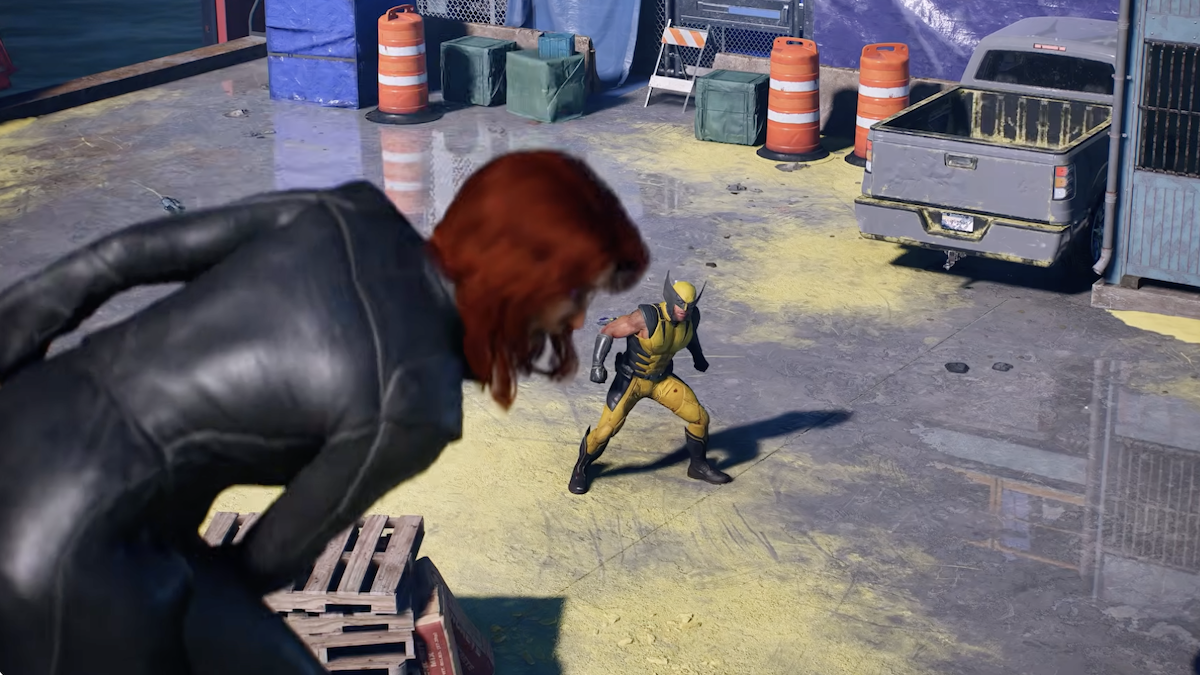
    He is the best at what he does, and it isn’t very nice. Sony Interactive Entertainment is giving the X-Men’s most iconic, violent, and animalistic member his own game in what may be Insomniac Games’ most violent outing yet. Now, the 2026 PlayStation State of Play presentation has provided gamers with their first look at […]

    The post Marvel’s Wolverine Delivers Gruesome Gameplay First Look appeared first on Den of Geek.

    Stan Lee played a role in coming up with some of the greatest villains of all time: Doctor Doom, Magneto, Devin Dark. Oh, you don’t know that last one? Well, clearly, you weren’t watching the NHL All-Star Game on January 30, 2011, in Raleigh, North Carolina. That was not just the night when Team Lidstrom, led by the Perfect Human Nicklas Lidstrom, beat Team Staal, led by then-Carolina Hurricanes captain Eric Staal. It was also the night when the NHL Guardians gathered to do battle with the evil cloud man known as Devin Dark.

    Okay, even if you were watching, you probably don’t remember. Because even though the flashy, CG-generated video of the Guardians saving attendees from Devin Dark ended on a cliffhanger, in which Dark kidnapped all the Guardians except the Hurricane and revealed the secret identity of the team leader, absolutely no one (except, perhaps, the hosts of the Puck Podcast) have mentioned it even once in the past 15 years. That’s because the Guardian Project was a spectacular failure, one that bored both fans of hockey and superheroes.

    Not the All-Stars

    The basic idea behind the Guardian Project did make a bit of sense. Each team has a cool mascot and they all wear colorful costumes. It shouldn’t be that much of a jump to turn them into superheroes, right? And Stan Lee created Spider-Man, the X-Men, and the Hulk, so who better than to make this new generation of costumed avengers? What could go wrong?

    cnx.cmd.push(function() {
    cnx({
    playerId: “106e33c0-3911-473c-b599-b1426db57530”,

    }).render(“0270c398a82f44f49c23c16122516796”);
    });

    A quick glance at the Guardian Project quickly reveals the answer. Lee (or, more likely, some intern who will never be credited) created a hero for each of the (then) 30 teams in the NHL. And in every case, he went for the most obvious possible choice. It isn’t just that each hero just has the name of the mascot; eg, the Duck, the Devil, the King. It’s that they all have generic power sets, derived from already established heroes.

    Take Pittsburgh’s Guardian, the Penguin. “The gritty young savior of Steel City,” reads the copy attached to his picture. “Can project ice missiles from his hands and travels on a frozen ice sheet.” Obviously, those are the same powers as Iceman from the X-Men. But to top it off, the Penguin wears a visor across his eyes, just like fellow X-Men Cyclops. Put together, the Penguin seems like Frozone from The Incredibles, but as a white guy in yellow and black.

    Or maybe you’d prefer Montreal’s hero the Canadian, a guy in a blue and red power suit who shoots blasters from his hands, just like Iron Man. How about the Arizona Coyote, aka Wolverine in a trench coat, or the Panther, who imagines what it would be like if Black Panther came not from the futuristic utopia Wakanda, but from Florida? At least the Edmonton Oiler, with blocky costume and goo gun, had the decency to rip off a good character, Paste-Pot Pete.

    Occasionally, an unwieldily mascot forced Lee to take some creative leaps. Sure, the Columbus Blue Jacket looks like a B-tier Go-Bot, but not often do you see a revived Civil War soldier with cannons in his robot legs. Lee didn’t just steal Falcon’s pet bird for the Detroit Red Wing, but embraced the team’s Motor City roots by sticking awkward wheels and pedals on what otherwise looks like Mach-1 of the Thunderbolts. And the St. Louis Blue may be kind of a rip-off of forgotten Ultraverse hero Night Man (jazz musician by night, superhero by later at night), but he looks kind of cool.

    Ultimately, the dull designs and generic power sets bring to mind not legends in the making, but the drawings of some random kid who just watched Hockey Night in Canada. Which they are, canonically-speaking.

    Unguarded Hockey

    According to the shared universe lore revealed in the graphic novel The Guardian Project Special Edition, the Guardians actually came from the mind of Mike Mason, a nondescript teenager who sketched out a series of superheroes in his notebook. Somehow, the pictures came to life, giving 30 North American cities their own superheroes… at least until the Thrasher leaves Atlanta to become the Jet and the Coyote decides Salt Lake City is nice and renames himself the Mammoth.

    The Guardian Project Special Edition boasts some supplemental artwork by the legendary Neal Adams and scripts by Chuck Dixon, then still closer to his incredible work on Batman and Birds of Prey and not the right-wing nonsense he does these days. It contains six-page origin stories for each of the heroes, all illustrated well and handsomely put together, but deadly boring.

    You’ll have to take my word on that assessment, because unless you still have your copy from 2011 or want to buy a copy from an eBay seller (including one selling their copy for $5000 dollars), you’ll never read The Guardian Project. Not even any of the shady sites that retrain digital copies of Marvel‘s Christian comic The Illuminator or Superman‘s team-up with Jared from Subway have bothered to upload The Guardian Project, because nobody cares.

    Sad as the Guardian Project is, it isn’t totally unexpected. Hockey has always been the fourth to seventh most popular sport in the United States, and Commissioner Gary Bettman has been willing to try almost anything to grow the sport, even putting a team in Utah. Even less surprising is the fact that Stan Lee would put his name on forgettable schlock. Lee was always more of a pitchman than he was a writer, and without guys like Jack Kirby and Steve Ditko to crib from, his projects have been uniformly cloying and dull.

    With a Stanley Cup final that has already had one incredibly exciting game against the Vegas Golden Knights—who joined the League in 2017 and thus, never suffered the ignominy of having a Guardian—the Hurricanes have once again drawn the eyes of hockey fans back to Raleigh. Hopefully, this experience will be more memorable than the time the Guardians battled Devin Dark.

    The post Remember the Guardians: Stan Lee’s Ill-Fated Collaboration With the NHL appeared first on Den of Geek.

  • Scary Movie 6 Review: High on Fumes

    Scary Movie 6 Review: High on Fumes

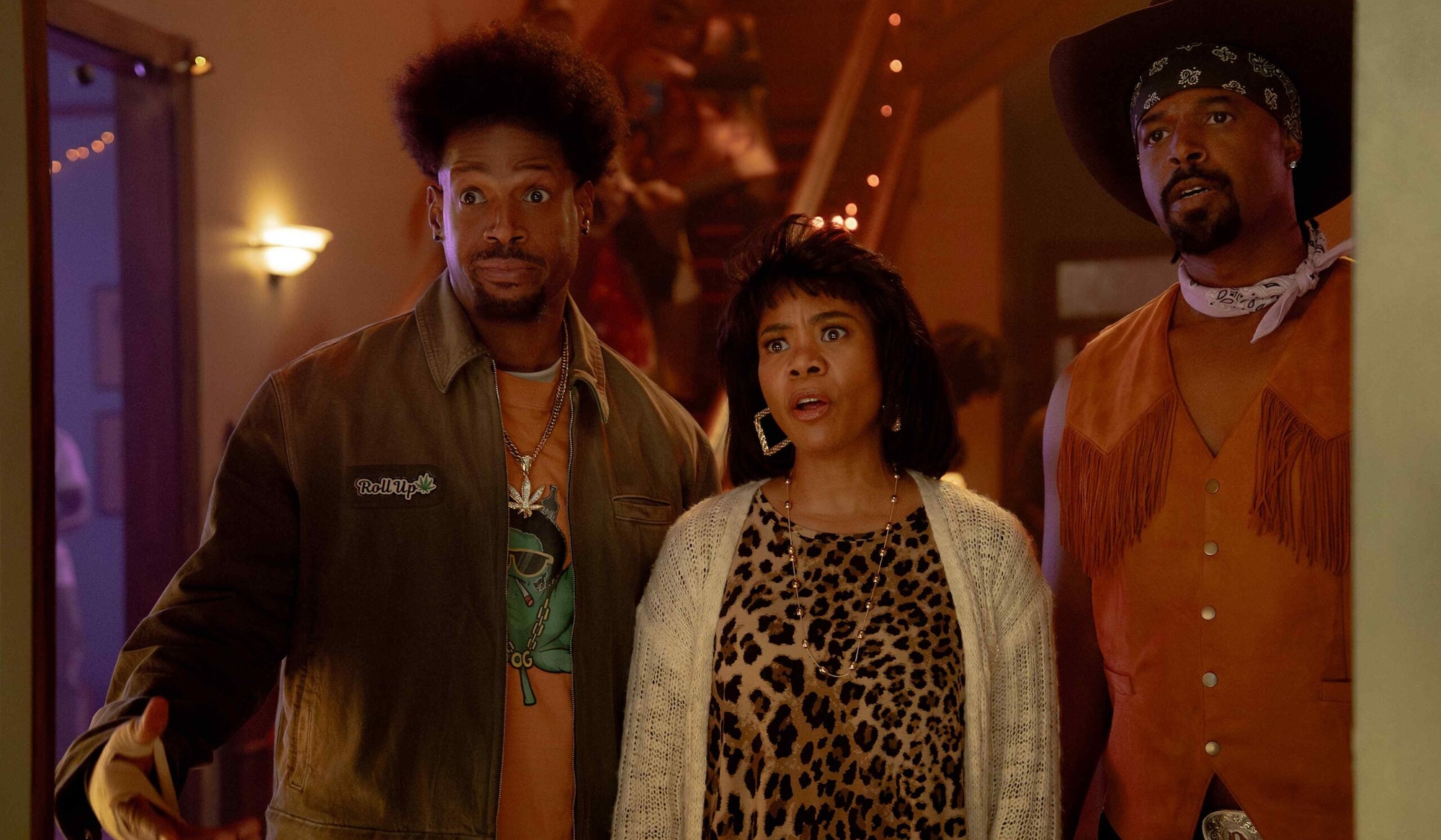
    Oh, how do you solve a problem like Scary Movie? Ever since its inception a quarter century ago, here has been a comedy series defined by its crassness; its cruelty; its happy-go-lucky, stoned-out-of-its-goddamn-mind bad taste. Criticizing it for crossing a line too taboo, or a joke too mean, is to highlight a feature and not […]

    The post Scary Movie 6 Review: High on Fumes appeared first on Den of Geek.

    Stan Lee played a role in coming up with some of the greatest villains of all time: Doctor Doom, Magneto, Devin Dark. Oh, you don’t know that last one? Well, clearly, you weren’t watching the NHL All-Star Game on January 30, 2011, in Raleigh, North Carolina. That was not just the night when Team Lidstrom, led by the Perfect Human Nicklas Lidstrom, beat Team Staal, led by then-Carolina Hurricanes captain Eric Staal. It was also the night when the NHL Guardians gathered to do battle with the evil cloud man known as Devin Dark.

    Okay, even if you were watching, you probably don’t remember. Because even though the flashy, CG-generated video of the Guardians saving attendees from Devin Dark ended on a cliffhanger, in which Dark kidnapped all the Guardians except the Hurricane and revealed the secret identity of the team leader, absolutely no one (except, perhaps, the hosts of the Puck Podcast) have mentioned it even once in the past 15 years. That’s because the Guardian Project was a spectacular failure, one that bored both fans of hockey and superheroes.

    Not the All-Stars

    The basic idea behind the Guardian Project did make a bit of sense. Each team has a cool mascot and they all wear colorful costumes. It shouldn’t be that much of a jump to turn them into superheroes, right? And Stan Lee created Spider-Man, the X-Men, and the Hulk, so who better than to make this new generation of costumed avengers? What could go wrong?

    cnx.cmd.push(function() {
    cnx({
    playerId: “106e33c0-3911-473c-b599-b1426db57530”,

    }).render(“0270c398a82f44f49c23c16122516796”);
    });

    A quick glance at the Guardian Project quickly reveals the answer. Lee (or, more likely, some intern who will never be credited) created a hero for each of the (then) 30 teams in the NHL. And in every case, he went for the most obvious possible choice. It isn’t just that each hero just has the name of the mascot; eg, the Duck, the Devil, the King. It’s that they all have generic power sets, derived from already established heroes.

    Take Pittsburgh’s Guardian, the Penguin. “The gritty young savior of Steel City,” reads the copy attached to his picture. “Can project ice missiles from his hands and travels on a frozen ice sheet.” Obviously, those are the same powers as Iceman from the X-Men. But to top it off, the Penguin wears a visor across his eyes, just like fellow X-Men Cyclops. Put together, the Penguin seems like Frozone from The Incredibles, but as a white guy in yellow and black.

    Or maybe you’d prefer Montreal’s hero the Canadian, a guy in a blue and red power suit who shoots blasters from his hands, just like Iron Man. How about the Arizona Coyote, aka Wolverine in a trench coat, or the Panther, who imagines what it would be like if Black Panther came not from the futuristic utopia Wakanda, but from Florida? At least the Edmonton Oiler, with blocky costume and goo gun, had the decency to rip off a good character, Paste-Pot Pete.

    Occasionally, an unwieldily mascot forced Lee to take some creative leaps. Sure, the Columbus Blue Jacket looks like a B-tier Go-Bot, but not often do you see a revived Civil War soldier with cannons in his robot legs. Lee didn’t just steal Falcon’s pet bird for the Detroit Red Wing, but embraced the team’s Motor City roots by sticking awkward wheels and pedals on what otherwise looks like Mach-1 of the Thunderbolts. And the St. Louis Blue may be kind of a rip-off of forgotten Ultraverse hero Night Man (jazz musician by night, superhero by later at night), but he looks kind of cool.

    Ultimately, the dull designs and generic power sets bring to mind not legends in the making, but the drawings of some random kid who just watched Hockey Night in Canada. Which they are, canonically-speaking.

    Unguarded Hockey

    According to the shared universe lore revealed in the graphic novel The Guardian Project Special Edition, the Guardians actually came from the mind of Mike Mason, a nondescript teenager who sketched out a series of superheroes in his notebook. Somehow, the pictures came to life, giving 30 North American cities their own superheroes… at least until the Thrasher leaves Atlanta to become the Jet and the Coyote decides Salt Lake City is nice and renames himself the Mammoth.

    The Guardian Project Special Edition boasts some supplemental artwork by the legendary Neal Adams and scripts by Chuck Dixon, then still closer to his incredible work on Batman and Birds of Prey and not the right-wing nonsense he does these days. It contains six-page origin stories for each of the heroes, all illustrated well and handsomely put together, but deadly boring.

    You’ll have to take my word on that assessment, because unless you still have your copy from 2011 or want to buy a copy from an eBay seller (including one selling their copy for $5000 dollars), you’ll never read The Guardian Project. Not even any of the shady sites that retrain digital copies of Marvel‘s Christian comic The Illuminator or Superman‘s team-up with Jared from Subway have bothered to upload The Guardian Project, because nobody cares.

    Sad as the Guardian Project is, it isn’t totally unexpected. Hockey has always been the fourth to seventh most popular sport in the United States, and Commissioner Gary Bettman has been willing to try almost anything to grow the sport, even putting a team in Utah. Even less surprising is the fact that Stan Lee would put his name on forgettable schlock. Lee was always more of a pitchman than he was a writer, and without guys like Jack Kirby and Steve Ditko to crib from, his projects have been uniformly cloying and dull.

    With a Stanley Cup final that has already had one incredibly exciting game against the Vegas Golden Knights—who joined the League in 2017 and thus, never suffered the ignominy of having a Guardian—the Hurricanes have once again drawn the eyes of hockey fans back to Raleigh. Hopefully, this experience will be more memorable than the time the Guardians battled Devin Dark.

    The post Remember the Guardians: Stan Lee’s Ill-Fated Collaboration With the NHL appeared first on Den of Geek.

  • Judith Light Breaks Down Dorry’s Tragic Decision on The Terror: Devil in Silver

    Judith Light Breaks Down Dorry’s Tragic Decision on The Terror: Devil in Silver

    The following contains major spoilers for The Terror: Devil in Silver episode 5 “Vermillion.” The penultimate episode of The Terror: Devil in Silver is a tragedy on many levels. An hour that not only features another tragic death but a look back into the dark history of New Hyde Psychiatric Hospital, it’s disturbing in ways […]

    The post Judith Light Breaks Down Dorry’s Tragic Decision on The Terror: Devil in Silver appeared first on Den of Geek.

    Stan Lee played a role in coming up with some of the greatest villains of all time: Doctor Doom, Magneto, Devin Dark. Oh, you don’t know that last one? Well, clearly, you weren’t watching the NHL All-Star Game on January 30, 2011, in Raleigh, North Carolina. That was not just the night when Team Lidstrom, led by the Perfect Human Nicklas Lidstrom, beat Team Staal, led by then-Carolina Hurricanes captain Eric Staal. It was also the night when the NHL Guardians gathered to do battle with the evil cloud man known as Devin Dark.

    Okay, even if you were watching, you probably don’t remember. Because even though the flashy, CG-generated video of the Guardians saving attendees from Devin Dark ended on a cliffhanger, in which Dark kidnapped all the Guardians except the Hurricane and revealed the secret identity of the team leader, absolutely no one (except, perhaps, the hosts of the Puck Podcast) have mentioned it even once in the past 15 years. That’s because the Guardian Project was a spectacular failure, one that bored both fans of hockey and superheroes.

    Not the All-Stars

    The basic idea behind the Guardian Project did make a bit of sense. Each team has a cool mascot and they all wear colorful costumes. It shouldn’t be that much of a jump to turn them into superheroes, right? And Stan Lee created Spider-Man, the X-Men, and the Hulk, so who better than to make this new generation of costumed avengers? What could go wrong?

    cnx.cmd.push(function() {
    cnx({
    playerId: “106e33c0-3911-473c-b599-b1426db57530”,

    }).render(“0270c398a82f44f49c23c16122516796”);
    });

    A quick glance at the Guardian Project quickly reveals the answer. Lee (or, more likely, some intern who will never be credited) created a hero for each of the (then) 30 teams in the NHL. And in every case, he went for the most obvious possible choice. It isn’t just that each hero just has the name of the mascot; eg, the Duck, the Devil, the King. It’s that they all have generic power sets, derived from already established heroes.

    Take Pittsburgh’s Guardian, the Penguin. “The gritty young savior of Steel City,” reads the copy attached to his picture. “Can project ice missiles from his hands and travels on a frozen ice sheet.” Obviously, those are the same powers as Iceman from the X-Men. But to top it off, the Penguin wears a visor across his eyes, just like fellow X-Men Cyclops. Put together, the Penguin seems like Frozone from The Incredibles, but as a white guy in yellow and black.

    Or maybe you’d prefer Montreal’s hero the Canadian, a guy in a blue and red power suit who shoots blasters from his hands, just like Iron Man. How about the Arizona Coyote, aka Wolverine in a trench coat, or the Panther, who imagines what it would be like if Black Panther came not from the futuristic utopia Wakanda, but from Florida? At least the Edmonton Oiler, with blocky costume and goo gun, had the decency to rip off a good character, Paste-Pot Pete.

    Occasionally, an unwieldily mascot forced Lee to take some creative leaps. Sure, the Columbus Blue Jacket looks like a B-tier Go-Bot, but not often do you see a revived Civil War soldier with cannons in his robot legs. Lee didn’t just steal Falcon’s pet bird for the Detroit Red Wing, but embraced the team’s Motor City roots by sticking awkward wheels and pedals on what otherwise looks like Mach-1 of the Thunderbolts. And the St. Louis Blue may be kind of a rip-off of forgotten Ultraverse hero Night Man (jazz musician by night, superhero by later at night), but he looks kind of cool.

    Ultimately, the dull designs and generic power sets bring to mind not legends in the making, but the drawings of some random kid who just watched Hockey Night in Canada. Which they are, canonically-speaking.

    Unguarded Hockey

    According to the shared universe lore revealed in the graphic novel The Guardian Project Special Edition, the Guardians actually came from the mind of Mike Mason, a nondescript teenager who sketched out a series of superheroes in his notebook. Somehow, the pictures came to life, giving 30 North American cities their own superheroes… at least until the Thrasher leaves Atlanta to become the Jet and the Coyote decides Salt Lake City is nice and renames himself the Mammoth.

    The Guardian Project Special Edition boasts some supplemental artwork by the legendary Neal Adams and scripts by Chuck Dixon, then still closer to his incredible work on Batman and Birds of Prey and not the right-wing nonsense he does these days. It contains six-page origin stories for each of the heroes, all illustrated well and handsomely put together, but deadly boring.

    You’ll have to take my word on that assessment, because unless you still have your copy from 2011 or want to buy a copy from an eBay seller (including one selling their copy for $5000 dollars), you’ll never read The Guardian Project. Not even any of the shady sites that retrain digital copies of Marvel‘s Christian comic The Illuminator or Superman‘s team-up with Jared from Subway have bothered to upload The Guardian Project, because nobody cares.

    Sad as the Guardian Project is, it isn’t totally unexpected. Hockey has always been the fourth to seventh most popular sport in the United States, and Commissioner Gary Bettman has been willing to try almost anything to grow the sport, even putting a team in Utah. Even less surprising is the fact that Stan Lee would put his name on forgettable schlock. Lee was always more of a pitchman than he was a writer, and without guys like Jack Kirby and Steve Ditko to crib from, his projects have been uniformly cloying and dull.

    With a Stanley Cup final that has already had one incredibly exciting game against the Vegas Golden Knights—who joined the League in 2017 and thus, never suffered the ignominy of having a Guardian—the Hurricanes have once again drawn the eyes of hockey fans back to Raleigh. Hopefully, this experience will be more memorable than the time the Guardians battled Devin Dark.

    The post Remember the Guardians: Stan Lee’s Ill-Fated Collaboration With the NHL appeared first on Den of Geek.