Category: Blog

Your blog category

  • 9 Shifts Every Marketing Agency Needs to Make

    9 Shifts Every Marketing Agency Needs to Make

    9 Shifts Every Marketing Agency Needs to Make written by Alex McQueen read more at Duct Tape Marketing

    Catch the Full Episode: Overview John Jantsch spends this solo episode naming something he keeps hearing from marketers: a quiet exhaustion driven less by the work itself and more by the business model wrapped around it. He lays out 9 shifts he believes every marketing advisor, agency owner, and fractional CMO needs to make to […]

    9 Shifts Every Marketing Agency Needs to Make written by Alex McQueen read more at Duct Tape Marketing

    Catch the Full Episode:

    Duct Tape Marketing Podcast (DTM) cover art featuring John Jantsch speaking on stage, holding a clicker, for the episode "9 Shifts Every Marketing Agency Needs to Make," hosted by John Jantsch on the Duct Tape Marketing Podcast.

    Overview

    John Jantsch spends this solo episode naming something he keeps hearing from marketers: a quiet exhaustion driven less by the work itself and more by the business model wrapped around it. He lays out 9 shifts he believes every marketing advisor, agency owner, and fractional CMO needs to make to move from doing more work for less money to leading strategy clients will pay a premium for.

    Jantsch walks through each shift, anchored by a quote from a marketer he has worked with. He covers replacing “we do it all” positioning with a clear point of view, productizing a flagship offer, pricing outcomes instead of hours, and installing AI systematically instead of hacking it in. He also makes the case for leadership engagements over execution retainers and for joining a network instead of solving every problem alone.

    This episode is for agency owners, consultants, and fractional CMOs who feel the ground shifting under a service model that used to work and want a concrete roadmap for where to go next.

    About John Jantsch

    John Jantsch is the founder of Duct Tape Marketing and creator of the Strategy First™ framework, used by hundreds of certified consultants and agencies. He has spent 30 years working inside agencies and with small business owners, and now leads the Duct Tape Marketing Certified Advisor program, the coaching and licensing model built around the 9 shifts he covers in this episode.

    Key Takeaways

    • Replace “we do it all” generalism with a specific, provable point of view. It is the 1 shift that makes every other shift possible.
    • Turn one-off custom proposals into a single flagship offer you can teach, delegate, and repeat at scale.
    • Move client conversations from vendor-style execution retainers to leadership engagements where you own the outcome.
    • Build a lead-generation channel you own instead of depending on referrals or cold email for new business.
    • Put systems and SOPs behind the work so the business does not stop the moment you step away.

    Great Moments

    • [00:01] – Jantsch opens by naming the “quiet exhaustion” he hears from good marketers and introduces the 9 shifts he will walk through.
    • [02:23] – Jantsch contrasts the $10,000 ebooks agencies used to sell with today’s collapsing prices, framing why leadership (not deliverables) is the new value.
    • [07:27] – Jantsch describes selling a $15,000 strategy engagement where the client stops asking about hours or deliverables and only cares about the result.
    • [14:28] – Jantsch explains why installing AI as part of a systematic marketing operating system beats letting clients hack their way through tools alone.
    • [16:46] – Jantsch makes the case for joining a network of 100-plus agencies instead of carrying every problem solo.

    Memorable Quotes

    • “People are not paying for more stuff anymore. They are paying for marketing leadership, strategy, and a systematic approach to bringing AI into their business.” — John Jantsch
    • “All people want is a result. If they are trying to negotiate your price down, it is because they do not understand the value you bring.” — John Jantsch
    • “The conversation stops being can you send me a proposal and becomes can you do that for our business. That is the difference between selling and advising.” — John Jantsch
    • “It is chaos in most businesses right now, and the marketer who offers to manage that chaos as part of the plan is the 1 who gets invited into a leadership role.” — John Jantsch
    • “Imagine tapping into an entire network of people who have already wrestled with the exact problems you are facing right now.” — John Jantsch

    Resources


    John Jantsch (00:01.964)

    You know, I’ve spent thirty years or so around agencies and consultants, and I’ve never heard this much quiet exhaustion from good marketers. Not bad marketers, good ones. the work is fine. The business around the work is what’s breaking. Hello and welcome to another episode of the Duct Tape Marketing Podcast. This is John Jantsch and it’s just me. doing a solo show. I’ve got some stuff I want to get off my chest, I guess. And so

    I love to use this platform to be able to do that. So if you are a marketer, a marketing agency, a consultant, a fractional CMO, this show is just for you. The agency model, as I’ve called it, is outdated. The people winning right now aren’t working harder inside of it. They’ve replaced it. We have I don’t know. I’ve lost track. Thousands of marketers I’ve spoken with in a lot of the

    Things I’m going to identify today are things that are really phrases, words, sentiments that have come right out of their mouths. and I want to frame those as the nine shifts that I think every marketing advisor must make today. Can’t get past two minutes here to talk without talking about I AI and the good, the bad, the ugly. I mean, a l a lot of our clients now think that AI can do the marketing for them. they’re trying to bring it in, produce more.

    at scale, be more efficient, and it’s really just making more noise. And it it’s I think from a a marketer standpoint, from an agency standpoint or consultant standpoint, it’s added another hurdle in helping them understand the value that we bring because I think they’re looking at, hey, this tool only costs 20 bucks and I can make it do all this stuff. and really people aren’t paying now for more stuff.

    They’re paying for marketing leadership. They’re paying for strategy. They’re paying for a systematic approach to bring AI into their businesses. And that’s really where I think we have to move as marketers. the the the I’m not saying that AI is doing all the stuff yet, but certainly it is getting low it is getting easier and easier to do, and people are willing to pay less and less for it. I mean, the the days when

    John Jantsch (02:23.074)

    You know, I used to get paid ten thousand dollars to write an ebook, for example. And I, you know, I can’t imagine anybody paying a hundred dollars for that. So the th those days are are quickly coming to an end. But again, I think that this is a real opportunity for people who embrace this idea of marketing leadership. So I’m gonna get into the the nine shifts, as I call them, that I think every advisor, marketing advisor, really needs to make.

    Right now, in order to kind of catch this next wave that that I think is really upon us, quite frankly. All right. So number one, we have to go from invisible generalist to really owning a point of view. here’s a quote, and each of these shifts I’ve I’ve pulled a quote from somebody I’ve either interviewed or or spoken with recently. the quote, I sound like every other agency out there, and I do not have a unique

    Method to stand on. I mean, I think this is this is number one because it’s the one that it’s the domino. It’s the one that makes all the other ones fall into place. If you don’t come aren’t able to come into people and say, here’s what I do, here’s what you’re going to do, here’s what it’s going to cost, and by the way, here are the results we can inspect. And this is the framework that I built it on. And we have actually installed this in hundreds of other businesses, and it’s proven to work. If you can’t

    guide and lead a a business owner into what they need rather than saying, hey, we do it all. tell us what you need. you you’re setting yourself up for failure completely. So a lot of the people that license our methodology, our advisor certification,

    really lean towards this idea that we have this framework called strategy first. We have a whole different approach to how we go to market to what folks in our networks sell. And I think that that gives you or can give you at least a point of view. Strategy before tactics is a point of view, shockingly still very unique in the world of small business marketing. And so adopting that kind of point of view and going to somebody and say, look,

    John Jantsch (04:42.444)

    You need a website? Sure, we build websites, but first you’re gonna go through strategy first. because we know that the only way we can deliver a valuable website, in fact, your marketing in general, is if you start with strategy first. That is a point of view. That type of thing is what’s something you have to hang on. Shift number two: from custom everything to a productized flagship offer. Here’s the quote: I’m exhausted from writing.

    Custom proposals and starting from scratch for every new client. We have one engagement sold the same way, delivered the same way. So now instead of my I can do that when somebody out you actually are saying this is my process. and now at first pushback, sometimes people are like, yeah, that’s just like cookie cutter templated.

    No, it’s not at all. It’s a framework that delivers custom work that can be taught, that can actually be delegated, that you can actually hire people to do. We successfully have consultants in our organization. We have con successfully licensed over four hundred agencies and consultants on this methodology, and being able to to productize that so that you can get good at it, so that you can get

    Delegate it, you you you actually are able to deliver more value because you have a framework that you can apply everything to. Shift number three, from pricing effort to pricing outcomes. This is this one is.

    Been dying a very slow death for many, many years. I actually had somebody ask us, you know, how much we charged an hour. It’s it’s been years since somebody’s asked me that. You know, that mentality is just not only is it a recipe for disaster, you basically are going to sell up all your time, you’re going to sell up all your usable capacity without any ability to scale. But when you have a proven framework, when you

    John Jantsch (06:50.841)

    Have a proven point of view, guess what? People will pay more. All people really want is a result. If they’re, if they’re trying to buy your price down, it’s because they don’t understand the value. And when you’re able to go in with a specific point of view, a specific framework, a flagship offer that you can show them the results that you’ve gotten for others, price goes way down the list because they the risk is goes way down.

    the the list. And so if if you could start thinking in terms of

    John Jantsch (07:27.489)

    I sell a strategy first for fifteen thousand dollars and it doesn’t really matter to the client what they get for that. I mean they want the result for that, but but like the output or the input, I’m sorry, how many hours, who does what, how many pieces of paper they get for that. they no longer care if they’re convinced in the that you can deliver the result. So those first two shifts go hand in hand with shift number three. So shift number four.

    From execution retainers to leadership engagements. Here’s the quote: Clients treat me like a vendor, question my tactics, and cancel when budgets get tight. That’s a sure sign that you are a vendor rather than a trusted advisor. As I said before, there’s still business out there for execution.

    but it’s going to go away. it is going to become less and less, and it’s going to become commoditized. Even if there’s plenty of people willing to pay for it, they’re going to be willing to pay a lot less for it. So you have to shift now. Your whole, you have to take that strategic leadership seat because that’s the piece that’s really missing. And most of the businesses I’ve worked with, even if they have a founder who has built a tremendous business, and maybe they’ve brought in a couple of people to

    Do the marketing, or they have an agency to do the marketing. They’re still lacking that person that’s making judgments, that’s making decisions, that’s actually keeping them on track and owning the results. And those are retainers people will pay handsomely for. In fact, they will pay far more than they will pay for somebody to do their SEO. SEO may be part of what you end up selling, but if you sell the leadership engagement, you sell strategy first.

    All of a sudden, you have a completely different relationship with a client. What are we up to? Shift number five from referrals and hope to a lead system. Now, here’s the quote: I have no idea where my next client is coming from. If word of mouth dries up, again, most of the many of the agencies that we work with, they, I mean, you do good work, you’re going to get some referrals.

    John Jantsch (09:41.44)

    you work your warm network, you’re going to be able to uncover some opportunities. But actually having a lead system in place. I mean, marketers, I mean every industry does this, but marketers are the worst marketers. let me ask you this. How many LinkedIn posts or email, cold emails have you gotten telling you as an agency they are going to help you generate leads?

    That’s the thing we’re supposed to be doing for our clients. We’re supposed to be really good at doing for our clients. And yet the industry realizes we’re terrible at it. and so shifting to a pipeline that is constantly being filled by having channels that you own fill that pipeline up and never, ever, ever, depending on cold email. There I said it. there’s some people listening that probably will debate that, and maybe there’s some people that have had success.

    But you want to be in a position where you wouldn’t want a client that would come to you based on a cold email because they wouldn’t be the right fit client. They wouldn’t understand the value you bring. They wouldn’t understand what it is to hire a trusted advisor. Shift number six: from selling to advising. this one really gets people. I mean, here’s the direct quote: I hate feeling like a salesperson. I spend too much time doing proposal.

    Theater. Boy, isn’t that true? So, what you have to do is start changing the entire dynamic of what you think selling is. Essentially, what we do is we actually demonstrate to somebody: here is a process that we’re going to run you through that will help you understand the gaps that you have in marketing, maybe help you understand what marketing actually is. And by virtue of doing that,

    the the conversation will not be can you send me a proposal? It will be can you do that for me? What you just ran me through, could you do that for our business? That’s the difference between selling and running. I’m sorry, selling and advising. and it changes how you feel about it. It changes who you deliver to, it changes how you deliver. and you’ll never say I hate selling again because it’s a joy to actually do it. You’ve got to adopt that.

    John Jantsch (12:04.621)

    So I’m up to number seven. And coincidentally, these are all things that we do. People that come into our certification program, our duct tape advisor program. these are all things that we have figured out that that you not only need to make, but we’ve actually got the solutions. We’ve actually built it for you. So you don’t have to make any of this up. You don’t have to create any of it. It’s all been done for you. So I’m gonna give you one URL right now.

    If you want to go through an assessment, all nine of these shifts are on an assessment. It’ll ask you, it’s very simple, it takes five minutes. It’ll ask you nine questions. They’re essentially you’re gonna rank yourself one to ten on where you are in these shifts. It’ll help you identify your three lowest, the ones where you actually could use the help. So I’m gonna give you the URL now dtm.world slash shifts.

    It’s a hard word to say. Harder than it should be. Shifts. S H I F T S D T M.world slash shifts. All right, gonna keep moving here. Number seven, from doing the work to running the system. If I step away for a week, the whole business stops because everything lives in my head. You ever experience that one? So this is about SOPs and templates and you know delegation at 60 to 70 percent margin.

    But it’s also about this idea of where you position yourself, where how you position yourself to a client. In fact, we actually talk about installing a marketing system in a business. In fact, we have a marketing, all the components of what we call a marketing operating system. So after strategy first, we’re actually going to work on what’s next, what’s next, what comes in the stage that they are in now and the stage that they’re going to be in 90 days from now. And we’re

    Constantly building on that. It’s one of the reasons I think that that we have such long retention. We we keep our clients three, four, five, heck, one, it’s been with us over a decade. and I think a lot of it has to do with this mentality of installing a system. we have built all the components, and I don’t think there’s anyone else. certainly no one that has 30 years of doing this, but I don’t think there’s anyone else that takes this really system view.

    John Jantsch (14:28.008)

    Of installing marketing inside of a business. Shift number seven. No, we’re up to eight, aren’t we? From dabbling in AI to installing it. So here’s a quote: clients think AI can do my job for free, and I’m losing my margins. just trying to keep up. So here’s how I think we need to view AI. Sure, use it in your business. Use it, it does so many wonderful things. I’m not really gonna extol the virtues of that, anybody who’s

    in marketing right now realizes that this is a tool that we have to embrace. But a lot of our clients are trying to embrace it as well. And they are hacking their way through it, they’re getting terribly frustrated, they’re actually discovering it costs more in times of in terms of time and effort. And so what really is resonating with the small to mid-sized business is part of marketing is actually having a systematic approach to installing AI.

    Instead of everybody just bring your favorite tool and use it however you want, we actually need to get them to think in terms of if we build it this way, if we build these skills, it’s all still based on strategy. we’ve built the strategy to begin with, so now we have the tools and the ability to build the strategic approach to using AI with humans inside a business. And that mindset shift of

    Not just like, we’re gonna create this automation or we’re gonna create this hack or we’re gonna save you this much time. It just needs to be part of the plumbing of the marketing system. And I think that you will find if you go out and start using just that message that that we’re gonna help you install a systematic approach because right now it’s chaos in most businesses. And so somebody who’s actually offering to manage the chaos as part of marketing.

    is going to be invited into a leadership role inside that business. All right, number nine. From going in alone to being in a network. I’m tired of trying to figure out every problem myself, and grind is incredibly lonely. we have over a hundred agencies in our network that we meet monthly, we do things quarterly, we share.

    John Jantsch (16:46.093)

    resources, we share assets, we share a strategic partner network to actually do some of the implementation, to actually build some of the AI automations and things that that our clients need. and so that’s a huge component. If any of you are out there, even even in an organization with 10, 12, 15 people, a lot of times the founder, the leader feels at least a little bit alone in terms of addressing or getting advice.

    on the on the things that they are experiencing. So imagine tapping into an entire network of of folks that that that could help you do that, help you wrestle with the problems that maybe they’ve actually wrestled with, that they’re wrestling with at the same time. So it’s it’s it’s not just camaraderie. It has tremendous value in terms of assets and people and network and mentoring as well. So those are the nine shifts.

    I want you to imagine the next time a client says, okay, you want us to do strategy. How how how much is it? and you just without batting an eye, you don’t look down at your shoes, you don’t do anything, you just say it’s twelve thousand dollars. and the reason you say that is because the last 10 prospects that you talked to, you said the same thing and they said yes, and you had the confidence, you had the position, the

    the the posture to say that’s what it is. And I know that it brings tremendous value. So the duct type duct tape marketing certified advisor program is really built around these nine shifts. And here’s how we structure it. When you join us, you will go into a 90-day one-on-one coaching engagement with our lead consultants who have now done this training

    for many, many years that have actually implemented strategy first and the marketing operating system with clients for a number of years as well. and they will fit this to where you are. We have people that are just starting out and this is a great model for them because all of a sudden it’s like here’s the entire roadmap done for you. You’re boom, you know, you’re out there next day. We also have a lot of folks that are

    John Jantsch (19:06.765)

    Are feeling like, hey, the model has changed on me. It’s let me down. I need to do something different. But they’ve got experience, they’ve got team, they’ve got processes, and we’re able to mold this to exactly the shifts that they need to make. There’s also an entire library of training for you, for your team that you get access to, an entire network of partners that you get access to for implementation gaps that you might have. And as I said, you’d be part of this network.

    for monthly masterminds and quarterly training on kind of the latest and and greatest thing. We bring in lots of folks to kind of keep us all up to speed on that. So if any of the shifts that I’ve talked about make sense and you want to jump on a call with Sarah Nay, who’s our CA CEO, she’s one of the people that does the training, the one-on-one training as well, just schedule a time with her. I’m gonna give you a link to do so. and

    She’ll go over these nine shifts. she will walk you through, in fact, if you take the assessment, she’ll actually have what what you have identified as your lowest scores and you’ll spend time doing that. So if you want to take the assessment, it’s dtm.world slash shifts. And then if you want to schedule with Sarah, it’s DTM.world slash chat. So DTM.world either shifts or chat or both.

    when you take the assessment, you’ll also be given the opportunity to schedule a time with Sarah as well. So if you didn’t go get all of that written down because you were driving in your car, we’ll all you can also find it at Duct Tape Marketing as well on the podcast homepage. you will find this as well as the links in the show notes. So thanks for tuning in. Appreciate it. And hopefully we’ll run into you one of these days out there on the road. Let me also offer one other.

    piece if you haven’t clicked off yet. which one of these nine shifts resonated the most with you? I’d love to hear from you. And it’s just John at Duct Tape Marketing. send me a note. All right, take care.

    powered by

  • 15 Awesome Photos Showing the Cool Parts of Our World

    15 Awesome Photos Showing the Cool Parts of Our World

    The world is full of things that are easy to overlook when we are busy with everyday life. A strange natural formation, an enormous structure, an unusual animal, or a tiny detail hidden in a familiar place can suddenly make everything feel a little more fascinating. Sometimes a single photograph is enough to show just how much is happening around us that we rarely get to see. These images capture some of those moments, places, and details that make our planet worth looking at a little more closely. Here are 15 awesome photos showing the cool parts of our world that might otherwise go completely unnoticed

    The post 15 Awesome Photos Showing the Cool Parts of Our World appeared first on Den of Geek.

    “Hey, listen!” Just reading those words is enough to make anyone who has played The Legend of Zelda: Ocarina of Time sit up and pay attention. Link’s fairy guide Navi says those words approximately ten billion times while traversing across Hyrule’s past and present to prevent Ganondorf from using the Triforce to conquer the world. Annoying at first… and second… and third, Navi’s little interjections are as much a part of the game as the various puzzles and boss battles.

    So fans would be forgiven for being slightly taken aback by the trailer for Nintendo‘s remake of The Legend of Zelda: Ocarina of Time. The trailer is full of familiar sights and sounds, from Link’s various grunts as a kid and an adult to him targeting the enemies he strikes with a sword to the sound of the Ocarina itself. Moreover, the remake has a darker, more realistic feel, replacing the bright cartoon visuals of the originals—which is exactly what a remake should do.

    cnx.cmd.push(function() {
    cnx({
    playerId: “106e33c0-3911-473c-b599-b1426db57530”,

    }).render(“0270c398a82f44f49c23c16122516796”);
    });

    Remakes are, of course, nothing new to video games. As soon as Pong left arcades and made its way into living rooms, people learned that games had to go through some sort of change in order to work on a different system. Often, the changes are a result of hardware abilities and limitations. Pac-Man at home, whether the depressing Atari version or the impressive Intellivision port, didn’t look and sound the same as it did in the arcades. As much as we loved to play Teenage Mutant Ninja Turtles II: The Arcade Game on NES, we knew it fell short of the four-player brawler we got at Chuck-E-Cheese.

    However, Nintendo also showed us that remakes can take advantage of stronger hardware to give us a game that retains the same basic mechanics, but presents them with better graphics and sound. The Super Mario All-Stars compilation on the SNES played as both an update and a celebration of the games from the previous generation, allowing the screen to match the way the games made us feel.

    But with the Ocarina of Time remake, Nintendo is showing us something different. It’s showing a game that has a lot of qualities of the version we first played on the Nintendo 64 decades ago, but is ultimately a new game. The first half of the trailer plays the greatest hits, giving us shots of Link doing the usual combat and puzzle actions that we’ve done during hundreds of replays. However, the shadows are a bit darker and the textures a bit more pronounced, creating a change that goes beyond transitioning from polygons to fully-rendered people and involves matters of tone.

    The second half of the trailer only intensifies those feelings, as it adds voice acting and newly designed cut scenes, replacing the mostly static images and subtitles of the original game. Suddenly, Zelda and Darunia the Goron have voices, and they don’t sound like we expected when first played the game. Suddenly, Ocarina of Time isn’t the same game we played before.

    But that’s not a bad thing, especially if we think of video games as art instead of just entertainment technology. If they’re just entertainment technology, then we can and should complain when the new technology doesn’t entertain like the previous technology did. But if they’re art, then we need to allow room for the work to change in order to be perceived differently. We need to let video game remakes be interpretations.

    Other forms of art have long had to wrestle with questions of interpretation in adaptations and remakes. Consider one of the best examples of adaptation and remake, the 1938 novella Who Goes There? by John W. Campbell and the three movies based on it, 1951’s The Thing from Another World, 1982’s John Carpenter‘s The Thing, and 2011’s The Thing.

    Campbell’s original story focuses on a group of researchers in the Antarctic who repel the attack of a telepathic and shapeshifting alien. The 1951 movie takes the premise and turns it into the sort of sci-fi adventure popular during the nuclear era, complete with a group of jocular soldiers and scientists battling a vegetable creature with a definitive shape. Carpenter’s version amps up the gore and the cynicism that reflects his view of the 1980s, building to a far more ambiguous ending than either of the two other versions. Likewise, the 2011 movie is a product of its time, a Hollywood IP cash in that repeats familiar beats and emphasizes audience recognition.

    While audiences may prefer one version of The Thing over the others, no one thinks that the worse versions cancel out the best. Heck, few think that even the worst versions shouldn’t exist. Instead, we understand them each as interpretations of the same story, valid in some degree in their own way.

    In fact, we don’t even need to leave the world of video games to understand the importance of interpretation. Recall the 2002 Resident Evil remake, which still confounds people expecting simply an updated version of the original game. Resident Evil 2002 cuts out whole scenes and moments, giving the characters new voices and dialogue, creating a game that doesn’t just play differently from its predecessor—it’s effectively a whole new experience. While gamers hardly embraced the remake upon first release, it’s now accepted as the definitive way to play Resident Evil, especially for newcomers. The original version now only appeals to purists who want to recreate the experience of the game in 1996.

    Which is also fine. The 1996 version of Resident Evil didn’t disappear when the remake came out, and those who want the pure experience can still find copies to play, anymore than each version of The Thing erased previous versions. If anything, Resident Evil 2002 enhanced the 1996 game by highlighting two different approaches to the same material.

    Ultimately, gamers need to view The Legend of Zelda: Ocarina of Time through the same lens. They need to accept this new version not as a copy, but as a distinct game that interprets the original without repeating it. And if gamers prefer one version over another, that’s all the better, because those good points of the original stand out even more. They can still get yelled at by Navi in every version of the game, whether she’s telling us to look at bright polygons or shadowy modern textures.

    The Legend of Zelda: Ocarina of Time remake releases on the Nintendo Switch on November 5, 2026.

    The post The Legend of Zelda Ocarina of Time Reminds Remakes Are Interpretations, Not Copies appeared first on Den of Geek.

  • 12 People Sharing Their Unfortunate Misfortune

    12 People Sharing Their Unfortunate Misfortune

    Some days just seem determined to go wrong. A tiny mistake turns into a ridiculous problem, an innocent decision creates an unexpected disaster, or a perfectly normal moment suddenly becomes a story you will never forget. The funniest part is often how specific the bad luck can be. People online have shared some of their most unfortunate moments, and many of them sound like situations that could only happen once in a lifetime. These stories are not necessarily major disasters. They are those wonderfully unlucky moments that leave you wondering how everything managed to go wrong at exactly the same time. Here are 12 of them.

    The post 12 People Sharing Their Unfortunate Misfortune appeared first on Den of Geek.

    “Hey, listen!” Just reading those words is enough to make anyone who has played The Legend of Zelda: Ocarina of Time sit up and pay attention. Link’s fairy guide Navi says those words approximately ten billion times while traversing across Hyrule’s past and present to prevent Ganondorf from using the Triforce to conquer the world. Annoying at first… and second… and third, Navi’s little interjections are as much a part of the game as the various puzzles and boss battles.

    So fans would be forgiven for being slightly taken aback by the trailer for Nintendo‘s remake of The Legend of Zelda: Ocarina of Time. The trailer is full of familiar sights and sounds, from Link’s various grunts as a kid and an adult to him targeting the enemies he strikes with a sword to the sound of the Ocarina itself. Moreover, the remake has a darker, more realistic feel, replacing the bright cartoon visuals of the originals—which is exactly what a remake should do.

    cnx.cmd.push(function() {
    cnx({
    playerId: “106e33c0-3911-473c-b599-b1426db57530”,

    }).render(“0270c398a82f44f49c23c16122516796”);
    });

    Remakes are, of course, nothing new to video games. As soon as Pong left arcades and made its way into living rooms, people learned that games had to go through some sort of change in order to work on a different system. Often, the changes are a result of hardware abilities and limitations. Pac-Man at home, whether the depressing Atari version or the impressive Intellivision port, didn’t look and sound the same as it did in the arcades. As much as we loved to play Teenage Mutant Ninja Turtles II: The Arcade Game on NES, we knew it fell short of the four-player brawler we got at Chuck-E-Cheese.

    However, Nintendo also showed us that remakes can take advantage of stronger hardware to give us a game that retains the same basic mechanics, but presents them with better graphics and sound. The Super Mario All-Stars compilation on the SNES played as both an update and a celebration of the games from the previous generation, allowing the screen to match the way the games made us feel.

    But with the Ocarina of Time remake, Nintendo is showing us something different. It’s showing a game that has a lot of qualities of the version we first played on the Nintendo 64 decades ago, but is ultimately a new game. The first half of the trailer plays the greatest hits, giving us shots of Link doing the usual combat and puzzle actions that we’ve done during hundreds of replays. However, the shadows are a bit darker and the textures a bit more pronounced, creating a change that goes beyond transitioning from polygons to fully-rendered people and involves matters of tone.

    The second half of the trailer only intensifies those feelings, as it adds voice acting and newly designed cut scenes, replacing the mostly static images and subtitles of the original game. Suddenly, Zelda and Darunia the Goron have voices, and they don’t sound like we expected when first played the game. Suddenly, Ocarina of Time isn’t the same game we played before.

    But that’s not a bad thing, especially if we think of video games as art instead of just entertainment technology. If they’re just entertainment technology, then we can and should complain when the new technology doesn’t entertain like the previous technology did. But if they’re art, then we need to allow room for the work to change in order to be perceived differently. We need to let video game remakes be interpretations.

    Other forms of art have long had to wrestle with questions of interpretation in adaptations and remakes. Consider one of the best examples of adaptation and remake, the 1938 novella Who Goes There? by John W. Campbell and the three movies based on it, 1951’s The Thing from Another World, 1982’s John Carpenter‘s The Thing, and 2011’s The Thing.

    Campbell’s original story focuses on a group of researchers in the Antarctic who repel the attack of a telepathic and shapeshifting alien. The 1951 movie takes the premise and turns it into the sort of sci-fi adventure popular during the nuclear era, complete with a group of jocular soldiers and scientists battling a vegetable creature with a definitive shape. Carpenter’s version amps up the gore and the cynicism that reflects his view of the 1980s, building to a far more ambiguous ending than either of the two other versions. Likewise, the 2011 movie is a product of its time, a Hollywood IP cash in that repeats familiar beats and emphasizes audience recognition.

    While audiences may prefer one version of The Thing over the others, no one thinks that the worse versions cancel out the best. Heck, few think that even the worst versions shouldn’t exist. Instead, we understand them each as interpretations of the same story, valid in some degree in their own way.

    In fact, we don’t even need to leave the world of video games to understand the importance of interpretation. Recall the 2002 Resident Evil remake, which still confounds people expecting simply an updated version of the original game. Resident Evil 2002 cuts out whole scenes and moments, giving the characters new voices and dialogue, creating a game that doesn’t just play differently from its predecessor—it’s effectively a whole new experience. While gamers hardly embraced the remake upon first release, it’s now accepted as the definitive way to play Resident Evil, especially for newcomers. The original version now only appeals to purists who want to recreate the experience of the game in 1996.

    Which is also fine. The 1996 version of Resident Evil didn’t disappear when the remake came out, and those who want the pure experience can still find copies to play, anymore than each version of The Thing erased previous versions. If anything, Resident Evil 2002 enhanced the 1996 game by highlighting two different approaches to the same material.

    Ultimately, gamers need to view The Legend of Zelda: Ocarina of Time through the same lens. They need to accept this new version not as a copy, but as a distinct game that interprets the original without repeating it. And if gamers prefer one version over another, that’s all the better, because those good points of the original stand out even more. They can still get yelled at by Navi in every version of the game, whether she’s telling us to look at bright polygons or shadowy modern textures.

    The Legend of Zelda: Ocarina of Time remake releases on the Nintendo Switch on November 5, 2026.

    The post The Legend of Zelda Ocarina of Time Reminds Remakes Are Interpretations, Not Copies appeared first on Den of Geek.

  • Movie Details That Stick in Your Brain Once You See Them

    Movie Details That Stick in Your Brain Once You See Them

    Some movie details are so small that you could easily miss them the first time, yet once someone points them out, they become impossible to ignore. A background object, a strange piece of dialogue, a visual clue, or a tiny continuity choice can suddenly change the way you watch an entire scene. The best examples do not require complicated theories or hours of research because the detail is right there waiting to be noticed. Once you catch it, your brain seems determined to look for it every time the movie appears again. These fifteen details have exactly that effect, turning familiar films into completely different viewing experiences after you know where to look.

    The post Movie Details That Stick in Your Brain Once You See Them appeared first on Den of Geek.

    “Hey, listen!” Just reading those words is enough to make anyone who has played The Legend of Zelda: Ocarina of Time sit up and pay attention. Link’s fairy guide Navi says those words approximately ten billion times while traversing across Hyrule’s past and present to prevent Ganondorf from using the Triforce to conquer the world. Annoying at first… and second… and third, Navi’s little interjections are as much a part of the game as the various puzzles and boss battles.

    So fans would be forgiven for being slightly taken aback by the trailer for Nintendo‘s remake of The Legend of Zelda: Ocarina of Time. The trailer is full of familiar sights and sounds, from Link’s various grunts as a kid and an adult to him targeting the enemies he strikes with a sword to the sound of the Ocarina itself. Moreover, the remake has a darker, more realistic feel, replacing the bright cartoon visuals of the originals—which is exactly what a remake should do.

    cnx.cmd.push(function() {
    cnx({
    playerId: “106e33c0-3911-473c-b599-b1426db57530”,

    }).render(“0270c398a82f44f49c23c16122516796”);
    });

    Remakes are, of course, nothing new to video games. As soon as Pong left arcades and made its way into living rooms, people learned that games had to go through some sort of change in order to work on a different system. Often, the changes are a result of hardware abilities and limitations. Pac-Man at home, whether the depressing Atari version or the impressive Intellivision port, didn’t look and sound the same as it did in the arcades. As much as we loved to play Teenage Mutant Ninja Turtles II: The Arcade Game on NES, we knew it fell short of the four-player brawler we got at Chuck-E-Cheese.

    However, Nintendo also showed us that remakes can take advantage of stronger hardware to give us a game that retains the same basic mechanics, but presents them with better graphics and sound. The Super Mario All-Stars compilation on the SNES played as both an update and a celebration of the games from the previous generation, allowing the screen to match the way the games made us feel.

    But with the Ocarina of Time remake, Nintendo is showing us something different. It’s showing a game that has a lot of qualities of the version we first played on the Nintendo 64 decades ago, but is ultimately a new game. The first half of the trailer plays the greatest hits, giving us shots of Link doing the usual combat and puzzle actions that we’ve done during hundreds of replays. However, the shadows are a bit darker and the textures a bit more pronounced, creating a change that goes beyond transitioning from polygons to fully-rendered people and involves matters of tone.

    The second half of the trailer only intensifies those feelings, as it adds voice acting and newly designed cut scenes, replacing the mostly static images and subtitles of the original game. Suddenly, Zelda and Darunia the Goron have voices, and they don’t sound like we expected when first played the game. Suddenly, Ocarina of Time isn’t the same game we played before.

    But that’s not a bad thing, especially if we think of video games as art instead of just entertainment technology. If they’re just entertainment technology, then we can and should complain when the new technology doesn’t entertain like the previous technology did. But if they’re art, then we need to allow room for the work to change in order to be perceived differently. We need to let video game remakes be interpretations.

    Other forms of art have long had to wrestle with questions of interpretation in adaptations and remakes. Consider one of the best examples of adaptation and remake, the 1938 novella Who Goes There? by John W. Campbell and the three movies based on it, 1951’s The Thing from Another World, 1982’s John Carpenter‘s The Thing, and 2011’s The Thing.

    Campbell’s original story focuses on a group of researchers in the Antarctic who repel the attack of a telepathic and shapeshifting alien. The 1951 movie takes the premise and turns it into the sort of sci-fi adventure popular during the nuclear era, complete with a group of jocular soldiers and scientists battling a vegetable creature with a definitive shape. Carpenter’s version amps up the gore and the cynicism that reflects his view of the 1980s, building to a far more ambiguous ending than either of the two other versions. Likewise, the 2011 movie is a product of its time, a Hollywood IP cash in that repeats familiar beats and emphasizes audience recognition.

    While audiences may prefer one version of The Thing over the others, no one thinks that the worse versions cancel out the best. Heck, few think that even the worst versions shouldn’t exist. Instead, we understand them each as interpretations of the same story, valid in some degree in their own way.

    In fact, we don’t even need to leave the world of video games to understand the importance of interpretation. Recall the 2002 Resident Evil remake, which still confounds people expecting simply an updated version of the original game. Resident Evil 2002 cuts out whole scenes and moments, giving the characters new voices and dialogue, creating a game that doesn’t just play differently from its predecessor—it’s effectively a whole new experience. While gamers hardly embraced the remake upon first release, it’s now accepted as the definitive way to play Resident Evil, especially for newcomers. The original version now only appeals to purists who want to recreate the experience of the game in 1996.

    Which is also fine. The 1996 version of Resident Evil didn’t disappear when the remake came out, and those who want the pure experience can still find copies to play, anymore than each version of The Thing erased previous versions. If anything, Resident Evil 2002 enhanced the 1996 game by highlighting two different approaches to the same material.

    Ultimately, gamers need to view The Legend of Zelda: Ocarina of Time through the same lens. They need to accept this new version not as a copy, but as a distinct game that interprets the original without repeating it. And if gamers prefer one version over another, that’s all the better, because those good points of the original stand out even more. They can still get yelled at by Navi in every version of the game, whether she’s telling us to look at bright polygons or shadowy modern textures.

    The Legend of Zelda: Ocarina of Time remake releases on the Nintendo Switch on November 5, 2026.

    The post The Legend of Zelda Ocarina of Time Reminds Remakes Are Interpretations, Not Copies appeared first on Den of Geek.

  • 15 People Share the ‘Zero Expectations’ Movie That Blew Them Away

    15 People Share the ‘Zero Expectations’ Movie That Blew Them Away

    Sometimes the best movie experiences happen when you are expecting absolutely nothing. Maybe the trailer looked terrible, the premise sounded ridiculous, or you only bought a ticket because someone else wanted to go. Then the movie starts, and somewhere along the way you realize you have seriously underestimated it. When Reddit users were asked which films they went into with zero expectations only to be blown away, the answers covered everything from superhero blockbusters to animated family movies and strange sci-fi experiments. Some viewers knew almost nothing beforehand, while others were actively preparing for disappointment. Here are 15 movies people watched with zero expectations that ended up completely blowing them away.

    The post 15 People Share the ‘Zero Expectations’ Movie That Blew Them Away appeared first on Den of Geek.

    “Hey, listen!” Just reading those words is enough to make anyone who has played The Legend of Zelda: Ocarina of Time sit up and pay attention. Link’s fairy guide Navi says those words approximately ten billion times while traversing across Hyrule’s past and present to prevent Ganondorf from using the Triforce to conquer the world. Annoying at first… and second… and third, Navi’s little interjections are as much a part of the game as the various puzzles and boss battles.

    So fans would be forgiven for being slightly taken aback by the trailer for Nintendo‘s remake of The Legend of Zelda: Ocarina of Time. The trailer is full of familiar sights and sounds, from Link’s various grunts as a kid and an adult to him targeting the enemies he strikes with a sword to the sound of the Ocarina itself. Moreover, the remake has a darker, more realistic feel, replacing the bright cartoon visuals of the originals—which is exactly what a remake should do.

    cnx.cmd.push(function() {
    cnx({
    playerId: “106e33c0-3911-473c-b599-b1426db57530”,

    }).render(“0270c398a82f44f49c23c16122516796”);
    });

    Remakes are, of course, nothing new to video games. As soon as Pong left arcades and made its way into living rooms, people learned that games had to go through some sort of change in order to work on a different system. Often, the changes are a result of hardware abilities and limitations. Pac-Man at home, whether the depressing Atari version or the impressive Intellivision port, didn’t look and sound the same as it did in the arcades. As much as we loved to play Teenage Mutant Ninja Turtles II: The Arcade Game on NES, we knew it fell short of the four-player brawler we got at Chuck-E-Cheese.

    However, Nintendo also showed us that remakes can take advantage of stronger hardware to give us a game that retains the same basic mechanics, but presents them with better graphics and sound. The Super Mario All-Stars compilation on the SNES played as both an update and a celebration of the games from the previous generation, allowing the screen to match the way the games made us feel.

    But with the Ocarina of Time remake, Nintendo is showing us something different. It’s showing a game that has a lot of qualities of the version we first played on the Nintendo 64 decades ago, but is ultimately a new game. The first half of the trailer plays the greatest hits, giving us shots of Link doing the usual combat and puzzle actions that we’ve done during hundreds of replays. However, the shadows are a bit darker and the textures a bit more pronounced, creating a change that goes beyond transitioning from polygons to fully-rendered people and involves matters of tone.

    The second half of the trailer only intensifies those feelings, as it adds voice acting and newly designed cut scenes, replacing the mostly static images and subtitles of the original game. Suddenly, Zelda and Darunia the Goron have voices, and they don’t sound like we expected when first played the game. Suddenly, Ocarina of Time isn’t the same game we played before.

    But that’s not a bad thing, especially if we think of video games as art instead of just entertainment technology. If they’re just entertainment technology, then we can and should complain when the new technology doesn’t entertain like the previous technology did. But if they’re art, then we need to allow room for the work to change in order to be perceived differently. We need to let video game remakes be interpretations.

    Other forms of art have long had to wrestle with questions of interpretation in adaptations and remakes. Consider one of the best examples of adaptation and remake, the 1938 novella Who Goes There? by John W. Campbell and the three movies based on it, 1951’s The Thing from Another World, 1982’s John Carpenter‘s The Thing, and 2011’s The Thing.

    Campbell’s original story focuses on a group of researchers in the Antarctic who repel the attack of a telepathic and shapeshifting alien. The 1951 movie takes the premise and turns it into the sort of sci-fi adventure popular during the nuclear era, complete with a group of jocular soldiers and scientists battling a vegetable creature with a definitive shape. Carpenter’s version amps up the gore and the cynicism that reflects his view of the 1980s, building to a far more ambiguous ending than either of the two other versions. Likewise, the 2011 movie is a product of its time, a Hollywood IP cash in that repeats familiar beats and emphasizes audience recognition.

    While audiences may prefer one version of The Thing over the others, no one thinks that the worse versions cancel out the best. Heck, few think that even the worst versions shouldn’t exist. Instead, we understand them each as interpretations of the same story, valid in some degree in their own way.

    In fact, we don’t even need to leave the world of video games to understand the importance of interpretation. Recall the 2002 Resident Evil remake, which still confounds people expecting simply an updated version of the original game. Resident Evil 2002 cuts out whole scenes and moments, giving the characters new voices and dialogue, creating a game that doesn’t just play differently from its predecessor—it’s effectively a whole new experience. While gamers hardly embraced the remake upon first release, it’s now accepted as the definitive way to play Resident Evil, especially for newcomers. The original version now only appeals to purists who want to recreate the experience of the game in 1996.

    Which is also fine. The 1996 version of Resident Evil didn’t disappear when the remake came out, and those who want the pure experience can still find copies to play, anymore than each version of The Thing erased previous versions. If anything, Resident Evil 2002 enhanced the 1996 game by highlighting two different approaches to the same material.

    Ultimately, gamers need to view The Legend of Zelda: Ocarina of Time through the same lens. They need to accept this new version not as a copy, but as a distinct game that interprets the original without repeating it. And if gamers prefer one version over another, that’s all the better, because those good points of the original stand out even more. They can still get yelled at by Navi in every version of the game, whether she’s telling us to look at bright polygons or shadowy modern textures.

    The Legend of Zelda: Ocarina of Time remake releases on the Nintendo Switch on November 5, 2026.

    The post The Legend of Zelda Ocarina of Time Reminds Remakes Are Interpretations, Not Copies appeared first on Den of Geek.

  • The Best Movie Reboots That Were Actually Worth Watching

    The Best Movie Reboots That Were Actually Worth Watching

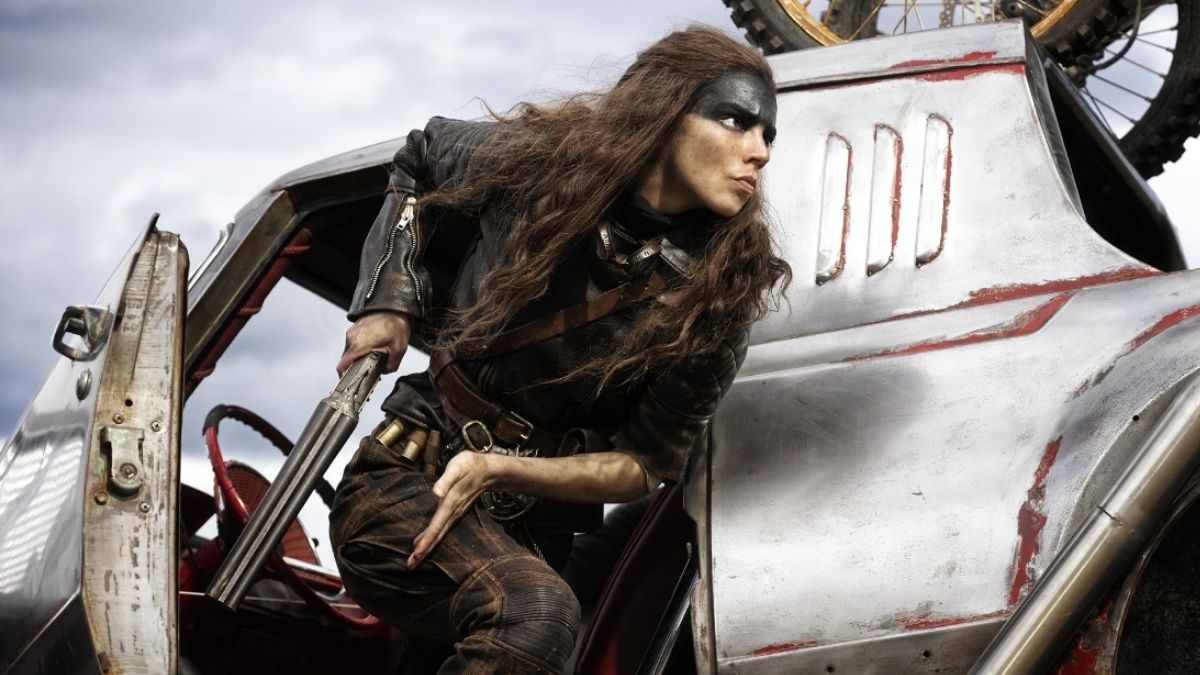
    Hard reboots, soft reboots, remakes, legacy sequels… Hollywood uses many tactics to keep valuable IP alive. Yet those tactics have also made the definition of “reboot” fairly muddy. Mad Max: Fury Road stretches the limits of what we consider a “soft” reboot, in that director George Miller engineered it to fit into the franchise without […]

    The post The Best Movie Reboots That Were Actually Worth Watching appeared first on Den of Geek.

    “Hey, listen!” Just reading those words is enough to make anyone who has played The Legend of Zelda: Ocarina of Time sit up and pay attention. Link’s fairy guide Navi says those words approximately ten billion times while traversing across Hyrule’s past and present to prevent Ganondorf from using the Triforce to conquer the world. Annoying at first… and second… and third, Navi’s little interjections are as much a part of the game as the various puzzles and boss battles.

    So fans would be forgiven for being slightly taken aback by the trailer for Nintendo‘s remake of The Legend of Zelda: Ocarina of Time. The trailer is full of familiar sights and sounds, from Link’s various grunts as a kid and an adult to him targeting the enemies he strikes with a sword to the sound of the Ocarina itself. Moreover, the remake has a darker, more realistic feel, replacing the bright cartoon visuals of the originals—which is exactly what a remake should do.

    cnx.cmd.push(function() {
    cnx({
    playerId: “106e33c0-3911-473c-b599-b1426db57530”,

    }).render(“0270c398a82f44f49c23c16122516796”);
    });

    Remakes are, of course, nothing new to video games. As soon as Pong left arcades and made its way into living rooms, people learned that games had to go through some sort of change in order to work on a different system. Often, the changes are a result of hardware abilities and limitations. Pac-Man at home, whether the depressing Atari version or the impressive Intellivision port, didn’t look and sound the same as it did in the arcades. As much as we loved to play Teenage Mutant Ninja Turtles II: The Arcade Game on NES, we knew it fell short of the four-player brawler we got at Chuck-E-Cheese.

    However, Nintendo also showed us that remakes can take advantage of stronger hardware to give us a game that retains the same basic mechanics, but presents them with better graphics and sound. The Super Mario All-Stars compilation on the SNES played as both an update and a celebration of the games from the previous generation, allowing the screen to match the way the games made us feel.

    But with the Ocarina of Time remake, Nintendo is showing us something different. It’s showing a game that has a lot of qualities of the version we first played on the Nintendo 64 decades ago, but is ultimately a new game. The first half of the trailer plays the greatest hits, giving us shots of Link doing the usual combat and puzzle actions that we’ve done during hundreds of replays. However, the shadows are a bit darker and the textures a bit more pronounced, creating a change that goes beyond transitioning from polygons to fully-rendered people and involves matters of tone.

    The second half of the trailer only intensifies those feelings, as it adds voice acting and newly designed cut scenes, replacing the mostly static images and subtitles of the original game. Suddenly, Zelda and Darunia the Goron have voices, and they don’t sound like we expected when first played the game. Suddenly, Ocarina of Time isn’t the same game we played before.

    But that’s not a bad thing, especially if we think of video games as art instead of just entertainment technology. If they’re just entertainment technology, then we can and should complain when the new technology doesn’t entertain like the previous technology did. But if they’re art, then we need to allow room for the work to change in order to be perceived differently. We need to let video game remakes be interpretations.

    Other forms of art have long had to wrestle with questions of interpretation in adaptations and remakes. Consider one of the best examples of adaptation and remake, the 1938 novella Who Goes There? by John W. Campbell and the three movies based on it, 1951’s The Thing from Another World, 1982’s John Carpenter‘s The Thing, and 2011’s The Thing.

    Campbell’s original story focuses on a group of researchers in the Antarctic who repel the attack of a telepathic and shapeshifting alien. The 1951 movie takes the premise and turns it into the sort of sci-fi adventure popular during the nuclear era, complete with a group of jocular soldiers and scientists battling a vegetable creature with a definitive shape. Carpenter’s version amps up the gore and the cynicism that reflects his view of the 1980s, building to a far more ambiguous ending than either of the two other versions. Likewise, the 2011 movie is a product of its time, a Hollywood IP cash in that repeats familiar beats and emphasizes audience recognition.

    While audiences may prefer one version of The Thing over the others, no one thinks that the worse versions cancel out the best. Heck, few think that even the worst versions shouldn’t exist. Instead, we understand them each as interpretations of the same story, valid in some degree in their own way.

    In fact, we don’t even need to leave the world of video games to understand the importance of interpretation. Recall the 2002 Resident Evil remake, which still confounds people expecting simply an updated version of the original game. Resident Evil 2002 cuts out whole scenes and moments, giving the characters new voices and dialogue, creating a game that doesn’t just play differently from its predecessor—it’s effectively a whole new experience. While gamers hardly embraced the remake upon first release, it’s now accepted as the definitive way to play Resident Evil, especially for newcomers. The original version now only appeals to purists who want to recreate the experience of the game in 1996.

    Which is also fine. The 1996 version of Resident Evil didn’t disappear when the remake came out, and those who want the pure experience can still find copies to play, anymore than each version of The Thing erased previous versions. If anything, Resident Evil 2002 enhanced the 1996 game by highlighting two different approaches to the same material.

    Ultimately, gamers need to view The Legend of Zelda: Ocarina of Time through the same lens. They need to accept this new version not as a copy, but as a distinct game that interprets the original without repeating it. And if gamers prefer one version over another, that’s all the better, because those good points of the original stand out even more. They can still get yelled at by Navi in every version of the game, whether she’s telling us to look at bright polygons or shadowy modern textures.

    The Legend of Zelda: Ocarina of Time remake releases on the Nintendo Switch on November 5, 2026.

    The post The Legend of Zelda Ocarina of Time Reminds Remakes Are Interpretations, Not Copies appeared first on Den of Geek.

  • Famous Movie Scenes Audiences Continue to Misunderstand

    Famous Movie Scenes Audiences Continue to Misunderstand

    Movies can leave a lot of room for interpretation, but sometimes audiences settle on an explanation that the filmmakers never intended. A character gets remembered as the villain, a scene is treated as a plot hole, or a famous moment becomes shorthand for an idea the movie was actually criticizing. Repeated references can make the misunderstanding feel like an established fact, especially when people encounter the scene outside its original context. Even movies that have been watched countless times can contain moments that audiences continue to interpret in surprising ways. These fifteen scenes have inspired years of debate, jokes, and assumptions, yet the story behind them is often quite different from what popular memory suggests.

    The post Famous Movie Scenes Audiences Continue to Misunderstand appeared first on Den of Geek.

    “Hey, listen!” Just reading those words is enough to make anyone who has played The Legend of Zelda: Ocarina of Time sit up and pay attention. Link’s fairy guide Navi says those words approximately ten billion times while traversing across Hyrule’s past and present to prevent Ganondorf from using the Triforce to conquer the world. Annoying at first… and second… and third, Navi’s little interjections are as much a part of the game as the various puzzles and boss battles.

    So fans would be forgiven for being slightly taken aback by the trailer for Nintendo‘s remake of The Legend of Zelda: Ocarina of Time. The trailer is full of familiar sights and sounds, from Link’s various grunts as a kid and an adult to him targeting the enemies he strikes with a sword to the sound of the Ocarina itself. Moreover, the remake has a darker, more realistic feel, replacing the bright cartoon visuals of the originals—which is exactly what a remake should do.

    cnx.cmd.push(function() {
    cnx({
    playerId: “106e33c0-3911-473c-b599-b1426db57530”,

    }).render(“0270c398a82f44f49c23c16122516796”);
    });

    Remakes are, of course, nothing new to video games. As soon as Pong left arcades and made its way into living rooms, people learned that games had to go through some sort of change in order to work on a different system. Often, the changes are a result of hardware abilities and limitations. Pac-Man at home, whether the depressing Atari version or the impressive Intellivision port, didn’t look and sound the same as it did in the arcades. As much as we loved to play Teenage Mutant Ninja Turtles II: The Arcade Game on NES, we knew it fell short of the four-player brawler we got at Chuck-E-Cheese.

    However, Nintendo also showed us that remakes can take advantage of stronger hardware to give us a game that retains the same basic mechanics, but presents them with better graphics and sound. The Super Mario All-Stars compilation on the SNES played as both an update and a celebration of the games from the previous generation, allowing the screen to match the way the games made us feel.

    But with the Ocarina of Time remake, Nintendo is showing us something different. It’s showing a game that has a lot of qualities of the version we first played on the Nintendo 64 decades ago, but is ultimately a new game. The first half of the trailer plays the greatest hits, giving us shots of Link doing the usual combat and puzzle actions that we’ve done during hundreds of replays. However, the shadows are a bit darker and the textures a bit more pronounced, creating a change that goes beyond transitioning from polygons to fully-rendered people and involves matters of tone.

    The second half of the trailer only intensifies those feelings, as it adds voice acting and newly designed cut scenes, replacing the mostly static images and subtitles of the original game. Suddenly, Zelda and Darunia the Goron have voices, and they don’t sound like we expected when first played the game. Suddenly, Ocarina of Time isn’t the same game we played before.

    But that’s not a bad thing, especially if we think of video games as art instead of just entertainment technology. If they’re just entertainment technology, then we can and should complain when the new technology doesn’t entertain like the previous technology did. But if they’re art, then we need to allow room for the work to change in order to be perceived differently. We need to let video game remakes be interpretations.

    Other forms of art have long had to wrestle with questions of interpretation in adaptations and remakes. Consider one of the best examples of adaptation and remake, the 1938 novella Who Goes There? by John W. Campbell and the three movies based on it, 1951’s The Thing from Another World, 1982’s John Carpenter‘s The Thing, and 2011’s The Thing.

    Campbell’s original story focuses on a group of researchers in the Antarctic who repel the attack of a telepathic and shapeshifting alien. The 1951 movie takes the premise and turns it into the sort of sci-fi adventure popular during the nuclear era, complete with a group of jocular soldiers and scientists battling a vegetable creature with a definitive shape. Carpenter’s version amps up the gore and the cynicism that reflects his view of the 1980s, building to a far more ambiguous ending than either of the two other versions. Likewise, the 2011 movie is a product of its time, a Hollywood IP cash in that repeats familiar beats and emphasizes audience recognition.

    While audiences may prefer one version of The Thing over the others, no one thinks that the worse versions cancel out the best. Heck, few think that even the worst versions shouldn’t exist. Instead, we understand them each as interpretations of the same story, valid in some degree in their own way.

    In fact, we don’t even need to leave the world of video games to understand the importance of interpretation. Recall the 2002 Resident Evil remake, which still confounds people expecting simply an updated version of the original game. Resident Evil 2002 cuts out whole scenes and moments, giving the characters new voices and dialogue, creating a game that doesn’t just play differently from its predecessor—it’s effectively a whole new experience. While gamers hardly embraced the remake upon first release, it’s now accepted as the definitive way to play Resident Evil, especially for newcomers. The original version now only appeals to purists who want to recreate the experience of the game in 1996.

    Which is also fine. The 1996 version of Resident Evil didn’t disappear when the remake came out, and those who want the pure experience can still find copies to play, anymore than each version of The Thing erased previous versions. If anything, Resident Evil 2002 enhanced the 1996 game by highlighting two different approaches to the same material.

    Ultimately, gamers need to view The Legend of Zelda: Ocarina of Time through the same lens. They need to accept this new version not as a copy, but as a distinct game that interprets the original without repeating it. And if gamers prefer one version over another, that’s all the better, because those good points of the original stand out even more. They can still get yelled at by Navi in every version of the game, whether she’s telling us to look at bright polygons or shadowy modern textures.

    The Legend of Zelda: Ocarina of Time remake releases on the Nintendo Switch on November 5, 2026.

    The post The Legend of Zelda Ocarina of Time Reminds Remakes Are Interpretations, Not Copies appeared first on Den of Geek.

  • Movies With Action So Good, The Plot Doesn’t Matter

    Movies With Action So Good, The Plot Doesn’t Matter

    Why do we like action movies so much? We know, after all, that the main character will survive, and likely achieve all of their goals; once the opening scene is over, you can pretty much tell where everything is going. So clearly, it’s not the plot we’re here for.

    We’re here for the action, for the over-the-top scenes and elaborate choreographies that challenge what was possible before. And movies keep getting better and better in that regard. The ones we’ve gathered here aren’t remembered for their stories and character arcs (although some of them still deliver in that department), rather on blood pumping action that keeps us at the edge of our seats.

    The post Movies With Action So Good, The Plot Doesn’t Matter appeared first on Den of Geek.

    “Hey, listen!” Just reading those words is enough to make anyone who has played The Legend of Zelda: Ocarina of Time sit up and pay attention. Link’s fairy guide Navi says those words approximately ten billion times while traversing across Hyrule’s past and present to prevent Ganondorf from using the Triforce to conquer the world. Annoying at first… and second… and third, Navi’s little interjections are as much a part of the game as the various puzzles and boss battles.

    So fans would be forgiven for being slightly taken aback by the trailer for Nintendo‘s remake of The Legend of Zelda: Ocarina of Time. The trailer is full of familiar sights and sounds, from Link’s various grunts as a kid and an adult to him targeting the enemies he strikes with a sword to the sound of the Ocarina itself. Moreover, the remake has a darker, more realistic feel, replacing the bright cartoon visuals of the originals—which is exactly what a remake should do.

    cnx.cmd.push(function() {
    cnx({
    playerId: “106e33c0-3911-473c-b599-b1426db57530”,

    }).render(“0270c398a82f44f49c23c16122516796”);
    });

    Remakes are, of course, nothing new to video games. As soon as Pong left arcades and made its way into living rooms, people learned that games had to go through some sort of change in order to work on a different system. Often, the changes are a result of hardware abilities and limitations. Pac-Man at home, whether the depressing Atari version or the impressive Intellivision port, didn’t look and sound the same as it did in the arcades. As much as we loved to play Teenage Mutant Ninja Turtles II: The Arcade Game on NES, we knew it fell short of the four-player brawler we got at Chuck-E-Cheese.

    However, Nintendo also showed us that remakes can take advantage of stronger hardware to give us a game that retains the same basic mechanics, but presents them with better graphics and sound. The Super Mario All-Stars compilation on the SNES played as both an update and a celebration of the games from the previous generation, allowing the screen to match the way the games made us feel.

    But with the Ocarina of Time remake, Nintendo is showing us something different. It’s showing a game that has a lot of qualities of the version we first played on the Nintendo 64 decades ago, but is ultimately a new game. The first half of the trailer plays the greatest hits, giving us shots of Link doing the usual combat and puzzle actions that we’ve done during hundreds of replays. However, the shadows are a bit darker and the textures a bit more pronounced, creating a change that goes beyond transitioning from polygons to fully-rendered people and involves matters of tone.

    The second half of the trailer only intensifies those feelings, as it adds voice acting and newly designed cut scenes, replacing the mostly static images and subtitles of the original game. Suddenly, Zelda and Darunia the Goron have voices, and they don’t sound like we expected when first played the game. Suddenly, Ocarina of Time isn’t the same game we played before.

    But that’s not a bad thing, especially if we think of video games as art instead of just entertainment technology. If they’re just entertainment technology, then we can and should complain when the new technology doesn’t entertain like the previous technology did. But if they’re art, then we need to allow room for the work to change in order to be perceived differently. We need to let video game remakes be interpretations.

    Other forms of art have long had to wrestle with questions of interpretation in adaptations and remakes. Consider one of the best examples of adaptation and remake, the 1938 novella Who Goes There? by John W. Campbell and the three movies based on it, 1951’s The Thing from Another World, 1982’s John Carpenter‘s The Thing, and 2011’s The Thing.

    Campbell’s original story focuses on a group of researchers in the Antarctic who repel the attack of a telepathic and shapeshifting alien. The 1951 movie takes the premise and turns it into the sort of sci-fi adventure popular during the nuclear era, complete with a group of jocular soldiers and scientists battling a vegetable creature with a definitive shape. Carpenter’s version amps up the gore and the cynicism that reflects his view of the 1980s, building to a far more ambiguous ending than either of the two other versions. Likewise, the 2011 movie is a product of its time, a Hollywood IP cash in that repeats familiar beats and emphasizes audience recognition.

    While audiences may prefer one version of The Thing over the others, no one thinks that the worse versions cancel out the best. Heck, few think that even the worst versions shouldn’t exist. Instead, we understand them each as interpretations of the same story, valid in some degree in their own way.

    In fact, we don’t even need to leave the world of video games to understand the importance of interpretation. Recall the 2002 Resident Evil remake, which still confounds people expecting simply an updated version of the original game. Resident Evil 2002 cuts out whole scenes and moments, giving the characters new voices and dialogue, creating a game that doesn’t just play differently from its predecessor—it’s effectively a whole new experience. While gamers hardly embraced the remake upon first release, it’s now accepted as the definitive way to play Resident Evil, especially for newcomers. The original version now only appeals to purists who want to recreate the experience of the game in 1996.

    Which is also fine. The 1996 version of Resident Evil didn’t disappear when the remake came out, and those who want the pure experience can still find copies to play, anymore than each version of The Thing erased previous versions. If anything, Resident Evil 2002 enhanced the 1996 game by highlighting two different approaches to the same material.

    Ultimately, gamers need to view The Legend of Zelda: Ocarina of Time through the same lens. They need to accept this new version not as a copy, but as a distinct game that interprets the original without repeating it. And if gamers prefer one version over another, that’s all the better, because those good points of the original stand out even more. They can still get yelled at by Navi in every version of the game, whether she’s telling us to look at bright polygons or shadowy modern textures.

    The Legend of Zelda: Ocarina of Time remake releases on the Nintendo Switch on November 5, 2026.

    The post The Legend of Zelda Ocarina of Time Reminds Remakes Are Interpretations, Not Copies appeared first on Den of Geek.

  • Paul Greengrass Reveals The Uprising Began With the Title ‘The Hood’

    Paul Greengrass Reveals The Uprising Began With the Title ‘The Hood’

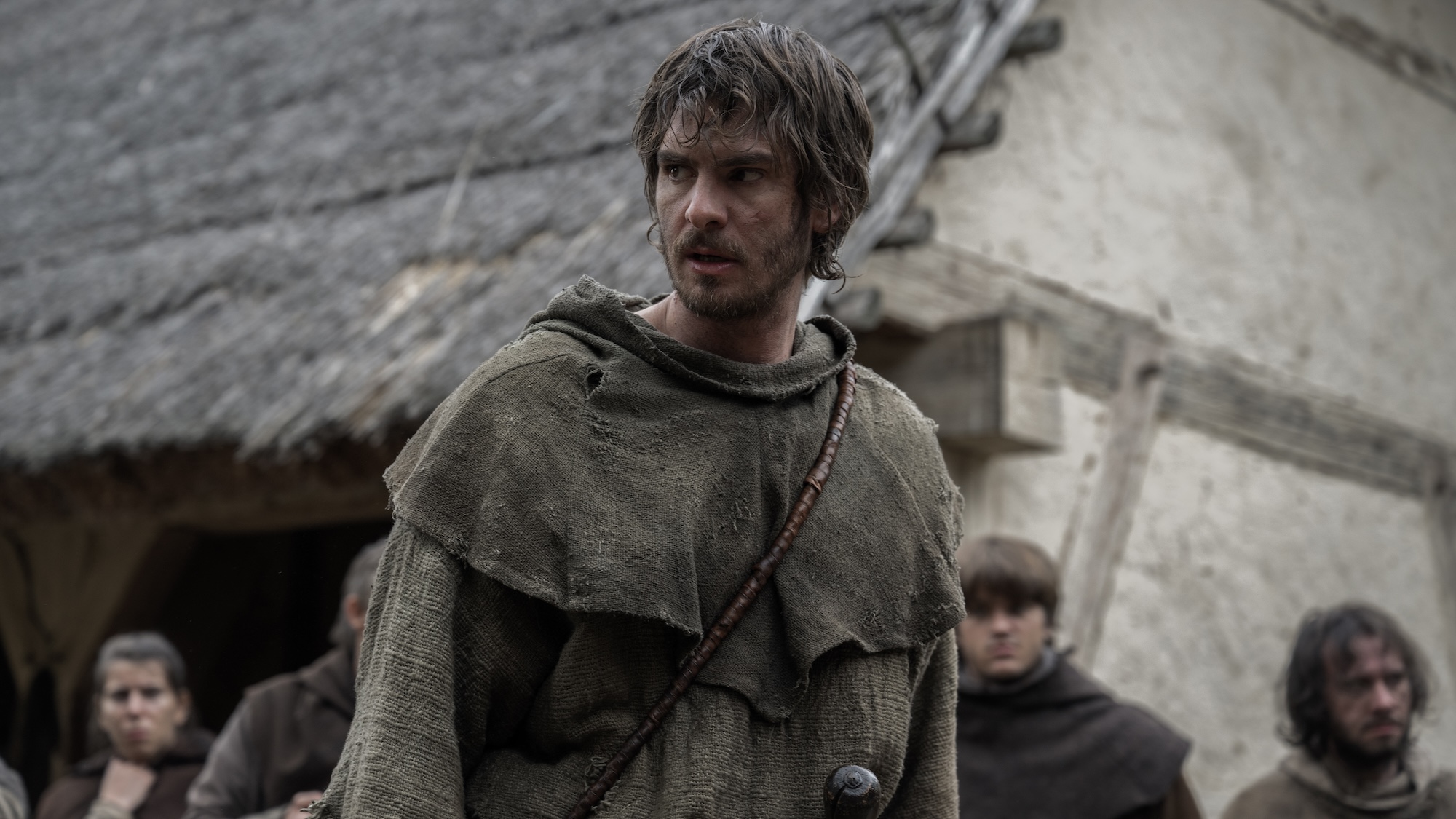
    Paul Greengrass knew he always wanted to make a quasi-Robin Hood movie well before his deeply naturalistic historical epic, The Uprising, had the famous rogue’s name added to the poster. The film is still very much in the vein of the realpolitik thrillers Greengrass made his bones on early in his career with the Irish […]

    The post Paul Greengrass Reveals The Uprising Began With the Title ‘The Hood’ appeared first on Den of Geek.

    “Hey, listen!” Just reading those words is enough to make anyone who has played The Legend of Zelda: Ocarina of Time sit up and pay attention. Link’s fairy guide Navi says those words approximately ten billion times while traversing across Hyrule’s past and present to prevent Ganondorf from using the Triforce to conquer the world. Annoying at first… and second… and third, Navi’s little interjections are as much a part of the game as the various puzzles and boss battles.

    So fans would be forgiven for being slightly taken aback by the trailer for Nintendo‘s remake of The Legend of Zelda: Ocarina of Time. The trailer is full of familiar sights and sounds, from Link’s various grunts as a kid and an adult to him targeting the enemies he strikes with a sword to the sound of the Ocarina itself. Moreover, the remake has a darker, more realistic feel, replacing the bright cartoon visuals of the originals—which is exactly what a remake should do.

    cnx.cmd.push(function() {
    cnx({
    playerId: “106e33c0-3911-473c-b599-b1426db57530”,

    }).render(“0270c398a82f44f49c23c16122516796”);
    });

    Remakes are, of course, nothing new to video games. As soon as Pong left arcades and made its way into living rooms, people learned that games had to go through some sort of change in order to work on a different system. Often, the changes are a result of hardware abilities and limitations. Pac-Man at home, whether the depressing Atari version or the impressive Intellivision port, didn’t look and sound the same as it did in the arcades. As much as we loved to play Teenage Mutant Ninja Turtles II: The Arcade Game on NES, we knew it fell short of the four-player brawler we got at Chuck-E-Cheese.

    However, Nintendo also showed us that remakes can take advantage of stronger hardware to give us a game that retains the same basic mechanics, but presents them with better graphics and sound. The Super Mario All-Stars compilation on the SNES played as both an update and a celebration of the games from the previous generation, allowing the screen to match the way the games made us feel.

    But with the Ocarina of Time remake, Nintendo is showing us something different. It’s showing a game that has a lot of qualities of the version we first played on the Nintendo 64 decades ago, but is ultimately a new game. The first half of the trailer plays the greatest hits, giving us shots of Link doing the usual combat and puzzle actions that we’ve done during hundreds of replays. However, the shadows are a bit darker and the textures a bit more pronounced, creating a change that goes beyond transitioning from polygons to fully-rendered people and involves matters of tone.

    The second half of the trailer only intensifies those feelings, as it adds voice acting and newly designed cut scenes, replacing the mostly static images and subtitles of the original game. Suddenly, Zelda and Darunia the Goron have voices, and they don’t sound like we expected when first played the game. Suddenly, Ocarina of Time isn’t the same game we played before.

    But that’s not a bad thing, especially if we think of video games as art instead of just entertainment technology. If they’re just entertainment technology, then we can and should complain when the new technology doesn’t entertain like the previous technology did. But if they’re art, then we need to allow room for the work to change in order to be perceived differently. We need to let video game remakes be interpretations.

    Other forms of art have long had to wrestle with questions of interpretation in adaptations and remakes. Consider one of the best examples of adaptation and remake, the 1938 novella Who Goes There? by John W. Campbell and the three movies based on it, 1951’s The Thing from Another World, 1982’s John Carpenter‘s The Thing, and 2011’s The Thing.

    Campbell’s original story focuses on a group of researchers in the Antarctic who repel the attack of a telepathic and shapeshifting alien. The 1951 movie takes the premise and turns it into the sort of sci-fi adventure popular during the nuclear era, complete with a group of jocular soldiers and scientists battling a vegetable creature with a definitive shape. Carpenter’s version amps up the gore and the cynicism that reflects his view of the 1980s, building to a far more ambiguous ending than either of the two other versions. Likewise, the 2011 movie is a product of its time, a Hollywood IP cash in that repeats familiar beats and emphasizes audience recognition.

    While audiences may prefer one version of The Thing over the others, no one thinks that the worse versions cancel out the best. Heck, few think that even the worst versions shouldn’t exist. Instead, we understand them each as interpretations of the same story, valid in some degree in their own way.

    In fact, we don’t even need to leave the world of video games to understand the importance of interpretation. Recall the 2002 Resident Evil remake, which still confounds people expecting simply an updated version of the original game. Resident Evil 2002 cuts out whole scenes and moments, giving the characters new voices and dialogue, creating a game that doesn’t just play differently from its predecessor—it’s effectively a whole new experience. While gamers hardly embraced the remake upon first release, it’s now accepted as the definitive way to play Resident Evil, especially for newcomers. The original version now only appeals to purists who want to recreate the experience of the game in 1996.

    Which is also fine. The 1996 version of Resident Evil didn’t disappear when the remake came out, and those who want the pure experience can still find copies to play, anymore than each version of The Thing erased previous versions. If anything, Resident Evil 2002 enhanced the 1996 game by highlighting two different approaches to the same material.

    Ultimately, gamers need to view The Legend of Zelda: Ocarina of Time through the same lens. They need to accept this new version not as a copy, but as a distinct game that interprets the original without repeating it. And if gamers prefer one version over another, that’s all the better, because those good points of the original stand out even more. They can still get yelled at by Navi in every version of the game, whether she’s telling us to look at bright polygons or shadowy modern textures.

    The Legend of Zelda: Ocarina of Time remake releases on the Nintendo Switch on November 5, 2026.

    The post The Legend of Zelda Ocarina of Time Reminds Remakes Are Interpretations, Not Copies appeared first on Den of Geek.

  • Hachette Unveils the Ultimate Dungeons & Dragons Novel Collection

    Hachette Unveils the Ultimate Dungeons & Dragons Novel Collection

    This article is sponsored by Hachette Partworks. For over 50 years, Dungeons & Dragons has brought together fantasy fans of all ages with everything from tabletop gameplay to stories based on its epic realms. Now Hachette Partworks is sharing a whole treasure trove of Dungeons & Dragons literary stories with its novels collection, bringing together […]

    The post Hachette Unveils the Ultimate Dungeons & Dragons Novel Collection appeared first on Den of Geek.

    “Hey, listen!” Just reading those words is enough to make anyone who has played The Legend of Zelda: Ocarina of Time sit up and pay attention. Link’s fairy guide Navi says those words approximately ten billion times while traversing across Hyrule’s past and present to prevent Ganondorf from using the Triforce to conquer the world. Annoying at first… and second… and third, Navi’s little interjections are as much a part of the game as the various puzzles and boss battles.

    So fans would be forgiven for being slightly taken aback by the trailer for Nintendo‘s remake of The Legend of Zelda: Ocarina of Time. The trailer is full of familiar sights and sounds, from Link’s various grunts as a kid and an adult to him targeting the enemies he strikes with a sword to the sound of the Ocarina itself. Moreover, the remake has a darker, more realistic feel, replacing the bright cartoon visuals of the originals—which is exactly what a remake should do.

    cnx.cmd.push(function() {
    cnx({
    playerId: “106e33c0-3911-473c-b599-b1426db57530”,

    }).render(“0270c398a82f44f49c23c16122516796”);
    });

    Remakes are, of course, nothing new to video games. As soon as Pong left arcades and made its way into living rooms, people learned that games had to go through some sort of change in order to work on a different system. Often, the changes are a result of hardware abilities and limitations. Pac-Man at home, whether the depressing Atari version or the impressive Intellivision port, didn’t look and sound the same as it did in the arcades. As much as we loved to play Teenage Mutant Ninja Turtles II: The Arcade Game on NES, we knew it fell short of the four-player brawler we got at Chuck-E-Cheese.

    However, Nintendo also showed us that remakes can take advantage of stronger hardware to give us a game that retains the same basic mechanics, but presents them with better graphics and sound. The Super Mario All-Stars compilation on the SNES played as both an update and a celebration of the games from the previous generation, allowing the screen to match the way the games made us feel.

    But with the Ocarina of Time remake, Nintendo is showing us something different. It’s showing a game that has a lot of qualities of the version we first played on the Nintendo 64 decades ago, but is ultimately a new game. The first half of the trailer plays the greatest hits, giving us shots of Link doing the usual combat and puzzle actions that we’ve done during hundreds of replays. However, the shadows are a bit darker and the textures a bit more pronounced, creating a change that goes beyond transitioning from polygons to fully-rendered people and involves matters of tone.

    The second half of the trailer only intensifies those feelings, as it adds voice acting and newly designed cut scenes, replacing the mostly static images and subtitles of the original game. Suddenly, Zelda and Darunia the Goron have voices, and they don’t sound like we expected when first played the game. Suddenly, Ocarina of Time isn’t the same game we played before.

    But that’s not a bad thing, especially if we think of video games as art instead of just entertainment technology. If they’re just entertainment technology, then we can and should complain when the new technology doesn’t entertain like the previous technology did. But if they’re art, then we need to allow room for the work to change in order to be perceived differently. We need to let video game remakes be interpretations.

    Other forms of art have long had to wrestle with questions of interpretation in adaptations and remakes. Consider one of the best examples of adaptation and remake, the 1938 novella Who Goes There? by John W. Campbell and the three movies based on it, 1951’s The Thing from Another World, 1982’s John Carpenter‘s The Thing, and 2011’s The Thing.

    Campbell’s original story focuses on a group of researchers in the Antarctic who repel the attack of a telepathic and shapeshifting alien. The 1951 movie takes the premise and turns it into the sort of sci-fi adventure popular during the nuclear era, complete with a group of jocular soldiers and scientists battling a vegetable creature with a definitive shape. Carpenter’s version amps up the gore and the cynicism that reflects his view of the 1980s, building to a far more ambiguous ending than either of the two other versions. Likewise, the 2011 movie is a product of its time, a Hollywood IP cash in that repeats familiar beats and emphasizes audience recognition.

    While audiences may prefer one version of The Thing over the others, no one thinks that the worse versions cancel out the best. Heck, few think that even the worst versions shouldn’t exist. Instead, we understand them each as interpretations of the same story, valid in some degree in their own way.

    In fact, we don’t even need to leave the world of video games to understand the importance of interpretation. Recall the 2002 Resident Evil remake, which still confounds people expecting simply an updated version of the original game. Resident Evil 2002 cuts out whole scenes and moments, giving the characters new voices and dialogue, creating a game that doesn’t just play differently from its predecessor—it’s effectively a whole new experience. While gamers hardly embraced the remake upon first release, it’s now accepted as the definitive way to play Resident Evil, especially for newcomers. The original version now only appeals to purists who want to recreate the experience of the game in 1996.

    Which is also fine. The 1996 version of Resident Evil didn’t disappear when the remake came out, and those who want the pure experience can still find copies to play, anymore than each version of The Thing erased previous versions. If anything, Resident Evil 2002 enhanced the 1996 game by highlighting two different approaches to the same material.

    Ultimately, gamers need to view The Legend of Zelda: Ocarina of Time through the same lens. They need to accept this new version not as a copy, but as a distinct game that interprets the original without repeating it. And if gamers prefer one version over another, that’s all the better, because those good points of the original stand out even more. They can still get yelled at by Navi in every version of the game, whether she’s telling us to look at bright polygons or shadowy modern textures.

    The Legend of Zelda: Ocarina of Time remake releases on the Nintendo Switch on November 5, 2026.

    The post The Legend of Zelda Ocarina of Time Reminds Remakes Are Interpretations, Not Copies appeared first on Den of Geek.