Category: Blog

Your blog category

  • Design Dialects: Breaking the Rules, Not the System

    Design Dialects: Breaking the Rules, Not the System

    “Language is not merely a set of unrelated sounds, clauses, rules, and meanings; it is a totally coherent system bound to context and behavior.” — Kenneth L. Pike

    The web has accents. So should our design systems.

    Design Systems as Living Languages

    Design systems aren’t component libraries—they’re living languages. Tokens are phonemes, components are words, patterns are phrases, layouts are sentences. The conversations we build with users become the stories our products tell.

    But here’s what we’ve forgotten: the more fluently a language is spoken, the more accents it can support without losing meaning. English in Scotland differs from English in Sydney, yet both are unmistakably English. The language adapts to context while preserving core meaning. This couldn’t be more obvious to me, a Brazilian Portuguese speaker, who learned English with an American accent, and lives in Sydney.

    Our design systems must work the same way. Rigid adherence to visual rules creates brittle systems that break under contextual pressure. Fluent systems bend without breaking.

    Consistency becomes a prison

    The promise of design systems was simple: consistent components would accelerate development and unify experiences. But as systems matured and products grew more complex, that promise has become a prison. Teams file “exception” requests by the hundreds. Products launch with workarounds instead of system components. Designers spend more time defending consistency than solving user problems.

    Our design systems must learn to speak dialects.

    A design dialect is a systematic adaptation of a design system that maintains core principles while developing new patterns for specific contexts. Unlike one-off customizations or brand themes, dialects preserve the system’s essential grammar while expanding its vocabulary to serve different users, environments, or constraints.

    When Perfect Consistency Fails

    At Booking.com, I learned this lesson the hard way. We A/B-tested everything—color, copy, button shapes, even logo colors. As a professional with a graphic design education and experience building brand style guides, I found this shocking. While everyone fell in love with Airbnb’s pristine design system, Booking grew into a giant without ever considering visual consistency.  

    The chaos taught me something profound: consistency isn’t ROI; solved problems are.

    At Shopify. Polaris () was our crown jewel—a mature design language perfect for merchants on laptops. As a product team, we were expected to adopt Polaris as-is. Then my fulfillment team hit an “Oh, Ship!” moment, as we faced the challenge of building an app for warehouse pickers using our interface on shared, battered Android scanners in dim aisles, wearing thick gloves, scanning dozens of items per minute, many with limited levels of English understanding.

    Task completion with standard Polaris: 0%.

    Every component that worked beautifully for merchants failed completely for pickers. White backgrounds created glare. 44px tap targets were invisible to gloved fingers. Sentence-case labels took too long to parse. Multi-step flows confused non-native speakers.

    We faced a choice: abandon Polaris entirely, or teach it to speak warehouse.

    The Birth of a Dialect

    We chose evolution over revolution. Working within Polaris’s core principles—clarity, efficiency, consistency—we developed what we now call a design dialect:

    ConstraintFluent MoveRationale
    Glare & low lightDark surfaces + light textReduce glare on low-DPI screens
    Gloves & haste90px tap targets (~2cm)Accommodate thick gloves
    MultilingualSingle-task screens, plain languageReduce cognitive load

    Result: Task completion jumped from 0% to 100%. Onboarding time dropped from three weeks to one shift.

    This wasn’t customization or theming—this was a dialect: a systematic adaptation that maintained Polaris’s core grammar while developing new vocabulary for a specific context. Polaris hadn’t failed; it had learned to speak warehouse.

    The Flexibility Framework

    At Atlassian, working on the Jira platform—itself a system within the larger Atlassian system—I pushed for formalizing this insight. With dozens of products sharing a design language across different codebases, we needed systematic flexibility so we built directly into our ways of working. The old model—exception requests and special approvals—was failing at scale.

    We developed the Flexibility Framework to help designers define how flexible they wanted their components to be:

    TierActionOwnership
    ConsistentAdopt unchangedPlatform locks design + code
    OpinionatedAdapt within boundsPlatform provides smart defaults, products customize
    FlexibleExtend freelyPlatform defines behavior, products own presentation

    During a navigation redesign, we tiered every element. Logo and global search stayed Consistent. Breadcrumbs and contextual actions became Flexible. Product teams could immediately see where innovation was welcome and where consistency mattered.

    The Decision Ladder

    Flexibility needs boundaries. We created a simple ladder for evaluating when rules should bend:

    Good: Ship with existing system components. Fast, consistent, proven.

    Better: Stretch a component slightly. Document the change. Contribute improvements back to the system for all to use.

    Best: Prototype the ideal experience first. If user testing validates the benefit, update the system to support it.

    The key question: “Which option lets users succeed fastest?”

    Rules are tools, not relics.

    Unity Beats Uniformity

    Gmail, Drive, and Maps are unmistakably Google—yet each speaks with its own accent. They achieve unity through shared principles, not cloned components. One extra week of debate over button color costs roughly $30K in engineer time.

    Unity is a brand outcome; fluency is a user outcome. When the two clash, side with the user.

    Governance Without Gates

    How do you maintain coherence while enabling dialects? Treat your system like a living vocabulary:

    Document every deviation – e.g., dialects/warehouse.md with before/after screenshots and rationale.

    Promote shared patterns – when three teams adopt a dialect independently, review it for core inclusion.

    Deprecate with context – retire old idioms via flags and migration notes, never a big-bang purge.

    A living dictionary scales better than a frozen rulebook.

    Start Small: Your First Dialect

    Ready to introduce dialects? Start with one broken experience:

    This week: Find one user flow where perfect consistency blocks task completion. Could be mobile users struggling with desktop-sized components, or accessibility needs your standard patterns don’t address.

    Document the context: What makes standard patterns fail here? Environmental constraints? User capabilities? Task urgency?

    Design one systematic change: Focus on behavior over aesthetics. If gloves are the problem, bigger targets aren’t “”breaking the system””—they’re serving the user. Earn the variations and make them intentional.

    Test and measure: Does the change improve task completion? Time to productivity? User satisfaction?

    Show the savings: If that dialect frees even half a sprint, fluency has paid for itself.

    Beyond the Component Library

    We’re not managing design systems anymore—we’re cultivating design languages. Languages that grow with their speakers. Languages that develop accents without losing meaning. Languages that serve human needs over aesthetic ideals.

    The warehouse workers who went from 0% to 100% task completion didn’t care that our buttons broke the style guide. They cared that the buttons finally worked.

    Your users feel the same way. Give your system permission to speak their language.
  • An Holistic Framework for Shared Design Leadership

    An Holistic Framework for Shared Design Leadership

    Picture this: You’re in a meeting room at your tech company, and two people are having what looks like the same conversation about the same design problem. One is talking about whether the team has the right skills to tackle it. The other is diving deep into whether the solution actually solves the user’s problem. Same room, same problem, completely different lenses.

    This is the beautiful, sometimes messy reality of having both a Design Manager and a Lead Designer on the same team. And if you’re wondering how to make this work without creating confusion, overlap, or the dreaded “too many cooks” scenario, you’re asking the right question.

    The traditional answer has been to draw clean lines on an org chart. The Design Manager handles people, the Lead Designer handles craft. Problem solved, right? Except clean org charts are fantasy. In reality, both roles care deeply about team health, design quality, and shipping great work. 

    The magic happens when you embrace the overlap instead of fighting it—when you start thinking of your design org as a design organism.

    The Anatomy of a Healthy Design Team

    Here’s what I’ve learned from years of being on both sides of this equation: think of your design team as a living organism. The Design Manager tends to the mind (the psychological safety, the career growth, the team dynamics). The Lead Designer tends to the body (the craft skills, the design standards, the hands-on work that ships to users).

    But just like mind and body aren’t completely separate systems, so, too, do these roles overlap in important ways. You can’t have a healthy person without both working in harmony. The trick is knowing where those overlaps are and how to navigate them gracefully.

    When we look at how healthy teams actually function, three critical systems emerge. Each requires both roles to work together, but with one taking primary responsibility for keeping that system strong.

    The Nervous System: People & Psychology

    Primary caretaker: Design Manager
    Supporting role: Lead Designer

    The nervous system is all about signals, feedback, and psychological safety. When this system is healthy, information flows freely, people feel safe to take risks, and the team can adapt quickly to new challenges.

    The Design Manager is the primary caretaker here. They’re monitoring the team’s psychological pulse, ensuring feedback loops are healthy, and creating the conditions for people to grow. They’re hosting career conversations, managing workload, and making sure no one burns out.

    But the Lead Designer plays a crucial supporting role. They’re providing sensory input about craft development needs, spotting when someone’s design skills are stagnating, and helping identify growth opportunities that the Design Manager might miss.

    Design Manager tends to:

    • Career conversations and growth planning
    • Team psychological safety and dynamics
    • Workload management and resource allocation
    • Performance reviews and feedback systems
    • Creating learning opportunities

    Lead Designer supports by:

    • Providing craft-specific feedback on team member development
    • Identifying design skill gaps and growth opportunities
    • Offering design mentorship and guidance
    • Signaling when team members are ready for more complex challenges

    The Muscular System: Craft & Execution

    Primary caretaker: Lead Designer
    Supporting role: Design Manager

    The muscular system is about strength, coordination, and skill development. When this system is healthy, the team can execute complex design work with precision, maintain consistent quality, and adapt their craft to new challenges.

    The Lead Designer is the primary caretaker here. They’re setting design standards, providing craft coaching, and ensuring that shipping work meets the quality bar. They’re the ones who can tell you if a design decision is sound or if we’re solving the right problem.

    But the Design Manager plays a crucial supporting role. They’re ensuring the team has the resources and support to do their best craft work, like proper nutrition and recovery time for an athlete.

    Lead Designer tends to:

    • Definition of design standards and system usage
    • Feedback on what design work meets the standard
    • Experience direction for the product
    • Design decisions and product-wide alignment
    • Innovation and craft advancement

    Design Manager supports by:

    • Ensuring design standards are understood and adopted across the team
    • Confirming experience direction is being followed
    • Supporting practices and systems that scale without bottlenecking
    • Facilitating design alignment across teams
    • Providing resources and removing obstacles to great craft work

    The Circulatory System: Strategy & Flow

    Shared caretakers: Both Design Manager and Lead Designer

    The circulatory system is about how information, decisions, and energy flow through the team. When this system is healthy, strategic direction is clear, priorities are aligned, and the team can respond quickly to new opportunities or challenges.

    This is where true partnership happens. Both roles are responsible for keeping the circulation strong, but they’re bringing different perspectives to the table.

    Lead Designer contributes:

    • User needs are met by the product
    • Overall product quality and experience
    • Strategic design initiatives
    • Research-based user needs for each initiative

    Design Manager contributes:

    • Communication to team and stakeholders
    • Stakeholder management and alignment
    • Cross-functional team accountability
    • Strategic business initiatives

    Both collaborate on:

    • Co-creation of strategy with leadership
    • Team goals and prioritization approach
    • Organizational structure decisions
    • Success measures and frameworks

    Keeping the Organism Healthy

    The key to making this partnership sing is understanding that all three systems need to work together. A team with great craft skills but poor psychological safety will burn out. A team with great culture but weak craft execution will ship mediocre work. A team with both but poor strategic circulation will work hard on the wrong things.

    Be Explicit About Which System You’re Tending

    When you’re in a meeting about a design problem, it helps to acknowledge which system you’re primarily focused on. “I’m thinking about this from a team capacity perspective” (nervous system) or “I’m looking at this through the lens of user needs” (muscular system) gives everyone context for your input.

    This isn’t about staying in your lane. It’s about being transparent as to which lens you’re using, so the other person knows how to best add their perspective.

    Create Healthy Feedback Loops

    The most successful partnerships I’ve seen establish clear feedback loops between the systems:

    Nervous system signals to muscular system: “The team is struggling with confidence in their design skills” → Lead Designer provides more craft coaching and clearer standards.

    Muscular system signals to nervous system: “The team’s craft skills are advancing faster than their project complexity” → Design Manager finds more challenging growth opportunities.

    Both systems signal to circulatory system: “We’re seeing patterns in team health and craft development that suggest we need to adjust our strategic priorities.”

    Handle Handoffs Gracefully

    The most critical moments in this partnership are when something moves from one system to another. This might be when a design standard (muscular system) needs to be rolled out across the team (nervous system), or when a strategic initiative (circulatory system) needs specific craft execution (muscular system).

    Make these transitions explicit. “I’ve defined the new component standards. Can you help me think through how to get the team up to speed?” or “We’ve agreed on this strategic direction. I’m going to focus on the specific user experience approach from here.”

    Stay Curious, Not Territorial

    The Design Manager who never thinks about craft, or the Lead Designer who never considers team dynamics, is like a doctor who only looks at one body system. Great design leadership requires both people to care about the whole organism, even when they’re not the primary caretaker.

    This means asking questions rather than making assumptions. “What do you think about the team’s craft development in this area?” or “How do you see this impacting team morale and workload?” keeps both perspectives active in every decision.

    When the Organism Gets Sick

    Even with clear roles, this partnership can go sideways. Here are the most common failure modes I’ve seen:

    System Isolation

    The Design Manager focuses only on the nervous system and ignores craft development. The Lead Designer focuses only on the muscular system and ignores team dynamics. Both people retreat to their comfort zones and stop collaborating.

    The symptoms: Team members get mixed messages, work quality suffers, morale drops.

    The treatment: Reconnect around shared outcomes. What are you both trying to achieve? Usually it’s great design work that ships on time from a healthy team. Figure out how both systems serve that goal.

    Poor Circulation

    Strategic direction is unclear, priorities keep shifting, and neither role is taking responsibility for keeping information flowing.

    The symptoms: Team members are confused about priorities, work gets duplicated or dropped, deadlines are missed.

    The treatment: Explicitly assign responsibility for circulation. Who’s communicating what to whom? How often? What’s the feedback loop?

    Autoimmune Response

    One person feels threatened by the other’s expertise. The Design Manager thinks the Lead Designer is undermining their authority. The Lead Designer thinks the Design Manager doesn’t understand craft.

    The symptoms: Defensive behavior, territorial disputes, team members caught in the middle.

    The treatment: Remember that you’re both caretakers of the same organism. When one system fails, the whole team suffers. When both systems are healthy, the team thrives.

    The Payoff

    Yes, this model requires more communication. Yes, it requires both people to be secure enough to share responsibility for team health. But the payoff is worth it: better decisions, stronger teams, and design work that’s both excellent and sustainable.

    When both roles are healthy and working well together, you get the best of both worlds: deep craft expertise and strong people leadership. When one person is out sick, on vacation, or overwhelmed, the other can help maintain the team’s health. When a decision requires both the people perspective and the craft perspective, you’ve got both right there in the room.

    Most importantly, the framework scales. As your team grows, you can apply the same system thinking to new challenges. Need to launch a design system? Lead Designer tends to the muscular system (standards and implementation), Design Manager tends to the nervous system (team adoption and change management), and both tend to circulation (communication and stakeholder alignment).

    The Bottom Line

    The relationship between a Design Manager and Lead Designer isn’t about dividing territories. It’s about multiplying impact. When both roles understand they’re tending to different aspects of the same healthy organism, magic happens.

    The mind and body work together. The team gets both the strategic thinking and the craft excellence they need. And most importantly, the work that ships to users benefits from both perspectives.

    So the next time you’re in that meeting room, wondering why two people are talking about the same problem from different angles, remember: you’re watching shared leadership in action. And if it’s working well, both the mind and body of your design team are getting stronger.

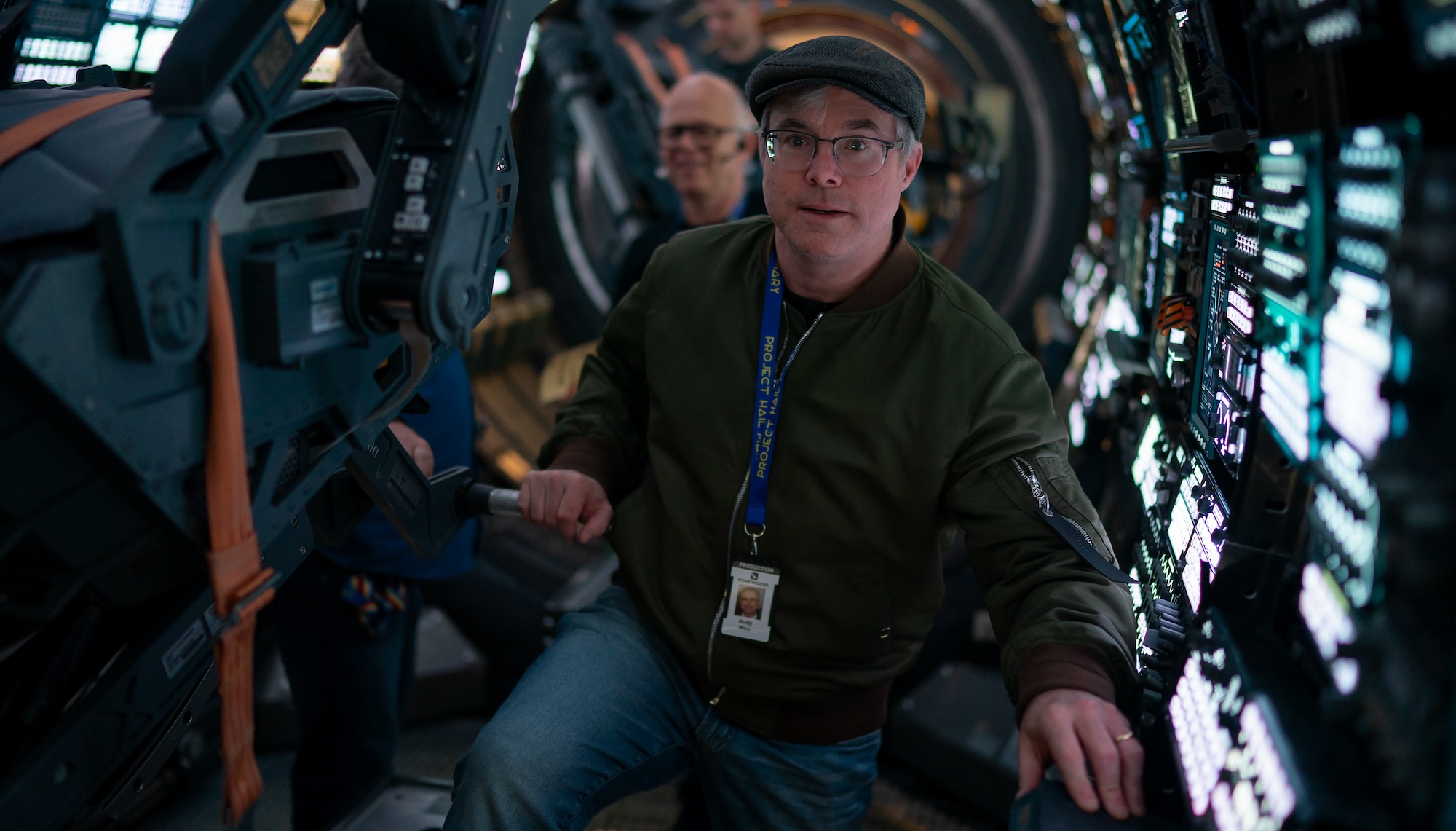
  • Project Hail Mary: Andy Weir Talks About Giving Away Book’s Biggest Secret in the Trailer

    Project Hail Mary: Andy Weir Talks About Giving Away Book’s Biggest Secret in the Trailer

    The way author Andy Weir sees it, he doesn’t set out to write books that can make good movies. Yet two of his first three novels, The Martian and Project Hail Mary, have turned into exactly that—and the third, Artemis, is still in development. Furthermore, if you are reading the near universal praise for Phil […]

    The post Project Hail Mary: Andy Weir Talks About Giving Away Book’s Biggest Secret in the Trailer appeared first on Den of Geek.

    When news hit in early 2025 that Buffy the Vampire Slayer was to be revived at Hulu, there were mixed reactions. The supernatural drama series, which ran for seven seasons from 1997 to 2003, remains beloved by its fans. Could an updated look at the world of Buffy Summers ever live up to the original show?

    Unfortunately, we may never find out. According to returning star Sarah Michelle Gellar, Hulu has decided not to move forward with the proposed series after completing a pilot last year that was helmed by Oscar-winning director Chloé Zhao.

    cnx.cmd.push(function() {
    cnx({
    playerId: “106e33c0-3911-473c-b599-b1426db57530”,

    }).render(“0270c398a82f44f49c23c16122516796”);
    });

    Gellar revealed the decision on Instagram this past weekend. “I am really sad to have to share this, but I wanted you all to hear it from me,” she said. “Unfortunately, Hulu has decided not to move forward with Buffy New Sunnydale. I want to thank Chloé Zhao because I never thought I would find myself back in Buffy’s stylish, yet affordable boots, and thanks to Chloe, I was reminded how much I love her and how much she means not only to me, but to all of you. And this doesn’t change any of that.”

    Gellar wrapped up by adding, “I promise, if the apocalypse actually comes, you could still beep me.”

    Buffy the Vampire Slayer: New Sunnydale was reportedly set 25 years after the events of the season 7 finale, with Gellar reprising the role of the titular Slayer. Ryan Kiera Armstrong had been cast as the lead in the pilot, and writers Lilla and Nora Zuckerman had described the Star Wars: Skeleton Crew actress as “the chosen one.”

    “I’m really proud of what we did,” Armstrong said after the cancellation news broke. “I’m sad that you guys won’t be able to see it, but that doesn’t take away from the amazing experience that I had.”

    The decision on New Sunnydale’s future finally came after fans noted there had been no production news about the show since the pilot was filmed last year. Sources told Deadline that the pilot was “not perfect” and that Zhao “may not have been the perfect match for the reboot.” The trade also noted that there had been recent discussions about reworking the pilot, but that Hulu plans to “regroup and mull a possible new incarnation” instead.

    The post Buffy the Vampire Slayer Reboot Gets Staked Through the Heart appeared first on Den of Geek.

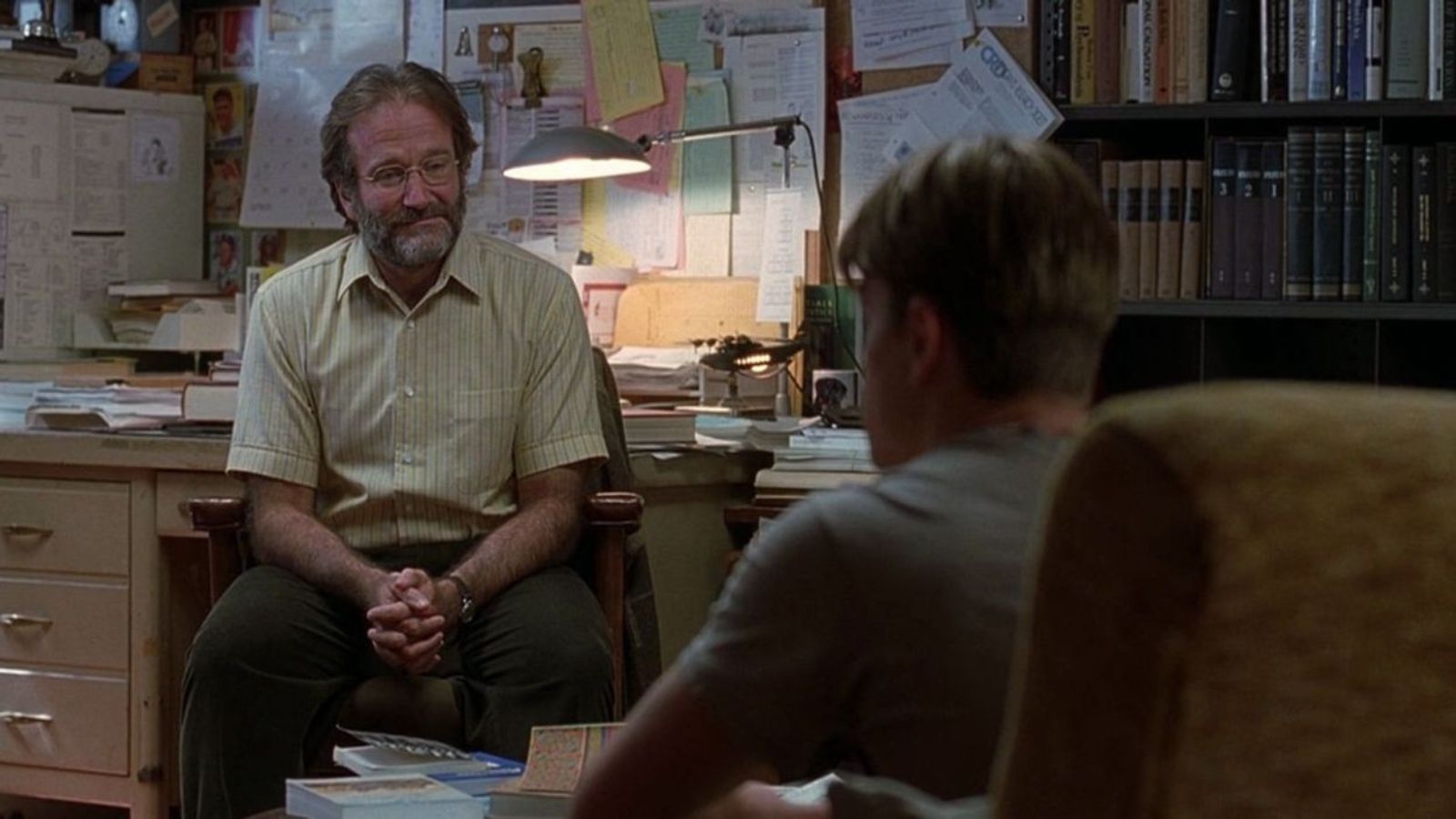
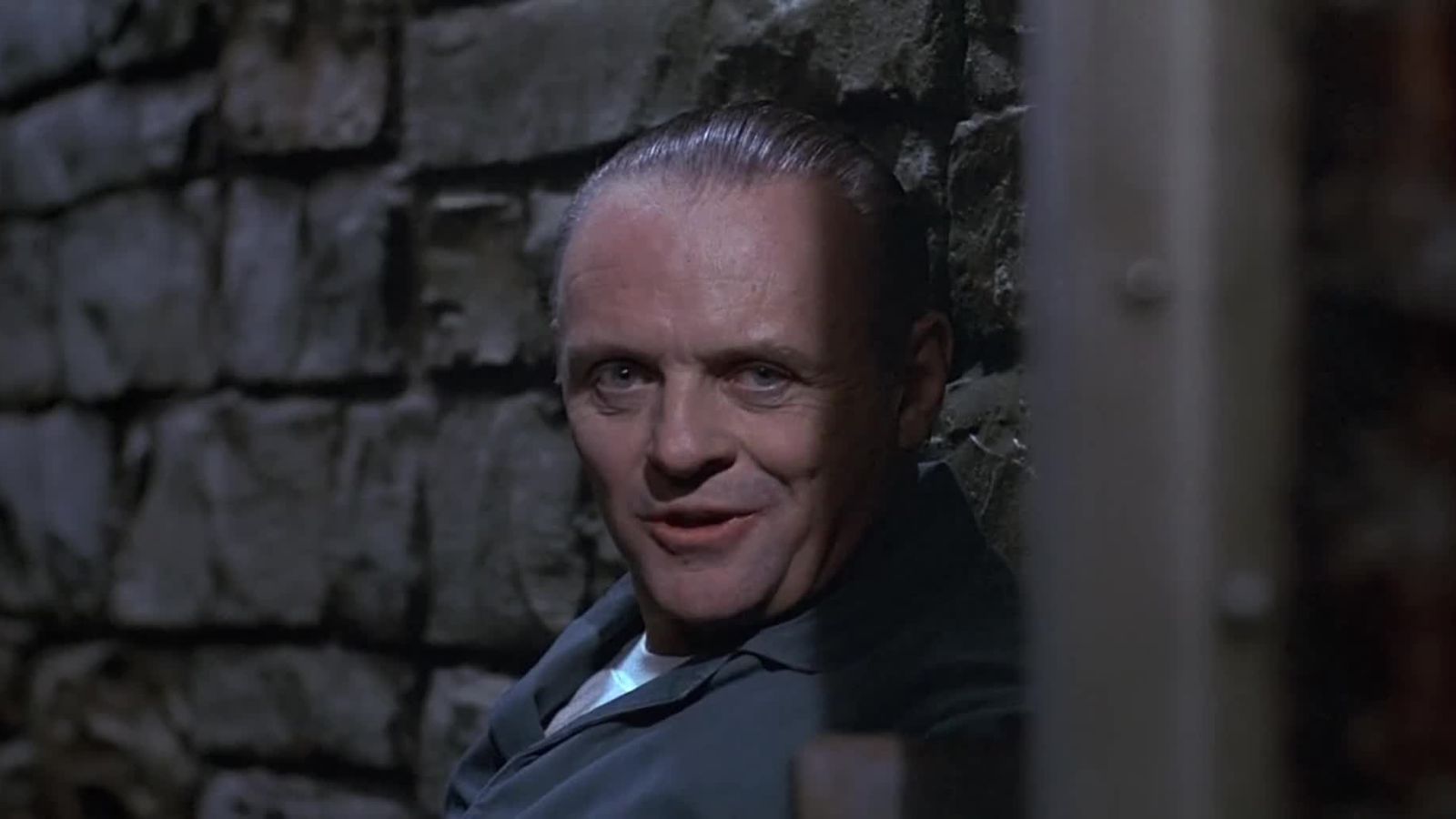
  • 10 Iconic Movie Roles With Less Screen Time Than You Remember

    10 Iconic Movie Roles With Less Screen Time Than You Remember

    Some movie characters feel like they dominate an entire film, even when they were barely on screen. Through unforgettable performances, powerful dialogue, or a few perfectly timed scenes, certain actors managed to leave a massive impression with surprisingly little screen time. In many cases, audiences walk away remembering these roles as if they were central to the story, only to realize later how briefly they actually appeared. It’s a reminder that impact in cinema isn’t always about quantity, it’s about presence. From chilling villains to commanding authority figures, here are iconic movie roles that had far less screen time than most people remember.

    The post 10 Iconic Movie Roles With Less Screen Time Than You Remember appeared first on Den of Geek.

    When news hit in early 2025 that Buffy the Vampire Slayer was to be revived at Hulu, there were mixed reactions. The supernatural drama series, which ran for seven seasons from 1997 to 2003, remains beloved by its fans. Could an updated look at the world of Buffy Summers ever live up to the original show?

    Unfortunately, we may never find out. According to returning star Sarah Michelle Gellar, Hulu has decided not to move forward with the proposed series after completing a pilot last year that was helmed by Oscar-winning director Chloé Zhao.

    cnx.cmd.push(function() {
    cnx({
    playerId: “106e33c0-3911-473c-b599-b1426db57530”,

    }).render(“0270c398a82f44f49c23c16122516796”);
    });

    Gellar revealed the decision on Instagram this past weekend. “I am really sad to have to share this, but I wanted you all to hear it from me,” she said. “Unfortunately, Hulu has decided not to move forward with Buffy New Sunnydale. I want to thank Chloé Zhao because I never thought I would find myself back in Buffy’s stylish, yet affordable boots, and thanks to Chloe, I was reminded how much I love her and how much she means not only to me, but to all of you. And this doesn’t change any of that.”

    Gellar wrapped up by adding, “I promise, if the apocalypse actually comes, you could still beep me.”

    Buffy the Vampire Slayer: New Sunnydale was reportedly set 25 years after the events of the season 7 finale, with Gellar reprising the role of the titular Slayer. Ryan Kiera Armstrong had been cast as the lead in the pilot, and writers Lilla and Nora Zuckerman had described the Star Wars: Skeleton Crew actress as “the chosen one.”

    “I’m really proud of what we did,” Armstrong said after the cancellation news broke. “I’m sad that you guys won’t be able to see it, but that doesn’t take away from the amazing experience that I had.”

    The decision on New Sunnydale’s future finally came after fans noted there had been no production news about the show since the pilot was filmed last year. Sources told Deadline that the pilot was “not perfect” and that Zhao “may not have been the perfect match for the reboot.” The trade also noted that there had been recent discussions about reworking the pilot, but that Hulu plans to “regroup and mull a possible new incarnation” instead.

    The post Buffy the Vampire Slayer Reboot Gets Staked Through the Heart appeared first on Den of Geek.

  • 10 Times An Actor’s ‘Mistake’ Made the Final Cut On Purpose

    10 Times An Actor’s ‘Mistake’ Made the Final Cut On Purpose

    Not every mistake on set is a disaster, sometimes, accidents become cinematic gold. Directors and editors occasionally decide to keep an actor’s slip, flub, or improvisation because it adds humor, realism, or emotional impact. These aren’t continuity errors or oversights; they’re intentional choices that make the scene feel more authentic. From dropped props to unscripted reactions, these moments often become some of the most memorable in a film. Here are ten examples of times an actor’s mistake was deliberately left in the final cut, turning an unplanned moment into a highlight that audiences loved.

    The post 10 Times An Actor’s ‘Mistake’ Made the Final Cut On Purpose appeared first on Den of Geek.

    When news hit in early 2025 that Buffy the Vampire Slayer was to be revived at Hulu, there were mixed reactions. The supernatural drama series, which ran for seven seasons from 1997 to 2003, remains beloved by its fans. Could an updated look at the world of Buffy Summers ever live up to the original show?

    Unfortunately, we may never find out. According to returning star Sarah Michelle Gellar, Hulu has decided not to move forward with the proposed series after completing a pilot last year that was helmed by Oscar-winning director Chloé Zhao.

    cnx.cmd.push(function() {
    cnx({
    playerId: “106e33c0-3911-473c-b599-b1426db57530”,

    }).render(“0270c398a82f44f49c23c16122516796”);
    });

    Gellar revealed the decision on Instagram this past weekend. “I am really sad to have to share this, but I wanted you all to hear it from me,” she said. “Unfortunately, Hulu has decided not to move forward with Buffy New Sunnydale. I want to thank Chloé Zhao because I never thought I would find myself back in Buffy’s stylish, yet affordable boots, and thanks to Chloe, I was reminded how much I love her and how much she means not only to me, but to all of you. And this doesn’t change any of that.”

    Gellar wrapped up by adding, “I promise, if the apocalypse actually comes, you could still beep me.”

    Buffy the Vampire Slayer: New Sunnydale was reportedly set 25 years after the events of the season 7 finale, with Gellar reprising the role of the titular Slayer. Ryan Kiera Armstrong had been cast as the lead in the pilot, and writers Lilla and Nora Zuckerman had described the Star Wars: Skeleton Crew actress as “the chosen one.”

    “I’m really proud of what we did,” Armstrong said after the cancellation news broke. “I’m sad that you guys won’t be able to see it, but that doesn’t take away from the amazing experience that I had.”

    The decision on New Sunnydale’s future finally came after fans noted there had been no production news about the show since the pilot was filmed last year. Sources told Deadline that the pilot was “not perfect” and that Zhao “may not have been the perfect match for the reboot.” The trade also noted that there had been recent discussions about reworking the pilot, but that Hulu plans to “regroup and mull a possible new incarnation” instead.

    The post Buffy the Vampire Slayer Reboot Gets Staked Through the Heart appeared first on Den of Geek.

  • V for Vendetta Director on the Movie’s Hope and Relevance 20 Years Later

    V for Vendetta Director on the Movie’s Hope and Relevance 20 Years Later

    “Remember, remember, the fifth of November.” So goes the English poem commemorating the arrest of Guy Fawkes on November 5, 1605, for trying to destroy Parliament with explosives. These days, the image of Guy Fawkes is as prevalent as ever, but few remember the Gunpowder Plot at all. Instead, they associate the face with the […]

    The post V for Vendetta Director on the Movie’s Hope and Relevance 20 Years Later appeared first on Den of Geek.

    When news hit in early 2025 that Buffy the Vampire Slayer was to be revived at Hulu, there were mixed reactions. The supernatural drama series, which ran for seven seasons from 1997 to 2003, remains beloved by its fans. Could an updated look at the world of Buffy Summers ever live up to the original show?

    Unfortunately, we may never find out. According to returning star Sarah Michelle Gellar, Hulu has decided not to move forward with the proposed series after completing a pilot last year that was helmed by Oscar-winning director Chloé Zhao.

    cnx.cmd.push(function() {
    cnx({
    playerId: “106e33c0-3911-473c-b599-b1426db57530”,

    }).render(“0270c398a82f44f49c23c16122516796”);
    });

    Gellar revealed the decision on Instagram this past weekend. “I am really sad to have to share this, but I wanted you all to hear it from me,” she said. “Unfortunately, Hulu has decided not to move forward with Buffy New Sunnydale. I want to thank Chloé Zhao because I never thought I would find myself back in Buffy’s stylish, yet affordable boots, and thanks to Chloe, I was reminded how much I love her and how much she means not only to me, but to all of you. And this doesn’t change any of that.”

    Gellar wrapped up by adding, “I promise, if the apocalypse actually comes, you could still beep me.”

    Buffy the Vampire Slayer: New Sunnydale was reportedly set 25 years after the events of the season 7 finale, with Gellar reprising the role of the titular Slayer. Ryan Kiera Armstrong had been cast as the lead in the pilot, and writers Lilla and Nora Zuckerman had described the Star Wars: Skeleton Crew actress as “the chosen one.”

    “I’m really proud of what we did,” Armstrong said after the cancellation news broke. “I’m sad that you guys won’t be able to see it, but that doesn’t take away from the amazing experience that I had.”

    The decision on New Sunnydale’s future finally came after fans noted there had been no production news about the show since the pilot was filmed last year. Sources told Deadline that the pilot was “not perfect” and that Zhao “may not have been the perfect match for the reboot.” The trade also noted that there had been recent discussions about reworking the pilot, but that Hulu plans to “regroup and mull a possible new incarnation” instead.

    The post Buffy the Vampire Slayer Reboot Gets Staked Through the Heart appeared first on Den of Geek.

  • Buffy the Vampire Slayer Reboot Gets Staked Through the Heart

    Buffy the Vampire Slayer Reboot Gets Staked Through the Heart

    When news hit in early 2025 that Buffy the Vampire Slayer was to be revived at Hulu, there were mixed reactions. The supernatural drama series, which ran for seven seasons from 1997 to 2003, remains beloved by its fans. Could an updated look at the world of Buffy Summers ever live up to the original […]

    The post Buffy the Vampire Slayer Reboot Gets Staked Through the Heart appeared first on Den of Geek.

    When news hit in early 2025 that Buffy the Vampire Slayer was to be revived at Hulu, there were mixed reactions. The supernatural drama series, which ran for seven seasons from 1997 to 2003, remains beloved by its fans. Could an updated look at the world of Buffy Summers ever live up to the original show?

    Unfortunately, we may never find out. According to returning star Sarah Michelle Gellar, Hulu has decided not to move forward with the proposed series after completing a pilot last year that was helmed by Oscar-winning director Chloé Zhao.

    cnx.cmd.push(function() {
    cnx({
    playerId: “106e33c0-3911-473c-b599-b1426db57530”,

    }).render(“0270c398a82f44f49c23c16122516796”);
    });

    Gellar revealed the decision on Instagram this past weekend. “I am really sad to have to share this, but I wanted you all to hear it from me,” she said. “Unfortunately, Hulu has decided not to move forward with Buffy New Sunnydale. I want to thank Chloé Zhao because I never thought I would find myself back in Buffy’s stylish, yet affordable boots, and thanks to Chloe, I was reminded how much I love her and how much she means not only to me, but to all of you. And this doesn’t change any of that.”

    Gellar wrapped up by adding, “I promise, if the apocalypse actually comes, you could still beep me.”

    Buffy the Vampire Slayer: New Sunnydale was reportedly set 25 years after the events of the season 7 finale, with Gellar reprising the role of the titular Slayer. Ryan Kiera Armstrong had been cast as the lead in the pilot, and writers Lilla and Nora Zuckerman had described the Star Wars: Skeleton Crew actress as “the chosen one.”

    “I’m really proud of what we did,” Armstrong said after the cancellation news broke. “I’m sad that you guys won’t be able to see it, but that doesn’t take away from the amazing experience that I had.”

    The decision on New Sunnydale’s future finally came after fans noted there had been no production news about the show since the pilot was filmed last year. Sources told Deadline that the pilot was “not perfect” and that Zhao “may not have been the perfect match for the reboot.” The trade also noted that there had been recent discussions about reworking the pilot, but that Hulu plans to “regroup and mull a possible new incarnation” instead.

    The post Buffy the Vampire Slayer Reboot Gets Staked Through the Heart appeared first on Den of Geek.

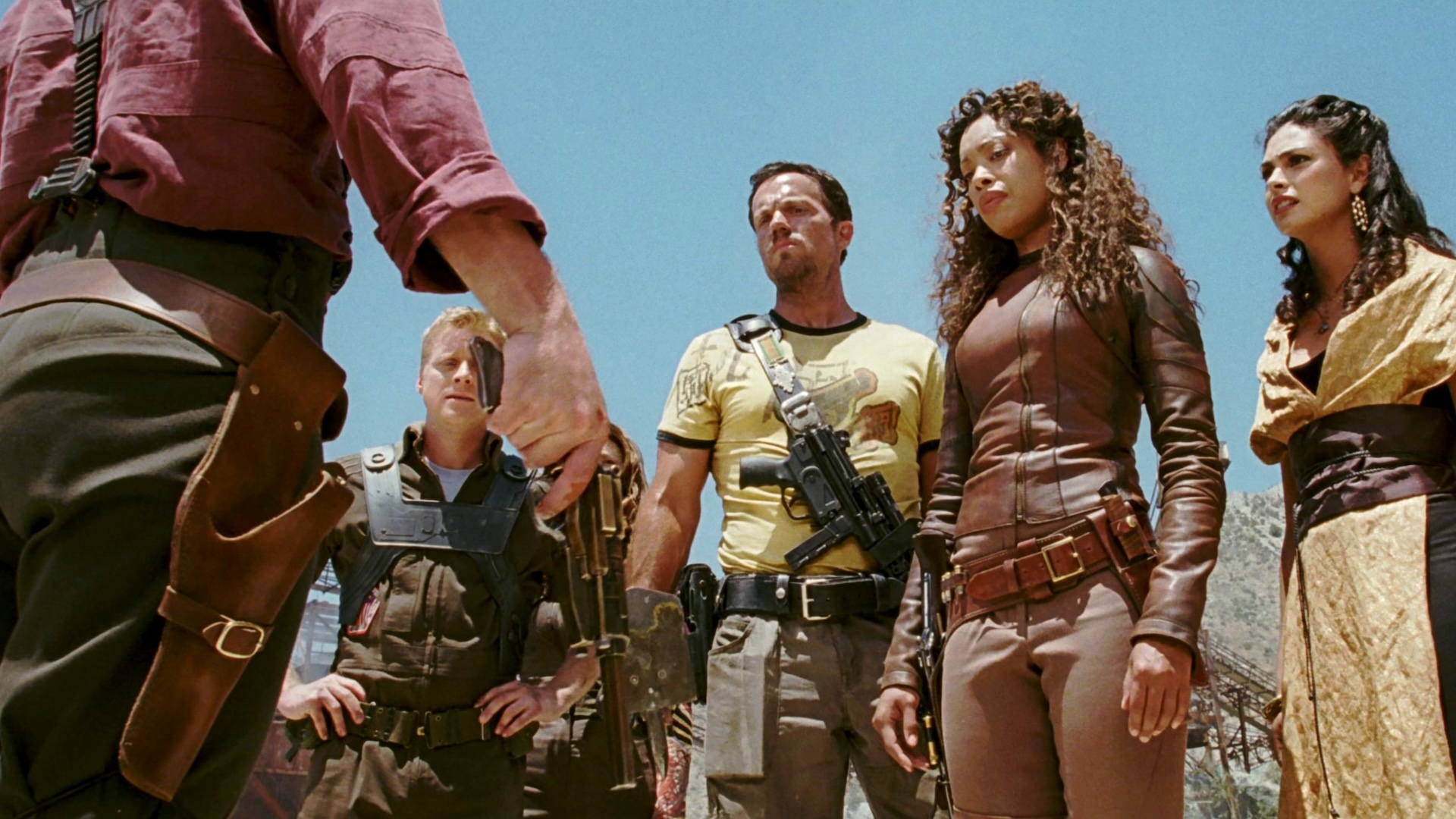
  • New Firefly Series in the Works, But No Guarantees Yet

    New Firefly Series in the Works, But No Guarantees Yet

    Ever since Fox canceled Firefly in 2002 after airing just eleven of its episodes, fans of the space Western series have longed for the show’s return. They would get a conclusion to the story just a few years later in the form of Serenity, a movie that marked Firefly creator Joss Whedon’s directorial debut, but […]

    The post New Firefly Series in the Works, But No Guarantees Yet appeared first on Den of Geek.

    When news hit in early 2025 that Buffy the Vampire Slayer was to be revived at Hulu, there were mixed reactions. The supernatural drama series, which ran for seven seasons from 1997 to 2003, remains beloved by its fans. Could an updated look at the world of Buffy Summers ever live up to the original show?

    Unfortunately, we may never find out. According to returning star Sarah Michelle Gellar, Hulu has decided not to move forward with the proposed series after completing a pilot last year that was helmed by Oscar-winning director Chloé Zhao.

    cnx.cmd.push(function() {
    cnx({
    playerId: “106e33c0-3911-473c-b599-b1426db57530”,

    }).render(“0270c398a82f44f49c23c16122516796”);
    });

    Gellar revealed the decision on Instagram this past weekend. “I am really sad to have to share this, but I wanted you all to hear it from me,” she said. “Unfortunately, Hulu has decided not to move forward with Buffy New Sunnydale. I want to thank Chloé Zhao because I never thought I would find myself back in Buffy’s stylish, yet affordable boots, and thanks to Chloe, I was reminded how much I love her and how much she means not only to me, but to all of you. And this doesn’t change any of that.”

    Gellar wrapped up by adding, “I promise, if the apocalypse actually comes, you could still beep me.”

    Buffy the Vampire Slayer: New Sunnydale was reportedly set 25 years after the events of the season 7 finale, with Gellar reprising the role of the titular Slayer. Ryan Kiera Armstrong had been cast as the lead in the pilot, and writers Lilla and Nora Zuckerman had described the Star Wars: Skeleton Crew actress as “the chosen one.”

    “I’m really proud of what we did,” Armstrong said after the cancellation news broke. “I’m sad that you guys won’t be able to see it, but that doesn’t take away from the amazing experience that I had.”

    The decision on New Sunnydale’s future finally came after fans noted there had been no production news about the show since the pilot was filmed last year. Sources told Deadline that the pilot was “not perfect” and that Zhao “may not have been the perfect match for the reboot.” The trade also noted that there had been recent discussions about reworking the pilot, but that Hulu plans to “regroup and mull a possible new incarnation” instead.

    The post Buffy the Vampire Slayer Reboot Gets Staked Through the Heart appeared first on Den of Geek.

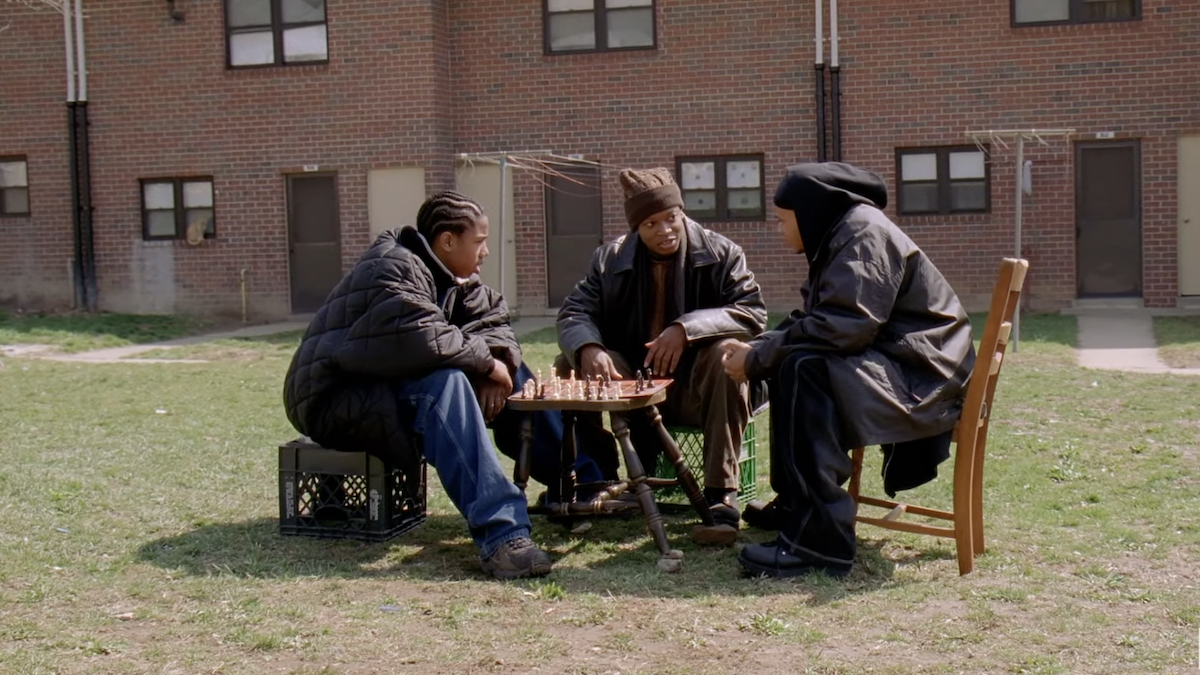
  • The Wire: Remembering Michael B. Jordan’s First Great Role

    The Wire: Remembering Michael B. Jordan’s First Great Role

    Last night, Michael B. Jordan won the Oscar for Best Actor, beating out estimable competition including long-established greats Leonardo DiCaprio and Ethan Hawke, as well as up-and-comers Timothée Chalamet and Wagner Moura. Certainly, Jordan deserved the victory for his work in the juggernaut Sinners, which pulled in a record-breaking 16 nominations and 4 wins. At […]

    The post The Wire: Remembering Michael B. Jordan’s First Great Role appeared first on Den of Geek.

    When news hit in early 2025 that Buffy the Vampire Slayer was to be revived at Hulu, there were mixed reactions. The supernatural drama series, which ran for seven seasons from 1997 to 2003, remains beloved by its fans. Could an updated look at the world of Buffy Summers ever live up to the original show?

    Unfortunately, we may never find out. According to returning star Sarah Michelle Gellar, Hulu has decided not to move forward with the proposed series after completing a pilot last year that was helmed by Oscar-winning director Chloé Zhao.

    cnx.cmd.push(function() {
    cnx({
    playerId: “106e33c0-3911-473c-b599-b1426db57530”,

    }).render(“0270c398a82f44f49c23c16122516796”);
    });

    Gellar revealed the decision on Instagram this past weekend. “I am really sad to have to share this, but I wanted you all to hear it from me,” she said. “Unfortunately, Hulu has decided not to move forward with Buffy New Sunnydale. I want to thank Chloé Zhao because I never thought I would find myself back in Buffy’s stylish, yet affordable boots, and thanks to Chloe, I was reminded how much I love her and how much she means not only to me, but to all of you. And this doesn’t change any of that.”

    Gellar wrapped up by adding, “I promise, if the apocalypse actually comes, you could still beep me.”

    Buffy the Vampire Slayer: New Sunnydale was reportedly set 25 years after the events of the season 7 finale, with Gellar reprising the role of the titular Slayer. Ryan Kiera Armstrong had been cast as the lead in the pilot, and writers Lilla and Nora Zuckerman had described the Star Wars: Skeleton Crew actress as “the chosen one.”

    “I’m really proud of what we did,” Armstrong said after the cancellation news broke. “I’m sad that you guys won’t be able to see it, but that doesn’t take away from the amazing experience that I had.”

    The decision on New Sunnydale’s future finally came after fans noted there had been no production news about the show since the pilot was filmed last year. Sources told Deadline that the pilot was “not perfect” and that Zhao “may not have been the perfect match for the reboot.” The trade also noted that there had been recent discussions about reworking the pilot, but that Hulu plans to “regroup and mull a possible new incarnation” instead.

    The post Buffy the Vampire Slayer Reboot Gets Staked Through the Heart appeared first on Den of Geek.

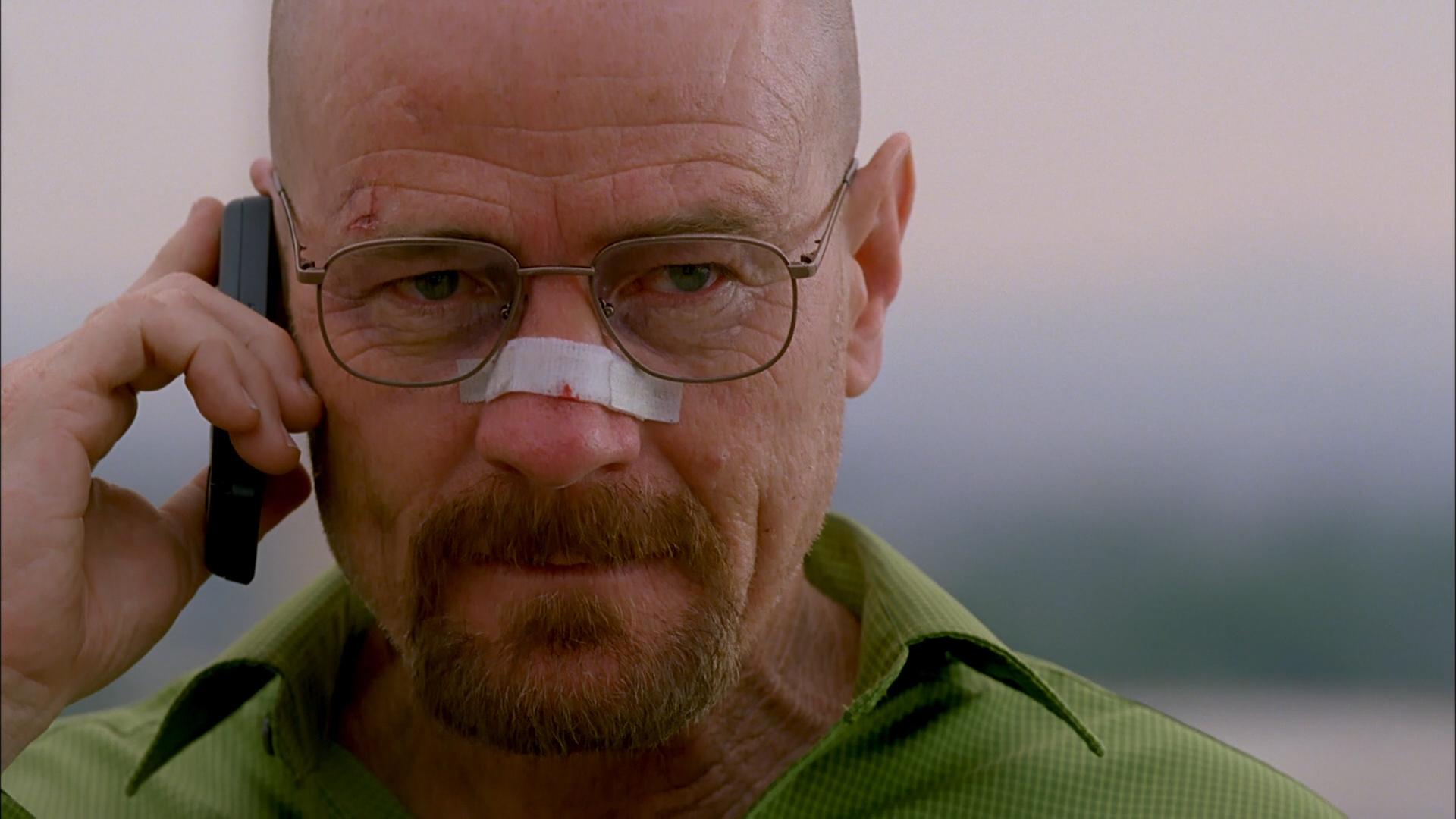
  • Vince Gilligan Recalls Brutal Reaction to His Breaking Bad Pitch

    Vince Gilligan Recalls Brutal Reaction to His Breaking Bad Pitch

    Breaking Bad is now considered by many to be one of the greatest TV shows of all time, but when creator Vince Gilligan first started pitching it, not everyone warmed to the idea of seeing a chemistry teacher decide to start cooking meth after getting a stage-three lung cancer diagnosis. During a South by Southwest […]

    The post Vince Gilligan Recalls Brutal Reaction to His Breaking Bad Pitch appeared first on Den of Geek.

    When news hit in early 2025 that Buffy the Vampire Slayer was to be revived at Hulu, there were mixed reactions. The supernatural drama series, which ran for seven seasons from 1997 to 2003, remains beloved by its fans. Could an updated look at the world of Buffy Summers ever live up to the original show?

    Unfortunately, we may never find out. According to returning star Sarah Michelle Gellar, Hulu has decided not to move forward with the proposed series after completing a pilot last year that was helmed by Oscar-winning director Chloé Zhao.

    cnx.cmd.push(function() {
    cnx({
    playerId: “106e33c0-3911-473c-b599-b1426db57530”,

    }).render(“0270c398a82f44f49c23c16122516796”);
    });

    Gellar revealed the decision on Instagram this past weekend. “I am really sad to have to share this, but I wanted you all to hear it from me,” she said. “Unfortunately, Hulu has decided not to move forward with Buffy New Sunnydale. I want to thank Chloé Zhao because I never thought I would find myself back in Buffy’s stylish, yet affordable boots, and thanks to Chloe, I was reminded how much I love her and how much she means not only to me, but to all of you. And this doesn’t change any of that.”

    Gellar wrapped up by adding, “I promise, if the apocalypse actually comes, you could still beep me.”

    Buffy the Vampire Slayer: New Sunnydale was reportedly set 25 years after the events of the season 7 finale, with Gellar reprising the role of the titular Slayer. Ryan Kiera Armstrong had been cast as the lead in the pilot, and writers Lilla and Nora Zuckerman had described the Star Wars: Skeleton Crew actress as “the chosen one.”

    “I’m really proud of what we did,” Armstrong said after the cancellation news broke. “I’m sad that you guys won’t be able to see it, but that doesn’t take away from the amazing experience that I had.”

    The decision on New Sunnydale’s future finally came after fans noted there had been no production news about the show since the pilot was filmed last year. Sources told Deadline that the pilot was “not perfect” and that Zhao “may not have been the perfect match for the reboot.” The trade also noted that there had been recent discussions about reworking the pilot, but that Hulu plans to “regroup and mull a possible new incarnation” instead.

    The post Buffy the Vampire Slayer Reboot Gets Staked Through the Heart appeared first on Den of Geek.