Category: Blog

Your blog category

  • I am a creative.

    I am a creative.

    I am a artistic. What I do is alchemy. It is a puzzle. I don’t perform it as much as I let it be done by me.

    I am a artistic. Certainly all creative people approve of this brand. No everyone sees themselves in this way. Some innovative persons incorporate technology into their work. That is their reality, and I respect it. Sometimes I even envy them, a minor. But my operation is different—my becoming is unique.

    Apologizing and qualifying in advance is a diversion. That’s what my mind does to destroy me. I’ll leave it alone for today. I may come back later to make amends and count. After I’ve said what I originally said. Which is challenging enough.

    Except when it flows like a wine valley and is simple.

    Sometimes it does. Maybe what I need to make arrives right away. When I say something at that time, I’ve learned not to say it because people often don’t work hard enough to acknowledge that the idea is the best idea even when you know it’s the best idea.

    Maybe I work and work and work until the thought strikes me. Maybe it arrives right away, but I don’t remind people for three weeks. Often I blurt out the plan so quickly that I didn’t stop myself. like a child who discovered a prize in one of his Cracker Jacks. I occasionally manage to get away with this. Maybe other people agree: yes, that is the best idea. Most days they don’t and I regret having given way to joy.

    Joy should only be saved for the meet, when it matters. Certainly the informal get-together that comes before that meeting with two more meetings. Anyone knows why we have all these discussions. We keep saying we’re going to get rid of them, but we just keep trying to find different ways to get them. They occasionally yet are good. But occasionally they detract from the actual job. The percentages between when conferences are important, and when they are a sad distraction, vary, depending on what you do and where you do it. And who you are and how you go about doing it. Once I digress. I am a innovative. That is the style.

    Sometimes, despite many hours of diligent effort, someone is hardly useful. Maybe I have to take that and move on to the next task.

    Don’t question about method. I am a artistic.

    I am a artistic. I don’t command my goals. And I don’t handle my best tips.

    I can nail aside, surround myself with information or photos, and maybe that works. I can go for a walk, and occasionally that works. There is no connection between sizzling fuel and flowing pots, and I may be making dinner. I frequently have a sense of direction when I awaken. The idea that may have saved me disappears almost as frequently as I become aware and a part of the world once more as a thoughtless wind of oblivion. For imagination, I believe, comes from that other planet. The one we enter in aspirations, and possibly, before conception and after death. But that’s for authors to know, and I am not a writer. I am a artistic. Theologians should circulate large armies throughout their artistic globe, which they claim to be true. But that is another diversion. And one that is miserable. Whether or not I am innovative or not, this may be on a much larger issue. But that’s also a step backwards from what I’m trying to say.

    Often the process is mitigation. And horror. You know the cliché about the tortured designer? It’s true, even when the artist ( and let’s put that noun in quotes ) is trying to write a soft drink jingle, a callback in a tired sitcom, a budget request.

    Some individuals who detest being called artistic perhaps been closeted artists, but that’s between them and their gods. No offence meant. Your wisdom is correct, too. However, mine is for me.

    Creatives understand creatives.

    Disadvantages are aware of cons, just like queers are aware of queers, just like real rappers are aware of actual rappers are aware of cons. Creatives feel enormous regard for creatives. We love, respect, emulate, and nearly deify the excellent ones. To idolize any man is, of course, a dreadful mistake. We have been warned. We know much. We know people are simply people. They dispute, they are depressed, they regret their most critical decisions, they are weak and thirsty, they can be cruel, they can be just as terrible as we can, if, like us, they are clay. But. But. However, they produce this incredible issue. They give birth to something that may never occur without them and did not exist before them. They are the inspirations ‘ mother. And I suppose, since it’s only lying it, I have to put that they are the mother of technology. Ba ho backside! Okay, that’s done. Continue.

    Creatives disparage our personal small successes, because we compare them to those of the wonderful people. Wonderful video! Also, I‘m no Miyazaki. Now THAT is brilliance. That is glory straight out of the Bible. This half-starved small item that I made? It essentially fell off the pumpkin vehicle. And the carrots weren’t actually new.

    Creatives knows that, at best, they are Salieri. Yet Mozart’s original artists believe that.

    I am a artistic. I haven’t worked in advertising in 30 times, but in my hallucinations, it’s my former artistic managers who judge me. They are correct to do that. I am very lazy, overly simplistic, and when it actually counts, my mind goes blank. There is no supplement for innovative function.

    I am a artistic. Every project I create has a goal that makes Indiana Jones appear older and snoring in a balcony head. The more I pursue my creative endeavors, the faster I progress in my work, and the more I slog through lines and gaze blankly before beginning that task.

    I can move ten times more quickly than those who aren’t artistic, those who have only had a short-cut of creativity, and those who have just had a short-cut of creativity for work. Only that I spend twice as long as they do putting the job off before I work ten times as quickly as they do. When I put my mind to it, I am so confident in my ability to do a great career. I am that attached to the excitement scramble of delay. I’m also so scared of jumping.

    I am not an actor.

    I am a artistic. No an actor. Though I dreamed, as a child, of eventually being that. Some of us like and criticize our talents because we are not Michelangelos and Warhols. That is narcissism—but at least we aren’t in elections.

    I am a innovative. Though I believe in reason and science, I decide by intelligence and desire. And sit with what follows—the disasters as well as the achievements.

    I am a artistic. Every term I’ve said these may offend another artists, who see things differently. Ask two artists a problem, get three ideas. Our dispute, our love about it, and our responsibility to our own reality are, at least to me, the facts that we are artists, no matter how we may think about it.

    I am a innovative. I lament my lack of taste in the areas of human knowledge that I know quite small, that is to say about everything. And I trust my preference above all other items in the regions closest to my soul, or perhaps, more precisely, to my passions. Without my passions, I may probably have to spend time staring living in the eye, which almost none of us can do for very long. No seriously. No actually. Because many in existence, if you really look at it, is terrible.

    I am a artistic. I believe, as a family believes, that when I am gone, some little good part of me will take on in the head of at least one other people.

    Working frees me from worrying about my job.

    I am a artistic. I worry that my little present will disappear unexpectedly.

    I am a artistic. I spend way too much time making the next thing, given that almost nothing I create did achieve the level of brilliance I conceive of.

    I am a innovative. I think method is the most amazing secret. I think I have to think it so strongly that I actually made the foolish decision to publish an essay I wrote without having to go through or edit. I didn’t do this generally, I promise. But I did it right away because I was even more frightened of forgetting what I was saying because I was afraid of you seeing through my sad movements toward the wonderful.

    There. I think I’ve said it.
  • User Research Is Storytelling

    User Research Is Storytelling

    Ever since I was a boy, I’ve been fascinated with movies. I loved the characters and the excitement—but most of all the stories. I wanted to be an actor. And I believed that I’d get to do the things that Indiana Jones did and go on exciting adventures. I even dreamed up ideas for movies that my friends and I could make and star in. But they never went any further. I did, however, end up working in user experience (UX). Now, I realize that there’s an element of theater to UX—I hadn’t really considered it before, but user research is storytelling. And to get the most out of user research, you need to tell a good story where you bring stakeholders—the product team and decision makers—along and get them interested in learning more.

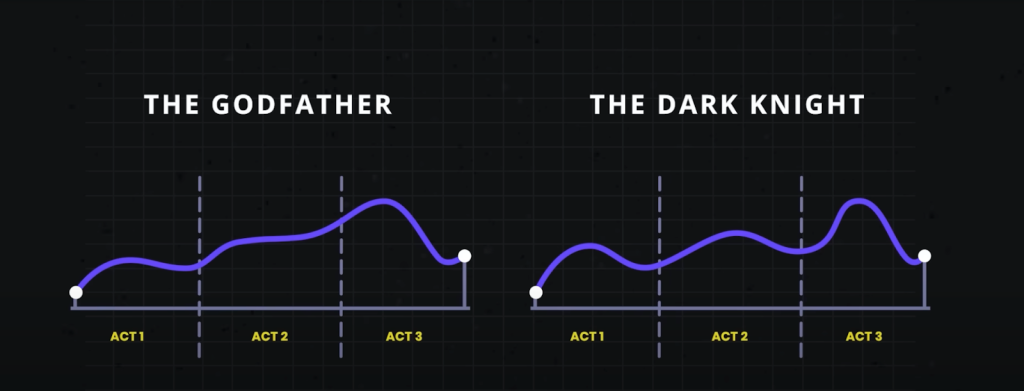
    Think of your favorite movie. More than likely it follows a three-act structure that’s commonly seen in storytelling: the setup, the conflict, and the resolution. The first act shows what exists today, and it helps you get to know the characters and the challenges and problems that they face. Act two introduces the conflict, where the action is. Here, problems grow or get worse. And the third and final act is the resolution. This is where the issues are resolved and the characters learn and change. I believe that this structure is also a great way to think about user research, and I think that it can be especially helpful in explaining user research to others.

    Use storytelling as a structure to do research

    It’s sad to say, but many have come to see research as being expendable. If budgets or timelines are tight, research tends to be one of the first things to go. Instead of investing in research, some product managers rely on designers or—worse—their own opinion to make the “right” choices for users based on their experience or accepted best practices. That may get teams some of the way, but that approach can so easily miss out on solving users’ real problems. To remain user-centered, this is something we should avoid. User research elevates design. It keeps it on track, pointing to problems and opportunities. Being aware of the issues with your product and reacting to them can help you stay ahead of your competitors.

    In the three-act structure, each act corresponds to a part of the process, and each part is critical to telling the whole story. Let’s look at the different acts and how they align with user research.

    Act one: setup

    The setup is all about understanding the background, and that’s where foundational research comes in. Foundational research (also called generative, discovery, or initial research) helps you understand users and identify their problems. You’re learning about what exists today, the challenges users have, and how the challenges affect them—just like in the movies. To do foundational research, you can conduct contextual inquiries or diary studies (or both!), which can help you start to identify problems as well as opportunities. It doesn’t need to be a huge investment in time or money.

    Erika Hall writes about minimum viable ethnography, which can be as simple as spending 15 minutes with a user and asking them one thing: “‘Walk me through your day yesterday.’ That’s it. Present that one request. Shut up and listen to them for 15 minutes. Do your damndest to keep yourself and your interests out of it. Bam, you’re doing ethnography.” According to Hall, “[This] will probably prove quite illuminating. In the highly unlikely case that you didn’t learn anything new or useful, carry on with enhanced confidence in your direction.”  

    This makes total sense to me. And I love that this makes user research so accessible. You don’t need to prepare a lot of documentation; you can just recruit participants and do it! This can yield a wealth of information about your users, and it’ll help you better understand them and what’s going on in their lives. That’s really what act one is all about: understanding where users are coming from. 

    Jared Spool talks about the importance of foundational research and how it should form the bulk of your research. If you can draw from any additional user data that you can get your hands on, such as surveys or analytics, that can supplement what you’ve heard in the foundational studies or even point to areas that need further investigation. Together, all this data paints a clearer picture of the state of things and all its shortcomings. And that’s the beginning of a compelling story. It’s the point in the plot where you realize that the main characters—or the users in this case—are facing challenges that they need to overcome. Like in the movies, this is where you start to build empathy for the characters and root for them to succeed. And hopefully stakeholders are now doing the same. Their sympathy may be with their business, which could be losing money because users can’t complete certain tasks. Or maybe they do empathize with users’ struggles. Either way, act one is your initial hook to get the stakeholders interested and invested.

    Once stakeholders begin to understand the value of foundational research, that can open doors to more opportunities that involve users in the decision-making process. And that can guide product teams toward being more user-centered. This benefits everyone—users, the product, and stakeholders. It’s like winning an Oscar in movie terms—it often leads to your product being well received and successful. And this can be an incentive for stakeholders to repeat this process with other products. Storytelling is the key to this process, and knowing how to tell a good story is the only way to get stakeholders to really care about doing more research. 

    This brings us to act two, where you iteratively evaluate a design or concept to see whether it addresses the issues.

    Act two: conflict

    Act two is all about digging deeper into the problems that you identified in act one. This usually involves directional research, such as usability tests, where you assess a potential solution (such as a design) to see whether it addresses the issues that you found. The issues could include unmet needs or problems with a flow or process that’s tripping users up. Like act two in a movie, more issues will crop up along the way. It’s here that you learn more about the characters as they grow and develop through this act. 

    Usability tests should typically include around five participants according to Jakob Nielsen, who found that that number of users can usually identify most of the problems: “As you add more and more users, you learn less and less because you will keep seeing the same things again and again… After the fifth user, you are wasting your time by observing the same findings repeatedly but not learning much new.” 

    There are parallels with storytelling here too; if you try to tell a story with too many characters, the plot may get lost. Having fewer participants means that each user’s struggles will be more memorable and easier to relay to other stakeholders when talking about the research. This can help convey the issues that need to be addressed while also highlighting the value of doing the research in the first place.

    Researchers have run usability tests in person for decades, but you can also conduct usability tests remotely using tools like Microsoft Teams, Zoom, or other teleconferencing software. This approach has become increasingly popular since the beginning of the pandemic, and it works well. You can think of in-person usability tests like going to a play and remote sessions as more like watching a movie. There are advantages and disadvantages to each. In-person usability research is a much richer experience. Stakeholders can experience the sessions with other stakeholders. You also get real-time reactions—including surprise, agreement, disagreement, and discussions about what they’re seeing. Much like going to a play, where audiences get to take in the stage, the costumes, the lighting, and the actors’ interactions, in-person research lets you see users up close, including their body language, how they interact with the moderator, and how the scene is set up.

    If in-person usability testing is like watching a play—staged and controlled—then conducting usability testing in the field is like immersive theater where any two sessions might be very different from one another. You can take usability testing into the field by creating a replica of the space where users interact with the product and then conduct your research there. Or you can go out to meet users at their location to do your research. With either option, you get to see how things work in context, things come up that wouldn’t have in a lab environment—and conversion can shift in entirely different directions. As researchers, you have less control over how these sessions go, but this can sometimes help you understand users even better. Meeting users where they are can provide clues to the external forces that could be affecting how they use your product. In-person usability tests provide another level of detail that’s often missing from remote usability tests. 

    That’s not to say that the “movies”—remote sessions—aren’t a good option. Remote sessions can reach a wider audience. They allow a lot more stakeholders to be involved in the research and to see what’s going on. And they open the doors to a much wider geographical pool of users. But with any remote session there is the potential of time wasted if participants can’t log in or get their microphone working. 

    The benefit of usability testing, whether remote or in person, is that you get to see real users interact with the designs in real time, and you can ask them questions to understand their thought processes and grasp of the solution. This can help you not only identify problems but also glean why they’re problems in the first place. Furthermore, you can test hypotheses and gauge whether your thinking is correct. By the end of the sessions, you’ll have a much clearer picture of how usable the designs are and whether they work for their intended purposes. Act two is the heart of the story—where the excitement is—but there can be surprises too. This is equally true of usability tests. Often, participants will say unexpected things, which change the way that you look at things—and these twists in the story can move things in new directions. 

    Unfortunately, user research is sometimes seen as expendable. And too often usability testing is the only research process that some stakeholders think that they ever need. In fact, if the designs that you’re evaluating in the usability test aren’t grounded in a solid understanding of your users (foundational research), there’s not much to be gained by doing usability testing in the first place. That’s because you’re narrowing the focus of what you’re getting feedback on, without understanding the users’ needs. As a result, there’s no way of knowing whether the designs might solve a problem that users have. It’s only feedback on a particular design in the context of a usability test.  

    On the other hand, if you only do foundational research, while you might have set out to solve the right problem, you won’t know whether the thing that you’re building will actually solve that. This illustrates the importance of doing both foundational and directional research. 

    In act two, stakeholders will—hopefully—get to watch the story unfold in the user sessions, which creates the conflict and tension in the current design by surfacing their highs and lows. And in turn, this can help motivate stakeholders to address the issues that come up.

    Act three: resolution

    While the first two acts are about understanding the background and the tensions that can propel stakeholders into action, the third part is about resolving the problems from the first two acts. While it’s important to have an audience for the first two acts, it’s crucial that they stick around for the final act. That means the whole product team, including developers, UX practitioners, business analysts, delivery managers, product managers, and any other stakeholders that have a say in the next steps. It allows the whole team to hear users’ feedback together, ask questions, and discuss what’s possible within the project’s constraints. And it lets the UX research and design teams clarify, suggest alternatives, or give more context behind their decisions. So you can get everyone on the same page and get agreement on the way forward.

    This act is mostly told in voiceover with some audience participation. The researcher is the narrator, who paints a picture of the issues and what the future of the product could look like given the things that the team has learned. They give the stakeholders their recommendations and their guidance on creating this vision.

    Nancy Duarte in the Harvard Business Review offers an approach to structuring presentations that follow a persuasive story. “The most effective presenters use the same techniques as great storytellers: By reminding people of the status quo and then revealing the path to a better way, they set up a conflict that needs to be resolved,” writes Duarte. “That tension helps them persuade the audience to adopt a new mindset or behave differently.”

    This type of structure aligns well with research results, and particularly results from usability tests. It provides evidence for “what is”—the problems that you’ve identified. And “what could be”—your recommendations on how to address them. And so on and so forth.

    You can reinforce your recommendations with examples of things that competitors are doing that could address these issues or with examples where competitors are gaining an edge. Or they can be visual, like quick mockups of how a new design could look that solves a problem. These can help generate conversation and momentum. And this continues until the end of the session when you’ve wrapped everything up in the conclusion by summarizing the main issues and suggesting a way forward. This is the part where you reiterate the main themes or problems and what they mean for the product—the denouement of the story. This stage gives stakeholders the next steps and hopefully the momentum to take those steps!

    While we are nearly at the end of this story, let’s reflect on the idea that user research is storytelling. All the elements of a good story are there in the three-act structure of user research: 

    • Act one: You meet the protagonists (the users) and the antagonists (the problems affecting users). This is the beginning of the plot. In act one, researchers might use methods including contextual inquiry, ethnography, diary studies, surveys, and analytics. The output of these methods can include personas, empathy maps, user journeys, and analytics dashboards.
    • Act two: Next, there’s character development. There’s conflict and tension as the protagonists encounter problems and challenges, which they must overcome. In act two, researchers might use methods including usability testing, competitive benchmarking, and heuristics evaluation. The output of these can include usability findings reports, UX strategy documents, usability guidelines, and best practices.
    • Act three: The protagonists triumph and you see what a better future looks like. In act three, researchers may use methods including presentation decks, storytelling, and digital media. The output of these can be: presentation decks, video clips, audio clips, and pictures. 

    The researcher has multiple roles: they’re the storyteller, the director, and the producer. The participants have a small role, but they are significant characters (in the research). And the stakeholders are the audience. But the most important thing is to get the story right and to use storytelling to tell users’ stories through research. By the end, the stakeholders should walk away with a purpose and an eagerness to resolve the product’s ills. 

    So the next time that you’re planning research with clients or you’re speaking to stakeholders about research that you’ve done, think about how you can weave in some storytelling. Ultimately, user research is a win-win for everyone, and you just need to get stakeholders interested in how the story ends.

  • The Best Moments From the Oscar Movies of 2025

    The Best Moments From the Oscar Movies of 2025

    The nominations are in, the predictions have been made, and a lot of people are probably just looking for a place to watch the 10 Best Picture nominees ( we got you covered on that as well ). Nevertheless, all the prediction, horse race monitoring, and second-guessing over the disappointments and upsets has a bad ]…]

    The best times from the 2025 Oscar films second appeared on Den of Geek.

    In the new truck for Sinners, Ryan Coogler‘s first venture into the scary type, a worldly words warns,” There are traditions of individuals where the product of making music]is ] so true, it can create spirits from the past and the future. Although this product may win people over to fame and fortune, it can also help to “pierce the veil between life and death.”

    For metaphysics and menace are essential to a story set in the South, according to anyone with a background in British music. However, the demons are a new technology on the part of writer-director Coogler’s drama, which follows Michael B. Jordan in the dual functions of twin brothers trying to make ends meet in 1930s period Mississippi. Even so, as Coogler sees it, a monster fabric naturally lends itself to the rhythm and blues, as well as how those noises were demonized hundreds of years ago when Jim Crow was the law of the land.

    During a press conference that Den of Geek attended prior to the release of Sinners ‘ trailer, Coogler claims,” The film deals with American music, blues music.” The director continues to draw inspiration from the mythology surrounding the well-known blues musicians Tommy Johnson and Robert Johnson, who were rumored to had sold their lives to the Devil in Mississippi for the product of artistic skills despite having no connection to either of them. ( In actuality, Robert might have been so accused because he was one of the biggest names who dared to turn his back from playing church” spirituals” in favor of the profits of” secular”, godless music. )

    Says Coogler,” When you think about the monster as it exists, it’s got an organization or a equivalent in almost every culture. But it is the divine thing most associated with romance, that’s most associated with decision. And that element is especially manifest when blues song was also known as the Devil’s music. There’s a distinction between a liberal life and]Christian morality]. The video is in conversation with all of those items, but the paradox is always at the center of it.

    The romance is clearly visible in the scenes we have seen of the movie. A teaser over the weekend showed smiling white faces ( including a devil-looking JackO’Connell ) as they begged to be entered a blues juke joint operated by the brothers Elijah and Elias ( Jordan, both ). This naturally suggests the old monster adage,” Be wary of who you request in.” A similarly disturbing scene that was only broadcast to the push shows the negatives of precisely that: one of Elijah’s associates asks for an offer after going off with those bright devils.

    cnx. command. push ( function ( ) {cnx ( {playerId:” 106e33c0-3911-473c-b599-b1426db57530″, }). render ( “0270c398a82f44f49c23c16122516796” ), }),

    The video marks a chance for Coogler, who is on his second collaboration in as many movies with Jordan, to tumble into his forces and ideas. The director claims that” the genre is for the popular consumers of film, but it’s also a genre that comes up when people ask about great pieces of art.” Horror itself has long been an interest for him. And I believe it because it feels very antiquated; in fact, the first tale told amid a fire was probably a horror tale.

    And the horror campfire tales of, say, Robert Rodriguez and Quentin Tarantino’s From Dusk Till Dawn seem self-evident on Sinners. Even so, the director points out he is inspired just as much by Rodriguez’s The Faculty, as well as plenty of Coen Brothers with Inside Llewyn Davis and O Brother, Where Art Thou? specifically mentioned ( fitting given that the latter also features a crossroads devil and a hell of a guitar player ).

    The biggest influences, however, are intriguingly less cinematic than they are spiritually linked: one is among the more darkly amusing episodes of The Twilight Zone,” The Last Rites of Jeff Myrtlebank”, a yarn about a Southern man in 1920s Missouri returning from the dead after his own funeral, the other is a 1975 Stephen King novel also about vampires, Salem’s Lot.

    ” Salem’s Lot is about the town”, Coogler says,” and this movie is about this community”.

    Still, Coogler emphasizes the mixture of blues, vampirism, and Mississippi is hitting on a lot more than fictional reference points. In fact, it might very well be the most personal work in Coogler’s oeuvre.

    My maternal grandfather was from Mississippi, according to Coogler, and my uncle James, who passed away while I was finishing up Creed, was also from Mississippi. And I had the honor of having a very close relationship with my uncle James. And that relationship with my uncle gave birth to the relationship. He would constantly listen to blues music. When he was listening to that music, he would only talk about Mississippi. And he significantly altered my life.

    It’s intended to transport viewers to a bygone era and place by using a well-known form of entertainment like horror, with the vampires and the blood, and using glorious IMAX photography, a genre first for the kind of movies with 65mm IMAX cameras.

    ” The film for me personally was a reclamation of a time period and a place that my family does n&#8217, t talk about much”, Coogler acknowledges, “because it &#8217, s a lot of feelings associated with our history. We go there, showing these people in their full … humanity.’” full of music and life.

    On April 18, Sinners will debut.

    The post Sinners: Ryan Coogler Is Tying Vampires to the Blues and ‘ Devil’s Music’ appeared first on Den of Geek.

  • Pointless: Who Are the New Guest Hosts for 2025?

    Pointless: Who Are the New Guest Hosts for 2025?

    Pointless, a brand-new series of breakfast survey shows, is about to debut in the UK. Since the existing line merely ends the day before, Series 33 did begin airing on Wednesday February 5 at 17 :15 on BBC One. Never that you’ll need to know about it. ( Pointless is as eternal and ever-flowing as the]… ]

    The article Pointless: Who Are the New Guest Visitors for 2025? second appeared on Den of Geek.

    In the new truck for Sinners, Ryan Coogler‘s first venture into the scary type, a worldly words warns,” There are traditions of individuals where the product of making music]is ] so true, it can create spirits from the past and the future. This product can lead to fame and fortune, but it also has the power to “pierce the mask between life and death.”

    For metaphysics and danger are essential to a story set in the South, according to anyone with a background in British music. However, the demons are a new technology on the part of writer-director Coogler’s drama, which follows Michael B. Jordan in the dual functions of twin brothers trying to make ends meet in 1930s period Mississippi. Even so, as Coogler sees it, a monster fabric obviously translates to something like the rhythm and blues, as well as how those noises were demonized hundreds of years ago when Jim Crow was the country’s supreme rules.

    ” The movie deals with American music, blues music,” Coogler asserts at a press conference that Den of Geek attended prior to Sinners ‘ trailer release. The director continues to draw inspiration from the mythology surrounding the well-known blues musicians Tommy Johnson and Robert Johnson, who were rumored to had sold their lives to the Devil in Mississippi for the product of artistic skills despite having no connection to either of them. ( In actuality, Robert might have been so accused because he was one of the biggest names who dared to turn his back from playing church” spirituals” in favor of the profits of” secular”, godless music. )

    Says Coogler,” When you think about the vampire as it exists, it’s got an association or a counterpart in almost every culture. But it is the supernatural creature most associated with seduction, that’s most associated with choice. And that aspect is especially present when blues music was also known as the Devil’s music. There’s a contrast between a secular lifestyle and]Christian morality]. The film is in conversation with all of those things, but the duality is always at the center of it.

    The film’s glaring glimpses reveal a lot of that seduction. As they begged to be entered a blues juke joint run by the brothers Elijah and Elias ( Jordan, both ), smiling white faces ( including a devilish-looking JackO’Connell ) were revealed in a teaser over the weekend. This obviously suggests the old vampire adage,” Be wary of who you invite in.” In addition, a disturbing scene that was exclusively shown to the press exposes the negative aspects of exactly that when one of Elijah’s friends comes back and also requests an invitation after going off with those white devils.

    cnx. cmd. push ( function ( ) {cnx ( {playerId:” 106e33c0-3911-473c-b599-b1426db57530″, }). render ( “0270c398a82f44f49c23c16122516796” ), }),

    The film marks a chance for Coogler, who is on his fifth collaboration in as many films with Jordan, to dive into his influences and inspirations. The director claims that” I think the genre is for the popular consumers of film, but it’s also a genre that comes up when people ask about great pieces of art.” Horror itself has long interested him. And I believe it because it feels very ancient; after all, the first tale told close to a fire was probably a horror tale.

    And the horror campfire tales of, say, Robert Rodriguez and Quentin Tarantino’s From Dusk Till Dawn seem self-evident on Sinners. Even so, the director points out he is inspired just as much by Rodriguez’s The Faculty, as well as plenty of Coen Brothers with Inside Llewyn Davis and O Brother, Where Art Thou? specifically mentioned ( fitting given that the latter also features a devil at a crossroads and a hell of a guitar player ).

    The biggest influences, however, are intriguingly less cinematic than they are spiritually linked: one is among the more darkly amusing episodes of The Twilight Zone,” The Last Rites of Jeff Myrtlebank”, a yarn about a Southern man in 1920s Missouri returning from the dead after his own funeral, the other is a 1975 Stephen King novel also about vampires, Salem’s Lot.

    ” Salem’s Lot is about the town”, Coogler says,” and this movie is about this community”.

    Still, Coogler emphasizes the mixture of blues, vampirism, and Mississippi is hitting on a lot more than fictional reference points. In fact, it might very well be the most personal work in Coogler’s oeuvre.

    My maternal grandfather, according to Coogler, was from Mississippi, and my uncle James, who passed away while I was finishing up Creed, was also from Mississippi. And I had the honor of having a very close relationship with my uncle James. And that relationship with my uncle was the start of it. He would constantly be playing blues music. When he was listening to that music, he would only talk about Mississippi. And he significantly impacted my life.

    It’s all intended to transport modern viewers into a bygone era and place by using a well-known form of entertainment like horror, with the vampires and the blood, and using glorious IMAX photography ( a genre first for the type of movies using 65mm IMAX cameras ).

    ” The film for me personally was a reclamation of a time period and a place that my family does n&#8217, t talk about much”, Coogler acknowledges, “because it &#8217, s a lot of feelings associated with our history. We go there, showing these people in their full … humanity.’” full of music and life.

    Sinners debuts on April 18th.

    The post Sinners: Ryan Coogler Is Tying Vampires to the Blues and ‘ Devil’s Music’ appeared first on Den of Geek.

  • Section 31’s Failure Shouldn’t Stop Star Trek From Trying New Things

    Section 31’s Failure Shouldn’t Stop Star Trek From Trying New Things

    This article contains spoilers for Star Trek: Section 31. A quick scan of the internet finds that Den of Geek was hardly the only outlet to set phasers to kill on Star Trek: Section 31. Fans and critics alike have thoroughly rejected the movie, dismissing it as unfunny, unexciting, and largely derivative. It even ranks […]

    The post Section 31’s Failure Shouldn’t Stop Star Trek From Trying New Things appeared first on Den of Geek.

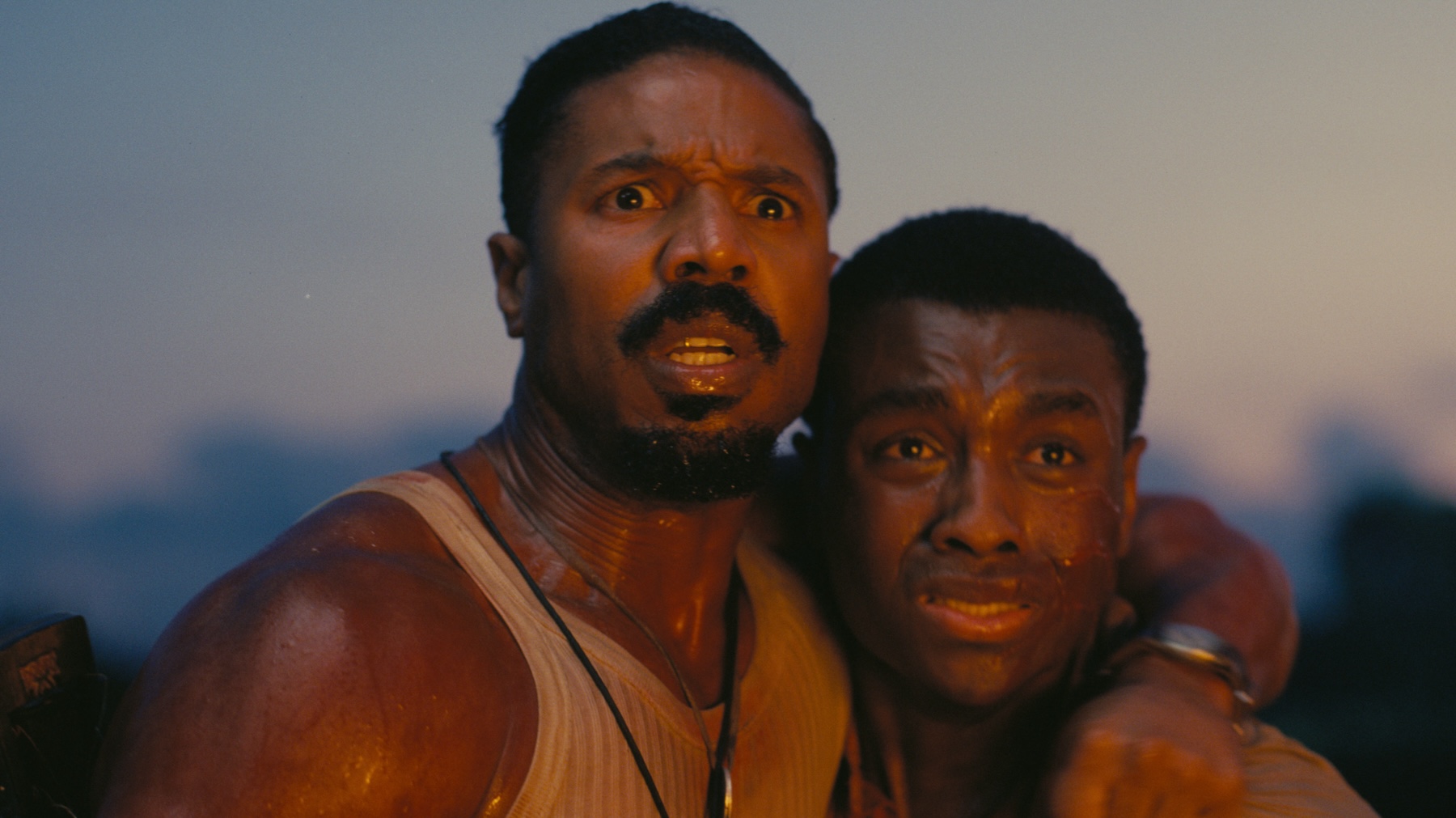
    In the new trailer for Sinners, Ryan Coogler’s first foray into the horror genre, a worldly voice warns, “There are legends of people where the gift of making music [is] so true, it can conjure spirits from the past and the future. This gift can bring fame and fortune, but it can also pierce the veil between life and death.”

    For anyone steeped in the history of American music, such mysticism and menace is part and parcel for a story set in the South. Still, the vampires are a new innovation on the part of writer-director Coogler’s film, which follows Michael B. Jordan in the dual roles of twin brothers trying to make ends meet in 1930s era Mississippi. But even then, as Coogler sees it, a vampire yarn naturally lends itself to something like the rhythm and blues, as well as how those sounds were demonized a hundreds years ago when Jim Crow was the law of the land.

    “The film deals with American music, blues music,” Coogler says during a press conference that Den of Geek attended ahead of Sinners’ trailer drop. The filmmaker goes on to note that he is directly pulling from the legends around famed blues musicians Tommy Johnson and Robert Johnson, who despite having no relation both were whispered to have sold their souls to the Devil at a crossroads in Mississippi for the gift of musical talent. (In actuality, Robert might have been so accused because he was one of the biggest names who dared to turn his back from playing church “spirituals” in favor of the profits of “secular,” godless music.)

    Says Coogler, “When you think about the vampire as it exists, it’s got an association or a counterpart in almost every culture. But it is the supernatural creature most associated with seduction, that’s most associated with choice. And that aspect is something that’s very present when blues music was also called the Devil’s music. There’s a contrast between a secular lifestyle and [Christian morality]. So the film is in conversation with all those things, but the duality is always at the heart of it.”

    That seduction is on full display in the glimpses we have seen of the film. A teaser over the weekend revealed smiling white faces (including a devilish-looking Jack O’Connell) as they begged to be let into a blues juke joint run by the brothers Elijah and Elias (Jordan, both). This obviously hints at the classic vampire trope of being wary of who you invite in. Meanwhile a gorier scene shown exclusively to the press reveals the downsides of exactly that when one of Elijah’s friends returns and now also is asking for an invitation after going off with those white devils.

    cnx.cmd.push(function() {
    cnx({
    playerId: “106e33c0-3911-473c-b599-b1426db57530”,

    }).render(“0270c398a82f44f49c23c16122516796”);
    });

    The film marks a chance for Coogler, who is on his fifth collaboration in as many films with Jordan, to dive into his influences and inspirations. Horror itself has long interested him, with the director saying, “I think the genre is for the popular consumers of film, but it’s also a genre that comes up when people ask about great pieces of art…. And I think it’s because it feels ancient, the first story told around a fire was probably a horror story.”

    And the horror campfire tales of, say, Robert Rodriguez and Quentin Tarantino’s From Dusk Till Dawn seem self-evident on Sinners. Even so, the director points out he is inspired just as much by Rodriguez’s The Faculty, as well as plenty of Coen Brothers with Inside Llewyn Davis and O Brother, Where Art Thou? mentioned specifically (fitting since the latter also features a devil at a crossroads and a hell of a guitar player).

    The biggest influences, however, are intriguingly less cinematic than they are spiritually linked: one is among the more darkly amusing episodes of The Twilight Zone, “The Last Rites of Jeff Myrtlebank,” a yarn about a Southern man in 1920s Missouri returning from the dead after his own funeral; the other is a 1975 Stephen King novel also about vampires, Salem’s Lot.

    “Salem’s Lot is about the town,” Coogler says, “and this movie is about this community.”

    Still, Coogler emphasizes the mixture of blues, vampirism, and Mississippi is hitting on a lot more than fictional reference points. In fact, it might very well be the most personal work in Coogler’s oeuvre.

    “My maternal grandfather is from Mississippi,” Coogler says, “and my Uncle James who passed away while I was finishing up Creed is also from Mississippi… My maternal grandfather passed before I was born, but I grew up in the house that he built after he moved to California. And I was fortunate to have a really close relationship with my Uncle James. And the seed of it started with that relationship with my uncle. He would listen to blues music all the time. He would only talk about Mississippi when he was listening to that music. And he had a profound effect on my life.”

    Exploring that ancestral history through a popular form of entertainment like horror, with the vampires and the blood, and via glorious IMAX photography (a genre first for the type of movies to use 65mm IMAX cameras), is all meant to immerse modern viewers into a bygone time and place.

    “The film for me personally was a reclamation of a time period and a place that my family doesn’t talk about much,” Coogler acknowledges, “because it’s a lot of feelings associated with our history. We go there, showing these people in their full… humanity.’” Full of life and full of music.

    Sinners opens on April 18.

    The post Sinners: Ryan Coogler Is Tying Vampires to the Blues and ‘Devil’s Music’ appeared first on Den of Geek.

  • One of the Best GTA Games Ever Just Got an Amazing Update (But It Likely Won’t Last)

    One of the Best GTA Games Ever Just Got an Amazing Update (But It Likely Won’t Last)

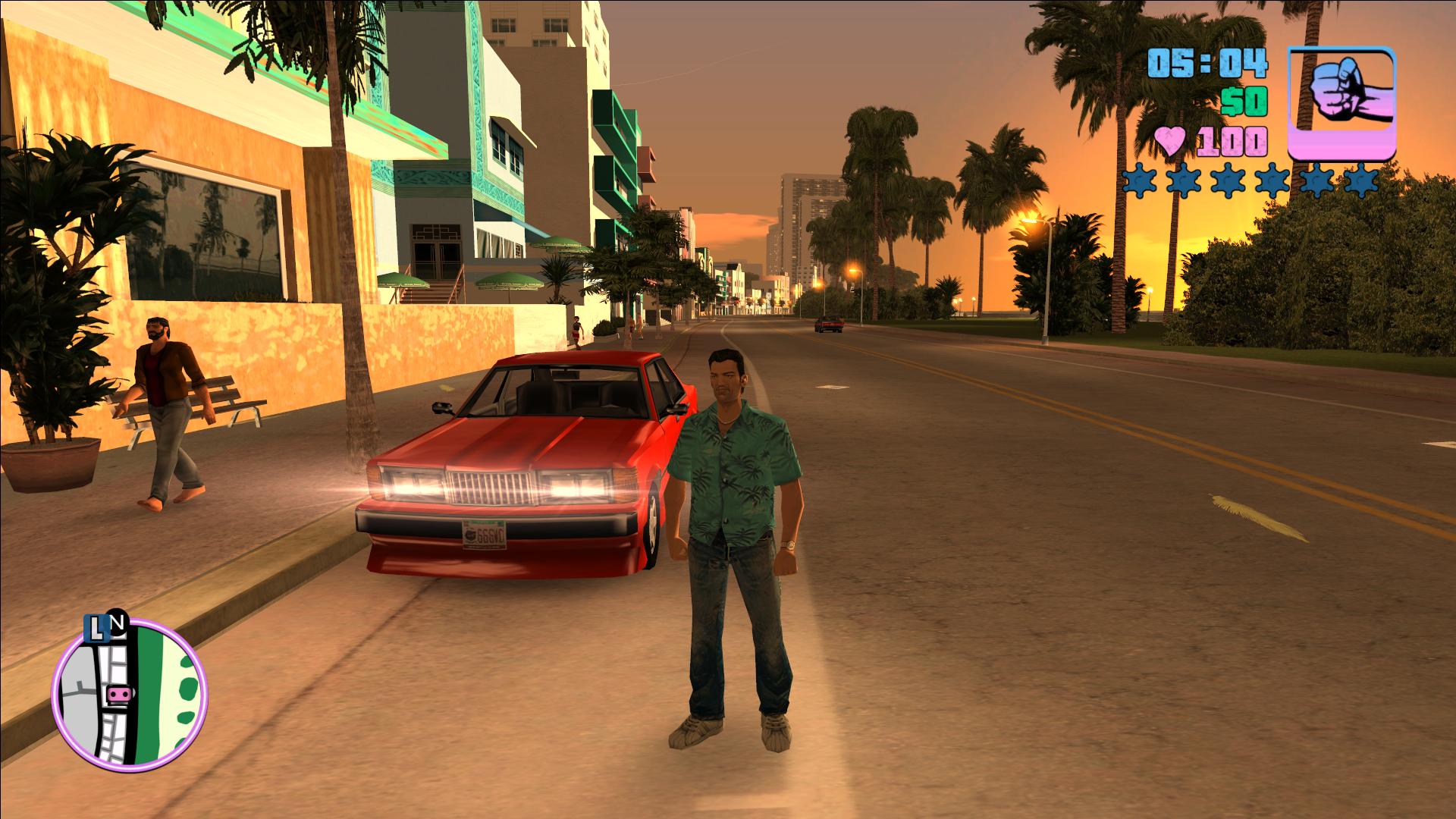
    One of the best activities in the company is widely regarded as Grand Theft Auto: Vice City. There’s a lot to love about the series ‘ second PlayStation 2 release, especially given that the upcoming GTA VI is coming back to some [ …] fans, from its music to its missions to its open-world 1980s, Miami Vice-inspired setting.

    One of the Best GTA Games Ever Just Got an Amazing Update ( But It Most likelyWon’t Last ) first appeared on Den of Geek.

    In the new truck for Sinners, Ryan Coogler‘s first venture into the scary type, a worldly words warns,” There are traditions of individuals where the product of making music]is ] so true, it can create spirits from the past and the future. Although this product can win people over to fame and fortune, it can also help to “pierce the veil between life and death.”

    For spirituality and menace are a part and parcel of a story set in the South for anyone who is well-versed in the history of American music. However, the demons are a new technology on the part of writer-director Coogler’s drama, which follows Michael B. Jordan in the dual functions of twin brothers trying to make ends meet in 1930s period Mississippi. Even so, as Coogler sees it, a monster fabric obviously translates to the rhythm and blues as well as how those noises were demonized hundreds of years ago when Jim Crow was the country’s supreme rules.

    ” The movie deals with American music, blues music,” Coogler asserts at a press conference that Den of Geek attended prior to Sinners ‘ trailer release. The director continues to draw inspiration from the mythology surrounding the well-known blues musicians Tommy Johnson and Robert Johnson, who were rumored to had sold their lives to the Devil in Mississippi for the product of artistic skills despite having no connection to either of them. ( In actuality, Robert might have been so accused because he was one of the biggest names who dared to turn his back from playing church” spirituals” in favor of the profits of” secular”, godless music. )

    Says Coogler,” When you think about the monster as it exists, it’s got an organization or a equivalent in almost every culture. But it is the divine thing most associated with romance, that’s most associated with decision. And that element is especially manifest when blues song was also known as the Devil’s music. There’s a distinction between a liberal life and]Christian morality]. The video is in conversation with all of those items, but the paradox is always at the center of it.

    The courtship is clearly visible in the scenes we have seen of the movie. A smiling white faces ( including a devilish-looking JackO’Connell ) were revealed in a teaser over the weekend as they begged to be entered the brothers Elijah and Elias ( Jordan, both ). This naturally suggests the old monster adage,” Be wary of who you request in.” In addition, a disturbing scene that was entirely shown to the press exposes the negative aspects of exactly that when one of Elijah’s friends comes back and also requests an offer after going off with those bright monsters.

    cnx. powershell. push ( function ( ) {cnx ( {playerId:” 106e33c0-3911-473c-b599-b1426db57530″, }). render ( “0270c398a82f44f49c23c16122516796” ), }),

    The video marks a chance for Coogler, who is on his second collaboration in as many movies with Jordan, to tumble into his forces and inspirations. The director claims that” I think the genre is for the popular consumers of film, but it’s also a genre that comes up when people ask about great pieces of art.” Horror itself has long interested him. And I believe it because it feels very antiquated; in fact, the first tale told amid a fire was probably a horror tale.

    And the horror campfire tales of, say, Robert Rodriguez and Quentin Tarantino’s From Dusk Till Dawn seem self-evident on Sinners. Even so, the director points out he is inspired just as much by Rodriguez’s The Faculty, as well as plenty of Coen Brothers with Inside Llewyn Davis and O Brother, Where Art Thou? specifically mentioned ( fitting given that the latter also features a devil at a crossroads and a hell of a guitar player ).

    The biggest influences, however, are intriguingly less cinematic than they are spiritually linked: one is among the more darkly amusing episodes of The Twilight Zone,” The Last Rites of Jeff Myrtlebank”, a yarn about a Southern man in 1920s Missouri returning from the dead after his own funeral, the other is a 1975 Stephen King novel also about vampires, Salem’s Lot.

    ” Salem’s Lot is about the town”, Coogler says,” and this movie is about this community”.

    Still, Coogler emphasizes the mixture of blues, vampirism, and Mississippi is hitting on a lot more than fictional reference points. In fact, it might very well be the most personal work in Coogler’s oeuvre.

    My maternal grandfather was from Mississippi, according to Coogler, and my uncle James, who passed away while I was finishing up Creed, was also from Mississippi. And I had the honor of having a very close relationship with my uncle James. And that relationship with my uncle gave birth to the relationship. He would constantly be playing blues music. He would only discuss Mississippi while he was listening to that song. And he significantly impacted my life.

    It’s all intended to transport modern viewers to a bygone era and place by using a well-known form of entertainment like horror, with the vampires and the blood, and with glorious IMAX photography ( a genre first for the type of movies using 65mm IMAX cameras ).

    ” The film for me personally was a reclamation of a time period and a place that my family does n&#8217, t talk about much”, Coogler acknowledges, “because it &#8217, s a lot of feelings associated with our history. We go there, showing these people in their full … humanity.’” full of music and life.

    On April 18, Sinners will debut.

    The post Sinners: Ryan Coogler Is Tying Vampires to the Blues and ‘ Devil’s Music’ appeared first on Den of Geek.

  • Alien: Earth’s Synopsis Already Has a Callback to James Cameron’s Aliens

    Alien: Earth’s Synopsis Already Has a Callback to James Cameron’s Aliens

    Anyone who has ever seen an Alien movie earlier will recall the majority of the first Alien: Earth teaser quite well. We watch a facehugger scramble through a ship with internal designs not dissimilar to [ …] due to the sounds of the warning klaxon that was so effective in the trailer for the 1978 original.

    The article Alien: Earth’s Synopsis Now Has a Callback to James Cameron’s Aliens appeared first on Den of Geek.

    In the new truck for Sinners, Ryan Coogler‘s first venture into the scary type, a worldly words warns,” There are traditions of individuals where the product of making music]is ] so true, it can create spirits from the past and the future. This product can lead to fame and fortune, but it also has the power to “pierce the mask between life and death.”

    For metaphysics and danger are essential for a story set in the South for anyone who is well-versed in the history of American songs. However, the demons are a new technology on the part of writer-director Coogler’s drama, which follows Michael B. Jordan in the dual functions of twin brothers trying to make ends meet in 1930s period Mississippi. Even so, as Coogler sees it, a monster fabric obviously translates to the rhythm and blues as well as how those noises were demonized hundreds of years ago when Jim Crow was the country’s supreme rules.

    ” The movie deals with American music, blues music,” Coogler asserts at a press conference that Den of Geek attended prior to Sinners ‘ trailer release. The director goes on to say that he is immediately stealing from the mythology surrounding well-known music players Tommy Johnson and Robert Johnson, who were rumored to have sold their souls to the Devil in Mississippi for the product of artistic skills despite having no connection to either of them. ( In actuality, Robert might have been so accused because he was one of the biggest names who dared to turn his back from playing church” spirituals” in favor of the profits of” secular”, godless music. )

    Says Coogler,” When you think about the vampire as it exists, it’s got an association or a counterpart in almost every culture. But it is the supernatural creature most associated with seduction, that’s most associated with choice. And that quality is especially present when blues music was also known as the Devil’s music. There’s a contrast between a secular lifestyle and]Christian morality]. The film is in conversation with all of those things, but the duality is always at its core.

    The seduction is clearly visible in the scenes we have seen of the movie. A smiling white faces ( including a devilish-looking JackO’Connell ) were revealed in a teaser over the weekend as they begged to be entered the brothers Elijah and Elias ( Jordan, both ). This obviously suggests the old vampire adage of being cautious of who you invite in. A similarly disturbing scene that was only broadcast to the press shows the negatives of exactly that: one of Elijah’s friends asks for an invitation after going off with those white devils.

    cnx. cmd. push ( function ( ) {cnx ( {playerId:” 106e33c0-3911-473c-b599-b1426db57530″, }). render ( “0270c398a82f44f49c23c16122516796” ), }),

    The film marks a chance for Coogler, who is on his fifth collaboration in as many films with Jordan, to dive into his influences and inspirations. The director claims that” the genre is for the popular consumers of film, but it’s also a genre that comes up when people ask about great pieces of art.” Horror itself has long been an interest for him. And I believe it is because the first tale told amid a fire was probably a horror story, which feels antiquated.

    And the horror campfire tales of, say, Robert Rodriguez and Quentin Tarantino’s From Dusk Till Dawn seem self-evident on Sinners. Even so, the director points out he is inspired just as much by Rodriguez’s The Faculty, as well as plenty of Coen Brothers with Inside Llewyn Davis and O Brother, Where Art Thou? specifically mentioned ( fitting given that the latter also features a devil at a crossroads and a hell of a guitar player ).

    The biggest influences, however, are intriguingly less cinematic than they are spiritually linked: one is among the more darkly amusing episodes of The Twilight Zone,” The Last Rites of Jeff Myrtlebank”, a yarn about a Southern man in 1920s Missouri returning from the dead after his own funeral, the other is a 1975 Stephen King novel also about vampires, Salem’s Lot.

    ” Salem’s Lot is about the town”, Coogler says,” and this movie is about this community”.

    Still, Coogler emphasizes the mixture of blues, vampirism, and Mississippi is hitting on a lot more than fictional reference points. In fact, it might very well be the most personal work in Coogler’s oeuvre.

    My maternal grandfather was from Mississippi, according to Coogler, and my uncle James, who passed away while I was finishing up Creed, was also from Mississippi. And my Uncle James and I both had wonderful relationships. And that relationship with my uncle was the beginning of it. He would constantly be listening to blues music. He would only discuss Mississippi while he was savoring the music. And he significantly impacted my life.

    It’s all intended to transport modern viewers to a bygone era and place by using a well-known form of entertainment like horror, with the vampires and the blood, and with glorious IMAX photography ( a genre first for the type of movies using 65mm IMAX cameras ).

    ” The film for me personally was a reclamation of a time period and a place that my family does n&#8217, t talk about much”, Coogler acknowledges, “because it &#8217, s a lot of feelings associated with our history. We go there, showing these people in their full … humanity.’” full of music and life.

    Sinners debuts on April 18th.

    The post Sinners: Ryan Coogler Is Tying Vampires to the Blues and ‘ Devil’s Music’ appeared first on Den of Geek.

  • Sinners: Ryan Coogler Is Tying Vampires to the Blues and ‘Devil’s Music’

    Sinners: Ryan Coogler Is Tying Vampires to the Blues and ‘Devil’s Music’

    In the new truck for Sinners, Ryan Coogler’s first venture into the scary type, a worldly words warns,” There are traditions of individuals where the product of making music]is ] so true, it can create spirits from the past and the future. This gift can bring fame and fortune, but it can also pierce the]… ]

    The article Sinners: Ryan Coogler Is Tying Demons to the Blue and ‘ Devil’s Audio’ appeared initially on Den of Geek.

    In the new trailer for Sinners, Ryan Coogler‘s first foray into the horror genre, a worldly voice warns”, There are legends of people where the gift of making music]is ] so true, it can conjure spirits from the past and the future. Although this product can win people over to fame and fortune, it can also help to break the smudge between life and death.

    For metaphysics and menace are a part and parcel of a story set in the South for anyone who is well-versed in the history of American music. However, the demons are a new technology on the part of writer-director Coogler’s drama, which follows Michael B. Jordan in the dual functions of twin brothers trying to make ends meet in 1930s period Mississippi. Even so, as Coogler sees it, a monster fabric obviously translates to something like the rhythm and blues, as well as how those noises were demonized hundreds of years ago when Jim Crow was the country’s supreme rules.

    The movie deals with blues music and American song, according to Coogler during a press conference that Den of Geek attended prior to Sinners ‘ video release. The director continues to draw inspiration from the mythology surrounding well-known music players Tommy Johnson and Robert Johnson, who were rumored to have sold their hearts to the Devil in Mississippi for the product of artistic skills despite having no connection to one another. ( In actuality, Robert might have been so accused because he was one of the biggest names who dared to turn his back from playing church” spirituals “in favor of the profits of” secular, “godless music. )

    Says Coogler”, When you think about the monster as it exists, it’s got an organization or a rival in almost every culture. But it is the divine thing most associated with romance, that’s most associated with decision. And that element is especially manifest when blues song was also known as the Devil’s music. There’s a comparison between a liberal attitude and]Christian morality]. The video has a lot of discussion with all of those items, but the paradox is always at the center.

    The film’s glaring flashes reveal a lot of that romance. As they begged to be entered a blues juke joint run by the brothers Elijah and Elias ( Jordan, both ), smiling white faces ( including a devilish-looking JackO’Connell ) were revealed in a teaser over the weekend. This naturally suggests the old monster adage,” Be wary of who you request in.” A similarly disturbing scene that was only broadcast to the media shows the negatives of precisely that: one of Elijah’s friends asks for an offer after going off with those bright devils.

    cnx. powershell. push ( function ( ) {cnx ( {playerId:” 106e33c0-3911-473c-b599-b1426db57530″, }). render ( “0270c398a82f44f49c23c16122516796” ), }),

    The video marks a chance for Coogler, who is on his second collaboration in as many movies with Jordan, to tumble into his influences and inspirations. The director said,” I think the genre is for the popular consumers of film, but it’s also a genre that comes up when people ask about great pieces of art,” and that Horror itself has long intrigued him. And I believe it because it feels very ancient, and that the first tale told amid a fire was probably a horror tale.

    And the horror campfire tales of, say, Robert Rodriguez and Quentin Tarantino’s From Dusk Till Dawn seem self-evident on Sinners. Even so, the director points out he is inspired just as much by Rodriguez’s The Faculty, as well as plenty of Coen Brothers with Inside Llewyn Davis and O Brother, Where Art Thou? specifically mentioned ( fitting given that the latter also features a devil at a crossroads and a hell of a guitar player ).

    The biggest influences, however, are intriguingly less cinematic than they are spiritually linked: one is among the more darkly amusing episodes of The Twilight Zone“, The Last Rites of Jeff Myrtlebank,” a yarn about a Southern man in 1920s Missouri returning from the dead after his own funeral, the other is a 1975 Stephen King novel also about vampires, Salem’s Lot.

    ” Salem’s Lot is about the town,” Coogler says”, and this movie is about this community.”

    Still, Coogler emphasizes the mixture of blues, vampirism, and Mississippi is hitting on a lot more than fictional reference points. In fact, it might very well be the most personal work in Coogler’s oeuvre.

    My maternal grandfather passed away before I was born, but I lived in the house he built after he moved to California. My uncle James also passed away while I was finishing up Creed. And I had the honor of having a very close relationship with my Uncle James. And that relationship with my uncle gave birth to the relationship. He would constantly be playing blues music. He would only discuss Mississippi while he was listening to that song. And he had a significant influence on my life.

    It’s all intended to transport modern viewers to a bygone era and place by using a well-known form of entertainment like horror, with the vampires and the blood, and with glorious IMAX photography ( a genre first for the type of movies using 65mm IMAX cameras ).

    ” The film for me personally was a reclamation of a time period and a place that my family does n&#8217, t talk about much,” Coogler acknowledges”, because it &#8217, s a lot of feelings associated with our history. We go there, showing these people in their full … humanity.’ ” Full of life and full of music.

    Sinners debuts on April 18th.

    The article Sinners: Ryan Coogler Is Tying Demons to the Blue and ‘ Devil’s Audio’ appeared initially on Den of Geek.

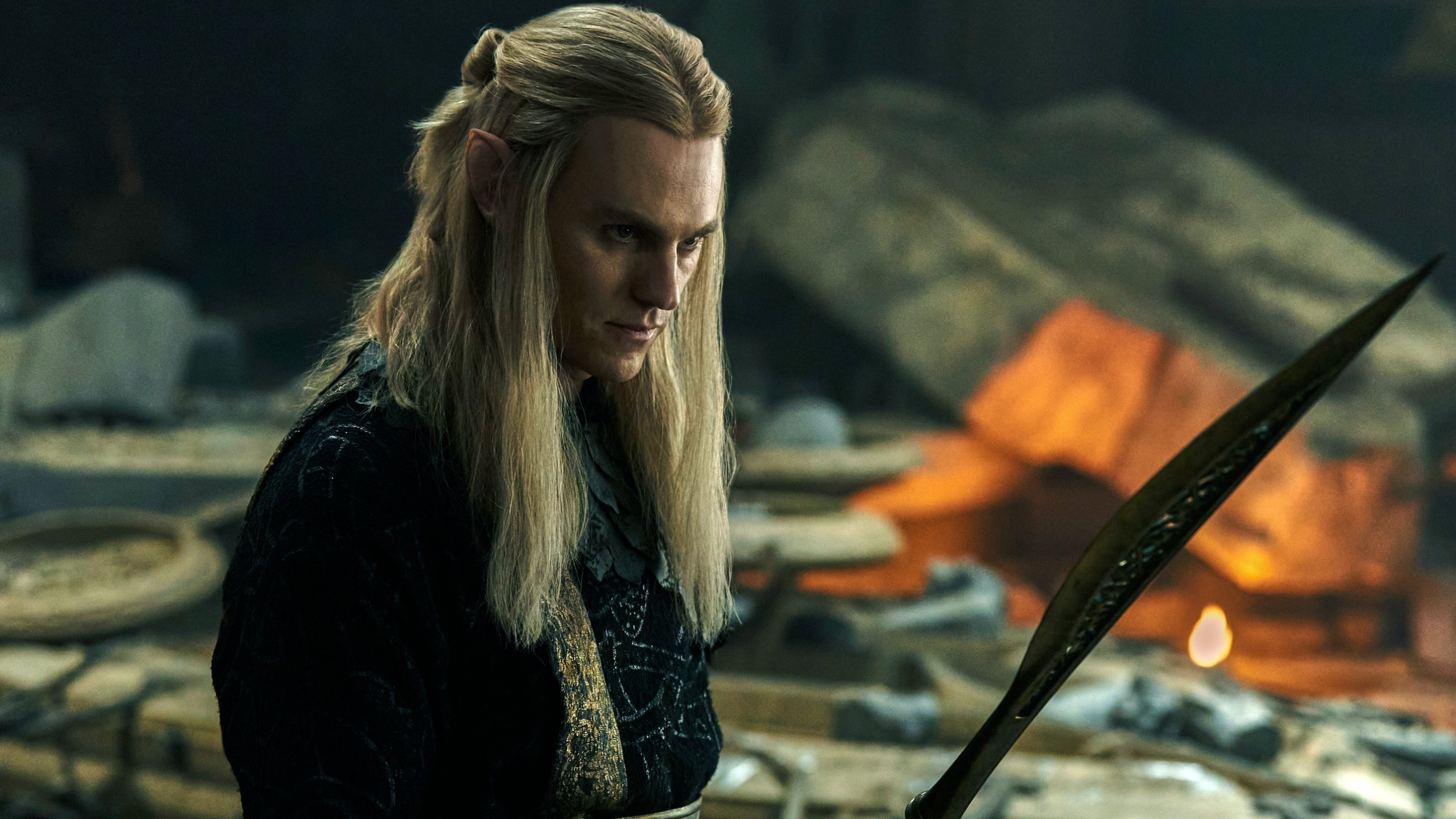
  • The Rings of Power Season 2 Viewership Data Isn’t Great News for the Show’s Five-Season Plan

    The Rings of Power Season 2 Viewership Data Isn’t Great News for the Show’s Five-Season Plan

    When it was released earlier this month, a fresh 2024 year-end statement from streaming analysis provider Luminate raised more than a few questions. The less-than-stellar data regarding major franchise streaming series that was released last year is one of its many revelations (via Deadline ). In terms of [ …] [ …], according to the report, all Marvel and Star Wars series performed poorly last year.

    The second post from Den of Geek: The Rings of Power Season 2 Popularity Data Isn’t Fantastic News for the Show’s Five-Season Plan appeared first.

    In the new truck for Sinners, Ryan Coogler‘s first venture into the scary type, a worldly words warns,” There are traditions of individuals where the product of making music]is ] so true, it can create spirits from the past and the future. Although this product is win people over to fame and fortune, it can also help to “pierce the veil between life and death.”

    For metaphysics and danger are essential for a story set in the South for anyone who is well-versed in the history of American songs. However, the demons are a new technology on the part of writer-director Coogler’s drama, which follows Michael B. Jordan in the dual functions of twin brothers trying to make ends meet in 1930s period Mississippi. Even so, as Coogler sees it, a monster fabric naturally lends itself to the rhythm and blues, as well as how those noises were demonized hundreds of years ago when Jim Crow was the law of the land.

    During a press conference that Den of Geek attended prior to the release of Sinners ‘ trailer, Coogler claims,” The movie deals with American music, blues music.” The director continues to draw inspiration from the mythology surrounding the well-known blues musicians Tommy Johnson and Robert Johnson, who were rumored to had sold their lives to the Devil in Mississippi for the product of artistic skills despite having no connection to either of them. ( In actuality, Robert might have been so accused because he was one of the biggest names who dared to turn his back from playing church” spirituals” in favor of the profits of” secular”, godless music. )

    Says Coogler,” When you think about the monster as it exists, it’s got an organization or a equivalent in almost every culture. But it is the divine thing most associated with romance, that’s most associated with decision. And that element is especially manifest when blues song was also known as the Devil’s music. There’s a distinction between a liberal life and]Christian morality]. The video is in conversation with all of those items, but the paradox is always at the center of it.

    The courtship is clearly visible in the scenes we have seen of the movie. A teaser over the weekend showed smiling white faces ( including a devil-looking JackO’Connell ) as they begged to be entered a blues juke joint operated by the brothers Elijah and Elias ( Jordan, both ). This naturally suggests the old monster adage,” Be wary of who you request in.” In addition, a disturbing scene that was only shown to the media recently exposes the negative aspects of exactly that when one of Elijah’s buddies comes back and also requests an offer after going off with those white devils.

    cnx. command. push ( function ( ) {cnx ( {playerId:” 106e33c0-3911-473c-b599-b1426db57530″, }). render ( “0270c398a82f44f49c23c16122516796” ), }),

    The video marks a chance for Coogler, who is on his second collaboration in as many movies with Jordan, to tumble into his forces and ideas. The director claims that the genre is” for the common users of film, but it’s also a type that comes up when people ask about excellent pieces of art.” And I believe it because it feels very antiquated; in fact, the first tale told amid a fire was probably a horror tale.

    And the horror campfire tales of, say, Robert Rodriguez and Quentin Tarantino’s From Dusk Till Dawn seem self-evident on Sinners. Even so, the director points out he is inspired just as much by Rodriguez’s The Faculty, as well as plenty of Coen Brothers with Inside Llewyn Davis and O Brother, Where Art Thou? specifically mentioned ( fitting given that the latter also features a crossroads devil and a hell of a guitar player ).

    The biggest influences, however, are intriguingly less cinematic than they are spiritually linked: one is among the more darkly amusing episodes of The Twilight Zone,” The Last Rites of Jeff Myrtlebank”, a yarn about a Southern man in 1920s Missouri returning from the dead after his own funeral, the other is a 1975 Stephen King novel also about vampires, Salem’s Lot.

    ” Salem’s Lot is about the town”, Coogler says,” and this movie is about this community”.

    Still, Coogler emphasizes the mixture of blues, vampirism, and Mississippi is hitting on a lot more than fictional reference points. In fact, it might very well be the most personal work in Coogler’s oeuvre.

    My maternal grandfather was from Mississippi, according to Coogler, and my uncle James, who passed away while I was finishing up Creed, was also from Mississippi. And I had the honor of having a very close relationship with my uncle James. And that relationship with my uncle was the start of it. He would constantly listen to blues music. He would only discuss Mississippi while he was savoring the music. And he significantly altered my life.

    It’s all intended to transport modern viewers into a bygone era and place by using a well-known form of entertainment like horror, with the vampires and the blood, and using glorious IMAX photography ( a genre first for the type of movies using 65mm IMAX cameras ).

    ” The film for me personally was a reclamation of a time period and a place that my family does n&#8217, t talk about much”, Coogler acknowledges, “because it &#8217, s a lot of feelings associated with our history. We go there, showing these people in their full … humanity.’” full of music and life.

    On April 18, Sinners will debut.

    The post Sinners: Ryan Coogler Is Tying Vampires to the Blues and ‘ Devil’s Music’ appeared first on Den of Geek.

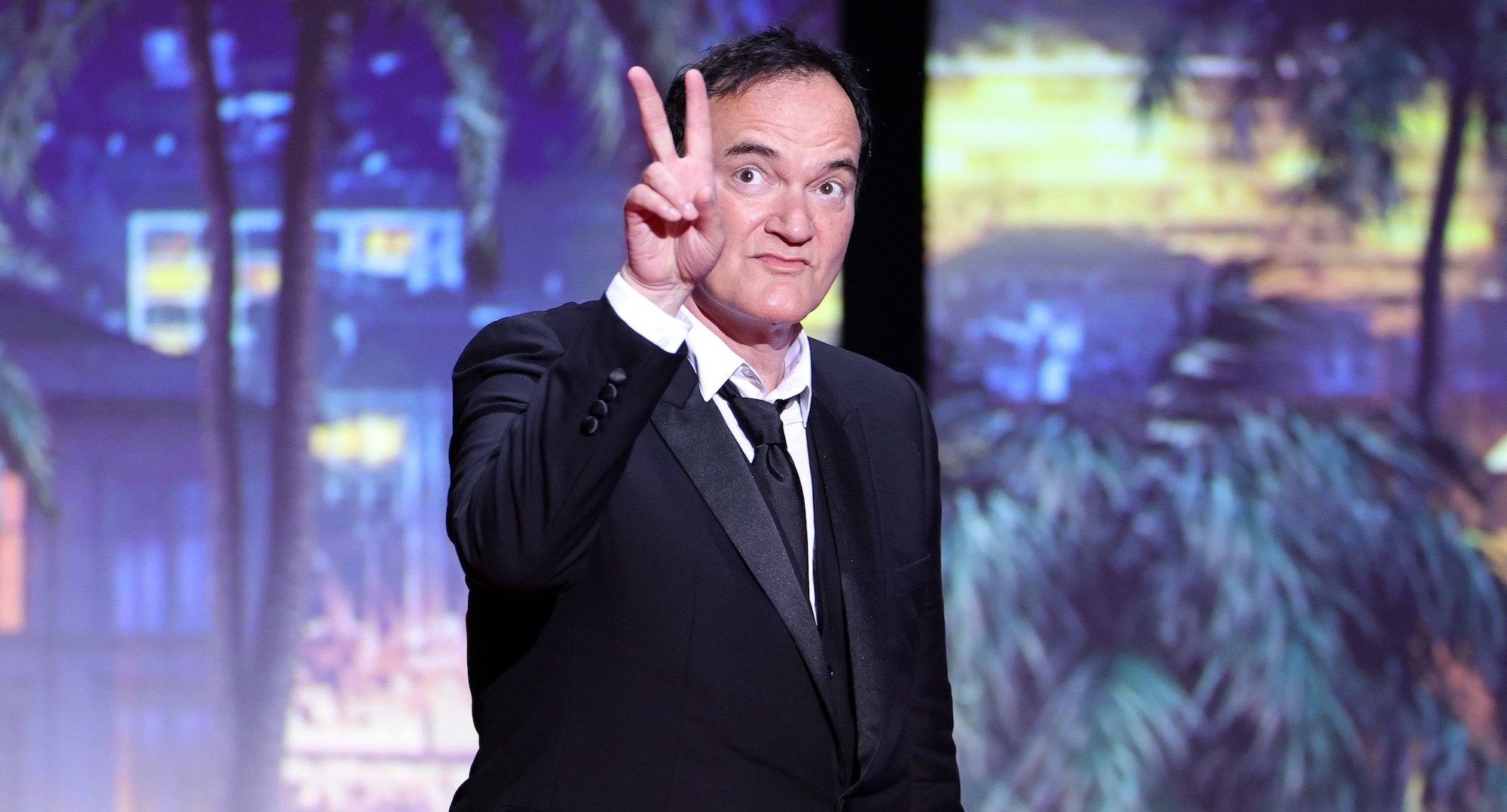
  • Quentin Tarantino Is Right: Studios and Streamers Have Cheapened Movies

    Quentin Tarantino Is Right: Studios and Streamers Have Cheapened Movies

    We’ve been aware for a while that Quentin Tarantino has imposed a 10-movie cap on himself, claiming that he will leave after directing whatever may follow. However, Tarantino put a fresh spin on his oft-discussed concept while speaking with Elvis Mitchell, a writer and critic, at the Sundance Film Festival. He’s not working ]… ]

    The first article on Den of Geek was Quentin Tarantino Is Best: Studios and Streamers Have Cheapened Movies.

    In the new truck for Sinners, Ryan Coogler‘s first venture into the scary type, a worldly words warns,” There are traditions of individuals where the product of making music]is ] so true, it can create spirits from the past and the future. This product can lead to fame and fortune, but it also has the power to “pierce the mask between life and death.”

    For metaphysics and danger are essential for a story set in the South for anyone who is well-versed in the history of American songs. However, the demons are a new technology on the part of writer-director Coogler’s drama, which follows Michael B. Jordan in the dual functions of twin brothers trying to make ends meet in 1930s period Mississippi. Even so, as Coogler sees it, a monster thread naturally lends itself to the rhythm and blues, as well as how those noises were demonized hundreds of years ago when Jim Crow was the law of the land.

    During a press conference that Den of Geek attended prior to the release of Sinners ‘ trailer, Coogler claims,” The movie deals with American music, blues music.” The director continues to draw inspiration from the mythology surrounding well-known music players Tommy Johnson and Robert Johnson, who were rumored to have sold their hearts to the Devil in Mississippi for the product of artistic skills despite having no connection to one another. ( In actuality, Robert might have been so accused because he was one of the biggest names who dared to turn his back from playing church” spirituals” in favor of the profits of” secular”, godless music. )

    Says Coogler,” When you think about the monster as it exists, it’s got an organization or a rival in almost every culture. But it is the divine thing most associated with romance, that’s most associated with decision. And that quality is especially manifest when blues song was also known as the Devil’s music. There’s a comparison between a liberal attitude and]Christian morality]. The paradox is always at the center of the movie, which is why it is in conversation with all of those things.

    The romance is clearly visible in the scenes we have seen of the movie. As they begged to be entered a blues juke joint run by the brothers Elijah and Elias ( Jordan, both ), smiling white faces ( including a devilish-looking JackO’Connell ) were revealed in a teaser over the weekend. This naturally suggests the old monster adage,” Be wary of who you request in.” In addition, a disturbing scene that was only shown to the media recently exposes the negative aspects of exactly that when one of Elijah’s buddies comes back and also requests an offer after going off with those white devils.

    cnx. powershell. push ( function ( ) {cnx ( {playerId:” 106e33c0-3911-473c-b599-b1426db57530″, }). render ( “0270c398a82f44f49c23c16122516796” ), }),

    The video marks a chance for Coogler, who is on his second engagement in as many movies with Jordan, to tumble into his influences and inspirations. The director claims that” I think the genre is for the popular consumers of film, but it’s also a genre that comes up when people ask about great pieces of art.” Horror itself has long interested him. And I believe it because it feels very ancient; after all, the first tale told close to a fire was probably a horror tale.

    And the horror campfire tales of, say, Robert Rodriguez and Quentin Tarantino’s From Dusk Till Dawn seem self-evident on Sinners. Even so, the director points out he is inspired just as much by Rodriguez’s The Faculty, as well as plenty of Coen Brothers with Inside Llewyn Davis and O Brother, Where Art Thou? specifically mentioned ( fitting given that the latter also features a devil at a crossroads and a hell of a guitar player ).

    The biggest influences, however, are intriguingly less cinematic than they are spiritually linked: one is among the more darkly amusing episodes of The Twilight Zone,” The Last Rites of Jeff Myrtlebank”, a yarn about a Southern man in 1920s Missouri returning from the dead after his own funeral, the other is a 1975 Stephen King novel also about vampires, Salem’s Lot.

    ” Salem’s Lot is about the town”, Coogler says,” and this movie is about this community”.

    Still, Coogler emphasizes the mixture of blues, vampirism, and Mississippi is hitting on a lot more than fictional reference points. In fact, it might very well be the most personal work in Coogler’s oeuvre.

    My maternal grandfather was from Mississippi, according to Coogler, and my uncle James, who passed away while I was finishing up Creed, was also from Mississippi. And I had the honor of having a very close relationship with my Uncle James. And that relationship with my uncle was the start of it. He would constantly listen to blues music. He would only discuss Mississippi while he was savoring the music. And he significantly impacted my life.

    It’s all intended to transport modern viewers into a bygone era and place by using a well-known form of entertainment like horror, with the vampires and the blood, and using glorious IMAX photography ( a genre first for the type of movies using 65mm IMAX cameras ).

    ” The film for me personally was a reclamation of a time period and a place that my family does n&#8217, t talk about much”, Coogler acknowledges, “because it &#8217, s a lot of feelings associated with our history. We go there, showing these people in their full … humanity.’” full of music and life.

    On April 18, Sinners will debut.

    The post Sinners: Ryan Coogler Is Tying Vampires to the Blues and ‘ Devil’s Music’ appeared first on Den of Geek.