Category: Blog

Your blog category

  • Humility: An Essential Value

    Humility: An Essential Value

    Humility, a writer’s necessary value—that has a good ring to it. What about sincerity, an business manager’s important value? Or a doctor’s? Or a teacher’s? They all good wonderful. When humility is our guiding light, the course is usually available for fulfillment, development, relation, and commitment. In this book, we’re going to discuss about why.

    That said, this is a guide for developers, and to that conclusion, I’d like to begin with a story—well, a voyage, actually. It’s a private one, and I’m going to make myself prone as well. I call it:

    The Tale of Justin’s Preposterous Pate

    When I was coming out of arts school, a long-haired, goateed novice, write was a known quantity to me, design on the web, however, was riddled with complexities to understand and learn, a problem to be solved. Though I had been fully trained in graphic design, font, and design, what fascinated me was how these classic skills may be applied to a budding online landscape. In the end, this topic may determine my career’s direction.

    So I devoured HTML and JavaScript novels into the wee hours of the morning and self-taught myself how to code during my freshman year rather than student and go into print like many of my companions. I needed to understand what my design choices would ultimately think when rendered in a website, which I did not want to do.

    The later ‘ 90s and early 2000s were the so-called” Wild West” of web design. The modern landscape was being studied by designers at the time as they attempted to incorporate design and visual communication. What were the laws? How may we break them and also engage, entertain, and present information? At a more micro level, how was my values, inclusive of modesty, admiration, and link, coincide in combination with that? I was looking for information.

    Those are classic factors between non-career relationships and the world of design, even though I’m referring to a different era. What are your main passions, or ideals, that elevate medium? The main elements are all the same, basically the same as what we previously discussed earlier on the immediate parallels between what fulfills you, independent of the visible or online domains.

    First within tables, animated GIFs, Flash, then with Web Standards, divs, and CSS, there was personality, raw unbridled creativity, and unique means of presentment that often defied any semblance of a visible grid. Splash screens and “browser requirement” pages aplenty. Usability and accessibility were typically victims of such a creation, but such paramount facets of any digital design were largely (and, in hindsight, unfairly) disregarded at the expense of experimentation.

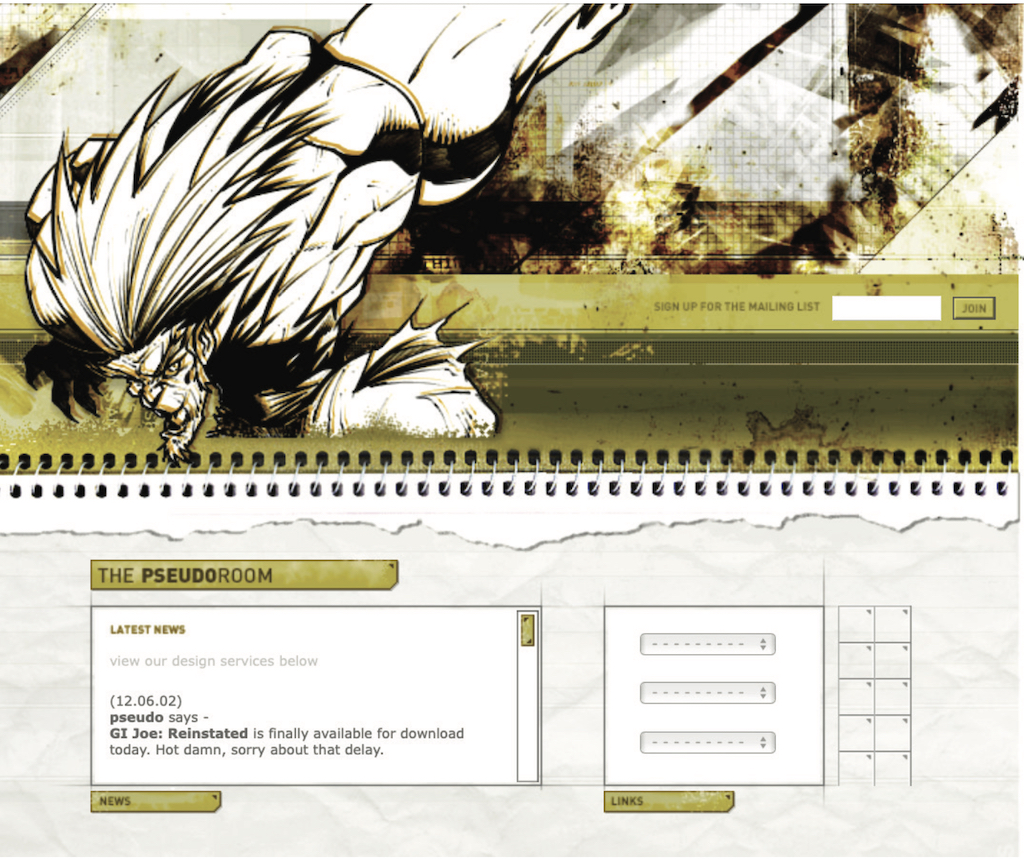
    For example, this iteration of my personal portfolio site (” the pseudoroom” ) from that era was experimental, if not a bit heavy- handed, in the visual communication of the concept of a living sketchbook. Very skeuomorphic. This one involved sketching and then passing a Photoshop file back and forth to experiment with various user interactions with fellow designer and dear friend Marc Clancy, who is now a co-founder of the creative project organizing app Milanote. Then, I’d break it down and code it into a digital layout.

    Along with design folio pieces, the site also offered free downloads for Mac OS customizations: desktop wallpapers that were effectively design experimentation, custom-designed typefaces, and desktop icons.

    From around the same time, GUI Galaxy was a design, pixel art, and Mac-centric news portal some graphic designer friends and I conceived, designed, developed, and deployed.

    Design news portals were incredibly popular during this period, featuring ( what would now be considered ) Tweet-size, small-format snippets of pertinent news from the categories I previously mentioned. If you took Twitter, curated it to a few categories, and wrapped it in a custom-branded experience, you’d have a design news portal from the late 90s / early 2000s.

    We as designers had evolved and created a bandwidth-sensitive, web standards award-winning, much more accessibility-conscious website. Still ripe with experimentation, yet more mindful of equitable engagement. You can see a couple of content panes here, noting general news (tech, design ) and Mac-centric news below. We also provided many of the custom downloads that I previously mentioned on my folio website with a GUI Galaxy theme and name.

    The site’s backbone was a homegrown CMS, with the presentation layer consisting of global design + illustration + news author collaboration. And the collaboration effort here, in addition to experimentation on a’ brand’ and content delivery, was hitting my core. We were creating a global audience by creating something bigger than just one of us.

    Collaboration and connection transcend media in their impact, which have been extremely satisfying for me as a designer.

    Now, why am I taking you on this trip through design memory lane? Two reasons.

    First, there’s a reason for the nostalgia for that design era ( the” Wild West” era, as I called it earlier ): the inherent exploration, personality, and creativity that saturated many design portals and personal portfolio sites. Ultra-finely detailed pixel art UI, custom illustration, bespoke vector graphics, all underpinned by a strong design community.

    Today’s web design has been in a period of stagnation. There’s a good chance you’ve seen a website with a hero image or banner with text overlay ( possibly with a lovely rotating carousel of images ), a call to action, and three columns of sub-content directly beneath. Perhaps there are selections that vaguely relate to their respective content in an icon library.

    Design, as it’s applied to the digital landscape, is in dire need of thoughtful layout, typography, and visual engagement that goes hand-in-hand with all the modern considerations we now know are paramount: usability. Accessibility. Load times and bandwidth- sensitive content delivery. A user-friendly presentation that connects with people wherever they are. We must be mindful of, and respectful toward, those concerns—but not at the expense of creativity of visual communication or via replicating cookie-cutter layouts.

    Pixel Problems

    Websites built during this time were frequently built using Macs whose desktops and OS looked something like this. This is Mac OS 7.5, but 8 and 9 weren’t that different.

    Desktop icons fascinated me: how could any single one, at any given point, stand out to get my attention? In this example, the user’s desktop is tidy, but think of a more realistic example with icon pandemonium. Or, say an icon was part of a larger system grouping ( fonts, extensions, control panels ) —how did it also maintain cohesion amongst a group?

    These were 32 x 32 pixel creations, utilizing a 256-color palette, designed pixel-by-pixel as mini mosaics. This seemed to me to be the embodiment of digital visual communication under such absurd restrictions. And frequently, ridiculous limitations can lead to the purification of concept and theme.

    So I began to research and do my homework. I was a student of this new medium, hungry to dissect, process, discover, and make it my own.

    Expanding upon the notion of exploration, I wanted to see how I could push the limits of a 32×32 pixel grid with that 256-color palette. These ridiculous requirements imposed a clarity of concept and presentation that I found to be incredibly appealing. The challenge of throwing the digital gauntlet had been thrown at me. And so, in my dorm room into the wee hours of the morning, I toiled away, bringing conceptual sketches into mini mosaic fruition.

    These are some of my creations that made use of ResEdit, the only program I had at the time, to create icons. ResEdit was a clumsy, built-in Mac OS utility that wasn’t really designed for what we were using it for. At the core of all of this work: Research. Challenge. Problem- solving. Again, these core connection-based values are agnostic of medium.

    One more design portal that serves as the second component of my story’s fusion also serves as a great source of information.

    This is K10k, short for Kaliber 1000. Michael Schmidt and Toke Nygaard founded K10k in 1998, which was the design news website during that time. With its pixel art-fueled presentation, ultra-focused care given to every facet and detail, and with many of the more influential designers of the time who were invited to be news authors on the site, well… it was the place to be, my friend. The idea for GUI Galaxy was inspired by what these people were doing, respect where respect is due.

    For my part, the combination of my pixel art and web design work started to gain me some notoriety in the design world. K10k eventually figured out and added me as one of their very limited group of news writers to add content to the website.

    Amongst my personal work and side projects —and now with this inclusion—in the design community, this put me on the map. Additionally, my design work has started to appear on other design news portals, as well as in publications abroad and domestically. With that degree of success while in my early twenties, something else happened:

    I evolved—devolved, really—into a colossal asshole ( and in just about a year out of art school, no less ). The praise and the press immediately surpassed what I needed to fulfill, and they did just that. They inflated my ego. I actually felt a little better than my fellow designers.

    The casualties? My design stagnated. Its evolution—my evolution — stagnated.

    I effectively stopped researching and discovering because I felt so incredibly confident in my abilities. When I used to lead sketch concepts or iterations as my first instinctive step, I instead leaped right into Photoshop. I drew my inspiration from the tiniest of sources ( and with no discernible bias ). Any criticism of my work from my fellow students was frequently vehemently dissented. The most tragic loss: I had lost touch with my values.

    Some of my friendships and blossoming professional relationships almost ended up being destroyed by my ego. I was toxic in talking about design and in collaboration. But thankfully, those same friends gave me a priceless gift: candor. They called me out on my unhealthy behavior.

    Although it was something I initially rejected, I eventually had a chance to reflect on it in depth. I was soon able to accept, and process, and course correct. The realization laid me low, but the re-awakening was essential. I let go of the “reward” of admiration and focused instead on what ignited the fire in my art school. Most importantly: I got back to my core values.

    Always Students

    Following that short-term regression, I was able to push forward in my personal design and career. And as I grew older, I could reflect on myself to help with further development and course correction.

    As an example, let’s talk about the Large Hadron Collider. The LHC was created” to assist in answering some of the fundamental open questions in physics, which concern the fundamental laws governing the interactions and forces between elementary objects, the complex structure of space and time, and in particular the relationship between general relativity and quantum mechanics.” Thanks, Wikipedia.

    In one of my earlier professional roles, I about fifteen years ago created the interface for the application that produced the LHC’s particle collision diagrams. These diagrams are the depiction of what is actually happening inside the Collider during any given particle collision event and are frequently regarded as works of art by themselves.

    I had a fascinating experience designing the interface for this application because I collaborated with Fermilab physicists to understand both what the application was trying to achieve and how the physicists themselves would be using it. To that end, in this role,

    Working with the Fermilab team to iterate and make improvements to the interface, I cut my teeth on usability testing. To me, their language and the topics they discussed seemed foreign. And by accepting that I was just a student and working under the impression that I was just a student, I made myself available to them in order to form that crucial bond.

    I also had the opportunity to observe the physicists ‘ use of the tool in their own homes, on their own terminals, during my first ethnographic observation. One takeaway was that the facility’s high level of ambient light-driven contrast ultimately led to the use of white text on a dark gray background rather than black text-on-white. They could read through a lot of data at once and relieve their strain in the process. Additionally, since Fermilab and CERN are government entities with strict accessibility requirements, my knowledge in that field also expanded. The barrier-free design was another essential form of connection.

    So to those core drivers of my visual problem-solving soul and ultimate fulfillment: discovery, exposure to new media, observation, human connection, and evolution. Before I entered those values, I had to check my ego before entering it, which opened the door to those values.

    An evergreen willingness to listen, learn, understand, grow, evolve, and connect yields our best work. In particular, I want to focus on the words’ grow’ and ‘ evolve’ in that statement. If we constantly practice our craft, we are also making ourselves more and more adaptable. Yes, we have completed years of design research. or the intensive lab training offered at a UX bootcamp. Or the monogrammed portfolio of our work. Or, ultimately, decades of a career behind us.

    But all that said: experience does not equal “expert”.

    The designer we are is our final form when we close our minds with an inner monologue of “knowing it all” or branding ourselves a” #thoughtleader” on social media. The creator who we can be will never be there.
  • Personalization Pyramid: A Framework for Designing with User Data

    Personalization Pyramid: A Framework for Designing with User Data

    As a UX skilled in today’s data-driven landscape, it’s extremely likely that you’ve been asked to design a personal digital experience, whether it’s a common website, user portal, or local application. Although there is still a lot of advertising hype surrounding personalization programs, there are still very some standardized methods for implementing personalized UX.

    That’s where we come in. We set ourselves the challenge of developing a systematic personalization framework especially for UX practitioners after finishing dozens of personalization tasks over the past few years. The Personalization Pyramid is a designer-centric model for standing up human-centered personalisation programs, spanning information, classification, content delivery, and general goals. By using this strategy, you will be able to understand the core elements of a modern, UX-driven personalization system ( or at the very least know enough to get started ).

    Getting Started

    For the sake of this article, we’ll suppose you’re already familiar with the basics of online personalization. A nice guide can be found these: Website Personalization Planning. Although Graphic tasks in this field can take a variety of forms, they frequently start from the same place.

    Popular circumstances for launching a personalization task:

    • Your business or client made a purchase to support personalization of a content management system ( CMS ), marketing automation platform ( MAP ), or other related technology.
    • The CMO, CDO, or CIO has identified customisation as a target
    • User data is disjointed or confusing
    • You are conducting some sporadic targeting strategies or A/B assessment.
    • On the personalisation approach, parties of contention
    • Mandate of customer privacy rules ( e. g. GDPR ) requires revisiting existing user targeting practices

    A powerful personalization plan will need the same fundamental components regardless of where you begin. We’ve captured these as the “levels” on the tower. Whether you are a UX artist, scholar, or planner, understanding the core components may help make your contribution effective.

    From top to bottom, the rates include:

      North Star: What larger geopolitical goal is driving the personalization system?
    1. Objectives: What are the specific, tangible benefits of the system?
    2. Touchpoints: Where will the personalized experience become served?
    3. Contexts and Campaigns: What personalization information does the person view?
    4. User Parts: What constitutes a special, suitable market?
    5. What trustworthy and credible information does our professional platform collect to drive personalization?
    6. Natural Data: What wider set of data is potentially available ( now in our environment ) allowing you to optimize?

    We’ll go through each of these amounts sequentially. An associated deck of cards was created to highlight specific examples from each level to make this more meaningful. We’ve found them useful in brainstorming about customisation, so we’ll provide examples for you here.

    Starting at the top

    The tower has the following elements:

    North Star

    What overall goal do you have with your personalization system ( big or small ) is a northern star. The personalisation program’s overall goal is described in The North Star. What do you wish to perform? North Stars cast a ghost. The bigger the sun, the bigger the darkness. Example of North Starts may contain:

      Function: Personalize based on basic customer input. Examples:” Raw” messages, basic search effects, system user settings and settings options, general flexibility, basic improvements
    1. Feature: Self-contained customisation componentry. Examples:” Cooked” notifications, advanced optimizations ( geolocation ), basic dynamic messaging, customized modules, automations, recommenders
    2. Experience: Personal user experiences across several interactions and consumer flows. Examples: Email campaigns, landing pages, advanced messaging ( i. e. C2C chat ) or conversational interfaces, larger user flows and content-intensive optimizations ( localization ).
    3. Solution: Highly differentiating personal product experiences. Example: Standalone, branded experience with personalization at their base, like the “algotorial” songs by Spotify quite as Discover Weekly.

    Goals

    As in any great UX layout, personalization may help promote designing with client intentions. The goals are the military and tangible indicators that will support the success of the entire program. Start with your existing analytics and assessment system, as well as metrics that you can benchmark against. In some cases, new targets may be suitable. The most important thing to keep in mind is that personalisation is never a desired outcome. It is a means to an end. Popular targets include:

    • Conversion
    • Time on work
    • Net promoter score ( NPS)
    • Consumer satisfaction

    Touchpoints

    Personalization takes place at connections. As a UX artist, this will be one of your largest areas of responsibility. The touchpoints you have will depend on how your personalization and the related technologies are configured, and they should be based on enhancing a person’s encounter at a specific point in the journey. Touchpoints can be multi-device ( mobile, in-store, website ) but also more granular ( web banner, web pop-up etc. ). Here are some examples:

    Channel-level Touchpoints

    • Email: Role
    • Email: Occasion of available
    • In-store display ( JSON endpoint )
    • Native game
    • Search

    Wireframe-level Touchpoints

    • Web overlay
    • Web call club
    • Web symbol
    • Web content stop
    • Web restaurant

    If you’re designing for online interface, for instance, you will likely need to include personal “zones” in your wireframes. Based on our next action, context, and campaigns, the articles for these can be presented dynamically in touchpoints.

    Contexts and Campaigns

    After you’ve outlined some touchpoints, you may consider the actual personal information a user may get. Many personalization tools will refer to these as” campaigns” ( so, for example, a campaign on a web banner for new visitors to the website ). These will be displayed automatically to specific consumer sections, as defined by consumer data. At this stage, we find it helpful to contemplate two distinct concepts: a framework design and a willing design. The framework helps you acquire the user’s level of engagement at the personalization moment, such as when they are lightly browsing information or deep-dive. Think of it in conditions of activities for data recovery. The content model can then guide you in deciding what kind of personalization to use in the context ( for instance, an” Enrich” campaign that features related articles might be a good substitute for extant content ).

    Personalization Context Model:

    1. Browse
    2. Skim
    3. Nudge
    4. Feast

    Personalization Content Model:

    1. Alert
    2. Create Easier
    3. Cross-Sell
    4. Enrich

    If you’d like to learn more about each of these designs, check out Colin’s Personalization Content Model and Jeff’s Personalization Context Model.

    User Parts

    User segments may be created based on consumer research, either prescriptively or dynamically ( for example, using principles and logic tied to set user actions or through A/B testing ). You will need to think about how to treat the unidentified or first-time visitor, the guest or returning visitor for whom you may have a stateful cookie ( or an equivalent post-cookie identifier ), or the logged-in visitor who is authenticated. Here are a few illustrations from the personalisation tower:

    • Unknown
    • Guest
    • Authenticated
    • Default
    • Referred
    • Role
    • Cohort
    • Unique ID

    Actionable Data

    Every business has access to data, regardless of its modern presence. It’s a matter of examining what user data you can ethically collect, its inherent reliability and value, and how you can use it ( sometimes referred to as “data activation” ). Fortunately, the tide is turning to first-party information: a recent study by Twilio estimates some 80 % of firms are using at least some type of first-party information to personalize the customer experience.

    First-party data represents multiple advantages on the UX front, including being relatively simple to collect, more likely to be accurate, and less susceptible to the” creep factor” of third-party data. Therefore, determining which method of data collection is best for your audiences should be a crucial component of your UX strategy. Here are some examples:

    When it comes to recognizing and making decisions about various audiences and their signals, there is a trend of profiling. As user numbers increase in terms of time, confidence, and data volume, it varies more granularly.

    Although some form of implicit or explicit data is typically required for any implementation ( more commonly known as first party and third-party data ), ML efforts are typically not cost-effective right away. This is because optimization requires a strong data backbone and content repository. These approaches, however, should be taken into account as part of the overall plan and may in fact help to speed up the organization’s progress overall. You’ll typically work together to create a profiling model with key stakeholders and product owners. The profiling model includes a defining framework for setting up profiles, profile keys, profile cards, and pattern cards. A multi-faceted approach to profiling which makes it scalable.

    Pulling it Together

    The cards serve as a starting point for an inventory of sorts ( we offer blanks for you to customize your own ), a set of potential levers and motivations for the personalization activities you aspire to deliver, but they are more valuable when grouped together.

    One can begin to chart the entire course of a card’s “hand” from leadership focus to a tactical and tactical execution. It serves as the foundation for the workshops that both co-authors have conducted to build a program backlog, which would make a good article topic.

    In the meantime, it is important to note that each colored class of cards is helpful in understanding the range of options that you might have, as well as making informed choices about who, where, when, and how, will be made these choices.

    Lay Down Your Cards

    Any sustainable personalization strategy must consider near, mid and long-term goals. There is simply no “easy button” where a personalization program can be installed and run without waiting for any meaningful results, even with the market leader CMS platforms like Sitecore and Adobe or the most innovative composable CMS DXP available today. That said, there is a common grammar to all personalization activities, just like every sentence has nouns and verbs. These cards attempt to map that territory.

  • Captain America 4’s Anthony Mackie Knows the Marvel Heroes He Wants on His Avengers

    Captain America 4’s Anthony Mackie Knows the Marvel Heroes He Wants on His Avengers

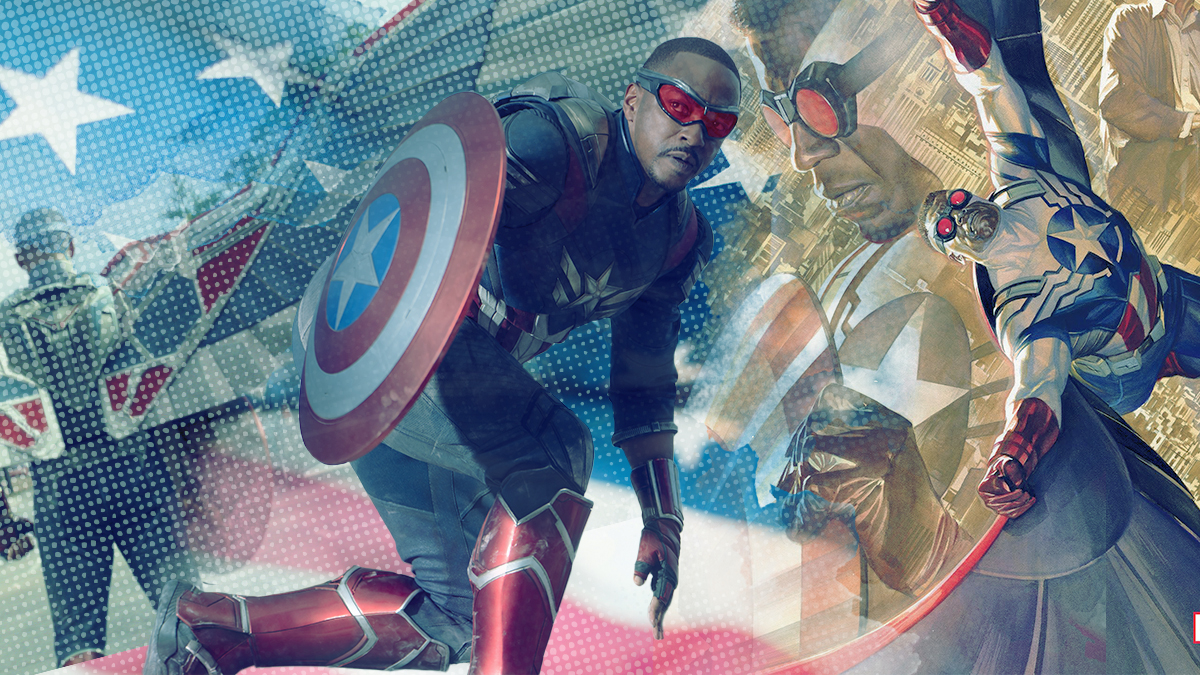
    It’s often a big deal when Captain America says,” Movie Assemble”. Steve Rogers said it at the conclusion of Endgame, and given that he’s only just beginning to get his own movie with [ …], it took four Avengers movies before he said it. Who knows how long until his successor Sam Wilson will utter the famous line?

    Anthony Mackie of Captain America 4: Who He Wants on His Avengers initially appeared on Den of Geek.

    A T-rex skull was clearly visible in the garden visitors center when most people watched the second video for Jurassic World: Rebirth, and there was a strong symbol behind it. The symbol, which reads, &#8220, When Animals Ruled the Earth, &#8221, seems to be coming along, which at first seems like a call to the ending of the first film.

    Producer Frank Marshall gives some framework for the photo in an interview with Vanity Fair, though. It&#8217 is not an echo of the triumphant scene from the first film, which depicts the reign of reptiles once more. &#8220, Nicely, the snow’s coming down once, &#8221, Marshall explained. &#8220 ,]Actor ] Jonny Bailey’s a scientist at a museum that’s closing up their dinosaur exhibit. &#8221,

    cnx. command. push ( function ( ) {cnx ( {playerId:” 106e33c0-3911-473c-b599-b1426db57530″, }). render ( “0270c398a82f44f49c23c16122516796” ), }),

    The closing of the show is a perfect illustration of Marshall’s pitch to Rebirth writer David Koepp, who even wrote the code for Jurassic Park and The Lost World: Jurassic Park.

    &#8220, He came up with this idea that dinosaurs were passé today. Folks had gotten sick of them. They were an pain, &#8221, explained Marshall. &#8220, Citizens weren’t going to museums to see them or to touching animals. They simply blocked the approach. &#8221,

    Anyone who saw the most recent major company reset, Jurassic World, will recognize the concept as a dramatic change. Teenagers in that drama are getting sick of dinosaurs, and Claire Dearing asserts that they aren’t as interested in reptiles any more.

    The solution to this problem that Koepp, Marshall, and producer Gareth Edwards came up with for Jurassic World: Reincarnation even feels comfortable. Instead of just relying on standard T-rexes and spinosauruses, Resurrection may have mutated animals, variants that were kept hidden from the public. At least one of these mutation is featured in the first trailer for the film, the so-called &#8220, D-rex. &#8221,

    D-rex in Jurassic World Rebirth

    Marshall and Edwards discuss their work in a fun way, hyping up their paintings. &#8220, These are the animals that didn’t function. There’s some variants in there. They’re all based on real dragon research, but they look a little unique, &#8221, said Marshall. Edwards compared the animals to traditional movie demons, telling VF, &#8220, Some Rancor went in it, some H. R. Giger went in it, a small T. rex went in there…&#8221,

    However, for all of their pride in the thoughts, these authors don&#8217, t seem to acknowledge that the Jurassic Park company has tried mutant animals quite a lot, and it &#8217, s not really worked. The Indominus rex, a T-rex and velociraptor hybrid that operated more like a b-horror henchman than anything else in the earlier movies, was a super-predator with the help of J.P. The psychological weight of Jurassic World: Fallen Kingdom was based on the idea that human cloning may be possible as a result of research into dino cloning. The follow-up Jurassic World: Dominion took it more, presenting abnormalities in the form of large insects.

    Before any of these restarts, Marshall and others at Universal had mutations in their heads. Jurassic Park IV’s first care included hybrid of humans and dinosaurs made for the armed forces.

    On one hand, the mutated concentrate makes sense. After all, cloning and research is at the center of the Jurassic Park idea, including the magnificent &#8220, Life finds a approach &#8221, style of the first film. Dishonest businesses do attempt to alter Dino DNA to increase their profits, so it follows.

    However, it misunderstands the remaining portions of the Jurassic Park concept. Spielberg, a king of visual wonder, loved animals and translated that into his job. Not just because he believed people would enjoy dinosaurs, but because he loved them, he discovered ways to make dinosaurs look awesome, strong, gentle, and wonderful.

    Sometimes Jurassic Park films should concentrate on astonishment and adventure rather than mutants and hybrids, making us feel welcome once more to the area.

    Jurassic World: Resurrection hits theaters on July 2, 2025.

    The second post Worst Mistake: Jurassic World Rebirth Looks Doomed to Replicate the Sequel appeared initially on Den of Geek.

  • Sarah Michelle Gellar Promises Buffy Revival Will Only Happen “If We Know We Can Do It Right”

    Sarah Michelle Gellar Promises Buffy Revival Will Only Happen “If We Know We Can Do It Right”

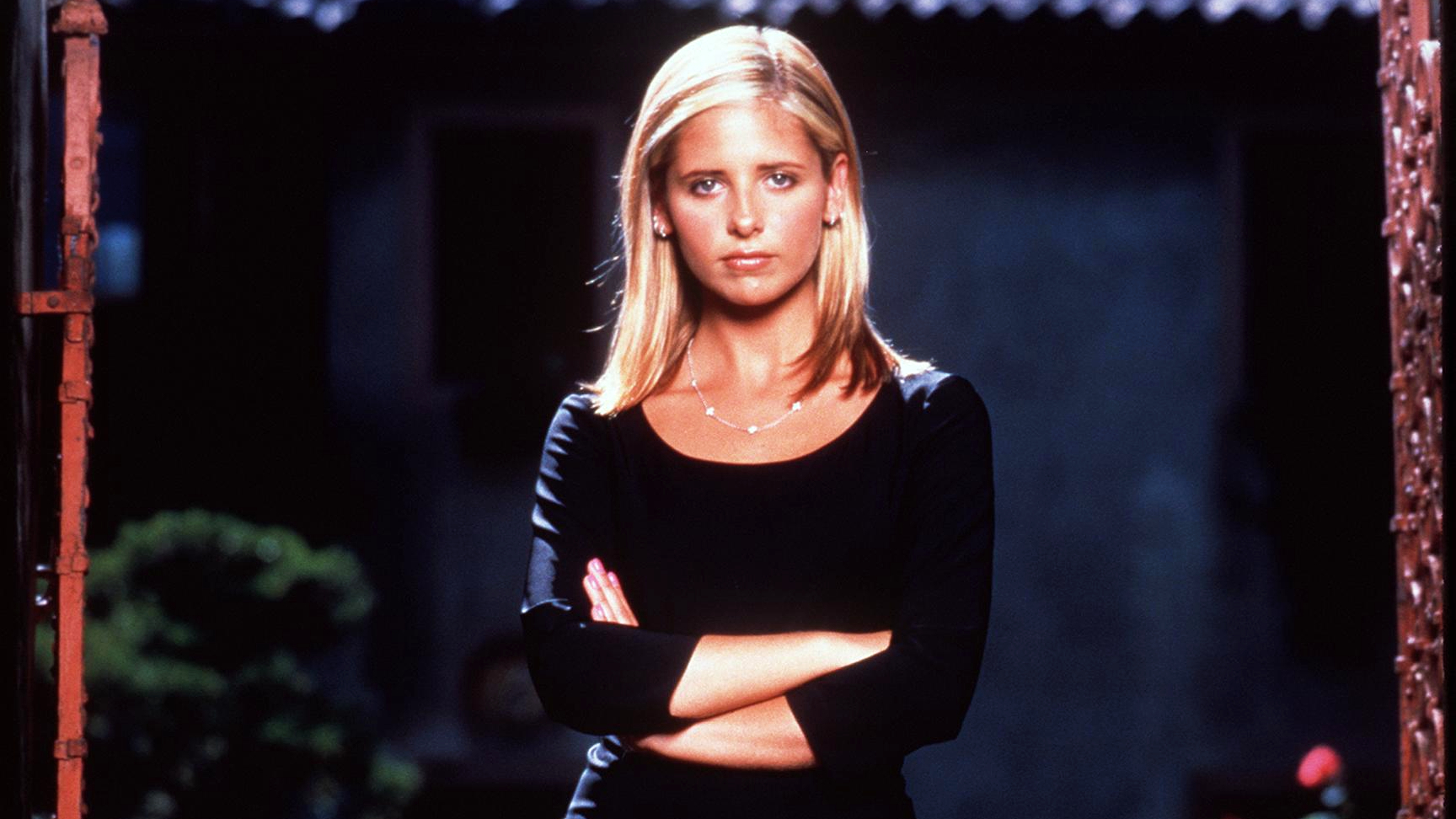
    Deadline reported in 2018 that a Buffy the Vampire Slayer restoration was in development and was being produced by writer-producer and Midnight Texas father Agents of SHIELD and Fringe author Monica Owusu Breen. That didn’t happen, and in the years that followed, it became clear that a new Buffy involving Whedon was not the]… ]

    The first article on Den of Geek was Sarah Michelle Gellar Promises Buffy Revival May Just Take Place If We Know We Can Do It Best.

    A T-rex skull was clearly visible in the area visitors center when most people watched the second video for Jurassic World: Rebirth, and there was a strong symbol behind it. The symbol, which reads, &#8220, When Animals Ruled the Earth, &#8221, seems to be coming along, which at first seems like a call to the ending of the first film.

    Producer Frank Marshall gives the image some environment in an interview with Vanity Fair, though. It&#8217 is not an echo of the joyful scene from the first film, which depicts animals regaining control of the planet. &#8220, Also, the snow’s coming down repeatedly, &#8221, Marshall explained. &#8220 ,]Actor ] Jonny Bailey’s a scientist at a museum that’s closing up their dinosaur exhibit. &#8221,

    cnx. powershell. push ( function ( ) {cnx ( {playerId:” 106e33c0-3911-473c-b599-b1426db57530″, }). render ( “0270c398a82f44f49c23c16122516796” ), }),

    The closing of the show is a perfect illustration of Marshall’s pitch to Rebirth writer David Koepp, who even wrote the code for Jurassic Park and The Lost World: Jurassic Park.

    &#8220, He came up with this idea that dinosaurs were passé today. Folks had gotten sick of them. They were an trouble, &#8221, explained Marshall. &#8220, Citizens weren’t going to museums to see them or to touching animals. They simply were in the approach. &#8221,

    Anyone who saw the most recent major brand reboot, Jurassic World, will recognize the concept as a dramatic change. Teenagers in that drama are getting sick of dinosaurs, and Claire Dearing asserts that they aren’t as interested in reptiles any more.

    The solution to this problem that Koepp, Marshall, and producer Gareth Edwards came up with for Jurassic World: Resurrection even feels comfortable. Instead of just relying on standard T-rexes and spinosauruses, Resurrection may have mutated animals, variants that were kept hidden from the public. At least one of these mutations is featured in the first trailer for the film, the so-called &#8220, D-rex. &#8221,

    D-rex in Jurassic World Rebirth

    Marshall and Edwards have a good time hyping up their works. &#8220, These are the animals that didn’t function. There’s some variants in there. They’re all based on real dragon research, but they look a little different, &#8221, said Marshall. Edwards compared the animals to traditional movie villains, telling VF, &#8220, Some Rancor went in it, some H. R. Giger went in it, a small T. rex went in there…&#8221,

    However, for all of their pride in the thoughts, these authors don&#8217, t seem to acknowledge that the Jurassic Park company has tried mutant animals quite a lot, and it &#8217, s not really worked. The Indominus rex, a fusion of T-rex and velociraptor that operated more like a b-horror supervillain than anything in the earlier movies, was a super-predator with the help of Jamesic World. The concept that human cloning would be a viable outcome of research into dinosaur copying influenced the personal stakes of Jurassic World: Fallen Kingdom. The follow-up Jurassic World: Dominion took it farther, presenting mutations in the form of large insects.

    Before any of these restarts, Universal’s Marshall and others had a mental model of mutation. Jurassic Park IV’s first care included hybrids of humans and dinosaurs made for the armed forces.

    On one hand, the mutated concentrate makes sense. After all, cloning and research is at the center of the Jurassic Park idea, including the magnificent &#8220, Life finds a approach &#8221, style of the first film. Dishonest businesses do attempt to alter Dino DNA to make more money, so it follows.

    However, the other half of the Jurassic Park idea is misunderstood. Spielberg, a king of visual wonder, loved animals and translated that into his job. Not just because he believed people would enjoy dinosaurs, but because he loved them, he discovered ways to make dinosaurs look awesome, strong, gentle, and wonderful.

    Sometimes Jurassic Park films should concentrate on astonishment and adventure rather than mutants and hybrids, making us feel welcome once more to the area.

    Jurassic World: Resurrection hits theaters on July 2, 2025.

    The second post Worst Mistake: Jurassic World Rebirth Looks Doomed to Replicate the Sequel appeared initially on Den of Geek.

  • The Best Marvel Hot Toys of All Time

    The Best Marvel Hot Toys of All Time

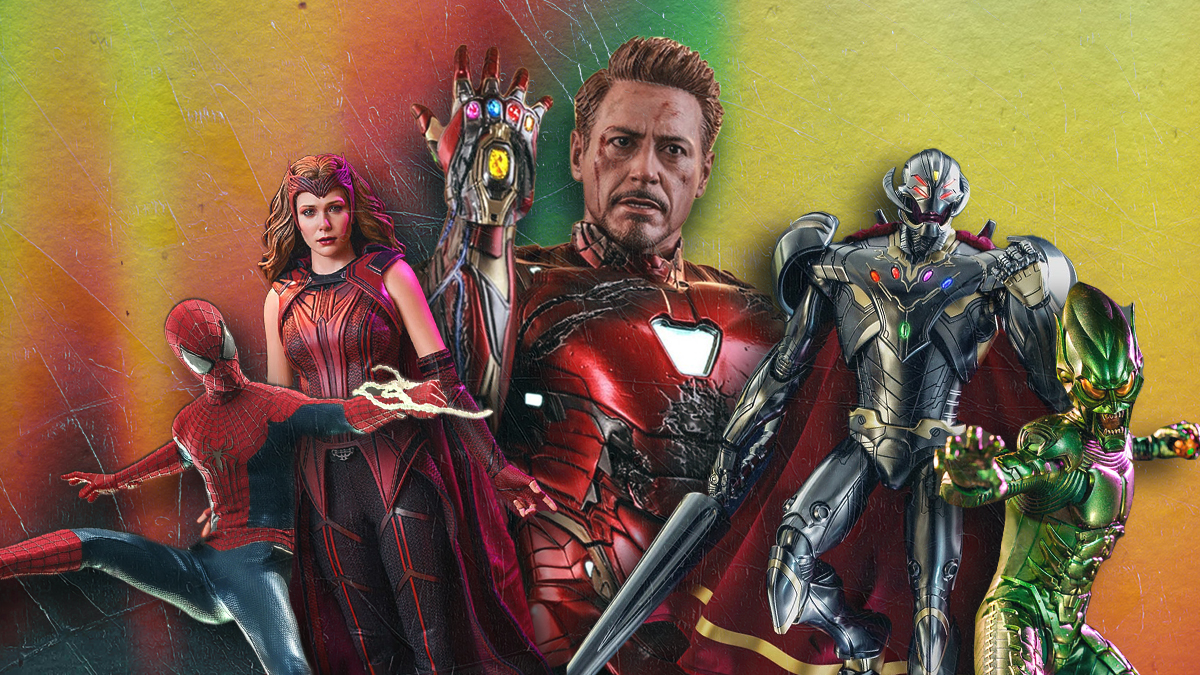
    World action figures are a dime a dozen. Whatever your price point, series size, table space, you name it, there is a World find out that there for you. But if you’re looking for something truly luxurious that sits above the rest—the cream of the crop, if you will—look no further than Popular Toys, and ]…]

    The first article on Den of Geek was The Best Marvel Hot Toys of All Time.

    A T-rex skull was clearly visible in the area visitors center when most people watched the second video for Jurassic World: Rebirth, and there was a strong symbol behind it. The symbol, which reads, &#8220, When Animals Ruled the Earth, &#8221, seems to be coming along, which at first seems like a call to the ending of the first film.

    However, manufacturer Frank Marshall gives some framework for the picture in an interview with Vanity Fair. It&#8217 is not an echo of the triumphant scene from the first film, which depicts the reign of reptiles once more. &#8220, Also, the snow’s coming down repeatedly, &#8221, Marshall explained. &#8220 ,]Actor ] Jonny Bailey’s a scientist at a museum that’s closing up their dinosaur exhibit. &#8221,

    cnx. command. push ( function ( ) {cnx ( {playerId:” 106e33c0-3911-473c-b599-b1426db57530″, }). render ( “0270c398a82f44f49c23c16122516796” ), }),

    The closing of the show, according to Marshall, is a perfect illustration of the angle made by Reincarnation screenwriter David Koepp, who furthermore wrote the Jurassic Park and The Lost World: Jurassic Park scripts.

    &#8220, He came up with this idea that dinosaurs were passé today. Individuals were fed up with them. They were an pain, &#8221, explained Marshall. &#8220, Persons weren’t going to museums to see them or to touching animals. They simply stood in the way. &#8221,

    Anyone who saw the most recent major brand reboot, Jurassic World, will recognize the concept as a dramatic change. Teenagers in that film are getting sick of dinosaurs, and Claire Dearing asserts that they aren’t as interested in reptiles any more.

    The solution to this problem that Koepp, Marshall, and producer Gareth Edwards came up with for Jurassic World: Resurrection even feels comfortable. Instead of just relying on standard T-rexes and spinosauruses, Resurrection may have mutated animals, variants that were kept hidden from the public. At least one of these mutation is featured in the first trailer for the film, the so-called &#8220, D-rex. &#8221,

    D-rex in Jurassic World Rebirth

    Marshall and Edwards have a good time hyping up their paintings. &#8220, These are the animals that didn’t function. There’s some abnormalities in there. They’re all based on real dragon research, but they look a small unique, &#8221, said Marshall. Edwards compared the animals to traditional movie demons, telling VF, &#8220, Some Rancor went in it, some H. R. Giger went in it, a small T. rex went in there…&#8221,

    However, for all of their pride in the thoughts, these authors don&#8217, t seem to acknowledge that the Jurassic Park company has tried mutant animals quite a lot, and it &#8217, s not really worked. The Indominus rex, a T-rex and velociraptor hybrid that operated more like a b-horror henchman than anything else in the earlier movies, was a super-predator with the help of J.P. The concept that human cloning would be a viable outcome of research into dinosaur copying influenced the mental stakes of Jurassic World: Fallen Kingdom. The follow-up Jurassic World: Dominion took it farther, presenting abnormalities in the form of large insects.

    Before any of these restarts, Marshall and others at Universal were having trouble with mutations. Jurassic Park IV’s first care included hybrids of humans and dinosaurs made for the armed forces.

    On one hand, the mutated concentrate makes sense. After all, cloning and research is at the center of the Jurassic Park idea, including the magnificent &#8220, Life finds a approach &#8221, style of the first film. Dishonest businesses do attempt to alter Dino DNA to make more money, so it follows.

    However, it misunderstands the remaining portions of the Jurassic Park notion. Spielberg, a king of visual wonder, loved animals and translated that into his job. Not just because he believed people would enjoy dinosaurs, but because he loved them, he discovered ways to make dinosaurs look awesome, strong, gentle, and wonderful.

    Even Jurassic Park films should concentrate on astonishment and adventure rather than mutants and hybrids, making us feel welcome when more.

    Jurassic World: Reincarnation hits theaters on July 2, 2025.

    The second post Worst Mistake: Jurassic World Rebirth Looks Doomed to Replicate the Sequel appeared second on Den of Geek.

  • Henry Cavill’s James Bond Audition Tape Is a Great Look at What Could Have Been

    Henry Cavill’s James Bond Audition Tape Is a Great Look at What Could Have Been

    A new video that shows a potential 007 from the past has recently surfaced online, while we’re all wringing our arms over the personality of the next James Bond. Henry Cavill is seen in the 2006 tape attempting to pass GoldenEye outlines during a Casino Royale screen test. Cavill’s lines recreate the first meeting between ]… ]

    The second post Henry Cavill’s James Bond Audition Tape was a Great Glance at What Could Have Been was a Den of Geek article.

    A T-rex skull was clearly visible in the garden visitors center when most people watched the second video for Jurassic World: Rebirth, and there was a strong symbol behind it. The symbol, which reads, &#8220, When Animals Ruled the Earth, &#8221, seems to be coming along, which at first seems like a call to the ending of the first film.

    Producer Frank Marshall gives the image some environment in an interview with Vanity Fair, though. It&#8217 is not an echo of the triumphant scene from the first film, which depicts the reign of reptiles when more. &#8220, Properly, the snow’s coming down once, &#8221, Marshall explained. &#8220 ,]Actor ] Jonny Bailey’s a scientist at a museum that’s closing up their dinosaur exhibit. &#8221,

    cnx. command. push ( function ( ) {cnx ( {playerId:” 106e33c0-3911-473c-b599-b1426db57530″, }). render ( “0270c398a82f44f49c23c16122516796” ), }),

    The closing of the show, according to Marshall, is a perfect illustration of the angle made by Resurrection screenwriter David Koepp, who furthermore wrote the Jurassic Park and The Lost World: Jurassic Park scripts.

    &#8220, He came up with this idea that dinosaurs were passé today. They were stale, persons thought. They were an trouble, &#8221, explained Marshall. &#8220, Citizens weren’t going to museums to see them or to touching animals. They simply blocked the means. &#8221,

    Anyone who saw the most recent major brand reboot, Jurassic World, will recognize the concept as a dramatic change. In that movie, we see teenagers getting tired with animals, and Claire Dearing asserts in particular that dinosaurs don’t appeal to people any more.

    The solution to this problem that Koepp, Marshall, and producer Gareth Edwards came up with for Jurassic World: Resurrection even feels comfortable. Instead of just relying on standard T-rexes and spinosauruses, Resurrection may have mutated animals, variants that were kept hidden from the public. At least one of these mutations is featured in the first trailer for the film, the so-called &#8220, D-rex. &#8221,

    D-rex in Jurassic World Rebirth

    Marshall and Edwards have a good time hyping up their paintings. &#8220, These are the animals that didn’t function. There’s some abnormalities in there. They’re all based on real dragon research, but they look a little different, &#8221, said Marshall. Edwards compared the animals to traditional movie demons, telling VF, &#8220, Some Rancor went in it, some H. R. Giger went in it, a small T. rex went in there…&#8221,

    However, for all of their pride in the thoughts, these authors don&#8217, t seem to acknowledge that the Jurassic Park company has tried mutant animals quite a lot, and it &#8217, s not really worked. The Indominus rex, a T-rex and velociraptor hybrid that operated more like a b-horror henchman than anything else in the earlier movies, was a super-predator with the help of Jamesic World. The concept that human cloning would be a viable outcome of research for dinosaur copying influenced the personal stakes of Jurassic World: Fallen Kingdom. The follow-up Jurassic World: Dominion took it more, presenting abnormalities in the form of large insects.

    Before any of these restarts, Universal’s Marshall and others had a mental model of mutation. Jurassic Park IV’s first care included hybrid human/dinosaur hybrids made for the military.

    On one hand, the mutated concentrate makes sense. After all, cloning and research is at the center of the Jurassic Park idea, including the magnificent &#8220, Life finds a approach &#8221, style of the first film. Dishonest businesses may attempt to change Dino DNA to increase profits, so it follows.

    However, it misunderstands the remaining portions of the Jurassic Park concept. Spielberg, a king of visual wonder, loved animals and translated that into his job. Not just because he believed people would enjoy dinosaurs, but because he loved them, he discovered ways to make dinosaurs look awesome, strong, gentle, and wonderful.

    Sometimes Jurassic Park films should concentrate on astonishment and adventure rather than mutants and hybrids, making us feel welcome once more to the area.

    Jurassic World: Reincarnation hits theaters on July 2, 2025.

    The second post Worst Mistake: Jurassic World Rebirth Looks Doomed to Replicate the Sequel appeared initially on Den of Geek.

  • Tom Hanks’ Worst Movie Is Now Free to Watch Online If You Dare

    Tom Hanks’ Worst Movie Is Now Free to Watch Online If You Dare

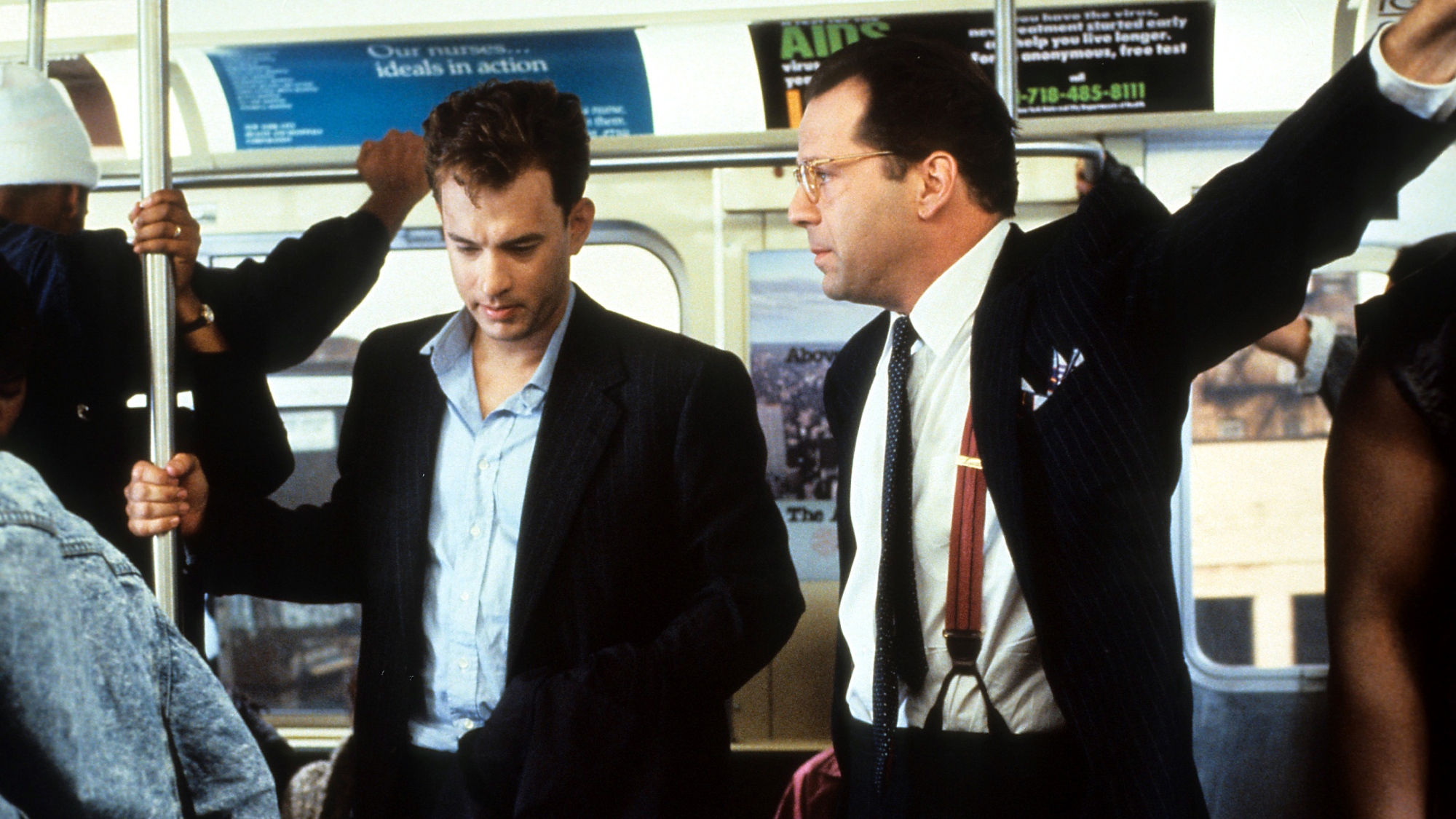
    In Florence, Italy’s public square on February 7, 1497, the Dominican reverend Girolamo Savonarola and his supporters burned literary and other works of art. They called the fire” the Fire of the Cabinets” because they perceived these things as obstacles that divert person’s attention from God. The expression has been repeatedly used ]…

    The first article Tom Hanks ‘ Worst Movie Is Now Free to Watch Online If You Dare appeared first on Den of Geek.

    A T-rex skull was clearly visible in the playground guests center, with a strong symbol behind it, according to the majority of those who watched the second video for Jurassic World: Rebirth. The symbol, which reads, &#8220, When Animals Ruled the Earth, &#8221, seems to be coming along, which at first seems like a call to the ending of the first film.

    Producer Frank Marshall gives the image some framework in an interview with Vanity Fair, though. It&#8217 is not an echo of the triumphant scene from the first film, which depicts reptiles regaining control of the planet. &#8220, Also, the snow’s coming down repeatedly, &#8221, Marshall explained. &#8220 ,]Actor ] Jonny Bailey’s a scientist at a museum that’s closing up their dinosaur exhibit. &#8221,

    cnx. powershell. push ( function ( ) {cnx ( {playerId:” 106e33c0-3911-473c-b599-b1426db57530″, }). render ( “0270c398a82f44f49c23c16122516796” ), }),

    The closing of the show is a perfect illustration of Marshall’s pitch to Rebirth writer David Koepp, who even wrote the code for Jurassic Park and The Lost World: Jurassic Park.

    &#8220, He came up with this idea that animals were passé today. They were stale, individuals thought. They were an trouble, &#8221, explained Marshall. &#8220, Citizens weren’t going to museums to see them or to touching animals. They simply blocked the means. &#8221,

    Anyone who saw the most recent major company reset, Jurassic World, will recognize the concept as a dramatic change. In that movie, we see teenagers getting frustrated with animals, and Claire Dearing asserts that they are no longer captivated by animals.

    The solution to this problem that Koepp, Marshall, and producer Gareth Edwards came up with for Jurassic World: Resurrection even feels comfortable. Instead of just relying on standard T-rexes and spinosauruses, Resurrection may have mutated animals, variants that were kept hidden from the public. At least one of these mutations is featured in the first trailer for the film, the so-called &#8220, D-rex. &#8221,

    D-rex in Jurassic World Rebirth

    Marshall and Edwards have a good time hyping up their works. &#8220, These are the animals that didn’t function. There’s some abnormalities in there. They’re all based on real dragon research, but they look a little unique, &#8221, said Marshall. Edwards compared the animals to traditional movie villains, telling VF, &#8220, Some Rancor went in it, some H. R. Giger went in it, a small T. rex went in there…&#8221,

    However, for all of their pride in the thoughts, these authors don&#8217, t seem to acknowledge that the Jurassic Park company has tried mutant animals quite a lot, and it &#8217, s not really worked. The Indominus rex, a fusion of T-rex and velociraptor that operated more like a b-horror henchman than anything in the earlier movies, was a super-predator with the help of Jamesic World. The psychological weight of Jurassic World: Fallen Kingdom was based on the idea that human cloning may be possible as a result of research into dino cloning. The follow-up Jurassic World: Dominion took it farther, presenting mutations in the form of large insects.

    Before any of these restarts, Universal’s Marshall and others had a mental model of mutation. Jurassic Park IV’s earlier treatment included hybrid human/dinosaur hybrids made for the military.

    On one hand, the mutated concentrate makes sense. After all, cloning and research is at the center of the Jurassic Park idea, including the magnificent &#8220, Life finds a approach &#8221, style of the first film. Dishonest businesses would attempt to alter Dino DNA to make more money, so it follows.

    However, it misunderstands the remaining portion of the Jurassic Park notion. Spielberg, a king of visual wonder, loved animals and translated that into his job. He discovered creative ways to depict dinosaurs as wonderful, powerful, gentle, and beautiful because he believed audiences would enjoy them, and he did so in the movie.

    Even Jurassic Park films should concentrate on astonishment and adventure rather than mutants and hybrids, making us feel once more pleasant to the park.

    Jurassic World: Reincarnation hits theaters on July 2, 2025.

    The first post Jurassic World Rebirth Looks Doomed to Repeat the Sequels &#8217, Worst Mistake was published on Den of Geek.

  • WandaVision and Agatha Creator Jac Schaeffer Reveals the Marvel Character She Couldn’t Leave Behind

    WandaVision and Agatha Creator Jac Schaeffer Reveals the Marvel Character She Couldn’t Leave Behind

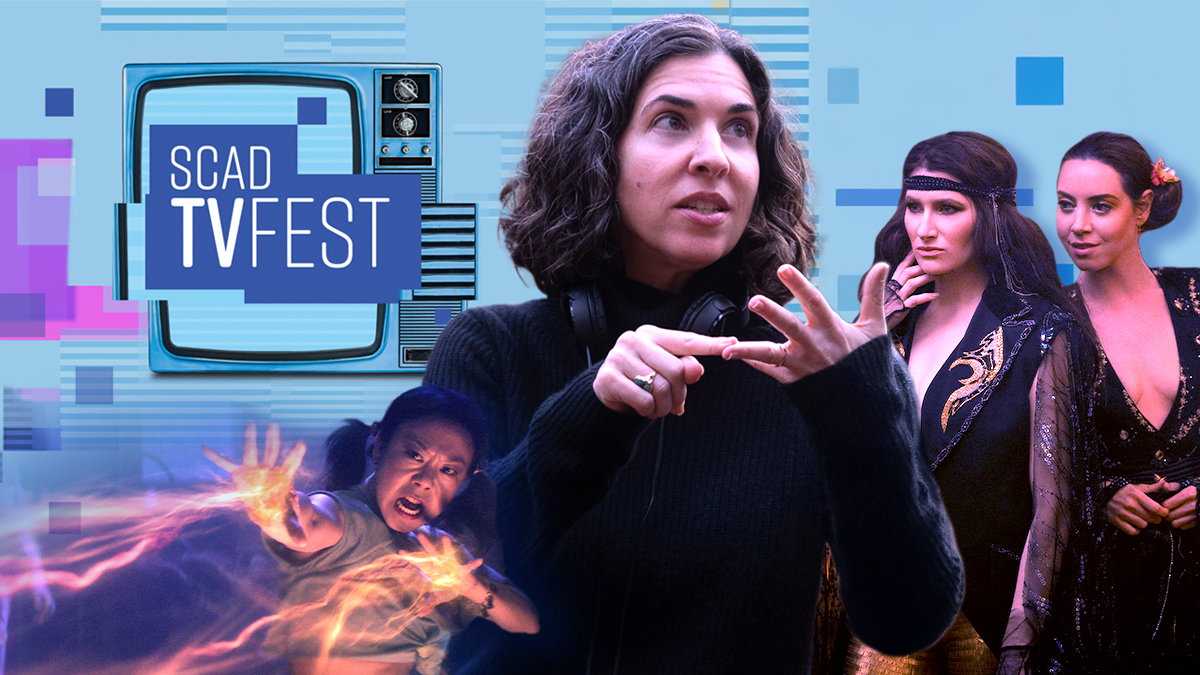
    Some people, aside from Jac Schaeffer, are more knowledgeable about what it means to manage a Marvel TV series during the Disney + streaming time. Assisted by some pandemic-related plan managing, it was the Schaeffer-created WandaVision that served as the Marvel Cinematic Universe’s televised starting work in early 2021. The New Jersey-born, California-raised writer and producer ]… ]

    The first post on Den of Geek was WandaVision and Agatha inventor Jac Schaeffer’s reveal of the Marvel character She Don’t Leave Beyond.

    A T-rex skull was clearly visible in the playground guests center, with a strong symbol behind it, according to the majority of those who watched the second video for Jurassic World: Rebirth. The symbol, which reads, &#8220, When Animals Ruled the Earth, &#8221, seems to be coming along, which at first seems like a call to the ending of the first film.

    However, manufacturer Frank Marshall gives some framework for the picture in an interview with Vanity Fair. It&#8217 is not an echo of the triumphant scene from the first film, which depicts animals regaining control of the planet. &#8220, Nicely, the snow’s coming down once, &#8221, Marshall explained. &#8220 ,]Actor ] Jonny Bailey’s a scientist at a museum that’s closing up their dinosaur exhibit. &#8221,

    cnx. command. push ( function ( ) {cnx ( {playerId:” 106e33c0-3911-473c-b599-b1426db57530″, }). render ( “0270c398a82f44f49c23c16122516796” ), }),

    The closing of the show, according to Marshall, is a perfect illustration of the angle made by Reincarnation screenwriter David Koepp, who furthermore wrote the Jurassic Park and The Lost World: Jurassic Park scripts.

    &#8220, He came up with this idea that dinosaurs were passé today. They were stale, persons thought. They were an trouble, &#8221, explained Marshall. &#8220, Persons weren’t going to museums to see them or to touching animals. They simply stood in the way. &#8221,

    Anyone who saw the most recent major brand reboot, Jurassic World, will recognize the concept as a dramatic change. Teenagers in that drama are getting sick of dinosaurs, and Claire Dearing asserts that they aren’t as interested in reptiles any more.

    The solution to this problem that Koepp, Marshall, and producer Gareth Edwards came up with for Jurassic World: Resurrection even feels comfortable. Instead of just relying on standard T-rexes and spinosauruses, Resurrection may have mutated animals, variants that were kept hidden from the public. At least one of these mutation is featured in the first trailer for the film, the so-called &#8220, D-rex. &#8221,

    D-rex in Jurassic World Rebirth

    Marshall and Edwards discuss their work in a fun way, hyping up their works. &#8220, These are the animals that didn’t function. There’s some variants in there. They’re all based on real dragon research, but they look a little unique, &#8221, said Marshall. Edwards compared the animals to traditional movie villains, telling VF, &#8220, Some Rancor went in it, some H. R. Giger went in it, a small T. rex went in there…&#8221,

    However, for all of their pride in the thoughts, these authors don&#8217, t seem to acknowledge that the Jurassic Park company has tried mutant animals quite a lot, and it &#8217, s not really worked. The Indominus rex, a T-rex and velociraptor hybrid that operated more like a b-horror supervillain than anything else in the earlier movies, was a super-predator with the help of Jamesic World. The concept that human cloning would be a viable outcome of research for dinosaur copying influenced the personal stakes of Jurassic World: Fallen Kingdom. The follow-up Jurassic World: Dominion took it farther, presenting abnormalities in the form of large insects.

    Before any of these remakes, Marshall and others at Universal had mutations in their heads. Jurassic Park IV’s first care included hybrids of humans and dinosaurs made for the armed forces.

    On one hand, the mutated concentrate makes sense. After all, cloning and research is at the center of the Jurassic Park idea, including the magnificent &#8220, Life finds a approach &#8221, style of the first film. Dishonest businesses may attempt to alter Dino DNA to increase their profits, so it follows.

    However, it misunderstands the remaining portion of the Jurassic Park concept. Spielberg, a king of visual wonder, loved animals and translated that into his job. Not just because he believed people would enjoy dinosaurs, but because he loved them, he discovered ways to make dinosaurs look awesome, strong, gentle, and wonderful.

    Even Jurassic Park films should concentrate on astonishment and adventure rather than mutants and hybrids, making us feel welcome when more.

    Jurassic World: Reincarnation hits theaters on July 2, 2025.

    The first post Jurassic World Rebirth Looks Doomed to Repeat the Sequels &#8217, Worst Mistake was published on Den of Geek.

  • Link Tank: Vizio Announces Free Blockbuster Offerings in February on WatchFree+ 

    Link Tank: Vizio Announces Free Blockbuster Offerings in February on WatchFree+ 

    A week’s worth of free Hollywood movies has been queued up by the VIZIO Watch Free+ pleasure hero to keep your binge list jam-packed in February! Anyone can watch names like these and more on VIZIO Screens using the Samsung mobile device, thanks to Watch Free+, which offers thousands of free subscription movies and shows that can be streamed on demand on VIZIO TVs.

    The post Link Tank: Vizio Announces Free Blockbuster Offerings in February on Watch Free+ appeared first on Den of Geek.

    A T-rex skull was clearly visible in the garden visitors center when most people watched the second video for Jurassic World: Rebirth, and there was a strong symbol behind it. The symbol, which reads, &#8220, When Animals Ruled the Earth, &#8221, seems to be coming along, which at first seems like a call to the ending of the first film.

    However, manufacturer Frank Marshall gives some framework for the picture in an interview with Vanity Fair. It&#8217 is not an echo of the triumphant scene from the first film, which depicts reptiles regaining control of the planet. &#8220, Properly, the snow’s coming down once, &#8221, Marshall explained. &#8220 ,]Actor ] Jonny Bailey’s a scientist at a museum that’s closing up their dinosaur exhibit. &#8221,

    cnx. command. push ( function ( ) {cnx ( {playerId:” 106e33c0-3911-473c-b599-b1426db57530″, }). render ( “0270c398a82f44f49c23c16122516796” ), }),

    The closing of the show, according to Marshall, is a perfect illustration of the angle made by Reincarnation screenwriter David Koepp, who furthermore wrote the Jurassic Park and The Lost World: Jurassic Park scripts.

    &#8220, He came up with this idea that animals were passé today. Citizens were fed up with them. They were an trouble, &#8221, explained Marshall. &#8220, Citizens weren’t going to museums to see them or to touching animals. They simply stood in the way. &#8221,

    Although Marshall describes the concept as a radical change, anyone who saw Jurassic World, the most recent major brand reset, will recognize it. In that movie, we see teenagers getting tired with animals, and Claire Dearing asserts in particular that dinosaurs don’t appeal to people any more.

    The solution to this problem that Koepp, Marshall, and producer Gareth Edwards came up with for Jurassic World: Resurrection even feels comfortable. Instead of just relying on standard T-rexes and spinosauruses, Resurrection may have mutated animals, variants that were kept hidden from the public. At least one of these mutations is featured in the first trailer for the film, the so-called &#8220, D-rex. &#8221,

    D-rex in Jurassic World Rebirth

    Marshall and Edwards discuss their work in a fun way, hyping up their paintings. &#8220, These are the animals that didn’t function. There’s some abnormalities in there. They’re all based on real dragon research, but they look a little unique, &#8221, said Marshall. Edwards compared the animals to traditional movie villains, telling VF, &#8220, Some Rancor went in it, some H. R. Giger went in it, a small T. rex went in there…&#8221,

    However, for all of their pride in the thoughts, these authors don&#8217, t seem to acknowledge that the Jurassic Park company has tried mutant animals quite a lot, and it &#8217, s not really worked. The Indominus rex, a fusion of T-rex and velociraptor that operated more like a b-horror supervillain than anything in the earlier movies, was a super-predator with the help of Jamesic World. The psychological weight of Jurassic World: Fallen Kingdom was based on the idea that human cloning would be possible as a result of research into dino cloning. The follow-up Jurassic World: Dominion took it farther, presenting mutations in the form of large insects.

    Before any of these restarts, Universal’s Marshall and others had a mental model of mutation. Jurassic Park IV’s first care included hybrids of humans and dinosaurs made for the armed forces.

    On one hand, the mutated concentrate makes sense. After all, cloning and research is at the center of the Jurassic Park idea, including the magnificent &#8220, Life finds a approach &#8221, style of the first film. Dishonest businesses may attempt to alter Dino DNA to make more money, so it follows.

    However, the other half of the Jurassic Park idea is misunderstood. Spielberg, a king of visual wonder, loved animals and translated that into his job. Not just because he believed people would enjoy dinosaurs, but because he loved them, he discovered ways to make dinosaurs look awesome, strong, gentle, and wonderful.

    Sometimes Jurassic Park films should concentrate on astonishment and adventure rather than mutants and hybrids, making us feel welcome once more.

    Jurassic World: Resurrection hits theaters on July 2, 2025.

    The first post Jurassic World Rebirth Looks Doomed to Repeat the Sequels &#8217, Worst Mistake was published on Den of Geek.

  • Upcoming Marvel Movies and TV: MCU Release Date Schedule for Phase 5 and 6

    Upcoming Marvel Movies and TV: MCU Release Date Schedule for Phase 5 and 6

    The Sony Spidey-verse may be dead ( for now ), but the Marvel Cinematic Universe is poised for a rebound. Building off of the pleasure of Deadpool &amp, Wolverine and X-Men ‘ 97 in 2024, Marvel hopes to keep things going with high-profile jobs The Fantastic Four: First Steps and the restoration set Daredevil: Born Once. The rest ]… ]

    The second article Upcoming Marvel Movies and TV: MCU Release Date Schedule for Phase 5 and 6 was published on Den of Geek.

    A T-rex skull was clearly visible in the playground guests center, with a strong symbol behind it, according to the majority of those who watched the second video for Jurassic World: Rebirth. The symbol, which reads, &#8220, When Animals Ruled the Earth, &#8221, seems to be coming along, which at first seems like a call to the ending of the first film.

    However, manufacturer Frank Marshall gives some framework for the photo in an interview with Vanity Fair. It&#8217 is not an echo of the triumphant scene from the first film, which depicts reptiles regaining control of the planet. &#8220, Also, the snow’s coming down repeatedly, &#8221, Marshall explained. &#8220 ,]Actor ] Jonny Bailey’s a scientist at a museum that’s closing up their dinosaur exhibit. &#8221,

    cnx. powershell. push ( function ( ) {cnx ( {playerId:” 106e33c0-3911-473c-b599-b1426db57530″, }). render ( “0270c398a82f44f49c23c16122516796” ), }),

    The closing of the show is a perfect illustration of Marshall’s pitch to Rebirth writer David Koepp, who even wrote the code for Jurassic Park and The Lost World: Jurassic Park.

    &#8220, He came up with this idea that dinosaurs were passé today. They were stale, individuals thought. They were an pain, &#8221, explained Marshall. &#8220, Citizens weren’t going to museums to see them or to touching animals. They simply blocked the approach. &#8221,

    Although Marshall describes the concept as a radical change, anyone who saw Jurassic World, the most recent major brand reboot, will recognize it. In that movie, we see teenagers getting tired with animals, and Claire Dearing asserts that they are no longer captivated by animals.

    The solution to this problem that Koepp, Marshall, and producer Gareth Edwards came up with for Jurassic World: Resurrection even feels comfortable. Instead of just relying on standard T-rexes and spinosauruses, Resurrection may have mutated animals, variants that were kept hidden from the public. At least one of these mutation is featured in the first trailer for the film, the so-called &#8220, D-rex. &#8221,

    D-rex in Jurassic World Rebirth

    Marshall and Edwards have a good time hyping up their works. &#8220, These are the animals that didn’t function. There’s some abnormalities in there. They’re all based on real dragon research, but they look a little different, &#8221, said Marshall. Edwards compared the animals to traditional movie villains, telling VF, &#8220, Some Rancor went in it, some H. R. Giger went in it, a small T. rex went in there…&#8221,

    However, for all of their pride in the thoughts, these authors don&#8217, t seem to acknowledge that the Jurassic Park company has tried mutant animals quite a lot, and it &#8217, s not really worked. The Indominus rex, a T-rex and velociraptor hybrid that operated more like a b-horror supervillain than anything else in the earlier movies, was a super-predator with the help of J.P. The psychological weight of Jurassic World: Fallen Kingdom was based on the idea that human cloning may be possible as a result of research into dino cloning. The follow-up Jurassic World: Dominion took it farther, presenting abnormalities in the form of large insects.

    Before any of these restarts, Marshall and others at Universal were having trouble with mutation. Jurassic Park IV’s first care included hybrids of humans and dinosaurs made for the armed forces.

    On one hand, the mutated concentrate makes sense. After all, cloning and research is at the center of the Jurassic Park idea, including the magnificent &#8220, Life finds a approach &#8221, style of the first film. Dishonest businesses would attempt to alter Dino DNA to increase their profits, so it follows.

    However, it misunderstands the remaining portion of the Jurassic Park idea. Spielberg, a king of visual wonder, loved animals and translated that into his job. Not just because he believed people would enjoy dinosaurs, but because he loved them, he discovered ways to make dinosaurs look awesome, strong, gentle, and wonderful.

    Sometimes Jurassic Park films should concentrate on astonishment and adventure rather than mutants and hybrids, making us feel welcome once more to the area.

    Jurassic World: Resurrection hits venues on July 2, 2025.

    The second article Worst Mistake: Jurassic World Rebirth Looks Doomed to Replicate the Sequel appeared initially on Den of Geek.