Category: Blog

Your blog category

  • Opportunities for AI in Accessibility

    Opportunities for AI in Accessibility

    I thoroughly enjoyed reading Joe Dolson’s most recent article on the crossroads of AI and mobility because of how skeptical he is of AI in general and how many people have been using it. Despite working for Microsoft as an affordability technology strategist and managing the AI for Accessibility grant program, I’m pretty skeptical of AI. As with any tool, AI can be used in quite productive, equitable, and visible ways, and it can also be used in dangerous, unique, and dangerous ones. And there are a lot of uses for the poor midsection as well.

    I’d like you to consider this a “yes … and” piece to complement Joe’s post. I’m not trying to reject any of what he’s saying, but rather to give some context to initiatives and options where AI may produce real, positive impacts on people with disabilities. To be clear, I’m not saying that there aren’t true threats or pressing problems with AI that need to be addressed—there are, and we’ve needed to address them, like, yesterday—but I want to take a little time to talk about what’s possible in hope that we’ll get there one day.

    Other words

    Joe’s article spends a lot of time examining how computer vision models can create other word. He raises a number of legitimate points about the state of affairs right now. And while computer-vision concepts continue to improve in the quality and complexity of information in their information, their benefits aren’t wonderful. He argues to be accurate that the state of image research is currently very poor, especially for some graphic types, in large part due to the absence of contextual contexts in which to look at images ( as a result of having separate “foundation” models for words analysis and image analysis ). Today’s models aren’t trained to distinguish between images that are contextually relevant ( that should probably have descriptions ) and those that are purely decorative ( which might not need a description ) either. Nonetheless, I still think there’s possible in this area.

    As Joe mentions, human-in-the-loop publishing of alt word should definitely be a factor. And if AI can intervene and provide a starting point for alt text, even if the swift reads,” What is this BS?” That’s certainly correct at all … Let me try to offer a starting point— I think that’s a win.

    If we can specifically station a design to examine image usage in context, it might help us more quickly determine which images are likely to be elegant and which ones are likely to need a description. That will help clarify which situations require image descriptions, and it will increase authors ‘ effectiveness in making their sites more visible.

    The image example provided in the GPT4 announcement provides an interesting opportunity as well, even though complex images like graphs and charts are challenging to describe in any kind of succinct way ( even for humans ). Let’s say you came across a map that was simply the name of the table and the type of visualization it was: Pie table comparing smartphone use to have phone use among US households making under$ 30, 000 annually. ( That would be a pretty bad alt text for a chart because it would frequently leave many unanswered questions about the data, but let’s just assume that that was the description in place. ) Imagine a world where users could ask questions about the graphic if their browser knew that it was a pie chart ( because an onboard model determined this ).

    • Do more people use feature phones or smartphones?
    • How many more?
    • Exists a group of people who don’t fall under either of these categories?
    • How many is that?

    Setting aside the realities of large language model ( LLM) hallucinations—where a model just makes up plausible-sounding “facts” —for a moment, the opportunity to learn more about images and data in this way could be revolutionary for blind and low-vision folks as well as for people with various forms of color blindness, cognitive disabilities, and so on. It might also be useful in educational settings to assist those who can see these charts as they are able to comprehend the data contained therein.

    What if you could ask your browser to make a complicated chart simpler? What if you asked it to separate a single line from a line graph? What if you could ask your browser to transpose the different lines ‘ colors so they match your color blindness better? What if you could ask it to switch colors for patterns? Given these tools ‘ chat-based interfaces and our existing ability to manipulate images in today’s AI tools, that seems like a possibility.

    Now imagine a specially designed model that could take the data from that chart and convert it to another format. For example, perhaps it could turn that pie chart ( or better yet, a series of pie charts ) into more accessible ( and useful ) formats, like spreadsheets. That would be amazing!

    Matching algorithms

    When Safiya Umoja Noble chose to write her book Algorithms of Oppression, she hit the nail on the head. Although her book focused on how search engines can foster racism, I believe it’s equally true that all computer models have the potential to foster conflict, prejudice, and intolerance. We all know that poorly designed and maintained algorithms are incredibly harmful, whether it’s Twitter that keeps bringing you the most recent tweet from a drowsy billionaire, YouTube that keeps us in a q-hole, or Instagram that keeps us guessing what natural bodies look like. Many of these are the result of a lack of diversity in the people who create and build them. When these platforms are built with inclusively baked in, however, there’s real potential for algorithm development to help people with disabilities.

    Take Mentra, for example. They serve as a network of employment for people who are neurodivers. They match job seekers with potential employers using an algorithm based on more than 75 data points. On the job-seeker side of things, it considers each candidate’s strengths, their necessary and preferred workplace accommodations, environmental sensitivities, and so on. On the employer side, it considers each work environment, communication factors related to each job, and the like. Mentra made the decision to change the script when it came to traditional employment websites because it was run by neurodivergent people. They lower the emotional and physical labor on the job-seeker side of things by recommending available candidates to companies who can then connect with job seekers that they are interested in.

    More people with disabilities can be used to create algorithms, which can lessen the likelihood that they will harm their communities. That’s why diverse teams are so important.

    Imagine if a social media company’s recommendation engine was tuned to prioritize follow recommendations for people who discussed topics similar to those that were important but who were different from your current sphere of influence in some fundamental ways. For instance, if you follow a group of white men who are not white or aren’t white and who also discuss AI, it might be wise to follow those who are also disabled or who are not white. If you took its recommendations, perhaps you’d get a more holistic and nuanced understanding of what’s happening in the AI field. These same systems should also use their understanding of biases about particular communities—including, for instance, the disability community—to make sure that they aren’t recommending any of their users follow accounts that perpetuate biases against (or, worse, spewing hate toward ) those groups.

    Other ways that AI can helps people with disabilities

    If I weren’t attempting to combine this with other tasks, I’m sure I could go on and on, giving various examples of how AI could be used to assist people with disabilities, but I’m going to make this last section into a bit of a lightning round. In no particular order:

      Voice preservation. You may have seen the VALL-E paper or Apple’s Global Accessibility Awareness Day announcement or you may be familiar with the voice-preservation offerings from Microsoft, Acapela, or others. It’s possible to train an artificial intelligence model to mimic your voice, which can be incredibly helpful for those who have ALS ( Lou Gehrig’s disease ) or motor-neuron disease or other medical conditions that can make it difficult to talk. This is, of course, the same tech that can also be used to create audio deepfakes, so it’s something that we need to approach responsibly, but the tech has truly transformative potential.
    • Voice recognition. Researchers are assisting people with disabilities in the collection of recordings of people with atypical speech, thanks to the assistance of the Speech Accessibility Project. As I type, they are actively recruiting people with Parkinson’s and related conditions, and they have plans to expand this to other conditions as the project progresses. More people with disabilities will be able to use voice assistants, dictation software, and voice-response services as a result of this research, which will result in more inclusive data sets that will enable them to use their computers and other devices more easily and with just their voices.
    • Text transformation. The most recent generation of LLMs is capable of altering already-existing text without giving off hallucinations. This is incredibly empowering for those who have cognitive disabilities and who may benefit from text summaries, simplified versions, or even text that has been prepared for Bionic Reading.

    the value of various teams and data

    We must acknowledge the importance of our differences. The intersections of the identities we exist in have an impact on our lived experiences. These lived experiences—with all their complexities ( and joys and pain ) —are valuable inputs to the software, services, and societies that we shape. Our differences must be reflected in the data we use to develop new models, and those who provide that valuable information must be compensated for doing so. More robust models are produced by inclusive data sets, which promote more justifiable outcomes.

    Want a model that doesn’t demean or patronize or objectify people with disabilities? Make sure that you include information about disabilities that is written by people who have a range of disabilities and that is well represented in the training data.

    Want a model that doesn’t use ableist language? Before ableist language reaches readers, you might be able to use already-existing data sets to create a filter that can intercept and correct it. That being said, when it comes to sensitivity reading, AI models won’t be replacing human copy editors anytime soon.

    Want a copilot for coding that provides recomprehensible recommendations after the jump? Train it on code that you know to be accessible.


    I have no doubt that AI can and will harm people … today, tomorrow, and well into the future. But I also believe that we can acknowledge that and, with an eye towards accessibility ( and, more broadly, inclusion ), make thoughtful, considerate, and intentional changes in our approaches to AI that will reduce harm over time as well. Today, tomorrow, and well into the future.


    Many thanks to Kartik Sawhney for helping me with the development of this piece, Ashley Bischoff for her invaluable editorial assistance, and, of course, Joe Dolson for the prompt.

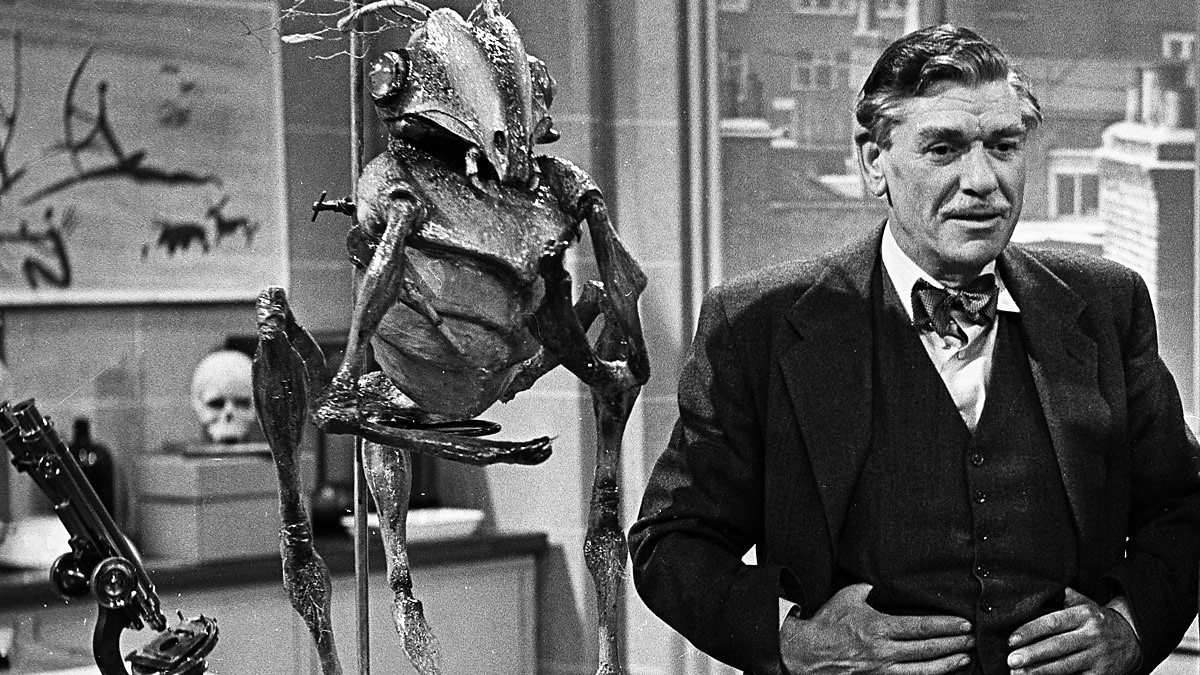
  • Quatermass: The Show That Defined UK Sci-Fi TV

    Quatermass: The Show That Defined UK Sci-Fi TV

    American sci-fi TV is a relatively simple subject to be an expert in, at the risk of offending a lot of geniuses. If you’re in your 30s or 40s, your kids perhaps remember when the style started existing. We’ve covered the high points of the genre on this very website, from the the 70s to]… ]

    The article Quatermass: The Show That Defined UK Sci-Fi Television appeared first on Den of Geek.

    It has been almost a decade since Star Wars: Episode VII &#8211, The Force Awakens debuted in theaters. The movie was a once-in-a-generation success because, after inflation, the private box office was still the highest total in cinematic history. Suffice it to say, the twist was an honest-to-goodness pop culture phenomenon, and with it, came all of the collectible shirts. In fact, fans got their hands on The Force Awakens merchandise a few months ahead of schedule, with their release commemorated by Disney &#8217, s first &#8220, Force Friday &#8221, in early September 2015.

    Although every successive Disney Star Wars musical production featured a comparable event, nothing really compares to the first. Fans of all items galaxy-wide, faraway waited outside of retailers to purchase the newest Star Wars merchandise. LEGO was at the frontline of this strategy, of course, dropping an initial flood of seven brand-new models.

    The Force Awakens and different Star Wars Sequel Trilogy Trilogy pieces were still being produced by the Danish make, but the demand for them waned after The Rise of Skywalker was released in 2019. LEGO has focused a lot of its work on this era in the decades since, with initiatives focusing on sets for the Disney + shows and Movies. But, the 10th anniversary of The Force Awakens may be about to change that.

    LEGO is apparently producing a few interesting new models based on the movie, according to new leaking and gossips about the toymaker’s 2025 plans. Although the influx is only two sets powerful, Den of Geek’s list of reputable LEGO whistleblowers on Instagram and YouTube is undoubtedly a better amount than the lacked Sequel sets to date in the 2020s.

    cnx. powershell. push ( function ( ) {cnx ( {playerId:” 106e33c0-3911-473c-b599-b1426db57530″, }). render ( “0270c398a82f44f49c23c16122516796” ), }),

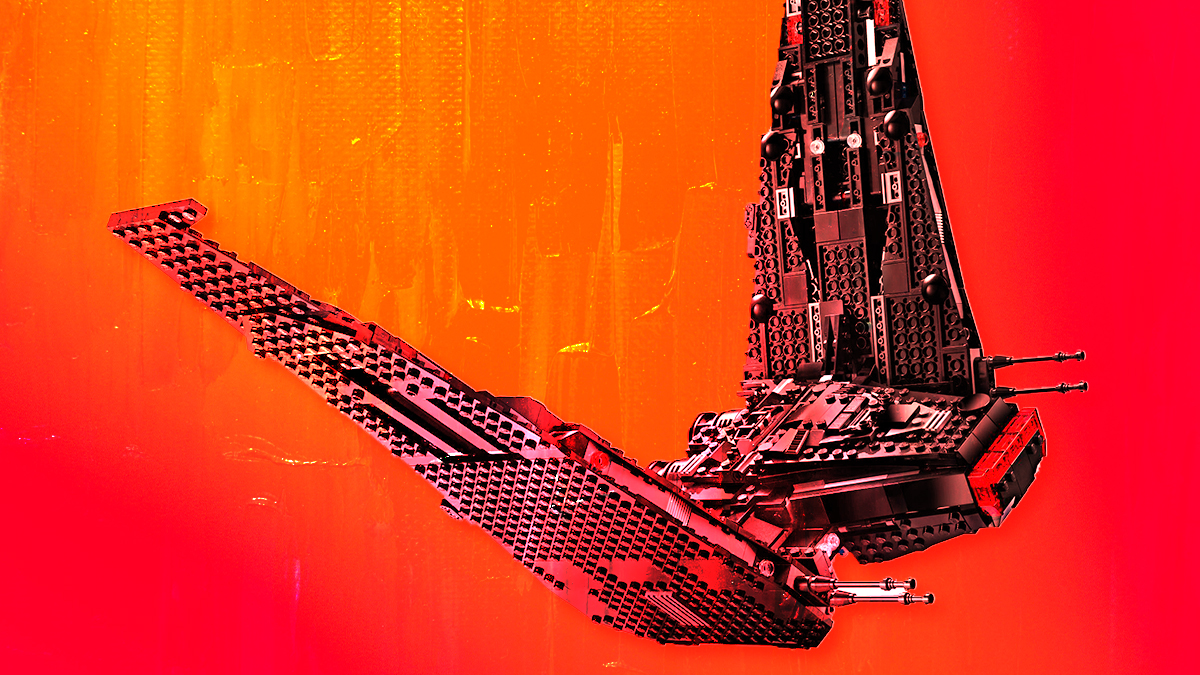
    75406: Kylo Ren&#8217, s Bus

    Estimated transfer time: May 1, 2025

    Estimated amount:$ 69.99&nbsp,

    This ain&#8217, t LEGO&#8217, s second dance with Kylo Ren&#8217, s flight. Two separate versions were released in 2015 and 2019, both. The unique, 75104, which coincided with the first Force Friday, is an infamous fixed in the LEGO Star Wars area. This is due in large part to the develop &#8217, s serious mistakes. The complete design is the incorrect colour, and the feathers are unable to slide like the in-universe car. This was most likely due to the concept art LEGO received while creating the collection, and Lucasfilm after modified the presence before The Force Awakens was made.

    The second rendition of the set, 75256: Kylo Ren’s Shuttle, fixed these issues, now sporting a universe-accurate black and red color scheme. The latest version should follow suit of the 2019 model but on a smaller scale. Set 75406: Kylo Ren&#8217, s Bus is reportedly a “midi-scale” ship and will be part of the Starship Collection, a line of large vehicles from the Star Wars canon recreated in a smaller (and more affordable) scale. Unfortunately for fans of minifigures, nothing of that sort will be included, but the build will likely be a nice size that’ll snugly fit into any shelf display. 

    75415: Kylo Ren&#8217, s Helmet

    Estimated transfer time: May 1, 2025

    Estimated price:$ 69.99

    LEGO released its Helmet Collection in 2020, and the company produces at least two Star Wars helmet sets annually ( aside from a bizarre blip in 2024 ). While Jango Fett’s helmet is rumored to be coming in May and the AT-AT Driver helmet has already been revealed for a March release date, LEGO is reportedly dipping their toes into the Sequel Trilogy for the first time as part of this subtheme. Even the most prominent critics of the highly criticized trilogy can agree that Kylo Ren’s iconic helmet is undeniably cool. Due to Kylo Ren’s unique shaping, which is a very un-LEGO-like sculpt, the LEGO Star Wars designers do not have a very exciting task ahead of them. However, if they are able to knock it out of the park, this could be one of LEGO’s best helmet sets to date.

    The first post LEGO Star Wars Set Leaks and Rumors 2025: The New Force Awakens Sets Revealed appeared on Den of Geek.

  • Neon Bought Oz Perkins’ Longlegs After Seeing Just One Shot of Nic Cage

    Neon Bought Oz Perkins’ Longlegs After Seeing Just One Shot of Nic Cage

    After the mild victory of 2020’s fairy tale evil Gretel &amp, Hansel and the summer phenomenon that was 2024’s divine serial killer thriller, Longlegs, genre filmmaker Booth Perkins is on a roll. With the funny spray movie, he then takes on the prince of scary himself, Stephen King, in a story that has been released this week.

    The first article Bright Bought Oz Perkins ‘ Longlegs After Watching Only One Shot of Nic Cage was originally published on Den of Geek.

    It has been almost a century since Star Wars: Episode VII &#8211, The Force Awakens debuted in theaters. The movie was a once-in-a-generation success because, after inflation, the private box office was still the highest total in cinematic history. Suffice it to say, the twist was an honest-to-goodness pop culture phenomenon, and with it, came all of the collectible jerseys. In fact, fans got their hands on The Force Awakens merchandise a few months ahead of schedule, with their release commemorated by Disney &#8217, s first &#8220, Force Friday &#8221, in early September 2015.

    Nothing quite compares to the first Disney Star Wars dramatic production, despite the fact that every succeeding one had a similar experience. Fans of all items galaxy far, far away waited outside of businesses to get their hands on the newest Star Wars merchandise. LEGO was at the frontline of this strategy, of course, dropping an initial flood of seven brand-new models.

    The Force Awakens and different Star Wars Sequel Trilogy Trilogy pieces were still being produced by the Danish make, but the demand for them waned after The Rise of Skywalker was released in 2019. LEGO has focused a lot of its efforts on this time in the decades since, with initiatives focusing on sets for the Disney + shows and Movies. Nevertheless, the 10th anniversary of The Force Awakens may be about to change that.

    LEGO is apparently producing a few interesting new models based on the movie, according to new leaking and gossips about the toymaker’s 2025 plans. Although the influx is only two sets powerful, Den of Geek’s list of reputable LEGO whistleblowers on Instagram and YouTube is undoubtedly a better amount than the total lack of Sequel sets featured so far in the 2020s.

    cnx. command. push ( function ( ) {cnx ( {playerId:” 106e33c0-3911-473c-b599-b1426db57530″, }). render ( “0270c398a82f44f49c23c16122516796” ), }),

    75406: Kylo Ren&#8217, s Bus

    Estimated transfer time: May 1, 2025

    Estimated value:$ 69.99&nbsp,

    This ain&#8217, t LEGO&#8217, s second dance with Kylo Ren&#8217, s orbiter. Two distinct versions were released in 2015 and 2019, both. The unique, 75104, which coincided with the first Force Friday, is an infamous fixed in the LEGO Star Wars area. This is due in large part to the develop &#8217, s serious mistakes. The complete design is the incorrect colour, and the feathers are unable to slide like the in-universe car. This was probably due to the idea craft LEGO had before Lucasfilm changed the appearance before The Force Awakens was released.

    The second rendition of the set, 75256: Kylo Ren’s Shuttle, fixed these issues, now sporting a universe-accurate black and red color scheme. The latest version should follow suit of the 2019 model but on a smaller scale. Set 75406: Kylo Ren&#8217, s Bus is reportedly a “midi-scale” ship and will be part of the Starship Collection, a line of large vehicles from the Star Wars canon recreated in a smaller (and more affordable) scale. Unfortunately for fans of minifigures, nothing of that sort will be included, but the build will likely be a nice size that’ll snugly fit into any shelf display. 

    75415: Kylo Ren&#8217, s Helmet

    Estimated transfer time: May 1, 2025

    Estimated price:$ 69.99

    LEGO released its Helmet Collection in 2020, and the company produces at least two Star Wars helmet sets annually ( aside from a bizarre blip in 2024 ). While Jango Fett’s helmet is rumored to be coming in May and the AT-AT Driver helmet has already been revealed for a March release date, LEGO is reportedly dipping their toes into the Sequel Trilogy for the first time as part of this subtheme. Even the most prominent critics of the highly criticized trilogy can agree that Kylo Ren’s iconic helmet is undeniably cool. Due to Kylo Ren’s unique shaping being a very un-LEGO-like sculpt, the LEGO Star Wars designers do not have a very exciting task ahead of them. However, if they are able to knock it out of the park, this could be one of LEGO’s best helmet sets to date.

    The first postLeaks and Rumors 2025: The New Force Awakens Sets Revealed appeared on Den of Geek.

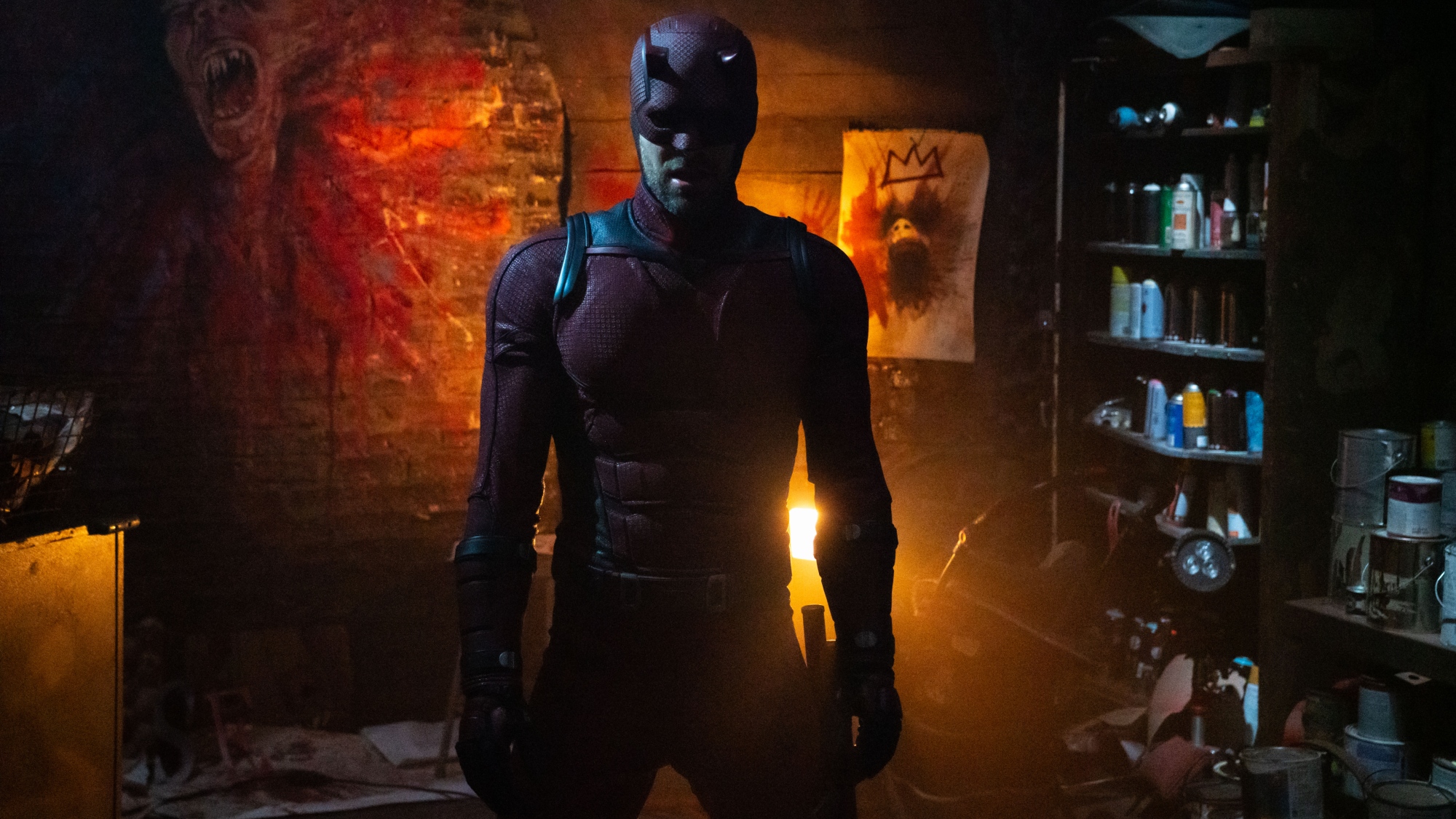
  • Daredevil Born Again Star Addresses the Problems With the First Version of the Show

    Daredevil Born Again Star Addresses the Problems With the First Version of the Show

    ” ]W] e’re both good men and experts, and we were trying to get open-minded”. You can probably anticipate the initiative to go bad when the star of your eagerly awaited fresh hero display describes that as the attitude he and his co-stars needed to bring to the task. But, that’s precisely how Charlie Cox and Vincent D’Onofrio]…]

    The first article on Den of Geek addressed the issues with the First Version of the Show appeared initially.

    It has been almost a century since Star Wars: Episode VII &#8211, The Force Awakens debuted in venues. The movie was a once-in-a-generation success because, after inflation, the private box office was still the highest ever private gross. Suffice it to say, the twist was an honest-to-goodness pop culture phenomenon, and with it, came all of the collectible jerseys. In fact, fans got their hands on The Force Awakens merchandise a few months ahead of schedule, with their release commemorated by Disney &#8217, s first &#8220, Force Friday &#8221, in early September 2015.

    Nothing quite compares to the first Disney Star Wars dramatic production, despite the fact that every succeeding Disney Star Wars film had a similar event. Fans of all things galaxy-wide, faraway waited outside of retailers to purchase the newest Star Wars merchandise. LEGO was at the frontline of this strategy, of course, dropping an initial flood of seven brand-new models.

    The Force Awakens and different Star Wars Sequel Trilogy Trilogy pieces were still being produced by the Danish make, but the demand for them waned after The Rise of Skywalker was released in 2019. LEGO has focused a lot of its work on this time in the decades since, with efforts focusing on sets for the Disney + shows and Movies. Nevertheless, the 10th anniversary of The Force Awakens may be about to change that.

    LEGO is apparently producing a few exciting new models based on the movie, according to new leaking and gossips about the toymaker’s 2025 plans. Although the influx is only two sets powerful, Den of Geek’s list of reputable LEGO whistleblowers on Instagram and YouTube is undoubtedly a better amount than the total lack of Sequel sets featured so far in the 2020s.

    cnx. command. push ( function ( ) {cnx ( {playerId:” 106e33c0-3911-473c-b599-b1426db57530″, }). render ( “0270c398a82f44f49c23c16122516796” ), }),

    75406: Kylo Ren&#8217, s Bus

    Estimated transfer time: May 1, 2025

    Estimated amount:$ 69.99&nbsp,

    This ain&#8217, t LEGO&#8217, s second dance with Kylo Ren&#8217, s orbiter. Two distinct versions were released in 2015 and 2019, both. The unique, 75104, which coincided with the first Force Friday, is an infamous fixed in the LEGO Star Wars area. This is due in large part to the develop &#8217, s serious mistakes. The complete design is the incorrect colour, and the feathers are unable to slide like the in-universe car. This was most likely due to the concept art LEGO received while creating the collection, and Lucasfilm after modified the presence before The Force Awakens was made.

    The second rendition of the set, 75256: Kylo Ren’s Shuttle, fixed these issues, now sporting a universe-accurate black and red color scheme. The latest version should follow suit of the 2019 model but on a smaller scale. Set 75406: Kylo Ren&#8217, s Bus is reportedly a “midi-scale” ship and will be part of the Starship Collection, a line of large vehicles from the Star Wars canon recreated in a smaller (and more affordable) scale. Unfortunately for fans of minifigures, nothing of that sort will be included, but the build will likely be a nice size that’ll snugly fit into any shelf display. 

    75415: Kylo Ren&#8217, s Helmet

    Estimated transfer time: May 1, 2025

    Estimated price:$ 69.99

    LEGO released its Helmet Collection in 2020, and the company produces at least two Star Wars helmet sets every year ( aside from a bizarre blip in 2024 ). While Jango Fett’s helmet is rumored to be coming in May and the AT-AT Driver helmet has already been revealed for a March release date, LEGO is reportedly dipping their toes into the Sequel Trilogy for the first time as part of this subtheme. Even the most prominent critics of the highly criticized trilogy will agree that Kylo Ren’s iconic helmet is undeniably cool for this. Due to Kylo Ren’s unique shaping being a very un-LEGO-like sculpt, the LEGO Star Wars designers do not have an envious task ahead of them. However, if they are able to knock it out of the park, this could become one of LEGO&#8217, s best helmet sets to date.

    On Den of Geek, the first post LEGO Star Wars Set Leaks and Rumors 2025: The New Force Awakens Sets Revealed.

  • Ultimate Wolverine Just Put a New Spin on Two Classic X-Men Frenemies

    Ultimate Wolverine Just Put a New Spin on Two Classic X-Men Frenemies

    One of the most well-known humorous book covers ever to appear on the cover of Ultimate Wolverine# 2 is recalled. Incredible Hulk# 340, drawn by Todd McFarlane, features Wolverine with his talons popped, the picture of a stampeding Hulk in the mirror. Alessandro Cappuccio’s support to Ultimate Wolverine# 2 jumps into the mouth of Colossus, with Wolverine ]…]

    The first article on Den of Geek was Ultimate Wolverine Only Place a New Spin on Two Traditional X-Men Frenemies.

    It has been almost a decade since Star Wars: Episode VII &#8211, The Force Awakens debuted in theaters. The movie was a once-in-a-generation success because, after inflation, the private box office was still the highest ever private box office resulted in. Suffice it to say, the twist was an honest-to-goodness pop culture phenomenon, and with it, came all of the collectible shirts. In fact, fans got their hands on The Force Awakens merchandise a few months ahead of schedule, with their release commemorated by Disney &#8217, s first &#8220, Force Friday &#8221, in early September 2015.

    Nothing quite compares to the first Disney Star Wars musical production, despite the fact that every succeeding Disney Star Wars film had a similar event. Fans of all things galaxy-wide, faraway waited outside of retailers to purchase the newest Star Wars merchandise. LEGO was at the frontline of this strategy, of course, dropping an initial flood of seven brand-new models.

    The Force Awakens and different Star Wars Sequel Trilogy Trilogy pieces were still being produced by the Danish make, but the demand for them waned after The Rise of Skywalker was released in 2019. LEGO has focused a lot of its efforts on this time in the decades since, with initiatives focusing on sets for the Disney + shows and Movies. Nevertheless, the 10th anniversary of The Force Awakens may be about to change that.

    LEGO is apparently producing a few interesting new models based on the movie, according to new leaking and gossips about the toymaker’s 2025 plans. Although the influx is only two sets solid, Den of Geek’s list of reputable LEGO whistleblowers on Instagram and YouTube is undoubtedly a better amount than the lacked Sequel sets to date in the 2020s.

    cnx. command. push ( function ( ) {cnx ( {playerId:” 106e33c0-3911-473c-b599-b1426db57530″, }). render ( “0270c398a82f44f49c23c16122516796” ), }),

    75406: Kylo Ren&#8217, s Bus

    Estimated transfer time: May 1, 2025

    Estimated amount:$ 69.99&nbsp,

    This ain&#8217, t LEGO&#8217, s second dance with Kylo Ren&#8217, s orbiter. Two distinct variations were released in 2015 and 2019, both. The unique, 75104, which coincided with the first Force Friday, is an infamous fixed in the LEGO Star Wars area. This is due in large part to the develop &#8217, s serious mistakes. The complete design is the incorrect colour, and the feathers are unable to slide like the in-universe car. This was most likely due to the concept art LEGO received while creating the collection, and Lucasfilm after modified the presence before The Force Awakens was made.

    The second rendition of the set, 75256: Kylo Ren’s Shuttle, fixed these issues, now sporting a universe-accurate black and red color scheme. The latest version should follow suit of the 2019 model but on a smaller scale. Set 75406: Kylo Ren&#8217, s Bus is reportedly a “midi-scale” ship and will be part of the Starship Collection, a line of large vehicles from the Star Wars canon recreated in a smaller (and more affordable) scale. Unfortunately for fans of minifigures, nothing of that sort will be included, but the build will likely be a nice size that’ll snugly fit into any shelf display. 

    75415: Kylo Ren&#8217, s Helmet

    Estimated transfer time: May 1, 2025

    Estimated price:$ 69.99

    LEGO released its Helmet Collection in 2020, and the company produces at least two Star Wars helmet sets every year ( aside from a bizarre blip in 2024 ). While Jango Fett’s helmet is rumored to be coming in May and the AT-AT Driver helmet has already been revealed for a March release date, LEGO is reportedly dipping their toes into the Sequel Trilogy for the first time as part of this subtheme. Even the most prominent critics of the highly criticized trilogy can agree that Kylo Ren’s iconic helmet is undeniably cool. Due to Kylo Ren’s unique shaping being a very un-LEGO-like sculpt, the LEGO Star Wars designers do not have a very exciting task ahead of them. However, if they are able to knock it out of the park, this could be one of LEGO’s best helmet sets to date.

    The first postLeaks and Rumors 2025: The New Force Awakens Sets Revealed appeared on Den of Geek.

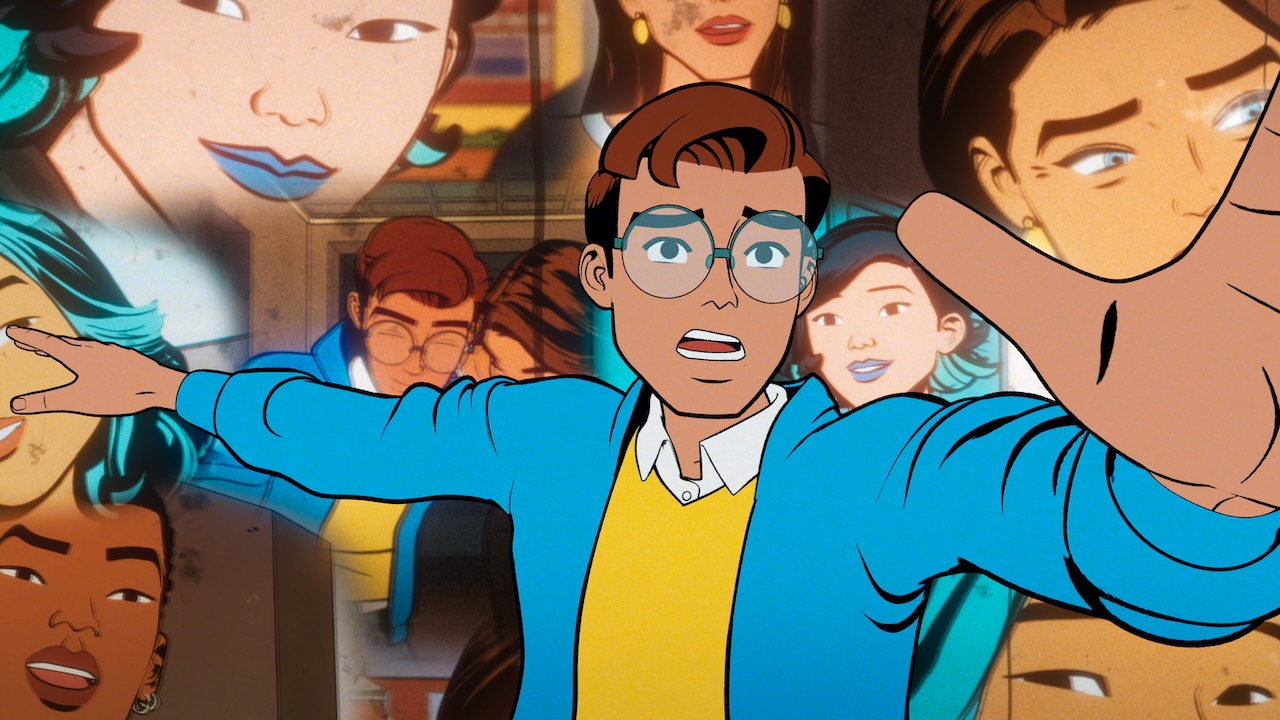
  • Your Friendly Neighborhood Spider-Man Finale Just Made the Franchise’s Worst Mistake

    Your Friendly Neighborhood Spider-Man Finale Just Made the Franchise’s Worst Mistake

    Your Friendly Neighborhood Spider-Man has clues in this article. Peter Parker has saved the day by the end of the final season of Your Friendly Neighborhood Spider-Man. He’s rescued his companion Nico Minoru, stopped a gang war between the 110th Street Gang and the Scorpions, and perhaps prevented an interdimensional war of Venom symbiotes. But ]… ]

    The first article on Den of Geek was titled Your Friendly Neighborhood Spider-Man Finale Only Made the Franchise’s Worst Mistake.

    It has been almost a century since Star Wars: Episode VII &#8211, The Force Awakens debuted in venues. The movie was a once-in-a-generation success because, after inflation, the private box office was still the highest total in cinema history. Suffice it to say, the twist was an honest-to-goodness pop culture phenomenon, and with it, came all of the collectible jerseys. In fact, fans got their hands on The Force Awakens merchandise a few months ahead of schedule, with their release commemorated by Disney &#8217, s first &#8220, Force Friday &#8221, in early September 2015.

    Nothing quite compares to the first Disney Star Wars musical production, despite the fact that every succeeding Disney Star Wars film had a similar event. Fans of all items galaxy far, far away waited outside shops to get their hands on the newest Star Wars merchandise. LEGO was at the frontline of this strategy, of course, dropping an initial flood of seven brand-new models.

    The Force Awakens and different Star Wars Sequel Trilogy Trilogy pieces were still being produced by the Danish make over the following few years, but the demand for them waned after The Rise of Skywalker was released in 2019. Very little attention has been given to this time by LEGO in the years since, with work focusing instead on developing models for the Disney + shows and Prequels. But, the 10th anniversary of The Force Awakens may be about to change that.

    LEGO is apparently producing a few exciting new models based on the movie, according to new leaking and gossips about the toymaker’s 2025 plans. Although the storm is only two sets powerful, Den of Geek’s list of reputable LEGO whistleblowers on Instagram and YouTube is undoubtedly a better amount than the total lack of Sequel sets featured so far in the 2020s.

    cnx. command. push ( function ( ) {cnx ( {playerId:” 106e33c0-3911-473c-b599-b1426db57530″, }). render ( “0270c398a82f44f49c23c16122516796” ), }),

    75406: Kylo Ren&#8217, s Bus

    Estimated transfer time: May 1, 2025

    Estimated cost:$ 69.99&nbsp,

    This ain&#8217, t LEGO&#8217, s second dance with Kylo Ren&#8217, s orbiter. Two separate versions were released in 2015 and 2019, both. The unique, 75104, which coincided with the first Force Friday, is an infamous fixed in the LEGO Star Wars area. This is due in large part to the develop &#8217, s serious mistakes. The complete design is the incorrect colour, and the feathers are unable to slide like the in-universe car. This was probably due to the concept art LEGO had to produce while creating the collection, and Lucasfilm had to modify the look before The Force Awakens was made.

    The second rendition of the set, 75256: Kylo Ren’s Shuttle, fixed these issues, now sporting a universe-accurate black and red color scheme. The latest version should follow suit of the 2019 model but on a smaller scale. Set 75406: Kylo Ren&#8217, s Bus is reportedly a “midi-scale” ship and will be part of the Starship Collection, a line of large vehicles from the Star Wars canon recreated in a smaller (and more affordable) scale. Unfortunately for fans of minifigures, nothing of that sort will be included, but the build will likely be a nice size that’ll snugly fit into any shelf display. 

    75415: Kylo Ren&#8217, s Helmet

    Estimated transfer time: May 1, 2025

    Estimated price:$ 69.99

    LEGO released its Helmet Collection in 2020, and the company produces at least two Star Wars helmet sets every year ( aside from a bizarre blip in 2024 ). While Jango Fett’s helmet is rumored to be coming in May and the AT-AT Driver helmet has already been revealed for a March release date, LEGO is reportedly dipping their toes into the Sequel Trilogy for the first time as part of this subtheme. Even the most prominent critics of the highly criticized trilogy will agree that Kylo Ren’s iconic helmet is undeniably cool for this. Due to Kylo Ren’s unique shaping being a very un-LEGO-like sculpt, the LEGO Star Wars designers do not have an envious task ahead of them. However, if they are able to knock it out of the park, this could become one of LEGO&#8217, s best helmet sets to date.

    The first post LEGO Star Wars Set Leaks and Rumors 2025: The New Force Awakens Sets Revealed appeared on Den of Geek.

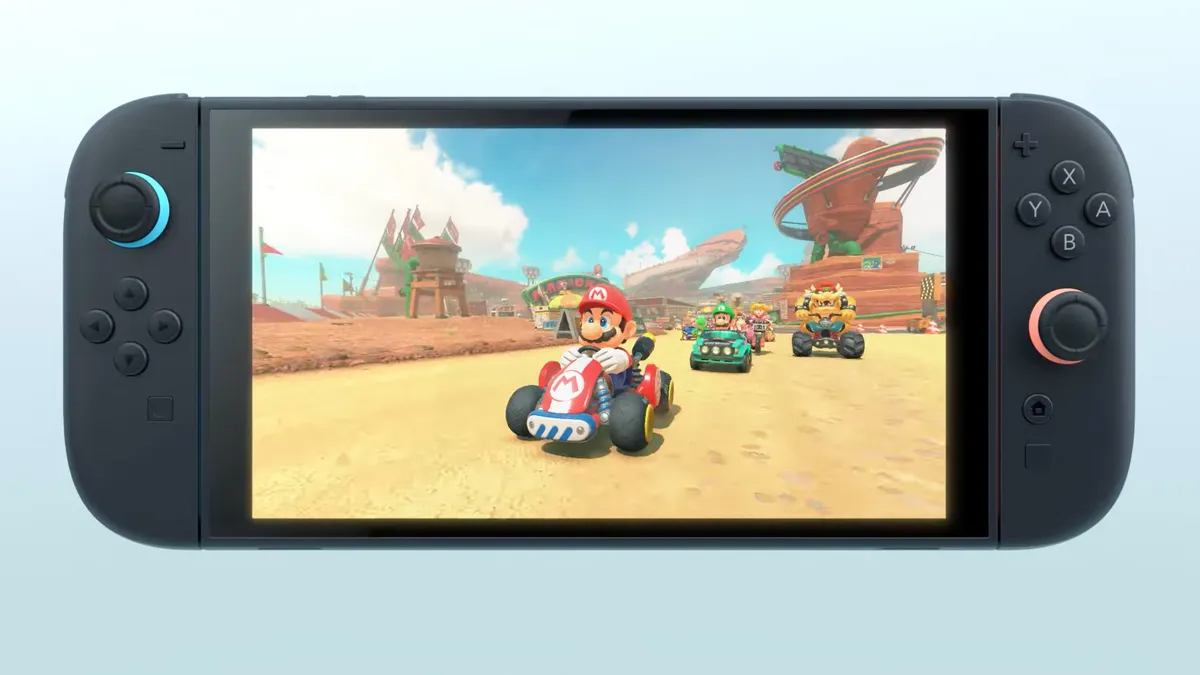
  • Nintendo Switch 2 Price Update Points to a More Expensive Console Than the Original

    Nintendo Switch 2 Price Update Points to a More Expensive Console Than the Original

    Despite Nintendo’s announcement of its newest device next month, there is still a lot to learn about the Switch 2. How strong is the Switch 2? Which games, may release with the console? And perhaps most important, how much will the Switch 2 price players? That last question has been ]… ]

    The second article on Den of Geek: The Nintendo Switch 2 Price Update Points to a More Cheap Console Than the Original.

    It has been almost a decade since Star Wars: Episode VII &#8211, The Force Awakens debuted in theaters. The movie was a once-in-a-generation success because, after inflation, the private box office was still the highest total in cinematic history. Suffice it to say, the twist was an honest-to-goodness pop culture phenomenon, and with it, came all of the collectible shirts. In fact, fans got their hands on The Force Awakens merchandise a few months ahead of schedule, with their release commemorated by Disney &#8217, s first &#8220, Force Friday &#8221, in early September 2015.

    Nothing quite compares to the first Disney Star Wars dramatic production, despite the fact that every succeeding Disney Star Wars film had a similar event. Fans of all things galaxy far, far apart waited outside of businesses to get their hands on the newest Star Wars merchandise. LEGO was at the frontline of this strategy, of course, dropping an initial flood of seven brand-new models.

    The Force Awakens and different Star Wars Sequel Trilogy Trilogy pieces were still being produced by the Danish make, but the demand for them waned after The Rise of Skywalker was released in 2019. LEGO has focused a lot of its work on this era in the decades since, with initiatives focusing on sets for the Disney + shows and Movies. But, the 10th anniversary of The Force Awakens may be about to change that.

    LEGO is apparently producing a number of exciting new units based on the drama, according to new leaking and gossips about the toymaker’s 2025 plans. Although the influx is only two sets solid, Den of Geek’s list of reputable LEGO whistleblowers on Instagram and YouTube is undoubtedly a better amount than the lacked Sequel sets to date in the 2020s.

    cnx. powershell. push ( function ( ) {cnx ( {playerId:” 106e33c0-3911-473c-b599-b1426db57530″, }). render ( “0270c398a82f44f49c23c16122516796” ), }),

    75406: Kylo Ren&#8217, s Bus

    Estimated transfer time: May 1, 2025

    Estimated cost:$ 69.99&nbsp,

    This ain&#8217, t LEGO&#8217, s second dance with Kylo Ren&#8217, s orbiter. Two separate versions were released in 2015 and 2019, both. The unique, 75104, which coincided with the first Force Friday, is an infamous fixed in the LEGO Star Wars area. This is due in large part to the develop &#8217, s serious mistakes. The complete design is the incorrect colour, and the feathers are unable to slide like the in-universe car. This was probably due to the idea art LEGO had before Lucasfilm changed the appearance before The Force Awakens was released.

    The second rendition of the set, 75256: Kylo Ren’s Shuttle, fixed these issues, now sporting a universe-accurate black and red color scheme. The latest version should follow suit of the 2019 model but on a smaller scale. Set 75406: Kylo Ren&#8217, s Bus is reportedly a “midi-scale” ship and will be part of the Starship Collection, a line of large vehicles from the Star Wars canon recreated in a smaller (and more affordable) scale. Unfortunately for fans of minifigures, nothing of that sort will be included, but the build will likely be a nice size that’ll snugly fit into any shelf display. 

    75415: Kylo Ren&#8217, s Helmet

    Estimated transfer time: May 1, 2025

    Estimated price:$ 69.99

    LEGO released its Helmet Collection in 2020, and the company produces at least two Star Wars helmet sets annually ( aside from a bizarre blip in 2024 ). While Jango Fett’s helmet is rumored to be coming in May and the AT-AT Driver helmet has already been revealed for a March release date, LEGO is reportedly dipping their toes into the Sequel Trilogy for the first time as part of this subtheme. Even the most prominent critics of the highly criticized trilogy can agree that Kylo Ren’s iconic helmet is undeniably cool. Due to Kylo Ren’s unique shaping, which is a very un-LEGO-like sculpt, the LEGO Star Wars designers do not have a very exciting task ahead of them. However, if they are able to knock it out of the park, this could be one of LEGO’s best helmet sets to date.

    The first post LEGO Star Wars Set Leaks and Rumors 2025: The New Force Awakens Sets Revealed appeared on Den of Geek.

  • LEGO Star Wars Set Leaks and Rumors 2025: The New Force Awakens Sets Revealed

    LEGO Star Wars Set Leaks and Rumors 2025: The New Force Awakens Sets Revealed

    Almost a century has passed since the release of Star Wars: Episode VII: The Force Awakens in theaters. The movie was a once-in-a-generation success because, after prices, the private box office was still the highest total in cinematic history. Suffice it to say, the twist was an honest-to-goodness pop culture phenomenon, and with ]…]

    The second article LEGO Star Wars Set Leaks and Rumors 2025: The New Force Awakens Sets Revealed appeared on Den of Geek.

    It has been almost a decade since Star Wars: Episode VII &#8211, The Force Awakens debuted in theaters. The movie was a once-in-a-generation success because, after inflation, the private box office was still the highest total in cinema history. Suffice it to say, the twist was an honest-to-goodness pop culture phenomenon, and with it, came all of the collectible jerseys. In fact, fans got their hands on The Force Awakens merchandise a few months ahead of schedule, with their release commemorated by Disney &#8217, s first &#8220, Force Friday &#8221, in early September 2015.

    Nothing quite compares to the first Disney Star Wars musical production, despite the fact that every succeeding one had a similar experience. Fans of all things galaxy far, far apart waited outside of businesses to get their hands on the newest Star Wars merchandise. LEGO was at the frontline of this strategy, of course, dropping an initial flood of seven brand-new models.

    The Force Awakens and different Star Wars Sequel Trilogy Trilogy pieces were still being produced by the Danish make, but the demand for them waned after The Rise of Skywalker was released in 2019. LEGO has focused a lot of its efforts on this time in the years since, with efforts focusing on creating sets for the Disney + shows and Movies. But, the 10th anniversary of The Force Awakens may be about to change that.

    LEGO is apparently producing a few exciting new models based on the movie, according to new leaking and gossips about the toymaker’s 2025 plans. Although the influx is only two sets solid, Den of Geek’s list of reputable LEGO whistleblowers on Instagram and YouTube is undoubtedly a better amount than the total lack of Sequel sets featured so far in the 2020s.

    cnx. powershell. push ( function ( ) {cnx ( {playerId:” 106e33c0-3911-473c-b599-b1426db57530″, }). render ( “0270c398a82f44f49c23c16122516796” ), }),

    75406: Kylo Ren&#8217, s Flight

    Estimated transfer time: May 1, 2025

    Estimated amount:$ 69.99&nbsp,

    This ain&#8217, t LEGO&#8217, s second dance with Kylo Ren&#8217, s flight. Two distinct variations were released in 2015 and 2019, both. The unique, 75104, which coincided with the first Force Friday, is an infamous fixed in the LEGO Star Wars area. This is due in large part to the develop &#8217, s serious mistakes. The complete design is the incorrect colour, and the feathers are unable to slide like the in-universe car. This was most likely due to the concept art LEGO received while creating the collection, and Lucasfilm after modified the presence before The Force Awakens was made.

    The second rendition of the set, 75256: Kylo Ren’s Shuttle, fixed these issues, now sporting a universe-accurate black and red color scheme. The latest version should follow suit of the 2019 model but on a smaller scale. Set 75406: Kylo Ren&#8217, s Flight is reportedly a “midi-scale” ship and will be part of the Starship Collection, a line of large vehicles from the Star Wars canon recreated in a smaller (and more affordable) scale. Unfortunately for fans of minifigures, nothing of that sort will be included, but the build will likely be a nice size that’ll snugly fit into any shelf display. 

    75415: Kylo Ren&#8217, s Helmet

    Estimated transfer time: May 1, 2025

    Estimated price:$ 69.99

    LEGO released its Helmet Collection in 2020, and the company produces at least two Star Wars helmet sets every year ( aside from a bizarre blip in 2024 ). While Jango Fett’s helmet is rumored to be coming in May and the AT-AT Driver helmet has already been revealed for a March release date, LEGO is reportedly dipping their toes into the Sequel Trilogy for the first time as part of this subtheme. Even the most prominent critics of the highly criticized trilogy can agree that Kylo Ren’s iconic helmet is undeniably cool. Due to Kylo Ren’s unique shaping being a very un-LEGO-like sculpt, the LEGO Star Wars designers do not have an envious task ahead of them. However, if they are able to knock it out of the park, this could become one of LEGO&#8217, s best helmet sets to date.

    The second article LEGO Star Wars Set Leaks and Rumors 2025: The New Force Awakens Sets Revealed appeared on Den of Geek.

  • Dune 3 Gets the Best Update Yet Amid a Huge Dune 4 Director Rumor

    Dune 3 Gets the Best Update Yet Amid a Huge Dune 4 Director Rumor

    In the last moments of Dune: Part Two, Chani winds out of Paul’s court and up into the desert. Chani prepares her pins for the approaching worm, which she’ll trip away from these because she’s disgusted by the grandiosity she sees in the guy she once loved. For a while, it looked like director Denis Villeneuve would ]… ]

    The second postDen of Geek: Dune 3 Receives the Best Update To Date Despite a Big Director Myth first appeared.

    It has been almost a decade since Star Wars: Episode VII &#8211, The Force Awakens debuted in theaters. The movie was a once-in-a-generation success because, after inflation, the private box office was still the highest ever private gross. Suffice it to say, the twist was an honest-to-goodness pop culture phenomenon, and with it, came all of the collectible jerseys. In fact, fans got their hands on The Force Awakens merchandise a few months ahead of schedule, with their release commemorated by Disney &#8217, s first &#8220, Force Friday &#8221, in early September 2015.

    Nothing quite compares to the first Disney Star Wars dramatic production, despite the fact that every succeeding one had a similar experience. Fans of all things galaxy-wide, faraway waited outside of retailers to purchase the newest Star Wars merchandise. LEGO was at the frontline of this strategy, of course, dropping an initial flood of seven brand-new models.

    The Force Awakens and different Star Wars Sequel Trilogy Trilogy pieces were still being produced by the Danish make over the following few years, but the demand for them waned after The Rise of Skywalker was released in 2019. LEGO has focused a lot of its work on this time in the decades since, with efforts focusing on sets for the Disney + shows and Movies. But, the 10th anniversary of The Force Awakens may be about to change that.

    LEGO is apparently producing a few interesting new models based on the movie, according to new leaking and gossips about the toymaker’s 2025 plans. Although the storm is only two sets powerful, Den of Geek’s list of reputable LEGO whistleblowers on Instagram and YouTube is undoubtedly a better amount than the lacked Sequel sets to date in the 2020s.

    cnx. powershell. push ( function ( ) {cnx ( {playerId:” 106e33c0-3911-473c-b599-b1426db57530″, }). render ( “0270c398a82f44f49c23c16122516796” ), }),

    75406: Kylo Ren&#8217, s Bus

    Estimated transfer time: May 1, 2025

    Estimated amount:$ 69.99&nbsp,

    This ain&#8217, t LEGO&#8217, s second dance with Kylo Ren&#8217, s flight. Two distinct variations were released in 2015 and 2019, both. The unique, 75104, which coincided with the first Force Friday, is an infamous fixed in the LEGO Star Wars area. This is due in large part to the develop &#8217, s serious mistakes. The complete design is the incorrect colour, and the feathers are unable to slide like the in-universe car. This was most likely due to the concept art LEGO received while creating the collection, and Lucasfilm after modified the presence before The Force Awakens was made.

    The second rendition of the set, 75256: Kylo Ren’s Shuttle, fixed these issues, now sporting a universe-accurate black and red color scheme. The latest version should follow suit of the 2019 model but on a smaller scale. Set 75406: Kylo Ren&#8217, s Bus is reportedly a “midi-scale” ship and will be part of the Starship Collection, a line of large vehicles from the Star Wars canon recreated in a smaller (and more affordable) scale. Unfortunately for fans of minifigures, nothing of that sort will be included, but the build will likely be a nice size that’ll snugly fit into any shelf display. 

    75415: Kylo Ren&#8217, s Helmet

    Estimated transfer time: May 1, 2025

    Estimated price:$ 69.99

    LEGO released its Helmet Collection in 2020, and the company produces at least two Star Wars helmet sets every year ( aside from a bizarre blip in 2024 ). While Jango Fett’s helmet is rumored to be coming in May and the AT-AT Driver helmet has already been revealed for a March release date, LEGO is reportedly dipping their toes into the Sequel Trilogy for the first time as part of this subtheme. Even the most prominent critics of the highly criticized trilogy can agree that Kylo Ren’s iconic helmet is undeniably cool. Due to Kylo Ren’s unique shaping being a very un-LEGO-like sculpt, the LEGO Star Wars designers do not have a very exciting task ahead of them. However, if they are able to knock it out of the park, this could be one of LEGO’s best helmet sets to date.

    The first postLeaks and Rumors 2025: The New Force Awakens Sets Revealed appeared on Den of Geek.

  • Beware the Cut ‘n’ Paste Persona

    Beware the Cut ‘n’ Paste Persona

    This Person Does Not Exist is a website that generates human faces with a machine learning algorithm. It takes real portraits and recombines them into fake human faces. We recently scrolled past a LinkedIn post stating that this website could be useful “if you are developing a persona and looking for a photo.” 

    We agree: the computer-generated faces could be a great match for personas—but not for the reason you might think. Ironically, the website highlights the core issue of this very common design method: the person(a) does not exist. Like the pictures, personas are artificially made. Information is taken out of natural context and recombined into an isolated snapshot that’s detached from reality. 

    But strangely enough, designers use personas to inspire their design for the real world. 

    Personas: A step back

    Most designers have created, used, or come across personas at least once in their career. In their article “Personas – A Simple Introduction,” the Interaction Design Foundation defines personas as “fictional characters, which you create based upon your research in order to represent the different user types that might use your service, product, site, or brand.” In their most complete expression, personas typically consist of a name, profile picture, quotes, demographics, goals, needs, behavior in relation to a certain service/product, emotions, and motivations (for example, see Creative Companion’s Persona Core Poster). The purpose of personas, as stated by design agency Designit, is “to make the research relatable, [and] easy to communicate, digest, reference, and apply to product and service development.”

    The decontextualization of personas

    Personas are popular because they make “dry” research data more relatable, more human. However, this method constrains the researcher’s data analysis in such a way that the investigated users are removed from their unique contexts. As a result, personas don’t portray key factors that make you understand their decision-making process or allow you to relate to users’ thoughts and behavior; they lack stories. You understand what the persona did, but you don’t have the background to understand why. You end up with representations of users that are actually less human.

    This “decontextualization” we see in personas happens in four ways, which we’ll explain below. 

    Personas assume people are static 

    Although many companies still try to box in their employees and customers with outdated personality tests (referring to you, Myers-Briggs), here’s a painfully obvious truth: people are not a fixed set of features. You act, think, and feel differently according to the situations you experience. You appear different to different people; you might act friendly to some, rough to others. And you change your mind all the time about decisions you’ve taken. 

    Modern psychologists agree that while people generally behave according to certain patterns, it’s actually a combination of background and environment that determines how people act and take decisions. The context—the environment, the influence of other people, your mood, the entire history that led up to a situation—determines the kind of person you are in each specific moment. 

    In their attempt to simplify reality, personas do not take this variability into account; they present a user as a fixed set of features. Like personality tests, personas snatch people away from real life. Even worse, people are reduced to a label and categorized as “that kind of person” with no means to exercise their innate flexibility. This practice reinforces stereotypes, lowers diversity, and doesn’t reflect reality. 

    Personas focus on individuals, not the environment

    In the real world, you’re designing for a context, not for an individual. Each person lives in a family, a community, an ecosystem, where there are environmental, political, and social factors you need to consider. A design is never meant for a single user. Rather, you design for one or more particular contexts in which many people might use that product. Personas, however, show the user alone rather than describe how the user relates to the environment. 

    Would you always make the same decision over and over again? Maybe you’re a committed vegan but still decide to buy some meat when your relatives are coming over. As they depend on different situations and variables, your decisions—and behavior, opinions, and statements—are not absolute but highly contextual. The persona that “represents” you wouldn’t take into account this dependency, because it doesn’t specify the premises of your decisions. It doesn’t provide a justification of why you act the way you do. Personas enact the well-known bias called fundamental attribution error: explaining others’ behavior too much by their personality and too little by the situation.

    As mentioned by the Interaction Design Foundation, personas are usually placed in a scenario that’s a “specific context with a problem they want to or have to solve”—does that mean context actually is considered? Unfortunately, what often happens is that you take a fictional character and based on that fiction determine how this character might deal with a certain situation. This is made worse by the fact that you haven’t even fully investigated and understood the current context of the people your persona seeks to represent; so how could you possibly understand how they would act in new situations? 

    Personas are meaningless averages

    As mentioned in Shlomo Goltz’s introductory article on Smashing Magazine, “a persona is depicted as a specific person but is not a real individual; rather, it is synthesized from observations of many people.” A well-known critique to this aspect of personas is that the average person does not exist, as per the famous example of the USA Air Force designing planes based on the average of 140 of their pilots’ physical dimensions and not a single pilot actually fitting within that average seat. 

    The same limitation applies to mental aspects of people. Have you ever heard a famous person say, “They took what I said out of context! They used my words, but I didn’t mean it like that.” The celebrity’s statement was reported literally, but the reporter failed to explain the context around the statement and didn’t describe the non-verbal expressions. As a result, the intended meaning was lost. You do the same when you create personas: you collect somebody’s statement (or goal, or need, or emotion), of which the meaning can only be understood if you provide its own specific context, yet report it as an isolated finding. 

    But personas go a step further, extracting a decontextualized finding and joining it with another decontextualized finding from somebody else. The resulting set of findings often does not make sense: it’s unclear, or even contrasting, because it lacks the underlying reasons on why and how that finding has arisen. It lacks meaning. And the persona doesn’t give you the full background of the person(s) to uncover this meaning: you would need to dive into the raw data for each single persona item to find it. What, then, is the usefulness of the persona?

    The relatability of personas is deceiving

    To a certain extent, designers realize that a persona is a lifeless average. To overcome this, designers invent and add “relatable” details to personas to make them resemble real individuals. Nothing captures the absurdity of this better than a sentence by the Interaction Design Foundation: “Add a few fictional personal details to make the persona a realistic character.” In other words, you add non-realism in an attempt to create more realism. You deliberately obscure the fact that “John Doe” is an abstract representation of research findings; but wouldn’t it be much more responsible to emphasize that John is only an abstraction? If something is artificial, let’s present it as such.

    It’s the finishing touch of a persona’s decontextualization: after having assumed that people’s personalities are fixed, dismissed the importance of their environment, and hidden meaning by joining isolated, non-generalizable findings, designers invent new context to create (their own) meaning. In doing so, as with everything they create, they introduce a host of biases. As phrased by Designit, as designers we can “contextualize [the persona] based on our reality and experience. We create connections that are familiar to us.” This practice reinforces stereotypes, doesn’t reflect real-world diversity, and gets further away from people’s actual reality with every detail added. 

    To do good design research, we should report the reality “as-is” and make it relatable for our audience, so everyone can use their own empathy and develop their own interpretation and emotional response.

    Dynamic Selves: The alternative to personas

    If we shouldn’t use personas, what should we do instead? 

    Designit has proposed using Mindsets instead of personas. Each Mindset is a “spectrum of attitudes and emotional responses that different people have within the same context or life experience.” It challenges designers to not get fixated on a single user’s way of being. Unfortunately, while being a step in the right direction, this proposal doesn’t take into account that people are part of an environment that determines their personality, their behavior, and, yes, their mindset. Therefore, Mindsets are also not absolute but change in regard to the situation. The question remains, what determines a certain Mindset?

    Another alternative comes from Margaret P., author of the article “Kill Your Personas,” who has argued for replacing personas with persona spectrums that consist of a range of user abilities. For example, a visual impairment could be permanent (blindness), temporary (recovery from eye surgery), or situational (screen glare). Persona spectrums are highly useful for more inclusive and context-based design, as they’re based on the understanding that the context is the pattern, not the personality. Their limitation, however, is that they have a very functional take on users that misses the relatability of a real person taken from within a spectrum. 

    In developing an alternative to personas, we aim to transform the standard design process to be context-based. Contexts are generalizable and have patterns that we can identify, just like we tried to do previously with people. So how do we identify these patterns? How do we ensure truly context-based design? 

    Understand real individuals in multiple contexts

    Nothing is more relatable and inspiring than reality. Therefore, we have to understand real individuals in their multi-faceted contexts, and use this understanding to fuel our design. We refer to this approach as Dynamic Selves.

    Let’s take a look at what the approach looks like, based on an example of how one of us applied it in a recent project that researched habits of Italians around energy consumption. We drafted a design research plan aimed at investigating people’s attitudes toward energy consumption and sustainable behavior, with a focus on smart thermostats. 

    1. Choose the right sample

    When we argue against personas, we’re often challenged with quotes such as “Where are you going to find a single person that encapsulates all the information from one of these advanced personas[?]” The answer is simple: you don’t have to. You don’t need to have information about many people for your insights to be deep and meaningful. 

    In qualitative research, validity does not derive from quantity but from accurate sampling. You select the people that best represent the “population” you’re designing for. If this sample is chosen well, and you have understood the sampled people in sufficient depth, you’re able to infer how the rest of the population thinks and behaves. There’s no need to study seven Susans and five Yuriys; one of each will do. 

    Similarly, you don’t need to understand Susan in fifteen different contexts. Once you’ve seen her in a couple of diverse situations, you’ve understood the scheme of Susan’s response to different contexts. Not Susan as an atomic being but Susan in relation to the surrounding environment: how she might act, feel, and think in different situations. 

    Given that each person is representative of a part of the total population you’re researching, it becomes clear why each should be represented as an individual, as each already is an abstraction of a larger group of individuals in similar contexts. You don’t want abstractions of abstractions! These selected people need to be understood and shown in their full expression, remaining in their microcosmos—and if you want to identify patterns you can focus on identifying patterns in contexts.

    Yet the question remains: how do you select a representative sample? First of all, you have to consider what’s the target audience of the product or service you are designing: it might be useful to look at the company’s goals and strategy, the current customer base, and/or a possible future target audience. 

    In our example project, we were designing an application for those who own a smart thermostat. In the future, everyone could have a smart thermostat in their house. Right now, though, only early adopters own one. To build a significant sample, we needed to understand the reason why these early adopters became such. We therefore recruited by asking people why they had a smart thermostat and how they got it. There were those who had chosen to buy it, those who had been influenced by others to buy it, and those who had found it in their house. So we selected representatives of these three situations, from different age groups and geographical locations, with an equal balance of tech savvy and non-tech savvy participants. 

    2. Conduct your research

    After having chosen and recruited your sample, conduct your research using ethnographic methodologies. This will make your qualitative data rich with anecdotes and examples. In our example project, given COVID-19 restrictions, we converted an in-house ethnographic research effort into remote family interviews, conducted from home and accompanied by diary studies.

    To gain an in-depth understanding of attitudes and decision-making trade-offs, the research focus was not limited to the interviewee alone but deliberately included the whole family. Each interviewee would tell a story that would then become much more lively and precise with the corrections or additional details coming from wives, husbands, children, or sometimes even pets. We also focused on the relationships with other meaningful people (such as colleagues or distant family) and all the behaviors that resulted from those relationships. This wide research focus allowed us to shape a vivid mental image of dynamic situations with multiple actors. 

    It’s essential that the scope of the research remains broad enough to be able to include all possible actors. Therefore, it normally works best to define broad research areas with macro questions. Interviews are best set up in a semi-structured way, where follow-up questions will dive into topics mentioned spontaneously by the interviewee. This open-minded “plan to be surprised” will yield the most insightful findings. When we asked one of our participants how his family regulated the house temperature, he replied, “My wife has not installed the thermostat’s app—she uses WhatsApp instead. If she wants to turn on the heater and she is not home, she will text me. I am her thermostat.”

    3. Analysis: Create the Dynamic Selves

    During the research analysis, you start representing each individual with multiple Dynamic Selves, each “Self” representing one of the contexts you have investigated. The core of each Dynamic Self is a quote, which comes supported by a photo and a few relevant demographics that illustrate the wider context. The research findings themselves will show which demographics are relevant to show. In our case, as our research focused on families and their lifestyle to understand their needs for thermal regulation, the important demographics were family type, number and nature of houses owned, economic status, and technological maturity. (We also included the individual’s name and age, but they’re optional—we included them to ease the stakeholders’ transition from personas and be able to connect multiple actions and contexts to the same person).

    To capture exact quotes, interviews need to be video-recorded and notes need to be taken verbatim as much as possible. This is essential to the truthfulness of the several Selves of each participant. In the case of real-life ethnographic research, photos of the context and anonymized actors are essential to build realistic Selves. Ideally, these photos should come directly from field research, but an evocative and representative image will work, too, as long as it’s realistic and depicts meaningful actions that you associate with your participants. For example, one of our interviewees told us about his mountain home where he used to spend every weekend with his family. Therefore, we portrayed him hiking with his little daughter. 

    At the end of the research analysis, we displayed all of the Selves’ “cards” on a single canvas, categorized by activities. Each card displayed a situation, represented by a quote and a unique photo. All participants had multiple cards about themselves.

    4. Identify design opportunities

    Once you have collected all main quotes from the interview transcripts and diaries, and laid them all down as Self cards, you will see patterns emerge. These patterns will highlight the opportunity areas for new product creation, new functionalities, and new services—for new design. 

    In our example project, there was a particularly interesting insight around the concept of humidity. We realized that people don’t know what humidity is and why it is important to monitor it for health: an environment that’s too dry or too wet can cause respiratory problems or worsen existing ones. This highlighted a big opportunity for our client to educate users on this concept and become a health advisor.

    Benefits of Dynamic Selves

    When you use the Dynamic Selves approach in your research, you start to notice unique social relations, peculiar situations real people face and the actions that follow, and that people are surrounded by changing environments. In our thermostat project, we have come to know one of the participants, Davide, as a boyfriend, dog-lover, and tech enthusiast. 

    Davide is an individual we might have once reduced to a persona called “tech enthusiast.” But we can have tech enthusiasts who have families or are single, who are rich or poor. Their motivations and priorities when deciding to purchase a new thermostat can be opposite according to these different frames. 

    Once you have understood Davide in multiple situations, and for each situation have understood in sufficient depth the underlying reasons for his behavior, you’re able to generalize how he would act in another situation. You can use your understanding of him to infer what he would think and do in the contexts (or scenarios) that you design for.

    The Dynamic Selves approach aims to dismiss the conflicted dual purpose of personas—to summarize and empathize at the same time—by separating your research summary from the people you’re seeking to empathize with. This is important because our empathy for people is affected by scale: the bigger the group, the harder it is to feel empathy for others. We feel the strongest empathy for individuals we can personally relate to.  

    If you take a real person as inspiration for your design, you no longer need to create an artificial character. No more inventing details to make the character more “realistic,” no more unnecessary additional bias. It’s simply how this person is in real life. In fact, in our experience, personas quickly become nothing more than a name in our priority guides and prototype screens, as we all know that these characters don’t really exist. 

    Another powerful benefit of the Dynamic Selves approach is that it raises the stakes of your work: if you mess up your design, someone real, a person you and the team know and have met, is going to feel the consequences. It might stop you from taking shortcuts and will remind you to conduct daily checks on your designs.

    And finally, real people in their specific contexts are a better basis for anecdotal storytelling and therefore are more effective in persuasion. Documentation of real research is essential in achieving this result. It adds weight and urgency behind your design arguments: “When I met Alessandra, the conditions of her workplace struck me. Noise, bad ergonomics, lack of light, you name it. If we go for this functionality, I’m afraid we’re going to add complexity to her life.”

    Conclusion

    Designit mentioned in their article on Mindsets that “design thinking tools offer a shortcut to deal with reality’s complexities, but this process of simplification can sometimes flatten out people’s lives into a few general characteristics.” Unfortunately, personas have been culprits in a crime of oversimplification. They are unsuited to represent the complex nature of our users’ decision-making processes and don’t account for the fact that humans are immersed in contexts. 

    Design needs simplification but not generalization. You have to look at the research elements that stand out: the sentences that captured your attention, the images that struck you, the sounds that linger. Portray those, use them to describe the person in their multiple contexts. Both insights and people come with a context; they cannot be cut from that context because it would remove meaning. 

    It’s high time for design to move away from fiction, and embrace reality—in its messy, surprising, and unquantifiable beauty—as our guide and inspiration.