Category: Blog

Your blog category

  • From Beta to Bedrock: Build Products that Stick.

    From Beta to Bedrock: Build Products that Stick.

    As a product builder over too many years to mention, I’ve lost count of the number of times I’ve seen promising ideas go from zero to hero in a few weeks, only to fizzle out within months.

    Financial products, which is the field I work in, are no exception. With people’s real hard-earned money on the line, user expectations running high, and a crowded market, it’s tempting to throw as many features at the wall as possible and hope something sticks. But this approach is a recipe for disaster. Here’s why:

    The pitfalls of feature-first development

    When you start building a financial product from the ground up, or are migrating existing customer journeys from paper or telephony channels onto online banking or mobile apps, it’s easy to get caught up in the excitement of creating new features. You might think, “If I can just add one more thing that solves this particular user problem, they’ll love me!” But what happens when you inevitably hit a roadblock because the narcs (your security team!) don’t like it? When a hard-fought feature isn’t as popular as you thought, or it breaks due to unforeseen complexity?

    This is where the concept of Minimum Viable Product (MVP) comes in. Jason Fried’s book Getting Real and his podcast Rework often touch on this idea, even if he doesn’t always call it that. An MVP is a product that provides just enough value to your users to keep them engaged, but not so much that it becomes overwhelming or difficult to maintain. It sounds like an easy concept but it requires a razor sharp eye, a ruthless edge and having the courage to stick by your opinion because it is easy to be seduced by “the Columbo Effect”… when there’s always “just one more thing…” that someone wants to add.

    The problem with most finance apps, however, is that they often become a reflection of the internal politics of the business rather than an experience solely designed around the customer. This means that the focus is on delivering as many features and functionalities as possible to satisfy the needs and desires of competing internal departments, rather than providing a clear value proposition that is focused on what the people out there in the real world want. As a result, these products can very easily bloat to become a mixed bag of confusing, unrelated and ultimately unlovable customer experiences—a feature salad, you might say.

    The importance of bedrock

    So what’s a better approach? How can we build products that are stable, user-friendly, and—most importantly—stick?

    That’s where the concept of “bedrock” comes in. Bedrock is the core element of your product that truly matters to users. It’s the fundamental building block that provides value and stays relevant over time.

    In the world of retail banking, which is where I work, the bedrock has got to be in and around the regular servicing journeys. People open their current account once in a blue moon but they look at it every day. They sign up for a credit card every year or two, but they check their balance and pay their bill at least once a month.

    Identifying the core tasks that people want to do and then relentlessly striving to make them easy to do, dependable, and trustworthy is where the gravy’s at.

    But how do you get to bedrock? By focusing on the “MVP” approach, prioritizing simplicity, and iterating towards a clear value proposition. This means cutting out unnecessary features and focusing on delivering real value to your users.

    It also means having some guts, because your colleagues might not always instantly share your vision to start with. And controversially, sometimes it can even mean making it clear to customers that you’re not going to come to their house and make their dinner. The occasional “opinionated user interface design” (i.e. clunky workaround for edge cases) might sometimes be what you need to use to test a concept or buy you space to work on something more important.

    Practical strategies for building financial products that stick

    So what are the key strategies I’ve learned from my own experience and research?

    1. Start with a clear “why”: What problem are you trying to solve? For whom? Make sure your mission is crystal clear before building anything. Make sure it aligns with your company’s objectives, too.
    2. Focus on a single, core feature and obsess on getting that right before moving on to something else: Resist the temptation to add too many features at once. Instead, choose one that delivers real value and iterate from there.
    3. Prioritize simplicity over complexity: Less is often more when it comes to financial products. Cut out unnecessary bells and whistles and keep the focus on what matters most.
    4. Embrace continuous iteration: Bedrock isn’t a fixed destination—it’s a dynamic process. Continuously gather user feedback, refine your product, and iterate towards that bedrock state.
    5. Stop, look and listen: Don’t just test your product as part of your delivery process—test it repeatedly in the field. Use it yourself. Run A/B tests. Gather user feedback. Talk to people who use it, and refine accordingly.

    The bedrock paradox

    There’s an interesting paradox at play here: building towards bedrock means sacrificing some short-term growth potential in favour of long-term stability. But the payoff is worth it—products built with a focus on bedrock will outlast and outperform their competitors, and deliver sustained value to users over time.

    So, how do you start your journey towards bedrock? Take it one step at a time. Start by identifying those core elements that truly matter to your users. Focus on building and refining a single, powerful feature that delivers real value. And above all, test obsessively—for, in the words of Abraham Lincoln, Alan Kay, or Peter Drucker (whomever you believe!!), “The best way to predict the future is to create it.”
  • Designed for a Dead Language

    Designed for a Dead Language

    Every language app in your pocket inherited a teaching method built for Latin. Understanding why that happened is a more useful design lesson than anything the apps themselves will teach you.

    In 1788, Prussia introduced the Abitur, a standardized national examination required for entry into universities and the civil service. To pass it, students needed to demonstrate measurable, gradable knowledge. The system needed to teach language to large classrooms, produce consistent outcomes, and do it with one teacher and thirty students. The educators responsible for designing this system reached for the only teaching template they had, one that had been used in European schools for two centuries: the method developed to teach Latin.

    Latin, by 1788, was a dead language. Nobody needed to speak it. The scholars who studied it were reading Cicero and Virgil, not conducting conversations. The method built around it, memorizing grammar rules, constructing translations, analyzing written texts, reflected that reality exactly. Oral skills were irrelevant. Comprehension of written form was everything. The method was not designed to produce speakers. It was designed to produce readers of texts in a language nobody spoke.

    When Prussia applied this template to French and German, living languages spoken by living people, the premise did not change. Johann Valentin Meidinger’s textbook Praktische Französische Grammatik, published in 1804, ran to 37 editions across Europe by 1857. Karl Plotz formalized the approach into what became the dominant model for teaching modern languages across Europe and eventually the United States, where it became known simply as the Prussian Method [1]. Each institution that adopted it trained teachers in it, who trained students who became teachers. The constraint that created the method, how do you grade language at scale with limited resources, became invisible inside the method itself. What remained was the assumption: language is a body of rules to be learned consciously and measured. It was a design decision dressed up, over time, as a pedagogical truth.

    The observation that should have ended it

    There are people in the world who cannot read or write a language and speak it fluently. There are children who hold full conversations years before they can read a single word. There are immigrants who arrive in a country knowing nothing of its language and come out, years later, speaking it naturally, not because they studied it, but because they lived inside it. Literacy and fluency are separate things produced by entirely separate mechanisms. The Grammar-Translation method, as it became known, assumed they were the same thing. That assumption was inherited from a method designed for a language nobody needed to speak, and it was wrong the moment it was applied to a language people actually used.

    The evidence against it accumulated slowly. In the mid to late nineteenth century, reformers including François Gouin in France and Maximilian Berlitz in the United States argued independently that language should be taught the way it is actually acquired, through immersive exposure to real communication in the target language, not through analysis of its rules. Berlitz built an entire school network around this principle. The reformers were correct. They were also largely ignored by mainstream education systems, because the Grammar-Translation method had one decisive advantage that direct immersion did not: it could be graded.

    In 1982, the linguist Stephen Krashen gave the argument its most formal articulation in what he called the Monitor Model of second language acquisition. His distinction was precise: language acquisition, the unconscious process through which children absorb their native language and through which adults succeed in immersive environments, is categorically different from language learning, the conscious study of grammar rules and vocabulary that classrooms deliver [2]. Acquisition produces fluency. Learning, at best, produces the ability to pass a test. The evidence supporting this distinction, and the observation that immersive exposure to real native-speaker communication is the mechanism that produces genuine fluency, has only grown since.

    I went to Brazil without a word of Portuguese and came out speaking it. I studied French in a classroom for years and cannot hold a conversation in French today. This is not an unusual experience. It is the expected outcome, and it has been the expected outcome for as long as we have had formal language education.

    The same decision, made again in a different medium

    Prussian educators faced the question: How do you deliver language learning at scale, measure progress, and retain users over time? The answer it arrived at was structurally identical to the one arrived at in 1788. Duolingo gamified the grammar drill into a streak. Anki formalized the translation exercise into a spaced-repetition flashcard. Babbel organized grammar lessons into structured modules. The interfaces were new. The underlying assumption, that language is a thing you study rather than an environment you inhabit, was not.

    This was not a failure of design skill. The products that emerged from these decisions are, in many respects, genuinely well-crafted. Duolingo’s retention mechanics are sophisticated. Anki’s spaced repetition is grounded in real cognitive science. They are excellent at what they actually do. The problem is what they actually do: produce measurable engagement with a proxy for language rather than the conditions that produce language itself. A streak is measurable. A vocabulary score is measurable. The moment a user walks out of an app and holds a real conversation in another language, that happens in the world, outside the product, and cannot be instrumented.

    When the outcome a user needs is difficult to measure directly, the design process tends to reach for something that can be measured. The proxy becomes the goal. The interface optimizes for it. The gap between what the product delivers and what the user actually needed grows. This is not a pattern unique to language learning. It is a pattern that repeats across product categories whenever a design constraint—the need to measure, the need to scale, the need to produce a grade—gets built into a system so deeply that it stops being visible as a constraint and starts being mistaken for a truth about the problem itself.

    What happens when the constraint changes

    The constraint that made the Grammar-Translation method necessary in 1788 was real and rational. One teacher. Thirty students. A standardized exam. You cannot grade a conversation at scale. You can grade a translation exercise. The method was not chosen because it produced fluency. It was chosen because it produced a score.

    That constraint no longer exists in the same form. Technology has made it possible to deliver immersive, real-time conversation practice to anyone with a smartphone, at a cost that continues to fall. The design problem is no longer how to make language learning gradable at scale. It is how to make the conditions of genuine language acquisition accessible to people who cannot move to another country or afford a native-speaker tutor.

    The products that are now closest to solving the actual problem are not the ones that invented a new pedagogy. They are the ones that removed the access barrier to an old one. Praktika builds AI conversation partners with distinct personalities, regional dialects, and cultural context, replicating the specificity of a real native speaker rather than a generic language-learning voice. Langua clones native speaker voices so that the interaction feels like a real conversation rather than a lesson. Rosetta Stone’s foundational methodology, image association in the target language with no translation, was built on the same insight Berlitz arrived at in the nineteenth century: language is acquired through immersive exposure, not through analysis of its rules [3]. A 2025 meta-analysis of 31 studies found that AI conversation tools produced a statistically significant improvement in language learning outcomes, a result that no amount of flashcard optimization has consistently matched [4].

    None of these products invented a new theory of language acquisition. They translated an existing one into something more people could reach.

    The design question this leaves

    The Grammar-Translation method persisted not because educators were wrong about design, but because a design decision made under a specific constraint became, over two centuries, indistinguishable from the thing itself. The constraint, how do you grade language at scale, was forgotten. The method it produced was inherited as if it were a description of how language works, passed from Prussia to Europe to America to the App Store, from the grammar drill to the streak.

    Every time a design team optimizes for a metric because the actual outcome is hard to measure, they are making a version of the same decision. It is often the right decision given real constraints. The question worth asking is whether the constraint that made it necessary still exists, or whether it has simply become invisible inside the system it originally produced.

    Before reaching for what can be measured, it is worth asking what the user actually needs to do, and what stopped them from doing it before. Sometimes the answer is a new solution. More often it is an old one that was always out of reach.

  • 15 Times Movies & Shows Pretended The Confederacy Was Ok

    15 Times Movies & Shows Pretended The Confederacy Was Ok

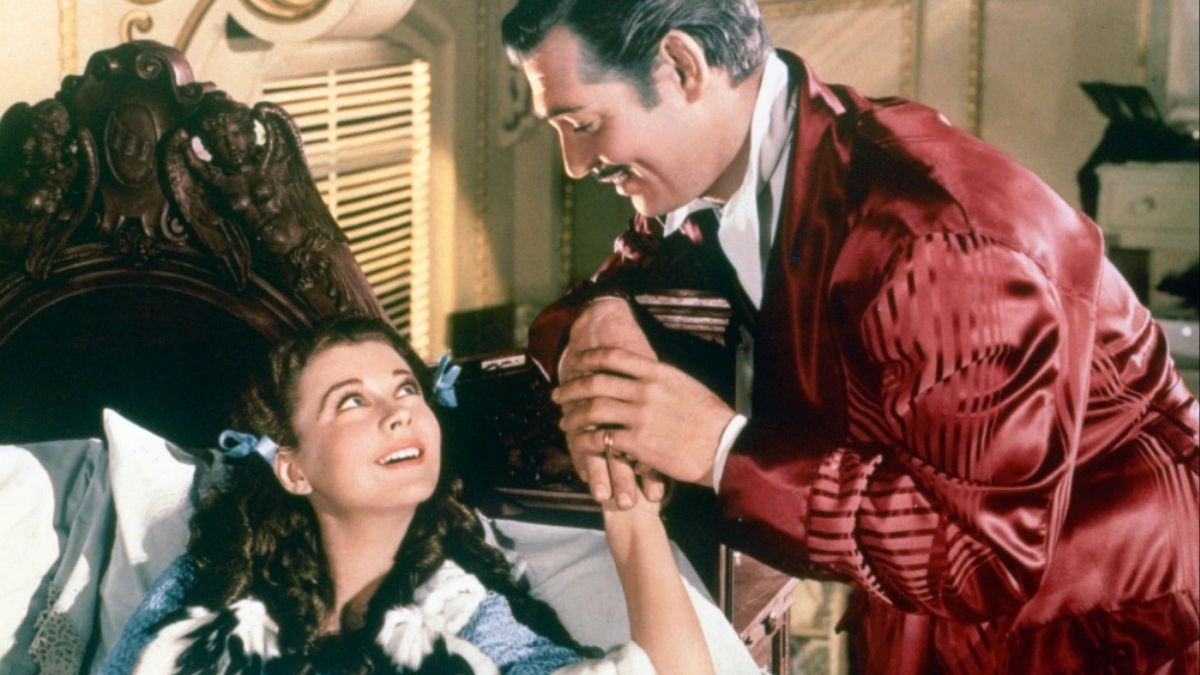
    For decades, Hollywood and television often treated the Confederacy as little more than colorful historical scenery or a symbol of rebellious charm. Confederate uniforms, battle flags, and even former Confederate soldiers appeared as sympathetic or heroic figures with little acknowledgment of the institution of slavery that defined the Confederacy itself.

    While many of these productions reflected the attitudes of their own eras, modern audiences often view them very differently. These movies and television shows largely present Confederate imagery or characters without meaningfully questioning what those symbols represented.

    The post 15 Times Movies & Shows Pretended The Confederacy Was Ok appeared first on Den of Geek.

    The Last Airbender has returned… just not in the way you wanted. For those who did not watch the full movie that recently leaked online, the trailer for Avatar Aang: The Last Airbender was fan’s first chance to catch up on Aang, Katara, Sokka, and Zuko, several years after the end of the hit series Avatar: The Last Airbender (but before the sequel series, The Legend of Korra).

    The trailer looks gorgeous, filled with character moments and dazzling action. It sees the core characters, now young adults, finding Tagah, a frozen Airbender voiced by Dave Bautista. Tagah offers Aangs the possibility of reviving his lost culture—provided they can recover a hidden relic before a group known as the Denied can locate it. It’s a perfect plot for a feature adaptation of a beloved television series. But it will have to stay on television, because Paramount once again prioritizes its flagging streaming service over the theatrical experience.

    At first glance, Paramount has been a consistent presence in movie theaters. Just last year alone, the studio put everything from small genre films such as Heart Eyes and Friendship in theaters, alongside bigger plays, such as Mission: Impossible—The Final Reckoning and The Running Man. But the studio continues to push Paramount+, trying to grow the streaming platform beyond its myriad Yellowstone and Star Trek offerings. Movies such as Pet Sematary: Bloodlines, Dear Santa, Apartment 7A, and Vicious skipped theaters altogether.

    cnx.cmd.push(function() {
    cnx({
    playerId: “106e33c0-3911-473c-b599-b1426db57530”,

    }).render(“0270c398a82f44f49c23c16122516796”);
    });

    One might understand why those movies would get the streaming treatment. A holiday kid’s movie and a couple of mid-tier horror flicks seem like the sort of thing that Netflix and HBO Max use to fill out their libraries. But as the runaway success of Backrooms and Obsession has demonstrated, there’s a hunger to watch small-scale horror movies in theaters, especially when made by filmmakers as talented as Apartment 7A‘s Natalie Erika James and Vicious‘s Bryan Bertino.

    Despite that fact, Paramount clearly sees streaming as a place for films that don’t have an audience, given that it still puts low-prestige flicks with strong fan support into theaters, such as the recent Scary Movie reboot, Jackass: Best and Last, and the upcoming Paw Patrol: The Dino Movie. By sending Avatar Aang straight to streaming, Paramount signals to its longtime fans that they aren’t as important, that the beauty and artistry of the story doesn’t matter if the film can’t guarantee a certain box office return.

    The decision is annoying for Avatar fans. It’s downright horrifying for lovers of cinema. Paramount, of course, has purchased Warner Bros., combining two of the oldest and most respected studios in all of Hollywood, two of the studios that helped make movie theaters into a cornerstone of our culture. Amidst fears of monopolies and another media hub being owned by openly-right-wing billionaires, our one silver lining was the fact that Paramount at least understood theaters, unlike its competition in the Warner Bros. bidding war, Netflix. Yet, if Paramount treats a franchise as beloved as Avatar like streaming fodder, then it clearly doesn’t think theaters are all that important.

    Judging by the trailer, Avatar Aang will be an incredible visual experience. But maybe its story will also offer hope that, even after those in power make horrible decisions that destroy the culture, something can be eventually recovered.

    Avatar Aang: The Last Airbender streams on Paramount+ on October 9, 2026.

    The post Avatar Aang Trailer Only Makes Paramount’s Theatrical Dodge Even More Frustrating appeared first on Den of Geek.

  • 14 Actors Who Somehow Ended Up in Every Franchise

    14 Actors Who Somehow Ended Up in Every Franchise

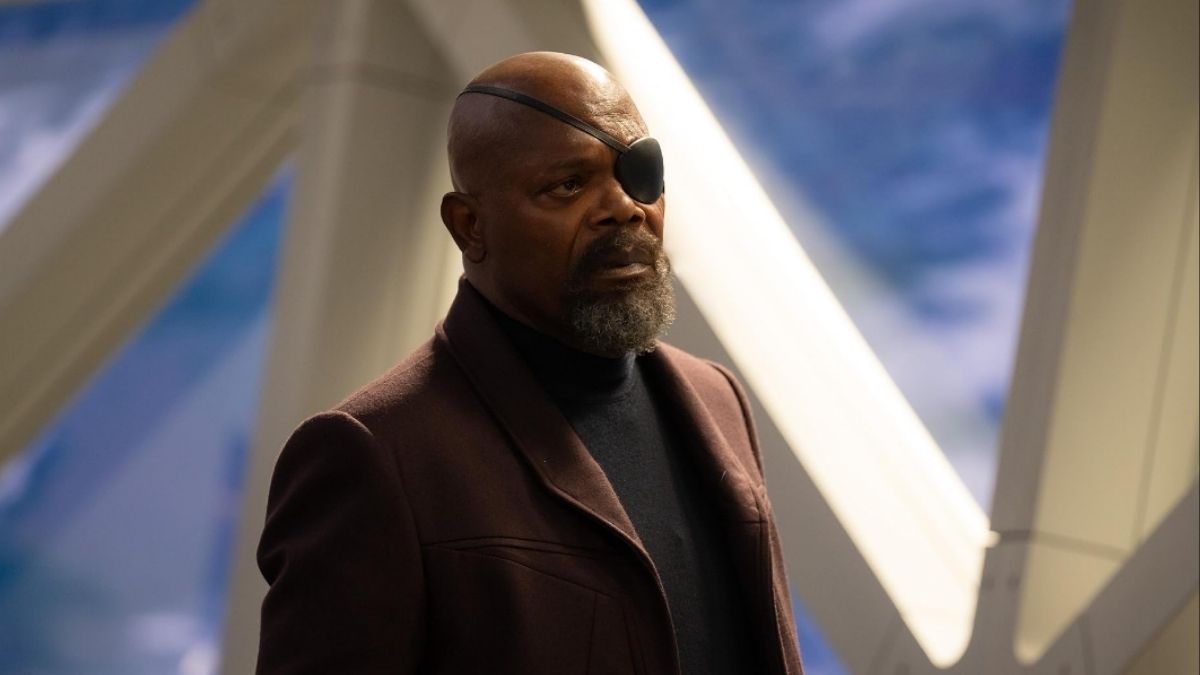
    A franchise often follows a strict timeline, meaning that actors can come back and play the same character even if said character isn’t a main one. It’s a way to give continuity to a world, so if you’ve seen every movie in the series, you’ll get more out of it.

    Some faces in a franchise are iconic, like Robert Downey Jr. and his portrayal of Iron Man. Other famed actors tend to pop up more than you’d expect, ending up in so many things they seem to want to be part of everything. These are the performers that keep popping up in cinema.

    The post 14 Actors Who Somehow Ended Up in Every Franchise appeared first on Den of Geek.

    The Last Airbender has returned… just not in the way you wanted. For those who did not watch the full movie that recently leaked online, the trailer for Avatar Aang: The Last Airbender was fan’s first chance to catch up on Aang, Katara, Sokka, and Zuko, several years after the end of the hit series Avatar: The Last Airbender (but before the sequel series, The Legend of Korra).

    The trailer looks gorgeous, filled with character moments and dazzling action. It sees the core characters, now young adults, finding Tagah, a frozen Airbender voiced by Dave Bautista. Tagah offers Aangs the possibility of reviving his lost culture—provided they can recover a hidden relic before a group known as the Denied can locate it. It’s a perfect plot for a feature adaptation of a beloved television series. But it will have to stay on television, because Paramount once again prioritizes its flagging streaming service over the theatrical experience.

    At first glance, Paramount has been a consistent presence in movie theaters. Just last year alone, the studio put everything from small genre films such as Heart Eyes and Friendship in theaters, alongside bigger plays, such as Mission: Impossible—The Final Reckoning and The Running Man. But the studio continues to push Paramount+, trying to grow the streaming platform beyond its myriad Yellowstone and Star Trek offerings. Movies such as Pet Sematary: Bloodlines, Dear Santa, Apartment 7A, and Vicious skipped theaters altogether.

    cnx.cmd.push(function() {
    cnx({
    playerId: “106e33c0-3911-473c-b599-b1426db57530”,

    }).render(“0270c398a82f44f49c23c16122516796”);
    });

    One might understand why those movies would get the streaming treatment. A holiday kid’s movie and a couple of mid-tier horror flicks seem like the sort of thing that Netflix and HBO Max use to fill out their libraries. But as the runaway success of Backrooms and Obsession has demonstrated, there’s a hunger to watch small-scale horror movies in theaters, especially when made by filmmakers as talented as Apartment 7A‘s Natalie Erika James and Vicious‘s Bryan Bertino.

    Despite that fact, Paramount clearly sees streaming as a place for films that don’t have an audience, given that it still puts low-prestige flicks with strong fan support into theaters, such as the recent Scary Movie reboot, Jackass: Best and Last, and the upcoming Paw Patrol: The Dino Movie. By sending Avatar Aang straight to streaming, Paramount signals to its longtime fans that they aren’t as important, that the beauty and artistry of the story doesn’t matter if the film can’t guarantee a certain box office return.

    The decision is annoying for Avatar fans. It’s downright horrifying for lovers of cinema. Paramount, of course, has purchased Warner Bros., combining two of the oldest and most respected studios in all of Hollywood, two of the studios that helped make movie theaters into a cornerstone of our culture. Amidst fears of monopolies and another media hub being owned by openly-right-wing billionaires, our one silver lining was the fact that Paramount at least understood theaters, unlike its competition in the Warner Bros. bidding war, Netflix. Yet, if Paramount treats a franchise as beloved as Avatar like streaming fodder, then it clearly doesn’t think theaters are all that important.

    Judging by the trailer, Avatar Aang will be an incredible visual experience. But maybe its story will also offer hope that, even after those in power make horrible decisions that destroy the culture, something can be eventually recovered.

    Avatar Aang: The Last Airbender streams on Paramount+ on October 9, 2026.

    The post Avatar Aang Trailer Only Makes Paramount’s Theatrical Dodge Even More Frustrating appeared first on Den of Geek.

  • 15 Celebrities Who Became Unexpected Nerd Icons

    15 Celebrities Who Became Unexpected Nerd Icons

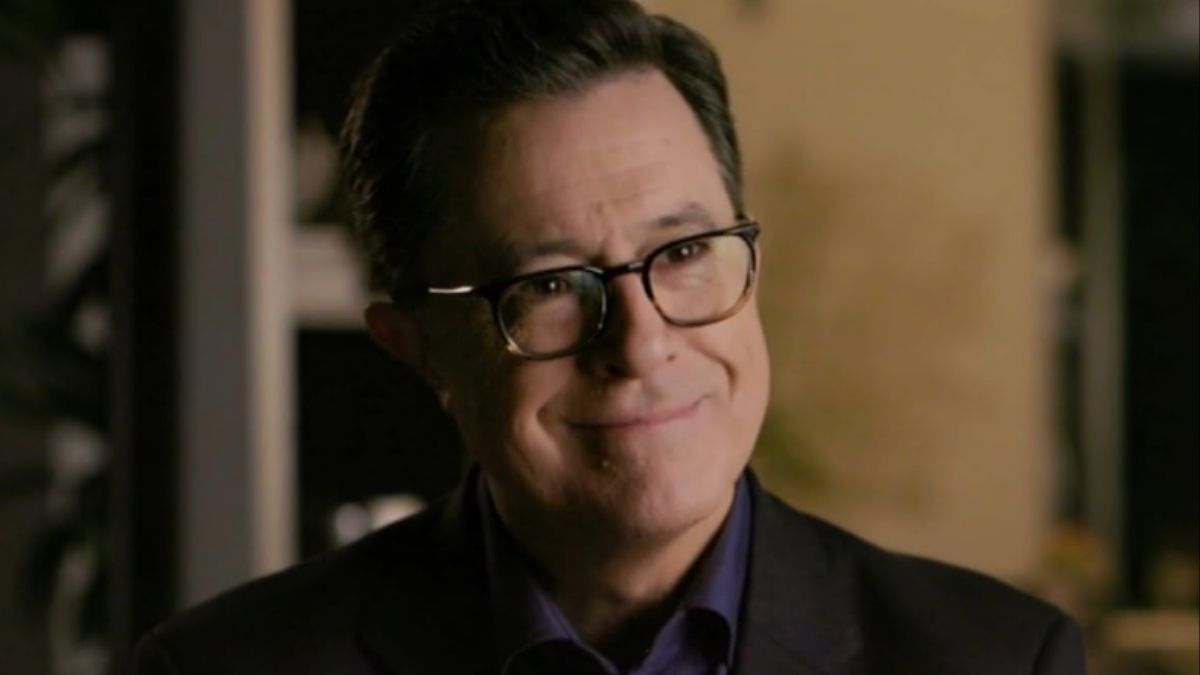
    Just appearing in nerd media doesn’t make a celebrity a nerd icon. Their performances are appreciated and celebrated, sure, but an icon represents a community and shares their interests earnestly. We nerds tend to be more on the introverted side, so seeing extroverts like actors be into what we like is always a nice surprise.

    However, these icons don’t just enjoy our hobbies, they make them part of their everyday lives. As much as they stay visually and physically fit for their roles, they also enjoy spending afternoons gaming and having their own D&D groups, becoming unexpected icons of the fandom.

    The post 15 Celebrities Who Became Unexpected Nerd Icons appeared first on Den of Geek.

    The Last Airbender has returned… just not in the way you wanted. For those who did not watch the full movie that recently leaked online, the trailer for Avatar Aang: The Last Airbender was fan’s first chance to catch up on Aang, Katara, Sokka, and Zuko, several years after the end of the hit series Avatar: The Last Airbender (but before the sequel series, The Legend of Korra).

    The trailer looks gorgeous, filled with character moments and dazzling action. It sees the core characters, now young adults, finding Tagah, a frozen Airbender voiced by Dave Bautista. Tagah offers Aangs the possibility of reviving his lost culture—provided they can recover a hidden relic before a group known as the Denied can locate it. It’s a perfect plot for a feature adaptation of a beloved television series. But it will have to stay on television, because Paramount once again prioritizes its flagging streaming service over the theatrical experience.

    At first glance, Paramount has been a consistent presence in movie theaters. Just last year alone, the studio put everything from small genre films such as Heart Eyes and Friendship in theaters, alongside bigger plays, such as Mission: Impossible—The Final Reckoning and The Running Man. But the studio continues to push Paramount+, trying to grow the streaming platform beyond its myriad Yellowstone and Star Trek offerings. Movies such as Pet Sematary: Bloodlines, Dear Santa, Apartment 7A, and Vicious skipped theaters altogether.

    cnx.cmd.push(function() {
    cnx({
    playerId: “106e33c0-3911-473c-b599-b1426db57530”,

    }).render(“0270c398a82f44f49c23c16122516796”);
    });

    One might understand why those movies would get the streaming treatment. A holiday kid’s movie and a couple of mid-tier horror flicks seem like the sort of thing that Netflix and HBO Max use to fill out their libraries. But as the runaway success of Backrooms and Obsession has demonstrated, there’s a hunger to watch small-scale horror movies in theaters, especially when made by filmmakers as talented as Apartment 7A‘s Natalie Erika James and Vicious‘s Bryan Bertino.

    Despite that fact, Paramount clearly sees streaming as a place for films that don’t have an audience, given that it still puts low-prestige flicks with strong fan support into theaters, such as the recent Scary Movie reboot, Jackass: Best and Last, and the upcoming Paw Patrol: The Dino Movie. By sending Avatar Aang straight to streaming, Paramount signals to its longtime fans that they aren’t as important, that the beauty and artistry of the story doesn’t matter if the film can’t guarantee a certain box office return.

    The decision is annoying for Avatar fans. It’s downright horrifying for lovers of cinema. Paramount, of course, has purchased Warner Bros., combining two of the oldest and most respected studios in all of Hollywood, two of the studios that helped make movie theaters into a cornerstone of our culture. Amidst fears of monopolies and another media hub being owned by openly-right-wing billionaires, our one silver lining was the fact that Paramount at least understood theaters, unlike its competition in the Warner Bros. bidding war, Netflix. Yet, if Paramount treats a franchise as beloved as Avatar like streaming fodder, then it clearly doesn’t think theaters are all that important.

    Judging by the trailer, Avatar Aang will be an incredible visual experience. But maybe its story will also offer hope that, even after those in power make horrible decisions that destroy the culture, something can be eventually recovered.

    Avatar Aang: The Last Airbender streams on Paramount+ on October 9, 2026.

    The post Avatar Aang Trailer Only Makes Paramount’s Theatrical Dodge Even More Frustrating appeared first on Den of Geek.

  • Rare Celebrity Photos from Back in the Day

    Rare Celebrity Photos from Back in the Day

    Before the era of constant cameras and instant uploads, celebrity life existed in fragments captured by chance rather than design. Photographers worked with film rolls, long lenses, and unpredictable access, which meant many moments were never staged and often never repeated. The result is a visual archive filled with images that feel raw, unpolished, and unexpectedly intimate. These photographs reveal actors, musicians, and public figures in between fame’s most recognizable moments, often far from red carpets or controlled publicity. Looking back at these rare shots offers a different sense of presence, where personality shows through without the structure of modern media.

    The post Rare Celebrity Photos from Back in the Day appeared first on Den of Geek.

    The Last Airbender has returned… just not in the way you wanted. For those who did not watch the full movie that recently leaked online, the trailer for Avatar Aang: The Last Airbender was fan’s first chance to catch up on Aang, Katara, Sokka, and Zuko, several years after the end of the hit series Avatar: The Last Airbender (but before the sequel series, The Legend of Korra).

    The trailer looks gorgeous, filled with character moments and dazzling action. It sees the core characters, now young adults, finding Tagah, a frozen Airbender voiced by Dave Bautista. Tagah offers Aangs the possibility of reviving his lost culture—provided they can recover a hidden relic before a group known as the Denied can locate it. It’s a perfect plot for a feature adaptation of a beloved television series. But it will have to stay on television, because Paramount once again prioritizes its flagging streaming service over the theatrical experience.

    At first glance, Paramount has been a consistent presence in movie theaters. Just last year alone, the studio put everything from small genre films such as Heart Eyes and Friendship in theaters, alongside bigger plays, such as Mission: Impossible—The Final Reckoning and The Running Man. But the studio continues to push Paramount+, trying to grow the streaming platform beyond its myriad Yellowstone and Star Trek offerings. Movies such as Pet Sematary: Bloodlines, Dear Santa, Apartment 7A, and Vicious skipped theaters altogether.

    cnx.cmd.push(function() {
    cnx({
    playerId: “106e33c0-3911-473c-b599-b1426db57530”,

    }).render(“0270c398a82f44f49c23c16122516796”);
    });

    One might understand why those movies would get the streaming treatment. A holiday kid’s movie and a couple of mid-tier horror flicks seem like the sort of thing that Netflix and HBO Max use to fill out their libraries. But as the runaway success of Backrooms and Obsession has demonstrated, there’s a hunger to watch small-scale horror movies in theaters, especially when made by filmmakers as talented as Apartment 7A‘s Natalie Erika James and Vicious‘s Bryan Bertino.

    Despite that fact, Paramount clearly sees streaming as a place for films that don’t have an audience, given that it still puts low-prestige flicks with strong fan support into theaters, such as the recent Scary Movie reboot, Jackass: Best and Last, and the upcoming Paw Patrol: The Dino Movie. By sending Avatar Aang straight to streaming, Paramount signals to its longtime fans that they aren’t as important, that the beauty and artistry of the story doesn’t matter if the film can’t guarantee a certain box office return.

    The decision is annoying for Avatar fans. It’s downright horrifying for lovers of cinema. Paramount, of course, has purchased Warner Bros., combining two of the oldest and most respected studios in all of Hollywood, two of the studios that helped make movie theaters into a cornerstone of our culture. Amidst fears of monopolies and another media hub being owned by openly-right-wing billionaires, our one silver lining was the fact that Paramount at least understood theaters, unlike its competition in the Warner Bros. bidding war, Netflix. Yet, if Paramount treats a franchise as beloved as Avatar like streaming fodder, then it clearly doesn’t think theaters are all that important.

    Judging by the trailer, Avatar Aang will be an incredible visual experience. But maybe its story will also offer hope that, even after those in power make horrible decisions that destroy the culture, something can be eventually recovered.

    Avatar Aang: The Last Airbender streams on Paramount+ on October 9, 2026.

    The post Avatar Aang Trailer Only Makes Paramount’s Theatrical Dodge Even More Frustrating appeared first on Den of Geek.

  • New Netflix Data Suggests the Streamer Has a Season 2 Problem

    New Netflix Data Suggests the Streamer Has a Season 2 Problem

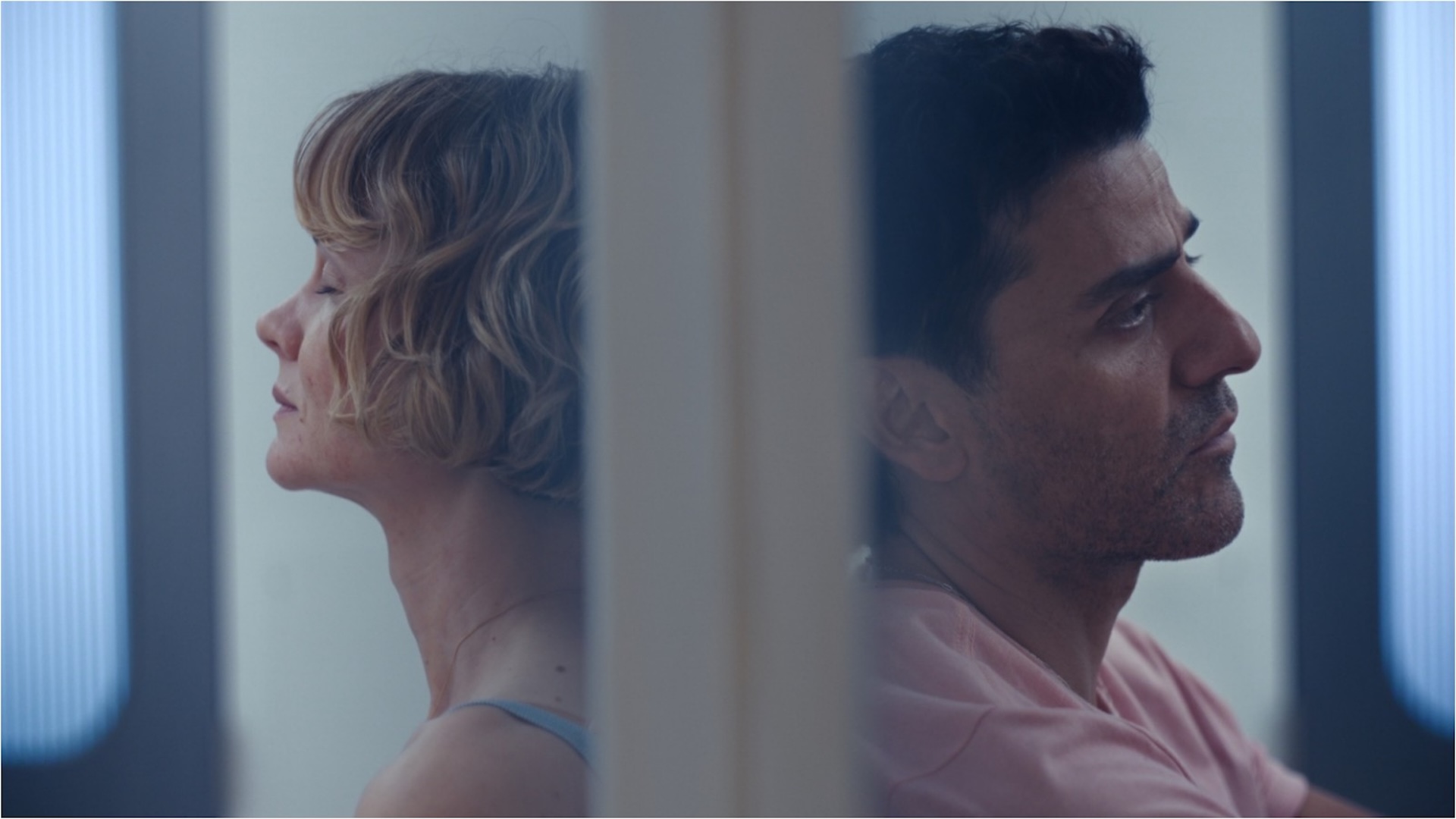
    Many of us have been disappointed when Netflix decided not to renew one of our favorite new TV shows for a second season. 1899, Archive 81, Kaos, and I Am Not Okay with This were all “one and done” for the streamer despite plenty of story left to tell, and just last month, popular sci-fi […]

    The post New Netflix Data Suggests the Streamer Has a Season 2 Problem appeared first on Den of Geek.

    The Last Airbender has returned… just not in the way you wanted. For those who did not watch the full movie that recently leaked online, the trailer for Avatar Aang: The Last Airbender was fan’s first chance to catch up on Aang, Katara, Sokka, and Zuko, several years after the end of the hit series Avatar: The Last Airbender (but before the sequel series, The Legend of Korra).

    The trailer looks gorgeous, filled with character moments and dazzling action. It sees the core characters, now young adults, finding Tagah, a frozen Airbender voiced by Dave Bautista. Tagah offers Aangs the possibility of reviving his lost culture—provided they can recover a hidden relic before a group known as the Denied can locate it. It’s a perfect plot for a feature adaptation of a beloved television series. But it will have to stay on television, because Paramount once again prioritizes its flagging streaming service over the theatrical experience.

    At first glance, Paramount has been a consistent presence in movie theaters. Just last year alone, the studio put everything from small genre films such as Heart Eyes and Friendship in theaters, alongside bigger plays, such as Mission: Impossible—The Final Reckoning and The Running Man. But the studio continues to push Paramount+, trying to grow the streaming platform beyond its myriad Yellowstone and Star Trek offerings. Movies such as Pet Sematary: Bloodlines, Dear Santa, Apartment 7A, and Vicious skipped theaters altogether.

    cnx.cmd.push(function() {
    cnx({
    playerId: “106e33c0-3911-473c-b599-b1426db57530”,

    }).render(“0270c398a82f44f49c23c16122516796”);
    });

    One might understand why those movies would get the streaming treatment. A holiday kid’s movie and a couple of mid-tier horror flicks seem like the sort of thing that Netflix and HBO Max use to fill out their libraries. But as the runaway success of Backrooms and Obsession has demonstrated, there’s a hunger to watch small-scale horror movies in theaters, especially when made by filmmakers as talented as Apartment 7A‘s Natalie Erika James and Vicious‘s Bryan Bertino.

    Despite that fact, Paramount clearly sees streaming as a place for films that don’t have an audience, given that it still puts low-prestige flicks with strong fan support into theaters, such as the recent Scary Movie reboot, Jackass: Best and Last, and the upcoming Paw Patrol: The Dino Movie. By sending Avatar Aang straight to streaming, Paramount signals to its longtime fans that they aren’t as important, that the beauty and artistry of the story doesn’t matter if the film can’t guarantee a certain box office return.

    The decision is annoying for Avatar fans. It’s downright horrifying for lovers of cinema. Paramount, of course, has purchased Warner Bros., combining two of the oldest and most respected studios in all of Hollywood, two of the studios that helped make movie theaters into a cornerstone of our culture. Amidst fears of monopolies and another media hub being owned by openly-right-wing billionaires, our one silver lining was the fact that Paramount at least understood theaters, unlike its competition in the Warner Bros. bidding war, Netflix. Yet, if Paramount treats a franchise as beloved as Avatar like streaming fodder, then it clearly doesn’t think theaters are all that important.

    Judging by the trailer, Avatar Aang will be an incredible visual experience. But maybe its story will also offer hope that, even after those in power make horrible decisions that destroy the culture, something can be eventually recovered.

    Avatar Aang: The Last Airbender streams on Paramount+ on October 9, 2026.

    The post Avatar Aang Trailer Only Makes Paramount’s Theatrical Dodge Even More Frustrating appeared first on Den of Geek.

  • The Walking Dead’s Most Essential Negan Episodes

    The Walking Dead’s Most Essential Negan Episodes

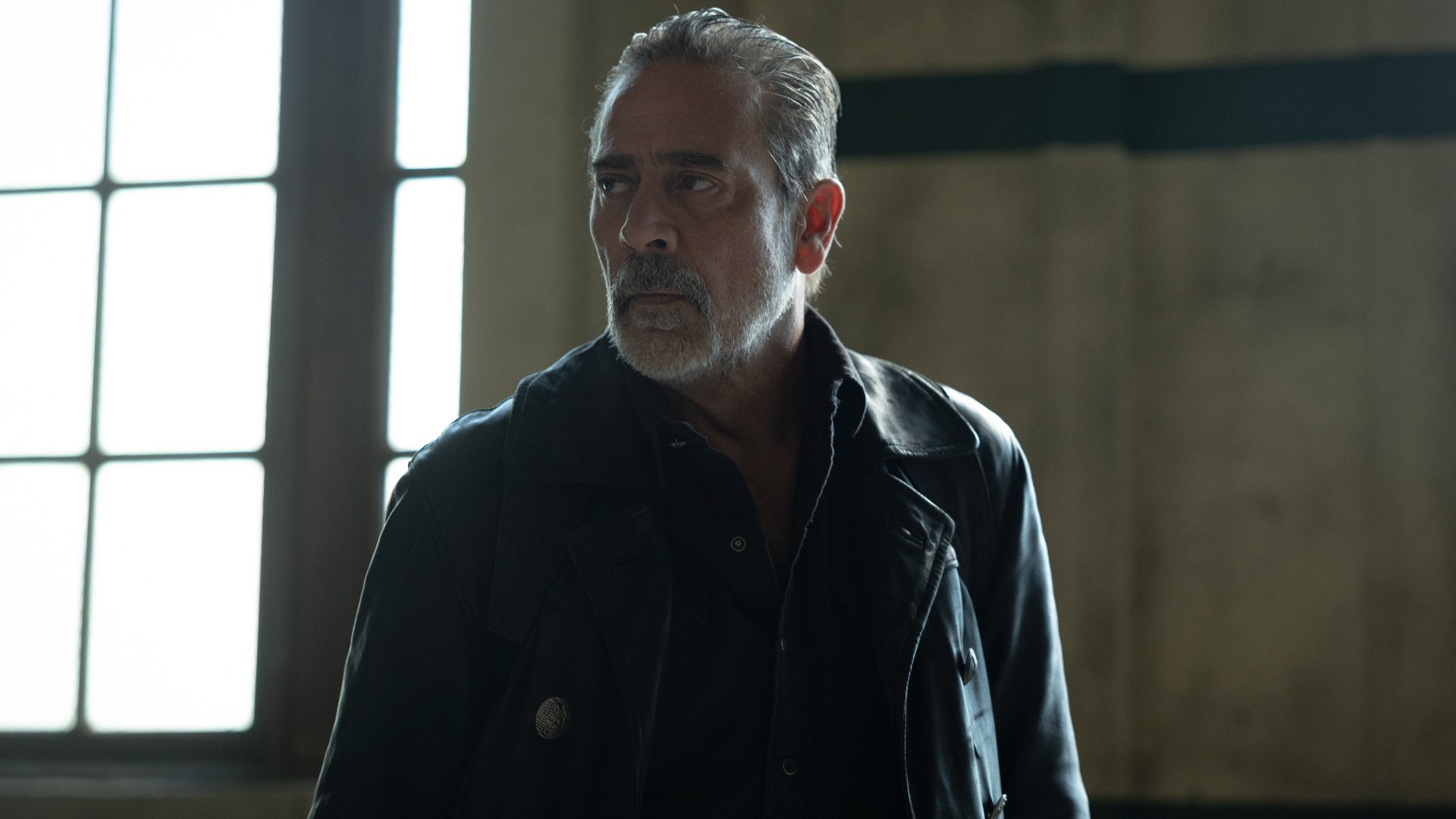
    As The Walking Dead: Dead City continues its story with a third season on AMC, we’re bringing you a comprehensive guide to the most essential Negan Smith episodes. Looking back on Negan’s Walking Dead journey to date, the reformed villain has been the focus of some incredible franchise installments, from his introduction as the baseball […]

    The post The Walking Dead’s Most Essential Negan Episodes appeared first on Den of Geek.

    The Last Airbender has returned… just not in the way you wanted. For those who did not watch the full movie that recently leaked online, the trailer for Avatar Aang: The Last Airbender was fan’s first chance to catch up on Aang, Katara, Sokka, and Zuko, several years after the end of the hit series Avatar: The Last Airbender (but before the sequel series, The Legend of Korra).

    The trailer looks gorgeous, filled with character moments and dazzling action. It sees the core characters, now young adults, finding Tagah, a frozen Airbender voiced by Dave Bautista. Tagah offers Aangs the possibility of reviving his lost culture—provided they can recover a hidden relic before a group known as the Denied can locate it. It’s a perfect plot for a feature adaptation of a beloved television series. But it will have to stay on television, because Paramount once again prioritizes its flagging streaming service over the theatrical experience.

    At first glance, Paramount has been a consistent presence in movie theaters. Just last year alone, the studio put everything from small genre films such as Heart Eyes and Friendship in theaters, alongside bigger plays, such as Mission: Impossible—The Final Reckoning and The Running Man. But the studio continues to push Paramount+, trying to grow the streaming platform beyond its myriad Yellowstone and Star Trek offerings. Movies such as Pet Sematary: Bloodlines, Dear Santa, Apartment 7A, and Vicious skipped theaters altogether.

    cnx.cmd.push(function() {
    cnx({
    playerId: “106e33c0-3911-473c-b599-b1426db57530”,

    }).render(“0270c398a82f44f49c23c16122516796”);
    });

    One might understand why those movies would get the streaming treatment. A holiday kid’s movie and a couple of mid-tier horror flicks seem like the sort of thing that Netflix and HBO Max use to fill out their libraries. But as the runaway success of Backrooms and Obsession has demonstrated, there’s a hunger to watch small-scale horror movies in theaters, especially when made by filmmakers as talented as Apartment 7A‘s Natalie Erika James and Vicious‘s Bryan Bertino.

    Despite that fact, Paramount clearly sees streaming as a place for films that don’t have an audience, given that it still puts low-prestige flicks with strong fan support into theaters, such as the recent Scary Movie reboot, Jackass: Best and Last, and the upcoming Paw Patrol: The Dino Movie. By sending Avatar Aang straight to streaming, Paramount signals to its longtime fans that they aren’t as important, that the beauty and artistry of the story doesn’t matter if the film can’t guarantee a certain box office return.

    The decision is annoying for Avatar fans. It’s downright horrifying for lovers of cinema. Paramount, of course, has purchased Warner Bros., combining two of the oldest and most respected studios in all of Hollywood, two of the studios that helped make movie theaters into a cornerstone of our culture. Amidst fears of monopolies and another media hub being owned by openly-right-wing billionaires, our one silver lining was the fact that Paramount at least understood theaters, unlike its competition in the Warner Bros. bidding war, Netflix. Yet, if Paramount treats a franchise as beloved as Avatar like streaming fodder, then it clearly doesn’t think theaters are all that important.

    Judging by the trailer, Avatar Aang will be an incredible visual experience. But maybe its story will also offer hope that, even after those in power make horrible decisions that destroy the culture, something can be eventually recovered.

    Avatar Aang: The Last Airbender streams on Paramount+ on October 9, 2026.

    The post Avatar Aang Trailer Only Makes Paramount’s Theatrical Dodge Even More Frustrating appeared first on Den of Geek.

  • Gail Daughtry and the Celebrity Sex Pass Review: Good Wholesome Hollywood Filth

    Gail Daughtry and the Celebrity Sex Pass Review: Good Wholesome Hollywood Filth

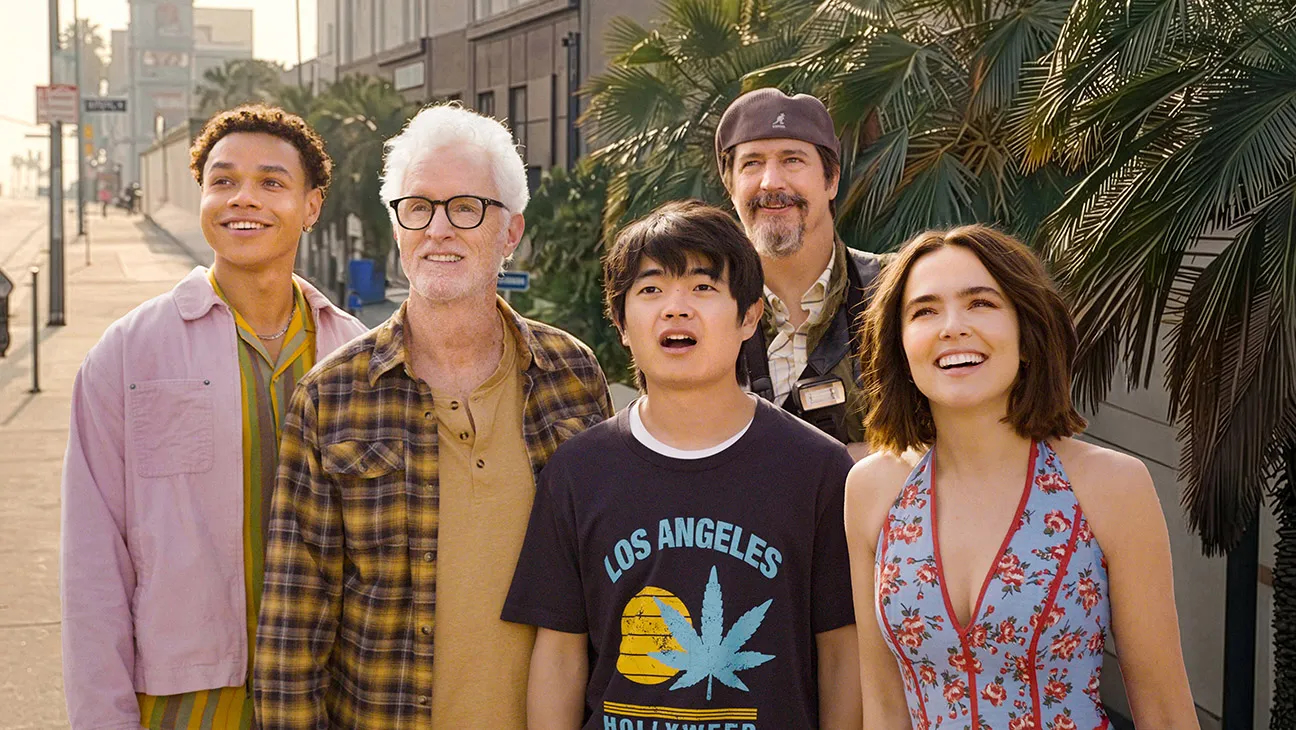
    Los Angeles lives at a weird intersection in the American psyche. Located somewhere near the second star to the right and straight on till Gomorrah, it’s a fantasy land that’s birthed more than a century of our greatest dreams, as well as most shameless thirst traps. It’s R-rated Oz full of sunshiny citadels, friendly folks […]

    The post Gail Daughtry and the Celebrity Sex Pass Review: Good Wholesome Hollywood Filth appeared first on Den of Geek.

    The Last Airbender has returned… just not in the way you wanted. For those who did not watch the full movie that recently leaked online, the trailer for Avatar Aang: The Last Airbender was fan’s first chance to catch up on Aang, Katara, Sokka, and Zuko, several years after the end of the hit series Avatar: The Last Airbender (but before the sequel series, The Legend of Korra).

    The trailer looks gorgeous, filled with character moments and dazzling action. It sees the core characters, now young adults, finding Tagah, a frozen Airbender voiced by Dave Bautista. Tagah offers Aangs the possibility of reviving his lost culture—provided they can recover a hidden relic before a group known as the Denied can locate it. It’s a perfect plot for a feature adaptation of a beloved television series. But it will have to stay on television, because Paramount once again prioritizes its flagging streaming service over the theatrical experience.

    At first glance, Paramount has been a consistent presence in movie theaters. Just last year alone, the studio put everything from small genre films such as Heart Eyes and Friendship in theaters, alongside bigger plays, such as Mission: Impossible—The Final Reckoning and The Running Man. But the studio continues to push Paramount+, trying to grow the streaming platform beyond its myriad Yellowstone and Star Trek offerings. Movies such as Pet Sematary: Bloodlines, Dear Santa, Apartment 7A, and Vicious skipped theaters altogether.

    cnx.cmd.push(function() {
    cnx({
    playerId: “106e33c0-3911-473c-b599-b1426db57530”,

    }).render(“0270c398a82f44f49c23c16122516796”);
    });

    One might understand why those movies would get the streaming treatment. A holiday kid’s movie and a couple of mid-tier horror flicks seem like the sort of thing that Netflix and HBO Max use to fill out their libraries. But as the runaway success of Backrooms and Obsession has demonstrated, there’s a hunger to watch small-scale horror movies in theaters, especially when made by filmmakers as talented as Apartment 7A‘s Natalie Erika James and Vicious‘s Bryan Bertino.

    Despite that fact, Paramount clearly sees streaming as a place for films that don’t have an audience, given that it still puts low-prestige flicks with strong fan support into theaters, such as the recent Scary Movie reboot, Jackass: Best and Last, and the upcoming Paw Patrol: The Dino Movie. By sending Avatar Aang straight to streaming, Paramount signals to its longtime fans that they aren’t as important, that the beauty and artistry of the story doesn’t matter if the film can’t guarantee a certain box office return.

    The decision is annoying for Avatar fans. It’s downright horrifying for lovers of cinema. Paramount, of course, has purchased Warner Bros., combining two of the oldest and most respected studios in all of Hollywood, two of the studios that helped make movie theaters into a cornerstone of our culture. Amidst fears of monopolies and another media hub being owned by openly-right-wing billionaires, our one silver lining was the fact that Paramount at least understood theaters, unlike its competition in the Warner Bros. bidding war, Netflix. Yet, if Paramount treats a franchise as beloved as Avatar like streaming fodder, then it clearly doesn’t think theaters are all that important.

    Judging by the trailer, Avatar Aang will be an incredible visual experience. But maybe its story will also offer hope that, even after those in power make horrible decisions that destroy the culture, something can be eventually recovered.

    Avatar Aang: The Last Airbender streams on Paramount+ on October 9, 2026.

    The post Avatar Aang Trailer Only Makes Paramount’s Theatrical Dodge Even More Frustrating appeared first on Den of Geek.

  • Avatar Aang Trailer Only Makes Paramount’s Theatrical Dodge Even More Frustrating

    Avatar Aang Trailer Only Makes Paramount’s Theatrical Dodge Even More Frustrating

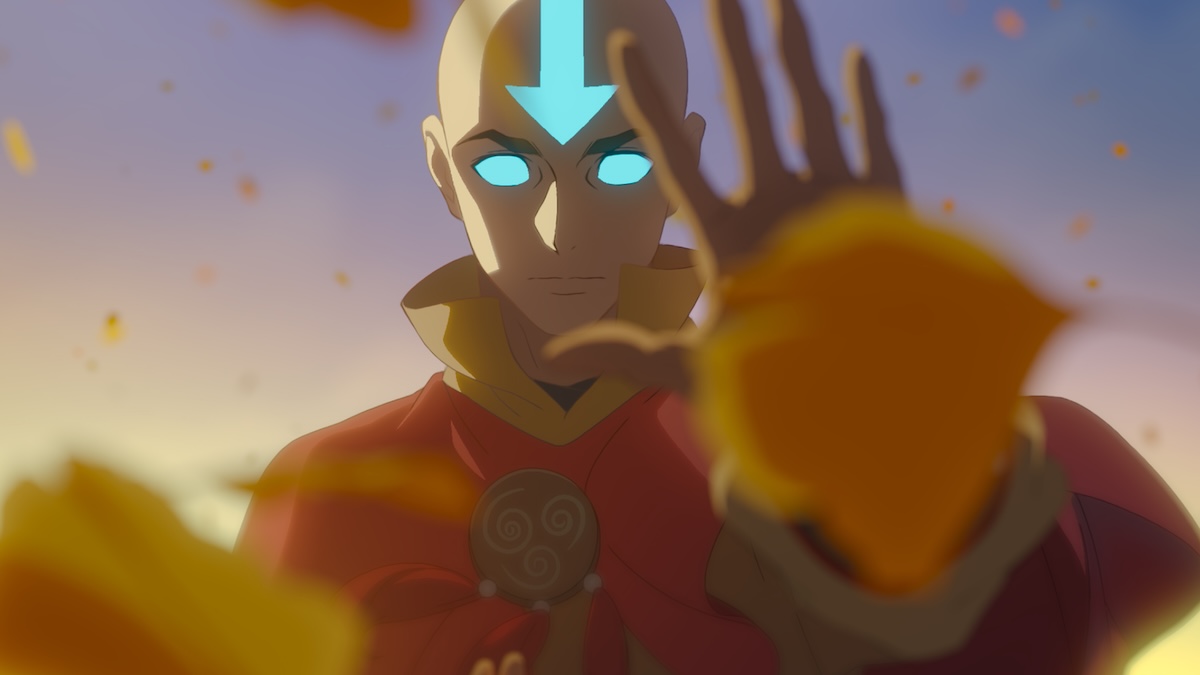
    The Last Airbender has returned… just not in the way you wanted. For those who did not watch the full movie that recently leaked online, the trailer for Avatar Aang: The Last Airbender was fan’s first chance to catch up on Aang, Katara, Sokka, and Zuko, several years after the end of the hit series […]

    The post Avatar Aang Trailer Only Makes Paramount’s Theatrical Dodge Even More Frustrating appeared first on Den of Geek.

    The Last Airbender has returned… just not in the way you wanted. For those who did not watch the full movie that recently leaked online, the trailer for Avatar Aang: The Last Airbender was fan’s first chance to catch up on Aang, Katara, Sokka, and Zuko, several years after the end of the hit series Avatar: The Last Airbender (but before the sequel series, The Legend of Korra).

    The trailer looks gorgeous, filled with character moments and dazzling action. It sees the core characters, now young adults, finding Tagah, a frozen Airbender voiced by Dave Bautista. Tagah offers Aangs the possibility of reviving his lost culture—provided they can recover a hidden relic before a group known as the Denied can locate it. It’s a perfect plot for a feature adaptation of a beloved television series. But it will have to stay on television, because Paramount once again prioritizes its flagging streaming service over the theatrical experience.

    At first glance, Paramount has been a consistent presence in movie theaters. Just last year alone, the studio put everything from small genre films such as Heart Eyes and Friendship in theaters, alongside bigger plays, such as Mission: Impossible—The Final Reckoning and The Running Man. But the studio continues to push Paramount+, trying to grow the streaming platform beyond its myriad Yellowstone and Star Trek offerings. Movies such as Pet Sematary: Bloodlines, Dear Santa, Apartment 7A, and Vicious skipped theaters altogether.

    cnx.cmd.push(function() {
    cnx({
    playerId: “106e33c0-3911-473c-b599-b1426db57530”,

    }).render(“0270c398a82f44f49c23c16122516796”);
    });

    One might understand why those movies would get the streaming treatment. A holiday kid’s movie and a couple of mid-tier horror flicks seem like the sort of thing that Netflix and HBO Max use to fill out their libraries. But as the runaway success of Backrooms and Obsession has demonstrated, there’s a hunger to watch small-scale horror movies in theaters, especially when made by filmmakers as talented as Apartment 7A‘s Natalie Erika James and Vicious‘s Bryan Bertino.

    Despite that fact, Paramount clearly sees streaming as a place for films that don’t have an audience, given that it still puts low-prestige flicks with strong fan support into theaters, such as the recent Scary Movie reboot, Jackass: Best and Last, and the upcoming Paw Patrol: The Dino Movie. By sending Avatar Aang straight to streaming, Paramount signals to its longtime fans that they aren’t as important, that the beauty and artistry of the story doesn’t matter if the film can’t guarantee a certain box office return.

    The decision is annoying for Avatar fans. It’s downright horrifying for lovers of cinema. Paramount, of course, has purchased Warner Bros., combining two of the oldest and most respected studios in all of Hollywood, two of the studios that helped make movie theaters into a cornerstone of our culture. Amidst fears of monopolies and another media hub being owned by openly-right-wing billionaires, our one silver lining was the fact that Paramount at least understood theaters, unlike its competition in the Warner Bros. bidding war, Netflix. Yet, if Paramount treats a franchise as beloved as Avatar like streaming fodder, then it clearly doesn’t think theaters are all that important.

    Judging by the trailer, Avatar Aang will be an incredible visual experience. But maybe its story will also offer hope that, even after those in power make horrible decisions that destroy the culture, something can be eventually recovered.

    Avatar Aang: The Last Airbender streams on Paramount+ on October 9, 2026.

    The post Avatar Aang Trailer Only Makes Paramount’s Theatrical Dodge Even More Frustrating appeared first on Den of Geek.