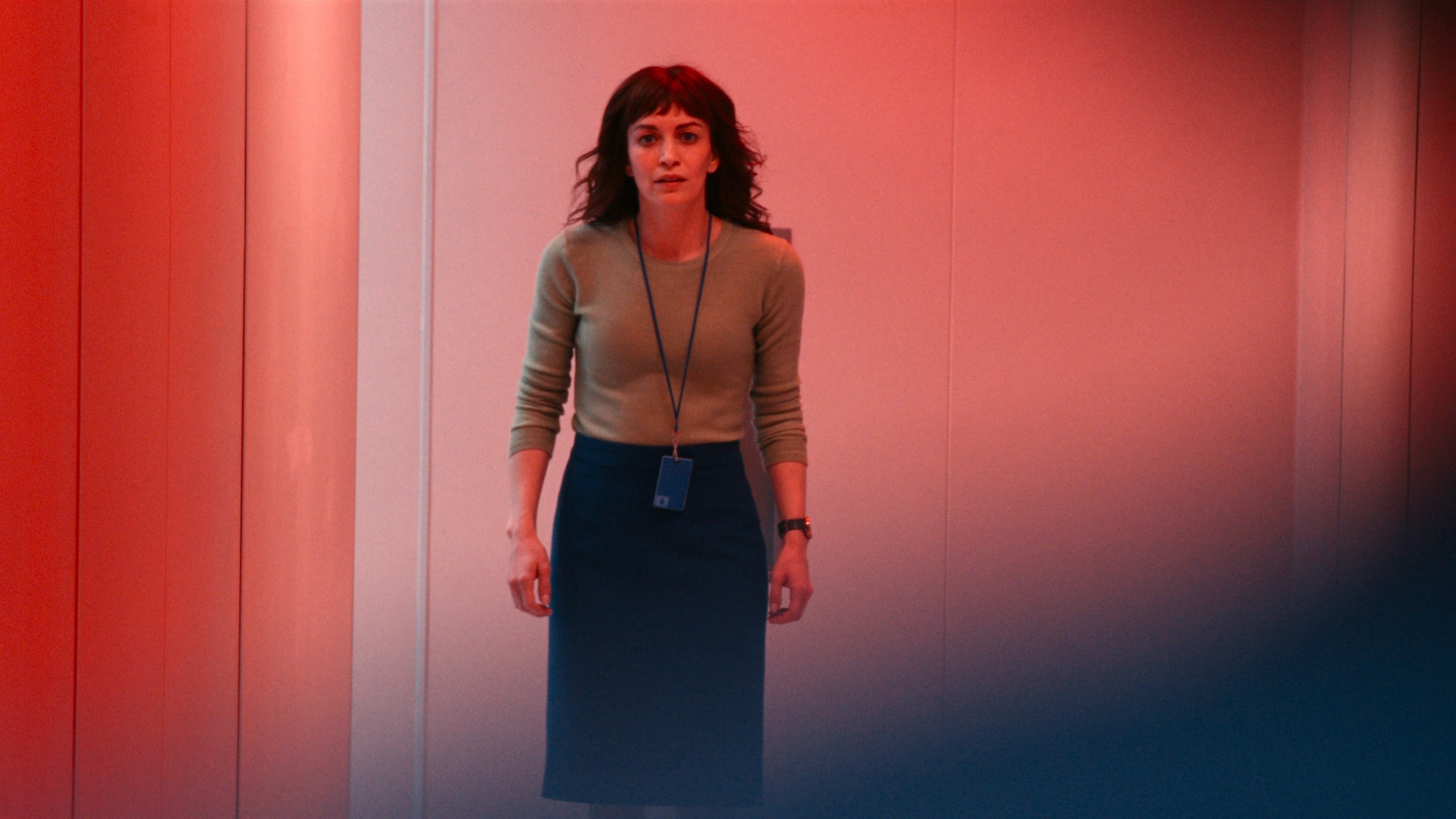
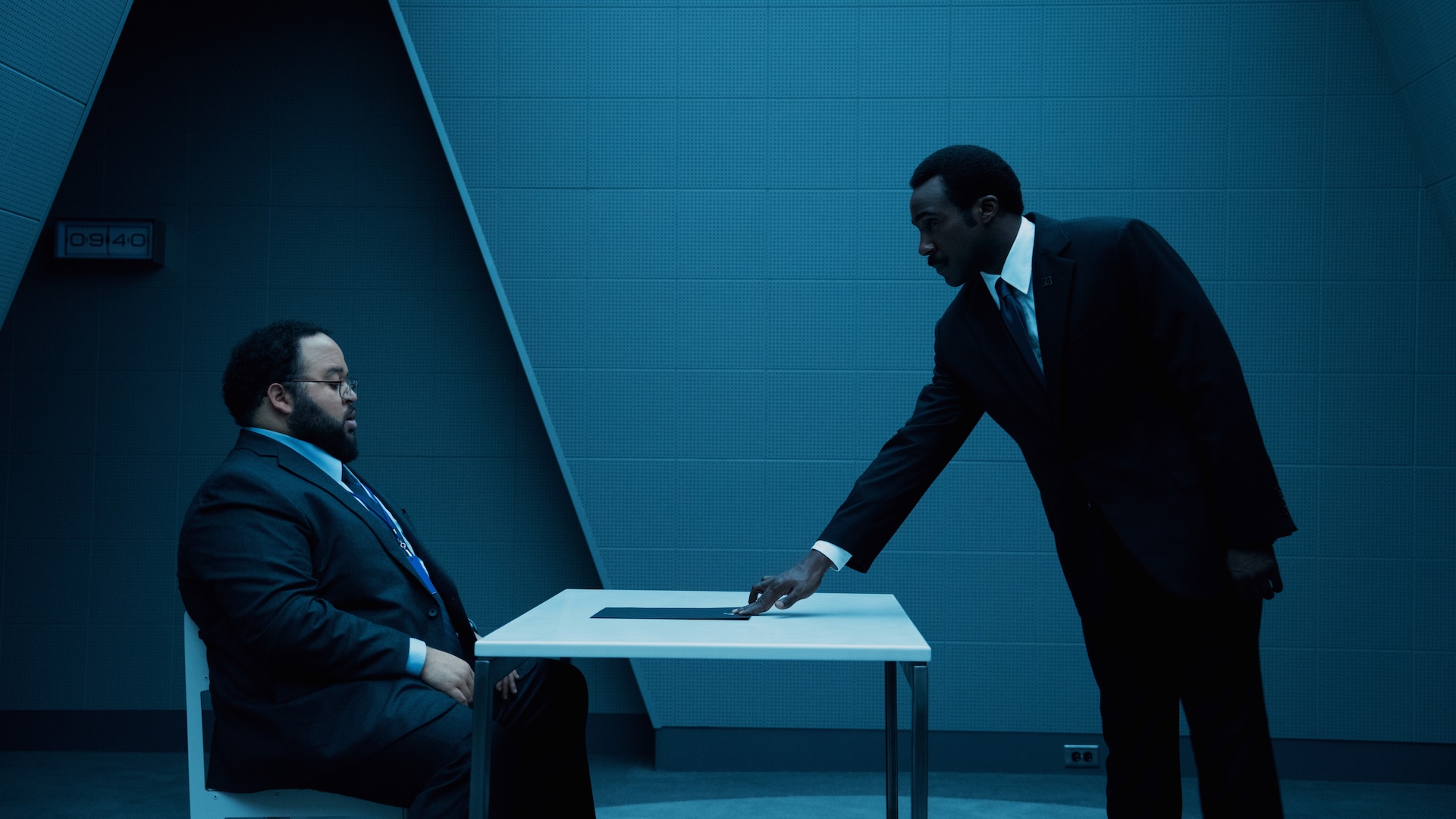
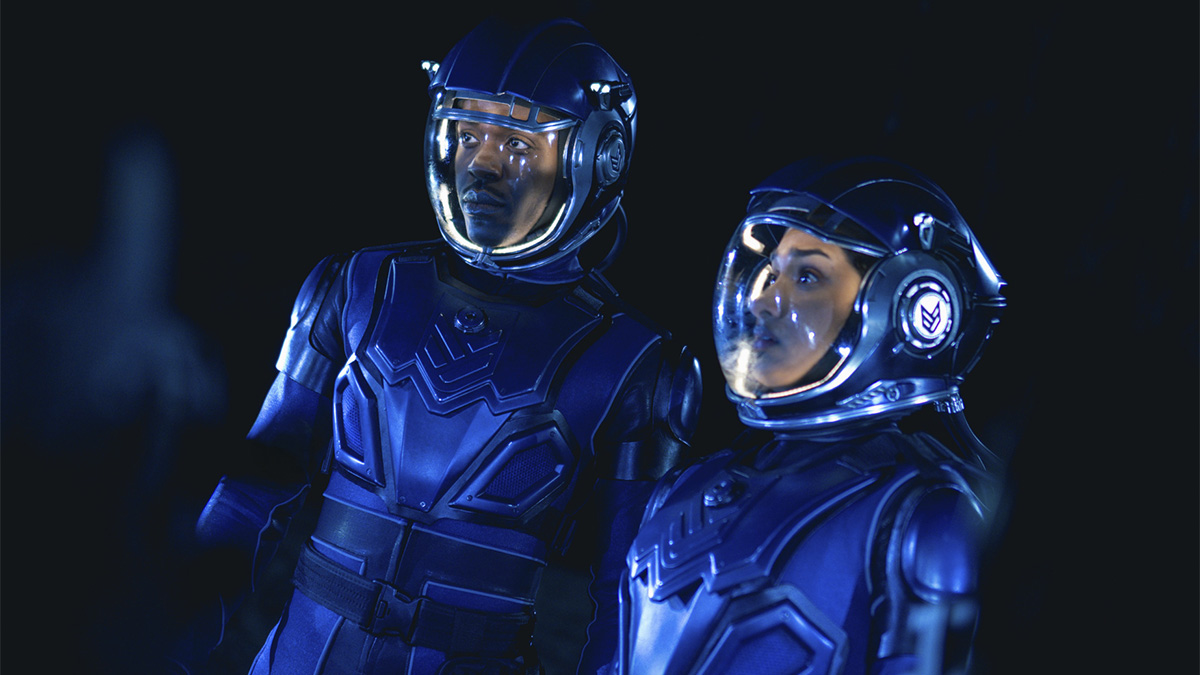
This article contains spoilers for Season 2 of Severance, season 10. Compensation has done it once more. The year two episode featured significant story twists, a few practical solutions, and an ending that dismantles the entire world of the display. [ ] ] ] Mark S. tried to communicate with [ ] at the thrilling conclusion of the first season of Severance.
What Is Cool Harbor, Season 2 End Explained? appeared first on Severance. second appeared on Den of Geek.
From Conan O’, Brien O’, Sean Baker ’, and Sean Baker O’, who had a wonderful performance in his first film, Anora, the 2025 Awards were full of wonderful moments. However, Adrien Brody’s Best Actor gain for The Brutalist might have been the most notable for hinterland residents. Brody’s victory was more important than his winning attitude. In a five-minute speech that ranged from the democratic to the individual, Brody delivered a range of speeches. Additionally, it was more than any other recipient’s ever.
It reportedly also sparked discussion among the people who made The Brutalist, if it was reportedly largely in jest.
Alessandro Nivola dropped some details about the group wording he and Brody, who were involved in Brady Corbet’s incredible passion project The Brutalist, while speaking with Den of Geek about his upcoming video Fantasy Life.
It’s really been making him a difficult decision to make a really long discourse, according to Nivola, who is clearly having fun of stoking Brody’s cuts.
“, We words all the time. We have a team language, which is mostly content that should never be shared with people, according to Nivola. “, It’, s the entire cast and we’, have had it kinds of since Venice. It’, s a tight-knit team. I really like each and every one of them. ”,
Brody won his second Oscar nomination for the movie for that love. “, I’, m actually happy for him, ”, Nivola muses. I was present at the Oscars, so I had the opportunity to suggest that in people. ”,
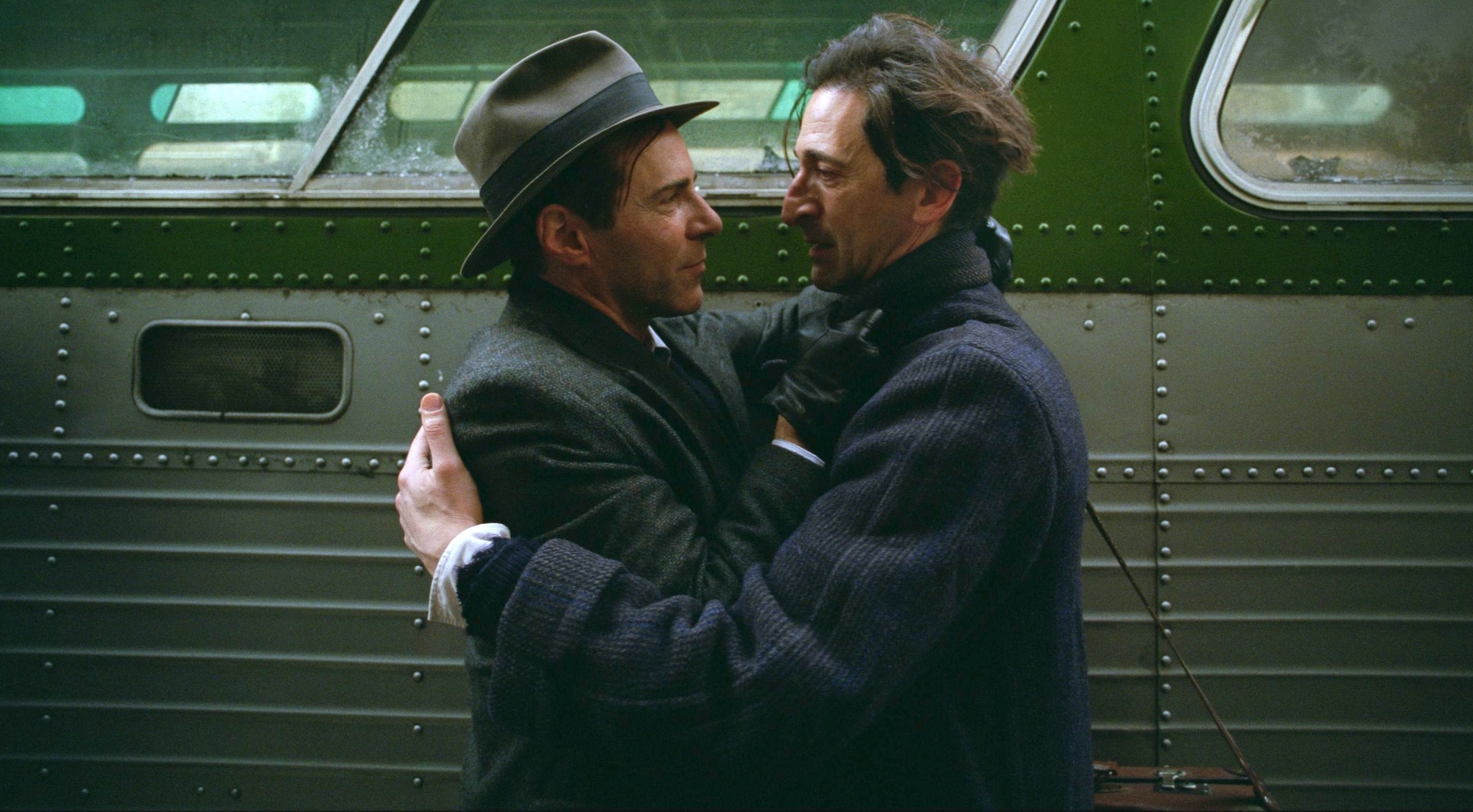
In The Brutalist, Nivola and Brody’s fun with them shines a brighter light on their characters ‘ relationships. Attila Miller, the niece of Holocaust victim László Tóth, is featured in that A24 release. Miller left Hungary before World War II and has since started his powerful furniture shop in Philadelphia as a way of assimilation. Till the time Tóth and Miller have a falling away, Miller provides a little security for him when he arrives in the U.S.
The cast’s response to Brody’s talk even puts the event in perspective, making it just one of many unpleasant events in Oscars story. In 1991, Jack Palance delivered a myriad of somewhat improper jokes and decides to perform push-ups to show off his toughness. There is also Jack Palance’s Best Supporting Actor award. Seth McFarlane, the number of 2013; a melody about nude scenes in movies where the camera is stuttering away from the unpleasant pictures of the women in question sitting in the audience. When Moonlight was the real success, Faye Dunaway and Warren Beatty announced that La La Land had won Best Picture in 2017.
In light of these peculiarities, Brody’s lengthy discourse may remain vividly etched in the minds of Oscar viewers. However, it may remain in the jokes that were posted on the word thread for The Brutalist.
The second post from Den of Geek: Alessandro Nivola: The Brutalist Cast Teases Adrien Brody Over ‘, Actually Long ’, and Oscar Speech appeared second.
I’ve been fascinated by shows since I was a child. I loved the heroes and the excitement—but most of all the reports. I aspired to be an artist. And I believed that I’d get to do the things that Indiana Jones did and go on interesting activities. I also came up with concept movies that my friends and I could render and sun in. But they never went any farther. However, I did end up working in user experience ( UI). Today, I realize that there’s an element of drama to UX— I hadn’t actually considered it before, but consumer research is story. And you must tell a compelling story to entice stakeholders, such as the product team and decision-makers, to learn more in order to get the most out of consumer research.
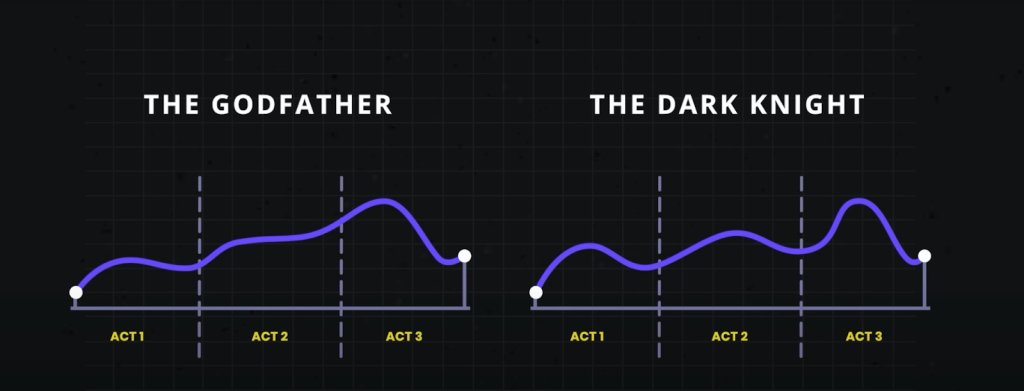
Think of your favorite film. It probably follows a three-act narrative architecture: the installation, the conflict, and the resolution, which is prevalent in literature. The second act shows what exists now, and it helps you get to know the figures and the challenges and problems that they face. The fight begins in Act 2, which introduces the issue. Here, difficulties grow or get worse. And the solution is the third and final work. This is where the issues are resolved and the figures learn and change. This structure, in my opinion, is also a fantastic way to think about customer research, and it might be particularly useful for explaining user research to others.
Use story as a framework for conducting analysis
It’s sad to say, but many have come to see studies as being inconsequential. Research is frequently one of the first things to go when finances or deadlines are tight. Instead of investing in study, some goods professionals rely on manufacturers or—worse—their personal judgment to make the “right” options for users based on their experience or accepted best practices. That may get groups a little bit out of the way, but that approach is therefore easily miss out on resolving people ‘ real issues. To be user-centered, this is something we really avoid. Design is enhanced by customer research. It keeps it on trail, pointing to problems and opportunities. You can keep back of your competition by being aware of the problems with your goods and fixing them.
In the three-act structure, each action corresponds to a part of the process, and each part is important to telling the whole story. Let’s take a look at the various functions and how they relate to customer research.
Act one: layout
The basic research comes in handy because the layout is all about understanding the background. Basic research ( also called conceptual, discovery, or original research ) helps you understand people and identify their problems. You’re learning about the problems people face now, what options are available, and how those challenges impact them, just like in the films. To do basic research, you may conduct cultural inquiries or journal studies ( or both! ), which may assist you in identifying both challenges and options. It doesn’t need to be a great investment in time or money.
What is the least feasible ethnography that Erika Hall can do is spend fifteen minutes with a consumer and say,” Walk me through your day yesterday. That’s it. Give that one ask. Opened up and listen to them for 15 days. Do everything in your power to keep yourself and your pursuits out of it. Bam, you’re doing ethnography”. Hall predicts that “[This ] will likely prove quite fascinating. In the very unlikely event that you didn’t learn anything new or helpful, carry on with increased confidence in your way”.
This makes sense to me in all its entirety. And I love that this makes consumer studies so visible. You don’t need to make a lot of paperwork; you can only attract people and do it! This can offer a wealth of knowledge about your customers, and it’ll help you better understand them and what’s going on in their life. That’s what action one is really all about: understanding where people are coming from.
Maybe Spool talks about the importance of basic research and how it may type the bulk of your research. If you can supplement what you’ve heard in the fundamental studies by using any more user data that you can obtain, such as surveys or analytics, to make recommendations that may need to be investigated further, you might as well use those that can be drawn from those that you can obtain. Together, all this information creates a clearer picture of the state of things and all its deficiencies. And that’s the start of a gripping tale. It’s the place in the story where you realize that the principal characters—or the people in this case—are facing issues that they need to conquer. This is where you begin to develop compassion for the figures and support their success, much like in the movies. And maybe partners are now doing the same. Their concern may be with their company, which could be losing money because people are unable to complete specific tasks. Or probably they do connect with people ‘ problems. In either case, work one serves as your main strategy for piqueing interest and investment from the participants.
When partners begin to understand the value of basic research, that is open doors to more opportunities that involve users in the decision-making approach. And that can influence product teams ‘ focus on improving. This benefits everyone—users, the product, and stakeholders. It’s similar to winning an Oscar in terms of filmmaking because it frequently results in your product receiving good reviews and success. And this can be an incentive for stakeholders to repeat this process with other products. Knowing how to tell a good story is the only way to convince stakeholders to care about doing more research, and storytelling is the key to this process.
This brings us to act two, where you iteratively evaluate a design or concept to see whether it addresses the issues.
Act two: conflict
Act two is all about digging deeper into the problems that you identified in act one. This typically involves conducting directional research, such as usability tests, where you evaluate a potential solution ( such as a design ) to see if it addresses the issues you identified. The issues could include unmet needs or problems with a flow or process that’s tripping users up. More problems will come up in the process, much like in the second act of a film. It’s here that you learn more about the characters as they grow and develop through this act.
Usability tests should typically consist of five participants, according to Jakob Nielsen, who found that that number of users can typically identify the majority of the issues:” As you add more and more users, you learn less and less because you will keep seeing the same things again and again… After the fifth user, you are wasting your time by observing the same findings repeatedly but not learning much new.”
There are parallels with storytelling here too, if you try to tell a story with too many characters, the plot may get lost. With fewer participants, each user’s struggles will be more memorable and accessible to other stakeholders when presenting the research. This can help convey the issues that need to be addressed while also highlighting the value of doing the research in the first place.
Usability tests have been conducted in person for tens of thousands of years, but remote testing can also be done using software like Microsoft Teams, Zoom, or other teleconferencing tools. This approach has become increasingly popular since the beginning of the pandemic, and it works well. You might consider in-person usability tests like attending a play and remote sessions as more of a movie watching experience. There are advantages and disadvantages to each. Usability research in person is a much more valuable learning experience. Stakeholders can experience the sessions with other stakeholders. Additionally, you’ll also hear their reactions in real-time, including surprises, disagreements, and discussions of what they’re seeing. Much like going to a play, where audiences get to take in the stage, the costumes, the lighting, and the actors ‘ interactions, in-person research lets you see users up close, including their body language, how they interact with the moderator, and how the scene is set up.
If conducting usability testing in the field is like watching a play that is staged and controlled, where any two sessions may be very different from one another. You can take usability testing into the field by creating a replica of the space where users interact with the product and then conduct your research there. Or you can conduct your research by meeting users at their locations. With either option, you get to see how things work in context, things come up that wouldn’t have in a lab environment—and conversion can shift in entirely different directions. You have less control over how these sessions run as researchers, but this can occasionally improve your understanding of users. Meeting users where they are can provide clues to the external forces that could be affecting how they use your product. In-person usability tests add a level of detail that is frequently absent from remote usability tests.
That’s not to say that the “movies” —remote sessions—aren’t a good option. Remote training sessions can reach a wider audience. They allow a lot more stakeholders to be involved in the research and to see what’s going on. And they make access to a much wider range of users in their own country. But with any remote session there is the potential of time wasted if participants can’t log in or get their microphone working.
The advantage of usability testing, whether conducted remotely or in person, is that you can ask real users questions to understand their reasoning and understanding of the problem. This can help you not only identify problems but also glean why they’re problems in the first place. Additionally, you can test your own hypotheses and determine whether your reasoning is correct. By the end of the sessions, you’ll have a much clearer picture of how usable the designs are and whether they work for their intended purposes. The excitement is in the second act, but there are also potential surprises in the third. This is equally true of usability tests. Unexpected things that participants say frequently alter the way you look at things, and these unexpected revelations can lead to unexpected turns in the narrative.
Unfortunately, user research is sometimes seen as expendable. Usability testing is often the only method of research that some stakeholders believe they ever need, especially in this regard. In fact, if the designs that you’re evaluating in the usability test aren’t grounded in a solid understanding of your users ( foundational research ), there’s not much to be gained by doing usability testing in the first place. That’s because you’re narrowing down the area of focus on without considering the needs of the users. As a result, there’s no way of knowing whether the designs might solve a problem that users have. In the context of a usability test, it’s only feedback on a particular design.
On the other hand, if you only do foundational research, while you might have set out to solve the right problem, you won’t know whether the thing that you’re building will actually solve that. This demonstrates the value of conducting both directional and foundational research.
In act two, stakeholders will—hopefully—get to watch the story unfold in the user sessions, which creates the conflict and tension in the current design by surfacing their highs and lows. And in turn, this can encourage stakeholders to take action on the issues that arise.
Act three: resolution
The third act is about resolving the issues from the first two acts, while the first two acts are about understanding the background and the tensions that can compel stakeholders to take action. While it’s important to have an audience for the first two acts, it’s crucial that they stick around for the final act. That includes the entire product team, including developers, UX experts, business analysts, delivery managers, product managers, and any other interested parties who have a say in the coming development. It allows the whole team to hear users ‘ feedback together, ask questions, and discuss what’s possible within the project’s constraints. And it gives the UX design and research teams more time to clarify, suggest alternatives, or provide more context for their choices. So you can get everyone on the same page and get agreement on the way forward.
Voiceover narration of this act is typically used with audience input. The researcher is the narrator, who paints a picture of the issues and what the future of the product could look like given the things that the team has learned. They offer the stakeholders their suggestions and suggestions for how to create this vision.
Nancy Duarte in the Harvard Business Review offers an approach to structuring presentations that follow a persuasive story. The most effective presenters” set up a conflict that needs to be resolved” using the same methods as great storytellers, Duarte writes. ” That tension helps them persuade the audience to adopt a new mindset or behave differently”.
This type of structure aligns well with research results, and particularly results from usability tests. It provides proof for “what is “—the issues you’ve identified. And “what could be “—your recommendations on how to address them. And so forth and forth.
You can reinforce your recommendations with examples of things that competitors are doing that could address these issues or with examples where competitors are gaining an edge. Or they can be visual, like quick sketches of how a new design could function to solve a problem. These can help generate conversation and momentum. And this continues until the session is over when you’ve concluded by bridging the gaps and offering suggestions for improvement. This is the part where you reiterate the main themes or problems and what they mean for the product—the denouement of the story. The stakeholders will now have the opportunity to take the next steps, and hopefully the will-power to do so!
While we are nearly at the end of this story, let’s reflect on the idea that user research is storytelling. The three-act structure of user research contains all the components of a good story:
Act one: You meet the protagonists ( the users ) and the antagonists ( the problems affecting users ). This is the plot’s beginning. In act one, researchers might use methods including contextual inquiry, ethnography, diary studies, surveys, and analytics. These techniques can produce personas, empathy maps, user journeys, and analytics dashboards as output.
Act two: Next, there’s character development. The protagonists face problems and difficulties, which they must overcome, and there is conflict and tension. In act two, researchers might use methods including usability testing, competitive benchmarking, and heuristics evaluation. Usability findings reports, UX strategy documents, usability guidelines, and best practices can be included in the output of these.
Act three: The protagonists triumph and you see what a better future looks like. Researchers may use techniques like presentation decks, storytelling, and digital media in act three. The output of these can be: presentation decks, video clips, audio clips, and pictures.
The researcher plays a variety of roles, including producer, director, and storyteller. The participants have a small role, but they are significant characters ( in the research ). And the audience are the stakeholders. But the most important thing is to get the story right and to use storytelling to tell users ‘ stories through research. By the end, the parties should leave with a goal and an eagerness to address the product’s flaws.
So the next time that you’re planning research with clients or you’re speaking to stakeholders about research that you’ve done, think about how you can weave in some storytelling. In the end, user research is beneficial for everyone, and all you need to do is pique stakeholders ‘ interest in how the story ends.
Photo this. You’ve joined a club at your business that’s designing innovative product features with an focus on technology or AI. Or perhaps your business only started using a personalization engine. Either way, you’re designing with statistics. What’s next? When it comes to designing for personalization, there are many warning stories, no immediately achievement, and some guidelines for the baffled.
The personalization gap is real, between the dream of getting it right and the worry of it going wrong ( like when we encounter “persofails” similar to a company’s repeated pleas for more toilet seats from regular people ). It’s an particularly confusing place to be a modern professional without a map, a map, or a strategy.
Because successful personalization is so dependent on each group’s skill, technology, and market position, there are no Lonely Planet and some tour guides for those of you who want to personalize.
But you can ensure that your group has packed its carriers rationally.
There’s a DIY method to increase your chances for victory. You’ll at least at least disarm your boss ‘ irrational exuberance. Before the group you’ll need to properly plan.
We refer to it as prepersonalization.
Behind the audio
Take into account the DJ have on Spotify, which was introduced last month.
We’re used to seeing the polished final outcome of a personalization have. A personal have had to be conceived, budgeted, and prioritized before the year-end prize, the making-of-backstory, or the behind-the-scenes success chest. Before any customisation have goes live in your product or service, it lives amid a delay of valuable ideas for expressing consumer experiences more automatically.
How do you decide where to position personalization wagers? How do you design regular interactions that didn’t journey up users or—worse—breed mistrust? We’ve discovered that several budgeted programs foremost needed one or more workshops to join key stakeholders and domestic customers of the technology to justify their continuing investments. Make it count.
We’ve closely monitored the same evolution with our consumers, from major software to young companies. In our encounters with working on small and large customisation efforts, a program’s best monitor record—and its capacity to weather tough questions, work steadily toward shared answers, and manage its design and engineering efforts—turns on how successfully these prepersonalization activities play out.
Effective workshops consistently save time, money, and overall well-being by separating successful future endeavors from unsuccessful ones.
A personalization practice involves a multiyear effort of testing and feature development. Your tech stack is not experiencing a switch-flip. It’s best managed as a backlog that often evolves through three steps:
customer experience optimization ( CXO, also known as A/B testing or experimentation )
always-on automations ( whether rules-based or machine-generated )
mature features or standalone product development ( like Spotify’s DJ experience )?
This is why we created our progressive personalization framework and why we’re field-testing an accompanying deck of cards: we believe that there’s a base grammar, a set of “nouns and verbs” that your organization can use to design experiences that are customized, personalized, or automated. These cards are not necessary for you. But we strongly recommend that you create something similar, whether that might be digital or physical.
Set the timer for your kitchen.
How long does it take to cook up a prepersonalization workshop? The activities we suggest including during the assessment can ( and frequently do ) last for weeks. For the core workshop, we recommend aiming for two to three days. Here’s a summary of our more general approach as well as information on the crucial first-day activities.
The full arc of the wider workshop is threefold:
Kickstart: This specifies the terms of engagement as you concentrate on both the potential and the team’s and leadership’s readiness and drive.
Plan your work: This is the heart of the card-based workshop activities where you specify a plan of attack and the scope of work.
Work your plan: This stage consists of making it possible for team members to individually pitch their own pilots that each include a proof-of-concept project, business case, and operating model.
Give yourself at least a day, split into two large time blocks, to power through a concentrated version of those first two phases.
Kickstart: Apt your appetite
We call the first lesson the “landscape of connected experience“. It looks at the possibilities for personalization in your company. A connected experience, in our parlance, is any UX requiring the orchestration of multiple systems of record on the backend. This might be a marketing-automation platform combined with a content-management system. It could be a digital-asset manager combined with a customer-data platform.
Create a conversation by mentioning consumer and business-to-business examples of connected experience interactions that you admire, find familiar, or even dislike. This should cover a representative range of personalization patterns, including automated app-based interactions ( such as onboarding sequences or wizards ), notifications, and recommenders. We have a list of these in the cards. Here’s a list of 142 different interactions to jog your thinking.
The table must be set up for this. What are the possible paths for the practice in your organization? Here’s a long-form primer and a strategic framework for a broad perspective.
Assess each example that you discuss for its complexity and the level of effort that you estimate that it would take for your team to deliver that feature ( or something similar ). In our cards, we break down connected experiences into five categories: functions, features, experiences, complete products, and portfolios. Size your own build here. This will help to draw attention to the benefits of ongoing investment as well as the difference between what you currently offer and what you intend to offer in the future.
Next, have your team plot each idea on the following 2×2 grid, which lays out the four enduring arguments for a personalized experience. This is crucial because it emphasizes how personalization can affect your own methods of working as well as your external customers. It’s also a reminder ( which is why we used the word argument earlier ) of the broader effort beyond these tactical interventions.
Each team member should decide where they would like to place your company’s emphasis on your product or service. Naturally, you can’t prioritize all of them. Here, the goal is to demonstrate how various departments may view their own advantages over the effort, which can be different from one department to the next. Documenting your desired outcomes lets you know how the team internally aligns across representatives from different departments or functional areas.
The third and final kickstart activity is about filling in the personalization gap. Is your customer journey well documented? Will ensuring data and privacy is a major challenge too much? Do you have content metadata needs that you have to address? ( We’re pretty sure you do; it’s just a matter of acknowledging the magnitude of that need and finding a solution. ) In our cards, we’ve noted a number of program risks, including common team dispositions. For instance, our Detractor card lists six protracted behavior that is harmful to the development of our country.
Effectively collaborating and managing expectations is critical to your success. Consider the potential obstacles to your progress in the future. Press the participants to name specific steps to overcome or mitigate those barriers in your organization. According to research, personalization initiatives face a number of common obstacles.
At this point, you’ve hopefully discussed sample interactions, emphasized a key area of benefit, and flagged key gaps? Good, you’re ready to go on.
Hit that test kitchen
Next, let’s take a look at what you’ll need to create personalization recipes. Personalization engines, which are robust software suites for automating and expressing dynamic content, can intimidate new customers. Their capabilities are broad and potent, and they give you a variety of ways to organize your company. This presents the question: Where do you begin when you’re configuring a connected experience?
What’s crucial here is to avoid treating the installed software like a dream kitchen from some imaginary remodeling project ( as one of our client executives memorably put it ). These software engines are more like test kitchens where your team can begin devising, tasting, and refining the snacks and meals that will become a part of your personalization program’s regularly evolving menu.
Over the course of the workshop, the final menu of the prioritized backlog will be created. And creating “dishes” is the way that you’ll have individual team stakeholders construct personalized interactions that serve their needs or the needs of others.
The dishes will be made using recipes that have predetermined ingredients.
Verify your ingredients
Like a good product manager, you’ll make sure you have everything ready to cook up your desired interaction ( or figure out what needs to be added to your pantry ) and that you validate with the right stakeholders present. These ingredients include the audience that you’re targeting, content and design elements, the context for the interaction, and your measure for how it’ll come together.
Not just discovering requirements, it is. Documenting your personalizations as a series of if-then statements lets the team:
compare findings to a unified approach for developing features, similar to how artists paint with the same color palette,
specify a consistent set of interactions that users find uniform or familiar,
and establish parity between all important performance indicators and performance metrics.
This helps you streamline your designs and your technical efforts while you deliver a shared palette of core motifs of your personalized or automated experience.
Create your recipe.
What ingredients are important to you? Consider the construct of a who-what-when-why
Who are your key audience segments or groups?
What content, what design elements, and under what circumstances will you give them?
And for which business and user benefits?
Five years ago, we developed these cards and card categories for the first time. We regularly play-test their fit with conference audiences and clients. And there are still fresh possibilities. But they all follow an underlying who-what-when-why logic.
In the cards in the accompanying photo below, you can typically follow along with right to left in three examples of subscription-based reading apps.
Nurture personalization: When a guest or an unknown visitor interacts with a product title, a banner or alert bar appears that makes it easier for them to encounter a related title they may want to read, saving them time.
Welcome automation: An email is sent when a newly registered user is a subscriber and is able to highlight the breadth of the content catalog.
Winback automation: Before their subscription lapses or after a recent failed renewal, a user is sent an email that gives them a promotional offer to suggest that they reconsider renewing or to remind them to renew.
We’ve also found that cocreating the recipes themselves can sometimes be the most effective way to start brainstorming about what these cards might be for your organization. Start with a set of blank cards, and begin labeling and grouping them through the design process, eventually distilling them to a refined subset of highly useful candidate cards.
The workshop’s later stages, which shift from focusing on cookbooks to focusing on customers, might seem more nuanced. Individual” cooks” will pitch their recipes to the team, using a common jobs-to-be-done format so that measurability and results are baked in, and from there, the resulting collection will be prioritized for finished design and delivery to production.
Better architecture is necessary for better kitchens.
Simplifying a customer experience is a complicated effort for those who are inside delivering it. Avoid those who make up their mind. With that being said,” Complicated problems can be hard to solve, but they are addressable with rules and recipes“.
A team overfitting: they aren’t designing with their best data, is what causes personalization to become a laugh line. Like a sparse pantry, every organization has metadata debt to go along with its technical debt, and this creates a drag on personalization effectiveness. For instance, your AI’s output quality is in fact impacted by your IA. Spotify’s poster-child prowess today was unfathomable before they acquired a seemingly modest metadata startup that now powers its underlying information architecture.
You can’t stand the heat, unquestionably…
Personalization technology opens a doorway into a confounding ocean of possible designs. Only a disciplined and highly collaborative approach can achieve the necessary concentration and intention. So banish the dream kitchen. Instead, head to the test kitchen to save time, preserve job security, and avoid imagining the creative concepts that come from your organization’s masters. There are meals to serve and mouths to feed.
You have a better chance of lasting success and sound beginnings with this workshop framework. Wiring up your information layer isn’t an overnight affair. However, if you use the same cookbook and the same recipes, you’ll have solid ground for success. We designed these activities to make your organization’s needs concrete and clear, long before the hazards pile up.
Although there are associated costs associated with purchasing this kind of technology and product design, your time well spent is on sizing up and confronting your unique situation and digital skills. Don’t squander it. The pudding is the proof, as they say.
When you begin to believe you have everything figured out, everyone does change, in my experience. Simply as you start to get the hang of injections, diapers, and ordinary sleep, it’s time for solid foods, potty training, and nighttime sleep. When those are determined, school and occasional naps are in order. The cycle goes on and on.
The same holds true for those of us who are currently employed in design and development. Having worked on the web for about three years at this point, I’ve seen the typical wax and wane of concepts, strategies, and systems. Every day we as developers and designers get into a routine pattern, a brand-new concept or technology emerges to shake things up and completely alter our planet.
How we got below
I built my first website in the mid-’90s. Design and development on the web back then was a free-for-all, with few established norms. For any layout aside from a single column, we used table elements, often with empty cells containing a single pixel spacer GIF to add empty space. We styled text with numerous font tags, nesting the tags every time we wanted to vary the font style. And we had only three or four typefaces to choose from: Arial, Courier, or Times New Roman. When Verdana and Georgia came out in 1996, we rejoiced because our options had nearly doubled. The only safe colors to choose from were the 216 “web safe” colors known to work across platforms. The few interactive elements (like contact forms, guest books, and counters) were mostly powered by CGI scripts (predominantly written in Perl at the time). Achieving any kind of unique look involved a pile of hacks all the way down. Interaction was often limited to specific pages in a site.
online standards were born.
At the turn of the century, a new cycle started. Crufty code littered with table layouts and font tags waned, and a push for web standards waxed. Newer technologies like CSS got more widespread adoption by browsers makers, developers, and designers. This shift toward standards didn’t happen accidentally or overnight. It took active engagement between the W3C and browser vendors and heavy evangelism from folks like the Web Standards Projectto build standards. A List Apart and books like Designing with Web Standards by Jeffrey Zeldman played key roles in teaching developers and designers why standards are important, how to implement them, and how to sell them to their organizations. And approaches like progressive enhancement introduced the idea that content should be available for all browsers—with additional enhancements available for more advanced browsers. Meanwhile, sites like the CSS Zen Garden showcased just how powerful and versatile CSS can be when combined with a solid semantic HTML structure.
Server-side language like PHP, Java, and.NET took Perl as the primary back-end computers, and the cgi-bin was tossed in the garbage bin. With these improved server-side equipment, the first period of internet programs started with content-management techniques (especially those used in blogs like Blogger, Grey Matter, Movable Type, and WordPress ) In the mid-2000s, AJAX opened gates for sequential interaction between the front end and back close. Pages had now revise their content without having to reload. A grain of Script frameworks like Prototype, YUI, and ruby arose to aid developers develop more credible client-side interaction across browsers that had wildly varying levels of standards support. Techniques like image replacement enable skilled designers and developers to display fonts of their choosing. And technologies like Flash made it possible to add animations, games, and even more interactivity.
These new methods, standards, and technologies greatly reenergized the sector. Web design flourished as designers and developers explored more diverse styles and layouts. However, we still relied heavily on hacks. Early CSS was a huge improvement over table-based layouts when it came to basic layout and text styling, but its limitations at the time meant that designers and developers still relied heavily on images for complex shapes ( such as rounded or angled corners ) and tiled backgrounds for the appearance of full-length columns (among other hacks ). All kinds of nested floats or absolute positioning ( or both ) were necessary for complicated layouts. Flash and image replacement for custom fonts was a great start toward varying the typefaces from the big five, but both hacks introduced accessibility and performance problems. And JavaScript libraries made it simple for anyone to add a dash of interaction to pages, even at the expense of double, even quadrupling, the download size of basic websites.
The web as software platform
The balance between the front end and the back end continued to improve, leading to the development of the current web application era. Between expanded server-side programming languages ( which kept growing to include Ruby, Python, Go, and others ) and newer front-end tools like React, Vue, and Angular, we could build fully capable software on the web. Along with these tools, there were additional options, such as shared package libraries, build automation, and collaborative version control. What was once primarily an environment for linked documents became a realm of infinite possibilities.
Mobile devices increased in their capabilities as well, and they gave us access to the internet while we were traveling. Mobile apps and responsive design opened up opportunities for new interactions anywhere and any time.
This fusion of potent mobile devices and potent development tools contributed to the growth of social media and other centralized tools for people to use and interact with. As it became easier and more common to connect with others directly on Twitter, Facebook, and even Slack, the desire for hosted personal sites waned. Social media provided connections on a global scale, with both the positive and negative effects.
It seems like we’ve reached yet another significant turning point in the last couple of years. As social-media platforms fracture and wane, there’s been a growing interest in owning our own content again. From the tried-and-true classic of hosting plain HTML files to static site generators and content management systems of all kinds, there are many different ways to create websites. The fracturing of social media also comes with a cost: we lose crucial infrastructure for discovery and connection. Webmentions, RSS, ActivityPub, and other IndieWeb tools can be useful in this regard, but they’re still largely underdeveloped and difficult to use for the less geeky. We can build amazing personal websites and add to them regularly, but without discovery and connection, it can sometimes feel like we may as well be shouting into the void.
Browser support for CSS, JavaScript, and other web components has increased, particularly with initiatives like Interop. New technologies gain support across the board in a fraction of the time that they used to. I frequently find out about a new feature and check its browser support only to discover that its coverage is already over 80 %. Nowadays, the barrier to using newer techniques often isn’t browser support but simply the limits of how quickly designers and developers can learn what’s available and how to adopt it.
We can prototype almost any idea today with just a few commands and a few lines of code. All the tools that we now have available make it easier than ever to start something new. However, the upfront cost these frameworks may save in initial delivery eventually comes down as the maintenance and upgrading they become a part of our technical debt.
If we rely on third-party frameworks, adopting new standards can sometimes take longer since we may have to wait for those frameworks to adopt those standards. These frameworks, which once made it easier to adopt new techniques sooner, have since evolved into obstacles. These same frameworks often come with performance costs too, forcing users to wait for scripts to load before they can read or interact with pages. And when scripts fail ( whether due to poor code, network issues, or other environmental factors ), there is frequently no other option, leaving users with blank or broken pages.
Where do we go from here?
Hacks of today help to shape standards for the future. And there’s nothing inherently wrong with embracing hacks —for now—to move the present forward. Problems only arise when we refuse to acknowledge that they are hacks or when we choose not to replace them. So what can we do to create the future we want for the web?
Build for the long haul. Optimize for performance, for accessibility, and for the user. weigh the price of those user-friendly tools. They may make your job a little easier today, but how do they affect everything else? What does each user pay? To future developers? to the adoption of standards? Sometimes the convenience may be worth it. It’s occasionally just a hack that you’ve gotten used to. And sometimes it’s holding you back from even better options.
Start with standards. Standards continue to evolve over time, but browsers have done a remarkably good job of continuing to support older standards. The same isn’t always the case with third-party frameworks. Sites built with even the hackiest of HTML from the’ 90s still work just fine today. Even after a few years, the same can’t be said about websites created with frameworks.
Design with care. Consider the effects of each choice, whether your craft is code, pixels, or processes. The convenience of many a modern tool comes at the cost of not always understanding the underlying decisions that have led to its design and not always considering the impact that those decisions can have. Use the time saved by modern tools to think more carefully and make decisions with care rather than rushing to “move fast and break things.”
Always be learning. If you constantly learn, you also develop. Sometimes it may be hard to pinpoint what’s worth learning and what’s just today’s hack. Even if you were to concentrate solely on learning standards, you might end up focusing on something that won’t matter next year. ( Remember XHTML? ) However, ongoing learning opens up new neural connections in your brain, and the techniques you learn in one day may be used to inform different experiments in the future.
Play, experiment, and be weird! This website we created is the most incredible experiment. It’s the single largest human endeavor in history, and yet each of us can create our own pocket within it. Be brave and make new friends. Build a playground for ideas. Create absurd experiments in your own crazy sciencelab. Start your own small business. There has never been a place where we have more room to be creative, take risks, and discover our potential.
Share and amplify. As you play, experiment, and learn, share what has worked for you. Write on your own website, post on whichever social media site you prefer, or shout it from a TikTok. Write something for A List Apart! But take the time to amplify others too: find new voices, learn from them, and share what they’ve taught you.
Make a move and make it happen.
As designers and developers for the web ( and beyond ), we’re responsible for building the future every day, whether that may take the shape of personal websites, social media tools used by billions, or anything in between. Let’s incorporate our values into the products we produce, and let’s improve the world for everyone. Create that thing that only you are uniquely qualified to make. Then, share it, improve it, re-create it, or create something new. Learn. Make. Share. Grow. Rinse and repeat. Everything will change whenever you believe you’ve mastered the web.
I thoroughly enjoyed reading Joe Dolson’s most recent article on the crossroads of AI and availability because of how skeptical he is of AI in general and how many people have been using it. In fact, I’m very skeptical of AI myself, despite my role at Microsoft as an accessibility technology strategist who helps manage the AI for Accessibility award program. As with any device, AI can be used in very positive, equitable, and visible ways, as well as in destructive, unique, and harmful ways. Additionally, there are a bit of uses in the subpar center as well.
I’d like you to consider this a “yes … and” piece to complement Joe’s post. I’m just trying to contradict what he’s saying, but I’m just trying to give some context to initiatives and opportunities where AI can make a difference for people with disability. To be clear, I’m not saying that there aren’t true threats or pressing problems with AI that need to be addressed; there are, and we’ve needed to address them, like, yesterday; instead, I want to take a moment to talk about what’s possible so that we can get there one day.
Other words
Joe’s article spends a lot of time addressing computer-vision types ‘ ability to create alternative words. He raises a lot of valid points about the state of the world right now. And while computer-vision concepts continue to improve in the quality and complexity of information in their information, their benefits aren’t wonderful. He argues to be accurate that the state of image research is currently very poor, especially for some image types, in large part due to the absence of contextual contexts in which to look at images ( as a result of having separate “foundation” models for words analysis and image analysis ). Today’s models aren’t trained to distinguish between images that are contextually relevant ( should probably have descriptions ) and those that are purely decorative ( couldn’t possibly need a description ) either. However, I still think there’s possible in this area.
As Joe points out, human-in-the-loop editing of ctrl text should definitely be a factor. And if AI can intervene and provide a starting point for alt text, even if the quick reads,” What is this BS?” That’s not correct at all … Let me try to offer a starting point— I think that’s a win.
If we can specifically teach a design to consider image usage in context, it might be able to help us more swiftly distinguish between images that are likely to be attractive and those that are more descriptive. That will help clarify which situations require image descriptions, and it will increase authors ‘ effectiveness in making their sites more visible.
While complex images—like graphs and charts—are challenging to describe in any sort of succinct way ( even for humans ), the image example shared in the GPT4 announcement points to an interesting opportunity as well. Let’s say you came across a map that was simply the description of the chart’s title and the type of representation it was: Pie map comparing smartphone usage to have phone usage in US households earning under$ 30, 000 annually. ( That would be a pretty bad alt text for a chart because it would frequently leave many unanswered questions about the data, but let’s just assume that that was the description in place. ) If your website knew that that picture was a pie graph ( because an ship model concluded this ), imagine a world where people could ask questions like these about the creative:
Would more people use smartphones or other types of phones?
How many more?
Is there a group of people that don’t fall into either of these pots?
How many people are that?
For a time, the chance to learn more about images and data in this way may be innovative for people with low vision and blindness as well as for those with various forms of color blindness, mental disabilities, and other issues. It could also be helpful in education settings to help people who can see these figures, as is, to understand the data in the figures.
What if you could request your website to make a complicated chart simpler? What if you asked it to separate a single line from a range graph? What if you could request your website to transform the colors of the various ranges to work better for type of colour blindness you have? What if you asked it to switch colours in favor of habits? That seems like a prospect given the chat-based interface and our current ability to manipulate photos in the AI tools of today.
Now imagine a purpose-built unit that was extract the information from that table and turn it to another style. Perhaps it could convert that pie chart (or, better yet, a series of pie charts ) into more usable ( and useful ) formats, like spreadsheets, for instance. That would be incredible!
Matching systems
When Safiya Umoja Noble chose to write her guide Algorithms of Oppression, she hit the nail on the head. Although her book focused on the way that search engines can foster racism, I believe it’s equally true that all machine types have the potential to foster issue, prejudice, and hatred. Whether it’s Twitter always showing you the latest tweet from a bored billionaire, YouTube sending us into a Q-hole, or Instagram warping our ideas of what natural bodies look like, we know that poorly authored and maintained algorithms are incredibly harmful. A large portion of this is a result of a lack of diversity in the people who design and construct them. However, when these platforms are built with inclusive features in mind, there is real potential for algorithm development to help people with disabilities.
Take Mentra, for example. They serve as a network of people with disabilities. They match job seekers with potential employers using an algorithm based on more than 75 data points. On the job-seeker side of things, it considers each candidate’s strengths, their necessary and preferred workplace accommodations, environmental sensitivities, and so on. It takes into account the workplace, the communication environment, and other factors. Mentra made the decision to change the script when it came to typical employment websites because it was run by neurodivergent people. They use their algorithm to propose available candidates to companies, who can then connect with job seekers that they are interested in, reducing the emotional and physical labor on the job-seeker side of things.
When more people with disabilities are involved in developing algorithms, this can lower the likelihood that these algorithms will harm their communities. That’s why diverse teams are so crucial.
Imagine that a social media company’s recommendation engine was tuned to analyze who you’re following and if it was tuned to prioritize follow recommendations for people who talked about similar things but who were different in some key ways from your existing sphere of influence. For instance, if you follow a group of white men who are not white or aren’t white and who also discuss AI, it might be wise to follow those who are also disabled or who are not white. If you followed its advice, you might be able to understand what is happening in the AI field more fully and nuancedly. These same systems should also use their understanding of biases about particular communities—including, for instance, the disability community—to make sure that they aren’t recommending any of their users follow accounts that perpetuate biases against (or, worse, spewing hate toward ) those groups.
Other ways that AI can assist people with disabilities
I’m sure I could go on and on about using AI to assist people with disabilities, but I’m going to make this last section into a bit of a lightning round. In no particular order:
preservation of voice You may have been aware of the voice-prescribing options from Microsoft, Acapela, or others, or you may have seen the VALL-E paper or Apple’s announcement for Global Accessibility Awareness Day. It’s possible to train an AI model to replicate your voice, which can be a tremendous boon for people who have ALS ( Lou Gehrig’s disease ) or motor-neuron disease or other medical conditions that can lead to an inability to talk. This technology can also be used to create audio deepfakes, so we need to approach it responsibly, but the technology has truly transformative potential.
voice recognition Researchers like those in the Speech Accessibility Project are paying people with disabilities for their help in collecting recordings of people with atypical speech. As I type, they are currently hiring people with Parkinson’s and related conditions, and they intend to expand this list as the project develops. More people with disabilities will be able to use voice assistants, dictation software, and voice-response services as a result of this research, which will result in more inclusive data sets that will enable them to use their computers and other devices more easily and with just their voices.
Text transformation. LLMs of the current generation are quite capable of changing text without creating hallucinations. This is incredibly empowering for those who have cognitive disabilities and who may benefit from text summaries, simplified versions, or even text that has been prepared for Bionic Reading.
The importance of diverse teams and data
We must acknowledge the importance of our differences. The intersections of the identities that we exist in have an impact on our lived experiences. These lived experiences—with all their complexities ( and joys and pain ) —are valuable inputs to the software, services, and societies that we shape. Our differences must be reflected in the data we use to develop new models, and those who provide it need to be compensated for doing so. More robust models are produced by inclusive data sets, which promote more justifiable outcomes.
Want a model that doesn’t demean or patronize or objectify people with disabilities? Make sure that you include information about disabilities that has been written by people with a variety of disabilities in the training data.
Want a model that uses ableist language without using it? You may be able to use existing data sets to build a filter that can intercept and remediate ableist language before it reaches readers. Despite this, AI models won’t soon replace human copy editors when it comes to sensitivity reading.
Want a copilot for coding that provides recommendations that are accessible after the jump? Train it on code that you know to be accessible.
I have no doubts about how dangerous AI can and will be for people today, tomorrow, and for the rest of the world. However, I also think that we can acknowledge this and make thoughtful, thoughtful, and intentional changes in our approaches to AI that will reduce harm over time as well. Today, tomorrow, and well into the future.
Many thanks to Kartik Sawhney for supporting the development of this article, Ashley Bischoff for providing me with invaluable editorial support, and of course, Joe Dolson for the prompt.
I have a creative side. What I do is alchemy. It’s a secret. Instead of letting it get done by me, I do it.
I am imaginative. Not all aspiring artists approve of this brand. Not all people see themselves in this manner. Some innovative persons incorporate technology into their work. I value their assertion, which is true. Perhaps I even have a small envy for them. However, my being and approach are different.
It distracts one to apologize and qualify in progress. My brain uses that to destroy me. I’ll leave it alone for today. I may regret and be qualified at any time. after I’ve said what I should have. which is difficult enough.
Except when it is simple and flows like a wine valley.
Sometimes it does. Maybe what I need to make arrives right away. When I say something at that time, I’ve learned not to say it because people often don’t work hard enough to acknowledge that the idea is the best idea even when you know it’s the best idea.
Sometimes I just work until the plan strikes me. Maybe it arrives right away, but I don’t remind people for three weeks. Often I blurt out the plan so quickly that I didn’t stop myself. like a child who discovered a prize in one of his Cracker Jacks. Maybe I get away with this. Yes, that is the best plan, per some observers. They don’t usually, and I regret losing my passion.
Passion should only be saved for the meet, when it will matter. Certainly the informal get-together that comes before that meeting with two more meetings. Nothing understands why we hold these gatherings. We keep saying we’re going to get rid of them, but we end up really trying to. They occasionally yet are good. But occasionally they are a hindrance to the actual job. Depending on what you do and where you do it, the ratio between when conferences are valuable and when they are a sad distraction vary. also who you are and what you do. I’ll go over it once more. I have a creative side. That is the topic.
Sometimes, despite many hours of diligent effort, someone is hardly useful. Maybe I have to take that and move on to the next task.
Don’t inquire about the procedure. I have a creative side.
I am imaginative. I have no control over my desires. And I have no power over my best tips.
I can chisel aside, surround myself with information or photos, and occasionally that works. I can go for a move, which occasionally works. There is no connection between sizzling fuel and flowing pots, and I may be making dinner. I frequently have a sense of direction when I awaken. The idea that may have saved me disappears almost as frequently as I become aware and a part of the world once more as a senseless wind of oblivion. For inventiveness, in my opinion, originates in that other world. The one that we enter in ambitions and, possibly, before and after suicide. I’m not a writer, so that’s up to writers to think about. I have a creative side. Theologians are encouraged to build massive armies in their artistic globe, which they insist is genuine. But that is yet another diversion. And a sad one. Possibly on a much bigger issue than whether or not I am creative. But this is still a departure from what I said when I came below.
Often, the outcome is evasion. also suffering. Do you know the actor who is tortured by the cliché? Even when the artist attempts to create a soft drink song, a callback in a worn-out sitcom, or a budget request, that noun is correct.
Some individuals who detest the idea of being called artistic perhaps been closeted artists, but that’s between them and their gods. No offence here. Your assertions are also accurate. My needs are own, though.
Creatives identify artists.
Disadvantages know cons, just like real rappers recognize actual rappers, just like queers recognize queers. People have a lot of regard for artists. We respect, follow, and almost deify the excellent ones. Of program, deifying any person is a dreadful error. We have been given warning. We are more knowledgeable. We are aware that people are really people. They argue, they are depressed, they regret their most critical decisions, they are weak and hungry, they can be violent, and they can be as ridiculous as we can if, like us, they are clay. But. But. However, they produce this incredible point. They give birth to something that may not exist without them and did not exist before them. They are thought’s founders. And I suppose I should add that they are the mother of technology because it’s just lying it. Ba ho backside! Okay, that’s all said and done. Continue.
Creatives denigrate our personal small accomplishments because they are compared to those of the great people. Wonderful graphics! I‘m not Miyazaki, so I‘m not. That is glory right then. That is brilliance straight out of the Bible. This meagre much creation that I made? It essentially fell off the turnip trailer. The carrots weren’t actually new, either.
Designers is aware that they are at best Salieri. That is what Mozart’s artists do, actually.
I am imaginative. In my hallucinations, my former innovative managers are the ones who judge me because I haven’t worked in advertising in 30 times. They are correct in doing so. My mind goes blank when it really counts because I’m too sluggish and complacent. No medication is available to treat artistic function.
I am imaginative. Every project I create has a goal that makes Indiana Jones appear older and snoring in a deck head. The more I pursue my creative endeavors, the faster I progress in my work, and the more I slog through lines and gaze blankly before beginning that task.
I can move ten times more quickly than those who aren’t artistic, those who have only had a short-cut of creativity, and those who have just had a short-cut of creativity for work. Only that I spend twice as long as they do putting the job off before I work ten times as quickly as they do. When I put my mind to it, I am so confident in my ability to do a wonderful career. I have an addiction to the delay jump. I also have a fear of the climb.
I don’t create art.
I am imaginative. hardly a musician. Though as a child, I had a dream that I would one day become that. Some of us criticize our abilities and fear our own accomplishments because we are not Michelangelos and Warhols. That is narcissism, but at least we don’t practice elections.
I am imaginative. Despite my belief in reason and science, my decisions are based on my own senses. and sit in the aftermath of both the triumphs and disasters.
I am imaginative. Every word I’ve said these may irritate other artists who see things differently. Ask a question to two artists, and you’ll find three responses. No matter how we perhaps think about it, our debate, our passion for it, and our responsibility to our own truth, at least in my opinion, are the best indications that we are artists.
I am imaginative. I lament my lack of taste in almost all of the areas of human understanding, which I know very little about. And I put my ego before everything else in the areas that are most important to me, or perhaps more precisely, to my obsessions. Without my passions, I had probably have to spend time staring living in the eye, which almost none of us can do for very long. No actually. No truly. Because living is so difficult to handle when you really look at it.
I am imaginative. I think that when I am gone, some of the good parts of me will stay in the head of at least one additional person, just like a family does.
Working frees me from worrying about my job.
I am imaginative. I fear that my little present will disappear without warning.
I am imaginative. I’m too busy making the next thing to devote too much time to it, especially since practically everything I create did achieve the level of success I conceive of.
I am imaginative. I think method is the most amazing secret. I think it is so important that I’m actually foolish enough to publish an essay I wrote into a small machine without having to go through or edit it. I swear I didn’t accomplish this frequently. But I did it right away because I was even more scared of forgetting what I was saying because I was as worried as I might be of you seeing through my sad gestures toward the gorgeous.
This article contains spoilers for Season 2 of Severance, season 10. There were plenty of moments in the first season of the Apple TV + sci-fi drama Severance that sounded like they were made in a Lumon lab to live online long. But,” Music Dance Experience” by the Macrodata Refinement Team was not one of these instances that was more widely shared. In]… ]
The second article The Musical Moment Has a Surprising Inspiration from Season 2 of Severance appeared initially on Den of Geek.
From Conan O’, Brien O’, Sean Baker ’, and Sean Baker O’, who had a wonderful performance in his first film, Anora, the 2025 Awards were full of wonderful moments. However, Adrien Brody’s Best Actor gain for The Brutalist might have been the most notable for hinterland residents. Brody’s victory was more important than his winning attitude. In a five-minute conversation that ranged from the democratic to the individual, Brody delivered a range of speeches. And it was more than any other recipient’s previously.
It reportedly likewise sparked discussion among the creators of The Brutalist, if it is said that it was largely in laughter.
Alessandro Nivola dropped some details about the group wording he and Brody, who were involved in Brady Corbet’s incredible passion project The Brutalist, while speaking with Den of Geek about his upcoming video Fantasy Life.
It’s really been making him a difficult decision to make a really long discourse, according to Nivola, who is clearly having fun of stoking Brody’s cuts.
“, We words all the time. We have a team language, which is mostly content that should never be shared with people, according to Nivola. “, It’, s the entire cast and we’, have had it kind of since Venice. It’, s a tight-knit party. I really like each and every one of them. ”,
That love is expressed in Brody’s recognition of his subsequent Oscar nomination for the movie. “, I’, m actually happy for him, ”, Nivola muses. I was present at the Oscars, so I was able to suggest that in person. ”,
In The Brutalist, Nivola and Brody’s fun reflect their figures ‘ relationships in a more positive way. Attila Miller, aunt of Holocaust victim László Tóth, is featured in that A24 release. Miller, who has a powerful furniture retailer in Philadelphia, has been able to assimilate into American culture after leaving Hungary before World War II. When Tóth arrives in the United States, Miller offers him a little balance, at least until they start to argue.
The cast’s response to Brody’s talk even puts the event in perspective, making it just one of many unpleasant events in Oscars story. In 1991, Jack Palance delivered a myriad of somewhat improper jokes and decides to perform push-ups to show off his toughness. There is also Jack Palance’s Best Supporting Actor award. Seth McFarlane, the number of 2013; a melody about nude scenes in movies where the camera is stuttering away from the unpleasant pictures of the women in question sitting in the audience. When Faye Dunaway and Warren Beatty announced that La La Land won Best Picture in 2017, Moonlight was the real contender.
It’s difficult to imagine Brody’s lengthy conversation may remain vividly in the minds of Oscar viewers in light of these peculiarities. However, it may remain in the jokes that were posted on the words section of The Brutalist.
The second post from Den of Geek: Alessandro Nivola: The Brutalist Cast Teases Adrien Brody Over ‘, Truly Long ’, Oscar Speech appeared first.
Since the 1970s, Irwin Winkler, the film’s director, has been attempting to get The Alto Knights or another related film. He speculates as he recalls his children growing up in New York City that it may come up even more. His perception of what a “gangster” looked like at the moment was shaped by a particular […]
The Alto Knights Reveals Real Story Behind The Godfather Myth by Robert De Niro second appeared on Den of Geek.
The 2025 Oscars featured a lot of wonderful moments, including Sean Baker’s ancient four wins for a single film, Anora, ConanO’Reilly, BrienO’Reilly, and his admirable work having. However, Adrien Brody’s Best Actor gain for The Brutalist might have been the most notable for people in the homeland. More of his response to winning than the fact that Brody won. Brody delivered a five-minute talk that ranged from the individual to the social. And it was more than any other recipient’s previously.
It reportedly also sparked discussion among the people who made The Brutalist, if it was reportedly mainly in laughter.
Alessandro Nivola dropped some details about the group wording he and Brody, who were involved in Brady Corbet’s incredible passion project The Brutalist, while speaking with Den of Geek about his upcoming movie Fantasy Life.
It’, s actually been giving him a hard time making a really long speech, and Nivola says with a smile, clearly having fun at busting Brody ’, s chops.
“, We words all the time. We have a group words that typically contains material that is never meant to be shared with people, according to Nivola. “, It’, s the entire cast and we’, have had it kind of since Venice. It’, s a tight-knit party. I really like each and every one of them. ”,
Brody won his second Oscar nomination for the movie for that love. “, I’, m actually happy for him, ”, Nivola muses. I was able to suggest that in people at the Oscars, which was a fact. ”,
In The Brutalist, Nivola and Brody’s fun with them shines a brighter light on their figures ‘ relationships. Attila Miller, aunt of Holocaust veteran László Tóth, is featured in that A24 release. Miller left Hungary before World War II and has since started his powerful furnishings store in Philadelphia as a way of assimilation. Till the two start to argue, Miller provides at least a little security for Tóth once he arrives in the United States.
The film’s reaction to Brody’s speech is contextualized, making it just one of many unkind events in Oscar history. In a myriad of somewhat inappropriate jokes and decides to perform push-ups after winning City Suburbanites ‘ Best Supporting Actor award in 1991, Jack Palance does so. Seth McFarlane, the number of 2013; a melody about nude scenes in movies where the camera is stuttering away from the unpleasant pictures of the women in question sitting in the audience. When Faye Dunaway and Warren Beatty announced that La La Land won Best Picture in 2017, Moonlight was the real success.
In light of these peculiarities, Brody’s lengthy conversation may remain vividly etched in the minds of Oscar audiences. However, it may remain in the jokes that were posted on the words section of The Brutalist.
The second post from Den of Geek: Alessandro Nivola: The Brutalist Cast Teases Adrien Brody Over ‘, Truly Long ’, and Oscar Speech appeared second.
The line 15 video recently introduced us to fresh Doctor Who comrade Belinda Chandra, who was portrayed by Varada Sethu, and confirmed Millie Gibson’s returning as Ruby Sunday, Jemma Redgrave as Kate Lethbridge-Stewart, Ruth Madeley as Shirley Anne Bingham, Bonnie Langford as Mel Bush, and Anita Dobson as the enigmatic Mrs. Flood. ]… ]
The 2025 Oscars featured a lot of wonderful moments, including Sean Baker’s ancient four wins for a single film, Anora, ConanO’Reilly, BrienO’Reilly, and his admirable work having. However, Adrien Brody’s Best Actor gain for The Brutalist might have been the most notable for people in the homeland. Brody’s victory was more important than his winning attitude. In a five-minute talk that ranged from the democratic to the individual, Brody delivered a range of speeches. And it was more than any other recipient’s previously.
It reportedly also sparked discussion among the creators of The Brutalist, if it is said that it was largely in laughter.
Alessandro Nivola dropped some details about the group wording he and Brody, who were involved in Brady Corbet’s incredible passion project The Brutalist, while speaking with Den of Geek about his upcoming movie Fantasy Life.
It’, is actually just trying to make him a actually long talk, and Nivola says with a smile, evidently enjoying Brody’s cuts, says Nivola.
“, We words all the time. We have a group words that typically contains material that is never meant to be shared with people, according to Nivola. “, It’, s the entire cast and we’, have had it kind of since Venice. It’, s a tight-knit class. I really like each and every one of them. ”,
That love is expressed in Brody’s recognition of his next Oscar nomination for the movie. “, I’, m actually happy for him, ”, Nivola muses. I was able to claim that in people at the Oscars, which was a fact. ”,
In The Brutalist, Nivola’, s fun with Brody is a better representation of their personalities ’, marriage. Attila Miller, aunt of Holocaust victim László Tóth, is featured in that A24 release. Miller left Hungary before World War II and has since started his powerful furniture shop in Philadelphia as a way of assimilation. Till the time Tóth and Miller have a falling away, Miller provides a little security for him when he arrives in the U.S.
The cast ’, response to Brody ’, speech also puts the event in context, making it just one of many unkind moments in Oscars history. In a litany of somewhat incorrect jokes before choosing to perform push-ups, Jack Palance won the Best Supporting Actor award for City Slickers in 1991. Seth McFarlane, the number of 2013; a song about nude scenes in movies where the camera is stuttering from the unpleasant shots of the women in the audience. When Faye Dunaway and Warren Beatty announced that La La Land won Best Picture in 2017, Moonlight was the real success.
In light of these peculiarities, Brody’s lengthy conversation may remain vividly etched in the minds of Oscar audiences. However, it may remain in the jokes that were posted on the text string for The Brutalist.
The second post from Den of Geek: Alessandro Nivola: The Brutalist Cast Teases Adrien Brody Over ‘, Truly Long ’, Oscar Speech appeared first.
From ConanO’Brien’s charismatic host to Sean Baker’s historical four gets for a single film, Anora, the 2025 Oscars featured many memorable moments. However, Adrien Brody’s Best Actor gain for The Brutalist might have been the most notable for people in the hinterland. More important is the fact that Brody won than the fact that [ …]]
The first article on Den of Geek was Alessandro Nivola: The Brutalist Cast Teases Adrien Brody Over the” Really Extended” Oscar Speech.
From Conan O’, Brien O’, Sean Baker O’, and Sean Baker O’, who won four awards for a second film, Anora, the 2025 Oscars featured some wonderful moments. However, Adrien Brody’s Best Actor gain for The Brutalist might have been the most notable for people in the hinterland. More of his response to winning than the fact that Brody won. Brody delivered a five-minute talk that ranged from the individual to the social. And it was more than any other recipient’s ever.
It appeared to be a topic of conversation between the creators of The Brutalist as well, if it was reportedly mainly in laughter.
Alessandro Nivola dropped some details about the group wording he shares with Brody and other actors and directors who worked on Brady Corbet’, Brady Corbet’s incredible passion job The Brutalist, while speaking with Den of Geek about his upcoming film Fantasy Life.
It’, is actually just trying to make him a actually long speech, and Nivola says with a smile, evidently enjoying Brody’s cuts, says Nivola.
“, We word all the time. Our party words, according to Nivola, is generally information that should never be shared with someone. “, It’, s the entire cast and we’, have had it kind of since Venice. It’, s a tight-knit team. I really like each and every one of them. ”,
Brody won his second Oscar nomination for the movie for that love. “, I’, m actually glad for him, ”, Nivola muses. I was present at the Oscars, so I was able to suggest that in people. ”,
In The Brutalist, Nivola’, s fun with Brody is a better representation of their personalities ’, marriage. Attila Miller, aunt of Holocaust victim László Tóth, is featured in that A24 release. Before World War II, Miller left Hungary and has since established a successful furnishings shop in Philadelphia. Till the two start to argue, Miller provides at least a little security for Tóth once he arrives in the United States.
The cast ’, response to Brody ’, speech also puts the event in context, making it just one of many unkind moments in Oscars history. In a litany of somewhat improper jokes before choosing to perform push-ups, Jack Palance won the Best Supporting Actor award for City Slickers in 1991. Seth McFarlane, the number of 2013; a song about nude scenes in movies where the camera is stuttering from the unpleasant shots of the women in the audience. When Faye Dunaway and Warren Beatty announced that La La Land won Best Picture in 2017, Moonlight was the real contender.
In light of these peculiarities, Brody’s lengthy conversation may remain vividly etched in the minds of Oscar viewers. However, it may remain in the jokes that were posted on the words section of The Brutalist.
The second post from Den of Geek: Alessandro Nivola: The Brutalist Cast Teases Adrien Brody Over ‘, Actually Long ’, Oscar Speech appeared first.