Category: Blog

Your blog category

  • Design Dialects: Breaking the Rules, Not the System

    Design Dialects: Breaking the Rules, Not the System

    “Language is not merely a set of unrelated sounds, clauses, rules, and meanings; it is a totally coherent system bound to context and behavior.” — Kenneth L. Pike

    The web has accents. So should our design systems.

    Design Systems as Living Languages

    Design systems aren’t component libraries—they’re living languages. Tokens are phonemes, components are words, patterns are phrases, layouts are sentences. The conversations we build with users become the stories our products tell.

    But here’s what we’ve forgotten: the more fluently a language is spoken, the more accents it can support without losing meaning. English in Scotland differs from English in Sydney, yet both are unmistakably English. The language adapts to context while preserving core meaning. This couldn’t be more obvious to me, a Brazilian Portuguese speaker, who learned English with an American accent, and lives in Sydney.

    Our design systems must work the same way. Rigid adherence to visual rules creates brittle systems that break under contextual pressure. Fluent systems bend without breaking.

    Consistency becomes a prison

    The promise of design systems was simple: consistent components would accelerate development and unify experiences. But as systems matured and products grew more complex, that promise has become a prison. Teams file “exception” requests by the hundreds. Products launch with workarounds instead of system components. Designers spend more time defending consistency than solving user problems.

    Our design systems must learn to speak dialects.

    A design dialect is a systematic adaptation of a design system that maintains core principles while developing new patterns for specific contexts. Unlike one-off customizations or brand themes, dialects preserve the system’s essential grammar while expanding its vocabulary to serve different users, environments, or constraints.

    When Perfect Consistency Fails

    At Booking.com, I learned this lesson the hard way. We A/B-tested everything—color, copy, button shapes, even logo colors. As a professional with a graphic design education and experience building brand style guides, I found this shocking. While everyone fell in love with Airbnb’s pristine design system, Booking grew into a giant without ever considering visual consistency.  

    The chaos taught me something profound: consistency isn’t ROI; solved problems are.

    At Shopify. Polaris () was our crown jewel—a mature design language perfect for merchants on laptops. As a product team, we were expected to adopt Polaris as-is. Then my fulfillment team hit an “Oh, Ship!” moment, as we faced the challenge of building an app for warehouse pickers using our interface on shared, battered Android scanners in dim aisles, wearing thick gloves, scanning dozens of items per minute, many with limited levels of English understanding.

    Task completion with standard Polaris: 0%.

    Every component that worked beautifully for merchants failed completely for pickers. White backgrounds created glare. 44px tap targets were invisible to gloved fingers. Sentence-case labels took too long to parse. Multi-step flows confused non-native speakers.

    We faced a choice: abandon Polaris entirely, or teach it to speak warehouse.

    The Birth of a Dialect

    We chose evolution over revolution. Working within Polaris’s core principles—clarity, efficiency, consistency—we developed what we now call a design dialect:

    ConstraintFluent MoveRationale
    Glare & low lightDark surfaces + light textReduce glare on low-DPI screens
    Gloves & haste90px tap targets (~2cm)Accommodate thick gloves
    MultilingualSingle-task screens, plain languageReduce cognitive load

    Result: Task completion jumped from 0% to 100%. Onboarding time dropped from three weeks to one shift.

    This wasn’t customization or theming—this was a dialect: a systematic adaptation that maintained Polaris’s core grammar while developing new vocabulary for a specific context. Polaris hadn’t failed; it had learned to speak warehouse.

    The Flexibility Framework

    At Atlassian, working on the Jira platform—itself a system within the larger Atlassian system—I pushed for formalizing this insight. With dozens of products sharing a design language across different codebases, we needed systematic flexibility so we built directly into our ways of working. The old model—exception requests and special approvals—was failing at scale.

    We developed the Flexibility Framework to help designers define how flexible they wanted their components to be:

    TierActionOwnership
    ConsistentAdopt unchangedPlatform locks design + code
    OpinionatedAdapt within boundsPlatform provides smart defaults, products customize
    FlexibleExtend freelyPlatform defines behavior, products own presentation

    During a navigation redesign, we tiered every element. Logo and global search stayed Consistent. Breadcrumbs and contextual actions became Flexible. Product teams could immediately see where innovation was welcome and where consistency mattered.

    The Decision Ladder

    Flexibility needs boundaries. We created a simple ladder for evaluating when rules should bend:

    Good: Ship with existing system components. Fast, consistent, proven.

    Better: Stretch a component slightly. Document the change. Contribute improvements back to the system for all to use.

    Best: Prototype the ideal experience first. If user testing validates the benefit, update the system to support it.

    The key question: “Which option lets users succeed fastest?”

    Rules are tools, not relics.

    Unity Beats Uniformity

    Gmail, Drive, and Maps are unmistakably Google—yet each speaks with its own accent. They achieve unity through shared principles, not cloned components. One extra week of debate over button color costs roughly $30K in engineer time.

    Unity is a brand outcome; fluency is a user outcome. When the two clash, side with the user.

    Governance Without Gates

    How do you maintain coherence while enabling dialects? Treat your system like a living vocabulary:

    Document every deviation – e.g., dialects/warehouse.md with before/after screenshots and rationale.

    Promote shared patterns – when three teams adopt a dialect independently, review it for core inclusion.

    Deprecate with context – retire old idioms via flags and migration notes, never a big-bang purge.

    A living dictionary scales better than a frozen rulebook.

    Start Small: Your First Dialect

    Ready to introduce dialects? Start with one broken experience:

    This week: Find one user flow where perfect consistency blocks task completion. Could be mobile users struggling with desktop-sized components, or accessibility needs your standard patterns don’t address.

    Document the context: What makes standard patterns fail here? Environmental constraints? User capabilities? Task urgency?

    Design one systematic change: Focus on behavior over aesthetics. If gloves are the problem, bigger targets aren’t “”breaking the system””—they’re serving the user. Earn the variations and make them intentional.

    Test and measure: Does the change improve task completion? Time to productivity? User satisfaction?

    Show the savings: If that dialect frees even half a sprint, fluency has paid for itself.

    Beyond the Component Library

    We’re not managing design systems anymore—we’re cultivating design languages. Languages that grow with their speakers. Languages that develop accents without losing meaning. Languages that serve human needs over aesthetic ideals.

    The warehouse workers who went from 0% to 100% task completion didn’t care that our buttons broke the style guide. They cared that the buttons finally worked.

    Your users feel the same way. Give your system permission to speak their language.

  • An Holistic Framework for Shared Design Leadership

    An Holistic Framework for Shared Design Leadership

    Picture this: You’re in a meeting room at your tech company, and two people are having what looks like the same conversation about the same design problem. One is talking about whether the team has the right skills to tackle it. The other is diving deep into whether the solution actually solves the user’s problem. Same room, same problem, completely different lenses.

    This is the beautiful, sometimes messy reality of having both a Design Manager and a Lead Designer on the same team. And if you’re wondering how to make this work without creating confusion, overlap, or the dreaded “too many cooks” scenario, you’re asking the right question.

    The traditional answer has been to draw clean lines on an org chart. The Design Manager handles people, the Lead Designer handles craft. Problem solved, right? Except clean org charts are fantasy. In reality, both roles care deeply about team health, design quality, and shipping great work. 

    The magic happens when you embrace the overlap instead of fighting it—when you start thinking of your design org as a design organism.

    The Anatomy of a Healthy Design Team

    Here’s what I’ve learned from years of being on both sides of this equation: think of your design team as a living organism. The Design Manager tends to the mind (the psychological safety, the career growth, the team dynamics). The Lead Designer tends to the body (the craft skills, the design standards, the hands-on work that ships to users).

    But just like mind and body aren’t completely separate systems, so, too, do these roles overlap in important ways. You can’t have a healthy person without both working in harmony. The trick is knowing where those overlaps are and how to navigate them gracefully.

    When we look at how healthy teams actually function, three critical systems emerge. Each requires both roles to work together, but with one taking primary responsibility for keeping that system strong.

    The Nervous System: People & Psychology

    Primary caretaker: Design Manager
    Supporting role: Lead Designer

    The nervous system is all about signals, feedback, and psychological safety. When this system is healthy, information flows freely, people feel safe to take risks, and the team can adapt quickly to new challenges.

    The Design Manager is the primary caretaker here. They’re monitoring the team’s psychological pulse, ensuring feedback loops are healthy, and creating the conditions for people to grow. They’re hosting career conversations, managing workload, and making sure no one burns out.

    But the Lead Designer plays a crucial supporting role. They’re providing sensory input about craft development needs, spotting when someone’s design skills are stagnating, and helping identify growth opportunities that the Design Manager might miss.

    Design Manager tends to:

    • Career conversations and growth planning
    • Team psychological safety and dynamics
    • Workload management and resource allocation
    • Performance reviews and feedback systems
    • Creating learning opportunities

    Lead Designer supports by:

    • Providing craft-specific feedback on team member development
    • Identifying design skill gaps and growth opportunities
    • Offering design mentorship and guidance
    • Signaling when team members are ready for more complex challenges

    The Muscular System: Craft & Execution

    Primary caretaker: Lead Designer
    Supporting role: Design Manager

    The muscular system is about strength, coordination, and skill development. When this system is healthy, the team can execute complex design work with precision, maintain consistent quality, and adapt their craft to new challenges.

    The Lead Designer is the primary caretaker here. They’re setting design standards, providing craft coaching, and ensuring that shipping work meets the quality bar. They’re the ones who can tell you if a design decision is sound or if we’re solving the right problem.

    But the Design Manager plays a crucial supporting role. They’re ensuring the team has the resources and support to do their best craft work, like proper nutrition and recovery time for an athlete.

    Lead Designer tends to:

    • Definition of design standards and system usage
    • Feedback on what design work meets the standard
    • Experience direction for the product
    • Design decisions and product-wide alignment
    • Innovation and craft advancement

    Design Manager supports by:

    • Ensuring design standards are understood and adopted across the team
    • Confirming experience direction is being followed
    • Supporting practices and systems that scale without bottlenecking
    • Facilitating design alignment across teams
    • Providing resources and removing obstacles to great craft work

    The Circulatory System: Strategy & Flow

    Shared caretakers: Both Design Manager and Lead Designer

    The circulatory system is about how information, decisions, and energy flow through the team. When this system is healthy, strategic direction is clear, priorities are aligned, and the team can respond quickly to new opportunities or challenges.

    This is where true partnership happens. Both roles are responsible for keeping the circulation strong, but they’re bringing different perspectives to the table.

    Lead Designer contributes:

    • User needs are met by the product
    • Overall product quality and experience
    • Strategic design initiatives
    • Research-based user needs for each initiative

    Design Manager contributes:

    • Communication to team and stakeholders
    • Stakeholder management and alignment
    • Cross-functional team accountability
    • Strategic business initiatives

    Both collaborate on:

    • Co-creation of strategy with leadership
    • Team goals and prioritization approach
    • Organizational structure decisions
    • Success measures and frameworks

    Keeping the Organism Healthy

    The key to making this partnership sing is understanding that all three systems need to work together. A team with great craft skills but poor psychological safety will burn out. A team with great culture but weak craft execution will ship mediocre work. A team with both but poor strategic circulation will work hard on the wrong things.

    Be Explicit About Which System You’re Tending

    When you’re in a meeting about a design problem, it helps to acknowledge which system you’re primarily focused on. “I’m thinking about this from a team capacity perspective” (nervous system) or “I’m looking at this through the lens of user needs” (muscular system) gives everyone context for your input.

    This isn’t about staying in your lane. It’s about being transparent as to which lens you’re using, so the other person knows how to best add their perspective.

    Create Healthy Feedback Loops

    The most successful partnerships I’ve seen establish clear feedback loops between the systems:

    Nervous system signals to muscular system: “The team is struggling with confidence in their design skills” → Lead Designer provides more craft coaching and clearer standards.

    Muscular system signals to nervous system: “The team’s craft skills are advancing faster than their project complexity” → Design Manager finds more challenging growth opportunities.

    Both systems signal to circulatory system: “We’re seeing patterns in team health and craft development that suggest we need to adjust our strategic priorities.”

    Handle Handoffs Gracefully

    The most critical moments in this partnership are when something moves from one system to another. This might be when a design standard (muscular system) needs to be rolled out across the team (nervous system), or when a strategic initiative (circulatory system) needs specific craft execution (muscular system).

    Make these transitions explicit. “I’ve defined the new component standards. Can you help me think through how to get the team up to speed?” or “We’ve agreed on this strategic direction. I’m going to focus on the specific user experience approach from here.”

    Stay Curious, Not Territorial

    The Design Manager who never thinks about craft, or the Lead Designer who never considers team dynamics, is like a doctor who only looks at one body system. Great design leadership requires both people to care about the whole organism, even when they’re not the primary caretaker.

    This means asking questions rather than making assumptions. “What do you think about the team’s craft development in this area?” or “How do you see this impacting team morale and workload?” keeps both perspectives active in every decision.

    When the Organism Gets Sick

    Even with clear roles, this partnership can go sideways. Here are the most common failure modes I’ve seen:

    System Isolation

    The Design Manager focuses only on the nervous system and ignores craft development. The Lead Designer focuses only on the muscular system and ignores team dynamics. Both people retreat to their comfort zones and stop collaborating.

    The symptoms: Team members get mixed messages, work quality suffers, morale drops.

    The treatment: Reconnect around shared outcomes. What are you both trying to achieve? Usually it’s great design work that ships on time from a healthy team. Figure out how both systems serve that goal.

    Poor Circulation

    Strategic direction is unclear, priorities keep shifting, and neither role is taking responsibility for keeping information flowing.

    The symptoms: Team members are confused about priorities, work gets duplicated or dropped, deadlines are missed.

    The treatment: Explicitly assign responsibility for circulation. Who’s communicating what to whom? How often? What’s the feedback loop?

    Autoimmune Response

    One person feels threatened by the other’s expertise. The Design Manager thinks the Lead Designer is undermining their authority. The Lead Designer thinks the Design Manager doesn’t understand craft.

    The symptoms: Defensive behavior, territorial disputes, team members caught in the middle.

    The treatment: Remember that you’re both caretakers of the same organism. When one system fails, the whole team suffers. When both systems are healthy, the team thrives.

    The Payoff

    Yes, this model requires more communication. Yes, it requires both people to be secure enough to share responsibility for team health. But the payoff is worth it: better decisions, stronger teams, and design work that’s both excellent and sustainable.

    When both roles are healthy and working well together, you get the best of both worlds: deep craft expertise and strong people leadership. When one person is out sick, on vacation, or overwhelmed, the other can help maintain the team’s health. When a decision requires both the people perspective and the craft perspective, you’ve got both right there in the room.

    Most importantly, the framework scales. As your team grows, you can apply the same system thinking to new challenges. Need to launch a design system? Lead Designer tends to the muscular system (standards and implementation), Design Manager tends to the nervous system (team adoption and change management), and both tend to circulation (communication and stakeholder alignment).

    The Bottom Line

    The relationship between a Design Manager and Lead Designer isn’t about dividing territories. It’s about multiplying impact. When both roles understand they’re tending to different aspects of the same healthy organism, magic happens.

    The mind and body work together. The team gets both the strategic thinking and the craft excellence they need. And most importantly, the work that ships to users benefits from both perspectives.

    So the next time you’re in that meeting room, wondering why two people are talking about the same problem from different angles, remember: you’re watching shared leadership in action. And if it’s working well, both the mind and body of your design team are getting stronger.

  • From Beta to Bedrock: Build Products that Stick.

    From Beta to Bedrock: Build Products that Stick.

    As a product builder over too many years to mention, I’ve lost count of the number of times I’ve seen promising ideas go from zero to hero in a few weeks, only to fizzle out within months.

    Financial products, which is the field I work in, are no exception. With people’s real hard-earned money on the line, user expectations running high, and a crowded market, it’s tempting to throw as many features at the wall as possible and hope something sticks. But this approach is a recipe for disaster. Here’s why:

    The pitfalls of feature-first development

    When you start building a financial product from the ground up, or are migrating existing customer journeys from paper or telephony channels onto online banking or mobile apps, it’s easy to get caught up in the excitement of creating new features. You might think, “If I can just add one more thing that solves this particular user problem, they’ll love me!” But what happens when you inevitably hit a roadblock because the narcs (your security team!) don’t like it? When a hard-fought feature isn’t as popular as you thought, or it breaks due to unforeseen complexity?

    This is where the concept of Minimum Viable Product (MVP) comes in. Jason Fried’s book Getting Real and his podcast Rework often touch on this idea, even if he doesn’t always call it that. An MVP is a product that provides just enough value to your users to keep them engaged, but not so much that it becomes overwhelming or difficult to maintain. It sounds like an easy concept but it requires a razor sharp eye, a ruthless edge and having the courage to stick by your opinion because it is easy to be seduced by “the Columbo Effect”… when there’s always “just one more thing…” that someone wants to add.

    The problem with most finance apps, however, is that they often become a reflection of the internal politics of the business rather than an experience solely designed around the customer. This means that the focus is on delivering as many features and functionalities as possible to satisfy the needs and desires of competing internal departments, rather than providing a clear value proposition that is focused on what the people out there in the real world want. As a result, these products can very easily bloat to become a mixed bag of confusing, unrelated and ultimately unlovable customer experiences—a feature salad, you might say.

    The importance of bedrock

    So what’s a better approach? How can we build products that are stable, user-friendly, and—most importantly—stick?

    That’s where the concept of “bedrock” comes in. Bedrock is the core element of your product that truly matters to users. It’s the fundamental building block that provides value and stays relevant over time.

    In the world of retail banking, which is where I work, the bedrock has got to be in and around the regular servicing journeys. People open their current account once in a blue moon but they look at it every day. They sign up for a credit card every year or two, but they check their balance and pay their bill at least once a month.

    Identifying the core tasks that people want to do and then relentlessly striving to make them easy to do, dependable, and trustworthy is where the gravy’s at.

    But how do you get to bedrock? By focusing on the “MVP” approach, prioritizing simplicity, and iterating towards a clear value proposition. This means cutting out unnecessary features and focusing on delivering real value to your users.

    It also means having some guts, because your colleagues might not always instantly share your vision to start with. And controversially, sometimes it can even mean making it clear to customers that you’re not going to come to their house and make their dinner. The occasional “opinionated user interface design” (i.e. clunky workaround for edge cases) might sometimes be what you need to use to test a concept or buy you space to work on something more important.

    Practical strategies for building financial products that stick

    So what are the key strategies I’ve learned from my own experience and research?

    1. Start with a clear “why”: What problem are you trying to solve? For whom? Make sure your mission is crystal clear before building anything. Make sure it aligns with your company’s objectives, too.
    2. Focus on a single, core feature and obsess on getting that right before moving on to something else: Resist the temptation to add too many features at once. Instead, choose one that delivers real value and iterate from there.
    3. Prioritize simplicity over complexity: Less is often more when it comes to financial products. Cut out unnecessary bells and whistles and keep the focus on what matters most.
    4. Embrace continuous iteration: Bedrock isn’t a fixed destination—it’s a dynamic process. Continuously gather user feedback, refine your product, and iterate towards that bedrock state.
    5. Stop, look and listen: Don’t just test your product as part of your delivery process—test it repeatedly in the field. Use it yourself. Run A/B tests. Gather user feedback. Talk to people who use it, and refine accordingly.

    The bedrock paradox

    There’s an interesting paradox at play here: building towards bedrock means sacrificing some short-term growth potential in favour of long-term stability. But the payoff is worth it—products built with a focus on bedrock will outlast and outperform their competitors, and deliver sustained value to users over time.

    So, how do you start your journey towards bedrock? Take it one step at a time. Start by identifying those core elements that truly matter to your users. Focus on building and refining a single, powerful feature that delivers real value. And above all, test obsessively—for, in the words of Abraham Lincoln, Alan Kay, or Peter Drucker (whomever you believe!!), “The best way to predict the future is to create it.”

  • Good Luck, Have Fun, Don’t Die Review: Shock Comedy Makes Fun of AI, Sci-Fi Tropes, and School Shootings

    Good Luck, Have Fun, Don’t Die Review: Shock Comedy Makes Fun of AI, Sci-Fi Tropes, and School Shootings

    Every generation comes to believe the world will end in their lifetime. But in Gore Verbinski’s long-awaited return to the screen, the sometimes bleak and often mercurial filmmaker behind The Ring and Mouse Hunt muses we are the first era who’s pretty chill about the whole thing. Just don’t block our screens when you pull […]

    The post Good Luck, Have Fun, Don’t Die Review: Shock Comedy Makes Fun of AI, Sci-Fi Tropes, and School Shootings appeared first on Den of Geek.

    Reality television has a way of making the unbelievable feel ordinary. From outrageous social experiments to jaw-dropping personal confessions, some shows seem too wild to exist, yet they’re all very real. We dug into the world of reality TV to highlight programs that pushed the limits of taste, logic, and sometimes common sense. These shows didn’t just entertain; they shocked, fascinated, and often left viewers questioning humanity itself. From marriage experiments to addiction confessions, here are 15 reality shows that make you pause, laugh, and wonder, “Wait… this actually aired on TV?”

    Two families with wildly different values trade spouses for two weeks, resulting in awkward, hilarious, and often shocking cultural clashes.

    Wife Swap

    Two families with wildly different values trade spouses for two weeks, resulting in awkward, hilarious, and often shocking cultural clashes.

    cnx.cmd.push(function() {
    cnx({
    playerId: “106e33c0-3911-473c-b599-b1426db57530”,

    }).render(“0270c398a82f44f49c23c16122516796”);
    });

    Contestants reveal their quirks and secrets to potential partners, turning dating into a cringe-filled game of confessions.

    Baggage

    Contestants reveal their quirks and secrets to potential partners, turning dating into a cringe-filled game of confessions.

    Singles date in pods without seeing each other, making life-altering decisions based purely on conversation—and pure faith in love.

    Love is Blind

    Singles date in pods without seeing each other, making life-altering decisions based purely on conversation—and pure faith in love.

    Strangers are legally married upon meeting, testing whether science and expert matchmaking can beat personal chemistry.

    Married at First Sight

    Strangers are legally married upon meeting, testing whether science and expert matchmaking can beat personal chemistry.

    Couples must navigate visa deadlines, cultural clashes, and extreme pressure to marry within 90 days, often with explosive results.

    90 Day Fiancé

    Couples must navigate visa deadlines, cultural clashes, and extreme pressure to marry within 90 days, often with explosive results.

    People open up about bizarre habits or compulsions, giving a glimpse into obsessions most of us couldn’t imagine.

    My Strange Addiction

    People open up about bizarre habits or compulsions, giving a glimpse into obsessions most of us couldn’t imagine.

    Parents compete in extravagant pageants for toddlers, revealing over-the-top costumes, makeup, and parenting extremes.

    Toddlers & Tiaras

    Parents compete in extravagant pageants for toddlers, revealing over-the-top costumes, makeup, and parenting extremes.

    Contestants undergo extreme makeovers—surgical and cosmetic—in a shocking transformation competition.

    The Swan

    Contestants undergo extreme makeovers—surgical and cosmetic—in a shocking transformation competition.

    Rappers compete for love in a wildly theatrical dating show filled with jealousy, drama, and outrageous antics.

    Flavor of Love

    Rappers compete for love in a wildly theatrical dating show filled with jealousy, drama, and outrageous antics.

    Infamous for chaotic arguments, shocking revelations, and fights on stage, it pushed reality TV to its absurd extreme.

    The Jerry Springer Show

    Infamous for chaotic arguments, shocking revelations, and fights on stage, it pushed reality TV to its absurd extreme.

    A child beauty pageant star and her family become a national phenomenon, with wild antics and unscripted chaos.

    Here Comes Honey Boo Boo

    A child beauty pageant star and her family become a national phenomenon, with wild antics and unscripted chaos.

    Couples test their commitment by living with singles of the opposite sex, leading to jealousy, betrayal, and emotional explosions.

    Temptation Island

    Couples test their commitment by living with singles of the opposite gender, leading to jealousy, betrayal, and emotional explosions.

    Women compete for a suitor they believe is wealthy, only to discover he’s not, creating shocking drama and uproarious reactions.

    Joe Millionaire

    Women compete for a suitor they believe is wealthy, only to discover he’s not, creating shocking drama and uproarious reactions.

    Contestants vie for the attention of a man pretending to be Prince Harry, blending celebrity obsession with outrageous deception.

    I Wanna Marry “Harry”

    Contestants vie for the attention of a man pretending to be Prince Harry, blending celebrity obsession with outrageous deception.

    The post 15 Reality Shows We Can’t Believe Are Real appeared first on Den of Geek.

  • How Tim Robinson Made Cringe Palatable for Gen Z

    How Tim Robinson Made Cringe Palatable for Gen Z

    For as long as human beings have communicated with each other, the concept of “cringe” has plagued social interactions. Defined by Oxford Languages as “an inward feeling of acute embarrassment or awkwardness,” cringe is an emotion most commonly felt by those who are gaining social consciousness while learning how to live in changing bodies – […]

    The post How Tim Robinson Made Cringe Palatable for Gen Z appeared first on Den of Geek.

    Reality television has a way of making the unbelievable feel ordinary. From outrageous social experiments to jaw-dropping personal confessions, some shows seem too wild to exist, yet they’re all very real. We dug into the world of reality TV to highlight programs that pushed the limits of taste, logic, and sometimes common sense. These shows didn’t just entertain; they shocked, fascinated, and often left viewers questioning humanity itself. From marriage experiments to addiction confessions, here are 15 reality shows that make you pause, laugh, and wonder, “Wait… this actually aired on TV?”

    Two families with wildly different values trade spouses for two weeks, resulting in awkward, hilarious, and often shocking cultural clashes.

    Wife Swap

    Two families with wildly different values trade spouses for two weeks, resulting in awkward, hilarious, and often shocking cultural clashes.

    cnx.cmd.push(function() {
    cnx({
    playerId: “106e33c0-3911-473c-b599-b1426db57530”,

    }).render(“0270c398a82f44f49c23c16122516796”);
    });

    Contestants reveal their quirks and secrets to potential partners, turning dating into a cringe-filled game of confessions.

    Baggage

    Contestants reveal their quirks and secrets to potential partners, turning dating into a cringe-filled game of confessions.

    Singles date in pods without seeing each other, making life-altering decisions based purely on conversation—and pure faith in love.

    Love is Blind

    Singles date in pods without seeing each other, making life-altering decisions based purely on conversation—and pure faith in love.

    Strangers are legally married upon meeting, testing whether science and expert matchmaking can beat personal chemistry.

    Married at First Sight

    Strangers are legally married upon meeting, testing whether science and expert matchmaking can beat personal chemistry.

    Couples must navigate visa deadlines, cultural clashes, and extreme pressure to marry within 90 days, often with explosive results.

    90 Day Fiancé

    Couples must navigate visa deadlines, cultural clashes, and extreme pressure to marry within 90 days, often with explosive results.

    People open up about bizarre habits or compulsions, giving a glimpse into obsessions most of us couldn’t imagine.

    My Strange Addiction

    People open up about bizarre habits or compulsions, giving a glimpse into obsessions most of us couldn’t imagine.

    Parents compete in extravagant pageants for toddlers, revealing over-the-top costumes, makeup, and parenting extremes.

    Toddlers & Tiaras

    Parents compete in extravagant pageants for toddlers, revealing over-the-top costumes, makeup, and parenting extremes.

    Contestants undergo extreme makeovers—surgical and cosmetic—in a shocking transformation competition.

    The Swan

    Contestants undergo extreme makeovers—surgical and cosmetic—in a shocking transformation competition.

    Rappers compete for love in a wildly theatrical dating show filled with jealousy, drama, and outrageous antics.

    Flavor of Love

    Rappers compete for love in a wildly theatrical dating show filled with jealousy, drama, and outrageous antics.

    Infamous for chaotic arguments, shocking revelations, and fights on stage, it pushed reality TV to its absurd extreme.

    The Jerry Springer Show

    Infamous for chaotic arguments, shocking revelations, and fights on stage, it pushed reality TV to its absurd extreme.

    A child beauty pageant star and her family become a national phenomenon, with wild antics and unscripted chaos.

    Here Comes Honey Boo Boo

    A child beauty pageant star and her family become a national phenomenon, with wild antics and unscripted chaos.

    Couples test their commitment by living with singles of the opposite sex, leading to jealousy, betrayal, and emotional explosions.

    Temptation Island

    Couples test their commitment by living with singles of the opposite gender, leading to jealousy, betrayal, and emotional explosions.

    Women compete for a suitor they believe is wealthy, only to discover he’s not, creating shocking drama and uproarious reactions.

    Joe Millionaire

    Women compete for a suitor they believe is wealthy, only to discover he’s not, creating shocking drama and uproarious reactions.

    Contestants vie for the attention of a man pretending to be Prince Harry, blending celebrity obsession with outrageous deception.

    I Wanna Marry “Harry”

    Contestants vie for the attention of a man pretending to be Prince Harry, blending celebrity obsession with outrageous deception.

    The post 15 Reality Shows We Can’t Believe Are Real appeared first on Den of Geek.

  • Wonder Man Is the Perfect Set-up for Marvel’s X-Men

    Wonder Man Is the Perfect Set-up for Marvel’s X-Men

    This post contains light spoilers for Wonder Man. In the world of Marvel Comics, Simon Williams is about as high-profile as you can get. He inherits a munitions factory from his rich industrialist father, puts on green and red tights to become Wonder Man and battle the Avengers, and later becomes one of Earth’s Mightiest […]

    The post Wonder Man Is the Perfect Set-up for Marvel’s X-Men appeared first on Den of Geek.

    Reality television has a way of making the unbelievable feel ordinary. From outrageous social experiments to jaw-dropping personal confessions, some shows seem too wild to exist, yet they’re all very real. We dug into the world of reality TV to highlight programs that pushed the limits of taste, logic, and sometimes common sense. These shows didn’t just entertain; they shocked, fascinated, and often left viewers questioning humanity itself. From marriage experiments to addiction confessions, here are 15 reality shows that make you pause, laugh, and wonder, “Wait… this actually aired on TV?”

    Two families with wildly different values trade spouses for two weeks, resulting in awkward, hilarious, and often shocking cultural clashes.

    Wife Swap

    Two families with wildly different values trade spouses for two weeks, resulting in awkward, hilarious, and often shocking cultural clashes.

    cnx.cmd.push(function() {
    cnx({
    playerId: “106e33c0-3911-473c-b599-b1426db57530”,

    }).render(“0270c398a82f44f49c23c16122516796”);
    });

    Contestants reveal their quirks and secrets to potential partners, turning dating into a cringe-filled game of confessions.

    Baggage

    Contestants reveal their quirks and secrets to potential partners, turning dating into a cringe-filled game of confessions.

    Singles date in pods without seeing each other, making life-altering decisions based purely on conversation—and pure faith in love.

    Love is Blind

    Singles date in pods without seeing each other, making life-altering decisions based purely on conversation—and pure faith in love.

    Strangers are legally married upon meeting, testing whether science and expert matchmaking can beat personal chemistry.

    Married at First Sight

    Strangers are legally married upon meeting, testing whether science and expert matchmaking can beat personal chemistry.

    Couples must navigate visa deadlines, cultural clashes, and extreme pressure to marry within 90 days, often with explosive results.

    90 Day Fiancé

    Couples must navigate visa deadlines, cultural clashes, and extreme pressure to marry within 90 days, often with explosive results.

    People open up about bizarre habits or compulsions, giving a glimpse into obsessions most of us couldn’t imagine.

    My Strange Addiction

    People open up about bizarre habits or compulsions, giving a glimpse into obsessions most of us couldn’t imagine.

    Parents compete in extravagant pageants for toddlers, revealing over-the-top costumes, makeup, and parenting extremes.

    Toddlers & Tiaras

    Parents compete in extravagant pageants for toddlers, revealing over-the-top costumes, makeup, and parenting extremes.

    Contestants undergo extreme makeovers—surgical and cosmetic—in a shocking transformation competition.

    The Swan

    Contestants undergo extreme makeovers—surgical and cosmetic—in a shocking transformation competition.

    Rappers compete for love in a wildly theatrical dating show filled with jealousy, drama, and outrageous antics.

    Flavor of Love

    Rappers compete for love in a wildly theatrical dating show filled with jealousy, drama, and outrageous antics.

    Infamous for chaotic arguments, shocking revelations, and fights on stage, it pushed reality TV to its absurd extreme.

    The Jerry Springer Show

    Infamous for chaotic arguments, shocking revelations, and fights on stage, it pushed reality TV to its absurd extreme.

    A child beauty pageant star and her family become a national phenomenon, with wild antics and unscripted chaos.

    Here Comes Honey Boo Boo

    A child beauty pageant star and her family become a national phenomenon, with wild antics and unscripted chaos.

    Couples test their commitment by living with singles of the opposite sex, leading to jealousy, betrayal, and emotional explosions.

    Temptation Island

    Couples test their commitment by living with singles of the opposite gender, leading to jealousy, betrayal, and emotional explosions.

    Women compete for a suitor they believe is wealthy, only to discover he’s not, creating shocking drama and uproarious reactions.

    Joe Millionaire

    Women compete for a suitor they believe is wealthy, only to discover he’s not, creating shocking drama and uproarious reactions.

    Contestants vie for the attention of a man pretending to be Prince Harry, blending celebrity obsession with outrageous deception.

    I Wanna Marry “Harry”

    Contestants vie for the attention of a man pretending to be Prince Harry, blending celebrity obsession with outrageous deception.

    The post 15 Reality Shows We Can’t Believe Are Real appeared first on Den of Geek.

  • Chris Pratt Still Stands By Star-Lord’s Infuriating Infinity War Scene

    Chris Pratt Still Stands By Star-Lord’s Infuriating Infinity War Scene

    One of the most infuriating moments for audiences watching Avengers: Infinity War is when Star-Lord, aka Peter Quill, violently reacts to the news that his girlfriend Gamora has been killed by Thanos. During the iconic Marvel scene, Iron Man, Spider-Man, Doctor Strange, and the Guardians of the Galaxy are seconds from removing Thanos’ gauntlet and […]

    The post Chris Pratt Still Stands By Star-Lord’s Infuriating Infinity War Scene appeared first on Den of Geek.

    Reality television has a way of making the unbelievable feel ordinary. From outrageous social experiments to jaw-dropping personal confessions, some shows seem too wild to exist, yet they’re all very real. We dug into the world of reality TV to highlight programs that pushed the limits of taste, logic, and sometimes common sense. These shows didn’t just entertain; they shocked, fascinated, and often left viewers questioning humanity itself. From marriage experiments to addiction confessions, here are 15 reality shows that make you pause, laugh, and wonder, “Wait… this actually aired on TV?”

    Two families with wildly different values trade spouses for two weeks, resulting in awkward, hilarious, and often shocking cultural clashes.

    Wife Swap

    Two families with wildly different values trade spouses for two weeks, resulting in awkward, hilarious, and often shocking cultural clashes.

    cnx.cmd.push(function() {
    cnx({
    playerId: “106e33c0-3911-473c-b599-b1426db57530”,

    }).render(“0270c398a82f44f49c23c16122516796”);
    });

    Contestants reveal their quirks and secrets to potential partners, turning dating into a cringe-filled game of confessions.

    Baggage

    Contestants reveal their quirks and secrets to potential partners, turning dating into a cringe-filled game of confessions.

    Singles date in pods without seeing each other, making life-altering decisions based purely on conversation—and pure faith in love.

    Love is Blind

    Singles date in pods without seeing each other, making life-altering decisions based purely on conversation—and pure faith in love.

    Strangers are legally married upon meeting, testing whether science and expert matchmaking can beat personal chemistry.

    Married at First Sight

    Strangers are legally married upon meeting, testing whether science and expert matchmaking can beat personal chemistry.

    Couples must navigate visa deadlines, cultural clashes, and extreme pressure to marry within 90 days, often with explosive results.

    90 Day Fiancé

    Couples must navigate visa deadlines, cultural clashes, and extreme pressure to marry within 90 days, often with explosive results.

    People open up about bizarre habits or compulsions, giving a glimpse into obsessions most of us couldn’t imagine.

    My Strange Addiction

    People open up about bizarre habits or compulsions, giving a glimpse into obsessions most of us couldn’t imagine.

    Parents compete in extravagant pageants for toddlers, revealing over-the-top costumes, makeup, and parenting extremes.

    Toddlers & Tiaras

    Parents compete in extravagant pageants for toddlers, revealing over-the-top costumes, makeup, and parenting extremes.

    Contestants undergo extreme makeovers—surgical and cosmetic—in a shocking transformation competition.

    The Swan

    Contestants undergo extreme makeovers—surgical and cosmetic—in a shocking transformation competition.

    Rappers compete for love in a wildly theatrical dating show filled with jealousy, drama, and outrageous antics.

    Flavor of Love

    Rappers compete for love in a wildly theatrical dating show filled with jealousy, drama, and outrageous antics.

    Infamous for chaotic arguments, shocking revelations, and fights on stage, it pushed reality TV to its absurd extreme.

    The Jerry Springer Show

    Infamous for chaotic arguments, shocking revelations, and fights on stage, it pushed reality TV to its absurd extreme.

    A child beauty pageant star and her family become a national phenomenon, with wild antics and unscripted chaos.

    Here Comes Honey Boo Boo

    A child beauty pageant star and her family become a national phenomenon, with wild antics and unscripted chaos.

    Couples test their commitment by living with singles of the opposite sex, leading to jealousy, betrayal, and emotional explosions.

    Temptation Island

    Couples test their commitment by living with singles of the opposite gender, leading to jealousy, betrayal, and emotional explosions.

    Women compete for a suitor they believe is wealthy, only to discover he’s not, creating shocking drama and uproarious reactions.

    Joe Millionaire

    Women compete for a suitor they believe is wealthy, only to discover he’s not, creating shocking drama and uproarious reactions.

    Contestants vie for the attention of a man pretending to be Prince Harry, blending celebrity obsession with outrageous deception.

    I Wanna Marry “Harry”

    Contestants vie for the attention of a man pretending to be Prince Harry, blending celebrity obsession with outrageous deception.

    The post 15 Reality Shows We Can’t Believe Are Real appeared first on Den of Geek.

  • Why Isn’t There More ’00s Nostalgia for Nip/Tuck?

    Why Isn’t There More ’00s Nostalgia for Nip/Tuck?

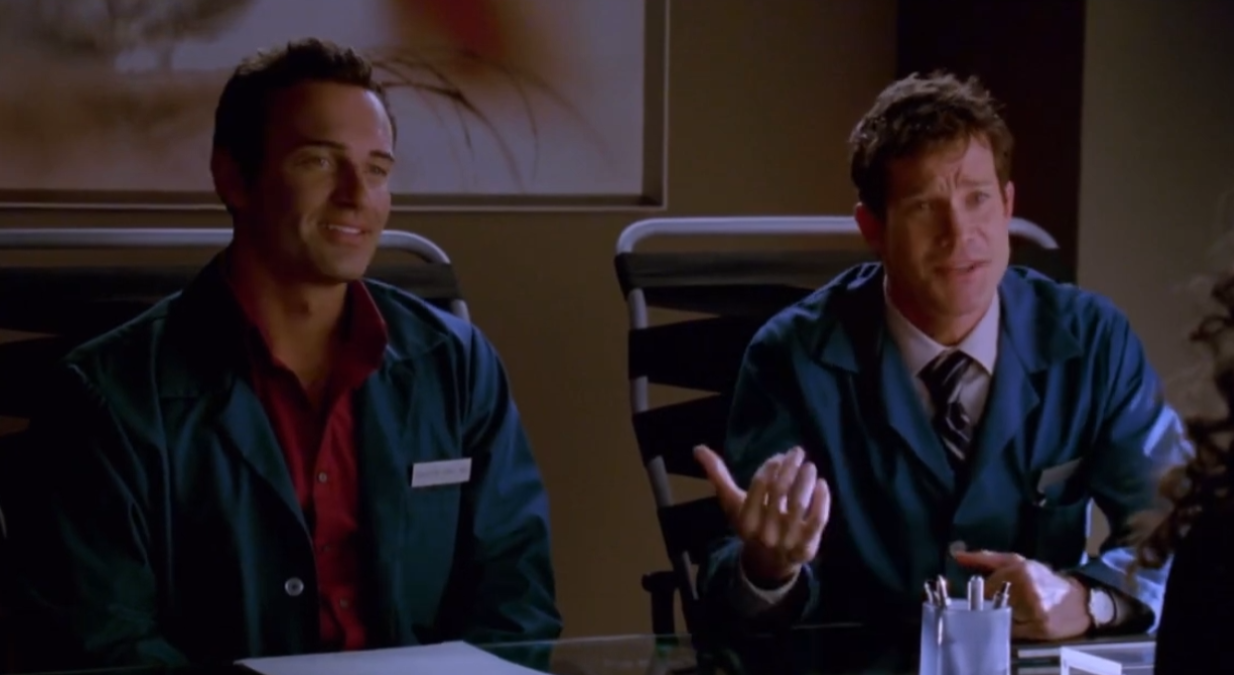
    Back in the ’00s, the likes of Lost, The Sopranos, Arrested Development, Deadwood, and Six Feet Under were making waves, and prestige TV was becoming a real thing. But while those shows were all becoming respected in their own right and gaining forever fans, Ryan Murphy’s medical drama Nip/Tuck was doing something very different over […]

    The post Why Isn’t There More ’00s Nostalgia for Nip/Tuck? appeared first on Den of Geek.

    Reality television has a way of making the unbelievable feel ordinary. From outrageous social experiments to jaw-dropping personal confessions, some shows seem too wild to exist, yet they’re all very real. We dug into the world of reality TV to highlight programs that pushed the limits of taste, logic, and sometimes common sense. These shows didn’t just entertain; they shocked, fascinated, and often left viewers questioning humanity itself. From marriage experiments to addiction confessions, here are 15 reality shows that make you pause, laugh, and wonder, “Wait… this actually aired on TV?”

    Two families with wildly different values trade spouses for two weeks, resulting in awkward, hilarious, and often shocking cultural clashes.

    Wife Swap

    Two families with wildly different values trade spouses for two weeks, resulting in awkward, hilarious, and often shocking cultural clashes.

    cnx.cmd.push(function() {
    cnx({
    playerId: “106e33c0-3911-473c-b599-b1426db57530”,

    }).render(“0270c398a82f44f49c23c16122516796”);
    });

    Contestants reveal their quirks and secrets to potential partners, turning dating into a cringe-filled game of confessions.

    Baggage

    Contestants reveal their quirks and secrets to potential partners, turning dating into a cringe-filled game of confessions.

    Singles date in pods without seeing each other, making life-altering decisions based purely on conversation—and pure faith in love.

    Love is Blind

    Singles date in pods without seeing each other, making life-altering decisions based purely on conversation—and pure faith in love.

    Strangers are legally married upon meeting, testing whether science and expert matchmaking can beat personal chemistry.

    Married at First Sight

    Strangers are legally married upon meeting, testing whether science and expert matchmaking can beat personal chemistry.

    Couples must navigate visa deadlines, cultural clashes, and extreme pressure to marry within 90 days, often with explosive results.

    90 Day Fiancé

    Couples must navigate visa deadlines, cultural clashes, and extreme pressure to marry within 90 days, often with explosive results.

    People open up about bizarre habits or compulsions, giving a glimpse into obsessions most of us couldn’t imagine.

    My Strange Addiction

    People open up about bizarre habits or compulsions, giving a glimpse into obsessions most of us couldn’t imagine.

    Parents compete in extravagant pageants for toddlers, revealing over-the-top costumes, makeup, and parenting extremes.

    Toddlers & Tiaras

    Parents compete in extravagant pageants for toddlers, revealing over-the-top costumes, makeup, and parenting extremes.

    Contestants undergo extreme makeovers—surgical and cosmetic—in a shocking transformation competition.

    The Swan

    Contestants undergo extreme makeovers—surgical and cosmetic—in a shocking transformation competition.

    Rappers compete for love in a wildly theatrical dating show filled with jealousy, drama, and outrageous antics.

    Flavor of Love

    Rappers compete for love in a wildly theatrical dating show filled with jealousy, drama, and outrageous antics.

    Infamous for chaotic arguments, shocking revelations, and fights on stage, it pushed reality TV to its absurd extreme.

    The Jerry Springer Show

    Infamous for chaotic arguments, shocking revelations, and fights on stage, it pushed reality TV to its absurd extreme.

    A child beauty pageant star and her family become a national phenomenon, with wild antics and unscripted chaos.

    Here Comes Honey Boo Boo

    A child beauty pageant star and her family become a national phenomenon, with wild antics and unscripted chaos.

    Couples test their commitment by living with singles of the opposite sex, leading to jealousy, betrayal, and emotional explosions.

    Temptation Island

    Couples test their commitment by living with singles of the opposite gender, leading to jealousy, betrayal, and emotional explosions.

    Women compete for a suitor they believe is wealthy, only to discover he’s not, creating shocking drama and uproarious reactions.

    Joe Millionaire

    Women compete for a suitor they believe is wealthy, only to discover he’s not, creating shocking drama and uproarious reactions.

    Contestants vie for the attention of a man pretending to be Prince Harry, blending celebrity obsession with outrageous deception.

    I Wanna Marry “Harry”

    Contestants vie for the attention of a man pretending to be Prince Harry, blending celebrity obsession with outrageous deception.

    The post 15 Reality Shows We Can’t Believe Are Real appeared first on Den of Geek.

  • Faces of Death Trailer Brings the Infamous ’80s Horror Franchise into 2026

    Faces of Death Trailer Brings the Infamous ’80s Horror Franchise into 2026

    You don’t have to watch Stranger Things to know that the 1980s were a scary time. There was Satanic Panic, rumors about poisoned Halloween candy, and Thatcher and Reagan. But nothing scared kids on the playground more than rumors about a movie that showed real-life images of people dying. That movie was Faces of Death, […]

    The post Faces of Death Trailer Brings the Infamous ’80s Horror Franchise into 2026 appeared first on Den of Geek.

    Reality television has a way of making the unbelievable feel ordinary. From outrageous social experiments to jaw-dropping personal confessions, some shows seem too wild to exist, yet they’re all very real. We dug into the world of reality TV to highlight programs that pushed the limits of taste, logic, and sometimes common sense. These shows didn’t just entertain; they shocked, fascinated, and often left viewers questioning humanity itself. From marriage experiments to addiction confessions, here are 15 reality shows that make you pause, laugh, and wonder, “Wait… this actually aired on TV?”

    Two families with wildly different values trade spouses for two weeks, resulting in awkward, hilarious, and often shocking cultural clashes.

    Wife Swap

    Two families with wildly different values trade spouses for two weeks, resulting in awkward, hilarious, and often shocking cultural clashes.

    cnx.cmd.push(function() {
    cnx({
    playerId: “106e33c0-3911-473c-b599-b1426db57530”,

    }).render(“0270c398a82f44f49c23c16122516796”);
    });

    Contestants reveal their quirks and secrets to potential partners, turning dating into a cringe-filled game of confessions.

    Baggage

    Contestants reveal their quirks and secrets to potential partners, turning dating into a cringe-filled game of confessions.

    Singles date in pods without seeing each other, making life-altering decisions based purely on conversation—and pure faith in love.

    Love is Blind

    Singles date in pods without seeing each other, making life-altering decisions based purely on conversation—and pure faith in love.

    Strangers are legally married upon meeting, testing whether science and expert matchmaking can beat personal chemistry.

    Married at First Sight

    Strangers are legally married upon meeting, testing whether science and expert matchmaking can beat personal chemistry.

    Couples must navigate visa deadlines, cultural clashes, and extreme pressure to marry within 90 days, often with explosive results.

    90 Day Fiancé

    Couples must navigate visa deadlines, cultural clashes, and extreme pressure to marry within 90 days, often with explosive results.

    People open up about bizarre habits or compulsions, giving a glimpse into obsessions most of us couldn’t imagine.

    My Strange Addiction

    People open up about bizarre habits or compulsions, giving a glimpse into obsessions most of us couldn’t imagine.

    Parents compete in extravagant pageants for toddlers, revealing over-the-top costumes, makeup, and parenting extremes.

    Toddlers & Tiaras

    Parents compete in extravagant pageants for toddlers, revealing over-the-top costumes, makeup, and parenting extremes.

    Contestants undergo extreme makeovers—surgical and cosmetic—in a shocking transformation competition.

    The Swan

    Contestants undergo extreme makeovers—surgical and cosmetic—in a shocking transformation competition.

    Rappers compete for love in a wildly theatrical dating show filled with jealousy, drama, and outrageous antics.

    Flavor of Love

    Rappers compete for love in a wildly theatrical dating show filled with jealousy, drama, and outrageous antics.

    Infamous for chaotic arguments, shocking revelations, and fights on stage, it pushed reality TV to its absurd extreme.

    The Jerry Springer Show

    Infamous for chaotic arguments, shocking revelations, and fights on stage, it pushed reality TV to its absurd extreme.

    A child beauty pageant star and her family become a national phenomenon, with wild antics and unscripted chaos.

    Here Comes Honey Boo Boo

    A child beauty pageant star and her family become a national phenomenon, with wild antics and unscripted chaos.

    Couples test their commitment by living with singles of the opposite sex, leading to jealousy, betrayal, and emotional explosions.

    Temptation Island

    Couples test their commitment by living with singles of the opposite gender, leading to jealousy, betrayal, and emotional explosions.

    Women compete for a suitor they believe is wealthy, only to discover he’s not, creating shocking drama and uproarious reactions.

    Joe Millionaire

    Women compete for a suitor they believe is wealthy, only to discover he’s not, creating shocking drama and uproarious reactions.

    Contestants vie for the attention of a man pretending to be Prince Harry, blending celebrity obsession with outrageous deception.

    I Wanna Marry “Harry”

    Contestants vie for the attention of a man pretending to be Prince Harry, blending celebrity obsession with outrageous deception.

    The post 15 Reality Shows We Can’t Believe Are Real appeared first on Den of Geek.

  • Netflix’s Take That Docuseries Makes a Bold but Confusing Choice

    Netflix’s Take That Docuseries Makes a Bold but Confusing Choice

    A highly anticipated new three-part docuseries from Bros: After the Screaming Stops co-director David Soutar has finally hit Netflix, and it’s turned out to be a decent watch. Cobbled together from 30-odd years of archival footage, Take That charts the rise and fall and rise again of the UK boy band, who first took some […]

    The post Netflix’s Take That Docuseries Makes a Bold but Confusing Choice appeared first on Den of Geek.

    Reality television has a way of making the unbelievable feel ordinary. From outrageous social experiments to jaw-dropping personal confessions, some shows seem too wild to exist, yet they’re all very real. We dug into the world of reality TV to highlight programs that pushed the limits of taste, logic, and sometimes common sense. These shows didn’t just entertain; they shocked, fascinated, and often left viewers questioning humanity itself. From marriage experiments to addiction confessions, here are 15 reality shows that make you pause, laugh, and wonder, “Wait… this actually aired on TV?”

    Two families with wildly different values trade spouses for two weeks, resulting in awkward, hilarious, and often shocking cultural clashes.

    Wife Swap

    Two families with wildly different values trade spouses for two weeks, resulting in awkward, hilarious, and often shocking cultural clashes.

    cnx.cmd.push(function() {
    cnx({
    playerId: “106e33c0-3911-473c-b599-b1426db57530”,

    }).render(“0270c398a82f44f49c23c16122516796”);
    });

    Contestants reveal their quirks and secrets to potential partners, turning dating into a cringe-filled game of confessions.

    Baggage

    Contestants reveal their quirks and secrets to potential partners, turning dating into a cringe-filled game of confessions.

    Singles date in pods without seeing each other, making life-altering decisions based purely on conversation—and pure faith in love.

    Love is Blind

    Singles date in pods without seeing each other, making life-altering decisions based purely on conversation—and pure faith in love.

    Strangers are legally married upon meeting, testing whether science and expert matchmaking can beat personal chemistry.

    Married at First Sight

    Strangers are legally married upon meeting, testing whether science and expert matchmaking can beat personal chemistry.

    Couples must navigate visa deadlines, cultural clashes, and extreme pressure to marry within 90 days, often with explosive results.

    90 Day Fiancé

    Couples must navigate visa deadlines, cultural clashes, and extreme pressure to marry within 90 days, often with explosive results.

    People open up about bizarre habits or compulsions, giving a glimpse into obsessions most of us couldn’t imagine.

    My Strange Addiction

    People open up about bizarre habits or compulsions, giving a glimpse into obsessions most of us couldn’t imagine.

    Parents compete in extravagant pageants for toddlers, revealing over-the-top costumes, makeup, and parenting extremes.

    Toddlers & Tiaras

    Parents compete in extravagant pageants for toddlers, revealing over-the-top costumes, makeup, and parenting extremes.

    Contestants undergo extreme makeovers—surgical and cosmetic—in a shocking transformation competition.

    The Swan

    Contestants undergo extreme makeovers—surgical and cosmetic—in a shocking transformation competition.

    Rappers compete for love in a wildly theatrical dating show filled with jealousy, drama, and outrageous antics.

    Flavor of Love

    Rappers compete for love in a wildly theatrical dating show filled with jealousy, drama, and outrageous antics.

    Infamous for chaotic arguments, shocking revelations, and fights on stage, it pushed reality TV to its absurd extreme.

    The Jerry Springer Show

    Infamous for chaotic arguments, shocking revelations, and fights on stage, it pushed reality TV to its absurd extreme.

    A child beauty pageant star and her family become a national phenomenon, with wild antics and unscripted chaos.

    Here Comes Honey Boo Boo

    A child beauty pageant star and her family become a national phenomenon, with wild antics and unscripted chaos.

    Couples test their commitment by living with singles of the opposite sex, leading to jealousy, betrayal, and emotional explosions.

    Temptation Island

    Couples test their commitment by living with singles of the opposite gender, leading to jealousy, betrayal, and emotional explosions.

    Women compete for a suitor they believe is wealthy, only to discover he’s not, creating shocking drama and uproarious reactions.

    Joe Millionaire

    Women compete for a suitor they believe is wealthy, only to discover he’s not, creating shocking drama and uproarious reactions.

    Contestants vie for the attention of a man pretending to be Prince Harry, blending celebrity obsession with outrageous deception.

    I Wanna Marry “Harry”

    Contestants vie for the attention of a man pretending to be Prince Harry, blending celebrity obsession with outrageous deception.

    The post 15 Reality Shows We Can’t Believe Are Real appeared first on Den of Geek.