Category: Blog

Your blog category

  • Your Book Launch Needs a Marketing Plan

    Your Book Launch Needs a Marketing Plan

    Your Book Launch Requires a Marketing Plan written by Jarret Redding read more at Duct Tape Marketing

    The Duct Tape Marketing Podcast with Alex Strathdee In this instance of the Duct Tape Marketing Podcast, I interviewed Alex Strathdee, CEO of Shelf Life and creator of Before the Bestseller. Alex is an expert in reserve promotion, having helped over 1, 000 writers across 50+ areas get genuine benefits. His insights challenge the traditional belief ]… ]

    Your Book Launch Requires a Marketing Plan written by Jarret Redding read more at Duct Tape Marketing

    The Duct Tape Marketing Podcast with Alex Strathdee

    In this instance of the Duct Tape Marketing Podcast, I interviewed Alex Strathdee, CEO of Shelf Life and creator of Before the Bestseller. Alex is an expert in reserve promotion, having helped over 1, 000 writers across 50+ areas get genuine benefits. His perspectives challenge the standard belief that publishers will market your book and uncover the necessary strategies every author must use to generate their own achievement.

    During our chat, Alex shared effective and useful tips on how to sell books, build a compelling book release plan, and avoid the most common reserve marketing mistakes. From free user sowing to building an writer email list, Alex outlines a consistent book sales strategy that helps artists to address their book like a business asset—whether you &#8217, d self publishing or working with a traditional publisher.

    Alex’s strategy to fiction book marketing is data-driven, innovative, and greatly useful. Whether you’re a seasoned business owner or just starting out, the insight from this season can help you avoid wasted effort—and find true ROI from your guide.

    Key Takeaways:

      Publishers won’t market your book. Authors must take ownership of their book promotion strategy.

    • Think of your book like a product. If it’s good ( and light, as Alex says ), it needs only wind—your marketing—to take off.
    • Pick a sales goal. Whether it &#8217, s 1, 000 or 20, 000 copies, defining a target helps guide every marketing tactic.
    • Use free reader seeding. Get your book into the hands of people who can talk about it and create buzz.
    • Break down your sales goal into channels. Consider email, podcasts, Amazon ads, or lumpy mail to move copies strategically.
    • Your email list is gold. Start small with 100 engaged readers and build from there—this is traffic you own.
    • Use VA support for outreach. Outsourcing book promotion tasks helps you scale more efficiently.
    • Don&#8217, t overlook physical presence. Alex shares how one book sold millions after being spotted in a car wash!
    • Design a book funnel. Use your book as a lead magnet for higher-ticket services like courses or coaching.
    • Presentation matters. From soft t-shirts to custom editions, packaging your book with care can spark word-of-mouth and long-term publishing success.

    Chapters:

    • ]00: 09 ] Introduction to Alex Strathdee
    • ]01: 03] Do Publishers Promote Books?
    • ]02: 45] Mistakes in Book Marketing
    • ]06: 54] How is AI Affecting Book Marketing?
    • ]08: 30 ] What is the Goal of your Book?
    • ]09: 39] Seeding Readers with no Audience
    • ]13: 34] Team and Tools to Help You with Your Book
    • ]16: 03] Positioning Yourself to get Lucky

    More About Alex Strathdee:

      Check out Alex Strathdee&#8217, s Website

    • Connect with Alex Strathdee on LinkedIn
    • Read Before The Bestseller: Your Proven Path to Book Sales Without Wasting Time &amp, Money by Alex Strathdee


    John Jantsch ( 00: 00.951 )

    Hello and welcome to another episode of the Duct Tape Marketing Podcast. This is John Jantsch. My guest today is Alex Strathdee. He is the CEO of Shelf Life, where he helps authors market books. After working with over 1, 000 books and 50 plus niches, he wanted to know what advice to give authors whose books weren’t selling. Clients include Mike McCallewitz, Alan Dibbs, Michael Bungastanier, Tony Fidel, Reid Hoffman. He hosts.

    his own podcast, Before the Best Seller with authors who have sold over 10, 000 copies, which include Dan Pink, Kim Scott, and others. But we’re going talk about his book today, Before the Best Seller, your proven path to book sales without wasting time and money. So Alex, welcome to the show.

    Alex Strathdee ( 00: 47.864 )

    John, it’s a dream come true being here growing up with you as one of the marketing greats to get to have a chat with you is pretty cool.

    John Jantsch ( 00: 55.227 )

    I appreciate that. So I know the answer to this, but I’m just going to let you let you hit it out of the park. When I write a book, doesn’t the publisher promote my book?

    Alex Strathdee ( 01: 09.422 )

    You would think that is why we exist is because Seth Godin, I know, has a good statistic that, you know, authors spend 90 % on or they make revenue from 90 % of the 90 % of the revenue is from their backlist and they only spend 2 % of their their budget on actually launching new books, which is a statistic that every author should be listening to and thinking, oh, so I can’t expect my publisher to actually market.

    John Jantsch ( 01: 10.627 )

    Yeah.

    John Jantsch ( 01: 24.835 )

    Huh.

    John Jantsch ( 01: 36.725 )

    Yeah, I’ve actually published, let’s say I self-published one book, six books have been with major publishers. And I can say that not only do they not promote your book, they don’t know how, quite frankly. I mean, they’re pretty rooted in some ancient approaches.

    Alex Strathdee ( 01: 56.43 )

    And that’s how I came into this industry was actually getting like pretty much scammed by someone who was like, oh, here’s what book marketing really is. And I was like, oh, wait, I’m going to be our famous rich, you know, author tomorrow. Wow, that’s fantastic. All I have to do is become an Amazon bestseller. Cool. And then you quickly find out that’s that’s not how you become an author.

    John Jantsch ( 02: 11.458 )

    Yeah

    John Jantsch ( 02: 16.035 )

    Well, and the other thing of course, and I’m sure you’re experiencing this, my first book came out in 2007. There weren’t a lot of nonfiction books, quite frankly, particularly from marketers. Now there’s probably been five titles that have come out since we started this show. I mean, it’s crazy.

    Alex Strathdee ( 02: 32.942 )

    There’s a marketing book for every niche now. There was one book that I was marketing that is, Kroll Space Repair. It’s insane, the niches that you find these days. But I love niches. I think niches are some of the best places to market.

    John Jantsch ( 02: 47.285 )

    So where do you find, we’ll start with the mistakes. Where do you find people making a mistake? I know the biggest one is they write a book and go, okay, now what? Probably, but what are some of the other common mistakes?

    Alex Strathdee ( 02: 56.77 )

    Yeah, the first. I’ll first start with a piece of education and it’s how to think about your book, and it’s a analogy that I actually stole from Ricardo Fayette of Reidsy, and it’s it’s the book is a ship analogy where essentially your book is a ship and how good your book is is how and how, you know, the word of mouth will spread for that book is how light the material of that ship is made of. So if you have a really, really good book, you have a really young.

    think I was reading your Wikipedia before this as well. You like your woodworking, so we’ll use a nice wood reference here. You know, if you have a really good book, then it’s a light piece of wood, right? So, you know, then your book, all that that ship needs is some wind in the sails and it starts to cruise along. If your book is made of lead, meaning it’s a terrible book and people don’t want to share it, then yeah, you can strap rockets to the side. But the second you turn off those rockets, it’s going to sink to the bottom of ocean. So the first thing is to think about your book as a ship.

    John Jantsch ( 03: 46.563 )

    You

    Alex Strathdee ( 03: 54.72 )

    And so the next question you get is, well, how do I know what my book is made of? And the answer to that is by product testing it. So it’s by committing to. this is, your question was, where do people actually start with their marketing? The starting point is picking a number. So that is the Bill Gladstone, who’s the late former literary agent to people like Eckhart Tolle, Marie Kondo, Jack Canfield. His whole thing is that in order for a book to be commercially successful, you need to see 20, 000 copies into the wild.

    Now, if your book is about crawl space repair, the odds of you seeding 20, 000 copies is pretty low, right? So you get to realize that there’s some nuance in here, depending on the industry that you’re a part of. Rob Fitzpatrick says that number only needs to be 1000. He’s a author of right. You saw books. He focuses more on like writing really, really good nonfiction books. And the truth is the numbers somewhere between 1000 and 20, 000. And it’s up to the author to figure out what that number is.

    John Jantsch ( 04: 29.559 )

    Yeah, yeah.

    John Jantsch ( 04: 43.478 )

    It’s a book.

    John Jantsch ( 04: 51.053 )

    So.

    I mean, again, I’m trying to process that comment. if I’ve published a book or self-published a book or I’m thinking about putting a book out, am I now then one of my first tasks is I need to get a thousand people who I think would be interested in this and send them a copy?

    Alex Strathdee ( 04: 58.094 )

    Yes. Yeah.

    Alex Strathdee ( 05: 12.46 )

    That is one of the ways. we call that free reader seating and the the but yeah, essentially once you have your number, what that is, is that’s empowering because where most authors start in their book marketing is just talking to, you know, like marketing salespeople of, you need this program, you need this program, you don’t really know what you’re trying to achieve. You just kind of think that like, well, if I make the New York Times bestseller list, then my book did what it’s supposed to do, right?

    John Jantsch ( 05: 13.709 )

    Yeah.

    Alex Strathdee ( 05: 36.814 )

    And so just having an understanding of what you’re actually trying to achieve with your book is that will solve half of your marketing issues. Because once you have your number, you break that down into, OK, I’m going to move 200 copies through podcasting. I’m to 100 copies through my email list. I’m going to move 200 copies through Amazon ads. Right. And then you actually break that seeding number down into many goals. And those are the different tools of book marketing that I talk about with him.

    John Jantsch ( 06: 02.263 )

    So we’ve probably all encountered a book that you’re like, this is really bad. Why is it selling so many copies?

    Alex Strathdee ( 06: 11.852 )

    Yeah, yeah. The one of my one of my shocking things, it’s kind of like, you know, Febreeze didn’t sell until a marketer figured out how to make it sell right. Like until someone was like, it shouldn’t have no smell. It should have a smell because that indicates to people that the room is clean. Right. So, you know, at the end of the day, I think you can have a pretty mediocre book. And if you have a really good marketing strategy behind it, it’s going to do a whole lot better than a book that has no marketing and is, you know, the best book in the world. And

    You know, so that’s one of the things I tell authors is like, you know, I know we have a fellow friend, Mike McCallewitz, you he and get different, you know, are you like, you have a responsibility to market if your thing is the best thing on the market. You know, you’re being selfish by actually not having a marketing plan behind that book. And there’s a lot of authors would be bestselling authors that get stopped because they’re, think that marketing their book is beneath them.

    John Jantsch ( 07: 05.763 )

    Yeah. So we’re, always make a joke of this. We’re seven minutes in the show. I’m going to mention AI for the first time. so how is, how is AI affecting in your view, both the written word as well as the, marketing component of, of marketing.

    Alex Strathdee ( 07: 14.542 )

    Let’s do it.

    Alex Strathdee ( 07: 28.844 )

    I think what it comes down to is brand at the end of the day, you know, there’s, that’s one of the big issues on Amazon right now is there’s a lot of people selling courses for like make a million dollars writing AI created books or whatever have you. Yeah. And it’s like, you can put those books up there, but you’re still going to have the same issue that the regular author has, which is to market those books. Like, so I think that

    John Jantsch ( 07: 40.023 )

    Right, 10 books a day, right, yeah.

    Alex Strathdee ( 07: 52.518 )

    I’m not afraid of, you know, I think it comes back to your marketing, right? Like if you have a really good marketer who’s empowered by AI, then maybe they’ll start moving some AI books, but we’re starting to look into using tools like make.com to automate like social media creation and posting based on like best practices in the industry. So think make.com is a great low code platform for some people who are a little more tech savvy to start looking at. But I mean, there’s, lots of ways, you know, like we use chat GPT to write our job descriptions.

    John Jantsch ( 08: 14.765 )

    Yeah, yeah.

    Alex Strathdee ( 08: 20.44 )

    You know, like you have someone on your team that takes half a day to write a job description, just ask ChatGPT to ask you for a meta ads expert and hire them in the Philippines, right? So I think there’s a lot of things that like from on the surface level, ChatGPT can start to really help authors with, you know, where they don’t have to know how to write a full on job description. They can have ChatGPT do that for them. And then on a deeper level, you can start using platforms like make.com to create workflows and go a little bit deeper with the tools.

    John Jantsch ( 08: 20.76 )

    Yeah.

    John Jantsch ( 08: 26.573 )

    Yeah. Yeah.

    John Jantsch ( 08: 48.675 )

    important do you think it is, particularly I’m talking about non-fiction books, so business authors, how important do you believe that it is that most authors should also have a course and maybe a certification or a coaching program or something like that that actually comes from the book?

    Alex Strathdee ( 09: 06.102 )

    Yeah, and that’s an interesting, you know, because even fiction and nonfiction have entirely different business models that you’re working with. Right. And so like one of our first steps with authors is always to figure out what is it you’re actually trying to achieve with this book? Because, know, someone who has a this is also like something you have to realize when you’re bidding against people on a lot of the ad platforms like, you know, Amazon.

    is oftentimes, especially in the nonfiction niche, you’re bidding against people who aren’t trying to make money on book royalties. They’re trying to sell a twenty thousand hundred thousand dollar course on the back end. So the days of making money through Amazon ads, one of the questions we get a lot. The days of making passive income with Amazon ads is over. They like very few books do that nowadays and very few traditional or self published authors. And I’m talking about self published to get full royalties are actually at that point in their, you know, in their book journey.

    John Jantsch ( 09: 34.967 )

    Yeah, right, Right, right, right, right.

    John Jantsch ( 09: 59.181 )

    So how does somebody who, like in my particular case, by the time I put my first book out, I had a huge email list. I had actually been publishing other stuff online, a blog and all podcasts and all that kind of stuff. So I had a decent live audience. How does somebody who, and let’s jump to fiction maybe, has no audience and is actually not known for writing Western literature, romance novels, all of sudden writes one. mean, how does that person

    Seed some readers.

    Alex Strathdee ( 10: 30.466 )

    Yeah, that’s that’s a really great question and to to which does mean that it’s it’s more challenging. So let me let me try to make this as concise as possible because I could ramble for the next how much time you got, John. So when it comes to starting, I mean, you mentioned the number one thing and the most important thing is always to have a newsletter list. That’s the one traffic you control. You’ve had plenty of episodes talking about the importance of that. Right. So.

    John Jantsch ( 10: 34.039 )

    Which means it’s a hard question.

    Alex Strathdee ( 10: 56.654 )

    When it comes to your email list, one of the best ways and I stand on the shoulders of great marketers, know, so like Tim Grahl, who wrote your first 1000 copies, you know, he has a great way to start your Facebook, you know, your email list through Facebook, just reaching out to your friends and family one by one and saying, hey, I’m going to start, you know, writing about this topic.

    you would you like to come along for the journey? And like, you know, if you’re running ads, do you know, to your webpage, you might get a conversion rate of like, well, like 3 % on your web on your website. As if you’re messaging people one by one on Facebook, like start with finding a hundred people to put on your email list, start sending out like a new valuable newsletter each week and happy to dive into that if you want. But you know, I just start with like who the people, you know, and ask them, Hey, here’s what I’m going to do. It’s kind of an experiment. Would you like to join and make that your first 100?

    So that’s the first step. Any questions about like the email list side? I’m sure you probably were already already on top of that one. And the other way is I’ll actually use an example of a fictional author, John Strelecki. He’s the author of a cafe on the edge of the world. He’s now sold over 8 million books and he, kid you not, just went to chamber of commerce meetings and it hits a, his book is somewhat of a fable.

    John Jantsch ( 11: 50.007 )

    No, no, no, I think, yeah, yeah, we have definitely.

    Alex Strathdee ( 12: 11.48 )

    capable if you haven’t heard of it’s kind of like the go giver sort of that situation that has like a deeper meaning to it that’s easy to pick up on short read. And he went to Chamber of Commerce meetings having one on one conversations with people until he had personally handed out 10, 000 copies of his book. He has now sold over 8 million copies of his book. Clearly that worked. And so a genuine conversation you like finding a local group that you can go to and know, hand copies out one by one with a genuine conversation. Now.

    John Jantsch ( 12: 14.018 )

    Yeah, yeah.

    Alex Strathdee ( 12: 38.286 )

    There’s a way you can do this the wrong way and there’s a way you can do this the right way. And I’ll use an example, you know, I’m out here in San Diego, if you couldn’t tell by the mustache and the long hair. we have namaste yoga, cliff side here on the ocean. You know, can picture it, beautiful blue sky, you know, right? You hear the waves breaking and, you know, a nice way to relax on a Saturday and Sunday morning. And this woman was walking by.

    handing out post-it notes that just had nice messages on them. Like, you you’re pretty or like, you know, you’re smart or whatever. And on the back of those post-it notes was, you know, a Lincoln invite to grab her book. But like she was starting with value. was like, would you like a positive note? And of course, like, you know, it’s also her, her audience, right? Like an audience of yogis on a cliffside on a, on a Saturday morning at 10 a. m. is, is her demographic. And you compare that against, I was hosting a barbecue for a friend, you know, here at my, my apartment complex.

    John Jantsch ( 13: 20.472 )

    Yeah, yeah.

    Right. Yeah.

    Alex Strathdee ( 13: 33.534 )

    And this man, I guess, saw a gathering of us down by the grill and walked down and began telling people about his AI book that we should all go by and read. like most of the people were like service workers, like baristas, no interest in learning about AI. And he’s like forcing AI on everyone. It was the most uncomfortable situation. So like when you’re having these conversations, be the first, not the second.

    John Jantsch ( 13: 48.653 )

    Yeah

    John Jantsch ( 13: 57.995 )

    Yeah, that’s awesome. What would, so if somebody’s, I know there’s wide ranges and variances on all kinds of, depends, but if somebody’s getting started with a nonfiction book, they’ve got a business as well. They’re doing a couple of things. What’s the team, the system, you know, the approach that kind of like they need to be doing this, this, this, this kind of thing.

    Alex Strathdee ( 14: 21.646 )

    Yeah, yeah. And I’m all for systems like one of my favorite marketers, Alan Dibb, know, random acts of marketing don’t work. That’s like I will sing that from, you know, the mountaintops until the day I die. And so, you know, having VA’s is great. You know, I have a whole section. I talk a lot about VA’s and I know you’ve covered a lot about VA’s as well. But the system is start with your high number, break down into the littler numbers, pick out the tools that you’re you’re you know, whether it’s and I’ve got, you know, a few of the tools that

    John Jantsch ( 14: 37.933 )

    Yeah.

    Alex Strathdee ( 14: 50.114 )

    you know, we’ve seen great success with is like free reader seatings, like finding people on Linked In. And so having a team member who is actually finding your ideal person on Linked In, on Instagram and messaging them one-on-one saying, Hey, we’ve got this free book. Would you like, you know, a copy of it for free? And most of it’s like a free gift. Like, yeah, people are all for, you know, I know you’re a fan of lumpy mail. Like I love lumpy mail. And so, you know, that’s, that’s something that works really well. We’re doing that with like Dan Heath right now that he just launched reset.

    John Jantsch ( 15: 09.795 )

    Yeah. Right.

    Alex Strathdee ( 15: 18.586 )

    And so for him, like that’s already led to two additional, like one lady wrote back and was like, wow, I’m going to make this my book for the book, my book club of like 80 people. Right. It’s like putting yourself a lot of the seating number that you, you pick is putting yourself in a position to get lucky. But like, I find that when it comes down to systems, a lot of the research is, can be outsourced. So like finding those people on Linked In, messaging those people on Linked In, like you don’t have the time to be there messaging these people one-on-one. and the great thing is, you know, like you mentioned, these people have businesses.

    John Jantsch ( 15: 26.381 )

    Yeah. Yeah.

    Alex Strathdee ( 15: 48.48 )

    If they have, know, like you’re essentially sending them like your business card at the same time, like your, your guess, you know, you, it’s a, yeah, you got to pay for shipping and handling or whatever. even traditionally published authors will oftentimes be able to get a deal with their publisher for like six bucks. Always look at your, author, author copy price if you’re a traditionally published author, but, yeah.

    John Jantsch ( 15: 53.272 )

    Yes.

    John Jantsch ( 16: 06.307 )

    Well, would also tell you those books cost them nothing. I always negotiated a thousand bucks that they gave me.

    Alex Strathdee ( 16: 12.053 )

    Yeah. Good. That’s great. Yeah. That’s I’m going to start using that. That’s really smart. I didn’t know you could, you could get away with that. But, yeah, having people who are doing the researching and the messaging, I think like anytime you’re doing cold researching or cold messaging, like that’s a great opportunity to start bringing in an assistant for that stuff.

    John Jantsch ( 16: 31.245 )

    Yeah, and that kind of thing can be had, you know, fairly inexpensively. I want to go back something you just touched on a little bit, putting yourself in a position to get lucky. I know you spent a lot of time in the book on that. You’ve even got a couple examples in the book. You want to share any Oprah moments?

    Alex Strathdee ( 16: 48.21 )

    One of my favorite stories and a lot of people don’t know this is Robert Kiyosaki. Everyone’s heard of Rich Dad Poor Dad, right? So what a lot of people don’t know is that is how that book became the best selling personal finance book of all time. And the way it was done was Robert called up his buddy who owned a car wash and he said, hey, do you mind if I sell some copies of Rich Dad Poor Dad in your car wash? And his buddy was like, sure, whatever.

    John Jantsch ( 16: 54.147 )

    Sure. Yeah.

    Alex Strathdee ( 17: 14.026 )

    There’s he is a bookstore of one at that point. There is no you know, like customers are looking over at you know, at air fresheners to buy while they’re waiting for their car to get washed or they’re using the unusable bathrooms that you know at car washes and Then they walk, know to the over the cashier and wow, it’s this personal finance book. Let me pick that up I have a little time. Let me read it and So one of the people who happened to walk through that car wash was one of the founders of Amway

    John Jantsch ( 17: 17.315 )

    You

    John Jantsch ( 17: 34.477 )

    Right.

    Alex Strathdee ( 17: 40.534 )

    Now not talking about, whether Amway is a good company or what you think about, you know, rich divorce or anything, but the person picked this book up and loved it so much that he then took it to the other executives. And he’s like, this is a powerful tool for us to educate and empower our people. so Amway started to fly Robert Kiyosaki all around the country to speak at events. And that book quickly became their Bible. And he found his micro community, a lot of

    Authors will find their micro community early on. Like Mike McAuliffe did this with Profit First. He was speaking on college campuses and kids were taking home those books on spring break and moms were picking up those books and reading and fixing their company’s finances or the company business or the family business. And that was his following. And he never meant for the book to find its way to those people. yeah, mean, putting yourself in a position to get lucky is what a lot of that picking your number to begin with is doing.

    John Jantsch ( 18: 33.911 )

    Yeah. And really the seating probably, I mean, you have no idea who it’s going to, I mean, maybe you targeted somebody, but you have no idea who, what their circle of influence is. And I think that’s, just becomes a numbers game at that point as you’re, as you’re kind of stressing, isn’t it?

    Alex Strathdee ( 18: 49.41 )

    And that’s why people will be like, give away my book for free. it’s like, well, first of all, a lot of people will put their book up for expensive on launch. And it’s like, yeah, their mom buys it, their cousin buys it, their son buys it. But at end of the day, are you actually solving for any of those people? that’s a big part. Are you actually solving the problem of any of those people? And so that’s a big part of it is your number has to consist of people whose problem you’re actually solving for. Because if you’re not, then no one’s going to get excited about your book.

    John Jantsch ( 18: 53.111 )

    Yeah

    John Jantsch ( 19: 18.979 )

    It was a book that I actually had the author on here. He has since passed away, but called Giftology by John Ruhlman. And he did what I thought was a really interesting thing. His book was published by a publisher, but he talked to publisher into letting him create a special edition of the book. It was hard bound, like kind of leather, you know, had, you know, gold lettering on it. And, you know, he sent out like 4, 000 of those.

    And it was in this really incredible package and it just, people couldn’t not talk about it. And it just really launched his book because he just got so much word of mouth before anybody had really read it just by the presentation.

    Alex Strathdee ( 19: 59.598 )

    Packages can be a really fun way to do it. Brian Johnson, who recently really released art and actually sent giftology funny enough, like two weeks ago, I had a partnership and I was like this, like do this. So it’s funny that you bring that up. the yeah, and he sent if you’re going to send this is a little like, you know, people love these small little things. If if you’re going to do T-shirts, John, make them the softest, most comfortable T-shirt you’ve you’ve ever worn so that people actually wear it. I have so.

    John Jantsch ( 20: 03.094 )

    Eh.

    John Jantsch ( 20: 08.738 )

    Yeah, yeah, yeah.

    John Jantsch ( 20: 21.091 )

    Right.

    John Jantsch ( 20: 26.049 )

    Yep.

    Alex Strathdee ( 20: 27.096 )

    Bryan Johnson sent me two of the literally softest shirts I own and they’ve become my travel shirts. So I have walked through about like 30 airports wearing these shirts and been a walking billboard for this guy. So that’s like, if you’re going to do like shirts for your book, make sure the title is on there and make them the softest that you could possibly make them.

    John Jantsch ( 20: 32.523 )

    You

    John Jantsch ( 20: 46.403 )

    Love it. Love it. Well, Alex, I appreciate you taking a moment to stop by the Duct Tape Marketing Podcast. Where would you invite people to connect with you and find out more about before the bestseller?

    Alex Strathdee ( 20: 56.204 )

    Yeah, I’m always up for a conversation. know, we pride ourselves in like just having very honest conversations with authors and kind of like where they’re at. We prefer to work with authors for years. So if we don’t think like an engagement is going to work out for more than like a small period of time, then like we’ll tell you that. Yeah, reach out to us. Our website is get shelf life dot com. Feel free to shoot me an email if you have a question about book marketing. Alex at get shelf life dot com.

    And yeah, check out our book before the best seller on Amazon now.

    John Jantsch ( 21: 27.267 )

    Well, again, I appreciate you taking a moment to stop by. Hopefully we’ll run into you one of these days out there on the road.

    Alex Strathdee ( 21: 32.952 )

    This is a bucket list item, John. Thanks for having me on.

    John Jantsch ( 21: 35.395 )

    You

    powered by
  • Pulse Cast: Meet the Doctors and Nurses from Netflix’s Miami Medical Drama

    Pulse Cast: Meet the Doctors and Nurses from Netflix’s Miami Medical Drama

    Looking for more medical drama after Max’s The Pitt? Netflix medical crisis Signal follows the doctors and nurses of Miami’s Maguire Medical Center as they deal with an oncoming storms and the violent interpersonal drama that push the limits of what this staff is control. But no matter what may hit the hospital from within]… ]

    The article Pulse Cast: Join the Doctors and Nurses from Netflix’s Miami Medical Drama appeared first on Den of Geek.

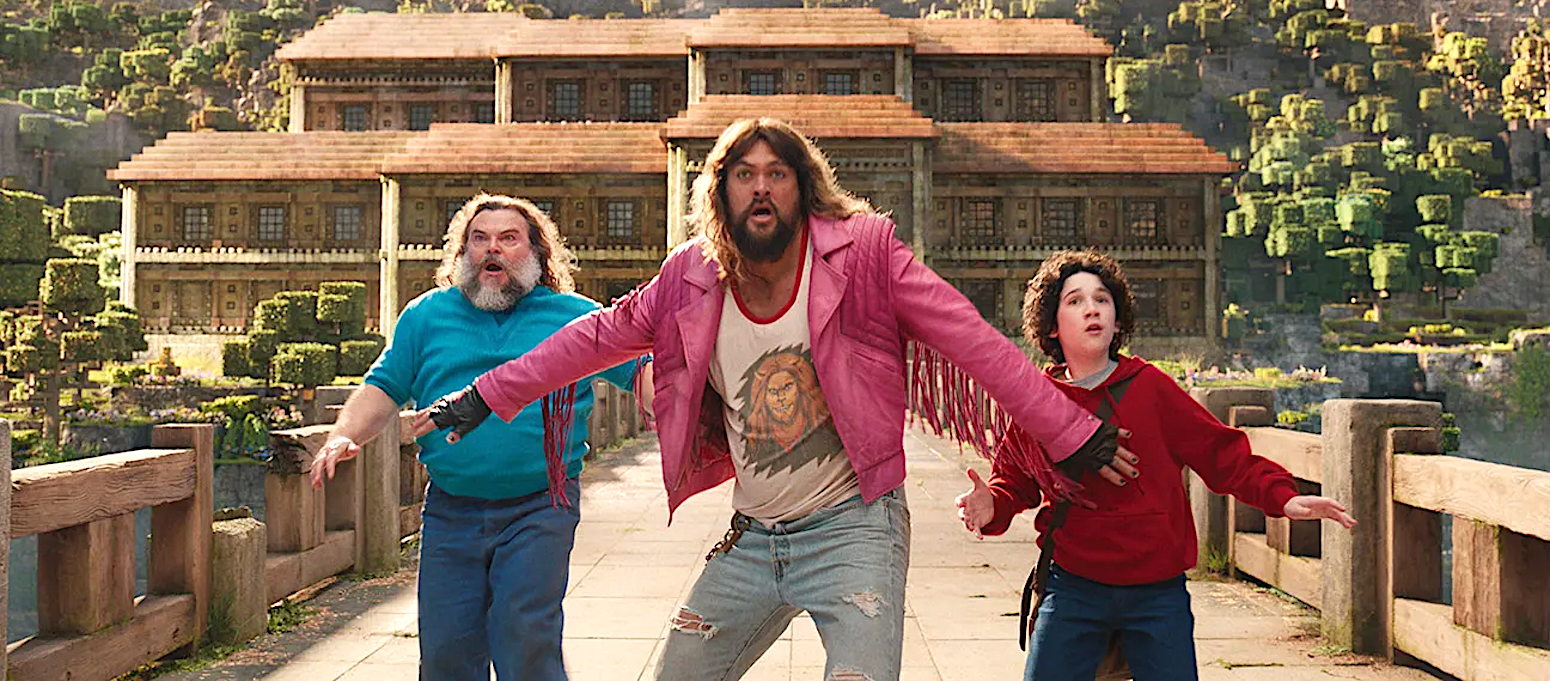
    A Minecraft Movie has arrived bringing the Overworld to the cinema people. The family friendly romp follows siblings Henry ( Sebastian Hansen ) and Natalie ( Emma Myers ) and their animal-loving realtor Dawn ( Danielle Brooks ). and the video-game-obsessive Garrett &#8220, The Garbage Man&#8221, Garrison ( Jason Momoa ) as they &#8217, re sucked into the magical mines of the Overworld and into an adventure that they &#8217, ll never forget. For here they will meet the legend they call&#8230, Steve ( Jack Black ).

    We chatted to the solid and creators of the picture at an amazing event in Los Angeles that threw us immediately into the mines, the fruit gardens, and the dreadful zombies that inhabit the cubic world of the game and movie. Adapting that world to the camera was no mean achievement, particularly as what has made the game so powerful is the never ending options it presents, everything that chairman Jared Hess is keenly aware of. &nbsp,

    cnx. cmd. push ( function ( ) {cnx ( {playerId:” 106e33c0-3911-473c-b599-b1426db57530″, }). render ( “0270c398a82f44f49c23c16122516796” ), }),

    &#8220, The cool thing about the game is that it is an open world, and there&#8217, s no story to it, so everybody that plays it brings their own imagination, their own story to what they &#8217, re doing, Hess shares. &#8220, So we wanted to have that same approach as we developed the film and really everybody involved, from the writers to the producers and the design team, we just wanted to bring what we love about the game to the film and really celebrate it. &#8221, &nbsp,

    Torfi Frans Ólafsson, the senior director of original Minecraft content, agreed: &#8220, It&#8217, s been there for people in moments of joy and grief and even bringing people together like families and connecting friends across continents. &#8221, he says. &#8220, It is definitely challenging, because to some people, it &#8217, s just a very serious zombie survival game, and it should be approached as such. And to others, it &#8217, s like a colorful free-for-all where you just throw a bunch of blocks. &#8221, &nbsp,

    He continues. &#8220, That&#8217, s why it &#8217, s called A Minecraft Movie. This is the Jared Hess vision-version of it. Even Steve is almost like faceless, a blank slate when you play Steve or Alex or any other characters, because they embody kind of what you do as a player. So people are saying, &#8216, Hey, that &#8217, s just Jack Black wearing a blue shirt. &#8217, But this is Jack Black &#8217, s Steve taken to 11. &#8221,

    While the film is just one of many stories that could take place inside of Minecraft, the crew was still aware that you had to bring the easter eggs, nods, and creatures that fans love so much to the big screen. This includes the terrifying Enderman who star Jack Black was particularly excited to tease. &#8220, He&#8217, s legit the scariest creature in Minecraft, and I think we did a really good job of capturing that thing. You can&#8217, t look him in the eye, &#8221, Jack Black says. &#8220, In our movie you do see what happens when you look an Enderman in the eye&#8230, &#8221,

    Those terrifying moments make A Minecraft Movie stand out, playing with the fears we have as children, and the ways that films can help us learn our boundaries. For Jason Momoa, the film that scarred him as a kid is still shaping his capacity for horror today.

    &#8220, I&#8217, m terrified, &#8221, Momoa laughs. &#8220, I still f*#*ing hate clowns. I should have listened to my mother. Mama was like,’ Do not watch It.’ Went and watched it at her friend&#8217, s house. I looked at shower drains]afterward], and I still kind of look at shower drains a little bit weird. At the gutters, my skateboard went down that shit. I was like,’ it’s gone. ‘ &#8221, &nbsp,

    Luckily A Minecraft Movie is n&#8217, t that kind of scary, but Momoa is already contemplating how this film will change his life and the way that he interacts with fans just like It changed his life as a little kid. &#8220, It&#8217, s gonna be crazy too. Like obviously kids come up to you and your movies and things that you &#8217, ve done, like Kung Fu Panda,” Momoa says to Black. &#8220, But it &#8217, s the first time I&#8217, m experiencing it. I did Aquaman where people were like,’ Oh my gosh&nbsp, you &#8217, re a superhero! ‘ But this, I don&#8217, t even know what &#8217, s gonna happen, because there are going to be three year olds. Everyone&#8217, s gonna see this movie. It&#8217, s just fun for them to watch, obviously, I&#8217, m getting my butt kicked. He&#8217, s kicking butt. So it &#8217, s great to watch. &#8221, &nbsp,
    Black agrees, having a revelation of his own. &#8220, It&#8217, s already generational, because kids who started playing it when they were teenagers, like 14 or 15, they could very well have kids of their own now, because it’s 15 years later. They &#8217, re 29 or 30 years old. There will be Minecraft parents and their kids coming to this movie. It&#8217, s kind of cool. &#8221,

    The post Jason Momoa and Jack Black Are Stoked for Your Kids to Watch Minecraft appeared first on Den of Geek.

  • Pulse Ending Explained: Who Is the New Chief Resident?

    Pulse Ending Explained: Who Is the New Chief Resident?

    This article contains spoilers for the season finale of Pulse Pulse’s season finale might not be quite as shocking as the season opener – it’s hard to beat the devastation of a hurricane – but the conclusion of this Netflix medical drama does a great job of wrapping up a lot of plot threads while ]… ]

    The article Pulse Ending Explained: Who Is the New Chief Resident? appeared primary on Den of Geek.

    A Minecraft Movie has arrived bringing the Overworld to the cinema public. The family friendly romp follows siblings Henry ( Sebastian Hansen ) and Natalie ( Emma Myers ) and their animal-loving realtor Dawn ( Danielle Brooks ). and the video-game-obsessive Garrett &#8220, The Garbage Man&#8221, Garrison ( Jason Momoa ) as they &#8217, re sucked into the magical mines of the Overworld and into an adventure that they &#8217, ll never forget. For here they will meet the legend they call&#8230, Steve ( Jack Black ).

    We chatted to the solid and creators of the picture at an amazing event in Los Angeles that threw us immediately into the mines, the fruit gardens, and the dreadful zombies that inhabit the cubic world of the game and movie. Adapting that world to the camera was no mean achievement, particularly as what has made the game so powerful is the never ending options it presents, everything that chairman Jared Hess is keenly aware of. &nbsp,

    cnx. command. push ( function ( ) {cnx ( {playerId:” 106e33c0-3911-473c-b599-b1426db57530″, }). render ( “0270c398a82f44f49c23c16122516796” ), }),

    &#8220, The great thing about the game is that it is an empty universe, and there&#8217, s no account to it, but somebody that plays it brings their own thoughts, their own story to what they &#8217, re doing, Hess shares. &#8220, So we wanted to have that same approach as we developed the film and really everybody involved, from the writers to the producers and the design team, we just wanted to bring what we love about the game to the film and really celebrate it. &#8221, &nbsp,

    Torfi Frans Ólafsson, the senior director of original Minecraft content, agreed: &#8220, It&#8217, s been there for people in moments of joy and grief and even bringing people together like families and connecting friends across continents. &#8221, he says. &#8220, It is definitely challenging, because to some people, it &#8217, s just a very serious zombie survival game, and it should be approached as such. And to others, it &#8217, s like a colorful free-for-all where you just throw a bunch of blocks. &#8221, &nbsp,

    He continues. &#8220, That&#8217, s why it &#8217, s called A Minecraft Movie. This is the Jared Hess vision-version of it. Even Steve is almost like faceless, a blank slate when you play Steve or Alex or any other characters, because they embody kind of what you do as a player. So people are saying, &#8216, Hey, that &#8217, s just Jack Black wearing a blue shirt. &#8217, But this is Jack Black &#8217, s Steve taken to 11. &#8221,

    While the film is just one of many stories that could take place inside of Minecraft, the crew was still aware that you had to bring the easter eggs, nods, and creatures that fans love so much to the big screen. This includes the terrifying Enderman who star Jack Black was particularly excited to tease. &#8220, He&#8217, s legit the scariest creature in Minecraft, and I think we did a really good job of capturing that thing. You can&#8217, t look him in the eye, &#8221, Jack Black says. &#8220, In our movie you do see what happens when you look an Enderman in the eye&#8230, &#8221,

    Those terrifying moments make A Minecraft Movie stand out, playing with the fears we have as children, and the ways that films can help us learn our boundaries. For Jason Momoa, the film that scarred him as a kid is still shaping his capacity for horror today.

    &#8220, I&#8217, m terrified, &#8221, Momoa laughs. &#8220, I still f*#*ing hate clowns. I should have listened to my mother. Mama was like,’ Do not watch It.’ Went and watched it at her friend&#8217, s house. I looked at shower drains]afterward], and I still kind of look at shower drains a little bit weird. At the gutters, my skateboard went down that shit. I was like,’ it’s gone. ‘ &#8221, &nbsp,

    Luckily A Minecraft Movie is n&#8217, t that kind of scary, but Momoa is already contemplating how this film will change his life and the way that he interacts with fans just like It changed his life as a little kid. &#8220, It&#8217, s gonna be crazy too. Like obviously kids come up to you and your movies and things that you &#8217, ve done, like Kung Fu Panda,” Momoa says to Black. &#8220, But it &#8217, s the first time I&#8217, m experiencing it. I did Aquaman where people were like,’ Oh my gosh&nbsp, you &#8217, re a superhero! ‘ But this, I don&#8217, t even know what &#8217, s gonna happen, because there are going to be three year olds. Everyone&#8217, s gonna see this movie. It&#8217, s just fun for them to watch, obviously, I&#8217, m getting my butt kicked. He&#8217, s kicking butt. So it &#8217, s great to watch. &#8221, &nbsp,
    Black agrees, having a revelation of his own. &#8220, It&#8217, s already generational, because kids who started playing it when they were teenagers, like 14 or 15, they could very well have kids of their own now, because it’s 15 years later. They &#8217, re 29 or 30 years old. There will be Minecraft parents and their kids coming to this movie. It&#8217, s kind of cool. &#8221,

    The post Jason Momoa and Jack Black Are Stoked for Your Kids to Watch Minecraft appeared first on Den of Geek.

  • Teenage Mutant Ninja Turtles: Movies Need More Moments Like Sam Rockwell’s Foot Clan Intro

    Teenage Mutant Ninja Turtles: Movies Need More Moments Like Sam Rockwell’s Foot Clan Intro

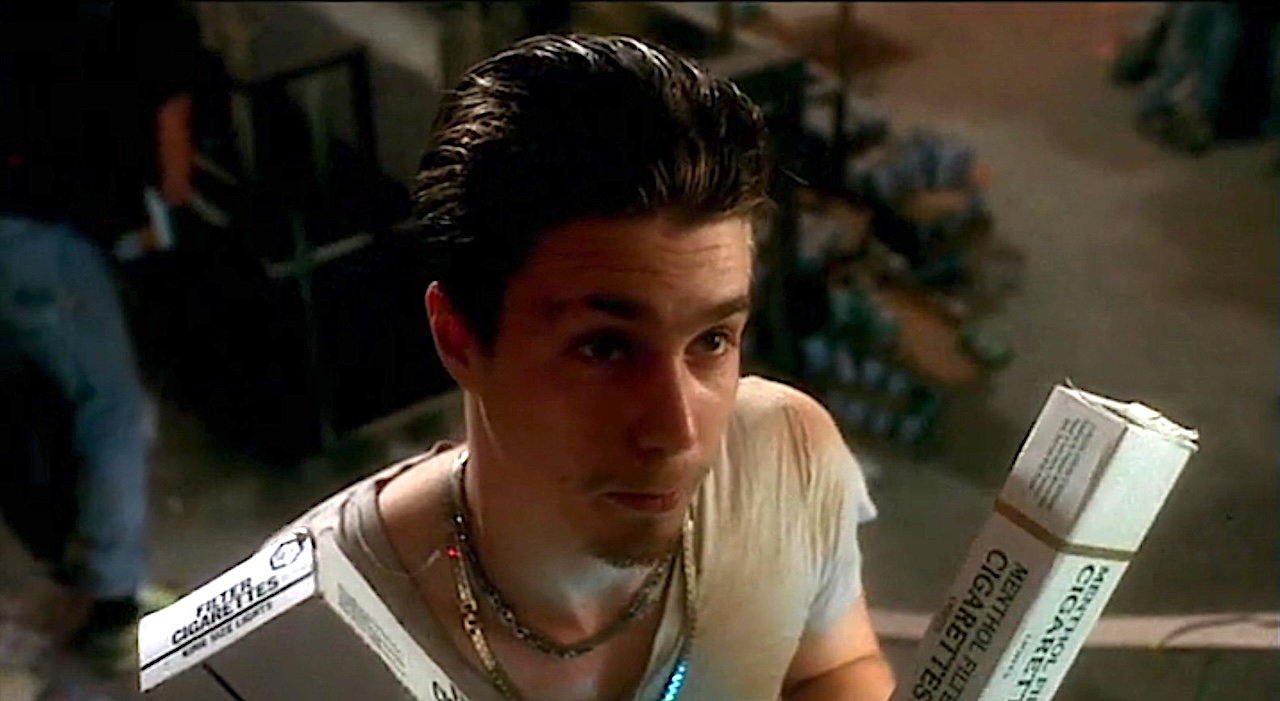
    Before he was an Oscar winner, and much before he dreamed of being an” Asian girl” on The White Lotus, Sam Rockwell introduced himself to thousands by pushing smoking on children. … Or at least that is how only his second speaking role in a feature film went during Gen X and Millennial touchstone, Teenage ]…]

    The article Teenage Mutant Ninja Turtles: Shows Need More Times Like Sam Rockwell’s Foot Clan Intro appeared initially on Den of Geek.

    A Minecraft Movie has arrived bringing the Overworld to the cinema people. The family friendly romp follows siblings Henry ( Sebastian Hansen ) and Natalie ( Emma Myers ) and their animal-loving realtor Dawn ( Danielle Brooks ). and the video-game-obsessive Garrett &#8220, The Garbage Man&#8221, Garrison ( Jason Momoa ) as they &#8217, re sucked into the magical mines of the Overworld and into an adventure that they &#8217, ll never forget. For here they will meet the legend they call&#8230, Steve ( Jack Black ).

    We chatted to the solid and creators of the picture at an amazing event in Los Angeles that threw us immediately into the mines, the fruit gardens, and the dreadful zombies that inhabit the cubic world of the game and movie. Adapting that world to the camera was no mean achievement, particularly as what has made the game so powerful is the never ending options it presents, everything that chairman Jared Hess is keenly aware of. &nbsp,

    cnx. command. push ( function ( ) {cnx ( {playerId:” 106e33c0-3911-473c-b599-b1426db57530″, }). render ( “0270c398a82f44f49c23c16122516796” ), }),

    &#8220, The great thing about the game is that it is an empty universe, and there&#8217, s no account to it, but somebody that plays it brings their own thoughts, their own story to what they &#8217, re doing, Hess shares. &#8220, So we wanted to have that same approach as we developed the film and really everybody involved, from the writers to the producers and the design team, we just wanted to bring what we love about the game to the film and really celebrate it. &#8221, &nbsp,

    Torfi Frans Ólafsson, the senior director of original Minecraft content, agreed: &#8220, It&#8217, s been there for people in moments of joy and grief and even bringing people together like families and connecting friends across continents. &#8221, he says. &#8220, It is definitely challenging, because to some people, it &#8217, s just a very serious zombie survival game, and it should be approached as such. And to others, it &#8217, s like a colorful free-for-all where you just throw a bunch of blocks. &#8221, &nbsp,

    He continues. &#8220, That&#8217, s why it &#8217, s called A Minecraft Movie. This is the Jared Hess vision-version of it. Even Steve is almost like faceless, a blank slate when you play Steve or Alex or any other characters, because they embody kind of what you do as a player. So people are saying, &#8216, Hey, that &#8217, s just Jack Black wearing a blue shirt. &#8217, But this is Jack Black &#8217, s Steve taken to 11. &#8221,

    While the film is just one of many stories that could take place inside of Minecraft, the crew was still aware that you had to bring the easter eggs, nods, and creatures that fans love so much to the big screen. This includes the terrifying Enderman who star Jack Black was particularly excited to tease. &#8220, He&#8217, s legit the scariest creature in Minecraft, and I think we did a really good job of capturing that thing. You can&#8217, t look him in the eye, &#8221, Jack Black says. &#8220, In our movie you do see what happens when you look an Enderman in the eye&#8230, &#8221,

    Those terrifying moments make A Minecraft Movie stand out, playing with the fears we have as children, and the ways that films can help us learn our boundaries. For Jason Momoa, the film that scarred him as a kid is still shaping his capacity for horror today.

    &#8220, I&#8217, m terrified, &#8221, Momoa laughs. &#8220, I still f*#*ing hate clowns. I should have listened to my mother. Mama was like,’ Do not watch It.’ Went and watched it at her friend&#8217, s house. I looked at shower drains]afterward], and I still kind of look at shower drains a little bit weird. At the gutters, my skateboard went down that shit. I was like,’ it’s gone. ‘ &#8221, &nbsp,

    Luckily A Minecraft Movie is n&#8217, t that kind of scary, but Momoa is already contemplating how this film will change his life and the way that he interacts with fans just like It changed his life as a little kid. &#8220, It&#8217, s gonna be crazy too. Like obviously kids come up to you and your movies and things that you &#8217, ve done, like Kung Fu Panda,” Momoa says to Black. &#8220, But it &#8217, s the first time I&#8217, m experiencing it. I did Aquaman where people were like,’ Oh my gosh&nbsp, you &#8217, re a superhero! ‘ But this, I don&#8217, t even know what &#8217, s gonna happen, because there are going to be three year olds. Everyone&#8217, s gonna see this movie. It&#8217, s just fun for them to watch, obviously, I&#8217, m getting my butt kicked. He&#8217, s kicking butt. So it &#8217, s great to watch. &#8221, &nbsp,
    Black agrees, having a revelation of his own. &#8220, It&#8217, s already generational, because kids who started playing it when they were teenagers, like 14 or 15, they could very well have kids of their own now, because it’s 15 years later. They &#8217, re 29 or 30 years old. There will be Minecraft parents and their kids coming to this movie. It&#8217, s kind of cool. &#8221,

    The post Jason Momoa and Jack Black Are Stoked for Your Kids to Watch Minecraft appeared first on Den of Geek.

  • Russell T Davies Interview: “Doctor Who is the Most Exhilarating Show in the World”

    Russell T Davies Interview: “Doctor Who is the Most Exhilarating Show in the World”

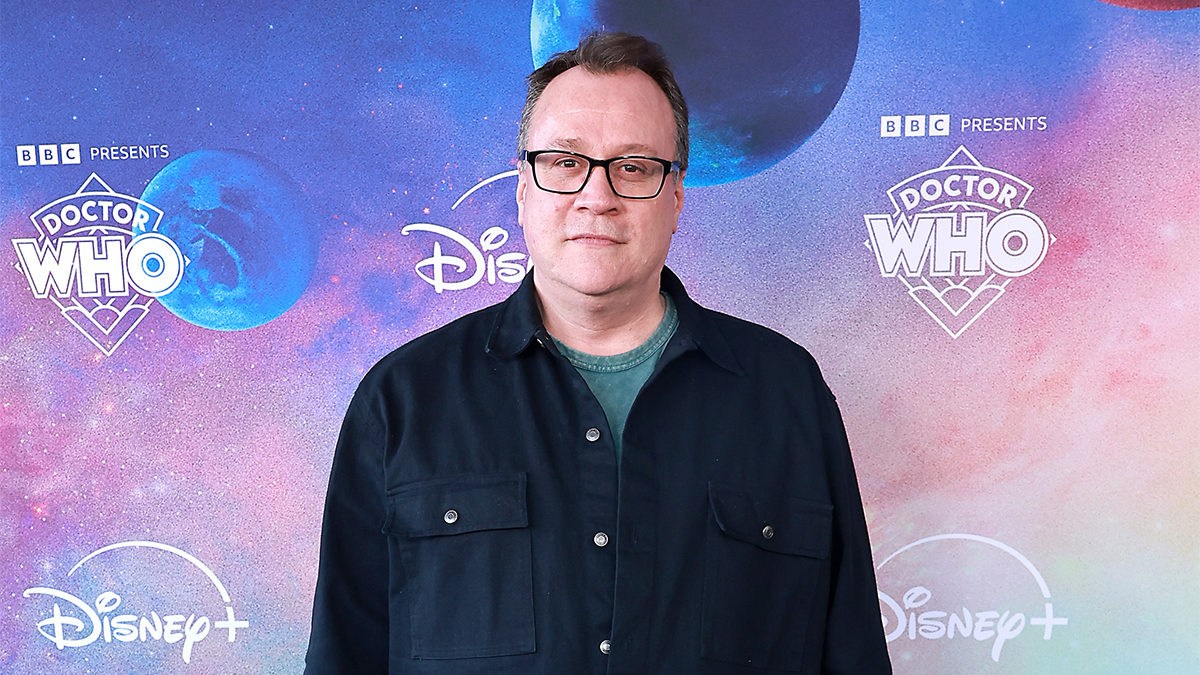
    This post previews Doctor Who winter 2 but is spoiler-free. Last year on Doctor Who, the Doctor and Ruby traveled to Regency England, 1963 London, and a space station run by infants, as well as facing the lord of song, a strange disturbing, white supremacist airheads, and the transfer of Classic Era army Sutekh. As]… ]

    The article Russell T Davies Interview:” Doctor Who is the Most Amazing Show in the World” appeared primary on Den of Geek.

    A Minecraft Movie has arrived bringing the Overworld to the cinema public. The family friendly romp follows siblings Henry ( Sebastian Hansen ) and Natalie ( Emma Myers ) and their animal-loving realtor Dawn ( Danielle Brooks ). and the video-game-obsessive Garrett &#8220, The Garbage Man&#8221, Garrison ( Jason Momoa ) as they &#8217, re sucked into the magical mines of the Overworld and into an adventure that they &#8217, ll never forget. For here they will meet the legend they call&#8230, Steve ( Jack Black ).

    We chatted to the solid and creators of the picture at an amazing event in Los Angeles that threw us immediately into the mines, the fruit gardens, and the dreadful zombies that inhabit the cubic world of the game and movie. Adapting that universe to the screen was no mean feat, especially as what has made the game so successful is the never ending possibilities it presents, something that director Jared Hess is keenly aware of. &nbsp,

    cnx. cmd. push ( function ( ) {cnx ( {playerId:” 106e33c0-3911-473c-b599-b1426db57530″, }). render ( “0270c398a82f44f49c23c16122516796” ), }),

    &#8220, The cool thing about the game is that it is an open world, and there&#8217, s no story to it, so everybody that plays it brings their own imagination, their own story to what they &#8217, re doing, Hess shares. &#8220, So we wanted to have that same approach as we developed the film and really everybody involved, from the writers to the producers and the design team, we just wanted to bring what we love about the game to the film and really celebrate it. &#8221, &nbsp,

    Torfi Frans Ólafsson, the senior director of original Minecraft content, agreed: &#8220, It&#8217, s been there for people in moments of joy and grief and even bringing people together like families and connecting friends across continents. &#8221, he says. &#8220, It is definitely challenging, because to some people, it &#8217, s just a very serious zombie survival game, and it should be approached as such. And to others, it &#8217, s like a colorful free-for-all where you just throw a bunch of blocks. &#8221, &nbsp,

    He continues. &#8220, That&#8217, s why it &#8217, s called A Minecraft Movie. This is the Jared Hess vision-version of it. Even Steve is almost like faceless, a blank slate when you play Steve or Alex or any other characters, because they embody kind of what you do as a player. So people are saying, &#8216, Hey, that &#8217, s just Jack Black wearing a blue shirt. &#8217, But this is Jack Black &#8217, s Steve taken to 11. &#8221,

    While the film is just one of many stories that could take place inside of Minecraft, the crew was still aware that you had to bring the easter eggs, nods, and creatures that fans love so much to the big screen. This includes the terrifying Enderman who star Jack Black was particularly excited to tease. &#8220, He&#8217, s legit the scariest creature in Minecraft, and I think we did a really good job of capturing that thing. You can&#8217, t look him in the eye, &#8221, Jack Black says. &#8220, In our movie you do see what happens when you look an Enderman in the eye&#8230, &#8221,

    Those terrifying moments make A Minecraft Movie stand out, playing with the fears we have as children, and the ways that films can help us learn our boundaries. For Jason Momoa, the film that scarred him as a kid is still shaping his capacity for horror today.

    &#8220, I&#8217, m terrified, &#8221, Momoa laughs. &#8220, I still f*#*ing hate clowns. I should have listened to my mother. Mama was like,’ Do not watch It.’ Went and watched it at her friend&#8217, s house. I looked at shower drains]afterward], and I still kind of look at shower drains a little bit weird. At the gutters, my skateboard went down that shit. I was like,’ it’s gone. ‘ &#8221, &nbsp,

    Luckily A Minecraft Movie is n&#8217, t that kind of scary, but Momoa is already contemplating how this film will change his life and the way that he interacts with fans just like It changed his life as a little kid. &#8220, It&#8217, s gonna be crazy too. Like obviously kids come up to you and your movies and things that you &#8217, ve done, like Kung Fu Panda,” Momoa says to Black. &#8220, But it &#8217, s the first time I&#8217, m experiencing it. I did Aquaman where people were like,’ Oh my gosh&nbsp, you &#8217, re a superhero! ‘ But this, I don&#8217, t even know what &#8217, s gonna happen, because there are going to be three year olds. Everyone&#8217, s gonna see this movie. It&#8217, s just fun for them to watch, obviously, I&#8217, m getting my butt kicked. He&#8217, s kicking butt. So it &#8217, s great to watch. &#8221, &nbsp,
    Black agrees, having a revelation of his own. &#8220, It&#8217, s already generational, because kids who started playing it when they were teenagers, like 14 or 15, they could very well have kids of their own now, because it’s 15 years later. They &#8217, re 29 or 30 years old. There will be Minecraft parents and their kids coming to this movie. It&#8217, s kind of cool. &#8221,

    The post Jason Momoa and Jack Black Are Stoked for Your Kids to Watch Minecraft appeared first on Den of Geek.

  • Star Wars Just Seemingly Confirmed a Major Bad Batch Fan Theory

    Star Wars Just Seemingly Confirmed a Major Bad Batch Fan Theory

    This article contains trailers for The Bad Batch year 3 and the tale Dark Disciple. Ever since Asajj Ventress made her return from the dying in The Bad Batch next season, fans have been willing to see more of the relatively secular Sith killer turned prize warrior. Fortunately, Star Wars has answered our blessings by ]…]

    The article Star Wars Really Apparently Confirmed a Major Bad Batch Fan Theory appeared first on Den of Geek.

    A Minecraft Movie has arrived bringing the Overworld to the cinema people. The family friendly romp follows siblings Henry ( Sebastian Hansen ) and Natalie ( Emma Myers ) and their animal-loving realtor Dawn ( Danielle Brooks ). and the video-game-obsessive Garrett &#8220, The Garbage Man&#8221, Garrison ( Jason Momoa ) as they &#8217, re sucked into the magical mines of the Overworld and into an adventure that they &#8217, ll never forget. For here they will meet the legend they call&#8230, Steve ( Jack Black ).

    We chatted to the solid and creators of the picture at an amazing event in Los Angeles that threw us immediately into the mines, the fruit gardens, and the dreadful zombies that inhabit the cubic world of the game and movie. Adapting that universe to the screen was no mean feat, especially as what has made the game so successful is the never ending possibilities it presents, something that director Jared Hess is keenly aware of. &nbsp,

    cnx. cmd. push ( function ( ) {cnx ( {playerId:” 106e33c0-3911-473c-b599-b1426db57530″, }). render ( “0270c398a82f44f49c23c16122516796” ), }),

    &#8220, The cool thing about the game is that it is an open world, and there&#8217, s no story to it, so everybody that plays it brings their own imagination, their own story to what they &#8217, re doing, Hess shares. &#8220, So we wanted to have that same approach as we developed the film and really everybody involved, from the writers to the producers and the design team, we just wanted to bring what we love about the game to the film and really celebrate it. &#8221, &nbsp,

    Torfi Frans Ólafsson, the senior director of original Minecraft content, agreed: &#8220, It&#8217, s been there for people in moments of joy and grief and even bringing people together like families and connecting friends across continents. &#8221, he says. &#8220, It is definitely challenging, because to some people, it &#8217, s just a very serious zombie survival game, and it should be approached as such. And to others, it &#8217, s like a colorful free-for-all where you just throw a bunch of blocks. &#8221, &nbsp,

    He continues. &#8220, That&#8217, s why it &#8217, s called A Minecraft Movie. This is the Jared Hess vision-version of it. Even Steve is almost like faceless, a blank slate when you play Steve or Alex or any other characters, because they embody kind of what you do as a player. So people are saying, &#8216, Hey, that &#8217, s just Jack Black wearing a blue shirt. &#8217, But this is Jack Black &#8217, s Steve taken to 11. &#8221,

    While the film is just one of many stories that could take place inside of Minecraft, the crew was still aware that you had to bring the easter eggs, nods, and creatures that fans love so much to the big screen. This includes the terrifying Enderman who star Jack Black was particularly excited to tease. &#8220, He&#8217, s legit the scariest creature in Minecraft, and I think we did a really good job of capturing that thing. You can&#8217, t look him in the eye, &#8221, Jack Black says. &#8220, In our movie you do see what happens when you look an Enderman in the eye&#8230, &#8221,

    Those terrifying moments make A Minecraft Movie stand out, playing with the fears we have as children, and the ways that films can help us learn our boundaries. For Jason Momoa, the film that scarred him as a kid is still shaping his capacity for horror today.

    &#8220, I&#8217, m terrified, &#8221, Momoa laughs. &#8220, I still f*#*ing hate clowns. I should have listened to my mother. Mama was like,’ Do not watch It.’ Went and watched it at her friend&#8217, s house. I looked at shower drains]afterward], and I still kind of look at shower drains a little bit weird. At the gutters, my skateboard went down that shit. I was like,’ it’s gone. ‘ &#8221, &nbsp,

    Luckily A Minecraft Movie is n&#8217, t that kind of scary, but Momoa is already contemplating how this film will change his life and the way that he interacts with fans just like It changed his life as a little kid. &#8220, It&#8217, s gonna be crazy too. Like obviously kids come up to you and your movies and things that you &#8217, ve done, like Kung Fu Panda,” Momoa says to Black. &#8220, But it &#8217, s the first time I&#8217, m experiencing it. I did Aquaman where people were like,’ Oh my gosh&nbsp, you &#8217, re a superhero! ‘ But this, I don&#8217, t even know what &#8217, s gonna happen, because there are going to be three year olds. Everyone&#8217, s gonna see this movie. It&#8217, s just fun for them to watch, obviously, I&#8217, m getting my butt kicked. He&#8217, s kicking butt. So it &#8217, s great to watch. &#8221, &nbsp,
    Black agrees, having a revelation of his own. &#8220, It&#8217, s already generational, because kids who started playing it when they were teenagers, like 14 or 15, they could very well have kids of their own now, because it’s 15 years later. They &#8217, re 29 or 30 years old. There will be Minecraft parents and their kids coming to this movie. It&#8217, s kind of cool. &#8221,

    The post Jason Momoa and Jack Black Are Stoked for Your Kids to Watch Minecraft appeared first on Den of Geek.

  • Jason Momoa and Jack Black Are Stoked for Your Kids to Watch Minecraft

    Jason Momoa and Jack Black Are Stoked for Your Kids to Watch Minecraft

    A Minecraft Movie has arrived bringing the Overworld to the cinema people. The family friendly romp follows siblings Henry ( Sebastian Hansen ) and Natalie ( Emma Myers ) and their animal-loving realtor Dawn ( Danielle Brooks ). and the video-game-obsessive Garrett” The Garbage Man” Garrison ( Jason Momoa ) as they’re sucked into the magical mines of the Overworld and into an ]… ]

    The article Jason Momoa and Jack Black Are Stoked for Your Kids to Watch Minecraft appeared initially on Den of Geek.

    A Minecraft Movie has arrived bringing the Overworld to the cinema public. The family friendly romp follows siblings Henry ( Sebastian Hansen ) and Natalie ( Emma Myers ) and their animal-loving realtor Dawn ( Danielle Brooks ). and the video-game-obsessive Garrett &#8220, The Garbage Man&#8221, Garrison ( Jason Momoa ) as they &#8217, re sucked into the magical mines of the Overworld and into an adventure that they &#8217, ll never forget. For here they will meet the legend they call&#8230, Steve ( Jack Black ).

    We chatted to the solid and creators of the picture at an amazing event in Los Angeles that threw us immediately into the mines, the fruit gardens, and the dreadful zombies that inhabit the cubic world of the game and movie. Adapting that world to the camera was no mean achievement, particularly as what has made the game so powerful is the never ending options it presents, everything that chairman Jared Hess is keenly aware of. &nbsp,

    cnx. powershell. push ( function ( ) {cnx ( {playerId:” 106e33c0-3911-473c-b599-b1426db57530″, }). render ( “0270c398a82f44f49c23c16122516796” ), }),

    &#8220, The great thing about the game is that it is an empty universe, and there&#8217, s no account to it, but somebody that plays it brings their own thoughts, their own story to what they &#8217, re doing, Hess shares. &#8220, So we wanted to have that same approach as we developed the film and really everybody involved, from the writers to the producers and the design team, we just wanted to bring what we love about the game to the film and really celebrate it. &#8221, &nbsp,

    Torfi Frans Ólafsson, the senior director of original Minecraft content, agreed: &#8220, It&#8217, s been there for people in moments of joy and grief and even bringing people together like families and connecting friends across continents. &#8221, he says. &#8220, It is definitely challenging, because to some people, it &#8217, s just a very serious zombie survival game, and it should be approached as such. And to others, it &#8217, s like a colorful free-for-all where you just throw a bunch of blocks. &#8221, &nbsp,

    He continues. &#8220, That&#8217, s why it &#8217, s called A Minecraft Movie. This is the Jared Hess vision-version of it. Even Steve is almost like faceless, a blank slate when you play Steve or Alex or any other characters, because they embody kind of what you do as a player. So people are saying, &#8216, Hey, that &#8217, s just Jack Black wearing a blue shirt. &#8217, But this is Jack Black &#8217, s Steve taken to 11. &#8221,

    While the film is just one of many stories that could take place inside of Minecraft, the crew was still aware that you had to bring the easter eggs, nods, and creatures that fans love so much to the big screen. This includes the terrifying Enderman who star Jack Black was particularly excited to tease. &#8220, He&#8217, s legit the scariest creature in Minecraft, and I think we did a really good job of capturing that thing. You can&#8217, t look him in the eye, &#8221, Jack Black says. &#8220, In our movie you do see what happens when you look an Enderman in the eye&#8230, &#8221,

    Those terrifying moments make A Minecraft Movie stand out, playing with the fears we have as children, and the ways that films can help us learn our boundaries. For Jason Momoa, the film that scarred him as a kid is still shaping his capacity for horror today.

    &#8220, I&#8217, m terrified, &#8221, Momoa laughs. &#8220, I still f*#*ing hate clowns. I should have listened to my mother. Mama was like,’ Do not watch It.’ Went and watched it at her friend&#8217, s house. I looked at shower drains]afterward], and I still kind of look at shower drains a little bit weird. At the gutters, my skateboard went down that shit. I was like,’ it’s gone. ‘ &#8221, &nbsp,

    Luckily A Minecraft Movie is n&#8217, t that kind of scary, but Momoa is already contemplating how this film will change his life and the way that he interacts with fans just like It changed his life as a little kid. &#8220, It&#8217, s gonna be crazy too. Like obviously kids come up to you and your movies and things that you &#8217, ve done, like Kung Fu Panda,” Momoa says to Black. &#8220, But it &#8217, s the first time I&#8217, m experiencing it. I did Aquaman where people were like,’ Oh my gosh&nbsp, you &#8217, re a superhero! ‘ But this, I don&#8217, t even know what &#8217, s gonna happen, because there are going to be three year olds. Everyone&#8217, s gonna see this movie. It&#8217, s just fun for them to watch, obviously, I&#8217, m getting my butt kicked. He&#8217, s kicking butt. So it &#8217, s great to watch. &#8221, &nbsp,
    Black agrees, having a revelation of his own. &#8220, It&#8217, s already generational, because kids who started playing it when they were teenagers, like 14 or 15, they could very well have kids of their own now, because it’s 15 years later. They &#8217, re 29 or 30 years old. There will be Minecraft parents and their kids coming to this movie. It&#8217, s kind of cool. &#8221,

    The article Jason Momoa and Jack Black Are Stoked for Your Kids to Watch Minecraft appeared initially on Den of Geek.

  • M3GAN 2.0 Trailer Turns Her Into a Terminator 2 Queen

    M3GAN 2.0 Trailer Turns Her Into a Terminator 2 Queen

    ” You gotta talk to the way individuals talk”, the young John Connor instructs the contemporary death machine sent to guard him. Rejecting terms like “affirmative”, this Connor children otherwise points the T-800 to” no problemo” and “hasta la desktop, baby”. But with its large usage of Britney Spears ‘” Ouch! … I Did It Again”, the M3GAN]… ]

    The article M3GAN 2.0 Video Turns Her Into a Terminator 2 Queen appeared initially on Den of Geek.

    A Minecraft Movie has arrived bringing the Overworld to the cinema public. The family friendly romp follows siblings Henry ( Sebastian Hansen ) and Natalie ( Emma Myers ) and their animal-loving realtor Dawn ( Danielle Brooks ). and the video-game-obsessive Garrett &#8220, The Garbage Man&#8221, Garrison ( Jason Momoa ) as they &#8217, re sucked into the magical mines of the Overworld and into an adventure that they &#8217, ll never forget. For here they will meet the legend they call&#8230, Steve ( Jack Black ).

    We chatted to the solid and creators of the picture at an amazing event in Los Angeles that threw us immediately into the mines, the fruit gardens, and the dreadful zombies that inhabit the cubic world of the game and movie. Adapting that world to the camera was no mean achievement, particularly as what has made the game so powerful is the never ending options it presents, everything that chairman Jared Hess is keenly aware of. &nbsp,

    cnx. powershell. push ( function ( ) {cnx ( {playerId:” 106e33c0-3911-473c-b599-b1426db57530″, }). render ( “0270c398a82f44f49c23c16122516796” ), }),

    &#8220, The great thing about the game is that it is an empty universe, and there&#8217, s no account to it, but somebody that plays it brings their own thoughts, their own story to what they &#8217, re doing, Hess shares. &#8220, So we wanted to have that same approach as we developed the film and really everybody involved, from the writers to the producers and the design team, we just wanted to bring what we love about the game to the film and really celebrate it. &#8221, &nbsp,

    Torfi Frans Ólafsson, the senior director of original Minecraft content, agreed: &#8220, It&#8217, s been there for people in moments of joy and grief and even bringing people together like families and connecting friends across continents. &#8221, he says. &#8220, It is definitely challenging, because to some people, it &#8217, s just a very serious zombie survival game, and it should be approached as such. And to others, it &#8217, s like a colorful free-for-all where you just throw a bunch of blocks. &#8221, &nbsp,

    He continues. &#8220, That&#8217, s why it &#8217, s called A Minecraft Movie. This is the Jared Hess vision-version of it. Even Steve is almost like faceless, a blank slate when you play Steve or Alex or any other characters, because they embody kind of what you do as a player. So people are saying, &#8216, Hey, that &#8217, s just Jack Black wearing a blue shirt. &#8217, But this is Jack Black &#8217, s Steve taken to 11. &#8221,

    While the film is just one of many stories that could take place inside of Minecraft, the crew was still aware that you had to bring the easter eggs, nods, and creatures that fans love so much to the big screen. This includes the terrifying Enderman who star Jack Black was particularly excited to tease. &#8220, He&#8217, s legit the scariest creature in Minecraft, and I think we did a really good job of capturing that thing. You can&#8217, t look him in the eye, &#8221, Jack Black says. &#8220, In our movie you do see what happens when you look an Enderman in the eye&#8230, &#8221,

    Those terrifying moments make A Minecraft Movie stand out, playing with the fears we have as children, and the ways that films can help us learn our boundaries. For Jason Momoa, the film that scarred him as a kid is still shaping his capacity for horror today.

    &#8220, I&#8217, m terrified, &#8221, Momoa laughs. &#8220, I still f*#*ing hate clowns. I should have listened to my mother. Mama was like,’ Do not watch It.’ Went and watched it at her friend&#8217, s house. I looked at shower drains]afterward], and I still kind of look at shower drains a little bit weird. At the gutters, my skateboard went down that shit. I was like,’ it’s gone. ‘ &#8221, &nbsp,

    Luckily A Minecraft Movie is n&#8217, t that kind of scary, but Momoa is already contemplating how this film will change his life and the way that he interacts with fans just like It changed his life as a little kid. &#8220, It&#8217, s gonna be crazy too. Like obviously kids come up to you and your movies and things that you &#8217, ve done, like Kung Fu Panda,” Momoa says to Black. &#8220, But it &#8217, s the first time I&#8217, m experiencing it. I did Aquaman where people were like,’ Oh my gosh&nbsp, you &#8217, re a superhero! ‘ But this, I don&#8217, t even know what &#8217, s gonna happen, because there are going to be three year olds. Everyone&#8217, s gonna see this movie. It&#8217, s just fun for them to watch, obviously, I&#8217, m getting my butt kicked. He&#8217, s kicking butt. So it &#8217, s great to watch. &#8221, &nbsp,
    Black agrees, having a revelation of his own. &#8220, It&#8217, s already generational, because kids who started playing it when they were teenagers, like 14 or 15, they could very well have kids of their own now, because it’s 15 years later. They &#8217, re 29 or 30 years old. There will be Minecraft parents and their kids coming to this movie. It&#8217, s kind of cool. &#8221,

    The post Jason Momoa and Jack Black Are Stoked for Your Kids to Watch Minecraft appeared first on Den of Geek.

  • Beware the Cut ‘n’ Paste Persona

    Beware the Cut ‘n’ Paste Persona

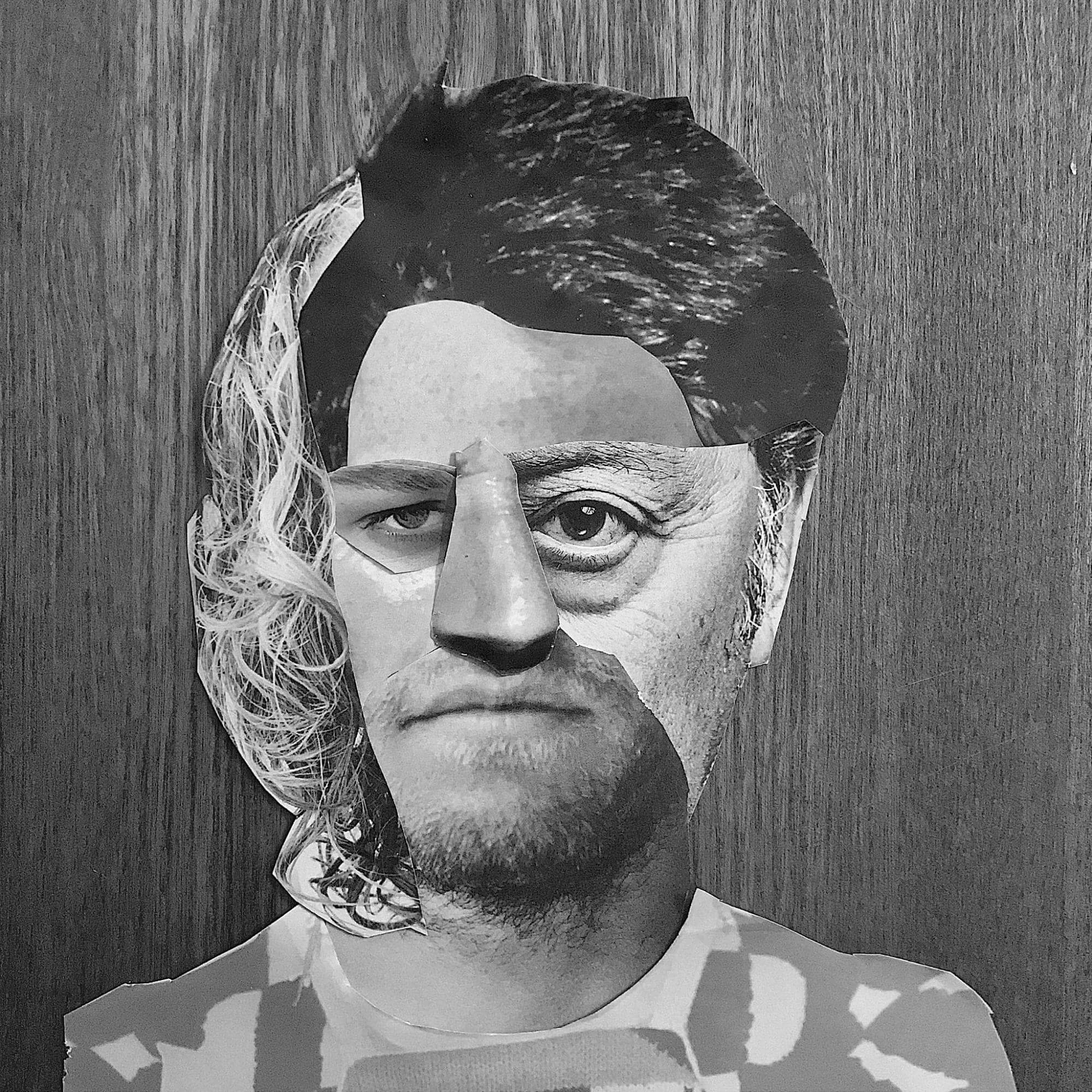
    This Person Does Not Exist is a website that uses a machine learning algorithm to create individual eyes. It takes actual photos and recombines them into false people faces. We just squirted past a LinkedIn post that claimed this website might be helpful “if you are developing a image and looking for a photo.”

    We agree: the computer-generated heads could be a great fit for personas—but not for the purpose you might think. Ironically, the website highlights the core issue of this very common design method: the person ( a ) does not exist. Personas are deliberately created, just like in the photos. Data is taken out of natural environment and recombined into an isolated preview that’s detached from reality.

    However, oddly enough, manufacturers use personalities to inform their designs for the real world.

    Personas: A action up

    Most manufacturers have created, used, or come across personalities at least once in their profession. The Interaction Design Foundation defines profile as “fictional characters, which you create based upon your research in order to represent the various consumer types that might use your company, product, page, or brand” in their article” Personas- A Simple Introduction.” In their most complete expression, personas typically consist of a name, profile picture, quotes, demographics, goals, needs, behavior in relation to a certain service/product, emotions, and motivations ( for example, see Creative Companion’s Persona Core Poster ). According to design firm Designit, the goal of personas is to “make the research relateable, ]and ] easy to communicate, digest, reference, and apply to product and service development.”

    The decontextualization of personalities

    Personas are common because they make “dry” research information more realistic, more people. However, this approach places a cap on the study’s data research, making it impossible for the investigated users to be excluded from their particular contexts. As a result, personalities don’t describe important factors that make you realize their decision-making method or allow you to connect to users ‘ thoughts and behavior, they lack stories. You are aware of the persona’s actions, but you lack the knowledge to know why. You end up with images of people that are really less people.

    This “decontextualization” we see in identities happens in four way, which we’ll discuss below.

    People are assumed to be stable, according to people.

    Although many companies still try to box in their employees and customers with outdated personality tests ( referring to you, Myers-Briggs ), here’s a painfully obvious truth: people are not a fixed set of features. You think, act, and think differently in various circumstances. You appear distinct to different people, you may act helpful to some, tough to others. And you change your mind all the time about judgments you’ve taken.

    Modern psychology agree that while people typically act in accordance with specific patterns, how they act and make decisions is influenced by a combination of both their environment and history. The context—the atmosphere, the effect of other people, your feelings, the whole story that led up to a situation—determines the kind of person you are in each particular time.

    Personalities do not account for this variation in their attempt to reduce reality; instead, they present a consumer as a predetermined set of features. Like personality tests, personas seize people away from real existence. Even worse, individuals are reduced to a brand and categorized as” that kind of guy” with no means to practice their inherent flexibility. This behavior discredits diversity, perpetuates stereotypes, and doesn’t reveal reality.

    Personas rely on people, not the environment

    You’re designing for a perspective, not an individual, in the real world. Each individual lives in a community, a group, an habitat, where there are environmental, social, and cultural factors you need to consider. A pattern is not meant for a single customer. Instead, you create a design for one or more specific situations where a large number of people may use that product. Personas, but, show the customer alone rather than explain how the consumer relates to the environment.

    Would you choose the exact course of action over and over again? Maybe you’re a dedicated vegan but also decide to buy some meats when your family are coming across. As they depend on various situations and characteristics, your decisions—and behavior, thoughts, and comments —are no absolute but extremely contextual. Because it doesn’t explain the grounds for your decisions, the persona that “represents” you doesn’t take into account this interdependence. It doesn’t provide a explanation of why you act the way you do. People practice the well-known attribution error, which states that they too often attribute others ‘ behavior to their personalities and not to the circumstances.

    As mentioned by the Interaction Design Foundation, identities are often placed in a situation that’s a” specific environment with a problem they want to or have to solve “—does that mean environment actually is considered? Unfortunately, what often happens is that you take a fictional character and based on that fiction determine how this character might deal with a certain situation. How could you possibly comprehend how someone you want to represent behave in new circumstances given that you haven’t even fully investigated and understood the current context of the people you want to represent?

    Personas are meaningless averages

    A persona is depicted as a specific person but is not a real person, as stated in Shlomo Goltz’s introduction article on Smashing Magazine; rather, it is synthesized from observations of many people. A well-known critique to this aspect of personas is that the average person does not exist, as per the famous example of the USA Air Force designing planes based on the average of 140 of their pilots ‘ physical dimensions and not a single pilot actually fitting within that average seat.

    The same limitation applies to mental aspects of people. Have you ever heard a famous person say something was taken out of context? They used my words, but I didn’t mean it like that”. The celebrity’s statement was literally reported, but the reporter failed to explain the context and how the non-verbal expressions were used. As a result, the intended meaning was lost. You do the same when you create personas: you collect somebody’s statement ( or goal, or need, or emotion ), of which the meaning can only be understood if you provide its own specific context, yet report it as an isolated finding.

    However, personas go one step further, combining a decontextualized finding with another decontextualized finding from another. The resulting set of findings often does not make sense: it’s unclear, or even contrasting, because it lacks the underlying reasons on why and how that finding has arisen. It lacks any significance. And the persona doesn’t give you the full background of the person ( s ) to uncover this meaning: you would need to dive into the raw data for each single persona item to find it. What, then, is the usefulness of the persona?

    The validity of personas can be deceiving.

    To a certain extent, designers realize that a persona is a lifeless average. To combat this, designers create and add “relatable” details to personas to make them appear to be real people. Nothing captures the absurdity of this better than a sentence by the Interaction Design Foundation:” Add a few fictional personal details to make the persona a realistic character”. In other words, you add non-realism in an attempt to create more realism. You purposefully understate the fact that” John Doe” is an abstract representation of research findings, but wouldn’t it be much more responsible to emphasize that John is only an abstraction? If something is artificial, let’s present it as such.

    After accepting that people’s personalities are fixed, dismissed the importance of their environment, and hidden meaning by joining isolated, non-generalizable findings, designers create new context to create ( their own ) meaning. In doing so, as with everything they create, they introduce a host of biases. As phrased by Designit, as designers we can” contextualize]the persona ] based on our reality and experience. We make connections that are well-known to us. This practice reinforces stereotypes, doesn’t reflect real-world diversity, and gets further away from people’s actual reality with every detail added.

    Everyone should use their own empathy and develop their own interpretation and emotional response if we want to conduct good design research by reporting the reality “as-is” and making it relatable for our audience.

    Dynamic Selves: The alternative to personas

    If we shouldn’t use personas, what should we do instead?

    Designit suggests using mindsets rather than personas. Each Mindset is a” spectrum of attitudes and emotional responses that different people have within the same context or life experience”. It challenges designers to avoid becoming fixated on just one person’s way of life. Unfortunately, while being a step in the right direction, this proposal doesn’t take into account that people are part of an environment that determines their personality, their behavior, and, yes, their mindset. Therefore, Mindsets are also not absolute but change in regard to the situation. What determines a certain Mindset, remains to be seen.

    Another alternative comes from Margaret P., author of the article” Kill Your Personas“, who has argued for replacing personas with persona spectrums that consist of a range of user abilities. For instance, a visual impairment could be permanent ( blindness ), temporary ( recovery from eye surgery ), or situational (screen glare ). Persona spectrums are highly useful for more inclusive and context-based design, as they’re based on the understanding that the context is the pattern, not the personality. Their limitation, however, is that they have a very functional take on users that misses the relatability of a real person taken from within a spectrum.

    We want to change the traditional design process to be context-based by creating a persona substitute. Contexts are generalizable and have patterns that we can identify, just like we tried to do previously with people. How can we identify these patterns, then? How do we ensure truly context-based design?

    Understand real individuals in multiple contexts

    Nothing can be more relatable and inspiring than reality. Therefore, we have to understand real individuals in their multi-faceted contexts, and use this understanding to fuel our design. This approach is known as Dynamic Selves.

    Let’s take a look at what the approach looks like, based on an example of how one of us applied it in a recent project that researched habits of Italians around energy consumption. We drafted a design research plan aimed at investigating people’s attitudes toward energy consumption and sustainable behavior, with a focus on smart thermostats.

    1. Choose the right sample

    We frequently get slammed for saying,” Where are you going to find a single person who encapsulates all the information from one of these advanced personas ]” when we debate personas. The answer is simple: you don’t have to. You don’t need to have information about many people for your insights to be deep and meaningful.

    In qualitative research, accuracy comes from accurate sampling rather than quantity. You select the people that best represent the “population” you’re designing for. If this sample is chosen wisely and you have a deep understanding of the sampled people, you can infer how the rest of the population thinks and acts. There’s no need to study seven Susans and five Yuriys, one of each will do.

    Similarly, you don’t need to understand Susan in fifteen different contexts. Once you’ve seen her in a few different settings, you’ve grasped Susan’s general scheme of action. Not Susan as an atomic being but Susan in relation to the surrounding environment: how she might act, feel, and think in different situations.

    It becomes clear why each person should be portrayed as an individual because each already represents an abstraction of a larger group of people in similar circumstances because each person is representative of a portion of the population you’re researching. You don’t want abstractions of abstractions! These selected people need to be understood and shown in their full expression, remaining in their microcosmos—and if you want to identify patterns you can focus on identifying patterns in contexts.

    However, the question persists: how do you choose a sample representative? First of all, you have to consider what’s the target audience of the product or service you are designing: it might be useful to look at the company’s goals and strategy, the current customer base, and/or a possible future target audience.

    We were creating an application for those who own a smart thermostat in our example project. In the future, everyone could have a smart thermostat in their house. Right now, though, only early adopters own one. We had to understand the causes behind these early adopters ‘ development in order to create a sizable sample. We therefore recruited by asking people why they had a smart thermostat and how they got it. There were those who had chosen to purchase it, those who had been influenced by others, and those who had discovered it in their homes. So we selected representatives of these three situations, from different age groups and geographical locations, with an equal balance of tech savvy and non-tech savvy participants.

    2. Conduct your research

    After having chosen and recruited your sample, conduct your research using ethnographic methodologies. Your qualitative data will be enriched with examples and anecdotes thanks to this. In our example project, given COVID-19 restrictions, we converted an in-house ethnographic research effort into remote family interviews, conducted from home and accompanied by diary studies.

    To gain an in-depth understanding of attitudes and decision-making trade-offs, the research focus was not limited to the interviewee alone but deliberately included the whole family. With the additions or corrections made by wives, husbands, children, or occasionally even pets, each interviewee would tell a story that would then become much more engaging and precise. We also focused on the relationships with other meaningful people ( such as colleagues or distant family ) and all the behaviors that resulted from those relationships. This extensive field of study gave us the ability to create a vivid mental image of dynamic situations involving multiple actors.

    It’s essential that the scope of the research remains broad enough to be able to include all possible actors. Therefore, it normally works best to define broad research areas with macro questions. Interviews should be conducted in a semi-structured manner, with follow-up questions delve into subjects that the interviewee has blatantly mentioned. This open-minded “plan to be surprised” will yield the most insightful findings. One of our participants responded to our question about how his family controlled the house temperature by saying,” My wife has not installed the thermostat’s app; she uses WhatsApp instead. If she wants to turn on the heater and she is not home, she will text me. I am her thermostat”.

    3. Analysis: Create the Dynamic Selves

    You begin to represent each individual with several Dynamic Selves, each” Self” representing one of the circumstances you have examined throughout the research analysis. The core of each Dynamic Self is a quote, which comes supported by a photo and a few relevant demographics that illustrate the wider context. The research findings themselves will show which demographics are relevant to show. The key demographics were family type, number and type of homes owned, economic status, and technological maturity in our case because our research focused on families and their way of life to understand their needs for thermal regulation. ( We also included the individual’s name and age, but they’re optional—we included them to ease the stakeholders ‘ transition from personas and be able to connect multiple actions and contexts to the same person ).

    Interviews must be recorded on video and verbatim whenever possible in order to capture precise quotations. This is essential to the truthfulness of the several Selves of each participant. In the case of real-life ethnographic research, photos of the context and anonymized actors are essential to build realistic Selves. These photos should be taken directly from field research, but any image that is evocative and representative will do, as long as it’s accurate and depicts meaningful actions that you associate with your participants. For example, one of our interviewees told us about his mountain home where he used to spend every weekend with his family. We depicted him hiking with his young daughter as a result.

    At the end of the research analysis, we displayed all of the Selves ‘” cards” on a single canvas, categorized by activities. Each card displayed a situation, represented by a quote and a unique photo. Each participant had several cards about themselves.

    4. Identify potential design challenges

    Once you have collected all main quotes from the interview transcripts and diaries, and laid them all down as Self cards, you will see patterns emerge. These patterns will highlight the opportunity areas for new product creation, new functionalities, and new services—for new design.

    A particularly intriguing finding was made in our example project regarding the concept of humidity. We realized that people don’t know what humidity is and why it is important to monitor it for health: an environment that’s too dry or too wet can cause respiratory problems or worsen existing ones. This made clear that our client had a significant opportunity to train users about the concept and work as a health advisor.

    Benefits of Dynamic Selves

    When you use the Dynamic Selves approach in your research, you start to notice unique social relations, peculiar situations real people face and the actions that follow, and that people are surrounded by changing environments. One of the participants in our thermostat project, Davide, is described as a boyfriend, dog lover, and tech nut.

    Davide is an individual we might have once reduced to a persona called “tech enthusiast”. However, there are also those who love technology who have families or are single, who are wealthy or poor. Their motivations and priorities when deciding to purchase a new thermostat can be opposite according to these different frames.

    Once you have understood Davide in multiple situations, and for each situation have understood in sufficient depth the underlying reasons for his behavior, you’re able to generalize how he would act in another situation. You can infer what he would think and do in the circumstances ( or scenarios ) you design for using your understanding of him.

    The Dynamic Selves approach aims to dismiss the conflicted dual purpose of personas—to summarize and empathize at the same time—by separating your research summary from the people you’re seeking to empathize with. This is crucial because scale affects how we feel empathy for people; the bigger the group, the smaller it is to feel empathy for others. We feel the strongest empathy for individuals we can personally relate to.

    If you take a real person as inspiration for your design, you no longer need to create an artificial character. No more developing plot devices to “realize” the character, and no more need for additional bias. It’s simply how this person is in real life. In fact, as we all know, personas quickly turn into nothing more than a name in our priority guides and prototype screens because these characters don’t really exist.

    Another powerful benefit of the Dynamic Selves approach is that it raises the stakes of your work: if you mess up your design, someone real, a person you and the team know and have met, is going to feel the consequences. It might stop you from taking shortcuts and will remind you to conduct daily checks on your designs.

    Finally, real people in their specific contexts provide a better foundation for anecdotal storytelling and are thus more effective at persuasion. Documentation of real research is essential in achieving this result. It reinforces your design arguments with more urgency and weight:” When I met Alessandra, the conditions of her workplace struck me. Noise, bad ergonomics, lack of light, you name it. If we go for this functionality, I’m afraid we’re going to add complexity to her life”.

    Conclusion

    In their article on Mindsets, Designit mentioned that “design thinking tools offer a shortcut to deal with reality’s complexities, but this process of simplification can occasionally flatten out people’s lives into a few general characteristics.” Unfortunately, personas have been culprits in a crime of oversimplification. They fail to account for the complexity of the decision-making processes of our users and don’t take into account the contexts that humans are immersed in.

    Design needs simplification but not generalization. You have to look at the research elements that stand out: the sentences that captured your attention, the images that struck you, the sounds that linger. Use those to characterize the person in all of their contexts, and portray them. Both insights and people come with a context, they cannot be cut from that context because it would remove meaning.

    Design needs to shift away from fiction and embrace reality as our guide and inspiration in its messy, surprising, and unquantifiable beauty.

  • Designing for the Unexpected

    Designing for the Unexpected

    Although I’m not sure when I first heard this statement, it has stuck with me over the centuries. How do you generate solutions for scenarios you can’t think? Or create products that function on products that have not yet been created?

    Flash, Photoshop, and flexible style

    When I first started designing sites, my go-to technology was Photoshop. I started by making a design for a 960px canvas that I would later add glad to. The growth phase was about attaining pixel-perfect precision using set widths, fixed levels, and absolute placement.

    All of this was altered by Ethan Marcotte’s speak at An Event Apart and the subsequent article in A Checklist Off in 2010. I was sold on reactive style as soon as I heard about it, but I was even terrified. The pixel-perfect models full of special figures that I had formerly prided myself on producing were no longer good enough.

    My first encounter with flexible style didn’t help my fear. My second project was to get an active fixed-width website and make it reactive. I quickly realized that you didn’t just put responsiveness at the end of a job. To make smooth design, you need to prepare throughout the style stage.

    A new way to style

    Removing restrictions and creating content that can be viewed on any device has always been the goal of designing responsive or liquid websites. It relies on the use of percentage-based design, which I immediately achieved with local CSS and power groups:

    .column-span-6 { width: 49%; float: left; margin-right: 0.5%; margin-left: 0.5%;}.column-span-4 { width: 32%; float: left; margin-right: 0.5%; margin-left: 0.5%;}.column-span-3 { width: 24%; float: left; margin-right: 0.5%; margin-left: 0.5%;}

    Therefore with Sass but that I could use @includes to re-use repeated blocks of code and transition to more semantic html:

    .logo { @include colSpan(6);}.search { @include colSpan(3);}.social-share { @include colSpan(3);}

    Media answers

    The next ingredient for flexible design is press queries. Without them, regardless of whether the content remained readable, would shrink to fit the available space. ( The exact opposite issue developed with the introduction of a mobile-first approach. )

    Media answers prevented this by allowing us to add breakpoints where the design could adapt. Like most people, I started out with three breakpoints: one for desktop, one for tablets, and one for mobile. Over the years, I added more and more for phablets, wide screens, and so on. 

    For years, I happily worked this way and improved both my design and front-end skills in the process. The only problem I encountered was making changes to content, since with our Sass grid system in place, there was no way for the site owners to add content without amending the markup—something a small business owner might struggle with. This is because each row in the grid was defined using a div as a container. Adding content meant creating new row markup, which requires a level of HTML knowledge.

    String premium was a mainstay of early flexible design, present in all the frequently used systems like Bootstrap and Skeleton.

    1 of 7
    2 of 7
    3 of 7
    4 of 7
    5 of 7
    6 of 7
    7 of 7

    Another difficulty arose as I moved from a design firm building websites for smaller- to medium-sized companies, to larger in-house teams where I worked across a collection of related sites. In those capacities, I began to work many more with washable pieces.

    Our rely on multimedia queries resulted in parts that were tied to frequent window sizes. If the goal of part libraries is modify, then this is a real problem because you can just use these components if the devices you’re designing for correspond to the viewport sizes used in the pattern library—in the process never really hitting that “devices that don’t already occur” goal.

    Then there’s the problem of space. Media answers allow components to adapt based on the viewport size, but what if I put a component into a sidebar, like in the figure below?

    Container queries: our savior or a false dawn?

    Container queries have long been touted as an improvement upon media queries, but at the time of writing are unsupported in most browsers. Although there are JavaScript workarounds, they can lead to dependability and compatibility issues. The basic theory underlying container queries is that elements should change based on the size of their parent container and not the viewport width, as seen in the following illustrations.

    One of the biggest arguments in favor of container queries is that they help us create components or design patterns that are truly reusable because they can be picked up and placed anywhere in a layout. This is an important step in moving toward a form of component-based design that works at any size on any device.

    In other words, responsive layouts are to be replaced by responsive components.

    Container queries will help us move from designing pages that respond to the browser or device size to designing components that can be placed in a sidebar or in the main content, and respond accordingly.

    My issue is that layout is still used to determine when a design needs to adapt. This approach will always be restrictive, as we will still need pre-defined breakpoints. For this reason, my main question with container queries is, How would we decide when to change the CSS used by a component?

    The best place to make that choice is probably a component library that is disconnected from context and real content.

    As the diagrams below illustrate, we can use container queries to create designs for specific container widths, but what if I want to change the design based on the image size or ratio?

    In this example, the dimensions of the container are not what should dictate the design, rather, the image is.

    Without reliable cross-browser support, it’s difficult to say for certain whether container queries will succeed. Responsive component libraries would definitely evolve how we design and would improve the possibilities for reuse and design at scale. However, we might always need to modify these elements to fit our content.

    CSS is changing

    Whilst the container query debate rumbles on, there have been numerous advances in CSS that change the way we think about design. The days of fixed-width elements measured in pixels and floated div elements used to cobble layouts together are long gone, consigned to history along with table layouts. Flexbox and CSS Grid have revolutionized layouts for the web. We can now create elements that wrap onto new rows when they run out of space, not when the device changes.

    .wrapper { display: grid; grid-template-columns: repeat(auto-fit, 450px); gap: 10px;}

    The repeat() function paired with auto-fit or auto-fill allows us to specify how much space each column should use while leaving it up to the browser to decide when to spill the columns onto a new line. Similar things can be achieved with Flexbox, as elements can wrap over multiple rows and “flex” to fill available space. 

    .wrapper { display: flex; flex-wrap: wrap; justify-content: space-between;}.child { flex-basis: 32%; margin-bottom: 20px;}

    You don’t need to wrap elements in container rows, which is the biggest benefit of all of this. Without rows, content isn’t tied to page markup in quite the same way, allowing for removals or additions of content without additional development.

    This is a big step forward when it comes to creating designs that allow for evolving content, but the real game changer for flexible designs is CSS Subgrid.

    Remember the days of crafting perfectly aligned interfaces, only for the customer to add an unbelievably long header almost as soon as they’re given CMS access, like the illustration below?

    Subgrid allows elements to respond to adjustments in their own content and in the content of sibling elements, helping us create designs more resilient to change.

    .wrapper { display: grid; grid-template-columns: repeat(auto-fit, minmax(150px, 1fr)); grid-template-rows: auto 1fr auto; gap: 10px;}.sub-grid { display: grid; grid-row: span 3; grid-template-rows: subgrid; /* sets rows to parent grid */}

    CSS Grid allows us to separate layout and content, thereby enabling flexible designs. Meanwhile, Subgrid allows us to create designs that can adapt in order to suit morphing content. Subgrid is only supported in Firefox at the time of writing, but the above code can be implemented behind an @supports feature query.

    Intrinsic layouts

    I’d be remiss not to mention intrinsic layouts, a term used by Jen Simmons to describe a mix of contemporary and traditional CSS features used to create layouts that respond to available space.

    Responsive layouts have flexible columns using percentages. Intrinsic layouts, on the other hand, use the fr unit to create flexible columns that won’t ever shrink so much that they render the content illegible.

    frunits is a statement that says I want you to distribute the extra space in this manner, but never that it should be smaller than the content inside.

    —Jen Simmons,” Designing Intrinsic Layouts”

    Intrinsic layouts can also make use of a mix of fixed and flexible units, letting the content choose how much space it occupies.

    What makes intrinsic design stand out is that it not only creates designs that can withstand future devices but also helps scale design without losing flexibility. Without the requirement of having the same breakpoints or the same amount of content as in the previous implementation, components and patterns can be lifted and reused.

    We can now create designs that adapt to the space they have, the content within them, and the content around them. We can create responsive components using an intrinsic approach without relying on container queries.

    Another 2010 moment?

    This intrinsic approach should in my view be every bit as groundbreaking as responsive web design was ten years ago. It’s another “everything changed” moment for me.

    But it doesn’t seem to be moving quite as fast, I haven’t yet had that same career-changing moment I had with responsive design, despite the widely shared and brilliant talk that brought it to my attention.

    One possible explanation for that might be that I now work for a sizable company, which is significantly different from the role I held as a design agency in 2010: In my agency days, every new project was a clean slate, a chance to try something new. Nowadays, projects use existing tools and frameworks and are often improvements to existing websites with an existing codebase.

    Another possibility is that I’m now more prepared for change. In 2010 I was new to design in general, the shift was frightening and required a lot of learning. Additionally, an intrinsic approach isn’t exactly new; it’s about applying existing skills and CSS knowledge in a unique way.

    You can’t framework your way out of a content problem

    Another reason for the slightly slower adoption of intrinsic design could be the lack of quick-fix framework solutions available to kick-start the change.

    Ten years ago, responsive grid systems were everywhere. With a framework like Bootstrap or Skeleton, you had a responsive design template at your fingertips.

    Because the benefit of having a selection of units is a hindrance when it comes to creating layout templates, intrinsic design and frameworks do not go hand in hand quite as well. The beauty of intrinsic design is combining different units and experimenting with techniques to get the best for your content.

    And then there are design tools. We probably all used Photoshop templates for desktop, tablet, and mobile devices to drop designs into and show how the site would appear throughout our careers at some point.

    How do you do that now, with each component responding to content and layouts flexing as and when they need to? This kind of design must take place in the browser, which is something I’m very fond of.

    The debate about “whether designers should code” is another that has rumbled on for years. When designing a digital product, we should, at the very least, design for a best- and worst-case scenario when it comes to content. It’s not ideal to implement this in a graphics-based software package. In code, we can add longer sentences, more radio buttons, and extra tabs, and watch in real time as the design adapts. Does it continue to function? Is the design too reliant on the current content?

    Personally, I look forward to the day intrinsic design is the standard for design, when a design component can be truly flexible and adapt to both its space and content with no reliance on device or container dimensions.

    Content should come first

    Content is not constant. After all, to design for the unanticipated or unexpected, we must take into account changes in content, such as in our earlier Subgrid card illustration, which allowed the cards to make adjustments to both their own and sibling elements.

    Thankfully, there’s more to CSS than layout, and plenty of properties and values can help us put content first. Subgrid and pseudo-elements like ::first-line and ::first-letter help to separate design from markup so we can create designs that allow for changes.

    This is not the same as previous markup hacks like this.

    First line of text with different styling...

    —we can target content based on where it appears.

    .element::first-line { font-size: 1.4em;}.element::first-letter { color: red;}

    Much bigger additions to CSS include logical properties, which change the way we construct designs using logical dimensions (start and end) instead of physical ones (left and right), something CSS Grid also does with functions like min(), max(), and clamp().

    This flexibility allows for directional changes according to content, a common requirement when we need to present content in multiple languages. In the past, this was often achieved with Sass mixins but was often limited to switching from left-to-right to right-to-left orientation.

    Directional variables must be set in the Sass version.

    $direction: rtl;$opposite-direction: ltr;$start-direction: right;$end-direction: left;

    These variables can be used as values—

    body { direction: $direction; text-align: $start-direction;}

    —or as real estate.

    margin-#{$end-direction}: 10px;padding-#{$start-direction}: 10px;

    However, now we have native logical properties, removing the reliance on both Sass ( or a similar tool ) and pre-planning that necessitated using variables throughout a codebase. These properties also start to break apart the tight coupling between a design and strict physical dimensions, creating more flexibility for changes in language and in direction.

    margin-block-end: 10px;padding-block-start: 10px;

    There are also native start and end values for properties like text-align, which means we can replace text-align: right with text-align: start.

    Like the earlier examples, these properties help to build out designs that aren’t constrained to one language, the design will reflect the content’s needs.

    Fluid and fixed

    We briefly covered the power of combining fixed widths with fluid widths with intrinsic layouts. The min() and max() functions are a similar concept, allowing you to specify a fixed value with a flexible alternative. 

    For min() this means setting a fluid minimum value and a maximum fixed value.

    .element { width: min(50%, 300px);}

    The element in the figure above will be 50 % of its container as long as the element’s width doesn’t exceed 300px.

    For max() we can set a flexible max value and a minimum fixed value.

    .element { width: max(50%, 300px);}

    Now the element will be 50 % of its container as long as the element’s width is at least 300px. This means we can set limits but allow content to react to the available space.

    The clamp() function builds on this by allowing us to set a preferred value with a third parameter. Now we can allow the element to shrink or grow if it needs to without getting to a point where it becomes unusable.

    .element { width: clamp(300px, 50%, 600px);}

    This time, the element’s width will be 50 % ( the preferred value ) of its container, with no exceptions for 300px and 600px.

    With these techniques, we have a content-first approach to responsive design. We can separate content from markup, meaning the changes users make will not affect the design. By anticipating unforeseen language or direction changes, we can begin creating future-proofing designs. And we can increase flexibility by setting desired dimensions alongside flexible alternatives, allowing for more or less content to be displayed correctly.

    First, the circumstances

    Thanks to what we’ve discussed so far, we can cover device flexibility by changing our approach, designing around content and space instead of catering to devices. But what about that last bit of Jeffrey Zeldman’s quote,”… situations you haven’t imagined”?

    It’s a lot different to design for someone using a mobile phone and walking through a crowded street in glaring sunshine than it is for someone using a desktop computer. Situations and environments are hard to plan for or predict because they change as people react to their own unique challenges and tasks.

    This is why making a decision is so crucial. One size never fits all, so we need to design for multiple scenarios to create equal experiences for all our users.

    Thankfully, there is a lot we can do to provide choice.

    Responsible design

    ” There are parts of the world where mobile data is prohibitively expensive, and where there is little or no broadband infrastructure”.

    ” I Used the Web for a Day on a 50 MB Budget.”

    Chris Ashton

    One of the biggest assumptions we make is that people interacting with our designs have a good wifi connection and a wide screen monitor. However, our users may be commuters using smaller mobile devices that may experience drops in connectivity while traveling on trains or other modes of transportation. There is nothing more frustrating than a web page that won’t load, but there are ways we can help users use less data or deal with sporadic connectivity.

    The srcset attribute allows the browser to decide which image to serve. This means we can create smaller ‘cropped’ images to display on mobile devices in turn using less bandwidth and less data.

    Image alt text

    The preload attribute can also help us to think about how and when media is downloaded. It can be used to tell a browser about any critical assets that need to be downloaded with high priority, improving perceived performance and the user experience. 


    There’s also native lazy loading, which indicates assets that should only be downloaded when they are needed.

    …

    With srcset, preload, and lazy loading, we can start to tailor a user’s experience based on the situation they find themselves in. What none of this does, however, is allow the user themselves to decide what they want downloaded, as the decision is usually the browser’s to make. 

    So how can we put users in control?

    The return of media inquiries

    Media answers have always been about much more than device sizes. They allow content to adapt to different situations, with screen size being just one of them.

    We’ve long been able to check for media types like print and speech and features such as hover, resolution, and color. These checks allow us to provide options that suit more than one scenario, it’s less about one-size-fits-all and more about serving adaptable content.

    The Level 5 spec for Media Queries is still being developed as of this writing. It introduces some really exciting queries that in the future will help us design for multiple other unexpected situations.

    For instance, there is a light-level feature that enables you to alter a user’s style when they are in the sun or the darkness. Paired with custom properties, these features allow us to quickly create designs or themes for specific environments.

    @media (light-level: normal) { --background-color: #fff; --text-color: #0b0c0c; }@media (light-level: dim) { --background-color: #efd226; --text-color: #0b0c0c;}

    Another key feature of the Level 5 spec is personalization. Instead of creating designs that are the same for everyone, users can choose what works for them. This is achieved by using features like prefers-reduced-data, prefers-color-scheme, and prefers-reduced-motion, the latter two of which already enjoy broad browser support. These features tap into preferences set via the operating system or browser so people don’t have to spend time making each site they visit more usable. 

    Media answers like this go beyond choices made by a browser to grant more control to the user.

    Expect the unexpected

    In the end, we should always anticipate that things will change. Devices in particular change faster than we can keep up, with foldable screens already on the market.

    We can design for content, but we can’t do it for this constantly changing landscape. By putting content first and allowing that content to adapt to whatever space surrounds it, we can create more robust, flexible designs that increase the longevity of our products.

    A lot of the CSS discussed here is about moving away from layouts and putting content at the heart of design. There is a lot more we can do to adopt a more intrinsic approach, from responsive components to fixed and fluid units. Even better, we can test these techniques during the design phase by designing in-browser and watching how our designs adapt in real-time.

    When it comes to unexpected circumstances, we must make sure our goods are accessible whenever and wherever needed. We can move closer to achieving this by involving users in our design decisions, by creating choice via browsers, and by giving control to our users with user-preference-based media queries.

    Good design for the unexpected should allow for change, provide choice, and give control to those we serve: our users themselves.