Category: Blog

Your blog category

  • Opportunities for AI in Accessibility

    Opportunities for AI in Accessibility

    I was completely moved by Joe Dolson’s current article on the crossroads of AI and convenience, both in terms of the suspicion he has regarding AI in general and how many people have been using it. In fact, I’m very skeptical of AI myself, despite my role at Microsoft as an accessibility technology strategist who helps manage the AI for Accessibility award program. As with any device, AI can be used in very positive, equitable, and visible ways, as well as in destructive, unique, and harmful ways. And there are a lot of uses for the poor center as well.

    I’d like you to consider this a “yes … and” piece to complement Joe’s post. I’m no trying to reject any of what he’s saying, but rather to give some context to initiatives and opportunities where AI may produce real, positive impacts on people with disabilities. To be clear, I want to take some time to talk about what’s possible in hope that we’ll find it one day. There are, and we’ve needed to address them, like, yesterday.

    Other words

    Joe’s article spends a lot of time examining how computer vision versions can create other words. He raises a lot of legitimate points regarding the state of the world right now. And while computer-vision concepts continue to improve in the quality and complexity of information in their information, their benefits aren’t wonderful. He argues to be accurate that the state of image research is currently very poor, especially for some image types, in large part due to the lack of context-based analysis that exists in the AI systems ( which is a result of having separate “foundation” models for text analysis and image analysis ). Today’s models aren’t trained to distinguish between images that are contextually relevant ( should probably have descriptions ) and those that are purely decorative ( couldn’t possibly need a description ) either. However, I still think there’s possible in this area.

    As Joe points out, far text editing via human-in-the-loop should be a given. And if AI can intervene and provide a starting point for alt text, even if the quick reads,” What is this BS?” That’s not correct at all … Let me try to offer a starting point— I think that’s a win.

    If we can specifically teach a design to consider image usage in context, it might be able to help us more swiftly distinguish between images that are likely to be beautiful and those that are more descriptive. That will help clarify which situations require image descriptions, and it will increase authors ‘ effectiveness in making their sites more visible.

    While complex images—like graphs and charts—are challenging to describe in any sort of succinct way ( even for humans ), the image example shared in the GPT4 announcement points to an interesting opportunity as well. Let’s say you came across a map that was simply the name of the table and the type of visualization it was: Pie table comparing smartphone use to have phone use among US households making under$ 30, 000 annually. ( That would be a pretty bad alt text for a chart because it would frequently leave many unanswered questions about the data, but let’s just assume that that was the description in place. ) If your website knew that that picture was a pie graph ( because an onboard model concluded this ), imagine a world where people could ask questions like these about the creative:

    • Do more people use feature phones or smartphones?
    • How many more?
    • Is there a group of people that don’t fall into either of these buckets?
    • What number is that?

    For a moment, the chance to learn more about images and data in this way could be revolutionary for people with low vision and blindness as well as for those with various forms of color blindness, cognitive disabilities, and other issues. It could also be useful in educational contexts to help people who can see these charts, as is, to understand the data in the charts.

    What if you could ask your browser to make a complicated chart simpler? What if you demanded that the line graph be isolated into just one line? What if you could ask your browser to transpose the colors of the different lines to work better for form of color blindness you have? What if you demanded that it switch colors in favor of patterns? That seems like a possibility given the chat-based interfaces and our current ability to manipulate images in today’s AI tools.

    Now imagine a purpose-built model that could extract the information from that chart and convert it to another format. Perhaps it could convert that pie chart (or, better yet, a series of pie charts ) into more usable ( and useful ) formats, like spreadsheets, for instance. That would be incredible!

    Matching algorithms

    When Safiya Umoja Noble chose to write her book Algorithms of Oppression, she hit the nail on the head. Although her book focused on how search engines can foster racism, I believe it’s equally true that all computer models have the potential to foster conflict, prejudice, and intolerance. Whether it’s Twitter always showing you the latest tweet from a bored billionaire, YouTube sending us into a Q-hole, or Instagram warping our ideas of what natural bodies look like, we know that poorly authored and maintained algorithms are incredibly harmful. Many of these are the result of a lack of diversity in the people who create and build them. There is real potential for algorithm development when these platforms are built with inclusive features in, though.

    Take Mentra, for example. They serve as a network of employment for people who are neurodivers. Based on more than 75 data points, they match job seekers with potential employers using an algorithm. On the job-seeker side of things, it considers each candidate’s strengths, their necessary and preferred workplace accommodations, environmental sensitivities, and so on. On the employer side, it takes into account each work environment, communication strategies for each job, and other factors. Mentra made the decision to change the script when it came to traditional employment websites because it was run by neurodivergent people. They use their algorithm to propose available candidates to companies, who can then connect with job seekers that they are interested in, reducing the emotional and physical labor on the job-seeker side of things.

    More people with disabilities can be used to create algorithms, which can lessen the likelihood that they will harm their communities. That’s why diverse teams are so crucial.

    Imagine that a social media company’s recommendation engine was tuned to analyze who you’re following and if it was tuned to prioritize follow recommendations for people who talked about similar things but who were different in some key ways from your existing sphere of influence. For instance, if you follow a group of white men who are not white or aren’t white and who also discuss AI, it might be wise to follow those who are also disabled or who are not white. If you followed its advice, you might gain a more in-depth and nuanced understanding of what’s happening in the AI field. These same systems should also use their understanding of biases about particular communities—including, for instance, the disability community—to make sure that they aren’t recommending any of their users follow accounts that perpetuate biases against (or, worse, spewing hate toward ) those groups.

    Other ways that AI can assist people with disabilities

    I’m sure I could go on and on about using AI to assist people with disabilities, but I’m going to make this last section into a bit of a lightning round. In no particular order:

      preservation of voice You may be aware of the voice-prescribing options from Microsoft, Acapela, or others, or you may have seen the announcement for VALL-E or Apple’s Global Accessibility Awareness Day. It’s possible to train an AI model to replicate your voice, which can be a tremendous boon for people who have ALS ( Lou Gehrig’s disease ) or motor-neuron disease or other medical conditions that can lead to an inability to talk. This technology can also be used to create audio deepfakes, so it’s something we need to approach responsibly, but the technology has truly transformative potential.
    • voice recognition is. Researchers like those in the Speech Accessibility Project are paying people with disabilities for their help in collecting recordings of people with atypical speech. As I type, they are actively recruiting people with Parkinson’s and related conditions, and they intend to expand this to other conditions as the project develops. More people with disabilities will be able to use voice assistants, dictation software, and voice-response services as a result of this research, which will lead to more inclusive data sets that enable them to use their computers and other devices more effectively and with just their voices.
    • Text transformation. The most recent generation of LLMs is capable of altering already-existing text without giving off hallucinations. This is incredibly empowering for those who have cognitive disabilities and who may benefit from text summaries or simplified versions, or even text that has been prepared for bionic reading.

    The importance of diverse teams and data

    We must acknowledge the importance of our differences. The intersections of the identities we exist in have an impact on our lived experiences. These lived experiences—with all their complexities ( and joys and pain ) —are valuable inputs to the software, services, and societies that we shape. Our differences must be reflected in the data we use to develop new models, and those who provide it need to be compensated for doing so. More robust models are produced by inclusive data sets, which promote more justifiable outcomes.

    Want a model that doesn’t demean or patronize or objectify people with disabilities? Make sure that the training data includes information about disabilities written by people with a range of disabilities.

    Want a model that uses ableist language without using it? You may be able to use existing data sets to build a filter that can intercept and remediate ableist language before it reaches readers. Despite this, AI models won’t be replacing human copy editors anytime soon when it comes to sensitivity reading.

    Want a copilot for coding that provides recomprehensible recommendations after the jump? Train it on code that you know to be accessible.


    I have no doubts about how dangerous AI will be for people today, tomorrow, and for the rest of the world. However, I also think that we can acknowledge this and make thoughtful, thoughtful, and intentional changes in our approaches to AI that will reduce harm over time as well. Today, tomorrow, and well into the future.


    Thanks to Kartik Sawhney for assisting me with writing this article, Ashley Bischoff for her invaluable editorial assistance, and of course Joe Dolson for the prompt.

  • I am a creative.

    I am a creative.

    I have a creative side. Alchemy is what I do. It is a puzzle. I don’t perform it as much as I let it be done by me.

    I have a creative side. Not all aspiring artists approve of this brand. Not everyone see themselves in this manner. Some innovative persons incorporate technology into their work. I value their assertion, which is true. Perhaps I have a little bit of fear for them. However, my thinking and being are unique.

    Apologizing and qualifying in progress is a diversion. That’s what my head does to destroy me. I put it off for the moment. I may come back later to make amends and define. After I’ve said what I should have. which is sufficient.

    Except when it flows like a beverage valley and is simple.

    Sometimes it does. Maybe what I need to make arrives right away. I’ve learned to avoid saying it right away because they think you don’t work hard enough when you realize that sometimes the idea really comes along and it is the best plan and you know it is the best idea.

    Maybe I just keep working until the thought strikes me. It occasionally arrives right away, but I don’t remind people for three weeks. Sometimes I blurt out the plan so quickly that I didn’t stop myself. like a child who discovered a medal in one of his Cracker Jacks. I occasionally manage to escape this. Yes, that is the best plan, per some observers. They don’t usually, and I regret losing my passion.

    Joy should be saved for the meeting, where it will matter. not the informal gathering that two different gatherings precede that appointment. Nobody understands why these discussions occur. We keep saying we’re going to get rid of them, but we end up merely trying to. They occasionally yet are good. But occasionally they detract from the actual job. Depending on what you do and where you do it, the ratio between when conferences are valuable and when they are a sad distraction vary. And who you are and how you go about doing it. Once, I digress. I have a creative side. That is the style.

    Often, a lot of diligent and individual work ends up with something that is rarely useful. Maybe I have to accept that and move on to the next task.

    Don’t inquire about the procedure. I have a creative side.

    I have a creative side. I have no power over my goals. And I have no power over my best tips.

    I can nail ahead, fill in the blanks, or use images or information, which occasionally works. Often going for a walk is what I can do. There is a Eureka that has nothing to do with sizzling fuel and flowing pots. I may be making dinner. I frequently have a sense of direction when I awaken. The idea that may have saved me disappears almost as frequently as I become aware and part of the world once more in a senseless wind of oblivion. For imagination, in my opinion, comes from that other planet. the one that we enter in ambitions and, possibly, before and after suicide. I’m not a writer, so that’s up to authors to think about. I have a creative side. Theologians are encouraged to build massive armies in their artistic world, which they insist is true. But that is yet another diversion. And one that is miserable. Possibly on a much bigger issue than whether or not I am creative. But that’s also a step backwards from what I’m trying to say.

    Often the result is mitigation. And suffering. Do you know the designer who is tortured by the cliché? Even when the artist attempts to create a soft drink song, a callback in a worn-out sitcom, or a budget request, that noun is real.

    Some individuals who detest being called artistic perhaps been closeted artists, but that’s between them and their gods. No offence here, that’s meant. Your facts is also true. However, mine is for me.

    Artists are recognized as artists.

    Disadvantages are aware of cons, just like queers are aware of queers, just like real rappers are aware of genuine rappers. Artists are highly revered by people in the world. We revere, follow, and nearly deify the great types. Of course, it is horrible to revere any person. We have been given warning. We are more knowledgeable. We are aware of this. They argue, they are depressed, they regret their most critical decisions, they are weak and hungry, they can be violent, and they can be as ridiculous as we can if, like us, they are clay. But. But. However, they produce something incredible. They give birth to something that may not occur before them and couldn’t exist without. They are thought’s founders. And I suppose I should add that they are the mother of technology because it’s just lying it. Ba ho backside! Okay, that’s all done. Continue.

    Creatives denigrate our personal small accomplishments because they are compared to those of the great people. Wonderful video I‘m not Miyazaki, though. That is glory right then. That is glory straight out of the Bible. This meagre much creation that I made? It essentially fell off the back of the pumpkin trailer. And the carrots weren’t actually new.

    Artists is aware that they are at best Salieri. That is what Mozart’s artists do, actually.

    I have a creative side. I haven’t worked in advertising in 30 times, but my previous artistic managers are the ones who make my hallucinations. They are correct to do that. When it really counts, my mind goes flat because I am too lazy and simplistic. No medication is available to treat innovative function.

    I have a creative side. Every project I create has a goal that makes Indiana Jones appear older and snoring in a balcony head. The more I pursue creativity, the faster I can complete my work, and the longer I obsess over my ideas and whizz around in circles before I can complete that task.

    I can move ten times more quickly than those who aren’t creative, those who have just been creative for a short while, and those who have just been creative for a short time in their careers. Only that I spend twice as long putting the job off as they do before I work ten times as quickly as they do. When I put my mind to it, I am so confident in my ability to do a great career. I have an addiction to the delay jump. I also have a fear of the climb.

    I am hardly a painter.

    I have a creative side. Never a performer. Though as a child, I had a dream that I would one day become that. Some of us criticize our abilities and like our own selves because we are not Michelangelos and Warhols. At least we aren’t in elections, which is narcissism.

    I have a creative side. Despite my belief in reason and science, I make decisions based on my own senses and instincts. and survive in the aftermath of both the triumphs and disasters.

    I have a creative side. Every word I’ve said these may irritate other artists who see things differently. Ask a question to two artists, and three thoughts will be formed. No matter how we perhaps think about it, our debate, our passion for it, and our responsibility to our own truth, at least in my opinion, are the best indications that we are artists.

    I have a creative side. I lament my lack of taste in almost all of the areas of human understanding, which I know very little about. And I put my taste before everything else in the things that are most important to me, or perhaps more precisely, to my passions. Without my passions, I had probably have to spend time staring living in the eye, which almost none of us can do for very long. No seriously. No really. Because a lot of career is intolerable if you really look at it.

    I have a creative side. I think that when I leave, a small portion of me will stay in someone else’s head, just like a family does.

    Working frees me from worrying about my job.

    I have a creative side. I fear that my little product will disappear without warning.

    I have a creative side. I’m too busy making the next thing to devote too much time to it, especially since practically everything I create did achieve the level of success I conceive of.

    I have a creative side. I think there is the greatest secret in the process. I think I have to consider it so strongly that I actually made the foolish decision to publish an essay I wrote without having to go through or edit. I swear I didn’t do this frequently. But I did it right away because I was even more scared of forgetting what I was saying because I was as scared as I might be of you seeing through my sad gestures toward the gorgeous.

    There. I believe I said it correctly.

  • User Research Is Storytelling

    User Research Is Storytelling

    I’ve been fascinated by shows since I was a child. I loved the heroes and the excitement—but most of all the stories. I aspired to be an artist. And I believed that I’d get to do the things that Indiana Jones did and go on fascinating experiences. Yet my friends and I had movie ideas to make and sky in. But they never went any farther. However, I did end up in the user experience ( UX) field. Today, I realize that there’s an element of drama to UX— I hadn’t actually considered it before, but consumer research is story. And to get the most out of customer studies, you must tell a compelling story that involves stakeholders, including the product team and decision-makers, and piques their interest in learning more.

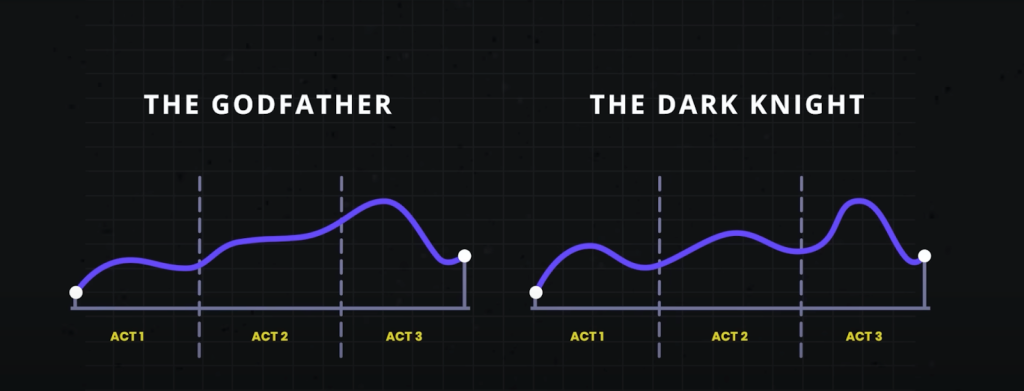
    Think of your favourite film. It more than likely follows a three-act construction that’s frequently seen in movies: the installation, the conflict, and the resolution. The second act shows what exists now, and it helps you get to understand the characters and the challenges and problems that they face. The fight begins in Act 2, which introduces the issue. Here, difficulties grow or get worse. The solution is the third and final work. This is where the issues are resolved and the figures learn and change. This structure, in my opinion, is also a fantastic way to think about customer research, and it might be particularly useful for explaining user research to others.

    Use story as a framework when conducting research.

    It’s sad to say, but many have come to see studies as being dispensable. Research is frequently one of the first things to go when expenses or deadlines are tight. Instead of investing in study, some goods professionals rely on manufacturers or—worse—their personal judgment to make the “right” options for users based on their experience or accepted best practices. That might lead to some clubs getting in the way, but it’s too easy to overlook the real problems facing users. To be user-centered, this is something we really avoid. Design is enhanced by customer research. It keeps it on trail, pointing to problems and opportunities. Being aware of the problems with your goods and taking action can help you keep ahead of your competition.

    In the three-act structure, each action corresponds to a part of the process, and each part is important to telling the whole story. Let’s examine the various functions and how they relate to customer study.

    Act one: installation

    Fundamental analysis comes in handy because the layout is all about comprehending the background. Basic research ( also called conceptual, discovery, or original research ) helps you understand people and identify their problems. Like in the movies, you’re learning about the difficulties users face, what options are available, and how they are affected by them. To do basic research, you may conduct cultural inquiries or journal studies ( or both! ), which can assist you in identifying both prospects and issues. It doesn’t need to be a great investment in time or money.

    Erika Hall writes about the most effective anthropology, which can be as straightforward as spending 15 hours with a customer and asking them to” Walk me through your morning yesterday.” That’s it. Current that one ask. Locked up and listen to them for 15 days. Do everything in your power to protect both your objectives and yourself. Bam, you’re doing ethnography”. According to Hall, “[This ] will probably prove quite fascinating. In the very unlikely event that you didn’t learn anything new or helpful, carry on with increased confidence in your way”.

    I think this makes sense. And I love that this makes consumer research so visible. You can only attract participants and do it! You don’t need to create a lot of documentation. This can offer a wealth of knowledge about your customers, and it’ll help you better understand them and what’s going on in their life. That’s what work one is really all about: understanding where people are coming from.

    Maybe Spool talks about the importance of basic research and how it really type the bulk of your research. If you can substitute what you’ve heard in the fundamental research by using more customer information that you can obtain, such as surveys or analytics, or to highlight areas that need more research. Together, all this information creates a clearer picture of the state of things and all its deficiencies. And that’s the start of a gripping tale. It’s the place in the story where you realize that the principal characters—or the people in this case—are facing issues that they need to conquer. This is where you begin to develop compassion for the heroes and support their success, much like in the movies. And finally participants are now doing the same. Their concern may be with their company, which may be losing money because consumers are unable to complete specific tasks. Or probably they do connect with people ‘ problems. In either case, action one serves as your main strategy for piqueing interest and investment from the participants.

    When partners begin to understand the value of basic research, that is open doors to more opportunities that involve users in the decision-making approach. And that can help product teams become more user-centric. This benefits everyone—users, the product, and stakeholders. It’s similar to winning an Oscar for a film because it frequently results in a favorable and successful outcome for your product. And this can be an incentive for stakeholders to repeat this process with other products. The secret to this process is storytelling, and knowing how to tell a compelling story is the only way to entice stakeholders to do more research.

    This brings us to act two, where you iteratively evaluate a design or concept to see whether it addresses the issues.

    Act two: conflict

    Act two is all about digging deeper into the problems that you identified in act one. In order to evaluate a potential solution ( such as a design ), you typically conduct directional research, such as usability tests, to see if it addresses the issues you identified. The issues could include unmet needs or problems with a flow or process that’s tripping users up. Additional problems will arise in the course of act two of a film. It’s here that you learn more about the characters as they grow and develop through this act.

    According to Jakob Nielsen, five users should be typically in usability tests, which means that this number of users can typically identify the majority of the issues:” As you add more and more users, you learn less and less because you will keep seeing the same things again and again… After the fifth user, you are wasting your time by observing the same findings repeatedly but not learning much new.”

    There are parallels with storytelling here too, if you try to tell a story with too many characters, the plot may get lost. With fewer participants, each user’s struggles will be more memorable and accessible to other parties when presenting the research. This can help convey the issues that need to be addressed while also highlighting the value of doing the research in the first place.

    Usability tests have been conducted in person for tens of thousands of years, but remote testing can also be done using software like Microsoft Teams, Zoom, or other teleconferencing tools. This approach has become increasingly popular since the beginning of the pandemic, and it works well. You might consider in-person usability tests like attending a play and remote sessions as more of a movie watching experience. There are advantages and disadvantages to each. Much more in-depth research is conducted on user experience. Stakeholders can experience the sessions with other stakeholders. You also get real-time feedback on what they’re seeing, including surprises, disagreements, and discussions about them. Much like going to a play, where audiences get to take in the stage, the costumes, the lighting, and the actors ‘ interactions, in-person research lets you see users up close, including their body language, how they interact with the moderator, and how the scene is set up.

    If conducting usability testing in the field is like watching a play that is staged and controlled, where any two sessions may be very different from one another. You can take usability testing into the field by creating a replica of the space where users interact with the product and then conduct your research there. Or you can meet users at their location to conduct your research. With either option, you get to see how things work in context, things come up that wouldn’t have in a lab environment—and conversion can shift in entirely different directions. You have less control over how these sessions end as researchers, but this can occasionally help you understand users even better. Meeting users where they are can provide clues to the external forces that could be affecting how they use your product. In-person usability tests add a level of detail that is frequently absent from remote usability tests.

    That’s not to say that the “movies” —remote sessions—aren’t a good option. Remote training sessions can reach a wider audience. They allow a lot more stakeholders to be involved in the research and to see what’s going on. Additionally, they make access to a much wider user base geographically. But with any remote session there is the potential of time wasted if participants can’t log in or get their microphone working.

    You can ask real users questions to understand their thoughts and understanding of the solution as a result of usability testing, whether it is done remotely or in person. This can help you not only identify problems but also glean why they’re problems in the first place. Additionally, you can test your own hypotheses and determine whether your reasoning is correct. By the end of the sessions, you’ll have a much clearer picture of how usable the designs are and whether they work for their intended purposes. The excitement centers on Act 2, but there are also potential surprises in that Act. This is equally true of usability tests. Sometimes, participants will say unexpected things that alter the way you look at them, which can lead to unexpected turns in the story.

    Unfortunately, user research is sometimes seen as expendable. Usability testing is frequently the only method of research that some stakeholders believe they ever need, and it’s too frequently the case. In fact, if the designs that you’re evaluating in the usability test aren’t grounded in a solid understanding of your users ( foundational research ), there’s not much to be gained by doing usability testing in the first place. That’s because you’re narrowing down the area of focus on without considering the needs of the users. As a result, there’s no way of knowing whether the designs might solve a problem that users have. In the context of a usability test, it’s only feedback on a particular design.

    On the other hand, if you only do foundational research, while you might have set out to solve the right problem, you won’t know whether the thing that you’re building will actually solve that. This demonstrates the value of conducting both directional and foundational research.

    In act two, stakeholders will—hopefully—get to watch the story unfold in the user sessions, which creates the conflict and tension in the current design by surfacing their highs and lows. And in turn, this can encourage stakeholders to take action on the issues raised.

    Act three: resolution

    The third act is about resolving the issues from the first two acts, whereas the first two acts are about understanding the context and the tensions that can compel stakeholders to act. While it’s important to have an audience for the first two acts, it’s crucial that they stick around for the final act. That includes all members of the product team, including developers, UX experts, business analysts, delivery managers, product managers, and any other interested parties. It allows the whole team to hear users ‘ feedback together, ask questions, and discuss what’s possible within the project’s constraints. And it gives the UX design and research teams more time to clarify, suggest alternatives, or provide more context for their choices. So you can get everyone on the same page and get agreement on the way forward.

    This act is primarily told through voiceover with some audience participation. The researcher is the narrator, who paints a picture of the issues and what the future of the product could look like given the things that the team has learned. They offer the stakeholders their suggestions and suggestions for how to create this vision.

    Nancy Duarte in the Harvard Business Review offers an approach to structuring presentations that follow a persuasive story. The most effective presenters” set up a conflict that needs to be resolved” using the same methods as great storytellers, Duarte writes. ” That tension helps them persuade the audience to adopt a new mindset or behave differently”.

    This type of structure aligns well with research results, and particularly results from usability tests. It provides proof for “what is “—the issues you’ve identified. And “what could be “—your recommendations on how to address them. And so forth and forth.

    You can reinforce your recommendations with examples of things that competitors are doing that could address these issues or with examples where competitors are gaining an edge. Or they can be visual, like quick sketches of how a new design could look that solves a problem. These can help generate conversation and momentum. And this continues until the session is over when you’ve concluded by bridging the gaps and offering suggestions for improvement. This is the part where you reiterate the main themes or problems and what they mean for the product—the denouement of the story. This stage provides stakeholders with the next steps and, hoped, the motivation to take those steps!

    While we are nearly at the end of this story, let’s reflect on the idea that user research is storytelling. The three-act structure of user research contains all the components for a good story:

      Act one: You meet the protagonists ( the users ) and the antagonists ( the problems affecting users ). The plot begins here. In act one, researchers might use methods including contextual inquiry, ethnography, diary studies, surveys, and analytics. These techniques can produce personas, empathy maps, user journeys, and analytics dashboards as output.
      Act two: Next, there’s character development. The protagonists encounter problems and challenges, which they must overcome, and there is conflict and tension. In act two, researchers might use methods including usability testing, competitive benchmarking, and heuristics evaluation. Usability findings reports, UX strategy documents, usability guidelines, and best practices can be included in the output of these.
      Act three: The protagonists triumph and you see what a better future looks like. Researchers may use techniques like presentation decks, storytelling, and digital media in act three. The output of these can be: presentation decks, video clips, audio clips, and pictures.

    The researcher performs a number of tasks: they are the producer, the director, and the storyteller. The participants have a small role, but they are significant characters ( in the research ). And the audience is the audience, as well. But the most important thing is to get the story right and to use storytelling to tell users ‘ stories through research. By the end, the parties should have a goal and a desire to solve the product’s flaws.

    So the next time that you’re planning research with clients or you’re speaking to stakeholders about research that you’ve done, think about how you can weave in some storytelling. In the end, user research is beneficial to everyone, and all parties must be interested in the conclusion.

  • Yellowjackets Season 3 Ending Explained: The Identity of Pit Girl and Lottie’s Killer Revealed

    Yellowjackets Season 3 Ending Explained: The Identity of Pit Girl and Lottie’s Killer Revealed

    The year three episode of Yellowjackets has clues in this article. In the year three episode of Yellowjackets, there are numerous deaths, graves, and ceremonies. Van ( Lauren Ambrose ) is laid to rest in the present, and we finally learn who killed Lottie ( Simone Kessell ). The Wilderness has historically demanded additional sacrifices as the spring gets closer. ]… ]

    The title of Yellowjackets Season 3 Ending Explained: The Personality of Pit Girl and Lottie’s Killer Revealed first appeared on Den of Geek.

    Episodes 1 and 2 of Hacks period 4 are clues in this article.

    One amazing scene at the conclusion of season 2″ Cover Women” can sum up the first two shows of Hacks year 4. The flaming combo fight over Ava’s performance on the set as they walk out of a standup program that doubles as a trial for a writer place on their new late evening program. We’re treated to the stars &#8217, standard electric chemistry, and a good deal of thorns and quips, but most of all, we get to see the integrity that spouts brightly beneath the surface of their relationship.

    Without Ava’s beautiful joke writing, Deborah struggles to accept that she would never have been able to fulfill her dream career as a late night number. However, her paranoia about the audience she will be supporting then makes her turn her back on her young protégé. ” Late day is for technicians and women.” Deborah is once more envious of her confidence. Va compels her to see humor in a way that she didn’t previously. On and off level, Ava encourages her to develop into a better type of herself. She frequently uses quips and other gags to destroy her real gratitude for Ava and buries it during this process. Both women are aware of their need for one another, but the path they take is filled with resentment and struggling. &nbsp,

    cnx. powershell. push ( function ( ) {cnx ( {playerId:” 106e33c0-3911-473c-b599-b1426db57530″, }). render ( “0270c398a82f44f49c23c16122516796” ), }),

    In the third season’s first two shows, Deborah and Ava strike a delicate balance between love and hate. The growing, but also unchanging dynamic between the two is best embodied in the nightclub picture. After three straight seasons of overcoming several obstacles in the humor minefield of Las Vegas, you’d think these ladies had choose adoration over vitriol, but what kind of show would that be presenting to the audience? &nbsp,

    Deborah and Ava must fight incessantly, not just for the sake of the audience, but because squabbling is what makes each of them stand out. Both people are determined, determined, and inseparable. When she blackmails Deborah over an encounter with the community professional, Ava decides that the only way to crush Deborah’s personality is to use her own tricks. At the start of the fourth year, the winter 3 finale results in some of the series ‘ most intense tug-of-wars.

    Deborah’s childish paybacks often shock and make people laugh. Ava’s underwear is accidentally sent to a network coworker’s desk in one prank, where Deborah also plays the human resources officer. Ava is being held captive by her own sexual misconduct by her own accomplices, which is a wonderful illustration of the writing that elevates Hacks as one of the line that understands its figures on a deeper amount while also making fun of the inner workings of the Hollywood apparatus they’re a part of.

    Although Deborah and Ava’s situation may be the main factor in keeping this show running at a high level, Jimmy ( Paul W. Downs ) and Kayla ( Megan Stalter ) both enjoy the increased screen time. Jimmy and Kayla serve as the peaceful frenemy whenever the higher intensity of the Deborah and Ava conflict starts to get a little too overpowering. At the conclusion of the second time, Jimmy and Kayla are attempting to launch their management company. The two’s growing pains are much more courteous than those between Deborah and Ava. This combo serves as a stepping stone for where Deborah and Ava may and ought to close up by the show’s conclusion in many ways. Two conflicting characters who still have a heart of gold. &nbsp,

    The more poignant half of the Deborah and Ava powerful, for which we root, is beautifully set up in the final picture of the next season. After being warned that the present is in danger of failing before actually beginning, they declare a truce. Deborah arrives at Ava’s doorstep in good faith promising that no more sabotage did happen and rooted in their shared goal of conquering comedy once more. This is the moment when it seems like the winter is actually about to start.

    These shows are comparable to first cutting into a Sour Patch Kid after college. Deborah and Ava’s hatred was sobering that it was hard to resist it. Now that the pairing’s sweetness completes the crisis, it will remind us why Hacks ‘ two equally powerful shades make it one of the best dramedies of the century so much.

    Watch the first two episodes of Hacks season 4 right away on Max.

    How Much Longer Can Deborah and Ava Keep This Up in Hacks Season 4? first appeared on Den of Geek.

  • Hacks Season 4: How Much Longer Can Deborah and Ava Keep This Up?

    Hacks Season 4: How Much Longer Can Deborah and Ava Keep This Up?

    Clues appear in this article for Hacks period 4 episodes 1 and 2. One beautiful scene from Hacks time 4’s final episode,” Support Girls,” can effectively sum up the first two episodes of the series. After Deborah ( Jean Smart ) and Ava ( Hannah Einbinder ) leave a standup, standing outside a comedy club.

    How Many Longer You Deborah and Ava Keep This Up in Hacks Season 4? second appeared on Den of Geek.

    Episodes 1 and 2 of Hacks period 4 are clues in this article.

    One beautiful scene at the end of season 2″ Cover Girls” can effectively sum up the initial two episodes of Hacks time 4. The flaming duo fight over Ava’s performance on set as they walk out of a spoken routine that doubles as a trial for a writer place on their new late-night programme and serves as a stand-up challenge for Deborah ( Jean Smart ). We are treated to the stars ‘ #8217, typical electric chemistry, and a good deal of thorns and quips, but most of all, we can see the authenticity that brightens their relationship beyond the surface.

    Without Ava’s beautiful joke writing, Deborah struggles to accept that she would never have been able to fulfill her dream career as a late night number. However, her paranoia about the audience she will be supporting then makes her turn her back on her young protégé. ” Late day is for technicians and women.” Deborah is once more envious of her pleasure. Va compels her to see humor in a way that she didn’t previously. Eva encourages her to develop into a better type of herself both on and off the level. She frequently uses quips and other gags to destroy her real gratitude for Ava and buries it during this process. Both women are aware of their have, but their relationship and resentment permeate their interactions. &nbsp,

    cnx. command. push ( function ( ) {cnx ( {playerId:” 106e33c0-3911-473c-b599-b1426db57530″, }). render ( “0270c398a82f44f49c23c16122516796” ), }),

    In the first four shows of the fifth season, the difficult, fine line between love and hate between Deborah and Ava is as prominently depicted as it ever is. The developing, but also unchanging dynamic between the two is best embodied in the nightclub picture. After three straight seasons of overcoming several obstacles in the humor minefield of Las Vegas, you’d think these ladies had choose adoration over vitriol, but what kind of show would that be presenting to the audience? &nbsp,

    Deborah and Ava must fight incessantly, no just for the sake of the audience, but because fighting is what makes each of them stand out. Both people are determined, determined, and inseparable. When she blackmails Deborah over an encounter with the community professional, Ava decides that the only way to crush Deborah’s personality is to perform her own activity. At the start of the fifth season, the season 3 finale results in some of the series’s most powerful tug-of-wars.

    Deborah’s juvenile forms of revenge often shock and make people laugh. One trick also involves Deborah trying to get Ava’s undies to a network coworker’s desk in hopes it will cause her to face legal trouble with human resources. Ava is being held captive by her own sexual misconduct by her own accomplices, which is a wonderful illustration of the writing that elevates Hacks as one of the line that understands its figures on a deeper amount while also making fun of the inner workings of the Hollywood apparatus they’re a part of.

    Although Deborah and Ava’s situation may be the one that keeps this show kicking at a high volume, the increased screen time for both Kayla ( Megan Stalter ) and Jimmy ( Paul W. Downs ) is a welcome sight. Jimmy and Kayla serve as the peaceful enemy whenever the higher intensity of the Deborah and Ava rivalry starts to get a little too overpowering. At the conclusion of the second time, Jim and Kayla are attempting to launch their management business. The two’s developing symptoms are much more polite than those between Deborah and Ava. This combo in many ways represents where Deborah and Ava could and should ultimately be by the show’s conclusion. Two conflicting characters who are still in love with one another. &nbsp,

    The more poignant half of the Deborah and Ava powerful, for which we root, is beautifully set up in the final picture of the next season. After being informed that the show is in danger of failing before actually beginning, they call a peace. Deborah arrives at Ava’s doorstep in good faith promising that no more sabotage did happen and rooted in their shared goal of conquering comedy once more. This is the moment when it seems like the time is actually about to start.

    These shows are comparable to first biting into a Sour Patch Kid after college. Deborah and Ava’s sorrow surprisingly hit the tastebuds with an unexpected power. Today, the beauty of the combination will complete the drama and serve as a reminder of why Hacks ‘ two equally powerful shades make it one of the best dramedies of the century so far.

    Watch the first two episodes of Hacks season 4 right away on Max.

    How Many Longer You Deborah and Ava Keep This Up in Hacks Season 4? second appeared on Den of Geek.

  • What Counts as a Real Dire Wolf? Unpacking the Big Debate

    What Counts as a Real Dire Wolf? Unpacking the Big Debate

    It is an picture that dominated the online, from online journals for science to popular culture platforms like our own. A snow-white doggie with big feet and oil eyes has been transformed from an animal that Colossal Biosciences ( and for that matter, Time magazine’s cover ) had labeled a terrible wolf, and it’s howling. Ben […]…

    What Makes a True Dire Wolf a True Dire Wolf? The first post on Den of Geek was Unpacking the Major Conversation.

    Episodes 1 and 2 of Hacks period 4 are clues in this article.

    One amazing scene at the conclusion of season 2″ Cover Women” can sum up the first two shows of Hacks year 4. The flaming combo fight over Ava’s performance on the set as they walk out of a standup program that doubles as a trial for a writer place on their new late evening program, setting outside a comedy club. We are treated to the stars ‘ #8217, typical electric chemistry, and a good deal of thorns and quips, but most of all, we are able to see the integrity that shines bright beneath the surface of their relationship.

    Without Ava’s beautiful joke writing, Deborah struggles to accept that she would never have been able to fulfill her dream career as a late night number. However, her paranoia about the audience she will be supporting then makes her turn her back on her young protégé. ” Late night is for mechanics and housewives.” Once more, Deborah is enviously covering her pride with envy. Va compels her to see comedy in a way that she didn’t before. On and off stage, Ava encourages her to develop into a better version of herself. Through this process, she frequently uses jokes and other gags to undermine her real appreciation for Ava and buries it. Both women are aware of their need for one another, but the path they take is filled with jealousy and fighting. &nbsp,

    cnx. cmd. push ( function ( ) {cnx ( {playerId:” 106e33c0-3911-473c-b599-b1426db57530″, }). render ( “0270c398a82f44f49c23c16122516796” ), }),

    In the fourth season’s first two episodes, Deborah and Ava strike a delicate balance between love and hate. The evolving, but still unchanging dynamic between the two is best embodied in the nightclub scene. What kind of show would the audience see if these ladies chose adoration over vitriol after three years of conquering various obstacles in the comedy minefield of Las Vegas? &nbsp,

    Deborah and Ava must fight incessantly because bickering is what makes them stand out from the rest of the audience. Both women are determined, resilient, and inseparable. When she blackmails Deborah over an affair with the network executive, Ava decides that the only way to crush Deborah’s ego is to play her own game. At the start of the fourth season, the season 3 cliffhanger results in some of the series’s most intense tug-of-wars.

    Deborah’s childish paybacks always shock and make people laugh. One prank even involves Deborah trying to get Ava’s underwear to a network coworker’s desk in hopes it will cause her to face legal trouble with human resources. Ava is being held hostage by her own sexual misconduct by her own accomplices, which is a great illustration of the writing that elevates Hacks as a standout sitcom among those that understands its characters more deeply and pokes fun at the inner workings of the Hollywood apparatus they are a part of.

    Although Deborah and Ava’s situation may be the main factor in keeping this show running at a high level, Jimmy ( Paul W. Downs ) and Kayla ( Megan Stalter ) both enjoy the increased screen time. Jimmy and Kayla serve as the calmer frenemy whenever the high intensity of the Deborah and Ava feud starts to get a little too overwhelming. At the conclusion of the third season, Jimmy and Kayla are attempting to launch their management company. The two’s growing pains contrast sharply with Deborah and Ava’s. This duo serves as a stepping stone for where Deborah and Ava could and ought to end up by the show’s conclusion in many ways. Two conflicting personalities who are still in love with one another. &nbsp,

    The more heartfelt half of the Deborah and Ava dynamic that we root for is exquisitely set up in the final scene of the second episode. After being informed that the show is in danger of failing before even beginning, they call a truce. Deborah arrives at Ava’s doorstep in good faith promising that no more sabotage will occur and rooted in their shared desire to conquer comedy once more. This is where it seems as though the season is actually about to start.

    These episodes are comparable to first biting into a Sour Patch Kid after school on a pleasant spring afternoon. Deborah and Ava’s bitterness was sobering that it was hard to resist it. The pairing’s sweetness will now complete the drama and serve as a reminder that Hacks ‘ two equally compelling tones make it one of the best dramedies of the decade so far.

    The first two episodes of Hacks season 4 are now streaming on Max.

    How Long Can Deborah and Ava Keep This Up in Hacks Season 4? first appeared on Den of Geek.

  • Fantastic Four: First Steps Fixes the Biggest Mistake of Previous Movies

    Fantastic Four: First Steps Fixes the Biggest Mistake of Previous Movies

    The horizon is ignoble. Through the sky, a gold splotch appears. A silently watching alien comes in a tall form. A galaxy is brewing. Yet today, those scenes from Stan Lee and Jack Kirby’s 1966 film Fantastic Four# 48 – 50 still enthralling visitors and continue to set the bar high for all superhero classics. So with Fantastic]…]…]]] ] ] ] ] ] ] ] ] ] ] ] ] ] ] ] ] ] ] ] ] ] ] ] ] ] ] ] ] ] ] ] ] ] ] ] ] ] ] ] ] ] ] ] ] ] ] ] ] ] ] ] ] ] ] ] ] ] ] ] ] ] ] ] ] ] ] ] ] ] ] ] ] ] ] ] ] ] ] ] ] ] ] ] ] ] ] ] ] ] ] ] ] ] ] ] ] ] ] ] ] ] ] ]

    The first article on Den of Geek was Fantastic Four: First Steps Fixes the Biggest Mistake of Earlier Videos.

    Episodes 1 and 2 of Hacks period 4 are clues in this article.

    One beautiful scene from Hacks time 4’s final episode,” Cover Girls,” can effectively sum up the first two episodes of the series. The flaming combo fight over Ava’s performance on the set as they walk out of a standup program that doubles as a trial for a writer place on their new late evening program, setting outside a comedy club. We’re treated to the stars &#8217, common electric chemistry, and a good deal of thorns and replies, but most of all, we get to see the integrity that spouts brightly beneath the surface of their relationship.

    Without Ava’s beautiful joke writing, Deborah struggles to admit that she would never have been able to get to her dream career as a late evening host, but her paranoia over the audience she will be attracting then makes her turn her back on her young protégé. ” Soon night is for technicians and women.” Once more, Deborah is enviously covering her pleasure with envy. Va compels her to see humor in a way that she didn’t earlier. Eva encourages her to develop into a better type of herself both on and off the level. Through this method, she frequently uses quips and other gags to destroy her real gratitude for Ava and buries it. Both women are aware of their need for one another, but the path they take is filled with bitterness and fighting. &nbsp,

    cnx. powershell. push ( function ( ) {cnx ( {playerId:” 106e33c0-3911-473c-b599-b1426db57530″, }). render ( “0270c398a82f44f49c23c16122516796” ), }),

    The intricate, fine line between love and hate between Deborah and Ava is as prominently depicted as it ever is in the fourth season’s first incidents. The bar scene serves as the encapsulation of the two’s evolving, but still sluggish fluid. What kind of show did the audience see if these ladies chose adoration over vitriol after three years of conquering several obstacles in the humor minefield of Las Vegas? &nbsp,

    Deborah and Ava must fight incessantly, not just for the sake of the audience, but because squabbling is what makes each of them stand out. Both ladies are determined, outspoken, and inseparable. When she blackmails Deborah over an encounter with the community professional, Ava decides that the only way to crush Deborah’s personality is to use her own tricks. At the start of the fourth year, the winter 3 finale results in some of the series ‘ most intense tug-of-wars.

    Deborah’s juvenile forms of revenge often shock and make you laugh. Ava’s undies is accidentally sent to a network coworker’s desk in one prank, where Deborah also plays the human resources officer. Ava is being held captive by her own sexual misconduct by her own accomplices, which is a wonderful illustration of the writing that elevates Hacks as a standout show among those that understands its figures more deeply and pokes fun at the inner workings of the Hollywood apparatus they are a part of.

    Although Deborah and Ava’s situation may be the main factor in keeping this show running at a high level, Jimmy ( Paul W. Downs ) and Kayla ( Megan Stalter ) both enjoy the increased screen time. Jimmy and Kayla serve as the peaceful enemy whenever the higher intensity of the Deborah and Ava conflict starts to get a little too overpowering. At the conclusion of the second time, Jimmy and Kayla are attempting to launch their management company. The two’s growing pains are much more polite than those of Deborah and Ava. This combo serves as a lot of a metaphor for where Deborah and Ava may and ought to close up by the show’s conclusion. Two conflicting characters who are still in love with one another. &nbsp,

    The more poignant half of the Deborah and Ava powerful that we root for is beautifully set up in the final picture of the next season. They declare a ceasefire after being informed that the display is in danger of failing before actually beginning. Deborah arrives at Ava’s doorstep in good faith promising that no more sabotage did happen and rooted in their shared desire to conquer comedy once more. This is the moment when it seems like the winter is actually about to start.

    These shows are comparable to first cutting into a Sour Patch Kid after college. Deborah and Ava’s hatred struck the taste flowers with a stunning power. Now, the beauty of the combination will complete the drama and serve as a reminder of why Hacks ‘ two equally powerful shades make it one of the best dramedies of the century so far.

    On Max right now, you can stream the first two episodes of Hacks season 4.

    How Long Can Deborah and Ava Keep This Up in Hacks Season 4? first appeared on Den of Geek.

  • Black Mirror: Rashida Jones Imagines An Even Bleaker “Common People” Ending

    Black Mirror: Rashida Jones Imagines An Even Bleaker “Common People” Ending

    This article contains spoilers for the” Common People” episode of Black Mirror. One of the deepest episodes of Black Mirror’s season 7 opener,” Typical People,” is a large bar, and that’s a higher bar. The abyss of technodystopia have been explored in previous episodes of Charlie Brooker’s long-running sci-fi anthology, which include infanticide, historical torture, and some real apocalypses. However, ]…]

    The article” Den of Geek: Black Mirror: Rashida Jones Imagines An Also Sadder” Common People” Ending first appeared.

    This article contains spoilers for Hacks period 4 episodes 1 and 2

    One amazing scene at the conclusion of season 2″ Cover Women” can sum up the first two shows of Hacks time 4. The flaming combo fight over Ava’s performance on the set as they walk out of a standup program that doubles as a trial for a writer place on their new late evening program. We are treated to the women ‘ #8217, typical electric chemistry, and a good deal of thorns and replies, but most of all, we are able to see the integrity that shines bright beneath the surface of their relationship.

    Without Ava’s beautiful joke writing, Deborah struggles to admit that she would never have been able to get to her dream career as a late evening host, but her paranoia over the audience she will be attracting then makes her turn her back on her young protégé. ” Soon night is for technicians and women.” Once more, Deborah is enviously covering her satisfaction with fear. Va makes her view humor in a way that she hadn’t before. On and off stage, Ava encourages her to develop into a better type of herself. She frequently uses quips and other gags to destroy her real recognition for Ava and buries it during this process. Both women are aware of their need for one another, but the path they take is filled with resentment and fighting. &nbsp,

    cnx. command. push ( function ( ) {cnx ( {playerId:” 106e33c0-3911-473c-b599-b1426db57530″, }). render ( “0270c398a82f44f49c23c16122516796” ), }),

    In the fourth season’s first two incidents, Deborah and Ava strike a delicate balance between love and hate. The growing, but also stale dynamic between the two is best summed up in the bar scene. After three straight seasons of overcoming several obstacles in the humor minefield of Las Vegas, you’d think these ladies had choose adoration over vitriol, but what kind of show would that be presenting to the audience? &nbsp,

    Deborah and Ava must fight incessantly, not just for the sake of the audience, but because squabbling is what makes each of them stand out. Both people are determined, outspoken, and inseparable. When Deborah is allegedly sacked over an encounter with the community professional, Ava decides that Deborah’s only way to crush her is to use her own tricks. At the start of the fourth year, the winter 3 finale results in some of the series ‘ most intense tug-of-wars.

    Deborah’s juvenile forms of revenge usually shock and make people laugh. One trick also involves Deborah trying to get Ava’s undies to a community coworker’s desk in hopes it will cause her to face legal trouble with human resources. Ava is being held captive by her own sexual misconduct by Deborah, and this is a great illustration of the reading that elevates Hacks as one of the line that understands its characters on a deeper level while also making fun of the internal workings of the Hollywood machine they’re off of.

    Although Deborah and Ava’s situation may be the main factor in keeping this show running at a high level, Jimmy ( Paul W. Downs ) and Kayla ( Megan Stalter ) both enjoy the increased screen time. Jimmy and Kayla serve as the peaceful frenemy whenever the higher intensity of the Deborah and Ava rivalry starts to get a little too overpowering. At the conclusion of the fourth time, Jimmy and Kayla are attempting to launch their management company. The two’s developing symptoms are much more polite than those between Deborah and Ava. This combo serves as a stepping stone for where Deborah and Ava may and ought to end up by the show’s conclusion in many ways. Two conflicting characters who are still in love with one another. &nbsp,

    The more poignant half of the Deborah and Ava powerful that we root for is beautifully set up in the final picture of the next season. After being informed that the show is in danger of failing before actually beginning, they call a peace. Deborah arrives at Ava’s threshold ready to work in great faith and promising that no more damage may result. Rooted in their common goal of conquering humor once more, Deborah arrives. This is the moment when it seems like the season is actually about to start.

    These episodes are comparable to first biting into a Sour Patch Kid on a pleasant spring afternoon after school. Deborah and Ava’s bitterness struck the taste buds with a shocking intensity. The pairing’s sweetness will now complete the drama and serve as a reminder that Hacks ‘ two equally compelling tones make it one of the best dramedies of the decade so far.

    The first two episodes of Hacks season 4 are now streaming on Max.

    How Long Can Deborah and Ava Keep This Up in Season 4 of Hacks? first appeared on Den of Geek.

  • The Pitt: Taylor Dearden and Patrick Ball Are As Anxious About Season 2 As You Are

    The Pitt: Taylor Dearden and Patrick Ball Are As Anxious About Season 2 As You Are

    This essay contains year 1 clues for The Pitt. It’s pleasant when fans don’t have to scream or confess with the TV angels for more broadcast in the modern era of streaming giant. Fans of shows like Apple’s Severance and Paramount’s Yellowstone can relate to having to wait years between seasons (or, in Yellowstone’s case, years …] ).

    The second episode of Den of Geek was The Pitt: Taylor Dearden and Patrick Ball Are As Anxious About Season 2 As You Are.

    This article contains spoilers for Hacks winter 4 episodes 1 and 2

    One amazing scene at the conclusion of season 2″ Cover Women” can sum up the first two shows of Hacks time 4. The flaming combo fight over Ava’s performance on the set as they walk out of a standup program that doubles as a trial for a writer place on their new late evening program, setting outside a comedy club. We are treated to the stars ‘ #8217, typical electric chemistry, and a good deal of thorns and retorts, but most of all, we can see the authenticity that brightens their relationship beyond the surface.

    Deborah struggles to come clean about how she would never have been able to work as a late night host without Ava’s beautiful joke writing, but her anxiety over the age group who will be watching her then makes her turn her back on her young protégé. ” Late day is for technicians and women.” Once more, Deborah is enviously covering her pleasure with fear. Va makes her notice humor in a way that she hadn’t before. Eva encourages her to develop into a better type of herself both on and off the level. She frequently uses quips and other gags to destroy her real appreciation for Ava and buries it during this process. Both women are aware of their need for one another, but the path they take is filled with resentment and fighting. &nbsp,

    cnx. command. push ( function ( ) {cnx ( {playerId:” 106e33c0-3911-473c-b599-b1426db57530″, }). render ( “0270c398a82f44f49c23c16122516796” ), }),

    In the third season’s first two shows, Deborah and Ava strike a delicate balance between love and hate. The developing, but also unchanging dynamic between the two is best embodied in the nightclub picture. After three straight seasons of overcoming several obstacles in the humor minefield of Las Vegas, you’d think these ladies had choose adoration over vitriol, but what kind of show would that be presenting to the audience? &nbsp,

    Deborah and Ava must fight incessantly, not just for the sake of the audience, but because squabbling is what makes each of them stand out. Both people are determined, resilient, and inseparable. When Deborah is allegedly sacked over an encounter with the community professional, Ava decides that Deborah’s only way to crush her is to use her own tricks. At the start of the fourth year, the year 3 finale results in some of the series ‘ most intense tug-of-wars.

    Deborah’s childish paybacks often surprise and make people laugh. Ava’s underwear is accidentally sent to a network coworker’s desk in one prank, where Deborah also plays the human resources officer. Ava is being held captive by her own sexual misconduct by her own accomplices, which is a wonderful illustration of the writing that elevates Hacks as a standout comedy among those that understands its figures more deeply and pokes fun at the inner workings of the Hollywood apparatus they are a part of.

    Although Deborah and Ava’s situation may be the main factor in keeping this show running at a high level, Jimmy ( Paul W. Downs ) and Kayla ( Megan Stalter ) both enjoy the increased screen time. Jimmy and Kayla make a good friend whenever the Deborah and Ava conflict gets a little too intense. At the conclusion of the fourth time, Jim and Kayla are attempting to launch their management business. The two’s developing symptoms contrast sharply with Deborah and Ava’s. This combo serves as a lot of a metaphor for where Deborah and Ava may and ought to end up by the show’s conclusion. Two conflicting characteristics who still have a love for one another. &nbsp,

    The more poignant half of the Deborah and Ava powerful, for which we root, is beautifully set up in the final picture of the next season. They declare a ceasefire after being informed that the display is in danger of failing before actually beginning. Deborah arrives at Ava’s threshold ready to work in great faith and promising that no more damage may result. Rooted in their common goal of conquering humor once more, Deborah arrives. This is where it seems as though the time is actually about to start.

    These shows are comparable to first biting into a Sour Patch Kid on a pleasant spring day after college. Deborah and Ava’s sorrow was sobering that it was hard to resist it. Now that the pairing’s sweetness completes the crisis, it will tell us why Hacks ‘ two equally powerful shades make it one of the best dramedies of the century so much.

    The first two episodes of Hacks season 4 are now streaming on Max.

    How Much Longer Can Deborah and Ava Keep This Up in Hacks Season 4? first appeared on Den of Geek.

  • Beware the Cut ‘n’ Paste Persona

    Beware the Cut ‘n’ Paste Persona

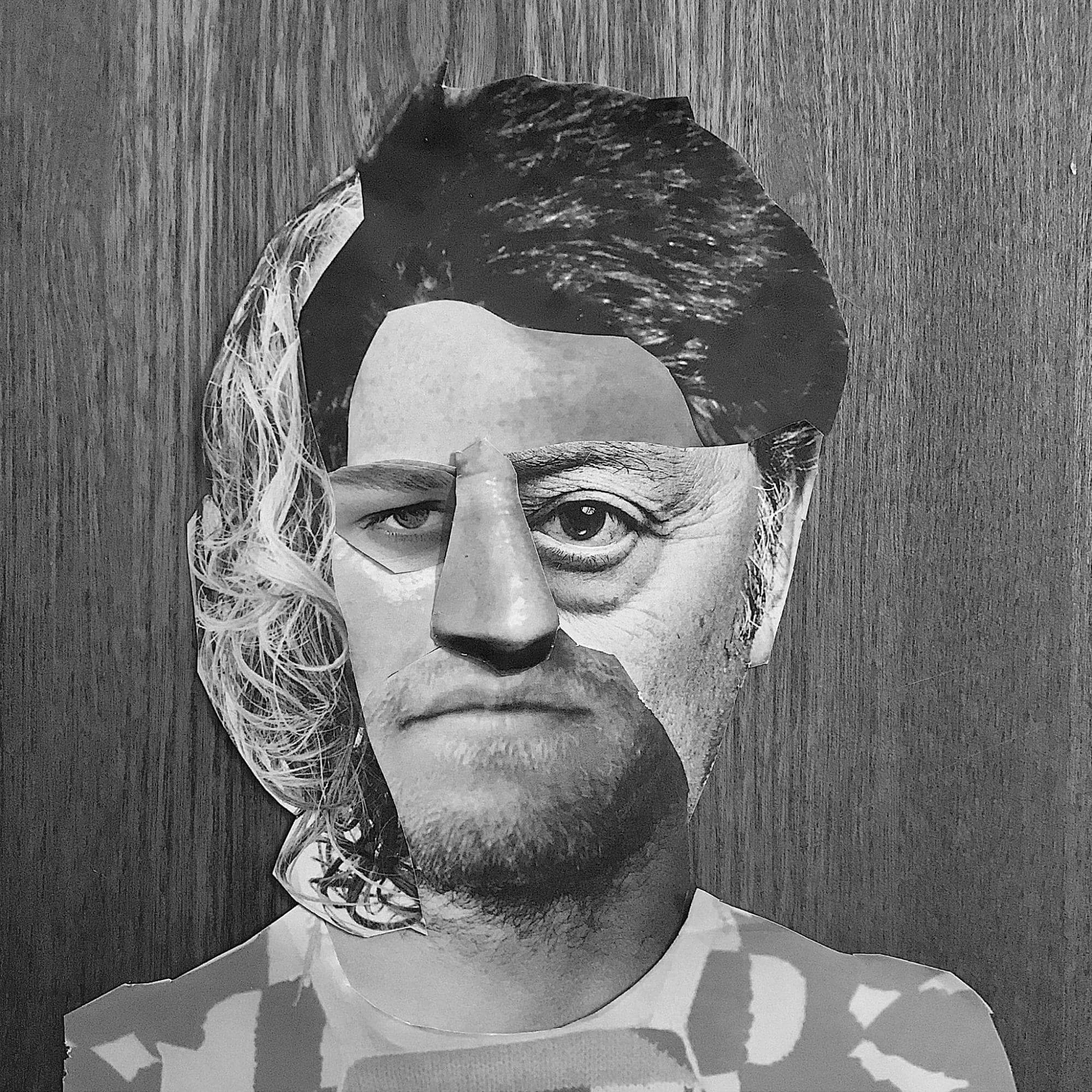
    This Person Does Not Exist is a website that generates human faces with a machine learning algorithm. It takes real portraits and recombines them into fake human faces. We recently scrolled past a LinkedIn post stating that this website could be useful “if you are developing a persona and looking for a photo.” 

    We agree: the computer-generated faces could be a great match for personas—but not for the reason you might think. Ironically, the website highlights the core issue of this very common design method: the person(a) does not exist. Like the pictures, personas are artificially made. Information is taken out of natural context and recombined into an isolated snapshot that’s detached from reality. 

    But strangely enough, designers use personas to inspire their design for the real world. 

    Personas: A step back

    Most designers have created, used, or come across personas at least once in their career. In their article “Personas – A Simple Introduction,” the Interaction Design Foundation defines personas as “fictional characters, which you create based upon your research in order to represent the different user types that might use your service, product, site, or brand.” In their most complete expression, personas typically consist of a name, profile picture, quotes, demographics, goals, needs, behavior in relation to a certain service/product, emotions, and motivations (for example, see Creative Companion’s Persona Core Poster). The purpose of personas, as stated by design agency Designit, is “to make the research relatable, [and] easy to communicate, digest, reference, and apply to product and service development.”

    The decontextualization of personas

    Personas are popular because they make “dry” research data more relatable, more human. However, this method constrains the researcher’s data analysis in such a way that the investigated users are removed from their unique contexts. As a result, personas don’t portray key factors that make you understand their decision-making process or allow you to relate to users’ thoughts and behavior; they lack stories. You understand what the persona did, but you don’t have the background to understand why. You end up with representations of users that are actually less human.

    This “decontextualization” we see in personas happens in four ways, which we’ll explain below. 

    Personas assume people are static 

    Although many companies still try to box in their employees and customers with outdated personality tests (referring to you, Myers-Briggs), here’s a painfully obvious truth: people are not a fixed set of features. You act, think, and feel differently according to the situations you experience. You appear different to different people; you might act friendly to some, rough to others. And you change your mind all the time about decisions you’ve taken. 

    Modern psychologists agree that while people generally behave according to certain patterns, it’s actually a combination of background and environment that determines how people act and take decisions. The context—the environment, the influence of other people, your mood, the entire history that led up to a situation—determines the kind of person you are in each specific moment. 

    In their attempt to simplify reality, personas do not take this variability into account; they present a user as a fixed set of features. Like personality tests, personas snatch people away from real life. Even worse, people are reduced to a label and categorized as “that kind of person” with no means to exercise their innate flexibility. This practice reinforces stereotypes, lowers diversity, and doesn’t reflect reality. 

    Personas focus on individuals, not the environment

    In the real world, you’re designing for a context, not for an individual. Each person lives in a family, a community, an ecosystem, where there are environmental, political, and social factors you need to consider. A design is never meant for a single user. Rather, you design for one or more particular contexts in which many people might use that product. Personas, however, show the user alone rather than describe how the user relates to the environment. 

    Would you always make the same decision over and over again? Maybe you’re a committed vegan but still decide to buy some meat when your relatives are coming over. As they depend on different situations and variables, your decisions—and behavior, opinions, and statements—are not absolute but highly contextual. The persona that “represents” you wouldn’t take into account this dependency, because it doesn’t specify the premises of your decisions. It doesn’t provide a justification of why you act the way you do. Personas enact the well-known bias called fundamental attribution error: explaining others’ behavior too much by their personality and too little by the situation.

    As mentioned by the Interaction Design Foundation, personas are usually placed in a scenario that’s a “specific context with a problem they want to or have to solve”—does that mean context actually is considered? Unfortunately, what often happens is that you take a fictional character and based on that fiction determine how this character might deal with a certain situation. This is made worse by the fact that you haven’t even fully investigated and understood the current context of the people your persona seeks to represent; so how could you possibly understand how they would act in new situations? 

    Personas are meaningless averages

    As mentioned in Shlomo Goltz’s introductory article on Smashing Magazine, “a persona is depicted as a specific person but is not a real individual; rather, it is synthesized from observations of many people.” A well-known critique to this aspect of personas is that the average person does not exist, as per the famous example of the USA Air Force designing planes based on the average of 140 of their pilots’ physical dimensions and not a single pilot actually fitting within that average seat. 

    The same limitation applies to mental aspects of people. Have you ever heard a famous person say, “They took what I said out of context! They used my words, but I didn’t mean it like that.” The celebrity’s statement was reported literally, but the reporter failed to explain the context around the statement and didn’t describe the non-verbal expressions. As a result, the intended meaning was lost. You do the same when you create personas: you collect somebody’s statement (or goal, or need, or emotion), of which the meaning can only be understood if you provide its own specific context, yet report it as an isolated finding. 

    But personas go a step further, extracting a decontextualized finding and joining it with another decontextualized finding from somebody else. The resulting set of findings often does not make sense: it’s unclear, or even contrasting, because it lacks the underlying reasons on why and how that finding has arisen. It lacks meaning. And the persona doesn’t give you the full background of the person(s) to uncover this meaning: you would need to dive into the raw data for each single persona item to find it. What, then, is the usefulness of the persona?

    The relatability of personas is deceiving

    To a certain extent, designers realize that a persona is a lifeless average. To overcome this, designers invent and add “relatable” details to personas to make them resemble real individuals. Nothing captures the absurdity of this better than a sentence by the Interaction Design Foundation: “Add a few fictional personal details to make the persona a realistic character.” In other words, you add non-realism in an attempt to create more realism. You deliberately obscure the fact that “John Doe” is an abstract representation of research findings; but wouldn’t it be much more responsible to emphasize that John is only an abstraction? If something is artificial, let’s present it as such.

    It’s the finishing touch of a persona’s decontextualization: after having assumed that people’s personalities are fixed, dismissed the importance of their environment, and hidden meaning by joining isolated, non-generalizable findings, designers invent new context to create (their own) meaning. In doing so, as with everything they create, they introduce a host of biases. As phrased by Designit, as designers we can “contextualize [the persona] based on our reality and experience. We create connections that are familiar to us.” This practice reinforces stereotypes, doesn’t reflect real-world diversity, and gets further away from people’s actual reality with every detail added. 

    To do good design research, we should report the reality “as-is” and make it relatable for our audience, so everyone can use their own empathy and develop their own interpretation and emotional response.

    Dynamic Selves: The alternative to personas

    If we shouldn’t use personas, what should we do instead? 

    Designit has proposed using Mindsets instead of personas. Each Mindset is a “spectrum of attitudes and emotional responses that different people have within the same context or life experience.” It challenges designers to not get fixated on a single user’s way of being. Unfortunately, while being a step in the right direction, this proposal doesn’t take into account that people are part of an environment that determines their personality, their behavior, and, yes, their mindset. Therefore, Mindsets are also not absolute but change in regard to the situation. The question remains, what determines a certain Mindset?

    Another alternative comes from Margaret P., author of the article “Kill Your Personas,” who has argued for replacing personas with persona spectrums that consist of a range of user abilities. For example, a visual impairment could be permanent (blindness), temporary (recovery from eye surgery), or situational (screen glare). Persona spectrums are highly useful for more inclusive and context-based design, as they’re based on the understanding that the context is the pattern, not the personality. Their limitation, however, is that they have a very functional take on users that misses the relatability of a real person taken from within a spectrum. 

    In developing an alternative to personas, we aim to transform the standard design process to be context-based. Contexts are generalizable and have patterns that we can identify, just like we tried to do previously with people. So how do we identify these patterns? How do we ensure truly context-based design? 

    Understand real individuals in multiple contexts

    Nothing is more relatable and inspiring than reality. Therefore, we have to understand real individuals in their multi-faceted contexts, and use this understanding to fuel our design. We refer to this approach as Dynamic Selves.

    Let’s take a look at what the approach looks like, based on an example of how one of us applied it in a recent project that researched habits of Italians around energy consumption. We drafted a design research plan aimed at investigating people’s attitudes toward energy consumption and sustainable behavior, with a focus on smart thermostats. 

    1. Choose the right sample

    When we argue against personas, we’re often challenged with quotes such as “Where are you going to find a single person that encapsulates all the information from one of these advanced personas[?]” The answer is simple: you don’t have to. You don’t need to have information about many people for your insights to be deep and meaningful. 

    In qualitative research, validity does not derive from quantity but from accurate sampling. You select the people that best represent the “population” you’re designing for. If this sample is chosen well, and you have understood the sampled people in sufficient depth, you’re able to infer how the rest of the population thinks and behaves. There’s no need to study seven Susans and five Yuriys; one of each will do. 

    Similarly, you don’t need to understand Susan in fifteen different contexts. Once you’ve seen her in a couple of diverse situations, you’ve understood the scheme of Susan’s response to different contexts. Not Susan as an atomic being but Susan in relation to the surrounding environment: how she might act, feel, and think in different situations. 

    Given that each person is representative of a part of the total population you’re researching, it becomes clear why each should be represented as an individual, as each already is an abstraction of a larger group of individuals in similar contexts. You don’t want abstractions of abstractions! These selected people need to be understood and shown in their full expression, remaining in their microcosmos—and if you want to identify patterns you can focus on identifying patterns in contexts.

    Yet the question remains: how do you select a representative sample? First of all, you have to consider what’s the target audience of the product or service you are designing: it might be useful to look at the company’s goals and strategy, the current customer base, and/or a possible future target audience. 

    In our example project, we were designing an application for those who own a smart thermostat. In the future, everyone could have a smart thermostat in their house. Right now, though, only early adopters own one. To build a significant sample, we needed to understand the reason why these early adopters became such. We therefore recruited by asking people why they had a smart thermostat and how they got it. There were those who had chosen to buy it, those who had been influenced by others to buy it, and those who had found it in their house. So we selected representatives of these three situations, from different age groups and geographical locations, with an equal balance of tech savvy and non-tech savvy participants. 

    2. Conduct your research

    After having chosen and recruited your sample, conduct your research using ethnographic methodologies. This will make your qualitative data rich with anecdotes and examples. In our example project, given COVID-19 restrictions, we converted an in-house ethnographic research effort into remote family interviews, conducted from home and accompanied by diary studies.

    To gain an in-depth understanding of attitudes and decision-making trade-offs, the research focus was not limited to the interviewee alone but deliberately included the whole family. Each interviewee would tell a story that would then become much more lively and precise with the corrections or additional details coming from wives, husbands, children, or sometimes even pets. We also focused on the relationships with other meaningful people (such as colleagues or distant family) and all the behaviors that resulted from those relationships. This wide research focus allowed us to shape a vivid mental image of dynamic situations with multiple actors. 

    It’s essential that the scope of the research remains broad enough to be able to include all possible actors. Therefore, it normally works best to define broad research areas with macro questions. Interviews are best set up in a semi-structured way, where follow-up questions will dive into topics mentioned spontaneously by the interviewee. This open-minded “plan to be surprised” will yield the most insightful findings. When we asked one of our participants how his family regulated the house temperature, he replied, “My wife has not installed the thermostat’s app—she uses WhatsApp instead. If she wants to turn on the heater and she is not home, she will text me. I am her thermostat.”

    3. Analysis: Create the Dynamic Selves

    During the research analysis, you start representing each individual with multiple Dynamic Selves, each “Self” representing one of the contexts you have investigated. The core of each Dynamic Self is a quote, which comes supported by a photo and a few relevant demographics that illustrate the wider context. The research findings themselves will show which demographics are relevant to show. In our case, as our research focused on families and their lifestyle to understand their needs for thermal regulation, the important demographics were family type, number and nature of houses owned, economic status, and technological maturity. (We also included the individual’s name and age, but they’re optional—we included them to ease the stakeholders’ transition from personas and be able to connect multiple actions and contexts to the same person).

    To capture exact quotes, interviews need to be video-recorded and notes need to be taken verbatim as much as possible. This is essential to the truthfulness of the several Selves of each participant. In the case of real-life ethnographic research, photos of the context and anonymized actors are essential to build realistic Selves. Ideally, these photos should come directly from field research, but an evocative and representative image will work, too, as long as it’s realistic and depicts meaningful actions that you associate with your participants. For example, one of our interviewees told us about his mountain home where he used to spend every weekend with his family. Therefore, we portrayed him hiking with his little daughter. 

    At the end of the research analysis, we displayed all of the Selves’ “cards” on a single canvas, categorized by activities. Each card displayed a situation, represented by a quote and a unique photo. All participants had multiple cards about themselves.

    4. Identify design opportunities

    Once you have collected all main quotes from the interview transcripts and diaries, and laid them all down as Self cards, you will see patterns emerge. These patterns will highlight the opportunity areas for new product creation, new functionalities, and new services—for new design. 

    In our example project, there was a particularly interesting insight around the concept of humidity. We realized that people don’t know what humidity is and why it is important to monitor it for health: an environment that’s too dry or too wet can cause respiratory problems or worsen existing ones. This highlighted a big opportunity for our client to educate users on this concept and become a health advisor.

    Benefits of Dynamic Selves

    When you use the Dynamic Selves approach in your research, you start to notice unique social relations, peculiar situations real people face and the actions that follow, and that people are surrounded by changing environments. In our thermostat project, we have come to know one of the participants, Davide, as a boyfriend, dog-lover, and tech enthusiast. 

    Davide is an individual we might have once reduced to a persona called “tech enthusiast.” But we can have tech enthusiasts who have families or are single, who are rich or poor. Their motivations and priorities when deciding to purchase a new thermostat can be opposite according to these different frames. 

    Once you have understood Davide in multiple situations, and for each situation have understood in sufficient depth the underlying reasons for his behavior, you’re able to generalize how he would act in another situation. You can use your understanding of him to infer what he would think and do in the contexts (or scenarios) that you design for.

    The Dynamic Selves approach aims to dismiss the conflicted dual purpose of personas—to summarize and empathize at the same time—by separating your research summary from the people you’re seeking to empathize with. This is important because our empathy for people is affected by scale: the bigger the group, the harder it is to feel empathy for others. We feel the strongest empathy for individuals we can personally relate to.  

    If you take a real person as inspiration for your design, you no longer need to create an artificial character. No more inventing details to make the character more “realistic,” no more unnecessary additional bias. It’s simply how this person is in real life. In fact, in our experience, personas quickly become nothing more than a name in our priority guides and prototype screens, as we all know that these characters don’t really exist. 

    Another powerful benefit of the Dynamic Selves approach is that it raises the stakes of your work: if you mess up your design, someone real, a person you and the team know and have met, is going to feel the consequences. It might stop you from taking shortcuts and will remind you to conduct daily checks on your designs.

    And finally, real people in their specific contexts are a better basis for anecdotal storytelling and therefore are more effective in persuasion. Documentation of real research is essential in achieving this result. It adds weight and urgency behind your design arguments: “When I met Alessandra, the conditions of her workplace struck me. Noise, bad ergonomics, lack of light, you name it. If we go for this functionality, I’m afraid we’re going to add complexity to her life.”

    Conclusion

    Designit mentioned in their article on Mindsets that “design thinking tools offer a shortcut to deal with reality’s complexities, but this process of simplification can sometimes flatten out people’s lives into a few general characteristics.” Unfortunately, personas have been culprits in a crime of oversimplification. They are unsuited to represent the complex nature of our users’ decision-making processes and don’t account for the fact that humans are immersed in contexts. 

    Design needs simplification but not generalization. You have to look at the research elements that stand out: the sentences that captured your attention, the images that struck you, the sounds that linger. Portray those, use them to describe the person in their multiple contexts. Both insights and people come with a context; they cannot be cut from that context because it would remove meaning. 

    It’s high time for design to move away from fiction, and embrace reality—in its messy, surprising, and unquantifiable beauty—as our guide and inspiration.