Category: Blog

Your blog category

  • An Holistic Framework for Shared Design Leadership

    An Holistic Framework for Shared Design Leadership

    Picture this: You’re in a meeting room at your tech company, and two people are having what looks like the same conversation about the same design problem. One is talking about whether the team has the right skills to tackle it. The other is diving deep into whether the solution actually solves the user’s problem. Same room, same problem, completely different lenses.

    This is the beautiful, sometimes messy reality of having both a Design Manager and a Lead Designer on the same team. And if you’re wondering how to make this work without creating confusion, overlap, or the dreaded “too many cooks” scenario, you’re asking the right question.

    The traditional answer has been to draw clean lines on an org chart. The Design Manager handles people, the Lead Designer handles craft. Problem solved, right? Except clean org charts are fantasy. In reality, both roles care deeply about team health, design quality, and shipping great work. 

    The magic happens when you embrace the overlap instead of fighting it—when you start thinking of your design org as a design organism.

    The Anatomy of a Healthy Design Team

    Here’s what I’ve learned from years of being on both sides of this equation: think of your design team as a living organism. The Design Manager tends to the mind (the psychological safety, the career growth, the team dynamics). The Lead Designer tends to the body (the craft skills, the design standards, the hands-on work that ships to users).

    But just like mind and body aren’t completely separate systems, so, too, do these roles overlap in important ways. You can’t have a healthy person without both working in harmony. The trick is knowing where those overlaps are and how to navigate them gracefully.

    When we look at how healthy teams actually function, three critical systems emerge. Each requires both roles to work together, but with one taking primary responsibility for keeping that system strong.

    The Nervous System: People & Psychology

    Primary caretaker: Design Manager
    Supporting role: Lead Designer

    The nervous system is all about signals, feedback, and psychological safety. When this system is healthy, information flows freely, people feel safe to take risks, and the team can adapt quickly to new challenges.

    The Design Manager is the primary caretaker here. They’re monitoring the team’s psychological pulse, ensuring feedback loops are healthy, and creating the conditions for people to grow. They’re hosting career conversations, managing workload, and making sure no one burns out.

    But the Lead Designer plays a crucial supporting role. They’re providing sensory input about craft development needs, spotting when someone’s design skills are stagnating, and helping identify growth opportunities that the Design Manager might miss.

    Design Manager tends to:

    • Career conversations and growth planning
    • Team psychological safety and dynamics
    • Workload management and resource allocation
    • Performance reviews and feedback systems
    • Creating learning opportunities

    Lead Designer supports by:

    • Providing craft-specific feedback on team member development
    • Identifying design skill gaps and growth opportunities
    • Offering design mentorship and guidance
    • Signaling when team members are ready for more complex challenges

    The Muscular System: Craft & Execution

    Primary caretaker: Lead Designer
    Supporting role: Design Manager

    The muscular system is about strength, coordination, and skill development. When this system is healthy, the team can execute complex design work with precision, maintain consistent quality, and adapt their craft to new challenges.

    The Lead Designer is the primary caretaker here. They’re setting design standards, providing craft coaching, and ensuring that shipping work meets the quality bar. They’re the ones who can tell you if a design decision is sound or if we’re solving the right problem.

    But the Design Manager plays a crucial supporting role. They’re ensuring the team has the resources and support to do their best craft work, like proper nutrition and recovery time for an athlete.

    Lead Designer tends to:

    • Definition of design standards and system usage
    • Feedback on what design work meets the standard
    • Experience direction for the product
    • Design decisions and product-wide alignment
    • Innovation and craft advancement

    Design Manager supports by:

    • Ensuring design standards are understood and adopted across the team
    • Confirming experience direction is being followed
    • Supporting practices and systems that scale without bottlenecking
    • Facilitating design alignment across teams
    • Providing resources and removing obstacles to great craft work

    The Circulatory System: Strategy & Flow

    Shared caretakers: Both Design Manager and Lead Designer

    The circulatory system is about how information, decisions, and energy flow through the team. When this system is healthy, strategic direction is clear, priorities are aligned, and the team can respond quickly to new opportunities or challenges.

    This is where true partnership happens. Both roles are responsible for keeping the circulation strong, but they’re bringing different perspectives to the table.

    Lead Designer contributes:

    • User needs are met by the product
    • Overall product quality and experience
    • Strategic design initiatives
    • Research-based user needs for each initiative

    Design Manager contributes:

    • Communication to team and stakeholders
    • Stakeholder management and alignment
    • Cross-functional team accountability
    • Strategic business initiatives

    Both collaborate on:

    • Co-creation of strategy with leadership
    • Team goals and prioritization approach
    • Organizational structure decisions
    • Success measures and frameworks

    Keeping the Organism Healthy

    The key to making this partnership sing is understanding that all three systems need to work together. A team with great craft skills but poor psychological safety will burn out. A team with great culture but weak craft execution will ship mediocre work. A team with both but poor strategic circulation will work hard on the wrong things.

    Be Explicit About Which System You’re Tending

    When you’re in a meeting about a design problem, it helps to acknowledge which system you’re primarily focused on. “I’m thinking about this from a team capacity perspective” (nervous system) or “I’m looking at this through the lens of user needs” (muscular system) gives everyone context for your input.

    This isn’t about staying in your lane. It’s about being transparent as to which lens you’re using, so the other person knows how to best add their perspective.

    Create Healthy Feedback Loops

    The most successful partnerships I’ve seen establish clear feedback loops between the systems:

    Nervous system signals to muscular system: “The team is struggling with confidence in their design skills” → Lead Designer provides more craft coaching and clearer standards.

    Muscular system signals to nervous system: “The team’s craft skills are advancing faster than their project complexity” → Design Manager finds more challenging growth opportunities.

    Both systems signal to circulatory system: “We’re seeing patterns in team health and craft development that suggest we need to adjust our strategic priorities.”

    Handle Handoffs Gracefully

    The most critical moments in this partnership are when something moves from one system to another. This might be when a design standard (muscular system) needs to be rolled out across the team (nervous system), or when a strategic initiative (circulatory system) needs specific craft execution (muscular system).

    Make these transitions explicit. “I’ve defined the new component standards. Can you help me think through how to get the team up to speed?” or “We’ve agreed on this strategic direction. I’m going to focus on the specific user experience approach from here.”

    Stay Curious, Not Territorial

    The Design Manager who never thinks about craft, or the Lead Designer who never considers team dynamics, is like a doctor who only looks at one body system. Great design leadership requires both people to care about the whole organism, even when they’re not the primary caretaker.

    This means asking questions rather than making assumptions. “What do you think about the team’s craft development in this area?” or “How do you see this impacting team morale and workload?” keeps both perspectives active in every decision.

    When the Organism Gets Sick

    Even with clear roles, this partnership can go sideways. Here are the most common failure modes I’ve seen:

    System Isolation

    The Design Manager focuses only on the nervous system and ignores craft development. The Lead Designer focuses only on the muscular system and ignores team dynamics. Both people retreat to their comfort zones and stop collaborating.

    The symptoms: Team members get mixed messages, work quality suffers, morale drops.

    The treatment: Reconnect around shared outcomes. What are you both trying to achieve? Usually it’s great design work that ships on time from a healthy team. Figure out how both systems serve that goal.

    Poor Circulation

    Strategic direction is unclear, priorities keep shifting, and neither role is taking responsibility for keeping information flowing.

    The symptoms: Team members are confused about priorities, work gets duplicated or dropped, deadlines are missed.

    The treatment: Explicitly assign responsibility for circulation. Who’s communicating what to whom? How often? What’s the feedback loop?

    Autoimmune Response

    One person feels threatened by the other’s expertise. The Design Manager thinks the Lead Designer is undermining their authority. The Lead Designer thinks the Design Manager doesn’t understand craft.

    The symptoms: Defensive behavior, territorial disputes, team members caught in the middle.

    The treatment: Remember that you’re both caretakers of the same organism. When one system fails, the whole team suffers. When both systems are healthy, the team thrives.

    The Payoff

    Yes, this model requires more communication. Yes, it requires both people to be secure enough to share responsibility for team health. But the payoff is worth it: better decisions, stronger teams, and design work that’s both excellent and sustainable.

    When both roles are healthy and working well together, you get the best of both worlds: deep craft expertise and strong people leadership. When one person is out sick, on vacation, or overwhelmed, the other can help maintain the team’s health. When a decision requires both the people perspective and the craft perspective, you’ve got both right there in the room.

    Most importantly, the framework scales. As your team grows, you can apply the same system thinking to new challenges. Need to launch a design system? Lead Designer tends to the muscular system (standards and implementation), Design Manager tends to the nervous system (team adoption and change management), and both tend to circulation (communication and stakeholder alignment).

    The Bottom Line

    The relationship between a Design Manager and Lead Designer isn’t about dividing territories. It’s about multiplying impact. When both roles understand they’re tending to different aspects of the same healthy organism, magic happens.

    The mind and body work together. The team gets both the strategic thinking and the craft excellence they need. And most importantly, the work that ships to users benefits from both perspectives.

    So the next time you’re in that meeting room, wondering why two people are talking about the same problem from different angles, remember: you’re watching shared leadership in action. And if it’s working well, both the mind and body of your design team are getting stronger.

  • From Beta to Bedrock: Build Products that Stick.

    From Beta to Bedrock: Build Products that Stick.

    As a product builder over too many years to mention, I’ve lost count of the number of times I’ve seen promising ideas go from zero to hero in a few weeks, only to fizzle out within months.

    Financial products, which is the field I work in, are no exception. With people’s real hard-earned money on the line, user expectations running high, and a crowded market, it’s tempting to throw as many features at the wall as possible and hope something sticks. But this approach is a recipe for disaster. Here’s why:

    The pitfalls of feature-first development

    When you start building a financial product from the ground up, or are migrating existing customer journeys from paper or telephony channels onto online banking or mobile apps, it’s easy to get caught up in the excitement of creating new features. You might think, “If I can just add one more thing that solves this particular user problem, they’ll love me!” But what happens when you inevitably hit a roadblock because the narcs (your security team!) don’t like it? When a hard-fought feature isn’t as popular as you thought, or it breaks due to unforeseen complexity?

    This is where the concept of Minimum Viable Product (MVP) comes in. Jason Fried’s book Getting Real and his podcast Rework often touch on this idea, even if he doesn’t always call it that. An MVP is a product that provides just enough value to your users to keep them engaged, but not so much that it becomes overwhelming or difficult to maintain. It sounds like an easy concept but it requires a razor sharp eye, a ruthless edge and having the courage to stick by your opinion because it is easy to be seduced by “the Columbo Effect”… when there’s always “just one more thing…” that someone wants to add.

    The problem with most finance apps, however, is that they often become a reflection of the internal politics of the business rather than an experience solely designed around the customer. This means that the focus is on delivering as many features and functionalities as possible to satisfy the needs and desires of competing internal departments, rather than providing a clear value proposition that is focused on what the people out there in the real world want. As a result, these products can very easily bloat to become a mixed bag of confusing, unrelated and ultimately unlovable customer experiences—a feature salad, you might say.

    The importance of bedrock

    So what’s a better approach? How can we build products that are stable, user-friendly, and—most importantly—stick?

    That’s where the concept of “bedrock” comes in. Bedrock is the core element of your product that truly matters to users. It’s the fundamental building block that provides value and stays relevant over time.

    In the world of retail banking, which is where I work, the bedrock has got to be in and around the regular servicing journeys. People open their current account once in a blue moon but they look at it every day. They sign up for a credit card every year or two, but they check their balance and pay their bill at least once a month.

    Identifying the core tasks that people want to do and then relentlessly striving to make them easy to do, dependable, and trustworthy is where the gravy’s at.

    But how do you get to bedrock? By focusing on the “MVP” approach, prioritizing simplicity, and iterating towards a clear value proposition. This means cutting out unnecessary features and focusing on delivering real value to your users.

    It also means having some guts, because your colleagues might not always instantly share your vision to start with. And controversially, sometimes it can even mean making it clear to customers that you’re not going to come to their house and make their dinner. The occasional “opinionated user interface design” (i.e. clunky workaround for edge cases) might sometimes be what you need to use to test a concept or buy you space to work on something more important.

    Practical strategies for building financial products that stick

    So what are the key strategies I’ve learned from my own experience and research?

    1. Start with a clear “why”: What problem are you trying to solve? For whom? Make sure your mission is crystal clear before building anything. Make sure it aligns with your company’s objectives, too.
    2. Focus on a single, core feature and obsess on getting that right before moving on to something else: Resist the temptation to add too many features at once. Instead, choose one that delivers real value and iterate from there.
    3. Prioritize simplicity over complexity: Less is often more when it comes to financial products. Cut out unnecessary bells and whistles and keep the focus on what matters most.
    4. Embrace continuous iteration: Bedrock isn’t a fixed destination—it’s a dynamic process. Continuously gather user feedback, refine your product, and iterate towards that bedrock state.
    5. Stop, look and listen: Don’t just test your product as part of your delivery process—test it repeatedly in the field. Use it yourself. Run A/B tests. Gather user feedback. Talk to people who use it, and refine accordingly.

    The bedrock paradox

    There’s an interesting paradox at play here: building towards bedrock means sacrificing some short-term growth potential in favour of long-term stability. But the payoff is worth it—products built with a focus on bedrock will outlast and outperform their competitors, and deliver sustained value to users over time.

    So, how do you start your journey towards bedrock? Take it one step at a time. Start by identifying those core elements that truly matter to your users. Focus on building and refining a single, powerful feature that delivers real value. And above all, test obsessively—for, in the words of Abraham Lincoln, Alan Kay, or Peter Drucker (whomever you believe!!), “The best way to predict the future is to create it.”

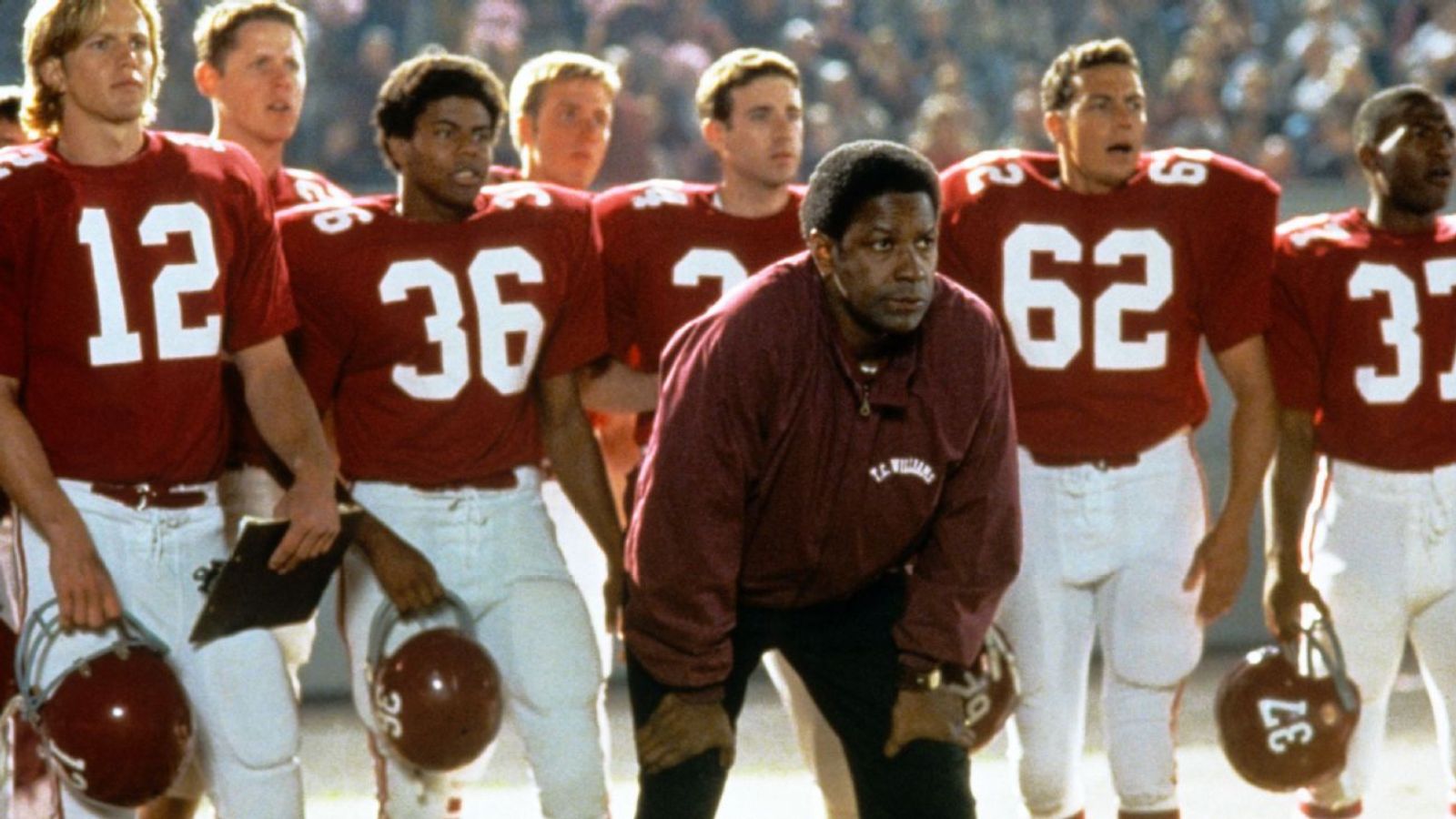
  • The 10 Best Football Movies for Before the Super Bowl

    The 10 Best Football Movies for Before the Super Bowl

    There’s something about football movies that just hits harder in the days leading up to the Super Bowl. Whether they’re about underdogs, broken teams, impossible comebacks, or the weight of expectation, these films tap into the emotion behind the sport in ways real games sometimes can’t. Some are inspirational, some are messy, and some are more Hollywood than football, but all of them understand why the game matters. With kickoff approaching, these are the football movies worth revisiting, ranked by how well they capture the heart, drama, and spirit of the sport.

    The post The 10 Best Football Movies for Before the Super Bowl appeared first on Den of Geek.

    Nobody stays dead forever in comic books. Nobody but Karen Page, apparently. Page died in a 1999 issue of Daredevil (written by Kevin Smith) and she’s stayed that way, as nobody cares enough about poor Karen to resurrect her. Deborah Ann Woll, who portrayed Karen Page for three seasons on the Netflix series Daredevil, had the opposite problem. She cared too much about Karen. She cared so much, in fact, that when Daredevil: Born Again showrunner Dario Scardapane approached her about reprising her role in the MCU, she initially turned it down.

    During a Daredevil panel at the Rhode Island Comic Con, Woll admitted that, unlike her fellow panelists and castmates Wilson Bethel and Vincent D’Onofrio, she wasn’t so quick to agree to return for Born Again. “I have a lot of loyalty to this character and this story,” she explained, before adding, “on a personal level… I was a little bit hurt to have not been included the first time around.” That is, until Scardapane laid out his vision.

    cnx.cmd.push(function() {
    cnx({
    playerId: “106e33c0-3911-473c-b599-b1426db57530”,

    }).render(“0270c398a82f44f49c23c16122516796”);
    });

    First introduced alongside Matt Murdock and Foggy Nelson in 1964’s Daredevil #1, by Bill Everett and Stan Lee, Karen Page was a key part of the character’s supporting cast. However, by the time she had died in 1999, Karen was a fairly minor character in the series, and one not treated very well by writers.

    In contrast, Page was an integral part of the Netflix series. First introduced as a secretary who gets caught in Wilson’s Fisk’s machinations, and later an employee of Nelson and Murdock, Page soon becomes a more complicated character who has her own storylines, separate from the title superhero. Much of the character’s success owes to Woll’s portrayal of Karen as a person who works through her past issues and, crucially, knows how to walk away from Matt’s self-destructive behavior.

    Woll and her co-star Elden Henson made Karen and Foggy into fan-favorites. Yet, the original version of Daredevil: Born Again did not include those characters, one of many decisions that worried fans and stars Charlie Cox and D’Onofrio. When the show retooled midway through production and Scardapane came aboard as show runner, Karen and Foggy were reintegrated into the show… as long as Woll agreed.

    “Darrio had some great ideas, and he really sold me on the story,” Woll recalled, which brought back her initial interest in Karen. “Even when I first got the job back in 2014, I needed to know who this character is,” she told the panel attendees. “Because if she’s just going to be someone’s girlfriend, I don’t want to do it.”

    In the case of Born Again, Woll learned that Karen would indeed be absent from much of the middle part of the series, as Scardapane and directors Justin Benson and Aaron Scott Moorhead needed to use footage that was already shot for the show. However, she would be a key part in the first episode, in which Bullseye kills Foggy, driving Matt to run from his friends and his duties as Daredevil. Further, Karen would be an important character in the final episodes, helping Matt as he resumes his vigilante identity.

    With Woll back for Daredevil: Born Again season 2, which Scardapane gets to produce without any of the previous showrunners’ baggage, Karen will likely have even more to do. This second season follows Matt and Karen as they put together a resistance against Mayor Fisk, who has instituted martial law on New York City.

    Things may not be going great for Matt and Karen, but for herself, Woll is optimistic. “I’m glad to be back, it all worked out,” she concluded. And even if that means more suffering for Karen, at least it also means that somebody cares about her.

    Daredevil: Born Again season two streams on Disney+ on March 24, 2026.

    The post Deborah Ann Woll Reveals How Daredevil: Born Again Won Her Back for Karen Page appeared first on Den of Geek.

  • 15 Cancelled Shows Fans Need to Stop Obsessing Over

    15 Cancelled Shows Fans Need to Stop Obsessing Over

    Every time a show gets cancelled, the internet reacts as if something sacred was taken away. Petitions pop up, cast reunions are demanded, and fans insist the series was misunderstood or ahead of its time. Sometimes that’s true. But other times, the obsession lasts far longer than the show ever deserved. Not every cancellation is a tragedy, and not every unfinished story needs revival. These are the cancelled shows that fans are still clinging to years later, even though the hype has far outlived what the series actually delivered.

    The post 15 Cancelled Shows Fans Need to Stop Obsessing Over appeared first on Den of Geek.

    Nobody stays dead forever in comic books. Nobody but Karen Page, apparently. Page died in a 1999 issue of Daredevil (written by Kevin Smith) and she’s stayed that way, as nobody cares enough about poor Karen to resurrect her. Deborah Ann Woll, who portrayed Karen Page for three seasons on the Netflix series Daredevil, had the opposite problem. She cared too much about Karen. She cared so much, in fact, that when Daredevil: Born Again showrunner Dario Scardapane approached her about reprising her role in the MCU, she initially turned it down.

    During a Daredevil panel at the Rhode Island Comic Con, Woll admitted that, unlike her fellow panelists and castmates Wilson Bethel and Vincent D’Onofrio, she wasn’t so quick to agree to return for Born Again. “I have a lot of loyalty to this character and this story,” she explained, before adding, “on a personal level… I was a little bit hurt to have not been included the first time around.” That is, until Scardapane laid out his vision.

    cnx.cmd.push(function() {
    cnx({
    playerId: “106e33c0-3911-473c-b599-b1426db57530”,

    }).render(“0270c398a82f44f49c23c16122516796”);
    });

    First introduced alongside Matt Murdock and Foggy Nelson in 1964’s Daredevil #1, by Bill Everett and Stan Lee, Karen Page was a key part of the character’s supporting cast. However, by the time she had died in 1999, Karen was a fairly minor character in the series, and one not treated very well by writers.

    In contrast, Page was an integral part of the Netflix series. First introduced as a secretary who gets caught in Wilson’s Fisk’s machinations, and later an employee of Nelson and Murdock, Page soon becomes a more complicated character who has her own storylines, separate from the title superhero. Much of the character’s success owes to Woll’s portrayal of Karen as a person who works through her past issues and, crucially, knows how to walk away from Matt’s self-destructive behavior.

    Woll and her co-star Elden Henson made Karen and Foggy into fan-favorites. Yet, the original version of Daredevil: Born Again did not include those characters, one of many decisions that worried fans and stars Charlie Cox and D’Onofrio. When the show retooled midway through production and Scardapane came aboard as show runner, Karen and Foggy were reintegrated into the show… as long as Woll agreed.

    “Darrio had some great ideas, and he really sold me on the story,” Woll recalled, which brought back her initial interest in Karen. “Even when I first got the job back in 2014, I needed to know who this character is,” she told the panel attendees. “Because if she’s just going to be someone’s girlfriend, I don’t want to do it.”

    In the case of Born Again, Woll learned that Karen would indeed be absent from much of the middle part of the series, as Scardapane and directors Justin Benson and Aaron Scott Moorhead needed to use footage that was already shot for the show. However, she would be a key part in the first episode, in which Bullseye kills Foggy, driving Matt to run from his friends and his duties as Daredevil. Further, Karen would be an important character in the final episodes, helping Matt as he resumes his vigilante identity.

    With Woll back for Daredevil: Born Again season 2, which Scardapane gets to produce without any of the previous showrunners’ baggage, Karen will likely have even more to do. This second season follows Matt and Karen as they put together a resistance against Mayor Fisk, who has instituted martial law on New York City.

    Things may not be going great for Matt and Karen, but for herself, Woll is optimistic. “I’m glad to be back, it all worked out,” she concluded. And even if that means more suffering for Karen, at least it also means that somebody cares about her.

    Daredevil: Born Again season two streams on Disney+ on March 24, 2026.

    The post Deborah Ann Woll Reveals How Daredevil: Born Again Won Her Back for Karen Page appeared first on Den of Geek.

  • Movies Where the CGI Was Way Worse Than the Plot

    Movies Where the CGI Was Way Worse Than the Plot

    There was a time when bad CGI could completely pull you out of a movie. You might have been invested in the story, the characters, even the performances, until a digital creature showed up that looked like a video game cutscene from five years ago. These are the films where the plot actually had something going for it, but the visual effects aged fast, missed the mark, or overwhelmed the story in the worst way. Great ideas, decent scripts, and then CGI that made you question every creative decision on screen.

    The post Movies Where the CGI Was Way Worse Than the Plot appeared first on Den of Geek.

    Nobody stays dead forever in comic books. Nobody but Karen Page, apparently. Page died in a 1999 issue of Daredevil (written by Kevin Smith) and she’s stayed that way, as nobody cares enough about poor Karen to resurrect her. Deborah Ann Woll, who portrayed Karen Page for three seasons on the Netflix series Daredevil, had the opposite problem. She cared too much about Karen. She cared so much, in fact, that when Daredevil: Born Again showrunner Dario Scardapane approached her about reprising her role in the MCU, she initially turned it down.

    During a Daredevil panel at the Rhode Island Comic Con, Woll admitted that, unlike her fellow panelists and castmates Wilson Bethel and Vincent D’Onofrio, she wasn’t so quick to agree to return for Born Again. “I have a lot of loyalty to this character and this story,” she explained, before adding, “on a personal level… I was a little bit hurt to have not been included the first time around.” That is, until Scardapane laid out his vision.

    cnx.cmd.push(function() {
    cnx({
    playerId: “106e33c0-3911-473c-b599-b1426db57530”,

    }).render(“0270c398a82f44f49c23c16122516796”);
    });

    First introduced alongside Matt Murdock and Foggy Nelson in 1964’s Daredevil #1, by Bill Everett and Stan Lee, Karen Page was a key part of the character’s supporting cast. However, by the time she had died in 1999, Karen was a fairly minor character in the series, and one not treated very well by writers.

    In contrast, Page was an integral part of the Netflix series. First introduced as a secretary who gets caught in Wilson’s Fisk’s machinations, and later an employee of Nelson and Murdock, Page soon becomes a more complicated character who has her own storylines, separate from the title superhero. Much of the character’s success owes to Woll’s portrayal of Karen as a person who works through her past issues and, crucially, knows how to walk away from Matt’s self-destructive behavior.

    Woll and her co-star Elden Henson made Karen and Foggy into fan-favorites. Yet, the original version of Daredevil: Born Again did not include those characters, one of many decisions that worried fans and stars Charlie Cox and D’Onofrio. When the show retooled midway through production and Scardapane came aboard as show runner, Karen and Foggy were reintegrated into the show… as long as Woll agreed.

    “Darrio had some great ideas, and he really sold me on the story,” Woll recalled, which brought back her initial interest in Karen. “Even when I first got the job back in 2014, I needed to know who this character is,” she told the panel attendees. “Because if she’s just going to be someone’s girlfriend, I don’t want to do it.”

    In the case of Born Again, Woll learned that Karen would indeed be absent from much of the middle part of the series, as Scardapane and directors Justin Benson and Aaron Scott Moorhead needed to use footage that was already shot for the show. However, she would be a key part in the first episode, in which Bullseye kills Foggy, driving Matt to run from his friends and his duties as Daredevil. Further, Karen would be an important character in the final episodes, helping Matt as he resumes his vigilante identity.

    With Woll back for Daredevil: Born Again season 2, which Scardapane gets to produce without any of the previous showrunners’ baggage, Karen will likely have even more to do. This second season follows Matt and Karen as they put together a resistance against Mayor Fisk, who has instituted martial law on New York City.

    Things may not be going great for Matt and Karen, but for herself, Woll is optimistic. “I’m glad to be back, it all worked out,” she concluded. And even if that means more suffering for Karen, at least it also means that somebody cares about her.

    Daredevil: Born Again season two streams on Disney+ on March 24, 2026.

    The post Deborah Ann Woll Reveals How Daredevil: Born Again Won Her Back for Karen Page appeared first on Den of Geek.

  • Merch That Was Way Too Weird to Sell, But Somehow Did

    Merch That Was Way Too Weird to Sell, But Somehow Did

    There is strange merchandise, and then there is merch that makes you stop and ask, “who approved this?” Over the years, movies, celebrities, brands, and franchises have all pushed products that felt too weird, too specific, or too unnecessary to ever succeed. And yet, somehow, they did. Whether it was fueled by fandom, irony, or pure curiosity, these items found buyers despite making absolutely no sense on paper. This list looks at the merch that should never have worked, but sold anyway.

    The post Merch That Was Way Too Weird to Sell, But Somehow Did appeared first on Den of Geek.

    Nobody stays dead forever in comic books. Nobody but Karen Page, apparently. Page died in a 1999 issue of Daredevil (written by Kevin Smith) and she’s stayed that way, as nobody cares enough about poor Karen to resurrect her. Deborah Ann Woll, who portrayed Karen Page for three seasons on the Netflix series Daredevil, had the opposite problem. She cared too much about Karen. She cared so much, in fact, that when Daredevil: Born Again showrunner Dario Scardapane approached her about reprising her role in the MCU, she initially turned it down.

    During a Daredevil panel at the Rhode Island Comic Con, Woll admitted that, unlike her fellow panelists and castmates Wilson Bethel and Vincent D’Onofrio, she wasn’t so quick to agree to return for Born Again. “I have a lot of loyalty to this character and this story,” she explained, before adding, “on a personal level… I was a little bit hurt to have not been included the first time around.” That is, until Scardapane laid out his vision.

    cnx.cmd.push(function() {
    cnx({
    playerId: “106e33c0-3911-473c-b599-b1426db57530”,

    }).render(“0270c398a82f44f49c23c16122516796”);
    });

    First introduced alongside Matt Murdock and Foggy Nelson in 1964’s Daredevil #1, by Bill Everett and Stan Lee, Karen Page was a key part of the character’s supporting cast. However, by the time she had died in 1999, Karen was a fairly minor character in the series, and one not treated very well by writers.

    In contrast, Page was an integral part of the Netflix series. First introduced as a secretary who gets caught in Wilson’s Fisk’s machinations, and later an employee of Nelson and Murdock, Page soon becomes a more complicated character who has her own storylines, separate from the title superhero. Much of the character’s success owes to Woll’s portrayal of Karen as a person who works through her past issues and, crucially, knows how to walk away from Matt’s self-destructive behavior.

    Woll and her co-star Elden Henson made Karen and Foggy into fan-favorites. Yet, the original version of Daredevil: Born Again did not include those characters, one of many decisions that worried fans and stars Charlie Cox and D’Onofrio. When the show retooled midway through production and Scardapane came aboard as show runner, Karen and Foggy were reintegrated into the show… as long as Woll agreed.

    “Darrio had some great ideas, and he really sold me on the story,” Woll recalled, which brought back her initial interest in Karen. “Even when I first got the job back in 2014, I needed to know who this character is,” she told the panel attendees. “Because if she’s just going to be someone’s girlfriend, I don’t want to do it.”

    In the case of Born Again, Woll learned that Karen would indeed be absent from much of the middle part of the series, as Scardapane and directors Justin Benson and Aaron Scott Moorhead needed to use footage that was already shot for the show. However, she would be a key part in the first episode, in which Bullseye kills Foggy, driving Matt to run from his friends and his duties as Daredevil. Further, Karen would be an important character in the final episodes, helping Matt as he resumes his vigilante identity.

    With Woll back for Daredevil: Born Again season 2, which Scardapane gets to produce without any of the previous showrunners’ baggage, Karen will likely have even more to do. This second season follows Matt and Karen as they put together a resistance against Mayor Fisk, who has instituted martial law on New York City.

    Things may not be going great for Matt and Karen, but for herself, Woll is optimistic. “I’m glad to be back, it all worked out,” she concluded. And even if that means more suffering for Karen, at least it also means that somebody cares about her.

    Daredevil: Born Again season two streams on Disney+ on March 24, 2026.

    The post Deborah Ann Woll Reveals How Daredevil: Born Again Won Her Back for Karen Page appeared first on Den of Geek.

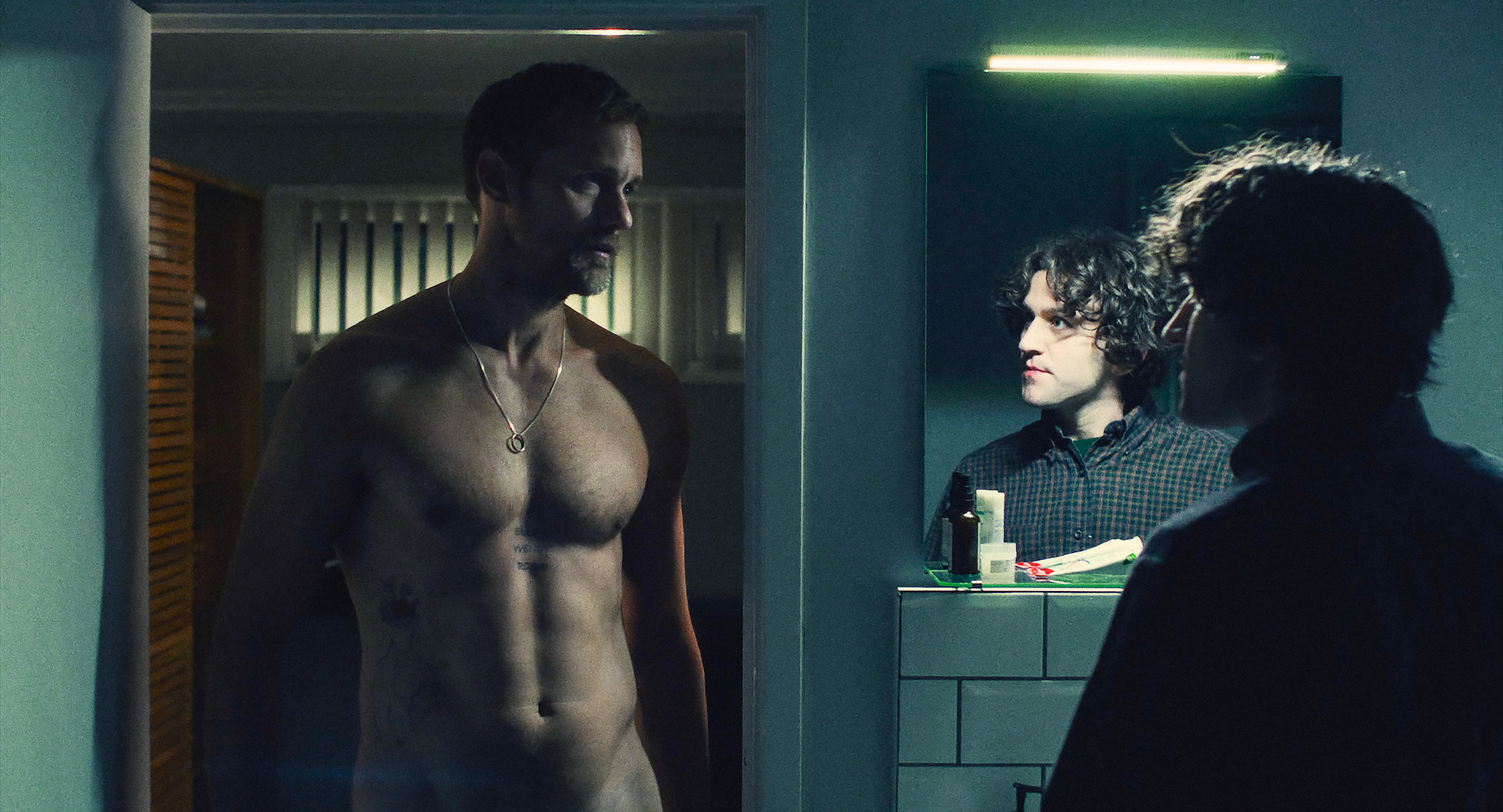
  • Pillion: Alexander Skarsgård Keeps BDSM Love Story Uncut and Intact for Americans

    Pillion: Alexander Skarsgård Keeps BDSM Love Story Uncut and Intact for Americans

    On a typical film shoot, Alexander Skarsgård can appreciate the expected mode of prep work. You meet with your co-stars and scene partners regularly, you discuss the motivations and the underlying subtext of an exchange, and you rehearse as much as possible. Time permitting. The thing about Pillion, Harry Lighton’s simultaneously elegiac and kinky love […]

    The post Pillion: Alexander Skarsgård Keeps BDSM Love Story Uncut and Intact for Americans appeared first on Den of Geek.

    Nobody stays dead forever in comic books. Nobody but Karen Page, apparently. Page died in a 1999 issue of Daredevil (written by Kevin Smith) and she’s stayed that way, as nobody cares enough about poor Karen to resurrect her. Deborah Ann Woll, who portrayed Karen Page for three seasons on the Netflix series Daredevil, had the opposite problem. She cared too much about Karen. She cared so much, in fact, that when Daredevil: Born Again showrunner Dario Scardapane approached her about reprising her role in the MCU, she initially turned it down.

    During a Daredevil panel at the Rhode Island Comic Con, Woll admitted that, unlike her fellow panelists and castmates Wilson Bethel and Vincent D’Onofrio, she wasn’t so quick to agree to return for Born Again. “I have a lot of loyalty to this character and this story,” she explained, before adding, “on a personal level… I was a little bit hurt to have not been included the first time around.” That is, until Scardapane laid out his vision.

    cnx.cmd.push(function() {
    cnx({
    playerId: “106e33c0-3911-473c-b599-b1426db57530”,

    }).render(“0270c398a82f44f49c23c16122516796”);
    });

    First introduced alongside Matt Murdock and Foggy Nelson in 1964’s Daredevil #1, by Bill Everett and Stan Lee, Karen Page was a key part of the character’s supporting cast. However, by the time she had died in 1999, Karen was a fairly minor character in the series, and one not treated very well by writers.

    In contrast, Page was an integral part of the Netflix series. First introduced as a secretary who gets caught in Wilson’s Fisk’s machinations, and later an employee of Nelson and Murdock, Page soon becomes a more complicated character who has her own storylines, separate from the title superhero. Much of the character’s success owes to Woll’s portrayal of Karen as a person who works through her past issues and, crucially, knows how to walk away from Matt’s self-destructive behavior.

    Woll and her co-star Elden Henson made Karen and Foggy into fan-favorites. Yet, the original version of Daredevil: Born Again did not include those characters, one of many decisions that worried fans and stars Charlie Cox and D’Onofrio. When the show retooled midway through production and Scardapane came aboard as show runner, Karen and Foggy were reintegrated into the show… as long as Woll agreed.

    “Darrio had some great ideas, and he really sold me on the story,” Woll recalled, which brought back her initial interest in Karen. “Even when I first got the job back in 2014, I needed to know who this character is,” she told the panel attendees. “Because if she’s just going to be someone’s girlfriend, I don’t want to do it.”

    In the case of Born Again, Woll learned that Karen would indeed be absent from much of the middle part of the series, as Scardapane and directors Justin Benson and Aaron Scott Moorhead needed to use footage that was already shot for the show. However, she would be a key part in the first episode, in which Bullseye kills Foggy, driving Matt to run from his friends and his duties as Daredevil. Further, Karen would be an important character in the final episodes, helping Matt as he resumes his vigilante identity.

    With Woll back for Daredevil: Born Again season 2, which Scardapane gets to produce without any of the previous showrunners’ baggage, Karen will likely have even more to do. This second season follows Matt and Karen as they put together a resistance against Mayor Fisk, who has instituted martial law on New York City.

    Things may not be going great for Matt and Karen, but for herself, Woll is optimistic. “I’m glad to be back, it all worked out,” she concluded. And even if that means more suffering for Karen, at least it also means that somebody cares about her.

    Daredevil: Born Again season two streams on Disney+ on March 24, 2026.

    The post Deborah Ann Woll Reveals How Daredevil: Born Again Won Her Back for Karen Page appeared first on Den of Geek.

  • The Best and Most Memorable Super Bowl Trailers and Teasers

    The Best and Most Memorable Super Bowl Trailers and Teasers

    The big game is rarely about the big game. Yes, the Super Bowl easily draws more eyes than any other television event, but not everyone is watching to see the football. That’s especially true of nerds, who couldn’t care less about the San Diego Pie Pans scoring more touch backs than the Cheboygan Sea Anemones […]

    The post The Best and Most Memorable Super Bowl Trailers and Teasers appeared first on Den of Geek.

    Nobody stays dead forever in comic books. Nobody but Karen Page, apparently. Page died in a 1999 issue of Daredevil (written by Kevin Smith) and she’s stayed that way, as nobody cares enough about poor Karen to resurrect her. Deborah Ann Woll, who portrayed Karen Page for three seasons on the Netflix series Daredevil, had the opposite problem. She cared too much about Karen. She cared so much, in fact, that when Daredevil: Born Again showrunner Dario Scardapane approached her about reprising her role in the MCU, she initially turned it down.

    During a Daredevil panel at the Rhode Island Comic Con, Woll admitted that, unlike her fellow panelists and castmates Wilson Bethel and Vincent D’Onofrio, she wasn’t so quick to agree to return for Born Again. “I have a lot of loyalty to this character and this story,” she explained, before adding, “on a personal level… I was a little bit hurt to have not been included the first time around.” That is, until Scardapane laid out his vision.

    cnx.cmd.push(function() {
    cnx({
    playerId: “106e33c0-3911-473c-b599-b1426db57530”,

    }).render(“0270c398a82f44f49c23c16122516796”);
    });

    First introduced alongside Matt Murdock and Foggy Nelson in 1964’s Daredevil #1, by Bill Everett and Stan Lee, Karen Page was a key part of the character’s supporting cast. However, by the time she had died in 1999, Karen was a fairly minor character in the series, and one not treated very well by writers.

    In contrast, Page was an integral part of the Netflix series. First introduced as a secretary who gets caught in Wilson’s Fisk’s machinations, and later an employee of Nelson and Murdock, Page soon becomes a more complicated character who has her own storylines, separate from the title superhero. Much of the character’s success owes to Woll’s portrayal of Karen as a person who works through her past issues and, crucially, knows how to walk away from Matt’s self-destructive behavior.

    Woll and her co-star Elden Henson made Karen and Foggy into fan-favorites. Yet, the original version of Daredevil: Born Again did not include those characters, one of many decisions that worried fans and stars Charlie Cox and D’Onofrio. When the show retooled midway through production and Scardapane came aboard as show runner, Karen and Foggy were reintegrated into the show… as long as Woll agreed.

    “Darrio had some great ideas, and he really sold me on the story,” Woll recalled, which brought back her initial interest in Karen. “Even when I first got the job back in 2014, I needed to know who this character is,” she told the panel attendees. “Because if she’s just going to be someone’s girlfriend, I don’t want to do it.”

    In the case of Born Again, Woll learned that Karen would indeed be absent from much of the middle part of the series, as Scardapane and directors Justin Benson and Aaron Scott Moorhead needed to use footage that was already shot for the show. However, she would be a key part in the first episode, in which Bullseye kills Foggy, driving Matt to run from his friends and his duties as Daredevil. Further, Karen would be an important character in the final episodes, helping Matt as he resumes his vigilante identity.

    With Woll back for Daredevil: Born Again season 2, which Scardapane gets to produce without any of the previous showrunners’ baggage, Karen will likely have even more to do. This second season follows Matt and Karen as they put together a resistance against Mayor Fisk, who has instituted martial law on New York City.

    Things may not be going great for Matt and Karen, but for herself, Woll is optimistic. “I’m glad to be back, it all worked out,” she concluded. And even if that means more suffering for Karen, at least it also means that somebody cares about her.

    Daredevil: Born Again season two streams on Disney+ on March 24, 2026.

    The post Deborah Ann Woll Reveals How Daredevil: Born Again Won Her Back for Karen Page appeared first on Den of Geek.

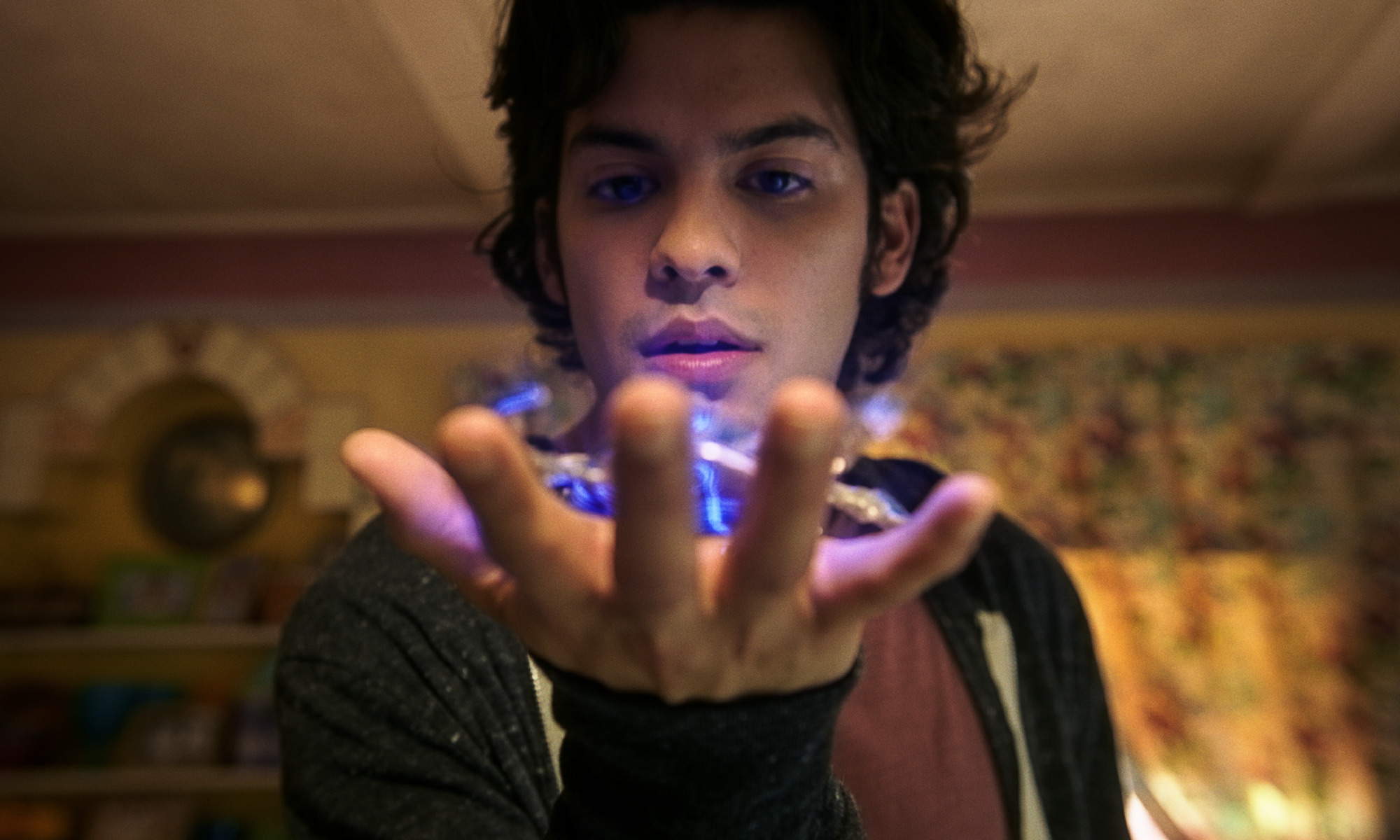
  • Blue Beetle Deserves to Return in the New DCU

    Blue Beetle Deserves to Return in the New DCU

    Jaime Reyes didn’t set out to be a hero. As seen throughout the 2023 movie Blue Beetle, Jaime (Xolo Maridueña) was thrust into the role when a powerful alien scarab ended up in his possession and later bonded with him. Taking the name of Blue Beetle, the superhero identity of missing inventor Ted Kord, Jaime […]

    The post Blue Beetle Deserves to Return in the New DCU appeared first on Den of Geek.

    Nobody stays dead forever in comic books. Nobody but Karen Page, apparently. Page died in a 1999 issue of Daredevil (written by Kevin Smith) and she’s stayed that way, as nobody cares enough about poor Karen to resurrect her. Deborah Ann Woll, who portrayed Karen Page for three seasons on the Netflix series Daredevil, had the opposite problem. She cared too much about Karen. She cared so much, in fact, that when Daredevil: Born Again showrunner Dario Scardapane approached her about reprising her role in the MCU, she initially turned it down.

    During a Daredevil panel at the Rhode Island Comic Con, Woll admitted that, unlike her fellow panelists and castmates Wilson Bethel and Vincent D’Onofrio, she wasn’t so quick to agree to return for Born Again. “I have a lot of loyalty to this character and this story,” she explained, before adding, “on a personal level… I was a little bit hurt to have not been included the first time around.” That is, until Scardapane laid out his vision.

    cnx.cmd.push(function() {
    cnx({
    playerId: “106e33c0-3911-473c-b599-b1426db57530”,

    }).render(“0270c398a82f44f49c23c16122516796”);
    });

    First introduced alongside Matt Murdock and Foggy Nelson in 1964’s Daredevil #1, by Bill Everett and Stan Lee, Karen Page was a key part of the character’s supporting cast. However, by the time she had died in 1999, Karen was a fairly minor character in the series, and one not treated very well by writers.

    In contrast, Page was an integral part of the Netflix series. First introduced as a secretary who gets caught in Wilson’s Fisk’s machinations, and later an employee of Nelson and Murdock, Page soon becomes a more complicated character who has her own storylines, separate from the title superhero. Much of the character’s success owes to Woll’s portrayal of Karen as a person who works through her past issues and, crucially, knows how to walk away from Matt’s self-destructive behavior.

    Woll and her co-star Elden Henson made Karen and Foggy into fan-favorites. Yet, the original version of Daredevil: Born Again did not include those characters, one of many decisions that worried fans and stars Charlie Cox and D’Onofrio. When the show retooled midway through production and Scardapane came aboard as show runner, Karen and Foggy were reintegrated into the show… as long as Woll agreed.

    “Darrio had some great ideas, and he really sold me on the story,” Woll recalled, which brought back her initial interest in Karen. “Even when I first got the job back in 2014, I needed to know who this character is,” she told the panel attendees. “Because if she’s just going to be someone’s girlfriend, I don’t want to do it.”

    In the case of Born Again, Woll learned that Karen would indeed be absent from much of the middle part of the series, as Scardapane and directors Justin Benson and Aaron Scott Moorhead needed to use footage that was already shot for the show. However, she would be a key part in the first episode, in which Bullseye kills Foggy, driving Matt to run from his friends and his duties as Daredevil. Further, Karen would be an important character in the final episodes, helping Matt as he resumes his vigilante identity.

    With Woll back for Daredevil: Born Again season 2, which Scardapane gets to produce without any of the previous showrunners’ baggage, Karen will likely have even more to do. This second season follows Matt and Karen as they put together a resistance against Mayor Fisk, who has instituted martial law on New York City.

    Things may not be going great for Matt and Karen, but for herself, Woll is optimistic. “I’m glad to be back, it all worked out,” she concluded. And even if that means more suffering for Karen, at least it also means that somebody cares about her.

    Daredevil: Born Again season two streams on Disney+ on March 24, 2026.

    The post Deborah Ann Woll Reveals How Daredevil: Born Again Won Her Back for Karen Page appeared first on Den of Geek.

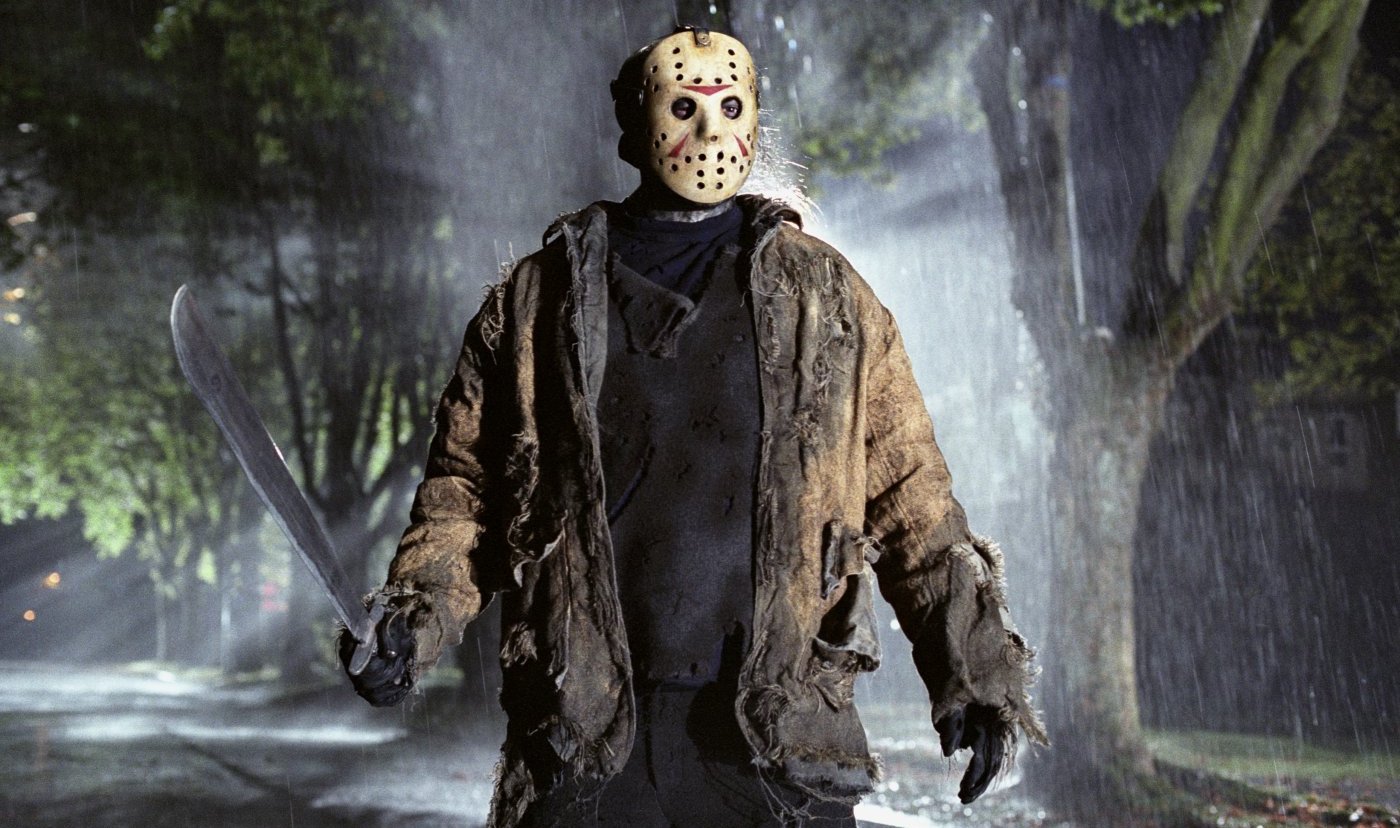
  • Send Help Screenwriters Reveal Plans for Lost Friday the 13th Sequel

    Send Help Screenwriters Reveal Plans for Lost Friday the 13th Sequel

    One of the great tragedies of horror cinema is that the Friday the 13th franchise does not consist of 13 movies. Worse, it has been stuck at 12 entries since the release of the 2009 reboot film, simply called Friday the 13th. But if the screenwriters of that movie, Mark Swift and Damian Shannon, had […]

    The post Send Help Screenwriters Reveal Plans for Lost Friday the 13th Sequel appeared first on Den of Geek.

    Nobody stays dead forever in comic books. Nobody but Karen Page, apparently. Page died in a 1999 issue of Daredevil (written by Kevin Smith) and she’s stayed that way, as nobody cares enough about poor Karen to resurrect her. Deborah Ann Woll, who portrayed Karen Page for three seasons on the Netflix series Daredevil, had the opposite problem. She cared too much about Karen. She cared so much, in fact, that when Daredevil: Born Again showrunner Dario Scardapane approached her about reprising her role in the MCU, she initially turned it down.

    During a Daredevil panel at the Rhode Island Comic Con, Woll admitted that, unlike her fellow panelists and castmates Wilson Bethel and Vincent D’Onofrio, she wasn’t so quick to agree to return for Born Again. “I have a lot of loyalty to this character and this story,” she explained, before adding, “on a personal level… I was a little bit hurt to have not been included the first time around.” That is, until Scardapane laid out his vision.

    cnx.cmd.push(function() {
    cnx({
    playerId: “106e33c0-3911-473c-b599-b1426db57530”,

    }).render(“0270c398a82f44f49c23c16122516796”);
    });

    First introduced alongside Matt Murdock and Foggy Nelson in 1964’s Daredevil #1, by Bill Everett and Stan Lee, Karen Page was a key part of the character’s supporting cast. However, by the time she had died in 1999, Karen was a fairly minor character in the series, and one not treated very well by writers.

    In contrast, Page was an integral part of the Netflix series. First introduced as a secretary who gets caught in Wilson’s Fisk’s machinations, and later an employee of Nelson and Murdock, Page soon becomes a more complicated character who has her own storylines, separate from the title superhero. Much of the character’s success owes to Woll’s portrayal of Karen as a person who works through her past issues and, crucially, knows how to walk away from Matt’s self-destructive behavior.

    Woll and her co-star Elden Henson made Karen and Foggy into fan-favorites. Yet, the original version of Daredevil: Born Again did not include those characters, one of many decisions that worried fans and stars Charlie Cox and D’Onofrio. When the show retooled midway through production and Scardapane came aboard as show runner, Karen and Foggy were reintegrated into the show… as long as Woll agreed.

    “Darrio had some great ideas, and he really sold me on the story,” Woll recalled, which brought back her initial interest in Karen. “Even when I first got the job back in 2014, I needed to know who this character is,” she told the panel attendees. “Because if she’s just going to be someone’s girlfriend, I don’t want to do it.”

    In the case of Born Again, Woll learned that Karen would indeed be absent from much of the middle part of the series, as Scardapane and directors Justin Benson and Aaron Scott Moorhead needed to use footage that was already shot for the show. However, she would be a key part in the first episode, in which Bullseye kills Foggy, driving Matt to run from his friends and his duties as Daredevil. Further, Karen would be an important character in the final episodes, helping Matt as he resumes his vigilante identity.

    With Woll back for Daredevil: Born Again season 2, which Scardapane gets to produce without any of the previous showrunners’ baggage, Karen will likely have even more to do. This second season follows Matt and Karen as they put together a resistance against Mayor Fisk, who has instituted martial law on New York City.

    Things may not be going great for Matt and Karen, but for herself, Woll is optimistic. “I’m glad to be back, it all worked out,” she concluded. And even if that means more suffering for Karen, at least it also means that somebody cares about her.

    Daredevil: Born Again season two streams on Disney+ on March 24, 2026.

    The post Deborah Ann Woll Reveals How Daredevil: Born Again Won Her Back for Karen Page appeared first on Den of Geek.