Blog

  • The Wax and the Wane of the Web

    The Wax and the Wane of the Web

    I offer a single bit of advice to friends and family when they become new parents: When you start to think that you’ve got everything figured out, everything will change. Just as you start to get the hang of feedings, diapers, and regular naps, it’s time for solid food, potty training, and overnight sleeping. When you figure those out, it’s time for preschool and rare naps. The cycle goes on and on.

    The same applies for those of us working in design and development these days. Having worked on the web for almost three decades at this point, I’ve seen the regular wax and wane of ideas, techniques, and technologies. Each time that we as developers and designers get into a regular rhythm, some new idea or technology comes along to shake things up and remake our world.

    How we got here

    I built my first website in the mid-’90s. Design and development on the web back then was a free-for-all, with few established norms. For any layout aside from a single column, we used table elements, often with empty cells containing a single pixel spacer GIF to add empty space. We styled text with numerous font tags, nesting the tags every time we wanted to vary the font style. And we had only three or four typefaces to choose from: Arial, Courier, or Times New Roman. When Verdana and Georgia came out in 1996, we rejoiced because our options had nearly doubled. The only safe colors to choose from were the 216 “web safe” colors known to work across platforms. The few interactive elements (like contact forms, guest books, and counters) were mostly powered by CGI scripts (predominantly written in Perl at the time). Achieving any kind of unique look involved a pile of hacks all the way down. Interaction was often limited to specific pages in a site.

    The birth of web standards

    At the turn of the century, a new cycle started. Crufty code littered with table layouts and font tags waned, and a push for web standards waxed. Newer technologies like CSS got more widespread adoption by browsers makers, developers, and designers. This shift toward standards didn’t happen accidentally or overnight. It took active engagement between the W3C and browser vendors and heavy evangelism from folks like the Web Standards Project to build standards. A List Apart and books like Designing with Web Standards by Jeffrey Zeldman played key roles in teaching developers and designers why standards are important, how to implement them, and how to sell them to their organizations. And approaches like progressive enhancement introduced the idea that content should be available for all browsers—with additional enhancements available for more advanced browsers. Meanwhile, sites like the CSS Zen Garden showcased just how powerful and versatile CSS can be when combined with a solid semantic HTML structure.

    Server-side languages like PHP, Java, and .NET overtook Perl as the predominant back-end processors, and the cgi-bin was tossed in the trash bin. With these better server-side tools came the first era of web applications, starting with content-management systems (particularly in the blogging space with tools like Blogger, Grey Matter, Movable Type, and WordPress). In the mid-2000s, AJAX opened doors for asynchronous interaction between the front end and back end. Suddenly, pages could update their content without needing to reload. A crop of JavaScript frameworks like Prototype, YUI, and jQuery arose to help developers build more reliable client-side interaction across browsers that had wildly varying levels of standards support. Techniques like image replacement let crafty designers and developers display fonts of their choosing. And technologies like Flash made it possible to add animations, games, and even more interactivity.

    These new technologies, standards, and techniques reinvigorated the industry in many ways. Web design flourished as designers and developers explored more diverse styles and layouts. But we still relied on tons of hacks. Early CSS was a huge improvement over table-based layouts when it came to basic layout and text styling, but its limitations at the time meant that designers and developers still relied heavily on images for complex shapes (such as rounded or angled corners) and tiled backgrounds for the appearance of full-length columns (among other hacks). Complicated layouts required all manner of nested floats or absolute positioning (or both). Flash and image replacement for custom fonts was a great start toward varying the typefaces from the big five, but both hacks introduced accessibility and performance problems. And JavaScript libraries made it easy for anyone to add a dash of interaction to pages, although at the cost of doubling or even quadrupling the download size of simple websites.

    The web as software platform

    The symbiosis between the front end and back end continued to improve, and that led to the current era of modern web applications. Between expanded server-side programming languages (which kept growing to include Ruby, Python, Go, and others) and newer front-end tools like React, Vue, and Angular, we could build fully capable software on the web. Alongside these tools came others, including collaborative version control, build automation, and shared package libraries. What was once primarily an environment for linked documents became a realm of infinite possibilities.

    At the same time, mobile devices became more capable, and they gave us internet access in our pockets. Mobile apps and responsive design opened up opportunities for new interactions anywhere and any time.

    This combination of capable mobile devices and powerful development tools contributed to the waxing of social media and other centralized tools for people to connect and consume. As it became easier and more common to connect with others directly on Twitter, Facebook, and even Slack, the desire for hosted personal sites waned. Social media offered connections on a global scale, with both the good and bad that that entails.

    Want a much more extensive history of how we got here, with some other takes on ways that we can improve? Jeremy Keith wrote “Of Time and the Web.” Or check out the “Web Design History Timeline” at the Web Design Museum. Neal Agarwal also has a fun tour through “Internet Artifacts.”

    Where we are now

    In the last couple of years, it’s felt like we’ve begun to reach another major inflection point. As social-media platforms fracture and wane, there’s been a growing interest in owning our own content again. There are many different ways to make a website, from the tried-and-true classic of hosting plain HTML files to static site generators to content management systems of all flavors. The fracturing of social media also comes with a cost: we lose crucial infrastructure for discovery and connection. Webmentions, RSS, ActivityPub, and other tools of the IndieWeb can help with this, but they’re still relatively underimplemented and hard to use for the less nerdy. We can build amazing personal websites and add to them regularly, but without discovery and connection, it can sometimes feel like we may as well be shouting into the void.

    Browser support for CSS, JavaScript, and other standards like web components has accelerated, especially through efforts like Interop. New technologies gain support across the board in a fraction of the time that they used to. I often learn about a new feature and check its browser support only to find that its coverage is already above 80 percent. Nowadays, the barrier to using newer techniques often isn’t browser support but simply the limits of how quickly designers and developers can learn what’s available and how to adopt it.

    Today, with a few commands and a couple of lines of code, we can prototype almost any idea. All the tools that we now have available make it easier than ever to start something new. But the upfront cost that these frameworks may save in initial delivery eventually comes due as upgrading and maintaining them becomes a part of our technical debt.

    If we rely on third-party frameworks, adopting new standards can sometimes take longer since we may have to wait for those frameworks to adopt those standards. These frameworks—which used to let us adopt new techniques sooner—have now become hindrances instead. These same frameworks often come with performance costs too, forcing users to wait for scripts to load before they can read or interact with pages. And when scripts fail (whether through poor code, network issues, or other environmental factors), there’s often no alternative, leaving users with blank or broken pages.

    Where do we go from here?

    Today’s hacks help to shape tomorrow’s standards. And there’s nothing inherently wrong with embracing hacks—for now—to move the present forward. Problems only arise when we’re unwilling to admit that they’re hacks or we hesitate to replace them. So what can we do to create the future we want for the web?

    Build for the long haul. Optimize for performance, for accessibility, and for the user. Weigh the costs of those developer-friendly tools. They may make your job a little easier today, but how do they affect everything else? What’s the cost to users? To future developers? To standards adoption? Sometimes the convenience may be worth it. Sometimes it’s just a hack that you’ve grown accustomed to. And sometimes it’s holding you back from even better options.

    Start from standards. Standards continue to evolve over time, but browsers have done a remarkably good job of continuing to support older standards. The same isn’t always true of third-party frameworks. Sites built with even the hackiest of HTML from the ’90s still work just fine today. The same can’t always be said of sites built with frameworks even after just a couple years.

    Design with care. Whether your craft is code, pixels, or processes, consider the impacts of each decision. The convenience of many a modern tool comes at the cost of not always understanding the underlying decisions that have led to its design and not always considering the impact that those decisions can have. Rather than rushing headlong to “move fast and break things,” use the time saved by modern tools to consider more carefully and design with deliberation.

    Always be learning. If you’re always learning, you’re also growing. Sometimes it may be hard to pinpoint what’s worth learning and what’s just today’s hack. You might end up focusing on something that won’t matter next year, even if you were to focus solely on learning standards. (Remember XHTML?) But constant learning opens up new connections in your brain, and the hacks that you learn one day may help to inform different experiments another day.

    Play, experiment, and be weird! This web that we’ve built is the ultimate experiment. It’s the single largest human endeavor in history, and yet each of us can create our own pocket within it. Be courageous and try new things. Build a playground for ideas. Make goofy experiments in your own mad science lab. Start your own small business. There has never been a more empowering place to be creative, take risks, and explore what we’re capable of.

    Share and amplify. As you experiment, play, and learn, share what’s worked for you. Write on your own website, post on whichever social media site you prefer, or shout it from a TikTok. Write something for A List Apart! But take the time to amplify others too: find new voices, learn from them, and share what they’ve taught you.

    Go forth and make

    As designers and developers for the web (and beyond), we’re responsible for building the future every day, whether that may take the shape of personal websites, social media tools used by billions, or anything in between. Let’s imbue our values into the things that we create, and let’s make the web a better place for everyone. Create that thing that only you are uniquely qualified to make. Then share it, make it better, make it again, or make something new. Learn. Make. Share. Grow. Rinse and repeat. Every time you think that you’ve mastered the web, everything will change.

  • To Ignite a Personalization Practice, Run this Prepersonalization Workshop

    To Ignite a Personalization Practice, Run this Prepersonalization Workshop

    Picture this. You’ve joined a squad at your company that’s designing new product features with an emphasis on automation or AI. Or your company has just implemented a personalization engine. Either way, you’re designing with data. Now what? When it comes to designing for personalization, there are many cautionary tales, no overnight successes, and few guides for the perplexed. 

    Between the fantasy of getting it right and the fear of it going wrong—like when we encounter “persofails” in the vein of a company repeatedly imploring everyday consumers to buy additional toilet seats—the personalization gap is real. It’s an especially confounding place to be a digital professional without a map, a compass, or a plan.

    For those of you venturing into personalization, there’s no Lonely Planet and few tour guides because effective personalization is so specific to each organization’s talent, technology, and market position. 

    But you can ensure that your team has packed its bags sensibly.

    There’s a DIY formula to increase your chances for success. At minimum, you’ll defuse your boss’s irrational exuberance. Before the party you’ll need to effectively prepare.

    We call it prepersonalization.

    Behind the music

    Consider Spotify’s DJ feature, which debuted this past year.

    We’re used to seeing the polished final result of a personalization feature. Before the year-end award, the making-of backstory, or the behind-the-scenes victory lap, a personalized feature had to be conceived, budgeted, and prioritized. Before any personalization feature goes live in your product or service, it lives amid a backlog of worthy ideas for expressing customer experiences more dynamically.

    So how do you know where to place your personalization bets? How do you design consistent interactions that won’t trip up users or—worse—breed mistrust? We’ve found that for many budgeted programs to justify their ongoing investments, they first needed one or more workshops to convene key stakeholders and internal customers of the technology. Make yours count.

    ​From Big Tech to fledgling startups, we’ve seen the same evolution up close with our clients. In our experiences with working on small and large personalization efforts, a program’s ultimate track record—and its ability to weather tough questions, work steadily toward shared answers, and organize its design and technology efforts—turns on how effectively these prepersonalization activities play out.

    Time and again, we’ve seen effective workshops separate future success stories from unsuccessful efforts, saving countless time, resources, and collective well-being in the process.

    A personalization practice involves a multiyear effort of testing and feature development. It’s not a switch-flip moment in your tech stack. It’s best managed as a backlog that often evolves through three steps: 

    1. customer experience optimization (CXO, also known as A/B testing or experimentation)
    2. always-on automations (whether rules-based or machine-generated)
    3. mature features or standalone product development (such as Spotify’s DJ experience)

    This is why we created our progressive personalization framework and why we’re field-testing an accompanying deck of cards: we believe that there’s a base grammar, a set of “nouns and verbs” that your organization can use to design experiences that are customized, personalized, or automated. You won’t need these cards. But we strongly recommend that you create something similar, whether that might be digital or physical.

    Set your kitchen timer

    How long does it take to cook up a prepersonalization workshop? The surrounding assessment activities that we recommend including can (and often do) span weeks. For the core workshop, we recommend aiming for two to three days. Here’s a summary of our broader approach along with details on the essential first-day activities.

    The full arc of the wider workshop is threefold:

    1. Kickstart: This sets the terms of engagement as you focus on the opportunity as well as the readiness and drive of your team and your leadership. .
    2. Plan your work: This is the heart of the card-based workshop activities where you specify a plan of attack and the scope of work.
    3. Work your plan: This phase is all about creating a competitive environment for team participants to individually pitch their own pilots that each contain a proof-of-concept project, its business case, and its operating model.

    Give yourself at least a day, split into two large time blocks, to power through a concentrated version of those first two phases.

    Kickstart: Whet your appetite

    We call the first lesson the “landscape of connected experience.” It explores the personalization possibilities in your organization. A connected experience, in our parlance, is any UX requiring the orchestration of multiple systems of record on the backend. This could be a content-management system combined with a marketing-automation platform. It could be a digital-asset manager combined with a customer-data platform.

    Spark conversation by naming consumer examples and business-to-business examples of connected experience interactions that you admire, find familiar, or even dislike. This should cover a representative range of personalization patterns, including automated app-based interactions (such as onboarding sequences or wizards), notifications, and recommenders. We have a catalog of these in the cards. Here’s a list of 142 different interactions to jog your thinking.

    This is all about setting the table. What are the possible paths for the practice in your organization? If you want a broader view, here’s a long-form primer and a strategic framework.

    Assess each example that you discuss for its complexity and the level of effort that you estimate that it would take for your team to deliver that feature (or something similar). In our cards, we divide connected experiences into five levels: functions, features, experiences, complete products, and portfolios. Size your own build here. This will help to focus the conversation on the merits of ongoing investment as well as the gap between what you deliver today and what you want to deliver in the future.

    Next, have your team plot each idea on the following 2×2 grid, which lays out the four enduring arguments for a personalized experience. This is critical because it emphasizes how personalization can not only help your external customers but also affect your own ways of working. It’s also a reminder (which is why we used the word argument earlier) of the broader effort beyond these tactical interventions.

    Each team member should vote on where they see your product or service putting its emphasis. Naturally, you can’t prioritize all of them. The intention here is to flesh out how different departments may view their own upsides to the effort, which can vary from one to the next. Documenting your desired outcomes lets you know how the team internally aligns across representatives from different departments or functional areas.

    The third and final kickstart activity is about naming your personalization gap. Is your customer journey well documented? Will data and privacy compliance be too big of a challenge? Do you have content metadata needs that you have to address? (We’re pretty sure that you do: it’s just a matter of recognizing the relative size of that need and its remedy.) In our cards, we’ve noted a number of program risks, including common team dispositions. Our Detractor card, for example, lists six stakeholder behaviors that hinder progress.

    Effectively collaborating and managing expectations is critical to your success. Consider the potential barriers to your future progress. Press the participants to name specific steps to overcome or mitigate those barriers in your organization. As studies have shown, personalization efforts face many common barriers.

    At this point, you’ve hopefully discussed sample interactions, emphasized a key area of benefit, and flagged key gaps? Good—you’re ready to continue.

    Hit that test kitchen

    Next, let’s look at what you’ll need to bring your personalization recipes to life. Personalization engines, which are robust software suites for automating and expressing dynamic content, can intimidate new customers. Their capabilities are sweeping and powerful, and they present broad options for how your organization can conduct its activities. This presents the question: Where do you begin when you’re configuring a connected experience?

    What’s important here is to avoid treating the installed software like it were a dream kitchen from some fantasy remodeling project (as one of our client executives memorably put it). These software engines are more like test kitchens where your team can begin devising, tasting, and refining the snacks and meals that will become a part of your personalization program’s regularly evolving menu.

    The ultimate menu of the prioritized backlog will come together over the course of the workshop. And creating “dishes” is the way that you’ll have individual team stakeholders construct personalized interactions that serve their needs or the needs of others.

    The dishes will come from recipes, and those recipes have set ingredients.

    Verify your ingredients

    Like a good product manager, you’ll make sure—andyou’ll validate with the right stakeholders present—that you have all the ingredients on hand to cook up your desired interaction (or that you can work out what needs to be added to your pantry). These ingredients include the audience that you’re targeting, content and design elements, the context for the interaction, and your measure for how it’ll come together. 

    This isn’t just about discovering requirements. Documenting your personalizations as a series of if-then statements lets the team: 

    1. compare findings toward a unified approach for developing features, not unlike when artists paint with the same palette; 
    2. specify a consistent set of interactions that users find uniform or familiar; 
    3. and develop parity across performance measurements and key performance indicators too. 

    This helps you streamline your designs and your technical efforts while you deliver a shared palette of core motifs of your personalized or automated experience.

    Compose your recipe

    What ingredients are important to you? Think of a who-what-when-why construct

    • Who are your key audience segments or groups?
    • What kind of content will you give them, in what design elements, and under what circumstances?
    • And for which business and user benefits?

    We first developed these cards and card categories five years ago. We regularly play-test their fit with conference audiences and clients. And we still encounter new possibilities. But they all follow an underlying who-what-when-why logic.

    Here are three examples for a subscription-based reading app, which you can generally follow along with right to left in the cards in the accompanying photo below. 

    1. Nurture personalization: When a guest or an unknown visitor interacts with  a product title, a banner or alert bar appears that makes it easier for them to encounter a related title they may want to read, saving them time.
    2. Welcome automation: When there’s a newly registered user, an email is generated to call out the breadth of the content catalog and to make them a happier subscriber.
    3. Winback automation: Before their subscription lapses or after a recent failed renewal, a user is sent an email that gives them a promotional offer to suggest that they reconsider renewing or to remind them to renew.

    A useful preworkshop activity may be to think through a first draft of what these cards might be for your organization, although we’ve also found that this process sometimes flows best through cocreating the recipes themselves. Start with a set of blank cards, and begin labeling and grouping them through the design process, eventually distilling them to a refined subset of highly useful candidate cards.

    You can think of the later stages of the workshop as moving from recipes toward a cookbook in focus—like a more nuanced customer-journey mapping. Individual “cooks” will pitch their recipes to the team, using a common jobs-to-be-done format so that measurability and results are baked in, and from there, the resulting collection will be prioritized for finished design and delivery to production.

    Better kitchens require better architecture

    Simplifying a customer experience is a complicated effort for those who are inside delivering it. Beware anyone who says otherwise. With that being said,  “Complicated problems can be hard to solve, but they are addressable with rules and recipes.”

    When personalization becomes a laugh line, it’s because a team is overfitting: they aren’t designing with their best data. Like a sparse pantry, every organization has metadata debt to go along with its technical debt, and this creates a drag on personalization effectiveness. Your AI’s output quality, for example, is indeed limited by your IA. Spotify’s poster-child prowess today was unfathomable before they acquired a seemingly modest metadata startup that now powers its underlying information architecture.

    You can definitely stand the heat…

    Personalization technology opens a doorway into a confounding ocean of possible designs. Only a disciplined and highly collaborative approach will bring about the necessary focus and intention to succeed. So banish the dream kitchen. Instead, hit the test kitchen to save time, preserve job satisfaction and security, and safely dispense with the fanciful ideas that originate upstairs of the doers in your organization. There are meals to serve and mouths to feed.

    This workshop framework gives you a fighting shot at lasting success as well as sound beginnings. Wiring up your information layer isn’t an overnight affair. But if you use the same cookbook and shared recipes, you’ll have solid footing for success. We designed these activities to make your organization’s needs concrete and clear, long before the hazards pile up.

    While there are associated costs toward investing in this kind of technology and product design, your ability to size up and confront your unique situation and your digital capabilities is time well spent. Don’t squander it. The proof, as they say, is in the pudding.

  • User Research Is Storytelling

    User Research Is Storytelling

    Ever since I was a boy, I’ve been fascinated with movies. I loved the characters and the excitement—but most of all the stories. I wanted to be an actor. And I believed that I’d get to do the things that Indiana Jones did and go on exciting adventures. I even dreamed up ideas for movies that my friends and I could make and star in. But they never went any further. I did, however, end up working in user experience (UX). Now, I realize that there’s an element of theater to UX—I hadn’t really considered it before, but user research is storytelling. And to get the most out of user research, you need to tell a good story where you bring stakeholders—the product team and decision makers—along and get them interested in learning more.

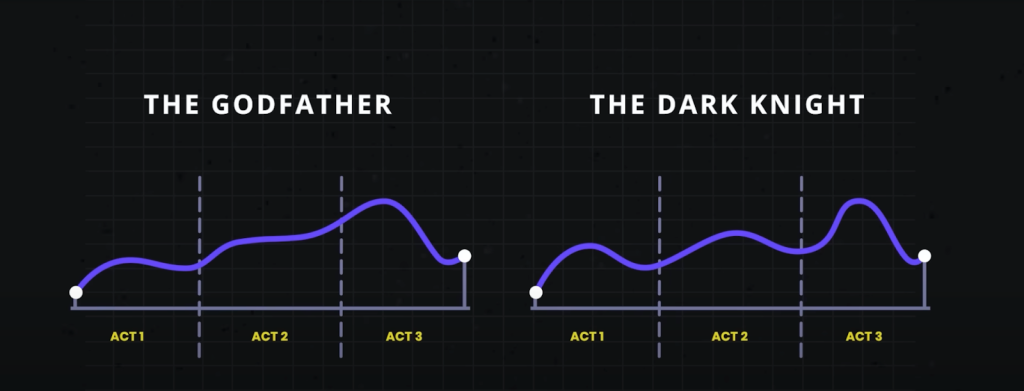
    Think of your favorite movie. More than likely it follows a three-act structure that’s commonly seen in storytelling: the setup, the conflict, and the resolution. The first act shows what exists today, and it helps you get to know the characters and the challenges and problems that they face. Act two introduces the conflict, where the action is. Here, problems grow or get worse. And the third and final act is the resolution. This is where the issues are resolved and the characters learn and change. I believe that this structure is also a great way to think about user research, and I think that it can be especially helpful in explaining user research to others.

    Use storytelling as a structure to do research

    It’s sad to say, but many have come to see research as being expendable. If budgets or timelines are tight, research tends to be one of the first things to go. Instead of investing in research, some product managers rely on designers or—worse—their own opinion to make the “right” choices for users based on their experience or accepted best practices. That may get teams some of the way, but that approach can so easily miss out on solving users’ real problems. To remain user-centered, this is something we should avoid. User research elevates design. It keeps it on track, pointing to problems and opportunities. Being aware of the issues with your product and reacting to them can help you stay ahead of your competitors.

    In the three-act structure, each act corresponds to a part of the process, and each part is critical to telling the whole story. Let’s look at the different acts and how they align with user research.

    Act one: setup

    The setup is all about understanding the background, and that’s where foundational research comes in. Foundational research (also called generative, discovery, or initial research) helps you understand users and identify their problems. You’re learning about what exists today, the challenges users have, and how the challenges affect them—just like in the movies. To do foundational research, you can conduct contextual inquiries or diary studies (or both!), which can help you start to identify problems as well as opportunities. It doesn’t need to be a huge investment in time or money.

    Erika Hall writes about minimum viable ethnography, which can be as simple as spending 15 minutes with a user and asking them one thing: “‘Walk me through your day yesterday.’ That’s it. Present that one request. Shut up and listen to them for 15 minutes. Do your damndest to keep yourself and your interests out of it. Bam, you’re doing ethnography.” According to Hall, [This] will probably prove quite illuminating. In the highly unlikely case that you didn’t learn anything new or useful, carry on with enhanced confidence in your direction.”  

    This makes total sense to me. And I love that this makes user research so accessible. You don’t need to prepare a lot of documentation; you can just recruit participants and do it! This can yield a wealth of information about your users, and it’ll help you better understand them and what’s going on in their lives. That’s really what act one is all about: understanding where users are coming from. 

    Jared Spool talks about the importance of foundational research and how it should form the bulk of your research. If you can draw from any additional user data that you can get your hands on, such as surveys or analytics, that can supplement what you’ve heard in the foundational studies or even point to areas that need further investigation. Together, all this data paints a clearer picture of the state of things and all its shortcomings. And that’s the beginning of a compelling story. It’s the point in the plot where you realize that the main characters—or the users in this case—are facing challenges that they need to overcome. Like in the movies, this is where you start to build empathy for the characters and root for them to succeed. And hopefully stakeholders are now doing the same. Their sympathy may be with their business, which could be losing money because users can’t complete certain tasks. Or maybe they do empathize with users’ struggles. Either way, act one is your initial hook to get the stakeholders interested and invested.

    Once stakeholders begin to understand the value of foundational research, that can open doors to more opportunities that involve users in the decision-making process. And that can guide product teams toward being more user-centered. This benefits everyone—users, the product, and stakeholders. It’s like winning an Oscar in movie terms—it often leads to your product being well received and successful. And this can be an incentive for stakeholders to repeat this process with other products. Storytelling is the key to this process, and knowing how to tell a good story is the only way to get stakeholders to really care about doing more research. 

    This brings us to act two, where you iteratively evaluate a design or concept to see whether it addresses the issues.

    Act two: conflict

    Act two is all about digging deeper into the problems that you identified in act one. This usually involves directional research, such as usability tests, where you assess a potential solution (such as a design) to see whether it addresses the issues that you found. The issues could include unmet needs or problems with a flow or process that’s tripping users up. Like act two in a movie, more issues will crop up along the way. It’s here that you learn more about the characters as they grow and develop through this act. 

    Usability tests should typically include around five participants according to Jakob Nielsen, who found that that number of users can usually identify most of the problems: “As you add more and more users, you learn less and less because you will keep seeing the same things again and again… After the fifth user, you are wasting your time by observing the same findings repeatedly but not learning much new.” 

    There are parallels with storytelling here too; if you try to tell a story with too many characters, the plot may get lost. Having fewer participants means that each user’s struggles will be more memorable and easier to relay to other stakeholders when talking about the research. This can help convey the issues that need to be addressed while also highlighting the value of doing the research in the first place.

    Researchers have run usability tests in person for decades, but you can also conduct usability tests remotely using tools like Microsoft Teams, Zoom, or other teleconferencing software. This approach has become increasingly popular since the beginning of the pandemic, and it works well. You can think of in-person usability tests like going to a play and remote sessions as more like watching a movie. There are advantages and disadvantages to each. In-person usability research is a much richer experience. Stakeholders can experience the sessions with other stakeholders. You also get real-time reactions—including surprise, agreement, disagreement, and discussions about what they’re seeing. Much like going to a play, where audiences get to take in the stage, the costumes, the lighting, and the actors’ interactions, in-person research lets you see users up close, including their body language, how they interact with the moderator, and how the scene is set up.

    If in-person usability testing is like watching a play—staged and controlled—then conducting usability testing in the field is like immersive theater where any two sessions might be very different from one another. You can take usability testing into the field by creating a replica of the space where users interact with the product and then conduct your research there. Or you can go out to meet users at their location to do your research. With either option, you get to see how things work in context, things come up that wouldn’t have in a lab environment—and conversion can shift in entirely different directions. As researchers, you have less control over how these sessions go, but this can sometimes help you understand users even better. Meeting users where they are can provide clues to the external forces that could be affecting how they use your product. In-person usability tests provide another level of detail that’s often missing from remote usability tests. 

    That’s not to say that the “movies”—remote sessions—aren’t a good option. Remote sessions can reach a wider audience. They allow a lot more stakeholders to be involved in the research and to see what’s going on. And they open the doors to a much wider geographical pool of users. But with any remote session there is the potential of time wasted if participants can’t log in or get their microphone working. 

    The benefit of usability testing, whether remote or in person, is that you get to see real users interact with the designs in real time, and you can ask them questions to understand their thought processes and grasp of the solution. This can help you not only identify problems but also glean why they’re problems in the first place. Furthermore, you can test hypotheses and gauge whether your thinking is correct. By the end of the sessions, you’ll have a much clearer picture of how usable the designs are and whether they work for their intended purposes. Act two is the heart of the story—where the excitement is—but there can be surprises too. This is equally true of usability tests. Often, participants will say unexpected things, which change the way that you look at things—and these twists in the story can move things in new directions. 

    Unfortunately, user research is sometimes seen as expendable. And too often usability testing is the only research process that some stakeholders think that they ever need. In fact, if the designs that you’re evaluating in the usability test aren’t grounded in a solid understanding of your users (foundational research), there’s not much to be gained by doing usability testing in the first place. That’s because you’re narrowing the focus of what you’re getting feedback on, without understanding the users’ needs. As a result, there’s no way of knowing whether the designs might solve a problem that users have. It’s only feedback on a particular design in the context of a usability test.  

    On the other hand, if you only do foundational research, while you might have set out to solve the right problem, you won’t know whether the thing that you’re building will actually solve that. This illustrates the importance of doing both foundational and directional research. 

    In act two, stakeholders will—hopefully—get to watch the story unfold in the user sessions, which creates the conflict and tension in the current design by surfacing their highs and lows. And in turn, this can help motivate stakeholders to address the issues that come up.

    Act three: resolution

    While the first two acts are about understanding the background and the tensions that can propel stakeholders into action, the third part is about resolving the problems from the first two acts. While it’s important to have an audience for the first two acts, it’s crucial that they stick around for the final act. That means the whole product team, including developers, UX practitioners, business analysts, delivery managers, product managers, and any other stakeholders that have a say in the next steps. It allows the whole team to hear users’ feedback together, ask questions, and discuss what’s possible within the project’s constraints. And it lets the UX research and design teams clarify, suggest alternatives, or give more context behind their decisions. So you can get everyone on the same page and get agreement on the way forward.

    This act is mostly told in voiceover with some audience participation. The researcher is the narrator, who paints a picture of the issues and what the future of the product could look like given the things that the team has learned. They give the stakeholders their recommendations and their guidance on creating this vision.

    Nancy Duarte in the Harvard Business Review offers an approach to structuring presentations that follow a persuasive story. “The most effective presenters use the same techniques as great storytellers: By reminding people of the status quo and then revealing the path to a better way, they set up a conflict that needs to be resolved,” writes Duarte. “That tension helps them persuade the audience to adopt a new mindset or behave differently.”

    This type of structure aligns well with research results, and particularly results from usability tests. It provides evidence for “what is”—the problems that you’ve identified. And “what could be”—your recommendations on how to address them. And so on and so forth.

    You can reinforce your recommendations with examples of things that competitors are doing that could address these issues or with examples where competitors are gaining an edge. Or they can be visual, like quick mockups of how a new design could look that solves a problem. These can help generate conversation and momentum. And this continues until the end of the session when you’ve wrapped everything up in the conclusion by summarizing the main issues and suggesting a way forward. This is the part where you reiterate the main themes or problems and what they mean for the product—the denouement of the story. This stage gives stakeholders the next steps and hopefully the momentum to take those steps!

    While we are nearly at the end of this story, let’s reflect on the idea that user research is storytelling. All the elements of a good story are there in the three-act structure of user research: 

    • Act one: You meet the protagonists (the users) and the antagonists (the problems affecting users). This is the beginning of the plot. In act one, researchers might use methods including contextual inquiry, ethnography, diary studies, surveys, and analytics. The output of these methods can include personas, empathy maps, user journeys, and analytics dashboards.
    • Act two: Next, there’s character development. There’s conflict and tension as the protagonists encounter problems and challenges, which they must overcome. In act two, researchers might use methods including usability testing, competitive benchmarking, and heuristics evaluation. The output of these can include usability findings reports, UX strategy documents, usability guidelines, and best practices.
    • Act three: The protagonists triumph and you see what a better future looks like. In act three, researchers may use methods including presentation decks, storytelling, and digital media. The output of these can be: presentation decks, video clips, audio clips, and pictures. 

    The researcher has multiple roles: they’re the storyteller, the director, and the producer. The participants have a small role, but they are significant characters (in the research). And the stakeholders are the audience. But the most important thing is to get the story right and to use storytelling to tell users’ stories through research. By the end, the stakeholders should walk away with a purpose and an eagerness to resolve the product’s ills. 

    So the next time that you’re planning research with clients or you’re speaking to stakeholders about research that you’ve done, think about how you can weave in some storytelling. Ultimately, user research is a win-win for everyone, and you just need to get stakeholders interested in how the story ends.

  • Weekend Favs January 4th

    Weekend Favs January 4th

    Weeknight Favs, January 4th, written by John Jantsch, are available for more reading at Duct Tape Marketing.

    My weekly blog post schedule includes including links to a few instruments or useful information that I came across during the week. I don’t go into detail about the sees, but I encourage you to check them out if they sound exciting. The post’s pictures, which was posted online, is my favorite of the week.

    The framework written by John Jantsch, The Framework That Transformed My Business ( And Can Transform Yours as Well ) is available for purchase at Duct Tape Marketing.


    The Duct Tape Marketing Podcast with Nick Sonnenberg

    In this instance of the Duct Tape Marketing Podcast, I interviewed Nick Sonnenberg, chairman of Leverage, a leading operating efficiency firm, and creator of the bestselling book Travel Up for Air. Nick is an expert in company performance, team performance, and office networks. His CPR model has transformed the way companies operate by addressing common obstacles in conversation, planning, and tools.

    During our chat, Nick shared his personal voyage of overcoming panic in his company, where rapid development led to incompetence and burnout. He explained how the CPR framework—focusing on Communication, Planning, and Resources —helps businesses optimize processes, improve staff engagement, and improve time management. By implementing this strategy, businesses can obtain administrative efficiency, decrease stress, and create lasting systems that support long-term success.

    Nick Sonnenberg’s CPR model is a game-changer for business owners looking to improve staff efficiency, optimize workflows, and make a stress-free operating environment. Adopting this model is change the way you work and prepare you for long-term success, whether you’re an overworked businessman or a growing organization.

    Important Restaurants:

    • The CPR Framework
        Communication: Streamline inner conversation by consolidating resources and reducing unnecessary back-and-forth. For example, task-related conversations may dwell in project management tools, never Slack or message.

      • Planning: Centralize process and task management in devices like Asana or Monday .com. This ensures all knows what needs to be done, by whom, and when.
      • Resources: Create a knowledge base or website where team members is self-serve responses to daily concerns, reducing disruptions and improving productivity.
    • Prioritize Return on Time ( ROT ) prioritization
      • Focus on tasks that save the most money while reducing the most time. This approach makes sure that efforts are made to improve team productivity and business workflows.
    • Systemize Early to Scale Effectively
      • Even solopreneurs should begin putting systems into practice right away to get ready for growth. Small, incremental adjustments to processes can stop chaos as the business grows.
    • The Importance of Documentation
      • Use tools like Loom to record processes and create step-by-step guides. Documenting workflows helps current employees, as well as reducing risks when welcoming new team members or changing roles.
    • Long-Term vs. Short-Term Thinking
      • Businesses that prioritize long-term success over those that focus on quick wins. A stress-free and scalable environment can be created by improving business systems and operational efficiency in the present.

    Chapters:

      ]00: 09 ] Introducing Nick Sonnenberg

    • ]00: 44] How Nick Stopped Drowning in Work
    • ]06: 25 ] Prioritizing Where to Start
    • ]07: 46] Focusing on What Matters
    • ]10: 08 ] Investing in Implementing Change
    • ]11: 34] Solving Operational Efficiency Holistically
    • ]12: 48] Best Practices of CPR ( Communication, Planning, and Resources )
    • ]16: 24] What Size Business is CPR for?
    • ]18: 14] Find Out More About Nick and His Work

    More About Duncan Wardle:

      Check out Nick Sonnenberg&#8217, s Website

    • Connect with Nick Sonnenberg on LinkedIn
    • Read Nick Sonnenberg’s book Come Up for Air: How Teams Can Leverage Systems and Tools to Stop Drowning at Work.

    Duct Tape Marketing Podcast brings you this episode.

    Do you want to improve your marketing skills? AdCritter combines precise digital retargeting with Connected TV ads to deliver real results. Discover how their full-funnel approach can enhance your company’s ability to succeed. Let them know Duct Tape Marketing sent you, and you’ll get a dollar-for-dollar match on your first campaign! Learn more at adcritter.com.

  • The Secret to Smarter, Focused Productivity

    The Secret to Smarter, Focused Productivity

    Read more about John Jantsch’s The Key to Smarter, Focused Productivity at Duct Tape Marketing.

    The Duct Tape Marketing Podcast with Jay Papasan In this instance of the Duct Tape Marketing Podcast, I interviewed Jay Papasan, a best author, VP of corporate information at Keller Williams Realty International, and co-creator of The One Point. Jay has made a career out of designing priorities to help people and businesses achieve amazing results.

    Read more at Duct Tape Marketing about John Jantsch‘s The Framework That Transformed My Business ( And Can Transform Yours As Well ).


    The Duct Tape Marketing Podcast with Nick Sonnenberg

    In this instance of the Duct Tape Marketing Podcast, I interviewed Nick Sonnenberg, chairman of Leverage, a leading operating efficiency firm, and creator of the bestselling book Travel Up for Air. Nick is an expert in company performance, team performance, and office networks. His CPR model has transformed the way companies operate by addressing common obstacles in conversation, planning, and solutions.

    During our chat, Nick shared his personal voyage of overcoming panic in his company, where rapid development led to incompetence and burnout. He explained how the CPR framework—focusing on Communication, Planning, and Resources —helps businesses optimize processes, improve staff engagement, and improve time management. By implementing this strategy, businesses can obtain administrative efficiency, decrease stress, and create lasting systems that support long-term success.

    Nick Sonnenberg’s CPR model is a game-changer for business owners looking to improve staff efficiency, optimize workflows, and make a stress-free operating environment. Adopting this framework can change the way you work and prepare you for long-term success, whether you’re an overworked entrepreneur or a growing organization.

    Key Takeaways:

    • The CPR Framework
      • Communication: Streamline internal communication by consolidating tools and reducing unnecessary back-and-forth. For example, task-related discussions should live in project management tools, not Slack or email.
      • Planning: Centralize task and project management in tools like Asana or Monday .com. This ensures everyone knows what needs to be done, by whom, and when.
      • Resources: Create a knowledge base or wiki where team members can self-serve answers to routine questions, reducing disruptions and improving efficiency.
    • Prioritize Return on Time ( ROT ) Priority
      • Focus on the tasks that result in the most time savings for the least amount of money. This approach makes sure that all efforts are made to improve team productivity and business workflows.
    • Systemize Early to Scale Effectively
      • Even solopreneurs should begin putting systems into practice right away to get ready for growth. Small, incremental adjustments to processes can stop chaos as the business grows.
    • The Importance of Documentation
      • Use tools like Loom to record processes and create step-by-step guides. Documenting workflows helps current employees, as well as reducing risks when welcoming new team members or changing roles.
    • Long-Term vs. Short-Term Thinking
      • Businesses that focus on long-term efficiency experience greater success than those chasing quick profits. A stress-free and scalable environment can be created by investing in operational efficiency and business systems at this time.

    Chapters:

      ]00: 09 ] Introducing Nick Sonnenberg

    • ]00: 44] How Nick Stopped Drowning in Work
    • ]06: 25 ] Prioritizing Where to Start
    • ]07: 46] Focusing on What Matters
    • ]10: 08 ] Investing in Implementing Change
    • ]11: 34] Solving Operational Efficiency Holistically
    • ]12: 48] Best Practices of CPR ( Communication, Planning, and Resources )
    • ]16: 24] What Size Business is CPR for?
    • ]18: 14] Find Out More About Nick and His Work

    More About Duncan Wardle:

      Check out Nick Sonnenberg&#8217, s Website

    • Connect with Nick Sonnenberg on LinkedIn
    • Read Nick Sonnenberg’s book Come Up for Air: How Teams Can Leverage Systems and Tools to Stop Drowning at Work.

    This episode of the Duct Tape Marketing Podcast is brought to you by the podcast.

    Do you want to improve your marketing skills? To achieve real results, AdCritter combines connected TV ads with precise digital retargeting. Discover how their full-funnel approach can enhance your company’s ability to succeed. Let them know Duct Tape Marketing sent you, and you’ll get a dollar-for-dollar match on your first campaign! Learn more at adcritter.com.

  • Solving the Marketing Leadership Gap for Small Business (Marketing Leadership as a Service)

    Solving the Marketing Leadership Gap for Small Business (Marketing Leadership as a Service)

    The book Solving the Marketing Leadership Gap for Small Businesses ( Marketing Leadership as a Service ) by John Jantsch is available online at Duct Tape Marketing.

    Small business marketing may feel like an infinite checklist: make information, run Google Ads, post on social media, and boost for SEO. The guidance is outside, but what if you’ve tried it all and still don’t see results? If this sounds familiar, you’re never alone. Many small business owners have trouble coming up with marketing tactics that work.

    The framework that transformed my business ( And Can Transform Yours As Well ) by John Jantsch is available for purchase at Duct Tape Marketing.


    The Duct Tape Marketing Podcast with Nick Sonnenberg

    In this instance of the Duct Tape Marketing Podcast, I interviewed Nick Sonnenberg, chairman of Leverage, a leading operating efficiency firm, and creator of the bestselling book Travel Up for Air. Nick is an expert in company performance, team performance, and office networks. His CPR model has transformed the way companies operate by addressing common obstacles in conversation, planning, and tools.

    During our chat, Nick shared his personal voyage of overcoming panic in his company, where rapid development led to incompetence and burnout. He explained how the CPR framework—focusing on Communication, Planning, and Resources —helps businesses optimize processes, improve staff engagement, and improve time management. By implementing this strategy, businesses can obtain administrative efficiency, decrease stress, and create lasting systems that support long-term success.

    Nick Sonnenberg’s CPR model is a game-changer for business owners looking to improve staff efficiency, optimize workflows, and make a stress-free operating environment. Adopting this model is change the way you work and prepare you for long-term success, whether you’re an overworked businessman or a growing organization.

    Important Restaurants:

    • The CPR Framework
        Communication: Streamline inner conversation by consolidating equipment and reducing unnecessary back-and-forth. For instance, task-related debate may dwell in project management tools, never Slack or email.

      • Planning: Centralize process and task management in devices like Asana or Monday .com. This ensures all knows what needs to be done, by whom, and when.
      • Resources: Create a knowledge base or website where team members is self-serve responses to daily concerns, reducing disruptions and improving productivity.
    • Prioritize Return on Time ( ROT ) Priority
      • Focus on the tasks that result in the most time savings for the least amount of money spent. This approach makes sure that efforts are made to improve team productivity and business workflows.
    • Systemize Early to Scale Effectively
      • Even solopreneurs should begin putting systems into practice as soon as possible to get ready for growth. Small, incremental adjustments to processes can stop chaos as the business grows.
    • The Importance of Documentation
      • Use tools like Loom to record processes and create step-by-step guides. Documenting workflows helps current employees as well as reducing risks when introducing new team members or changing roles.
    • Long-Term vs. Short-Term Thinking
      • More success is achieved by companies that focus on long-term efficiency than by those chasing quick profits. A stress-free and scalable environment can be created by improving business systems and operational efficiency in the present.

    Chapters:

      ]00: 09 ] Introducing Nick Sonnenberg

    • ]00: 44] How Nick Stopped Drowning in Work
    • ]06: 25 ] Prioritizing Where to Start
    • ]07: 46] Focusing on What Matters
    • ]10: 08 ] Investing in Implementing Change
    • ]11: 34] Solving Operational Efficiency Holistically
    • ]12: 48] Best Practices of CPR ( Communication, Planning, and Resources )
    • ]16: 24] What Size Business is CPR for?
    • ]18: 14] Find Out More About Nick and His Work

    More About Duncan Wardle:

      Check out Nick Sonnenberg&#8217, s Website

    • Connect with Nick Sonnenberg on LinkedIn
    • Read Nick Sonnenberg’s book Come Up for Air: How Teams Can Leverage Systems and Tools to Stop Drowning at Work.

    Duct Tape Marketing Podcast brings you this episode.

    Want to improve your marketing strategy? To achieve real results, AdCritter combines connected TV ads with precise digital retargeting. Discover how their full-funnel approach can aid your company in becoming more intelligent. Let them know Duct Tape Marketing sent you, and you’ll get a dollar-for-dollar match on your first campaign! Learn more at adcritter.com.

  • Link Tank: Death of the Author Is Nnedi Okorafor’s Best Novel in an Already Stellar Body of Sci-Fi

    Link Tank: Death of the Author Is Nnedi Okorafor’s Best Novel in an Already Stellar Body of Sci-Fi

    Nnedi Okorafor has earned her status as a trailblazer in modern science fiction, but her latest work, Death of the Author, is on another level. “Death of the Author is a masterwork of modern speculative fiction, and arguably Nnedi Okorafor’s best book yet. It’s an unusual novel that defies easy definition, combining Africanfuturism, speculative fiction, […]

    The post Link Tank: Death of the Author Is Nnedi Okorafor’s Best Novel in an Already Stellar Body of Sci-Fi appeared first on Den of Geek.

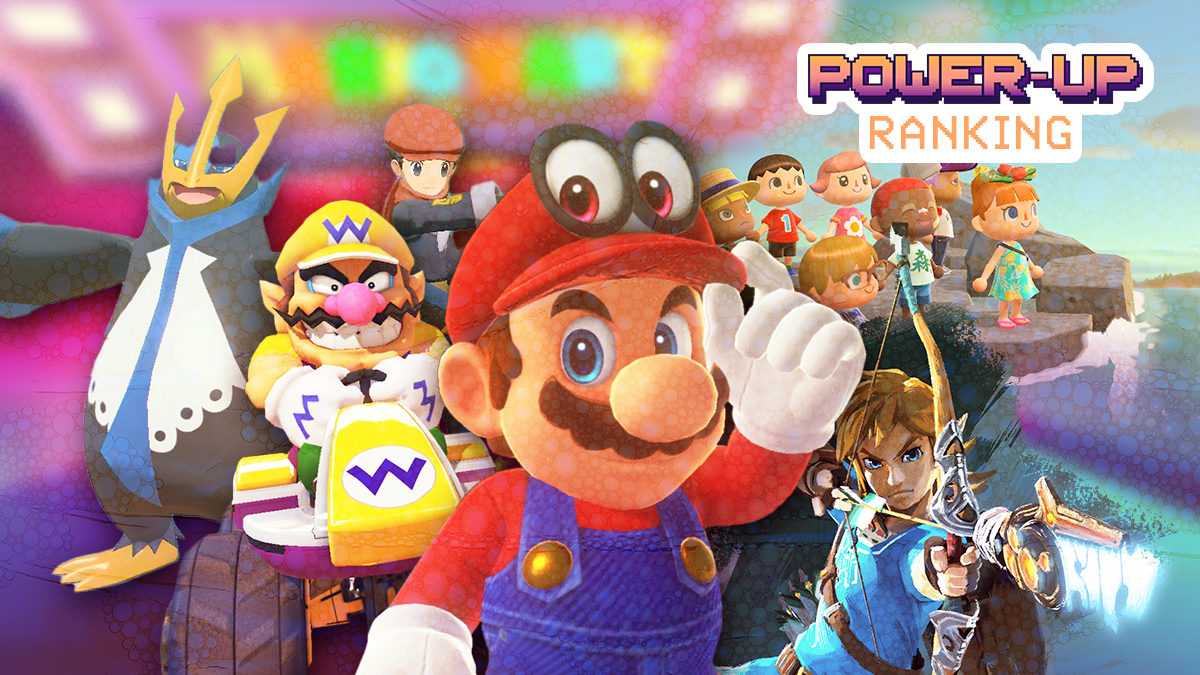
    The best Nintendo Switch games are not going anywhere thanks to the Switch 2’s confirmed backward compatibility functionality. While the extent of that feature has yet to be confirmed, millions of Switch owners are rightfully relieved to know the bulk of the Switch’s library will live on. While the Switch’s historic success is very much based on its incredible hardware design, the Switch’s best games have greatly exceeded the expectations of those who once worried the device was a novelty.

    Instead, the console upended the industry by showing how great modern gaming is when we can experience it wherever we go. While it’s hard to ignore the mostly first-party exclusives that largely dominated the Switch’s library, the console’s greatest gift may just be the way it gave indie developers the perfect platform for their smaller games and big dreams. Together, they form a library that makes the Switch exactly what Nintendo hyped it up to be: a sign of a great time wherever you may see one. 

    Below, we’ve ranked what we consider to be the 15 best games on the Nintendo Switch.

    cnx.cmd.push(function() {
    cnx({
    playerId: “106e33c0-3911-473c-b599-b1426db57530”,

    }).render(“0270c398a82f44f49c23c16122516796”);
    });

    15. Tetris 99

    Released on the Nintendo Switch eShop the day it was announced, Tetris 99 is a rare example of Nintendo using the flexibility of the modern digital marketplace to do something fun and surprising. Even if the idea of playing Tetris against 98 other people in a battle royale setting ended up being just a silly gimmick, at least it was going to be a free gimmick.

    Instead, Tetris 99 ended up being pretty special. The basic battle royale concept (though it’s closer to a Last Man Standing mode in many respects) adds enough of a hook to keep you addicted to what has long been an underrated gaming experience: multiplayer Tetris. It reminded some of their love of the base game, it ensnared a new generation of players, and it kicked off the trend off the wonderful trend of “99” titles that grew to include Super Mario, F-Zero, and Pac-Man.

    14. Pokémon Legends: Arceus

    Nintendo fans spent decades begging the publisher to release a traditional, mainline new Pokémon game on a console. While the Switch finally gave those fans such a game (a few of them, in fact) the best Pokémon game on the console is ironically the least traditional one: Pokémon Legends: Arceus.

    Yet, despite its lack of traditional Pokémon progression and combat mechanics, Arceus sometimes feels closer to the console Pokémon game fans long dreamed of. Its much more open design lets you lose yourself in the Pokémon universe while its more active combat and crafting mechanics make Pokémon feel more modern than it has in quite some time. It’s far from perfect, but it may be the future of the franchise. 

    13. Pikmin 4

    Pikmin 4 was careering toward meme status before it was finally released in 2023. After about eight years of vague promises, fans of the cult classic series started to accept that the franchise had probably gone to live at the farm upstate that Nintendo sent F-Zero to. Besides, how much could we expect from whatever Pikmin game we may be lucky enough to even get? 

    Yet, Pikmin 4 really is one of the purest examples of Nintendo magic on the Switch. It’s both a glorious celebration of the creative blend of puzzles and explorations that always set Pikmin apart and an ideal starting point for the many who never gave the series a shot. You can feel the love that went into making Pikmin 4 either the best Pikmin we’ll ever get or the start of a bright new era for the franchise. 

    12. Super Mario Party Jamboree

    At a time when the traditional party game is practically endangered, a night with Mario Party feels particularly special. At its best, Mario Party is a remarkably unpretentious good time that is just deep enough and competitive enough to enthrall any group of players. The problem is that Mario Party has rarely been at its best in recent years. 

    Super Mario Party Jamboree finally gets the franchise back on track. It features one of the best collections of boards and minigames we’ve seen from the series since the N64 days and is (mostly) mercifully free of the gimmicks that plagued previous entries. So long as you’re willing to embrace the chaos, it’s one of the absolute best local multiplayer experiences of the Switch era. 

    11. Astral Chain

    For quite some time, Bayonetta 3 was hyped as the Switch’s biggest action exclusive. While Bayonetta 3 lived up to much of that hype when it was released in 2022, developer PlatinumGames somewhat quietly delivered an even better action gaming experience with 2019’s Astral Chain

    Rather than give us “Bayonetta 3 in a hat and mustache” (a perfectly acceptable and visually amusing compromise), PlatinumGames made Astral Chain its own, special thing. Its emphasis on exploration, narrative, and customization makes it slightly more experimental than PlatinumGames’ other action masterpieces while its creative, companion-based combat showcases the refined ambition of a studio at the top of its game. 

    10. Fire Emblem: Three Houses

    There’s a degree to which the basic Fire Emblem formula is pretty much bulletproof. An airtight tactical RPG game with a compelling permadeath system tends to be a good time. With Three Houses, developer Intelligent Systems added a significant variable to that formula. This time around, players are encouraged to make meaningful loyalty choices and navigate a richer social system in a game designed to be played multiple times. 

    While not a flawless system by any means, those new and refined mechanics accomplish exactly what Intelligent Systems looked to accomplish: make Fire Emblem feel worthy of a major modern console. Like many Switch exclusives, Three Houses serves as both an effective gateway and the new bar for Nintendo’s legendary strategy franchise. 

    9. Mario + Rabbids Kingdom Battle

    The game that famously brought its director Davide Soliani to tears when it was revealed at E3 2017 has gone on to inspire similar outbursts of joy among those who gave it a chance. Yes, the idea of an XCOM-like strategy title starring Mario and the Ubisoft Rabbids was always a little silly and hasn’t gotten less silly in the intervening years. You’ll get no arguments against from us. 

    Yet, that silliness is at the heart of what makes the whole thing so special. Kingdom Battle represents not only its team’s love of the Super Mario universe but the joy of strategy games that we still don’t get enough of. It’s a minor miracle that this game dilutes XCOM’s defining difficulty yet somehow still taps into the heart of that series while emphasizing distinct Super Mario gameplay and charms. 

    8. Super Mario Bros. Wonder

    The brilliance of Super Mario Bros. Wonder can be found in its name. With this modern 2D entry in gaming’s most famous franchise, the team wanted modern games to experience the same kinds of joys and surprises that the original Super Mario Bros. inspired nearly four decades ago. The wonder of it all, if you will. 

    They succeeded spectacularly. Every aspect of Wonder is designed to invoke a sense of surprise from those who play it. No object or ability is ever quite what it seems, and the joy of discovering the true nature of it all amplifies what has always been one of gaming’s most purely enjoyable experiences. 

    7. Super Smash Bros. Ultimate

    Much like Super Mario Bros. Wonder, Super Smash Bros. Ultimate’s name is a rare example of truth in advertising. This game’s absurd roster of 80+ characters is larger, weirder, and more ambitious than even those fan-created roster pages that once defined the Super Smash Bros. corners of the internet. If we never get another Smash Bros. game, we at least know the developers left nothing on the table with this one. 

    Despite its ambition, this is a remarkably refined take on the Smash Bros. experience. The series’ mythical blend of competitive depth and enjoyable accessibility is on full display in this game that often transcends the fighting genre and the ways we analyze it.  

    6. Metroid Dread

    For decades, the Metroid franchise has been a critical darling and a consistent sales disappointment. While the games Metroid inspired have gone on to sell millions and millions of copies, the Metroid franchise has consistently struggled to justify a sequel. 

    So when we celebrate Metroid Dread’s record-breaking series sales, know that we’re really celebrating a franchise that finally got more of the love it always deserved. More than a victory lap, Metroid Dread is a throwback to the series’ roots that brilliantly refines or evolves the franchise’s core mechanics while emphasizing those atmospheric qualities that Metroid has long done better than most. It’s not just the best-selling Metroid game; it may be the best Metroid game yet. 

    5. Super Mario Odyssey

    There are times when it feels like we take Super Mario Odyssey for granted. Though we expect a new Super Mario game alongside a new Nintendo console, perhaps we have become so complacent in our expectations for those games to be great that we let them come and go like another Meryl Streep Oscar nomination. 

    Super Mario Odyssey deserves better. An evolution of the franchise’s 3D platformer era, Super Mario Odyssey features all the secrets, objectives, and collectibles we lovingly associate with that era. Yet, we’ve rarely seen levels this creative, movements this refined, or cinematic moments this satisfying in even the best 3D Super Mario titles. Most importantly, Odyssey is downright weird at a time when some of gaming’s other major franchises are a little too eager to play things a bit too safe. 

    4. The Legend of Zelda: Breath of the Wild

    Few could have seen a game like Breath of the Wild coming. Yes, it’s an entry in one of gaming’s greatest franchises, but its many deviations from that franchise’s norms were enough to make you wonder if this game was more of an elaborate experiment than a proper Zelda sequel. It turns out it was the best of both those things. 

    With Breath of the Wild, Nintendo upended the blockbuster open-world genre by emphasizing the joy of organically discovering absolutely everything. By doing so, they were really bringing the adventurous, explorative joys of the original Legend of Zelda to life in the modern era. It’s one of the boldest and greatest games to ever reach true blockbuster status. 

    3. Animal Crossing: New Horizons

    There’s a degree to which New Horizons will always be associated with the early days of the COVID-19 pandemic lockdowns. What should be an entirely tragic association instead often inspires an unlikely smile. At a time when we looked for community, adventures, and the idea we were all sharing something a little bit better, New Horizons provided all that and more. 

    Then again, that’s always been the magic of the Animal Crossing experience. It’s a quaint and enjoyable series that demands little and gives so much. Like some of the Switch’s other great games, Animal Crossing was one of those franchises that fans hoped would eventually return to Nintendo’s consoles in the grandest way possible. Even then, few dared to dream the dream that New Horizons gave many at a time when the reality of it all often felt like too much to handle. 

    2. Mario Kart 8 Deluxe

    One of the greatest magic tricks Nintendo pulled with the Switch was to use the hardware’s popularity to resurrect many of the Wii U’s greatest and most overlooked titles. While the Switch supported updated versions of numerous Wii U games that deserved better, Mario Kart 8 Deluxe will always be the definitive example of that movement. 

    You certainly could have argued that the Wii U version of Mario Kart 8 was the best Mario Kart game up until that point. The Switch version of Mario Kart 8 simply solidified that position. Yes, the Deluxe version of the game features various improvements and quite a bit of new content, but its greatest advantage has long been how good it feels to play Mario Kart on the Switch hardware (especially in handheld mode). This was the earliest and most powerful example of how invaluable the “Switch advantage” would be.

    1. The Legend of Zelda: Tears of the Kingdom

    Tears of the Kingdom lingered in a rather odd position ahead of its release. On the one hand, even a better version of Breath of the Wild would have been a worthy experience. On the other hand, people expected Tears of the Kingdom to not just build upon Breath of the Wild’s mechanical greatness but recreate what they felt when they played that game. How would this sequel live up to those expectations?

    Well, Nintendo did with a game that now makes even the incredible Breath of the Wild sometimes feel like it’s missing several special somethings. Defined by its Ultrahand and Fusion mechanics that enable levels of creative exploration not seen outside of games that are basically elaborate toolkits, Tears of the Kingdom lets you explore and implement the limits of your imagination in an experience that still manages to be fundamentally brilliant even if you play it in the most vanilla ways possible. As we prepare to enter the Switch 2 era, Tears of the Kingdom shows just how much more the Switch platform has to give.

    The post The Best Nintendo Switch Games, Ranked appeared first on Den of Geek.

  • Section 31 Just Made the Star Trek Timeline Even More Confusing

    Section 31 Just Made the Star Trek Timeline Even More Confusing

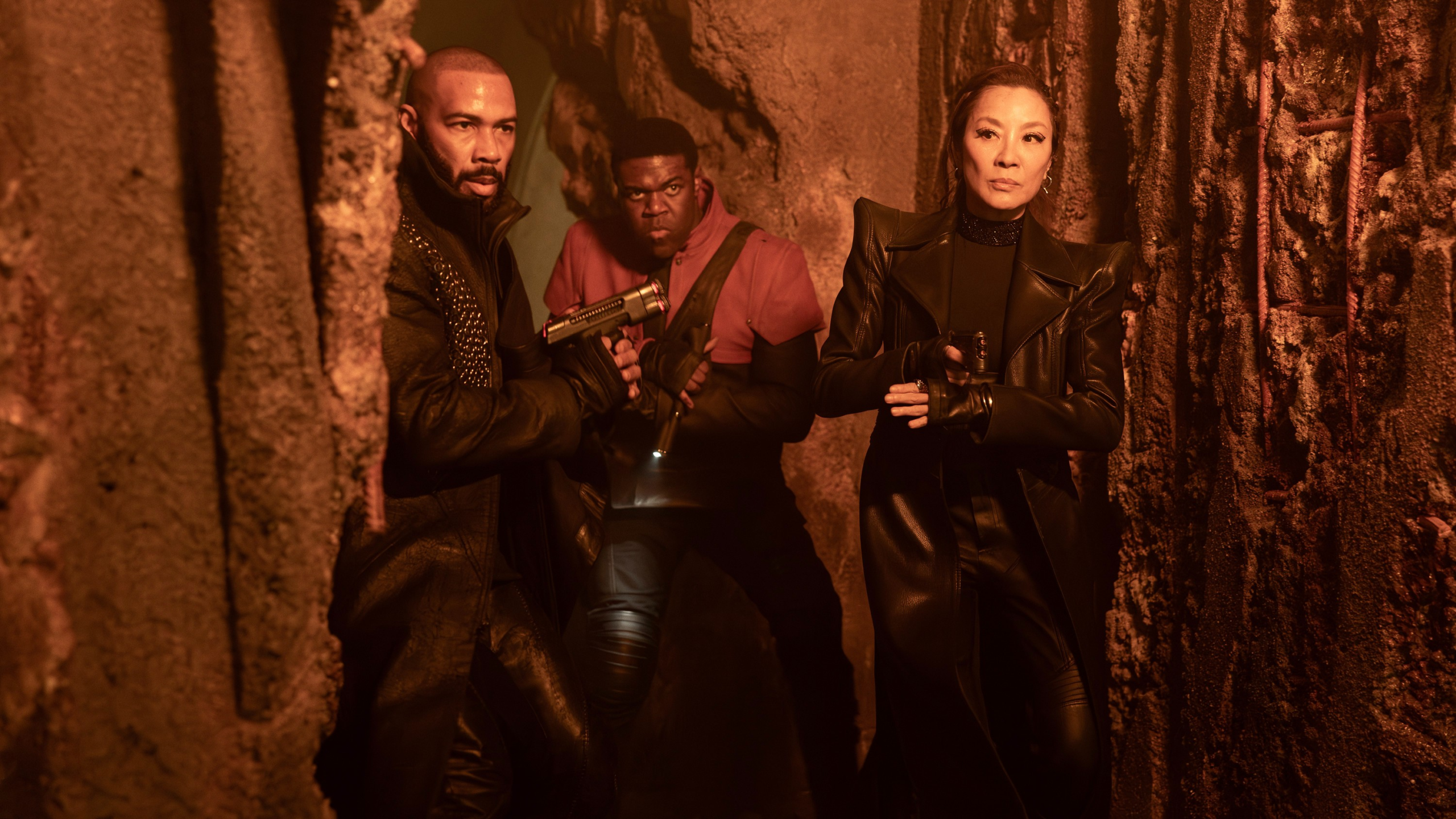
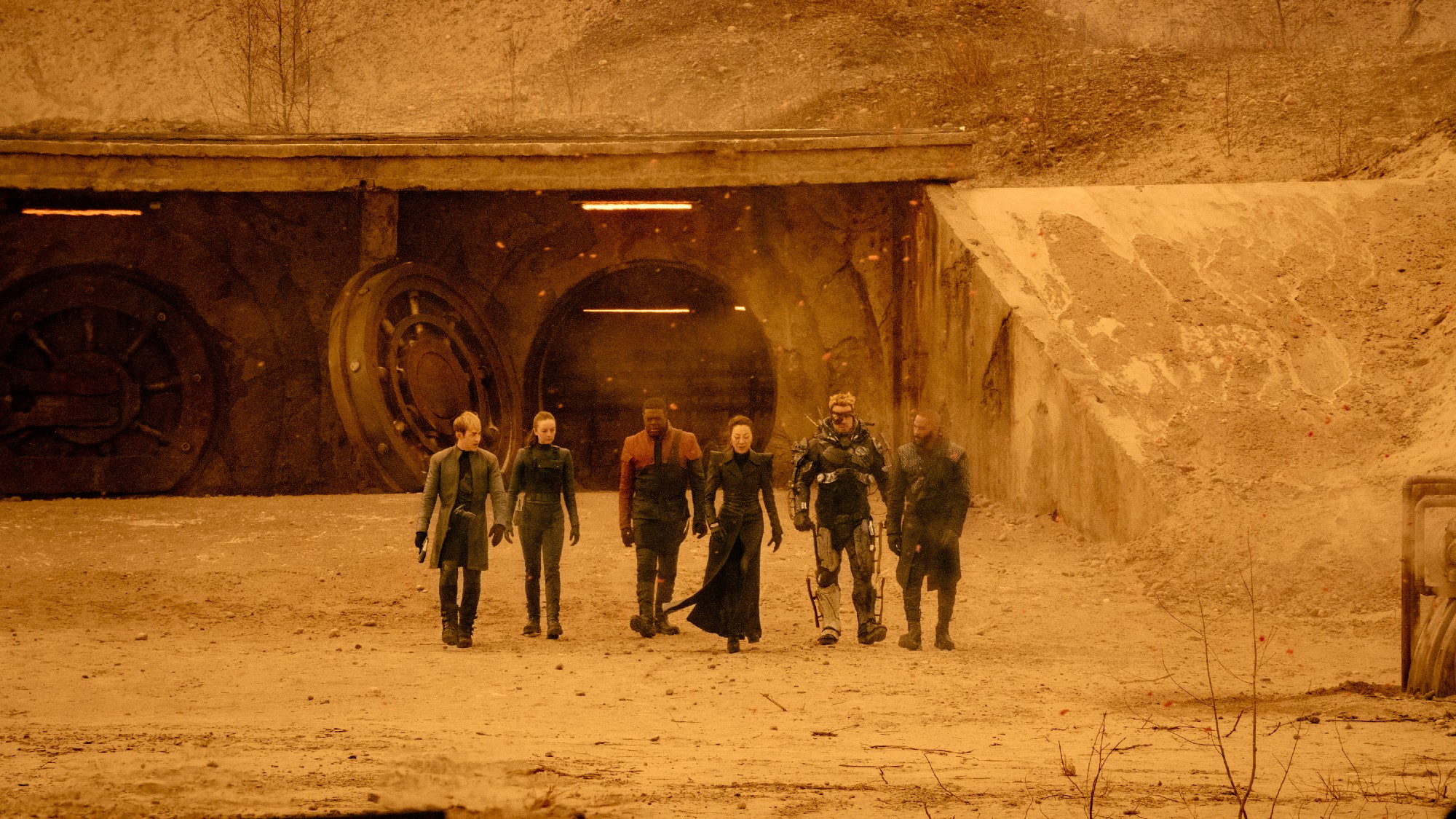
    This Star Trek article contains spoilers for Section 31. The new movie Star Trek: Section 31 takes its heroes deep outside of Federation space. But in the Star Trek universe, you can’t go anywhere without hearing the word, “KHAN!” No one in Section 31 actually names Khan Noonien Singh, but the 20th century warlord’s presence […]

    The post Section 31 Just Made the Star Trek Timeline Even More Confusing appeared first on Den of Geek.

    The best Nintendo Switch games are not going anywhere thanks to the Switch 2’s confirmed backward compatibility functionality. While the extent of that feature has yet to be confirmed, millions of Switch owners are rightfully relieved to know the bulk of the Switch’s library will live on. While the Switch’s historic success is very much based on its incredible hardware design, the Switch’s best games have greatly exceeded the expectations of those who once worried the device was a novelty.

    Instead, the console upended the industry by showing how great modern gaming is when we can experience it wherever we go. While it’s hard to ignore the mostly first-party exclusives that largely dominated the Switch’s library, the console’s greatest gift may just be the way it gave indie developers the perfect platform for their smaller games and big dreams. Together, they form a library that makes the Switch exactly what Nintendo hyped it up to be: a sign of a great time wherever you may see one. 

    Below, we’ve ranked what we consider to be the 15 best games on the Nintendo Switch.

    cnx.cmd.push(function() {
    cnx({
    playerId: “106e33c0-3911-473c-b599-b1426db57530”,

    }).render(“0270c398a82f44f49c23c16122516796”);
    });

    15. Tetris 99

    Released on the Nintendo Switch eShop the day it was announced, Tetris 99 is a rare example of Nintendo using the flexibility of the modern digital marketplace to do something fun and surprising. Even if the idea of playing Tetris against 98 other people in a battle royale setting ended up being just a silly gimmick, at least it was going to be a free gimmick.

    Instead, Tetris 99 ended up being pretty special. The basic battle royale concept (though it’s closer to a Last Man Standing mode in many respects) adds enough of a hook to keep you addicted to what has long been an underrated gaming experience: multiplayer Tetris. It reminded some of their love of the base game, it ensnared a new generation of players, and it kicked off the trend off the wonderful trend of “99” titles that grew to include Super Mario, F-Zero, and Pac-Man.

    14. Pokémon Legends: Arceus

    Nintendo fans spent decades begging the publisher to release a traditional, mainline new Pokémon game on a console. While the Switch finally gave those fans such a game (a few of them, in fact) the best Pokémon game on the console is ironically the least traditional one: Pokémon Legends: Arceus.

    Yet, despite its lack of traditional Pokémon progression and combat mechanics, Arceus sometimes feels closer to the console Pokémon game fans long dreamed of. Its much more open design lets you lose yourself in the Pokémon universe while its more active combat and crafting mechanics make Pokémon feel more modern than it has in quite some time. It’s far from perfect, but it may be the future of the franchise. 

    13. Pikmin 4

    Pikmin 4 was careering toward meme status before it was finally released in 2023. After about eight years of vague promises, fans of the cult classic series started to accept that the franchise had probably gone to live at the farm upstate that Nintendo sent F-Zero to. Besides, how much could we expect from whatever Pikmin game we may be lucky enough to even get? 

    Yet, Pikmin 4 really is one of the purest examples of Nintendo magic on the Switch. It’s both a glorious celebration of the creative blend of puzzles and explorations that always set Pikmin apart and an ideal starting point for the many who never gave the series a shot. You can feel the love that went into making Pikmin 4 either the best Pikmin we’ll ever get or the start of a bright new era for the franchise. 

    12. Super Mario Party Jamboree

    At a time when the traditional party game is practically endangered, a night with Mario Party feels particularly special. At its best, Mario Party is a remarkably unpretentious good time that is just deep enough and competitive enough to enthrall any group of players. The problem is that Mario Party has rarely been at its best in recent years. 

    Super Mario Party Jamboree finally gets the franchise back on track. It features one of the best collections of boards and minigames we’ve seen from the series since the N64 days and is (mostly) mercifully free of the gimmicks that plagued previous entries. So long as you’re willing to embrace the chaos, it’s one of the absolute best local multiplayer experiences of the Switch era. 

    11. Astral Chain

    For quite some time, Bayonetta 3 was hyped as the Switch’s biggest action exclusive. While Bayonetta 3 lived up to much of that hype when it was released in 2022, developer PlatinumGames somewhat quietly delivered an even better action gaming experience with 2019’s Astral Chain

    Rather than give us “Bayonetta 3 in a hat and mustache” (a perfectly acceptable and visually amusing compromise), PlatinumGames made Astral Chain its own, special thing. Its emphasis on exploration, narrative, and customization makes it slightly more experimental than PlatinumGames’ other action masterpieces while its creative, companion-based combat showcases the refined ambition of a studio at the top of its game. 

    10. Fire Emblem: Three Houses

    There’s a degree to which the basic Fire Emblem formula is pretty much bulletproof. An airtight tactical RPG game with a compelling permadeath system tends to be a good time. With Three Houses, developer Intelligent Systems added a significant variable to that formula. This time around, players are encouraged to make meaningful loyalty choices and navigate a richer social system in a game designed to be played multiple times. 

    While not a flawless system by any means, those new and refined mechanics accomplish exactly what Intelligent Systems looked to accomplish: make Fire Emblem feel worthy of a major modern console. Like many Switch exclusives, Three Houses serves as both an effective gateway and the new bar for Nintendo’s legendary strategy franchise. 

    9. Mario + Rabbids Kingdom Battle

    The game that famously brought its director Davide Soliani to tears when it was revealed at E3 2017 has gone on to inspire similar outbursts of joy among those who gave it a chance. Yes, the idea of an XCOM-like strategy title starring Mario and the Ubisoft Rabbids was always a little silly and hasn’t gotten less silly in the intervening years. You’ll get no arguments against from us. 

    Yet, that silliness is at the heart of what makes the whole thing so special. Kingdom Battle represents not only its team’s love of the Super Mario universe but the joy of strategy games that we still don’t get enough of. It’s a minor miracle that this game dilutes XCOM’s defining difficulty yet somehow still taps into the heart of that series while emphasizing distinct Super Mario gameplay and charms. 

    8. Super Mario Bros. Wonder

    The brilliance of Super Mario Bros. Wonder can be found in its name. With this modern 2D entry in gaming’s most famous franchise, the team wanted modern games to experience the same kinds of joys and surprises that the original Super Mario Bros. inspired nearly four decades ago. The wonder of it all, if you will. 

    They succeeded spectacularly. Every aspect of Wonder is designed to invoke a sense of surprise from those who play it. No object or ability is ever quite what it seems, and the joy of discovering the true nature of it all amplifies what has always been one of gaming’s most purely enjoyable experiences. 

    7. Super Smash Bros. Ultimate

    Much like Super Mario Bros. Wonder, Super Smash Bros. Ultimate’s name is a rare example of truth in advertising. This game’s absurd roster of 80+ characters is larger, weirder, and more ambitious than even those fan-created roster pages that once defined the Super Smash Bros. corners of the internet. If we never get another Smash Bros. game, we at least know the developers left nothing on the table with this one. 

    Despite its ambition, this is a remarkably refined take on the Smash Bros. experience. The series’ mythical blend of competitive depth and enjoyable accessibility is on full display in this game that often transcends the fighting genre and the ways we analyze it.  

    6. Metroid Dread

    For decades, the Metroid franchise has been a critical darling and a consistent sales disappointment. While the games Metroid inspired have gone on to sell millions and millions of copies, the Metroid franchise has consistently struggled to justify a sequel. 

    So when we celebrate Metroid Dread’s record-breaking series sales, know that we’re really celebrating a franchise that finally got more of the love it always deserved. More than a victory lap, Metroid Dread is a throwback to the series’ roots that brilliantly refines or evolves the franchise’s core mechanics while emphasizing those atmospheric qualities that Metroid has long done better than most. It’s not just the best-selling Metroid game; it may be the best Metroid game yet. 

    5. Super Mario Odyssey

    There are times when it feels like we take Super Mario Odyssey for granted. Though we expect a new Super Mario game alongside a new Nintendo console, perhaps we have become so complacent in our expectations for those games to be great that we let them come and go like another Meryl Streep Oscar nomination. 

    Super Mario Odyssey deserves better. An evolution of the franchise’s 3D platformer era, Super Mario Odyssey features all the secrets, objectives, and collectibles we lovingly associate with that era. Yet, we’ve rarely seen levels this creative, movements this refined, or cinematic moments this satisfying in even the best 3D Super Mario titles. Most importantly, Odyssey is downright weird at a time when some of gaming’s other major franchises are a little too eager to play things a bit too safe. 

    4. The Legend of Zelda: Breath of the Wild

    Few could have seen a game like Breath of the Wild coming. Yes, it’s an entry in one of gaming’s greatest franchises, but its many deviations from that franchise’s norms were enough to make you wonder if this game was more of an elaborate experiment than a proper Zelda sequel. It turns out it was the best of both those things. 

    With Breath of the Wild, Nintendo upended the blockbuster open-world genre by emphasizing the joy of organically discovering absolutely everything. By doing so, they were really bringing the adventurous, explorative joys of the original Legend of Zelda to life in the modern era. It’s one of the boldest and greatest games to ever reach true blockbuster status. 

    3. Animal Crossing: New Horizons

    There’s a degree to which New Horizons will always be associated with the early days of the COVID-19 pandemic lockdowns. What should be an entirely tragic association instead often inspires an unlikely smile. At a time when we looked for community, adventures, and the idea we were all sharing something a little bit better, New Horizons provided all that and more. 

    Then again, that’s always been the magic of the Animal Crossing experience. It’s a quaint and enjoyable series that demands little and gives so much. Like some of the Switch’s other great games, Animal Crossing was one of those franchises that fans hoped would eventually return to Nintendo’s consoles in the grandest way possible. Even then, few dared to dream the dream that New Horizons gave many at a time when the reality of it all often felt like too much to handle. 

    2. Mario Kart 8 Deluxe

    One of the greatest magic tricks Nintendo pulled with the Switch was to use the hardware’s popularity to resurrect many of the Wii U’s greatest and most overlooked titles. While the Switch supported updated versions of numerous Wii U games that deserved better, Mario Kart 8 Deluxe will always be the definitive example of that movement. 

    You certainly could have argued that the Wii U version of Mario Kart 8 was the best Mario Kart game up until that point. The Switch version of Mario Kart 8 simply solidified that position. Yes, the Deluxe version of the game features various improvements and quite a bit of new content, but its greatest advantage has long been how good it feels to play Mario Kart on the Switch hardware (especially in handheld mode). This was the earliest and most powerful example of how invaluable the “Switch advantage” would be.

    1. The Legend of Zelda: Tears of the Kingdom

    Tears of the Kingdom lingered in a rather odd position ahead of its release. On the one hand, even a better version of Breath of the Wild would have been a worthy experience. On the other hand, people expected Tears of the Kingdom to not just build upon Breath of the Wild’s mechanical greatness but recreate what they felt when they played that game. How would this sequel live up to those expectations?

    Well, Nintendo did with a game that now makes even the incredible Breath of the Wild sometimes feel like it’s missing several special somethings. Defined by its Ultrahand and Fusion mechanics that enable levels of creative exploration not seen outside of games that are basically elaborate toolkits, Tears of the Kingdom lets you explore and implement the limits of your imagination in an experience that still manages to be fundamentally brilliant even if you play it in the most vanilla ways possible. As we prepare to enter the Switch 2 era, Tears of the Kingdom shows just how much more the Switch platform has to give.

    The post The Best Nintendo Switch Games, Ranked appeared first on Den of Geek.

  • Why Section 31 Fails as Star Trek’s Suicide Squad Movie

    Why Section 31 Fails as Star Trek’s Suicide Squad Movie

    This Star Trek article contains spoilers for Section 31. After an extremely long wait, which has seen it truncated from a spin-off show into a TV movie while Michelle Yeoh has gone and become an Oscar winner, Star Trek: Section 31 is finally here. We have reviewed it. We got the man who wrote a […]

    The post Why Section 31 Fails as Star Trek’s Suicide Squad Movie appeared first on Den of Geek.

    The best Nintendo Switch games are not going anywhere thanks to the Switch 2’s confirmed backward compatibility functionality. While the extent of that feature has yet to be confirmed, millions of Switch owners are rightfully relieved to know the bulk of the Switch’s library will live on. While the Switch’s historic success is very much based on its incredible hardware design, the Switch’s best games have greatly exceeded the expectations of those who once worried the device was a novelty.

    Instead, the console upended the industry by showing how great modern gaming is when we can experience it wherever we go. While it’s hard to ignore the mostly first-party exclusives that largely dominated the Switch’s library, the console’s greatest gift may just be the way it gave indie developers the perfect platform for their smaller games and big dreams. Together, they form a library that makes the Switch exactly what Nintendo hyped it up to be: a sign of a great time wherever you may see one. 

    Below, we’ve ranked what we consider to be the 15 best games on the Nintendo Switch.

    cnx.cmd.push(function() {
    cnx({
    playerId: “106e33c0-3911-473c-b599-b1426db57530”,

    }).render(“0270c398a82f44f49c23c16122516796”);
    });

    15. Tetris 99

    Released on the Nintendo Switch eShop the day it was announced, Tetris 99 is a rare example of Nintendo using the flexibility of the modern digital marketplace to do something fun and surprising. Even if the idea of playing Tetris against 98 other people in a battle royale setting ended up being just a silly gimmick, at least it was going to be a free gimmick.

    Instead, Tetris 99 ended up being pretty special. The basic battle royale concept (though it’s closer to a Last Man Standing mode in many respects) adds enough of a hook to keep you addicted to what has long been an underrated gaming experience: multiplayer Tetris. It reminded some of their love of the base game, it ensnared a new generation of players, and it kicked off the trend off the wonderful trend of “99” titles that grew to include Super Mario, F-Zero, and Pac-Man.

    14. Pokémon Legends: Arceus

    Nintendo fans spent decades begging the publisher to release a traditional, mainline new Pokémon game on a console. While the Switch finally gave those fans such a game (a few of them, in fact) the best Pokémon game on the console is ironically the least traditional one: Pokémon Legends: Arceus.

    Yet, despite its lack of traditional Pokémon progression and combat mechanics, Arceus sometimes feels closer to the console Pokémon game fans long dreamed of. Its much more open design lets you lose yourself in the Pokémon universe while its more active combat and crafting mechanics make Pokémon feel more modern than it has in quite some time. It’s far from perfect, but it may be the future of the franchise. 

    13. Pikmin 4

    Pikmin 4 was careering toward meme status before it was finally released in 2023. After about eight years of vague promises, fans of the cult classic series started to accept that the franchise had probably gone to live at the farm upstate that Nintendo sent F-Zero to. Besides, how much could we expect from whatever Pikmin game we may be lucky enough to even get? 

    Yet, Pikmin 4 really is one of the purest examples of Nintendo magic on the Switch. It’s both a glorious celebration of the creative blend of puzzles and explorations that always set Pikmin apart and an ideal starting point for the many who never gave the series a shot. You can feel the love that went into making Pikmin 4 either the best Pikmin we’ll ever get or the start of a bright new era for the franchise. 

    12. Super Mario Party Jamboree

    At a time when the traditional party game is practically endangered, a night with Mario Party feels particularly special. At its best, Mario Party is a remarkably unpretentious good time that is just deep enough and competitive enough to enthrall any group of players. The problem is that Mario Party has rarely been at its best in recent years. 

    Super Mario Party Jamboree finally gets the franchise back on track. It features one of the best collections of boards and minigames we’ve seen from the series since the N64 days and is (mostly) mercifully free of the gimmicks that plagued previous entries. So long as you’re willing to embrace the chaos, it’s one of the absolute best local multiplayer experiences of the Switch era. 

    11. Astral Chain

    For quite some time, Bayonetta 3 was hyped as the Switch’s biggest action exclusive. While Bayonetta 3 lived up to much of that hype when it was released in 2022, developer PlatinumGames somewhat quietly delivered an even better action gaming experience with 2019’s Astral Chain

    Rather than give us “Bayonetta 3 in a hat and mustache” (a perfectly acceptable and visually amusing compromise), PlatinumGames made Astral Chain its own, special thing. Its emphasis on exploration, narrative, and customization makes it slightly more experimental than PlatinumGames’ other action masterpieces while its creative, companion-based combat showcases the refined ambition of a studio at the top of its game. 

    10. Fire Emblem: Three Houses

    There’s a degree to which the basic Fire Emblem formula is pretty much bulletproof. An airtight tactical RPG game with a compelling permadeath system tends to be a good time. With Three Houses, developer Intelligent Systems added a significant variable to that formula. This time around, players are encouraged to make meaningful loyalty choices and navigate a richer social system in a game designed to be played multiple times. 

    While not a flawless system by any means, those new and refined mechanics accomplish exactly what Intelligent Systems looked to accomplish: make Fire Emblem feel worthy of a major modern console. Like many Switch exclusives, Three Houses serves as both an effective gateway and the new bar for Nintendo’s legendary strategy franchise. 

    9. Mario + Rabbids Kingdom Battle

    The game that famously brought its director Davide Soliani to tears when it was revealed at E3 2017 has gone on to inspire similar outbursts of joy among those who gave it a chance. Yes, the idea of an XCOM-like strategy title starring Mario and the Ubisoft Rabbids was always a little silly and hasn’t gotten less silly in the intervening years. You’ll get no arguments against from us. 

    Yet, that silliness is at the heart of what makes the whole thing so special. Kingdom Battle represents not only its team’s love of the Super Mario universe but the joy of strategy games that we still don’t get enough of. It’s a minor miracle that this game dilutes XCOM’s defining difficulty yet somehow still taps into the heart of that series while emphasizing distinct Super Mario gameplay and charms. 

    8. Super Mario Bros. Wonder

    The brilliance of Super Mario Bros. Wonder can be found in its name. With this modern 2D entry in gaming’s most famous franchise, the team wanted modern games to experience the same kinds of joys and surprises that the original Super Mario Bros. inspired nearly four decades ago. The wonder of it all, if you will. 

    They succeeded spectacularly. Every aspect of Wonder is designed to invoke a sense of surprise from those who play it. No object or ability is ever quite what it seems, and the joy of discovering the true nature of it all amplifies what has always been one of gaming’s most purely enjoyable experiences. 

    7. Super Smash Bros. Ultimate

    Much like Super Mario Bros. Wonder, Super Smash Bros. Ultimate’s name is a rare example of truth in advertising. This game’s absurd roster of 80+ characters is larger, weirder, and more ambitious than even those fan-created roster pages that once defined the Super Smash Bros. corners of the internet. If we never get another Smash Bros. game, we at least know the developers left nothing on the table with this one. 

    Despite its ambition, this is a remarkably refined take on the Smash Bros. experience. The series’ mythical blend of competitive depth and enjoyable accessibility is on full display in this game that often transcends the fighting genre and the ways we analyze it.  

    6. Metroid Dread

    For decades, the Metroid franchise has been a critical darling and a consistent sales disappointment. While the games Metroid inspired have gone on to sell millions and millions of copies, the Metroid franchise has consistently struggled to justify a sequel. 

    So when we celebrate Metroid Dread’s record-breaking series sales, know that we’re really celebrating a franchise that finally got more of the love it always deserved. More than a victory lap, Metroid Dread is a throwback to the series’ roots that brilliantly refines or evolves the franchise’s core mechanics while emphasizing those atmospheric qualities that Metroid has long done better than most. It’s not just the best-selling Metroid game; it may be the best Metroid game yet. 

    5. Super Mario Odyssey

    There are times when it feels like we take Super Mario Odyssey for granted. Though we expect a new Super Mario game alongside a new Nintendo console, perhaps we have become so complacent in our expectations for those games to be great that we let them come and go like another Meryl Streep Oscar nomination. 

    Super Mario Odyssey deserves better. An evolution of the franchise’s 3D platformer era, Super Mario Odyssey features all the secrets, objectives, and collectibles we lovingly associate with that era. Yet, we’ve rarely seen levels this creative, movements this refined, or cinematic moments this satisfying in even the best 3D Super Mario titles. Most importantly, Odyssey is downright weird at a time when some of gaming’s other major franchises are a little too eager to play things a bit too safe. 

    4. The Legend of Zelda: Breath of the Wild

    Few could have seen a game like Breath of the Wild coming. Yes, it’s an entry in one of gaming’s greatest franchises, but its many deviations from that franchise’s norms were enough to make you wonder if this game was more of an elaborate experiment than a proper Zelda sequel. It turns out it was the best of both those things. 

    With Breath of the Wild, Nintendo upended the blockbuster open-world genre by emphasizing the joy of organically discovering absolutely everything. By doing so, they were really bringing the adventurous, explorative joys of the original Legend of Zelda to life in the modern era. It’s one of the boldest and greatest games to ever reach true blockbuster status. 

    3. Animal Crossing: New Horizons

    There’s a degree to which New Horizons will always be associated with the early days of the COVID-19 pandemic lockdowns. What should be an entirely tragic association instead often inspires an unlikely smile. At a time when we looked for community, adventures, and the idea we were all sharing something a little bit better, New Horizons provided all that and more. 

    Then again, that’s always been the magic of the Animal Crossing experience. It’s a quaint and enjoyable series that demands little and gives so much. Like some of the Switch’s other great games, Animal Crossing was one of those franchises that fans hoped would eventually return to Nintendo’s consoles in the grandest way possible. Even then, few dared to dream the dream that New Horizons gave many at a time when the reality of it all often felt like too much to handle. 

    2. Mario Kart 8 Deluxe

    One of the greatest magic tricks Nintendo pulled with the Switch was to use the hardware’s popularity to resurrect many of the Wii U’s greatest and most overlooked titles. While the Switch supported updated versions of numerous Wii U games that deserved better, Mario Kart 8 Deluxe will always be the definitive example of that movement. 

    You certainly could have argued that the Wii U version of Mario Kart 8 was the best Mario Kart game up until that point. The Switch version of Mario Kart 8 simply solidified that position. Yes, the Deluxe version of the game features various improvements and quite a bit of new content, but its greatest advantage has long been how good it feels to play Mario Kart on the Switch hardware (especially in handheld mode). This was the earliest and most powerful example of how invaluable the “Switch advantage” would be.

    1. The Legend of Zelda: Tears of the Kingdom

    Tears of the Kingdom lingered in a rather odd position ahead of its release. On the one hand, even a better version of Breath of the Wild would have been a worthy experience. On the other hand, people expected Tears of the Kingdom to not just build upon Breath of the Wild’s mechanical greatness but recreate what they felt when they played that game. How would this sequel live up to those expectations?

    Well, Nintendo did with a game that now makes even the incredible Breath of the Wild sometimes feel like it’s missing several special somethings. Defined by its Ultrahand and Fusion mechanics that enable levels of creative exploration not seen outside of games that are basically elaborate toolkits, Tears of the Kingdom lets you explore and implement the limits of your imagination in an experience that still manages to be fundamentally brilliant even if you play it in the most vanilla ways possible. As we prepare to enter the Switch 2 era, Tears of the Kingdom shows just how much more the Switch platform has to give.

    The post The Best Nintendo Switch Games, Ranked appeared first on Den of Geek.

  • The Best Nintendo Switch Games, Ranked

    The Best Nintendo Switch Games, Ranked

    The best Nintendo Switch games are not going anywhere thanks to the Switch 2’s confirmed backward compatibility functionality. While the extent of that feature has yet to be confirmed, millions of Switch owners are rightfully relieved to know the bulk of the Switch’s library will live on. While the Switch’s historic success is very much […]

    The post The Best Nintendo Switch Games, Ranked appeared first on Den of Geek.

    The best Nintendo Switch games are not going anywhere thanks to the Switch 2’s confirmed backward compatibility functionality. While the extent of that feature has yet to be confirmed, millions of Switch owners are rightfully relieved to know the bulk of the Switch’s library will live on. While the Switch’s historic success is very much based on its incredible hardware design, the Switch’s best games have greatly exceeded the expectations of those who once worried the device was a novelty.

    Instead, the console upended the industry by showing how great modern gaming is when we can experience it wherever we go. While it’s hard to ignore the mostly first-party exclusives that largely dominated the Switch’s library, the console’s greatest gift may just be the way it gave indie developers the perfect platform for their smaller games and big dreams. Together, they form a library that makes the Switch exactly what Nintendo hyped it up to be: a sign of a great time wherever you may see one. 

    Below, we’ve ranked what we consider to be the 15 best games on the Nintendo Switch.

    cnx.cmd.push(function() {
    cnx({
    playerId: “106e33c0-3911-473c-b599-b1426db57530”,

    }).render(“0270c398a82f44f49c23c16122516796”);
    });

    15. Tetris 99

    Released on the Nintendo Switch eShop the day it was announced, Tetris 99 is a rare example of Nintendo using the flexibility of the modern digital marketplace to do something fun and surprising. Even if the idea of playing Tetris against 98 other people in a battle royale setting ended up being just a silly gimmick, at least it was going to be a free gimmick.

    Instead, Tetris 99 ended up being pretty special. The basic battle royale concept (though it’s closer to a Last Man Standing mode in many respects) adds enough of a hook to keep you addicted to what has long been an underrated gaming experience: multiplayer Tetris. It reminded some of their love of the base game, it ensnared a new generation of players, and it kicked off the trend off the wonderful trend of “99” titles that grew to include Super Mario, F-Zero, and Pac-Man.

    14. Pokémon Legends: Arceus

    Nintendo fans spent decades begging the publisher to release a traditional, mainline new Pokémon game on a console. While the Switch finally gave those fans such a game (a few of them, in fact) the best Pokémon game on the console is ironically the least traditional one: Pokémon Legends: Arceus.

    Yet, despite its lack of traditional Pokémon progression and combat mechanics, Arceus sometimes feels closer to the console Pokémon game fans long dreamed of. Its much more open design lets you lose yourself in the Pokémon universe while its more active combat and crafting mechanics make Pokémon feel more modern than it has in quite some time. It’s far from perfect, but it may be the future of the franchise. 

    13. Pikmin 4

    Pikmin 4 was careering toward meme status before it was finally released in 2023. After about eight years of vague promises, fans of the cult classic series started to accept that the franchise had probably gone to live at the farm upstate that Nintendo sent F-Zero to. Besides, how much could we expect from whatever Pikmin game we may be lucky enough to even get? 

    Yet, Pikmin 4 really is one of the purest examples of Nintendo magic on the Switch. It’s both a glorious celebration of the creative blend of puzzles and explorations that always set Pikmin apart and an ideal starting point for the many who never gave the series a shot. You can feel the love that went into making Pikmin 4 either the best Pikmin we’ll ever get or the start of a bright new era for the franchise. 

    12. Super Mario Party Jamboree

    At a time when the traditional party game is practically endangered, a night with Mario Party feels particularly special. At its best, Mario Party is a remarkably unpretentious good time that is just deep enough and competitive enough to enthrall any group of players. The problem is that Mario Party has rarely been at its best in recent years. 

    Super Mario Party Jamboree finally gets the franchise back on track. It features one of the best collections of boards and minigames we’ve seen from the series since the N64 days and is (mostly) mercifully free of the gimmicks that plagued previous entries. So long as you’re willing to embrace the chaos, it’s one of the absolute best local multiplayer experiences of the Switch era. 

    11. Astral Chain

    For quite some time, Bayonetta 3 was hyped as the Switch’s biggest action exclusive. While Bayonetta 3 lived up to much of that hype when it was released in 2022, developer PlatinumGames somewhat quietly delivered an even better action gaming experience with 2019’s Astral Chain

    Rather than give us “Bayonetta 3 in a hat and mustache” (a perfectly acceptable and visually amusing compromise), PlatinumGames made Astral Chain its own, special thing. Its emphasis on exploration, narrative, and customization makes it slightly more experimental than PlatinumGames’ other action masterpieces while its creative, companion-based combat showcases the refined ambition of a studio at the top of its game. 

    10. Fire Emblem: Three Houses

    There’s a degree to which the basic Fire Emblem formula is pretty much bulletproof. An airtight tactical RPG game with a compelling permadeath system tends to be a good time. With Three Houses, developer Intelligent Systems added a significant variable to that formula. This time around, players are encouraged to make meaningful loyalty choices and navigate a richer social system in a game designed to be played multiple times. 

    While not a flawless system by any means, those new and refined mechanics accomplish exactly what Intelligent Systems looked to accomplish: make Fire Emblem feel worthy of a major modern console. Like many Switch exclusives, Three Houses serves as both an effective gateway and the new bar for Nintendo’s legendary strategy franchise. 

    9. Mario + Rabbids Kingdom Battle

    The game that famously brought its director Davide Soliani to tears when it was revealed at E3 2017 has gone on to inspire similar outbursts of joy among those who gave it a chance. Yes, the idea of an XCOM-like strategy title starring Mario and the Ubisoft Rabbids was always a little silly and hasn’t gotten less silly in the intervening years. You’ll get no arguments against from us. 

    Yet, that silliness is at the heart of what makes the whole thing so special. Kingdom Battle represents not only its team’s love of the Super Mario universe but the joy of strategy games that we still don’t get enough of. It’s a minor miracle that this game dilutes XCOM’s defining difficulty yet somehow still taps into the heart of that series while emphasizing distinct Super Mario gameplay and charms. 

    8. Super Mario Bros. Wonder

    The brilliance of Super Mario Bros. Wonder can be found in its name. With this modern 2D entry in gaming’s most famous franchise, the team wanted modern games to experience the same kinds of joys and surprises that the original Super Mario Bros. inspired nearly four decades ago. The wonder of it all, if you will. 

    They succeeded spectacularly. Every aspect of Wonder is designed to invoke a sense of surprise from those who play it. No object or ability is ever quite what it seems, and the joy of discovering the true nature of it all amplifies what has always been one of gaming’s most purely enjoyable experiences. 

    7. Super Smash Bros. Ultimate

    Much like Super Mario Bros. Wonder, Super Smash Bros. Ultimate’s name is a rare example of truth in advertising. This game’s absurd roster of 80+ characters is larger, weirder, and more ambitious than even those fan-created roster pages that once defined the Super Smash Bros. corners of the internet. If we never get another Smash Bros. game, we at least know the developers left nothing on the table with this one. 

    Despite its ambition, this is a remarkably refined take on the Smash Bros. experience. The series’ mythical blend of competitive depth and enjoyable accessibility is on full display in this game that often transcends the fighting genre and the ways we analyze it.  

    6. Metroid Dread

    For decades, the Metroid franchise has been a critical darling and a consistent sales disappointment. While the games Metroid inspired have gone on to sell millions and millions of copies, the Metroid franchise has consistently struggled to justify a sequel. 

    So when we celebrate Metroid Dread’s record-breaking series sales, know that we’re really celebrating a franchise that finally got more of the love it always deserved. More than a victory lap, Metroid Dread is a throwback to the series’ roots that brilliantly refines or evolves the franchise’s core mechanics while emphasizing those atmospheric qualities that Metroid has long done better than most. It’s not just the best-selling Metroid game; it may be the best Metroid game yet. 

    5. Super Mario Odyssey

    There are times when it feels like we take Super Mario Odyssey for granted. Though we expect a new Super Mario game alongside a new Nintendo console, perhaps we have become so complacent in our expectations for those games to be great that we let them come and go like another Meryl Streep Oscar nomination. 

    Super Mario Odyssey deserves better. An evolution of the franchise’s 3D platformer era, Super Mario Odyssey features all the secrets, objectives, and collectibles we lovingly associate with that era. Yet, we’ve rarely seen levels this creative, movements this refined, or cinematic moments this satisfying in even the best 3D Super Mario titles. Most importantly, Odyssey is downright weird at a time when some of gaming’s other major franchises are a little too eager to play things a bit too safe. 

    4. The Legend of Zelda: Breath of the Wild

    Few could have seen a game like Breath of the Wild coming. Yes, it’s an entry in one of gaming’s greatest franchises, but its many deviations from that franchise’s norms were enough to make you wonder if this game was more of an elaborate experiment than a proper Zelda sequel. It turns out it was the best of both those things. 

    With Breath of the Wild, Nintendo upended the blockbuster open-world genre by emphasizing the joy of organically discovering absolutely everything. By doing so, they were really bringing the adventurous, explorative joys of the original Legend of Zelda to life in the modern era. It’s one of the boldest and greatest games to ever reach true blockbuster status. 

    3. Animal Crossing: New Horizons

    There’s a degree to which New Horizons will always be associated with the early days of the COVID-19 pandemic lockdowns. What should be an entirely tragic association instead often inspires an unlikely smile. At a time when we looked for community, adventures, and the idea we were all sharing something a little bit better, New Horizons provided all that and more. 

    Then again, that’s always been the magic of the Animal Crossing experience. It’s a quaint and enjoyable series that demands little and gives so much. Like some of the Switch’s other great games, Animal Crossing was one of those franchises that fans hoped would eventually return to Nintendo’s consoles in the grandest way possible. Even then, few dared to dream the dream that New Horizons gave many at a time when the reality of it all often felt like too much to handle. 

    2. Mario Kart 8 Deluxe

    One of the greatest magic tricks Nintendo pulled with the Switch was to use the hardware’s popularity to resurrect many of the Wii U’s greatest and most overlooked titles. While the Switch supported updated versions of numerous Wii U games that deserved better, Mario Kart 8 Deluxe will always be the definitive example of that movement. 

    You certainly could have argued that the Wii U version of Mario Kart 8 was the best Mario Kart game up until that point. The Switch version of Mario Kart 8 simply solidified that position. Yes, the Deluxe version of the game features various improvements and quite a bit of new content, but its greatest advantage has long been how good it feels to play Mario Kart on the Switch hardware (especially in handheld mode). This was the earliest and most powerful example of how invaluable the “Switch advantage” would be.

    1. The Legend of Zelda: Tears of the Kingdom

    Tears of the Kingdom lingered in a rather odd position ahead of its release. On the one hand, even a better version of Breath of the Wild would have been a worthy experience. On the other hand, people expected Tears of the Kingdom to not just build upon Breath of the Wild’s mechanical greatness but recreate what they felt when they played that game. How would this sequel live up to those expectations?

    Well, Nintendo did with a game that now makes even the incredible Breath of the Wild sometimes feel like it’s missing several special somethings. Defined by its Ultrahand and Fusion mechanics that enable levels of creative exploration not seen outside of games that are basically elaborate toolkits, Tears of the Kingdom lets you explore and implement the limits of your imagination in an experience that still manages to be fundamentally brilliant even if you play it in the most vanilla ways possible. As we prepare to enter the Switch 2 era, Tears of the Kingdom shows just how much more the Switch platform has to give.

    The post The Best Nintendo Switch Games, Ranked appeared first on Den of Geek.