Blog

  • Designed for a Dead Language

    Designed for a Dead Language

    Every language app in your pocket inherited a teaching method built for Latin. Understanding why that happened is a more useful design lesson than anything the apps themselves will teach you.

    In 1788, Prussia introduced the Abitur, a standardized national examination required for entry into universities and the civil service. To pass it, students needed to demonstrate measurable, gradable knowledge. The system needed to teach language to large classrooms, produce consistent outcomes, and do it with one teacher and thirty students. The educators responsible for designing this system reached for the only teaching template they had, one that had been used in European schools for two centuries: the method developed to teach Latin.

    Latin, by 1788, was a dead language. Nobody needed to speak it. The scholars who studied it were reading Cicero and Virgil, not conducting conversations. The method built around it, memorizing grammar rules, constructing translations, analyzing written texts, reflected that reality exactly. Oral skills were irrelevant. Comprehension of written form was everything. The method was not designed to produce speakers. It was designed to produce readers of texts in a language nobody spoke.

    When Prussia applied this template to French and German, living languages spoken by living people, the premise did not change. Johann Valentin Meidinger’s textbook Praktische Französische Grammatik, published in 1804, ran to 37 editions across Europe by 1857. Karl Plotz formalized the approach into what became the dominant model for teaching modern languages across Europe and eventually the United States, where it became known simply as the Prussian Method [1]. Each institution that adopted it trained teachers in it, who trained students who became teachers. The constraint that created the method, how do you grade language at scale with limited resources, became invisible inside the method itself. What remained was the assumption: language is a body of rules to be learned consciously and measured. It was a design decision dressed up, over time, as a pedagogical truth.

    The observation that should have ended it

    There are people in the world who cannot read or write a language and speak it fluently. There are children who hold full conversations years before they can read a single word. There are immigrants who arrive in a country knowing nothing of its language and come out, years later, speaking it naturally, not because they studied it, but because they lived inside it. Literacy and fluency are separate things produced by entirely separate mechanisms. The Grammar-Translation method, as it became known, assumed they were the same thing. That assumption was inherited from a method designed for a language nobody needed to speak, and it was wrong the moment it was applied to a language people actually used.

    The evidence against it accumulated slowly. In the mid to late nineteenth century, reformers including François Gouin in France and Maximilian Berlitz in the United States argued independently that language should be taught the way it is actually acquired, through immersive exposure to real communication in the target language, not through analysis of its rules. Berlitz built an entire school network around this principle. The reformers were correct. They were also largely ignored by mainstream education systems, because the Grammar-Translation method had one decisive advantage that direct immersion did not: it could be graded.

    In 1982, the linguist Stephen Krashen gave the argument its most formal articulation in what he called the Monitor Model of second language acquisition. His distinction was precise: language acquisition, the unconscious process through which children absorb their native language and through which adults succeed in immersive environments, is categorically different from language learning, the conscious study of grammar rules and vocabulary that classrooms deliver [2]. Acquisition produces fluency. Learning, at best, produces the ability to pass a test. The evidence supporting this distinction, and the observation that immersive exposure to real native-speaker communication is the mechanism that produces genuine fluency, has only grown since.

    I went to Brazil without a word of Portuguese and came out speaking it. I studied French in a classroom for years and cannot hold a conversation in French today. This is not an unusual experience. It is the expected outcome, and it has been the expected outcome for as long as we have had formal language education.

    The same decision, made again in a different medium

    Prussian educators faced the question: How do you deliver language learning at scale, measure progress, and retain users over time? The answer it arrived at was structurally identical to the one arrived at in 1788. Duolingo gamified the grammar drill into a streak. Anki formalized the translation exercise into a spaced-repetition flashcard. Babbel organized grammar lessons into structured modules. The interfaces were new. The underlying assumption, that language is a thing you study rather than an environment you inhabit, was not.

    This was not a failure of design skill. The products that emerged from these decisions are, in many respects, genuinely well-crafted. Duolingo’s retention mechanics are sophisticated. Anki’s spaced repetition is grounded in real cognitive science. They are excellent at what they actually do. The problem is what they actually do: produce measurable engagement with a proxy for language rather than the conditions that produce language itself. A streak is measurable. A vocabulary score is measurable. The moment a user walks out of an app and holds a real conversation in another language, that happens in the world, outside the product, and cannot be instrumented.

    When the outcome a user needs is difficult to measure directly, the design process tends to reach for something that can be measured. The proxy becomes the goal. The interface optimizes for it. The gap between what the product delivers and what the user actually needed grows. This is not a pattern unique to language learning. It is a pattern that repeats across product categories whenever a design constraint—the need to measure, the need to scale, the need to produce a grade—gets built into a system so deeply that it stops being visible as a constraint and starts being mistaken for a truth about the problem itself.

    What happens when the constraint changes

    The constraint that made the Grammar-Translation method necessary in 1788 was real and rational. One teacher. Thirty students. A standardized exam. You cannot grade a conversation at scale. You can grade a translation exercise. The method was not chosen because it produced fluency. It was chosen because it produced a score.

    That constraint no longer exists in the same form. Technology has made it possible to deliver immersive, real-time conversation practice to anyone with a smartphone, at a cost that continues to fall. The design problem is no longer how to make language learning gradable at scale. It is how to make the conditions of genuine language acquisition accessible to people who cannot move to another country or afford a native-speaker tutor.

    The products that are now closest to solving the actual problem are not the ones that invented a new pedagogy. They are the ones that removed the access barrier to an old one. Praktika builds AI conversation partners with distinct personalities, regional dialects, and cultural context, replicating the specificity of a real native speaker rather than a generic language-learning voice. Langua clones native speaker voices so that the interaction feels like a real conversation rather than a lesson. Rosetta Stone’s foundational methodology, image association in the target language with no translation, was built on the same insight Berlitz arrived at in the nineteenth century: language is acquired through immersive exposure, not through analysis of its rules [3]. A 2025 meta-analysis of 31 studies found that AI conversation tools produced a statistically significant improvement in language learning outcomes, a result that no amount of flashcard optimization has consistently matched [4].

    None of these products invented a new theory of language acquisition. They translated an existing one into something more people could reach.

    The design question this leaves

    The Grammar-Translation method persisted not because educators were wrong about design, but because a design decision made under a specific constraint became, over two centuries, indistinguishable from the thing itself. The constraint, how do you grade language at scale, was forgotten. The method it produced was inherited as if it were a description of how language works, passed from Prussia to Europe to America to the App Store, from the grammar drill to the streak.

    Every time a design team optimizes for a metric because the actual outcome is hard to measure, they are making a version of the same decision. It is often the right decision given real constraints. The question worth asking is whether the constraint that made it necessary still exists, or whether it has simply become invisible inside the system it originally produced.

    Before reaching for what can be measured, it is worth asking what the user actually needs to do, and what stopped them from doing it before. Sometimes the answer is a new solution. More often it is an old one that was always out of reach.

  • The Buyer Journey in the Age of AI

    The Buyer Journey in the Age of AI

    The Buyer Journey in the Age of AI written by John Jantsch read more at Duct Tape Marketing

    Catch the Full Episode: Overview Think about the last time you hired a service you’d never bought before, like a bookkeeper, a lawyer or an ad agency. Chances are you asked Google, a chatbot or a friend long before you talked to a business. In this solo episode of the Duct Tape Marketing Podcast, John […]

    The Buyer Journey in the Age of AI written by John Jantsch read more at Duct Tape Marketing

    Catch the Full Episode:

    Overview

    Think about the last time you hired a service you’d never bought before, like a bookkeeper, a lawyer or an ad agency. Chances are you asked Google, a chatbot or a friend long before you talked to a business. In this solo episode of the Duct Tape Marketing Podcast, John Jantsch explains how that habit has rewritten the buyer journey. AI tools now narrow real buying decisions down to a few finalists, and the businesses on that list never find out they were being considered.

    Jantsch revisits the Marketing Hourglass, the seven-stage customer journey he created around 2008: Know, Like, Trust, Try, Buy, Repeat and Refer. He walks through how AI is changing each stage. He covers the move from ranking in search results to being cited in AI answers, why competent content no longer sets anyone apart, what trust looks like now that almost anything can be faked, and why Try is the stage most businesses never design on purpose.

    The big idea is that the reviews, case studies and mentions your current customers leave behind are the signals AI uses to decide who gets recommended. That means Repeat and Refer now create demand back at the top of the hourglass. This episode is for small business owners, marketers and consultants who want to show up in AI search and get chosen, without chasing the latest technical hack.

    About the Host

    John Jantsch is the founder of Duct Tape Marketing and host of the Duct Tape Marketing Podcast. He has spent more than twenty-five years helping small businesses build marketing that works. He created the Marketing Hourglass, a customer journey model that carries past the sale into Repeat and Refer. He’s the author of several books, including Duct Tape Marketing, The Referral Engine and The Ultimate Marketing Engine.

    Key Takeaways

    • AI tools now build short lists for real buying decisions. Neither the businesses on those lists nor the ones left off ever see it happen.
    • The Marketing Hourglass still has seven stages: Know, Like, Trust, Try, Buy, Repeat and Refer. The buyer walks them in a line, but the business has to run them as a loop.
    • The artifacts happy customers leave behind, such as reviews, case studies and social mentions, are the signals AI uses to recommend a business.
    • Ranking has given way to being cited. Most of those citations sit on pages you don’t own, like Reddit, LinkedIn, industry roundups, directories and other people’s podcasts.
    • A specific review like “they fixed our scheduling mess” tells a machine far more than “great service.” Describe your category in one plain sentence, and list your business name the same way everywhere.
    • Competent content is cheap now. The content that stands out shows your work (dead ends included), puts a real person on camera and takes a position a competitor would argue with.
    • Trust signals need to be hard to fake: reviews on platforms you don’t control, named clients, real team photos, published pricing and results with dates on them.
    • Put every claim, review and award in text on your website. AI tools have a hard time reading images and some JavaScript elements.
    • Try is the most common gap. Most businesses already have one by default, like a phone call, a form or a quote, but nobody designed it.
    • Ignoring Repeat and Refer costs you twice: you lose the business itself, and you lose the reviews and case studies that send new buyers your way. Skipping stages also invites price resistance.

    Great Moments

    • [00:01] John asks where you started the last time you hired a service you’d never bought before
    • [00:26] The HVAC prompt experiment: three finalists in about ten seconds
    • [02:45] Why retention and referrals now feed AI short lists
    • [05:08] The move from ranking to being cited, and what actually gets a business named
    • [07:29] Why competent content no longer stands out, and what trust looks like when anything can be faked
    • [09:35] Putting claims in text, and why Try is the biggest gap
    • [11:46] Repeat and Refer, and why word of mouth is now indexable
    • [14:06] The best way to rank in AI, and how to find your biggest gap
    • [16:24] Why the hourglass is a practical mechanism for getting found

    Memorable Quotes

    “Being found and being chosen used to be two different jobs. They’re kind of just one job now.” – John Jantsch

    “Competent content is very cheap. So competent is really not setting you apart anymore.” – Jantsch

    “Everything that we’re doing in the bottom half of the hourglass is now actually creating demand in the top half.” – Jantsch

    “You can move people through stages pretty quickly, but you cannot skip any of the stages.” – Jantsch

    “Guiding customers all the way through the customer journey, past the sale to the point where they’ll say your name out loud, somewhere public, is now the practical mechanism by which anybody finds you.” – Jantsch

    Resources

    John Jantsch (00:01.622)

    Hey, guess what? I’m going to talk about AI today. But before I get into that, I want to start somewhere else. I want to start with you, the human, as a buyer. Think about the last service you bought or hired, something you’ve never bought before, bookkeeper, lawyer, contractor, ad agency. Where did you actually start?

    John Jantsch (00:26.456)

    Hello and welcome to another episode of the Duct Tape Marketing Podcast. This is John Jantsch. No guest today. I’m going to do a solo show. I’m going to talk a little bit about how I think the buyer journey needs to be rethought in the age of AI. So back to my original question where did you start as a buyer when you decided you needed to buy something? My guess is some version of two things. You ask Google, maybe a chatbot.

    Or yes, to friend, and then you went and checked online to see what was what. Now, here’s what that looks like from the other side. I ran a prompt the other day. I typed in something like I run a 40 person commercial HVAC company in Ohio. our marketing’s a mess. Who should I hire? And presto, three names came back in about 10 seconds. a real buying decision, not just awareness, but literally a real

    Buying decision narrowed to just three finalists. And here’s the thing: not one of those companies got a visit, a form filled out, a signal really of any kind. A short list got made and nobody on it knows it happened, and nobody who got left off is ever going to know as well. Now, I’ve been saying for 25 years that the thing that’s changed the most about marketing is how people get to choose to become customers today.

    And that line is held up through search, through social, through content, through I don’t know, reviews, and is holding up now. And I think this is probably the biggest version of it yet. Back around 2008 or so, I created something that I called the marketing hourglass. And for longtime listeners, you I have talked about this forever.

    I again, I realized that the traditional marketing funnel, the idea that you get somebody to know you’re out there and maybe like your offer, and then a small number of those you kind of squeeze through that that little part of the funnel. And one of the things that that I’ve just constantly had challenges with was the fact that it kind of that was the place where people gave up on it. That was the end. And what I saw was keeping a customer.

    John Jantsch (02:45.442)

    Getting repeat business, getting referrals, having advocates out there that that want to talk about you was really where it got exciting. that’s where the momentum in business happened. And today, AI has has completely changed that. and what I mean by that is it’s always been important. That that idea of retention, getting more buyers, keeping them, getting more orders from the existing ones, getting referrals, that’s always been important.

    But now the experience that your current customers are having and they’re leaving in reviews, you’re building case studies around them, you’re getting put on on somebody’s Facebook page talking about you, those are the signals that AI is actually using now to create that short list. In fact, if you if you do any of these searches on AI or or using AI tools or AI overviews that Google gives you, you’ll see that a lot of the sources

    Are not actually the business’s website. The st the pr the only thing that the business actually controls. They’re coming from Reddit, they’re coming from expertise.com, they’re coming from industry sites, they’re coming from LinkedIn. and so consequently, many of the the things that actually get us on that short list are completely out of our control, but they are actually the things that are creating

    The the the early stage in the marketing hourglass. So as a refresher, the marketing hourglass has seven stages. No like trust. That’s where people get to decide if they’re going to buy from you. try, buy, repeat, and refer. And those seven stages, you know, the buyer kind of runs in a straight line. I mean, or at least we we hope that they do. that we kind of move them along that path. and that every the every

    Person that goes through the buy stage is then a potential for repeat and refer. And what’s happening now is the things, the the artifacts that people are leaving, based on the fact that they are a happy customer, are the things that are actually now looping back to try, or I’m sorry, to know. And so, in a lot of ways, our existing customers have become extremely important.

    John Jantsch (05:08.906)

    in informing the the and citing us and in and getting us mentioned in those ai searches. so the stages still exist but in many ways they’ve they’ve really changed. So no, you know how a buyer finds you. It used to be those 10 blue links, right? We we wanted to just get on page one and at least you know we had a shot there. Somebody would go through and they’d maybe click on three or four of the links.

    But now the shift has really gone from ranking to being cited. And that and that’s frankly, that’s all the way into the answer that’s on your site. it’s gotta be everywhere else, too, in reviews, in roundups, in forum threads, other people’s podcasts, somebody else’s case study that that you’re named in. Being found and being chosen used to be two different jobs. They’re kind of just one job now.

    you know, you think about the searches you’ve done looking for something, and all of a sudden you show up on that AI search or that AI overview. You might actually just get chosen from that based on or dependent upon what the search is for. So what actually gets a business named? I think this is the part that that has changed in a lot of ways, but it’s kind of funny because getting named by other people on pages you don’t own seems kind of weird, right?

    Reviews with substance, reviews that are recent and specific, like about the work. You know, reviews like great service. I mean, this it’s just noise, right? But they fixed our scheduling mess. Now that’s a signal, a category that you can state in one plain sentence and saying it in the same way everywhere you appear. You know, we’ve always said that, having those those citations like in the

    in the the the directory listings, having names all the same. I mean, AI uses those as well. if you’re if you’re listing your name four different ways, and believe it or not, I’ve definitely seen that, you are really running a risk of of AI skipping over you. So like. Now that’s always the stage that sometimes people had trouble with is like I don’t care if they like me, but but let’s just say about how they warm up to you. two years ago, a well written post

    John Jantsch (07:29.262)

    Proved that you knew something. But now it proves, I don’t know, that you have a subscription to AI. Competent content is very cheap. So competent is really not setting you apart anymore. What survives is the stuff only you could have said. Show your work, including maybe the parts that didn’t go so well, the dead ends. put a person in your business on camera because a voice and a face are the cheapest proof.

    That something is human-made. I know there are going to be video fakes out there, but I think it’s pretty easy to tell if something’s an authentic video. So take a position that a competitor would argue with. I’ve watched businesses spend a year producing perfectly good content and go completely invisible because there was no reason for a person or a machine, quite frankly, to prefer their version of the content. Now, trust has always been, I think, in some in many ways, the most important.

    element. but anything can be fake now. So I think buyers really doubt almost by default.

    So you’ve got to actually be able to do things that rise above what can be faked. Reviews on platforms that you don’t control instead of just testimonials on your site. Named clients. I mean, a buyer could go call instead of trusted by hundreds of companies. Real faces, real names instead of polished team photography, or worse yet, stock photography. pricing needs to be published.

    instead of pricing on request. I know a lot of people are still fighting that, but I think we’re in we’re in that that we’re in that window, I think. having results with a date on them, and and putting everything in text on your website. a lot of these JavaScript tools and a lot of the images that people take, you know, an image of of say a Google review and run it on their website. Well, the AI tools

    John Jantsch (09:35.104)

    aren’t very good at reading those. So make sure that anything that you’re claiming, even the awards and and things you’re being cited for, if you’re going to put them on your website, make sure that you are putting them in text on your website. So we’re up to try. how a buyer takes the first step. This has always been, it’s interesting. This has always been the hardest one for businesses. and I sort of knew this anecdotally, but we now have a

    a tool that we use and people rank themselves on the you know where where they have gaps in the hourglass and by far and away the try is the biggest gap because I don’t think a lot of people think of what they do today as really a try. And in fact most businesses I think already have a try, but nobody really designed it. I mean f they leave it as a phone call or as a fill out a form or as get a quote and think of that as a a as a try. And and

    Fact the matter, it is a try, but is it an effective one? Could you actually design one that that that actually could be built as an effective try? And what I mean by that is somebody could experience what it’s like to work with you. All right, bye. You know, today many businesses actually have a buyer. Once somebody actually schedules an appointment, they’ve probably

    probably made a decision. I mean, you think about the amount of information that’s available to us before we ever have to schedule what we think of as a sales call. So a lot of folks show up actually have made a decision. So a proposal deck doesn’t need to actually help persuade them. In fact, I think in a lot of a lot of ways that’s going to cause some friction. a pricing page, friction, you know

    The pr price should already be published, right? So the buy stage is actually just assuring them that they’ve made the right decision, helping helping them understand that you get what they do. So

    John Jantsch (11:46.104)

    The last two stages, repeat and refer. These are two stages that I have seen gone missing so often. so repeat retention, you know, obviously it’s so much easier, you know this, it’s so much easier to actually get somebody who already trusts you to buy more than it is to go out and get that, convince that new person that you’re right for them.

    and yet so many people leave this one to chance. And here’s the reason that that’s going to be doubly costly. is that the right term? Doubly costly? I don’t know. But the point is, not only are you not getting that repeat business you deserve, you are actually not getting the review volume volume and the you know the recent case studies, you know, as signals which are then turning around and reinforming.

    the AI tools and the AI overviews to actually send new people to you. and of course re referral is the exact same thing. I mean, we’ve all had experiences with somebody showing up and say, hey, Bill said you were the greatest. I did a little research online. It does seem like you’re a great fit. I mean, they’re not going to argue over price probably. The the the sales cycle is going to be much, much shorter. I mean we all know how valuable that is, but there again, we don’t

    Do anything about it. It sort of happens accidentally. And that is actually going to cost us again doubly because word of mouth is now indexable. In other words, the search engines and the AI bots are actually finding what people are saying about you out there in all the places that people leave these artifacts. So, in many ways, we have to think of this now.

    The customer journey, which our version is the marketing hourglass, we have to think about this as certainly a straight line that the customer walks in, but the business has to think of it as a loop. everything that we’re doing in the bottom half of the hourglass is now actually creating demand in the top half. So it’s always been important. It’s always been something that.

    John Jantsch (14:06.77)

    that that when I have worked with businesses over the years and shown them where they have gaps in these, they get it. but I think it’s become much more important. And I do think that is, you know, if you were gonna ask me the best way to rank an AI, it’s not some, it’s it’s not schema, it’s not an LLMS.txt file or some other hack. It’s doing the things that always made you rank to begin with. Those are still important.

    But now adding a greater focus on all of these places that you don’t control and getting cited in PR, getting mentioned in communities, participating in your industry, participating in your community and focus on actually getting cited in those places is going to be extremely, extremely important.

    If you’re going to go through those stages that I just described, no, like, trust, try, buy, repeat, and refer, where’s your biggest gap? Where do you realize, hey, we’re not doing anything that would actually move somebody here? And you know, if you try to skip steps, you want to go from no, like you run an ad, you know about us now, come by. You’re going to actually find

    That you’re going to get more price resistance. it is you’re going to be compared against others. But when you can run people through stages of know, like, trust, and even try, all of a sudden they are so they are so convinced that you are the right solution, the price goes way down the list. So if nothing else, if you are competing today solely on price, then you absolutely

    need to think about this idea of the marketing hourglass or of creating a full customer journey. Figure out your lowest score because you can move people through stages pretty quickly, but you cannot skip any of the stages. You know, a lot of people may think of this as a philosophy, you know, this idea of the marketing hourglass, but it isn’t a philosophy. It’s never really been a philosophy. And I think guiding

    John Jantsch (16:24.622)

    Customers all the way through the customer journey, past the sale to the point where they’ll say your name out loud, somewhere public, is now the practical mechanism by which anybody finds you, perhaps at all. Do that well enough. And the machines are going to notice too. All right, that’s all I have to share today. Thanks for tuning in. Love that you listen.

    Hopefully we’ll run into you one of these days out there on the road.

    powered by

  • 15 Men Share Their Hardest Part of Being a Husband

    15 Men Share Their Hardest Part of Being a Husband

    Marriage comes with plenty of wonderful moments, but nobody really prepares you for the parts that can test your patience, energy, and emotional strength. Being a husband means navigating countless little responsibilities, difficult conversations, unexpected challenges, and compromises that aren’t always easy to explain. Some men struggle with communication, others feel overwhelmed by family life, and a few have discovered that even deciding what to eat for dinner can become a surprisingly exhausting task. When married men were asked about the hardest part of being a husband, their answers revealed some pretty honest, funny, and occasionally heartbreaking experiences.

    The post 15 Men Share Their Hardest Part of Being a Husband appeared first on Den of Geek.

    The news that James Gunn and Peter Safran were out as heads of DC Studios came as a shock to many fans. Apart from the stumble of Supergirl, a majority of the projects under Gunn and Safran’s tenure were well-received in terms of critical acclaim and box office hauls. Apparently that wasn’t enough for Skydance heads David Ellison and Ynon Kreiz, as a new report from The Hollywood Reporter claims that part of the reason Gunn and Safran were ousted is due to the fact that the Gunn-directed Superman apparently “did not net out, or have the kind of pop culture impact, in the way that kind of movie should” per Skydance’s thinking.

    Anyone who’s seen Superman or been on the internet during and after its release knows that this is patently untrue. For starters, let’s look at the competition. 2025’s Superman arrived in what was a packed year for superhero movies, as Marvel Studios dropped Captain America: Brave New World, Thunderbolts*, and The Fantastic Four: First Steps. The first two of those Marvel films fell short at the box office, despite the latter receiving rave reviews; First Steps managed to make its budget back, perhaps owing to the fact that it premiered shortly after Superman and had similar vibes. Yet David Corenswet’s Man of Steel soared to the top of the pack, earning over $600 million worldwide.

    cnx.cmd.push(function() {
    cnx({
    playerId: “106e33c0-3911-473c-b599-b1426db57530”,

    }).render(“0270c398a82f44f49c23c16122516796”);
    });

    There’s also Gunn’s previous pedigree. Most fans know him from his work on the Guardians of the Galaxy trilogy, which took a lesser-known group of Marvel’s spacefaring heroes and turned them into household names. The conventional wisdom at the time was that a movie about a talking tree and a gun-toting raccoon in space would be a massive failure, and yet Gunn’s unique vision proved the opposite – namely, that if you put in the work with characters, they’ll resonate with audiences. Superman’s rehabilitation was no different, as after nearly a decade of movies, comics, and video games trying to stuff him in the same “grim and gritty” box as Batman, Gunn’s movie brought Clark Kent back to wholesome basics…and viewers undeniably responded to that. 

    Perhaps the best example of this is the ending of Superman (2025). Following the thwarting of Lex Luthor’s plot to invade Jarhanpur and stopping Metropolis from being ripped apart by a black hole, Superman sits in the Fortress of Solitude as the band Teddybears’ song “Punkrocker” featuring Iggy Pop’s vocals blasts at full volume. It’s a moment that pays off a key line where Superman tells Lois Lane that kindness is “the real punk rock,” and it’s a moment that resonated deeply with fans. “Punkrocker” remixes quickly found their way across social media, with fans even drawing comparisons to Spider-Man in the wake of Spider-Man: Brand New Day (it also didn’t hurt that two Spider-Man/Superman crossover comics were released earlier this year.)

    Another prime example of Superman’s cultural impact lies in the presence of Krypto the Superdog. While the canine was a point of contention for fandom – some believing that a dog with Superman’s powers was a bridge too far while others loved that Gunn embraced the more comic booky aspects of Superman’s mythos – Krypto’s appearance led to a noticableincrease in people wanting to adopt a dog. Not only is this fitting, given that Gunn partially based Krypto’s appearance on his own adopted dog Ozu, but it shows that Superman made an impact. That’s truly a mark of success, no matter how much Skydance tries to spin things.

    The post James Gunn’s Superman Did Have Cultural Impact, Thank You Very Much appeared first on Den of Geek.

  • A Few Times James Bond Probably Should Have Died

    A Few Times James Bond Probably Should Have Died

    James Bond has survived enough explosions, gunfights, and terrible transportation decisions to make anyone question his life insurance policy. He’s fallen from planes, driven through collapsing buildings, and escaped situations that would send most people straight to the hospital. Sometimes he gets lucky. Other times, the laws of physics seem willing to make an exception just for him. Of course, watching 007 survive increasingly ridiculous situations is half the fun, especially when he walks away without so much as a ruined suit. Across six decades of movies, he’s had plenty of close calls that probably should’ve ended his career. These escapes are particularly difficult to believe.

    The post A Few Times James Bond Probably Should Have Died appeared first on Den of Geek.

    The news that James Gunn and Peter Safran were out as heads of DC Studios came as a shock to many fans. Apart from the stumble of Supergirl, a majority of the projects under Gunn and Safran’s tenure were well-received in terms of critical acclaim and box office hauls. Apparently that wasn’t enough for Skydance heads David Ellison and Ynon Kreiz, as a new report from The Hollywood Reporter claims that part of the reason Gunn and Safran were ousted is due to the fact that the Gunn-directed Superman apparently “did not net out, or have the kind of pop culture impact, in the way that kind of movie should” per Skydance’s thinking.

    Anyone who’s seen Superman or been on the internet during and after its release knows that this is patently untrue. For starters, let’s look at the competition. 2025’s Superman arrived in what was a packed year for superhero movies, as Marvel Studios dropped Captain America: Brave New World, Thunderbolts*, and The Fantastic Four: First Steps. The first two of those Marvel films fell short at the box office, despite the latter receiving rave reviews; First Steps managed to make its budget back, perhaps owing to the fact that it premiered shortly after Superman and had similar vibes. Yet David Corenswet’s Man of Steel soared to the top of the pack, earning over $600 million worldwide.

    cnx.cmd.push(function() {
    cnx({
    playerId: “106e33c0-3911-473c-b599-b1426db57530”,

    }).render(“0270c398a82f44f49c23c16122516796”);
    });

    There’s also Gunn’s previous pedigree. Most fans know him from his work on the Guardians of the Galaxy trilogy, which took a lesser-known group of Marvel’s spacefaring heroes and turned them into household names. The conventional wisdom at the time was that a movie about a talking tree and a gun-toting raccoon in space would be a massive failure, and yet Gunn’s unique vision proved the opposite – namely, that if you put in the work with characters, they’ll resonate with audiences. Superman’s rehabilitation was no different, as after nearly a decade of movies, comics, and video games trying to stuff him in the same “grim and gritty” box as Batman, Gunn’s movie brought Clark Kent back to wholesome basics…and viewers undeniably responded to that. 

    Perhaps the best example of this is the ending of Superman (2025). Following the thwarting of Lex Luthor’s plot to invade Jarhanpur and stopping Metropolis from being ripped apart by a black hole, Superman sits in the Fortress of Solitude as the band Teddybears’ song “Punkrocker” featuring Iggy Pop’s vocals blasts at full volume. It’s a moment that pays off a key line where Superman tells Lois Lane that kindness is “the real punk rock,” and it’s a moment that resonated deeply with fans. “Punkrocker” remixes quickly found their way across social media, with fans even drawing comparisons to Spider-Man in the wake of Spider-Man: Brand New Day (it also didn’t hurt that two Spider-Man/Superman crossover comics were released earlier this year.)

    Another prime example of Superman’s cultural impact lies in the presence of Krypto the Superdog. While the canine was a point of contention for fandom – some believing that a dog with Superman’s powers was a bridge too far while others loved that Gunn embraced the more comic booky aspects of Superman’s mythos – Krypto’s appearance led to a noticableincrease in people wanting to adopt a dog. Not only is this fitting, given that Gunn partially based Krypto’s appearance on his own adopted dog Ozu, but it shows that Superman made an impact. That’s truly a mark of success, no matter how much Skydance tries to spin things.

    The post James Gunn’s Superman Did Have Cultural Impact, Thank You Very Much appeared first on Den of Geek.

  • The 15 Worst Final Episodes of All Time, According to the Internet

    The 15 Worst Final Episodes of All Time, According to the Internet

    Few things are more frustrating than spending years following a TV show, getting attached to its characters, and then watching everything fall apart in the final episode. A bad finale can turn an otherwise beloved series into something people would rather forget, especially when years of storytelling lead to an ending that makes little sense. Reddit users recently shared the TV finales that disappointed them the most, and some familiar names came up repeatedly. From controversial character decisions to bizarre plot twists and endings that seemed to undo entire seasons of development, these are the episodes viewers still haven’t forgiven.

    The post The 15 Worst Final Episodes of All Time, According to the Internet appeared first on Den of Geek.

    The news that James Gunn and Peter Safran were out as heads of DC Studios came as a shock to many fans. Apart from the stumble of Supergirl, a majority of the projects under Gunn and Safran’s tenure were well-received in terms of critical acclaim and box office hauls. Apparently that wasn’t enough for Skydance heads David Ellison and Ynon Kreiz, as a new report from The Hollywood Reporter claims that part of the reason Gunn and Safran were ousted is due to the fact that the Gunn-directed Superman apparently “did not net out, or have the kind of pop culture impact, in the way that kind of movie should” per Skydance’s thinking.

    Anyone who’s seen Superman or been on the internet during and after its release knows that this is patently untrue. For starters, let’s look at the competition. 2025’s Superman arrived in what was a packed year for superhero movies, as Marvel Studios dropped Captain America: Brave New World, Thunderbolts*, and The Fantastic Four: First Steps. The first two of those Marvel films fell short at the box office, despite the latter receiving rave reviews; First Steps managed to make its budget back, perhaps owing to the fact that it premiered shortly after Superman and had similar vibes. Yet David Corenswet’s Man of Steel soared to the top of the pack, earning over $600 million worldwide.

    cnx.cmd.push(function() {
    cnx({
    playerId: “106e33c0-3911-473c-b599-b1426db57530”,

    }).render(“0270c398a82f44f49c23c16122516796”);
    });

    There’s also Gunn’s previous pedigree. Most fans know him from his work on the Guardians of the Galaxy trilogy, which took a lesser-known group of Marvel’s spacefaring heroes and turned them into household names. The conventional wisdom at the time was that a movie about a talking tree and a gun-toting raccoon in space would be a massive failure, and yet Gunn’s unique vision proved the opposite – namely, that if you put in the work with characters, they’ll resonate with audiences. Superman’s rehabilitation was no different, as after nearly a decade of movies, comics, and video games trying to stuff him in the same “grim and gritty” box as Batman, Gunn’s movie brought Clark Kent back to wholesome basics…and viewers undeniably responded to that. 

    Perhaps the best example of this is the ending of Superman (2025). Following the thwarting of Lex Luthor’s plot to invade Jarhanpur and stopping Metropolis from being ripped apart by a black hole, Superman sits in the Fortress of Solitude as the band Teddybears’ song “Punkrocker” featuring Iggy Pop’s vocals blasts at full volume. It’s a moment that pays off a key line where Superman tells Lois Lane that kindness is “the real punk rock,” and it’s a moment that resonated deeply with fans. “Punkrocker” remixes quickly found their way across social media, with fans even drawing comparisons to Spider-Man in the wake of Spider-Man: Brand New Day (it also didn’t hurt that two Spider-Man/Superman crossover comics were released earlier this year.)

    Another prime example of Superman’s cultural impact lies in the presence of Krypto the Superdog. While the canine was a point of contention for fandom – some believing that a dog with Superman’s powers was a bridge too far while others loved that Gunn embraced the more comic booky aspects of Superman’s mythos – Krypto’s appearance led to a noticableincrease in people wanting to adopt a dog. Not only is this fitting, given that Gunn partially based Krypto’s appearance on his own adopted dog Ozu, but it shows that Superman made an impact. That’s truly a mark of success, no matter how much Skydance tries to spin things.

    The post James Gunn’s Superman Did Have Cultural Impact, Thank You Very Much appeared first on Den of Geek.

  • 15 Simple Fun Facts About Movies and Pop Culture

    15 Simple Fun Facts About Movies and Pop Culture

    Pop culture is full of little details that make familiar movies, characters, and entertainment moments even more interesting. Some of the biggest stories in Hollywood came from accidents, unexpected decisions, or ideas that almost never made it into the final product. There are also plenty of details hiding in movies that audiences have watched dozens of times without noticing. From famous movie sounds with surprisingly ordinary origins to behind the scenes stories involving some of the world’s biggest stars, these facts are easy to enjoy and even better when you have someone to share them with.

    The post 15 Simple Fun Facts About Movies and Pop Culture appeared first on Den of Geek.

    The news that James Gunn and Peter Safran were out as heads of DC Studios came as a shock to many fans. Apart from the stumble of Supergirl, a majority of the projects under Gunn and Safran’s tenure were well-received in terms of critical acclaim and box office hauls. Apparently that wasn’t enough for Skydance heads David Ellison and Ynon Kreiz, as a new report from The Hollywood Reporter claims that part of the reason Gunn and Safran were ousted is due to the fact that the Gunn-directed Superman apparently “did not net out, or have the kind of pop culture impact, in the way that kind of movie should” per Skydance’s thinking.

    Anyone who’s seen Superman or been on the internet during and after its release knows that this is patently untrue. For starters, let’s look at the competition. 2025’s Superman arrived in what was a packed year for superhero movies, as Marvel Studios dropped Captain America: Brave New World, Thunderbolts*, and The Fantastic Four: First Steps. The first two of those Marvel films fell short at the box office, despite the latter receiving rave reviews; First Steps managed to make its budget back, perhaps owing to the fact that it premiered shortly after Superman and had similar vibes. Yet David Corenswet’s Man of Steel soared to the top of the pack, earning over $600 million worldwide.

    cnx.cmd.push(function() {
    cnx({
    playerId: “106e33c0-3911-473c-b599-b1426db57530”,

    }).render(“0270c398a82f44f49c23c16122516796”);
    });

    There’s also Gunn’s previous pedigree. Most fans know him from his work on the Guardians of the Galaxy trilogy, which took a lesser-known group of Marvel’s spacefaring heroes and turned them into household names. The conventional wisdom at the time was that a movie about a talking tree and a gun-toting raccoon in space would be a massive failure, and yet Gunn’s unique vision proved the opposite – namely, that if you put in the work with characters, they’ll resonate with audiences. Superman’s rehabilitation was no different, as after nearly a decade of movies, comics, and video games trying to stuff him in the same “grim and gritty” box as Batman, Gunn’s movie brought Clark Kent back to wholesome basics…and viewers undeniably responded to that. 

    Perhaps the best example of this is the ending of Superman (2025). Following the thwarting of Lex Luthor’s plot to invade Jarhanpur and stopping Metropolis from being ripped apart by a black hole, Superman sits in the Fortress of Solitude as the band Teddybears’ song “Punkrocker” featuring Iggy Pop’s vocals blasts at full volume. It’s a moment that pays off a key line where Superman tells Lois Lane that kindness is “the real punk rock,” and it’s a moment that resonated deeply with fans. “Punkrocker” remixes quickly found their way across social media, with fans even drawing comparisons to Spider-Man in the wake of Spider-Man: Brand New Day (it also didn’t hurt that two Spider-Man/Superman crossover comics were released earlier this year.)

    Another prime example of Superman’s cultural impact lies in the presence of Krypto the Superdog. While the canine was a point of contention for fandom – some believing that a dog with Superman’s powers was a bridge too far while others loved that Gunn embraced the more comic booky aspects of Superman’s mythos – Krypto’s appearance led to a noticableincrease in people wanting to adopt a dog. Not only is this fitting, given that Gunn partially based Krypto’s appearance on his own adopted dog Ozu, but it shows that Superman made an impact. That’s truly a mark of success, no matter how much Skydance tries to spin things.

    The post James Gunn’s Superman Did Have Cultural Impact, Thank You Very Much appeared first on Den of Geek.

  • In The Rings of Power Season 3, Gandalf Investigates a Longstanding Tolkien Mystery

    In The Rings of Power Season 3, Gandalf Investigates a Longstanding Tolkien Mystery

    The following contains spoilers for the first four episodes of The Lord of the Rings: The Rings of Power season 3 episodes 1-4. It took The Lord of the Rings: The Rings of Power two seasons to finally confirm the worst-kept secret in fantasy television: The mysterious man known as The Stranger—who had an affinity […]

    The post In The Rings of Power Season 3, Gandalf Investigates a Longstanding Tolkien Mystery appeared first on Den of Geek.

    The news that James Gunn and Peter Safran were out as heads of DC Studios came as a shock to many fans. Apart from the stumble of Supergirl, a majority of the projects under Gunn and Safran’s tenure were well-received in terms of critical acclaim and box office hauls. Apparently that wasn’t enough for Skydance heads David Ellison and Ynon Kreiz, as a new report from The Hollywood Reporter claims that part of the reason Gunn and Safran were ousted is due to the fact that the Gunn-directed Superman apparently “did not net out, or have the kind of pop culture impact, in the way that kind of movie should” per Skydance’s thinking.

    Anyone who’s seen Superman or been on the internet during and after its release knows that this is patently untrue. For starters, let’s look at the competition. 2025’s Superman arrived in what was a packed year for superhero movies, as Marvel Studios dropped Captain America: Brave New World, Thunderbolts*, and The Fantastic Four: First Steps. The first two of those Marvel films fell short at the box office, despite the latter receiving rave reviews; First Steps managed to make its budget back, perhaps owing to the fact that it premiered shortly after Superman and had similar vibes. Yet David Corenswet’s Man of Steel soared to the top of the pack, earning over $600 million worldwide.

    cnx.cmd.push(function() {
    cnx({
    playerId: “106e33c0-3911-473c-b599-b1426db57530”,

    }).render(“0270c398a82f44f49c23c16122516796”);
    });

    There’s also Gunn’s previous pedigree. Most fans know him from his work on the Guardians of the Galaxy trilogy, which took a lesser-known group of Marvel’s spacefaring heroes and turned them into household names. The conventional wisdom at the time was that a movie about a talking tree and a gun-toting raccoon in space would be a massive failure, and yet Gunn’s unique vision proved the opposite – namely, that if you put in the work with characters, they’ll resonate with audiences. Superman’s rehabilitation was no different, as after nearly a decade of movies, comics, and video games trying to stuff him in the same “grim and gritty” box as Batman, Gunn’s movie brought Clark Kent back to wholesome basics…and viewers undeniably responded to that. 

    Perhaps the best example of this is the ending of Superman (2025). Following the thwarting of Lex Luthor’s plot to invade Jarhanpur and stopping Metropolis from being ripped apart by a black hole, Superman sits in the Fortress of Solitude as the band Teddybears’ song “Punkrocker” featuring Iggy Pop’s vocals blasts at full volume. It’s a moment that pays off a key line where Superman tells Lois Lane that kindness is “the real punk rock,” and it’s a moment that resonated deeply with fans. “Punkrocker” remixes quickly found their way across social media, with fans even drawing comparisons to Spider-Man in the wake of Spider-Man: Brand New Day (it also didn’t hurt that two Spider-Man/Superman crossover comics were released earlier this year.)

    Another prime example of Superman’s cultural impact lies in the presence of Krypto the Superdog. While the canine was a point of contention for fandom – some believing that a dog with Superman’s powers was a bridge too far while others loved that Gunn embraced the more comic booky aspects of Superman’s mythos – Krypto’s appearance led to a noticableincrease in people wanting to adopt a dog. Not only is this fitting, given that Gunn partially based Krypto’s appearance on his own adopted dog Ozu, but it shows that Superman made an impact. That’s truly a mark of success, no matter how much Skydance tries to spin things.

    The post James Gunn’s Superman Did Have Cultural Impact, Thank You Very Much appeared first on Den of Geek.

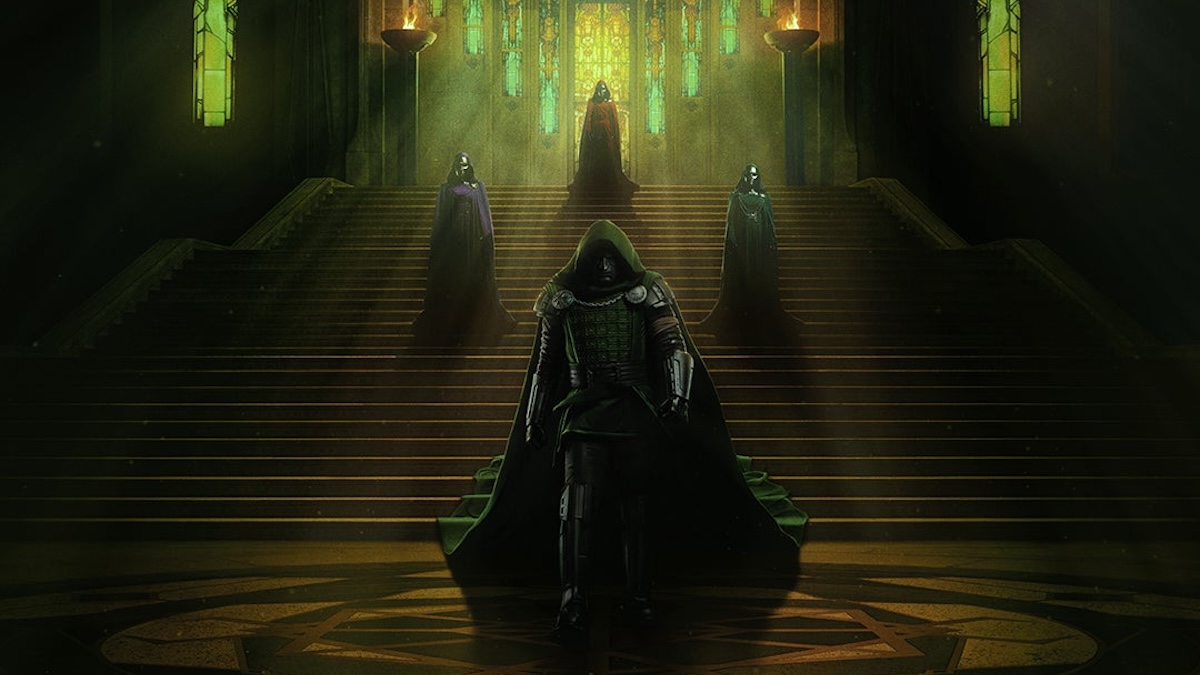
  • Avengers: Doomsday – Who Are Doctor Doom’s Latverian Witches?

    Avengers: Doomsday – Who Are Doctor Doom’s Latverian Witches?

    This article contains spoilers for VisionQuest episode 8. In a surprise to even those who had advanced screeners and wrote all of their reviews in good faith that they were being shown the entire show and are not at all grouchy about finding out that their articles are now wrong, VisionQuest ended with an unexpected […]

    The post Avengers: Doomsday – Who Are Doctor Doom’s Latverian Witches? appeared first on Den of Geek.

    The news that James Gunn and Peter Safran were out as heads of DC Studios came as a shock to many fans. Apart from the stumble of Supergirl, a majority of the projects under Gunn and Safran’s tenure were well-received in terms of critical acclaim and box office hauls. Apparently that wasn’t enough for Skydance heads David Ellison and Ynon Kreiz, as a new report from The Hollywood Reporter claims that part of the reason Gunn and Safran were ousted is due to the fact that the Gunn-directed Superman apparently “did not net out, or have the kind of pop culture impact, in the way that kind of movie should” per Skydance’s thinking.

    Anyone who’s seen Superman or been on the internet during and after its release knows that this is patently untrue. For starters, let’s look at the competition. 2025’s Superman arrived in what was a packed year for superhero movies, as Marvel Studios dropped Captain America: Brave New World, Thunderbolts*, and The Fantastic Four: First Steps. The first two of those Marvel films fell short at the box office, despite the latter receiving rave reviews; First Steps managed to make its budget back, perhaps owing to the fact that it premiered shortly after Superman and had similar vibes. Yet David Corenswet’s Man of Steel soared to the top of the pack, earning over $600 million worldwide.

    cnx.cmd.push(function() {
    cnx({
    playerId: “106e33c0-3911-473c-b599-b1426db57530”,

    }).render(“0270c398a82f44f49c23c16122516796”);
    });

    There’s also Gunn’s previous pedigree. Most fans know him from his work on the Guardians of the Galaxy trilogy, which took a lesser-known group of Marvel’s spacefaring heroes and turned them into household names. The conventional wisdom at the time was that a movie about a talking tree and a gun-toting raccoon in space would be a massive failure, and yet Gunn’s unique vision proved the opposite – namely, that if you put in the work with characters, they’ll resonate with audiences. Superman’s rehabilitation was no different, as after nearly a decade of movies, comics, and video games trying to stuff him in the same “grim and gritty” box as Batman, Gunn’s movie brought Clark Kent back to wholesome basics…and viewers undeniably responded to that. 

    Perhaps the best example of this is the ending of Superman (2025). Following the thwarting of Lex Luthor’s plot to invade Jarhanpur and stopping Metropolis from being ripped apart by a black hole, Superman sits in the Fortress of Solitude as the band Teddybears’ song “Punkrocker” featuring Iggy Pop’s vocals blasts at full volume. It’s a moment that pays off a key line where Superman tells Lois Lane that kindness is “the real punk rock,” and it’s a moment that resonated deeply with fans. “Punkrocker” remixes quickly found their way across social media, with fans even drawing comparisons to Spider-Man in the wake of Spider-Man: Brand New Day (it also didn’t hurt that two Spider-Man/Superman crossover comics were released earlier this year.)

    Another prime example of Superman’s cultural impact lies in the presence of Krypto the Superdog. While the canine was a point of contention for fandom – some believing that a dog with Superman’s powers was a bridge too far while others loved that Gunn embraced the more comic booky aspects of Superman’s mythos – Krypto’s appearance led to a noticableincrease in people wanting to adopt a dog. Not only is this fitting, given that Gunn partially based Krypto’s appearance on his own adopted dog Ozu, but it shows that Superman made an impact. That’s truly a mark of success, no matter how much Skydance tries to spin things.

    The post James Gunn’s Superman Did Have Cultural Impact, Thank You Very Much appeared first on Den of Geek.

  • Holiday Gift Guide: 7 Purrfect Presents For Feline Fanatics and Card Collectors This Gift Giving Season

    Holiday Gift Guide: 7 Purrfect Presents For Feline Fanatics and Card Collectors This Gift Giving Season

    This article is presented in partnership with Upper Deck. Don’t pawcrastinate and wait until the last minute to get your cat-loving friends and family meowmbers their gifts this year. No one wants to be running around at the eleventh hour like a cat being chased by the dreaded vacuum cleaner! Save yourself the stress and purrchase […]

    The post Holiday Gift Guide: 7 Purrfect Presents For Feline Fanatics and Card Collectors This Gift Giving Season appeared first on Den of Geek.

    The news that James Gunn and Peter Safran were out as heads of DC Studios came as a shock to many fans. Apart from the stumble of Supergirl, a majority of the projects under Gunn and Safran’s tenure were well-received in terms of critical acclaim and box office hauls. Apparently that wasn’t enough for Skydance heads David Ellison and Ynon Kreiz, as a new report from The Hollywood Reporter claims that part of the reason Gunn and Safran were ousted is due to the fact that the Gunn-directed Superman apparently “did not net out, or have the kind of pop culture impact, in the way that kind of movie should” per Skydance’s thinking.

    Anyone who’s seen Superman or been on the internet during and after its release knows that this is patently untrue. For starters, let’s look at the competition. 2025’s Superman arrived in what was a packed year for superhero movies, as Marvel Studios dropped Captain America: Brave New World, Thunderbolts*, and The Fantastic Four: First Steps. The first two of those Marvel films fell short at the box office, despite the latter receiving rave reviews; First Steps managed to make its budget back, perhaps owing to the fact that it premiered shortly after Superman and had similar vibes. Yet David Corenswet’s Man of Steel soared to the top of the pack, earning over $600 million worldwide.

    cnx.cmd.push(function() {
    cnx({
    playerId: “106e33c0-3911-473c-b599-b1426db57530”,

    }).render(“0270c398a82f44f49c23c16122516796”);
    });

    There’s also Gunn’s previous pedigree. Most fans know him from his work on the Guardians of the Galaxy trilogy, which took a lesser-known group of Marvel’s spacefaring heroes and turned them into household names. The conventional wisdom at the time was that a movie about a talking tree and a gun-toting raccoon in space would be a massive failure, and yet Gunn’s unique vision proved the opposite – namely, that if you put in the work with characters, they’ll resonate with audiences. Superman’s rehabilitation was no different, as after nearly a decade of movies, comics, and video games trying to stuff him in the same “grim and gritty” box as Batman, Gunn’s movie brought Clark Kent back to wholesome basics…and viewers undeniably responded to that. 

    Perhaps the best example of this is the ending of Superman (2025). Following the thwarting of Lex Luthor’s plot to invade Jarhanpur and stopping Metropolis from being ripped apart by a black hole, Superman sits in the Fortress of Solitude as the band Teddybears’ song “Punkrocker” featuring Iggy Pop’s vocals blasts at full volume. It’s a moment that pays off a key line where Superman tells Lois Lane that kindness is “the real punk rock,” and it’s a moment that resonated deeply with fans. “Punkrocker” remixes quickly found their way across social media, with fans even drawing comparisons to Spider-Man in the wake of Spider-Man: Brand New Day (it also didn’t hurt that two Spider-Man/Superman crossover comics were released earlier this year.)

    Another prime example of Superman’s cultural impact lies in the presence of Krypto the Superdog. While the canine was a point of contention for fandom – some believing that a dog with Superman’s powers was a bridge too far while others loved that Gunn embraced the more comic booky aspects of Superman’s mythos – Krypto’s appearance led to a noticableincrease in people wanting to adopt a dog. Not only is this fitting, given that Gunn partially based Krypto’s appearance on his own adopted dog Ozu, but it shows that Superman made an impact. That’s truly a mark of success, no matter how much Skydance tries to spin things.

    The post James Gunn’s Superman Did Have Cultural Impact, Thank You Very Much appeared first on Den of Geek.

  • Revisiting Catwoman, DC’s First and Worst Villain Solo Movie

    Revisiting Catwoman, DC’s First and Worst Villain Solo Movie

    Midway through Clayface, our antihero protagonist Matt Hagen celebrates his renewed celebrity status by engaging in a rousing game of pick-up basketball. The scene sends a shiver down the spines of moviegoers, and not just because it ends with Hagen discovering his regeneration powers, which will eventually lead him down the path of evil. It […]

    The post Revisiting Catwoman, DC’s First and Worst Villain Solo Movie appeared first on Den of Geek.

    The news that James Gunn and Peter Safran were out as heads of DC Studios came as a shock to many fans. Apart from the stumble of Supergirl, a majority of the projects under Gunn and Safran’s tenure were well-received in terms of critical acclaim and box office hauls. Apparently that wasn’t enough for Skydance heads David Ellison and Ynon Kreiz, as a new report from The Hollywood Reporter claims that part of the reason Gunn and Safran were ousted is due to the fact that the Gunn-directed Superman apparently “did not net out, or have the kind of pop culture impact, in the way that kind of movie should” per Skydance’s thinking.

    Anyone who’s seen Superman or been on the internet during and after its release knows that this is patently untrue. For starters, let’s look at the competition. 2025’s Superman arrived in what was a packed year for superhero movies, as Marvel Studios dropped Captain America: Brave New World, Thunderbolts*, and The Fantastic Four: First Steps. The first two of those Marvel films fell short at the box office, despite the latter receiving rave reviews; First Steps managed to make its budget back, perhaps owing to the fact that it premiered shortly after Superman and had similar vibes. Yet David Corenswet’s Man of Steel soared to the top of the pack, earning over $600 million worldwide.

    cnx.cmd.push(function() {
    cnx({
    playerId: “106e33c0-3911-473c-b599-b1426db57530”,

    }).render(“0270c398a82f44f49c23c16122516796”);
    });

    There’s also Gunn’s previous pedigree. Most fans know him from his work on the Guardians of the Galaxy trilogy, which took a lesser-known group of Marvel’s spacefaring heroes and turned them into household names. The conventional wisdom at the time was that a movie about a talking tree and a gun-toting raccoon in space would be a massive failure, and yet Gunn’s unique vision proved the opposite – namely, that if you put in the work with characters, they’ll resonate with audiences. Superman’s rehabilitation was no different, as after nearly a decade of movies, comics, and video games trying to stuff him in the same “grim and gritty” box as Batman, Gunn’s movie brought Clark Kent back to wholesome basics…and viewers undeniably responded to that. 

    Perhaps the best example of this is the ending of Superman (2025). Following the thwarting of Lex Luthor’s plot to invade Jarhanpur and stopping Metropolis from being ripped apart by a black hole, Superman sits in the Fortress of Solitude as the band Teddybears’ song “Punkrocker” featuring Iggy Pop’s vocals blasts at full volume. It’s a moment that pays off a key line where Superman tells Lois Lane that kindness is “the real punk rock,” and it’s a moment that resonated deeply with fans. “Punkrocker” remixes quickly found their way across social media, with fans even drawing comparisons to Spider-Man in the wake of Spider-Man: Brand New Day (it also didn’t hurt that two Spider-Man/Superman crossover comics were released earlier this year.)

    Another prime example of Superman’s cultural impact lies in the presence of Krypto the Superdog. While the canine was a point of contention for fandom – some believing that a dog with Superman’s powers was a bridge too far while others loved that Gunn embraced the more comic booky aspects of Superman’s mythos – Krypto’s appearance led to a noticableincrease in people wanting to adopt a dog. Not only is this fitting, given that Gunn partially based Krypto’s appearance on his own adopted dog Ozu, but it shows that Superman made an impact. That’s truly a mark of success, no matter how much Skydance tries to spin things.

    The post James Gunn’s Superman Did Have Cultural Impact, Thank You Very Much appeared first on Den of Geek.