Blog

  • To Ignite a Personalization Practice, Run this Prepersonalization Workshop

    To Ignite a Personalization Practice, Run this Prepersonalization Workshop

    Picture this. You’ve joined a squad at your company that’s designing new product features with an emphasis on automation or AI. Or your company has just implemented a personalization engine. Either way, you’re designing with data. Now what? When it comes to designing for personalization, there are many cautionary tales, no overnight successes, and few guides for the perplexed. 

    Between the fantasy of getting it right and the fear of it going wrong—like when we encounter “persofails” in the vein of a company repeatedly imploring everyday consumers to buy additional toilet seats—the personalization gap is real. It’s an especially confounding place to be a digital professional without a map, a compass, or a plan.

    For those of you venturing into personalization, there’s no Lonely Planet and few tour guides because effective personalization is so specific to each organization’s talent, technology, and market position. 

    But you can ensure that your team has packed its bags sensibly.

    There’s a DIY formula to increase your chances for success. At minimum, you’ll defuse your boss’s irrational exuberance. Before the party you’ll need to effectively prepare.

    We call it prepersonalization.

    Behind the music

    Consider Spotify’s DJ feature, which debuted this past year.

    We’re used to seeing the polished final result of a personalization feature. Before the year-end award, the making-of backstory, or the behind-the-scenes victory lap, a personalized feature had to be conceived, budgeted, and prioritized. Before any personalization feature goes live in your product or service, it lives amid a backlog of worthy ideas for expressing customer experiences more dynamically.

    So how do you know where to place your personalization bets? How do you design consistent interactions that won’t trip up users or—worse—breed mistrust? We’ve found that for many budgeted programs to justify their ongoing investments, they first needed one or more workshops to convene key stakeholders and internal customers of the technology. Make yours count.

    ​From Big Tech to fledgling startups, we’ve seen the same evolution up close with our clients. In our experiences with working on small and large personalization efforts, a program’s ultimate track record—and its ability to weather tough questions, work steadily toward shared answers, and organize its design and technology efforts—turns on how effectively these prepersonalization activities play out.

    Time and again, we’ve seen effective workshops separate future success stories from unsuccessful efforts, saving countless time, resources, and collective well-being in the process.

    A personalization practice involves a multiyear effort of testing and feature development. It’s not a switch-flip moment in your tech stack. It’s best managed as a backlog that often evolves through three steps: 

    1. customer experience optimization (CXO, also known as A/B testing or experimentation)
    2. always-on automations (whether rules-based or machine-generated)
    3. mature features or standalone product development (such as Spotify’s DJ experience)

    This is why we created our progressive personalization framework and why we’re field-testing an accompanying deck of cards: we believe that there’s a base grammar, a set of “nouns and verbs” that your organization can use to design experiences that are customized, personalized, or automated. You won’t need these cards. But we strongly recommend that you create something similar, whether that might be digital or physical.

    Set your kitchen timer

    How long does it take to cook up a prepersonalization workshop? The surrounding assessment activities that we recommend including can (and often do) span weeks. For the core workshop, we recommend aiming for two to three days. Here’s a summary of our broader approach along with details on the essential first-day activities.

    The full arc of the wider workshop is threefold:

    1. Kickstart: This sets the terms of engagement as you focus on the opportunity as well as the readiness and drive of your team and your leadership. .
    2. Plan your work: This is the heart of the card-based workshop activities where you specify a plan of attack and the scope of work.
    3. Work your plan: This phase is all about creating a competitive environment for team participants to individually pitch their own pilots that each contain a proof-of-concept project, its business case, and its operating model.

    Give yourself at least a day, split into two large time blocks, to power through a concentrated version of those first two phases.

    Kickstart: Whet your appetite

    We call the first lesson the “landscape of connected experience.” It explores the personalization possibilities in your organization. A connected experience, in our parlance, is any UX requiring the orchestration of multiple systems of record on the backend. This could be a content-management system combined with a marketing-automation platform. It could be a digital-asset manager combined with a customer-data platform.

    Spark conversation by naming consumer examples and business-to-business examples of connected experience interactions that you admire, find familiar, or even dislike. This should cover a representative range of personalization patterns, including automated app-based interactions (such as onboarding sequences or wizards), notifications, and recommenders. We have a catalog of these in the cards. Here’s a list of 142 different interactions to jog your thinking.

    This is all about setting the table. What are the possible paths for the practice in your organization? If you want a broader view, here’s a long-form primer and a strategic framework.

    Assess each example that you discuss for its complexity and the level of effort that you estimate that it would take for your team to deliver that feature (or something similar). In our cards, we divide connected experiences into five levels: functions, features, experiences, complete products, and portfolios. Size your own build here. This will help to focus the conversation on the merits of ongoing investment as well as the gap between what you deliver today and what you want to deliver in the future.

    Next, have your team plot each idea on the following 2×2 grid, which lays out the four enduring arguments for a personalized experience. This is critical because it emphasizes how personalization can not only help your external customers but also affect your own ways of working. It’s also a reminder (which is why we used the word argument earlier) of the broader effort beyond these tactical interventions.

    Each team member should vote on where they see your product or service putting its emphasis. Naturally, you can’t prioritize all of them. The intention here is to flesh out how different departments may view their own upsides to the effort, which can vary from one to the next. Documenting your desired outcomes lets you know how the team internally aligns across representatives from different departments or functional areas.

    The third and final kickstart activity is about naming your personalization gap. Is your customer journey well documented? Will data and privacy compliance be too big of a challenge? Do you have content metadata needs that you have to address? (We’re pretty sure that you do: it’s just a matter of recognizing the relative size of that need and its remedy.) In our cards, we’ve noted a number of program risks, including common team dispositions. Our Detractor card, for example, lists six stakeholder behaviors that hinder progress.

    Effectively collaborating and managing expectations is critical to your success. Consider the potential barriers to your future progress. Press the participants to name specific steps to overcome or mitigate those barriers in your organization. As studies have shown, personalization efforts face many common barriers.

    At this point, you’ve hopefully discussed sample interactions, emphasized a key area of benefit, and flagged key gaps? Good—you’re ready to continue.

    Hit that test kitchen

    Next, let’s look at what you’ll need to bring your personalization recipes to life. Personalization engines, which are robust software suites for automating and expressing dynamic content, can intimidate new customers. Their capabilities are sweeping and powerful, and they present broad options for how your organization can conduct its activities. This presents the question: Where do you begin when you’re configuring a connected experience?

    What’s important here is to avoid treating the installed software like it were a dream kitchen from some fantasy remodeling project (as one of our client executives memorably put it). These software engines are more like test kitchens where your team can begin devising, tasting, and refining the snacks and meals that will become a part of your personalization program’s regularly evolving menu.

    The ultimate menu of the prioritized backlog will come together over the course of the workshop. And creating “dishes” is the way that you’ll have individual team stakeholders construct personalized interactions that serve their needs or the needs of others.

    The dishes will come from recipes, and those recipes have set ingredients.

    Verify your ingredients

    Like a good product manager, you’ll make sure—andyou’ll validate with the right stakeholders present—that you have all the ingredients on hand to cook up your desired interaction (or that you can work out what needs to be added to your pantry). These ingredients include the audience that you’re targeting, content and design elements, the context for the interaction, and your measure for how it’ll come together. 

    This isn’t just about discovering requirements. Documenting your personalizations as a series of if-then statements lets the team: 

    1. compare findings toward a unified approach for developing features, not unlike when artists paint with the same palette; 
    2. specify a consistent set of interactions that users find uniform or familiar; 
    3. and develop parity across performance measurements and key performance indicators too. 

    This helps you streamline your designs and your technical efforts while you deliver a shared palette of core motifs of your personalized or automated experience.

    Compose your recipe

    What ingredients are important to you? Think of a who-what-when-why construct

    • Who are your key audience segments or groups?
    • What kind of content will you give them, in what design elements, and under what circumstances?
    • And for which business and user benefits?

    We first developed these cards and card categories five years ago. We regularly play-test their fit with conference audiences and clients. And we still encounter new possibilities. But they all follow an underlying who-what-when-why logic.

    Here are three examples for a subscription-based reading app, which you can generally follow along with right to left in the cards in the accompanying photo below. 

    1. Nurture personalization: When a guest or an unknown visitor interacts with  a product title, a banner or alert bar appears that makes it easier for them to encounter a related title they may want to read, saving them time.
    2. Welcome automation: When there’s a newly registered user, an email is generated to call out the breadth of the content catalog and to make them a happier subscriber.
    3. Winback automation: Before their subscription lapses or after a recent failed renewal, a user is sent an email that gives them a promotional offer to suggest that they reconsider renewing or to remind them to renew.

    A useful preworkshop activity may be to think through a first draft of what these cards might be for your organization, although we’ve also found that this process sometimes flows best through cocreating the recipes themselves. Start with a set of blank cards, and begin labeling and grouping them through the design process, eventually distilling them to a refined subset of highly useful candidate cards.

    You can think of the later stages of the workshop as moving from recipes toward a cookbook in focus—like a more nuanced customer-journey mapping. Individual “cooks” will pitch their recipes to the team, using a common jobs-to-be-done format so that measurability and results are baked in, and from there, the resulting collection will be prioritized for finished design and delivery to production.

    Better kitchens require better architecture

    Simplifying a customer experience is a complicated effort for those who are inside delivering it. Beware anyone who says otherwise. With that being said,  “Complicated problems can be hard to solve, but they are addressable with rules and recipes.”

    When personalization becomes a laugh line, it’s because a team is overfitting: they aren’t designing with their best data. Like a sparse pantry, every organization has metadata debt to go along with its technical debt, and this creates a drag on personalization effectiveness. Your AI’s output quality, for example, is indeed limited by your IA. Spotify’s poster-child prowess today was unfathomable before they acquired a seemingly modest metadata startup that now powers its underlying information architecture.

    You can definitely stand the heat…

    Personalization technology opens a doorway into a confounding ocean of possible designs. Only a disciplined and highly collaborative approach will bring about the necessary focus and intention to succeed. So banish the dream kitchen. Instead, hit the test kitchen to save time, preserve job satisfaction and security, and safely dispense with the fanciful ideas that originate upstairs of the doers in your organization. There are meals to serve and mouths to feed.

    This workshop framework gives you a fighting shot at lasting success as well as sound beginnings. Wiring up your information layer isn’t an overnight affair. But if you use the same cookbook and shared recipes, you’ll have solid footing for success. We designed these activities to make your organization’s needs concrete and clear, long before the hazards pile up.

    While there are associated costs toward investing in this kind of technology and product design, your ability to size up and confront your unique situation and your digital capabilities is time well spent. Don’t squander it. The proof, as they say, is in the pudding.

  • User Research Is Storytelling

    User Research Is Storytelling

    I’ve been fascinated by shows since I was a child. I loved the heroes and the excitement—but most of all the stories. I aspired to be an artist. And I backed up the idea that I would get to do the things Indiana Jones did and have interesting activities. I also dreamed up suggestions for videos that my friends and I could render and sun in. But they never advanced more. However, I did end up working in user experience ( UI). Today, I realize that there’s an element of drama to UX— I hadn’t actually considered it before, but consumer analysis is story. And you must show a compelling story to entice stakeholders, such as the product team and decision-makers, to learn more in order to get the most out of consumer research.

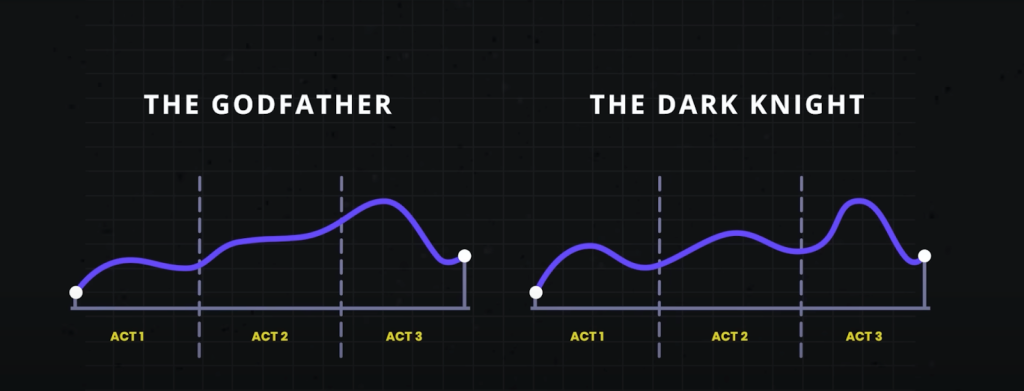
    Think about your favourite film. More than likely it follows a three-act construction that’s frequently seen in story: the layout, the fight, and the quality. The second act provides an overview of the current events and allows you to understand the characters, their difficulties, and issues. Act two sets the scene for the fight and introduces the action. Here, difficulties grow or get worse. And the solution is the third and final work. The issues are resolved in this area, and the figures grow and change. I believe that this architecture is also a great way to think about customer study, and I think that it can be particularly helpful in explaining person exploration to others.

    Use story as a framework for conducting analysis

    It’s unfortunate to say that many people now view studies as being unprofitable. If finances or timelines are small, analysis tends to be one of the first points to go. Some goods managers rely on designers or, worse, their own mind to make the “right” decisions for users based on their own knowledge or accepted best practices rather than investing in research. That might lead to some clubs getting in the way, but it’s too easy to overlook the real issues facing users. To be user-centered, this is something we really avoid. Design is enhanced by customer research. It provides opportunities and problems while keeping it on record. Being aware of the issues with your product and reacting to them can help you stay away of your competition.

    Each action in the three-act composition corresponds to a specific stage of the process, and each stage is crucial to delivering the full narrative. Let’s take a look at the various functions and how they relate to consumer research.

    Act one: installation

    Fundamental analysis comes in handy because the layout is all about comprehending the background. Foundational research aids in understanding people and identifying their issues ( also known as relational, discovery, or preliminary research ). You’re learning about what exists now, the obstacles people have, and how the problems affect them—just like in the videos. You can conduct contextual inquiries or diary studies ( or both! ) to conduct foundational research. ), which may assist you in identifying both prospects and problems. It doesn’t need to get a great investment in time or money.

    Erika Hall writes about the most effective anthropology, which can be as straightforward as spending 15 hours with a customer and asking them to” Walk me through your morning yesterday.” That is it. Provide that one ask. Opened up and spend fifteen minutes listening to them. Do everything in your power to protect both your objectives and yourself. Bam, you’re doing ethnography”. According to Hall, “[This ] will definitely prove quite fascinating. In the unlikely event that you don’t learn anything new or helpful, move on with more self-assurance in your way.

    This makes total sense to me. And I adore how customer research is made so simple. You can simply attract individuals and carry out the recruitment process without having to make a lot of paperwork! This can offer a wealth of knowledge about your customers, and it’ll help you better understand them and what’s going on in their life. That’s exactly what work one is all about: understanding where people are coming from.

    Jared Spool discusses the significance of basic research and how it should make up the majority of your study. If you can pick from any further user data that you can get your hands on, such as surveys or analytics, that can complement what you’ve heard in the fundamental studies or even time to areas that need more research. All of this information along provides a more in-depth understanding of the state of issues and all of its flaws. And that’s the start of a gripping tale. It’s the place in the story where you realize that the principal characters—or the people in this case—are facing issues that they need to conquer. This is where you begin to develop compassion for the heroes and support their success, much like in the movies. And hoped that partners are now doing the same. Their love may be with their company, which could be losing funds because people didn’t complete certain tasks. Or perhaps they feel something for the problems of consumers. In either case, work one serves as your main strategy for piqueing interest and investment from the participants.

    When stakeholders begin to understand the value of basic research, that is open doors to more opportunities that involve users in the decision-making approach. And that can help product teams become more user-centric. Everyone benefits from this, including the product, stakeholders, and users. It’s like winning an Oscar in movie terms—it often leads to your product being well received and successful. And this might serve as a motivator for stakeholders to carry this out with other goods. Knowing how to tell a good story is the only way to convince stakeholders to care about doing more research, and storytelling is the key to this process.

    This brings us to act two, where you iteratively evaluate a design or concept to see whether it addresses the issues.

    Act two: conflict

    Act two is all about approving the issues you raised in act one. This usually involves directional research, such as usability tests, where you assess a potential solution ( such as a design ) to see whether it addresses the issues that you found. Unmet needs or issues with a flow or process that is causing users to flee could be the causes. More problems will come up in the process, much like in the second act of a film. It’s here that you learn more about the characters as they grow and develop through this act.

    Usability tests should typically consist of five participants, according to Jakob Nielsen, who found that that number of users can typically identify the majority of the issues:” As you add more and more users, you learn less and less because you will keep seeing the same things again and again… After the fifth user, you are wasting your time by observing the same findings repeatedly but not learning much new.”

    The plot may get lost if you try to tell a story with too many characters, which also applies to storytelling. Having fewer participants means that each user’s struggles will be more memorable and easier to relay to other stakeholders when talking about the research. This can help to convey the problems that need to be addressed while also highlighting the significance of conducting initial research.

    Usability tests have been conducted in person for decades, but you can also conduct them remotely using software like Microsoft Teams, Zoom, or other teleconferencing software. This approach has become increasingly popular since the beginning of the pandemic, and it works well. You might consider in-person usability tests like attending a play and remote sessions as more of a movie watching experience. Each has advantages and disadvantages. In-person usability research is a much richer experience. The sessions can be had by stakeholders with other stakeholders. Additionally, you get real-time reactions, including surprises, disagreements, and discussions about what they’re seeing. Much like going to a play, where audiences get to take in the stage, the costumes, the lighting, and the actors ‘ interactions, in-person research lets you see users up close, including their body language, how they interact with the moderator, and how the scene is set up.

    If conducting usability testing in the field is like watching a play that is staged and controlled, where any two sessions may be very different from one another. You can conduct usability testing in the real world by creating a replica of the environment where users interact with the product and then conducting your research there. Or you can go out to meet users at their location to do your research. With either option, you can see how things work in context, how things develop, and how conversion can take a completely different turn. You have less control over how these sessions run as researchers, but this can occasionally improve your understanding of users. Meeting users where they are can provide clues to the external forces that could be affecting how they use your product. Usability tests in person offer a level of detail that is frequently absent from remote testing.

    That doesn’t mean that “movies” —remote sessions—aren’t a good option. Remote sessions can reach a wider audience. They make it possible for much more people to participate in the research and to observe what is happening. And they make access to a much wider range of users in their own country. But with any remote session there is the potential of time wasted if participants can’t log in or get their microphone working.

    You can ask real users questions to understand their thoughts and understanding of the solution as a result of usability testing, whether it is done remotely or in person. This can help you identify issues as well as understand why they were initially issues. Furthermore, you can test hypotheses and gauge whether your thinking is correct. By the end of the sessions, you’ll have a much clearer understanding of how useful the designs are and whether or not they fulfill their intended purpose. Act two is where the excitement is at the heart of the narrative, but there are also potential surprises. This is equally true of usability tests. Sometimes, participants will say unexpected things that alter the way you look at them, which can lead to unexpected turns in the story.

    Unfortunately, user research can occasionally be viewed as unreliable. And too often usability testing is the only research process that some stakeholders think that they ever need. There isn’t much to be gained by conducting usability testing in the first place if the designs you’re evaluating in the usability test aren’t grounded in thorough understanding of your users ( foundational research ). Because you’re narrowing the scope of what you’re receiving feedback on without understanding the needs of the users. As a result, there’s no way of knowing whether the designs might solve a problem that users have. In the context of a usability test, it’s just feedback on a particular design.

    On the other hand, you won’t know whether the thing you’re building will actually solve that until you only conduct foundational research, even though you might have attempted to solve the problem correctly. This illustrates the importance of doing both foundational and directional research.

    In act two, stakeholders will hopefully be able to observe the user sessions ‘ development, which exposes the conflict and tension in the current design’s highs and lows. And in turn, this can encourage stakeholders to take action on the issues that arise.

    Act three: resolution

    The third act is about resolving the issues from the first two acts, whereas the first two acts are about understanding the context and the tensions that can compel stakeholders to act. While the first two acts require an audience, the final act requires that they remain engaged throughout. That means the whole product team, including developers, UX practitioners, business analysts, delivery managers, product managers, and any other stakeholders that have a say in the next steps. It allows the entire team to discuss what’s possible within the project’s constraints, ask questions, and discuss user feedback together. Additionally, it enables the UX design and research teams to clarify, suggest alternatives, or provide more context for their decisions. So you can get everyone on the same page and get agreement on the way forward.

    This act is primarily told through voiceover with some audience participation. The researcher serves as the narrator, who depicts the issues and what the product’s potential future might look like given what the team has learned. They give the stakeholders their recommendations and their guidance on creating this vision.

    In the Harvard Business Review, Nancy Duarte describes a method for structuring presentations that follow a persuasive narrative. The most effective presenters” set up a conflict that needs to be resolved” using the same methods as great storytellers, Duarte writes. ” That tension helps them persuade the audience to adopt a new mindset or behave differently”.

    This kind of structure is in line with research findings, particularly those from usability tests. It provides evidence for “what is “—the problems that you’ve identified. And your suggestions for how to deal with them are “what could be.” And so forth and forth.

    You can reinforce your recommendations with examples of things that competitors are doing that could address these issues or with examples where competitors are gaining an edge. Or they can be as visual as quick sketches of a potential solution to a problem. These can help create momentum and conversation. And this continues until the end of the session when you’ve wrapped everything up in the conclusion by summarizing the main issues and suggesting a way forward. The part where you make a second or third reference to the main themes or issues or concerns for the product is when you make the denouement of the story. This stage provides stakeholders with the next steps and, hoped, the motivation to take those steps!

    While we are nearly at the end of this story, let’s reflect on the idea that user research is storytelling. The three-act structure of user research contains all the components for a good story:

      Act one: You encounter both the users and the antagonists ( the issues affecting users ). This is the beginning of the plot. Researchers might employ techniques like contextual inquiry, ethnography, diary studies, surveys, and analytics in act one. These techniques can produce personas, empathy maps, user journeys, and analytics dashboards as output.
      Act two: Next, there’s character development. The protagonists encounter problems and difficulties, which they must overcome, and there is conflict and tension. Researchers might employ heuristics evaluation, usability testing, competitive benchmarking, and other methods in act two. The output of these can include usability findings reports, UX strategy documents, usability guidelines, and best practices.
      Act three: The main characters win, and the audience is shown a better future. Researchers may use techniques like storytelling, presentation decks, and digital media in act three. The output of these can be: presentation decks, video clips, audio clips, and pictures.

    The researcher performs a number of tasks: they are the producer, the director, and the storyteller. The participants only have a small part in the study, but they are significant characters ( in it ). And the stakeholders are the audience. However, the most crucial thing is to create the right narrative and use storytelling to research user stories. By the end, the parties should have a goal and a desire to solve the product’s flaws.

    So the next time that you’re planning research with clients or you’re speaking to stakeholders about research that you’ve done, think about how you can weave in some storytelling. In the end, user research is beneficial for everyone, and all you need to do is pique stakeholders ‘ interest in how the story ends.

  • Storytelling Converts Better Than Sales Tactics Every Time

    Storytelling Converts Better Than Sales Tactics Every Time

    Learn more at Duct Tape Marketing at John Jantsch’s Storytelling Converts Better Than Sales Strategies Every Day.

    David Garfinkel, creator of The Persuasion Story Code and copywriter, is the subject of this season of The Duct Tape Marketing Podcast. David is widely regarded as one of the leading authorities on eloquent conversation, storytelling in advertising, and direct response advertising. His expertise lies in]… ]

    Learn more at Duct Tape Marketing at John Jantsch’s Storytelling Converts Better Than Sales Strategies Every Day.

    David Garfinkel’s The Duct Tape Marketing Radio

    David Garfinkel, a copywriter and author of The Persuasion Story Code, was interviewed in this season of the Duct Tape Marketing Podcast. David is widely regarded as one of the leading authorities on eloquent conversation, storytelling in advertising, and direct response advertising. His area of expertise is in helping companies, marketers, and entrepreneurs create compelling messages that use powerful story to increase sales and customer engagement.

    David explained why selling story is a much more effective strategy than traditional selling techniques during our conversation. Instead of relying on hard-selling, companies can utilize story systems to build trust, friendship, and emotional contacts with their visitors. He also covered the idea of &#8220, stories with a dollar sign, and &#8221, explaining how the right story techniques can increase visitors wedding and eventually increase conversions.

    David Garfinkel’s perspectives on eloquent narrative and sales narrative demonstrate why businesses should concentrate on developing effective storytelling strategies rather than relying on outdated sales tactics. By integrating powerful narratives into advertising strategies, companies may increase audience engagement, develop stronger connections, and drive business growth through traditional storytelling.

    Important Restaurants:

      Persuasion triumphs over aggressive sales tactics: People have a stronger connection with powerful narratives than ferocious sales pitches.

    • Use of advertising copywriting and a compelling narrative framework can reduce objections and bring prospects closer to a sale. Storytelling helps to drive conversions.
    • Empathy in marketing things: Stories that touch on customers ‘ pain factors help foster confidence, and company story strengthens brand loyalty.
    • Case study narrative gives trust – demonstrating real-world achievements through situation study storytelling convinces potential customers and clears any doubts.
    • Companies may change from traditional marketing to persuasion techniques that convey customer values and understanding.

    Chapters:

      ]00: 09 ] Introducing David Garfinkel

    • ]00: 54] Story Systems
    • ]03: 11] What are Persuasion Stories?
    • ]05: 22] How to Make a Conversational Story
    • ]06: 48] Merging Stories and CTAs
    • ]09: 09 ] Using Stories to Get Attention
    • ]12: 39] Mistakes in Storytelling
    • ]13: 28 ] Learning from Your Favorite Books
    • ]15: 30 ] AI in Storytelling
    • ]18: 51] Is There a Formula to Storytelling?

    More About Matt McQueen:

      Test out David Garfinkel&#8217, s Website

    • Connect with David Garfinkel on LinkedIn

    This season of the Duct Tape Marketing Podcast is brought to you by the radio.

    Want to elevate your marketing game? AdCritter pairs Connected TV ads with precise digital retargeting to drive real results. Discover how their full-funnel strategy can help your business grow smarter. Let them know Duct Tape Marketing sent you, and you’ll get a dollar-for-dollar match on your first campaign! Learn more at adcritter.com.

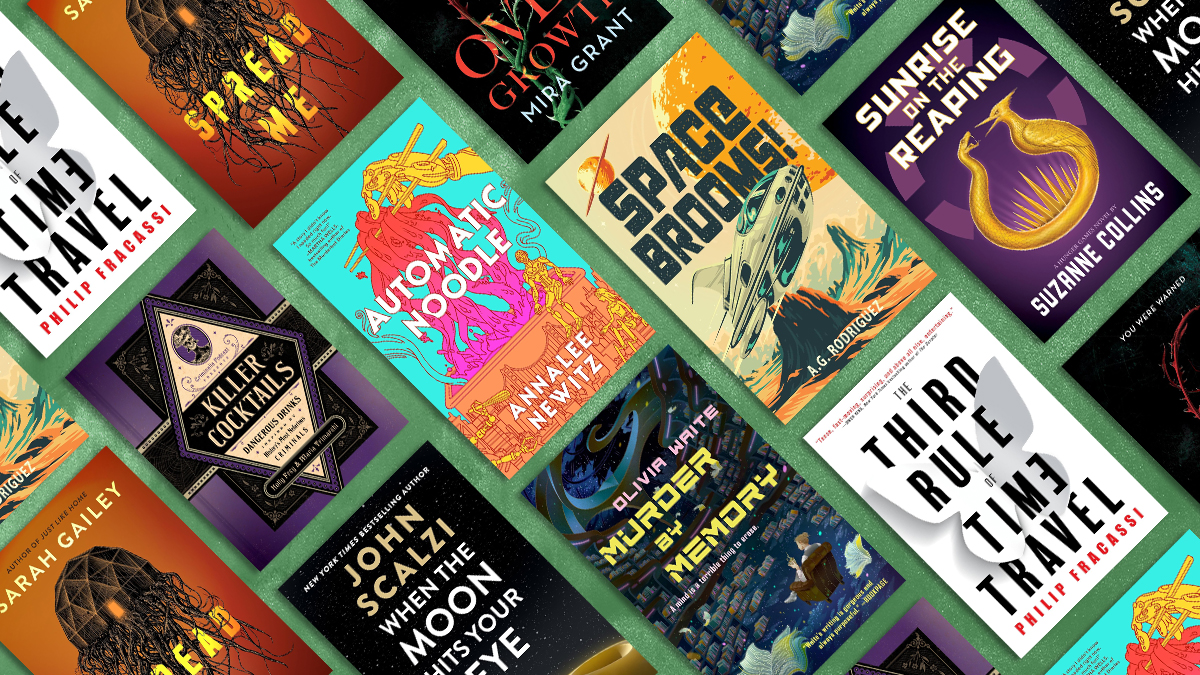
  • The Biggest Science Fiction Books of 2025

    The Biggest Science Fiction Books of 2025

    Some sci-fi fans place themselves in a particular camp of speculative fiction they gravitate towards, naming as their friends favorite sub-genres like time travel, place opera, or post-apocalyptic thrillers. However, science fiction doesn’t fit into these neat categories these times, and 2025 is about to demonstrate how the mind of writers in this field always existed.

    The first article on Den of Geek was The Biggest Science Fiction Books of 2025.

    Almost 15 years ago, DreamWorks Animation&#8217, s How To Teach Your Dragon soared into venues. The movie initially appeared to be another odd concept from the animation studio that once played second fiddle to Disney, a la Bee Movie ( 2007 ) or Monsters vs. Aliens ( 2009 ). But, Hollywood quickly learned this was n&#8217, t another decent entry into the Studios library. In fact, How To Drain Your Dragon flew to new creative heights the animation studio hadn&#8217, t seen since Shrek ( 2001 ). &nbsp,

    The picture was an honest-to-goodness smash hit, spawning a series of videos, an active TV series subsidiary, and a plethora of products. There will even be a unit of Universal Studios&#8217, Epic Universe theme park starting this summer. But in fact, How To Teach Your Dragon was an obvious member to get the live-action therapy. This will be the first version of a movie from DreamWorks Animation&#8217, as well as a new prospect for Universal Pictures, which adds to that inevitability. And at last the second full trailer for said remake has been released, giving fans a look at the history &#8217, s important events.

    Shrek was unable to dispel any of the small brother accusations against Disney because they appear to be following Disney’s example in a concept that Mouse House has been using for years. While live-action remakes of Disney’s animated classics have been around for decades, they have had a long, highly criticized revival since Tim Burton’s film Alice in Wonderland debuted in 2010 and#8211, which unexpectedly came out the same month as the year’s first How To Train Your Dragon.

    One of the most highly criticized aspects of Disney &#8217 ;s remakes is that the movies are too similar to their animated counterparts, which leads to a play that is so conservative that the new renditions fail to support their existence. The film emblematic of this epidemic is (ironically ) the most successful of the bunch, The Lion King ( 2019 ). With the exception of one new music amount written for superstar Beyoncé, who voiced Nala in the image, the &#8220, live-action&#8221, The Lion King is a scene-for-scene, and in many cases a shot-for-shot, repeat of the 1994 common. The movie comes off as more of a remix than it does a copy, as if it were a picture game title and not a movie with a narrative bent. &nbsp,

    Of program, many of the favorite scenes from the first movie must be re-released for the copy. There might have been protests at Disney World &#8217, s Hollywood Boulevard if some huge occasion had been omitted from The Lion King &#8216, s history. When Mulan ( 2020 ) chose to remove the musical sequences and Mushu the dragon, online Disney fans were in fact vocally irritated.

    Perhaps for this reason the How To Teach Your Dragon remake&#8217, s advertising has leaned into familiarity, with John Powell&#8217, s broad report serving as a landscape to some of the most cherished moments from the animated image. Hiccup ( now played by Mason Thames ) timidly extends his hand toward Toothless for the first time, feeling the scaly embrace of a once-thought-provoking dragon. Iconography causes butts in seats. However, DreamWorks must avoid playing it too safe, or they &#8217, ll run the gambit of having another The Lion King.

    It appears that Dean DeBlois, the writer and director, is also acutely aware of this risk. He co-wrote and directed all three of the beloved animated How to Train Your Dragon movies, and he recently revealed to Den of Geek how receptive he is of the numerous live-action remakes of animated films. The director spoke with our senior editor David Crow about what he might find to be the rigidity in some live-action sequels during a special press presentation about the new movie. So while he felt the call to remake the beloved night fury with all the other dragons in a much freer hand, giving them a much more tactile heft and even menace, he also felt the need to make sure Toothless looks how audiences remember it. The one glimpse we get of that in the new trailer comes from a far more sinister and gargantuan &#8220, Red Death&#8221, monstrosity attacking the film &#8217, s central Vikings.

    cnx. cmd. push ( function ( ) {cnx ( {playerId:” 106e33c0-3911-473c-b599-b1426db57530″, }). render ( “0270c398a82f44f49c23c16122516796” ), }),

    DeBlois&#8217, words are reassuring as is his passion for this world he has so intimately played a part in creating. If he can see his vision through, perhaps he could land closer to Jon Favreau&#8217, s first Disney remake, The Jungle Book ( 2016 ), which ironically released three years before his less loved The Lion King redo. The Jungle Book is often regarded as one of Disney &#8217, s best live-action adaptations. The film hones in on pivotal moments of the 1967 original, such as &#8220, The Bare Necessities &#8221, and &#8220, I Wan&#8217, na Be Like You &#8221, musical numbers. However, the movie pivots away from the cartoon, establishing an extended backstory, alternative plot threads, and added sequences not found in the 1967 version. It&#8217 is a genuine adaptation that draws inspiration from what was successful while adding urgency and energy that more appropriately fits the new medium. &nbsp,

    The footage presented at the event promises a much bigger reimagining of Hiccup and Toothless&#8217, island, as well as a grander sense of world-building for this Viking land where dragonriders are recruited from across the globe. The most recent How To Train Your Dragon trailer mostly relies on playing a sizzle reel of animated film highlights, this time with realistic CGI graphics. DreamWorks has so far managed to avoid the errors of Disney and the infamous &#8220, Ugly Sonic, &#8221, both of which feature overdesigned characters that detract from viewership, but it is still uncertain whether they will also avoid sticking too closely to the original. &nbsp,

    Based on what we know from the 98-minute original, the film attempts to expand the lore that was admittedly a little thin in the 98-minute original and try to expand the scope of the ragtag group of friends recruited from faraway lands and sailed to Berk, where the pacing is reportedly lacking. However, it’s possible for the creators to find many different ways to make the 2025 remake different from the 2010 version. In other words, they should be able to resemble The Jungle Book more than The Lion King.

    Universal and DreamWorks will decide whether or not to do this, but one can hope they learned from their rival and produce something superior to any Disney remake that comes before it.

    On June 13, How to Train Your Dragon will be available in theaters.

    The post Disney &#8217, s Biggest Mistake Should Be Avoided appeared first on Den of Geek.

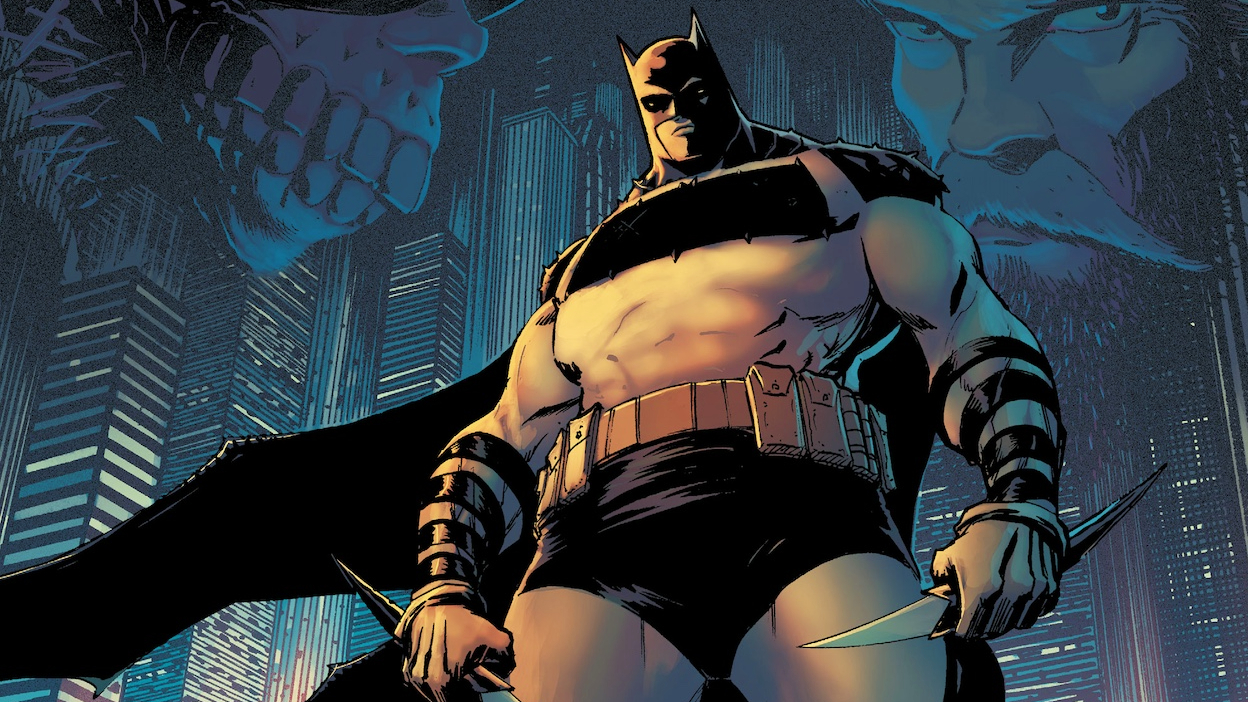
  • Absolute Batman Just Introduced a New Bat-Signal and It’s Perfect

    Absolute Batman Just Introduced a New Bat-Signal and It’s Perfect

    This Batman post contains clues. What defines Batman? As part of the Absolute Universe, the new DC Comics series that reimagines main characters, Total Batman often wrestles with this problem. Bruce Wayne was a hulking part of working-class trend, created by designers Scott Snyder and Nick Dragotta, raised by a solitary mom and without a]…

    Total Batman Only Introduced a New Bat-Signal and It’s Great first appeared on Den of Geek.

    Almost 15 years ago, DreamWorks Animation&#8217, s How To Teach Your Dragon soared into venues. The movie initially appeared to be another odd concept from the animation studio that once played second fiddle to Disney, a la Bee Movie ( 2007 ) or Monsters vs. Aliens ( 2009 ). But, Hollywood quickly learned this was n&#8217, t another decent entry into the Studios library. In fact, How To Drain Your Dragon flew to new creative heights the animation studio hadn&#8217, t seen since Shrek ( 2001 ). &nbsp,

    The picture was an honest-to-goodness smash hit, spawning a series of videos, an active TV series subsidiary, and a plethora of products. There will even be a unit of Universal Studios&#8217, Epic Universe theme park starting this summer. But in fact, How To Teach Your Dragon was an obvious member to get the live-action therapy. This will be the first version of a movie from DreamWorks Animation&#8217, as well as a new chance for Universal Pictures, which adds to that inevitability. And at last the second full trailer for said remake has been released, giving fans a look at the history &#8217, s important events.

    Shrek was unable to dispel any of the Disney Little Brother accusations because they appear to be following Disney’s example in a concept that Mouse House has been using for years. While live-action remakes of Disney’s animated classics have been around for decades, they have had a long, highly criticized revival since Tim Burton’s film Alice in Wonderland debuted in 2010 and#8211, which unexpectedly came out the same month as the year’s first How To Train Your Dragon.

    One of the most highly criticized aspects of Disney’s remakes is that the movies play therefore modestly that the new versions fail to support their existence because they are too similar to their active counterparts. The film emblematic of this epidemic is (ironically ) the most successful of the bunch, The Lion King ( 2019 ). With the exception of one new music amount written for superstar Beyoncé, who voiced Nala in the image, the &#8220, live-action&#8221, The Lion King is a scene-for-scene, and in many cases a shot-for-shot, repeat of the 1994 common. The movie has the feel of a reissue rather than a copy, as if it had a video game title and never a narrative-driven motion picture. &nbsp,

    Of course, the remake will have many of the beloved scenes from the first movie. There might have been protests at Disney World &#8217, s Hollywood Boulevard if some huge occasion had been omitted from The Lion King &#8216, s account. When Mulan ( 2020 ) chose to remove the musical sequences and Mushu the dragon, online Disney fans were in fact vocally disapprove.

    Perhaps for this reason the How To Teach Your Dragon remake&#8217, s advertising has leaned into familiarity, with John Powell&#8217, s broad report serving as a landscape to some of the most cherished moments from the animated image. Hiccup ( now played by Mason Thames ) timidly raises his hand toward Toothless for the first time, feeling the scaly embrace of the once-thought threat of a night fury dragon. Iconography causes bottoms in seats. However, Studios may prevent playing it very safe, or they &#8217, ill run the gambit of having another The Lion King.

    It appears that Dean DeBlois, the writer and director, is also acutely aware of this chance. He co-wrote and directed all three of the favorite animated How to Train Your Dragon shows, and he just revealed to Den of Geek how receptive he is of the numerous live-action sequels of animated movie. The director spoke with our senior editor David Crow about what he might find to be the rigidity in some live-action sequels during a special press presentation about the new movie. So he took on the task of redesigning the beloved night fury with all the other dragons in a much more free-wheeling manner, giving them a more tactile heft and even greater threat, while feeling the call to make sure Toothless looks how audiences remember it. The one glimpse we get of that in the new trailer comes from a far more sinister and gargantuan &#8220, Red Death&#8221, monstrosity attacking the film &#8217, s central Vikings.

    cnx. cmd. push ( function ( ) {cnx ( {playerId:” 106e33c0-3911-473c-b599-b1426db57530″, }). render ( “0270c398a82f44f49c23c16122516796” ), }),

    DeBlois&#8217, words are reassuring as is his passion for this world he has so intimately played a part in creating. If he can see his vision through, perhaps he could land closer to Jon Favreau&#8217, s first Disney remake, The Jungle Book ( 2016 ), which ironically released three years before his less loved The Lion King redo. The Jungle Book is often regarded as one of Disney &#8217, s best live-action adaptations. The film hones in on pivotal moments of the 1967 original, such as &#8220, The Bare Necessities &#8221, and &#8220, I Wan&#8217, na Be Like You &#8221, musical numbers. However, the movie pivots away from the cartoon, establishing an extended backstory, alternative plot threads, and added sequences not found in the 1967 version. It is a genuine adaptation that draws inspiration from its original source material while adding urgency and energy that fit the new medium. &nbsp,

    The footage we saw at the presentation suggests a similarly more in-depth reimagining of Hiccup and Toothless&#8217, island, as well as a grander sense of world-building for this Viking land where dragonriders are recruited from across the globe. However, the most recent How To Train Your Dragon trailer primarily relies on playing a sizzle reel of animated film highlights, this time with realistic CGI graphics. DreamWorks has so far managed to avoid the errors of Disney and the infamous &#8220, Ugly Sonic, &#8221, both of which feature overdesigned characters that detract from viewership, but it is still uncertain whether they will also avoid sticking too closely to the original. &nbsp,

    Based on what we know, the movie attempts to expand the lore of the 98-minute original and explore the motivations of the supporting characters while also exploring the story’s 98-minute original, which is based on DeBlois ‘ ( Nico Parker ) and Hiccup’s ( a different ragtag group of friends being recruited from faraway lands and sailed to Berk, where the film is set ). However, it’s hoped that the 2025 remake will stand out from the 2010 version in many ways. In other words, I hope they are more in tune with The Jungle Book than The Lion King.

    Universal and DreamWorks will decide whether or not to do this, but one can hope they learned from their rival and produce something superior to any Disney remake that comes before it.

    How to Train Your Dragon premieres in theaters on June 13th.

    The post Disney &#8217, s Biggest Mistake Should Be Avoided appeared first on Den of Geek.

  • Watson Is More Faithful to Sherlock Holmes and Arthur Conan Doyle Than You Think

    Watson Is More Faithful to Sherlock Holmes and Arthur Conan Doyle Than You Think

    This Watson post contains clues. If you’ve heard anything at all about the innovative CBS medical-mystery set Watson, it’s likely that it’s related to another Sherlock Holmes-inspired health series, House. However, Watson and House are only superficial at best because they are not original [ …] [ …][ …]

    On Den of Geek, a post called Watson Is More Honest Than You Think About Sherlock Holmes and Arthur Conan Doyle first appeared.

    Almost 15 years ago, DreamWorks Animation&#8217, s How To Teach Your Dragon soared into venues. The movie initially appeared to be another odd concept from the animation studio that once played second fiddle to Disney, a la Bee Movie ( 2007 ) or Monsters vs. Aliens ( 2009 ). But, Hollywood quickly learned this was n&#8217, t another decent entry into the Studios library. In fact, How To Drain Your Dragon flew to new creative heights the animation studio hadn&#8217, t seen since Shrek ( 2001 ). &nbsp,

    The picture was an honest-to-goodness smash hit, spawning a series of videos, an active TV series subsidiary, and a plethora of products. There will even be a tree of Universal Studios&#8217, Epic Universe theme park starting this summer. But in fact, How To Teach Your Dragon was an obvious member to get the live-action therapy. This will be the first copy of a movie from DreamWorks Animation&#8217, as well as a new chance for Universal Pictures, which adds to that inevitability. And at last the second full trailer for said remake has been released, giving fans a look at the history &#8217, s important events.

    Studios was unable to dispel any of the Disney Little Brother accusations because they appear to be following Disney’s example in a concept that Mouse House has been using for years. While live-action remakes of Disney’s animated classics have been around for decades, they have had a long, highly criticized revival since Tim Burton’s film Alice in Wonderland debuted in 2010 and#8211, which ironically came out the same month as the year’s first How To Train Your Dragon.

    One of the most highly criticized aspects of Disney’s remakes is that the movies play therefore cautiously that the new renditions fail to support their existence because they are too similar to their lively counterparts. The film emblematic of this epidemic is (ironically ) the most successful of the bunch, The Lion King ( 2019 ). With the exception of one new music amount written for superstar Beyoncé, who voiced Nala in the image, the &#8220, live-action&#8221, The Lion King is a scene-for-scene, and in many cases a shot-for-shot, repeat of the 1994 common. The movie has the feel of a remix rather than a version, as if it had a video game title and never a narrative-driven motion picture. &nbsp,

    Of program, many of the favorite scenes from the first movie must be re-released for the copy. There might have been protests at Disney World &#8217, s Hollywood Boulevard if some huge occasion had been omitted from The Lion King &#8216, s account. When Mulan ( 2020 ) decided to axe the musical sequences and Mushu the dragon, online Disney fans were in fact vocally upset.

    Perhaps for this reason the How To Teach Your Dragon remake&#8217, s advertising has leaned into familiarity, with John Powell&#8217, s broad report serving as a landscape to some of the most cherished moments from the animated image. Hiccup ( now played by Mason Thames ) timidly raises his hand toward Toothless for the first time, feeling the scaly embrace of the once-thought threat of a night fury dragon. Chairs have butts caused by imagery. However, Studios may prevent playing it too safe, or they &#8217, ill work the strategy of having another The Lion King.

    It appears that Dean DeBlois, the writer and director, is also acutely aware of this chance. He co-wrote and directed all three of the favorite animated How to Train Your Dragon shows, and he just revealed to Den of Geek how receptive he is of the numerous live-action sequels of animated movie. The director spoke with our older director David Crow about what he might find to be the strength in some live-action sequels during a special press meeting about the new movie. But while he felt the call to remake the dearest night fury with all the other dragons in a far freer hand, giving them a much more tactile heft and also menace, he also felt the need to make sure Toothless looks how audiences remember it. The one picture we get of that in the new video comes from a far more sinister and gigantic &#8220, Red Death&#8221, monster attacking the picture &#8217, s main Vikings.

    cnx. cmd. push ( function ( ) {cnx ( {playerId:” 106e33c0-3911-473c-b599-b1426db57530″, }). render ( “0270c398a82f44f49c23c16122516796” ), }),

    DeBlois&#8217, words are reassuring as is his passion for this world he has so intimately played a part in creating. If he can see his vision through, perhaps he could land closer to Jon Favreau&#8217, s first Disney remake, The Jungle Book ( 2016 ), which ironically released three years before his less loved The Lion King redo. The Jungle Book is often regarded as one of Disney &#8217, s best live-action adaptations. The film hones in on pivotal moments of the 1967 original, such as &#8220, The Bare Necessities &#8221, and &#8220, I Wan&#8217, na Be Like You &#8221, musical numbers. However, the movie pivots away from the cartoon, establishing an extended backstory, alternative plot threads, and added sequences not found in the 1967 version. It is a genuine adaptation that draws inspiration from its original work while adding urgency and energy that fit the new medium. &nbsp,

    The presentation’s footage suggests a much more in-depth exploration of Hiccup and Toothless&#8217, island, as well as a grander sense of world-building for this Viking land where dragonriders are recruited from across the globe. However, the most recent How To Train Your Dragon trailer primarily relies on playing a sizzle reel of animated film highlights, this time with realistic CGI graphics. DreamWorks has so far managed to avoid the errors of Disney and the infamous &#8220, Ugly Sonic, &#8221, both of which feature overdesigned characters that detract from viewership, but it is still uncertain whether they will also avoid sticking too closely to the original. &nbsp,

    Based on what we know from the 98-minute original, the film attempts to expand the lore that was admittedly a little thin in the 98-minute original and try to expand the scope of the ragtag group of friends recruited from faraway lands and sailed to Berk, where the pacing is reportedly lacking. However, it’s possible for the creators to find many different ways to make the 2025 remake different from the 2010 version. In other words, they should be more in line with The Jungle Book than The Lion King.

    Universal and DreamWorks will decide whether or not to do this, but one can hope they learned something from their rival and produced a film that stands out above any Disney remake before it.

    How to Train Your Dragon premieres in theaters on June 13th.

    The post Disney &#8217, s Biggest Mistake Should Be Avoided appeared first on Den of Geek.

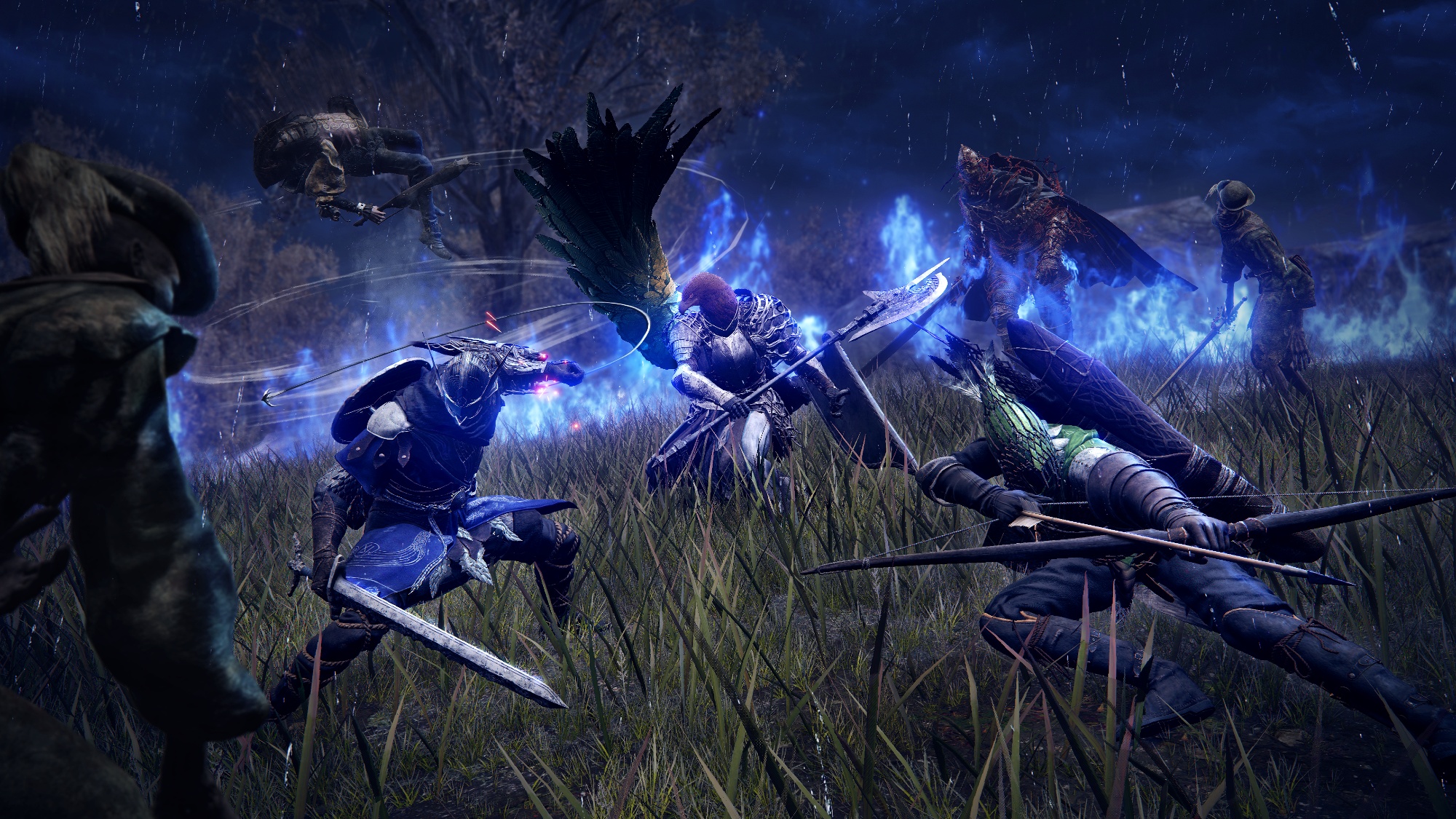
  • New Video Game Releases 2025: Nintendo, PlayStation, Xbox, Steam, PC

    New Video Game Releases 2025: Nintendo, PlayStation, Xbox, Steam, PC

    The biggest approaching activities of 2025 makes 2024 seem like an even slower time for new releases. More and more significant titles are dropping in batches during some of the years as the common development time for games increases. Like 2023 before it, 2025 is going to be one ]… ]

    The article New Video Game Releases 2025: Nintendo, PlayStation, Xbox, Steam, Computer appeared first on Den of Geek.

    Almost 15 years ago, DreamWorks Animation&#8217, s How To Teach Your Dragon soared into cinemas. The movie initially appeared to be another odd concept from the animation studio that once played second fiddle to Disney, a la Bee Movie ( 2007 ) or Monsters vs. Aliens ( 2009 ). But, Hollywood quickly learned this was n&#8217, t another decent entry into the Studios catalog. In fact, How To Drain Your Dragon flew to new creative heights the animation studio hadn&#8217, t seen since Shrek ( 2001 ). &nbsp,

    The picture was an honest-to-goodness smash hit, spawning a series of videos, an active TV series subsidiary, and a plethora of products. There will even be a tree of Universal Studios&#8217, Epic Universe theme park starting this summer. But in fact, How To Teach Your Dragon was an obvious member to get the live-action therapy. This will be the first version of a movie from DreamWorks Animation&#8217, as well as a new prospect for Universal Pictures, which adds to that inevitability. And at last the second full trailer for said remake has been released, giving fans a look at the history &#8217, s important events.

    Studios was unable to dispel any of the Disney Little Brother accusations because they appear to be following Disney’s example in a concept that Mouse House has been using for years. While live-action remakes of Disney’s animated classics have been around for decades, they have had a long, highly criticized revival since Tim Burton’s film Alice in Wonderland debuted in 2010 and#8211, which ironically came out the same month as the year’s first How To Train Your Dragon.

    One of the most highly criticized aspects of Disney’s remakes is that the movies play therefore modestly that the new renditions fail to support their existence because they are too similar to their lively counterparts. The film emblematic of this epidemic is (ironically ) the most successful of the bunch, The Lion King ( 2019 ). With the exception of one new music amount written for superstar Beyoncé, who voiced Nala in the image, the &#8220, live-action&#8221, The Lion King is a scene-for-scene, and in many cases a shot-for-shot, repeat of the 1994 common. The movie has the feel of a remix rather than a version, as if it had a video game title and never a narrative-driven motion picture. &nbsp,

    Of program, many of the favorite scenes from the first movie must be re-released for the copy. There might have been protests at Disney World &#8217, s Hollywood Boulevard if some huge occasion had been omitted from The Lion King &#8216, s history. When Mulan ( 2020 ) chose to remove the musical sequences and Mushu the dragon, online Disney fans were in fact vocally irritated.

    Perhaps for this reason the How To Teach Your Dragon remake&#8217, s advertising has leaned into familiarity, with John Powell&#8217, s broad report serving as a landscape to some of the most cherished moments from the animated image. Hiccup ( now played by Mason Thames ) timidly extends his hand toward Toothless for the first time, feeling the scaly embrace of a once-thought-provoking dragon. Iconography causes bottoms in seats. However, Studios may prevent playing it very safe, or they &#8217, ill run the gambit of having another The Lion King.

    It appears that Dean DeBlois, the writer and director, is also acutely aware of this chance. He co-wrote and directed all three of the favorite animated How to Train Your Dragon shows, and he just revealed to Den of Geek how receptive he is of the numerous live-action sequels of animated movie. The director spoke with our senior editor David Crow about what he might find to be the rigidity in some live-action sequels during a special press meeting about the new movie. So he took on the task of redesigning the beloved night fury with all the other dragons in a much more free-wheeling manner, giving them a more tactile heft and even greater threat, while feeling the call to make sure Toothless looks how audiences remember it. The one glimpse we get of that in the new trailer comes from a far more sinister and gargantuan &#8220, Red Death&#8221, monstrosity attacking the film &#8217, s central Vikings.

    cnx. cmd. push ( function ( ) {cnx ( {playerId:” 106e33c0-3911-473c-b599-b1426db57530″, }). render ( “0270c398a82f44f49c23c16122516796” ), }),

    DeBlois&#8217, words are reassuring as is his passion for this world he has so intimately played a part in creating. If he can see his vision through, perhaps he could land closer to Jon Favreau&#8217, s first Disney remake, The Jungle Book ( 2016 ), which ironically released three years before his less loved The Lion King redo. The Jungle Book is often regarded as one of Disney &#8217, s best live-action adaptations. The film hones in on pivotal moments of the 1967 original, such as &#8220, The Bare Necessities &#8221, and &#8220, I Wan&#8217, na Be Like You &#8221, musical numbers. However, the movie pivots away from the cartoon, establishing an extended backstory, alternative plot threads, and added sequences not found in the 1967 version. It is a genuine adaptation that draws inspiration from its original work while adding urgency and energy that fit the new medium. &nbsp,

    The footage presented at the event promises a much bigger reimagining of Hiccup and Toothless&#8217, island, as well as a grander sense of world-building for this Viking land where dragonriders are recruited from across the globe. However, the most recent How To Train Your Dragon trailer primarily relies on playing a sizzle reel of animated film highlights, this time with realistic CGI graphics. DreamWorks has so far managed to avoid the errors of Disney and the infamous &#8220, Ugly Sonic, &#8221, both of which feature overdesigned characters that detract from viewership, but it is still uncertain whether they will also avoid sticking too closely to the original. &nbsp,

    Based on what we know from the 98-minute original, the film attempts to expand the lore that was admittedly a little thin in the 98-minute original and try to expand the scope of the ragtag group of friends recruited from faraway lands and sailed to Berk, where the pacing is reportedly lacking. However, it’s hoped that the 2025 remake will stand out from the 2010 version in many ways. In other words, I hope they are more in tune with The Jungle Book than The Lion King.

    One can hope Universal and DreamWorks learned from their rival and produce something superior to any Disney remake before it, but it’s still up to them to decide whether or not to do this.

    On June 13, How to Train Your Dragon will be available in theaters.

    The post Disney &#8217, s Biggest Mistake Should Be Avoided appeared first on Den of Geek.

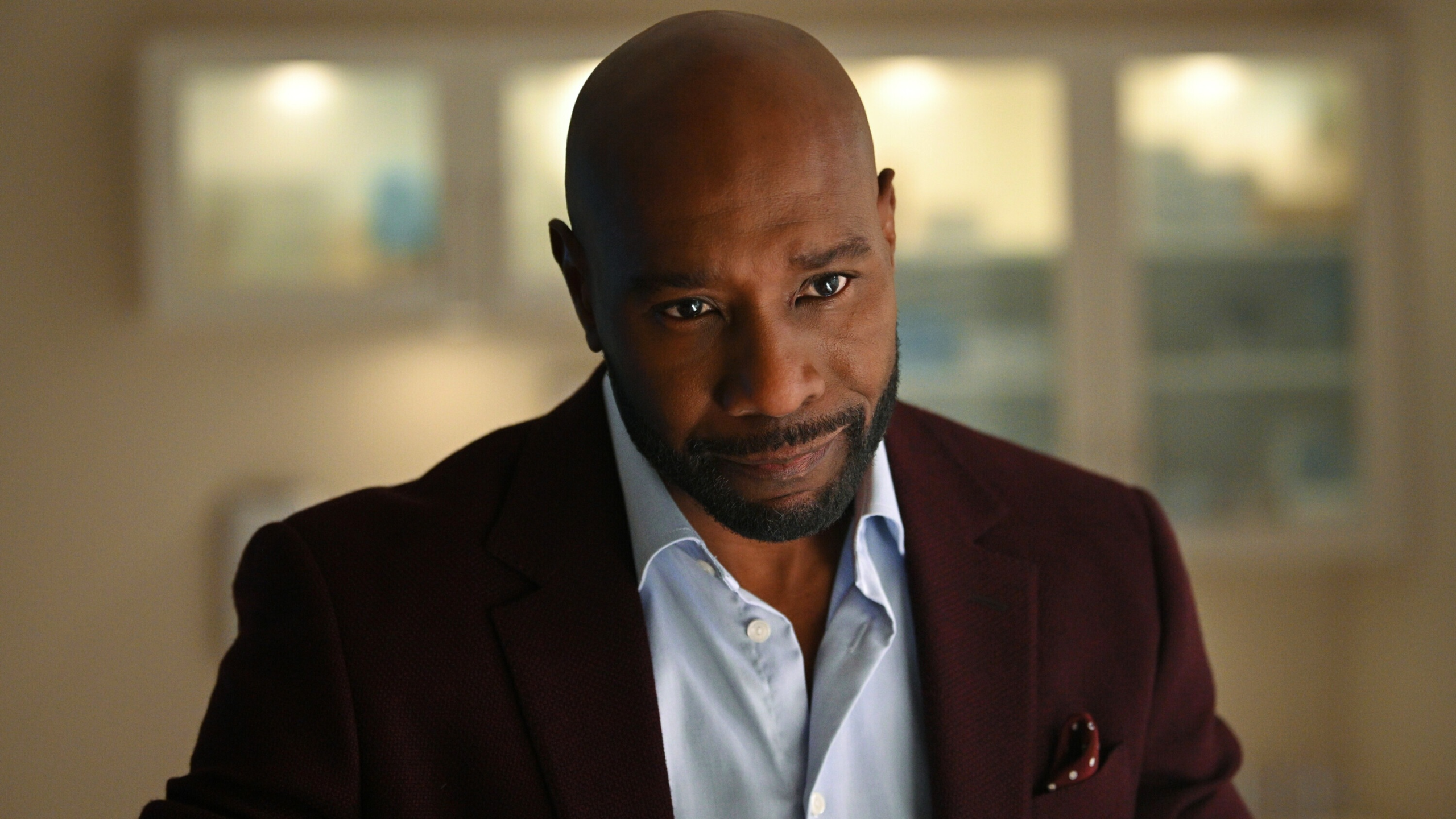
  • Inside Mythic Quest Season 4’s Murder Mystery Standout “The Villain’s Feast”

    Inside Mythic Quest Season 4’s Murder Mystery Standout “The Villain’s Feast”

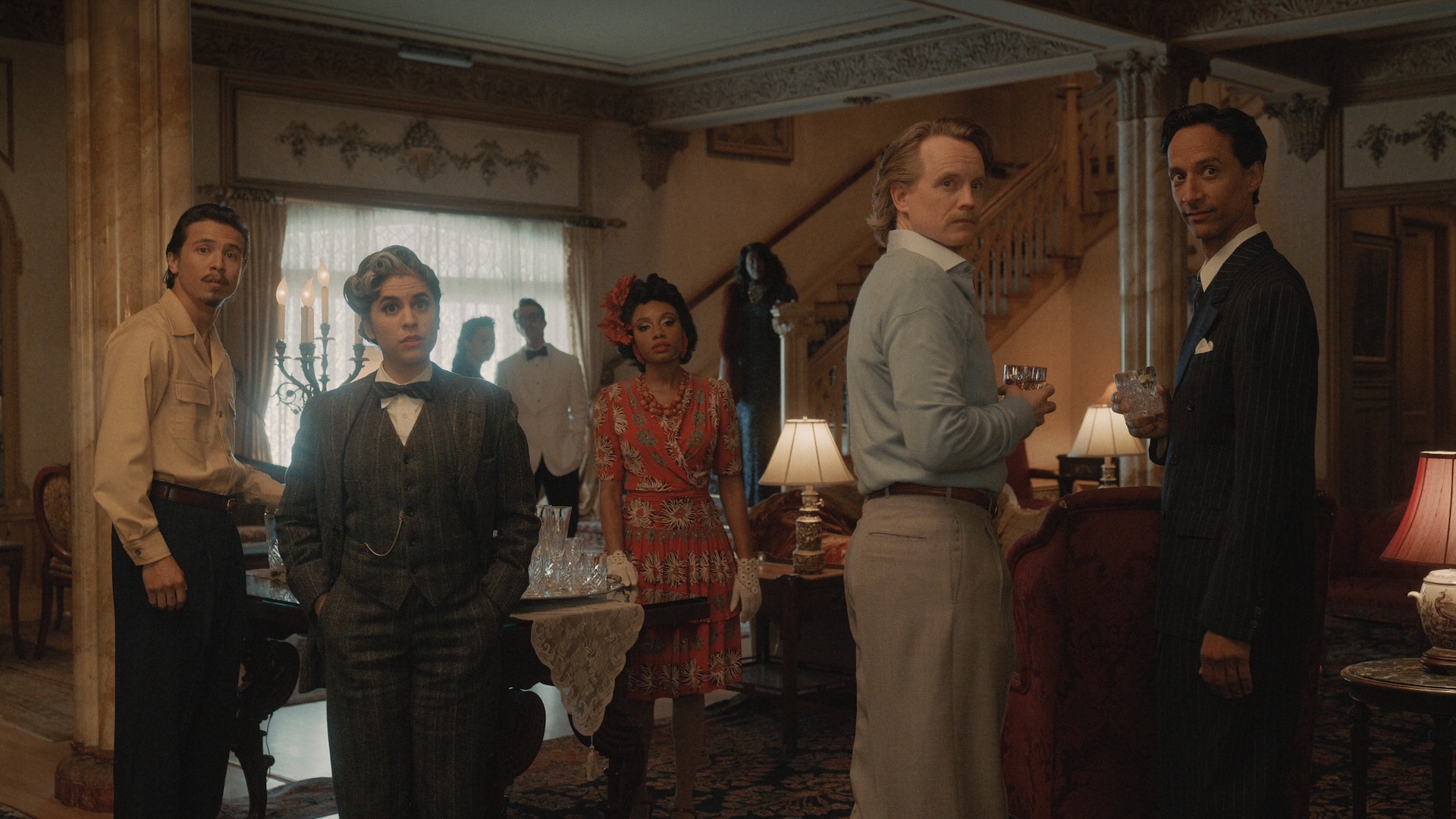
    Trailers appear in this article for winter 4 of Legendary Quest. ” The Villain’s Feast”, the fourth episode of Mythic Quest’s fourth season, does not begin like a typical installment of the Apple TV + gaming comedy. Gone is the common, cramped office of the Legendary Quest theater. A boat perched atop the open ocean in its place [ …]…]…]…]…]…]…]…]…]…]…]…]…]…]…]…]…]…]…]…]…]…]…]…]…]]…]]…]] ] ] ] ] ] ] ] ] ] ] ] ] ] ] ] ] ] ] ] ] ] ] ] ] ] ] ] ] ] ] ] ] ] ] ] ] ] ] ] ] ] ]

    The post In Legendary Quest Season 4’s Death Mystery Standout” The Villain’s Feast” appeared first on Den of Geek.

    Almost 15 years ago, DreamWorks Animation&#8217, s How To Teach Your Dragon soared into venues. The movie initially appeared to be another odd concept from the animation studio that once played second fiddle to Disney, a la Bee Movie ( 2007 ) or Monsters vs. Aliens ( 2009 ). But, Hollywood quickly learned this was n&#8217, t another decent entry into the Studios library. In fact, How To Drain Your Dragon flew to new creative heights the animation studio hadn&#8217, t seen since Shrek ( 2001 ). &nbsp,

    The picture was an honest-to-goodness smash hit, spawning a series of videos, an active TV series subsidiary, and a plethora of products. There will even be a unit of Universal Studios&#8217, Epic Universe theme park starting this summer. But in fact, How To Teach Your Dragon was an obvious member to get the live-action therapy. This will be the first copy of a movie from DreamWorks Animation&#8217, as well as a new chance for Universal Pictures, which adds to that inevitability. And at last the second full trailer for said remake has been released, giving fans a look at the history &#8217, s important events.

    Disney and DreamWorks allegedly followed suit in a concept that the Mouse House has been using for ages, despite all of the little brother complaints made against them. Although live-action remakes of Disney’s animated classics have been around for decades, they have had a long, highly criticized revival since Tim Burton’s Alice in Wonderland debut in 2010 and #8211, which ironically came out the same month as the year’s first How To Train Your Dragon.

    One of the most highly criticized aspects of Disney’s remakes is that the movies play therefore modestly that the new renditions fail to support their existence because they are too similar to their lively counterparts. The film emblematic of this epidemic is (ironically ) the most successful of the bunch, The Lion King ( 2019 ). With the exception of one new music amount written for superstar Beyoncé, who voiced Nala in the image, the &#8220, live-action&#8221, The Lion King is a scene-for-scene, and in many cases a shot-for-shot, repeat of the 1994 common. The movie comes off as more of a reissue than it does a copy, as if it were a picture game title and not a movie with a narrative bent. &nbsp,

    Of program, many of the favorite scenes from the first movie must be re-released for the copy. There might have been protests at Disney World &#8217, s Hollywood Boulevard if some huge occasion had been omitted from The Lion King &#8216, s history. When Mulan ( 2020 ) chose to remove the musical sequences and Mushu the dragon, online Disney fans were in fact vocally irritated.

    Perhaps for this reason the How To Teach Your Dragon remake&#8217, s advertising has leaned into familiarity, with John Powell&#8217, s broad report serving as a landscape to some of the most cherished moments from the animated image. Hiccup ( now played by Mason Thames ) timidly extends his hand toward Toothless for the first time, feeling the scaly embrace of the once-thought-provoking menace of a night fury dragon. Iconography causes bottoms in seats. However, Studios may prevent playing it too safe, or they &#8217, ill work the strategy of having another The Lion King.

    It appears that Dean DeBlois, the writer and director, is also knowledgeable of this danger. He co-wrote and directed all three of the favorite animated How to Train Your Dragon shows, and he just revealed to Den of Geek how receptive he is of the numerous live-action sequels of animated movie. The director spoke with our older director David Crow about what he might perceive as the strength in some live-action extensions during a specific assessment for the click about the new movie. But he took on the responsibility of making sure Toothless looks like how viewers remember the beloved night fury, and he changed them with much more freedom, turning them into something with more sensory heft and also threat. The one picture we get of that in the new video comes from a far more sinister and gigantic &#8220, Red Death&#8221, monster attacking the picture &#8217, s main Vikings.

    cnx. powershell. push ( function ( ) {cnx ( {playerId:” 106e33c0-3911-473c-b599-b1426db57530″, }). render ( “0270c398a82f44f49c23c16122516796” ), }),

    DeBlois&#8217, thoughts are reassuring as is his love for this world he has so deeply played a part in creating. If he can see his vision through, perhaps he could land closer to Jon Favreau&#8217, s first Disney remake, The Jungle Book ( 2016 ), which ironically released three years before his less loved The Lion King redo. The Jungle Book is generally regarded as one of Disney &#8217, s best live-action adjustments. The film hones in on pivotal moments of the 1967 original, such as &#8220, The Bare Necessities &#8221, and &#8220, I Wan&#8217, na Be Like You &#8221, musical numbers. But, the movie pivots away from the film, establishing an extended story, alternative story threads, and added sequences never found in the 1967 edition. It&#8217 is a genuine adaptation that draws inspiration from what was successful while adding urgency and energy that more appropriately fits the new medium. &nbsp,

    The footage presented at the event promises a much bigger reimagining of Hiccup and Toothless&#8217, island, as well as a grander sense of world-building for this Viking land where dragonriders are recruited from across the globe. However, the most recent How To Train Your Dragon trailer mostly relies on playing a sizzle reel of animated film highlights, this time with realistic CGI graphics. DreamWorks has so far managed to avoid the errors of Disney and the infamous &#8220, Ugly Sonic, &#8221, both of which feature overdesigned characters that detract from viewership, but it is still uncertain whether they will also avoid sticking too closely to the original. &nbsp,

    Based on what we know from the 98-minute original, the film attempts to expand the lore that was admittedly a little thin in the 98-minute original and try to expand the scope of the ragtag group of friends recruited from faraway lands and sailed to Berk, where the pacing is reportedly lacking. However, it’s possible for the creators to find many different ways to make the 2025 remake different from the 2010 version. In other words, they should be more in line with The Jungle Book than The Lion King.

    One can hope Universal and DreamWorks learned from their rival and produce something superior to any Disney remake before it, but it’s still up to them to decide whether or not to do this.

    On June 13, How to Train Your Dragon will be available in theaters.

    The post Disney &#8217, s Biggest Mistake Should Be Avoided appeared first on Den of Geek.

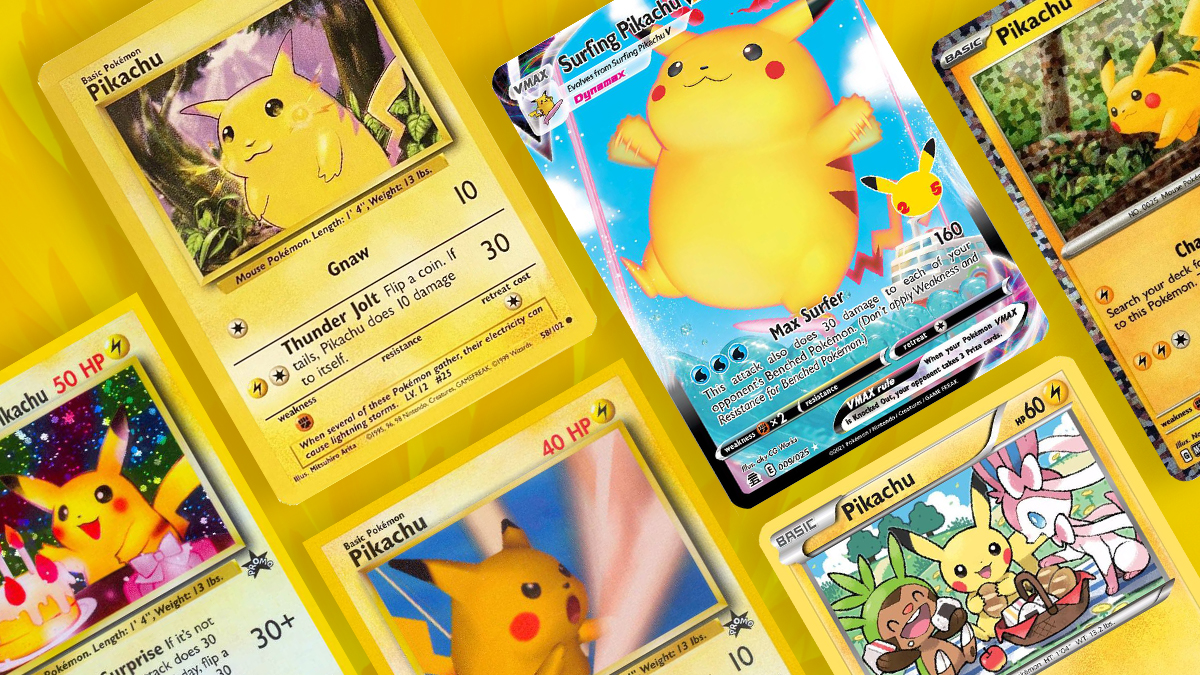
  • 10 Best Pikachu Pokémon Cards You Need to Collect

    10 Best Pikachu Pokémon Cards You Need to Collect

    No long after the company made its debut in Japan in 1996, Pokémon quickly established itself as one of the largest brands in the world. One little golden mouse represents all of the historical trends that the video game turned card activity and anime have had for almost three decades. That’s right, we’re talking about Pokémon’s beloved ]…]

    The second article on Den of Geek‘s Top 10 Best Pikachu Pokémon Cards was originally published here.

    Almost 15 years ago, DreamWorks Animation&#8217, s How To Teach Your Dragon soared into cinemas. The movie initially appeared to be another odd concept from the animation studio that once played second fiddle to Disney, a la Bee Movie ( 2007 ) or Monsters vs. Aliens ( 2009 ). But, Hollywood quickly learned this was n&#8217, t another decent entry into the Studios library. In fact, How To Drain Your Dragon flew to new creative heights the animation studio hadn&#8217, t seen since Shrek ( 2001 ). &nbsp,

    The picture was an honest-to-goodness smash hit, spawning a series of videos, an active TV series subsidiary, and a plethora of products. There will even be a tree of Universal Studios&#8217, Epic Universe theme park starting this summer. But in fact, How To Teach Your Dragon was an obvious member to get the live-action therapy. This will be the first version of a movie from DreamWorks Animation&#8217, as well as a new chance for Universal Pictures, which adds to that inevitability. And at last the second full trailer for said remake has been released, giving fans a look at the history &#8217, s important events.

    Shrek was unable to dispel any of the Disney Little Brother accusations because they appear to be following Disney’s example in a concept that Mouse House has been using for centuries. Although live-action remakes of Disney’s animated classics have been around for decades, they have had a long, highly criticized revival since Tim Burton’s Alice in Wonderland debut in 2010 and #8211, which unexpectedly came out the same month as the year’s first How To Train Your Dragon.

    One of the most highly criticized aspects of Disney’s remakes is that the movies play therefore modestly that the new renditions fail to support their existence because they are too similar to their lively counterparts. The film emblematic of this epidemic is (ironically ) the most successful of the bunch, The Lion King ( 2019 ). With the exception of one new music amount written for superstar Beyoncé, who voiced Nala in the image, the &#8220, live-action&#8221, The Lion King is a scene-for-scene, and in many cases a shot-for-shot, repeat of the 1994 common. The movie has a resemblance to a video game subject rather than a narrative-driven motion picture, with less of a copy and more of a reissue. &nbsp,

    Of program, many of the favorite scenes from the first movie must be re-released for the copy. There might have been protests at Disney World &#8217, s Hollywood Boulevard if some huge occasion had been omitted from The Lion King &#8216, s account. When Mulan ( 2020 ) chose to remove the musical sequences and Mushu the dragon, online Disney fans were in fact vocally irritated.

    Perhaps for this reason the How To Teach Your Dragon remake&#8217, s advertising has leaned into familiarity, with John Powell&#8217, s broad report serving as a landscape to some of the most cherished moments from the animated image. Hiccup ( now played by Mason Thames ) timidly raises his hand toward Toothless for the first time, feeling the scaly embrace of the once-thought threat of a night fury dragon. Chairs have butts caused by imagery. However, Studios may prevent playing it very safe, or they &#8217, ill run the gambit of having another The Lion King.

    It appears that Dean DeBlois, the writer and director, is also knowledgeable of this danger. He co-wrote and directed all three of the favorite animated How to Train Your Dragon shows, and he just revealed to Den of Geek how receptive he is of the numerous live-action sequels of animated movie. The director spoke with our older director David Crow about what he might find to be the strength in some live-action sequels during a special press meeting about the new movie. But he took on the responsibility of making positive Toothless looks like how viewers remember the beloved night fury, and he changed them with much more freedom, turning them into something with more sensory heft and also threat. The one picture we get of that in the new video comes from a far more sinister and gigantic &#8220, Red Death&#8221, monster attacking the picture &#8217, s main Vikings.

    cnx. command. push ( function ( ) {cnx ( {playerId:” 106e33c0-3911-473c-b599-b1426db57530″, }). render ( “0270c398a82f44f49c23c16122516796” ), }),

    DeBlois&#8217, thoughts are reassuring as is his love for this world he has so deeply played a part in creating. If he can see his vision through, perhaps he could land closer to Jon Favreau&#8217, s first Disney remake, The Jungle Book ( 2016 ), which ironically released three years before his less loved The Lion King redo. The Jungle Book is generally regarded as one of Disney &#8217, s best live-action adjustments. The film hones in on pivotal moments of the 1967 original, such as &#8220, The Bare Necessities &#8221, and &#8220, I Wan&#8217, na Be Like You &#8221, musical numbers. But, the movie pivots away from the film, establishing an extended story, alternative story threads, and added sequences never found in the 1967 edition. It is a genuine adaptation that draws inspiration from its original source material while adding urgency and energy that fit the new medium. &nbsp,

    The presentation’s footage suggests a much more in-depth exploration of Hiccup and Toothless&#8217, island, as well as a grander sense of world-building for this Viking land where dragonriders are recruited from across the globe. However, the most recent How To Train Your Dragon trailer primarily relies on playing a sizzle reel of animated film highlights, this time with realistic CGI graphics. DreamWorks has so far managed to avoid the errors of Disney and the infamous &#8220, Ugly Sonic, &#8221, both of which feature overdesigned characters that detract from viewership, but it’s not clear whether they will do the same with their predecessors. &nbsp,

    Based on what we know, the movie attempts to expand the lore of the 98-minute original and explore the motivations of the supporting characters while also exploring the story’s 98-minute original, which is based on DeBlois ‘ ( Nico Parker ) and Hiccup’s ( a different ragtag group of friends being recruited from faraway lands and sailed to Berk, where the film is set ). However, it’s possible for the creators to find many different ways to make the 2025 remake different from the 2010 version. In other words, they should be more in line with The Jungle Book than The Lion King.

    Universal and DreamWorks will decide whether or not to do this, but one can hope they learned from their rival and produce something superior to any Disney remake that comes before it.

    On June 13, How to Train Your Dragon will be available in theaters.

    The post Disney &#8217, s Biggest Mistake Should Be Avoided appeared first on Den of Geek.

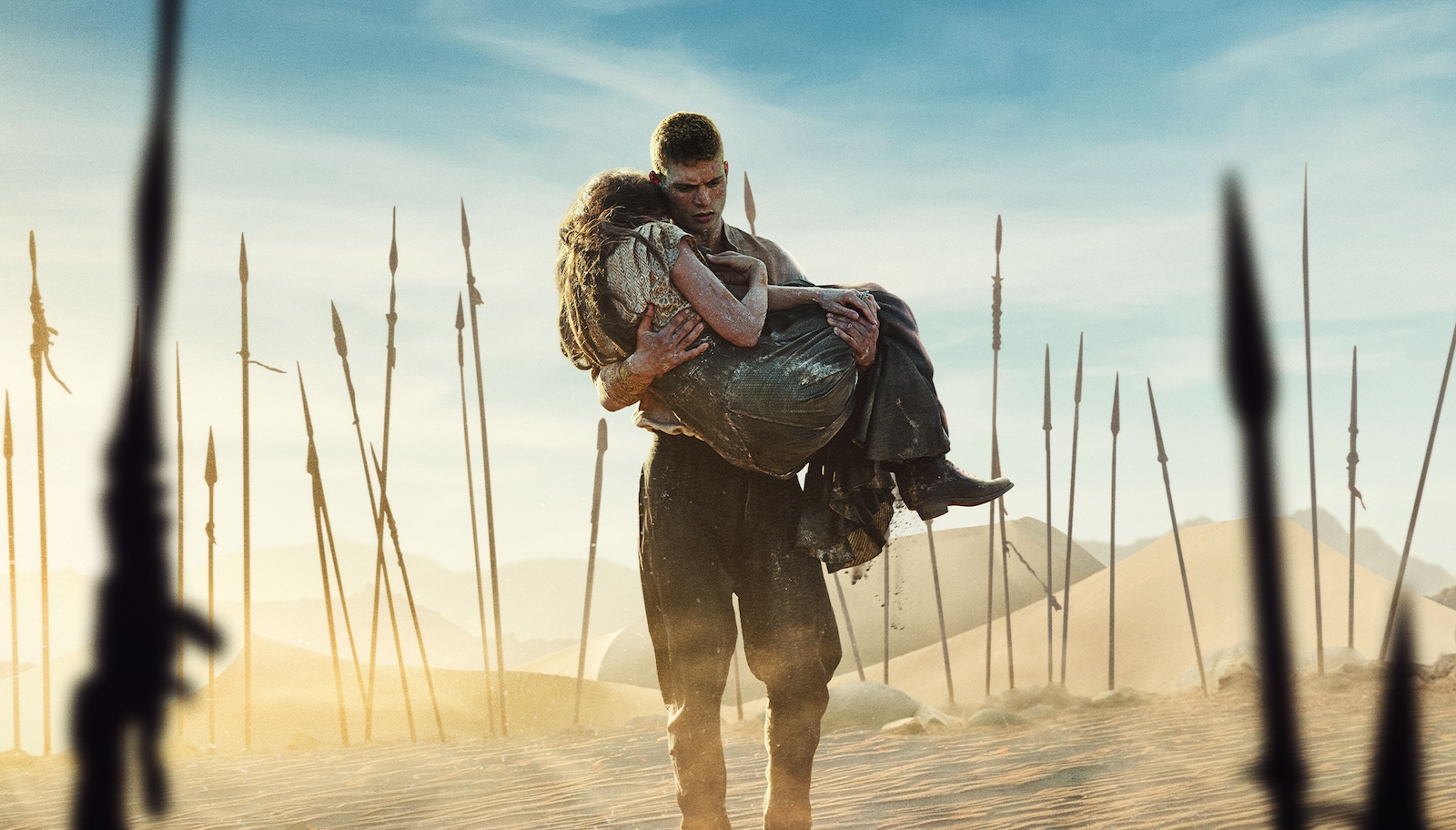
  • The Wheel of Time Season 3 Trailer: Civil War, a Desert Journey, and a Dark Prophecy

    The Wheel of Time Season 3 Trailer: Civil War, a Desert Journey, and a Dark Prophecy

    The Wheel of Time year three has suddenly received its first trailer, and it appears that we are about to get into Robert Jordan’s amazing saga, which the display is based on. As everyone begins to develop their true power, both for good and evil, the battle for the [ …] begins.

    The article The Wheel of Time Season 3 Video: Civil War, a Desert Journey, and a Dark Prophecy appeared initially on Den of Geek.

    Almost 15 years ago, DreamWorks Animation&#8217, s How To Teach Your Dragon soared into venues. The movie initially appeared to be another odd concept from the animation studio that once played second fiddle to Disney, a la Bee Movie ( 2007 ) or Monsters vs. Aliens ( 2009 ). But, Hollywood quickly learned this was n&#8217, t another decent entry into the Studios library. In fact, How To Drain Your Dragon flew to new creative heights the animation studio hadn&#8217, t seen since Shrek ( 2001 ). &nbsp,

    The picture was an honest-to-goodness smash hit, spawning a series of videos, an active TV series subsidiary, and a plethora of products. There will even be a tree of Universal Studios&#8217, Epic Universe theme park starting this summer. But in fact, How To Teach Your Dragon was an obvious member to get the live-action therapy. This will be the first version of a movie from DreamWorks Animation&#8217, as well as a new chance for Universal Pictures, which adds to that inevitability. And at last the second full trailer for said remake has been released, giving fans a look at the history &#8217, s important events.

    Shrek was unable to dispel any of the tiny brother accusations against Disney because they appear to be following Disney’s example in a concept that Mouse House has been using for years. Although live-action remakes of Disney’s animated classics have been around for decades, they have had a long, highly criticized revival since Tim Burton’s Alice in Wonderland debut in 2010 and #8211, which unexpectedly came out the same month as the year’s first How To Train Your Dragon.

    One of the most highly criticized aspects of Disney’s remakes is that the movies play therefore modestly that the new versions fail to support their existence because they are too similar to their active counterparts. The film emblematic of this epidemic is (ironically ) the most successful of the bunch, The Lion King ( 2019 ). With the exception of one new music amount written for superstar Beyoncé, who voiced Nala in the image, the &#8220, live-action&#8221, The Lion King is a scene-for-scene, and in many cases a shot-for-shot, repeat of the 1994 common. The movie has a resemblance to a video game subject rather than a narrative-driven motion picture, with less of a copy and more of a reissue. &nbsp,

    Of course, the remake will have many of the favorite scenes from the first movie. There might have been protests at Disney World &#8217, s Hollywood Boulevard if some huge occasion had been omitted from The Lion King &#8216, s history. When Mulan ( 2020 ) chose to remove the musical sequences and Mushu the dragon, online Disney fans were in fact vocally disapprove.

    Perhaps for this reason the How To Teach Your Dragon remake&#8217, s advertising has leaned into familiarity, with John Powell&#8217, s broad report serving as a landscape to some of the most cherished moments from the animated image. Hiccup ( now played by Mason Thames ) timidly raises his hand toward Toothless for the first time, feeling the scaly embrace of the once-thought threat of a night fury dragon. Iconography causes bottoms in seats. However, Studios may prevent playing it very safe, or they &#8217, ill run the gambit of having another The Lion King.

    It appears that Dean DeBlois, the writer and director, is also acutely aware of this chance. He co-wrote and directed all three of the favorite animated How to Train Your Dragon shows, and he just revealed to Den of Geek how receptive he is of the numerous live-action sequels of animated movie. The director spoke with our older director David Crow about what he might find to be the strength in some live-action sequels during a special press meeting about the new movie. But he took on the responsibility of making positive Toothless looks like how viewers remember the beloved night fury, and he changed them with much more freedom, turning them into something with more sensory heft and also threat. The one picture we get of that in the new video comes from a far more sinister and gigantic &#8220, Red Death&#8221, monster attacking the picture &#8217, s main Vikings.

    cnx. cmd. push ( function ( ) {cnx ( {playerId:” 106e33c0-3911-473c-b599-b1426db57530″, }). render ( “0270c398a82f44f49c23c16122516796” ), }),

    DeBlois&#8217, words are reassuring as is his passion for this world he has so intimately played a part in creating. If he can see his vision through, perhaps he could land closer to Jon Favreau&#8217, s first Disney remake, The Jungle Book ( 2016 ), which ironically released three years before his less loved The Lion King redo. The Jungle Book is often regarded as one of Disney &#8217, s best live-action adaptations. The film hones in on pivotal moments of the 1967 original, such as &#8220, The Bare Necessities &#8221, and &#8220, I Wan&#8217, na Be Like You &#8221, musical numbers. However, the movie pivots away from the cartoon, establishing an extended backstory, alternative plot threads, and added sequences not found in the 1967 version. It&#8217 is a genuine adaptation that draws inspiration from what was successful while adding urgency and energy that more appropriately fits the new medium. &nbsp,

    The presentation’s footage suggests a much more in-depth exploration of Hiccup and Toothless&#8217, island, as well as a grander sense of world-building for this Viking land where dragonriders are recruited from across the globe. However, the most recent How To Train Your Dragon trailer mostly relies on playing a sizzle reel of animated film highlights, this time with realistic CGI graphics. DreamWorks has so far managed to avoid the errors of Disney and the infamous &#8220, Ugly Sonic, &#8221, both of which feature overdesigned characters that detract from viewership, but it’s not clear whether they will do the same with their predecessors. &nbsp,

    Based on what we know, the movie attempts to expand the lore of the 98-minute original and explore the motivations of the supporting characters while also exploring the story’s 98-minute original, which is based on DeBlois ‘ ( Nico Parker ) and Hiccup’s ( a different ragtag group of friends being recruited from faraway lands and sailed to Berk, where the film is set ). However, it’s hoped that the creators will explore many different ways to make the 2025 remake different from the 2010 original. In other words, they should be more in line with The Jungle Book than The Lion King.

    Universal and DreamWorks will decide whether or not to do this, but one can hope they learned something from their rival and produced a film that stands out above any Disney remake before it.

    On June 13, How to Train Your Dragon will be available in theaters.

    The post Disney &#8217, s Biggest Mistake Should Be Avoided appeared first on Den of Geek.