Blog

  • Design Dialects: Breaking the Rules, Not the System

    Design Dialects: Breaking the Rules, Not the System

    “Language is not merely a set of unrelated sounds, clauses, rules, and meanings; it is a totally coherent system bound to context and behavior.” — Kenneth L. Pike

    The web has accents. So should our design systems.

    Design Systems as Living Languages

    Design systems aren’t component libraries—they’re living languages. Tokens are phonemes, components are words, patterns are phrases, layouts are sentences. The conversations we build with users become the stories our products tell.

    But here’s what we’ve forgotten: the more fluently a language is spoken, the more accents it can support without losing meaning. English in Scotland differs from English in Sydney, yet both are unmistakably English. The language adapts to context while preserving core meaning. This couldn’t be more obvious to me, a Brazilian Portuguese speaker, who learned English with an American accent, and lives in Sydney.

    Our design systems must work the same way. Rigid adherence to visual rules creates brittle systems that break under contextual pressure. Fluent systems bend without breaking.

    Consistency becomes a prison

    The promise of design systems was simple: consistent components would accelerate development and unify experiences. But as systems matured and products grew more complex, that promise has become a prison. Teams file “exception” requests by the hundreds. Products launch with workarounds instead of system components. Designers spend more time defending consistency than solving user problems.

    Our design systems must learn to speak dialects.

    A design dialect is a systematic adaptation of a design system that maintains core principles while developing new patterns for specific contexts. Unlike one-off customizations or brand themes, dialects preserve the system’s essential grammar while expanding its vocabulary to serve different users, environments, or constraints.

    When Perfect Consistency Fails

    At Booking.com, I learned this lesson the hard way. We A/B-tested everything—color, copy, button shapes, even logo colors. As a professional with a graphic design education and experience building brand style guides, I found this shocking. While everyone fell in love with Airbnb’s pristine design system, Booking grew into a giant without ever considering visual consistency.  

    The chaos taught me something profound: consistency isn’t ROI; solved problems are.

    At Shopify. Polaris () was our crown jewel—a mature design language perfect for merchants on laptops. As a product team, we were expected to adopt Polaris as-is. Then my fulfillment team hit an “Oh, Ship!” moment, as we faced the challenge of building an app for warehouse pickers using our interface on shared, battered Android scanners in dim aisles, wearing thick gloves, scanning dozens of items per minute, many with limited levels of English understanding.

    Task completion with standard Polaris: 0%.

    Every component that worked beautifully for merchants failed completely for pickers. White backgrounds created glare. 44px tap targets were invisible to gloved fingers. Sentence-case labels took too long to parse. Multi-step flows confused non-native speakers.

    We faced a choice: abandon Polaris entirely, or teach it to speak warehouse.

    The Birth of a Dialect

    We chose evolution over revolution. Working within Polaris’s core principles—clarity, efficiency, consistency—we developed what we now call a design dialect:

    ConstraintFluent MoveRationale
    Glare & low lightDark surfaces + light textReduce glare on low-DPI screens
    Gloves & haste90px tap targets (~2cm)Accommodate thick gloves
    MultilingualSingle-task screens, plain languageReduce cognitive load

    Result: Task completion jumped from 0% to 100%. Onboarding time dropped from three weeks to one shift.

    This wasn’t customization or theming—this was a dialect: a systematic adaptation that maintained Polaris’s core grammar while developing new vocabulary for a specific context. Polaris hadn’t failed; it had learned to speak warehouse.

    The Flexibility Framework

    At Atlassian, working on the Jira platform—itself a system within the larger Atlassian system—I pushed for formalizing this insight. With dozens of products sharing a design language across different codebases, we needed systematic flexibility so we built directly into our ways of working. The old model—exception requests and special approvals—was failing at scale.

    We developed the Flexibility Framework to help designers define how flexible they wanted their components to be:

    TierActionOwnership
    ConsistentAdopt unchangedPlatform locks design + code
    OpinionatedAdapt within boundsPlatform provides smart defaults, products customize
    FlexibleExtend freelyPlatform defines behavior, products own presentation

    During a navigation redesign, we tiered every element. Logo and global search stayed Consistent. Breadcrumbs and contextual actions became Flexible. Product teams could immediately see where innovation was welcome and where consistency mattered.

    The Decision Ladder

    Flexibility needs boundaries. We created a simple ladder for evaluating when rules should bend:

    Good: Ship with existing system components. Fast, consistent, proven.

    Better: Stretch a component slightly. Document the change. Contribute improvements back to the system for all to use.

    Best: Prototype the ideal experience first. If user testing validates the benefit, update the system to support it.

    The key question: “Which option lets users succeed fastest?”

    Rules are tools, not relics.

    Unity Beats Uniformity

    Gmail, Drive, and Maps are unmistakably Google—yet each speaks with its own accent. They achieve unity through shared principles, not cloned components. One extra week of debate over button color costs roughly $30K in engineer time.

    Unity is a brand outcome; fluency is a user outcome. When the two clash, side with the user.

    Governance Without Gates

    How do you maintain coherence while enabling dialects? Treat your system like a living vocabulary:

    Document every deviation – e.g., dialects/warehouse.md with before/after screenshots and rationale.

    Promote shared patterns – when three teams adopt a dialect independently, review it for core inclusion.

    Deprecate with context – retire old idioms via flags and migration notes, never a big-bang purge.

    A living dictionary scales better than a frozen rulebook.

    Start Small: Your First Dialect

    Ready to introduce dialects? Start with one broken experience:

    This week: Find one user flow where perfect consistency blocks task completion. Could be mobile users struggling with desktop-sized components, or accessibility needs your standard patterns don’t address.

    Document the context: What makes standard patterns fail here? Environmental constraints? User capabilities? Task urgency?

    Design one systematic change: Focus on behavior over aesthetics. If gloves are the problem, bigger targets aren’t “”breaking the system””—they’re serving the user. Earn the variations and make them intentional.

    Test and measure: Does the change improve task completion? Time to productivity? User satisfaction?

    Show the savings: If that dialect frees even half a sprint, fluency has paid for itself.

    Beyond the Component Library

    We’re not managing design systems anymore—we’re cultivating design languages. Languages that grow with their speakers. Languages that develop accents without losing meaning. Languages that serve human needs over aesthetic ideals.

    The warehouse workers who went from 0% to 100% task completion didn’t care that our buttons broke the style guide. They cared that the buttons finally worked.

    Your users feel the same way. Give your system permission to speak their language.

  • Design for Amiability: Lessons from Vienna

    Design for Amiability: Lessons from Vienna

    Today’s web is not always an amiable place. Sites greet you with a popover that demands assent to their cookie policy, and leave you with Taboola ads promising “One Weird Trick!” to cure your ailments. Social media sites are tuned for engagement, and few things are more engaging than a fight. Today it seems that people want to quarrel; I have seen flame wars among birders.  

    These tensions are often at odds with a site’s goals. If we are providing support and advice to customers, we don’t want those customers to wrangle with each other. If we offer news about the latest research, we want readers to feel at ease; if we promote upcoming marches, we want our core supporters to feel comfortable and we want curious newcomers to feel welcome. 

    In a study for a conference on the History of the Web, I looked to the origins of Computer Science in Vienna (1928-1934)  for a case study of the importance of amiability in a research community and the disastrous consequences of its loss. That story has interesting implications for web environments that promote amiable interaction among disparate, difficult (and sometimes disagreeable) people.

    The Vienna Circle

    Though people had been thinking about calculating engines and thinking machines from antiquity, Computing really got going in Depression-era Vienna.  The people who worked out the theory had no interest in building machines; they wanted to puzzle out the limits of reason in the absence of divine authority. If we could not rely on God or Aristotle to tell us how to think, could we instead build arguments that were self-contained and demonstrably correct? Can we be sure that mathematics is consistent? Are there things that are true but that cannot be expressed in language? 

    The core ideas were worked out in the weekly meetings (Thursdays at 6) of a group remembered as the Vienna Circle. They got together in the office of Professor Moritz Schlick at the University of Vienna to discuss problems in philosophy, math, and language. The intersection of physics and philosophy had long been a specialty of this Vienna department, and this work had placed them among the world leaders.  Schlick’s colleague Hans Hahn was a central participant, and by 1928 Hahn brought along his graduate students Karl Menger and Kurt Gödel. Other frequent participants included philosopher Rudolf Carnap, psychologist Karl Popper, economist Ludwig von Mises (brought by his brother Frederick, a physicist),  graphic designer Otto Neurath (inventor of infographics), and architect Josef Frank (brought by his physicist brother, Phillip).  Out-of-town visitors often joined, including the young Johnny von Neumann, Alfred Tarski, and the irascible Ludwig Wittgenstein. 

    When Schlick’s office grew too dim, participants adjourned to a nearby café for additional discussion with an even larger circle of participants.  This convivial circle was far from unique.  An intersecting circle–Neurath, von Mises, Oskar Morgenstern–established the Austrian School of free-market economics. There were theatrical circles (Peter Lorre, Hedy Lamarr, Max Reinhardt), and literary circles. The café was where things happened.

    The interdisciplinarity of the group posed real challenges of temperament and understanding. Personalities were often a challenge. Gödel was convinced people were trying to poison him. Architect Josef Frank depended on contracts for public housing, which Mises opposed as wasteful. Wittgenstein’s temper had lost him his job as a secondary school teacher, and for some of these years he maintained a detailed list of whom he was willing to meet. Neurath was eager to detect muddled thinking and would interrupt a speaker with a shouted “Metaphysics!” The continuing amity of these meetings was facilitated by the personality of their leader, Moritz Schlick, who would be remembered as notably adept in keeping disagreements from becoming quarrels.

    In the Café

    The Viennese café of this era was long remembered as a particularly good place to argue with your friends, to read, and to write. Built to serve an imperial capital, the cafés found themselves with too much space and too few customers now that the Empire was gone. There was no need to turn tables: a café could only survive by coaxing customers to linger. Perhaps they would order another coffee, or one of their friends might drop by. One could play chess, or billiards, or read newspapers from abroad. Coffee was invariably served with a glass of purified spring water, still a novelty in an era in which most water was still unsafe to drink. That water glass would be refilled indefinitely. 

    In the basement of one café, the poet Jura Soyfer staged “The End Of The World,” a musical comedy in which Professor Peep has discovered a comet heading for earth.

    Prof. Peep: The comet is going to destroy everybody!

    Hitler:  Destroying everybody is my business.

    Of course, coffee can be prepared in many ways, and the Viennese café developed a broad vocabulary to represent precisely how one preferred to drink it: melange, Einspänner, Brauner, Schwarzer, Kapuziner. This extensive customization, with correspondingly esoteric conventions of service, established the café as a comfortable and personal third space, a neutral ground in which anyone who could afford a coffee would be welcome. Viennese of this era were fastidious in their use of personal titles, of which an abundance were in common use. Café waiters greeted regular customers with titles too, but were careful to address their patrons with titles a notch or two greater than they deserved. A graduate student would be Doktor, an unpaid postdoc Professor.  This assurance mattered all the more because so many members of the Circle (and so many other Viennese) came from elsewhere: Carnap from Wuppertal, Gödel from Brno, von Neumann from Budapest. No one was going to make fun of your clothes, mannerisms, or accent. Your friends wouldn’t be bothered by the pram in the hall. Everyone shared a Germanic Austrian literary and philosophical culture, not least those whose ancestors had been Eastern European Jews who knew that culture well, having read all about it in books.

    The amiability of the café circle was enhanced by its openness. Because the circle sometimes extended to architects and actors, people could feel less constrained to admit shortfalls in their understanding. It was soon discovered that marble tabletops made a useful surface for pencil sketches, serving all as an improvised and accessible blackboard.

    Comedies like “The End Of The World” and fictional newspaper sketches or feuilletons of writers like Joseph Roth and Stefan Zweig served as a second defense against disagreeable or churlish behavior. The knowledge that, if one got carried away, a parody of one’s remarks might shortly appear in Neue Freie Presse surely helped Professor Schlick keep matters in hand.

    The End Of Red Vienna

    Though Austria’s government drifted to the right after the War, Vienna’s city council had been Socialist, dedicated to public housing based on user-centered design, and embracing  ambitious programs of public outreach and adult education. In 1934 the Socialists lost a local election, and this era soon came to its end as the new administration focused on the imagined threat of the International Jewish Conspiracy. Most members of the Circle fled within months: von Neumann to Princeton, Neurath to Holland and Oxford, Popper to New Zealand, Carnap to Chicago. Prof. Schlick was murdered on the steps of the University by a student outraged by his former association with Jews.  Jura Soyfer, who wrote “The End Of The World,” died in Buchenwald.

    In 1939, von Neumann finally convinced Gödel to accept a job in Princeton. Gödel was required to pay large fines to emigrate. The officer in charge of these fees would look back on this as the best posting of his career; his name was Eichmann.

    Design for Amiability

    An impressive literature recounts those discussions and the environment that facilitated the development of computing. How can we design for amiability?  This is not just a matter of choosing rounded typefaces and a cheerful pastel palette. I believe we may identify eight distinct issues that exert design forces in usefully amiable directions.

    Seriousness: The Vienna Circle was wrestling with a notoriously difficult book—Wittgenstein’s Tractus Logico-Philosophicus—and a catalog of outstanding open questions in mathematics. They were concerned with consequential problems, not merely scoring points for debating. Constant reminders that the questions you are considering matter—not only that they are consequential or that those opposing you are scoundrels—help promote amity.

    Empiricism: The characteristic approach of the Vienna Circle demanded that knowledge be grounded either in direct observation or in rigorous reasoning. Disagreement, when it arose, could be settled by observation or by proof. If neither seemed ready to hand, the matter could not be settled. On these terms, one can seldom if ever demolish an opposing argument, and trolling is pointless.

    Abstraction: Disputes grow worse when losing the argument entails lost face or lost jobs. The Vienna Circle’s focus on theory—the limits of mathematics, the capability of language—promoted amity. Without seriousness, abstraction could have been merely academic, but the limits of reason and the consistency of mathematics were clearly serious.

    Formality: The punctilious demeanor of waiters and the elaborated rituals of coffee service helped to establish orderly attitudes amongst the argumentative participants. This stands in contrast to the contemptuous sneer that now dominates social media.  

    Schlamperei: Members of the Vienna Circle maintained a global correspondence, and they knew their work was at the frontier of research. Still, this was Vienna, at the margins of Europe: old-fashioned, frumpy, and dingy. Many participants came from even more obscure backwaters. Most or all harbored the suspicion that they were really schleppers, and a tinge of the ridiculous helped to moderate tempers. The director of “The End Of The World” had to pass the hat for money to purchase a moon for the set, and thought it was funny enough to write up for publication.

    Openness: All sorts of people were involved in discussion, anyone might join in. Each week would bring different participants. Fluid borders reduce tension, and provide opportunities to broaden the range of discussion and the terms of engagement. Low entrance friction was characteristic of the café: anyone could come, and if you came twice you were virtually a regular. Permeable boundaries and café culture made it easier for moderating influences to draw in raconteurs and storytellers to defuse awkward moments, and Vienna’s cafés had no shortage of humorists. Openness counteracts the suspicion that promoters of amiability are exerting censorship.

    Parody: The environs of the Circle—the university office and the café—were unmistakably public. There were writers about, some of them renowned humorists. The prospect that one’s bad taste or bad behavior might be ridiculed in print kept discussion within bounds. The sanction of public humiliation, however, was itself made mild by the veneer of fiction; even if you got a little carried away and a character based on you made a splash in some newspaper fiction, it wasn’t the end of the world.

    Engagement: The subject matter was important to the participants, but it was esoteric: it did not matter very much to their mothers or their siblings. A small stumble or a minor humiliation could be shrugged off in ways that major media confrontations cannot.

    I believe it is notable that this environment was designed to promote amiability through several different voices.  The café waiter flattered each newcomer and served everyone, and also kept out local pickpockets and drunks who would be mere disruptions. Schlick and other regulars kept discussion moving and on track. The fiction writers and raconteurs—perhaps the most peripheral of the participants—kept people in a good mood and reminded them that bad behavior could make anyone ridiculous.  Crucially, each of these voices were human: you could reason with them. Algorithmic or AI moderators, however clever, are seldom perceived as reasonable. The café circles had no central authority or Moderator against whom everyone’s resentments might be focused. Even after the disaster of 1934, what people remembered were those cheerful arguments.

  • The Money Habit: Why Financial Stress Isn’t About Math

    The Money Habit: Why Financial Stress Isn’t About Math

    The Money Habit: Why Financial Stress Isn’t About Math written by John Jantsch read more at Duct Tape Marketing

    Episode Overview In this episode of the Duct Tape Marketing Podcast, John Jantsch sits down with bestselling author Mike Michalowicz to discuss his latest book, The Money Habit: The Worry-Free Way to Financial Independence. While Mike’s previous work (Profit First) revolutionized how entrepreneurs manage business finances, this conversation shifts focus to personal money management—and why […]

    The Money Habit: Why Financial Stress Isn’t About Math written by John Jantsch read more at Duct Tape Marketing

    Mike MichalowiczEpisode Overview

    In this episode of the Duct Tape Marketing Podcast, John Jantsch sits down with bestselling author Mike Michalowicz to discuss his latest book, The Money Habit: The Worry-Free Way to Financial Independence.

    While Mike’s previous work (Profit First) revolutionized how entrepreneurs manage business finances, this conversation shifts focus to personal money management—and why so many people still feel anxious about money despite earning more.

    Mike reveals that financial stress isn’t primarily about income or math—it’s about behavior, habits, and lack of control. He introduces a system rooted in behavioral psychology that helps individuals take authority over their money without relying on strict discipline or deprivation.

    The discussion explores the connection between business and personal finances, the flaws of traditional budgeting, and how simple structural changes—like separating money by purpose—can create clarity, reduce anxiety, and build long-term financial independence.

    Guest Bio

    Mike Michalowicz is a bestselling author, entrepreneur, and financial systems expert dedicated to helping business owners and individuals gain control over their finances.

    He is the author of multiple influential books including Profit First, Clockwork, Fix This Next, and All In. His work has been adopted by over a million businesses worldwide.

    Through his latest book, The Money Habit, Mike expands his methodology into personal finance, focusing on behavioral systems that reduce financial stress and create sustainable wealth habits.

    Key Takeaways

    1. Financial Stress Is Behavioral, Not Mathematical

    Most people assume more income will solve financial problems. Mike argues the opposite—financial stability comes from gaining control over money first, then increasing income.

    2. More Money Doesn’t Fix Poor Money Habits

    Without systems in place, both businesses and households can “leech” from each other, leading to financial instability even when income is high.

    3. Discipline Often Backfires

    Strict budgeting and deprivation can lead to two outcomes:

    • Rebellion (overspending)
    • Scarcity mindset (hoarding money without enjoying it)

    4. Systems Beat Willpower

    Instead of changing behavior, Mike advocates for “behavioral intercepts”—systems that guide natural behavior toward better outcomes.

    5. Your Bank Account Is Your Most-Used Financial Tool

    Rather than relying on apps or spreadsheets, Mike suggests structuring multiple bank accounts to reflect spending categories, making financial awareness automatic.

    6. Real-Time Budgeting Creates Immediate Awareness

    When money is separated into purpose-driven accounts, every purchase reflects instantly, helping people make better decisions in real time.

    7. Start Small to Build Confidence

    Begin with one account tied to your biggest financial worry (e.g., rent, groceries, retirement), then expand gradually.

    8. Clarity Reduces Financial Anxiety

    Financial stress often comes from uncertainty. Clear allocation of money creates confidence and reduces emotional strain.

    9. Entrepreneurs Must Manage Both Business and Personal Finances

    Success in business doesn’t guarantee personal financial health—and neglecting one can undermine the other.

    10. “If in Doubt, Add an Account”

    Creating a dedicated account for a specific concern (like emergency funds or runway) can immediately reduce stress and improve decision-making.

    Great Moments (Timestamps)

    00:01 – The Real Cause of Financial Anxiety
    Mike challenges the idea that money stress is about math, pointing instead to habits and behavior.

    01:24 – When Business Success Hurts Personal Finances
    How profitable businesses can still fail due to poor personal money management.

    02:45 – Generational Money Trauma
    Why many people develop unhealthy relationships with money early in life.

    03:54 – Financial Worry as a “Part-Time Job”
    The hidden cost of constantly thinking about money.

    04:29 – Why This Book Is Different from Profit First
    Key differences between managing business vs. personal finances.

    06:46 – Why Discipline and Budgeting Fail
    The psychological pitfalls of deprivation-based financial systems.

    08:54 – The Power of Habit-Based Systems
    How structured systems outperform willpower.

    10:32 – Why Traditional Budgeting Doesn’t Work
    Introducing the concept of real-time budgeting through bank accounts.

    13:27 – Start with One Account
    A simple entry point to building the money habit.

    16:20 – Systems Make You “Good with Money”
    Why success isn’t about skill—it’s about structure.

    18:54 – “If in Doubt, Add an Account”
    A practical mantra for reducing financial uncertainty.

    Memorable Quotes

    “The solution to financial struggle is not more money—it’s authority and control over money.”

    “I’ve never been good with money. I’ve found systems that are good with money.”

    Resources & Links

    John Jantsch (00:01.39)

    So what if the reason smart entrepreneurs still feel anxious about money has less to do with math and more to do with the habits quietly running their lives? Hello and welcome to another episode of the Duct Tape Marketing Podcast. This is John Jantsch. My guest today is Mike Michalowicz. He’s a bestselling author, entrepreneur, and long time champion for helping business owners take back control of their time, money, and energy. He’s the author of many books, Profit First, Clockwork,

    fix this next all in, but today we’re gonna talk about his latest, the money habit, the worry-free way to financial independence. So Mike, welcome back to the show.

    Mike Michalowicz (00:41.31)

    John is amazing. You know, we’ve known each other, I think, 17 years. We’re almost approaching 20 years of knowing each other. Isn’t that amazing? Yeah.

    John Jantsch (00:47.586)

    Wow, dang. I got sneakers older than that though. That’s nothing.

    Mike Michalowicz (00:53.29)

    Those Chuck E. T’s that you wear. I love those things.

    John Jantsch (00:55.854)

    So, all right, you’re back with another book about money. The Profit First book is pretty much legendary. mean, you’ve sold six gazillion and have lots of people practicing that. And you brought that to a lot of entrepreneurs. But why are you going back to the well on a more personal book now to help individuals? And I’m assuming there’s a lot of cross-ups.

    Mike Michalowicz (01:24.618)

    There’s a lot crossover and it originally started off with helping the entrepreneur, but there’s another larger community that it’s now serving and I’m focusing on or paying more attention to. But the entrepreneur, I found John is some folks deployed profit first or in some other ways move their business forward so that the business was highly profitable. But their lifestyle started gobbling away at the business and they weren’t managing the numbers at home. And therefore, the home leached off the business.

    And I also saw the reverse. I’ve seen some people prepare for retirement, future, and then they start an entrepreneurial endeavor and it doesn’t do well. It struggles and leeches off the home and both collapse. So I had the awareness like, if you’re not nailing numbers at both sides, the business and the home front, you’re screwed. And then I realized this was the biggest aha. I got a call from a business owner that was doing profit first.

    And he said his employees are coming to him asking for raises, seeing if they can get in advance. And he goes, I want to accommodate that. By a certain point, the business will no longer be sustainable. They need help managing their money because most people believe that the solution to financial struggle is more money. And the reality is the solution of financial struggle is authority and control over money. And then more money helps, but you need to assert that control first. And that’s why I the book.

    John Jantsch (02:45.794)

    Yeah, and it’s interesting, but I mean, you even in the subtitle, have worry free. mean, so there’s stress and behavior issues. people grow up with real, you know, I grew up not wealthy at all, lower middle class. I have nine siblings and so money was always an issue. so I kept, you know, my parents really struggled to spend any money because it was like, we got to buy milk or we’re going to do this.

    And so I think a lot of people like that kind of grow up almost with a unhealthy relationship with money. I mean, it’s like the last thing they want to even talk about.

    Mike Michalowicz (03:25.706)

    There’s no question there’s generational financial trauma and we are programmed. There was an article that broke from USA Today. I think it was in August of 2025 that really shocked me awake and it said financial worry has become a part time job. And it went on to explain that for the typical American that we are worrying about some kind of financial consequence for hours a day on average.

    John Jantsch (03:29.475)

    Yeah.

    Mike Michalowicz (03:54.618)

    And that’s devastating because it eats away at us, not just emotionally, but physically. mostly, yeah, you’re distracted at work. So your productivity declines. It becomes to some degree a vicious cycle. So what we have to do is we have to learn to make not make do with what we got. We have to assert control over what we’ve currently got first. And then we start building from there.

    John Jantsch (04:01.09)

    Yeah, you don’t sleep. mean, yeah, yeah, yeah.

    John Jantsch (04:21.654)

    Would it be safe to just call the money habit basically profit first for personal finances or am I missing something?

    Mike Michalowicz (04:29.49)

    I was missing something actually, because originally that’s what I wanted to call it. was profit first personal. And then I realized this is a radically different book. So when I started interviewing people, the biggest difference is that the majority of income earners or not entrepreneurs have a predictable income or no income. So you’re humming along and maybe get a little raises over time incrementally. And then someone else can turn off the switch and all of a it stops and you start up again.

    John Jantsch (04:32.577)

    Yeah. Yeah.

    Mike Michalowicz (04:55.698)

    an entrepreneur’s trajectory is much more volatile up and down. You have a banner year and you’re walking on water and then you have a devastating period after that. Prop first was designed to work for volatility. The money habit is designed to work with potential predict more predictability, but also understanding that the climb won’t be as fast and hopefully the decline won’t be as fast either as entrepreneurs expect. So I had to integrate that.

    and how to work with different income levels. The average American earns $50,000 a year. So this book is designed to work on the average or serve the average income earner and people can earn more and people can earn less. And why designed is as your income changes, we need to change ratios for what we’re addressing. If you own less than the average earner in the US,

    You’re going to focus more on the essentials of living food shelter. If you are earning more than the average, you may be able to orient more toward future dreams, some aspirational things you have.

    But the other thing is a lot of people come in with different mindsets. Some people are recovering from debt. Other people are preparing for future events. Classically was retirement, but now it could be just activating funds like taking the family on a two year sabbatical. That that is like a mini retirement before you officially retire. And there’s other goals. So I call these seasons. And so the book speaks to.

    John Jantsch (06:14.147)

    Yeah.

    John Jantsch (06:19.084)

    Hmm.

    Mike Michalowicz (06:20.744)

    tiered income levels, more predictable income levels, but what to do when you lose your income. And it speaks to the season that you are in currently. And that’s not in profit first.

    John Jantsch (06:32.78)

    So there are other mentors books out there, Dave Ramsey comes to mind and it’s like, pay off your debt. Don’t get a latte, just have discipline. mean, are you essentially saying that but just in a nicer way?

    Mike Michalowicz (06:40.958)

    Yeah. Yeah.

    Mike Michalowicz (06:46.57)

    No, I first let me start by saying Dave Ramsey’s work has been personally transformative for me. I love it. Yet this is not a translation of that or an expansion of it. It’s a different perspective. For most people, discipline becomes a form of one of two things will trigger retaliation. So depravation discipline becomes deprivation. Deprivation becomes retaliation.

    It’s classic in diets, like don’t eat anything with sugar and we don’t until it’s all you think about, right? And you retaliate. The other scenario, which is far less frequent is the Scrooge mentality. When you go into deprivation, there’s a certain point that says that your identity shifts enough you say, I will never spend money. Then why are you earning money? And so there’s people who have accumulated a lot of money and it’s all about the fear of losing that money. So they live like paupers. So I found deprivation works for very few.

    John Jantsch (07:14.584)

    Yeah, that’s all you can think about.

    John Jantsch (07:36.046)

    Yeah.

    Mike Michalowicz (07:40.712)

    So this system is nothing like, in this case, Dave Ramsey system. What it does is it’s based upon what I call behavioral intercepts. Commitment devices is the technical term in behavioral psychology. Understand your current natural path of behavior instead of trying to change how you behave, deprivation, these external spreadsheets or apps or whatever. Instead, look at what you’re naturally doing and put commitment devices in that pathway that assure that you will get what you want. And the beautiful part is

    You don’t need to change yourself. Just keep doing what you’re doing with a system that directs the outcome that you desire.

    John Jantsch (08:16.974)

    So in Profit First, to be one of the things that you introduced that, you know, I hate to like go, well, duh. But for a lot of people, you know, everybody goes like, pay yourself first, have, you know, put away for taxes. I mean, everybody gets that, but you created the bucket or envelope system for that, which was basically just what they should be doing, but you kind of enabled it and put it in front of them. And all of a it was like, no, it became a habit. Is that…

    Mike Michalowicz (08:28.018)

    Yeah. Yeah.

    Mike Michalowicz (08:39.39)

    Correct.

    John Jantsch (08:45.134)

    The same thing that you’re talking about in a lot of ways that that that it’s habits It’s not like I’m never gonna spend this it’s I’m gonna have a set of habits that are gonna serve my objective

    Mike Michalowicz (08:54.984)

    Yeah, so I’ve deployed established systems. In fact, the envelope system goes back to biblical times. It’s in actually all the religious, significant religious books and manuals. Tithing is a concept or prepaying and allocating for an intention before you quote benefit from it. And other systems like pay yourself first. That’s the same idea is reserving money for an intention first. The envelope system is carving money up.

    What I did was I modernized it by realizing the path that most people follow. So it’s funny. I just did a presentation to a large group and I surveyed the audience. said, what’s the most common money app today? And I heard rocket money because it’s advertised so aggressively. heard, it’s spreadsheet. I heard why NAB you need a budget, which is a great system.

    John Jantsch (09:40.302)

    Yeah.

    Mike Michalowicz (09:45.226)

    I okay, I said, what do you log into most to manage your money? And the response was my bank. said, your bank then is your app. The most used app in the world is our bank account. And for many people in that room, they were logging in daily or multiple times a day to see how much money you have.

    John Jantsch (09:55.266)

    Yeah.

    Mike Michalowicz (10:04.456)

    So what I did was I said, okay, there’s established systems out there that work, but why aren’t we all using them? Because we know they work because they don’t, we don’t stumble over them. They’re not forced down our gullet. So that’s I realized this needs to be done at the bank level. And that’s why it’s there.

    John Jantsch (10:19.662)

    So you mentioned the word budget in talking about one of the apps, but you, you, you kind of take it to task a little bit, right? I mean, that as, as far as why budgeting failed for the traditional person.

    Mike Michalowicz (10:32.947)

    Yeah, yeah.

    This is the money habit is a real time budget. So when you spend a dollar from an account, so let me just kind of set the stage. We understand we have multiple accounts at our bank and ultimately you can get very specific, but you could have more generic ones like my essentials needs my my lattes out or whatever people like to talk about. And that’s the wants. These are the mean luxuries and so forth. But you can be very specific. My wife and I have a mortgage account, for example, and we allocate money to that account every day.

    John Jantsch (11:00.578)

    Yeah. Yeah.

    Mike Michalowicz (11:04.584)

    Well, what happens is it’s a real time budget. So when I log into my bank account, if the money is there, I know exactly how much is there. Once the money gets transferred over to pay my mortgage or I go out and have that latte or whatever it is, I only use debit cards. I will see that money instantly withdrawn and next time I log in, I know what’s truly available. So it’s living with you at a real time. I do want to add one little asterisk. I say I only use debit cards. I only use debit cards linked to those accounts.

    I do still use credit cards. think credit cards can be a valuable tool when managed right. So I’m not rejecting.

    John Jantsch (11:32.44)

    Yeah.

    John Jantsch (11:39.086)

    Yeah, those airline points. mean, I love them. All right. So, talk a little bit about that idea. You hinted at it, but first people don’t know the idea of separating money by purpose. know, instead of, so you are literally talking about, instead of like, here’s my checking account, it’s here’s my aid accounts that are separated by purpose and I’m making allocations, which probably freaks some banks out. I mean, it’s hard to open an account in some banks.

    Mike Michalowicz (11:41.438)

    Yeah.

    John Jantsch (12:08.302)

    So I know you’ve also developed some banking relationships too.

    Mike Michalowicz (12:12.828)

    I do. And we have a website called money habit bank calm. So you can find a

    banks that support this. There’s one bank in particular that’s really aggressive. It’s called Dream First. And when I say aggressive, they’re actively supporting this and love it. And they focus on personal finances. But if you go to moneyhabitbank.com, that’s the site. Yeah, some banks will resist it. Here’s the irony is when people use Profit First, and this is a derivative of Profit First, it’s not total.

    Totally new. Prefers, we have over 1.1 million deployments of it. So we have a lot of case studies under our belt. Money habit is now starting to get some serious momentum. have, we think about 10,000 books in circulation. It’s kind of hard to measure, but so the deployments are coming in, actually the emails are coming in actively of what we ask people, when did you set it up? us, tell me. And what we’re finding is,

    Some banks say, why are you saying all these accounts when you do in person, but when you’re online, that friction’s gone away. You just click and you click and you click and click. And it’s surprising how many banks, particularly regional small banks, will do no fee, no balance necessary accounts. So do it online. You won’t experience that.

    John Jantsch (13:14.51)

    That’s true.

    Mike Michalowicz (13:27.114)

    But I also suggest you start off slow. think setting up eight accounts or five or ten, whatever you want, is a little overwhelming. You can actually start the money habit with just one account. And I call it the worry or wonder account. And it’s real simple. Whatever is the most frequent financial concern that you have for some people, it’s like

    Can I cover the rent or the mortgage for other people’s like, Hey, can I pay groceries today? Can I afford that? And for some people, and it seems pretty common is retirement. Like do I have enough money to retire? Whatever is the thing that comes to you most frequently or the first thing that pops your mind, set that account. And let’s just for easy sake, say it’s mortgage. And let’s just say is $4,000 a month, which ironically is pretty close to my darn mortgage, but it’s 4,000 bucks and say I get paid once a week.

    John Jantsch (13:50.007)

    Mm-hmm.

    John Jantsch (14:06.862)

    You

    Mike Michalowicz (14:10.758)

    Every week I’m going to allocate $1,000 to the mortgage account to assure I cover the nut. Now what’s interesting is that starts alleviating some of worry because I’m always worried if I can pay the mortgage. Now I know with confidence, but the magic isn’t there. The magic’s in the remainder because what you start seeing is, I only have XYZ available for the rest of my lifestyle. It starts bringing subconscious kind of

    John Jantsch (14:29.827)

    Yeah, right.

    Mike Michalowicz (14:34.94)

    reaction to conscious consideration. And that’s the goal of the money habit. And that’s where financial independence happens. When you assert authority and control over money as opposed to it having control over you.

    John Jantsch (14:45.912)

    So we’ve kind of touched on this, but how do you begin repairing people’s, you know, that have kind of this guilt and this fear and avoidance over money? Do you feel like just equipping them with this tools enough or is that going to take some deeper work?

    Mike Michalowicz (15:03.742)

    Yeah, for me, my wife and I took some deeper work, we came from very different perspectives. She grew up in absolute abject poverty. I grew up in middle middle middle class to upper middle class. So the whole perception was radically different. And it would cause

    frustration and arguments between us. What happened was I asserted the control over money and my wife would then ask me, hey, Mike, can I go out with my friends or do I this available? And I either say yes or no, almost like a parent child relationship. The beauty of the system is it’s just numbers, man, they’re in front of you, you face it and you have to consider it. So when you do this by yourself, or you do it with a partner, which many people do, it gives you absolute clarity and you start teeming against it or with it.

    The other thing is to start slow because if you come from a money trauma situation, it’s quite appropriate to be very skeptical if this is going to work. So just start with that one account. See how it serves you. See the emotions it brings about with the awareness it brings about. Then try another account and then another account. But it’s so interesting with this absolute clarity. I often find out that people are very capable because of the system. The last thing I want to share on the subject is I was at this event

    And someone’s like, yeah, it was like 700 people in the room. There’s one guy, he grabs a microphone and goes, yeah. He goes, really interesting system. He goes like, you’re already good with money because I suck with money. I’m not good with money. This isn’t going to work for me. I said, hold on. In that question, you said something that’s not true. I’m not good with money. I’ve never been good with money. I found systems that are really good with money. And so I’m perceived to be good with money, but it’s because of the system. So it’s very capable of working with people that aren’t good with money. That’s not the goal.

    John Jantsch (16:29.613)

    Ha!

    John Jantsch (16:48.91)

    I’m going to allow you to be very self-serving with this question. If somebody’s got profit first, heck, maybe they’re even a quasi-practitioner, do they need this book too to apply to their personal situation?

    Mike Michalowicz (16:55.422)

    Can you borrow a few bucks you won’t borrow $1,000.

    Mike Michalowicz (17:11.338)

    The big question is maybe, or the answer is maybe I should say, I’m surprised how many people struggle to translate profit first to another application because a lot of us just want to follow the script. And if you’re the type of person, and most of us are, I’m that type of person, I want to the prescription, then the money habit will help you because it addresses the nuances of lifestyle and income in a home, which is different than a business.

    At the same time is some people have translated this on their own. That’s actually how this kind of came about. I got a call from an entrepreneur who said, hey, I’m doing this in my house and it’s working for me, but my employees are struggling. Can you help my employees? And that’s when I realized I needed to adjust the book a little bit. for in John, in your case to support me, get the book. Just get the book.

    John Jantsch (18:00.11)

    That’s really all I wanted you to say, So, all right, for the business owner listening right now, feels very profitable on paper, but maybe anxious in real life because that’s a little bit of what you’re describing. And maybe that’s just the common state for entrepreneurs, right? You’re always like, when’s the shoe going to drop? You know, no matter how good it’s going, right? Or how well it’s going. So, where should they start?

    Mike Michalowicz (18:03.37)

    You

    Mike Michalowicz (18:22.376)

    Yeah, my god. Yeah.

    John Jantsch (18:29.031)

    Because probably the first step is like, how do we relieve some of that anxiety? So where should they start?

    Mike Michalowicz (18:36.535)

    with their business? Yeah.

    John Jantsch (18:38.092)

    Yeah, or really with this concept and you know, this week, like, you know, I’ve got this like anxiety in my business. Or, I mean, I feel pretty good about my business. It’s going pretty well, but I’ve got this anxiety on the other side of my life. Where should I start?

    Mike Michalowicz (18:41.086)

    This concept, yeah.

    Mike Michalowicz (18:49.257)

    Yeah.

    Mike Michalowicz (18:54.844)

    One of my colleagues, name’s Erin Moser, said something great. We had an event and we’re on stage and someone asked a similar question and she said, she looked around, she goes, if in doubt, add an account. And that’s become like a mantra. And when there’s concern about something, create an account that addresses that concern. For many business owners that don’t have profit first in their business or they’re not using the money habit at their home,

    John Jantsch (19:06.986)

    funny.

    Mike Michalowicz (19:19.812)

    it’s runway is the biggest concern. Like I don’t know if the other shoe is going to drop and what to do. So in that case, we often set up a profit account to ensure they’re profitable. We also set up an account we call it the vault and the vault is a reserve to cover expenses for your business. Should the other shoe drop for an extended period of time months. So in our case, it’s a year. That’s how vaulty I am. We’ve ensured that our salary for every employee is covered for one year in a specific account. and the other shoe has dropped.

    So, it was so interesting is when the shoe drops for us, there was a lawsuit that was ridiculous and cause off guard. there was a slowdown in business. You know, there’s all these things that happen when those things happen, without having some kind of cushion or runway, we become highly reactive. That’s where people do desperate things. But since we had that, we were able to move through those steps very methodically and recover to an amplitude.

    John Jantsch (20:10.734)

    Sure.

    John Jantsch (20:18.207)

    I’m curious, in some of your other work you have created a licensing or a network of folks that are practitioners of what the book preaches. Is that in the works for this on a personal level?

    Mike Michalowicz (20:29.898)

    It is it is money habit mentors and we have 40 certified mentors already. so money habit mentors dot coms, the website is actually part of our profit first professionals because these these programs, the money habit and profit first run so in parallel. That’s the umbrella organization managing it.

    John Jantsch (20:42.563)

    Yeah, yeah.

    John Jantsch (20:48.118)

    Nice. Awesome. Well, Mike, I appreciate you taking a moment to stop by. Is there any place in particular you invite people to learn more about the money habit and connect with you?

    Mike Michalowicz (20:56.168)

    Yeah, if you if you want to learn about the book and learn about me, it’s Mike motorbike dot com. No one gets public. How low it’s got to be clear motorbike like the motorcycle. Some people confuse it with some other stuff. But Mike motorbike dot com. All the resources, the books, even pictures of me and you together at events are on that site.

    John Jantsch (21:12.972)

    No way. Awesome. Mike again, it’s always great to catch up with you and hopefully we’ll run into you one of these days soon out there on the road.

    Mike Michalowicz (21:19.839)

    That would be good. Thanks, John.

    powered by

  • 20 Independent Films That Didn’t Need a Big Budget to Beat the Big Boys

    20 Independent Films That Didn’t Need a Big Budget to Beat the Big Boys

    Not every great movie needs a massive budget to make a lasting impact. Smaller films consistently prove that creativity, storytelling, and strong performances outshine even the biggest blockbusters. Independent cinema has long been a space where bold ideas thrive, often taking risks that larger productions avoid. These films may not have had the same financial backing, but they connected with audiences, critics, and culture in powerful ways. This list highlights twenty independent films that did not rely on big budgets to stand out, showing that sometimes, less really is more.

    The post 20 Independent Films That Didn’t Need a Big Budget to Beat the Big Boys appeared first on Den of Geek.

    This post contains potential spoilers for X-Men ’97 season 2.

    You know Wolverine. He’s the mutant named Logan, whose rapid healing factor drew a secret Canadian program to transform him into a super-soldier by grafting unbreakable adamantium metal onto his skeleton, including the claws that pop from his fists. He’s the most popular X-Man, the best anti-hero in the Marvel bullpen. He’s the best at what he does, and what he does isn’t very nice. And he’s been part of some really weird stories.

    If a new Wolverine Funko Pop is any indication, one of those stories will come to life in animation for season 2 of X-Men ’97. Amongst the figures shown in the latest batch of leaks, we find one labeled, “Wolverine (Wasteland).” At first glance, the figure doesn’t look that different from the standard Wolverine design: he’s wearing yellow and blue spandex, a mask covers the top part of his face, and his claws are popped. But it’s only when one notices his sharp teeth, the ragged hood he’s using for his mask, and the jagged bone claws coming from his fist that comic book fans realize that this isn’t the Wolverine we know. This is the savage Wolverine from the late ’90s, the Wolverine who doesn’t have a nose.

    To understand how that Wolverine came to be, we need only look at a story beat that X-Men ’97 adapted in season 1. At the end of the first season, when the massacre on Genosha ended Magneto’s brief tenure fighting alongside the X-Men, the Master of Magnetism used his powers to pull the adamantium off Wolverine’s bones and out of his body.

    The scene comes directly from the pages of 1993’s X-Men #25, the climax of the Fatal Attractions storyline. The moment forever changed Wolverine, for several reasons. First, it changed a key part of Logan’s backstory, revealing that his claws were bone extensions of his skeleton and predated the adamantium transfusion. In his earliest X-Men adventures, Wolverine described his claws as part of the gloves that he wore. Later, the claws were retconned to be added to his body when Department H of the Canadian government turned him into a super-soldier as part of the Weapon X program. X-Men #25 established that Logan has had claws ever since his mutant ability manifested when he was an adolescent.

    cnx.cmd.push(function() {
    cnx({
    playerId: “106e33c0-3911-473c-b599-b1426db57530”,

    }).render(“0270c398a82f44f49c23c16122516796”);
    });

    More importantly, the storyline forced Wolverine to face his greatest fear. From his first appearance in 1974’s Incredible Hulk #180 and #181, Wolverine has been defined by his internal struggle, the feeling that his humanity has been forever overwhelmed by his bestial impulses. Wolverine found redemption as part of the X-Men, winning fights against villains not because he’s stronger or smarter or even a better fighter, but because his healing factor allowed him to stay in the fight longer than anyone else.

    At first, the loss of his adamantium diminished his healing factor, leaving him more vulnerable to attack. For the first time in decades, Wolverine had to be judicious in his battles; he couldn’t just slash his way through baddies. But then, his healing factor not only recovered, but kicked into overdrive, and that’s where things get strange.

    We learn that his healing factor had been largely used to keep the adamantium from poisoning him. But once Magneto pulled the adamantium out, his healing factor went into overdrive, mutating Wolverine further. Over the next several years of X-Men and Wolverine comics, Logan got meaner, hairier, and even less coherent. He started devolving into an animal and the stories at the time suggested that writers would finally embrace a long-rumored idea that Logan was originally imagined to be an actual Wolverine who mutated into a human. As he became more animalistic, Wolverine eventually lost his nose, with a flat snout where his sniffer once was.

    As the above synopsis indicates, Wolverine’s devolution comes during a bad time for X-Men comics. Across his epic run that lasted from 1975 to 1991, Chris Claremont transformed the X-Men from C-listers into the best-selling comic on the racks. That popularity hit the mainstream with the arrival of the original X-Men animated series in 1993. But with Claremont off the franchise, editors desperate to keep the success going, and Marvel relying on its mutants to stave off its upcoming bankruptcy, X-Men comics were a cavalcade of bad ideas during the ’90s, even by the standards of the decade.

    Yet, as goofy as the idea was, the noseless, animal Wolverine did speak to the character’s central question, that tension between man and beast. Given the excellent track-record set by the first season of X-Men ’97, we’re certain that the Funko figure points to not a retread of a bad idea. Rather, X-Men ’97 may be able to bring out the best in the noseless Wolverine story, exploring its themes without sacrificing any of the silliness.

    Because if there’s one thing we know about Wolverine, it’s that he can mutate, adapting to any situation and ensuring that he remains the best at what he does, even if what he does happens without a nose.

    X-Men ’97 season 2 will stream on Disney+ in mid-2026.

    The post X-Men ’97 Toy Leak Teases the Weirdest Wolverine Story appeared first on Den of Geek.

  • Robert Kirkman and Steven Yeun Break Down That Major Invincible Rematch

    Robert Kirkman and Steven Yeun Break Down That Major Invincible Rematch

    This article contains spoilers for Invincible season 4 episode 5. Since it debuted on Prime Video, Invincible has been a brutal show, even more so than the comics that inspired it. That brutality seemed to reach a climax in season 3, when the Viltrumite known as Conquest (Jeffrey Dean Morgan) arrived on Earth. Mark barely […]

    The post Robert Kirkman and Steven Yeun Break Down That Major Invincible Rematch appeared first on Den of Geek.

    This post contains potential spoilers for X-Men ’97 season 2.

    You know Wolverine. He’s the mutant named Logan, whose rapid healing factor drew a secret Canadian program to transform him into a super-soldier by grafting unbreakable adamantium metal onto his skeleton, including the claws that pop from his fists. He’s the most popular X-Man, the best anti-hero in the Marvel bullpen. He’s the best at what he does, and what he does isn’t very nice. And he’s been part of some really weird stories.

    If a new Wolverine Funko Pop is any indication, one of those stories will come to life in animation for season 2 of X-Men ’97. Amongst the figures shown in the latest batch of leaks, we find one labeled, “Wolverine (Wasteland).” At first glance, the figure doesn’t look that different from the standard Wolverine design: he’s wearing yellow and blue spandex, a mask covers the top part of his face, and his claws are popped. But it’s only when one notices his sharp teeth, the ragged hood he’s using for his mask, and the jagged bone claws coming from his fist that comic book fans realize that this isn’t the Wolverine we know. This is the savage Wolverine from the late ’90s, the Wolverine who doesn’t have a nose.

    To understand how that Wolverine came to be, we need only look at a story beat that X-Men ’97 adapted in season 1. At the end of the first season, when the massacre on Genosha ended Magneto’s brief tenure fighting alongside the X-Men, the Master of Magnetism used his powers to pull the adamantium off Wolverine’s bones and out of his body.

    The scene comes directly from the pages of 1993’s X-Men #25, the climax of the Fatal Attractions storyline. The moment forever changed Wolverine, for several reasons. First, it changed a key part of Logan’s backstory, revealing that his claws were bone extensions of his skeleton and predated the adamantium transfusion. In his earliest X-Men adventures, Wolverine described his claws as part of the gloves that he wore. Later, the claws were retconned to be added to his body when Department H of the Canadian government turned him into a super-soldier as part of the Weapon X program. X-Men #25 established that Logan has had claws ever since his mutant ability manifested when he was an adolescent.

    cnx.cmd.push(function() {
    cnx({
    playerId: “106e33c0-3911-473c-b599-b1426db57530”,

    }).render(“0270c398a82f44f49c23c16122516796”);
    });

    More importantly, the storyline forced Wolverine to face his greatest fear. From his first appearance in 1974’s Incredible Hulk #180 and #181, Wolverine has been defined by his internal struggle, the feeling that his humanity has been forever overwhelmed by his bestial impulses. Wolverine found redemption as part of the X-Men, winning fights against villains not because he’s stronger or smarter or even a better fighter, but because his healing factor allowed him to stay in the fight longer than anyone else.

    At first, the loss of his adamantium diminished his healing factor, leaving him more vulnerable to attack. For the first time in decades, Wolverine had to be judicious in his battles; he couldn’t just slash his way through baddies. But then, his healing factor not only recovered, but kicked into overdrive, and that’s where things get strange.

    We learn that his healing factor had been largely used to keep the adamantium from poisoning him. But once Magneto pulled the adamantium out, his healing factor went into overdrive, mutating Wolverine further. Over the next several years of X-Men and Wolverine comics, Logan got meaner, hairier, and even less coherent. He started devolving into an animal and the stories at the time suggested that writers would finally embrace a long-rumored idea that Logan was originally imagined to be an actual Wolverine who mutated into a human. As he became more animalistic, Wolverine eventually lost his nose, with a flat snout where his sniffer once was.

    As the above synopsis indicates, Wolverine’s devolution comes during a bad time for X-Men comics. Across his epic run that lasted from 1975 to 1991, Chris Claremont transformed the X-Men from C-listers into the best-selling comic on the racks. That popularity hit the mainstream with the arrival of the original X-Men animated series in 1993. But with Claremont off the franchise, editors desperate to keep the success going, and Marvel relying on its mutants to stave off its upcoming bankruptcy, X-Men comics were a cavalcade of bad ideas during the ’90s, even by the standards of the decade.

    Yet, as goofy as the idea was, the noseless, animal Wolverine did speak to the character’s central question, that tension between man and beast. Given the excellent track-record set by the first season of X-Men ’97, we’re certain that the Funko figure points to not a retread of a bad idea. Rather, X-Men ’97 may be able to bring out the best in the noseless Wolverine story, exploring its themes without sacrificing any of the silliness.

    Because if there’s one thing we know about Wolverine, it’s that he can mutate, adapting to any situation and ensuring that he remains the best at what he does, even if what he does happens without a nose.

    X-Men ’97 season 2 will stream on Disney+ in mid-2026.

    The post X-Men ’97 Toy Leak Teases the Weirdest Wolverine Story appeared first on Den of Geek.

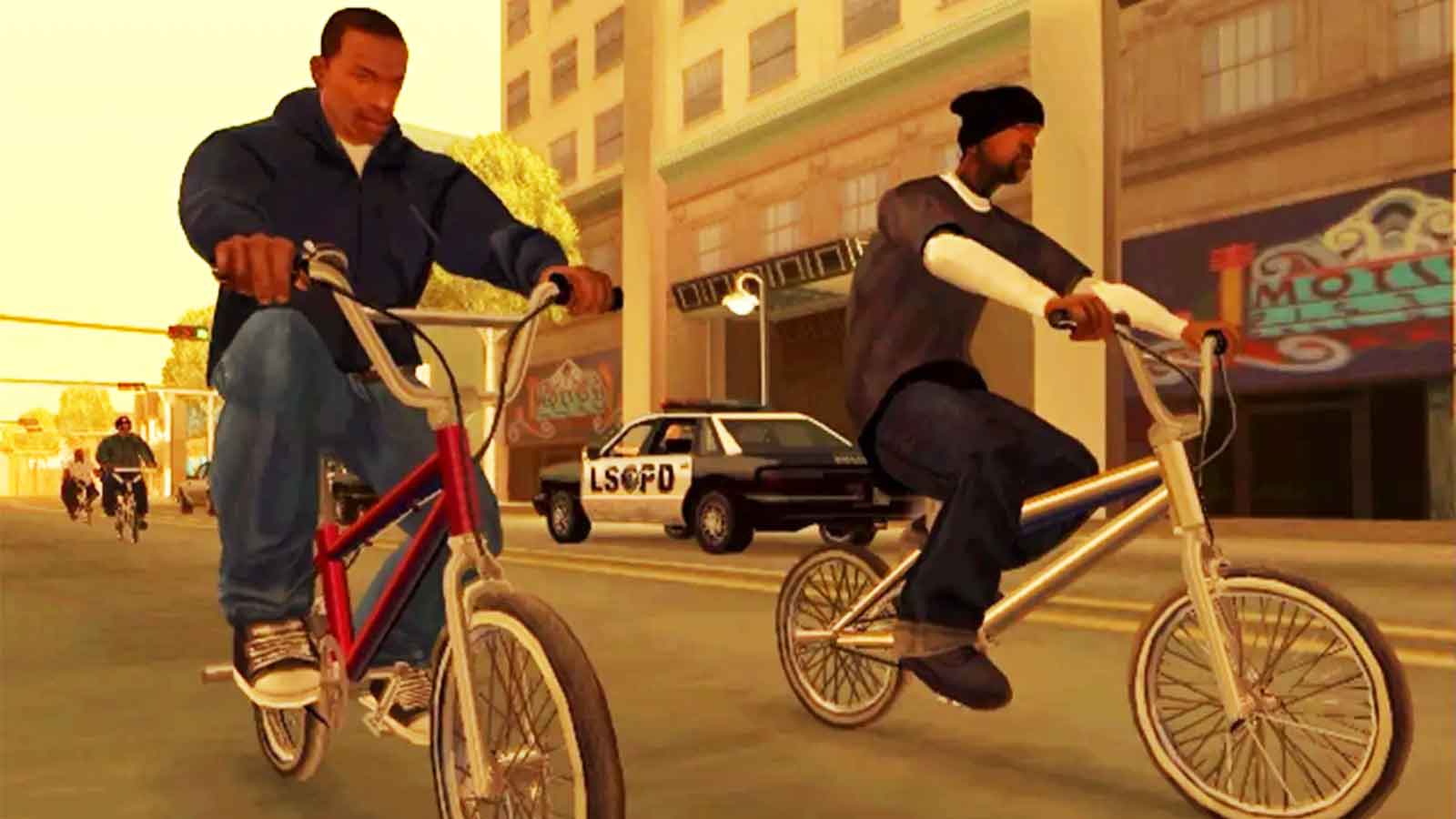
  • 15 Video Games People Still Play After 20 Years

    15 Video Games People Still Play After 20 Years

    Some video games never fade away. Decades after their release, players still return to them, not just for nostalgia, but because they remain genuinely fun and engaging. Strong gameplay, memorable worlds, and lasting communities have kept these titles alive long after newer releases came and went. They continue to be replayed, discussed, and even discovered by new generations of players. This list highlights fifteen video games that people are still playing more than twenty years later, proving that great design and timeless ideas can keep a game relevant far beyond its original era

    The post 15 Video Games People Still Play After 20 Years appeared first on Den of Geek.

    This post contains potential spoilers for X-Men ’97 season 2.

    You know Wolverine. He’s the mutant named Logan, whose rapid healing factor drew a secret Canadian program to transform him into a super-soldier by grafting unbreakable adamantium metal onto his skeleton, including the claws that pop from his fists. He’s the most popular X-Man, the best anti-hero in the Marvel bullpen. He’s the best at what he does, and what he does isn’t very nice. And he’s been part of some really weird stories.

    If a new Wolverine Funko Pop is any indication, one of those stories will come to life in animation for season 2 of X-Men ’97. Amongst the figures shown in the latest batch of leaks, we find one labeled, “Wolverine (Wasteland).” At first glance, the figure doesn’t look that different from the standard Wolverine design: he’s wearing yellow and blue spandex, a mask covers the top part of his face, and his claws are popped. But it’s only when one notices his sharp teeth, the ragged hood he’s using for his mask, and the jagged bone claws coming from his fist that comic book fans realize that this isn’t the Wolverine we know. This is the savage Wolverine from the late ’90s, the Wolverine who doesn’t have a nose.

    To understand how that Wolverine came to be, we need only look at a story beat that X-Men ’97 adapted in season 1. At the end of the first season, when the massacre on Genosha ended Magneto’s brief tenure fighting alongside the X-Men, the Master of Magnetism used his powers to pull the adamantium off Wolverine’s bones and out of his body.

    The scene comes directly from the pages of 1993’s X-Men #25, the climax of the Fatal Attractions storyline. The moment forever changed Wolverine, for several reasons. First, it changed a key part of Logan’s backstory, revealing that his claws were bone extensions of his skeleton and predated the adamantium transfusion. In his earliest X-Men adventures, Wolverine described his claws as part of the gloves that he wore. Later, the claws were retconned to be added to his body when Department H of the Canadian government turned him into a super-soldier as part of the Weapon X program. X-Men #25 established that Logan has had claws ever since his mutant ability manifested when he was an adolescent.

    cnx.cmd.push(function() {
    cnx({
    playerId: “106e33c0-3911-473c-b599-b1426db57530”,

    }).render(“0270c398a82f44f49c23c16122516796”);
    });

    More importantly, the storyline forced Wolverine to face his greatest fear. From his first appearance in 1974’s Incredible Hulk #180 and #181, Wolverine has been defined by his internal struggle, the feeling that his humanity has been forever overwhelmed by his bestial impulses. Wolverine found redemption as part of the X-Men, winning fights against villains not because he’s stronger or smarter or even a better fighter, but because his healing factor allowed him to stay in the fight longer than anyone else.

    At first, the loss of his adamantium diminished his healing factor, leaving him more vulnerable to attack. For the first time in decades, Wolverine had to be judicious in his battles; he couldn’t just slash his way through baddies. But then, his healing factor not only recovered, but kicked into overdrive, and that’s where things get strange.

    We learn that his healing factor had been largely used to keep the adamantium from poisoning him. But once Magneto pulled the adamantium out, his healing factor went into overdrive, mutating Wolverine further. Over the next several years of X-Men and Wolverine comics, Logan got meaner, hairier, and even less coherent. He started devolving into an animal and the stories at the time suggested that writers would finally embrace a long-rumored idea that Logan was originally imagined to be an actual Wolverine who mutated into a human. As he became more animalistic, Wolverine eventually lost his nose, with a flat snout where his sniffer once was.

    As the above synopsis indicates, Wolverine’s devolution comes during a bad time for X-Men comics. Across his epic run that lasted from 1975 to 1991, Chris Claremont transformed the X-Men from C-listers into the best-selling comic on the racks. That popularity hit the mainstream with the arrival of the original X-Men animated series in 1993. But with Claremont off the franchise, editors desperate to keep the success going, and Marvel relying on its mutants to stave off its upcoming bankruptcy, X-Men comics were a cavalcade of bad ideas during the ’90s, even by the standards of the decade.

    Yet, as goofy as the idea was, the noseless, animal Wolverine did speak to the character’s central question, that tension between man and beast. Given the excellent track-record set by the first season of X-Men ’97, we’re certain that the Funko figure points to not a retread of a bad idea. Rather, X-Men ’97 may be able to bring out the best in the noseless Wolverine story, exploring its themes without sacrificing any of the silliness.

    Because if there’s one thing we know about Wolverine, it’s that he can mutate, adapting to any situation and ensuring that he remains the best at what he does, even if what he does happens without a nose.

    X-Men ’97 season 2 will stream on Disney+ in mid-2026.

    The post X-Men ’97 Toy Leak Teases the Weirdest Wolverine Story appeared first on Den of Geek.

  • A24’s Backrooms Trailer Hopes the World Is Ready for a New Creepypasta Movie

    A24’s Backrooms Trailer Hopes the World Is Ready for a New Creepypasta Movie

    If you’re feeling the weight of your years and you used to be with ‘it’, but then they changed what ‘it’ was, and now what you’re with isn’t ‘it’ anymore, and what’s ‘it’ seems weird and scary, that’s okay. All we need to understand is that aspiring filmmakers used to largely fund their first films […]

    The post A24’s Backrooms Trailer Hopes the World Is Ready for a New Creepypasta Movie appeared first on Den of Geek.

    This post contains potential spoilers for X-Men ’97 season 2.

    You know Wolverine. He’s the mutant named Logan, whose rapid healing factor drew a secret Canadian program to transform him into a super-soldier by grafting unbreakable adamantium metal onto his skeleton, including the claws that pop from his fists. He’s the most popular X-Man, the best anti-hero in the Marvel bullpen. He’s the best at what he does, and what he does isn’t very nice. And he’s been part of some really weird stories.

    If a new Wolverine Funko Pop is any indication, one of those stories will come to life in animation for season 2 of X-Men ’97. Amongst the figures shown in the latest batch of leaks, we find one labeled, “Wolverine (Wasteland).” At first glance, the figure doesn’t look that different from the standard Wolverine design: he’s wearing yellow and blue spandex, a mask covers the top part of his face, and his claws are popped. But it’s only when one notices his sharp teeth, the ragged hood he’s using for his mask, and the jagged bone claws coming from his fist that comic book fans realize that this isn’t the Wolverine we know. This is the savage Wolverine from the late ’90s, the Wolverine who doesn’t have a nose.

    To understand how that Wolverine came to be, we need only look at a story beat that X-Men ’97 adapted in season 1. At the end of the first season, when the massacre on Genosha ended Magneto’s brief tenure fighting alongside the X-Men, the Master of Magnetism used his powers to pull the adamantium off Wolverine’s bones and out of his body.

    The scene comes directly from the pages of 1993’s X-Men #25, the climax of the Fatal Attractions storyline. The moment forever changed Wolverine, for several reasons. First, it changed a key part of Logan’s backstory, revealing that his claws were bone extensions of his skeleton and predated the adamantium transfusion. In his earliest X-Men adventures, Wolverine described his claws as part of the gloves that he wore. Later, the claws were retconned to be added to his body when Department H of the Canadian government turned him into a super-soldier as part of the Weapon X program. X-Men #25 established that Logan has had claws ever since his mutant ability manifested when he was an adolescent.

    cnx.cmd.push(function() {
    cnx({
    playerId: “106e33c0-3911-473c-b599-b1426db57530”,

    }).render(“0270c398a82f44f49c23c16122516796”);
    });

    More importantly, the storyline forced Wolverine to face his greatest fear. From his first appearance in 1974’s Incredible Hulk #180 and #181, Wolverine has been defined by his internal struggle, the feeling that his humanity has been forever overwhelmed by his bestial impulses. Wolverine found redemption as part of the X-Men, winning fights against villains not because he’s stronger or smarter or even a better fighter, but because his healing factor allowed him to stay in the fight longer than anyone else.

    At first, the loss of his adamantium diminished his healing factor, leaving him more vulnerable to attack. For the first time in decades, Wolverine had to be judicious in his battles; he couldn’t just slash his way through baddies. But then, his healing factor not only recovered, but kicked into overdrive, and that’s where things get strange.

    We learn that his healing factor had been largely used to keep the adamantium from poisoning him. But once Magneto pulled the adamantium out, his healing factor went into overdrive, mutating Wolverine further. Over the next several years of X-Men and Wolverine comics, Logan got meaner, hairier, and even less coherent. He started devolving into an animal and the stories at the time suggested that writers would finally embrace a long-rumored idea that Logan was originally imagined to be an actual Wolverine who mutated into a human. As he became more animalistic, Wolverine eventually lost his nose, with a flat snout where his sniffer once was.

    As the above synopsis indicates, Wolverine’s devolution comes during a bad time for X-Men comics. Across his epic run that lasted from 1975 to 1991, Chris Claremont transformed the X-Men from C-listers into the best-selling comic on the racks. That popularity hit the mainstream with the arrival of the original X-Men animated series in 1993. But with Claremont off the franchise, editors desperate to keep the success going, and Marvel relying on its mutants to stave off its upcoming bankruptcy, X-Men comics were a cavalcade of bad ideas during the ’90s, even by the standards of the decade.

    Yet, as goofy as the idea was, the noseless, animal Wolverine did speak to the character’s central question, that tension between man and beast. Given the excellent track-record set by the first season of X-Men ’97, we’re certain that the Funko figure points to not a retread of a bad idea. Rather, X-Men ’97 may be able to bring out the best in the noseless Wolverine story, exploring its themes without sacrificing any of the silliness.

    Because if there’s one thing we know about Wolverine, it’s that he can mutate, adapting to any situation and ensuring that he remains the best at what he does, even if what he does happens without a nose.

    X-Men ’97 season 2 will stream on Disney+ in mid-2026.

    The post X-Men ’97 Toy Leak Teases the Weirdest Wolverine Story appeared first on Den of Geek.

  • Invincible: Sandra Oh Discusses Her Favorite Debbie Moment Yet

    Invincible: Sandra Oh Discusses Her Favorite Debbie Moment Yet

    This article contains spoilers for Invincible season 4 episode 5. In its fourth season, the Prime Video series Invincible finally delivers a confrontation long in the making. No, it’s not the rematch between Mark Grayson and Conquest, nor any of the bone-shattering battles between the intergalactic coalition and the Viltrum Empire. Rather, it’s the moment […]

    The post Invincible: Sandra Oh Discusses Her Favorite Debbie Moment Yet appeared first on Den of Geek.

    This post contains potential spoilers for X-Men ’97 season 2.

    You know Wolverine. He’s the mutant named Logan, whose rapid healing factor drew a secret Canadian program to transform him into a super-soldier by grafting unbreakable adamantium metal onto his skeleton, including the claws that pop from his fists. He’s the most popular X-Man, the best anti-hero in the Marvel bullpen. He’s the best at what he does, and what he does isn’t very nice. And he’s been part of some really weird stories.

    If a new Wolverine Funko Pop is any indication, one of those stories will come to life in animation for season 2 of X-Men ’97. Amongst the figures shown in the latest batch of leaks, we find one labeled, “Wolverine (Wasteland).” At first glance, the figure doesn’t look that different from the standard Wolverine design: he’s wearing yellow and blue spandex, a mask covers the top part of his face, and his claws are popped. But it’s only when one notices his sharp teeth, the ragged hood he’s using for his mask, and the jagged bone claws coming from his fist that comic book fans realize that this isn’t the Wolverine we know. This is the savage Wolverine from the late ’90s, the Wolverine who doesn’t have a nose.

    To understand how that Wolverine came to be, we need only look at a story beat that X-Men ’97 adapted in season 1. At the end of the first season, when the massacre on Genosha ended Magneto’s brief tenure fighting alongside the X-Men, the Master of Magnetism used his powers to pull the adamantium off Wolverine’s bones and out of his body.

    The scene comes directly from the pages of 1993’s X-Men #25, the climax of the Fatal Attractions storyline. The moment forever changed Wolverine, for several reasons. First, it changed a key part of Logan’s backstory, revealing that his claws were bone extensions of his skeleton and predated the adamantium transfusion. In his earliest X-Men adventures, Wolverine described his claws as part of the gloves that he wore. Later, the claws were retconned to be added to his body when Department H of the Canadian government turned him into a super-soldier as part of the Weapon X program. X-Men #25 established that Logan has had claws ever since his mutant ability manifested when he was an adolescent.

    cnx.cmd.push(function() {
    cnx({
    playerId: “106e33c0-3911-473c-b599-b1426db57530”,

    }).render(“0270c398a82f44f49c23c16122516796”);
    });

    More importantly, the storyline forced Wolverine to face his greatest fear. From his first appearance in 1974’s Incredible Hulk #180 and #181, Wolverine has been defined by his internal struggle, the feeling that his humanity has been forever overwhelmed by his bestial impulses. Wolverine found redemption as part of the X-Men, winning fights against villains not because he’s stronger or smarter or even a better fighter, but because his healing factor allowed him to stay in the fight longer than anyone else.

    At first, the loss of his adamantium diminished his healing factor, leaving him more vulnerable to attack. For the first time in decades, Wolverine had to be judicious in his battles; he couldn’t just slash his way through baddies. But then, his healing factor not only recovered, but kicked into overdrive, and that’s where things get strange.

    We learn that his healing factor had been largely used to keep the adamantium from poisoning him. But once Magneto pulled the adamantium out, his healing factor went into overdrive, mutating Wolverine further. Over the next several years of X-Men and Wolverine comics, Logan got meaner, hairier, and even less coherent. He started devolving into an animal and the stories at the time suggested that writers would finally embrace a long-rumored idea that Logan was originally imagined to be an actual Wolverine who mutated into a human. As he became more animalistic, Wolverine eventually lost his nose, with a flat snout where his sniffer once was.

    As the above synopsis indicates, Wolverine’s devolution comes during a bad time for X-Men comics. Across his epic run that lasted from 1975 to 1991, Chris Claremont transformed the X-Men from C-listers into the best-selling comic on the racks. That popularity hit the mainstream with the arrival of the original X-Men animated series in 1993. But with Claremont off the franchise, editors desperate to keep the success going, and Marvel relying on its mutants to stave off its upcoming bankruptcy, X-Men comics were a cavalcade of bad ideas during the ’90s, even by the standards of the decade.

    Yet, as goofy as the idea was, the noseless, animal Wolverine did speak to the character’s central question, that tension between man and beast. Given the excellent track-record set by the first season of X-Men ’97, we’re certain that the Funko figure points to not a retread of a bad idea. Rather, X-Men ’97 may be able to bring out the best in the noseless Wolverine story, exploring its themes without sacrificing any of the silliness.

    Because if there’s one thing we know about Wolverine, it’s that he can mutate, adapting to any situation and ensuring that he remains the best at what he does, even if what he does happens without a nose.

    X-Men ’97 season 2 will stream on Disney+ in mid-2026.

    The post X-Men ’97 Toy Leak Teases the Weirdest Wolverine Story appeared first on Den of Geek.

  • The House of Leaves Movies That Aren’t House of Leaves

    The House of Leaves Movies That Aren’t House of Leaves

    After Mark “Markiplier” Fischbach’s indie sci-fi horror movie Iron Lung made waves at the box office, the popular YouTuber’s fans began discussing the possibility of him adapting Mark Z. Danielewski’s famously “unfilmable” novel, House of Leaves. For the uninitiated, House of Leaves follows photojournalist Will Navidson and his family after they move into a new […]

    The post The House of Leaves Movies That Aren’t House of Leaves appeared first on Den of Geek.

    This post contains potential spoilers for X-Men ’97 season 2.

    You know Wolverine. He’s the mutant named Logan, whose rapid healing factor drew a secret Canadian program to transform him into a super-soldier by grafting unbreakable adamantium metal onto his skeleton, including the claws that pop from his fists. He’s the most popular X-Man, the best anti-hero in the Marvel bullpen. He’s the best at what he does, and what he does isn’t very nice. And he’s been part of some really weird stories.

    If a new Wolverine Funko Pop is any indication, one of those stories will come to life in animation for season 2 of X-Men ’97. Amongst the figures shown in the latest batch of leaks, we find one labeled, “Wolverine (Wasteland).” At first glance, the figure doesn’t look that different from the standard Wolverine design: he’s wearing yellow and blue spandex, a mask covers the top part of his face, and his claws are popped. But it’s only when one notices his sharp teeth, the ragged hood he’s using for his mask, and the jagged bone claws coming from his fist that comic book fans realize that this isn’t the Wolverine we know. This is the savage Wolverine from the late ’90s, the Wolverine who doesn’t have a nose.

    To understand how that Wolverine came to be, we need only look at a story beat that X-Men ’97 adapted in season 1. At the end of the first season, when the massacre on Genosha ended Magneto’s brief tenure fighting alongside the X-Men, the Master of Magnetism used his powers to pull the adamantium off Wolverine’s bones and out of his body.

    The scene comes directly from the pages of 1993’s X-Men #25, the climax of the Fatal Attractions storyline. The moment forever changed Wolverine, for several reasons. First, it changed a key part of Logan’s backstory, revealing that his claws were bone extensions of his skeleton and predated the adamantium transfusion. In his earliest X-Men adventures, Wolverine described his claws as part of the gloves that he wore. Later, the claws were retconned to be added to his body when Department H of the Canadian government turned him into a super-soldier as part of the Weapon X program. X-Men #25 established that Logan has had claws ever since his mutant ability manifested when he was an adolescent.

    cnx.cmd.push(function() {
    cnx({
    playerId: “106e33c0-3911-473c-b599-b1426db57530”,

    }).render(“0270c398a82f44f49c23c16122516796”);
    });

    More importantly, the storyline forced Wolverine to face his greatest fear. From his first appearance in 1974’s Incredible Hulk #180 and #181, Wolverine has been defined by his internal struggle, the feeling that his humanity has been forever overwhelmed by his bestial impulses. Wolverine found redemption as part of the X-Men, winning fights against villains not because he’s stronger or smarter or even a better fighter, but because his healing factor allowed him to stay in the fight longer than anyone else.

    At first, the loss of his adamantium diminished his healing factor, leaving him more vulnerable to attack. For the first time in decades, Wolverine had to be judicious in his battles; he couldn’t just slash his way through baddies. But then, his healing factor not only recovered, but kicked into overdrive, and that’s where things get strange.

    We learn that his healing factor had been largely used to keep the adamantium from poisoning him. But once Magneto pulled the adamantium out, his healing factor went into overdrive, mutating Wolverine further. Over the next several years of X-Men and Wolverine comics, Logan got meaner, hairier, and even less coherent. He started devolving into an animal and the stories at the time suggested that writers would finally embrace a long-rumored idea that Logan was originally imagined to be an actual Wolverine who mutated into a human. As he became more animalistic, Wolverine eventually lost his nose, with a flat snout where his sniffer once was.

    As the above synopsis indicates, Wolverine’s devolution comes during a bad time for X-Men comics. Across his epic run that lasted from 1975 to 1991, Chris Claremont transformed the X-Men from C-listers into the best-selling comic on the racks. That popularity hit the mainstream with the arrival of the original X-Men animated series in 1993. But with Claremont off the franchise, editors desperate to keep the success going, and Marvel relying on its mutants to stave off its upcoming bankruptcy, X-Men comics were a cavalcade of bad ideas during the ’90s, even by the standards of the decade.

    Yet, as goofy as the idea was, the noseless, animal Wolverine did speak to the character’s central question, that tension between man and beast. Given the excellent track-record set by the first season of X-Men ’97, we’re certain that the Funko figure points to not a retread of a bad idea. Rather, X-Men ’97 may be able to bring out the best in the noseless Wolverine story, exploring its themes without sacrificing any of the silliness.

    Because if there’s one thing we know about Wolverine, it’s that he can mutate, adapting to any situation and ensuring that he remains the best at what he does, even if what he does happens without a nose.

    X-Men ’97 season 2 will stream on Disney+ in mid-2026.

    The post X-Men ’97 Toy Leak Teases the Weirdest Wolverine Story appeared first on Den of Geek.

  • The Most Shocking Twists in Veronica Mars

    The Most Shocking Twists in Veronica Mars

    Veronica Mars never quits. When her show moved networks in 2006 and then got canceled, she endured. A movie and a Hulu revival series would follow, and there’s often talk of bringing her back to our screens in the future. Thanks to the magic of streaming, new viewers are also discovering Veronica Mars and her […]

    The post The Most Shocking Twists in Veronica Mars appeared first on Den of Geek.

    This post contains potential spoilers for X-Men ’97 season 2.

    You know Wolverine. He’s the mutant named Logan, whose rapid healing factor drew a secret Canadian program to transform him into a super-soldier by grafting unbreakable adamantium metal onto his skeleton, including the claws that pop from his fists. He’s the most popular X-Man, the best anti-hero in the Marvel bullpen. He’s the best at what he does, and what he does isn’t very nice. And he’s been part of some really weird stories.

    If a new Wolverine Funko Pop is any indication, one of those stories will come to life in animation for season 2 of X-Men ’97. Amongst the figures shown in the latest batch of leaks, we find one labeled, “Wolverine (Wasteland).” At first glance, the figure doesn’t look that different from the standard Wolverine design: he’s wearing yellow and blue spandex, a mask covers the top part of his face, and his claws are popped. But it’s only when one notices his sharp teeth, the ragged hood he’s using for his mask, and the jagged bone claws coming from his fist that comic book fans realize that this isn’t the Wolverine we know. This is the savage Wolverine from the late ’90s, the Wolverine who doesn’t have a nose.

    To understand how that Wolverine came to be, we need only look at a story beat that X-Men ’97 adapted in season 1. At the end of the first season, when the massacre on Genosha ended Magneto’s brief tenure fighting alongside the X-Men, the Master of Magnetism used his powers to pull the adamantium off Wolverine’s bones and out of his body.

    The scene comes directly from the pages of 1993’s X-Men #25, the climax of the Fatal Attractions storyline. The moment forever changed Wolverine, for several reasons. First, it changed a key part of Logan’s backstory, revealing that his claws were bone extensions of his skeleton and predated the adamantium transfusion. In his earliest X-Men adventures, Wolverine described his claws as part of the gloves that he wore. Later, the claws were retconned to be added to his body when Department H of the Canadian government turned him into a super-soldier as part of the Weapon X program. X-Men #25 established that Logan has had claws ever since his mutant ability manifested when he was an adolescent.

    cnx.cmd.push(function() {
    cnx({
    playerId: “106e33c0-3911-473c-b599-b1426db57530”,

    }).render(“0270c398a82f44f49c23c16122516796”);
    });

    More importantly, the storyline forced Wolverine to face his greatest fear. From his first appearance in 1974’s Incredible Hulk #180 and #181, Wolverine has been defined by his internal struggle, the feeling that his humanity has been forever overwhelmed by his bestial impulses. Wolverine found redemption as part of the X-Men, winning fights against villains not because he’s stronger or smarter or even a better fighter, but because his healing factor allowed him to stay in the fight longer than anyone else.

    At first, the loss of his adamantium diminished his healing factor, leaving him more vulnerable to attack. For the first time in decades, Wolverine had to be judicious in his battles; he couldn’t just slash his way through baddies. But then, his healing factor not only recovered, but kicked into overdrive, and that’s where things get strange.

    We learn that his healing factor had been largely used to keep the adamantium from poisoning him. But once Magneto pulled the adamantium out, his healing factor went into overdrive, mutating Wolverine further. Over the next several years of X-Men and Wolverine comics, Logan got meaner, hairier, and even less coherent. He started devolving into an animal and the stories at the time suggested that writers would finally embrace a long-rumored idea that Logan was originally imagined to be an actual Wolverine who mutated into a human. As he became more animalistic, Wolverine eventually lost his nose, with a flat snout where his sniffer once was.

    As the above synopsis indicates, Wolverine’s devolution comes during a bad time for X-Men comics. Across his epic run that lasted from 1975 to 1991, Chris Claremont transformed the X-Men from C-listers into the best-selling comic on the racks. That popularity hit the mainstream with the arrival of the original X-Men animated series in 1993. But with Claremont off the franchise, editors desperate to keep the success going, and Marvel relying on its mutants to stave off its upcoming bankruptcy, X-Men comics were a cavalcade of bad ideas during the ’90s, even by the standards of the decade.

    Yet, as goofy as the idea was, the noseless, animal Wolverine did speak to the character’s central question, that tension between man and beast. Given the excellent track-record set by the first season of X-Men ’97, we’re certain that the Funko figure points to not a retread of a bad idea. Rather, X-Men ’97 may be able to bring out the best in the noseless Wolverine story, exploring its themes without sacrificing any of the silliness.

    Because if there’s one thing we know about Wolverine, it’s that he can mutate, adapting to any situation and ensuring that he remains the best at what he does, even if what he does happens without a nose.

    X-Men ’97 season 2 will stream on Disney+ in mid-2026.

    The post X-Men ’97 Toy Leak Teases the Weirdest Wolverine Story appeared first on Den of Geek.