Blog

  • Design for Amiability: Lessons from Vienna

    Design for Amiability: Lessons from Vienna

    Today’s web is not always an amiable place. Sites greet you with a popover that demands assent to their cookie policy, and leave you with Taboola ads promising “One Weird Trick!” to cure your ailments. Social media sites are tuned for engagement, and few things are more engaging than a fight. Today it seems that people want to quarrel; I have seen flame wars among birders.  

    These tensions are often at odds with a site’s goals. If we are providing support and advice to customers, we don’t want those customers to wrangle with each other. If we offer news about the latest research, we want readers to feel at ease; if we promote upcoming marches, we want our core supporters to feel comfortable and we want curious newcomers to feel welcome. 

    In a study for a conference on the History of the Web, I looked to the origins of Computer Science in Vienna (1928-1934)  for a case study of the importance of amiability in a research community and the disastrous consequences of its loss. That story has interesting implications for web environments that promote amiable interaction among disparate, difficult (and sometimes disagreeable) people.

    The Vienna Circle

    Though people had been thinking about calculating engines and thinking machines from antiquity, Computing really got going in Depression-era Vienna.  The people who worked out the theory had no interest in building machines; they wanted to puzzle out the limits of reason in the absence of divine authority. If we could not rely on God or Aristotle to tell us how to think, could we instead build arguments that were self-contained and demonstrably correct? Can we be sure that mathematics is consistent? Are there things that are true but that cannot be expressed in language? 

    The core ideas were worked out in the weekly meetings (Thursdays at 6) of a group remembered as the Vienna Circle. They got together in the office of Professor Moritz Schlick at the University of Vienna to discuss problems in philosophy, math, and language. The intersection of physics and philosophy had long been a specialty of this Vienna department, and this work had placed them among the world leaders.  Schlick’s colleague Hans Hahn was a central participant, and by 1928 Hahn brought along his graduate students Karl Menger and Kurt Gödel. Other frequent participants included philosopher Rudolf Carnap, psychologist Karl Popper, economist Ludwig von Mises (brought by his brother Frederick, a physicist),  graphic designer Otto Neurath (inventor of infographics), and architect Josef Frank (brought by his physicist brother, Phillip).  Out-of-town visitors often joined, including the young Johnny von Neumann, Alfred Tarski, and the irascible Ludwig Wittgenstein. 

    When Schlick’s office grew too dim, participants adjourned to a nearby café for additional discussion with an even larger circle of participants.  This convivial circle was far from unique.  An intersecting circle–Neurath, von Mises, Oskar Morgenstern–established the Austrian School of free-market economics. There were theatrical circles (Peter Lorre, Hedy Lamarr, Max Reinhardt), and literary circles. The café was where things happened.

    The interdisciplinarity of the group posed real challenges of temperament and understanding. Personalities were often a challenge. Gödel was convinced people were trying to poison him. Architect Josef Frank depended on contracts for public housing, which Mises opposed as wasteful. Wittgenstein’s temper had lost him his job as a secondary school teacher, and for some of these years he maintained a detailed list of whom he was willing to meet. Neurath was eager to detect muddled thinking and would interrupt a speaker with a shouted “Metaphysics!” The continuing amity of these meetings was facilitated by the personality of their leader, Moritz Schlick, who would be remembered as notably adept in keeping disagreements from becoming quarrels.

    In the Café

    The Viennese café of this era was long remembered as a particularly good place to argue with your friends, to read, and to write. Built to serve an imperial capital, the cafés found themselves with too much space and too few customers now that the Empire was gone. There was no need to turn tables: a café could only survive by coaxing customers to linger. Perhaps they would order another coffee, or one of their friends might drop by. One could play chess, or billiards, or read newspapers from abroad. Coffee was invariably served with a glass of purified spring water, still a novelty in an era in which most water was still unsafe to drink. That water glass would be refilled indefinitely. 

    In the basement of one café, the poet Jura Soyfer staged “The End Of The World,” a musical comedy in which Professor Peep has discovered a comet heading for earth.

    Prof. Peep: The comet is going to destroy everybody!

    Hitler:  Destroying everybody is my business.

    Of course, coffee can be prepared in many ways, and the Viennese café developed a broad vocabulary to represent precisely how one preferred to drink it: melange, Einspänner, Brauner, Schwarzer, Kapuziner. This extensive customization, with correspondingly esoteric conventions of service, established the café as a comfortable and personal third space, a neutral ground in which anyone who could afford a coffee would be welcome. Viennese of this era were fastidious in their use of personal titles, of which an abundance were in common use. Café waiters greeted regular customers with titles too, but were careful to address their patrons with titles a notch or two greater than they deserved. A graduate student would be Doktor, an unpaid postdoc Professor.  This assurance mattered all the more because so many members of the Circle (and so many other Viennese) came from elsewhere: Carnap from Wuppertal, Gödel from Brno, von Neumann from Budapest. No one was going to make fun of your clothes, mannerisms, or accent. Your friends wouldn’t be bothered by the pram in the hall. Everyone shared a Germanic Austrian literary and philosophical culture, not least those whose ancestors had been Eastern European Jews who knew that culture well, having read all about it in books.

    The amiability of the café circle was enhanced by its openness. Because the circle sometimes extended to architects and actors, people could feel less constrained to admit shortfalls in their understanding. It was soon discovered that marble tabletops made a useful surface for pencil sketches, serving all as an improvised and accessible blackboard.

    Comedies like “The End Of The World” and fictional newspaper sketches or feuilletons of writers like Joseph Roth and Stefan Zweig served as a second defense against disagreeable or churlish behavior. The knowledge that, if one got carried away, a parody of one’s remarks might shortly appear in Neue Freie Presse surely helped Professor Schlick keep matters in hand.

    The End Of Red Vienna

    Though Austria’s government drifted to the right after the War, Vienna’s city council had been Socialist, dedicated to public housing based on user-centered design, and embracing  ambitious programs of public outreach and adult education. In 1934 the Socialists lost a local election, and this era soon came to its end as the new administration focused on the imagined threat of the International Jewish Conspiracy. Most members of the Circle fled within months: von Neumann to Princeton, Neurath to Holland and Oxford, Popper to New Zealand, Carnap to Chicago. Prof. Schlick was murdered on the steps of the University by a student outraged by his former association with Jews.  Jura Soyfer, who wrote “The End Of The World,” died in Buchenwald.

    In 1939, von Neumann finally convinced Gödel to accept a job in Princeton. Gödel was required to pay large fines to emigrate. The officer in charge of these fees would look back on this as the best posting of his career; his name was Eichmann.

    Design for Amiability

    An impressive literature recounts those discussions and the environment that facilitated the development of computing. How can we design for amiability?  This is not just a matter of choosing rounded typefaces and a cheerful pastel palette. I believe we may identify eight distinct issues that exert design forces in usefully amiable directions.

    Seriousness: The Vienna Circle was wrestling with a notoriously difficult book—Wittgenstein’s Tractus Logico-Philosophicus—and a catalog of outstanding open questions in mathematics. They were concerned with consequential problems, not merely scoring points for debating. Constant reminders that the questions you are considering matter—not only that they are consequential or that those opposing you are scoundrels—help promote amity.

    Empiricism: The characteristic approach of the Vienna Circle demanded that knowledge be grounded either in direct observation or in rigorous reasoning. Disagreement, when it arose, could be settled by observation or by proof. If neither seemed ready to hand, the matter could not be settled. On these terms, one can seldom if ever demolish an opposing argument, and trolling is pointless.

    Abstraction: Disputes grow worse when losing the argument entails lost face or lost jobs. The Vienna Circle’s focus on theory—the limits of mathematics, the capability of language—promoted amity. Without seriousness, abstraction could have been merely academic, but the limits of reason and the consistency of mathematics were clearly serious.

    Formality: The punctilious demeanor of waiters and the elaborated rituals of coffee service helped to establish orderly attitudes amongst the argumentative participants. This stands in contrast to the contemptuous sneer that now dominates social media.  

    Schlamperei: Members of the Vienna Circle maintained a global correspondence, and they knew their work was at the frontier of research. Still, this was Vienna, at the margins of Europe: old-fashioned, frumpy, and dingy. Many participants came from even more obscure backwaters. Most or all harbored the suspicion that they were really schleppers, and a tinge of the ridiculous helped to moderate tempers. The director of “The End Of The World” had to pass the hat for money to purchase a moon for the set, and thought it was funny enough to write up for publication.

    Openness: All sorts of people were involved in discussion, anyone might join in. Each week would bring different participants. Fluid borders reduce tension, and provide opportunities to broaden the range of discussion and the terms of engagement. Low entrance friction was characteristic of the café: anyone could come, and if you came twice you were virtually a regular. Permeable boundaries and café culture made it easier for moderating influences to draw in raconteurs and storytellers to defuse awkward moments, and Vienna’s cafés had no shortage of humorists. Openness counteracts the suspicion that promoters of amiability are exerting censorship.

    Parody: The environs of the Circle—the university office and the café—were unmistakably public. There were writers about, some of them renowned humorists. The prospect that one’s bad taste or bad behavior might be ridiculed in print kept discussion within bounds. The sanction of public humiliation, however, was itself made mild by the veneer of fiction; even if you got a little carried away and a character based on you made a splash in some newspaper fiction, it wasn’t the end of the world.

    Engagement: The subject matter was important to the participants, but it was esoteric: it did not matter very much to their mothers or their siblings. A small stumble or a minor humiliation could be shrugged off in ways that major media confrontations cannot.

    I believe it is notable that this environment was designed to promote amiability through several different voices.  The café waiter flattered each newcomer and served everyone, and also kept out local pickpockets and drunks who would be mere disruptions. Schlick and other regulars kept discussion moving and on track. The fiction writers and raconteurs—perhaps the most peripheral of the participants—kept people in a good mood and reminded them that bad behavior could make anyone ridiculous.  Crucially, each of these voices were human: you could reason with them. Algorithmic or AI moderators, however clever, are seldom perceived as reasonable. The café circles had no central authority or Moderator against whom everyone’s resentments might be focused. Even after the disaster of 1934, what people remembered were those cheerful arguments.
  • 20 Nerds Share the Nerdiest Moment of Their Life

    20 Nerds Share the Nerdiest Moment of Their Life

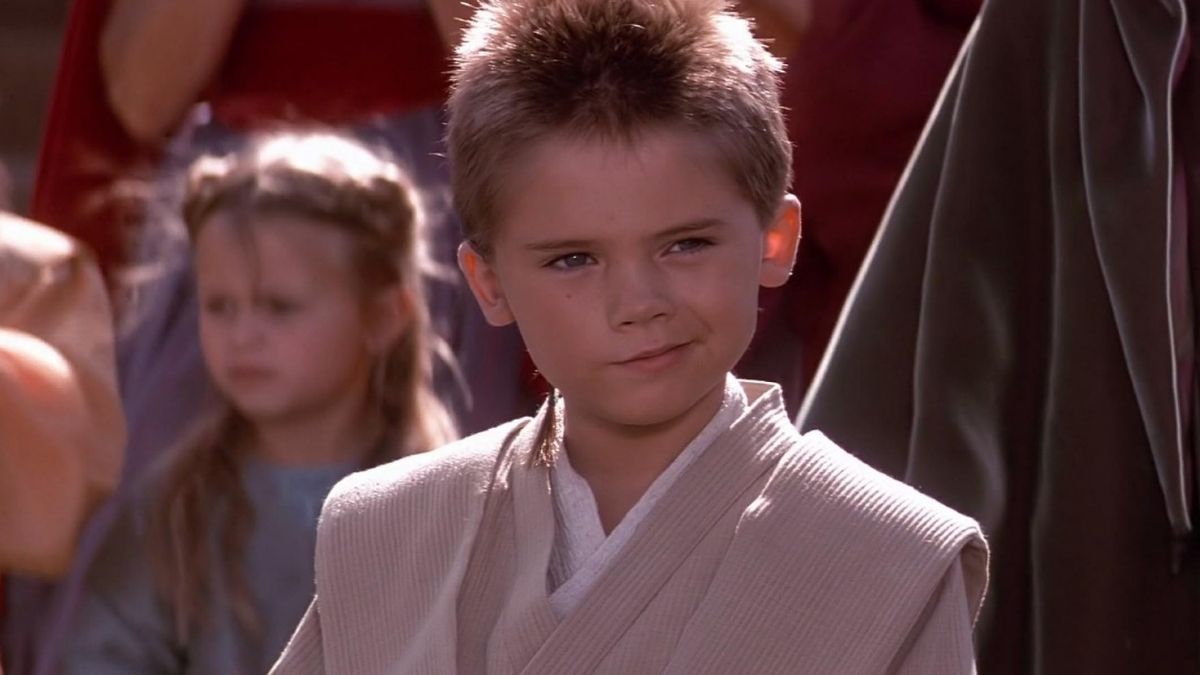
    What qualifies as a nerd nowadays? It seems the term went from a derogatory description to a near compliment, yet not everyone ‘nerds out’ about everything they like. To actually have a moment of, let’s say, nerditude, you need to not only be knowledgeable about a topic, but so much so that it goes from fun quirk to concern raiser.

    This reddit thread shows the nerdiest redditors at their best, and we’ve compiled them up here. Look in awe as the nerds of reddit share the moments where they, too, realize how much of a nerd they truly are.

    The post 20 Nerds Share the Nerdiest Moment of Their Life appeared first on Den of Geek.

    Superheroes would not exist without World War II. Sure, Superman debuted three years before the bombing of Pearl Harbor prompted the U.S. to join the battle, and was influenced more by economic and immigration concerns than any desire for international combat. But superhero comics became a favorite of G.I.s, so much that the industry suffered a near-fatal collapse when soldiers returned home, and left Superman, Batman, and Wonder Woman behind.

    That fact alone is enough to justify the series Vought Rising, a prequel to The Boys that looks at the early adventures of Soldier Boy and other heroes from the era. However, The Boys creator Eric Kripke added an additional wrinkle in his conversation with EW when he compared the show to a beloved neo-noir. “I would define [Vought Rising] as L.A. Confidential with superheroes,” he said. “It’s a murder-mystery, and it’s got that noir-ish — not Black Noir, but actual noir — movin’ through the streets and femme fatales and detectives, but also heroin dens and gay bars and pill-popping and famous people.”

    cnx.cmd.push(function() {
    cnx({
    playerId: “106e33c0-3911-473c-b599-b1426db57530”,

    }).render(“0270c398a82f44f49c23c16122516796”);
    });

    L. A. Confidential, of course, is the 1997 Best Picture nominee directed by Curtis Hanson, based on the novel by James Ellroy. Set in the early 1950s, L.A. Confidential follows a group of LAPD officers dealing with crimes related to Hollywood. Guy Pierce and Russell Crowe play Edmund Exley and Bud White, respectively, the former an upright son of a legendary detective and the latter a brute who fancies himself a protector of women. The two investigate crimes related to a business that surgically modifies sex workers to resemble Hollywood actresses (including one played by Kim Basinger, who won Best Supporting Actress for her part), which reveals corruption in the department. Some of that corruption involves Hollywood Jack Vincennes (Kevin Spacey), a well-known detective who serves as consultant on the hit procedural Badge of Honor.

    As the summary above suggests, L.A. Confidential addresses pop culture’s role in mythologizing police work, a phenomenon we today call “Copaganda.” Badge of Honor is a loose stand-in for Dragnet, the radio show turned hit television series that popularized the police procedural and changed the public’s perception of police as corrupt and fallible (see Keystone Cop comedies, Charlie Chaplin silent shorts, or characters such as Sergeant Heath from S. S. Van Dine’s Philo Vance series for a better reflection of the police’s reputation at the time).

    Nowhere is that more clear than in the scene that opens the movie, in which a group of cops, drunk during their holiday party, realize that a group of Latino men are being held in lock-up. Angered by the fact that a Latino man injured a fellow officer, the cops make their way downstairs and bully their way past the objecting Exeter to brutalize the captives.

    That scene directly adapts an instance from history, the 1951 Bloody Christmas affair that left seven people with severe injuries. Bloody Christmas happened under the watch of Chief of Police William H. Parker, who, like his predecessor August Vollmer, crusaded against those who would criticize police in the media. To improve the public’s opinion of law enforcement, Parker worked with radio producer and actor Jack Webb to create Dragnet, providing case files for Webb’s stories and, of course, “consulting” on the production.

    The connection between Badge of Honor and Dragnet, and the seamy tale of corruption in both the police department and Hollywood allows L.A. Confidential to show how our heroes fall short of their squeaky-clean image. Which is exactly what makes it a good model for The Boys.

    The Boys began life as a mean-spirited satire of superheroes by writer Garth Ennis and illustrator Darick Robertson. Kripke’s adaptation managed to find something humane and smart in the material, but that satirical edge remained. In fact, Kripke managed to make the take-down of superheroes into a jaundiced look at American politics, particularly the Right’s obsession with power in its most absurd and grotesque forms.

    That obsession did not spring from nowhere. We can trace its roots all through American history, including the World War II era that saw the dawn of superheroes. While it is true that Superman started out a social crusader who took on exploitative landlords and saved people from death row, and it is true that Wonder Woman was created by William Moulton Marston to advocate for men to lovingly submit to women’s rule, all superheroes remain power fantasies, and most stories from the era were about powerful people exerting their will against anyone who would disrupt the status quo.

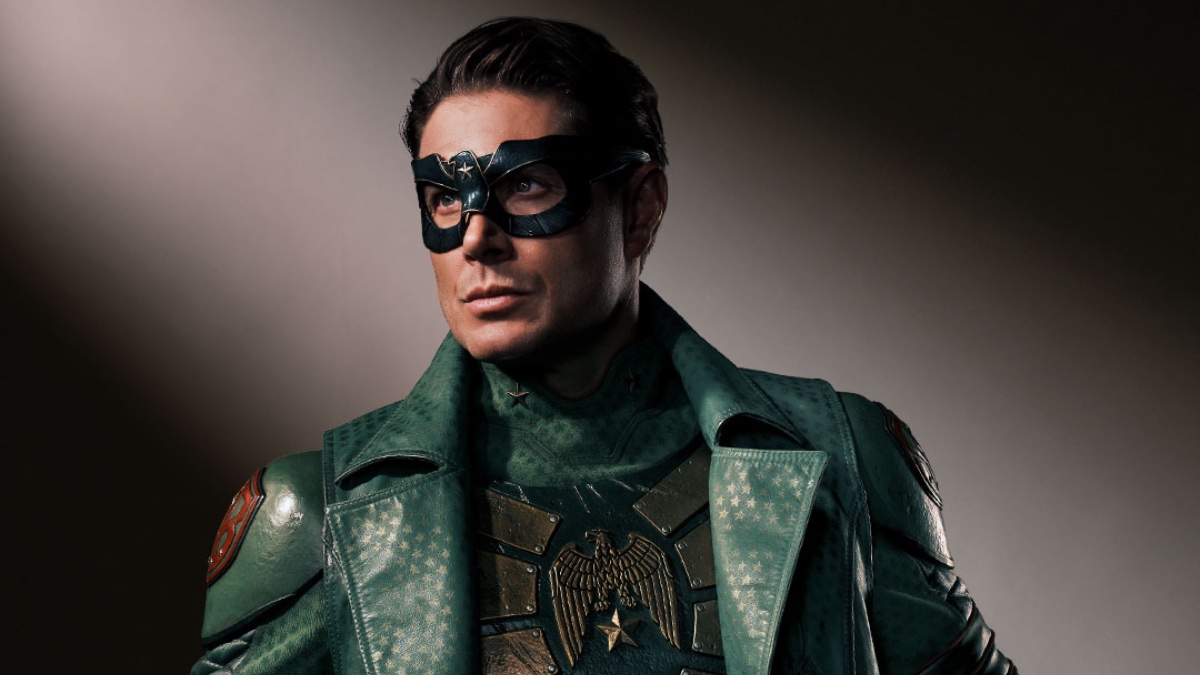
    In short, Kripke will find plenty to work with by looking back at the early days of Soldier Boy and Stormfront (played by a returning Jensen Ackles and Aya Cash). We already know that the series will follow a murder mystery structure and, as Kripke’s comments above reveal, it will play with the tropes of hard-boiled fiction and film noir.

    In doing so, Vought Rising can do for Golden Age comics what L.A. Confidential did for early Copaganda, uncovering the unsavory assumptions that go into our moral mythologies, assumptions that continue to this day.

    Vought Rising comes to Prime Video in 2027.

    The post The Boys: Vought Rising Creator Promises to Take an L.A. Confidential Approach to WWII appeared first on Den of Geek.

  • Batman v Superman: Dawn of Justice – A Decade Since Fandom Broke

    Batman v Superman: Dawn of Justice – A Decade Since Fandom Broke

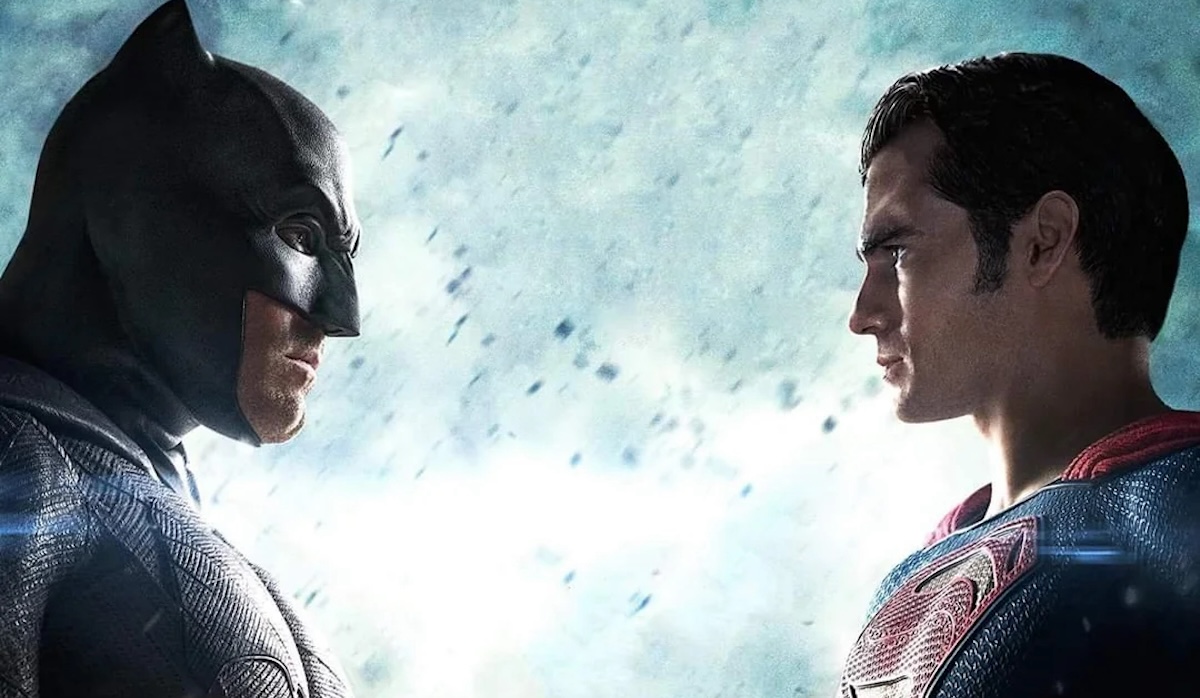
    There was a time, not so long ago, when the mere thought of “fandom” filled folks with joy. Or at least amusement. In our modern world, where everything’s oversaturated by fine, algorithm-tuned hater content on YouTube, manosphere misanthropy on X and Reddit, and review-bombing at Rotten Tomatoes and Letterboxd, it is sometimes hard to remember […]

    The post Batman v Superman: Dawn of Justice – A Decade Since Fandom Broke appeared first on Den of Geek.

    Superheroes would not exist without World War II. Sure, Superman debuted three years before the bombing of Pearl Harbor prompted the U.S. to join the battle, and was influenced more by economic and immigration concerns than any desire for international combat. But superhero comics became a favorite of G.I.s, so much that the industry suffered a near-fatal collapse when soldiers returned home, and left Superman, Batman, and Wonder Woman behind.

    That fact alone is enough to justify the series Vought Rising, a prequel to The Boys that looks at the early adventures of Soldier Boy and other heroes from the era. However, The Boys creator Eric Kripke added an additional wrinkle in his conversation with EW when he compared the show to a beloved neo-noir. “I would define [Vought Rising] as L.A. Confidential with superheroes,” he said. “It’s a murder-mystery, and it’s got that noir-ish — not Black Noir, but actual noir — movin’ through the streets and femme fatales and detectives, but also heroin dens and gay bars and pill-popping and famous people.”

    cnx.cmd.push(function() {
    cnx({
    playerId: “106e33c0-3911-473c-b599-b1426db57530”,

    }).render(“0270c398a82f44f49c23c16122516796”);
    });

    L. A. Confidential, of course, is the 1997 Best Picture nominee directed by Curtis Hanson, based on the novel by James Ellroy. Set in the early 1950s, L.A. Confidential follows a group of LAPD officers dealing with crimes related to Hollywood. Guy Pierce and Russell Crowe play Edmund Exley and Bud White, respectively, the former an upright son of a legendary detective and the latter a brute who fancies himself a protector of women. The two investigate crimes related to a business that surgically modifies sex workers to resemble Hollywood actresses (including one played by Kim Basinger, who won Best Supporting Actress for her part), which reveals corruption in the department. Some of that corruption involves Hollywood Jack Vincennes (Kevin Spacey), a well-known detective who serves as consultant on the hit procedural Badge of Honor.

    As the summary above suggests, L.A. Confidential addresses pop culture’s role in mythologizing police work, a phenomenon we today call “Copaganda.” Badge of Honor is a loose stand-in for Dragnet, the radio show turned hit television series that popularized the police procedural and changed the public’s perception of police as corrupt and fallible (see Keystone Cop comedies, Charlie Chaplin silent shorts, or characters such as Sergeant Heath from S. S. Van Dine’s Philo Vance series for a better reflection of the police’s reputation at the time).

    Nowhere is that more clear than in the scene that opens the movie, in which a group of cops, drunk during their holiday party, realize that a group of Latino men are being held in lock-up. Angered by the fact that a Latino man injured a fellow officer, the cops make their way downstairs and bully their way past the objecting Exeter to brutalize the captives.

    That scene directly adapts an instance from history, the 1951 Bloody Christmas affair that left seven people with severe injuries. Bloody Christmas happened under the watch of Chief of Police William H. Parker, who, like his predecessor August Vollmer, crusaded against those who would criticize police in the media. To improve the public’s opinion of law enforcement, Parker worked with radio producer and actor Jack Webb to create Dragnet, providing case files for Webb’s stories and, of course, “consulting” on the production.

    The connection between Badge of Honor and Dragnet, and the seamy tale of corruption in both the police department and Hollywood allows L.A. Confidential to show how our heroes fall short of their squeaky-clean image. Which is exactly what makes it a good model for The Boys.

    The Boys began life as a mean-spirited satire of superheroes by writer Garth Ennis and illustrator Darick Robertson. Kripke’s adaptation managed to find something humane and smart in the material, but that satirical edge remained. In fact, Kripke managed to make the take-down of superheroes into a jaundiced look at American politics, particularly the Right’s obsession with power in its most absurd and grotesque forms.

    That obsession did not spring from nowhere. We can trace its roots all through American history, including the World War II era that saw the dawn of superheroes. While it is true that Superman started out a social crusader who took on exploitative landlords and saved people from death row, and it is true that Wonder Woman was created by William Moulton Marston to advocate for men to lovingly submit to women’s rule, all superheroes remain power fantasies, and most stories from the era were about powerful people exerting their will against anyone who would disrupt the status quo.

    In short, Kripke will find plenty to work with by looking back at the early days of Soldier Boy and Stormfront (played by a returning Jensen Ackles and Aya Cash). We already know that the series will follow a murder mystery structure and, as Kripke’s comments above reveal, it will play with the tropes of hard-boiled fiction and film noir.

    In doing so, Vought Rising can do for Golden Age comics what L.A. Confidential did for early Copaganda, uncovering the unsavory assumptions that go into our moral mythologies, assumptions that continue to this day.

    Vought Rising comes to Prime Video in 2027.

    The post The Boys: Vought Rising Creator Promises to Take an L.A. Confidential Approach to WWII appeared first on Den of Geek.

  • People Share the Ending That Ruined It All for Them

    People Share the Ending That Ruined It All for Them

    Nobody remembers a great movie without a great ending. A strong finale elevates everything that came before it, while a disappointing one leaves audiences feeling frustrated or even betrayed. In many cases, viewers invest time, emotion, and expectations into a film, only for the final moments to shift the tone, undo character arcs, or introduce twists that don’t quite land. These reactions often spark debates, especially online, where people passionately share which endings didn’t work for them. Here are some movies that viewers say were let down by their final scenes.

    The post People Share the Ending That Ruined It All for Them appeared first on Den of Geek.

    Superheroes would not exist without World War II. Sure, Superman debuted three years before the bombing of Pearl Harbor prompted the U.S. to join the battle, and was influenced more by economic and immigration concerns than any desire for international combat. But superhero comics became a favorite of G.I.s, so much that the industry suffered a near-fatal collapse when soldiers returned home, and left Superman, Batman, and Wonder Woman behind.

    That fact alone is enough to justify the series Vought Rising, a prequel to The Boys that looks at the early adventures of Soldier Boy and other heroes from the era. However, The Boys creator Eric Kripke added an additional wrinkle in his conversation with EW when he compared the show to a beloved neo-noir. “I would define [Vought Rising] as L.A. Confidential with superheroes,” he said. “It’s a murder-mystery, and it’s got that noir-ish — not Black Noir, but actual noir — movin’ through the streets and femme fatales and detectives, but also heroin dens and gay bars and pill-popping and famous people.”

    cnx.cmd.push(function() {
    cnx({
    playerId: “106e33c0-3911-473c-b599-b1426db57530”,

    }).render(“0270c398a82f44f49c23c16122516796”);
    });

    L. A. Confidential, of course, is the 1997 Best Picture nominee directed by Curtis Hanson, based on the novel by James Ellroy. Set in the early 1950s, L.A. Confidential follows a group of LAPD officers dealing with crimes related to Hollywood. Guy Pierce and Russell Crowe play Edmund Exley and Bud White, respectively, the former an upright son of a legendary detective and the latter a brute who fancies himself a protector of women. The two investigate crimes related to a business that surgically modifies sex workers to resemble Hollywood actresses (including one played by Kim Basinger, who won Best Supporting Actress for her part), which reveals corruption in the department. Some of that corruption involves Hollywood Jack Vincennes (Kevin Spacey), a well-known detective who serves as consultant on the hit procedural Badge of Honor.

    As the summary above suggests, L.A. Confidential addresses pop culture’s role in mythologizing police work, a phenomenon we today call “Copaganda.” Badge of Honor is a loose stand-in for Dragnet, the radio show turned hit television series that popularized the police procedural and changed the public’s perception of police as corrupt and fallible (see Keystone Cop comedies, Charlie Chaplin silent shorts, or characters such as Sergeant Heath from S. S. Van Dine’s Philo Vance series for a better reflection of the police’s reputation at the time).

    Nowhere is that more clear than in the scene that opens the movie, in which a group of cops, drunk during their holiday party, realize that a group of Latino men are being held in lock-up. Angered by the fact that a Latino man injured a fellow officer, the cops make their way downstairs and bully their way past the objecting Exeter to brutalize the captives.

    That scene directly adapts an instance from history, the 1951 Bloody Christmas affair that left seven people with severe injuries. Bloody Christmas happened under the watch of Chief of Police William H. Parker, who, like his predecessor August Vollmer, crusaded against those who would criticize police in the media. To improve the public’s opinion of law enforcement, Parker worked with radio producer and actor Jack Webb to create Dragnet, providing case files for Webb’s stories and, of course, “consulting” on the production.

    The connection between Badge of Honor and Dragnet, and the seamy tale of corruption in both the police department and Hollywood allows L.A. Confidential to show how our heroes fall short of their squeaky-clean image. Which is exactly what makes it a good model for The Boys.

    The Boys began life as a mean-spirited satire of superheroes by writer Garth Ennis and illustrator Darick Robertson. Kripke’s adaptation managed to find something humane and smart in the material, but that satirical edge remained. In fact, Kripke managed to make the take-down of superheroes into a jaundiced look at American politics, particularly the Right’s obsession with power in its most absurd and grotesque forms.

    That obsession did not spring from nowhere. We can trace its roots all through American history, including the World War II era that saw the dawn of superheroes. While it is true that Superman started out a social crusader who took on exploitative landlords and saved people from death row, and it is true that Wonder Woman was created by William Moulton Marston to advocate for men to lovingly submit to women’s rule, all superheroes remain power fantasies, and most stories from the era were about powerful people exerting their will against anyone who would disrupt the status quo.

    In short, Kripke will find plenty to work with by looking back at the early days of Soldier Boy and Stormfront (played by a returning Jensen Ackles and Aya Cash). We already know that the series will follow a murder mystery structure and, as Kripke’s comments above reveal, it will play with the tropes of hard-boiled fiction and film noir.

    In doing so, Vought Rising can do for Golden Age comics what L.A. Confidential did for early Copaganda, uncovering the unsavory assumptions that go into our moral mythologies, assumptions that continue to this day.

    Vought Rising comes to Prime Video in 2027.

    The post The Boys: Vought Rising Creator Promises to Take an L.A. Confidential Approach to WWII appeared first on Den of Geek.

  • Family Movie Turns Kevin Bacon and Kyra Sedgwick’s Real Lives into Cinematic Horror

    Family Movie Turns Kevin Bacon and Kyra Sedgwick’s Real Lives into Cinematic Horror

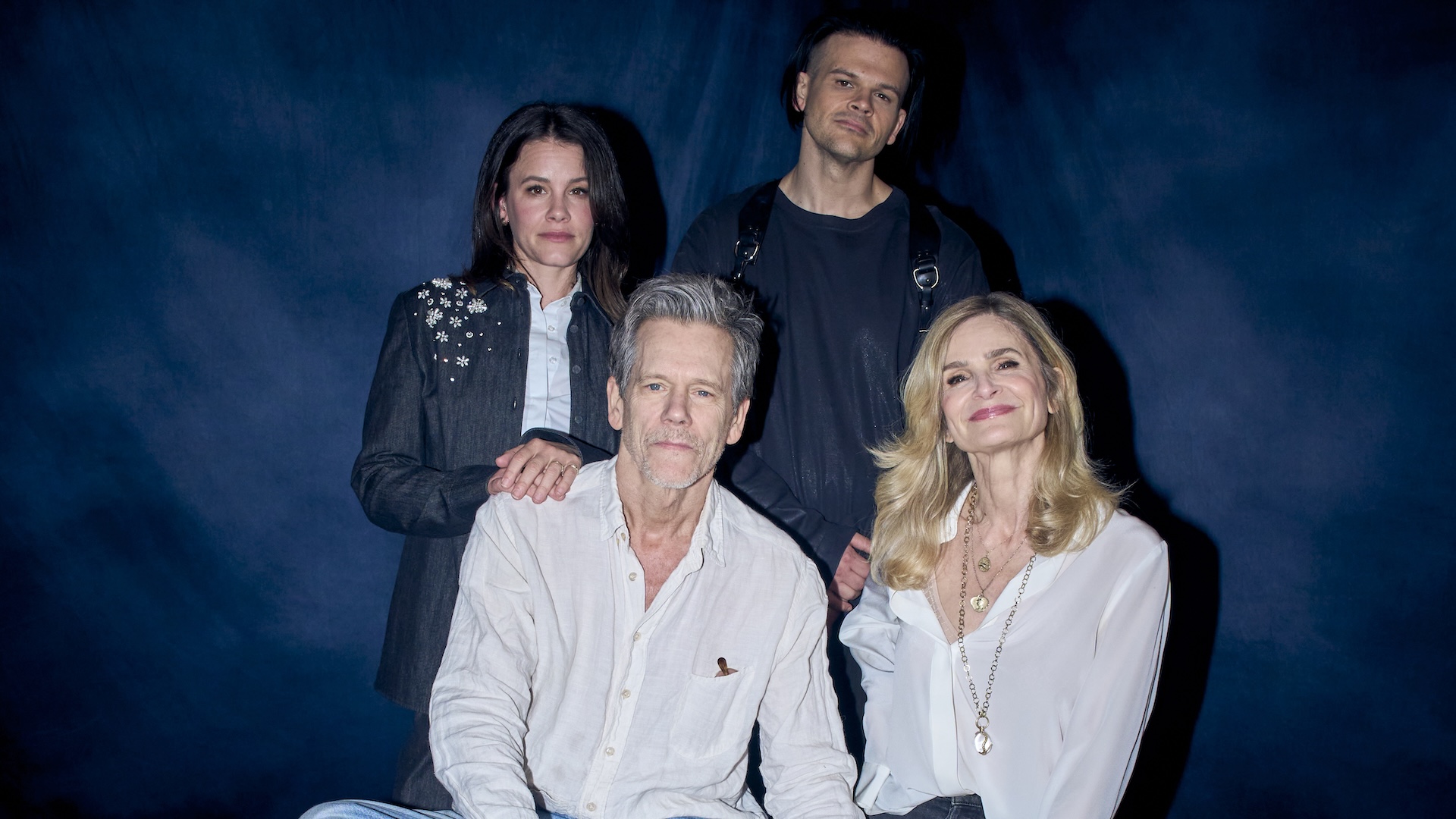
    Kevin Bacon and Kyra Sedgwick have been on our screens for so long that we almost feel like we know them. And with their daughter Sosie starring in Smile and son Travis composing music for films such as Space Oddity and Carry the Darkness, the entire family is coming to us via screens big and […]

    The post Family Movie Turns Kevin Bacon and Kyra Sedgwick’s Real Lives into Cinematic Horror appeared first on Den of Geek.

    Superheroes would not exist without World War II. Sure, Superman debuted three years before the bombing of Pearl Harbor prompted the U.S. to join the battle, and was influenced more by economic and immigration concerns than any desire for international combat. But superhero comics became a favorite of G.I.s, so much that the industry suffered a near-fatal collapse when soldiers returned home, and left Superman, Batman, and Wonder Woman behind.

    That fact alone is enough to justify the series Vought Rising, a prequel to The Boys that looks at the early adventures of Soldier Boy and other heroes from the era. However, The Boys creator Eric Kripke added an additional wrinkle in his conversation with EW when he compared the show to a beloved neo-noir. “I would define [Vought Rising] as L.A. Confidential with superheroes,” he said. “It’s a murder-mystery, and it’s got that noir-ish — not Black Noir, but actual noir — movin’ through the streets and femme fatales and detectives, but also heroin dens and gay bars and pill-popping and famous people.”

    cnx.cmd.push(function() {
    cnx({
    playerId: “106e33c0-3911-473c-b599-b1426db57530”,

    }).render(“0270c398a82f44f49c23c16122516796”);
    });

    L. A. Confidential, of course, is the 1997 Best Picture nominee directed by Curtis Hanson, based on the novel by James Ellroy. Set in the early 1950s, L.A. Confidential follows a group of LAPD officers dealing with crimes related to Hollywood. Guy Pierce and Russell Crowe play Edmund Exley and Bud White, respectively, the former an upright son of a legendary detective and the latter a brute who fancies himself a protector of women. The two investigate crimes related to a business that surgically modifies sex workers to resemble Hollywood actresses (including one played by Kim Basinger, who won Best Supporting Actress for her part), which reveals corruption in the department. Some of that corruption involves Hollywood Jack Vincennes (Kevin Spacey), a well-known detective who serves as consultant on the hit procedural Badge of Honor.

    As the summary above suggests, L.A. Confidential addresses pop culture’s role in mythologizing police work, a phenomenon we today call “Copaganda.” Badge of Honor is a loose stand-in for Dragnet, the radio show turned hit television series that popularized the police procedural and changed the public’s perception of police as corrupt and fallible (see Keystone Cop comedies, Charlie Chaplin silent shorts, or characters such as Sergeant Heath from S. S. Van Dine’s Philo Vance series for a better reflection of the police’s reputation at the time).

    Nowhere is that more clear than in the scene that opens the movie, in which a group of cops, drunk during their holiday party, realize that a group of Latino men are being held in lock-up. Angered by the fact that a Latino man injured a fellow officer, the cops make their way downstairs and bully their way past the objecting Exeter to brutalize the captives.

    That scene directly adapts an instance from history, the 1951 Bloody Christmas affair that left seven people with severe injuries. Bloody Christmas happened under the watch of Chief of Police William H. Parker, who, like his predecessor August Vollmer, crusaded against those who would criticize police in the media. To improve the public’s opinion of law enforcement, Parker worked with radio producer and actor Jack Webb to create Dragnet, providing case files for Webb’s stories and, of course, “consulting” on the production.

    The connection between Badge of Honor and Dragnet, and the seamy tale of corruption in both the police department and Hollywood allows L.A. Confidential to show how our heroes fall short of their squeaky-clean image. Which is exactly what makes it a good model for The Boys.

    The Boys began life as a mean-spirited satire of superheroes by writer Garth Ennis and illustrator Darick Robertson. Kripke’s adaptation managed to find something humane and smart in the material, but that satirical edge remained. In fact, Kripke managed to make the take-down of superheroes into a jaundiced look at American politics, particularly the Right’s obsession with power in its most absurd and grotesque forms.

    That obsession did not spring from nowhere. We can trace its roots all through American history, including the World War II era that saw the dawn of superheroes. While it is true that Superman started out a social crusader who took on exploitative landlords and saved people from death row, and it is true that Wonder Woman was created by William Moulton Marston to advocate for men to lovingly submit to women’s rule, all superheroes remain power fantasies, and most stories from the era were about powerful people exerting their will against anyone who would disrupt the status quo.

    In short, Kripke will find plenty to work with by looking back at the early days of Soldier Boy and Stormfront (played by a returning Jensen Ackles and Aya Cash). We already know that the series will follow a murder mystery structure and, as Kripke’s comments above reveal, it will play with the tropes of hard-boiled fiction and film noir.

    In doing so, Vought Rising can do for Golden Age comics what L.A. Confidential did for early Copaganda, uncovering the unsavory assumptions that go into our moral mythologies, assumptions that continue to this day.

    Vought Rising comes to Prime Video in 2027.

    The post The Boys: Vought Rising Creator Promises to Take an L.A. Confidential Approach to WWII appeared first on Den of Geek.

  • From Méliès to Apollo 13: The Best Moon Movies

    From Méliès to Apollo 13: The Best Moon Movies

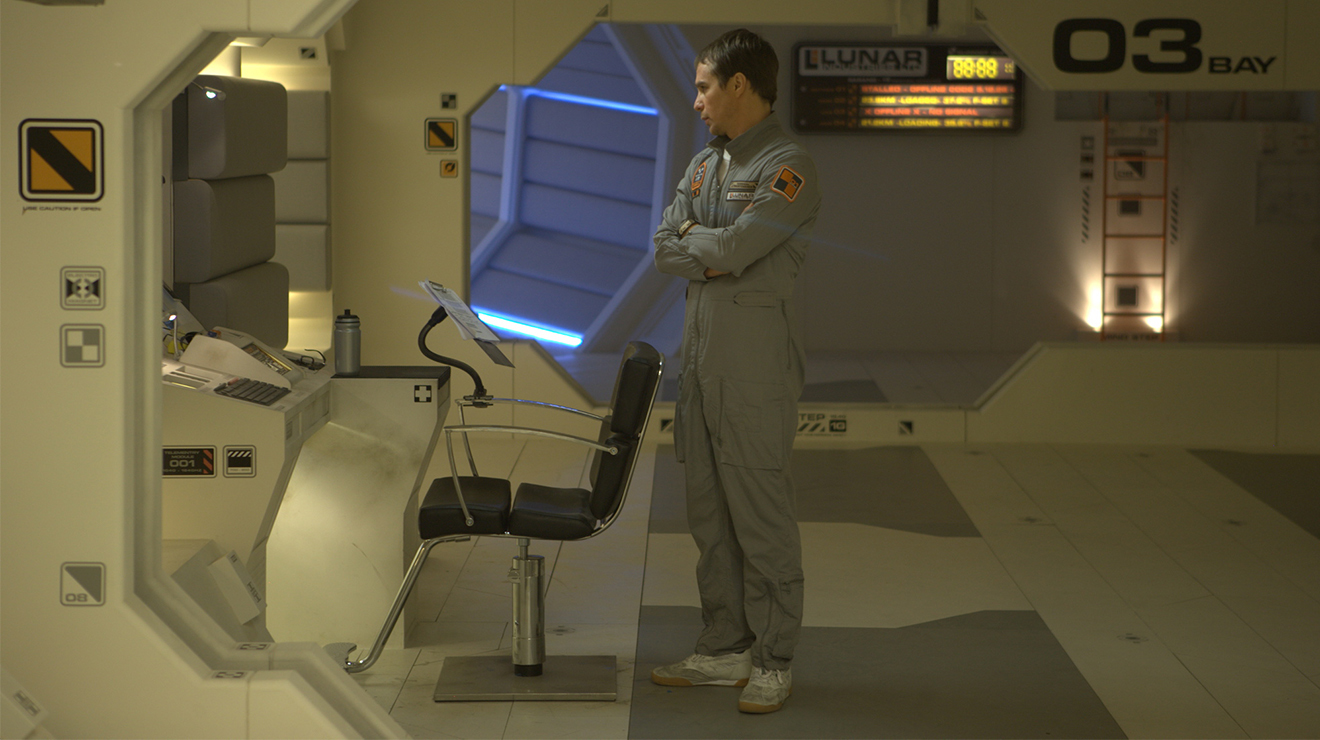
    Humanity’s interest in the moon has never really wavered. This year’s Artemis II mission has proved that we’re still just as fascinated by space travel and exploration as we’ve ever been, and cinema has always been there along the way to help us imagine not just what it’s like to lift off into space, but […]

    The post From Méliès to Apollo 13: The Best Moon Movies appeared first on Den of Geek.

    Superheroes would not exist without World War II. Sure, Superman debuted three years before the bombing of Pearl Harbor prompted the U.S. to join the battle, and was influenced more by economic and immigration concerns than any desire for international combat. But superhero comics became a favorite of G.I.s, so much that the industry suffered a near-fatal collapse when soldiers returned home, and left Superman, Batman, and Wonder Woman behind.

    That fact alone is enough to justify the series Vought Rising, a prequel to The Boys that looks at the early adventures of Soldier Boy and other heroes from the era. However, The Boys creator Eric Kripke added an additional wrinkle in his conversation with EW when he compared the show to a beloved neo-noir. “I would define [Vought Rising] as L.A. Confidential with superheroes,” he said. “It’s a murder-mystery, and it’s got that noir-ish — not Black Noir, but actual noir — movin’ through the streets and femme fatales and detectives, but also heroin dens and gay bars and pill-popping and famous people.”

    cnx.cmd.push(function() {
    cnx({
    playerId: “106e33c0-3911-473c-b599-b1426db57530”,

    }).render(“0270c398a82f44f49c23c16122516796”);
    });

    L. A. Confidential, of course, is the 1997 Best Picture nominee directed by Curtis Hanson, based on the novel by James Ellroy. Set in the early 1950s, L.A. Confidential follows a group of LAPD officers dealing with crimes related to Hollywood. Guy Pierce and Russell Crowe play Edmund Exley and Bud White, respectively, the former an upright son of a legendary detective and the latter a brute who fancies himself a protector of women. The two investigate crimes related to a business that surgically modifies sex workers to resemble Hollywood actresses (including one played by Kim Basinger, who won Best Supporting Actress for her part), which reveals corruption in the department. Some of that corruption involves Hollywood Jack Vincennes (Kevin Spacey), a well-known detective who serves as consultant on the hit procedural Badge of Honor.

    As the summary above suggests, L.A. Confidential addresses pop culture’s role in mythologizing police work, a phenomenon we today call “Copaganda.” Badge of Honor is a loose stand-in for Dragnet, the radio show turned hit television series that popularized the police procedural and changed the public’s perception of police as corrupt and fallible (see Keystone Cop comedies, Charlie Chaplin silent shorts, or characters such as Sergeant Heath from S. S. Van Dine’s Philo Vance series for a better reflection of the police’s reputation at the time).

    Nowhere is that more clear than in the scene that opens the movie, in which a group of cops, drunk during their holiday party, realize that a group of Latino men are being held in lock-up. Angered by the fact that a Latino man injured a fellow officer, the cops make their way downstairs and bully their way past the objecting Exeter to brutalize the captives.

    That scene directly adapts an instance from history, the 1951 Bloody Christmas affair that left seven people with severe injuries. Bloody Christmas happened under the watch of Chief of Police William H. Parker, who, like his predecessor August Vollmer, crusaded against those who would criticize police in the media. To improve the public’s opinion of law enforcement, Parker worked with radio producer and actor Jack Webb to create Dragnet, providing case files for Webb’s stories and, of course, “consulting” on the production.

    The connection between Badge of Honor and Dragnet, and the seamy tale of corruption in both the police department and Hollywood allows L.A. Confidential to show how our heroes fall short of their squeaky-clean image. Which is exactly what makes it a good model for The Boys.

    The Boys began life as a mean-spirited satire of superheroes by writer Garth Ennis and illustrator Darick Robertson. Kripke’s adaptation managed to find something humane and smart in the material, but that satirical edge remained. In fact, Kripke managed to make the take-down of superheroes into a jaundiced look at American politics, particularly the Right’s obsession with power in its most absurd and grotesque forms.

    That obsession did not spring from nowhere. We can trace its roots all through American history, including the World War II era that saw the dawn of superheroes. While it is true that Superman started out a social crusader who took on exploitative landlords and saved people from death row, and it is true that Wonder Woman was created by William Moulton Marston to advocate for men to lovingly submit to women’s rule, all superheroes remain power fantasies, and most stories from the era were about powerful people exerting their will against anyone who would disrupt the status quo.

    In short, Kripke will find plenty to work with by looking back at the early days of Soldier Boy and Stormfront (played by a returning Jensen Ackles and Aya Cash). We already know that the series will follow a murder mystery structure and, as Kripke’s comments above reveal, it will play with the tropes of hard-boiled fiction and film noir.

    In doing so, Vought Rising can do for Golden Age comics what L.A. Confidential did for early Copaganda, uncovering the unsavory assumptions that go into our moral mythologies, assumptions that continue to this day.

    Vought Rising comes to Prime Video in 2027.

    The post The Boys: Vought Rising Creator Promises to Take an L.A. Confidential Approach to WWII appeared first on Den of Geek.

  • Avengers: Doomsday Theory Changes Everything About Tony Stark’s Endgame Death

    Avengers: Doomsday Theory Changes Everything About Tony Stark’s Endgame Death

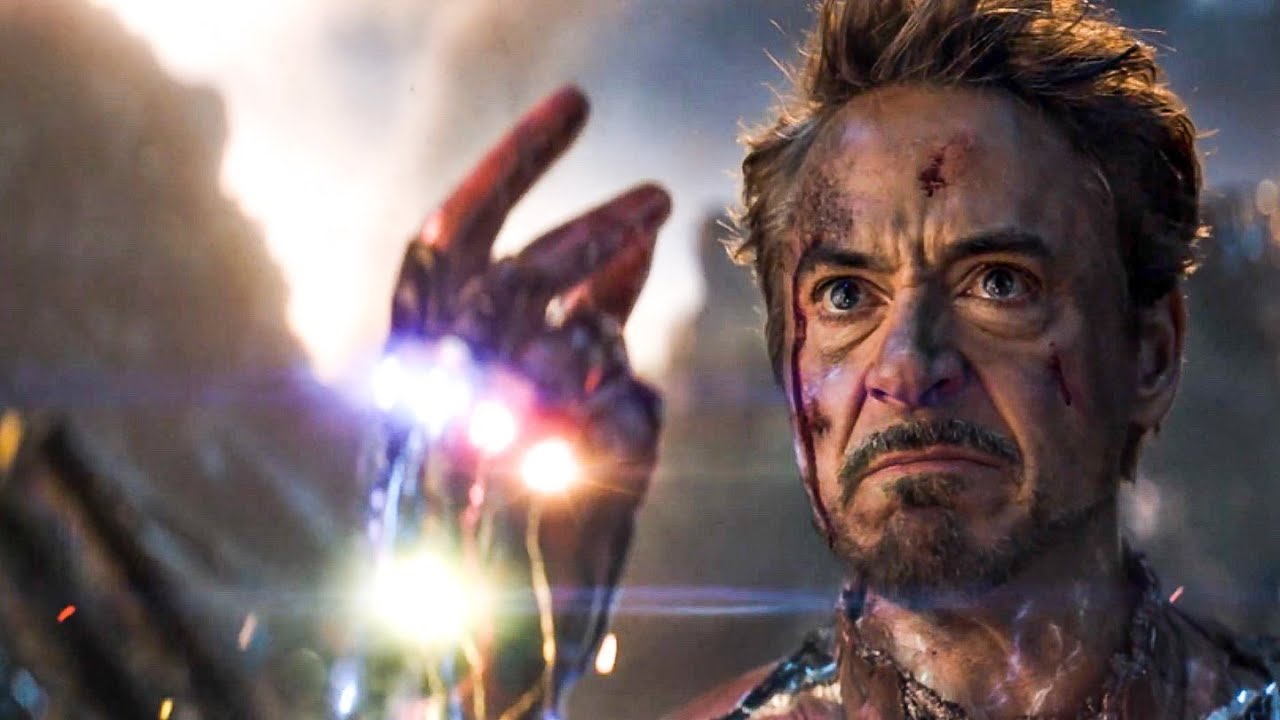
    Have we been thinking about Tony Stark’s tragic Avengers: Endgame death all wrong? A persistent Avengers: Doomsday fan theory suggests that we have, and the reasoning behind the theory is definitely compelling. Ever since Robert Downey Jr. was revealed as the actor who would bring Marvel’s most beloved villain, Doctor Doom, to life in the […]

    The post Avengers: Doomsday Theory Changes Everything About Tony Stark’s Endgame Death appeared first on Den of Geek.

    Superheroes would not exist without World War II. Sure, Superman debuted three years before the bombing of Pearl Harbor prompted the U.S. to join the battle, and was influenced more by economic and immigration concerns than any desire for international combat. But superhero comics became a favorite of G.I.s, so much that the industry suffered a near-fatal collapse when soldiers returned home, and left Superman, Batman, and Wonder Woman behind.

    That fact alone is enough to justify the series Vought Rising, a prequel to The Boys that looks at the early adventures of Soldier Boy and other heroes from the era. However, The Boys creator Eric Kripke added an additional wrinkle in his conversation with EW when he compared the show to a beloved neo-noir. “I would define [Vought Rising] as L.A. Confidential with superheroes,” he said. “It’s a murder-mystery, and it’s got that noir-ish — not Black Noir, but actual noir — movin’ through the streets and femme fatales and detectives, but also heroin dens and gay bars and pill-popping and famous people.”

    cnx.cmd.push(function() {
    cnx({
    playerId: “106e33c0-3911-473c-b599-b1426db57530”,

    }).render(“0270c398a82f44f49c23c16122516796”);
    });

    L. A. Confidential, of course, is the 1997 Best Picture nominee directed by Curtis Hanson, based on the novel by James Ellroy. Set in the early 1950s, L.A. Confidential follows a group of LAPD officers dealing with crimes related to Hollywood. Guy Pierce and Russell Crowe play Edmund Exley and Bud White, respectively, the former an upright son of a legendary detective and the latter a brute who fancies himself a protector of women. The two investigate crimes related to a business that surgically modifies sex workers to resemble Hollywood actresses (including one played by Kim Basinger, who won Best Supporting Actress for her part), which reveals corruption in the department. Some of that corruption involves Hollywood Jack Vincennes (Kevin Spacey), a well-known detective who serves as consultant on the hit procedural Badge of Honor.

    As the summary above suggests, L.A. Confidential addresses pop culture’s role in mythologizing police work, a phenomenon we today call “Copaganda.” Badge of Honor is a loose stand-in for Dragnet, the radio show turned hit television series that popularized the police procedural and changed the public’s perception of police as corrupt and fallible (see Keystone Cop comedies, Charlie Chaplin silent shorts, or characters such as Sergeant Heath from S. S. Van Dine’s Philo Vance series for a better reflection of the police’s reputation at the time).

    Nowhere is that more clear than in the scene that opens the movie, in which a group of cops, drunk during their holiday party, realize that a group of Latino men are being held in lock-up. Angered by the fact that a Latino man injured a fellow officer, the cops make their way downstairs and bully their way past the objecting Exeter to brutalize the captives.

    That scene directly adapts an instance from history, the 1951 Bloody Christmas affair that left seven people with severe injuries. Bloody Christmas happened under the watch of Chief of Police William H. Parker, who, like his predecessor August Vollmer, crusaded against those who would criticize police in the media. To improve the public’s opinion of law enforcement, Parker worked with radio producer and actor Jack Webb to create Dragnet, providing case files for Webb’s stories and, of course, “consulting” on the production.

    The connection between Badge of Honor and Dragnet, and the seamy tale of corruption in both the police department and Hollywood allows L.A. Confidential to show how our heroes fall short of their squeaky-clean image. Which is exactly what makes it a good model for The Boys.

    The Boys began life as a mean-spirited satire of superheroes by writer Garth Ennis and illustrator Darick Robertson. Kripke’s adaptation managed to find something humane and smart in the material, but that satirical edge remained. In fact, Kripke managed to make the take-down of superheroes into a jaundiced look at American politics, particularly the Right’s obsession with power in its most absurd and grotesque forms.

    That obsession did not spring from nowhere. We can trace its roots all through American history, including the World War II era that saw the dawn of superheroes. While it is true that Superman started out a social crusader who took on exploitative landlords and saved people from death row, and it is true that Wonder Woman was created by William Moulton Marston to advocate for men to lovingly submit to women’s rule, all superheroes remain power fantasies, and most stories from the era were about powerful people exerting their will against anyone who would disrupt the status quo.

    In short, Kripke will find plenty to work with by looking back at the early days of Soldier Boy and Stormfront (played by a returning Jensen Ackles and Aya Cash). We already know that the series will follow a murder mystery structure and, as Kripke’s comments above reveal, it will play with the tropes of hard-boiled fiction and film noir.

    In doing so, Vought Rising can do for Golden Age comics what L.A. Confidential did for early Copaganda, uncovering the unsavory assumptions that go into our moral mythologies, assumptions that continue to this day.

    Vought Rising comes to Prime Video in 2027.

    The post The Boys: Vought Rising Creator Promises to Take an L.A. Confidential Approach to WWII appeared first on Den of Geek.

  • The Boys: Vought Rising Creator Promises to Take an L.A. Confidential Approach to WWII

    The Boys: Vought Rising Creator Promises to Take an L.A. Confidential Approach to WWII

    Superheroes would not exist without World War II. Sure, Superman debuted three years before the bombing of Pearl Harbor prompted the U.S. to join the battle, and was influenced more by economic and immigration concerns than any desire for international combat. But superhero comics became a favorite of G.I.s, so much that the industry suffered […]

    The post The Boys: Vought Rising Creator Promises to Take an L.A. Confidential Approach to WWII appeared first on Den of Geek.

    Superheroes would not exist without World War II. Sure, Superman debuted three years before the bombing of Pearl Harbor prompted the U.S. to join the battle, and was influenced more by economic and immigration concerns than any desire for international combat. But superhero comics became a favorite of G.I.s, so much that the industry suffered a near-fatal collapse when soldiers returned home, and left Superman, Batman, and Wonder Woman behind.

    That fact alone is enough to justify the series Vought Rising, a prequel to The Boys that looks at the early adventures of Soldier Boy and other heroes from the era. However, The Boys creator Eric Kripke added an additional wrinkle in his conversation with EW when he compared the show to a beloved neo-noir. “I would define [Vought Rising] as L.A. Confidential with superheroes,” he said. “It’s a murder-mystery, and it’s got that noir-ish — not Black Noir, but actual noir — movin’ through the streets and femme fatales and detectives, but also heroin dens and gay bars and pill-popping and famous people.”

    cnx.cmd.push(function() {
    cnx({
    playerId: “106e33c0-3911-473c-b599-b1426db57530”,

    }).render(“0270c398a82f44f49c23c16122516796”);
    });

    L. A. Confidential, of course, is the 1997 Best Picture nominee directed by Curtis Hanson, based on the novel by James Ellroy. Set in the early 1950s, L.A. Confidential follows a group of LAPD officers dealing with crimes related to Hollywood. Guy Pierce and Russell Crowe play Edmund Exley and Bud White, respectively, the former an upright son of a legendary detective and the latter a brute who fancies himself a protector of women. The two investigate crimes related to a business that surgically modifies sex workers to resemble Hollywood actresses (including one played by Kim Basinger, who won Best Supporting Actress for her part), which reveals corruption in the department. Some of that corruption involves Hollywood Jack Vincennes (Kevin Spacey), a well-known detective who serves as consultant on the hit procedural Badge of Honor.

    As the summary above suggests, L.A. Confidential addresses pop culture’s role in mythologizing police work, a phenomenon we today call “Copaganda.” Badge of Honor is a loose stand-in for Dragnet, the radio show turned hit television series that popularized the police procedural and changed the public’s perception of police as corrupt and fallible (see Keystone Cop comedies, Charlie Chaplin silent shorts, or characters such as Sergeant Heath from S. S. Van Dine’s Philo Vance series for a better reflection of the police’s reputation at the time).

    Nowhere is that more clear than in the scene that opens the movie, in which a group of cops, drunk during their holiday party, realize that a group of Latino men are being held in lock-up. Angered by the fact that a Latino man injured a fellow officer, the cops make their way downstairs and bully their way past the objecting Exeter to brutalize the captives.

    That scene directly adapts an instance from history, the 1951 Bloody Christmas affair that left seven people with severe injuries. Bloody Christmas happened under the watch of Chief of Police William H. Parker, who, like his predecessor August Vollmer, crusaded against those who would criticize police in the media. To improve the public’s opinion of law enforcement, Parker worked with radio producer and actor Jack Webb to create Dragnet, providing case files for Webb’s stories and, of course, “consulting” on the production.

    The connection between Badge of Honor and Dragnet, and the seamy tale of corruption in both the police department and Hollywood allows L.A. Confidential to show how our heroes fall short of their squeaky-clean image. Which is exactly what makes it a good model for The Boys.

    The Boys began life as a mean-spirited satire of superheroes by writer Garth Ennis and illustrator Darick Robertson. Kripke’s adaptation managed to find something humane and smart in the material, but that satirical edge remained. In fact, Kripke managed to make the take-down of superheroes into a jaundiced look at American politics, particularly the Right’s obsession with power in its most absurd and grotesque forms.

    That obsession did not spring from nowhere. We can trace its roots all through American history, including the World War II era that saw the dawn of superheroes. While it is true that Superman started out a social crusader who took on exploitative landlords and saved people from death row, and it is true that Wonder Woman was created by William Moulton Marston to advocate for men to lovingly submit to women’s rule, all superheroes remain power fantasies, and most stories from the era were about powerful people exerting their will against anyone who would disrupt the status quo.

    In short, Kripke will find plenty to work with by looking back at the early days of Soldier Boy and Stormfront (played by a returning Jensen Ackles and Aya Cash). We already know that the series will follow a murder mystery structure and, as Kripke’s comments above reveal, it will play with the tropes of hard-boiled fiction and film noir.

    In doing so, Vought Rising can do for Golden Age comics what L.A. Confidential did for early Copaganda, uncovering the unsavory assumptions that go into our moral mythologies, assumptions that continue to this day.

    Vought Rising comes to Prime Video in 2027.

    The post The Boys: Vought Rising Creator Promises to Take an L.A. Confidential Approach to WWII appeared first on Den of Geek.

  • Chris Pratt Got Confirmation About a Long-Rumored Super Mario Glitch

    Chris Pratt Got Confirmation About a Long-Rumored Super Mario Glitch

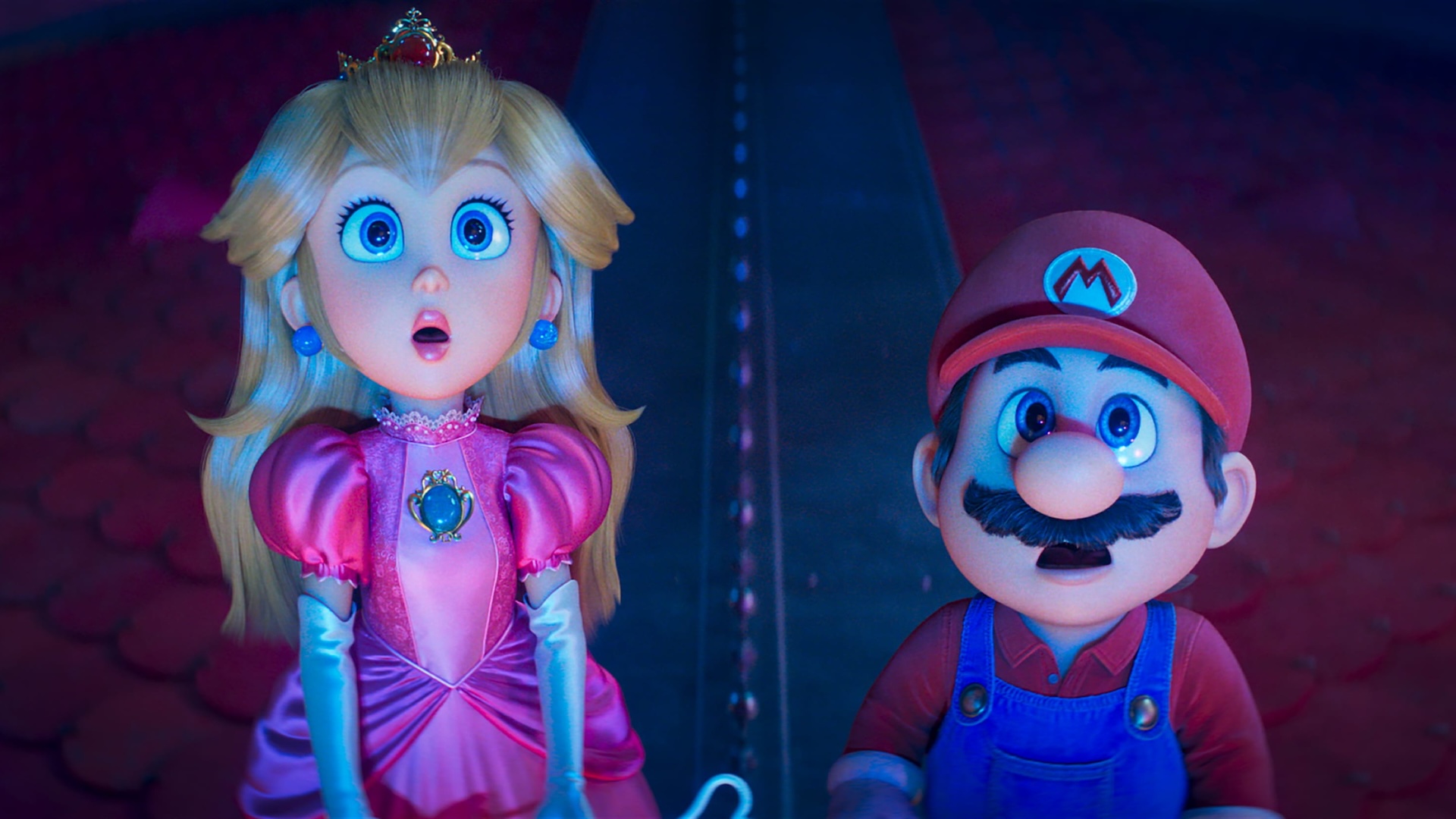
    Today, anyone having trouble with a video game can just log onto the internet and find countless walkthroughs, guides, and tutorials. But back when Super Mario Bros. first arrived on the Nintendo Entertainment System in 1985, we mostly had to get advice from other kids at school. Unsurprisingly, the playground approach led to an endless […]

    The post Chris Pratt Got Confirmation About a Long-Rumored Super Mario Glitch appeared first on Den of Geek.

    Superheroes would not exist without World War II. Sure, Superman debuted three years before the bombing of Pearl Harbor prompted the U.S. to join the battle, and was influenced more by economic and immigration concerns than any desire for international combat. But superhero comics became a favorite of G.I.s, so much that the industry suffered a near-fatal collapse when soldiers returned home, and left Superman, Batman, and Wonder Woman behind.

    That fact alone is enough to justify the series Vought Rising, a prequel to The Boys that looks at the early adventures of Soldier Boy and other heroes from the era. However, The Boys creator Eric Kripke added an additional wrinkle in his conversation with EW when he compared the show to a beloved neo-noir. “I would define [Vought Rising] as L.A. Confidential with superheroes,” he said. “It’s a murder-mystery, and it’s got that noir-ish — not Black Noir, but actual noir — movin’ through the streets and femme fatales and detectives, but also heroin dens and gay bars and pill-popping and famous people.”

    cnx.cmd.push(function() {
    cnx({
    playerId: “106e33c0-3911-473c-b599-b1426db57530”,

    }).render(“0270c398a82f44f49c23c16122516796”);
    });

    L. A. Confidential, of course, is the 1997 Best Picture nominee directed by Curtis Hanson, based on the novel by James Ellroy. Set in the early 1950s, L.A. Confidential follows a group of LAPD officers dealing with crimes related to Hollywood. Guy Pierce and Russell Crowe play Edmund Exley and Bud White, respectively, the former an upright son of a legendary detective and the latter a brute who fancies himself a protector of women. The two investigate crimes related to a business that surgically modifies sex workers to resemble Hollywood actresses (including one played by Kim Basinger, who won Best Supporting Actress for her part), which reveals corruption in the department. Some of that corruption involves Hollywood Jack Vincennes (Kevin Spacey), a well-known detective who serves as consultant on the hit procedural Badge of Honor.

    As the summary above suggests, L.A. Confidential addresses pop culture’s role in mythologizing police work, a phenomenon we today call “Copaganda.” Badge of Honor is a loose stand-in for Dragnet, the radio show turned hit television series that popularized the police procedural and changed the public’s perception of police as corrupt and fallible (see Keystone Cop comedies, Charlie Chaplin silent shorts, or characters such as Sergeant Heath from S. S. Van Dine’s Philo Vance series for a better reflection of the police’s reputation at the time).

    Nowhere is that more clear than in the scene that opens the movie, in which a group of cops, drunk during their holiday party, realize that a group of Latino men are being held in lock-up. Angered by the fact that a Latino man injured a fellow officer, the cops make their way downstairs and bully their way past the objecting Exeter to brutalize the captives.

    That scene directly adapts an instance from history, the 1951 Bloody Christmas affair that left seven people with severe injuries. Bloody Christmas happened under the watch of Chief of Police William H. Parker, who, like his predecessor August Vollmer, crusaded against those who would criticize police in the media. To improve the public’s opinion of law enforcement, Parker worked with radio producer and actor Jack Webb to create Dragnet, providing case files for Webb’s stories and, of course, “consulting” on the production.

    The connection between Badge of Honor and Dragnet, and the seamy tale of corruption in both the police department and Hollywood allows L.A. Confidential to show how our heroes fall short of their squeaky-clean image. Which is exactly what makes it a good model for The Boys.

    The Boys began life as a mean-spirited satire of superheroes by writer Garth Ennis and illustrator Darick Robertson. Kripke’s adaptation managed to find something humane and smart in the material, but that satirical edge remained. In fact, Kripke managed to make the take-down of superheroes into a jaundiced look at American politics, particularly the Right’s obsession with power in its most absurd and grotesque forms.

    That obsession did not spring from nowhere. We can trace its roots all through American history, including the World War II era that saw the dawn of superheroes. While it is true that Superman started out a social crusader who took on exploitative landlords and saved people from death row, and it is true that Wonder Woman was created by William Moulton Marston to advocate for men to lovingly submit to women’s rule, all superheroes remain power fantasies, and most stories from the era were about powerful people exerting their will against anyone who would disrupt the status quo.

    In short, Kripke will find plenty to work with by looking back at the early days of Soldier Boy and Stormfront (played by a returning Jensen Ackles and Aya Cash). We already know that the series will follow a murder mystery structure and, as Kripke’s comments above reveal, it will play with the tropes of hard-boiled fiction and film noir.

    In doing so, Vought Rising can do for Golden Age comics what L.A. Confidential did for early Copaganda, uncovering the unsavory assumptions that go into our moral mythologies, assumptions that continue to this day.

    Vought Rising comes to Prime Video in 2027.

    The post The Boys: Vought Rising Creator Promises to Take an L.A. Confidential Approach to WWII appeared first on Den of Geek.

  • Daredevil: Born Again Adapts One of the Most Interesting Bullseye Stories

    Daredevil: Born Again Adapts One of the Most Interesting Bullseye Stories

    This article contains spoilers for Daredevil: Born Again season 2 episode 4. “Gloves Off,” the fourth episode of Daredevil: Born Again‘s second season opens with a bang. Dex Pointdexter, the assassin known as Bullseye, walks into an old-timey diner, orders a milkshake, and calls the Anti-Vigilante Police Force. When the cops arrive, Bullseye begins slaughtering […]

    The post Daredevil: Born Again Adapts One of the Most Interesting Bullseye Stories appeared first on Den of Geek.

    Superheroes would not exist without World War II. Sure, Superman debuted three years before the bombing of Pearl Harbor prompted the U.S. to join the battle, and was influenced more by economic and immigration concerns than any desire for international combat. But superhero comics became a favorite of G.I.s, so much that the industry suffered a near-fatal collapse when soldiers returned home, and left Superman, Batman, and Wonder Woman behind.

    That fact alone is enough to justify the series Vought Rising, a prequel to The Boys that looks at the early adventures of Soldier Boy and other heroes from the era. However, The Boys creator Eric Kripke added an additional wrinkle in his conversation with EW when he compared the show to a beloved neo-noir. “I would define [Vought Rising] as L.A. Confidential with superheroes,” he said. “It’s a murder-mystery, and it’s got that noir-ish — not Black Noir, but actual noir — movin’ through the streets and femme fatales and detectives, but also heroin dens and gay bars and pill-popping and famous people.”

    cnx.cmd.push(function() {
    cnx({
    playerId: “106e33c0-3911-473c-b599-b1426db57530”,

    }).render(“0270c398a82f44f49c23c16122516796”);
    });

    L. A. Confidential, of course, is the 1997 Best Picture nominee directed by Curtis Hanson, based on the novel by James Ellroy. Set in the early 1950s, L.A. Confidential follows a group of LAPD officers dealing with crimes related to Hollywood. Guy Pierce and Russell Crowe play Edmund Exley and Bud White, respectively, the former an upright son of a legendary detective and the latter a brute who fancies himself a protector of women. The two investigate crimes related to a business that surgically modifies sex workers to resemble Hollywood actresses (including one played by Kim Basinger, who won Best Supporting Actress for her part), which reveals corruption in the department. Some of that corruption involves Hollywood Jack Vincennes (Kevin Spacey), a well-known detective who serves as consultant on the hit procedural Badge of Honor.

    As the summary above suggests, L.A. Confidential addresses pop culture’s role in mythologizing police work, a phenomenon we today call “Copaganda.” Badge of Honor is a loose stand-in for Dragnet, the radio show turned hit television series that popularized the police procedural and changed the public’s perception of police as corrupt and fallible (see Keystone Cop comedies, Charlie Chaplin silent shorts, or characters such as Sergeant Heath from S. S. Van Dine’s Philo Vance series for a better reflection of the police’s reputation at the time).

    Nowhere is that more clear than in the scene that opens the movie, in which a group of cops, drunk during their holiday party, realize that a group of Latino men are being held in lock-up. Angered by the fact that a Latino man injured a fellow officer, the cops make their way downstairs and bully their way past the objecting Exeter to brutalize the captives.

    That scene directly adapts an instance from history, the 1951 Bloody Christmas affair that left seven people with severe injuries. Bloody Christmas happened under the watch of Chief of Police William H. Parker, who, like his predecessor August Vollmer, crusaded against those who would criticize police in the media. To improve the public’s opinion of law enforcement, Parker worked with radio producer and actor Jack Webb to create Dragnet, providing case files for Webb’s stories and, of course, “consulting” on the production.

    The connection between Badge of Honor and Dragnet, and the seamy tale of corruption in both the police department and Hollywood allows L.A. Confidential to show how our heroes fall short of their squeaky-clean image. Which is exactly what makes it a good model for The Boys.

    The Boys began life as a mean-spirited satire of superheroes by writer Garth Ennis and illustrator Darick Robertson. Kripke’s adaptation managed to find something humane and smart in the material, but that satirical edge remained. In fact, Kripke managed to make the take-down of superheroes into a jaundiced look at American politics, particularly the Right’s obsession with power in its most absurd and grotesque forms.

    That obsession did not spring from nowhere. We can trace its roots all through American history, including the World War II era that saw the dawn of superheroes. While it is true that Superman started out a social crusader who took on exploitative landlords and saved people from death row, and it is true that Wonder Woman was created by William Moulton Marston to advocate for men to lovingly submit to women’s rule, all superheroes remain power fantasies, and most stories from the era were about powerful people exerting their will against anyone who would disrupt the status quo.

    In short, Kripke will find plenty to work with by looking back at the early days of Soldier Boy and Stormfront (played by a returning Jensen Ackles and Aya Cash). We already know that the series will follow a murder mystery structure and, as Kripke’s comments above reveal, it will play with the tropes of hard-boiled fiction and film noir.

    In doing so, Vought Rising can do for Golden Age comics what L.A. Confidential did for early Copaganda, uncovering the unsavory assumptions that go into our moral mythologies, assumptions that continue to this day.

    Vought Rising comes to Prime Video in 2027.

    The post The Boys: Vought Rising Creator Promises to Take an L.A. Confidential Approach to WWII appeared first on Den of Geek.