Blog

  • Design for Amiability: Lessons from Vienna

    Design for Amiability: Lessons from Vienna

    Today’s web is not always an amiable place. Sites greet you with a popover that demands assent to their cookie policy, and leave you with Taboola ads promising “One Weird Trick!” to cure your ailments. Social media sites are tuned for engagement, and few things are more engaging than a fight. Today it seems that people want to quarrel; I have seen flame wars among birders.  

    These tensions are often at odds with a site’s goals. If we are providing support and advice to customers, we don’t want those customers to wrangle with each other. If we offer news about the latest research, we want readers to feel at ease; if we promote upcoming marches, we want our core supporters to feel comfortable and we want curious newcomers to feel welcome. 

    In a study for a conference on the History of the Web, I looked to the origins of Computer Science in Vienna (1928-1934)  for a case study of the importance of amiability in a research community and the disastrous consequences of its loss. That story has interesting implications for web environments that promote amiable interaction among disparate, difficult (and sometimes disagreeable) people.

    The Vienna Circle

    Though people had been thinking about calculating engines and thinking machines from antiquity, Computing really got going in Depression-era Vienna.  The people who worked out the theory had no interest in building machines; they wanted to puzzle out the limits of reason in the absence of divine authority. If we could not rely on God or Aristotle to tell us how to think, could we instead build arguments that were self-contained and demonstrably correct? Can we be sure that mathematics is consistent? Are there things that are true but that cannot be expressed in language? 

    The core ideas were worked out in the weekly meetings (Thursdays at 6) of a group remembered as the Vienna Circle. They got together in the office of Professor Moritz Schlick at the University of Vienna to discuss problems in philosophy, math, and language. The intersection of physics and philosophy had long been a specialty of this Vienna department, and this work had placed them among the world leaders.  Schlick’s colleague Hans Hahn was a central participant, and by 1928 Hahn brought along his graduate students Karl Menger and Kurt Gödel. Other frequent participants included philosopher Rudolf Carnap, psychologist Karl Popper, economist Ludwig von Mises (brought by his brother Frederick, a physicist),  graphic designer Otto Neurath (inventor of infographics), and architect Josef Frank (brought by his physicist brother, Phillip).  Out-of-town visitors often joined, including the young Johnny von Neumann, Alfred Tarski, and the irascible Ludwig Wittgenstein. 

    When Schlick’s office grew too dim, participants adjourned to a nearby café for additional discussion with an even larger circle of participants.  This convivial circle was far from unique.  An intersecting circle–Neurath, von Mises, Oskar Morgenstern–established the Austrian School of free-market economics. There were theatrical circles (Peter Lorre, Hedy Lamarr, Max Reinhardt), and literary circles. The café was where things happened.

    The interdisciplinarity of the group posed real challenges of temperament and understanding. Personalities were often a challenge. Gödel was convinced people were trying to poison him. Architect Josef Frank depended on contracts for public housing, which Mises opposed as wasteful. Wittgenstein’s temper had lost him his job as a secondary school teacher, and for some of these years he maintained a detailed list of whom he was willing to meet. Neurath was eager to detect muddled thinking and would interrupt a speaker with a shouted “Metaphysics!” The continuing amity of these meetings was facilitated by the personality of their leader, Moritz Schlick, who would be remembered as notably adept in keeping disagreements from becoming quarrels.

    In the Café

    The Viennese café of this era was long remembered as a particularly good place to argue with your friends, to read, and to write. Built to serve an imperial capital, the cafés found themselves with too much space and too few customers now that the Empire was gone. There was no need to turn tables: a café could only survive by coaxing customers to linger. Perhaps they would order another coffee, or one of their friends might drop by. One could play chess, or billiards, or read newspapers from abroad. Coffee was invariably served with a glass of purified spring water, still a novelty in an era in which most water was still unsafe to drink. That water glass would be refilled indefinitely. 

    In the basement of one café, the poet Jura Soyfer staged “The End Of The World,” a musical comedy in which Professor Peep has discovered a comet heading for earth.

    Prof. Peep: The comet is going to destroy everybody!

    Hitler:  Destroying everybody is my business.

    Of course, coffee can be prepared in many ways, and the Viennese café developed a broad vocabulary to represent precisely how one preferred to drink it: melange, Einspänner, Brauner, Schwarzer, Kapuziner. This extensive customization, with correspondingly esoteric conventions of service, established the café as a comfortable and personal third space, a neutral ground in which anyone who could afford a coffee would be welcome. Viennese of this era were fastidious in their use of personal titles, of which an abundance were in common use. Café waiters greeted regular customers with titles too, but were careful to address their patrons with titles a notch or two greater than they deserved. A graduate student would be Doktor, an unpaid postdoc Professor.  This assurance mattered all the more because so many members of the Circle (and so many other Viennese) came from elsewhere: Carnap from Wuppertal, Gödel from Brno, von Neumann from Budapest. No one was going to make fun of your clothes, mannerisms, or accent. Your friends wouldn’t be bothered by the pram in the hall. Everyone shared a Germanic Austrian literary and philosophical culture, not least those whose ancestors had been Eastern European Jews who knew that culture well, having read all about it in books.

    The amiability of the café circle was enhanced by its openness. Because the circle sometimes extended to architects and actors, people could feel less constrained to admit shortfalls in their understanding. It was soon discovered that marble tabletops made a useful surface for pencil sketches, serving all as an improvised and accessible blackboard.

    Comedies like “The End Of The World” and fictional newspaper sketches or feuilletons of writers like Joseph Roth and Stefan Zweig served as a second defense against disagreeable or churlish behavior. The knowledge that, if one got carried away, a parody of one’s remarks might shortly appear in Neue Freie Presse surely helped Professor Schlick keep matters in hand.

    The End Of Red Vienna

    Though Austria’s government drifted to the right after the War, Vienna’s city council had been Socialist, dedicated to public housing based on user-centered design, and embracing  ambitious programs of public outreach and adult education. In 1934 the Socialists lost a local election, and this era soon came to its end as the new administration focused on the imagined threat of the International Jewish Conspiracy. Most members of the Circle fled within months: von Neumann to Princeton, Neurath to Holland and Oxford, Popper to New Zealand, Carnap to Chicago. Prof. Schlick was murdered on the steps of the University by a student outraged by his former association with Jews.  Jura Soyfer, who wrote “The End Of The World,” died in Buchenwald.

    In 1939, von Neumann finally convinced Gödel to accept a job in Princeton. Gödel was required to pay large fines to emigrate. The officer in charge of these fees would look back on this as the best posting of his career; his name was Eichmann.

    Design for Amiability

    An impressive literature recounts those discussions and the environment that facilitated the development of computing. How can we design for amiability?  This is not just a matter of choosing rounded typefaces and a cheerful pastel palette. I believe we may identify eight distinct issues that exert design forces in usefully amiable directions.

    Seriousness: The Vienna Circle was wrestling with a notoriously difficult book—Wittgenstein’s Tractus Logico-Philosophicus—and a catalog of outstanding open questions in mathematics. They were concerned with consequential problems, not merely scoring points for debating. Constant reminders that the questions you are considering matter—not only that they are consequential or that those opposing you are scoundrels—help promote amity.

    Empiricism: The characteristic approach of the Vienna Circle demanded that knowledge be grounded either in direct observation or in rigorous reasoning. Disagreement, when it arose, could be settled by observation or by proof. If neither seemed ready to hand, the matter could not be settled. On these terms, one can seldom if ever demolish an opposing argument, and trolling is pointless.

    Abstraction: Disputes grow worse when losing the argument entails lost face or lost jobs. The Vienna Circle’s focus on theory—the limits of mathematics, the capability of language—promoted amity. Without seriousness, abstraction could have been merely academic, but the limits of reason and the consistency of mathematics were clearly serious.

    Formality: The punctilious demeanor of waiters and the elaborated rituals of coffee service helped to establish orderly attitudes amongst the argumentative participants. This stands in contrast to the contemptuous sneer that now dominates social media.  

    Schlamperei: Members of the Vienna Circle maintained a global correspondence, and they knew their work was at the frontier of research. Still, this was Vienna, at the margins of Europe: old-fashioned, frumpy, and dingy. Many participants came from even more obscure backwaters. Most or all harbored the suspicion that they were really schleppers, and a tinge of the ridiculous helped to moderate tempers. The director of “The End Of The World” had to pass the hat for money to purchase a moon for the set, and thought it was funny enough to write up for publication.

    Openness: All sorts of people were involved in discussion, anyone might join in. Each week would bring different participants. Fluid borders reduce tension, and provide opportunities to broaden the range of discussion and the terms of engagement. Low entrance friction was characteristic of the café: anyone could come, and if you came twice you were virtually a regular. Permeable boundaries and café culture made it easier for moderating influences to draw in raconteurs and storytellers to defuse awkward moments, and Vienna’s cafés had no shortage of humorists. Openness counteracts the suspicion that promoters of amiability are exerting censorship.

    Parody: The environs of the Circle—the university office and the café—were unmistakably public. There were writers about, some of them renowned humorists. The prospect that one’s bad taste or bad behavior might be ridiculed in print kept discussion within bounds. The sanction of public humiliation, however, was itself made mild by the veneer of fiction; even if you got a little carried away and a character based on you made a splash in some newspaper fiction, it wasn’t the end of the world.

    Engagement: The subject matter was important to the participants, but it was esoteric: it did not matter very much to their mothers or their siblings. A small stumble or a minor humiliation could be shrugged off in ways that major media confrontations cannot.

    I believe it is notable that this environment was designed to promote amiability through several different voices.  The café waiter flattered each newcomer and served everyone, and also kept out local pickpockets and drunks who would be mere disruptions. Schlick and other regulars kept discussion moving and on track. The fiction writers and raconteurs—perhaps the most peripheral of the participants—kept people in a good mood and reminded them that bad behavior could make anyone ridiculous.  Crucially, each of these voices were human: you could reason with them. Algorithmic or AI moderators, however clever, are seldom perceived as reasonable. The café circles had no central authority or Moderator against whom everyone’s resentments might be focused. Even after the disaster of 1934, what people remembered were those cheerful arguments.
  • Good designers, bad websites: a proposal

    Good designers, bad websites: a proposal

    I want to discuss accessibility because it is the most important thing for making websites. Other A List Apart articles give you innovation and insight. This article will give you homework. These are just my personal views, but they’re pretty good.

    I want to start off with a couple of statements, and you will agree:

    1. Designers are good people. I have never heard a designer say, “I don’t care if somebody can’t read this text”, “Not my fault if somebody can’t use this device”, or “Who cares if this is confusing?”
    2. Some designs exclude people. You have seen people unable to read the text on a website or app that somebody designed. You’ve seen people unable to use a physical device that somebody has designed. You’ve seen people utterly bamboozled while trying to use a service that somebody designed.

    So what?

    The first question is, “Is this life-or-death stuff?” The answer is, “Yes.” In my favorite essay, This Is All There Is, Aral Balkan makes the point that pretty much everything that we design can affect life events and death events. Aral gives the example of how even a straightforward bus timetable app can affect life and death events, if we design it badly:

    • somebody might miss a life event, such as their daughter’s fifth birthday party; or
    • somebody might miss a death event, such as the chance to say goodbye to a dying grandmother.

    The next—and frustrating—question is, “Why do some designs still exclude people?” After all, we know that:

    • not everybody can see perfectly;
    • not everybody can hear perfectly;
    • not everybody thinks the same way; and
    • not everybody moves the same way.

    I think the answer is that there’s too much to recall. Consider, if you will, the wide variety of topics that A List Apart articles cover. Designers are expected to remember all of that guidance, plus all of the accessibility guidance, plus so much more. It is too much.

    Recognizing accessibility issues while designing

    I’d like to point toward one possible solution, starting from Jakob Nielsen’s 10 Usability Heuristics for User Interface Design. These are from the mid-1990s, and—although there’s a good chance that you, gentle reader, are a lot younger than that—please bear with me. 

    Seeing as the problem is that there’s too much to recall, I want to look at heuristic № 6, “Recognition rather than Recall.” Jakob Nielsen said that for users, information required to use the design should be visible or easily retrievable when needed. I suggest we tweak that to make life easier for designers. Let’s say that the information required to produce the design should be visible or easily retrievable when needed. In other words, let’s make it easier to recognise accessibility issues while we’re designing.

    How are we going to do that? I really like the book A Web for Everyone—Designing Accessible User Experiences by Sarah Horton and Whitney Quesenbery. I really like this book not only because it includes a quote from me—actually two quotes, but I don’t like to boast—but because it includes personas that are perfect for helping us to recognise accessibility issues. That’s the good news. The even better news is that these personas are available now for free on the companion website to the book What Every Engineer Should Know About Digital Accessibility, again by Sarah Horton, with David Sloan this time.

    Meet your users

    I’m going to introduce you to these personas now:

    I want to throw one more persona at you now, because, well, A List Apart readers are overachievers. One of my favorite authors, Cennydd Bowles—who literally wrote the book on Future Ethics—says to create Personas Non Grata. In other words, every time we design something, we have to think about what a bad guy could do with that thing, and whom that might affect.

    To actually use these personas while designing, I like what Eric Meyer and Sara Wachter-Boettcher in Design for Real Life call the Designated Dissenter: for each project that you work on, one of your teams should be responsible for asking, “Will this work for Vishnu?”, “How’s Trevor going to get on with this?”, and so on. 

    Then, once you’ve used the personas to recognise the accessibility issues, you can look up the guidelines for whichever platforms you’re designing for: 

    Your mission, should you choose to accept it

    I told you in the introduction of this article that I would give you homework. You thought I was joking. So, here’s your homework: I want you to grab the personas from the Know About Accessibility website, and use them throughout every design project to help you recognise accessibility issues while you work—and reclaim design for everyone.


    NOTE: This article is based on “Recognise,” my five-minute presentation from Interaction Design Association (IxDA) Dublin’s Defuse (Design for Use) event in 2025.

  • The 15 Most ‘Punchable’ TV Characters of All Time

    The 15 Most ‘Punchable’ TV Characters of All Time

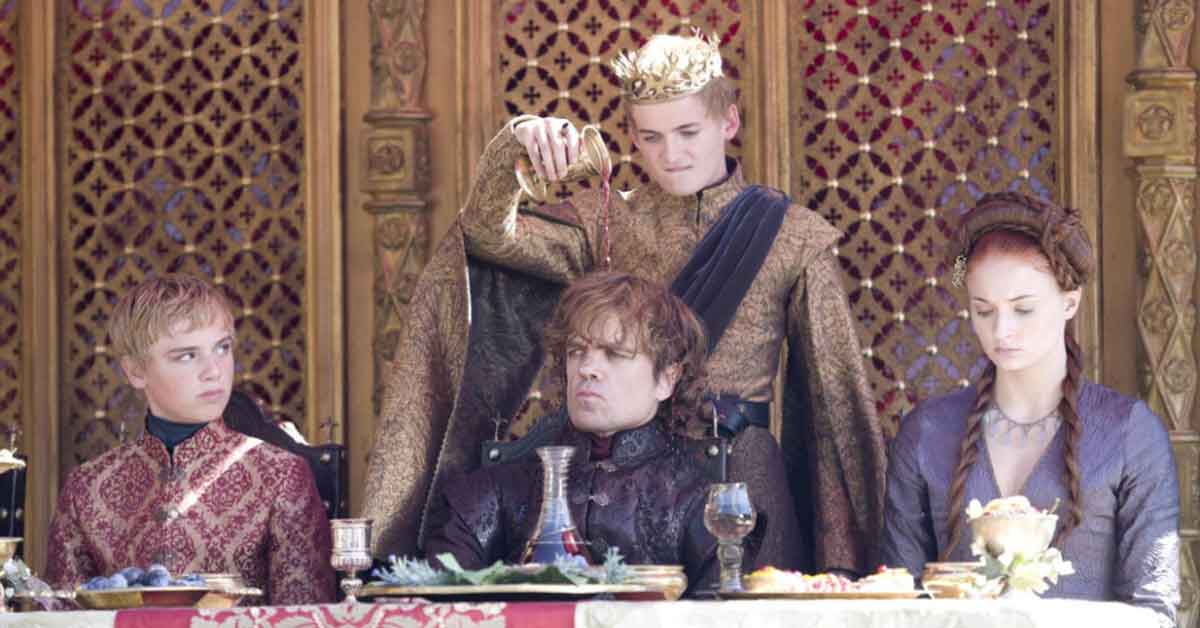
    Some characters are meant to be hated; it’s just in their nature. Without them, plots wouldn’t happen, tension would be non-existent, and shows would frankly be quite boring. But there is a delicate balance between not being able to stand someone, and wishing physical harm on a person that isn’t real.

    To be perfectly clear, we do not wish any harm to come to the actors; their performances, if anything, were just perfect. These fictional characters are made not only by their actors, but by the whole process of screenplay from behind the scenes. These are the characters that transcend the screen and, simply put, makes us want to punch them.

    The post The 15 Most ‘Punchable’ TV Characters of All Time appeared first on Den of Geek.

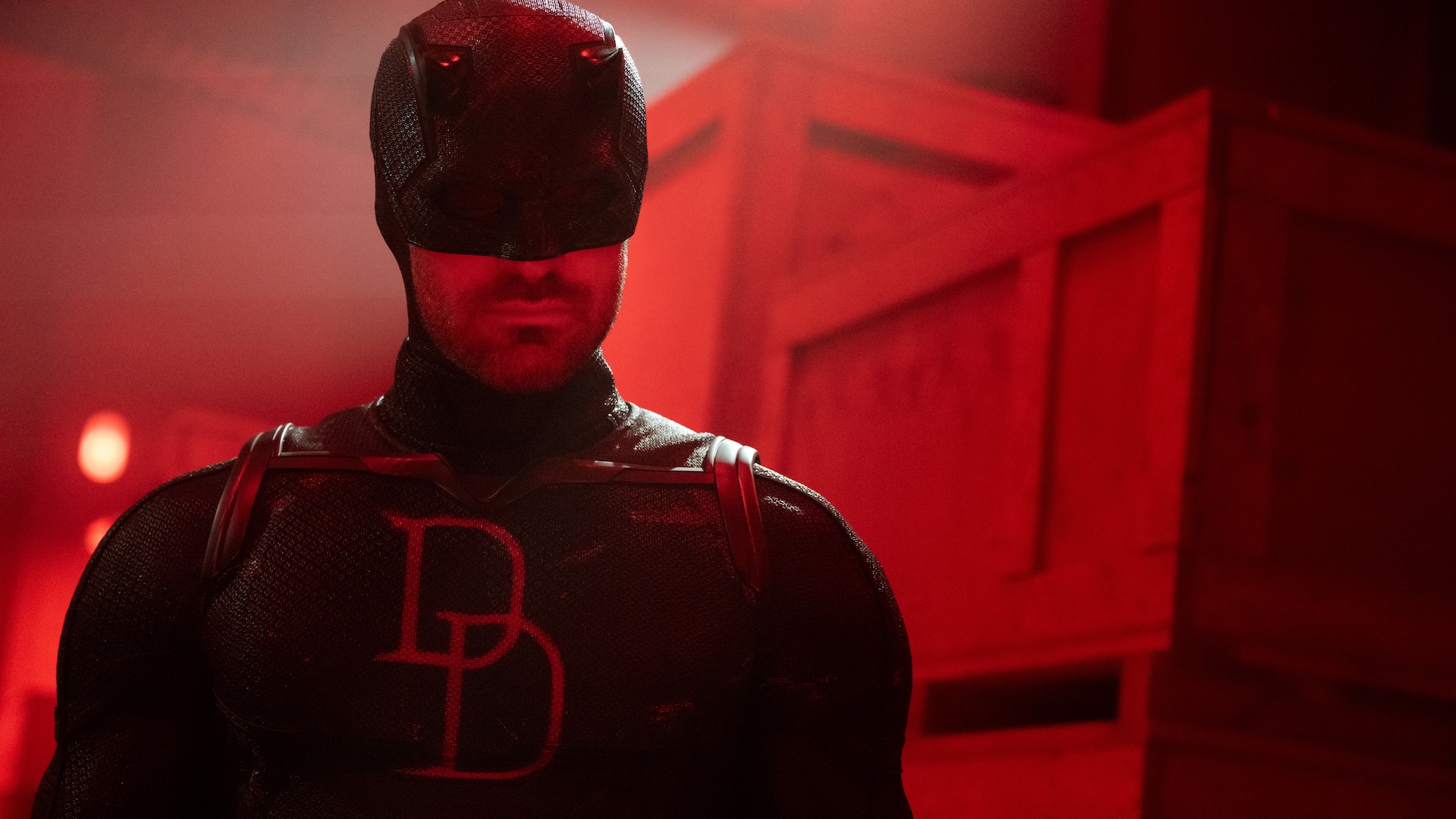
    Daredevil: Born Again was once a very different beast. The revived series was originally conceived by Kevin Feige and co. as a legal procedural for Disney+ following its three-season Netflix run, using their already popular Marvel lawyer to go in a different direction than the gritty show fans were familiar with.

    But Law & Order with Matt Murdock didn’t work out, and midway through production, Born Again was overhauled to better align with the Daredevil that had come before.

    cnx.cmd.push(function() {
    cnx({
    playerId: “106e33c0-3911-473c-b599-b1426db57530”,

    }).render(“0270c398a82f44f49c23c16122516796”);
    });

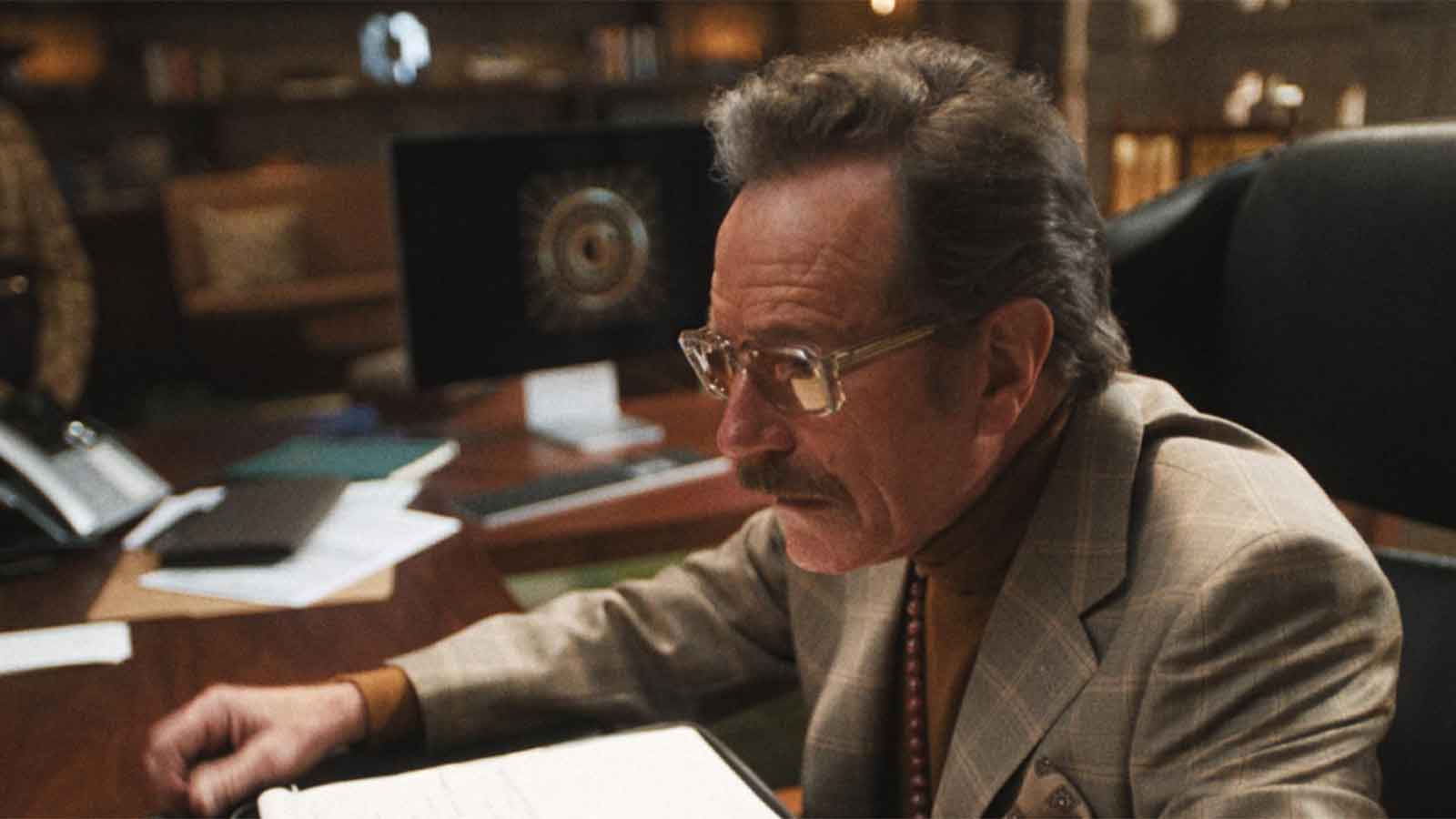
    On the Happy Sad Confused podcast this month, Born Again star Charlie Cox reflected on both the show’s retooling and original focus, telling host Josh Horowitz that people love procedurals because “they’re incredibly addictive; they’re really easy to watch; they’re very, very well written,” but added, “It’s very difficult to write a well-written procedural.”

    He also noted that there had been an “admirable effort” to change up Daredevil for the Disney+ era, but that “Once we got into production, it very quickly became apparent that the lessons we’d learnt from the [Ben Affleck] movie that we had got right in the show, we were now almost unlearning a little bit, and that the character really does work best in a serialized platform, but also when it’s darker and grittier and there’s less tongue-in-cheek levity.”

    Cox then gave “huge credit” to Marvel for rethinking its approach and deciding that it wasn’t working. “It takes a huge amount of courage and money to make a U-turn like that,” he said. “We’re indebted to them, and they really did listen to Vincent and I.”

    The Treason and Stardust actor has previously spoken about the conversations that he and his Daredevil: Born Again co-star Vincent D’Onofrio had when the revamped show was conceived for Disney+, with both fighting a more sanitized version of the series.

    “The thing that we kept talking about was, this show has had the success that it’s had and has appealed to a very specific demographic because it’s one of the few superhero shows that is so dark and sinister at times,” Cox told EW. “Vincent and I both felt like if you lose that, you are at risk of losing the identity of our show. So we really pushed for the show to remain geared towards an older audience and not dumbed down to kind of capture a wider net of people. I think in some ways it’s even darker than a lot of the stuff we’ve done in the past.”

    The post Charlie Cox Talks the Original Daredevil: Born Again Marvel Abandoned appeared first on Den of Geek.

  • 20 Fun Facts from the History of Pop Culture

    20 Fun Facts from the History of Pop Culture

    Pop culture history is full of stories that sound completely fake until you realize they actually happened. While most involve weird coincidences, others are about celebrities crossing paths in unexpected ways, and a few reveal just how strange the entertainment industry can really be behind the scenes.

    From rock bands tied to cartoon themes to Oscar winners surviving bizarre on-set accidents, these facts have floated around online for years because they are genuinely hard to believe. The best part is that every one of them says something about how unpredictable movies, television, music, and celebrity culture have always been, even long before the internet existed.

    The post 20 Fun Facts from the History of Pop Culture appeared first on Den of Geek.

    Daredevil: Born Again was once a very different beast. The revived series was originally conceived by Kevin Feige and co. as a legal procedural for Disney+ following its three-season Netflix run, using their already popular Marvel lawyer to go in a different direction than the gritty show fans were familiar with.

    But Law & Order with Matt Murdock didn’t work out, and midway through production, Born Again was overhauled to better align with the Daredevil that had come before.

    cnx.cmd.push(function() {
    cnx({
    playerId: “106e33c0-3911-473c-b599-b1426db57530”,

    }).render(“0270c398a82f44f49c23c16122516796”);
    });

    On the Happy Sad Confused podcast this month, Born Again star Charlie Cox reflected on both the show’s retooling and original focus, telling host Josh Horowitz that people love procedurals because “they’re incredibly addictive; they’re really easy to watch; they’re very, very well written,” but added, “It’s very difficult to write a well-written procedural.”

    He also noted that there had been an “admirable effort” to change up Daredevil for the Disney+ era, but that “Once we got into production, it very quickly became apparent that the lessons we’d learnt from the [Ben Affleck] movie that we had got right in the show, we were now almost unlearning a little bit, and that the character really does work best in a serialized platform, but also when it’s darker and grittier and there’s less tongue-in-cheek levity.”

    Cox then gave “huge credit” to Marvel for rethinking its approach and deciding that it wasn’t working. “It takes a huge amount of courage and money to make a U-turn like that,” he said. “We’re indebted to them, and they really did listen to Vincent and I.”

    The Treason and Stardust actor has previously spoken about the conversations that he and his Daredevil: Born Again co-star Vincent D’Onofrio had when the revamped show was conceived for Disney+, with both fighting a more sanitized version of the series.

    “The thing that we kept talking about was, this show has had the success that it’s had and has appealed to a very specific demographic because it’s one of the few superhero shows that is so dark and sinister at times,” Cox told EW. “Vincent and I both felt like if you lose that, you are at risk of losing the identity of our show. So we really pushed for the show to remain geared towards an older audience and not dumbed down to kind of capture a wider net of people. I think in some ways it’s even darker than a lot of the stuff we’ve done in the past.”

    The post Charlie Cox Talks the Original Daredevil: Born Again Marvel Abandoned appeared first on Den of Geek.

  • 15 Strange ’80s Movie Rip-Offs You Didn’t Know Existed

    15 Strange ’80s Movie Rip-Offs You Didn’t Know Existed

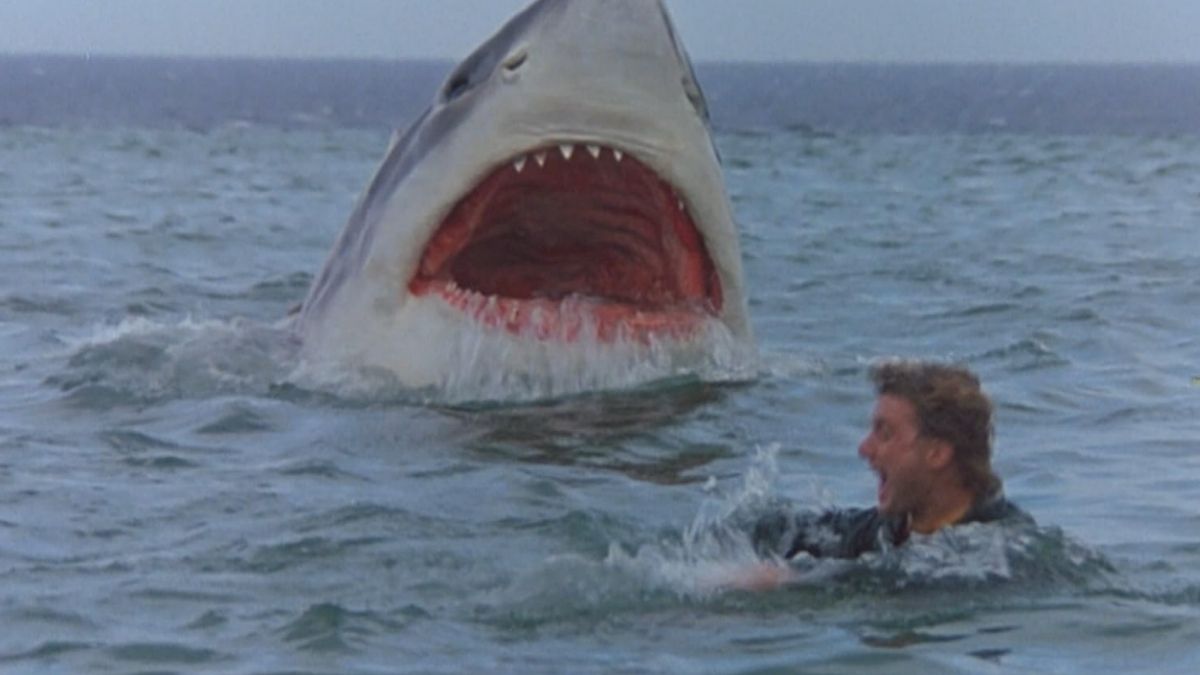
    There is a trend that still exists today involving popular movies, where a studio that lacks integrity creates a brutish copy of the source material, releases it quickly, and hopes to trick audiences into believing their film has something to do with popular media. The plan is to trick audiences with cover art, while the content doesn’t often matter.

    In the 80s it was even easier to get away with this, since before the internet, facts were far harder to check out. These films have become classics for underground movie lovers, but for general audiences, it is a brand new window into cheap filmmaking in a bygone era.

    The post 15 Strange ’80s Movie Rip-Offs You Didn’t Know Existed appeared first on Den of Geek.

    Daredevil: Born Again was once a very different beast. The revived series was originally conceived by Kevin Feige and co. as a legal procedural for Disney+ following its three-season Netflix run, using their already popular Marvel lawyer to go in a different direction than the gritty show fans were familiar with.

    But Law & Order with Matt Murdock didn’t work out, and midway through production, Born Again was overhauled to better align with the Daredevil that had come before.

    cnx.cmd.push(function() {
    cnx({
    playerId: “106e33c0-3911-473c-b599-b1426db57530”,

    }).render(“0270c398a82f44f49c23c16122516796”);
    });

    On the Happy Sad Confused podcast this month, Born Again star Charlie Cox reflected on both the show’s retooling and original focus, telling host Josh Horowitz that people love procedurals because “they’re incredibly addictive; they’re really easy to watch; they’re very, very well written,” but added, “It’s very difficult to write a well-written procedural.”

    He also noted that there had been an “admirable effort” to change up Daredevil for the Disney+ era, but that “Once we got into production, it very quickly became apparent that the lessons we’d learnt from the [Ben Affleck] movie that we had got right in the show, we were now almost unlearning a little bit, and that the character really does work best in a serialized platform, but also when it’s darker and grittier and there’s less tongue-in-cheek levity.”

    Cox then gave “huge credit” to Marvel for rethinking its approach and deciding that it wasn’t working. “It takes a huge amount of courage and money to make a U-turn like that,” he said. “We’re indebted to them, and they really did listen to Vincent and I.”

    The Treason and Stardust actor has previously spoken about the conversations that he and his Daredevil: Born Again co-star Vincent D’Onofrio had when the revamped show was conceived for Disney+, with both fighting a more sanitized version of the series.

    “The thing that we kept talking about was, this show has had the success that it’s had and has appealed to a very specific demographic because it’s one of the few superhero shows that is so dark and sinister at times,” Cox told EW. “Vincent and I both felt like if you lose that, you are at risk of losing the identity of our show. So we really pushed for the show to remain geared towards an older audience and not dumbed down to kind of capture a wider net of people. I think in some ways it’s even darker than a lot of the stuff we’ve done in the past.”

    The post Charlie Cox Talks the Original Daredevil: Born Again Marvel Abandoned appeared first on Den of Geek.

  • Charlie Cox Talks the Original Daredevil: Born Again Marvel Abandoned

    Charlie Cox Talks the Original Daredevil: Born Again Marvel Abandoned

    Daredevil: Born Again was once a very different beast. The revived series was originally conceived by Kevin Feige and co. as a legal procedural for Disney+ following its three-season Netflix run, using their already popular Marvel lawyer to go in a different direction than the gritty show fans were familiar with. But Law & Order […]

    The post Charlie Cox Talks the Original Daredevil: Born Again Marvel Abandoned appeared first on Den of Geek.

    Daredevil: Born Again was once a very different beast. The revived series was originally conceived by Kevin Feige and co. as a legal procedural for Disney+ following its three-season Netflix run, using their already popular Marvel lawyer to go in a different direction than the gritty show fans were familiar with.

    But Law & Order with Matt Murdock didn’t work out, and midway through production, Born Again was overhauled to better align with the Daredevil that had come before.

    cnx.cmd.push(function() {
    cnx({
    playerId: “106e33c0-3911-473c-b599-b1426db57530”,

    }).render(“0270c398a82f44f49c23c16122516796”);
    });

    On the Happy Sad Confused podcast this month, Born Again star Charlie Cox reflected on both the show’s retooling and original focus, telling host Josh Horowitz that people love procedurals because “they’re incredibly addictive; they’re really easy to watch; they’re very, very well written,” but added, “It’s very difficult to write a well-written procedural.”

    He also noted that there had been an “admirable effort” to change up Daredevil for the Disney+ era, but that “Once we got into production, it very quickly became apparent that the lessons we’d learnt from the [Ben Affleck] movie that we had got right in the show, we were now almost unlearning a little bit, and that the character really does work best in a serialized platform, but also when it’s darker and grittier and there’s less tongue-in-cheek levity.”

    Cox then gave “huge credit” to Marvel for rethinking its approach and deciding that it wasn’t working. “It takes a huge amount of courage and money to make a U-turn like that,” he said. “We’re indebted to them, and they really did listen to Vincent and I.”

    The Treason and Stardust actor has previously spoken about the conversations that he and his Daredevil: Born Again co-star Vincent D’Onofrio had when the revamped show was conceived for Disney+, with both fighting a more sanitized version of the series.

    “The thing that we kept talking about was, this show has had the success that it’s had and has appealed to a very specific demographic because it’s one of the few superhero shows that is so dark and sinister at times,” Cox told EW. “Vincent and I both felt like if you lose that, you are at risk of losing the identity of our show. So we really pushed for the show to remain geared towards an older audience and not dumbed down to kind of capture a wider net of people. I think in some ways it’s even darker than a lot of the stuff we’ve done in the past.”

    The post Charlie Cox Talks the Original Daredevil: Born Again Marvel Abandoned appeared first on Den of Geek.

  • Speed Racer: Emile Hirsch on Audiences Catching Up to the Wachowskis’ Masterpiece

    Speed Racer: Emile Hirsch on Audiences Catching Up to the Wachowskis’ Masterpiece

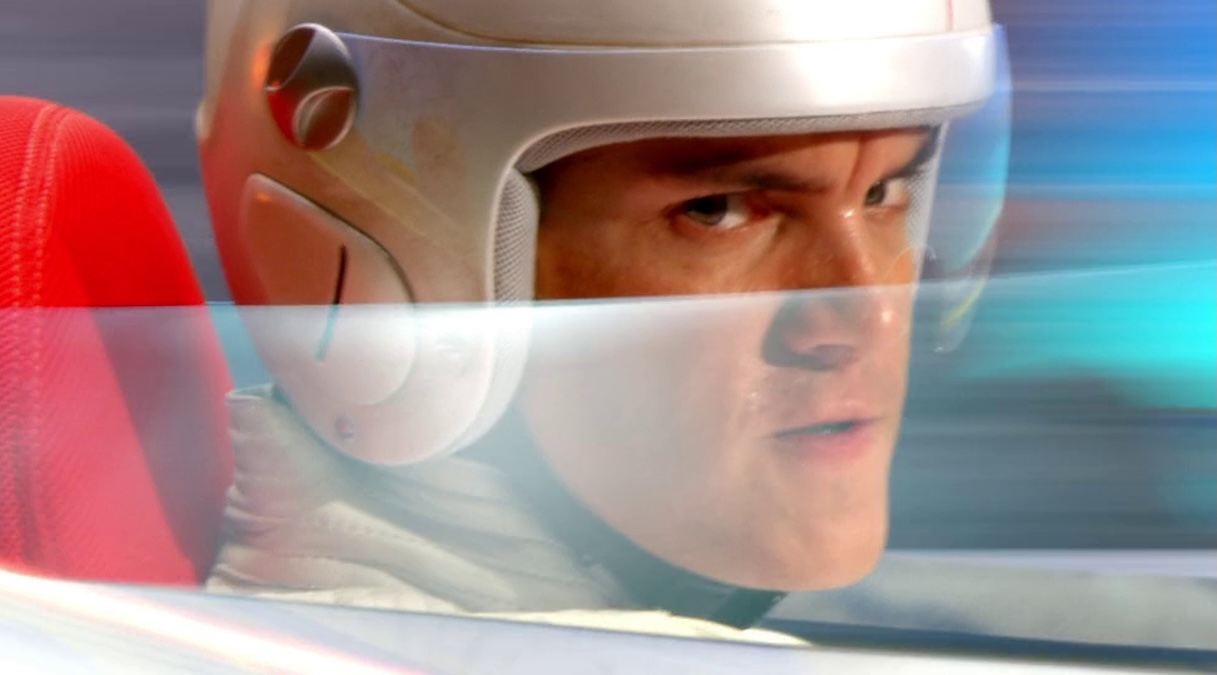
    When Speed Racer hit theaters in 2008, its pleasures blew right by audiences. “Speed Racer goes nowhere, and you’d be amazed how long the trip can take,” lamented the New York Times; “It’sforward-thinking, visionary, and much of the time unwatchable,” charged theA.V. Club. Moviegoers agreed, and Speed Racer barely crossed the finish line, making $93.9 […]

    The post Speed Racer: Emile Hirsch on Audiences Catching Up to the Wachowskis’ Masterpiece appeared first on Den of Geek.

    Daredevil: Born Again was once a very different beast. The revived series was originally conceived by Kevin Feige and co. as a legal procedural for Disney+ following its three-season Netflix run, using their already popular Marvel lawyer to go in a different direction than the gritty show fans were familiar with.

    But Law & Order with Matt Murdock didn’t work out, and midway through production, Born Again was overhauled to better align with the Daredevil that had come before.

    cnx.cmd.push(function() {
    cnx({
    playerId: “106e33c0-3911-473c-b599-b1426db57530”,

    }).render(“0270c398a82f44f49c23c16122516796”);
    });

    On the Happy Sad Confused podcast this month, Born Again star Charlie Cox reflected on both the show’s retooling and original focus, telling host Josh Horowitz that people love procedurals because “they’re incredibly addictive; they’re really easy to watch; they’re very, very well written,” but added, “It’s very difficult to write a well-written procedural.”

    He also noted that there had been an “admirable effort” to change up Daredevil for the Disney+ era, but that “Once we got into production, it very quickly became apparent that the lessons we’d learnt from the [Ben Affleck] movie that we had got right in the show, we were now almost unlearning a little bit, and that the character really does work best in a serialized platform, but also when it’s darker and grittier and there’s less tongue-in-cheek levity.”

    Cox then gave “huge credit” to Marvel for rethinking its approach and deciding that it wasn’t working. “It takes a huge amount of courage and money to make a U-turn like that,” he said. “We’re indebted to them, and they really did listen to Vincent and I.”

    The Treason and Stardust actor has previously spoken about the conversations that he and his Daredevil: Born Again co-star Vincent D’Onofrio had when the revamped show was conceived for Disney+, with both fighting a more sanitized version of the series.

    “The thing that we kept talking about was, this show has had the success that it’s had and has appealed to a very specific demographic because it’s one of the few superhero shows that is so dark and sinister at times,” Cox told EW. “Vincent and I both felt like if you lose that, you are at risk of losing the identity of our show. So we really pushed for the show to remain geared towards an older audience and not dumbed down to kind of capture a wider net of people. I think in some ways it’s even darker than a lot of the stuff we’ve done in the past.”

    The post Charlie Cox Talks the Original Daredevil: Born Again Marvel Abandoned appeared first on Den of Geek.

  • Punisher: One Last Kill Star Teases Nasty New Baddie

    Punisher: One Last Kill Star Teases Nasty New Baddie

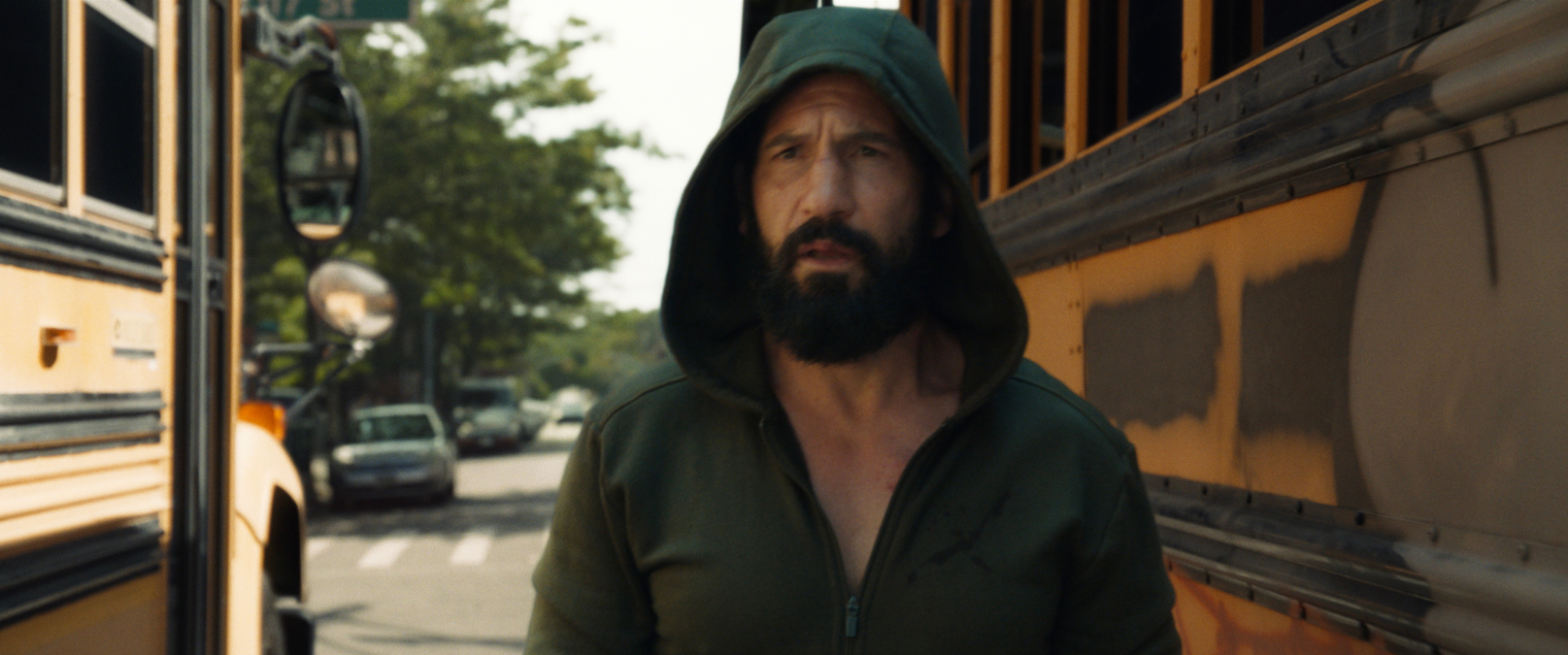
    The Punisher is one of Marvel‘s most popular and complicated heroes. Driven by his trauma in the military and the murder of his family, Frank Castle lives only to deliver (capital) punishment to the guilty. With turns on series such as One Life to Live, Who’s the Boss?, Ugly Betty, and Poker Face, Judith Light […]

    The post Punisher: One Last Kill Star Teases Nasty New Baddie appeared first on Den of Geek.

    Daredevil: Born Again was once a very different beast. The revived series was originally conceived by Kevin Feige and co. as a legal procedural for Disney+ following its three-season Netflix run, using their already popular Marvel lawyer to go in a different direction than the gritty show fans were familiar with.

    But Law & Order with Matt Murdock didn’t work out, and midway through production, Born Again was overhauled to better align with the Daredevil that had come before.

    cnx.cmd.push(function() {
    cnx({
    playerId: “106e33c0-3911-473c-b599-b1426db57530”,

    }).render(“0270c398a82f44f49c23c16122516796”);
    });

    On the Happy Sad Confused podcast this month, Born Again star Charlie Cox reflected on both the show’s retooling and original focus, telling host Josh Horowitz that people love procedurals because “they’re incredibly addictive; they’re really easy to watch; they’re very, very well written,” but added, “It’s very difficult to write a well-written procedural.”

    He also noted that there had been an “admirable effort” to change up Daredevil for the Disney+ era, but that “Once we got into production, it very quickly became apparent that the lessons we’d learnt from the [Ben Affleck] movie that we had got right in the show, we were now almost unlearning a little bit, and that the character really does work best in a serialized platform, but also when it’s darker and grittier and there’s less tongue-in-cheek levity.”

    Cox then gave “huge credit” to Marvel for rethinking its approach and deciding that it wasn’t working. “It takes a huge amount of courage and money to make a U-turn like that,” he said. “We’re indebted to them, and they really did listen to Vincent and I.”

    The Treason and Stardust actor has previously spoken about the conversations that he and his Daredevil: Born Again co-star Vincent D’Onofrio had when the revamped show was conceived for Disney+, with both fighting a more sanitized version of the series.

    “The thing that we kept talking about was, this show has had the success that it’s had and has appealed to a very specific demographic because it’s one of the few superhero shows that is so dark and sinister at times,” Cox told EW. “Vincent and I both felt like if you lose that, you are at risk of losing the identity of our show. So we really pushed for the show to remain geared towards an older audience and not dumbed down to kind of capture a wider net of people. I think in some ways it’s even darker than a lot of the stuff we’ve done in the past.”

    The post Charlie Cox Talks the Original Daredevil: Born Again Marvel Abandoned appeared first on Den of Geek.

  • Rachel Mason Helps Solve Cold Case Murder Through New Documentary My Brother’s Killer

    Rachel Mason Helps Solve Cold Case Murder Through New Documentary My Brother’s Killer

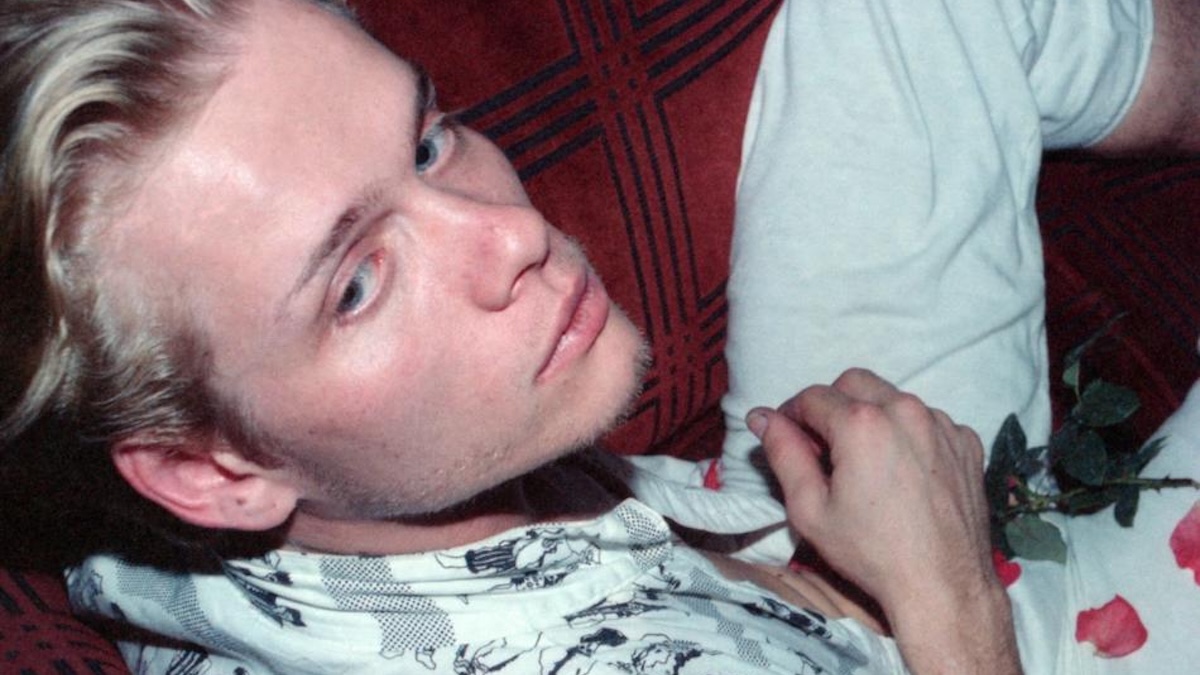
    My Brother’s Killer solves a murder case gone cold. The documentary, directed by Rachel Mason, traces the 36 years since the brutal murder of 25-year-old William “Billy London” Arnold Newton in West Hollywood.  Mason is an Emmy-nominated director known for Circus of Books, a 2019 documentary featuring her parents’ experience owning a gay pornography bookstore […]

    The post Rachel Mason Helps Solve Cold Case Murder Through New Documentary My Brother’s Killer appeared first on Den of Geek.

    Daredevil: Born Again was once a very different beast. The revived series was originally conceived by Kevin Feige and co. as a legal procedural for Disney+ following its three-season Netflix run, using their already popular Marvel lawyer to go in a different direction than the gritty show fans were familiar with.

    But Law & Order with Matt Murdock didn’t work out, and midway through production, Born Again was overhauled to better align with the Daredevil that had come before.

    cnx.cmd.push(function() {
    cnx({
    playerId: “106e33c0-3911-473c-b599-b1426db57530”,

    }).render(“0270c398a82f44f49c23c16122516796”);
    });

    On the Happy Sad Confused podcast this month, Born Again star Charlie Cox reflected on both the show’s retooling and original focus, telling host Josh Horowitz that people love procedurals because “they’re incredibly addictive; they’re really easy to watch; they’re very, very well written,” but added, “It’s very difficult to write a well-written procedural.”

    He also noted that there had been an “admirable effort” to change up Daredevil for the Disney+ era, but that “Once we got into production, it very quickly became apparent that the lessons we’d learnt from the [Ben Affleck] movie that we had got right in the show, we were now almost unlearning a little bit, and that the character really does work best in a serialized platform, but also when it’s darker and grittier and there’s less tongue-in-cheek levity.”

    Cox then gave “huge credit” to Marvel for rethinking its approach and deciding that it wasn’t working. “It takes a huge amount of courage and money to make a U-turn like that,” he said. “We’re indebted to them, and they really did listen to Vincent and I.”

    The Treason and Stardust actor has previously spoken about the conversations that he and his Daredevil: Born Again co-star Vincent D’Onofrio had when the revamped show was conceived for Disney+, with both fighting a more sanitized version of the series.

    “The thing that we kept talking about was, this show has had the success that it’s had and has appealed to a very specific demographic because it’s one of the few superhero shows that is so dark and sinister at times,” Cox told EW. “Vincent and I both felt like if you lose that, you are at risk of losing the identity of our show. So we really pushed for the show to remain geared towards an older audience and not dumbed down to kind of capture a wider net of people. I think in some ways it’s even darker than a lot of the stuff we’ve done in the past.”

    The post Charlie Cox Talks the Original Daredevil: Born Again Marvel Abandoned appeared first on Den of Geek.

  • Bane and Deathstroke Movie Can Move the Batman Villain Beyond Tom Hardy

    Bane and Deathstroke Movie Can Move the Batman Villain Beyond Tom Hardy

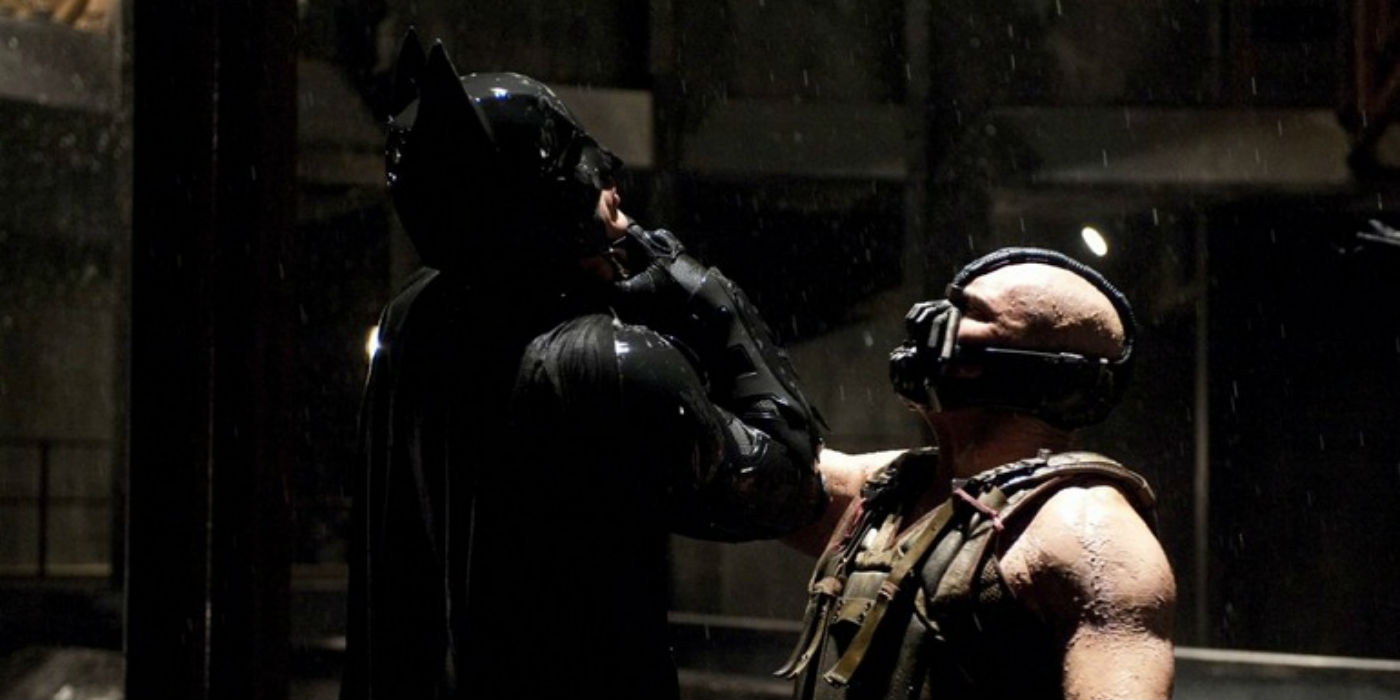
    In The Dark Knight Rises, Bane tells Batman that he was born in the shadows. Which is, of course, a lie. Bane was born in the comic books, specifically Batman: Vengeance of Bane #1 (1993), by writer Chuck Dixon and artist Graham Nolan. That comic established Bane as a revolutionary from the Latin American island […]

    The post Bane and Deathstroke Movie Can Move the Batman Villain Beyond Tom Hardy appeared first on Den of Geek.

    Daredevil: Born Again was once a very different beast. The revived series was originally conceived by Kevin Feige and co. as a legal procedural for Disney+ following its three-season Netflix run, using their already popular Marvel lawyer to go in a different direction than the gritty show fans were familiar with.

    But Law & Order with Matt Murdock didn’t work out, and midway through production, Born Again was overhauled to better align with the Daredevil that had come before.

    cnx.cmd.push(function() {
    cnx({
    playerId: “106e33c0-3911-473c-b599-b1426db57530”,

    }).render(“0270c398a82f44f49c23c16122516796”);
    });

    On the Happy Sad Confused podcast this month, Born Again star Charlie Cox reflected on both the show’s retooling and original focus, telling host Josh Horowitz that people love procedurals because “they’re incredibly addictive; they’re really easy to watch; they’re very, very well written,” but added, “It’s very difficult to write a well-written procedural.”

    He also noted that there had been an “admirable effort” to change up Daredevil for the Disney+ era, but that “Once we got into production, it very quickly became apparent that the lessons we’d learnt from the [Ben Affleck] movie that we had got right in the show, we were now almost unlearning a little bit, and that the character really does work best in a serialized platform, but also when it’s darker and grittier and there’s less tongue-in-cheek levity.”

    Cox then gave “huge credit” to Marvel for rethinking its approach and deciding that it wasn’t working. “It takes a huge amount of courage and money to make a U-turn like that,” he said. “We’re indebted to them, and they really did listen to Vincent and I.”

    The Treason and Stardust actor has previously spoken about the conversations that he and his Daredevil: Born Again co-star Vincent D’Onofrio had when the revamped show was conceived for Disney+, with both fighting a more sanitized version of the series.

    “The thing that we kept talking about was, this show has had the success that it’s had and has appealed to a very specific demographic because it’s one of the few superhero shows that is so dark and sinister at times,” Cox told EW. “Vincent and I both felt like if you lose that, you are at risk of losing the identity of our show. So we really pushed for the show to remain geared towards an older audience and not dumbed down to kind of capture a wider net of people. I think in some ways it’s even darker than a lot of the stuff we’ve done in the past.”

    The post Charlie Cox Talks the Original Daredevil: Born Again Marvel Abandoned appeared first on Den of Geek.