Blog

  • Design for Amiability: Lessons from Vienna

    Design for Amiability: Lessons from Vienna

    Today’s web is not always an amiable place. Sites greet you with a popover that demands assent to their cookie policy, and leave you with Taboola ads promising “One Weird Trick!” to cure your ailments. Social media sites are tuned for engagement, and few things are more engaging than a fight. Today it seems that people want to quarrel; I have seen flame wars among birders.  

    These tensions are often at odds with a site’s goals. If we are providing support and advice to customers, we don’t want those customers to wrangle with each other. If we offer news about the latest research, we want readers to feel at ease; if we promote upcoming marches, we want our core supporters to feel comfortable and we want curious newcomers to feel welcome. 

    In a study for a conference on the History of the Web, I looked to the origins of Computer Science in Vienna (1928-1934)  for a case study of the importance of amiability in a research community and the disastrous consequences of its loss. That story has interesting implications for web environments that promote amiable interaction among disparate, difficult (and sometimes disagreeable) people.

    The Vienna Circle

    Though people had been thinking about calculating engines and thinking machines from antiquity, Computing really got going in Depression-era Vienna.  The people who worked out the theory had no interest in building machines; they wanted to puzzle out the limits of reason in the absence of divine authority. If we could not rely on God or Aristotle to tell us how to think, could we instead build arguments that were self-contained and demonstrably correct? Can we be sure that mathematics is consistent? Are there things that are true but that cannot be expressed in language? 

    The core ideas were worked out in the weekly meetings (Thursdays at 6) of a group remembered as the Vienna Circle. They got together in the office of Professor Moritz Schlick at the University of Vienna to discuss problems in philosophy, math, and language. The intersection of physics and philosophy had long been a specialty of this Vienna department, and this work had placed them among the world leaders.  Schlick’s colleague Hans Hahn was a central participant, and by 1928 Hahn brought along his graduate students Karl Menger and Kurt Gödel. Other frequent participants included philosopher Rudolf Carnap, psychologist Karl Popper, economist Ludwig von Mises (brought by his brother Frederick, a physicist),  graphic designer Otto Neurath (inventor of infographics), and architect Josef Frank (brought by his physicist brother, Phillip).  Out-of-town visitors often joined, including the young Johnny von Neumann, Alfred Tarski, and the irascible Ludwig Wittgenstein. 

    When Schlick’s office grew too dim, participants adjourned to a nearby café for additional discussion with an even larger circle of participants.  This convivial circle was far from unique.  An intersecting circle–Neurath, von Mises, Oskar Morgenstern–established the Austrian School of free-market economics. There were theatrical circles (Peter Lorre, Hedy Lamarr, Max Reinhardt), and literary circles. The café was where things happened.

    The interdisciplinarity of the group posed real challenges of temperament and understanding. Personalities were often a challenge. Gödel was convinced people were trying to poison him. Architect Josef Frank depended on contracts for public housing, which Mises opposed as wasteful. Wittgenstein’s temper had lost him his job as a secondary school teacher, and for some of these years he maintained a detailed list of whom he was willing to meet. Neurath was eager to detect muddled thinking and would interrupt a speaker with a shouted “Metaphysics!” The continuing amity of these meetings was facilitated by the personality of their leader, Moritz Schlick, who would be remembered as notably adept in keeping disagreements from becoming quarrels.

    In the Café

    The Viennese café of this era was long remembered as a particularly good place to argue with your friends, to read, and to write. Built to serve an imperial capital, the cafés found themselves with too much space and too few customers now that the Empire was gone. There was no need to turn tables: a café could only survive by coaxing customers to linger. Perhaps they would order another coffee, or one of their friends might drop by. One could play chess, or billiards, or read newspapers from abroad. Coffee was invariably served with a glass of purified spring water, still a novelty in an era in which most water was still unsafe to drink. That water glass would be refilled indefinitely. 

    In the basement of one café, the poet Jura Soyfer staged “The End Of The World,” a musical comedy in which Professor Peep has discovered a comet heading for earth.

    Prof. Peep: The comet is going to destroy everybody!

    Hitler:  Destroying everybody is my business.

    Of course, coffee can be prepared in many ways, and the Viennese café developed a broad vocabulary to represent precisely how one preferred to drink it: melange, Einspänner, Brauner, Schwarzer, Kapuziner. This extensive customization, with correspondingly esoteric conventions of service, established the café as a comfortable and personal third space, a neutral ground in which anyone who could afford a coffee would be welcome. Viennese of this era were fastidious in their use of personal titles, of which an abundance were in common use. Café waiters greeted regular customers with titles too, but were careful to address their patrons with titles a notch or two greater than they deserved. A graduate student would be Doktor, an unpaid postdoc Professor.  This assurance mattered all the more because so many members of the Circle (and so many other Viennese) came from elsewhere: Carnap from Wuppertal, Gödel from Brno, von Neumann from Budapest. No one was going to make fun of your clothes, mannerisms, or accent. Your friends wouldn’t be bothered by the pram in the hall. Everyone shared a Germanic Austrian literary and philosophical culture, not least those whose ancestors had been Eastern European Jews who knew that culture well, having read all about it in books.

    The amiability of the café circle was enhanced by its openness. Because the circle sometimes extended to architects and actors, people could feel less constrained to admit shortfalls in their understanding. It was soon discovered that marble tabletops made a useful surface for pencil sketches, serving all as an improvised and accessible blackboard.

    Comedies like “The End Of The World” and fictional newspaper sketches or feuilletons of writers like Joseph Roth and Stefan Zweig served as a second defense against disagreeable or churlish behavior. The knowledge that, if one got carried away, a parody of one’s remarks might shortly appear in Neue Freie Presse surely helped Professor Schlick keep matters in hand.

    The End Of Red Vienna

    Though Austria’s government drifted to the right after the War, Vienna’s city council had been Socialist, dedicated to public housing based on user-centered design, and embracing  ambitious programs of public outreach and adult education. In 1934 the Socialists lost a local election, and this era soon came to its end as the new administration focused on the imagined threat of the International Jewish Conspiracy. Most members of the Circle fled within months: von Neumann to Princeton, Neurath to Holland and Oxford, Popper to New Zealand, Carnap to Chicago. Prof. Schlick was murdered on the steps of the University by a student outraged by his former association with Jews.  Jura Soyfer, who wrote “The End Of The World,” died in Buchenwald.

    In 1939, von Neumann finally convinced Gödel to accept a job in Princeton. Gödel was required to pay large fines to emigrate. The officer in charge of these fees would look back on this as the best posting of his career; his name was Eichmann.

    Design for Amiability

    An impressive literature recounts those discussions and the environment that facilitated the development of computing. How can we design for amiability?  This is not just a matter of choosing rounded typefaces and a cheerful pastel palette. I believe we may identify eight distinct issues that exert design forces in usefully amiable directions.

    Seriousness: The Vienna Circle was wrestling with a notoriously difficult book—Wittgenstein’s Tractus Logico-Philosophicus—and a catalog of outstanding open questions in mathematics. They were concerned with consequential problems, not merely scoring points for debating. Constant reminders that the questions you are considering matter—not only that they are consequential or that those opposing you are scoundrels—help promote amity.

    Empiricism: The characteristic approach of the Vienna Circle demanded that knowledge be grounded either in direct observation or in rigorous reasoning. Disagreement, when it arose, could be settled by observation or by proof. If neither seemed ready to hand, the matter could not be settled. On these terms, one can seldom if ever demolish an opposing argument, and trolling is pointless.

    Abstraction: Disputes grow worse when losing the argument entails lost face or lost jobs. The Vienna Circle’s focus on theory—the limits of mathematics, the capability of language—promoted amity. Without seriousness, abstraction could have been merely academic, but the limits of reason and the consistency of mathematics were clearly serious.

    Formality: The punctilious demeanor of waiters and the elaborated rituals of coffee service helped to establish orderly attitudes amongst the argumentative participants. This stands in contrast to the contemptuous sneer that now dominates social media.  

    Schlamperei: Members of the Vienna Circle maintained a global correspondence, and they knew their work was at the frontier of research. Still, this was Vienna, at the margins of Europe: old-fashioned, frumpy, and dingy. Many participants came from even more obscure backwaters. Most or all harbored the suspicion that they were really schleppers, and a tinge of the ridiculous helped to moderate tempers. The director of “The End Of The World” had to pass the hat for money to purchase a moon for the set, and thought it was funny enough to write up for publication.

    Openness: All sorts of people were involved in discussion, anyone might join in. Each week would bring different participants. Fluid borders reduce tension, and provide opportunities to broaden the range of discussion and the terms of engagement. Low entrance friction was characteristic of the café: anyone could come, and if you came twice you were virtually a regular. Permeable boundaries and café culture made it easier for moderating influences to draw in raconteurs and storytellers to defuse awkward moments, and Vienna’s cafés had no shortage of humorists. Openness counteracts the suspicion that promoters of amiability are exerting censorship.

    Parody: The environs of the Circle—the university office and the café—were unmistakably public. There were writers about, some of them renowned humorists. The prospect that one’s bad taste or bad behavior might be ridiculed in print kept discussion within bounds. The sanction of public humiliation, however, was itself made mild by the veneer of fiction; even if you got a little carried away and a character based on you made a splash in some newspaper fiction, it wasn’t the end of the world.

    Engagement: The subject matter was important to the participants, but it was esoteric: it did not matter very much to their mothers or their siblings. A small stumble or a minor humiliation could be shrugged off in ways that major media confrontations cannot.

    I believe it is notable that this environment was designed to promote amiability through several different voices.  The café waiter flattered each newcomer and served everyone, and also kept out local pickpockets and drunks who would be mere disruptions. Schlick and other regulars kept discussion moving and on track. The fiction writers and raconteurs—perhaps the most peripheral of the participants—kept people in a good mood and reminded them that bad behavior could make anyone ridiculous.  Crucially, each of these voices were human: you could reason with them. Algorithmic or AI moderators, however clever, are seldom perceived as reasonable. The café circles had no central authority or Moderator against whom everyone’s resentments might be focused. Even after the disaster of 1934, what people remembered were those cheerful arguments.

  • Good designers, bad websites: a proposal

    Good designers, bad websites: a proposal

    I want to discuss accessibility because it is the most important thing for making websites. Other A List Apart articles give you innovation and insight. This article will give you homework. These are just my personal views, but they’re pretty good.

    I want to start off with a couple of statements, and you will agree:

    1. Designers are good people. I have never heard a designer say, “I don’t care if somebody can’t read this text”, “Not my fault if somebody can’t use this device”, or “Who cares if this is confusing?”
    2. Some designs exclude people. You have seen people unable to read the text on a website or app that somebody designed. You’ve seen people unable to use a physical device that somebody has designed. You’ve seen people utterly bamboozled while trying to use a service that somebody designed.

    So what?

    The first question is, “Is this life-or-death stuff?” The answer is, “Yes.” In my favorite essay, This Is All There Is, Aral Balkan makes the point that pretty much everything that we design can affect life events and death events. Aral gives the example of how even a straightforward bus timetable app can affect life and death events, if we design it badly:

    • somebody might miss a life event, such as their daughter’s fifth birthday party; or
    • somebody might miss a death event, such as the chance to say goodbye to a dying grandmother.

    The next—and frustrating—question is, “Why do some designs still exclude people?” After all, we know that:

    • not everybody can see perfectly;
    • not everybody can hear perfectly;
    • not everybody thinks the same way; and
    • not everybody moves the same way.

    I think the answer is that there’s too much to recall. Consider, if you will, the wide variety of topics that A List Apart articles cover. Designers are expected to remember all of that guidance, plus all of the accessibility guidance, plus so much more. It is too much.

    Recognizing accessibility issues while designing

    I’d like to point toward one possible solution, starting from Jakob Nielsen’s 10 Usability Heuristics for User Interface Design. These are from the mid-1990s, and—although there’s a good chance that you, gentle reader, are a lot younger than that—please bear with me. 

    Seeing as the problem is that there’s too much to recall, I want to look at heuristic № 6, “Recognition rather than Recall.” Jakob Nielsen said that for users, information required to use the design should be visible or easily retrievable when needed. I suggest we tweak that to make life easier for designers. Let’s say that the information required to produce the design should be visible or easily retrievable when needed. In other words, let’s make it easier to recognise accessibility issues while we’re designing.

    How are we going to do that? I really like the book A Web for Everyone—Designing Accessible User Experiences by Sarah Horton and Whitney Quesenbery. I really like this book not only because it includes a quote from me—actually two quotes, but I don’t like to boast—but because it includes personas that are perfect for helping us to recognise accessibility issues. That’s the good news. The even better news is that these personas are available now for free on the companion website to the book What Every Engineer Should Know About Digital Accessibility, again by Sarah Horton, with David Sloan this time.

    Meet your users

    I’m going to introduce you to these personas now:

    I want to throw one more persona at you now, because, well, A List Apart readers are overachievers. One of my favorite authors, Cennydd Bowles—who literally wrote the book on Future Ethics—says to create Personas Non Grata. In other words, every time we design something, we have to think about what a bad guy could do with that thing, and whom that might affect.

    To actually use these personas while designing, I like what Eric Meyer and Sara Wachter-Boettcher in Design for Real Life call the Designated Dissenter: for each project that you work on, one of your teams should be responsible for asking, “Will this work for Vishnu?”, “How’s Trevor going to get on with this?”, and so on. 

    Then, once you’ve used the personas to recognise the accessibility issues, you can look up the guidelines for whichever platforms you’re designing for: 

    Your mission, should you choose to accept it

    I told you in the introduction of this article that I would give you homework. You thought I was joking. So, here’s your homework: I want you to grab the personas from the Know About Accessibility website, and use them throughout every design project to help you recognise accessibility issues while you work—and reclaim design for everyone.


    NOTE: This article is based on “Recognise,” my five-minute presentation from Interaction Design Association (IxDA) Dublin’s Defuse (Design for Use) event in 2025.

  • You’re Renting Your Lead Flow. Here’s What That’s Actually Costing You.

    You’re Renting Your Lead Flow. Here’s What That’s Actually Costing You.

    You’re Renting Your Lead Flow. Here’s What That’s Actually Costing You. written by John Jantsch read more at Duct Tape Marketing

    If your largest paid channel disappeared tomorrow, platform shuts down, algorithm changes, cost doubles, your pipeline is gone inside 30 days. If that’s true, you don’t have a Growth Engine. You have a rented pipeline. This is the situation most founders are in. Paid ads on two or three platforms. Paid social. Maybe a paid […]

    7 Steps to Small Business Marketing Success – Episode 2 written by John Jantsch read more at Duct Tape Marketing

    Catch the Full Episode

    john jantsch (1)Overview

    Most small business owners are not failing at marketing because they lack effort. They are failing because they lack a foundation. In this solo episode of the Duct Tape Marketing Podcast, John Jantsch breaks down the second step in his seven-part framework for small business marketing success: diagnosing and solving the “random acts of marketing” problem that keeps businesses busy but stuck.

    John walks through the three core elements of a Strategy First approach: defining your ideal client, identifying your true differentiator, and crafting a clear core message. He then ties it all together with the Marketing Hourglass, Duct Tape Marketing’s model for the full customer journey. This episode is built for small business owners, consultants, and marketers who feel like they are doing everything but seeing none of it add up.

    Whether you are chasing every new tactic, working with vendors who all have different plans, or generating leads that never convert, this episode gives you a practical framework to stop guessing and start building a marketing system that works.

    Key Takeaways

    • Random acts of marketing are not a budget or effort problem. They are a foundation problem rooted in the absence of a clear strategy.
    • Strategy must come before tactics. Every tactic should connect back to a central plan the business actually owns.
    • An ideal client profile is not just demographics. It is defined by the specific problem you are uniquely suited to solve, the attitude of the client, and the profitability of the relationship.
    • Niching down is less about picking an industry and more about owning the problem you solve better than anyone else.
    • Differentiators like “quality,” “service,” and “experience” are not differentiators. They are claims anyone can make. Real differentiation lives in the voice of your actual customers.
    • Customer reviews, Reddit threads, and organic feedback are underused goldmines for discovering how customers actually describe the problem you solve.
    • A core message is one sentence: customer language, clear, different, and credible. It is not a tagline and it is not a list of services.
    • The Marketing Hourglass maps seven customer behaviors: know, like, trust, try, buy, repeat, and refer. All seven require intentional activation.
    • Post-purchase experience matters as much as acquisition. Turning customers into advocates is a planned marketing activity, not an accident.
    • The companion workbook for this series is available at dtm.world/sevensteps and is designed to turn this framework into action.

    Great Moments

    [00:01] Introduction to the seven-step series and what to expect from Episode 2

    [02:23] Reframing random acts of marketing as a systems problem, not a character flaw

    [03:10] The Strategy First philosophy and why it has anchored 30+ years of work

    [04:00] Breaking down the ideal client profile: beyond demographics to the problem you solve

    [06:58] How to find your real differentiator in the voice of the customer

    [08:00] What a core message actually is (and what it is not)

    [09:21] Introducing the Marketing Hourglass and the seven buyer behaviors

    [11:00] Your homework: define your ideal client, the problem you solve, and your core message

    Memorable Quotes

    “Strategy needs to come before tactics. That’s really been the basis of my body of work.”

    “We’re doing a lot of things, but it’s not adding up. Every vendor has a different plan; they’re all executing the way they want to execute rather than around a cohesive plan that the business is directing.”

    “Quality, service, experience: those aren’t differentiators. Even if it’s not true, it’s pretty easy for somebody to claim.”

    “A core message is not about here’s what we do. It says: this is who we serve, this is the problem we solve for them, and this is how we solve it.”

    “After they become a customer, what are we going to do to surprise and delight them and turn them into advocates? Those are intentional marketing activities.”

  • The 13 Best Zombie Movies Ever Made, Ranked

    The 13 Best Zombie Movies Ever Made, Ranked

    Zombie movies have survived for decades because they can be almost anything. Some are terrifying survival stories, others are action spectacles, dark comedies, social commentaries, or even emotional dramas. The undead may be the common thread, but the genre has constantly reinvented itself with each generation. Looking at IMDb ratings offers an interesting snapshot of which films have resonated most strongly with audiences over the years. From genre defining classics to modern reinventions, these movies earned lasting praise while helping shape what zombie cinema could be. Here are the highest rated zombie films that continue to attract fans long after their initial release.

    The post The 13 Best Zombie Movies Ever Made, Ranked appeared first on Den of Geek.

    Some announcements feel surprising. Others feel inevitable. The reveal of Resident Evil: Veronica at Summer Game Fest 2026 falls squarely into the latter category. For years, fans have viewed the survival horror cult classic as the missing piece of Capcom’s remake lineup, making its long-awaited return feel less like a shock and more like a correction.  

    Like the Resident Evil remakes before it, Veronica aims to strike a balance between nostalgia and reinvention. The eerie reveal trailer shows a modernized take on the original game, trading fixed-camera angles for a more immersive over-the-shoulder perspective, alongside updated gameplay mechanics, enhanced visuals, and a reworked narrative that expands upon the original game’s foundation. 

    The original game, Resident Evil: Code Veronica, launched on the Sega Dreamcast in 2000 and despite its clunky fixed-camera and tank controls, has continuously rooted itself as a fan-favorite installment. The game continues the stories of Clarie and Chris Redfield in the aftermath of the Raccoon City outbreak seen in the second game, taking place during the later half of Resident Evil 3

    cnx.cmd.push(function() {
    cnx({
    playerId: “106e33c0-3911-473c-b599-b1426db57530”,

    }).render(“0270c398a82f44f49c23c16122516796”);
    });

    The trailer for the remake begins with Claire investigating a dilapidated apartment building in search of her missing brother before slipping in a playful nod to Chris Redfield’s infamous “boulder-punching” reputation. From there, the scene shifts into a tense montage of reimagined locations from the original game. 

    Along the way, players will uncover more of Umbrella’s far-reaching conspiracies and eventually cross paths with one of Resident Evil’s most iconic and well-loved villains: Albert Wesker. 

    Unfortunately for eager fans, the ex-S.T.A.R.S. captain was not revealed in the trailer, but there was a brief appearance of another familiar foe, one that we saw not too long ago in Resident Evil: Requiem: the Grim Reaper of Umbrella himself, HUNK. 

    Well, maybe. The gas-masked figure could also be Umbrella security officer Rodrigo Juan Raval who captures Claire and utters the very same “Don’t move” warning heard in the reveal trailer, despite HUNK’s iconic red-tinted lenses being emphasized too. 

    As interesting as those character teases are, the bigger takeaway is how Veronica now fits into Capcom’s recent approach to the Resident Evil series as a whole. 

    Once widely expected to follow the Resident Evil 3 remake in 2020, the project was ultimately skipped over in favor of Resident Evil Village in 2021 and the Resident Evil 4 remake in 2023. That extended absence only reinforced the sense that a Code Veronica remake had been left outside Capcom’s modern remake cycle for too long (27 years to be exact). 

    Now with its return officially confirmed, Capcom is repositioning Veronica as a long-overdue addition to that remake lineup, framing the game once again as a pivotal segue that bridges the aftermath of Raccoon City’s destruction and Umbrella’s expanding global presence. 

    Scheduled for release in 2027, Resident Evil: Veronica will launch on PlayStation 5, Xbox Series X|S, Switch 2, and PC.

    The post Resident Evil’s Most Overdue Remake Is Finally Happening appeared first on Den of Geek.

  • 15 Actors Who Were Too Good for the Script They Were Given

    15 Actors Who Were Too Good for the Script They Were Given

    Performers do what they can with the material they are given, that’s something we know. This is why, when we find a movie is lacking in quality, it’s good practice not to immediately blame the actors; they are only the face of the disaster we are witnessing in front of us.

    There are actors, however, that give it their all even when the rest of the movie doesn’t meet their momentum. They were given scripts and situations that were either ridiculous, poorly executed, or a combination of both, and they rose to the occasion. In most cases, it wasn’t enough to save the movie, but their performances were memorable nonetheless.

    The post 15 Actors Who Were Too Good for the Script They Were Given appeared first on Den of Geek.

    Some announcements feel surprising. Others feel inevitable. The reveal of Resident Evil: Veronica at Summer Game Fest 2026 falls squarely into the latter category. For years, fans have viewed the survival horror cult classic as the missing piece of Capcom’s remake lineup, making its long-awaited return feel less like a shock and more like a correction.  

    Like the Resident Evil remakes before it, Veronica aims to strike a balance between nostalgia and reinvention. The eerie reveal trailer shows a modernized take on the original game, trading fixed-camera angles for a more immersive over-the-shoulder perspective, alongside updated gameplay mechanics, enhanced visuals, and a reworked narrative that expands upon the original game’s foundation. 

    The original game, Resident Evil: Code Veronica, launched on the Sega Dreamcast in 2000 and despite its clunky fixed-camera and tank controls, has continuously rooted itself as a fan-favorite installment. The game continues the stories of Clarie and Chris Redfield in the aftermath of the Raccoon City outbreak seen in the second game, taking place during the later half of Resident Evil 3

    cnx.cmd.push(function() {
    cnx({
    playerId: “106e33c0-3911-473c-b599-b1426db57530”,

    }).render(“0270c398a82f44f49c23c16122516796”);
    });

    The trailer for the remake begins with Claire investigating a dilapidated apartment building in search of her missing brother before slipping in a playful nod to Chris Redfield’s infamous “boulder-punching” reputation. From there, the scene shifts into a tense montage of reimagined locations from the original game. 

    Along the way, players will uncover more of Umbrella’s far-reaching conspiracies and eventually cross paths with one of Resident Evil’s most iconic and well-loved villains: Albert Wesker. 

    Unfortunately for eager fans, the ex-S.T.A.R.S. captain was not revealed in the trailer, but there was a brief appearance of another familiar foe, one that we saw not too long ago in Resident Evil: Requiem: the Grim Reaper of Umbrella himself, HUNK. 

    Well, maybe. The gas-masked figure could also be Umbrella security officer Rodrigo Juan Raval who captures Claire and utters the very same “Don’t move” warning heard in the reveal trailer, despite HUNK’s iconic red-tinted lenses being emphasized too. 

    As interesting as those character teases are, the bigger takeaway is how Veronica now fits into Capcom’s recent approach to the Resident Evil series as a whole. 

    Once widely expected to follow the Resident Evil 3 remake in 2020, the project was ultimately skipped over in favor of Resident Evil Village in 2021 and the Resident Evil 4 remake in 2023. That extended absence only reinforced the sense that a Code Veronica remake had been left outside Capcom’s modern remake cycle for too long (27 years to be exact). 

    Now with its return officially confirmed, Capcom is repositioning Veronica as a long-overdue addition to that remake lineup, framing the game once again as a pivotal segue that bridges the aftermath of Raccoon City’s destruction and Umbrella’s expanding global presence. 

    Scheduled for release in 2027, Resident Evil: Veronica will launch on PlayStation 5, Xbox Series X|S, Switch 2, and PC.

    The post Resident Evil’s Most Overdue Remake Is Finally Happening appeared first on Den of Geek.

  • Autographed MrBeast Trading Card Highlights Topps’ Latest Set

    Autographed MrBeast Trading Card Highlights Topps’ Latest Set

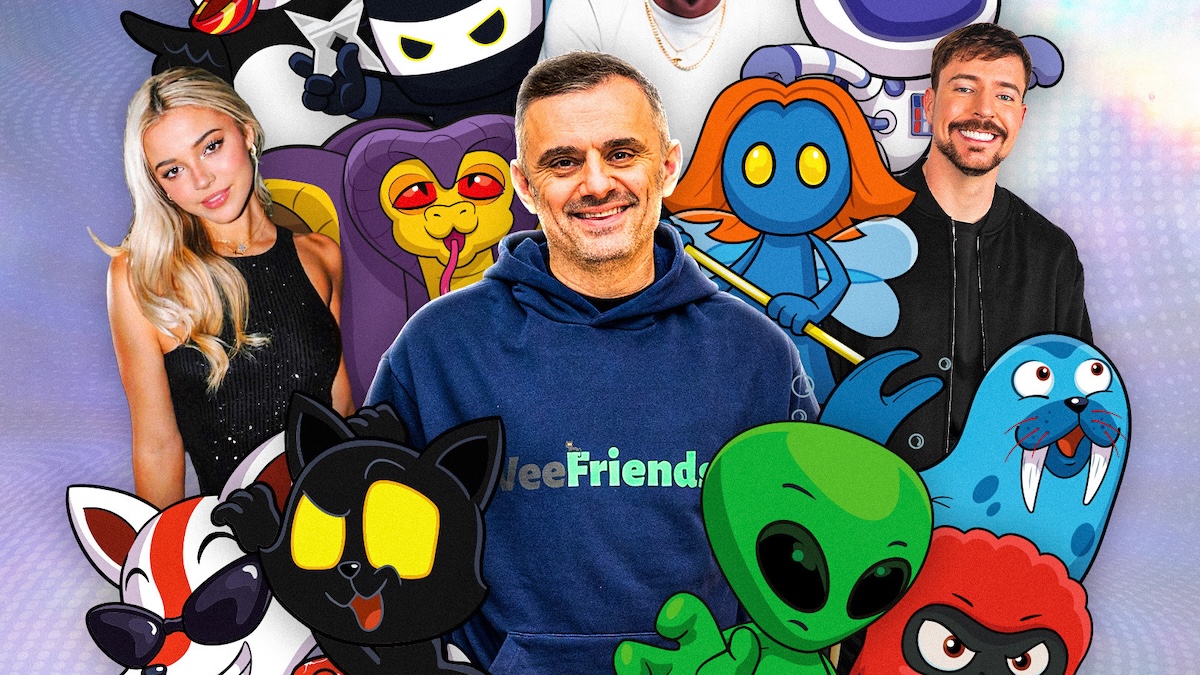
    Once solely the domain of baseball players and movie cowboys, trading cards have become a more inclusive medium in the internet era. Now industry titan Topps Chrome is paying homage to some of the creators that helped build that modern internet era. Launching on Wednesday, June 10, the second set of “VeeFriends” trading cards from […]

    The post Autographed MrBeast Trading Card Highlights Topps’ Latest Set appeared first on Den of Geek.

    Some announcements feel surprising. Others feel inevitable. The reveal of Resident Evil: Veronica at Summer Game Fest 2026 falls squarely into the latter category. For years, fans have viewed the survival horror cult classic as the missing piece of Capcom’s remake lineup, making its long-awaited return feel less like a shock and more like a correction.  

    Like the Resident Evil remakes before it, Veronica aims to strike a balance between nostalgia and reinvention. The eerie reveal trailer shows a modernized take on the original game, trading fixed-camera angles for a more immersive over-the-shoulder perspective, alongside updated gameplay mechanics, enhanced visuals, and a reworked narrative that expands upon the original game’s foundation. 

    The original game, Resident Evil: Code Veronica, launched on the Sega Dreamcast in 2000 and despite its clunky fixed-camera and tank controls, has continuously rooted itself as a fan-favorite installment. The game continues the stories of Clarie and Chris Redfield in the aftermath of the Raccoon City outbreak seen in the second game, taking place during the later half of Resident Evil 3

    cnx.cmd.push(function() {
    cnx({
    playerId: “106e33c0-3911-473c-b599-b1426db57530”,

    }).render(“0270c398a82f44f49c23c16122516796”);
    });

    The trailer for the remake begins with Claire investigating a dilapidated apartment building in search of her missing brother before slipping in a playful nod to Chris Redfield’s infamous “boulder-punching” reputation. From there, the scene shifts into a tense montage of reimagined locations from the original game. 

    Along the way, players will uncover more of Umbrella’s far-reaching conspiracies and eventually cross paths with one of Resident Evil’s most iconic and well-loved villains: Albert Wesker. 

    Unfortunately for eager fans, the ex-S.T.A.R.S. captain was not revealed in the trailer, but there was a brief appearance of another familiar foe, one that we saw not too long ago in Resident Evil: Requiem: the Grim Reaper of Umbrella himself, HUNK. 

    Well, maybe. The gas-masked figure could also be Umbrella security officer Rodrigo Juan Raval who captures Claire and utters the very same “Don’t move” warning heard in the reveal trailer, despite HUNK’s iconic red-tinted lenses being emphasized too. 

    As interesting as those character teases are, the bigger takeaway is how Veronica now fits into Capcom’s recent approach to the Resident Evil series as a whole. 

    Once widely expected to follow the Resident Evil 3 remake in 2020, the project was ultimately skipped over in favor of Resident Evil Village in 2021 and the Resident Evil 4 remake in 2023. That extended absence only reinforced the sense that a Code Veronica remake had been left outside Capcom’s modern remake cycle for too long (27 years to be exact). 

    Now with its return officially confirmed, Capcom is repositioning Veronica as a long-overdue addition to that remake lineup, framing the game once again as a pivotal segue that bridges the aftermath of Raccoon City’s destruction and Umbrella’s expanding global presence. 

    Scheduled for release in 2027, Resident Evil: Veronica will launch on PlayStation 5, Xbox Series X|S, Switch 2, and PC.

    The post Resident Evil’s Most Overdue Remake Is Finally Happening appeared first on Den of Geek.

  • Sam Reid Reveals How the Gabriella Relationship Is Key to The Vampire Lestat

    Sam Reid Reveals How the Gabriella Relationship Is Key to The Vampire Lestat

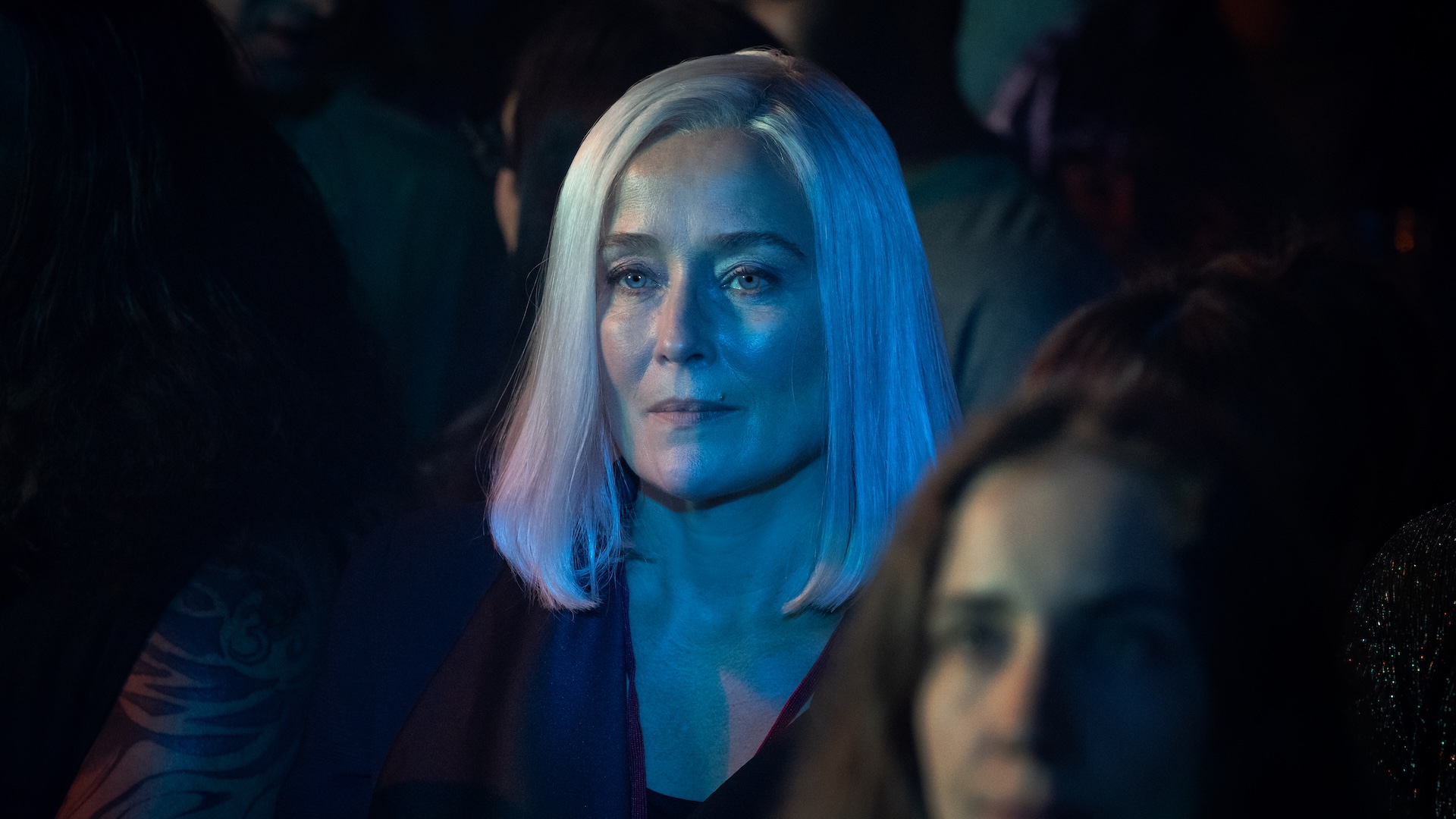
    This article contains spoilers for The Vampire Lestat premiere. In Anne Rice’s beloved book series The Vampire Chronicles, rebellious bloodsucker Lestat de Lioncourt gets drawn into some truly complex romances, but the third season of AMC’s Interview with the Vampire series, The Vampire Lestat, explores the most complex relationship of them all: the one he […]

    The post Sam Reid Reveals How the Gabriella Relationship Is Key to The Vampire Lestat appeared first on Den of Geek.

    Some announcements feel surprising. Others feel inevitable. The reveal of Resident Evil: Veronica at Summer Game Fest 2026 falls squarely into the latter category. For years, fans have viewed the survival horror cult classic as the missing piece of Capcom’s remake lineup, making its long-awaited return feel less like a shock and more like a correction.  

    Like the Resident Evil remakes before it, Veronica aims to strike a balance between nostalgia and reinvention. The eerie reveal trailer shows a modernized take on the original game, trading fixed-camera angles for a more immersive over-the-shoulder perspective, alongside updated gameplay mechanics, enhanced visuals, and a reworked narrative that expands upon the original game’s foundation. 

    The original game, Resident Evil: Code Veronica, launched on the Sega Dreamcast in 2000 and despite its clunky fixed-camera and tank controls, has continuously rooted itself as a fan-favorite installment. The game continues the stories of Clarie and Chris Redfield in the aftermath of the Raccoon City outbreak seen in the second game, taking place during the later half of Resident Evil 3

    cnx.cmd.push(function() {
    cnx({
    playerId: “106e33c0-3911-473c-b599-b1426db57530”,

    }).render(“0270c398a82f44f49c23c16122516796”);
    });

    The trailer for the remake begins with Claire investigating a dilapidated apartment building in search of her missing brother before slipping in a playful nod to Chris Redfield’s infamous “boulder-punching” reputation. From there, the scene shifts into a tense montage of reimagined locations from the original game. 

    Along the way, players will uncover more of Umbrella’s far-reaching conspiracies and eventually cross paths with one of Resident Evil’s most iconic and well-loved villains: Albert Wesker. 

    Unfortunately for eager fans, the ex-S.T.A.R.S. captain was not revealed in the trailer, but there was a brief appearance of another familiar foe, one that we saw not too long ago in Resident Evil: Requiem: the Grim Reaper of Umbrella himself, HUNK. 

    Well, maybe. The gas-masked figure could also be Umbrella security officer Rodrigo Juan Raval who captures Claire and utters the very same “Don’t move” warning heard in the reveal trailer, despite HUNK’s iconic red-tinted lenses being emphasized too. 

    As interesting as those character teases are, the bigger takeaway is how Veronica now fits into Capcom’s recent approach to the Resident Evil series as a whole. 

    Once widely expected to follow the Resident Evil 3 remake in 2020, the project was ultimately skipped over in favor of Resident Evil Village in 2021 and the Resident Evil 4 remake in 2023. That extended absence only reinforced the sense that a Code Veronica remake had been left outside Capcom’s modern remake cycle for too long (27 years to be exact). 

    Now with its return officially confirmed, Capcom is repositioning Veronica as a long-overdue addition to that remake lineup, framing the game once again as a pivotal segue that bridges the aftermath of Raccoon City’s destruction and Umbrella’s expanding global presence. 

    Scheduled for release in 2027, Resident Evil: Veronica will launch on PlayStation 5, Xbox Series X|S, Switch 2, and PC.

    The post Resident Evil’s Most Overdue Remake Is Finally Happening appeared first on Den of Geek.

  • The Boys Creator Defends Its Divisive Series Finale

    The Boys Creator Defends Its Divisive Series Finale

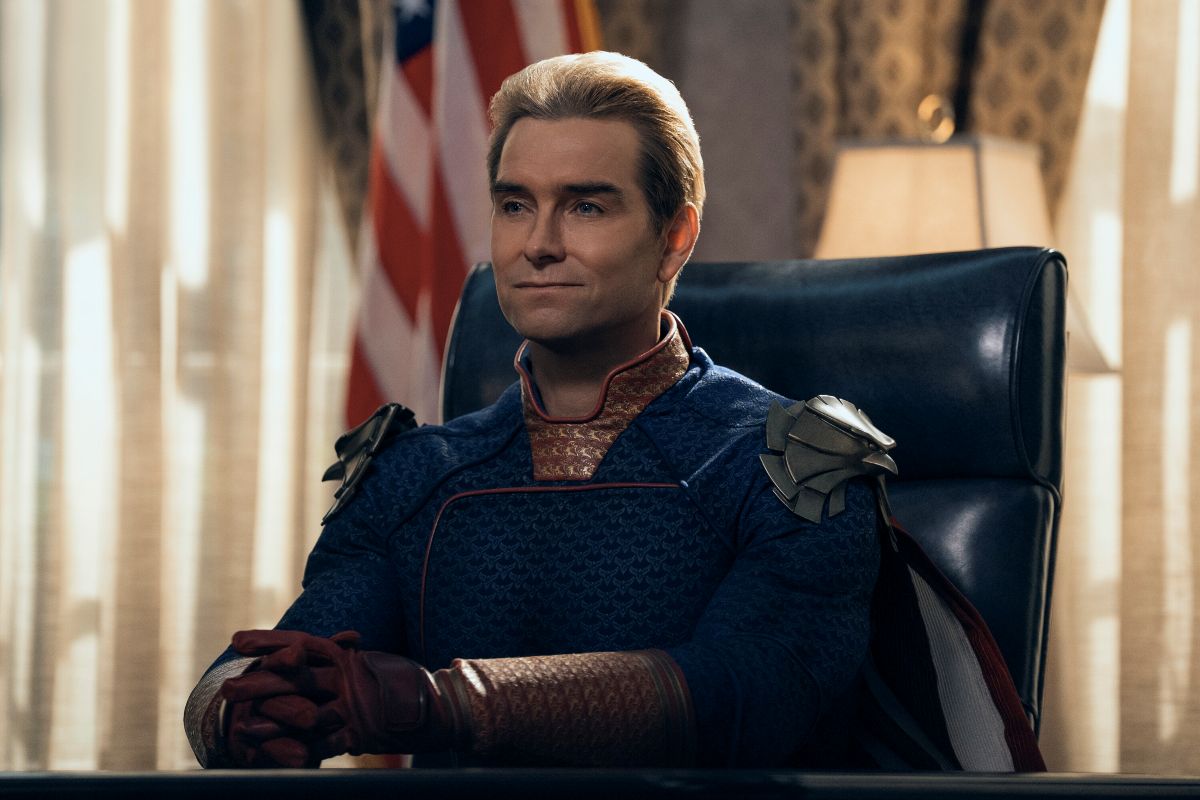
    After The Boys concluded its fifth and final season on Prime Video, fan reactions online were mixed. Some felt the popular series ended on a high note, while others were disappointed by what it delivered, believing the show’s marketing had hyped a more explosive swan song for Billy Butcher (Karl Urban) and the villainous Homelander […]

    The post The Boys Creator Defends Its Divisive Series Finale appeared first on Den of Geek.

    Some announcements feel surprising. Others feel inevitable. The reveal of Resident Evil: Veronica at Summer Game Fest 2026 falls squarely into the latter category. For years, fans have viewed the survival horror cult classic as the missing piece of Capcom’s remake lineup, making its long-awaited return feel less like a shock and more like a correction.  

    Like the Resident Evil remakes before it, Veronica aims to strike a balance between nostalgia and reinvention. The eerie reveal trailer shows a modernized take on the original game, trading fixed-camera angles for a more immersive over-the-shoulder perspective, alongside updated gameplay mechanics, enhanced visuals, and a reworked narrative that expands upon the original game’s foundation. 

    The original game, Resident Evil: Code Veronica, launched on the Sega Dreamcast in 2000 and despite its clunky fixed-camera and tank controls, has continuously rooted itself as a fan-favorite installment. The game continues the stories of Clarie and Chris Redfield in the aftermath of the Raccoon City outbreak seen in the second game, taking place during the later half of Resident Evil 3

    cnx.cmd.push(function() {
    cnx({
    playerId: “106e33c0-3911-473c-b599-b1426db57530”,

    }).render(“0270c398a82f44f49c23c16122516796”);
    });

    The trailer for the remake begins with Claire investigating a dilapidated apartment building in search of her missing brother before slipping in a playful nod to Chris Redfield’s infamous “boulder-punching” reputation. From there, the scene shifts into a tense montage of reimagined locations from the original game. 

    Along the way, players will uncover more of Umbrella’s far-reaching conspiracies and eventually cross paths with one of Resident Evil’s most iconic and well-loved villains: Albert Wesker. 

    Unfortunately for eager fans, the ex-S.T.A.R.S. captain was not revealed in the trailer, but there was a brief appearance of another familiar foe, one that we saw not too long ago in Resident Evil: Requiem: the Grim Reaper of Umbrella himself, HUNK. 

    Well, maybe. The gas-masked figure could also be Umbrella security officer Rodrigo Juan Raval who captures Claire and utters the very same “Don’t move” warning heard in the reveal trailer, despite HUNK’s iconic red-tinted lenses being emphasized too. 

    As interesting as those character teases are, the bigger takeaway is how Veronica now fits into Capcom’s recent approach to the Resident Evil series as a whole. 

    Once widely expected to follow the Resident Evil 3 remake in 2020, the project was ultimately skipped over in favor of Resident Evil Village in 2021 and the Resident Evil 4 remake in 2023. That extended absence only reinforced the sense that a Code Veronica remake had been left outside Capcom’s modern remake cycle for too long (27 years to be exact). 

    Now with its return officially confirmed, Capcom is repositioning Veronica as a long-overdue addition to that remake lineup, framing the game once again as a pivotal segue that bridges the aftermath of Raccoon City’s destruction and Umbrella’s expanding global presence. 

    Scheduled for release in 2027, Resident Evil: Veronica will launch on PlayStation 5, Xbox Series X|S, Switch 2, and PC.

    The post Resident Evil’s Most Overdue Remake Is Finally Happening appeared first on Den of Geek.

  • Ghostbusters: Night Shift Returns the Franchise To Animation, its Natural Home

    Ghostbusters: Night Shift Returns the Franchise To Animation, its Natural Home

    For now four consecutive feature films, bustin’ has made audiences feel okay-to-bad. After the classic that is 1984’s Ghostbusters, the franchise has gone through multiple sequels and reboots, none of which have come close to recreating the magic of the first film. Conventional wisdom would say that Ghostbusters should be a one-off, and any attempt […]

    The post Ghostbusters: Night Shift Returns the Franchise To Animation, its Natural Home appeared first on Den of Geek.

    Some announcements feel surprising. Others feel inevitable. The reveal of Resident Evil: Veronica at Summer Game Fest 2026 falls squarely into the latter category. For years, fans have viewed the survival horror cult classic as the missing piece of Capcom’s remake lineup, making its long-awaited return feel less like a shock and more like a correction.  

    Like the Resident Evil remakes before it, Veronica aims to strike a balance between nostalgia and reinvention. The eerie reveal trailer shows a modernized take on the original game, trading fixed-camera angles for a more immersive over-the-shoulder perspective, alongside updated gameplay mechanics, enhanced visuals, and a reworked narrative that expands upon the original game’s foundation. 

    The original game, Resident Evil: Code Veronica, launched on the Sega Dreamcast in 2000 and despite its clunky fixed-camera and tank controls, has continuously rooted itself as a fan-favorite installment. The game continues the stories of Clarie and Chris Redfield in the aftermath of the Raccoon City outbreak seen in the second game, taking place during the later half of Resident Evil 3

    cnx.cmd.push(function() {
    cnx({
    playerId: “106e33c0-3911-473c-b599-b1426db57530”,

    }).render(“0270c398a82f44f49c23c16122516796”);
    });

    The trailer for the remake begins with Claire investigating a dilapidated apartment building in search of her missing brother before slipping in a playful nod to Chris Redfield’s infamous “boulder-punching” reputation. From there, the scene shifts into a tense montage of reimagined locations from the original game. 

    Along the way, players will uncover more of Umbrella’s far-reaching conspiracies and eventually cross paths with one of Resident Evil’s most iconic and well-loved villains: Albert Wesker. 

    Unfortunately for eager fans, the ex-S.T.A.R.S. captain was not revealed in the trailer, but there was a brief appearance of another familiar foe, one that we saw not too long ago in Resident Evil: Requiem: the Grim Reaper of Umbrella himself, HUNK. 

    Well, maybe. The gas-masked figure could also be Umbrella security officer Rodrigo Juan Raval who captures Claire and utters the very same “Don’t move” warning heard in the reveal trailer, despite HUNK’s iconic red-tinted lenses being emphasized too. 

    As interesting as those character teases are, the bigger takeaway is how Veronica now fits into Capcom’s recent approach to the Resident Evil series as a whole. 

    Once widely expected to follow the Resident Evil 3 remake in 2020, the project was ultimately skipped over in favor of Resident Evil Village in 2021 and the Resident Evil 4 remake in 2023. That extended absence only reinforced the sense that a Code Veronica remake had been left outside Capcom’s modern remake cycle for too long (27 years to be exact). 

    Now with its return officially confirmed, Capcom is repositioning Veronica as a long-overdue addition to that remake lineup, framing the game once again as a pivotal segue that bridges the aftermath of Raccoon City’s destruction and Umbrella’s expanding global presence. 

    Scheduled for release in 2027, Resident Evil: Veronica will launch on PlayStation 5, Xbox Series X|S, Switch 2, and PC.

    The post Resident Evil’s Most Overdue Remake Is Finally Happening appeared first on Den of Geek.

  • Jacob Anderson Had Fun With the “Bitchier Side” of Louis in The Vampire Lestat

    Jacob Anderson Had Fun With the “Bitchier Side” of Louis in The Vampire Lestat

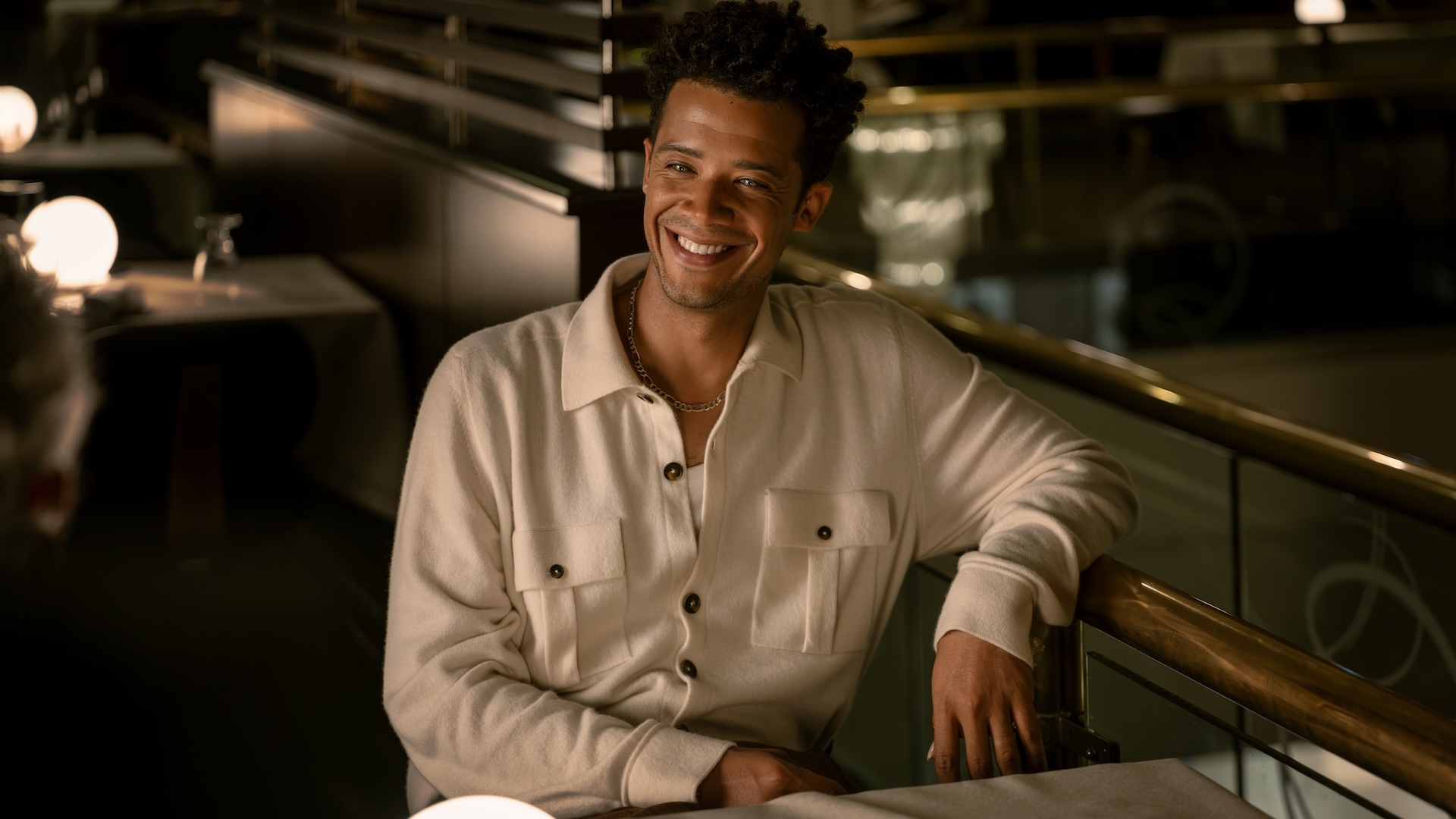
    This article contains spoilers for the premiere of The Vampire Lestat. The first two seasons of Interview with the Vampire detailed the turbulent relationship between the fiery Lestat de Lioncourt (Sam Reid) and the brooding Louis de Pointe du Lac (Jacob Anderson) from Louis’ point of view. But in the third season of AMC’s adaptation […]

    The post Jacob Anderson Had Fun With the “Bitchier Side” of Louis in The Vampire Lestat appeared first on Den of Geek.

    Some announcements feel surprising. Others feel inevitable. The reveal of Resident Evil: Veronica at Summer Game Fest 2026 falls squarely into the latter category. For years, fans have viewed the survival horror cult classic as the missing piece of Capcom’s remake lineup, making its long-awaited return feel less like a shock and more like a correction.  

    Like the Resident Evil remakes before it, Veronica aims to strike a balance between nostalgia and reinvention. The eerie reveal trailer shows a modernized take on the original game, trading fixed-camera angles for a more immersive over-the-shoulder perspective, alongside updated gameplay mechanics, enhanced visuals, and a reworked narrative that expands upon the original game’s foundation. 

    The original game, Resident Evil: Code Veronica, launched on the Sega Dreamcast in 2000 and despite its clunky fixed-camera and tank controls, has continuously rooted itself as a fan-favorite installment. The game continues the stories of Clarie and Chris Redfield in the aftermath of the Raccoon City outbreak seen in the second game, taking place during the later half of Resident Evil 3

    cnx.cmd.push(function() {
    cnx({
    playerId: “106e33c0-3911-473c-b599-b1426db57530”,

    }).render(“0270c398a82f44f49c23c16122516796”);
    });

    The trailer for the remake begins with Claire investigating a dilapidated apartment building in search of her missing brother before slipping in a playful nod to Chris Redfield’s infamous “boulder-punching” reputation. From there, the scene shifts into a tense montage of reimagined locations from the original game. 

    Along the way, players will uncover more of Umbrella’s far-reaching conspiracies and eventually cross paths with one of Resident Evil’s most iconic and well-loved villains: Albert Wesker. 

    Unfortunately for eager fans, the ex-S.T.A.R.S. captain was not revealed in the trailer, but there was a brief appearance of another familiar foe, one that we saw not too long ago in Resident Evil: Requiem: the Grim Reaper of Umbrella himself, HUNK. 

    Well, maybe. The gas-masked figure could also be Umbrella security officer Rodrigo Juan Raval who captures Claire and utters the very same “Don’t move” warning heard in the reveal trailer, despite HUNK’s iconic red-tinted lenses being emphasized too. 

    As interesting as those character teases are, the bigger takeaway is how Veronica now fits into Capcom’s recent approach to the Resident Evil series as a whole. 

    Once widely expected to follow the Resident Evil 3 remake in 2020, the project was ultimately skipped over in favor of Resident Evil Village in 2021 and the Resident Evil 4 remake in 2023. That extended absence only reinforced the sense that a Code Veronica remake had been left outside Capcom’s modern remake cycle for too long (27 years to be exact). 

    Now with its return officially confirmed, Capcom is repositioning Veronica as a long-overdue addition to that remake lineup, framing the game once again as a pivotal segue that bridges the aftermath of Raccoon City’s destruction and Umbrella’s expanding global presence. 

    Scheduled for release in 2027, Resident Evil: Veronica will launch on PlayStation 5, Xbox Series X|S, Switch 2, and PC.

    The post Resident Evil’s Most Overdue Remake Is Finally Happening appeared first on Den of Geek.