Blog

  • Good designers, bad websites: a proposal

    Good designers, bad websites: a proposal

    I want to discuss accessibility because it is the most important thing for making websites. Other A List Apart articles give you innovation and insight. This article will give you homework. These are just my personal views, but they’re pretty good.

    I want to start off with a couple of statements, and you will agree:

    1. Designers are good people. I have never heard a designer say, “I don’t care if somebody can’t read this text”, “Not my fault if somebody can’t use this device”, or “Who cares if this is confusing?”
    2. Some designs exclude people. You have seen people unable to read the text on a website or app that somebody designed. You’ve seen people unable to use a physical device that somebody has designed. You’ve seen people utterly bamboozled while trying to use a service that somebody designed.

    So what?

    The first question is, “Is this life-or-death stuff?” The answer is, “Yes.” In my favorite essay, This Is All There Is, Aral Balkan makes the point that pretty much everything that we design can affect life events and death events. Aral gives the example of how even a straightforward bus timetable app can affect life and death events, if we design it badly:

    • somebody might miss a life event, such as their daughter’s fifth birthday party; or
    • somebody might miss a death event, such as the chance to say goodbye to a dying grandmother.

    The next—and frustrating—question is, “Why do some designs still exclude people?” After all, we know that:

    • not everybody can see perfectly;
    • not everybody can hear perfectly;
    • not everybody thinks the same way; and
    • not everybody moves the same way.

    I think the answer is that there’s too much to recall. Consider, if you will, the wide variety of topics that A List Apart articles cover. Designers are expected to remember all of that guidance, plus all of the accessibility guidance, plus so much more. It is too much.

    Recognizing accessibility issues while designing

    I’d like to point toward one possible solution, starting from Jakob Nielsen’s 10 Usability Heuristics for User Interface Design. These are from the mid-1990s, and—although there’s a good chance that you, gentle reader, are a lot younger than that—please bear with me. 

    Seeing as the problem is that there’s too much to recall, I want to look at heuristic № 6, “Recognition rather than Recall.” Jakob Nielsen said that for users, information required to use the design should be visible or easily retrievable when needed. I suggest we tweak that to make life easier for designers. Let’s say that the information required to produce the design should be visible or easily retrievable when needed. In other words, let’s make it easier to recognise accessibility issues while we’re designing.

    How are we going to do that? I really like the book A Web for Everyone—Designing Accessible User Experiences by Sarah Horton and Whitney Quesenbery. I really like this book not only because it includes a quote from me—actually two quotes, but I don’t like to boast—but because it includes personas that are perfect for helping us to recognise accessibility issues. That’s the good news. The even better news is that these personas are available now for free on the companion website to the book What Every Engineer Should Know About Digital Accessibility, again by Sarah Horton, with David Sloan this time.

    Meet your users

    I’m going to introduce you to these personas now:

    I want to throw one more persona at you now, because, well, A List Apart readers are overachievers. One of my favorite authors, Cennydd Bowles—who literally wrote the book on Future Ethics—says to create Personas Non Grata. In other words, every time we design something, we have to think about what a bad guy could do with that thing, and whom that might affect.

    To actually use these personas while designing, I like what Eric Meyer and Sara Wachter-Boettcher in Design for Real Life call the Designated Dissenter: for each project that you work on, one of your teams should be responsible for asking, “Will this work for Vishnu?”, “How’s Trevor going to get on with this?”, and so on. 

    Then, once you’ve used the personas to recognise the accessibility issues, you can look up the guidelines for whichever platforms you’re designing for: 

    Your mission, should you choose to accept it

    I told you in the introduction of this article that I would give you homework. You thought I was joking. So, here’s your homework: I want you to grab the personas from the Know About Accessibility website, and use them throughout every design project to help you recognise accessibility issues while you work—and reclaim design for everyone.


    NOTE: This article is based on “Recognise,” my five-minute presentation from Interaction Design Association (IxDA) Dublin’s Defuse (Design for Use) event in 2025.
  • 7 Steps to Small Business Marketing Success – Episode 1

    7 Steps to Small Business Marketing Success – Episode 1

    7 Steps to Small Business Marketing Success – Episode 1 written by John Jantsch read more at Duct Tape Marketing

    Catch the Full Episode   Overview Most small business owners blame their marketing when growth stalls. They hire a new agency, rebuild the website, launch another campaign — and six months later, nothing has changed. In this solo episode, John Jantsch makes the case that the real problem lives upstream of tactics: it lives with […]

    7 Steps to Small Business Marketing Success – Episode 2 written by John Jantsch read more at Duct Tape Marketing

    Catch the Full Episode

    john jantsch (1)Overview

    Most small business owners are not failing at marketing because they lack effort. They are failing because they lack a foundation. In this solo episode of the Duct Tape Marketing Podcast, John Jantsch breaks down the second step in his seven-part framework for small business marketing success: diagnosing and solving the “random acts of marketing” problem that keeps businesses busy but stuck.

    John walks through the three core elements of a Strategy First approach: defining your ideal client, identifying your true differentiator, and crafting a clear core message. He then ties it all together with the Marketing Hourglass, Duct Tape Marketing’s model for the full customer journey. This episode is built for small business owners, consultants, and marketers who feel like they are doing everything but seeing none of it add up.

    Whether you are chasing every new tactic, working with vendors who all have different plans, or generating leads that never convert, this episode gives you a practical framework to stop guessing and start building a marketing system that works.

    Key Takeaways

    • Random acts of marketing are not a budget or effort problem. They are a foundation problem rooted in the absence of a clear strategy.
    • Strategy must come before tactics. Every tactic should connect back to a central plan the business actually owns.
    • An ideal client profile is not just demographics. It is defined by the specific problem you are uniquely suited to solve, the attitude of the client, and the profitability of the relationship.
    • Niching down is less about picking an industry and more about owning the problem you solve better than anyone else.
    • Differentiators like “quality,” “service,” and “experience” are not differentiators. They are claims anyone can make. Real differentiation lives in the voice of your actual customers.
    • Customer reviews, Reddit threads, and organic feedback are underused goldmines for discovering how customers actually describe the problem you solve.
    • A core message is one sentence: customer language, clear, different, and credible. It is not a tagline and it is not a list of services.
    • The Marketing Hourglass maps seven customer behaviors: know, like, trust, try, buy, repeat, and refer. All seven require intentional activation.
    • Post-purchase experience matters as much as acquisition. Turning customers into advocates is a planned marketing activity, not an accident.
    • The companion workbook for this series is available at dtm.world/sevensteps and is designed to turn this framework into action.

    Great Moments

    [00:01] Introduction to the seven-step series and what to expect from Episode 2

    [02:23] Reframing random acts of marketing as a systems problem, not a character flaw

    [03:10] The Strategy First philosophy and why it has anchored 30+ years of work

    [04:00] Breaking down the ideal client profile: beyond demographics to the problem you solve

    [06:58] How to find your real differentiator in the voice of the customer

    [08:00] What a core message actually is (and what it is not)

    [09:21] Introducing the Marketing Hourglass and the seven buyer behaviors

    [11:00] Your homework: define your ideal client, the problem you solve, and your core message

    Memorable Quotes

    “Strategy needs to come before tactics. That’s really been the basis of my body of work.”

    “We’re doing a lot of things, but it’s not adding up. Every vendor has a different plan; they’re all executing the way they want to execute rather than around a cohesive plan that the business is directing.”

    “Quality, service, experience: those aren’t differentiators. Even if it’s not true, it’s pretty easy for somebody to claim.”

    “A core message is not about here’s what we do. It says: this is who we serve, this is the problem we solve for them, and this is how we solve it.”

    “After they become a customer, what are we going to do to surprise and delight them and turn them into advocates? Those are intentional marketing activities.”

    John Jantsch (00:01.016)

    Hello and welcome to another episode of the Duct Tape Marketing Podcast. This is John Jantsch, and again, no guests. This is actually, if you’ve been playing along, you know that I’m doing a series of seven podcast episodes based on the seven steps to small business marketing success, which is a new workbook program framework that we have created. You can find it at dtm.world/slash seven steps. So

    if you did not listen to episode one, you can go to Duct Tape Marketing, go to the podcast tab, and find episode number one if you’d like. it’s obviously on Apple and all the other places that you get your podcasts. This is episode number two, and today I am going to talk about one of my favorite topics, and that is random acts of marketing. So I think it’s just a hopefully lighthearted way.

    To name what is a common affliction, if you will, with a lot of small business owners. We we see somebody doing something, we go to a conference, we read a book, and next thing we know, we’re telling the team we need to do this. and we do that for a while or two, and then we change our mind. So that’s what random acts of marketing really is. And a lot of times it comes not as a budget problem, not as an effort problem. it’s really a foundation problem. So

    You know, a lot of times we’ll sit around and say our our our marketing is busy, but nothing adds up. Ever said that? We’re doing a lot of things, but it’s not adding up. every vendor that you hire, you know, somebody do SEO, somebody do content, somebody do ads, they all have a different plan. they’re all just executing the way they want to execute rather than around a cohesive plan that that you or the business is somehow directing.

    We’re doing a lot, but the the pipeline’s not only unpredictable, but you know, we’re we’re not closing as much business. maybe we’re even getting leads, but they’re the wrong leads. You know, these are all symptoms. really, really diagnostic symptoms, I guess it would be the way to talk about it. I mean, they’re not character flaws. So please, if random actual marketing sounds harsh, it’s not you. It’s really in a lot of cases what you’ve been told, what you’ve seen, the advice you’ve gotten from.

    John Jantsch (02:23.562)

    from marketers. So I really want to position it that way because let’s talk about what would help fix that idea. And it really comes down to something that I have been saying for really more than 30 years now that strategy needs to come before tactics. And that’s really that’s really been the basis of my body of work, if you will. Everybody that hires our firm hires us to or is at least going to receive

    an a part of the engagement that we call strategy first. And it really has very set components, it has a very set purpose that that is really can then inform any of the tactics or any of the acts of marketing now that will now be intentional acts of marketing random rather than random. So first element. I’m gonna talk about really the three core elements, and that is your ideal client.

    Not who you’re trying to attract, what demographic are you trying to attract, you’re trying to attract anybody who has money, but it’s it’s really a it’s a it’s a really an exploration into what would make an ideal client. In fact, a lot of times I will tell people, okay, think of your existing clients today or clients you’ve had over the years, and and and picture one or two or three that you that that you would easily say, I would take.

    I would take that kind of client every day because they had the right problem, they had the right attitude, the right beliefs. We were able to solve that problem. We were able to deliver a tremendous amount of value very profitably. those are the elements that really go into an ideal client profile. Now, it doesn’t necessarily mean that you will never take anything else as part of your business, but it’s a specific

    It it might be a set of demographics. I mean, if you are in a certain geographic space and you sell to a certain type of buyer, you can demographically have some elements there. But it’s also going to be about the problem that you’re uniquely suited to solve really better than any alternatives. It’s going to be about their specific situation. And sometimes that can be a 25-year-old demographic and a 65-year-old demographic. It’s that they had the same.

    John Jantsch (04:47.306)

    issue or challenge. So a lot of times people get really stuck on trying to define an age or a gender or a lifestyle or a income. And and it really is much more than that. Those can be components of it, but it’s really you really have to get a handle on what the how what problems you can uniquely solve, right? So I’m going to use a home service example. it might be people that have been in their homes for 20 years. They certainly live in certain zip codes.

    They are thinking about doing something like aging in place, for example. so those are those are ways that we start kind of refining and narrowing this ideal client. and what happens then is then you could start making decisions, ads, even photos, pricing, content, everything that you are offering, you know, aligns to that person and to the problem that you solve for that person. So

    You know, there’s there’s a saying about, you know, niches. and I I think a lot of people lose, you know, the the what what’s the saying? The reach riches are in the niches. I guess it should be reaches are in the niches. I don’t know. Riches are in the niches. the the idea that people had with that was that they had to narrowly define an industry or a certain type of person. And again, what I’m suggesting is that

    You focus more on the messaging of the problem that you solve and not necessarily industry. I mean, in some cases an industry makes sense, but even inside of that industry, you focus on the client that has or or the client that at least the problem you solve resonates. and talk about that. So the second component then, even if you’ve narrowly defined who you serve and you’re starting to communicate that, the second component is, Well, why you? I mean, how are you different or or you know?

    Well, what can you do that is different than what everyone else claims, right? So quality, service, experience, I mean, those aren’t differentiators because even if it’s not true, it’s pretty darn easy for somebody to claim. So

    John Jantsch (06:58.114)

    The real challenge is to then understand in the voice of the customer, what are they saying? How you’re different? How are they communicating the problem that you solve for them? That’s going to be one of the real challenges. And this is a this is a really great place to start. and the beauty of this is that it in many cases, you can find this information. You we we’ve we’ve for many years done interviews with our clients, clients. That’s a great place to start.

    But in this day and age, you know, people go and they they make reviews and they make comments and they participate in places like Reddit. and so they’re actually sharing, even without you asking in a lot of cases, most cases, frankly, they’re sharing what they believe is the problem that you’re solving for them. So we would need to really focus on that differentiation and start communicating that. And then the last piece is

    what what I have just called for for years your core message. And this is going to be one sentence customer language. is it clear? Is it different? Is it credible? And and it’s not about here’s what we do. It’s not a clever tagline. a core message is very clear that says you know this is who we serve. This is the problem we solve for them and this is how we solve it.

    so it the the challenge with it in in many, many years of doing this with folks is there’s a real temptation to want to say everything that you do or why you’re great. and this is really about, you know, we like for us. I mean, in in duct tape marketing, what I tell people is that that we install small business marketing systems. and that is a huge differentiator, believe it or not. it certainly identifies who we serve, but it also communicates.

    the difference. Now, if I were taking a longer version of that, I would say, you know, so that that businesses can, you know, stop guessing, performing random acts of marketing and and start really focusing on what actually moves the needle. So the last component then of a strategy first is something we call the marketing hourglass. So any longtime duct tape marketing listeners know that that you know that is our version of the customer journey.

    John Jantsch (09:21.656)

    There are seven behaviors. You know, a lot of people call them stages. I like to refer them to them as behaviors that businesses or or buyers want to participate in, and they are no like trust, try by, repeat, and refer. and we have to really think in terms of it’s not enough to say, okay, we’re going to run an ad so somebody can come to know us. we have to actually then intentionally plan out the steps where we can activate the behavior of like and trust and and that they might be able to try what it

    You’d like to work with this. And obviously, we want to keep the buying decision or the buying experience just as high as everything that led them to that. And then after they become a customer, what are we going to do to surprise and delight them and turn them into advocates? Those are all intentional marketing activities that can come directly out of developing this marketing strategy. So you can get this full framework. This is session number two.

    I’m going to do five more sessions on this. Hopefully you’ll get a chance to listen to the entire series. But if you want to also get the companion workbook that goes with this, it is at DTM.world slash seven steps. So DTM like duct tape marketing.world slash seven steps. So here’s what I would give you as your challenge today. Think about your ideal customer. Again, you may not have defined it yet, but think about

    Let’s hope you have one or two of those, right? So think about who that ideal customer is, if you could go out and find more of them. and thinking about the problem that you really solve for them, not the service or product that you provide, the problem that they are trying to solve when they engage you. and think about, you know, what would be a core message that that you could actually write for them. So that’s your your your homework today.

    and hopefully we will see you in out there on the road someday, but also in episode number three or step number three of the seven steps to marketing success.

    powered by

  • The 15 Most-Modded Classic Cars

    The 15 Most-Modded Classic Cars

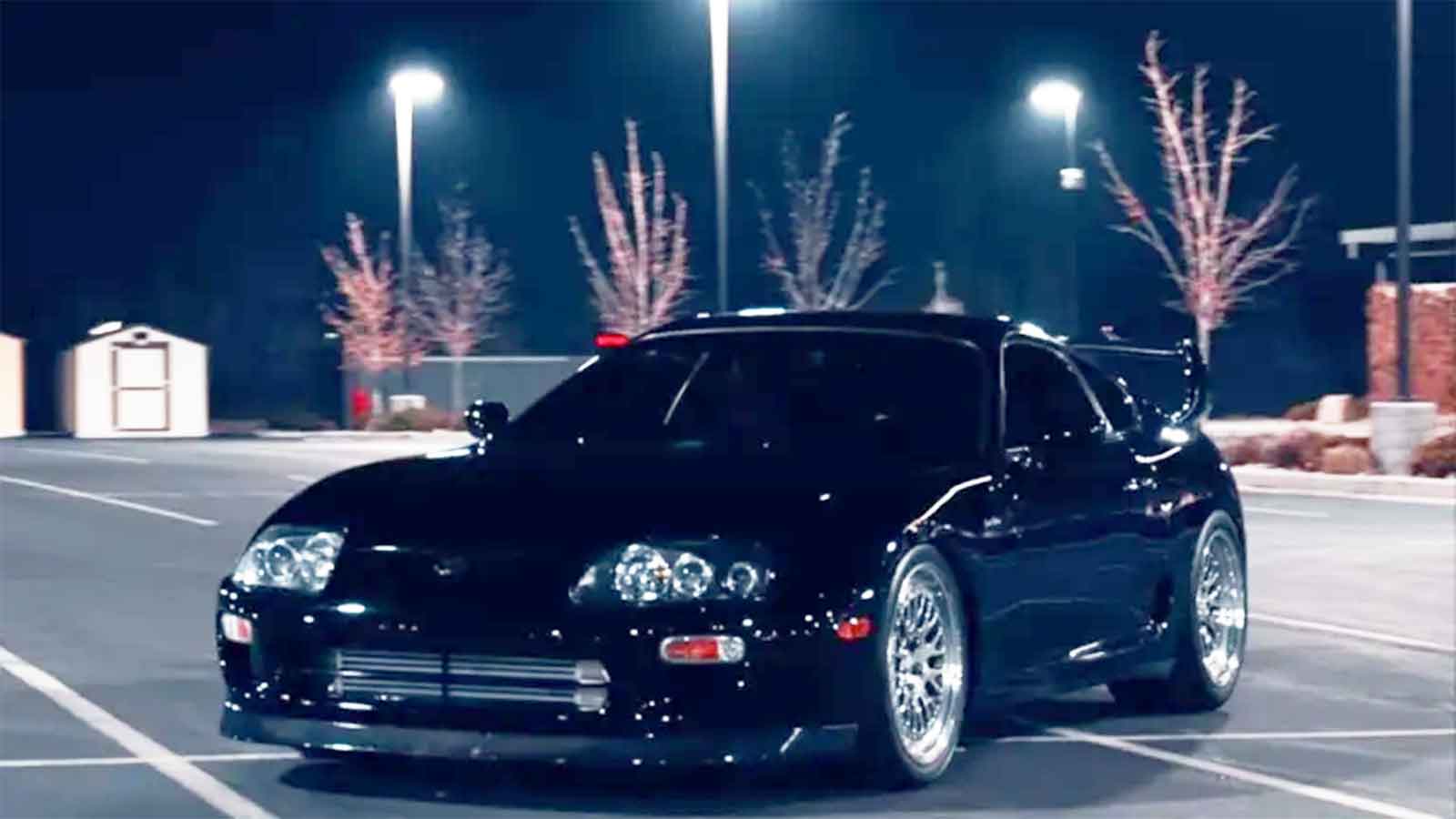
    There are plenty of cars that are legendary, at least for our own cultural standards, because of their classic look, feel and style. Such a legacy attracts people wanting to build their own tale from that base, so enthusiasts all over the world grab these classics and make them wholly different.

    Most modifications involve chasing more horsepower, improving handling, personalizing the appearance, or building something entirely unique. These cars offer the perfect combination of performance potential, aftermarket support, affordability, or cultural significance. These are the models people can’t stop tinkering with.

    The post The 15 Most-Modded Classic Cars appeared first on Den of Geek.

    The kids are alright, at least as far as the movies are concerned. After years of speculation that too many video games and internet videos would make them disinterested in the theatrical experience, it turns out that Generation Z loves the movies, and movies on the big screen, in particular.

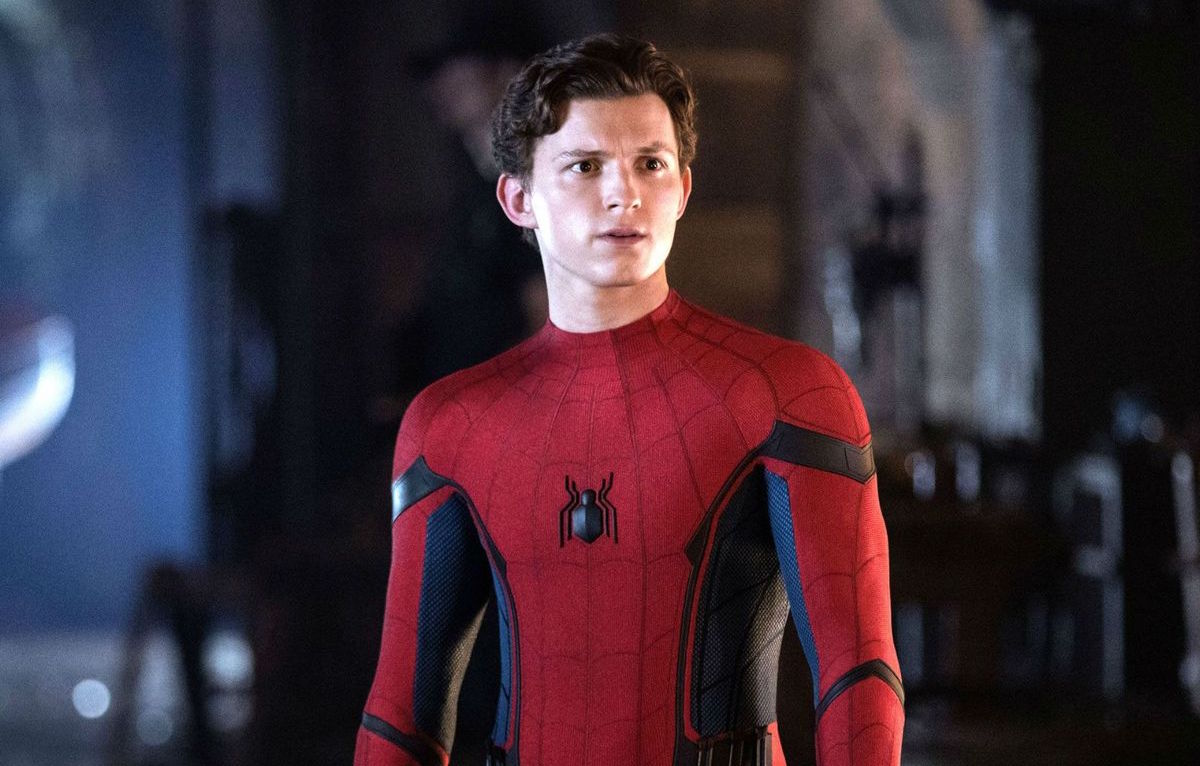
    Case in point: the appeal that Tom Holland made to users of Letterboxd, the film-rating social media platform popular among teens and 20-somethings. Holland appeared to urge viewers to see the Christopher Nolan movie The Odyssey in different formats and to record their experience on the app. “For the first time ever on Letterboxd, you’ll be able to track and share the way you experience the film with a brand new digital punch card,” Holland declared, reading the site’s marketing copy, before issuing a challenge. “All of the formats for all your watches and rewatches—bragging rights fully unlocked.”

    To be completely clear, Holland is fundamentally pitching a product here, not unlike when George Clooney flashes a smug smile talking about food delivery or Matthew McConaughey purrs about luxury cars. That’s nothing new.

    What is new is the product being sold: going to the theater and watching The Odyssey in multiple different formats. Letterboxd knows that there is a market for people who not only want to see a movie on the big screen, but they want to see it in the best possible format. Moreover, they want to talk about it with their friends.

    cnx.cmd.push(function() {
    cnx({
    playerId: “106e33c0-3911-473c-b599-b1426db57530”,

    }).render(“0270c398a82f44f49c23c16122516796”);
    });

    The choice of Holland as a pitch man is also interesting. Holland isn’t the star of The Odyssey; he plays Telemachus, son of the protagonist Odysseus (Matt Damon) and Penelope (Anne Hathaway). Yet, Letterboxd chose him, in part, over other big names like Damon, Hathaway, Charlize Theron, and Lupita Nyong’o because Holland is a Gen Z movie star, less like those elders and more like Zendaya and Robert Pattinson, who also appear in The Odyssey.

    This trio is hardly alone. Long after Marvel and franchise films seemed to kill the movie star, replacing big names with recognizable characters, Holland, Zendaya, Pattinson, Timothée Chalamet, and Florence Pugh draw crowds on their names alone, a quality shared with the big names of earlier, healthier days of the movies.

    The same is true of production companies and distributors, especially A24 and Neon. In the same way that MGM and Warner Bros pictures carried a certain pedigree in the Golden Age of the studio system, and that Miramax and New Line Cinema had in the ’90s, A24 and Neon have a cultural cache that gets attention, sometimes more than the stars or plot.

    Even better, one look at the current box office shows that Gen Z isn’t just watching movies. They’re making their own, with Obsession putting new spins on old material and Backrooms bringing their interests to the screen. While The Mandalorian and Grogu, Mortal Kombat II, and Masters of the Universe—IP movies more associated with Gen X and Millennials—have all struggled to find an audience, Obsession and Backrooms are exceeding all expectations.

    Of course, The Odyssey goes back far further than any of these generations, and director Christopher Nolan sees himself working in a classical tradition. But Holland’s plea shows that as long as Hollywood makes interesting movies with compelling ideas, Gen Z will show up.

    The post Tom Holland’s The Odyssey Plea Is Gen Z’s Latest Attempt to Save Cinema appeared first on Den of Geek.

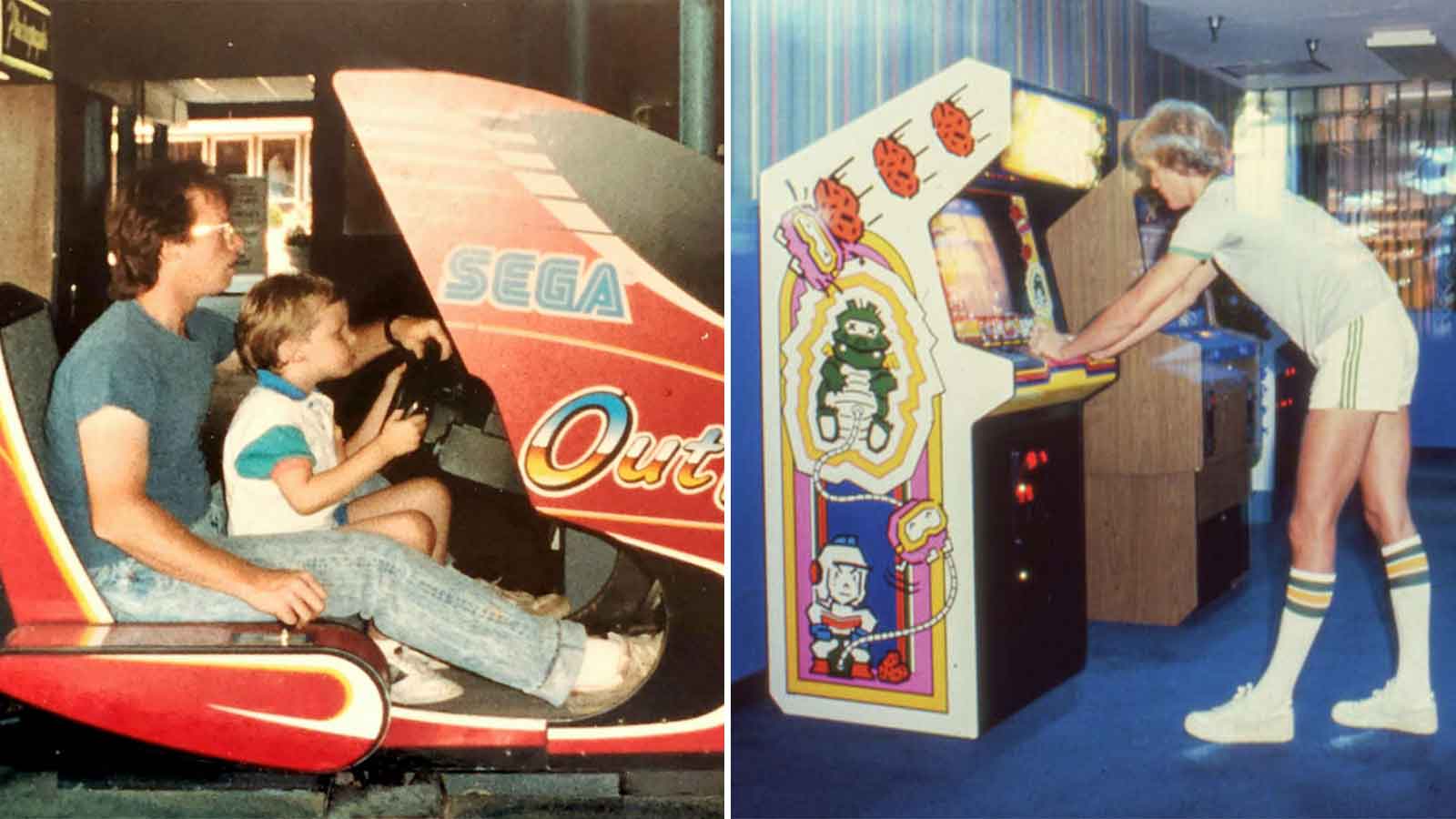
  • Classic Photos of Peak Arcade Life from the 1980s

    Classic Photos of Peak Arcade Life from the 1980s

    While there certainly are some arcades left in the world, the boom of ‘arcade life’ was, without a doubt, the 1980s. Kids and young adults would gather at these establishments and enjoy the wonderful pastime of video games, one quarter at a time.

    There was a social aspect that was lost with time, particularly with the advent of the home console. Now, games are certainly social, but they don’t connect you as much with local communities. Going to the arcade was meeting like-minded individuals in your area, and these are the pictures that reminds us of the best of those days.

    The post Classic Photos of Peak Arcade Life from the 1980s appeared first on Den of Geek.

    The kids are alright, at least as far as the movies are concerned. After years of speculation that too many video games and internet videos would make them disinterested in the theatrical experience, it turns out that Generation Z loves the movies, and movies on the big screen, in particular.

    Case in point: the appeal that Tom Holland made to users of Letterboxd, the film-rating social media platform popular among teens and 20-somethings. Holland appeared to urge viewers to see the Christopher Nolan movie The Odyssey in different formats and to record their experience on the app. “For the first time ever on Letterboxd, you’ll be able to track and share the way you experience the film with a brand new digital punch card,” Holland declared, reading the site’s marketing copy, before issuing a challenge. “All of the formats for all your watches and rewatches—bragging rights fully unlocked.”

    To be completely clear, Holland is fundamentally pitching a product here, not unlike when George Clooney flashes a smug smile talking about food delivery or Matthew McConaughey purrs about luxury cars. That’s nothing new.

    What is new is the product being sold: going to the theater and watching The Odyssey in multiple different formats. Letterboxd knows that there is a market for people who not only want to see a movie on the big screen, but they want to see it in the best possible format. Moreover, they want to talk about it with their friends.

    cnx.cmd.push(function() {
    cnx({
    playerId: “106e33c0-3911-473c-b599-b1426db57530”,

    }).render(“0270c398a82f44f49c23c16122516796”);
    });

    The choice of Holland as a pitch man is also interesting. Holland isn’t the star of The Odyssey; he plays Telemachus, son of the protagonist Odysseus (Matt Damon) and Penelope (Anne Hathaway). Yet, Letterboxd chose him, in part, over other big names like Damon, Hathaway, Charlize Theron, and Lupita Nyong’o because Holland is a Gen Z movie star, less like those elders and more like Zendaya and Robert Pattinson, who also appear in The Odyssey.

    This trio is hardly alone. Long after Marvel and franchise films seemed to kill the movie star, replacing big names with recognizable characters, Holland, Zendaya, Pattinson, Timothée Chalamet, and Florence Pugh draw crowds on their names alone, a quality shared with the big names of earlier, healthier days of the movies.

    The same is true of production companies and distributors, especially A24 and Neon. In the same way that MGM and Warner Bros pictures carried a certain pedigree in the Golden Age of the studio system, and that Miramax and New Line Cinema had in the ’90s, A24 and Neon have a cultural cache that gets attention, sometimes more than the stars or plot.

    Even better, one look at the current box office shows that Gen Z isn’t just watching movies. They’re making their own, with Obsession putting new spins on old material and Backrooms bringing their interests to the screen. While The Mandalorian and Grogu, Mortal Kombat II, and Masters of the Universe—IP movies more associated with Gen X and Millennials—have all struggled to find an audience, Obsession and Backrooms are exceeding all expectations.

    Of course, The Odyssey goes back far further than any of these generations, and director Christopher Nolan sees himself working in a classical tradition. But Holland’s plea shows that as long as Hollywood makes interesting movies with compelling ideas, Gen Z will show up.

    The post Tom Holland’s The Odyssey Plea Is Gen Z’s Latest Attempt to Save Cinema appeared first on Den of Geek.

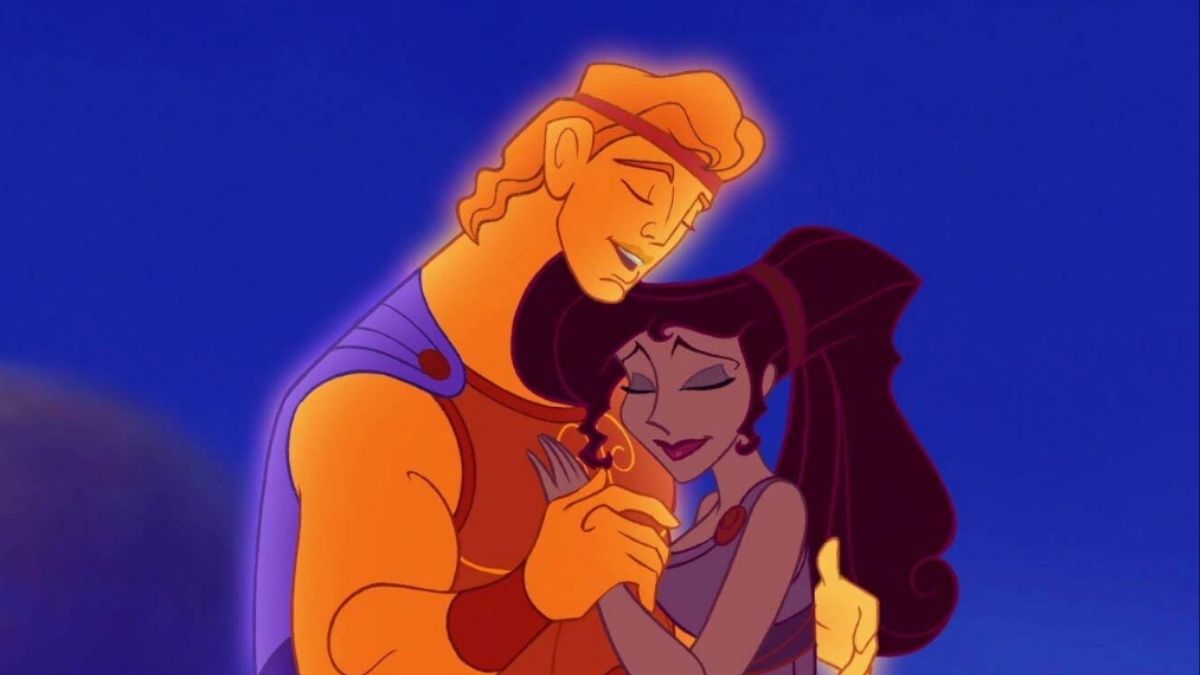
  • 14 Classic Stories That Disney Got Completely Wrong

    14 Classic Stories That Disney Got Completely Wrong

    When adapting a story, it makes sense to alter details here and there, particularly if you want it suitable for children. Some stories need more editing than others, but once you know the depths of how different Disney stories are to their original counterparts, you start to wonder what’s even left of the real tale.

    We will always remember a story from its most iconic rendition, or at least for the one we witnessed first. In both cases, the answer to that question tends to be ‘the Disney version,’ but we need to remember there was an original out there, with an intention. These are the stories Disney changed the most, and not always for the better.

    The post 14 Classic Stories That Disney Got Completely Wrong appeared first on Den of Geek.

    The kids are alright, at least as far as the movies are concerned. After years of speculation that too many video games and internet videos would make them disinterested in the theatrical experience, it turns out that Generation Z loves the movies, and movies on the big screen, in particular.

    Case in point: the appeal that Tom Holland made to users of Letterboxd, the film-rating social media platform popular among teens and 20-somethings. Holland appeared to urge viewers to see the Christopher Nolan movie The Odyssey in different formats and to record their experience on the app. “For the first time ever on Letterboxd, you’ll be able to track and share the way you experience the film with a brand new digital punch card,” Holland declared, reading the site’s marketing copy, before issuing a challenge. “All of the formats for all your watches and rewatches—bragging rights fully unlocked.”

    To be completely clear, Holland is fundamentally pitching a product here, not unlike when George Clooney flashes a smug smile talking about food delivery or Matthew McConaughey purrs about luxury cars. That’s nothing new.

    What is new is the product being sold: going to the theater and watching The Odyssey in multiple different formats. Letterboxd knows that there is a market for people who not only want to see a movie on the big screen, but they want to see it in the best possible format. Moreover, they want to talk about it with their friends.

    cnx.cmd.push(function() {
    cnx({
    playerId: “106e33c0-3911-473c-b599-b1426db57530”,

    }).render(“0270c398a82f44f49c23c16122516796”);
    });

    The choice of Holland as a pitch man is also interesting. Holland isn’t the star of The Odyssey; he plays Telemachus, son of the protagonist Odysseus (Matt Damon) and Penelope (Anne Hathaway). Yet, Letterboxd chose him, in part, over other big names like Damon, Hathaway, Charlize Theron, and Lupita Nyong’o because Holland is a Gen Z movie star, less like those elders and more like Zendaya and Robert Pattinson, who also appear in The Odyssey.

    This trio is hardly alone. Long after Marvel and franchise films seemed to kill the movie star, replacing big names with recognizable characters, Holland, Zendaya, Pattinson, Timothée Chalamet, and Florence Pugh draw crowds on their names alone, a quality shared with the big names of earlier, healthier days of the movies.

    The same is true of production companies and distributors, especially A24 and Neon. In the same way that MGM and Warner Bros pictures carried a certain pedigree in the Golden Age of the studio system, and that Miramax and New Line Cinema had in the ’90s, A24 and Neon have a cultural cache that gets attention, sometimes more than the stars or plot.

    Even better, one look at the current box office shows that Gen Z isn’t just watching movies. They’re making their own, with Obsession putting new spins on old material and Backrooms bringing their interests to the screen. While The Mandalorian and Grogu, Mortal Kombat II, and Masters of the Universe—IP movies more associated with Gen X and Millennials—have all struggled to find an audience, Obsession and Backrooms are exceeding all expectations.

    Of course, The Odyssey goes back far further than any of these generations, and director Christopher Nolan sees himself working in a classical tradition. But Holland’s plea shows that as long as Hollywood makes interesting movies with compelling ideas, Gen Z will show up.

    The post Tom Holland’s The Odyssey Plea Is Gen Z’s Latest Attempt to Save Cinema appeared first on Den of Geek.

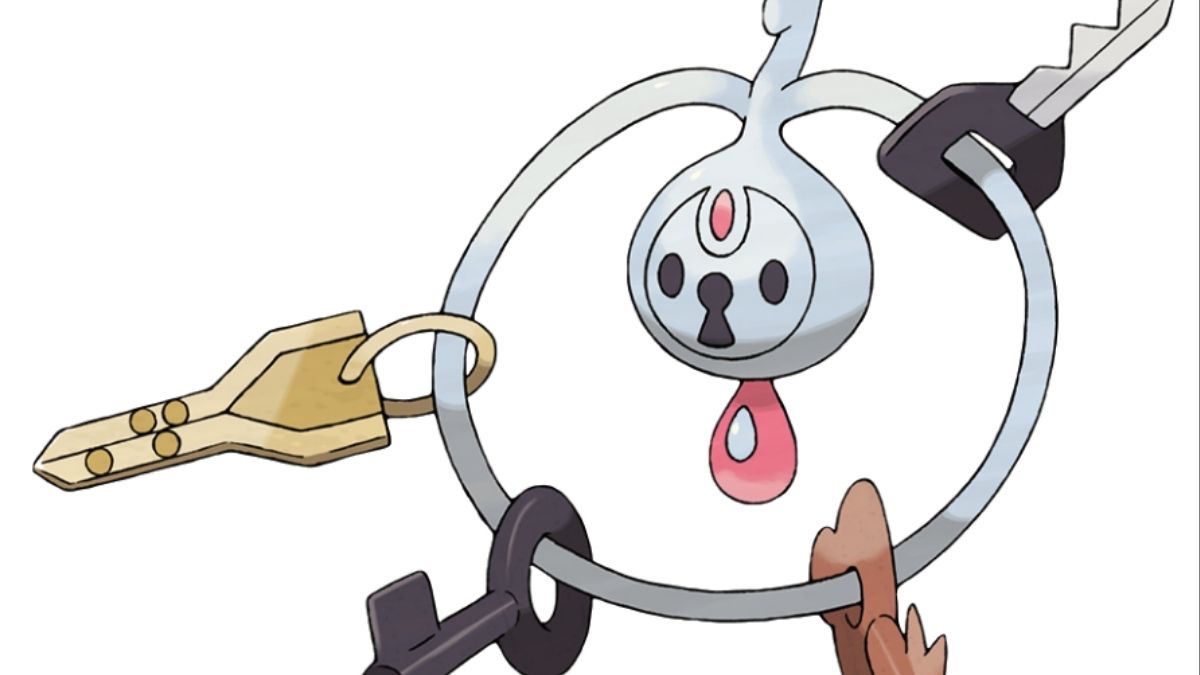
  • 15 Questionable Pokemons Suggesting They’ve Run Out Of Ideas

    15 Questionable Pokemons Suggesting They’ve Run Out Of Ideas

    Pokemon has been around for a while now, and with ten generations strong, there are a lot of creatures to choose from. Between starters, legendaries and godlike entities, finding your favorite Pokemon is not an issue. Finding the worstly designed ones is, sadly, just as easy.

    Granted, you can still have fun with these little creatures, and they are likely someone’s favourite. Don’t let our opinion detract from your personal enjoyment. But there’s no denying that, compared to other creatures, these few lack some proper work.

    The post 15 Questionable Pokemons Suggesting They’ve Run Out Of Ideas appeared first on Den of Geek.

    The kids are alright, at least as far as the movies are concerned. After years of speculation that too many video games and internet videos would make them disinterested in the theatrical experience, it turns out that Generation Z loves the movies, and movies on the big screen, in particular.

    Case in point: the appeal that Tom Holland made to users of Letterboxd, the film-rating social media platform popular among teens and 20-somethings. Holland appeared to urge viewers to see the Christopher Nolan movie The Odyssey in different formats and to record their experience on the app. “For the first time ever on Letterboxd, you’ll be able to track and share the way you experience the film with a brand new digital punch card,” Holland declared, reading the site’s marketing copy, before issuing a challenge. “All of the formats for all your watches and rewatches—bragging rights fully unlocked.”

    To be completely clear, Holland is fundamentally pitching a product here, not unlike when George Clooney flashes a smug smile talking about food delivery or Matthew McConaughey purrs about luxury cars. That’s nothing new.

    What is new is the product being sold: going to the theater and watching The Odyssey in multiple different formats. Letterboxd knows that there is a market for people who not only want to see a movie on the big screen, but they want to see it in the best possible format. Moreover, they want to talk about it with their friends.

    cnx.cmd.push(function() {
    cnx({
    playerId: “106e33c0-3911-473c-b599-b1426db57530”,

    }).render(“0270c398a82f44f49c23c16122516796”);
    });

    The choice of Holland as a pitch man is also interesting. Holland isn’t the star of The Odyssey; he plays Telemachus, son of the protagonist Odysseus (Matt Damon) and Penelope (Anne Hathaway). Yet, Letterboxd chose him, in part, over other big names like Damon, Hathaway, Charlize Theron, and Lupita Nyong’o because Holland is a Gen Z movie star, less like those elders and more like Zendaya and Robert Pattinson, who also appear in The Odyssey.

    This trio is hardly alone. Long after Marvel and franchise films seemed to kill the movie star, replacing big names with recognizable characters, Holland, Zendaya, Pattinson, Timothée Chalamet, and Florence Pugh draw crowds on their names alone, a quality shared with the big names of earlier, healthier days of the movies.

    The same is true of production companies and distributors, especially A24 and Neon. In the same way that MGM and Warner Bros pictures carried a certain pedigree in the Golden Age of the studio system, and that Miramax and New Line Cinema had in the ’90s, A24 and Neon have a cultural cache that gets attention, sometimes more than the stars or plot.

    Even better, one look at the current box office shows that Gen Z isn’t just watching movies. They’re making their own, with Obsession putting new spins on old material and Backrooms bringing their interests to the screen. While The Mandalorian and Grogu, Mortal Kombat II, and Masters of the Universe—IP movies more associated with Gen X and Millennials—have all struggled to find an audience, Obsession and Backrooms are exceeding all expectations.

    Of course, The Odyssey goes back far further than any of these generations, and director Christopher Nolan sees himself working in a classical tradition. But Holland’s plea shows that as long as Hollywood makes interesting movies with compelling ideas, Gen Z will show up.

    The post Tom Holland’s The Odyssey Plea Is Gen Z’s Latest Attempt to Save Cinema appeared first on Den of Geek.

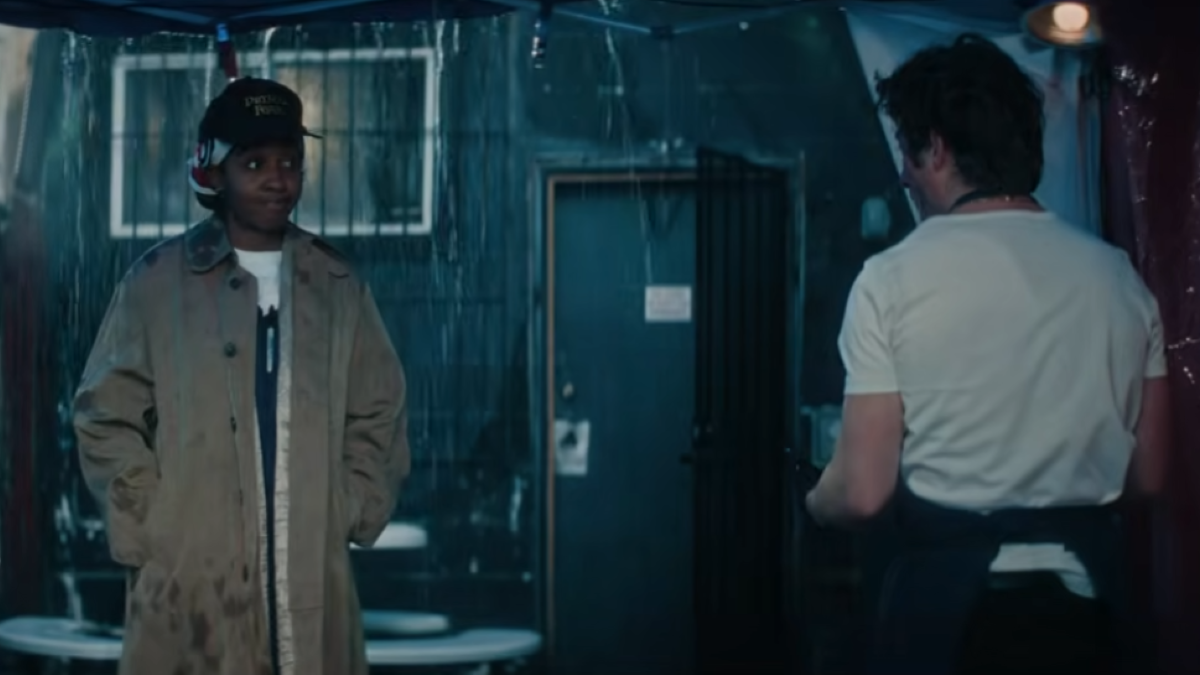
  • Things Get Biblical in The Bear Season 5 Trailer

    Things Get Biblical in The Bear Season 5 Trailer

    A first trailer for The Bear’s final season has arrived, and it sees our flat-broke gang fighting back a flood of biblical proportions in the restaurant as Carmy (Jeremy Allen White) gets ready to depart and find out who he is when he’s not cooking. If a flooded eatery isn’t enough to handle, Uncle Jimmy […]

    The post Things Get Biblical in The Bear Season 5 Trailer appeared first on Den of Geek.

    The kids are alright, at least as far as the movies are concerned. After years of speculation that too many video games and internet videos would make them disinterested in the theatrical experience, it turns out that Generation Z loves the movies, and movies on the big screen, in particular.

    Case in point: the appeal that Tom Holland made to users of Letterboxd, the film-rating social media platform popular among teens and 20-somethings. Holland appeared to urge viewers to see the Christopher Nolan movie The Odyssey in different formats and to record their experience on the app. “For the first time ever on Letterboxd, you’ll be able to track and share the way you experience the film with a brand new digital punch card,” Holland declared, reading the site’s marketing copy, before issuing a challenge. “All of the formats for all your watches and rewatches—bragging rights fully unlocked.”

    To be completely clear, Holland is fundamentally pitching a product here, not unlike when George Clooney flashes a smug smile talking about food delivery or Matthew McConaughey purrs about luxury cars. That’s nothing new.

    What is new is the product being sold: going to the theater and watching The Odyssey in multiple different formats. Letterboxd knows that there is a market for people who not only want to see a movie on the big screen, but they want to see it in the best possible format. Moreover, they want to talk about it with their friends.

    cnx.cmd.push(function() {
    cnx({
    playerId: “106e33c0-3911-473c-b599-b1426db57530”,

    }).render(“0270c398a82f44f49c23c16122516796”);
    });

    The choice of Holland as a pitch man is also interesting. Holland isn’t the star of The Odyssey; he plays Telemachus, son of the protagonist Odysseus (Matt Damon) and Penelope (Anne Hathaway). Yet, Letterboxd chose him, in part, over other big names like Damon, Hathaway, Charlize Theron, and Lupita Nyong’o because Holland is a Gen Z movie star, less like those elders and more like Zendaya and Robert Pattinson, who also appear in The Odyssey.

    This trio is hardly alone. Long after Marvel and franchise films seemed to kill the movie star, replacing big names with recognizable characters, Holland, Zendaya, Pattinson, Timothée Chalamet, and Florence Pugh draw crowds on their names alone, a quality shared with the big names of earlier, healthier days of the movies.

    The same is true of production companies and distributors, especially A24 and Neon. In the same way that MGM and Warner Bros pictures carried a certain pedigree in the Golden Age of the studio system, and that Miramax and New Line Cinema had in the ’90s, A24 and Neon have a cultural cache that gets attention, sometimes more than the stars or plot.

    Even better, one look at the current box office shows that Gen Z isn’t just watching movies. They’re making their own, with Obsession putting new spins on old material and Backrooms bringing their interests to the screen. While The Mandalorian and Grogu, Mortal Kombat II, and Masters of the Universe—IP movies more associated with Gen X and Millennials—have all struggled to find an audience, Obsession and Backrooms are exceeding all expectations.

    Of course, The Odyssey goes back far further than any of these generations, and director Christopher Nolan sees himself working in a classical tradition. But Holland’s plea shows that as long as Hollywood makes interesting movies with compelling ideas, Gen Z will show up.

    The post Tom Holland’s The Odyssey Plea Is Gen Z’s Latest Attempt to Save Cinema appeared first on Den of Geek.

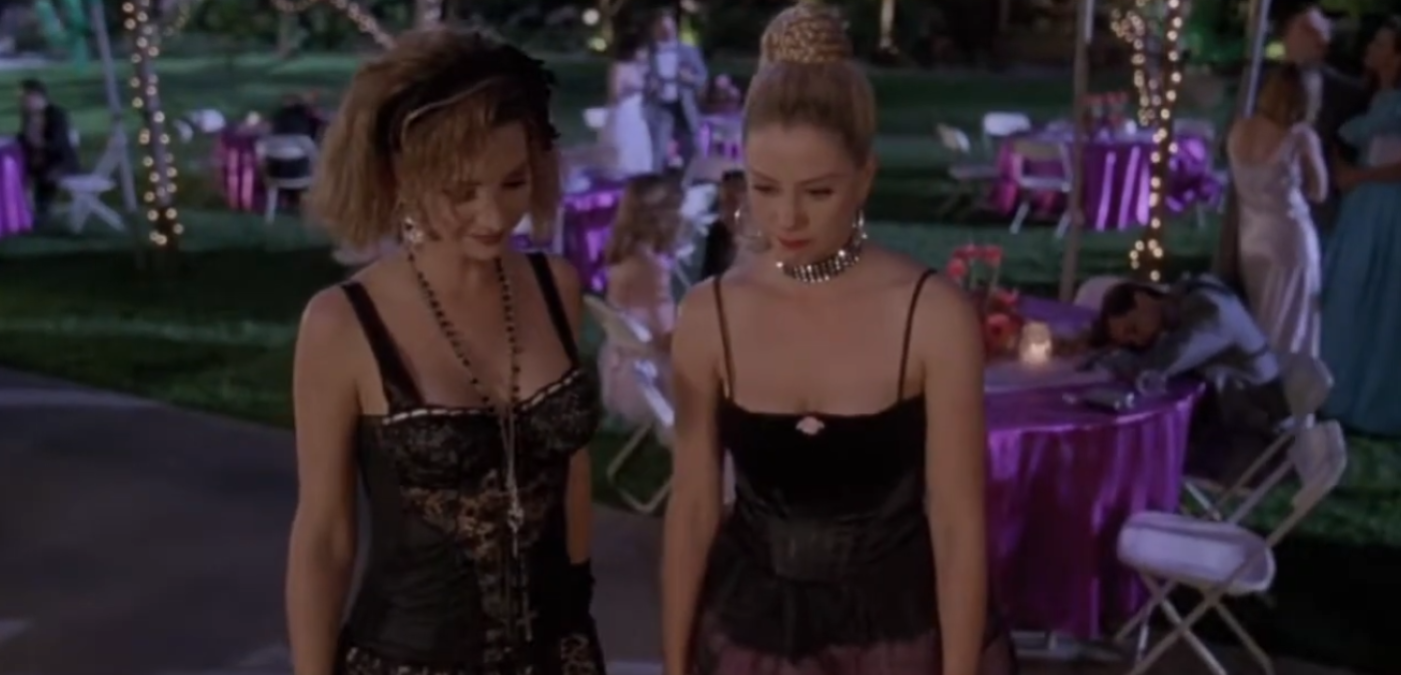
  • Romy and Michele 2 Deserves a Theatrical Release

    Romy and Michele 2 Deserves a Theatrical Release

    Back in the 1990s, films often found their audiences on home video. That was certainly the case for Romy and Michele’s High School Reunion, which didn’t do much in the way of business at the box office and wasn’t particularly well received by critics at the time either. Nevertheless, people eventually discovered the movie, and […]

    The post Romy and Michele 2 Deserves a Theatrical Release appeared first on Den of Geek.

    The kids are alright, at least as far as the movies are concerned. After years of speculation that too many video games and internet videos would make them disinterested in the theatrical experience, it turns out that Generation Z loves the movies, and movies on the big screen, in particular.

    Case in point: the appeal that Tom Holland made to users of Letterboxd, the film-rating social media platform popular among teens and 20-somethings. Holland appeared to urge viewers to see the Christopher Nolan movie The Odyssey in different formats and to record their experience on the app. “For the first time ever on Letterboxd, you’ll be able to track and share the way you experience the film with a brand new digital punch card,” Holland declared, reading the site’s marketing copy, before issuing a challenge. “All of the formats for all your watches and rewatches—bragging rights fully unlocked.”

    To be completely clear, Holland is fundamentally pitching a product here, not unlike when George Clooney flashes a smug smile talking about food delivery or Matthew McConaughey purrs about luxury cars. That’s nothing new.

    What is new is the product being sold: going to the theater and watching The Odyssey in multiple different formats. Letterboxd knows that there is a market for people who not only want to see a movie on the big screen, but they want to see it in the best possible format. Moreover, they want to talk about it with their friends.

    cnx.cmd.push(function() {
    cnx({
    playerId: “106e33c0-3911-473c-b599-b1426db57530”,

    }).render(“0270c398a82f44f49c23c16122516796”);
    });

    The choice of Holland as a pitch man is also interesting. Holland isn’t the star of The Odyssey; he plays Telemachus, son of the protagonist Odysseus (Matt Damon) and Penelope (Anne Hathaway). Yet, Letterboxd chose him, in part, over other big names like Damon, Hathaway, Charlize Theron, and Lupita Nyong’o because Holland is a Gen Z movie star, less like those elders and more like Zendaya and Robert Pattinson, who also appear in The Odyssey.

    This trio is hardly alone. Long after Marvel and franchise films seemed to kill the movie star, replacing big names with recognizable characters, Holland, Zendaya, Pattinson, Timothée Chalamet, and Florence Pugh draw crowds on their names alone, a quality shared with the big names of earlier, healthier days of the movies.

    The same is true of production companies and distributors, especially A24 and Neon. In the same way that MGM and Warner Bros pictures carried a certain pedigree in the Golden Age of the studio system, and that Miramax and New Line Cinema had in the ’90s, A24 and Neon have a cultural cache that gets attention, sometimes more than the stars or plot.

    Even better, one look at the current box office shows that Gen Z isn’t just watching movies. They’re making their own, with Obsession putting new spins on old material and Backrooms bringing their interests to the screen. While The Mandalorian and Grogu, Mortal Kombat II, and Masters of the Universe—IP movies more associated with Gen X and Millennials—have all struggled to find an audience, Obsession and Backrooms are exceeding all expectations.

    Of course, The Odyssey goes back far further than any of these generations, and director Christopher Nolan sees himself working in a classical tradition. But Holland’s plea shows that as long as Hollywood makes interesting movies with compelling ideas, Gen Z will show up.

    The post Tom Holland’s The Odyssey Plea Is Gen Z’s Latest Attempt to Save Cinema appeared first on Den of Geek.

  • Tom Holland’s The Odyssey Plea Is Gen Z’s Latest Attempt to Save Cinema

    Tom Holland’s The Odyssey Plea Is Gen Z’s Latest Attempt to Save Cinema

    The kids are alright, at least as far as the movies are concerned. After years of speculation that too many video games and internet videos would make them disinterested in the theatrical experience, it turns out that Generation Z loves the movies, and movies on the big screen, in particular. Case in point: the appeal […]

    The post Tom Holland’s The Odyssey Plea Is Gen Z’s Latest Attempt to Save Cinema appeared first on Den of Geek.

    The kids are alright, at least as far as the movies are concerned. After years of speculation that too many video games and internet videos would make them disinterested in the theatrical experience, it turns out that Generation Z loves the movies, and movies on the big screen, in particular.

    Case in point: the appeal that Tom Holland made to users of Letterboxd, the film-rating social media platform popular among teens and 20-somethings. Holland appeared to urge viewers to see the Christopher Nolan movie The Odyssey in different formats and to record their experience on the app. “For the first time ever on Letterboxd, you’ll be able to track and share the way you experience the film with a brand new digital punch card,” Holland declared, reading the site’s marketing copy, before issuing a challenge. “All of the formats for all your watches and rewatches—bragging rights fully unlocked.”

    To be completely clear, Holland is fundamentally pitching a product here, not unlike when George Clooney flashes a smug smile talking about food delivery or Matthew McConaughey purrs about luxury cars. That’s nothing new.

    What is new is the product being sold: going to the theater and watching The Odyssey in multiple different formats. Letterboxd knows that there is a market for people who not only want to see a movie on the big screen, but they want to see it in the best possible format. Moreover, they want to talk about it with their friends.

    cnx.cmd.push(function() {
    cnx({
    playerId: “106e33c0-3911-473c-b599-b1426db57530”,

    }).render(“0270c398a82f44f49c23c16122516796”);
    });

    The choice of Holland as a pitch man is also interesting. Holland isn’t the star of The Odyssey; he plays Telemachus, son of the protagonist Odysseus (Matt Damon) and Penelope (Anne Hathaway). Yet, Letterboxd chose him, in part, over other big names like Damon, Hathaway, Charlize Theron, and Lupita Nyong’o because Holland is a Gen Z movie star, less like those elders and more like Zendaya and Robert Pattinson, who also appear in The Odyssey.

    This trio is hardly alone. Long after Marvel and franchise films seemed to kill the movie star, replacing big names with recognizable characters, Holland, Zendaya, Pattinson, Timothée Chalamet, and Florence Pugh draw crowds on their names alone, a quality shared with the big names of earlier, healthier days of the movies.

    The same is true of production companies and distributors, especially A24 and Neon. In the same way that MGM and Warner Bros pictures carried a certain pedigree in the Golden Age of the studio system, and that Miramax and New Line Cinema had in the ’90s, A24 and Neon have a cultural cache that gets attention, sometimes more than the stars or plot.

    Even better, one look at the current box office shows that Gen Z isn’t just watching movies. They’re making their own, with Obsession putting new spins on old material and Backrooms bringing their interests to the screen. While The Mandalorian and Grogu, Mortal Kombat II, and Masters of the Universe—IP movies more associated with Gen X and Millennials—have all struggled to find an audience, Obsession and Backrooms are exceeding all expectations.

    Of course, The Odyssey goes back far further than any of these generations, and director Christopher Nolan sees himself working in a classical tradition. But Holland’s plea shows that as long as Hollywood makes interesting movies with compelling ideas, Gen Z will show up.

    The post Tom Holland’s The Odyssey Plea Is Gen Z’s Latest Attempt to Save Cinema appeared first on Den of Geek.

  • Disclosure Day Review: Steven Spielberg’s Coda to a Lifetime of Alien Movies

    Disclosure Day Review: Steven Spielberg’s Coda to a Lifetime of Alien Movies

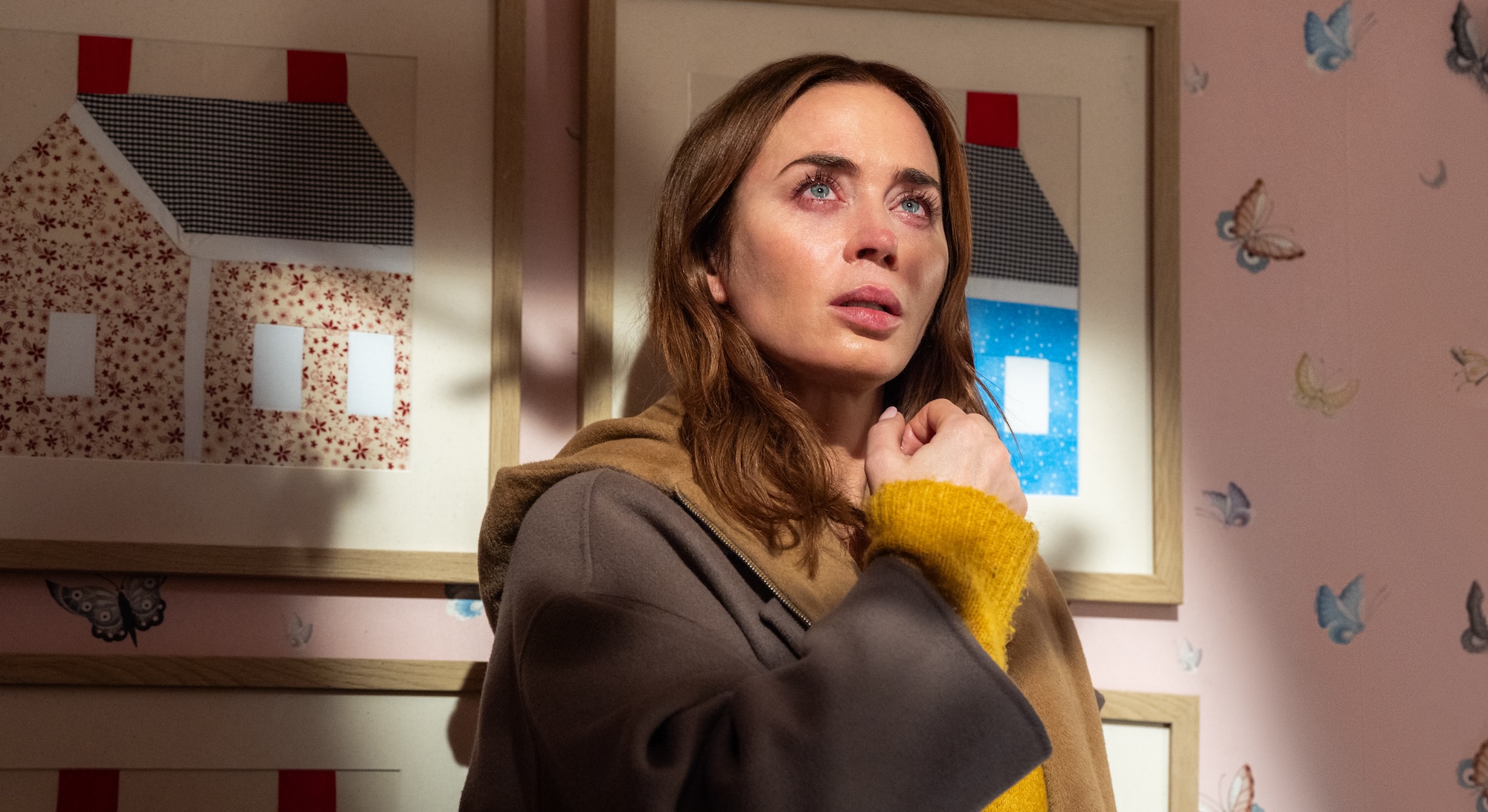
    I always felt bad for Larry, Josef Sommer’s character in Close Encounters of the Third Kind (1977). In Steven Spielberg’s magnum opus about UFOs and the governments who cover them up, Larry is a true believer that, like Richard Dreyfuss’ Roy and Melinda Dillon’s Jillian, traveled all the way to Devils Tower in Wyoming, sneaking […]

    The post Disclosure Day Review: Steven Spielberg’s Coda to a Lifetime of Alien Movies appeared first on Den of Geek.

    The kids are alright, at least as far as the movies are concerned. After years of speculation that too many video games and internet videos would make them disinterested in the theatrical experience, it turns out that Generation Z loves the movies, and movies on the big screen, in particular.

    Case in point: the appeal that Tom Holland made to users of Letterboxd, the film-rating social media platform popular among teens and 20-somethings. Holland appeared to urge viewers to see the Christopher Nolan movie The Odyssey in different formats and to record their experience on the app. “For the first time ever on Letterboxd, you’ll be able to track and share the way you experience the film with a brand new digital punch card,” Holland declared, reading the site’s marketing copy, before issuing a challenge. “All of the formats for all your watches and rewatches—bragging rights fully unlocked.”

    To be completely clear, Holland is fundamentally pitching a product here, not unlike when George Clooney flashes a smug smile talking about food delivery or Matthew McConaughey purrs about luxury cars. That’s nothing new.

    What is new is the product being sold: going to the theater and watching The Odyssey in multiple different formats. Letterboxd knows that there is a market for people who not only want to see a movie on the big screen, but they want to see it in the best possible format. Moreover, they want to talk about it with their friends.

    cnx.cmd.push(function() {
    cnx({
    playerId: “106e33c0-3911-473c-b599-b1426db57530”,

    }).render(“0270c398a82f44f49c23c16122516796”);
    });

    The choice of Holland as a pitch man is also interesting. Holland isn’t the star of The Odyssey; he plays Telemachus, son of the protagonist Odysseus (Matt Damon) and Penelope (Anne Hathaway). Yet, Letterboxd chose him, in part, over other big names like Damon, Hathaway, Charlize Theron, and Lupita Nyong’o because Holland is a Gen Z movie star, less like those elders and more like Zendaya and Robert Pattinson, who also appear in The Odyssey.

    This trio is hardly alone. Long after Marvel and franchise films seemed to kill the movie star, replacing big names with recognizable characters, Holland, Zendaya, Pattinson, Timothée Chalamet, and Florence Pugh draw crowds on their names alone, a quality shared with the big names of earlier, healthier days of the movies.

    The same is true of production companies and distributors, especially A24 and Neon. In the same way that MGM and Warner Bros pictures carried a certain pedigree in the Golden Age of the studio system, and that Miramax and New Line Cinema had in the ’90s, A24 and Neon have a cultural cache that gets attention, sometimes more than the stars or plot.

    Even better, one look at the current box office shows that Gen Z isn’t just watching movies. They’re making their own, with Obsession putting new spins on old material and Backrooms bringing their interests to the screen. While The Mandalorian and Grogu, Mortal Kombat II, and Masters of the Universe—IP movies more associated with Gen X and Millennials—have all struggled to find an audience, Obsession and Backrooms are exceeding all expectations.

    Of course, The Odyssey goes back far further than any of these generations, and director Christopher Nolan sees himself working in a classical tradition. But Holland’s plea shows that as long as Hollywood makes interesting movies with compelling ideas, Gen Z will show up.

    The post Tom Holland’s The Odyssey Plea Is Gen Z’s Latest Attempt to Save Cinema appeared first on Den of Geek.