Blog

  • Design for Amiability: Lessons from Vienna

    Design for Amiability: Lessons from Vienna

    Today’s web is not always an amiable place. Sites greet you with a popover that demands assent to their cookie policy, and leave you with Taboola ads promising “One Weird Trick!” to cure your ailments. Social media sites are tuned for engagement, and few things are more engaging than a fight. Today it seems that people want to quarrel; I have seen flame wars among birders.  

    These tensions are often at odds with a site’s goals. If we are providing support and advice to customers, we don’t want those customers to wrangle with each other. If we offer news about the latest research, we want readers to feel at ease; if we promote upcoming marches, we want our core supporters to feel comfortable and we want curious newcomers to feel welcome. 

    In a study for a conference on the History of the Web, I looked to the origins of Computer Science in Vienna (1928-1934)  for a case study of the importance of amiability in a research community and the disastrous consequences of its loss. That story has interesting implications for web environments that promote amiable interaction among disparate, difficult (and sometimes disagreeable) people.

    The Vienna Circle

    Though people had been thinking about calculating engines and thinking machines from antiquity, Computing really got going in Depression-era Vienna.  The people who worked out the theory had no interest in building machines; they wanted to puzzle out the limits of reason in the absence of divine authority. If we could not rely on God or Aristotle to tell us how to think, could we instead build arguments that were self-contained and demonstrably correct? Can we be sure that mathematics is consistent? Are there things that are true but that cannot be expressed in language? 

    The core ideas were worked out in the weekly meetings (Thursdays at 6) of a group remembered as the Vienna Circle. They got together in the office of Professor Moritz Schlick at the University of Vienna to discuss problems in philosophy, math, and language. The intersection of physics and philosophy had long been a specialty of this Vienna department, and this work had placed them among the world leaders.  Schlick’s colleague Hans Hahn was a central participant, and by 1928 Hahn brought along his graduate students Karl Menger and Kurt Gödel. Other frequent participants included philosopher Rudolf Carnap, psychologist Karl Popper, economist Ludwig von Mises (brought by his brother Frederick, a physicist),  graphic designer Otto Neurath (inventor of infographics), and architect Josef Frank (brought by his physicist brother, Phillip).  Out-of-town visitors often joined, including the young Johnny von Neumann, Alfred Tarski, and the irascible Ludwig Wittgenstein. 

    When Schlick’s office grew too dim, participants adjourned to a nearby café for additional discussion with an even larger circle of participants.  This convivial circle was far from unique.  An intersecting circle–Neurath, von Mises, Oskar Morgenstern–established the Austrian School of free-market economics. There were theatrical circles (Peter Lorre, Hedy Lamarr, Max Reinhardt), and literary circles. The café was where things happened.

    The interdisciplinarity of the group posed real challenges of temperament and understanding. Personalities were often a challenge. Gödel was convinced people were trying to poison him. Architect Josef Frank depended on contracts for public housing, which Mises opposed as wasteful. Wittgenstein’s temper had lost him his job as a secondary school teacher, and for some of these years he maintained a detailed list of whom he was willing to meet. Neurath was eager to detect muddled thinking and would interrupt a speaker with a shouted “Metaphysics!” The continuing amity of these meetings was facilitated by the personality of their leader, Moritz Schlick, who would be remembered as notably adept in keeping disagreements from becoming quarrels.

    In the Café

    The Viennese café of this era was long remembered as a particularly good place to argue with your friends, to read, and to write. Built to serve an imperial capital, the cafés found themselves with too much space and too few customers now that the Empire was gone. There was no need to turn tables: a café could only survive by coaxing customers to linger. Perhaps they would order another coffee, or one of their friends might drop by. One could play chess, or billiards, or read newspapers from abroad. Coffee was invariably served with a glass of purified spring water, still a novelty in an era in which most water was still unsafe to drink. That water glass would be refilled indefinitely. 

    In the basement of one café, the poet Jura Soyfer staged “The End Of The World,” a musical comedy in which Professor Peep has discovered a comet heading for earth.

    Prof. Peep: The comet is going to destroy everybody!

    Hitler:  Destroying everybody is my business.

    Of course, coffee can be prepared in many ways, and the Viennese café developed a broad vocabulary to represent precisely how one preferred to drink it: melange, Einspänner, Brauner, Schwarzer, Kapuziner. This extensive customization, with correspondingly esoteric conventions of service, established the café as a comfortable and personal third space, a neutral ground in which anyone who could afford a coffee would be welcome. Viennese of this era were fastidious in their use of personal titles, of which an abundance were in common use. Café waiters greeted regular customers with titles too, but were careful to address their patrons with titles a notch or two greater than they deserved. A graduate student would be Doktor, an unpaid postdoc Professor.  This assurance mattered all the more because so many members of the Circle (and so many other Viennese) came from elsewhere: Carnap from Wuppertal, Gödel from Brno, von Neumann from Budapest. No one was going to make fun of your clothes, mannerisms, or accent. Your friends wouldn’t be bothered by the pram in the hall. Everyone shared a Germanic Austrian literary and philosophical culture, not least those whose ancestors had been Eastern European Jews who knew that culture well, having read all about it in books.

    The amiability of the café circle was enhanced by its openness. Because the circle sometimes extended to architects and actors, people could feel less constrained to admit shortfalls in their understanding. It was soon discovered that marble tabletops made a useful surface for pencil sketches, serving all as an improvised and accessible blackboard.

    Comedies like “The End Of The World” and fictional newspaper sketches or feuilletons of writers like Joseph Roth and Stefan Zweig served as a second defense against disagreeable or churlish behavior. The knowledge that, if one got carried away, a parody of one’s remarks might shortly appear in Neue Freie Presse surely helped Professor Schlick keep matters in hand.

    The End Of Red Vienna

    Though Austria’s government drifted to the right after the War, Vienna’s city council had been Socialist, dedicated to public housing based on user-centered design, and embracing  ambitious programs of public outreach and adult education. In 1934 the Socialists lost a local election, and this era soon came to its end as the new administration focused on the imagined threat of the International Jewish Conspiracy. Most members of the Circle fled within months: von Neumann to Princeton, Neurath to Holland and Oxford, Popper to New Zealand, Carnap to Chicago. Prof. Schlick was murdered on the steps of the University by a student outraged by his former association with Jews.  Jura Soyfer, who wrote “The End Of The World,” died in Buchenwald.

    In 1939, von Neumann finally convinced Gödel to accept a job in Princeton. Gödel was required to pay large fines to emigrate. The officer in charge of these fees would look back on this as the best posting of his career; his name was Eichmann.

    Design for Amiability

    An impressive literature recounts those discussions and the environment that facilitated the development of computing. How can we design for amiability?  This is not just a matter of choosing rounded typefaces and a cheerful pastel palette. I believe we may identify eight distinct issues that exert design forces in usefully amiable directions.

    Seriousness: The Vienna Circle was wrestling with a notoriously difficult book—Wittgenstein’s Tractus Logico-Philosophicus—and a catalog of outstanding open questions in mathematics. They were concerned with consequential problems, not merely scoring points for debating. Constant reminders that the questions you are considering matter—not only that they are consequential or that those opposing you are scoundrels—help promote amity.

    Empiricism: The characteristic approach of the Vienna Circle demanded that knowledge be grounded either in direct observation or in rigorous reasoning. Disagreement, when it arose, could be settled by observation or by proof. If neither seemed ready to hand, the matter could not be settled. On these terms, one can seldom if ever demolish an opposing argument, and trolling is pointless.

    Abstraction: Disputes grow worse when losing the argument entails lost face or lost jobs. The Vienna Circle’s focus on theory—the limits of mathematics, the capability of language—promoted amity. Without seriousness, abstraction could have been merely academic, but the limits of reason and the consistency of mathematics were clearly serious.

    Formality: The punctilious demeanor of waiters and the elaborated rituals of coffee service helped to establish orderly attitudes amongst the argumentative participants. This stands in contrast to the contemptuous sneer that now dominates social media.  

    Schlamperei: Members of the Vienna Circle maintained a global correspondence, and they knew their work was at the frontier of research. Still, this was Vienna, at the margins of Europe: old-fashioned, frumpy, and dingy. Many participants came from even more obscure backwaters. Most or all harbored the suspicion that they were really schleppers, and a tinge of the ridiculous helped to moderate tempers. The director of “The End Of The World” had to pass the hat for money to purchase a moon for the set, and thought it was funny enough to write up for publication.

    Openness: All sorts of people were involved in discussion, anyone might join in. Each week would bring different participants. Fluid borders reduce tension, and provide opportunities to broaden the range of discussion and the terms of engagement. Low entrance friction was characteristic of the café: anyone could come, and if you came twice you were virtually a regular. Permeable boundaries and café culture made it easier for moderating influences to draw in raconteurs and storytellers to defuse awkward moments, and Vienna’s cafés had no shortage of humorists. Openness counteracts the suspicion that promoters of amiability are exerting censorship.

    Parody: The environs of the Circle—the university office and the café—were unmistakably public. There were writers about, some of them renowned humorists. The prospect that one’s bad taste or bad behavior might be ridiculed in print kept discussion within bounds. The sanction of public humiliation, however, was itself made mild by the veneer of fiction; even if you got a little carried away and a character based on you made a splash in some newspaper fiction, it wasn’t the end of the world.

    Engagement: The subject matter was important to the participants, but it was esoteric: it did not matter very much to their mothers or their siblings. A small stumble or a minor humiliation could be shrugged off in ways that major media confrontations cannot.

    I believe it is notable that this environment was designed to promote amiability through several different voices.  The café waiter flattered each newcomer and served everyone, and also kept out local pickpockets and drunks who would be mere disruptions. Schlick and other regulars kept discussion moving and on track. The fiction writers and raconteurs—perhaps the most peripheral of the participants—kept people in a good mood and reminded them that bad behavior could make anyone ridiculous.  Crucially, each of these voices were human: you could reason with them. Algorithmic or AI moderators, however clever, are seldom perceived as reasonable. The café circles had no central authority or Moderator against whom everyone’s resentments might be focused. Even after the disaster of 1934, what people remembered were those cheerful arguments.
  • Top 10 Duct Tape Marketing Podcast Episodes of 2025

    Top 10 Duct Tape Marketing Podcast Episodes of 2025

    Top 10 Duct Tape Marketing Podcast Episodes of 2025 written by John Jantsch read more at Duct Tape Marketing

    As we close out 2025, I’ve been reflecting on the conversations, insights, and big ideas that shaped this year on the Duct Tape Marketing Podcast. The pace of change in marketing hasn’t slowed for a second, and small businesses continue to reinvent, experiment, and build stronger connections with the people they serve. This year was […]

    Top 10 Duct Tape Marketing Podcast Episodes of 2025 written by John Jantsch read more at Duct Tape Marketing

    As we close out 2025, I’ve been reflecting on the conversations, insights, and big ideas that shaped this year on the Duct Tape Marketing Podcast. The pace of change in marketing hasn’t slowed for a second, and small businesses continue to reinvent, experiment, and build stronger connections with the people they serve. This year was filled with curiosity, innovation, and a whole lot of practical wisdom, and I was fortunate to sit down with guests who brought their best thinking to the table.

    So I pulled together a collection of the episodes that really stood out. These were listener favorites that delivered serious value, sparked fresh thinking, and encouraged business owners to take action. If any of these slipped past you, now’s a great moment to dive in and catch up.

    And if you’re looking for more great conversations, you can always explore the full library of episodes.


    1. Todd Satterson- How Books Can Shape Success

    Todd Sattersten (1)

    Todd Sattersten is a publishing veteran and CEO of Bard Press. In this episode of the Duct Tape Marketing Podcast, Todd and I talk about his new book 100 Books for Work and Life, how he chose the top 100, and why intentional reading can shape your business and personal growth.

    Biggest takeaway:

    The right book at the right time can be transformational. Todd shares why great books challenge your thinking, offer clarity, and give you practical tools you can use right away.

    Click here to listen to the episode.


    2. Laura Ries– The Secret Weapon of Great Brands

    Laura Ries

    Laura Ries is a globally recognized branding strategist, bestselling author, and chairwoman of RIES. In this episode of the Duct Tape Marketing Podcast, Laura and I talk about her new book The Strategic Enemy and why every brand needs a clear enemy to create focus, contrast, and memorable positioning.

    Biggest takeaway:

    Brands win when they take a stand. Laura explains how defining a real enemy gives your brand energy, differentiation, and clarity. Whether it is an outdated process, a stale category, or “the way it has always been done,” the right enemy helps your brand break through and create meaning in the market.

    Click here to listen to the episode.


    3. John Jantsch– How to Stay Visible in the AI Search Era

    In this solo episode of the Duct Tape Marketing Podcast, I break down how search is changing and why traditional SEO is giving way to something bigger: search visibility. With AI search, zero click results, and evolving Google behavior, it is no longer just about ranking for keywords. It is about showing up wherever answers are being delivered.

    Biggest takeaway:

    Google has become an answer engine. To stay visible, your content needs to offer direct answers, demonstrate real experience and expertise, and appear across multiple touchpoints like snippets, FAQs, Google Business, and long-tail queries. Search visibility is now about trust, structure, and presence across the entire digital ecosystem.

    Click here to listen to the episode.


    4. Sara NayEmpowering Small Business with AI & Strategy

    Sara Nay (5)

    Sara Nay is the CEO of Duct Tape Marketing and author of Unchained: Breaking Free From Broken Marketing Models. In this episode of the Duct Tape Marketing Podcast, Sara and I talk about why the traditional agency model no longer works and how her “anti-agency” approach helps small businesses take back ownership of their marketing through strategy, leadership, and smart use of AI.

    Biggest takeaway:

    Small businesses grow faster when they stop renting their marketing and start owning it. Sara explains how a strategy-first, AI-enabled model creates clarity, control, and sustainable growth, and why fractional CMOs and empowered teams are the future of modern marketing.

    Click here to listen to the episode.


    5. Rand Fishkin– The Zero-Click Internet: What It Means for Your Marketing Strategy

    Rand Fishkin

    Rand Fishkin is the co-founder and CEO of SparkToro and one of the most influential voices in SEO and digital marketing. In this episode of the Duct Tape Marketing Podcast, Rand and I talk about the rise of zero-click searches and how Google’s shift toward answering questions directly is changing the way businesses earn visibility online.

    Biggest takeaway:

    Zero-click is the new reality. With most searches ending without a website visit, Rand explains why brands must show up where their audiences already spend time, such as social platforms, communities, and Google’s own surfaces, rather than relying only on traditional organic traffic.

    Click here to listen to the episode.

    6. MichaelAaron Flicker– The Brain Science Behind Successful Marketing

    Michael Aaron Flicker

    MichaelAaron Flicker is the founder and CEO of XenoPsi Ventures and co-founder of the Consumer Behavior Lab. In this episode of the Duct Tape Marketing Podcast, MichaelAaron and I talk about his new book Hacking the Human Mind and how the world’s best brands use behavioral science to create memorable marketing, build loyalty, and shape customer decisions.

    Biggest takeaway:

    Great marketing works because it taps into human behavior. MichaelAaron explains why concrete messaging, peak moments, specificity, and real behavioral science principles make brands more persuasive and more memorable. When marketers understand how people think and decide, they can create smarter, more effective campaigns without relying on guesswork.

    Click here to listen to the episode.

    7. Rhea Allen– Why Branding Begins With Your Team Culture

    Rhea Allen

    Rhea Allen is the president and CEO of Pepper Shock Media and host of the Marketing Expedition Podcast. In this episode of the Duct Tape Marketing Podcast, Rhea and Sara Nay talk about how internal culture and external brand are deeply connected, why storytelling and authenticity matter, and how engaged teams drive both retention and marketing success.

    Biggest takeaway:

    Your brand starts with your people. Rhea explains how aligning HR and marketing, involving the team in core values, and sharing real stories creates stronger culture, more authentic marketing, and a brand that resonates inside and out.

    Click here to listen to the episode.

    8. Ernie Ross– Trust, Storytelling, and the Future of Brands

    Ernie Ross

    Ernie Ross is a global brand strategist, founder of Ross Rethink, and creator of the Intangence methodology. In this episode of the Duct Tape Marketing Podcast, Ernie and I talk about his new book Intangence and why the most powerful value in business comes from trust, meaning, and authentic human connection.

    Biggest takeaway:

    Meaning creates value. Ernie explains how brands that focus on purpose, emotion, and real human connection rise above feature-driven marketing. Trust, authenticity, and strong stories are what spark loyalty, resonance, and long-term success.

    Click here to listen to the episode.

    9. Manick Bhan– AI, Content Strategy, and Building a Brand That Lasts

    Manick Bhan is the founder and CTO of Search Atlas, an advanced SEO and content marketing platform used by thousands of agencies and brands. In this episode of the Duct Tape Marketing Podcast, Manick and I talk about how search is evolving, why high-intent content matters, and how marketers can adapt as AI reshapes the way people discover and trust brands.

    Biggest takeaway:

    SEO is shifting from reporting to action. Manick explains why tools must help marketers make real improvements, not just gather data, and why brands that focus on quality content, topical authority, and strong community will thrive as AI-powered search changes how buyers convert.

    Click here to listen to the episode.


    10. Andy Crestodina– AI, Analytics & Content Strategy: The Future of Digital Marketing

    Andy Crestodina

    Andy Crestodina is the co-founder and CMO of Orbit Media Studios and a leading voice in content strategy, SEO, and analytics. In this episode of the Duct Tape Marketing Podcast, Andy and I talk about how AI is reshaping digital marketing while reinforcing the lasting importance of creativity, relationships, and high-quality content.

    Biggest takeaway:

    AI can improve performance, but human creativity still wins. Andy explains why strong points of view, original research, visual content, and platform-native publishing are becoming essential as SEO shifts and AI transforms how audiences discover and engage with brands.

    Click here to listen to the episode.

    We love reviews!

    Is your favorite episode on the list? If not, we’d love to hear which one you enjoyed listening to the most!

    For our podcast audience, we can’t thank you enough for your support over the years!

    If you like the show, click on over and subscribe and if you love the show give us a review on  iTunes, please!


  • Fallout Season 2: Moises Arias on Norm’s Icy Choice

    Fallout Season 2: Moises Arias on Norm’s Icy Choice

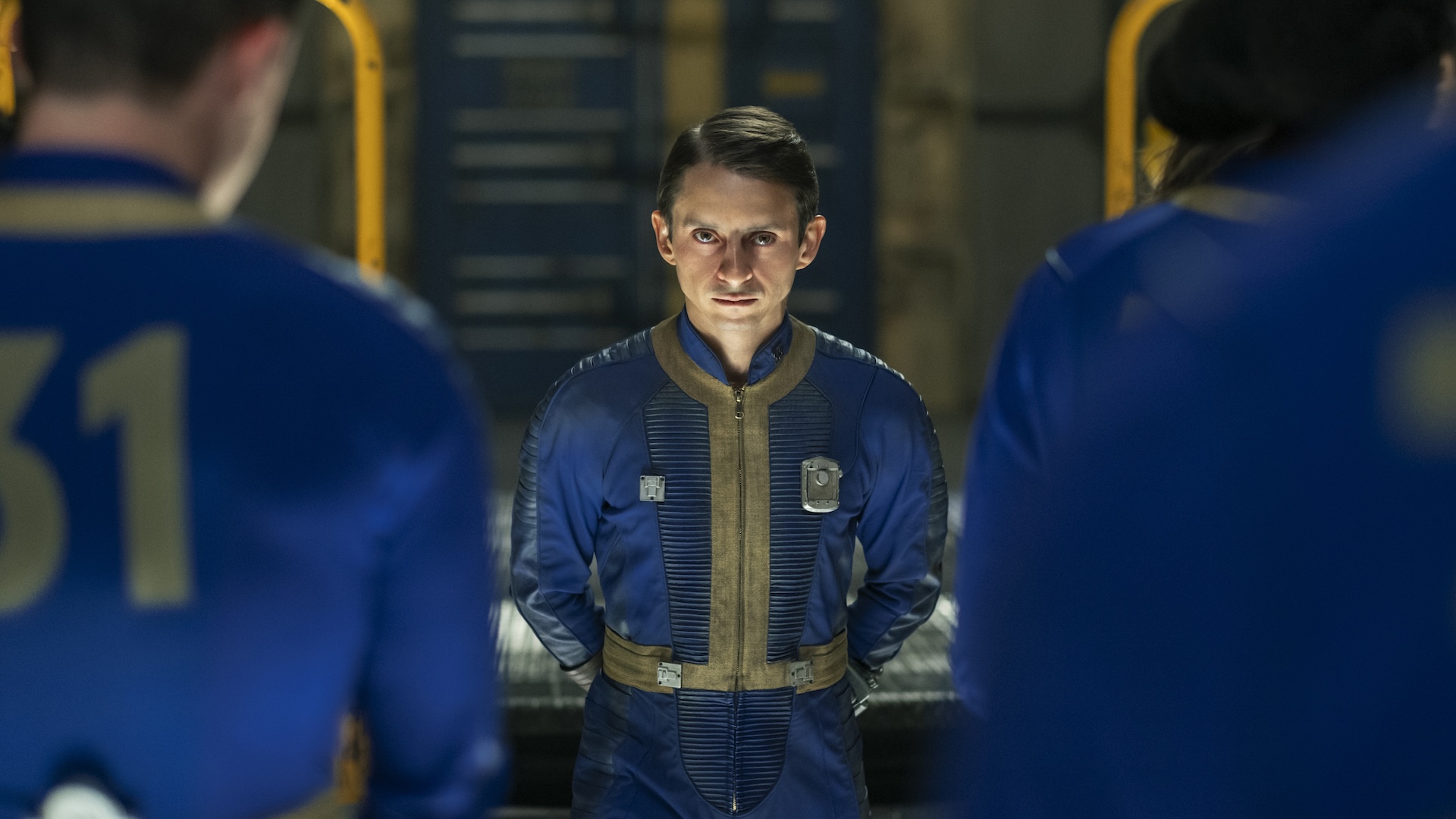
    This article contains spoilers for Fallout season 2 episode 1. The first season of Amazon’s video game adaptation Fallout ends on an unsure note for many of its characters. Cheerful protagonist Lucy MacLean (Ella Purnell) is left reeling from the reveal that her father Hank (Kyle MacLachlan) has secretly been a Big Bad this whole […]

    The post Fallout Season 2: Moises Arias on Norm’s Icy Choice appeared first on Den of Geek.

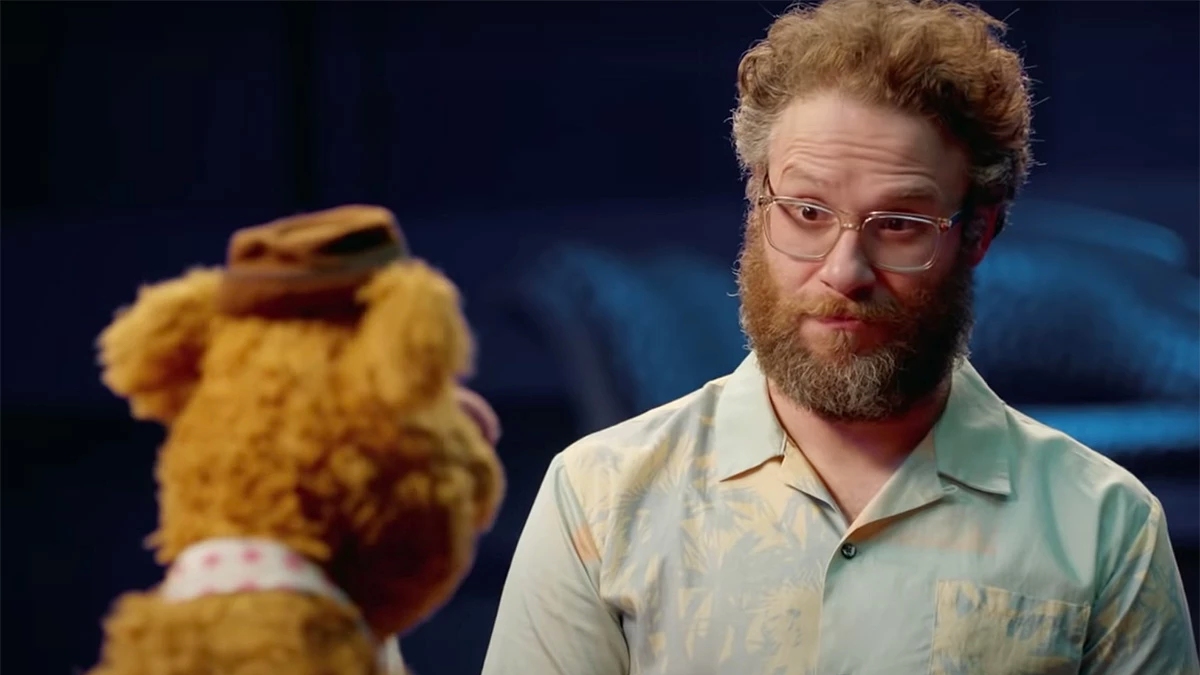
    In 2026, it will finally be time to play the music. Now, more than any other point since Disney bought the rights to the characters in 2004, is the time to light the lights. This is the exact correct point for The Muppet Show.

    So it’s a good thing that Disney is finally bringing back The Muppet Show. Not Muppets Tonight or Muppets TV or any other variation. As announced with a short clip of Kermit flipping the switch on the Muppet Theater, set to an instrumental version of “The Rainbow Connection,” the actual, original style of The Muppet Show is coming back, right when Broadway and musicals are bigger than ever.

    For those who haven’t seen the series that made the Muppets into household names, which aired 120 episodes between 1976 and 1981, The Muppet Show was a variety show with backstage antics. Each episode of The Muppet Show featured a special guest star, who would come and perform various songs and sketches, sometimes with the Muppet performers and sometimes without. There would also be segments featuring Muppet performers without guests, most famously Fozzie Bear’s stand-up routine or Gonzo the Great’s daredevil stunts, and storylines involving the behind-the-scenes production of the show.

    cnx.cmd.push(function() {
    cnx({
    playerId: “106e33c0-3911-473c-b599-b1426db57530”,

    }).render(“0270c398a82f44f49c23c16122516796”);
    });

    More the felt characters that Jim Henson and Frank Oz brought to life with their fellow performers, The Muppet Show was about the agony and ecstasy of putting on a show. Even if the kids first watching the series didn’t know or care who Joel Grey or Harvey Korman or Twiggy were, they remained invested in the series. They sympathized with Kermit stressing out over production snafus, laughed at Miss Piggy trying to steal the spotlight, and swooned when, despite everything going wrong, Elton John belted out “Crocodile Rock” alongside puppet crocodiles or when Gilda Radner played along with Dr. Bunsen Honeydew’s shenanigans.

    That emphasis on performance is why 2026 is the perfect time to bring back The Muppet Show. Not only are musicals as popular as ever, with touring productions bring hits like Les Misérables and Hamilton all over the world and Wicked once again brining in big Hollywood cash. It’s also because performance has become a part of daily life. Social media apps like TikTok make it possible for everyone to put on a show from their bed room, and thus get the chance to experience the anxiety that comes from a performance gone wrong.

    Granted, Disney has tried to tie the Muppets to the zeitgeist before, with very mixed results. The Jason Segel-led The Muppets managed to work as a nostalgia-filled early legacy sequel, and the recent Muppets Now translated The Muppet Show format to a streaming service conceit. But other attempts to update the franchise, especially the ill-conceived Office-style sitcom the muppets. suggested that Disney had no idea how to bring the characters up to date.

    The heavy nostalgia of this first teaser for the new special suggests that Disney has realized that they don’t need to update the Muppets for our times, because our times have learned to love the showbiz razzle dazzle that The Muppet Show has always celebrated.

    The Muppet Show airs on Disney+ on February 4, 2026.

    The post The Muppet Show Is Returning at Exactly the Right Time appeared first on Den of Geek.

  • A Classic Roger Corman Movie Is Getting a Remake

    A Classic Roger Corman Movie Is Getting a Remake

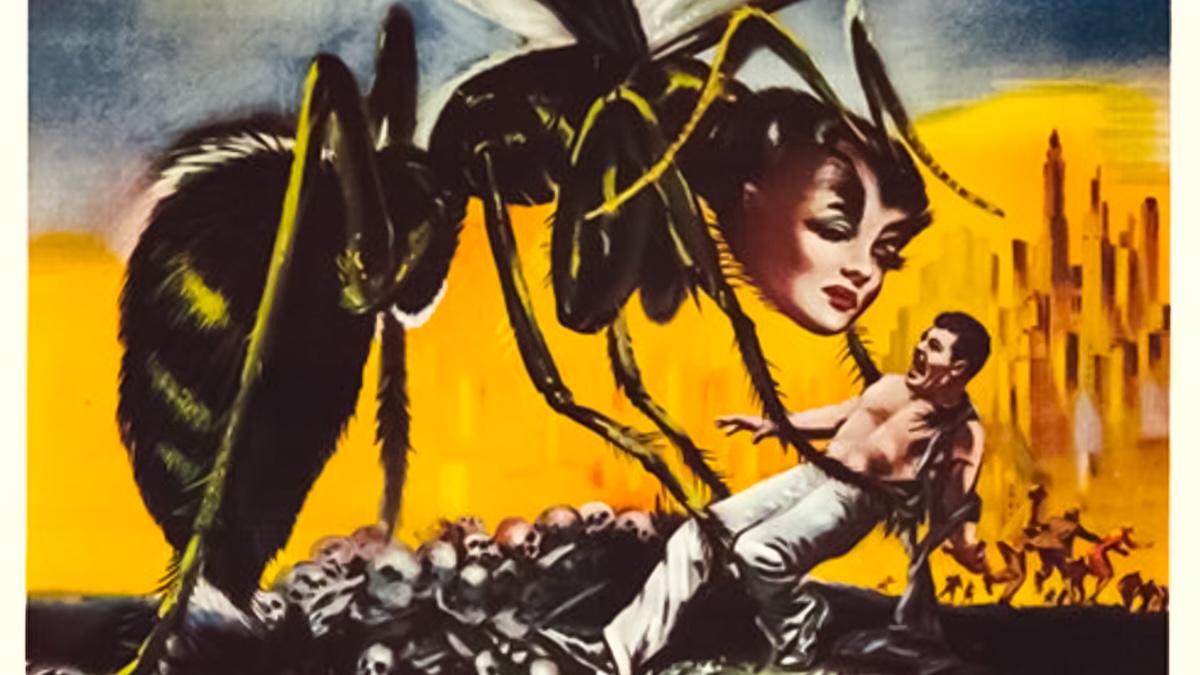
    Beloved cult classic The Wasp Woman is getting a fresh reimagining nearly seven decades after its original release, but this time with a wildly different tone. Strangers with Candy duo Amy Sedaris and Paul Dinello are teaming up for a comedic remake of the 1959 sci-fi horror movie, with Dinello taking on writing and directing […]

    The post A Classic Roger Corman Movie Is Getting a Remake appeared first on Den of Geek.

    In 2026, it will finally be time to play the music. Now, more than any other point since Disney bought the rights to the characters in 2004, is the time to light the lights. This is the exact correct point for The Muppet Show.

    So it’s a good thing that Disney is finally bringing back The Muppet Show. Not Muppets Tonight or Muppets TV or any other variation. As announced with a short clip of Kermit flipping the switch on the Muppet Theater, set to an instrumental version of “The Rainbow Connection,” the actual, original style of The Muppet Show is coming back, right when Broadway and musicals are bigger than ever.

    For those who haven’t seen the series that made the Muppets into household names, which aired 120 episodes between 1976 and 1981, The Muppet Show was a variety show with backstage antics. Each episode of The Muppet Show featured a special guest star, who would come and perform various songs and sketches, sometimes with the Muppet performers and sometimes without. There would also be segments featuring Muppet performers without guests, most famously Fozzie Bear’s stand-up routine or Gonzo the Great’s daredevil stunts, and storylines involving the behind-the-scenes production of the show.

    cnx.cmd.push(function() {
    cnx({
    playerId: “106e33c0-3911-473c-b599-b1426db57530”,

    }).render(“0270c398a82f44f49c23c16122516796”);
    });

    More the felt characters that Jim Henson and Frank Oz brought to life with their fellow performers, The Muppet Show was about the agony and ecstasy of putting on a show. Even if the kids first watching the series didn’t know or care who Joel Grey or Harvey Korman or Twiggy were, they remained invested in the series. They sympathized with Kermit stressing out over production snafus, laughed at Miss Piggy trying to steal the spotlight, and swooned when, despite everything going wrong, Elton John belted out “Crocodile Rock” alongside puppet crocodiles or when Gilda Radner played along with Dr. Bunsen Honeydew’s shenanigans.

    That emphasis on performance is why 2026 is the perfect time to bring back The Muppet Show. Not only are musicals as popular as ever, with touring productions bring hits like Les Misérables and Hamilton all over the world and Wicked once again brining in big Hollywood cash. It’s also because performance has become a part of daily life. Social media apps like TikTok make it possible for everyone to put on a show from their bed room, and thus get the chance to experience the anxiety that comes from a performance gone wrong.

    Granted, Disney has tried to tie the Muppets to the zeitgeist before, with very mixed results. The Jason Segel-led The Muppets managed to work as a nostalgia-filled early legacy sequel, and the recent Muppets Now translated The Muppet Show format to a streaming service conceit. But other attempts to update the franchise, especially the ill-conceived Office-style sitcom the muppets. suggested that Disney had no idea how to bring the characters up to date.

    The heavy nostalgia of this first teaser for the new special suggests that Disney has realized that they don’t need to update the Muppets for our times, because our times have learned to love the showbiz razzle dazzle that The Muppet Show has always celebrated.

    The Muppet Show airs on Disney+ on February 4, 2026.

    The post The Muppet Show Is Returning at Exactly the Right Time appeared first on Den of Geek.

  • Colin Farrell Really Loves That “Piece of Shit” Oz Cobb

    Colin Farrell Really Loves That “Piece of Shit” Oz Cobb

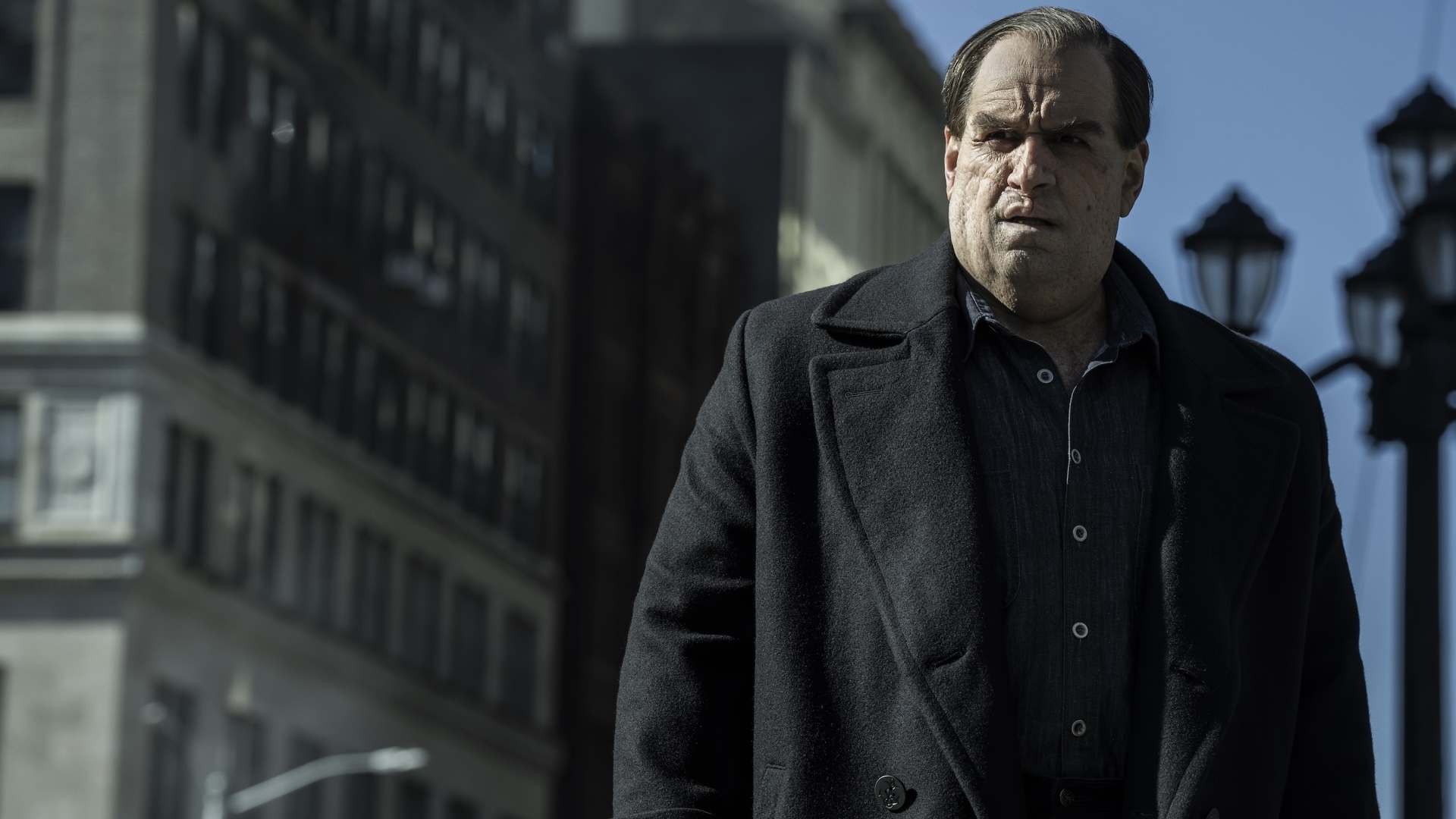
    Colin Farrell is very fond of Oz Cobb, the crime boss he played in Matt Reeves’ The Batman and last year’s HBO Max spinoff show, The Penguin. “I love that piece of shit. I love Oz. I love him,” Farrell told Hamnet actress Jessie Buckley during an Actors on Actors interview for Variety, explaining that […]

    The post Colin Farrell Really Loves That “Piece of Shit” Oz Cobb appeared first on Den of Geek.

    In 2026, it will finally be time to play the music. Now, more than any other point since Disney bought the rights to the characters in 2004, is the time to light the lights. This is the exact correct point for The Muppet Show.

    So it’s a good thing that Disney is finally bringing back The Muppet Show. Not Muppets Tonight or Muppets TV or any other variation. As announced with a short clip of Kermit flipping the switch on the Muppet Theater, set to an instrumental version of “The Rainbow Connection,” the actual, original style of The Muppet Show is coming back, right when Broadway and musicals are bigger than ever.

    For those who haven’t seen the series that made the Muppets into household names, which aired 120 episodes between 1976 and 1981, The Muppet Show was a variety show with backstage antics. Each episode of The Muppet Show featured a special guest star, who would come and perform various songs and sketches, sometimes with the Muppet performers and sometimes without. There would also be segments featuring Muppet performers without guests, most famously Fozzie Bear’s stand-up routine or Gonzo the Great’s daredevil stunts, and storylines involving the behind-the-scenes production of the show.

    cnx.cmd.push(function() {
    cnx({
    playerId: “106e33c0-3911-473c-b599-b1426db57530”,

    }).render(“0270c398a82f44f49c23c16122516796”);
    });

    More the felt characters that Jim Henson and Frank Oz brought to life with their fellow performers, The Muppet Show was about the agony and ecstasy of putting on a show. Even if the kids first watching the series didn’t know or care who Joel Grey or Harvey Korman or Twiggy were, they remained invested in the series. They sympathized with Kermit stressing out over production snafus, laughed at Miss Piggy trying to steal the spotlight, and swooned when, despite everything going wrong, Elton John belted out “Crocodile Rock” alongside puppet crocodiles or when Gilda Radner played along with Dr. Bunsen Honeydew’s shenanigans.

    That emphasis on performance is why 2026 is the perfect time to bring back The Muppet Show. Not only are musicals as popular as ever, with touring productions bring hits like Les Misérables and Hamilton all over the world and Wicked once again brining in big Hollywood cash. It’s also because performance has become a part of daily life. Social media apps like TikTok make it possible for everyone to put on a show from their bed room, and thus get the chance to experience the anxiety that comes from a performance gone wrong.

    Granted, Disney has tried to tie the Muppets to the zeitgeist before, with very mixed results. The Jason Segel-led The Muppets managed to work as a nostalgia-filled early legacy sequel, and the recent Muppets Now translated The Muppet Show format to a streaming service conceit. But other attempts to update the franchise, especially the ill-conceived Office-style sitcom the muppets. suggested that Disney had no idea how to bring the characters up to date.

    The heavy nostalgia of this first teaser for the new special suggests that Disney has realized that they don’t need to update the Muppets for our times, because our times have learned to love the showbiz razzle dazzle that The Muppet Show has always celebrated.

    The Muppet Show airs on Disney+ on February 4, 2026.

    The post The Muppet Show Is Returning at Exactly the Right Time appeared first on Den of Geek.

  • First Look at Netflix’s Extraction TV Show Reveals Omar Sy’s Mercenary

    First Look at Netflix’s Extraction TV Show Reveals Omar Sy’s Mercenary

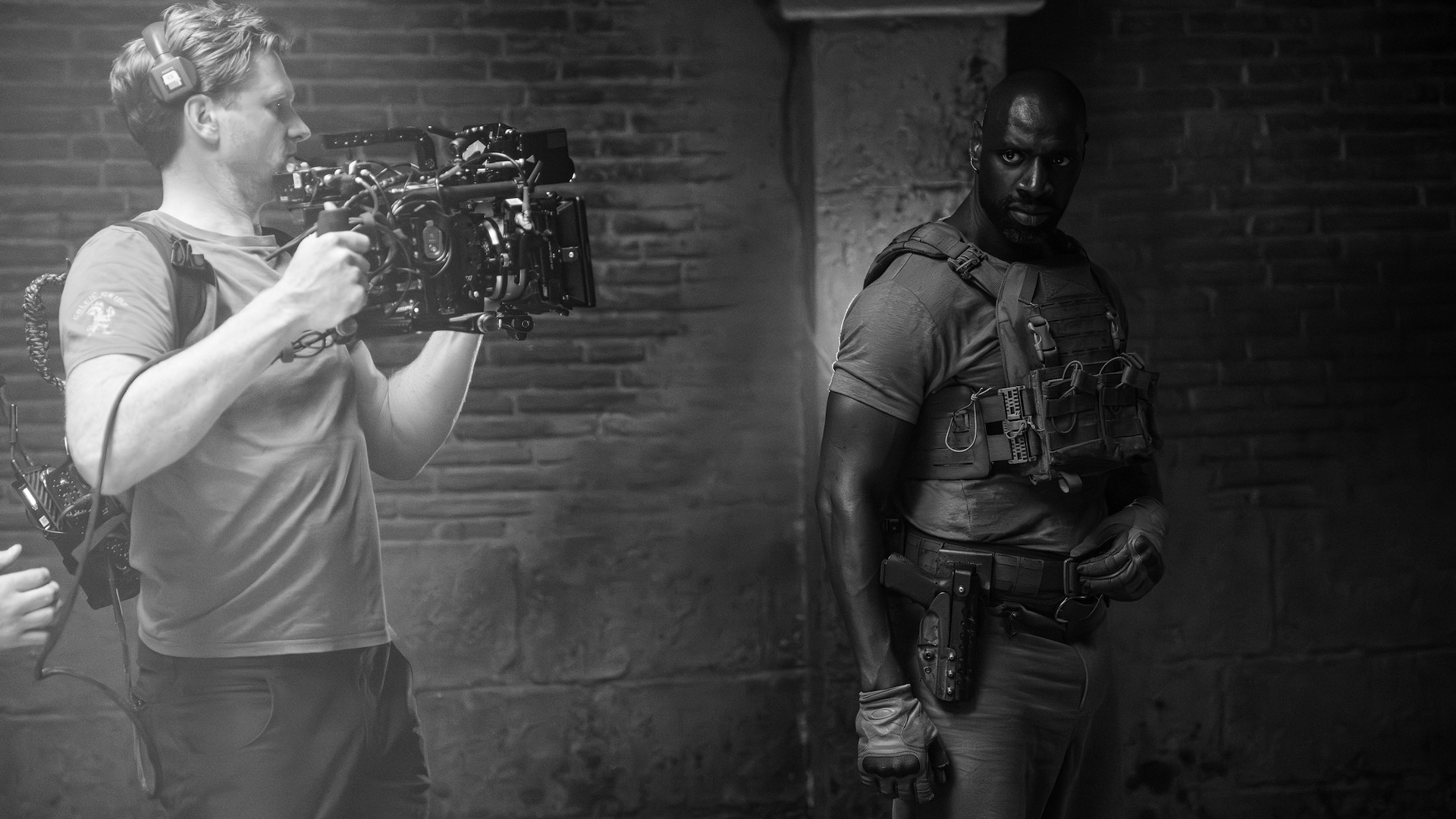
    Netflix has shared a first look at its upcoming Extraction TV series, Mercenary. The project is set in the universe of the streamer’s Extraction movies and stars Lupin’s Omar Sy as a mercenary who embarks on a dangerous mission to rescue hostages in Libya. Boyd Holbrook (Narcos), Natalie Dormer (Game of Thrones), Waleed Zuaiter (Omar), […]

    The post First Look at Netflix’s Extraction TV Show Reveals Omar Sy’s Mercenary appeared first on Den of Geek.

    In 2026, it will finally be time to play the music. Now, more than any other point since Disney bought the rights to the characters in 2004, is the time to light the lights. This is the exact correct point for The Muppet Show.

    So it’s a good thing that Disney is finally bringing back The Muppet Show. Not Muppets Tonight or Muppets TV or any other variation. As announced with a short clip of Kermit flipping the switch on the Muppet Theater, set to an instrumental version of “The Rainbow Connection,” the actual, original style of The Muppet Show is coming back, right when Broadway and musicals are bigger than ever.

    For those who haven’t seen the series that made the Muppets into household names, which aired 120 episodes between 1976 and 1981, The Muppet Show was a variety show with backstage antics. Each episode of The Muppet Show featured a special guest star, who would come and perform various songs and sketches, sometimes with the Muppet performers and sometimes without. There would also be segments featuring Muppet performers without guests, most famously Fozzie Bear’s stand-up routine or Gonzo the Great’s daredevil stunts, and storylines involving the behind-the-scenes production of the show.

    cnx.cmd.push(function() {
    cnx({
    playerId: “106e33c0-3911-473c-b599-b1426db57530”,

    }).render(“0270c398a82f44f49c23c16122516796”);
    });

    More the felt characters that Jim Henson and Frank Oz brought to life with their fellow performers, The Muppet Show was about the agony and ecstasy of putting on a show. Even if the kids first watching the series didn’t know or care who Joel Grey or Harvey Korman or Twiggy were, they remained invested in the series. They sympathized with Kermit stressing out over production snafus, laughed at Miss Piggy trying to steal the spotlight, and swooned when, despite everything going wrong, Elton John belted out “Crocodile Rock” alongside puppet crocodiles or when Gilda Radner played along with Dr. Bunsen Honeydew’s shenanigans.

    That emphasis on performance is why 2026 is the perfect time to bring back The Muppet Show. Not only are musicals as popular as ever, with touring productions bring hits like Les Misérables and Hamilton all over the world and Wicked once again brining in big Hollywood cash. It’s also because performance has become a part of daily life. Social media apps like TikTok make it possible for everyone to put on a show from their bed room, and thus get the chance to experience the anxiety that comes from a performance gone wrong.

    Granted, Disney has tried to tie the Muppets to the zeitgeist before, with very mixed results. The Jason Segel-led The Muppets managed to work as a nostalgia-filled early legacy sequel, and the recent Muppets Now translated The Muppet Show format to a streaming service conceit. But other attempts to update the franchise, especially the ill-conceived Office-style sitcom the muppets. suggested that Disney had no idea how to bring the characters up to date.

    The heavy nostalgia of this first teaser for the new special suggests that Disney has realized that they don’t need to update the Muppets for our times, because our times have learned to love the showbiz razzle dazzle that The Muppet Show has always celebrated.

    The Muppet Show airs on Disney+ on February 4, 2026.

    The post The Muppet Show Is Returning at Exactly the Right Time appeared first on Den of Geek.

  • A Brief Note About the Comments Section

    A Brief Note About the Comments Section

    As it may have come to your attention in recent months, the comments section has not been as well-moderated as we—and perhaps especially you—would have liked it to be. This was partially due to behind-the-scenes technical issues with Disqus that did not present an easy solution. We have now found one. Taking a page out […]

    The post A Brief Note About the Comments Section appeared first on Den of Geek.

    In 2026, it will finally be time to play the music. Now, more than any other point since Disney bought the rights to the characters in 2004, is the time to light the lights. This is the exact correct point for The Muppet Show.

    So it’s a good thing that Disney is finally bringing back The Muppet Show. Not Muppets Tonight or Muppets TV or any other variation. As announced with a short clip of Kermit flipping the switch on the Muppet Theater, set to an instrumental version of “The Rainbow Connection,” the actual, original style of The Muppet Show is coming back, right when Broadway and musicals are bigger than ever.

    For those who haven’t seen the series that made the Muppets into household names, which aired 120 episodes between 1976 and 1981, The Muppet Show was a variety show with backstage antics. Each episode of The Muppet Show featured a special guest star, who would come and perform various songs and sketches, sometimes with the Muppet performers and sometimes without. There would also be segments featuring Muppet performers without guests, most famously Fozzie Bear’s stand-up routine or Gonzo the Great’s daredevil stunts, and storylines involving the behind-the-scenes production of the show.

    cnx.cmd.push(function() {
    cnx({
    playerId: “106e33c0-3911-473c-b599-b1426db57530”,

    }).render(“0270c398a82f44f49c23c16122516796”);
    });

    More the felt characters that Jim Henson and Frank Oz brought to life with their fellow performers, The Muppet Show was about the agony and ecstasy of putting on a show. Even if the kids first watching the series didn’t know or care who Joel Grey or Harvey Korman or Twiggy were, they remained invested in the series. They sympathized with Kermit stressing out over production snafus, laughed at Miss Piggy trying to steal the spotlight, and swooned when, despite everything going wrong, Elton John belted out “Crocodile Rock” alongside puppet crocodiles or when Gilda Radner played along with Dr. Bunsen Honeydew’s shenanigans.

    That emphasis on performance is why 2026 is the perfect time to bring back The Muppet Show. Not only are musicals as popular as ever, with touring productions bring hits like Les Misérables and Hamilton all over the world and Wicked once again brining in big Hollywood cash. It’s also because performance has become a part of daily life. Social media apps like TikTok make it possible for everyone to put on a show from their bed room, and thus get the chance to experience the anxiety that comes from a performance gone wrong.

    Granted, Disney has tried to tie the Muppets to the zeitgeist before, with very mixed results. The Jason Segel-led The Muppets managed to work as a nostalgia-filled early legacy sequel, and the recent Muppets Now translated The Muppet Show format to a streaming service conceit. But other attempts to update the franchise, especially the ill-conceived Office-style sitcom the muppets. suggested that Disney had no idea how to bring the characters up to date.

    The heavy nostalgia of this first teaser for the new special suggests that Disney has realized that they don’t need to update the Muppets for our times, because our times have learned to love the showbiz razzle dazzle that The Muppet Show has always celebrated.

    The Muppet Show airs on Disney+ on February 4, 2026.

    The post The Muppet Show Is Returning at Exactly the Right Time appeared first on Den of Geek.

  • Neon Has a Novel Approach to Promoting No Other Choice

    Neon Has a Novel Approach to Promoting No Other Choice

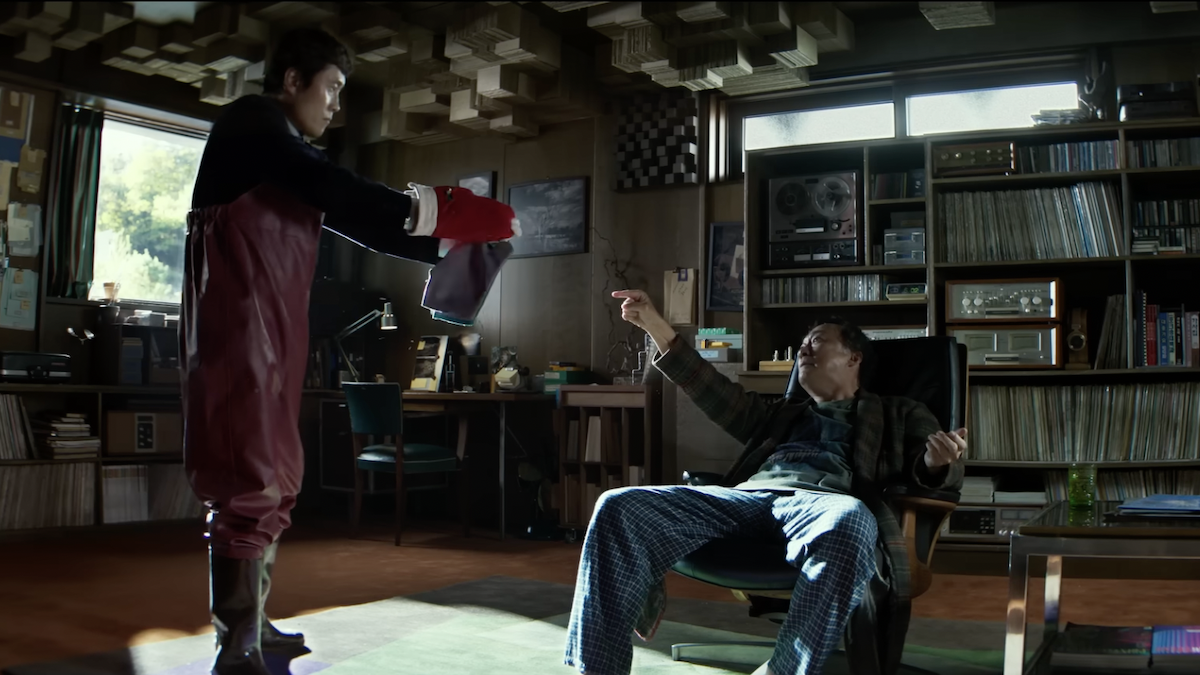
    Park Chan-wook’s No Other Choice is already one of the most talked-about films of the year after winning Best Director at the Sitges Film Festival and the International People’s Choice Award at TIFF. It’s also been selected as South Korea’s official submission for Best International Feature Film at the next Academy Awards, but distributor Neon […]

    The post Neon Has a Novel Approach to Promoting No Other Choice appeared first on Den of Geek.

    In 2026, it will finally be time to play the music. Now, more than any other point since Disney bought the rights to the characters in 2004, is the time to light the lights. This is the exact correct point for The Muppet Show.

    So it’s a good thing that Disney is finally bringing back The Muppet Show. Not Muppets Tonight or Muppets TV or any other variation. As announced with a short clip of Kermit flipping the switch on the Muppet Theater, set to an instrumental version of “The Rainbow Connection,” the actual, original style of The Muppet Show is coming back, right when Broadway and musicals are bigger than ever.

    For those who haven’t seen the series that made the Muppets into household names, which aired 120 episodes between 1976 and 1981, The Muppet Show was a variety show with backstage antics. Each episode of The Muppet Show featured a special guest star, who would come and perform various songs and sketches, sometimes with the Muppet performers and sometimes without. There would also be segments featuring Muppet performers without guests, most famously Fozzie Bear’s stand-up routine or Gonzo the Great’s daredevil stunts, and storylines involving the behind-the-scenes production of the show.

    cnx.cmd.push(function() {
    cnx({
    playerId: “106e33c0-3911-473c-b599-b1426db57530”,

    }).render(“0270c398a82f44f49c23c16122516796”);
    });

    More the felt characters that Jim Henson and Frank Oz brought to life with their fellow performers, The Muppet Show was about the agony and ecstasy of putting on a show. Even if the kids first watching the series didn’t know or care who Joel Grey or Harvey Korman or Twiggy were, they remained invested in the series. They sympathized with Kermit stressing out over production snafus, laughed at Miss Piggy trying to steal the spotlight, and swooned when, despite everything going wrong, Elton John belted out “Crocodile Rock” alongside puppet crocodiles or when Gilda Radner played along with Dr. Bunsen Honeydew’s shenanigans.

    That emphasis on performance is why 2026 is the perfect time to bring back The Muppet Show. Not only are musicals as popular as ever, with touring productions bring hits like Les Misérables and Hamilton all over the world and Wicked once again brining in big Hollywood cash. It’s also because performance has become a part of daily life. Social media apps like TikTok make it possible for everyone to put on a show from their bed room, and thus get the chance to experience the anxiety that comes from a performance gone wrong.

    Granted, Disney has tried to tie the Muppets to the zeitgeist before, with very mixed results. The Jason Segel-led The Muppets managed to work as a nostalgia-filled early legacy sequel, and the recent Muppets Now translated The Muppet Show format to a streaming service conceit. But other attempts to update the franchise, especially the ill-conceived Office-style sitcom the muppets. suggested that Disney had no idea how to bring the characters up to date.

    The heavy nostalgia of this first teaser for the new special suggests that Disney has realized that they don’t need to update the Muppets for our times, because our times have learned to love the showbiz razzle dazzle that The Muppet Show has always celebrated.

    The Muppet Show airs on Disney+ on February 4, 2026.

    The post The Muppet Show Is Returning at Exactly the Right Time appeared first on Den of Geek.

  • Wonder Man Will Make Trevor Slattery Into More Than a Joke

    Wonder Man Will Make Trevor Slattery Into More Than a Joke

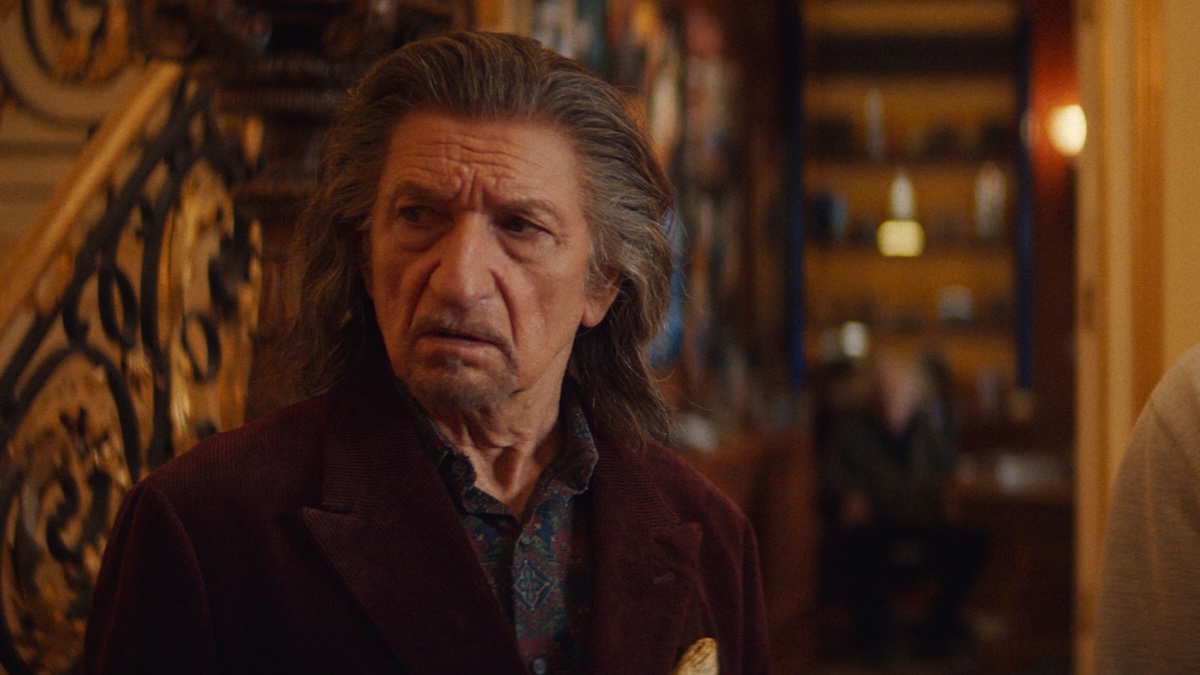
    Even though his Lear was the toast of Croydon, Trevor Slattery has never enjoyed respect, neither within the fictional MCU nor in the real world. Some fans still hate the fake out from Iron Man 3, which revealed that Iron Man’s feared magic-using terrorist arch-enemy is an actually an English actor called Trevor. Others like […]

    The post Wonder Man Will Make Trevor Slattery Into More Than a Joke appeared first on Den of Geek.

    In 2026, it will finally be time to play the music. Now, more than any other point since Disney bought the rights to the characters in 2004, is the time to light the lights. This is the exact correct point for The Muppet Show.

    So it’s a good thing that Disney is finally bringing back The Muppet Show. Not Muppets Tonight or Muppets TV or any other variation. As announced with a short clip of Kermit flipping the switch on the Muppet Theater, set to an instrumental version of “The Rainbow Connection,” the actual, original style of The Muppet Show is coming back, right when Broadway and musicals are bigger than ever.

    For those who haven’t seen the series that made the Muppets into household names, which aired 120 episodes between 1976 and 1981, The Muppet Show was a variety show with backstage antics. Each episode of The Muppet Show featured a special guest star, who would come and perform various songs and sketches, sometimes with the Muppet performers and sometimes without. There would also be segments featuring Muppet performers without guests, most famously Fozzie Bear’s stand-up routine or Gonzo the Great’s daredevil stunts, and storylines involving the behind-the-scenes production of the show.

    cnx.cmd.push(function() {
    cnx({
    playerId: “106e33c0-3911-473c-b599-b1426db57530”,

    }).render(“0270c398a82f44f49c23c16122516796”);
    });

    More the felt characters that Jim Henson and Frank Oz brought to life with their fellow performers, The Muppet Show was about the agony and ecstasy of putting on a show. Even if the kids first watching the series didn’t know or care who Joel Grey or Harvey Korman or Twiggy were, they remained invested in the series. They sympathized with Kermit stressing out over production snafus, laughed at Miss Piggy trying to steal the spotlight, and swooned when, despite everything going wrong, Elton John belted out “Crocodile Rock” alongside puppet crocodiles or when Gilda Radner played along with Dr. Bunsen Honeydew’s shenanigans.

    That emphasis on performance is why 2026 is the perfect time to bring back The Muppet Show. Not only are musicals as popular as ever, with touring productions bring hits like Les Misérables and Hamilton all over the world and Wicked once again brining in big Hollywood cash. It’s also because performance has become a part of daily life. Social media apps like TikTok make it possible for everyone to put on a show from their bed room, and thus get the chance to experience the anxiety that comes from a performance gone wrong.

    Granted, Disney has tried to tie the Muppets to the zeitgeist before, with very mixed results. The Jason Segel-led The Muppets managed to work as a nostalgia-filled early legacy sequel, and the recent Muppets Now translated The Muppet Show format to a streaming service conceit. But other attempts to update the franchise, especially the ill-conceived Office-style sitcom the muppets. suggested that Disney had no idea how to bring the characters up to date.

    The heavy nostalgia of this first teaser for the new special suggests that Disney has realized that they don’t need to update the Muppets for our times, because our times have learned to love the showbiz razzle dazzle that The Muppet Show has always celebrated.

    The Muppet Show airs on Disney+ on February 4, 2026.

    The post The Muppet Show Is Returning at Exactly the Right Time appeared first on Den of Geek.

  • The Muppet Show Is Returning at Exactly the Right Time

    The Muppet Show Is Returning at Exactly the Right Time

    In 2026, it will finally be time to play the music. Now, more than any other point since Disney bought the rights to the characters in 2004, is the time to light the lights. This is the exact correct point for The Muppet Show. So it’s a good thing that Disney is finally bringing back […]

    The post The Muppet Show Is Returning at Exactly the Right Time appeared first on Den of Geek.

    In 2026, it will finally be time to play the music. Now, more than any other point since Disney bought the rights to the characters in 2004, is the time to light the lights. This is the exact correct point for The Muppet Show.

    So it’s a good thing that Disney is finally bringing back The Muppet Show. Not Muppets Tonight or Muppets TV or any other variation. As announced with a short clip of Kermit flipping the switch on the Muppet Theater, set to an instrumental version of “The Rainbow Connection,” the actual, original style of The Muppet Show is coming back, right when Broadway and musicals are bigger than ever.

    For those who haven’t seen the series that made the Muppets into household names, which aired 120 episodes between 1976 and 1981, The Muppet Show was a variety show with backstage antics. Each episode of The Muppet Show featured a special guest star, who would come and perform various songs and sketches, sometimes with the Muppet performers and sometimes without. There would also be segments featuring Muppet performers without guests, most famously Fozzie Bear’s stand-up routine or Gonzo the Great’s daredevil stunts, and storylines involving the behind-the-scenes production of the show.

    cnx.cmd.push(function() {
    cnx({
    playerId: “106e33c0-3911-473c-b599-b1426db57530”,

    }).render(“0270c398a82f44f49c23c16122516796”);
    });

    More the felt characters that Jim Henson and Frank Oz brought to life with their fellow performers, The Muppet Show was about the agony and ecstasy of putting on a show. Even if the kids first watching the series didn’t know or care who Joel Grey or Harvey Korman or Twiggy were, they remained invested in the series. They sympathized with Kermit stressing out over production snafus, laughed at Miss Piggy trying to steal the spotlight, and swooned when, despite everything going wrong, Elton John belted out “Crocodile Rock” alongside puppet crocodiles or when Gilda Radner played along with Dr. Bunsen Honeydew’s shenanigans.

    That emphasis on performance is why 2026 is the perfect time to bring back The Muppet Show. Not only are musicals as popular as ever, with touring productions bring hits like Les Misérables and Hamilton all over the world and Wicked once again brining in big Hollywood cash. It’s also because performance has become a part of daily life. Social media apps like TikTok make it possible for everyone to put on a show from their bed room, and thus get the chance to experience the anxiety that comes from a performance gone wrong.

    Granted, Disney has tried to tie the Muppets to the zeitgeist before, with very mixed results. The Jason Segel-led The Muppets managed to work as a nostalgia-filled early legacy sequel, and the recent Muppets Now translated The Muppet Show format to a streaming service conceit. But other attempts to update the franchise, especially the ill-conceived Office-style sitcom the muppets. suggested that Disney had no idea how to bring the characters up to date.

    The heavy nostalgia of this first teaser for the new special suggests that Disney has realized that they don’t need to update the Muppets for our times, because our times have learned to love the showbiz razzle dazzle that The Muppet Show has always celebrated.

    The Muppet Show airs on Disney+ on February 4, 2026.

    The post The Muppet Show Is Returning at Exactly the Right Time appeared first on Den of Geek.