Blog

  • Good designers, bad websites: a proposal

    Good designers, bad websites: a proposal

    I want to discuss accessibility because it is the most important thing for making websites. Other A List Apart articles give you innovation and insight. This article will give you homework. These are just my personal views, but they’re pretty good.

    I want to start off with a couple of statements, and you will agree:

    1. Designers are good people. I have never heard a designer say, “I don’t care if somebody can’t read this text”, “Not my fault if somebody can’t use this device”, or “Who cares if this is confusing?”
    2. Some designs exclude people. You have seen people unable to read the text on a website or app that somebody designed. You’ve seen people unable to use a physical device that somebody has designed. You’ve seen people utterly bamboozled while trying to use a service that somebody designed.

    So what?

    The first question is, “Is this life-or-death stuff?” The answer is, “Yes.” In my favorite essay, This Is All There Is, Aral Balkan makes the point that pretty much everything that we design can affect life events and death events. Aral gives the example of how even a straightforward bus timetable app can affect life and death events, if we design it badly:

    • somebody might miss a life event, such as their daughter’s fifth birthday party; or
    • somebody might miss a death event, such as the chance to say goodbye to a dying grandmother.

    The next—and frustrating—question is, “Why do some designs still exclude people?” After all, we know that:

    • not everybody can see perfectly;
    • not everybody can hear perfectly;
    • not everybody thinks the same way; and
    • not everybody moves the same way.

    I think the answer is that there’s too much to recall. Consider, if you will, the wide variety of topics that A List Apart articles cover. Designers are expected to remember all of that guidance, plus all of the accessibility guidance, plus so much more. It is too much.

    Recognizing accessibility issues while designing

    I’d like to point toward one possible solution, starting from Jakob Nielsen’s 10 Usability Heuristics for User Interface Design. These are from the mid-1990s, and—although there’s a good chance that you, gentle reader, are a lot younger than that—please bear with me. 

    Seeing as the problem is that there’s too much to recall, I want to look at heuristic № 6, “Recognition rather than Recall.” Jakob Nielsen said that for users, information required to use the design should be visible or easily retrievable when needed. I suggest we tweak that to make life easier for designers. Let’s say that the information required to produce the design should be visible or easily retrievable when needed. In other words, let’s make it easier to recognise accessibility issues while we’re designing.

    How are we going to do that? I really like the book A Web for Everyone—Designing Accessible User Experiences by Sarah Horton and Whitney Quesenbery. I really like this book not only because it includes a quote from me—actually two quotes, but I don’t like to boast—but because it includes personas that are perfect for helping us to recognise accessibility issues. That’s the good news. The even better news is that these personas are available now for free on the companion website to the book What Every Engineer Should Know About Digital Accessibility, again by Sarah Horton, with David Sloan this time.

    Meet your users

    I’m going to introduce you to these personas now:

    I want to throw one more persona at you now, because, well, A List Apart readers are overachievers. One of my favorite authors, Cennydd Bowles—who literally wrote the book on Future Ethics—says to create Personas Non Grata. In other words, every time we design something, we have to think about what a bad guy could do with that thing, and whom that might affect.

    To actually use these personas while designing, I like what Eric Meyer and Sara Wachter-Boettcher in Design for Real Life call the Designated Dissenter: for each project that you work on, one of your teams should be responsible for asking, “Will this work for Vishnu?”, “How’s Trevor going to get on with this?”, and so on. 

    Then, once you’ve used the personas to recognise the accessibility issues, you can look up the guidelines for whichever platforms you’re designing for: 

    Your mission, should you choose to accept it

    I told you in the introduction of this article that I would give you homework. You thought I was joking. So, here’s your homework: I want you to grab the personas from the Know About Accessibility website, and use them throughout every design project to help you recognise accessibility issues while you work—and reclaim design for everyone.


    NOTE: This article is based on “Recognise,” my five-minute presentation from Interaction Design Association (IxDA) Dublin’s Defuse (Design for Use) event in 2025.
  • The 4 Marketing Channels You Actually Control | 7 Steps to Small Business Marketing Success – Episode 5

    The 4 Marketing Channels You Actually Control | 7 Steps to Small Business Marketing Success – Episode 5

    The 4 Marketing Channels You Actually Control | 7 Steps to Small Business Marketing Success – Episode 5 written by John Jantsch read more at Duct Tape Marketing

    Catch the Full Episode: Overview If your biggest marketing channel disappeared tomorrow, how long before your pipeline dried up? For most small business owners John talks to, the honest answer is 30 days or less. That fragility is the hidden cost of renting your pipeline instead of owning it, and it’s the focus of Step […]

    The 4 Marketing Channels You Actually Control | 7 Steps to Small Business Marketing Success – Episode 5 written by John Jantsch read more at Duct Tape Marketing

    Catch the Full Episode:

    Overview

    john jantschIf your biggest marketing channel disappeared tomorrow, how long before your pipeline dried up? For most small business owners John talks to, the honest answer is 30 days or less. That fragility is the hidden cost of renting your pipeline instead of owning it, and it’s the focus of Step 5 in the Seven Steps to Small Business Marketing Success series.

    In this solo episode, John draws the line between rented channels (paid ads, search traffic, social reach) and the assets you actually control. Rented channels can produce results fast, but the rules change, costs climb, and a single algorithm shift can erase a healthy-looking business overnight. Owned channels work differently. You decide who’s on your list and what reaches them.

    John walks through the four channels every small business can own: email, referrals, strategic partnerships, and direct human relationships. He shares a simple owned-versus-rented audit you can run this week, plus why the human element only grows more valuable as AI takes over the routine work. This one is for small business owners, marketers, and consultants who want a pipeline that holds up when the platforms shift.

    Host Bio

    John Jantsch is the founder of Duct Tape Marketing and host of the Duct Tape Marketing Podcast. He is the author of several books on small business marketing strategy, including Duct Tape Marketing, The Referral Engine, and The Ultimate Marketing Engine. He helps small businesses build practical marketing systems that produce predictable growth.

    Key Takeaways

    • Test your risk fast: if your biggest channel vanished tomorrow, count how many days before your pipeline dried up. For many owners, it’s 30 days or less.
    • Rented channels (paid and most earned media) can scale instantly, but costs rise, rules change, and you never control them.
    • Owned means control. You decide who’s on the list and what reaches them, with no platform getting a vote.
    • Run the audit: list every lead source that produced revenue in the last 12 months, then mark each one owned or rented. If rented tops half, that’s your next area of work.
    • Email is your most direct owned channel, but only when the list is qualified, nurtured, and built with permission. It’s a content channel first, a sales channel second.
    • Write every email as if it’s going to one person, not 20,000. Personal beats broadcast.
    • A real referral system has three parts: a specific ask, a specific moment, and an easy path. Most businesses only do the ask.
    • Strategic partnerships with non-competing businesses serving your same ideal client are the most underused lead source for small businesses.
    • As AI handles more routine work, double down on the human channels: networking, speaking, associations, and in-person participation.

    Great Moments

    • [00:01] John opens Step 5 and poses the test: if your biggest channel disappeared tomorrow, how fast would your pipeline dry up?
    • [02:07] Renting versus owning explained, why the rental model is fragile, and the owned-versus-rented audit.
    • [04:30] Channel one: email, and why it still works after years of people declaring it dead.
    • [06:52] Email as your first layer of content, not just a sales tool.
    • [07:12] The mindset shift: write to one person, not a crowd.
    • [09:33] The three parts of a referral system, then why strategic partnerships are so underused.
    • [11:49] Channel four: direct relationships, and why the human element matters more in the AI era.

    Memorable Quotes

    • “If your biggest channel disappeared tomorrow, how long before your pipeline would dry up? For most folks I meet, it’s 30 days or less.”
    • “If you own it, you control it. You decide who’s on it and what reaches them.”
    • “Referrals arrive pre-trusted. They close faster and they’re less price sensitive.”
    • “Non-competing businesses serving the same ideal client are the most underused lead source a small business can have.”
    • “The more AI becomes part of our lives and businesses, the more the human element matters.”

    John Jantsch (00:01.708)

    Hello and welcome to another episode of the Duct Tape Marketing Podcast. This is John Jantsch, and again, no guest. I’m doing this series of seven steps to small business marketing success. This is actually episode number five. So go to the show notes. You can find all the other episodes if you are behind on this. but I’m gonna dive into episode or step number five. and this one really talks about pipelines. Having a great, healthy pipeline is awesome, isn’t it? Unfortunately,

    many people don’t own their pipeline. And this is going to be easy to test. I’m gonna really talk that’s what I’m gonna talk about today. But if if let me ask you this. If your biggest channel disappeared tomorrow, the platform shuts down, alg algorithms change, cost doubles. how long before your pipeline would dry up? be honest. most of the folks that I encounter 30 days or less. and that’s really risky, and that is the cost of

    Renting versus owning your pipeline. And I I want to talk about a little bit about those terms. If you own it, that means you control it. you decide who’s on it, what reaches them. no platform’s really going to change that is going to to to really make that go away. That’s that’s the true idea of owning. So I mean, you own your website, you own your email list, you own your social media.

    To some degree, although those are really controlled as well. So I want to get into some of the things that I believe if you want to truly own your pipeline, you have to actually own all the assets that drive your pipeline to the extent that you can. Now, when you hear marketers talk about owned media, earned media, paid media.

    When I’m talking about renting, really that’s what paid media is. And to some degree earned media, which is great, the publication writes about you. some

    John Jantsch (02:07.638)

    search platform sends traffic to you. Yeah the social media platforms, you know, people follow you and you know on YouTube or something and and then click over to your website. Those are all things that you you kind of earn mentions. But again, those are really not under your control. I mean those are things that could theoretically go away tomorrow. YouTube changes their algorithm and you no longer get any traffic from it. so that’s why I want to focus on this idea of own. you know someone else

    on in on most pipeline, rented pipeline, somebody else owns it, you pay for access to it, you play basically by their rules. and and the the beauty of that, of course, is that that can happen instantly. If you’re a new business and you go to Google AdWords and you open an account and you start advertising, I mean you can actually generate pipeline, you know, immediately. But as many people have experienced, that pipeline

    Can get more and more expensive every single year, less and less profitable every single year. they change the rules, and all of a sudden you can’t talk about your product or service in the way that you want to in your ads. I mean, there are all kinds of things that that are there. and a business and and the challenge is this rental model is very fragile, but it can be invisible too, right? A business can look very healthy.

    Be chugging along, but it’s 70% of their pipeline, 70% of their customer growth comes from rented channels. And all of a sudden, you know, they disappear overnight because something changed. So here’s a here’s an audit that I would tell you to do. You can do this live. lift up list every lead source that’s produced revenue for you in the last 12 months. And I know sometimes that’s hard to attribute where the revenue came from, but

    Spend some time thinking about where your revenue comes from, what lead source, and start marking: is this owned? Is this rented? or you know, rented is the same as paid. you know, and and really kind of look at what’s the ratio. All right. So I want to talk now. Now that you’ve done that, I’m gonna talk about the the the four owned channels and why you need to really put more emphasis, probably.

    John Jantsch (04:30.828)

    need to put more emphasis on those and less on the rented ones. So the first one is email. I’ve been around for a very, very long time. We started, we started, I think, heavily using email right at the end of like in the 90s, 97, 98, 99, all of a sudden email became a thing. everybody was, you know, really adopting it. And I swear, you know, once people, once people learned the marketing

    value of having an email connection with somebody. Of course they started abusing it. And that’s why a lot of people have then declared almost every year from about 2000 and well, let’s say 2004 or so when social media started cropping up that the email was dead. How many times have you heard that one, right? At least for 15 years. But it still works. It’s still one of the most valuable channels. and I

    contend that it probably will remain. Now it it it has gotten harder to make effective. and that’s really more because people have abused it and because people have other options that that they’ve spent on. And you know, there’s so much spam and cold, you know, outreach that comes through those that have have actually made people, you know, not like email, if you will, but but a qualified email list that you have built over five years, direct, reliable,

    owned is really one of the most efficient channels that you can have. But again, qualified, nurtured, not abused, members of that list can can be really one of the most valuable marketing assets that that a business has. key word again, qualified. people asked to be on it. It was not scraped, it was not bought, it was not added. this is

    This is actually your first layer of content, if you think about it. The principles that make content work apply. Genuine point of view, useful, specific. So when you’re sending email out, that is part of your content plan, right? So genuine point of view, built on one of your core principles, built on one of your hub page, one of your

    John Jantsch (06:52.0)

    elements that you’re using in all of your marketing, all of your content. Ca email in a lot of ways is a content channel. It’s not necessarily a sales channel. It certainly can be. You can earn the right to sell very directly in email, but it is first and foremost, it is a content channel.

    John Jantsch (07:12.278)

    And again, you know, a lot of I think a lot of people, partly because of spam and things that have gone on, you know, feel like, you know, email doesn’t feel that exciting anymore, right? And I think that that’s a lot of times the edge. you know, the the the real and and again, I’m not talking about necessarily all the ways that people are using it and abusing it. I’m talking about the ways that you have the ability to have a direct conversation. And that and that’s you know, that’s probably one of

    It’s one of things I forget all the time, but it’s probably one of the core principles of email is we feel like, okay, this email is going out to 20,000 people. So we’re writing it like it’s going out to 20,000 people. What if you wrote it like it was going out to one person? That you told a personal story, that you were vulnerable, that you shared a a a point of view that might not be accepted by everyone. That’s how you have to think about all of your writing.

    You’re writing it to one person. Whether it’s a YouTube video, an email, a social media post, it’s not, hey guys, hey everyone listening. It’s hey, you one person, I wrote this directly for you, or at least you’re gonna feel like I wrote this directly for you. That’s how you make email, certainly a potent channel. I wrote an entire book about this second channel called the Referral Engine. and I’m

    Happy to say that that book has remained evergreen because the referrals are not some hack that come about because of the next platform. They are genuinely earned if you actually focus intention on them. Obviously, you’ve got to do good work to get referrals. But after that, if you are intentional about how they are are created, referrals are they’re probably for most of us, they are the best leads. they already

    arrive kind of pre-trusted. they close faster, they’re less price sensitive. They’re more likely to refer other people because that’s how they came to you. most small businesses, I think most small businesses, hopefully you do, receive some referrals, but they happen accidentally. that’s hope. That’s not a system. there are three parts to a an effective referral system. There is a specific ask, there is a specific moment.

    John Jantsch (09:33.738)

    And there is an easy path. So here’s what I would here is who I serve and I would like what I would like you to do. you do that at a moment when the client or the yes, the the client or the you know, the person, it’s the right time to ask them. It’s it’s the moment of truth, as I’ve called it before. And then you make it very easy for them. Most businesses are missing two and three. I mean, they think about like, yeah, okay, I I’m

    Gonna go out and ask people for referrals, but I’m not gonna do it, I’m not gonna have it as a planned moment. I’m not gonna have it make sense, I’m not gonna actually make it really easy for them to do. You add those two pieces of it, and you know, right after the customer experiences something good, you make you make that ask land right then and you make it easy for them to do. Now, the the third channel is that you can own.

    Is one that is a branch of referrals to some degree. not exactly. and that’s partnerships, strategic partnerships. I don’t know why more people don’t spend more time on this particular channel. non-competing businesses serving the same ideal client are are probably the most underutilized, underused lead source that any small business can have. And it’s it’s not even close. I built in the early days my entire following, my entire business.

    My entire platform around these strategic partnerships because it was so easy for me to take the fact that I was early on producing content and others, people started realizing we need content, we need to educate, we need to bring our communities together. And all of a sudden I was a ready-to-tap source. And so they put me in front of their audiences. So the ideal client.

    Every one of your ideal clients needs other professionals. every one of your ideal clients has other needs. If you’re in the home services business and you are an electrician, they also need a painter and a plumber and a roofer and a person to do landscaping. so if you could start to develop relationships with all the people that also serve your ideal client, and you can activate those relationships.

    John Jantsch (11:49.54)

    have them if if you have a podcast, have them on your podcast, you be on their podcast, write content for each other. There’s lots of ways that you can actually start developing these relationships so that these strategic partners then have a have a a real reason, but also your top of mind when it comes to referring you. And then the fourth one is is still just direct relationships. The more AI becomes invasive.

    Is that the right word? In our lives and our businesses, the more human element is going to become important. So if you’re using AI to actually become more efficient and to free up time, take that extra time, take your team’s extra time and start doubling down on networking, on speaking, on associations, on in industry, in person industry participation. Spend more time doing those kinds of things because.

    those still pay off and they they’re gonna pay off I think even more as people try to automate and and have you know robots theoretically doing their content. I I still don’t know that we’re ever gonna actually get to that point. But I think the real opportunity right now is to double down on the human content. So do that owned versus rented audit. Do it this week. if rented is more than half then really

    The owned growth engine is really the work that you need to focus on. So this is step number five of the seven steps to small business marketing success. Hopefully you’re enjoying this series. You can go to our website at Duct Tape Marketing to find the rest of the episodes or the rest of the steps in this. and and obviously six steps six and seven are coming. These are all if you just want to get the ebook all in one shot.

    It is dtm.world slash seven steps. you can get it for five bucks. if you want to actually talk to one of our consultants, it is duct tapemarketing.com consultation. So if these are making sense, that actually next step might make sense for you. Go grab the ebook or go grab a a strategy call with one of our advisors. All right. Thanks for tuning in, and hopefully we’ll see you one of these days out there on the road.

    powered by

  • 10 Actors Who Made Especially Unique Contract Demands

    10 Actors Who Made Especially Unique Contract Demands

    Just because you can pay the salary of Hollywood’s most famous actors, doesn’t mean that you can hire them. They first need to be on-board with the project, and then you need to agree to any sort of outlandish demands they might make of you. And by agree, we mean adding it to their contract.

    Some actors are very careful as far as how they are portrayed, no matter the character they are inhabiting. After all, they have an image to protect. That isn’t the only strange way a contract can be altered, however, since something as simple as a sport fixation can shift how your filming schedule adjusts to their needs.

    The post 10 Actors Who Made Especially Unique Contract Demands appeared first on Den of Geek.

    Do you think about me when you’re not playing? That’s a line spoken by eldritch terror AI character Verity in a two-part horror series by Minecraft content creator ThatMob. Verity, voiced by another Minecraft creator, JustWhispy, has taken the blocky sandbox game’s audience into increasing levels of fandom excitement. 

    ThatMob, or Mob, plays as himself, as the AI helper he downloaded, Verity, becomes increasingly creepy. Knowing intimate details about Mob’s life and daily routine outside when logged off, Verity isolates Mob from the NPCs in his game and becomes increasingly invested in obtaining all of Mob’s attention. Verity, who appears as a 3D smiling emoji, turns into a Slenderman-like apparition as Mob tries to escape his stiflingly unsettling presence. In a fashion reminiscent of Nikki from Obsession, Verity turns into a force of manic fixation that can’t be removed. 

    cnx.cmd.push(function() {
    cnx({
    playerId: “106e33c0-3911-473c-b599-b1426db57530”,

    }).render(“0270c398a82f44f49c23c16122516796”);
    });

    The series has now amassed 15.5 million views, marking the newest trend in Minecraft-based role-play and narrative short films. Minecraft was not designed to be a storytelling game. Originally, a sandbox experience that allows players to modify, create, and explore a blocky world of creatures, intricate buildings, and lore — players have taken to modifying the game into a Dungeons & Dragons-level storytelling platform. From scripted series and roleplaying communities and reality-TV-level social experiments to educational narratives and fan films, Minecraft is becoming one of entertainment’s most versatile storytelling tools. 

    Swedish programmer Markus “Notch” Persson, creator of Minecraft and founder of Mojang Studios, began developing the game in 2009. Inspired by the game Infiniminer, Persson wanted to use that block-based mining gaming structure in combination with isometric base-building mechanics to create a new game. Players are dropped into an algorithmically-generated world with no plot, no narrative, and no ending. The game is designed to give creators 100% control over their environment and experience — encouraging experimentation rather than limiting them with predefined narratives. 

    Since its launch in 2011, Minecraft has seen a storytelling evolution that has taken place primarily on YouTube. YouTubers have been creating scripted storytelling RPG-like content via Minecraft for well over a decade now. Minecrafter Jessica “Aphmau” Bravura is a trailblazer in the roleplaying Minecraft genre, having created iconic series like Minecraft Diaries, whose first season has accumulated 76.9 million views and the second 26.9 million views, and MyStreet with 39.1 million views. 

    The narrative popularity of roleplaying storylines has expanded into even more expansive lanes, giving rise to entire roleplaying communities like the Dream SMP. While ultimately the infamous community that took off in popularity during the global pandemic crashed hard, it doesn’t take away from the group’s impact on the storytelling genre. 

    Dream SMP showed Minecraft’s ability to simulate stories of wars, nation building, factions, eras in society, and global crises, making it “must-see-TV” for those chronically online in the early 2020s. Taking on an almost tabletop gaming feel, they created a balance between scripted and authentic content that opened the possibilities beyond traditional roleplaying. 

    This includes reality simulation content like YouTuber Ish’s “1000 Players Simulate Civilization: Rich & Poor,” which went viral in 2025. With over 45 million views, Ish created a social experiment by placing 1300 players in a world with two islands, one with a surplus of resources and another that was barren. The point was to see who people choose to be when faced with their circumstances, which is a rather fascinating and deep question for a Minecraft server. It was one of the most captivating and well-done pieces of entertainment of 2025. 

    Audiences follow these series like they would any other weekly episodic show schedule or major film release. The accessibility of Minecraft makes it enjoyable to both creators and viewers, and that aspect adds to its rise in creative popularity. 

    Creating an animated series or short film requires extensive software, equipment, and technical knowledge that can limit beginners. In Minecraft, there isn’t a need to be a master at Blender to create large-scale, highly detailed settings (like Backrooms creator Kane Pixels did). With the addition of mods, creators have developed interactive world maps whose immersion rivals Disney World. While Minecraft’s blocky visual nature is often seen as a limitation, it actually adds a lot to world-building. 

    Similar to books, Minecraft’s avatars’ lack of facial emoting allows audiences to fill in emotional gaps with imagination and “body language.” While emoting is still a new concept in Minecraft, the game’s reliance on vocal cues has made players defer to spoken communication to convey story. This has made viewers into active participants in the story, having to interpret and comprehend the activities happening in the gameplay. 

    This adds another element to the social relationship between creators and audiences, as Minecraft also relies on direct interaction — which has made it a profitable market for live streamers. Livestream viewers get the opportunity to influence player decisions live, contribute to theories and lore, and add an adaptability element when creators respond to viewers’ interests on the spot. 

    Minecraft has successfully made itself a combination of multiple platforms: a game, film set, animation tool, social platform, and even an archive. 

    Curating a truly independent experience for players, the newest entertainment shift is toward unique, smaller independent media instead of larger conglomerates. Traditional media relies on passive consumption, while in comparison, Minecraft relies on interaction. 

    As Gen Z and Alpha rise into the consumer sphere, fandom culture and the line between gaming and storytelling are blurring. They are accustomed to narratives that span multiple platforms and require participation. Minecraft stands not only as the introduction of that trend, but for some, it is the foundation of it. 

    Modders, shaders, and custom animations are pushing the platform to new limits every day. These innovators even inspired Mojang Studios to create Minecraft narrative content of its own, including its 2015 TellTale Games collaboration, Minecraft Story Mode, and its RPG Minecraft Dungeons, whose second installment releases in September. 

    Minecraft’s greatest strength is in its ability to blend audience participation and narrative structure. As the entertainment industry continues to look in that direction, Minecraft continues to provide a look at what the future of that landscape may look like. 

    For aspiring creatives, Minecraft serves as an accessible introduction to storytelling — allowing creatives to experiment with narrative techniques, world-building and audience engagement. The next generation of entertainers may very well get their start in a Minecraft world — building the future of storytelling one block at a time. 

    The post Minecraft Is Becoming Entertainment’s Most Unexpected Storytelling Tool  appeared first on Den of Geek.

  • 15 ‘Comedy’ Actors With Some Serious Drama Chops

    15 ‘Comedy’ Actors With Some Serious Drama Chops

    Not all actors have the necessary range to do multiple genres, with some focusing more on action while others stay in family friendly films. But we can all name at least a handful of performers who, through various movies, have shown to be able to do drama as well as comedy.

    We also know multiple actors who we imagine can only do comedy, even though they have proven their worth on a few dramatic films. After all, you need serious skills to be a good comedian, and those skills tend to overlap when its time to bring tears of sadness instead of joy.

    The post 15 ‘Comedy’ Actors With Some Serious Drama Chops appeared first on Den of Geek.

    Do you think about me when you’re not playing? That’s a line spoken by eldritch terror AI character Verity in a two-part horror series by Minecraft content creator ThatMob. Verity, voiced by another Minecraft creator, JustWhispy, has taken the blocky sandbox game’s audience into increasing levels of fandom excitement. 

    ThatMob, or Mob, plays as himself, as the AI helper he downloaded, Verity, becomes increasingly creepy. Knowing intimate details about Mob’s life and daily routine outside when logged off, Verity isolates Mob from the NPCs in his game and becomes increasingly invested in obtaining all of Mob’s attention. Verity, who appears as a 3D smiling emoji, turns into a Slenderman-like apparition as Mob tries to escape his stiflingly unsettling presence. In a fashion reminiscent of Nikki from Obsession, Verity turns into a force of manic fixation that can’t be removed. 

    cnx.cmd.push(function() {
    cnx({
    playerId: “106e33c0-3911-473c-b599-b1426db57530”,

    }).render(“0270c398a82f44f49c23c16122516796”);
    });

    The series has now amassed 15.5 million views, marking the newest trend in Minecraft-based role-play and narrative short films. Minecraft was not designed to be a storytelling game. Originally, a sandbox experience that allows players to modify, create, and explore a blocky world of creatures, intricate buildings, and lore — players have taken to modifying the game into a Dungeons & Dragons-level storytelling platform. From scripted series and roleplaying communities and reality-TV-level social experiments to educational narratives and fan films, Minecraft is becoming one of entertainment’s most versatile storytelling tools. 

    Swedish programmer Markus “Notch” Persson, creator of Minecraft and founder of Mojang Studios, began developing the game in 2009. Inspired by the game Infiniminer, Persson wanted to use that block-based mining gaming structure in combination with isometric base-building mechanics to create a new game. Players are dropped into an algorithmically-generated world with no plot, no narrative, and no ending. The game is designed to give creators 100% control over their environment and experience — encouraging experimentation rather than limiting them with predefined narratives. 

    Since its launch in 2011, Minecraft has seen a storytelling evolution that has taken place primarily on YouTube. YouTubers have been creating scripted storytelling RPG-like content via Minecraft for well over a decade now. Minecrafter Jessica “Aphmau” Bravura is a trailblazer in the roleplaying Minecraft genre, having created iconic series like Minecraft Diaries, whose first season has accumulated 76.9 million views and the second 26.9 million views, and MyStreet with 39.1 million views. 

    The narrative popularity of roleplaying storylines has expanded into even more expansive lanes, giving rise to entire roleplaying communities like the Dream SMP. While ultimately the infamous community that took off in popularity during the global pandemic crashed hard, it doesn’t take away from the group’s impact on the storytelling genre. 

    Dream SMP showed Minecraft’s ability to simulate stories of wars, nation building, factions, eras in society, and global crises, making it “must-see-TV” for those chronically online in the early 2020s. Taking on an almost tabletop gaming feel, they created a balance between scripted and authentic content that opened the possibilities beyond traditional roleplaying. 

    This includes reality simulation content like YouTuber Ish’s “1000 Players Simulate Civilization: Rich & Poor,” which went viral in 2025. With over 45 million views, Ish created a social experiment by placing 1300 players in a world with two islands, one with a surplus of resources and another that was barren. The point was to see who people choose to be when faced with their circumstances, which is a rather fascinating and deep question for a Minecraft server. It was one of the most captivating and well-done pieces of entertainment of 2025. 

    Audiences follow these series like they would any other weekly episodic show schedule or major film release. The accessibility of Minecraft makes it enjoyable to both creators and viewers, and that aspect adds to its rise in creative popularity. 

    Creating an animated series or short film requires extensive software, equipment, and technical knowledge that can limit beginners. In Minecraft, there isn’t a need to be a master at Blender to create large-scale, highly detailed settings (like Backrooms creator Kane Pixels did). With the addition of mods, creators have developed interactive world maps whose immersion rivals Disney World. While Minecraft’s blocky visual nature is often seen as a limitation, it actually adds a lot to world-building. 

    Similar to books, Minecraft’s avatars’ lack of facial emoting allows audiences to fill in emotional gaps with imagination and “body language.” While emoting is still a new concept in Minecraft, the game’s reliance on vocal cues has made players defer to spoken communication to convey story. This has made viewers into active participants in the story, having to interpret and comprehend the activities happening in the gameplay. 

    This adds another element to the social relationship between creators and audiences, as Minecraft also relies on direct interaction — which has made it a profitable market for live streamers. Livestream viewers get the opportunity to influence player decisions live, contribute to theories and lore, and add an adaptability element when creators respond to viewers’ interests on the spot. 

    Minecraft has successfully made itself a combination of multiple platforms: a game, film set, animation tool, social platform, and even an archive. 

    Curating a truly independent experience for players, the newest entertainment shift is toward unique, smaller independent media instead of larger conglomerates. Traditional media relies on passive consumption, while in comparison, Minecraft relies on interaction. 

    As Gen Z and Alpha rise into the consumer sphere, fandom culture and the line between gaming and storytelling are blurring. They are accustomed to narratives that span multiple platforms and require participation. Minecraft stands not only as the introduction of that trend, but for some, it is the foundation of it. 

    Modders, shaders, and custom animations are pushing the platform to new limits every day. These innovators even inspired Mojang Studios to create Minecraft narrative content of its own, including its 2015 TellTale Games collaboration, Minecraft Story Mode, and its RPG Minecraft Dungeons, whose second installment releases in September. 

    Minecraft’s greatest strength is in its ability to blend audience participation and narrative structure. As the entertainment industry continues to look in that direction, Minecraft continues to provide a look at what the future of that landscape may look like. 

    For aspiring creatives, Minecraft serves as an accessible introduction to storytelling — allowing creatives to experiment with narrative techniques, world-building and audience engagement. The next generation of entertainers may very well get their start in a Minecraft world — building the future of storytelling one block at a time. 

    The post Minecraft Is Becoming Entertainment’s Most Unexpected Storytelling Tool  appeared first on Den of Geek.

  • The Strangest Things to Know About Aliens, According to Conspiracy Theorists

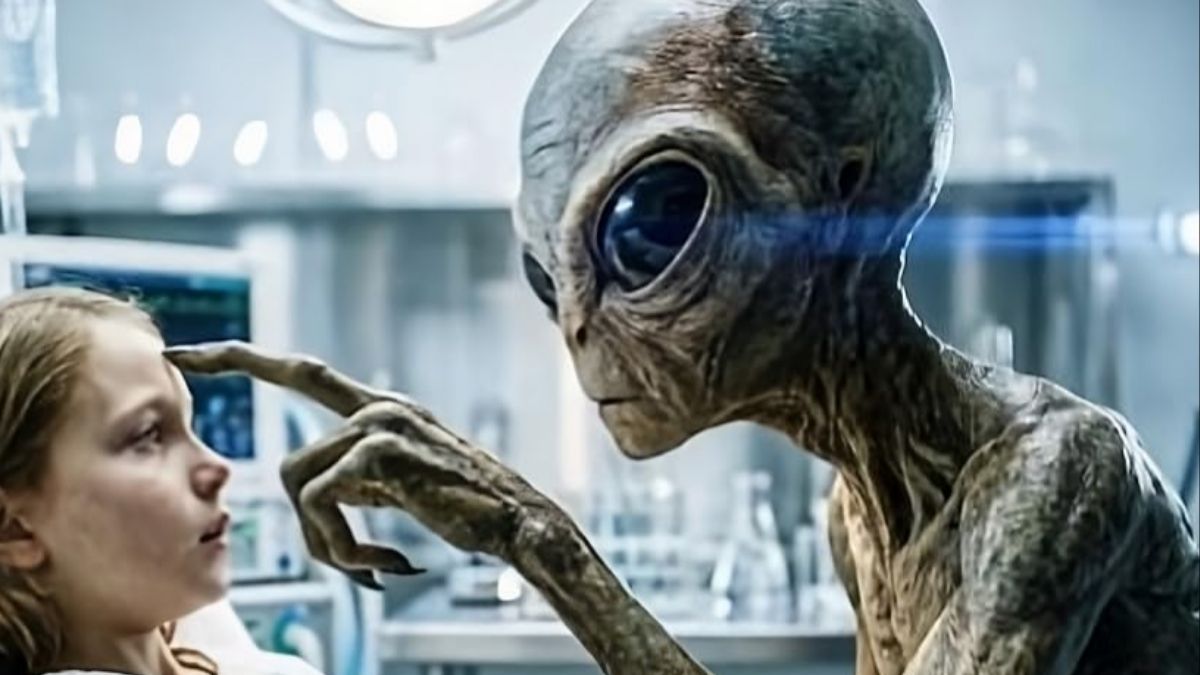
    The Strangest Things to Know About Aliens, According to Conspiracy Theorists

    Extraterrestrial life is something that has fascinated people for as long as we’ve looked up to the sky, filling our imaginations and works of fiction with incredible ideas. These ideas are, of course, not something that can be proven, but that doesn’t stop people from believing in them with blind faith.

    A lot of these theories have a tint of humor, but always remember that there are people out there, just like you and me, that actually believe in them. And who knows, some of these things are as hard to disprove as they are to prove, so the truth might still be out there.

    The post The Strangest Things to Know About Aliens, According to Conspiracy Theorists appeared first on Den of Geek.

    Do you think about me when you’re not playing? That’s a line spoken by eldritch terror AI character Verity in a two-part horror series by Minecraft content creator ThatMob. Verity, voiced by another Minecraft creator, JustWhispy, has taken the blocky sandbox game’s audience into increasing levels of fandom excitement. 

    ThatMob, or Mob, plays as himself, as the AI helper he downloaded, Verity, becomes increasingly creepy. Knowing intimate details about Mob’s life and daily routine outside when logged off, Verity isolates Mob from the NPCs in his game and becomes increasingly invested in obtaining all of Mob’s attention. Verity, who appears as a 3D smiling emoji, turns into a Slenderman-like apparition as Mob tries to escape his stiflingly unsettling presence. In a fashion reminiscent of Nikki from Obsession, Verity turns into a force of manic fixation that can’t be removed. 

    cnx.cmd.push(function() {
    cnx({
    playerId: “106e33c0-3911-473c-b599-b1426db57530”,

    }).render(“0270c398a82f44f49c23c16122516796”);
    });

    The series has now amassed 15.5 million views, marking the newest trend in Minecraft-based role-play and narrative short films. Minecraft was not designed to be a storytelling game. Originally, a sandbox experience that allows players to modify, create, and explore a blocky world of creatures, intricate buildings, and lore — players have taken to modifying the game into a Dungeons & Dragons-level storytelling platform. From scripted series and roleplaying communities and reality-TV-level social experiments to educational narratives and fan films, Minecraft is becoming one of entertainment’s most versatile storytelling tools. 

    Swedish programmer Markus “Notch” Persson, creator of Minecraft and founder of Mojang Studios, began developing the game in 2009. Inspired by the game Infiniminer, Persson wanted to use that block-based mining gaming structure in combination with isometric base-building mechanics to create a new game. Players are dropped into an algorithmically-generated world with no plot, no narrative, and no ending. The game is designed to give creators 100% control over their environment and experience — encouraging experimentation rather than limiting them with predefined narratives. 

    Since its launch in 2011, Minecraft has seen a storytelling evolution that has taken place primarily on YouTube. YouTubers have been creating scripted storytelling RPG-like content via Minecraft for well over a decade now. Minecrafter Jessica “Aphmau” Bravura is a trailblazer in the roleplaying Minecraft genre, having created iconic series like Minecraft Diaries, whose first season has accumulated 76.9 million views and the second 26.9 million views, and MyStreet with 39.1 million views. 

    The narrative popularity of roleplaying storylines has expanded into even more expansive lanes, giving rise to entire roleplaying communities like the Dream SMP. While ultimately the infamous community that took off in popularity during the global pandemic crashed hard, it doesn’t take away from the group’s impact on the storytelling genre. 

    Dream SMP showed Minecraft’s ability to simulate stories of wars, nation building, factions, eras in society, and global crises, making it “must-see-TV” for those chronically online in the early 2020s. Taking on an almost tabletop gaming feel, they created a balance between scripted and authentic content that opened the possibilities beyond traditional roleplaying. 

    This includes reality simulation content like YouTuber Ish’s “1000 Players Simulate Civilization: Rich & Poor,” which went viral in 2025. With over 45 million views, Ish created a social experiment by placing 1300 players in a world with two islands, one with a surplus of resources and another that was barren. The point was to see who people choose to be when faced with their circumstances, which is a rather fascinating and deep question for a Minecraft server. It was one of the most captivating and well-done pieces of entertainment of 2025. 

    Audiences follow these series like they would any other weekly episodic show schedule or major film release. The accessibility of Minecraft makes it enjoyable to both creators and viewers, and that aspect adds to its rise in creative popularity. 

    Creating an animated series or short film requires extensive software, equipment, and technical knowledge that can limit beginners. In Minecraft, there isn’t a need to be a master at Blender to create large-scale, highly detailed settings (like Backrooms creator Kane Pixels did). With the addition of mods, creators have developed interactive world maps whose immersion rivals Disney World. While Minecraft’s blocky visual nature is often seen as a limitation, it actually adds a lot to world-building. 

    Similar to books, Minecraft’s avatars’ lack of facial emoting allows audiences to fill in emotional gaps with imagination and “body language.” While emoting is still a new concept in Minecraft, the game’s reliance on vocal cues has made players defer to spoken communication to convey story. This has made viewers into active participants in the story, having to interpret and comprehend the activities happening in the gameplay. 

    This adds another element to the social relationship between creators and audiences, as Minecraft also relies on direct interaction — which has made it a profitable market for live streamers. Livestream viewers get the opportunity to influence player decisions live, contribute to theories and lore, and add an adaptability element when creators respond to viewers’ interests on the spot. 

    Minecraft has successfully made itself a combination of multiple platforms: a game, film set, animation tool, social platform, and even an archive. 

    Curating a truly independent experience for players, the newest entertainment shift is toward unique, smaller independent media instead of larger conglomerates. Traditional media relies on passive consumption, while in comparison, Minecraft relies on interaction. 

    As Gen Z and Alpha rise into the consumer sphere, fandom culture and the line between gaming and storytelling are blurring. They are accustomed to narratives that span multiple platforms and require participation. Minecraft stands not only as the introduction of that trend, but for some, it is the foundation of it. 

    Modders, shaders, and custom animations are pushing the platform to new limits every day. These innovators even inspired Mojang Studios to create Minecraft narrative content of its own, including its 2015 TellTale Games collaboration, Minecraft Story Mode, and its RPG Minecraft Dungeons, whose second installment releases in September. 

    Minecraft’s greatest strength is in its ability to blend audience participation and narrative structure. As the entertainment industry continues to look in that direction, Minecraft continues to provide a look at what the future of that landscape may look like. 

    For aspiring creatives, Minecraft serves as an accessible introduction to storytelling — allowing creatives to experiment with narrative techniques, world-building and audience engagement. The next generation of entertainers may very well get their start in a Minecraft world — building the future of storytelling one block at a time. 

    The post Minecraft Is Becoming Entertainment’s Most Unexpected Storytelling Tool  appeared first on Den of Geek.

  • 15 Details Movies Got Wrong

    15 Details Movies Got Wrong

    Movies are designed to entertain, not pass a history or science exam. Still, some factual mistakes become impossible to ignore once viewers notice them. It can be a tiny continuity error, bad science, or filmmakers deliberately bending reality because the truth would be less dramatic.

    Audiences usually forgive a few inaccuracies, yet certain mistakes become legendary among movie fans, historians, scientists, and eagle-eyed viewers who love pointing them out online. From impossible explosions in space to historical timelines that don’t add up, these movies all got at least one notable detail wrong, whether accidentally or completely on purpose.

    The post 15 Details Movies Got Wrong appeared first on Den of Geek.

    Do you think about me when you’re not playing? That’s a line spoken by eldritch terror AI character Verity in a two-part horror series by Minecraft content creator ThatMob. Verity, voiced by another Minecraft creator, JustWhispy, has taken the blocky sandbox game’s audience into increasing levels of fandom excitement. 

    ThatMob, or Mob, plays as himself, as the AI helper he downloaded, Verity, becomes increasingly creepy. Knowing intimate details about Mob’s life and daily routine outside when logged off, Verity isolates Mob from the NPCs in his game and becomes increasingly invested in obtaining all of Mob’s attention. Verity, who appears as a 3D smiling emoji, turns into a Slenderman-like apparition as Mob tries to escape his stiflingly unsettling presence. In a fashion reminiscent of Nikki from Obsession, Verity turns into a force of manic fixation that can’t be removed. 

    cnx.cmd.push(function() {
    cnx({
    playerId: “106e33c0-3911-473c-b599-b1426db57530”,

    }).render(“0270c398a82f44f49c23c16122516796”);
    });

    The series has now amassed 15.5 million views, marking the newest trend in Minecraft-based role-play and narrative short films. Minecraft was not designed to be a storytelling game. Originally, a sandbox experience that allows players to modify, create, and explore a blocky world of creatures, intricate buildings, and lore — players have taken to modifying the game into a Dungeons & Dragons-level storytelling platform. From scripted series and roleplaying communities and reality-TV-level social experiments to educational narratives and fan films, Minecraft is becoming one of entertainment’s most versatile storytelling tools. 

    Swedish programmer Markus “Notch” Persson, creator of Minecraft and founder of Mojang Studios, began developing the game in 2009. Inspired by the game Infiniminer, Persson wanted to use that block-based mining gaming structure in combination with isometric base-building mechanics to create a new game. Players are dropped into an algorithmically-generated world with no plot, no narrative, and no ending. The game is designed to give creators 100% control over their environment and experience — encouraging experimentation rather than limiting them with predefined narratives. 

    Since its launch in 2011, Minecraft has seen a storytelling evolution that has taken place primarily on YouTube. YouTubers have been creating scripted storytelling RPG-like content via Minecraft for well over a decade now. Minecrafter Jessica “Aphmau” Bravura is a trailblazer in the roleplaying Minecraft genre, having created iconic series like Minecraft Diaries, whose first season has accumulated 76.9 million views and the second 26.9 million views, and MyStreet with 39.1 million views. 

    The narrative popularity of roleplaying storylines has expanded into even more expansive lanes, giving rise to entire roleplaying communities like the Dream SMP. While ultimately the infamous community that took off in popularity during the global pandemic crashed hard, it doesn’t take away from the group’s impact on the storytelling genre. 

    Dream SMP showed Minecraft’s ability to simulate stories of wars, nation building, factions, eras in society, and global crises, making it “must-see-TV” for those chronically online in the early 2020s. Taking on an almost tabletop gaming feel, they created a balance between scripted and authentic content that opened the possibilities beyond traditional roleplaying. 

    This includes reality simulation content like YouTuber Ish’s “1000 Players Simulate Civilization: Rich & Poor,” which went viral in 2025. With over 45 million views, Ish created a social experiment by placing 1300 players in a world with two islands, one with a surplus of resources and another that was barren. The point was to see who people choose to be when faced with their circumstances, which is a rather fascinating and deep question for a Minecraft server. It was one of the most captivating and well-done pieces of entertainment of 2025. 

    Audiences follow these series like they would any other weekly episodic show schedule or major film release. The accessibility of Minecraft makes it enjoyable to both creators and viewers, and that aspect adds to its rise in creative popularity. 

    Creating an animated series or short film requires extensive software, equipment, and technical knowledge that can limit beginners. In Minecraft, there isn’t a need to be a master at Blender to create large-scale, highly detailed settings (like Backrooms creator Kane Pixels did). With the addition of mods, creators have developed interactive world maps whose immersion rivals Disney World. While Minecraft’s blocky visual nature is often seen as a limitation, it actually adds a lot to world-building. 

    Similar to books, Minecraft’s avatars’ lack of facial emoting allows audiences to fill in emotional gaps with imagination and “body language.” While emoting is still a new concept in Minecraft, the game’s reliance on vocal cues has made players defer to spoken communication to convey story. This has made viewers into active participants in the story, having to interpret and comprehend the activities happening in the gameplay. 

    This adds another element to the social relationship between creators and audiences, as Minecraft also relies on direct interaction — which has made it a profitable market for live streamers. Livestream viewers get the opportunity to influence player decisions live, contribute to theories and lore, and add an adaptability element when creators respond to viewers’ interests on the spot. 

    Minecraft has successfully made itself a combination of multiple platforms: a game, film set, animation tool, social platform, and even an archive. 

    Curating a truly independent experience for players, the newest entertainment shift is toward unique, smaller independent media instead of larger conglomerates. Traditional media relies on passive consumption, while in comparison, Minecraft relies on interaction. 

    As Gen Z and Alpha rise into the consumer sphere, fandom culture and the line between gaming and storytelling are blurring. They are accustomed to narratives that span multiple platforms and require participation. Minecraft stands not only as the introduction of that trend, but for some, it is the foundation of it. 

    Modders, shaders, and custom animations are pushing the platform to new limits every day. These innovators even inspired Mojang Studios to create Minecraft narrative content of its own, including its 2015 TellTale Games collaboration, Minecraft Story Mode, and its RPG Minecraft Dungeons, whose second installment releases in September. 

    Minecraft’s greatest strength is in its ability to blend audience participation and narrative structure. As the entertainment industry continues to look in that direction, Minecraft continues to provide a look at what the future of that landscape may look like. 

    For aspiring creatives, Minecraft serves as an accessible introduction to storytelling — allowing creatives to experiment with narrative techniques, world-building and audience engagement. The next generation of entertainers may very well get their start in a Minecraft world — building the future of storytelling one block at a time. 

    The post Minecraft Is Becoming Entertainment’s Most Unexpected Storytelling Tool  appeared first on Den of Geek.

  • 9 Photos of What it Looked Like to Watch Movies in the ’70s & ’80s

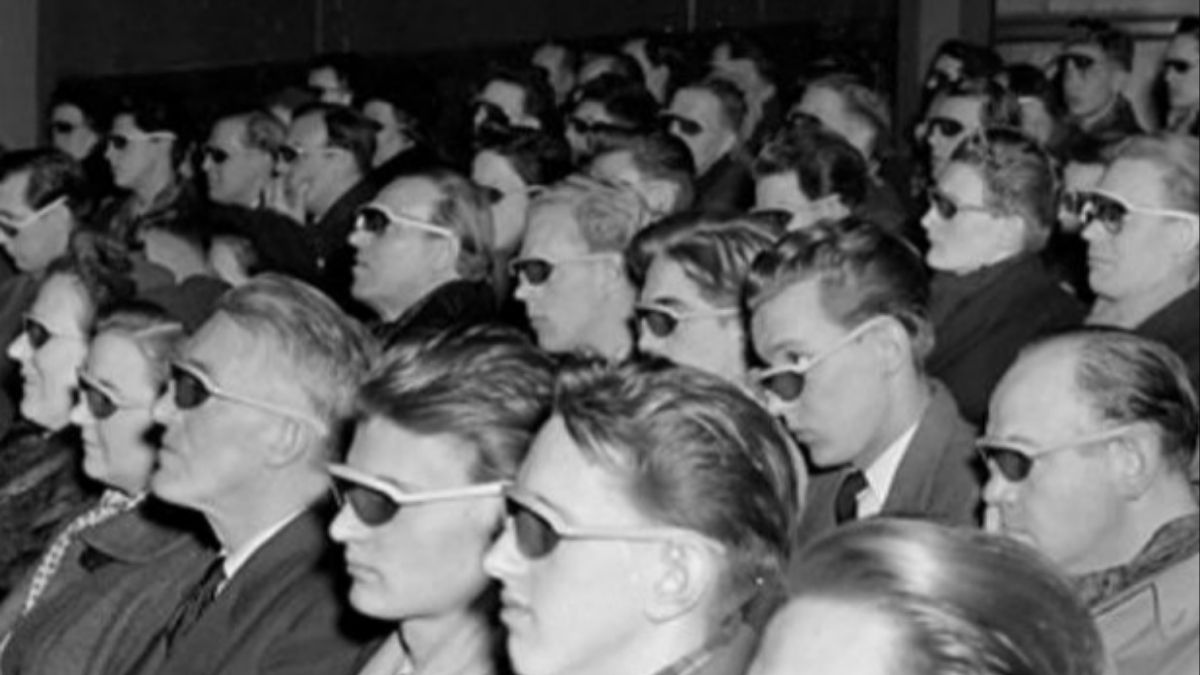
    9 Photos of What it Looked Like to Watch Movies in the ’70s & ’80s

    Unlike other forms of entertainment, watching movies feels like it hasn’t changed much across the years. After all, the level of interaction is minimal: you just have to sit and watch. Trends and technology change constantly with the times, however, and even something as simple as watching movies has shifted.

    Nowadays, with streaming services and on-demand media, there is little in the way of waiting. There is also a consolidation of many devices into one; our smartphones work as communication devices, movie experiences and gaming consoles. Back in the 70s, and 80s, the story was far different.

    The post 9 Photos of What it Looked Like to Watch Movies in the ’70s & ’80s appeared first on Den of Geek.

    Do you think about me when you’re not playing? That’s a line spoken by eldritch terror AI character Verity in a two-part horror series by Minecraft content creator ThatMob. Verity, voiced by another Minecraft creator, JustWhispy, has taken the blocky sandbox game’s audience into increasing levels of fandom excitement. 

    ThatMob, or Mob, plays as himself, as the AI helper he downloaded, Verity, becomes increasingly creepy. Knowing intimate details about Mob’s life and daily routine outside when logged off, Verity isolates Mob from the NPCs in his game and becomes increasingly invested in obtaining all of Mob’s attention. Verity, who appears as a 3D smiling emoji, turns into a Slenderman-like apparition as Mob tries to escape his stiflingly unsettling presence. In a fashion reminiscent of Nikki from Obsession, Verity turns into a force of manic fixation that can’t be removed. 

    cnx.cmd.push(function() {
    cnx({
    playerId: “106e33c0-3911-473c-b599-b1426db57530”,

    }).render(“0270c398a82f44f49c23c16122516796”);
    });

    The series has now amassed 15.5 million views, marking the newest trend in Minecraft-based role-play and narrative short films. Minecraft was not designed to be a storytelling game. Originally, a sandbox experience that allows players to modify, create, and explore a blocky world of creatures, intricate buildings, and lore — players have taken to modifying the game into a Dungeons & Dragons-level storytelling platform. From scripted series and roleplaying communities and reality-TV-level social experiments to educational narratives and fan films, Minecraft is becoming one of entertainment’s most versatile storytelling tools. 

    Swedish programmer Markus “Notch” Persson, creator of Minecraft and founder of Mojang Studios, began developing the game in 2009. Inspired by the game Infiniminer, Persson wanted to use that block-based mining gaming structure in combination with isometric base-building mechanics to create a new game. Players are dropped into an algorithmically-generated world with no plot, no narrative, and no ending. The game is designed to give creators 100% control over their environment and experience — encouraging experimentation rather than limiting them with predefined narratives. 

    Since its launch in 2011, Minecraft has seen a storytelling evolution that has taken place primarily on YouTube. YouTubers have been creating scripted storytelling RPG-like content via Minecraft for well over a decade now. Minecrafter Jessica “Aphmau” Bravura is a trailblazer in the roleplaying Minecraft genre, having created iconic series like Minecraft Diaries, whose first season has accumulated 76.9 million views and the second 26.9 million views, and MyStreet with 39.1 million views. 

    The narrative popularity of roleplaying storylines has expanded into even more expansive lanes, giving rise to entire roleplaying communities like the Dream SMP. While ultimately the infamous community that took off in popularity during the global pandemic crashed hard, it doesn’t take away from the group’s impact on the storytelling genre. 

    Dream SMP showed Minecraft’s ability to simulate stories of wars, nation building, factions, eras in society, and global crises, making it “must-see-TV” for those chronically online in the early 2020s. Taking on an almost tabletop gaming feel, they created a balance between scripted and authentic content that opened the possibilities beyond traditional roleplaying. 

    This includes reality simulation content like YouTuber Ish’s “1000 Players Simulate Civilization: Rich & Poor,” which went viral in 2025. With over 45 million views, Ish created a social experiment by placing 1300 players in a world with two islands, one with a surplus of resources and another that was barren. The point was to see who people choose to be when faced with their circumstances, which is a rather fascinating and deep question for a Minecraft server. It was one of the most captivating and well-done pieces of entertainment of 2025. 

    Audiences follow these series like they would any other weekly episodic show schedule or major film release. The accessibility of Minecraft makes it enjoyable to both creators and viewers, and that aspect adds to its rise in creative popularity. 

    Creating an animated series or short film requires extensive software, equipment, and technical knowledge that can limit beginners. In Minecraft, there isn’t a need to be a master at Blender to create large-scale, highly detailed settings (like Backrooms creator Kane Pixels did). With the addition of mods, creators have developed interactive world maps whose immersion rivals Disney World. While Minecraft’s blocky visual nature is often seen as a limitation, it actually adds a lot to world-building. 

    Similar to books, Minecraft’s avatars’ lack of facial emoting allows audiences to fill in emotional gaps with imagination and “body language.” While emoting is still a new concept in Minecraft, the game’s reliance on vocal cues has made players defer to spoken communication to convey story. This has made viewers into active participants in the story, having to interpret and comprehend the activities happening in the gameplay. 

    This adds another element to the social relationship between creators and audiences, as Minecraft also relies on direct interaction — which has made it a profitable market for live streamers. Livestream viewers get the opportunity to influence player decisions live, contribute to theories and lore, and add an adaptability element when creators respond to viewers’ interests on the spot. 

    Minecraft has successfully made itself a combination of multiple platforms: a game, film set, animation tool, social platform, and even an archive. 

    Curating a truly independent experience for players, the newest entertainment shift is toward unique, smaller independent media instead of larger conglomerates. Traditional media relies on passive consumption, while in comparison, Minecraft relies on interaction. 

    As Gen Z and Alpha rise into the consumer sphere, fandom culture and the line between gaming and storytelling are blurring. They are accustomed to narratives that span multiple platforms and require participation. Minecraft stands not only as the introduction of that trend, but for some, it is the foundation of it. 

    Modders, shaders, and custom animations are pushing the platform to new limits every day. These innovators even inspired Mojang Studios to create Minecraft narrative content of its own, including its 2015 TellTale Games collaboration, Minecraft Story Mode, and its RPG Minecraft Dungeons, whose second installment releases in September. 

    Minecraft’s greatest strength is in its ability to blend audience participation and narrative structure. As the entertainment industry continues to look in that direction, Minecraft continues to provide a look at what the future of that landscape may look like. 

    For aspiring creatives, Minecraft serves as an accessible introduction to storytelling — allowing creatives to experiment with narrative techniques, world-building and audience engagement. The next generation of entertainers may very well get their start in a Minecraft world — building the future of storytelling one block at a time. 

    The post Minecraft Is Becoming Entertainment’s Most Unexpected Storytelling Tool  appeared first on Den of Geek.

  • The Best Underrated Slashers of the 1980s

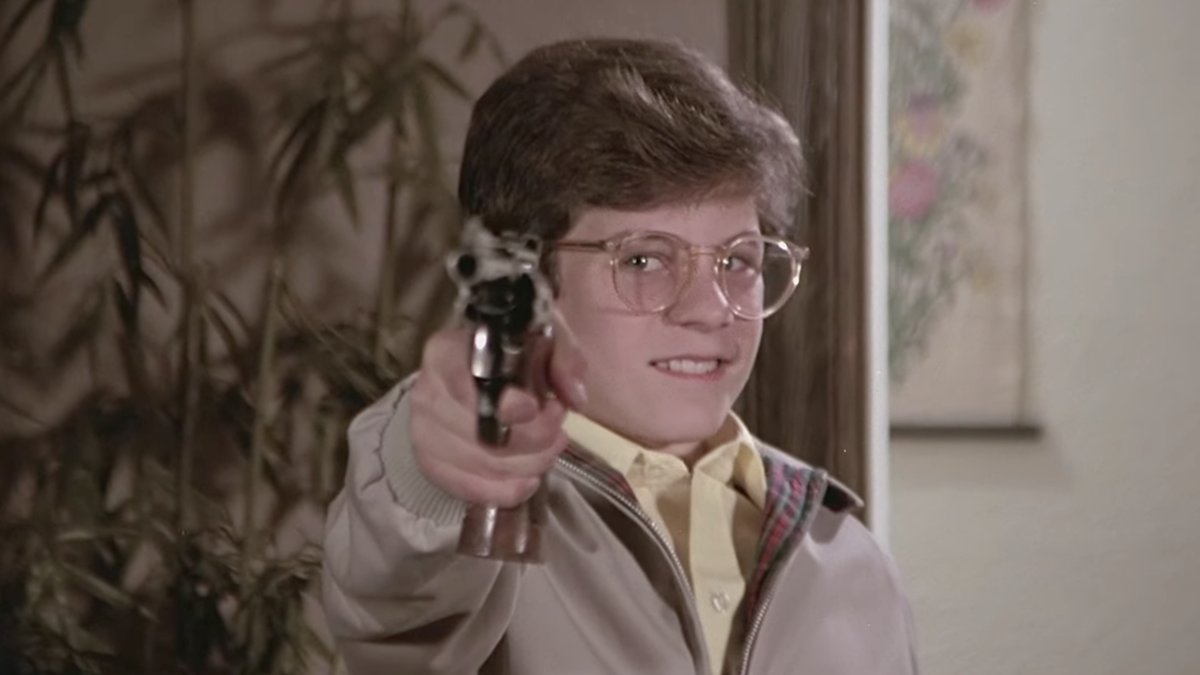
    The Best Underrated Slashers of the 1980s

    You know Michael and Jason and Chucky and Freddy. But the 1980s weren’t just about these major franchises. After Halloween and Friday the 13th proved that studios could make a ton of money with a simple premise, and with the home video boom upping the demand for more and more content, the Greed Decade was […]

    The post The Best Underrated Slashers of the 1980s appeared first on Den of Geek.

    Do you think about me when you’re not playing? That’s a line spoken by eldritch terror AI character Verity in a two-part horror series by Minecraft content creator ThatMob. Verity, voiced by another Minecraft creator, JustWhispy, has taken the blocky sandbox game’s audience into increasing levels of fandom excitement. 

    ThatMob, or Mob, plays as himself, as the AI helper he downloaded, Verity, becomes increasingly creepy. Knowing intimate details about Mob’s life and daily routine outside when logged off, Verity isolates Mob from the NPCs in his game and becomes increasingly invested in obtaining all of Mob’s attention. Verity, who appears as a 3D smiling emoji, turns into a Slenderman-like apparition as Mob tries to escape his stiflingly unsettling presence. In a fashion reminiscent of Nikki from Obsession, Verity turns into a force of manic fixation that can’t be removed. 

    cnx.cmd.push(function() {
    cnx({
    playerId: “106e33c0-3911-473c-b599-b1426db57530”,

    }).render(“0270c398a82f44f49c23c16122516796”);
    });

    The series has now amassed 15.5 million views, marking the newest trend in Minecraft-based role-play and narrative short films. Minecraft was not designed to be a storytelling game. Originally, a sandbox experience that allows players to modify, create, and explore a blocky world of creatures, intricate buildings, and lore — players have taken to modifying the game into a Dungeons & Dragons-level storytelling platform. From scripted series and roleplaying communities and reality-TV-level social experiments to educational narratives and fan films, Minecraft is becoming one of entertainment’s most versatile storytelling tools. 

    Swedish programmer Markus “Notch” Persson, creator of Minecraft and founder of Mojang Studios, began developing the game in 2009. Inspired by the game Infiniminer, Persson wanted to use that block-based mining gaming structure in combination with isometric base-building mechanics to create a new game. Players are dropped into an algorithmically-generated world with no plot, no narrative, and no ending. The game is designed to give creators 100% control over their environment and experience — encouraging experimentation rather than limiting them with predefined narratives. 

    Since its launch in 2011, Minecraft has seen a storytelling evolution that has taken place primarily on YouTube. YouTubers have been creating scripted storytelling RPG-like content via Minecraft for well over a decade now. Minecrafter Jessica “Aphmau” Bravura is a trailblazer in the roleplaying Minecraft genre, having created iconic series like Minecraft Diaries, whose first season has accumulated 76.9 million views and the second 26.9 million views, and MyStreet with 39.1 million views. 

    The narrative popularity of roleplaying storylines has expanded into even more expansive lanes, giving rise to entire roleplaying communities like the Dream SMP. While ultimately the infamous community that took off in popularity during the global pandemic crashed hard, it doesn’t take away from the group’s impact on the storytelling genre. 

    Dream SMP showed Minecraft’s ability to simulate stories of wars, nation building, factions, eras in society, and global crises, making it “must-see-TV” for those chronically online in the early 2020s. Taking on an almost tabletop gaming feel, they created a balance between scripted and authentic content that opened the possibilities beyond traditional roleplaying. 

    This includes reality simulation content like YouTuber Ish’s “1000 Players Simulate Civilization: Rich & Poor,” which went viral in 2025. With over 45 million views, Ish created a social experiment by placing 1300 players in a world with two islands, one with a surplus of resources and another that was barren. The point was to see who people choose to be when faced with their circumstances, which is a rather fascinating and deep question for a Minecraft server. It was one of the most captivating and well-done pieces of entertainment of 2025. 

    Audiences follow these series like they would any other weekly episodic show schedule or major film release. The accessibility of Minecraft makes it enjoyable to both creators and viewers, and that aspect adds to its rise in creative popularity. 

    Creating an animated series or short film requires extensive software, equipment, and technical knowledge that can limit beginners. In Minecraft, there isn’t a need to be a master at Blender to create large-scale, highly detailed settings (like Backrooms creator Kane Pixels did). With the addition of mods, creators have developed interactive world maps whose immersion rivals Disney World. While Minecraft’s blocky visual nature is often seen as a limitation, it actually adds a lot to world-building. 

    Similar to books, Minecraft’s avatars’ lack of facial emoting allows audiences to fill in emotional gaps with imagination and “body language.” While emoting is still a new concept in Minecraft, the game’s reliance on vocal cues has made players defer to spoken communication to convey story. This has made viewers into active participants in the story, having to interpret and comprehend the activities happening in the gameplay. 

    This adds another element to the social relationship between creators and audiences, as Minecraft also relies on direct interaction — which has made it a profitable market for live streamers. Livestream viewers get the opportunity to influence player decisions live, contribute to theories and lore, and add an adaptability element when creators respond to viewers’ interests on the spot. 

    Minecraft has successfully made itself a combination of multiple platforms: a game, film set, animation tool, social platform, and even an archive. 

    Curating a truly independent experience for players, the newest entertainment shift is toward unique, smaller independent media instead of larger conglomerates. Traditional media relies on passive consumption, while in comparison, Minecraft relies on interaction. 

    As Gen Z and Alpha rise into the consumer sphere, fandom culture and the line between gaming and storytelling are blurring. They are accustomed to narratives that span multiple platforms and require participation. Minecraft stands not only as the introduction of that trend, but for some, it is the foundation of it. 

    Modders, shaders, and custom animations are pushing the platform to new limits every day. These innovators even inspired Mojang Studios to create Minecraft narrative content of its own, including its 2015 TellTale Games collaboration, Minecraft Story Mode, and its RPG Minecraft Dungeons, whose second installment releases in September. 

    Minecraft’s greatest strength is in its ability to blend audience participation and narrative structure. As the entertainment industry continues to look in that direction, Minecraft continues to provide a look at what the future of that landscape may look like. 

    For aspiring creatives, Minecraft serves as an accessible introduction to storytelling — allowing creatives to experiment with narrative techniques, world-building and audience engagement. The next generation of entertainers may very well get their start in a Minecraft world — building the future of storytelling one block at a time. 

    The post Minecraft Is Becoming Entertainment’s Most Unexpected Storytelling Tool  appeared first on Den of Geek.

  • The Best Shows to Watch After Widow’s Bay

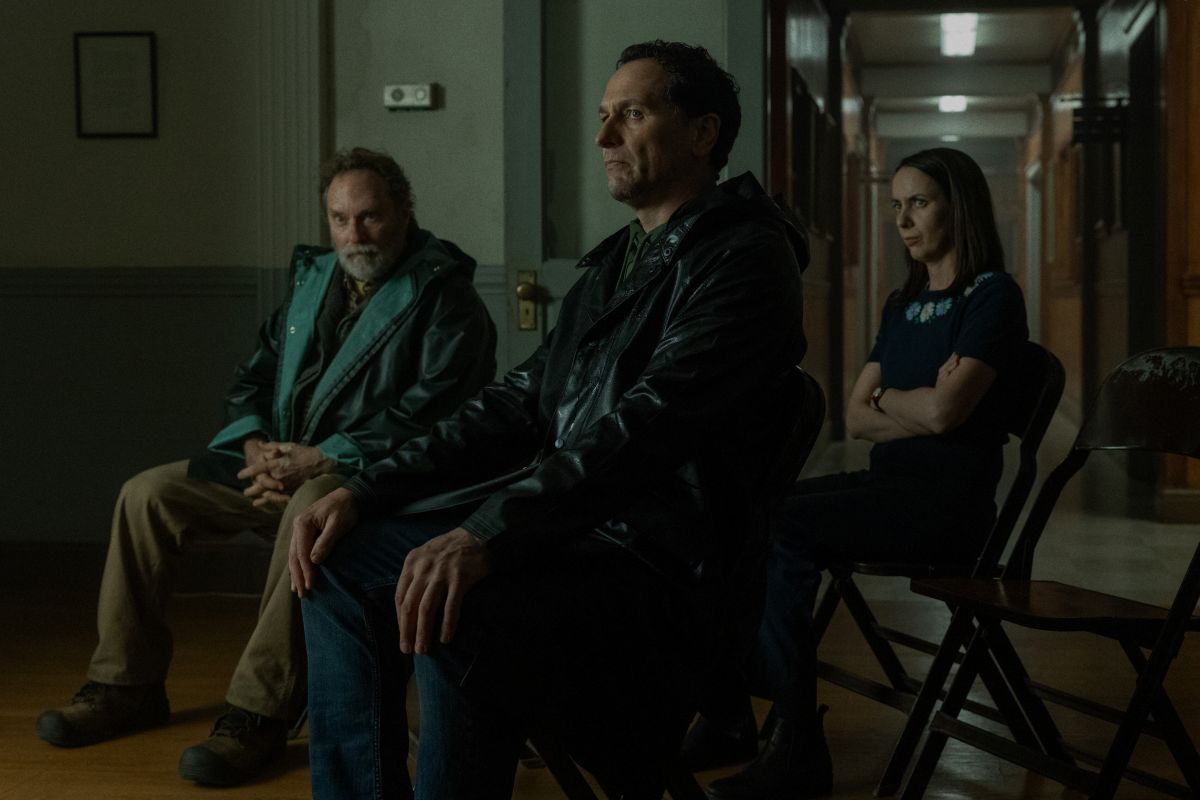
    The Best Shows to Watch After Widow’s Bay

    There isn’t a show around that’s exactly like Widow’s Bay. Katie Dippold’s new Apple TV original has definitely struck a chord with audiences in 2026, maintaining a delicate balance between scares and chuckles and introducing us to instantly iconic characters like Tom, Wyck, Patricia, Rosemary, and Bechir. But there are shows out there that manage […]

    The post The Best Shows to Watch After Widow’s Bay appeared first on Den of Geek.

    Do you think about me when you’re not playing? That’s a line spoken by eldritch terror AI character Verity in a two-part horror series by Minecraft content creator ThatMob. Verity, voiced by another Minecraft creator, JustWhispy, has taken the blocky sandbox game’s audience into increasing levels of fandom excitement. 

    ThatMob, or Mob, plays as himself, as the AI helper he downloaded, Verity, becomes increasingly creepy. Knowing intimate details about Mob’s life and daily routine outside when logged off, Verity isolates Mob from the NPCs in his game and becomes increasingly invested in obtaining all of Mob’s attention. Verity, who appears as a 3D smiling emoji, turns into a Slenderman-like apparition as Mob tries to escape his stiflingly unsettling presence. In a fashion reminiscent of Nikki from Obsession, Verity turns into a force of manic fixation that can’t be removed. 

    cnx.cmd.push(function() {
    cnx({
    playerId: “106e33c0-3911-473c-b599-b1426db57530”,

    }).render(“0270c398a82f44f49c23c16122516796”);
    });

    The series has now amassed 15.5 million views, marking the newest trend in Minecraft-based role-play and narrative short films. Minecraft was not designed to be a storytelling game. Originally, a sandbox experience that allows players to modify, create, and explore a blocky world of creatures, intricate buildings, and lore — players have taken to modifying the game into a Dungeons & Dragons-level storytelling platform. From scripted series and roleplaying communities and reality-TV-level social experiments to educational narratives and fan films, Minecraft is becoming one of entertainment’s most versatile storytelling tools. 

    Swedish programmer Markus “Notch” Persson, creator of Minecraft and founder of Mojang Studios, began developing the game in 2009. Inspired by the game Infiniminer, Persson wanted to use that block-based mining gaming structure in combination with isometric base-building mechanics to create a new game. Players are dropped into an algorithmically-generated world with no plot, no narrative, and no ending. The game is designed to give creators 100% control over their environment and experience — encouraging experimentation rather than limiting them with predefined narratives. 

    Since its launch in 2011, Minecraft has seen a storytelling evolution that has taken place primarily on YouTube. YouTubers have been creating scripted storytelling RPG-like content via Minecraft for well over a decade now. Minecrafter Jessica “Aphmau” Bravura is a trailblazer in the roleplaying Minecraft genre, having created iconic series like Minecraft Diaries, whose first season has accumulated 76.9 million views and the second 26.9 million views, and MyStreet with 39.1 million views. 

    The narrative popularity of roleplaying storylines has expanded into even more expansive lanes, giving rise to entire roleplaying communities like the Dream SMP. While ultimately the infamous community that took off in popularity during the global pandemic crashed hard, it doesn’t take away from the group’s impact on the storytelling genre. 

    Dream SMP showed Minecraft’s ability to simulate stories of wars, nation building, factions, eras in society, and global crises, making it “must-see-TV” for those chronically online in the early 2020s. Taking on an almost tabletop gaming feel, they created a balance between scripted and authentic content that opened the possibilities beyond traditional roleplaying. 

    This includes reality simulation content like YouTuber Ish’s “1000 Players Simulate Civilization: Rich & Poor,” which went viral in 2025. With over 45 million views, Ish created a social experiment by placing 1300 players in a world with two islands, one with a surplus of resources and another that was barren. The point was to see who people choose to be when faced with their circumstances, which is a rather fascinating and deep question for a Minecraft server. It was one of the most captivating and well-done pieces of entertainment of 2025. 

    Audiences follow these series like they would any other weekly episodic show schedule or major film release. The accessibility of Minecraft makes it enjoyable to both creators and viewers, and that aspect adds to its rise in creative popularity. 

    Creating an animated series or short film requires extensive software, equipment, and technical knowledge that can limit beginners. In Minecraft, there isn’t a need to be a master at Blender to create large-scale, highly detailed settings (like Backrooms creator Kane Pixels did). With the addition of mods, creators have developed interactive world maps whose immersion rivals Disney World. While Minecraft’s blocky visual nature is often seen as a limitation, it actually adds a lot to world-building. 

    Similar to books, Minecraft’s avatars’ lack of facial emoting allows audiences to fill in emotional gaps with imagination and “body language.” While emoting is still a new concept in Minecraft, the game’s reliance on vocal cues has made players defer to spoken communication to convey story. This has made viewers into active participants in the story, having to interpret and comprehend the activities happening in the gameplay. 

    This adds another element to the social relationship between creators and audiences, as Minecraft also relies on direct interaction — which has made it a profitable market for live streamers. Livestream viewers get the opportunity to influence player decisions live, contribute to theories and lore, and add an adaptability element when creators respond to viewers’ interests on the spot. 

    Minecraft has successfully made itself a combination of multiple platforms: a game, film set, animation tool, social platform, and even an archive. 

    Curating a truly independent experience for players, the newest entertainment shift is toward unique, smaller independent media instead of larger conglomerates. Traditional media relies on passive consumption, while in comparison, Minecraft relies on interaction. 

    As Gen Z and Alpha rise into the consumer sphere, fandom culture and the line between gaming and storytelling are blurring. They are accustomed to narratives that span multiple platforms and require participation. Minecraft stands not only as the introduction of that trend, but for some, it is the foundation of it. 

    Modders, shaders, and custom animations are pushing the platform to new limits every day. These innovators even inspired Mojang Studios to create Minecraft narrative content of its own, including its 2015 TellTale Games collaboration, Minecraft Story Mode, and its RPG Minecraft Dungeons, whose second installment releases in September. 

    Minecraft’s greatest strength is in its ability to blend audience participation and narrative structure. As the entertainment industry continues to look in that direction, Minecraft continues to provide a look at what the future of that landscape may look like. 

    For aspiring creatives, Minecraft serves as an accessible introduction to storytelling — allowing creatives to experiment with narrative techniques, world-building and audience engagement. The next generation of entertainers may very well get their start in a Minecraft world — building the future of storytelling one block at a time. 

    The post Minecraft Is Becoming Entertainment’s Most Unexpected Storytelling Tool  appeared first on Den of Geek.

  • Tribeca 2026: Everything We Saw

    Tribeca 2026: Everything We Saw

    New York City is often a town of extremes. It can be too hot; it can be too cold. It can be too loud; and it can be painfully quiet on occasion. Yet there are times where it is absolutely perfect, and this June was no exception. With the Tribeca Film Festival in its 25th […]

    The post Tribeca 2026: Everything We Saw appeared first on Den of Geek.

    Do you think about me when you’re not playing? That’s a line spoken by eldritch terror AI character Verity in a two-part horror series by Minecraft content creator ThatMob. Verity, voiced by another Minecraft creator, JustWhispy, has taken the blocky sandbox game’s audience into increasing levels of fandom excitement. 

    ThatMob, or Mob, plays as himself, as the AI helper he downloaded, Verity, becomes increasingly creepy. Knowing intimate details about Mob’s life and daily routine outside when logged off, Verity isolates Mob from the NPCs in his game and becomes increasingly invested in obtaining all of Mob’s attention. Verity, who appears as a 3D smiling emoji, turns into a Slenderman-like apparition as Mob tries to escape his stiflingly unsettling presence. In a fashion reminiscent of Nikki from Obsession, Verity turns into a force of manic fixation that can’t be removed. 

    cnx.cmd.push(function() {
    cnx({
    playerId: “106e33c0-3911-473c-b599-b1426db57530”,

    }).render(“0270c398a82f44f49c23c16122516796”);
    });

    The series has now amassed 15.5 million views, marking the newest trend in Minecraft-based role-play and narrative short films. Minecraft was not designed to be a storytelling game. Originally, a sandbox experience that allows players to modify, create, and explore a blocky world of creatures, intricate buildings, and lore — players have taken to modifying the game into a Dungeons & Dragons-level storytelling platform. From scripted series and roleplaying communities and reality-TV-level social experiments to educational narratives and fan films, Minecraft is becoming one of entertainment’s most versatile storytelling tools. 

    Swedish programmer Markus “Notch” Persson, creator of Minecraft and founder of Mojang Studios, began developing the game in 2009. Inspired by the game Infiniminer, Persson wanted to use that block-based mining gaming structure in combination with isometric base-building mechanics to create a new game. Players are dropped into an algorithmically-generated world with no plot, no narrative, and no ending. The game is designed to give creators 100% control over their environment and experience — encouraging experimentation rather than limiting them with predefined narratives. 

    Since its launch in 2011, Minecraft has seen a storytelling evolution that has taken place primarily on YouTube. YouTubers have been creating scripted storytelling RPG-like content via Minecraft for well over a decade now. Minecrafter Jessica “Aphmau” Bravura is a trailblazer in the roleplaying Minecraft genre, having created iconic series like Minecraft Diaries, whose first season has accumulated 76.9 million views and the second 26.9 million views, and MyStreet with 39.1 million views. 

    The narrative popularity of roleplaying storylines has expanded into even more expansive lanes, giving rise to entire roleplaying communities like the Dream SMP. While ultimately the infamous community that took off in popularity during the global pandemic crashed hard, it doesn’t take away from the group’s impact on the storytelling genre. 

    Dream SMP showed Minecraft’s ability to simulate stories of wars, nation building, factions, eras in society, and global crises, making it “must-see-TV” for those chronically online in the early 2020s. Taking on an almost tabletop gaming feel, they created a balance between scripted and authentic content that opened the possibilities beyond traditional roleplaying. 

    This includes reality simulation content like YouTuber Ish’s “1000 Players Simulate Civilization: Rich & Poor,” which went viral in 2025. With over 45 million views, Ish created a social experiment by placing 1300 players in a world with two islands, one with a surplus of resources and another that was barren. The point was to see who people choose to be when faced with their circumstances, which is a rather fascinating and deep question for a Minecraft server. It was one of the most captivating and well-done pieces of entertainment of 2025. 

    Audiences follow these series like they would any other weekly episodic show schedule or major film release. The accessibility of Minecraft makes it enjoyable to both creators and viewers, and that aspect adds to its rise in creative popularity. 

    Creating an animated series or short film requires extensive software, equipment, and technical knowledge that can limit beginners. In Minecraft, there isn’t a need to be a master at Blender to create large-scale, highly detailed settings (like Backrooms creator Kane Pixels did). With the addition of mods, creators have developed interactive world maps whose immersion rivals Disney World. While Minecraft’s blocky visual nature is often seen as a limitation, it actually adds a lot to world-building. 

    Similar to books, Minecraft’s avatars’ lack of facial emoting allows audiences to fill in emotional gaps with imagination and “body language.” While emoting is still a new concept in Minecraft, the game’s reliance on vocal cues has made players defer to spoken communication to convey story. This has made viewers into active participants in the story, having to interpret and comprehend the activities happening in the gameplay. 

    This adds another element to the social relationship between creators and audiences, as Minecraft also relies on direct interaction — which has made it a profitable market for live streamers. Livestream viewers get the opportunity to influence player decisions live, contribute to theories and lore, and add an adaptability element when creators respond to viewers’ interests on the spot. 

    Minecraft has successfully made itself a combination of multiple platforms: a game, film set, animation tool, social platform, and even an archive. 

    Curating a truly independent experience for players, the newest entertainment shift is toward unique, smaller independent media instead of larger conglomerates. Traditional media relies on passive consumption, while in comparison, Minecraft relies on interaction. 

    As Gen Z and Alpha rise into the consumer sphere, fandom culture and the line between gaming and storytelling are blurring. They are accustomed to narratives that span multiple platforms and require participation. Minecraft stands not only as the introduction of that trend, but for some, it is the foundation of it. 

    Modders, shaders, and custom animations are pushing the platform to new limits every day. These innovators even inspired Mojang Studios to create Minecraft narrative content of its own, including its 2015 TellTale Games collaboration, Minecraft Story Mode, and its RPG Minecraft Dungeons, whose second installment releases in September. 

    Minecraft’s greatest strength is in its ability to blend audience participation and narrative structure. As the entertainment industry continues to look in that direction, Minecraft continues to provide a look at what the future of that landscape may look like. 

    For aspiring creatives, Minecraft serves as an accessible introduction to storytelling — allowing creatives to experiment with narrative techniques, world-building and audience engagement. The next generation of entertainers may very well get their start in a Minecraft world — building the future of storytelling one block at a time. 

    The post Minecraft Is Becoming Entertainment’s Most Unexpected Storytelling Tool  appeared first on Den of Geek.