Blog

  • Good designers, bad websites: a proposal

    Good designers, bad websites: a proposal

    I want to discuss accessibility because it is the most important thing for making websites. Other A List Apart articles give you innovation and insight. This article will give you homework. These are just my personal views, but they’re pretty good.

    I want to start off with a couple of statements, and you will agree:

    1. Designers are good people. I have never heard a designer say, “I don’t care if somebody can’t read this text”, “Not my fault if somebody can’t use this device”, or “Who cares if this is confusing?”
    2. Some designs exclude people. You have seen people unable to read the text on a website or app that somebody designed. You’ve seen people unable to use a physical device that somebody has designed. You’ve seen people utterly bamboozled while trying to use a service that somebody designed.

    So what?

    The first question is, “Is this life-or-death stuff?” The answer is, “Yes.” In my favorite essay, This Is All There Is, Aral Balkan makes the point that pretty much everything that we design can affect life events and death events. Aral gives the example of how even a straightforward bus timetable app can affect life and death events, if we design it badly:

    • somebody might miss a life event, such as their daughter’s fifth birthday party; or
    • somebody might miss a death event, such as the chance to say goodbye to a dying grandmother.

    The next—and frustrating—question is, “Why do some designs still exclude people?” After all, we know that:

    • not everybody can see perfectly;
    • not everybody can hear perfectly;
    • not everybody thinks the same way; and
    • not everybody moves the same way.

    I think the answer is that there’s too much to recall. Consider, if you will, the wide variety of topics that A List Apart articles cover. Designers are expected to remember all of that guidance, plus all of the accessibility guidance, plus so much more. It is too much.

    Recognizing accessibility issues while designing

    I’d like to point toward one possible solution, starting from Jakob Nielsen’s 10 Usability Heuristics for User Interface Design. These are from the mid-1990s, and—although there’s a good chance that you, gentle reader, are a lot younger than that—please bear with me. 

    Seeing as the problem is that there’s too much to recall, I want to look at heuristic № 6, “Recognition rather than Recall.” Jakob Nielsen said that for users, information required to use the design should be visible or easily retrievable when needed. I suggest we tweak that to make life easier for designers. Let’s say that the information required to produce the design should be visible or easily retrievable when needed. In other words, let’s make it easier to recognise accessibility issues while we’re designing.

    How are we going to do that? I really like the book A Web for Everyone—Designing Accessible User Experiences by Sarah Horton and Whitney Quesenbery. I really like this book not only because it includes a quote from me—actually two quotes, but I don’t like to boast—but because it includes personas that are perfect for helping us to recognise accessibility issues. That’s the good news. The even better news is that these personas are available now for free on the companion website to the book What Every Engineer Should Know About Digital Accessibility, again by Sarah Horton, with David Sloan this time.

    Meet your users

    I’m going to introduce you to these personas now:

    I want to throw one more persona at you now, because, well, A List Apart readers are overachievers. One of my favorite authors, Cennydd Bowles—who literally wrote the book on Future Ethics—says to create Personas Non Grata. In other words, every time we design something, we have to think about what a bad guy could do with that thing, and whom that might affect.

    To actually use these personas while designing, I like what Eric Meyer and Sara Wachter-Boettcher in Design for Real Life call the Designated Dissenter: for each project that you work on, one of your teams should be responsible for asking, “Will this work for Vishnu?”, “How’s Trevor going to get on with this?”, and so on. 

    Then, once you’ve used the personas to recognise the accessibility issues, you can look up the guidelines for whichever platforms you’re designing for: 

    Your mission, should you choose to accept it

    I told you in the introduction of this article that I would give you homework. You thought I was joking. So, here’s your homework: I want you to grab the personas from the Know About Accessibility website, and use them throughout every design project to help you recognise accessibility issues while you work—and reclaim design for everyone.


    NOTE: This article is based on “Recognise,” my five-minute presentation from Interaction Design Association (IxDA) Dublin’s Defuse (Design for Use) event in 2025.

  • Designed for a Dead Language

    Designed for a Dead Language

    Every language app in your pocket inherited a teaching method built for Latin. Understanding why that happened is a more useful design lesson than anything the apps themselves will teach you.

    In 1788, Prussia introduced the Abitur, a standardized national examination required for entry into universities and the civil service. To pass it, students needed to demonstrate measurable, gradable knowledge. The system needed to teach language to large classrooms, produce consistent outcomes, and do it with one teacher and thirty students. The educators responsible for designing this system reached for the only teaching template they had, one that had been used in European schools for two centuries: the method developed to teach Latin.

    Latin, by 1788, was a dead language. Nobody needed to speak it. The scholars who studied it were reading Cicero and Virgil, not conducting conversations. The method built around it, memorizing grammar rules, constructing translations, analyzing written texts, reflected that reality exactly. Oral skills were irrelevant. Comprehension of written form was everything. The method was not designed to produce speakers. It was designed to produce readers of texts in a language nobody spoke.

    When Prussia applied this template to French and German, living languages spoken by living people, the premise did not change. Johann Valentin Meidinger’s textbook Praktische Französische Grammatik, published in 1804, ran to 37 editions across Europe by 1857. Karl Plotz formalized the approach into what became the dominant model for teaching modern languages across Europe and eventually the United States, where it became known simply as the Prussian Method [1]. Each institution that adopted it trained teachers in it, who trained students who became teachers. The constraint that created the method, how do you grade language at scale with limited resources, became invisible inside the method itself. What remained was the assumption: language is a body of rules to be learned consciously and measured. It was a design decision dressed up, over time, as a pedagogical truth.

    The observation that should have ended it

    There are people in the world who cannot read or write a language and speak it fluently. There are children who hold full conversations years before they can read a single word. There are immigrants who arrive in a country knowing nothing of its language and come out, years later, speaking it naturally, not because they studied it, but because they lived inside it. Literacy and fluency are separate things produced by entirely separate mechanisms. The Grammar-Translation method, as it became known, assumed they were the same thing. That assumption was inherited from a method designed for a language nobody needed to speak, and it was wrong the moment it was applied to a language people actually used.

    The evidence against it accumulated slowly. In the mid to late nineteenth century, reformers including François Gouin in France and Maximilian Berlitz in the United States argued independently that language should be taught the way it is actually acquired, through immersive exposure to real communication in the target language, not through analysis of its rules. Berlitz built an entire school network around this principle. The reformers were correct. They were also largely ignored by mainstream education systems, because the Grammar-Translation method had one decisive advantage that direct immersion did not: it could be graded.

    In 1982, the linguist Stephen Krashen gave the argument its most formal articulation in what he called the Monitor Model of second language acquisition. His distinction was precise: language acquisition, the unconscious process through which children absorb their native language and through which adults succeed in immersive environments, is categorically different from language learning, the conscious study of grammar rules and vocabulary that classrooms deliver [2]. Acquisition produces fluency. Learning, at best, produces the ability to pass a test. The evidence supporting this distinction, and the observation that immersive exposure to real native-speaker communication is the mechanism that produces genuine fluency, has only grown since.

    I went to Brazil without a word of Portuguese and came out speaking it. I studied French in a classroom for years and cannot hold a conversation in French today. This is not an unusual experience. It is the expected outcome, and it has been the expected outcome for as long as we have had formal language education.

    The same decision, made again in a different medium

    Prussian educators faced the question: How do you deliver language learning at scale, measure progress, and retain users over time? The answer it arrived at was structurally identical to the one arrived at in 1788. Duolingo gamified the grammar drill into a streak. Anki formalized the translation exercise into a spaced-repetition flashcard. Babbel organized grammar lessons into structured modules. The interfaces were new. The underlying assumption, that language is a thing you study rather than an environment you inhabit, was not.

    This was not a failure of design skill. The products that emerged from these decisions are, in many respects, genuinely well-crafted. Duolingo’s retention mechanics are sophisticated. Anki’s spaced repetition is grounded in real cognitive science. They are excellent at what they actually do. The problem is what they actually do: produce measurable engagement with a proxy for language rather than the conditions that produce language itself. A streak is measurable. A vocabulary score is measurable. The moment a user walks out of an app and holds a real conversation in another language, that happens in the world, outside the product, and cannot be instrumented.

    When the outcome a user needs is difficult to measure directly, the design process tends to reach for something that can be measured. The proxy becomes the goal. The interface optimizes for it. The gap between what the product delivers and what the user actually needed grows. This is not a pattern unique to language learning. It is a pattern that repeats across product categories whenever a design constraint—the need to measure, the need to scale, the need to produce a grade—gets built into a system so deeply that it stops being visible as a constraint and starts being mistaken for a truth about the problem itself.

    What happens when the constraint changes

    The constraint that made the Grammar-Translation method necessary in 1788 was real and rational. One teacher. Thirty students. A standardized exam. You cannot grade a conversation at scale. You can grade a translation exercise. The method was not chosen because it produced fluency. It was chosen because it produced a score.

    That constraint no longer exists in the same form. Technology has made it possible to deliver immersive, real-time conversation practice to anyone with a smartphone, at a cost that continues to fall. The design problem is no longer how to make language learning gradable at scale. It is how to make the conditions of genuine language acquisition accessible to people who cannot move to another country or afford a native-speaker tutor.

    The products that are now closest to solving the actual problem are not the ones that invented a new pedagogy. They are the ones that removed the access barrier to an old one. Praktika builds AI conversation partners with distinct personalities, regional dialects, and cultural context, replicating the specificity of a real native speaker rather than a generic language-learning voice. Langua clones native speaker voices so that the interaction feels like a real conversation rather than a lesson. Rosetta Stone’s foundational methodology, image association in the target language with no translation, was built on the same insight Berlitz arrived at in the nineteenth century: language is acquired through immersive exposure, not through analysis of its rules [3]. A 2025 meta-analysis of 31 studies found that AI conversation tools produced a statistically significant improvement in language learning outcomes, a result that no amount of flashcard optimization has consistently matched [4].

    None of these products invented a new theory of language acquisition. They translated an existing one into something more people could reach.

    The design question this leaves

    The Grammar-Translation method persisted not because educators were wrong about design, but because a design decision made under a specific constraint became, over two centuries, indistinguishable from the thing itself. The constraint, how do you grade language at scale, was forgotten. The method it produced was inherited as if it were a description of how language works, passed from Prussia to Europe to America to the App Store, from the grammar drill to the streak.

    Every time a design team optimizes for a metric because the actual outcome is hard to measure, they are making a version of the same decision. It is often the right decision given real constraints. The question worth asking is whether the constraint that made it necessary still exists, or whether it has simply become invisible inside the system it originally produced.

    Before reaching for what can be measured, it is worth asking what the user actually needs to do, and what stopped them from doing it before. Sometimes the answer is a new solution. More often it is an old one that was always out of reach.

  • 15 Actors Only Your Boomer Uncle Could Name

    15 Actors Only Your Boomer Uncle Could Name

    Ask someone who grew up watching movies before the 1990s to name their favorite actors, and chances are you’ll hear at least a few of the names on this list. These were the stars whose faces appeared on movie posters, magazine covers, and television screens for decades. They weren’t just famous for one blockbuster. Many built careers that lasted thirty or forty years and became symbols of an entire era of Hollywood. While film fans still recognize them today, plenty of younger viewers would probably struggle to name more than a handful.

    Here are 15 actors only your boomer uncle could name.

    The post 15 Actors Only Your Boomer Uncle Could Name appeared first on Den of Geek.

    There comes a point when most actors begin choosing smaller roles or slowing down altogether. Others go in the opposite direction. Some return to major franchises, some take on physically demanding action movies, and others deliver career-best dramatic performances well into their 70s, 80s, or even 90s. These performances proved that talent, experience, and screen presence don’t disappear with age.

    Here are 15 actors who showed that age really is just a number.

    ©IMDb

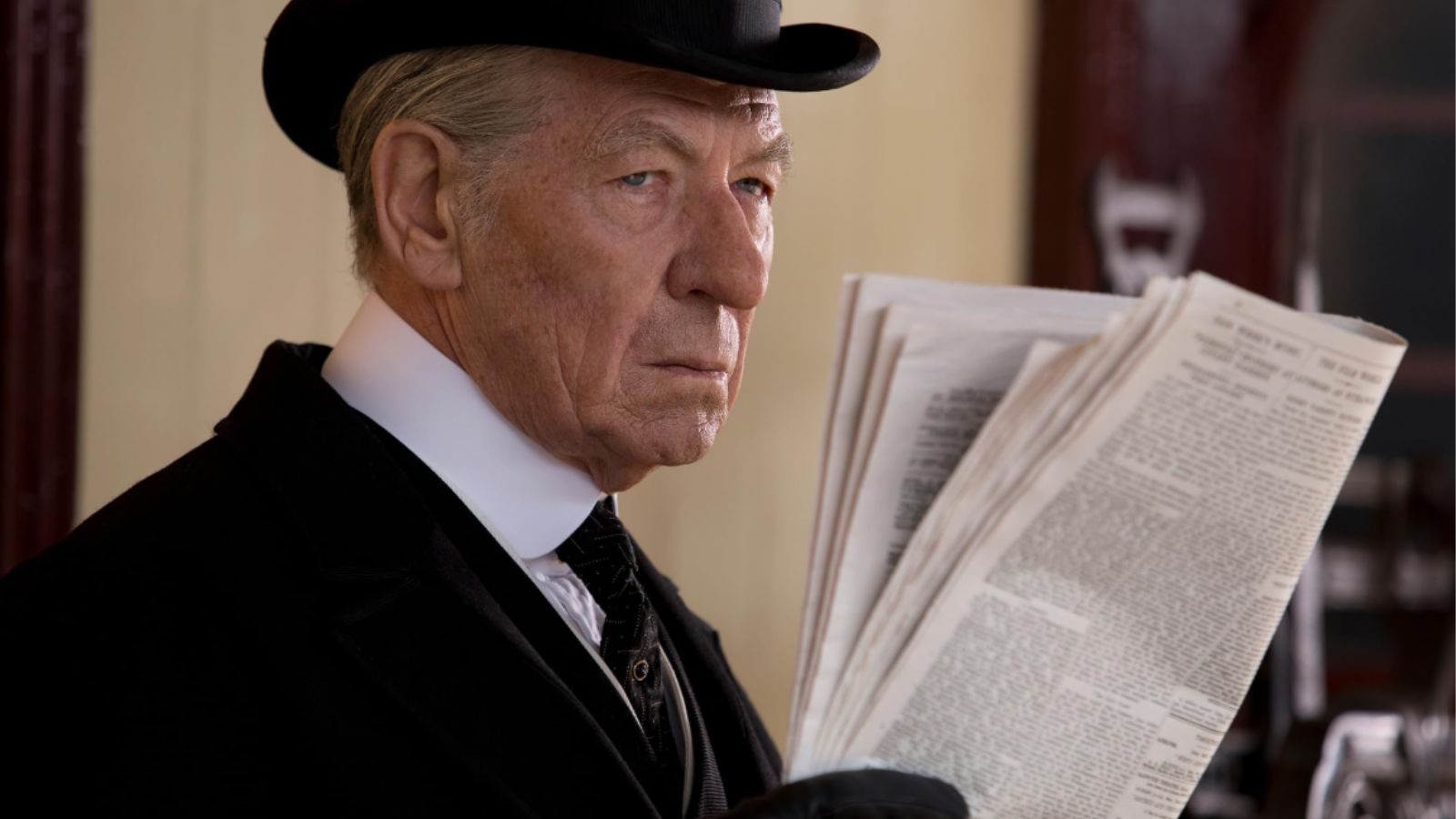
    Ian McKellen – Mr. Holmes

    Playing Sherlock Holmes at 93 required McKellen to carry nearly every scene, shifting between different stages of the detective’s life while delivering one of the strongest performances of his later career.

    ©IMDb

    Tom Cruise – Mission: Impossible – Dead Reckoning / Final Reckoning

    Well into his 60s, Cruise continued performing many of his own stunts, including motorcycle jumps, cliff dives, and complex action sequences.

    ©IMDb

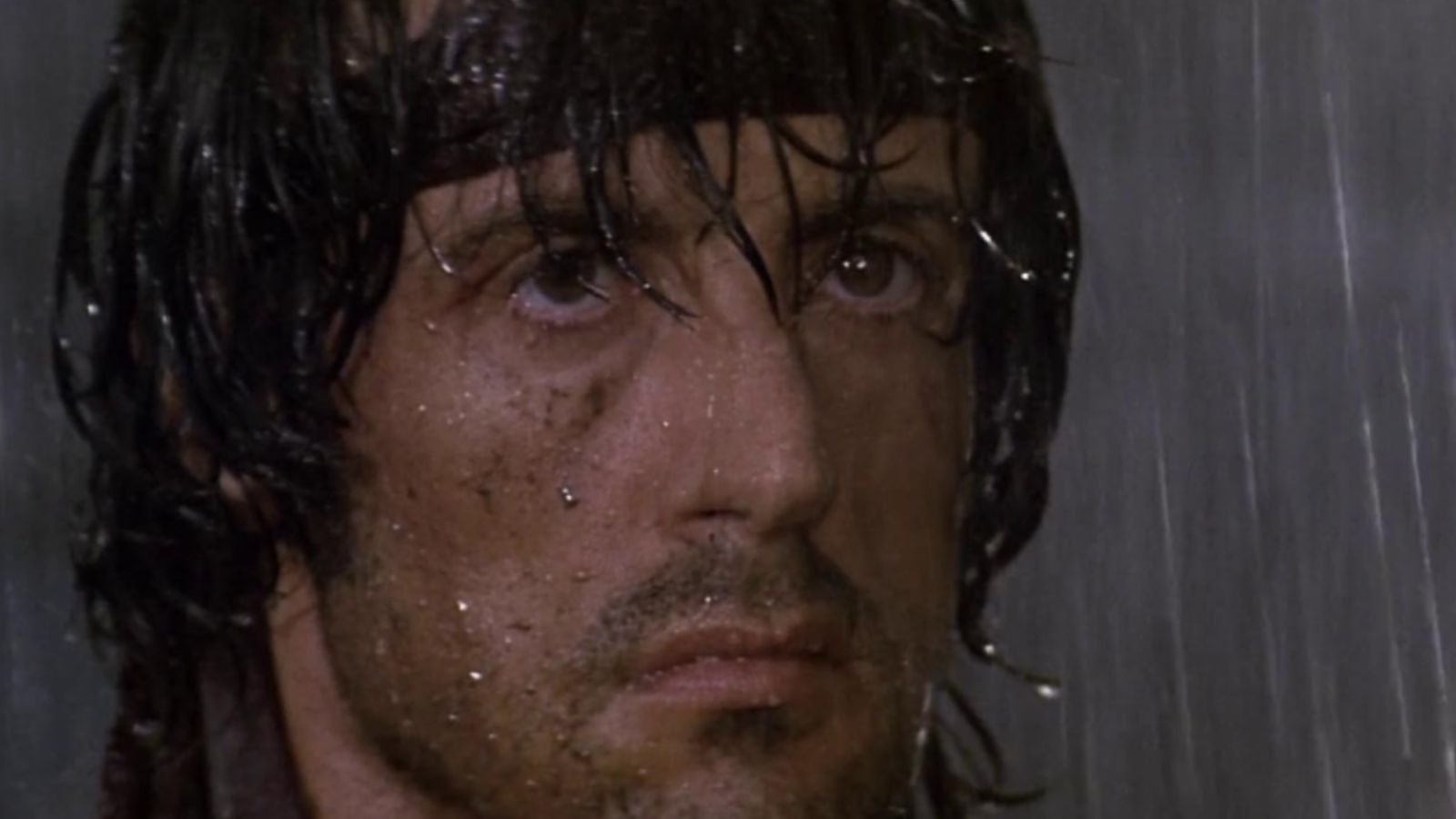
    Sylvester Stallone – Tulsa King

    Stallone successfully transitioned into television while still leading action scenes in his late 70s.

    ©IMDb

    Liam Neeson – In the Land of Saints and Sinners

    Even in his 70s, Neeson continued leading action thrillers with physically demanding roles.

    ©IMDb

    Sigourney Weaver – Avatar: The Way of Water

    Weaver took on performance-capture work and portrayed a teenage character despite being in her 70s, an unusual challenge that required both physical and technical preparation.

    ©IMDb

    Jeff Bridges – The Old Man

    After cancer treatment, Bridges returned to star in an action-heavy television series featuring demanding fight choreography.

    ©IMDb

    Patrick Stewart – Star Trek: Picard

    Returning to Jean-Luc Picard decades later allowed Stewart to explore a much older version of the character while carrying an entire series.

    ©IMDb

    Jamie Lee Curtis – Everything Everywhere All at Once

    Curtis embraced one of the strangest roles of her career in her 60s, balancing physical comedy with wildly different versions of the same character.

    ©IMDb

    Annette Bening – Nyad (2023)

    At 65, Bening trained extensively to portray long-distance swimmer Diana Nyad, taking on one of the most physically demanding performances of her career.

    ©IMDb

    Angela Bassett – Black Panther: Wakanda Forever

    Bassett delivered one of the most acclaimed performances of her career after turning 60, earning an Oscar nomination for Queen Ramonda.

    ©IMDb

    Jackie Chan – Ride On

    Even after decades of injuries, Chan continued performing action scenes while reflecting on his own career through the character.

    ©IMDb

    Willem Dafoe – Poor Things

    Dafoe transformed himself under heavy prosthetics for one of the most unusual performances of his career in his late 60s.

    ©IMDb

    Kathy Bates – Matlock

    More than thirty years after Misery, Bates returned to lead another major series, proving she could still command every scene.

    ©IMDb

    Pierce Brosnan – Black Bag

    Brosnan has continued taking leading roles well into his 70s, moving easily between thrillers, dramas, and action films.

    ©IMDb

    Ralph Fiennes – Conclave

    Even after decades of acclaimed performances, Fiennes continued taking emotionally demanding leading roles that relied almost entirely on dialogue and subtle expression rather than spectacle.

    The post 15 Actors Who Showed That Age Really is Just a Number appeared first on Den of Geek.

  • 15 Movie Characters Everyone Thought Were the Villains… Until They Grew Up

    15 Movie Characters Everyone Thought Were the Villains… Until They Grew Up

    Watching a movie as a kid and watching it again years later can completely change who you root for. Characters who once seemed mean, overly strict, or determined to ruin the hero’s fun suddenly make a lot more sense when you see the story from an adult perspective. Sometimes they were simply doing their jobs. Other times, they were reacting exactly as most people probably would in the same situation. They weren’t always perfect, but they also weren’t nearly as villainous as they first appeared.

    Here are 15 movie characters many viewers eventually realized weren’t the real villains after all.

    The post 15 Movie Characters Everyone Thought Were the Villains… Until They Grew Up appeared first on Den of Geek.

    There comes a point when most actors begin choosing smaller roles or slowing down altogether. Others go in the opposite direction. Some return to major franchises, some take on physically demanding action movies, and others deliver career-best dramatic performances well into their 70s, 80s, or even 90s. These performances proved that talent, experience, and screen presence don’t disappear with age.

    Here are 15 actors who showed that age really is just a number.

    ©IMDb

    Ian McKellen – Mr. Holmes

    Playing Sherlock Holmes at 93 required McKellen to carry nearly every scene, shifting between different stages of the detective’s life while delivering one of the strongest performances of his later career.

    ©IMDb

    Tom Cruise – Mission: Impossible – Dead Reckoning / Final Reckoning

    Well into his 60s, Cruise continued performing many of his own stunts, including motorcycle jumps, cliff dives, and complex action sequences.

    ©IMDb

    Sylvester Stallone – Tulsa King

    Stallone successfully transitioned into television while still leading action scenes in his late 70s.

    ©IMDb

    Liam Neeson – In the Land of Saints and Sinners

    Even in his 70s, Neeson continued leading action thrillers with physically demanding roles.

    ©IMDb

    Sigourney Weaver – Avatar: The Way of Water

    Weaver took on performance-capture work and portrayed a teenage character despite being in her 70s, an unusual challenge that required both physical and technical preparation.

    ©IMDb

    Jeff Bridges – The Old Man

    After cancer treatment, Bridges returned to star in an action-heavy television series featuring demanding fight choreography.

    ©IMDb

    Patrick Stewart – Star Trek: Picard

    Returning to Jean-Luc Picard decades later allowed Stewart to explore a much older version of the character while carrying an entire series.

    ©IMDb

    Jamie Lee Curtis – Everything Everywhere All at Once

    Curtis embraced one of the strangest roles of her career in her 60s, balancing physical comedy with wildly different versions of the same character.

    ©IMDb

    Annette Bening – Nyad (2023)

    At 65, Bening trained extensively to portray long-distance swimmer Diana Nyad, taking on one of the most physically demanding performances of her career.

    ©IMDb

    Angela Bassett – Black Panther: Wakanda Forever

    Bassett delivered one of the most acclaimed performances of her career after turning 60, earning an Oscar nomination for Queen Ramonda.

    ©IMDb

    Jackie Chan – Ride On

    Even after decades of injuries, Chan continued performing action scenes while reflecting on his own career through the character.

    ©IMDb

    Willem Dafoe – Poor Things

    Dafoe transformed himself under heavy prosthetics for one of the most unusual performances of his career in his late 60s.

    ©IMDb

    Kathy Bates – Matlock

    More than thirty years after Misery, Bates returned to lead another major series, proving she could still command every scene.

    ©IMDb

    Pierce Brosnan – Black Bag

    Brosnan has continued taking leading roles well into his 70s, moving easily between thrillers, dramas, and action films.

    ©IMDb

    Ralph Fiennes – Conclave

    Even after decades of acclaimed performances, Fiennes continued taking emotionally demanding leading roles that relied almost entirely on dialogue and subtle expression rather than spectacle.

    The post 15 Actors Who Showed That Age Really is Just a Number appeared first on Den of Geek.

  • 15 Actors Who Got the Job Done in Their Youth, and Their Old Age

    15 Actors Who Got the Job Done in Their Youth, and Their Old Age

    There comes a point when many actors stop landing leading roles, leaving the spotlight to a younger generation. Others never seem to reach that point. Some became stars before turning 30 and were still carrying major films or television series decades later. Looking at their careers side by side, it’s remarkable how many different eras of Hollywood they managed to dominate.

    Here are 15 actors who got the job done in both their youth and their old age.

    The post 15 Actors Who Got the Job Done in Their Youth, and Their Old Age appeared first on Den of Geek.

    There comes a point when most actors begin choosing smaller roles or slowing down altogether. Others go in the opposite direction. Some return to major franchises, some take on physically demanding action movies, and others deliver career-best dramatic performances well into their 70s, 80s, or even 90s. These performances proved that talent, experience, and screen presence don’t disappear with age.

    Here are 15 actors who showed that age really is just a number.

    ©IMDb

    Ian McKellen – Mr. Holmes

    Playing Sherlock Holmes at 93 required McKellen to carry nearly every scene, shifting between different stages of the detective’s life while delivering one of the strongest performances of his later career.

    ©IMDb

    Tom Cruise – Mission: Impossible – Dead Reckoning / Final Reckoning

    Well into his 60s, Cruise continued performing many of his own stunts, including motorcycle jumps, cliff dives, and complex action sequences.

    ©IMDb

    Sylvester Stallone – Tulsa King

    Stallone successfully transitioned into television while still leading action scenes in his late 70s.

    ©IMDb

    Liam Neeson – In the Land of Saints and Sinners

    Even in his 70s, Neeson continued leading action thrillers with physically demanding roles.

    ©IMDb

    Sigourney Weaver – Avatar: The Way of Water

    Weaver took on performance-capture work and portrayed a teenage character despite being in her 70s, an unusual challenge that required both physical and technical preparation.

    ©IMDb

    Jeff Bridges – The Old Man

    After cancer treatment, Bridges returned to star in an action-heavy television series featuring demanding fight choreography.

    ©IMDb

    Patrick Stewart – Star Trek: Picard

    Returning to Jean-Luc Picard decades later allowed Stewart to explore a much older version of the character while carrying an entire series.

    ©IMDb

    Jamie Lee Curtis – Everything Everywhere All at Once

    Curtis embraced one of the strangest roles of her career in her 60s, balancing physical comedy with wildly different versions of the same character.

    ©IMDb

    Annette Bening – Nyad (2023)

    At 65, Bening trained extensively to portray long-distance swimmer Diana Nyad, taking on one of the most physically demanding performances of her career.

    ©IMDb

    Angela Bassett – Black Panther: Wakanda Forever

    Bassett delivered one of the most acclaimed performances of her career after turning 60, earning an Oscar nomination for Queen Ramonda.

    ©IMDb

    Jackie Chan – Ride On

    Even after decades of injuries, Chan continued performing action scenes while reflecting on his own career through the character.

    ©IMDb

    Willem Dafoe – Poor Things

    Dafoe transformed himself under heavy prosthetics for one of the most unusual performances of his career in his late 60s.

    ©IMDb

    Kathy Bates – Matlock

    More than thirty years after Misery, Bates returned to lead another major series, proving she could still command every scene.

    ©IMDb

    Pierce Brosnan – Black Bag

    Brosnan has continued taking leading roles well into his 70s, moving easily between thrillers, dramas, and action films.

    ©IMDb

    Ralph Fiennes – Conclave

    Even after decades of acclaimed performances, Fiennes continued taking emotionally demanding leading roles that relied almost entirely on dialogue and subtle expression rather than spectacle.

    The post 15 Actors Who Showed That Age Really is Just a Number appeared first on Den of Geek.

  • 15 Movies Where the Action is Clearly More Important Than the Plot

    15 Movies Where the Action is Clearly More Important Than the Plot

    Think about the last action movie you really enjoyed. Chances are you remember the car chase, the fight, or the impossible stunt long before you remember the plot. That’s hardly unusual. Plenty of action movies are designed that way, putting all their energy into spectacular set pieces while keeping the story as simple as possible.

    Here are 15 movies where the action is clearly more important than the plot.

    The post 15 Movies Where the Action is Clearly More Important Than the Plot appeared first on Den of Geek.

    There comes a point when most actors begin choosing smaller roles or slowing down altogether. Others go in the opposite direction. Some return to major franchises, some take on physically demanding action movies, and others deliver career-best dramatic performances well into their 70s, 80s, or even 90s. These performances proved that talent, experience, and screen presence don’t disappear with age.

    Here are 15 actors who showed that age really is just a number.

    ©IMDb

    Ian McKellen – Mr. Holmes

    Playing Sherlock Holmes at 93 required McKellen to carry nearly every scene, shifting between different stages of the detective’s life while delivering one of the strongest performances of his later career.

    ©IMDb

    Tom Cruise – Mission: Impossible – Dead Reckoning / Final Reckoning

    Well into his 60s, Cruise continued performing many of his own stunts, including motorcycle jumps, cliff dives, and complex action sequences.

    ©IMDb

    Sylvester Stallone – Tulsa King

    Stallone successfully transitioned into television while still leading action scenes in his late 70s.

    ©IMDb

    Liam Neeson – In the Land of Saints and Sinners

    Even in his 70s, Neeson continued leading action thrillers with physically demanding roles.

    ©IMDb

    Sigourney Weaver – Avatar: The Way of Water

    Weaver took on performance-capture work and portrayed a teenage character despite being in her 70s, an unusual challenge that required both physical and technical preparation.

    ©IMDb

    Jeff Bridges – The Old Man

    After cancer treatment, Bridges returned to star in an action-heavy television series featuring demanding fight choreography.

    ©IMDb

    Patrick Stewart – Star Trek: Picard

    Returning to Jean-Luc Picard decades later allowed Stewart to explore a much older version of the character while carrying an entire series.

    ©IMDb

    Jamie Lee Curtis – Everything Everywhere All at Once

    Curtis embraced one of the strangest roles of her career in her 60s, balancing physical comedy with wildly different versions of the same character.

    ©IMDb

    Annette Bening – Nyad (2023)

    At 65, Bening trained extensively to portray long-distance swimmer Diana Nyad, taking on one of the most physically demanding performances of her career.

    ©IMDb

    Angela Bassett – Black Panther: Wakanda Forever

    Bassett delivered one of the most acclaimed performances of her career after turning 60, earning an Oscar nomination for Queen Ramonda.

    ©IMDb

    Jackie Chan – Ride On

    Even after decades of injuries, Chan continued performing action scenes while reflecting on his own career through the character.

    ©IMDb

    Willem Dafoe – Poor Things

    Dafoe transformed himself under heavy prosthetics for one of the most unusual performances of his career in his late 60s.

    ©IMDb

    Kathy Bates – Matlock

    More than thirty years after Misery, Bates returned to lead another major series, proving she could still command every scene.

    ©IMDb

    Pierce Brosnan – Black Bag

    Brosnan has continued taking leading roles well into his 70s, moving easily between thrillers, dramas, and action films.

    ©IMDb

    Ralph Fiennes – Conclave

    Even after decades of acclaimed performances, Fiennes continued taking emotionally demanding leading roles that relied almost entirely on dialogue and subtle expression rather than spectacle.

    The post 15 Actors Who Showed That Age Really is Just a Number appeared first on Den of Geek.

  • 15 Actors You Didn’t Realize Had Entirely Different Careers

    15 Actors You Didn’t Realize Had Entirely Different Careers

    Most actors spend years trying to build a career in Hollywood. A few got there by taking a very different route. Some had already become doctors, decorated soldiers, scientists, or professional athletes before anyone knew their names from movies, while others left acting behind to succeed somewhere completely different. Looking back, it’s hard to imagine these careers belonging to the same people.

    Here are 15 actors you didn’t realize had entirely different careers.

    The post 15 Actors You Didn’t Realize Had Entirely Different Careers appeared first on Den of Geek.

    There comes a point when most actors begin choosing smaller roles or slowing down altogether. Others go in the opposite direction. Some return to major franchises, some take on physically demanding action movies, and others deliver career-best dramatic performances well into their 70s, 80s, or even 90s. These performances proved that talent, experience, and screen presence don’t disappear with age.

    Here are 15 actors who showed that age really is just a number.

    ©IMDb

    Ian McKellen – Mr. Holmes

    Playing Sherlock Holmes at 93 required McKellen to carry nearly every scene, shifting between different stages of the detective’s life while delivering one of the strongest performances of his later career.

    ©IMDb

    Tom Cruise – Mission: Impossible – Dead Reckoning / Final Reckoning

    Well into his 60s, Cruise continued performing many of his own stunts, including motorcycle jumps, cliff dives, and complex action sequences.

    ©IMDb

    Sylvester Stallone – Tulsa King

    Stallone successfully transitioned into television while still leading action scenes in his late 70s.

    ©IMDb

    Liam Neeson – In the Land of Saints and Sinners

    Even in his 70s, Neeson continued leading action thrillers with physically demanding roles.

    ©IMDb

    Sigourney Weaver – Avatar: The Way of Water

    Weaver took on performance-capture work and portrayed a teenage character despite being in her 70s, an unusual challenge that required both physical and technical preparation.

    ©IMDb

    Jeff Bridges – The Old Man

    After cancer treatment, Bridges returned to star in an action-heavy television series featuring demanding fight choreography.

    ©IMDb

    Patrick Stewart – Star Trek: Picard

    Returning to Jean-Luc Picard decades later allowed Stewart to explore a much older version of the character while carrying an entire series.

    ©IMDb

    Jamie Lee Curtis – Everything Everywhere All at Once

    Curtis embraced one of the strangest roles of her career in her 60s, balancing physical comedy with wildly different versions of the same character.

    ©IMDb

    Annette Bening – Nyad (2023)

    At 65, Bening trained extensively to portray long-distance swimmer Diana Nyad, taking on one of the most physically demanding performances of her career.

    ©IMDb

    Angela Bassett – Black Panther: Wakanda Forever

    Bassett delivered one of the most acclaimed performances of her career after turning 60, earning an Oscar nomination for Queen Ramonda.

    ©IMDb

    Jackie Chan – Ride On

    Even after decades of injuries, Chan continued performing action scenes while reflecting on his own career through the character.

    ©IMDb

    Willem Dafoe – Poor Things

    Dafoe transformed himself under heavy prosthetics for one of the most unusual performances of his career in his late 60s.

    ©IMDb

    Kathy Bates – Matlock

    More than thirty years after Misery, Bates returned to lead another major series, proving she could still command every scene.

    ©IMDb

    Pierce Brosnan – Black Bag

    Brosnan has continued taking leading roles well into his 70s, moving easily between thrillers, dramas, and action films.

    ©IMDb

    Ralph Fiennes – Conclave

    Even after decades of acclaimed performances, Fiennes continued taking emotionally demanding leading roles that relied almost entirely on dialogue and subtle expression rather than spectacle.

    The post 15 Actors Who Showed That Age Really is Just a Number appeared first on Den of Geek.

  • Silo Season 3’s Best and Worst Twists Are Canceling Each Other Out

    Silo Season 3’s Best and Worst Twists Are Canceling Each Other Out

    This article contains Silo season 3 spoilers. Silo season 2 ended with a major shift in narrative. No longer would we be entirely focused on the trials taking place inside the show’s dingy, post-apocalyptic underground silos; we were also granted the chance to go back in time and finally find out how and why pockets […]

    The post Silo Season 3’s Best and Worst Twists Are Canceling Each Other Out appeared first on Den of Geek.

    There comes a point when most actors begin choosing smaller roles or slowing down altogether. Others go in the opposite direction. Some return to major franchises, some take on physically demanding action movies, and others deliver career-best dramatic performances well into their 70s, 80s, or even 90s. These performances proved that talent, experience, and screen presence don’t disappear with age.

    Here are 15 actors who showed that age really is just a number.

    ©IMDb

    Ian McKellen – Mr. Holmes

    Playing Sherlock Holmes at 93 required McKellen to carry nearly every scene, shifting between different stages of the detective’s life while delivering one of the strongest performances of his later career.

    ©IMDb

    Tom Cruise – Mission: Impossible – Dead Reckoning / Final Reckoning

    Well into his 60s, Cruise continued performing many of his own stunts, including motorcycle jumps, cliff dives, and complex action sequences.

    ©IMDb

    Sylvester Stallone – Tulsa King

    Stallone successfully transitioned into television while still leading action scenes in his late 70s.

    ©IMDb

    Liam Neeson – In the Land of Saints and Sinners

    Even in his 70s, Neeson continued leading action thrillers with physically demanding roles.

    ©IMDb

    Sigourney Weaver – Avatar: The Way of Water

    Weaver took on performance-capture work and portrayed a teenage character despite being in her 70s, an unusual challenge that required both physical and technical preparation.

    ©IMDb

    Jeff Bridges – The Old Man

    After cancer treatment, Bridges returned to star in an action-heavy television series featuring demanding fight choreography.

    ©IMDb

    Patrick Stewart – Star Trek: Picard

    Returning to Jean-Luc Picard decades later allowed Stewart to explore a much older version of the character while carrying an entire series.

    ©IMDb

    Jamie Lee Curtis – Everything Everywhere All at Once

    Curtis embraced one of the strangest roles of her career in her 60s, balancing physical comedy with wildly different versions of the same character.

    ©IMDb

    Annette Bening – Nyad (2023)

    At 65, Bening trained extensively to portray long-distance swimmer Diana Nyad, taking on one of the most physically demanding performances of her career.

    ©IMDb

    Angela Bassett – Black Panther: Wakanda Forever

    Bassett delivered one of the most acclaimed performances of her career after turning 60, earning an Oscar nomination for Queen Ramonda.

    ©IMDb

    Jackie Chan – Ride On

    Even after decades of injuries, Chan continued performing action scenes while reflecting on his own career through the character.

    ©IMDb

    Willem Dafoe – Poor Things

    Dafoe transformed himself under heavy prosthetics for one of the most unusual performances of his career in his late 60s.

    ©IMDb

    Kathy Bates – Matlock

    More than thirty years after Misery, Bates returned to lead another major series, proving she could still command every scene.

    ©IMDb

    Pierce Brosnan – Black Bag

    Brosnan has continued taking leading roles well into his 70s, moving easily between thrillers, dramas, and action films.

    ©IMDb

    Ralph Fiennes – Conclave

    Even after decades of acclaimed performances, Fiennes continued taking emotionally demanding leading roles that relied almost entirely on dialogue and subtle expression rather than spectacle.

    The post 15 Actors Who Showed That Age Really is Just a Number appeared first on Den of Geek.

  • Christopher Nolan’s The Odyssey vs. Homer’s Epic Poem: What Are the Differences?

    Christopher Nolan’s The Odyssey vs. Homer’s Epic Poem: What Are the Differences?

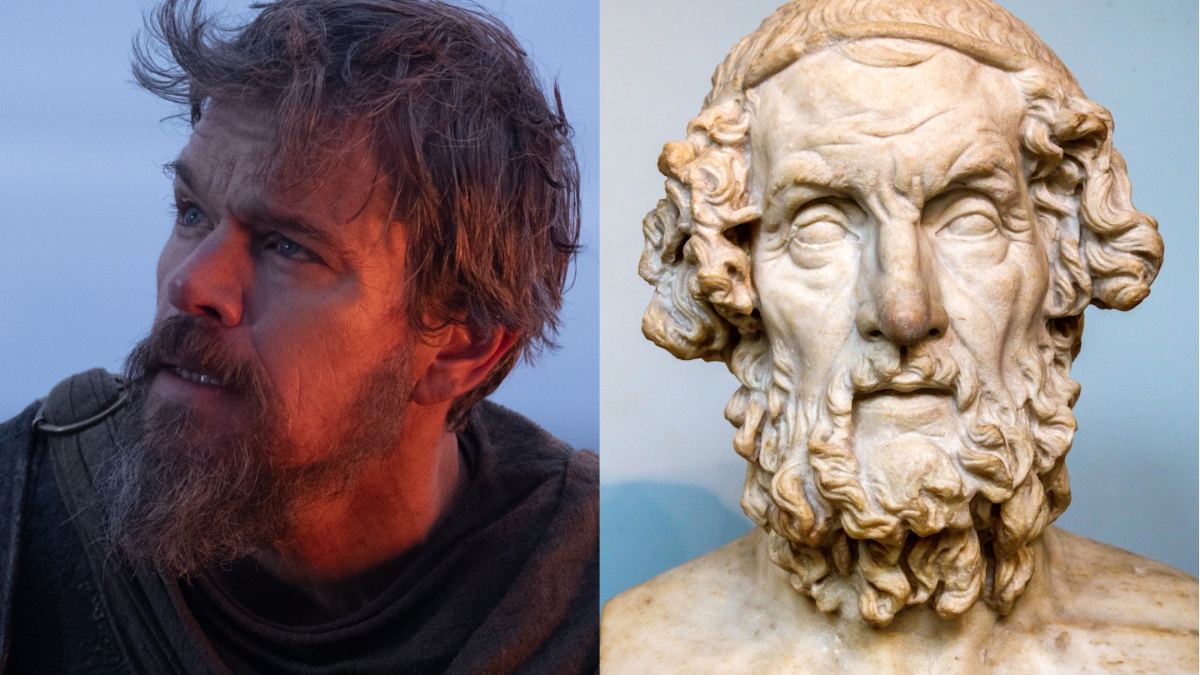
    This article contains major The Odyssey spoilers. In more than a few ways, The Odyssey feels like a film Christopher Nolan has been working up to his entire career. At least three of his most popular movies are the story of a husband or father trying to reclaim their idea of home after leaving for […]

    The post Christopher Nolan’s The Odyssey vs. Homer’s Epic Poem: What Are the Differences? appeared first on Den of Geek.

    There comes a point when most actors begin choosing smaller roles or slowing down altogether. Others go in the opposite direction. Some return to major franchises, some take on physically demanding action movies, and others deliver career-best dramatic performances well into their 70s, 80s, or even 90s. These performances proved that talent, experience, and screen presence don’t disappear with age.

    Here are 15 actors who showed that age really is just a number.

    ©IMDb

    Ian McKellen – Mr. Holmes

    Playing Sherlock Holmes at 93 required McKellen to carry nearly every scene, shifting between different stages of the detective’s life while delivering one of the strongest performances of his later career.

    ©IMDb

    Tom Cruise – Mission: Impossible – Dead Reckoning / Final Reckoning

    Well into his 60s, Cruise continued performing many of his own stunts, including motorcycle jumps, cliff dives, and complex action sequences.

    ©IMDb

    Sylvester Stallone – Tulsa King

    Stallone successfully transitioned into television while still leading action scenes in his late 70s.

    ©IMDb

    Liam Neeson – In the Land of Saints and Sinners

    Even in his 70s, Neeson continued leading action thrillers with physically demanding roles.

    ©IMDb

    Sigourney Weaver – Avatar: The Way of Water

    Weaver took on performance-capture work and portrayed a teenage character despite being in her 70s, an unusual challenge that required both physical and technical preparation.

    ©IMDb

    Jeff Bridges – The Old Man

    After cancer treatment, Bridges returned to star in an action-heavy television series featuring demanding fight choreography.

    ©IMDb

    Patrick Stewart – Star Trek: Picard

    Returning to Jean-Luc Picard decades later allowed Stewart to explore a much older version of the character while carrying an entire series.

    ©IMDb

    Jamie Lee Curtis – Everything Everywhere All at Once

    Curtis embraced one of the strangest roles of her career in her 60s, balancing physical comedy with wildly different versions of the same character.

    ©IMDb

    Annette Bening – Nyad (2023)

    At 65, Bening trained extensively to portray long-distance swimmer Diana Nyad, taking on one of the most physically demanding performances of her career.

    ©IMDb

    Angela Bassett – Black Panther: Wakanda Forever

    Bassett delivered one of the most acclaimed performances of her career after turning 60, earning an Oscar nomination for Queen Ramonda.

    ©IMDb

    Jackie Chan – Ride On

    Even after decades of injuries, Chan continued performing action scenes while reflecting on his own career through the character.

    ©IMDb

    Willem Dafoe – Poor Things

    Dafoe transformed himself under heavy prosthetics for one of the most unusual performances of his career in his late 60s.

    ©IMDb

    Kathy Bates – Matlock

    More than thirty years after Misery, Bates returned to lead another major series, proving she could still command every scene.

    ©IMDb

    Pierce Brosnan – Black Bag

    Brosnan has continued taking leading roles well into his 70s, moving easily between thrillers, dramas, and action films.

    ©IMDb

    Ralph Fiennes – Conclave

    Even after decades of acclaimed performances, Fiennes continued taking emotionally demanding leading roles that relied almost entirely on dialogue and subtle expression rather than spectacle.

    The post 15 Actors Who Showed That Age Really is Just a Number appeared first on Den of Geek.

  • 15 Actors Who Showed That Age Really is Just a Number

    15 Actors Who Showed That Age Really is Just a Number

    There comes a point when most actors begin choosing smaller roles or slowing down altogether. Others go in the opposite direction. Some return to major franchises, some take on physically demanding action movies, and others deliver career-best dramatic performances well into their 70s, 80s, or even 90s. These performances proved that talent, experience, and screen presence don’t disappear with age.

    Here are 15 actors who showed that age really is just a number.

    The post 15 Actors Who Showed That Age Really is Just a Number appeared first on Den of Geek.

    There comes a point when most actors begin choosing smaller roles or slowing down altogether. Others go in the opposite direction. Some return to major franchises, some take on physically demanding action movies, and others deliver career-best dramatic performances well into their 70s, 80s, or even 90s. These performances proved that talent, experience, and screen presence don’t disappear with age.

    Here are 15 actors who showed that age really is just a number.

    ©IMDb

    Ian McKellen – Mr. Holmes

    Playing Sherlock Holmes at 93 required McKellen to carry nearly every scene, shifting between different stages of the detective’s life while delivering one of the strongest performances of his later career.

    ©IMDb

    Tom Cruise – Mission: Impossible – Dead Reckoning / Final Reckoning

    Well into his 60s, Cruise continued performing many of his own stunts, including motorcycle jumps, cliff dives, and complex action sequences.

    ©IMDb

    Sylvester Stallone – Tulsa King

    Stallone successfully transitioned into television while still leading action scenes in his late 70s.

    ©IMDb

    Liam Neeson – In the Land of Saints and Sinners

    Even in his 70s, Neeson continued leading action thrillers with physically demanding roles.

    ©IMDb

    Sigourney Weaver – Avatar: The Way of Water

    Weaver took on performance-capture work and portrayed a teenage character despite being in her 70s, an unusual challenge that required both physical and technical preparation.

    ©IMDb

    Jeff Bridges – The Old Man

    After cancer treatment, Bridges returned to star in an action-heavy television series featuring demanding fight choreography.

    ©IMDb

    Patrick Stewart – Star Trek: Picard

    Returning to Jean-Luc Picard decades later allowed Stewart to explore a much older version of the character while carrying an entire series.

    ©IMDb

    Jamie Lee Curtis – Everything Everywhere All at Once

    Curtis embraced one of the strangest roles of her career in her 60s, balancing physical comedy with wildly different versions of the same character.

    ©IMDb

    Annette Bening – Nyad (2023)

    At 65, Bening trained extensively to portray long-distance swimmer Diana Nyad, taking on one of the most physically demanding performances of her career.

    ©IMDb

    Angela Bassett – Black Panther: Wakanda Forever

    Bassett delivered one of the most acclaimed performances of her career after turning 60, earning an Oscar nomination for Queen Ramonda.

    ©IMDb

    Jackie Chan – Ride On

    Even after decades of injuries, Chan continued performing action scenes while reflecting on his own career through the character.

    ©IMDb

    Willem Dafoe – Poor Things

    Dafoe transformed himself under heavy prosthetics for one of the most unusual performances of his career in his late 60s.

    ©IMDb

    Kathy Bates – Matlock

    More than thirty years after Misery, Bates returned to lead another major series, proving she could still command every scene.

    ©IMDb

    Pierce Brosnan – Black Bag

    Brosnan has continued taking leading roles well into his 70s, moving easily between thrillers, dramas, and action films.

    ©IMDb

    Ralph Fiennes – Conclave

    Even after decades of acclaimed performances, Fiennes continued taking emotionally demanding leading roles that relied almost entirely on dialogue and subtle expression rather than spectacle.

    The post 15 Actors Who Showed That Age Really is Just a Number appeared first on Den of Geek.