Blog

  • Weekend Favs February 1st

    Weekend Favs February 1st

    Weekend Favs February 1st written by John Jantsch read more at Duct Tape Marketing

    My weekend blog post routine includes posting links to a handful of tools or great content I ran across during the week. I don’t go into depth about the finds, but I encourage you to check them out if they sound interesting. The photo in the post is a favorite for the week from an online […]

    The Franchise Playbook: Insider Tips for First-Time Buyers written by John Jantsch read more at Duct Tape Marketing

    The Duct Tape Marketing Podcast with Alex Smereczniak

    In this episode of the Duct Tape Marketing Podcast, I interviewed Alex Smereczniak, serial entrepreneur and CEO of Franzy, a platform transforming franchise discovery and acquisition. Alex has a deep understanding of franchise business strategy, from brand messaging to customer insights, and he shares insider tips on how first-time buyers can successfully navigate the franchise landscape.

    During our conversation, Alex revealed the raw truths about franchise ownership, the emotional triggers that drive investment decisions, and how effective marketing research can help buyers identify the right opportunities. He also shed light on the importance of business strategy, customer feedback, and executive insights in building a profitable, scalable franchise.

    Alex’s expertise in franchise strategy and customer feedback makes this episode a must-listen for anyone considering franchise ownership. Whether you’re looking for marketing solutions or insights into brand strategy, this conversation provides invaluable guidance on making the right investment.

    Key Takeaways:

    • Franchising Is More Than Fast Food: Many people associate franchises with McDonald’s, but the industry extends to home services, fitness, B2B marketing solutions, and beyond.
    • Data-Driven Decision Making: Leveraging customer insights and executive feedback can significantly improve success rates in franchising.
    • The Financial Reality: While franchising offers a lower-risk business model, profitability depends on location, operations, and marketing innovation.
    • Red Flags to Avoid: Be cautious of misleading brand messaging, exaggerated earnings claims, and lack of transparency in marketing research.
    • The Role of Emotional Triggers in Buying a Franchise: Personal goals, lifestyle aspirations, and long-term business strategy should align with the franchise choice.

    Chapters:

    [01:03] Franchising History
    [02:06] Franchise vs. Independent Business
    [03:28] Is Franchising Secure?
    [05:31] Alex’s Franchise Journey & Franzy
    [07:14] Who Invests in Franchises?
    [08:34] Franchising is Easier Than You Think
    [09:29] Keys to a Profitable Franchise
    [14:11] How Franzy Supports Franchising
    [17:57] Franchise Red Flags
    [19:15] Getting Started with Franzy

    More About Alex Smereczniak: 

    • Check out Alex Smereczniak’s Website
    • Connect with Alex Smereczniak on LinkedIn

    This episode of the Duct Tape Marketing Podcast is brought to you by

    Looking to find the perfect franchise opportunity? Franzy is revolutionizing franchise discovery by cutting out costly middlemen and democratizing access to data. Like Zillow for franchising, Franzy connects prospective franchisees directly with emerging brands—no 60% broker commissions, just smarter matches. Explore the future of franchise investing at Franzy.com.


    John Jantsch (00:00.941)

    Hello and welcome to another episode of the Duct Tape Marketing Podcast. This is John Jantsch and my guest today is Alex Smereczniak. Nailed that, I? He’s a serial entrepreneur and the co-founder and CEO of Fransi, a platform revolutionizing franchise discovery and acquisition. They empower aspiring entrepreneurs with transparency, support, and the tools to find the right franchise opportunity. He’s also the co-founder and former CEO of

    Alex Smereczniak (00:10.844)

    yeah.

    John Jantsch (00:29.901)

    to you laundry and Laundro lab where he helped build and scale a successful venture backed laundry delivery service and it’s franchise arm as well. So he continues to serve on both boards of those companies. So Alex, welcome to the duct tape marketing podcast.

    Alex Smereczniak (00:45.646)

    Thanks, John. I’m excited to be on with you today and look forward to talking to all things franchising and how people can get into the wonderful, wacky world of it.

    John Jantsch (00:55.607)

    Yeah, you know, it’s interesting franchises. I think a lot of people think McDonald’s White Castle’s, you know, some of the really early like food franchises. But in looking at the model, you know, it’s probably been around since the Middle Ages. You know, when, when some king would say, okay, you over there, you get to collect taxes in this region and you submit some of it back to me and you, you know, you get an exclusive on that region. You know, again, I

    half kidding, half not kidding, but I mean, it’s really a model that’s been around for the ages, hasn’t it?

    Alex Smereczniak (01:29.12)

    It has been around forever and it’s more pervasive and I think our everyday lives and most people realize to your point, think McDonald’s, Subway, you don’t think about the moving company that helped you move is probably a franchise or the painting company. It is 8 % of our country’s GDP is produced from the franchise industry and it spans food, hotels, home services, fitness.

    John Jantsch (01:35.351)

    Yeah. Yeah.

    Right, right, Yeah.

    Alex Smereczniak (01:54.618)

    Coffee, mean you entertainment you name it. There’s probably a franchise model around it

    John Jantsch (01:59.917)

    Well, yeah, I was going to say the models become so successful that there’s probably not a service where somebody hasn’t at least tried, you know, to get it going. Right. I mean, because I think a lot of people, you know, see the successful model. so, so let’s go there for a minute. You know, is there an inherent advantage, theoretically to a franchise as opposed to somebody just kind of figuring it out on their own.

    Alex Smereczniak (02:24.058)

    Yeah, so I actually, you know, I’ve done a lot of research on franchising as a whole and two metrics that have jumped out to me before is that, you know, the two year success rate of a franchise business is about 76%. Oh, sorry, sorry. It’s 92 % for the two year success rate for franchising 85 for the five year success rate. That is opposed to 76 % for the two year success rate for just an independent business.

    a whopping 50 % success rate after five years. if you look at the two numbers I just shared, 85 % success for franchise businesses after five years, 50 for independent businesses after five years, that’s the answer right there. A lot of people get into franchising because it’s de-risked. It gives people, I don’t want to say a safety net, but you’re working with a community of other people around you that are also building their businesses with you, and then a corporate parent that

    John Jantsch (03:06.285)

    Yeah, yeah.

    Alex Smereczniak (03:19.352)

    has proven the model, has marketing resources, has training resources, has tech resources, et cetera, to isolate you to an extent and be valuable.

    John Jantsch (03:28.899)

    So when the concept or the model itself was really blowing up, probably in the seventies or eighties or so, there were a lot of issues that had the FTC step in. A lot of people were setting up Ponzi schemes. They were taking a hundred thousand dollars from somebody and then the people no support or nothing, what was promised. How would you say the state of sort of regulating that industry has evolved and is it safer?

    certainly than it was 50 years ago.

    Alex Smereczniak (03:59.802)

    There’s two sides to that coin on the regulation around the brand themselves to prevent snake oil salesmen from saying, hey, this is the get rich quick in this whatever concept. The regulation has done a good job there. So every brand has to have what’s called an FDD. It’s called a franchise disclosure document. And it is a 100 to 200 page onerous legal document that covers bankruptcy, litigation, team experience.

    John Jantsch (04:10.147)

    Right, right.

    John Jantsch (04:22.221)

    Yes.

    Alex Smereczniak (04:27.29)

    investment costs, audited financials. mean, it has everything in it and every brand is required to have that. So I, you know, when we got into franchising, was happy to find that the other side of that coin where there still needs to be more regulation is how franchises are sold and bought today. And so a lot of people can go to a McDonald’s and fill out the contact form. They can find something, you know, from a neighbor who might be franchising a concept word of mouth.

    A lot of people work through business brokers, franchise brokers, and this part is still very much the Wild West, meaning, if you think about buying a house, your real estate agent had to get licensure, they had to go through training and courses, and they also disclose to you what their commission is going to be. There is zero of that for business brokers, not just in franchising. Any business broker doesn’t need to be licensed. You and I could go be business brokers today.

    John Jantsch (04:56.312)

    Yeah.

    John Jantsch (05:18.263)

    Yeah, yeah.

    Alex Smereczniak (05:18.99)

    And we also don’t have to disclose what percent fee we’re taking and how we’re making money. So there’s also this kind of misalignment to a degree that’s happening there, but that’s changing. Regulation is coming there as well that I think will protect your average consumer and business buyer here in the near future.

    John Jantsch (05:35.799)

    What would you say you, you started a couple other businesses you franchised or at least participated in franchising those other, did you learn a lot along the way that you’ve now brought to Frenzy?

    Alex Smereczniak (05:48.27)

    Yeah, honestly, if I hadn’t had the experience previously building a franchise or essentially being my own franchisee running multiple laundromats, I wouldn’t have even had the idea for Franzi. was getting into the franchise world that made me realize, Hey, there’s a big gap here and there’s not a lot of alignment between the brand, brokers, prospects, et cetera. There’s not a good database or set of tools for people to find the right concept for themselves. so.

    Part the reason I transitioned out of my last business was to be able to go start this one. It was just a huge gap. It’s kind of like what Zillow did for the real estate market before you had to go through a real estate agent. wasn’t a way to shop online or look at your dream home or your vacation home. And with Frenzy, we’re trying to do exactly that. Be the Zillow for franchising where you can go on your computer at work or go on your computer late at night and say, I’m in Atlanta. I’ve got a hundred K to invest.

    What can I afford? Here’s my operational experience. Here are my goals for my family and myself. What are the top five or 10 brands recommended for me based on this information? And that’s exactly what we’ve built with Franzi is you go in, you enter that information and we recommend brands for you. You can deny them or approve them and go further down the conversation with them. And then we facilitate that introduction along with a number of other tools that first time or any business buyer needs.

    entity formation, lending, finding the right CPA, etc. We help with all those pieces as well.

    John Jantsch (07:13.72)

    Yeah.

    John Jantsch (07:19.271)

    Would you say that there is, and maybe you don’t have enough experience to answer this question, but would you say there’s a distinct different profile of a buyer of a franchise as opposed to somebody who’s just going to go out there and start a business?

    Alex Smereczniak (07:32.154)

    It’s kind of a cop out answer, but it depends. I just talked to a number of entrepreneurship through acquisition folks. It’s a big trend right now where people are either getting a sponsor to back them to go buy an established business where it’s someone retiring that wants to sell. But some of those ETA folks are looking at buying up the family that owns five Jimmy Johns and wants to sell.

    John Jantsch (07:41.677)

    Yeah, yeah.

    John Jantsch (07:55.191)

    Yeah, sure.

    Alex Smereczniak (07:57.018)

    So you had an ETA person, they’re looking at both independent businesses and franchises as a potential solution. You also have within franchising the large private equity groups that own 50 Jimmy Johns and 20 McDonald’s and they’re massive. But you also have the vice president of a bank who’s in his forties and hates his job and wants to leave and go be his own boss. And he also becomes a McDonald’s franchisee. so your ideal customer profiles, your ICPs vary pretty widely.

    John Jantsch (08:08.098)

    Yeah.

    John Jantsch (08:16.504)

    Yeah.

    Alex Smereczniak (08:26.99)

    they fall pretty solidly into three buckets. It’s your private equity groups, it’s your nine to five veteran that wants to get out, or it’s your family that’s built up a nice business and they’re adding their sixth, seventh, eighth location.

    John Jantsch (08:32.301)

    Yeah.

    John Jantsch (08:43.427)

    I guess the part of that question was, know, somebody learns how to be a plumber and they start a plumbing business. lot of franchisees owners, mean, they don’t know a thing about the actual business. Like they’ve never run a restaurant, right? You know, they’ve never run a gym, but they like the idea of not really needing to know that because the system’s figured out. I mean, is that a fair statement?

    Alex Smereczniak (09:06.714)

    Yeah, I franchising is a lot more accessible. It goes back to the success rates I mentioned earlier. There’s a reason it’s almost double. You know, the success rate is almost double for those getting into franchises versus going at it alone. You have training wheels essentially in franchising, but eventually when you start going from one unit to two to two to five, five to 10 training wheels are off and you’re, booking it downhill. You got some momentum behind you and you know what you’re doing at that point, but

    John Jantsch (09:30.413)

    Hehehe

    Alex Smereczniak (09:33.55)

    You had to cut your teeth at some point, just like anything. You got to learn those first year or two and get yourself in the business.

    John Jantsch (09:39.693)

    So talk a little bit about, and again, maybe you haven’t owned enough franchises to have this opinion, but talk a little bit about the profitability or the ability to really make money in a franchise. One of the knocks you sometimes hear, whether it’s true or not, is that there are people owning a couple of subways and not making as much as they would in a regular job, for example. Is that?

    Is that a true statement? You really need to actually be able to scale this thing to a certain point or is that more the nature of picking the right franchise?

    Alex Smereczniak (10:16.888)

    Yeah, so think it depends on a number of things. Your individual goal, if it’s a retail business, the location you decide on in the market around it, how competitive is it? How much of a need is this? A lot of it depends on the operator. You could have the best business in the world, but if you’re not there at all, you only show up once a month and you’re not checking in on things, it’s going to be run poorly. So like any other business, the franchise still requires thoughtfulness around the location, being a good operator, et cetera.

    to be more pointed. There is a franchise for just about every kind of goal and need. There’s one that you can be a basically buy yourself a job, get a bucket and a mop. A lot of people don’t realize UPS is a franchise where you franchise the route, but you are the delivery driver. And some people like that because they’re buying themselves a job, but they also have the freedom and the flexibility of being an owner, even though they might only be profited.

    John Jantsch (10:57.95)

    yeah. Yeah.

    Alex Smereczniak (11:12.356)

    profiting 40 to 100K a year. That’s fine. They just like that they report to themselves essentially.

    John Jantsch (11:17.823)

    Yeah, plus they don’t have to depend on dozens of teenagers actually running the store,

    Alex Smereczniak (11:22.618)

    So you’ve got, you’ve got things from the delivery driver to, you know, a commercial cleaning business all the way up to you’re building a $4 million sky zone, you know, in indoor trampoline park and the EBITDA, the profit is substantially higher, you know, half a million plus. There is such, that’s what’s so great about franchising is it’s so accessible and there’s something at each end of the spectrum and each range, each risk tolerance, each goal.

    John Jantsch (11:36.673)

    Right.

    John Jantsch (11:51.915)

    Are there, are there some, hot kind of categories right now?

    Alex Smereczniak (11:57.946)

    Yeah. So home services is really big right now because it’s, really accessible. You don’t need to build this multimillion dollar location. You also don’t have to be as right about the location because you have this huge territory. And so if you’re doing gutter cleaning or window cleaning, or, um, there was an interesting one I saw the other day, you know, it’s, it’s a Christmas decorations or the franchise for, and so it’s, you have some of these things that are more accessible, less upfront costs and investment.

    John Jantsch (12:20.671)

    Okay, yeah.

    Alex Smereczniak (12:27.242)

    but still can generate pretty substantial revenues and profit to the point where it could replace a lot of people’s annual salaries. And now again, it’s your thing, it’s your business, you have more flexibility and freedom and more fulfilling.

    John Jantsch (12:34.232)

    Yeah.

    John Jantsch (12:41.175)

    Yeah, it’s interesting too, in home services, you know, used to be you’d call a remodeler or handyman and they’d come out and look at what you needed. But now it’s like, my garage door, I need that fixed. You know, here’s somebody that puts in 75 garage doors, you know, every week, you know, I’m going to call them. And so it’s, you see the, especially the home services getting really, really nichey, don’t you?

    Alex Smereczniak (13:01.402)

    Yeah, that’s one of my favorite ones. You actually just mentioned is there’s a concept called the garage Kings. It’s a franchise and Damon, Damon John, the guy from shark tank actually use them unintentionally and did his own Instagram reel of it because he just was so blown away by the quality of the service. But to your point, it’s cause garage Kings only does garage. They epoxy, epoxy the floors. put up shelving and storage.

    John Jantsch (13:10.115)

    Sure.

    Alex Smereczniak (13:24.856)

    And it’s a phenomenal business. You don’t need a ton of equipment and the average territory does over a million dollars a year in revenue and it’s a franchise.

    John Jantsch (13:31.543)

    Yeah. So talk a little bit about kind of your approach and what, you know, if somebody’s out there looking, thinking I want to do this, you know, what role do you fill for that person that’s kind of, cause just as we’ve talked about, I mean, it’s, know, the, if you just went out there and typed in franchise, you know, it’s going to be like, okay, let’s start with 6 billion, you know, ideas. So, so kind of where do you, where do you fit in the search?

    Alex Smereczniak (13:56.282)

    Yeah.

    Yep. we’re, we’re, uh, you know, the way that we describe ourselves as reeducation. So if you’re a first timer franchising one-on-one, what is an FDD? What is a franchise disclosure document? What are the terms I should be familiar with? And then what should I be thinking about as far as affordability, time commitment, what’s available? You know, those key buckets. We also are a resource for people that are buying their 10th business or that private equity group that I mentioned that might be looking for the right concept to go buy 20 of.

    And so we do, we have tools for kind of each one of those buckets, but let’s follow that person through the journey of, don’t know what I’m doing, know, what the hell I’m doing. So we help with the education and getting people comfortable. Once you come to Franzy, we also start to help you get pre-qualified with lenders that we’ve partnered with. So right away, you know, just like buying a house or buying a car, lot of these, a lot of these sites tell you that now. And so it helps refine your search immediately. There’s 4,000 brands in the United States. Well, once you fill out your pre-qual,

    John Jantsch (14:47.585)

    Yeah, here’s what I can afford. Yeah, yeah.

    Alex Smereczniak (14:57.486)

    Well, now here’s a thousand that you can financially afford. All right. What areas are you looking in? All right. Here’s 300 that are available. You see where this is going to goes from 4,000 to a thousand to 300. And then we start to ask a lot of questions about what’s your, what are your family’s goals? What’s your risk tolerance? What’s your operational experience? And then what are your hobbies and interests so that we actually, you know, we find a business that resonates with you and that you like. By the time we do all of that and we’re using AI to do this, there’s also coaching with franchise experts on our team that you can speak with.

    By the time you have those conversations and you fill out these surveys, we’ve got it down to a pretty high degree of confidence that here’s this five brand recommendation for you. One of these five brands is going to be a perfect fit. And if it’s not, we’ve got another couple hundred that we’ve narrowed it down to that we can continue to feed and teach our model to make sure that this is the absolute best business for John from those four factors I mentioned. It satisfies his risk tolerance. We know he can afford it. We know it’s available in his area.

    and it fits his goals and his interests.

    John Jantsch (15:58.819)

    I’m curious, what’s the, and it probably varies a little bit, but what’s the process from, okay, you’ve given me those five brands to like somebody actually starting a business once they decide. mean, is that a year long process?

    Alex Smereczniak (16:12.418)

    It depends on the type of business. So with Franzy as an example, let’s say we get to the five and you’re excited about three of them. So we’ll introduce you to those three. have relationships with all these brands. you start to go through their process and build a rapport with them. They’re interviewing you to make sure you’d be a good franchisee as part of their system and vice versa. You’re interviewing them to make sure that this is a 10 year commitment you want to make and an investment of time and money that you want to make. And so let’s say.

    You narrow it down to one, you love it, you’re married to this idea, you want to become a franchisee and they feel the same way. You sign a franchise agreement. Well, sorry, let me back up a second. As soon as you start matching with a brand and you have that first conversation, the average sales cycle is 90 to 120 days. There’s a lot of calls back and forth. You eventually fly to the headquarters to see a day in the life and meet the team. That’s 60 to 90 days.

    John Jantsch (16:55.971)

    Yeah. Yeah. Yeah. Yeah.

    Alex Smereczniak (17:03.63)

    From there, if it’s a retail business, can definitely expect 12-ish months because you have to find a site, do build out. There’s a lot more to a retail business. If it’s a home services business, which is why they’re so hot right now, is you can get a truck and do some training and you’re locked and loaded in two months, baby. Let’s go.

    John Jantsch (17:09.133)

    Yeah, yeah, yeah, yeah.

    John Jantsch (17:15.329)

    Yeah, yeah, yeah, get a get a truck and get it wrapped. Yeah, yeah, yeah, yeah, yeah, yeah. As and I’m sure you’ve seen all these and so you advise some people, but I’m guessing you probably only work with reputable folks. But are there some red flags that somebody should that you would tell people, hey, if they’re telling you this?

    Alex Smereczniak (17:39.514)

    Yeah, anyone that’s promising you’re going to get rich. Be very wary of that because again, at end of the day, you’re running a business. It’s still your business and no one can guarantee that you’re going to be successful. Even yourself. I mean, you have to get the right side. You got to be a good operator. All the things we mentioned. So look for people promising things. You got to be careful of that. Look for stores closing. And so we have tons of data over the last five, five years on Franzy. So if you see a trend of, hey, they opened 300 stores and then 50 shut down and they only opened a net new, you know, 10 over that.

    John Jantsch (17:42.497)

    Yeah, right. Right.

    John Jantsch (17:47.555)

    Yeah.

    John Jantsch (18:00.748)

    right, yeah yeah.

    Alex Smereczniak (18:09.53)

    What’s going on here? You know, that’s the question you should be asking. Any litigation, the obvious one is litigation or bankruptcy. And then checking the item 19 is critical. That’s where the audited financials are in the FDD. If you see, you know, if a business is doing well, they’re going to want to brag about it, right? They’re going to want to show the financials and look at our stores, make a ton of money. And so could you, if they’re hiding it or they’re doing weird adjustments and, adjusted

    John Jantsch (18:14.902)

    Yeah.

    John Jantsch (18:24.493)

    Huh.

    John Jantsch (18:33.677)

    Yeah.

    Alex Smereczniak (18:38.774)

    EBITDA and adjusted revenue and goofy things like that. That’s a flag to at least press on and double click on.

    John Jantsch (18:39.98)

    Yeah. Yeah.

    John Jantsch (18:47.139)

    So how does the process with you? mean, is it fairly much an online tool? I know you have a couple like the Fit Score and the Connect Tool. Is that all something you just go to your website, create an account, and kind of start doing on their own?

    Alex Smereczniak (19:03.822)

    Yeah, so the whole goal of Franzy is going to make this really accessible to anyone. And so you create an account, free to do, it’s free for anyone using our site all the way through. We make money if an individual buys a franchise, then the franchisor pays us kind of like a real estate agent. But we’ll help you through finding the right fit, which is part of AI powered, part of the product we’ve built. We help you with pre-qualification.

    John Jantsch (19:23.426)

    Yeah, yeah.

    Alex Smereczniak (19:32.014)

    We help you with all the data and the research that you need to make a confident decision. And then we also do have expert coaches on our team, people that have owned franchise businesses or that were franchisors that will talk you through any hesitations, questions, concerns that you have to get you familiar with everything you need to be successful. The really cool part about what we do is once we introduce you to brands that we’ve vetted,

    John Jantsch (19:48.824)

    Nice.

    Alex Smereczniak (19:58.21)

    We become a virtual coach in your corner. So part of the sales process is you have this overview call, a unit economics call, stuff that’s kind of intimidating if it’s your first time. And even if it’s not, it’s a lot of work and you want a sounding board. So we’ve built all these resources to say, Hey, John, you have an overview call coming up. Here’s what to expect and some pre-read materials to prepare yourself. And also here’s some curated questions we recommend you ask on that call so that you’re making sure you’re addressing your risk, your hesitations and other things.

    that you expressed to us during this whole onboarding process. And then you can talk to us as a person as well that whole time whenever you want. A long answer, but soup to nuts, research, coaching, your qualification and matching you with the right fit brand.

    John Jantsch (20:36.14)

    Awesome.

    John Jantsch (20:44.043)

    Yeah. Well, and I think one of the real advantages, while obviously you want somebody to move forward because that’s how you get paid, you don’t really care which one they move forward with. So you’re not really pushing one horse or another, you?

    Alex Smereczniak (20:56.122)

    I’m glad you brought that up because it’s one of the reasons we started this is a lot of folks that have gone through, you brokers, other channels don’t realize they’re being presented only brands that have agreed to pay to play in the background. We have this inventory of thousands. We’re, your point, we’re indifferent. Our success fee is a flat dollar amount versus a percent of the commission. As you can imagine, if one brand has a, you an $80,000 franchise, and one has 40,000 and I’m paid a percentage of that.

    John Jantsch (21:23.181)

    Right, yeah. Sure. Yeah.

    Alex Smereczniak (21:23.706)

    People are inherently going to try to push you to the 80, even though it might not be in your best interest. So we cut that out of the model entirely and said, we don’t care if it’s 80 or 40, we get paid X. So we really want to find the right fit for John because ultimately that’s going to cause him to buy the second one, the third one, increase his chance of success, tell his friends to check out Franzy, et cetera. It’s in everyone’s best interest if we all get a line.

    John Jantsch (21:44.907)

    Awesome. there somewhere, I appreciate you taking a moment to stop by the Duct Tape Marketing Podcast. Is there somewhere you’d send people to connect with you and learn more? know we’ve talked about Franzy, FRNZY.com. Anywhere else you want to send people?

    Alex Smereczniak (22:01.166)

    No, think Franzy is the best place to get started. then if you can, if my complicated last name shows up, connect with me on LinkedIn. I’m happy to answer anyone’s franchise related questions or help them in any way that I can as they think about becoming an entrepreneur, buying a business, or just curious about franchise things in general.

    John Jantsch (22:17.219)

    And did I get close on your last name?

    Alex Smereczniak (22:20.314)

    So you were close on like the actual authentic pronunciation. The Americanized is Smrznak. The Polish version is Smiercznek, which is closer to what you said.

    John Jantsch (22:26.467)

    Yeah. Yeah. I was trying to get that neck in there, know, part, but I have an Austrian name that has a lot of consonants at the end of it. So I’m very sensitive to trying to get people’s names right. Awesome. Awesome. Well, I appreciate you stopping by the Duct Tape Marketing Podcast. Hopefully we’ll run into you one of these days out there on the road.

    Alex Smereczniak (22:45.402)

    Well, I appreciate it. You were close.

    Alex Smereczniak (22:54.754)

    Yep, thanks again, John.

    powered by


  • Netflix New Releases: February 2025

    Netflix New Releases: February 2025

    Part 3 of the sixth season of the show premieres on Netflix on February 13th, and Coubra Kai’s last year will come to an end this month. This is the last chance for Daniel ( Ralph Macchio ), Johnny ( William Zabka ), and the team to complete the Sekai Taikai and win the championship, so the stakes are high for this ]…]

    The article Netflix New Releases: February 2025 appeared initially on Den of Geek.

    After eight years on the market, it’s difficult to say the Nintendo Switch 2 was anything other than a large success. Sure, it may have the power of a new Xbox or PlayStation, but the cross features, modern feedback of the Joy-Con controllers, and large library of Nintendo classics and third-party ports has made it the desired console for millions of people around the world.

    There’s a little something for everyone in the Nintendo Switch collection, particularly if you’re looking for a problem. These are the 15 most difficult Nintendo Switch game, between brand-new, cranked up, and old favorites that have been ported to the program.

    cnx. powershell. push ( function ( ) {cnx ( {playerId:” 106e33c0-3911-473c-b599-b1426db57530″, }). render ( “0270c398a82f44f49c23c16122516796” ), }),

    15. Ikaruga

    The Switch interface doesn’t add any contemporary additions to the problems, and the original version was released in 2001 for arcades. This is true shot hell with a still-innovative polarisation system. You can alter the polarisation of your deliver to white or black at any time and process bullets from those colors to power up a specific attack. But getting hit by a shot of the wrong colour, and you’ll gain a ship.

    Although Ikaruga may seem like a straightforward idea, once the bullets start flying, it can be a little challenging to know all of its designs. Any player who is survive its five stages can still be proud of their achievement, especially if they can do it without losing a life.

    14. Super Mario Maker 2

    Super Mario Maker 2 contains actually two sports. The first is narrative style, a challenging, but not terribly difficult variety of amounts developed by Nintendo that most Mario veterans will be able to hit after a few days with a fair&#8212, but not terribly excessive&#8212, number of deaths.

    Then there’s the online mode, where sadists have gone out of their way to create the most absurdly challenging multitasking rates ever created and that less than one cent of people may actually defeat in some cases. If you choose to enter this function and actually attempt to complete some of these levels, does God have mercy on your heart.

    13. Hades

    Hades is generally a result of practice and luck, like any other game, but it also has some peculiarities that make it one of the more challenging names in the music. First, to truly beat the game and see the credits, you’ll have to defeat the final boss not once, not twice, but a whopping 10 times, a feat that will take most players dozens of hours.

    However, you can manually raise the difficulty for additional rewards after successfully defeating Hades. Some of these modifiers increase the number of enemies or the way bosses attack until one player finally managed to pull it off and posted it online.

    12. Dark Souls: Remastered

    Without Dark Souls, where would a list of hard games be? The Switch version isn’t significantly different from any of the other versions that have come out since 2011, other than the fact that you can now die a lot while traveling. With all of its occasionally cheap enemies and occasionally confusing level design, this game is essentially the same as it was when we’ve been playing it since the PS3 era.

    The only reason Dark Souls is so low on the list is that there are already plenty of online guides that will teach you how to cheese it to power up early and quickly defeat the most difficult bosses. However, if you don’t get it all wrong, you still have one of the most challenging games to play.

    11. Shin Megami Tensei III: Nocturne HD Remaster

    You’ll hear from experienced Shin Megami Tensei players that the games aren’t that challenging. The problem is, that view really only comes from experience. If you go into Shin Megami Tensei III blind, you will almost definitely die a lot, even on normal difficulty. &nbsp,

    Kind of like Dark Souls, there’s just a lot here the game doesn’t tell you about fusing demons and shoring up your party’s weaknesses. Most gamers will tell you their first encounter with the series was nothing but easy once you understand the game’s mechanics and are able to properly prepare for battles.

    10. Dead Cells

    Another beloved roguelike, Dead Cells took a lot of cues from Dark Souls, but just moved the action to 2D. You have a pretty good idea of what the difficulty will be like if you have that kind of inspiration. Dead Cells is a fantastic game, but what frustrates players is how random and unfair it can be.

    You’ll start dominating everything in your path with strong equipment and a good run. Then the game will unintentionally end your run with a brand-new boss you’ve never seen before who crushes you in ten seconds.

    9. Darkest Dungeon

    You’ve heard above that Shin Megami Tensei III can at least be defeated with proper planning, you know? Darkest Dungeon takes that one advantage away with its procedurally-generated dungeons. You might think your party is ready for what’s ahead, but if the game throws something way overpowered at you, you’re going to be dead, or maybe worse, insane.

    Darkest Dungeon‘s most unique feature is its stress level. If your party is stressed by too much darkness, lack of food, or blights from enemies, they’ll stop listening to you, or they might even have a heart attack. Darkest Dungeon is much more challenging than the typical RPG due to having to deal with stress.

    8. Thumper

    The developers of Thumper describe it as a “rhythm violence” game. What exactly that means is made clear in the first few minutes of gameplay. You operate as a space beetle that travels along a track while avoiding obstacles and defeating enemies to maintain rhythm with the music.

    The difficulty of Thumper is moderately high, but like many great rhythm games, even the most experienced veterans of other rhythm games will struggle to keep up. Each level number corresponds to a time signature, and the later levels become so extreme that even the most experienced players will struggle to keep up.

    7. Baba is You

    Over the course of more than 400 levels, Baba is You will make you question your intelligence. It is still a wholly unique puzzle game. You are presented with several word tiles in each stage of one screen that you must arrange to accomplish the goal. That can begin as straightforward as arranging the phrase “flag is win,” but the difficulty quickly increases.

    Once you get more deeply into the game, it’s simple to understand how quickly a level will be broken by altering the nature of your character or the world itself. And later levels, the meaning of the words becomes much vaguer, leading to a frustrating rather than enjoyable experience.

    6. HD version of Donkey Kong Country Returns

    Donkey Kong Country Returns HD is technically the newest entry on this list since it only launched in January of this year, but it also serves as a port of a 2010 Wii game, making it one of the older games on the list. The difficulty also depends a lot on the mode you choose to play. There are plenty of power ups available, making it a challenging but not impossible game to get through. In mode, Donkey Kong and Diddy Kong can share six hearts between themselves.

    But if you play in classic mode, you’re in for a rough time. Donkey Kong Country Returns ‘ numerous mine cart and barrel levels will test all of your platforming abilities because there are only four hearts between the Kongs and fewer power ups, and not everyone will make it to the credits.

    5. Metroid Dread

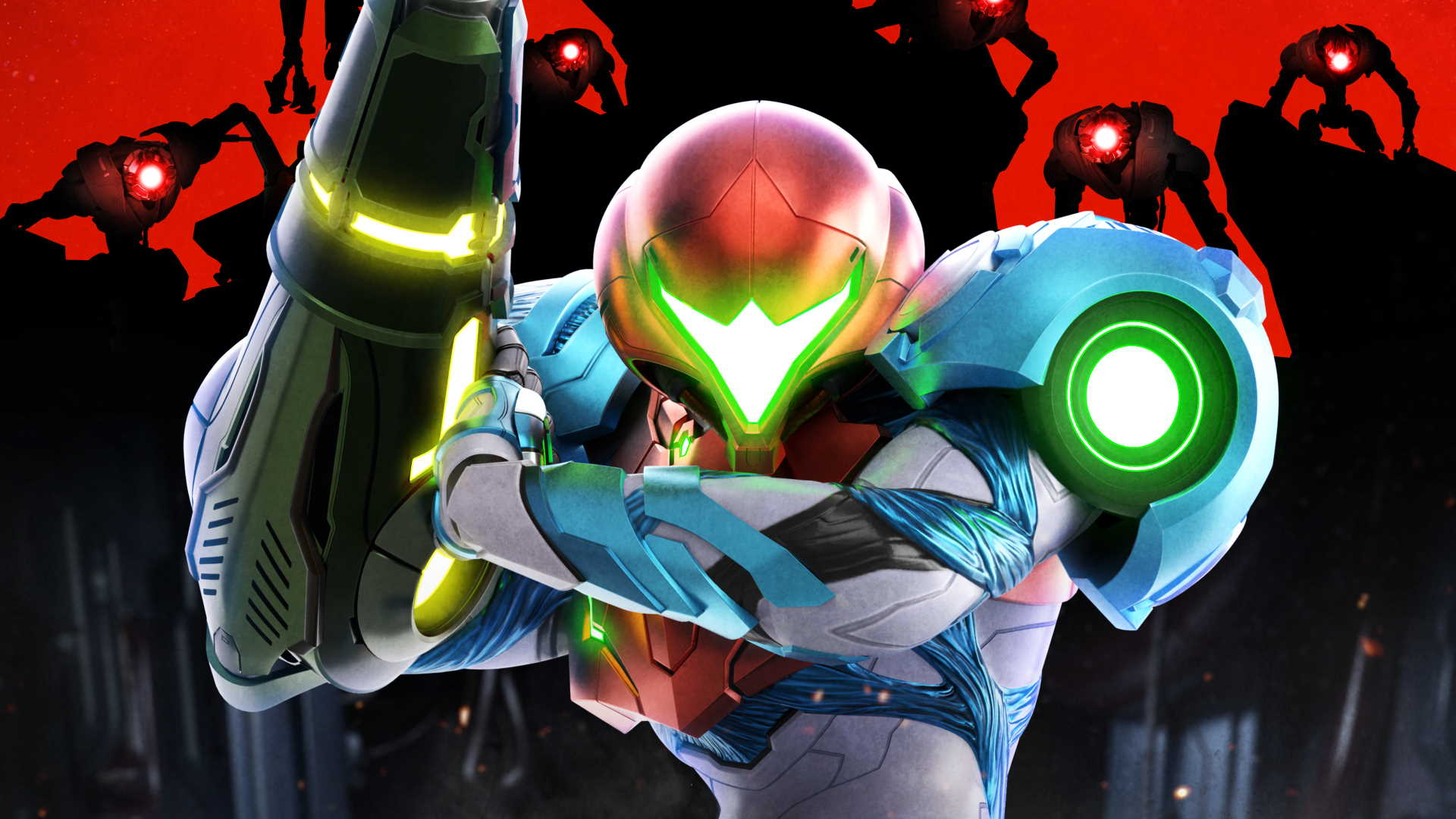
    Metroid Dread initially came with only a normal and hard difficulty selectable, and even normal difficulty was pretty damn hard, despite receiving an update with an easier difficulty mode after release. The changes to the old Metroid formula are a major source of the challenge. In intense stealth situations, Samus encounters new EMMI robot foes, initially with little chance of catching them and only a brief window of escape. Those parts of the game, which sometimes involve complex control combinations, can be tough, even when you acquire a weapon to take down these deadly enemies.

    Then there are the challenging boss fights, which made many players give up before the final cutscene. In particular, the final boss, a demanding three-stage fight that requires almost perfect timing to overcome, may be the most difficult in the entire franchise.

    4. Super Meat Boy&nbsp,

    Another title, Super Meat Boy, was released far before its Switch debut, but it hasn’t been completely diluted for casual gamers. Super Meat Boy has some of the tightest platforming controls around, but that doesn’t do anything to ease the difficulty.

    There are just so many obstacles that need to be evaded in each of its more than 300 levels that it takes real skills to get the game to the end. Even though the later levels are incredibly addicting, you’ll probably try your hardest to watch the final scene.

    3. Celeste

    Another extremely challenging platform, similar to Super Meat Boy, is Celeste. The game requires absolute mastery of its jumping, dashing, and climbing mechanics if you plan to see it to the end, but don’t expect that to be a quick journey. On forums, posts about players dying repeatedly on a single level are not uncommon.

    Celeste does feature a highly customizable “assist mode” that can provide you with lowered game speed, unlimited dashes, or even invincibility, but without that it’s a real chore to get through the challenging B-side and C-side levels, or gather all the game’s collectibles.

    2. Hollow Knight

    Hollow Knight has a fantastically strange graphical aesthetic that perfectly captures the world’s subterranean insectoid environment, which undoubtedly attracted many unsuspecting gamers. Every aspect of this game’s difficulty is pushed to the max, despite having a traditional Metroidvania core. You can get overrun by dozens of difficult bosses quickly, and even a difficult run into a group of regular enemies could get you kicked out.

    The most annoying aspect of Hollow Knight is that there is so little direction about where to go next, it’s very simple to go down a path you’re not yet prepared to handle, and you can have all of your progress erased in a blink of an eye.

    1. Cuphead&nbsp,

    First off, let us just say that we absolutely love Cuphead’s aesthetic. With a jazz soundtrack and a beautifully animated love letter to 1930s cartoons, the game will leave you humming well after you put the controller down. The run-and-gun gameplay is solid, too. It’s just so damn hard.

    There are no real shortcuts to getting past Cuphead‘s numerous challenging bosses. You simply need to learn their patterns before you can also develop the muscle memory necessary to accurately time parries and attacks. If you actually do defeat the Devil, you’ll feel great about yourself, but not everyone gamer will be willing to put in the effort.

    The post 15 of the most difficult Nintendo Switch games ever appeared first on Den of Geek.

  • HBO and Max New Releases: February 2025

    HBO and Max New Releases: February 2025

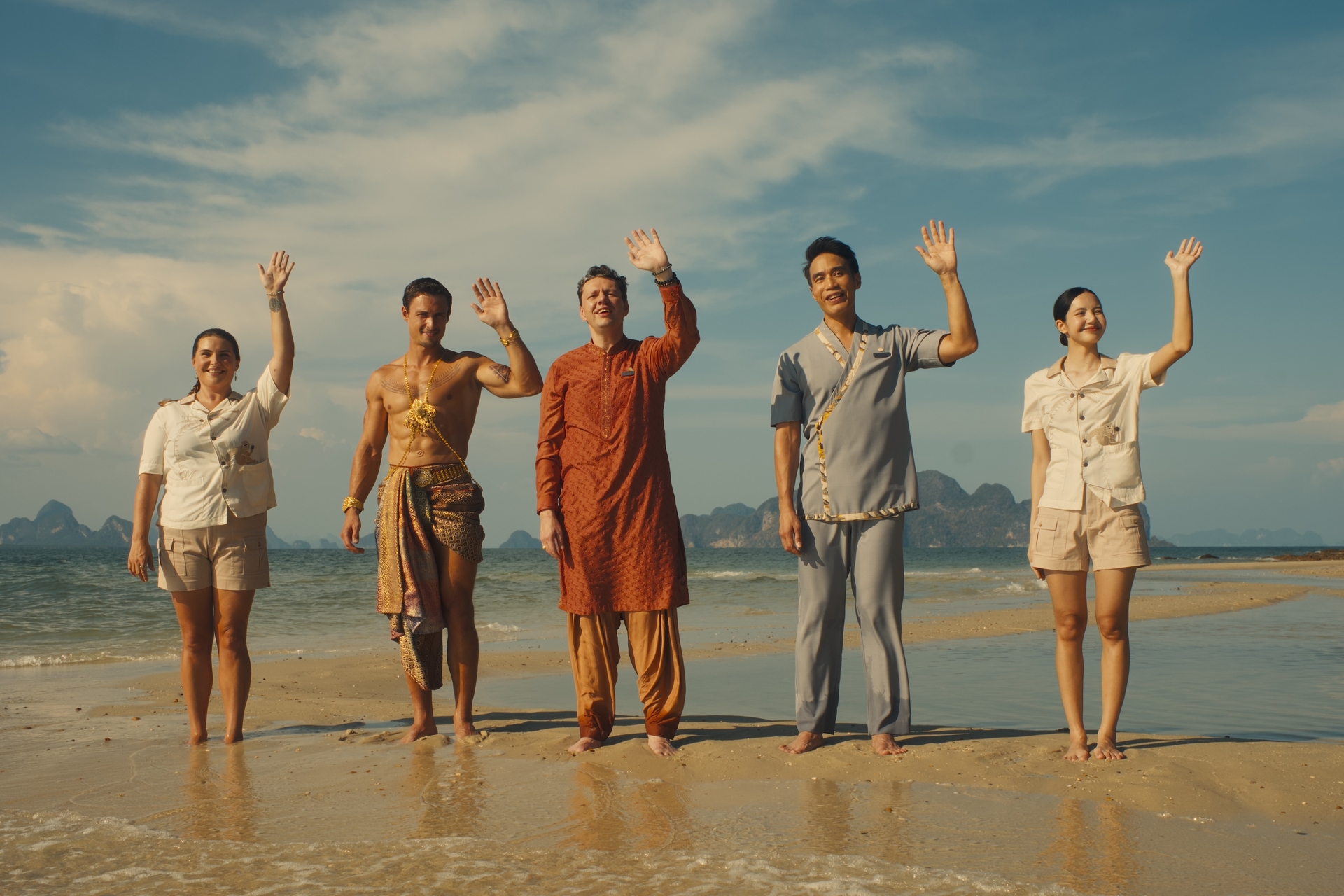
    The second star-studded season of The White Lotus checks-in on HBO and Max Feb. 16. There are plenty of strategies to be discovered among the rich guests at the Thailand resort of the famous resort chain. The cast includes Jason Isaacs, Walton Goggins, Carrie Coon, Parker Posey, and the return of Natasha Rothwell as season 1’s ]…]

    The article HBO and Max New Releases: February 2025 appeared second on Den of Geek.

    After eight years on the market, it’s difficult to say the Nintendo Switch 2 was anything other than a huge success. Sure, it may have the power of a new Xbox or PlayStation, but the cross features, modern feedback of the Joy-Con controllers, and large library of Nintendo classics and third-party ports has made it the desired console for millions of people around the world.

    There’s a little something for everyone in the Nintendo Switch libraries, particularly if you’re looking for a challenge. These are the 15 most difficult Nintendo Switch activities, between brand-new, higher-end titles and old favorites that have been system-ported.

    cnx. powershell. push ( function ( ) {cnx ( {playerId:” 106e33c0-3911-473c-b599-b1426db57530″, }). render ( “0270c398a82f44f49c23c16122516796” ), }),

    15. Ikaruga

    Day hasn’t made Ikaruga any easier since it was first released for galleries in 2001, and the Switch interface doesn’t have any cutting-edge changes to lower the problems. A still-innovative polarisation system dominates this, creating real bullet hell. You can alter the polarisation of your deliver to white or black at any time and process bullets from those colors to power up a specific attack. But getting hit by a shot of the wrong colour, and you’ll gain a ship.

    Although the idea seems basic, learning Ikaruga may be incredibly challenging once the shots start flying. Any player who may defeat its five stages can still be proud of their accomplishment, especially if they can do it without sacrificing a life.

    14. Super Mario Maker 2

    Super Mario Maker 2 contains truly two sports. The first is narrative style, a challenging, but not terribly difficult variety of amounts developed by Nintendo that most Mario veterans will be able to hit after a few days with a fair&#8212, but not terribly excessive&#8212, number of deaths.

    Then there’s the online function, where sadists go to great lengths to make the most absurdly challenging gameplay levels ever created and that less than one percent of players really does defeat in some cases. If you choose to enter this function and actually attempt to complete some of these levels, does God have mercy on your heart.

    13. Hades

    Hades is generally a result of practice and luck, like any other game, but it also has some peculiarities that make it one of the genre’s more challenging names. Second, to truly beat the game and see the certificates, you’ll have to beat the final director not once, not twice, but a whopping 10 occasions, a feat that will get most gamers dozens of hours.

    However, you can personally raise the trouble after defeating Hades for more rewards after the first defeat. Some of these modifications increase the number of opponents or the way leaders attack until one participant finally managed to pull it off and posted it electronically.

    12. Black Hearts: Enhanced

    Without Dark Souls, where had a list of tough games be? You can now death a lot while traveling, which makes the Switch version of the Switch release not much different from the other versions since 2011. With all of its often cheap enemies and often complicated level design, this game is basically the same as it was when we’ve been playing it since the PS3 era.

    The only explanation Black Souls is so low on the list is that there are already lots of online guides that will teach you how to power up quickly and quickly defeat the most challenging bosses. However, this game is still among the most challenging if you don’t get too far in.

    11. Shin Megami Tensei III: Nocturne HD Remaster

    You’ll hear from experienced Shin Megami Tensei people that the games aren’t that challenging. The problem is, that watch actually only comes from experience. If you go into Shin Megami Tensei III deaf, you will almost certainly die a bit, even on regular problems. &nbsp,

    Kind of like Dark Souls, there’s just a lot here the game doesn’t tell you about fusing demons and shoring up your party’s weaknesses. Most gamers will tell you their first encounter with the series was nothing but easy once you understand the game’s mechanics and are able to properly prepare for battles.

    10. Dead Cells

    Another beloved roguelike, Dead Cells took a lot of cues from Dark Souls, but just moved the action to 2D. You have a pretty good idea of what the difficulty will be like if you have that kind of inspiration. Dead Cells is a fantastic game overall, but what frustrates players is how random and unfair it can be.

    You’ll start out strong with strong equipment and a good run, so you can start dominating everyone in your path. Then the game will unintentionally drop a brand-new boss who crushes you in about 10 seconds, effectively ending your run.

    9. Darkest Dungeon

    You are aware of how we previously stated that Shin Megami Tensei III can at least be defeated with proper planning? Darkest Dungeon takes that one advantage away with its procedurally-generated dungeons. You might think your party is ready for what’s ahead, but if the game throws something way overpowered at you, you’re going to be dead, or maybe worse, insane.

    Darkest Dungeon‘s most unique feature is its stress level. If your party is stressed by too much darkness, lack of food, or blights from enemies, they’ll stop listening to you, or they might even have a heart attack. Darkest Dungeon is much more challenging than the typical RPG because of having to deal with the effects of stress.

    8. Thumper

    The developers of Thumper describe it as a “rhythm violence” game. What exactly that means is made clear by a few minutes of gameplay. You operate as a space beetle that moves along a track while avoiding obstacles and defeating enemies to maintain rhythm with the music.

    The difficulty of Thumper begins with a respectable pace, like many great rhythm games, but each level number corresponds to a time signature, and the later levels become so extreme that even the most experienced veterans of other rhythm games will struggle to keep up.

    7. Baba is You

    Over the course of more than 400 levels, Baba is You will make you question your intelligence. It is still a wholly unique puzzle game. You are presented with several word tiles in each stage of one screen that you must arrange to accomplish the goal. The difficulty quickly increases as the phrase “flag is win” is arranged, but it can start as simple as that.

    Once you get more deeply into the game, it’s simple to understand how quickly a level will be broken by a change in your character’s personality or the world itself. And later levels, the meaning of the words becomes much vaguer, leading to a frustrating rather than enjoyable experience.

    6. Donkey Kong Country Returns HD

    Donkey Kong Country Returns HD is technically the newest entry on this list since it only launched in January of this year, but it also serves as a port of a 2010 Wii game, making it one of the older games on the list. The difficulty also depends a lot on the game’s mode. There are plenty of power ups available, making it a challenging but not impossible game to get through. Modern mode allows for Donkey Kong and Diddy Kong to share six hearts between them.

    But if you play in classic mode, you’re in for a rough time. Donkey Kong Country Returns ‘ numerous mine cart and barrel levels will test all of your platforming abilities because there are only four hearts between the Kongs and fewer power ups, and not everyone will make it to the credits.

    5. Metroid Dread

    Metroid Dread initially came with only a normal and hard difficulty selectable, and even normal difficulty was pretty damn hard, despite receiving an update with an easier difficulty mode after release. The adaptations to the old Metroid formula pose a significant challenge. In intense stealth situations, Samus encounters the new EMMI robot foes, initially with little chance of catching her and only a short window of escape. Those parts of the game, which sometimes involve complex control combinations, can be tough, even when you acquire a weapon to take down these deadly enemies.

    Then there are the challenging boss fights, which made many gamers give up before the final cutscene. In particular, the final boss, a demanding three-stage fight that requires almost perfect timing to overcome, may be the most difficult in the entire franchise.

    4. Super Meat Boy&nbsp,

    Another title, Super Meat Boy, was released far before its Switch debut, but it hasn’t been completely diluted for casual gamers. Super Meat Boy has some of the tightest platforming controls around, but that doesn’t do anything to ease the difficulty.

    There are just so many obstacles that need to be evaded in each of its more than 300 levels that it takes real skills to get the game to the end. You’ll probably try your hardest to watch the final cut, even though the game gets really addictive in the later levels.

    3. Celeste

    Another extremely challenging platform in the same vein as Super Meat Boy, Celeste. The game requires absolute mastery of its jumping, dashing, and climbing mechanics if you plan to see it to the end, but don’t expect that to be a quick journey. On forums about players dying hundreds of times on a single level is not uncommon.

    Celeste does feature a highly customizable “assist mode” that can provide you with lowered game speed, unlimited dashes, or even invincibility, but without that it’s a real chore to get through the challenging B-side and C-side levels, or gather all the game’s collectibles.

    2. Hollow Knight

    Hollow Knight‘s wonderfully strange graphical design perfectly captures the world’s subterranean insectoid environment, which undoubtedly attracted a lot of unsuspecting gamers. While having a traditional Metroidvania core, every aspect of this game’s difficulty is pushed to the max. Even a tough run in with a group of regular enemies might put you out, and the dozens of tough bosses can put you to death quickly.

    The most annoying aspect of Hollow Knight is that there is so little direction about where to go next, it’s very simple to go down a path you’re not yet prepared to handle, and you can have your entire progress erased in a flash ( though admittedly this feature has fans as well ).

    1. Cuphead&nbsp,

    First off, let us just say that we absolutely love Cuphead’s aesthetic. With a jazz soundtrack and a beautifully animated love letter to 1930s cartoons, the game will leave you humming well after you put the controller down. The run-and-gun gameplay is solid, too. It’s just so damn hard.

    There are no real shortcuts to getting past Cuphead‘s numerous challenging bosses. You simply need to understand their patterns before mastering the muscle memory necessary to accurately time parries and attacks. If you actually do defeat the Devil, you can feel great accomplishment here, but not everyone gamer will be willing to put in the effort to get there.

    On Den of Geek, the first post 15 of the greatest Nintendo Switch games ever made an appearance.

  • Hulu New Releases: February 2025

    Hulu New Releases: February 2025

    This quarter, Hulu is once again the center of reality TV. The Kardashians, a Hulu classic, will air in time 6 on February 6 and follows the famous family as they go about their life. a number of real TV programs produced by Warner Bros. This month, Discovery Umbrella will also be bringing new seasons of [ …] to Hulu.

    The article Hulu New Releases: February 2025 appeared second on Den of Geek.

    The Nintendo Switch 2 is just around the corner, and after eight years on the market, it’s hard to say the first Nintendo Switch was anything other than a huge success. Sure, it may have the power of a new Xbox or PlayStation, but the cross features, modern feedback of the Joy-Con controllers, and large library of Nintendo classics and third-party ports has made it the desired console for millions of people around the world.

    There’s a little something for everyone in the Nintendo Switch collection, particularly if you’re looking for a problem. These are the 15 most difficult Nintendo Switch game, between brand-new, cranked up, and old favorites that have been ported to the program.

    cnx. command. push ( function ( ) {cnx ( {playerId:” 106e33c0-3911-473c-b599-b1426db57530″, }). render ( “0270c398a82f44f49c23c16122516796” ), }),

    15. Ikaruga

    Day hasn’t made Ikaruga any easier since it was first released for galleries in 2001, and the Switch interface doesn’t have any cutting-edge changes to lower the problems. This is true gun hell with a still-innovative polarisation system. You can alter the polarisation of your deliver to white or black at any time and process bullets from those colors to power up a specific attack. But getting hit by a shot of the wrong shade, and you’ll gain a ship.

    Although Ikaruga may seem like a straightforward idea, once the bullets start flying, it can be a little challenging to know all of its designs. Any player who is defeat its five stages can still be proud of their accomplishments, especially if they can do it without sacrificing any of their lives.

    14. Super Mario Maker 2

    Super Mario Maker 2 contains truly two sports. The first is narrative style, a challenging, but not terribly difficult variety of amounts developed by Nintendo that most Mario veterans will be able to hit after a few days with a fair&#8212, but not terribly excessive&#8212, number of deaths.

    Then there’s the online function, where sadists go to great lengths to make the most absurdly challenging gameplay levels ever created and that less than one percent of players really does defeat in some cases. If you choose to enter this setting and actually attempt to complete some of these levels, does God have mercy on your heart.

    13. Hades

    Hades is generally a result of practice and luck, like any other game, but it also has some peculiarities that make it one of the more challenging names in the music. Second, to truly beat the game and see the certificates, you’ll have to beat the final director not once, not twice, but a whopping 10 occasions, a feat that will get most gamers dozens of hours.

    However, you can manually raise the difficulty for additional rewards after successfully defeating Hades. Some of these modifiers make enemies more difficult to defeat or cause bosses to attack, making one player’s feat of genius impossible to accomplish until it was finally accomplished and posted it online.

    12. Dark Souls: Remastered

    Without Dark Souls, where would a list of hard games be? The Switch version isn’t significantly different from any of the other versions that have come out since 2011, other than the fact that you can now die a lot while traveling. With all of its occasionally cheap enemies and occasionally confusing level design meant to beat you down, this game is essentially the same we’ve been playing since the PS3 era.

    The only reason Dark Souls is so low on the list is that there are already plenty of online guides that will teach you how to power up quickly and quickly defeat the most challenging bosses. However, if you don’t get it all wrong, you still have one of the most challenging games to play.

    11. Shin Megami Tensei III: Nocturne HD Remaster

    You’ll hear from experienced Shin Megami Tensei players that the games aren’t that challenging. The problem is, that view really only comes from experience. If you go into Shin Megami Tensei III blind, you will almost definitely die a lot, even on normal difficulty. &nbsp,

    Kind of like Dark Souls, there’s just a lot here the game doesn’t tell you about fusing demons and shoring up your party’s weaknesses. Most gamers will tell you their first encounter with the series was nothing but easy once you understand the game’s mechanics and are able to properly prepare for battles.

    10. Dead Cells

    Another beloved roguelike, Dead Cells took a lot of cues from Dark Souls, but just moved the action to 2D. You have a pretty good idea of what the difficulty will be with that kind of inspiration. Dead Cells is a fantastic game overall, but what’s frustrating about it is how random and unfair it can be.

    You’ll get strong equipment and a good run going so you can start dominating everything in your path. Then the game will unintentionally end your run with a brand-new boss you’ve never seen before who crushes you in ten seconds.

    9. Darkest Dungeon

    You are aware of how we previously stated that Shin Megami Tensei III can at least be defeated with proper planning? Darkest Dungeon takes that one advantage away with its procedurally-generated dungeons. You might think your party is ready for what’s ahead, but if the game throws something way overpowered at you, you’re going to be dead, or maybe worse, insane.

    Darkest Dungeon‘s most unique feature is its stress level. If your party is stressed by too much darkness, lack of food, or blights from enemies, they’ll stop listening to you, or they might even have a heart attack. Darkest Dungeon is much more challenging than the typical RPG due to having to deal with stress.

    8. Thumper

    The developers of Thumper describe it as a “rhythm violence” game. A few minutes of gameplay demonstrate what exactly that means. You operate as a space beetle that moves along a track while avoiding obstacles and defeating enemies to maintain rhythm with the music.

    The difficulty of Thumper is moderately high, but like many great rhythm games, even the most experienced veterans of other rhythm games will struggle to keep up. Each level number corresponds to a time signature, and the later levels become so extreme that even the most experienced players will struggle to keep up.

    7. Baba is You

    Over the course of more than 400 levels, you’ll be forced to question your intelligence in Baba is You, a completely original puzzle game. You are presented with several word tiles in each stage of the screen that you must arrange to achieve the goal. That can begin as straightforward as arranging the phrase “flag is win,” but the difficulty quickly increases.

    Once you get more deeply into the game, it’s simple to understand how quickly a level will be broken by altering the nature of your character or the world itself. And later levels ‘ use of words becomes much vaguer, leading to a frustrating rather than enjoyable experience.

    6. HD version of Donkey Kong Country Returns

    Donkey Kong Country Returns HD is technically the newest entry on this list since it only launched in January of this year, but it also serves as a port of a 2010 Wii game, making it one of the older games on the list. The difficulty also depends a lot on the mode you choose to play. There are plenty of power ups available, making it a challenging but not impossible game to get through. In mode, Donkey Kong and Diddy Kong can share six hearts between themselves.

    But if you play in classic mode, you’re in for a rough time. Donkey Kong Country Returns ‘ numerous mine cart and barrel levels will test all of your platforming abilities because there are only four hearts between the Kongs and there are fewer powerups, so not everyone will pass the credits.

    5. Metroid Dread

    Metroid Dread initially came with only a normal and hard difficulty selectable, and even normal difficulty was pretty darn hard, despite receiving an update with an easier difficulty mode after its release. The changes to the old Metroid formula are a major source of the difficulty. In intense stealth situations, Samus encounters the new EMMI robot foes, initially with little chance of catching her and only a short window of escape. Those parts of the game, which sometimes involve complex control combinations, can be tough, even when you acquire a weapon to take down these deadly enemies.

    Then there are the challenging boss fights, which made many gamers give up before the final cutscene. In particular, the final boss, a demanding three-stage fight that requires almost perfect timing to overcome, may be the most difficult in the entire franchise.

    4. Super Meat Boy&nbsp,

    Another title, Super Meat Boy, was released far before its Switch debut, but it hasn’t been completely diluted for casual gamers. Super Meat Boy has some of the tightest platforming controls around, but that doesn’t do anything to ease the difficulty.

    There are just so many obstacles that need to be evaded in each of its more than 300 levels that it takes real skills to get the game to the end. You’ll probably try your hardest to watch the final cut, even though the game gets really addictive in the later levels.

    3. Celeste

    Another extremely challenging platform in the same vein as Super Meat Boy, Celeste. The game requires absolute mastery of its jumping, dashing, and climbing mechanics if you plan to see it to the end, but don’t expect that to be a quick journey. On forums, posts about players dying repeatedly on a single level are not uncommon.

    Celeste does feature a highly customizable “assist mode” that can provide you with lowered game speed, unlimited dashes, or even invincibility, but without that it’s a real chore to get through the challenging B-side and C-side levels, or gather all the game’s collectibles.

    2. Hollow Knight

    The subterranean insectoid world that Hollow Knight has undoubtedly drawn in many unsuspecting gamers has a wonderfully strange graphical style that illustrates its wonderfully strange world. Every aspect of this game’s difficulty is pushed up to the highest level, despite having a traditional Metroidvania at its core. Even a tough run in with a group of regular enemies could put you out, and the dozens of tough bosses can put you to death quickly.

    The most annoying aspect of Hollow Knight is that there is so little direction about where to go next, it’s very simple to go down a path you’re not yet prepared to handle, and you can have all of your progress erased in a blink of an eye.

    1. Cuphead&nbsp,

    First off, let us just say that we absolutely love Cuphead’s aesthetic. With a jazz soundtrack and a beautifully animated love letter to 1930s cartoons, the game will leave you humming well after you put the controller down. The run-and-gun gameplay is solid, too. It’s just so damn hard.

    There are no real shortcuts to getting past Cuphead‘s numerous challenging bosses. You simply need to understand their patterns before mastering the muscle memory necessary to accurately time parries and attacks. If you actually do defeat the Devil, you can feel great accomplishment here, but not everyone gamer will be willing to put in the effort.

    The first post on Den of Geek was titled 15 of the greatest Nintendo Switch games ever.

  • Will the Apple TV+ Adaptation Get The Murderbot Diaries Right?

    Will the Apple TV+ Adaptation Get The Murderbot Diaries Right?

    Someone may perhaps had told you at some point over the past few years that you should definitely read The Murderbot Diaries if you read science fiction or have someone who does. At first glance, you may know why. Martha Wells ‘ book series chronicles the adventures of a purpose-grown security ]… ]

    The article May the Apple TV + Adaptation Find The Murderbot Journals Right? second appeared on Den of Geek.

    The Nintendo Switch 2 is just around the corner, and after eight years on the market, it’s hard to say the first Nintendo Switch was anything other than a huge success. Sure, it may have the power of a new Xbox or PlayStation, but the cross features, modern feedback of the Joy-Con controllers, and large library of Nintendo classics and third-party ports has made it the desired console for millions of people around the world.

    There’s a little something for everyone in the Nintendo Switch collection, particularly if you’re looking for a challenge. These are the 15 most difficult Nintendo Switch matches, between brand-new, higher-end titles and old friends that have been system-ported.

    cnx. powershell. push ( function ( ) {cnx ( {playerId:” 106e33c0-3911-473c-b599-b1426db57530″, }). render ( “0270c398a82f44f49c23c16122516796” ), }),

    15. Ikaruga

    Day hasn’t made Ikaruga any easier since it was first released for galleries in 2001, and the Switch interface doesn’t have any cutting-edge changes to lower the problems. A still-innovative polarisation system dominates this, creating real bullet hell. You can also adjust your ship’s polarity to white or black at any time and digest specific attack bullets to match that color. But getting hit by a shot of the wrong colour, and you’ll gain a ship.

    Although Ikaruga may seem like a straightforward idea, once the bullets start flying, it can be a little challenging to know all of its designs. Any gamer who is survive its five stages can still be proud of their success, especially if they can do it without losing a life.

    14. Super Mario Maker 2

    Super Mario Maker 2 contains truly two sports. The first is narrative style, a challenging, but not terribly difficult variety of amounts developed by Nintendo that most Mario veterans will be able to hit after a few days with a fair&#8212, but not terribly excessive&#8212, number of deaths.

    Then there’s the online mode, where sadists have gone out of their way to create the most absurdly challenging multitasking rates ever created and that less than one cent of people may actually defeat in some cases. If you choose to enter this setting and actually attempt to complete some of these levels, does God have mercy on your heart.

    13. Hades

    Hades ‘ issues, like any game, largely depends on a combination of exercise and luck, but it also introduces some peculiarities that make it one of the more challenging titles in the genre. Second, to truly beat the game and see the certificates, you’ll have to beat the final director not once, not twice, but a whopping 10 occasions, a feat that will get most players dozens of hours.

    However, you can manually raise the difficulty for additional rewards after successfully defeating Hades. Some of these modifiers increase the number of enemies or the way bosses attack, making it impossible for developers to master the hardest difficulty until a successful user posted it online and posted it.

    12. Dark Souls: Remastered

    Without Dark Souls, where would a list of hard games be? The Switch version isn’t significantly different from any of the other versions that have come out since 2011, other than the fact that you can now die frequently while traveling. With all of its occasionally cheap enemies and occasionally confusing level design, this game is essentially the same as it was when we’ve been playing it since the PS3 era.

    The only reason Dark Souls is so low on the list is that there are already plenty of online guides that will teach you how to power up quickly and quickly defeat the most challenging bosses. However, if you enter it blind, you will still find this to be one of the most challenging games.

    11. Shin Megami Tensei III: Nocturne HD Remaster

    You’ll hear from experienced Shin Megami Tensei players that the games aren’t that challenging. The problem is, that view really only comes from experience. If you go into Shin Megami Tensei III blind, you will almost definitely die a lot, even on normal difficulty. &nbsp,

    Kind of like Dark Souls, there’s just a lot here the game doesn’t tell you about fusing demons and shoring up your party’s weaknesses. Most gamers will tell you their first encounter with the series was nothing but easy once you understand the game’s mechanics and are able to properly prepare for battles.

    10. Dead Cells

    Another beloved roguelike, Dead Cells took a lot of cues from Dark Souls, but just moved the action to 2D. You have a pretty good idea of what the difficulty will be with that kind of inspiration. Dead Cells is a fantastic game overall, but what’s frustrating about it is how random and unfair it can be.

    You’ll get strong equipment and a good run going so you can start dominating everything in your path. Then the game will unintentionally end your run with a brand-new boss you’ve never seen before who crushes you in ten seconds.

    9. Darkest Dungeon

    You know how we previously stated that Shin Megami Tensei III can at least be defeated with proper planning? Darkest Dungeon takes that one advantage away with its procedurally-generated dungeons. You might think your party is ready for what’s ahead, but if the game throws something way overpowered at you, you’re going to be dead, or maybe worse, insane.

    Darkest Dungeon‘s most unique feature is its stress level. If your party is stressed by too much darkness, lack of food, or blights from enemies, they’ll stop listening to you, or they might even have a heart attack. Darkest Dungeon is much more challenging than the typical RPG because of having to deal with the effects of stress.

    8. Thumper

    The developers of Thumper describe it as a “rhythm violence” game. A few minutes of gameplay demonstrate what exactly that means. You operate as a space beetle that moves along a track while avoiding obstacles and defeating enemies to maintain rhythm with the music.

    The difficulty of Thumper is moderately high, but like many great rhythm games, even the most experienced veterans of other rhythm games will struggle to keep up. Each level number corresponds to a time signature, and the later levels become so extreme that even the most experienced players will struggle to keep up.

    7. Baba is You

    Over the course of more than 400 levels, you’ll be forced to question your intelligence in Baba is You, a completely original puzzle game. You are presented with several word tiles in each stage of the screen that you must arrange to achieve the goal. That can begin as straightforward as arranging the phrase “flag is win,” but the difficulty quickly mounts.

    Once you get more deeply into the game, it’s simple to understand how quickly a level will be broken by a change in your character’s personality or the world itself. And later levels ‘ use of words becomes much vaguer, leading to a frustrating rather than enjoyable experience.

    6. HD version of Donkey Kong Country Returns

    Donkey Kong Country Returns HD is technically the newest entry on this list since it only launched in January of this year, but it also serves as a port of a 2010 Wii game, making it one of the older games on the list. The difficulty also depends a lot on the mode you choose to play. There are plenty of power ups available, making it a challenging but not impossible game to get through. In mode, Donkey Kong and Diddy Kong can share six hearts between themselves.

    But if you play in classic mode, you’re in for a rough time. Donkey Kong Country Returns ‘ numerous mine cart and barrel levels will test all of your platforming abilities because there are only four hearts between the Kongs and there are fewer power ups, and not everyone will make it to the credits.

    5. Metroid Dread

    Metroid Dread initially came with only a normal and hard difficulty selectable, and even normal difficulty was pretty darn hard, despite receiving an update with an easier difficulty mode after its release. The changes to the old Metroid formula are a major source of the challenge. In intense stealth situations, Samus must deal with the new EMMI robot foes, initially with no way to defeat them and only a short window of escape when they catch her. Those parts of the game, which sometimes involve complex control combinations, can be tough, even when you acquire a weapon to take down these deadly enemies.

    Then there are the challenging boss fights, which made many players give up before the final cutscene. In particular, the final boss, a demanding three-stage fight that requires almost perfect timing to overcome, may be the most difficult in the entire franchise.

    4. Super Meat Boy&nbsp,

    Another title, Super Meat Boy, was originally released elsewhere long before its Switch debut, but it hasn’t been completely diluted for casual gamers. Super Meat Boy has some of the tightest platforming controls around, but that doesn’t do anything to ease the difficulty.

    There are just so many obstacles that need to be evaded in each of its more than 300 levels that it takes real skills to get the game to the end. Even though the later levels are incredibly addicting, you’ll probably try your hardest to watch the final scene.

    3. Celeste

    Another extremely challenging platform in the same league as Super Meat Boy, Celeste. The game requires absolute mastery of its jumping, dashing, and climbing mechanics if you plan to see it to the end, but don’t expect that to be a quick journey. On forums, posts about players dying hundreds of times on a single level are not uncommon.

    Celeste does feature a highly customizable “assist mode” that can provide you with lowered game speed, unlimited dashes, or even invincibility, but without that it’s a real chore to get through the challenging B-side and C-side levels, or gather all the game’s collectibles.

    2. Hollow Knight

    Hollow Knight‘s wonderfully strange graphical design perfectly captures the world’s subterranean insectoid environment, which undoubtedly attracted a lot of unsuspecting gamers. Every aspect of this game’s difficulty is pushed to the max, despite having a traditional Metroidvania core. You can get overrun by dozens of difficult bosses quickly, and even a difficult run into a group of regular enemies could get you kicked out.

    The most annoying aspect of Hollow Knight is that there is so little direction about where to go next, it’s very simple to go down a path you’re not yet prepared to handle, and you can have your entire progress erased in a flash ( though admittedly this feature has fans as well ).

    1. Cuphead&nbsp,

    First off, let us just say that we absolutely love Cuphead’s aesthetic. With a jazz soundtrack and a beautifully animated soundtrack for 1930s cartoons, you’ll be humming along with the controller. The run-and-gun gameplay is solid, too. It’s just so damn hard.

    There are no real shortcuts to getting past Cuphead‘s numerous challenging bosses. You simply need to understand their patterns before mastering the muscle memory necessary to accurately time parries and attacks. If you actually do defeat the Devil, you’ll feel great about yourself, but not everyone gamer will be willing to put in the effort.

    The first post on Den of Geek was titled 15 of the greatest Nintendo Switch games ever.

  • Disney+ New Releases: February 2025

    Disney+ New Releases: February 2025

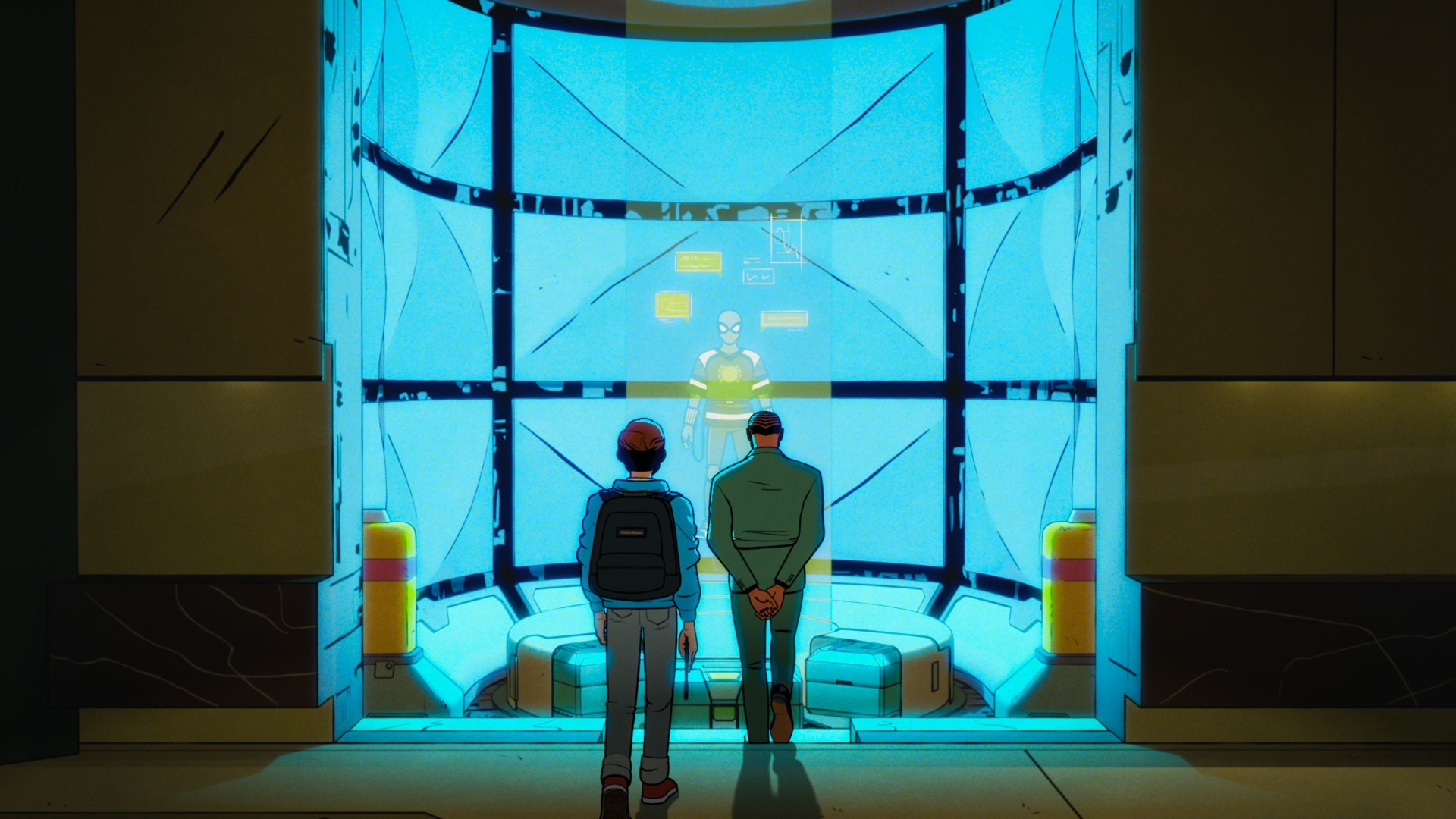
    More of Marvel’s Your Friendly Neighborhood Spider-Man will be released each year until the season finale on February 19 in this quarter of Disney +’s video schedule. In this adaptation of Peter Parker’s tale, the youthful web-slinging protagonist tries to balance being a typical high school student with being a […]

    The post Disney + New Releases: February 2025 appeared first on Den of Geek.

    After eight years on the market, it’s difficult to say the Nintendo Switch 2 was anything other than a huge success. Sure, it may have the power of a new Xbox or PlayStation, but the cross features, modern feedback of the Joy-Con controllers, and large library of Nintendo classics and third-party ports has made it the desired console for millions of people around the world.

    There’s a little something for everyone in the Nintendo Switch libraries, particularly if you’re looking for a challenge. These are the 15 most difficult Nintendo Switch activities, between brand-new, higher-end titles and old friends that have been system-ported.

    cnx. powershell. push ( function ( ) {cnx ( {playerId:” 106e33c0-3911-473c-b599-b1426db57530″, }). render ( “0270c398a82f44f49c23c16122516796” ), }),

    15. Ikaruga

    Time has certainly made Ikaruga any easier, and the Switch interface doesn’t include any contemporary changes to lower the trouble, as initially released for galleries in 2001. A still-innovative polarisation system dominates this, creating real bullet hell. You can alter the polarisation of your deliver to white or black at any time and process bullets from those colors to power up a specific attack. But getting hit by a shot of the wrong shade, and you’ll gain a ship.

    Although the idea seems easy, learning Ikaruga may be incredibly challenging once the shots start flying. Any athlete who is defeat its five stages can still be proud of their accomplishment, especially if they can do it without sacrificing a life.

    14. Super Mario Maker 2

    Super Mario Maker 2 contains truly two sports. The first is narrative style, a challenging, but not terribly difficult variety of amounts developed by Nintendo that most Mario veterans will be able to hit after a few days with a fair&#8212, but not terribly excessive&#8212, number of deaths.

    Then there’s the online mode, where sadists have gone out of their way to create the most absurdly challenging multitasking rates ever created and that less than one cent of people may actually defeat in some cases. If you choose to enter this setting and actually attempt to complete some of these levels, does God have mercy on your heart.

    13. Hades

    Hades is generally a result of practice and luck, like any other game, but it also has some peculiarities that make it one of the more challenging names in the music. First, to truly beat the game and see the credits, you’ll have to defeat the final boss not once, not twice, but a whopping 10 times, a feat that will take most players dozens of hours.

    However, you can manually raise the difficulty for additional rewards after successfully defeating Hades. Some of these modifiers make enemies more difficult to defeat or cause bosses to attack, making one player’s feat of genius impossible to accomplish until it was finally accomplished and posted it online.

    12. Dark Souls: Remastered

    Without Dark Souls, where would a list of hard games be? The Switch version isn’t significantly different from any of the other versions that have come out since 2011, other than the fact that you can now die frequently while traveling. With all of its occasionally cheap enemies and occasionally confusing level design, this game is essentially the same as it was when we’ve been playing it since the PS3 era.

    The only reason Dark Souls is so low on the list is that there are already plenty of online guides that will teach you how to cheese it to power up early and quickly defeat the most difficult bosses. However, this game is still among the most challenging if you don’t get too far in.

    11. Shin Megami Tensei III: Nocturne HD Remaster

    You’ll hear from experienced Shin Megami Tensei players that the games aren’t that challenging. The problem is, that view really only comes from experience. If you go into Shin Megami Tensei III blind, you will almost definitely die a lot, even on normal difficulty. &nbsp,

    Kind of like Dark Souls, there’s just a lot here the game doesn’t tell you about fusing demons and shoring up your party’s weaknesses. Most gamers will tell you their first encounter with the series was nothing but easy once you understand the game’s mechanics and are able to properly prepare for battles.

    10. Dead Cells

    Another beloved roguelike, Dead Cells took a lot of cues from Dark Souls, but just moved the action to 2D. You have a pretty good idea of what the difficulty will be like if you have that kind of inspiration. Dead Cells is a fantastic game overall, but what frustrates players is how random and unfair it can be.

    You’ll start out strong with strong equipment and a good run, so you can start dominating everyone in your path. Then the game will unintentionally end your run with a brand-new boss you’ve never seen before who crushes you in ten seconds.

    9. Darkest Dungeon

    You know how we previously stated that Shin Megami Tensei III can at least be defeated with proper planning? Darkest Dungeon takes that one advantage away with its procedurally-generated dungeons. You might think your party is ready for what’s ahead, but if the game throws something way overpowered at you, you’re going to be dead, or maybe worse, insane.

    Darkest Dungeon‘s most unique feature is its stress level. If your party is stressed by too much darkness, lack of food, or blights from enemies, they’ll stop listening to you, or they might even have a heart attack. Darkest Dungeon is much more challenging than the typical RPG due to having to deal with stress.

    8. Thumper

    The developers of Thumper describe it as a “rhythm violence” game. A few minutes of gameplay demonstrate what exactly that means. You operate as a space beetle that moves along a track while avoiding obstacles and defeating enemies to maintain rhythm with the music.

    The difficulty of Thumper begins with a respectable pace, like many great rhythm games, but each level number corresponds to a time signature, and the later levels become so extreme that even the most experienced veterans of other rhythm games will struggle to keep up.

    7. Baba is You

    Over the course of more than 400 levels, you’ll be forced to question your intelligence in Baba is You, a completely original puzzle game. You are presented with several word tiles in each stage of the screen that you must arrange to achieve the goal. That can begin as straightforward as arranging the phrase “flag is win,” but the difficulty quickly increases.

    Once you get into the game’s more in-depth details, it’s simple to understand how quickly a level will be broken by a change in your character’s personality or the world itself. And later levels, the meaning of the words becomes much vaguer, leading to a more annoying experience than enjoyable.

    6. HD version of Donkey Kong Country Returns

    Donkey Kong Country Returns HD is technically the newest entry on this list since it only launched in January of this year, but it also serves as a port of a 2010 Wii game, making it one of the older games on the list. The difficulty also greatly depends on the mode you choose to play. There are plenty of powerups available, making it a challenging but manageable game to get through. In mode, Donkey Kong and Diddy Kong can share six hearts between themselves.

    But if you play in classic mode, you’re in for a rough time. Donkey Kong Country Returns ‘ numerous mine cart and barrel levels will test all of your platforming abilities because there are only four hearts between the Kongs and there are fewer power ups, and not everyone will make it to the credits.

    5. Metroid Dread

    Metroid Dread initially came with only a normal and hard difficulty selectable, and even normal difficulty was pretty damn hard, despite receiving an update with an easier difficulty mode after release. The adaptations to the old Metroid formula pose a significant challenge. In intense stealth situations, Samus must deal with the new EMMI robot foes, initially with no way to defeat them and only a short window of escape when they catch her. Those parts of the game, which sometimes involve complex control combinations, can be tough, even when you acquire a weapon to take down these deadly enemies.

    Then there are the challenging boss fights, which made many players give up before the final cutscene. In particular, the final boss, a demanding three-stage fight that requires almost perfect timing to overcome, may be the most difficult in the entire franchise.

    4. Super Meat Boy&nbsp,

    Another title, Super Meat Boy, was originally released elsewhere long before its Switch debut, but it hasn’t been completely diluted for casual gamers. Super Meat Boy has some of the tightest platforming controls around, but that doesn’t do anything to ease the difficulty.

    There are just so many obstacles that need to be evaded in each of its more than 300 levels that it takes real skills to get the game to the end. Even though the later levels are incredibly addicting, you’ll probably try your hardest to watch the final scene.

    3. Celeste

    Another extremely challenging platform, similar to Super Meat Boy, is Celeste. The game requires absolute mastery of its jumping, dashing, and climbing mechanics if you plan to see it to the end, but don’t expect that to be a quick journey. On forums, posts about players dying repeatedly on a single level are not uncommon.

    Celeste does feature a highly customizable “assist mode” that can provide you with lowered game speed, unlimited dashes, or even invincibility, but without that it’s a real chore to get through the challenging B-side and C-side levels, or gather all the game’s collectibles.

    2. Hollow Knight

    Hollow Knight‘s wonderfully strange graphical design perfectly captures the world’s subterranean insectoid environment, which undoubtedly attracted a lot of unsuspecting gamers. Every aspect of this game’s difficulty is pushed up to the highest level, despite having a traditional Metroidvania at its core. Even a tough run in with a group of regular enemies might put you out, and the dozens of tough bosses can put you to death quickly.

    The most annoying aspect of Hollow Knight is that there is so little direction about where to go next, it’s very simple to go down a path you’re not yet prepared to handle, and you can have your entire progress erased in a blink of an eye.

    1. Cuphead&nbsp,

    First off, let us just say that we absolutely love Cuphead’s aesthetic. With a jazz soundtrack and a beautifully animated love letter to 1930s cartoons, the game will leave you humming well after you put the controller down. The run-and-gun gameplay is solid, too. It’s just so damn hard.

    There are no real shortcuts to getting past Cuphead‘s numerous challenging bosses. You simply need to understand their patterns before mastering the muscle memory necessary to accurately time parries and attacks. If you actually do defeat the Devil, you can feel great accomplishment here, but not everyone gamer will be willing to put in the effort to get there.

    On Den of Geek, the first post 15 of the greatest Nintendo Switch games ever made an appearance.

  • Amazon Prime Video New Releases: February 2025

    Amazon Prime Video New Releases: February 2025

    When is the best time to unleash bone-crushing blows in the streaming world? A second year of Invincible and Reacher is included in Amazon Prime Video’s list of new releases for February 2025. On February 6, Invincible year 3 will debut and will see fresh Mark Grayson level up in his […]…

    The article Amazon Prime Video New Releases: February 2025 appeared initially on Den of Geek.

    After eight years on the market, it’s difficult to say the Nintendo Switch 2 was anything other than a huge success. Sure, it may have the power of a new Xbox or PlayStation, but the cross features, modern feedback of the Joy-Con controllers, and large library of Nintendo classics and third-party ports has made it the desired console for millions of people around the world.

    There’s a little something for everyone in the Nintendo Switch collection, particularly if you’re looking for a problem. These are the 15 most difficult Nintendo Switch matches, between brand-new, higher-end titles and old friends that have been system-ported.

    cnx. command. push ( function ( ) {cnx ( {playerId:” 106e33c0-3911-473c-b599-b1426db57530″, }). render ( “0270c398a82f44f49c23c16122516796” ), }),

    15. Ikaruga

    The Switch interface doesn’t add any contemporary additions to the problems, and the original version was released in 2001 for arcades. This is true shot hell with a still-innovative polarisation system. You can also adjust your ship’s polarity to white or black at any time and absorb specific attack bullets to match that color. But getting hit by a shot of the wrong shade, and you’ll gain a ship.

    Although Ikaruga may seem like a straightforward idea, when the bullets start flying, it can be gratingly challenging until you master all of its designs. Any athlete who is defeat its five stages can still be proud of their accomplishments, especially if they can do it without sacrificing any of their lives.

    14. Super Mario Maker 2

    Super Mario Maker 2 contains actually two sports. The first is narrative style, a challenging, but not terribly difficult variety of amounts developed by Nintendo that most Mario veterans will be able to hit after a few days with a fair&#8212, but not terribly excessive&#8212, number of deaths.

    Then there’s the online function, where sadists go to great lengths to make the most absurdly challenging gameplay levels ever created and that less than one percent of players really does defeat in some cases. If you choose to enter this setting and actually attempt to complete some of these levels, does God have mercy on your heart.

    13. Hades

    Hades is generally a result of practice and luck, like any other game, but it also has some peculiarities that make it one of the genre’s more challenging names. Second, to truly beat the game and see the certificates, you’ll have to beat the final director not once, not twice, but a whopping 10 occasions, a feat that will get most players dozens of hours.

    However, you can manually raise the difficulty after defeating Hades for the first time in exchange for additional rewards. Some of these modifiers make enemies more difficult to defeat or cause bosses to attack, making one player’s feat of genius impossible to accomplish until it was finally accomplished and posted it online.

    12. Dark Souls: Remastered

    Without Dark Souls, where would a list of hard games be? You can now die a lot while traveling, which makes the Switch version of the Switch release not much different from the other versions since 2011. With all of its occasionally cheap enemies and occasionally confusing level design, this game is essentially the same as it was when we’ve been playing it since the PS3 era.

    The only reason Dark Souls is so low on the list is that there are already plenty of online guides that will teach you how to cheese it to power up early and quickly defeat the most difficult bosses. However, if you enter it blind, you will still find this to be one of the most challenging games.

    11. Shin Megami Tensei III: Nocturne HD Remaster

    You’ll hear from experienced Shin Megami Tensei players that the games aren’t that challenging. The problem is, that view really only comes from experience. If you go into Shin Megami Tensei III blind, you will almost definitely die a lot, even on normal difficulty. &nbsp,

    Kind of like Dark Souls, there’s just a lot here the game doesn’t tell you about fusing demons and shoring up your party’s weaknesses. Most gamers will tell you their first encounter with the series was nothing but easy once you understand the game’s mechanics and are able to properly prepare for battles.

    10. Dead Cells

    Another beloved roguelike, Dead Cells took a lot of cues from Dark Souls, but just moved the action to 2D. You have a pretty good idea of what the difficulty will be like if you have that kind of inspiration. Dead Cells is a fantastic game overall, but what’s frustrating about it is how random and unfair it can be.

    You’ll get strong equipment and a good run going so you can start dominating everything in your path. Then the game will unintentionally drop a brand-new boss you’ve never seen before who crushes you in about 10 seconds, effectively halting your run.

    9. Darkest Dungeon

    You’ve heard above that Shin Megami Tensei III can at least be defeated with proper planning, you know? Darkest Dungeon takes that one advantage away with its procedurally-generated dungeons. You might think your party is ready for what’s ahead, but if the game throws something way overpowered at you, you’re going to be dead, or maybe worse, insane.

    Darkest Dungeon‘s most unique feature is its stress level. If your party is stressed by too much darkness, lack of food, or blights from enemies, they’ll stop listening to you, or they might even have a heart attack. Darkest Dungeon is much more challenging than the typical RPG because of having to deal with the effects of stress.

    8. Thumper

    The developers of Thumper describe it as a “rhythm violence” game. What exactly that means is made clear in the first few minutes of gameplay. You operate as a space beetle that moves along a track while avoiding obstacles and defeating enemies to maintain rhythm with the music.

    The difficulty of Thumper begins with a respectable pace, like many great rhythm games, but each level number corresponds to a time signature, and the later levels become so extreme that even the most experienced veterans of other rhythm games will struggle to keep up.

    7. Baba is You

    Over the course of more than 400 levels, you’ll be forced to question your intelligence in Baba is You, a completely original puzzle game. You are presented with several word tiles in each stage of the screen that you must arrange to achieve the goal. The difficulty quickly increases as the phrase “flag is win” is arranged, but it can start as simple as that.

    Once you get more deeply into the game, it’s simple to understand how quickly a level will be broken by altering the nature of your character or the world itself. And later levels ‘ use of words becomes much vaguer, leading to a frustrating rather than enjoyable experience.

    6. HD version of Donkey Kong Country Returns

    Donkey Kong Country Returns HD is technically the newest entry on this list since it only launched in January of this year, but it also serves as a port of a 2010 Wii game, making it one of the older games on the list. The difficulty also greatly depends on the mode you choose to play. There are plenty of powerups available, making it a challenging but manageable game to get through. In mode, Donkey Kong and Diddy Kong can share six hearts between themselves.

    But if you play in classic mode, you’re in for a rough time. Donkey Kong Country Returns ‘ numerous mine cart and barrel levels will test all of your platforming abilities because there are only four hearts between the Kongs and fewer power ups, and not everyone will make it to the credits.

    5. Metroid Dread

    Metroid Dread initially came with only a normal and hard difficulty selectable, and even normal difficulty was pretty damn hard, despite receiving an update with an easier difficulty mode after release. The changes to the old Metroid formula are a major source of the difficulty. In intense stealth situations, Samus encounters the new EMMI robot foes, initially with little chance of catching her and only a short window of escape. Those parts of the game, which sometimes involve complex control combinations, can be tough, even when you acquire a weapon to take down these deadly enemies.

    Then there are the challenging boss fights, which required a lot of gamers to give up before the final cutscene. In particular, the final boss, a demanding three-stage fight that requires almost perfect timing to overcome, may be the most difficult in the entire franchise.

    4. Super Meat Boy&nbsp,

    Another title, Super Meat Boy, was originally released elsewhere long before its Switch debut, but it hasn’t been completely diluted for casual gamers. Super Meat Boy has some of the tightest platforming controls around, but that doesn’t do anything to ease the difficulty.

    There are just so many obstacles that need to be evaded in each of its more than 300 levels that it takes real skills to get the game to the end. Even though the later levels are incredibly addicting, you’ll probably try your hardest to watch the final scene.

    3. Celeste

    Another extremely challenging platform in the same vein as Super Meat Boy, Celeste. The game requires absolute mastery of its jumping, dashing, and climbing mechanics if you plan to see it to the end, but don’t expect that to be a quick journey. On forums, posts about players dying repeatedly on a single level are not uncommon.

    Celeste does feature a highly customizable “assist mode” that can provide you with lowered game speed, unlimited dashes, or even invincibility, but without that it’s a real chore to get through the challenging B-side and C-side levels, or gather all the game’s collectibles.

    2. Hollow Knight

    Hollow Knight has a fantastically strange graphical aesthetic that perfectly captures the world’s subterranean insectoid environment, which undoubtedly attracted many unsuspecting gamers. Every aspect of this game’s difficulty is pushed to the max, despite having a traditional Metroidvania core. Even a tough run in with a group of regular enemies could put you out, and the dozens of tough bosses can put you to death quickly.

    The most annoying aspect of Hollow Knight is that there is so little direction about where to go next, it’s very simple to go down a path you’re not yet prepared to handle, and you can have your entire progress erased in a flash ( though admittedly this feature has fans as well ).

    1. Cuphead&nbsp,

    First off, let us just say that we absolutely love Cuphead’s aesthetic. With a jazz soundtrack and a beautifully animated love letter to 1930s cartoons, the game will leave you humming well after you put the controller down. The run-and-gun gameplay is solid, too. It’s just so damn hard.

    There are no real shortcuts to getting past Cuphead‘s numerous challenging bosses. You simply need to understand their patterns before mastering the muscle memory necessary to accurately time parries and attacks. If you actually do defeat the Devil, you’ll feel great about yourself, but not everyone gamer will be willing to put in the effort.

    The post 15 of the most difficult Nintendo Switch games ever appeared first on Den of Geek.

  • The Best Horror Movie Remakes Ranked

    The Best Horror Movie Remakes Ranked

    Like most other redos, horror movie remakes begin their journey on shaky ground. The name recognition that often gets them made is the same recognition that leads to them being judged before anyone watches. It’s hard enough to make a good movie and get people to see it; imagine having to do so while battling […]

    The post The Best Horror Movie Remakes Ranked appeared first on Den of Geek.

    The Nintendo Switch 2 is right around the corner, and after eight years on the market, it’s hard to call the first Nintendo Switch anything else but a massive success. Sure, it might lack the horsepower of a new Xbox or PlayStation, but the hybrid functionality, innovative feedback of the Joy-Con controllers, and massive library of Nintendo classics and third-party ports has made it the preferred console for millions of people around the world. 

    There’s a little something for everyone in the Nintendo Switch library, especially if you’re looking for a challenge. Between new games with cranked up difficulty, and old favorites known for their high difficulty that have been ported to the system, these are the 15 hardest Nintendo Switch games.

    cnx.cmd.push(function() {
    cnx({
    playerId: “106e33c0-3911-473c-b599-b1426db57530”,

    }).render(“0270c398a82f44f49c23c16122516796”);
    });

    15. Ikaruga

    Originally released for arcades in 2001, time has not made Ikaruga any easier, and the Switch port doesn’t include any modern additions to reduce the difficulty. This is pure bullet hell with a still-innovative polarity system. At any time, you can change the polarity of your ship to white or black and absorb bullets of that color to power up a special attack. But get hit by a bullet of the wrong color, and you’ll lose a ship.

    It sounds like a simple concept, but when the bullets start flying, Ikaruga can be frustratingly difficult until you learn all of its patterns. Beating its five stages is still an impressive accomplishment for any gamer, especially if you can do it without losing a life. 

    14. Super Mario Maker 2

    There are really two games in Super Mario Maker 2. The first is story mode, a challenging, but not terribly difficult collection of levels developed by Nintendo that most Mario veterans will be able to beat after a few days with a fair—but not terribly excessive—number of deaths.

    Then there’s the online mode where sadists have gone out of their way to create the most ridiculously difficult platforming levels ever devised, and that less than one percent of players can actually beat in some cases. May God have mercy on your soul if you decide to venture into this mode and actually try to complete some of these levels.

    13. Hades

    Like any roguelike, difficulty in Hades largely comes down to a combination of practice and luck, but Hades also introduces some quirks that make it one of the more difficult titles in the genre. First, to truly beat the game and see the credits, you’ll have to defeat the final boss not once, not twice, but a whopping 10 times, a feat that will take most players dozens of hours.

    But after defeating Hades the first time, you can manually increase the difficulty for extra rewards. Some of these modifiers increase the number of enemies or how bosses attack to the point that initially the developers thought the hardest difficulty was impossible to beat until one player finally managed to pull it off and posted it online.

    12. Dark Souls: Remastered

    Where would a list about hard games be without an appearance from Dark Souls? The Switch version isn’t drastically different from any of the other versions released since 2011, except you can now die a lot while on the go. This is essentially the same game we’ve been playing since the PS3 era, with all of its sometimes cheap enemies and occasionally confusing level design meant to beat you down.

    The only reason Dark Souls ranks low on the list is that by now there are also plenty of guides online that will tell you how to cheese it to power up early and easily beat the most difficult bosses. But if you go into it blind, this is still one of the most difficult games around.

    11. Shin Megami Tensei III: Nocturne HD Remaster

    Longtime Shin Megami Tensei players will tell you that the games actually aren’t that difficult. The problem is, that view really only comes from experience. If you go into Shin Megami Tensei III blind, you will almost definitely die a lot, even on normal difficulty. 

    Kind of like Dark Souls, there’s just a lot here the game doesn’t tell you about fusing demons and shoring up your party’s weaknesses. Once you get a grasp on the game’s mechanics and are able to properly prepare for battles, it’s not too bad, but most gamers will tell you their first encounter with the series was anything but easy.

    10. Dead Cells

    Another beloved roguelike, Dead Cells took a lot of cues from Dark Souls, but just moved the action to 2D. With that kind of inspiration, you have a pretty good idea of what the difficulty is going to be like. While it’s an overall fantastic game, what gets frustrating about Dead Cells is just how random and downright unfair it can be.

    You’ll get a good run going, and some strong equipment so you can start dominating everything in your path. Then the game will randomly throw out a brand new boss you’ve never seen before who crushes you in about 10 seconds, promptly ending your run.

    9. Darkest Dungeon

    You know how we said above that Shin Megami Tensei III can at least be beaten with proper planning? Darkest Dungeon takes that one advantage away with its procedurally-generated dungeons. You might think your party is ready for what’s ahead, but if the game throws something way overpowered at you, you’re going to be dead, or maybe worse, insane.

    Darkest Dungeon’s most unique feature is its stress level. If your party is stressed by too much darkness, lack of food, or blights from enemies, they’ll stop listening to you, or they might even have a heart attack. Having to deal with the effects of stress makes Darkest Dungeon much more difficult than the typical RPG.

    8. Thumper

    The developers of Thumper describe it as a “rhythm violence” game. A few minutes of gameplay make it clear what exactly that means. You play as a space beetle flying along a track, trying to keep rhythm with the music, while also dodging obstacles and defeating enemies.

    Like many great rhythm games, Thumper’s difficulty starts out reasonably paced, but each level number corresponds with a time signature, and the later levels get so extreme that even the most seasoned veterans of other rhythm titles will have trouble keeping up.

    7. Baba is You

    Baba is You remains a wholly unique puzzle game that will make you question your intelligence over the course of more than 400 levels. In each one screen stage, you’re confronted with several word tiles you need to arrange in order to reach the goal. That can start off as simple as arranging the term “flag is win,” but the difficulty quickly spirals.

    Once you dive further into the game, it’s easy to fall into terms that will quickly break a level by changing the nature of your character, or the world itself. And the purpose of words in later levels gets much vaguer, resulting in an experience that can be more frustrating than fun.

    6. Donkey Kong Country Returns HD

    Donkey Kong Country Returns HD is technically the newest release to make it onto the list since it just came out in January of this year, but it’s also a port of a 2010 Wii game, making it one of the older games on this list. The difficulty also depends quite a bit on which mode you choose to play. Modern mode allows for Donkey Kong and Diddy Kong to share six hearts between them, and there are plenty of power ups available, making it a challenging, but not impossible game to get through.

    But if you play in classic mode, you’re in for a rough time. With only four hearts between the Kongs, and fewer power ups, Donkey Kong Country Returns’ numerous mine cart and barrel levels will test all of your platforming skills, and not everyone will make it to the credits.

    5. Metroid Dread

    While Metroid Dread received an update with an easier difficulty mode after release, it initially shipped with only a normal and hard difficulty selectable, and even normal difficulty was pretty damn hard. Much of the challenge comes from the changes to the classic Metroid formula. In tense stealth sections, Samus faces the new EMMI robot enemies, initially with no way of defeating them, and only a brief window to escape when they catch her. Those parts of the game, which sometimes involve complex control combinations, can be tough, even when you acquire a weapon to take down these deadly enemies.

    Then there are the tricky boss fights, which forced many gamers to give up before the final cutscene. In particular, the final boss, a demanding three-stage fight that requires almost perfect timing to overcome, may be the most difficult in the entire franchise.

    4. Super Meat Boy 

    Super Meat Boy is another title that was originally released elsewhere long before its Switch debut, but that still hasn’t been watered down for casual tastes. Super Meat Boy has some of the tightest platforming controls around, but that doesn’t do anything to ease the difficulty.

    In each of its more than 300 levels, there are just so many obstacles that need to be so precisely evaded, it takes real skills to see the game through to the end. While the game gets really freaking hard in the later levels, it’s just addicting enough that you’ll likely do everything you can to see the finale.

    3. Celeste

    Celeste is another ultra-difficult platform in the same vein as Super Meat Boy. The game requires absolute mastery of its jumping, dashing, and climbing mechanics if you plan to see it to the end, but don’t expect that to be a quick journey. It’s not uncommon to see posts on forums about players dying hundreds of times on a single level.

    Celeste does feature a highly customizable “assist mode” that can provide you with lowered game speed, unlimited dashes, or even invincibility, but without that it’s a real chore to get through the challenging B-side and C-side levels, or gather all the game’s collectibles.

    2. Hollow Knight

    Hollow Knight has a wonderfully weird graphical style illustrating its subterranean insectoid world that no doubt lured many unsuspecting gamers in. While a traditional Metroidvania at its core, every part of this game’s difficulty is cranked up to the max. The dozens of tough bosses can end you quickly, and even a tough run in with a group of regular enemies might take you out.

    The most frustrating thing about Hollow Knight (though admittedly this feature has its fans as well) is that there’s so little direction about where to go next, it’s very easy to go down a path you’re not yet equipped to handle, and have all of your progress wiped out in an instant.

    1. Cuphead 

    First off, let us just say that we absolutely love Cuphead’s aesthetic. The game is a beautifully animated love letter to cartoons of the 1930s, with a jazz soundtrack you’ll be humming well after you’ve put the controller down. The run-and-gun gameplay is solid, too. It’s just so damn hard.

    There are no real shortcuts to get past the numerous difficult bosses of Cuphead. You just need to learn their patterns, but then on top of that, develop the muscle memory to perfectly time parries and attacks. There’s a great feeling of accomplishment here if you actually do manage to beat the Devil, but not every gamer will be willing to put in the time to get there.

    The post 15 Hardest Nintendo Switch Games of All Time appeared first on Den of Geek.

  • 15 Hardest Nintendo Switch Games of All Time

    15 Hardest Nintendo Switch Games of All Time

    The Nintendo Switch 2 is right around the corner, and after eight years on the market, it’s hard to call the first Nintendo Switch anything else but a massive success. Sure, it might lack the horsepower of a new Xbox or PlayStation, but the hybrid functionality, innovative feedback of the Joy-Con controllers, and massive library […]

    The post 15 Hardest Nintendo Switch Games of All Time appeared first on Den of Geek.

    The Nintendo Switch 2 is right around the corner, and after eight years on the market, it’s hard to call the first Nintendo Switch anything else but a massive success. Sure, it might lack the horsepower of a new Xbox or PlayStation, but the hybrid functionality, innovative feedback of the Joy-Con controllers, and massive library of Nintendo classics and third-party ports has made it the preferred console for millions of people around the world. 

    There’s a little something for everyone in the Nintendo Switch library, especially if you’re looking for a challenge. Between new games with cranked up difficulty, and old favorites known for their high difficulty that have been ported to the system, these are the 15 hardest Nintendo Switch games.

    cnx.cmd.push(function() {
    cnx({
    playerId: “106e33c0-3911-473c-b599-b1426db57530”,

    }).render(“0270c398a82f44f49c23c16122516796”);
    });

    15. Ikaruga

    Originally released for arcades in 2001, time has not made Ikaruga any easier, and the Switch port doesn’t include any modern additions to reduce the difficulty. This is pure bullet hell with a still-innovative polarity system. At any time, you can change the polarity of your ship to white or black and absorb bullets of that color to power up a special attack. But get hit by a bullet of the wrong color, and you’ll lose a ship.

    It sounds like a simple concept, but when the bullets start flying, Ikaruga can be frustratingly difficult until you learn all of its patterns. Beating its five stages is still an impressive accomplishment for any gamer, especially if you can do it without losing a life. 

    14. Super Mario Maker 2

    There are really two games in Super Mario Maker 2. The first is story mode, a challenging, but not terribly difficult collection of levels developed by Nintendo that most Mario veterans will be able to beat after a few days with a fair—but not terribly excessive—number of deaths.

    Then there’s the online mode where sadists have gone out of their way to create the most ridiculously difficult platforming levels ever devised, and that less than one percent of players can actually beat in some cases. May God have mercy on your soul if you decide to venture into this mode and actually try to complete some of these levels.

    13. Hades

    Like any roguelike, difficulty in Hades largely comes down to a combination of practice and luck, but Hades also introduces some quirks that make it one of the more difficult titles in the genre. First, to truly beat the game and see the credits, you’ll have to defeat the final boss not once, not twice, but a whopping 10 times, a feat that will take most players dozens of hours.

    But after defeating Hades the first time, you can manually increase the difficulty for extra rewards. Some of these modifiers increase the number of enemies or how bosses attack to the point that initially the developers thought the hardest difficulty was impossible to beat until one player finally managed to pull it off and posted it online.

    12. Dark Souls: Remastered

    Where would a list about hard games be without an appearance from Dark Souls? The Switch version isn’t drastically different from any of the other versions released since 2011, except you can now die a lot while on the go. This is essentially the same game we’ve been playing since the PS3 era, with all of its sometimes cheap enemies and occasionally confusing level design meant to beat you down.

    The only reason Dark Souls ranks low on the list is that by now there are also plenty of guides online that will tell you how to cheese it to power up early and easily beat the most difficult bosses. But if you go into it blind, this is still one of the most difficult games around.

    11. Shin Megami Tensei III: Nocturne HD Remaster

    Longtime Shin Megami Tensei players will tell you that the games actually aren’t that difficult. The problem is, that view really only comes from experience. If you go into Shin Megami Tensei III blind, you will almost definitely die a lot, even on normal difficulty. 

    Kind of like Dark Souls, there’s just a lot here the game doesn’t tell you about fusing demons and shoring up your party’s weaknesses. Once you get a grasp on the game’s mechanics and are able to properly prepare for battles, it’s not too bad, but most gamers will tell you their first encounter with the series was anything but easy.

    10. Dead Cells

    Another beloved roguelike, Dead Cells took a lot of cues from Dark Souls, but just moved the action to 2D. With that kind of inspiration, you have a pretty good idea of what the difficulty is going to be like. While it’s an overall fantastic game, what gets frustrating about Dead Cells is just how random and downright unfair it can be.

    You’ll get a good run going, and some strong equipment so you can start dominating everything in your path. Then the game will randomly throw out a brand new boss you’ve never seen before who crushes you in about 10 seconds, promptly ending your run.

    9. Darkest Dungeon

    You know how we said above that Shin Megami Tensei III can at least be beaten with proper planning? Darkest Dungeon takes that one advantage away with its procedurally-generated dungeons. You might think your party is ready for what’s ahead, but if the game throws something way overpowered at you, you’re going to be dead, or maybe worse, insane.

    Darkest Dungeon’s most unique feature is its stress level. If your party is stressed by too much darkness, lack of food, or blights from enemies, they’ll stop listening to you, or they might even have a heart attack. Having to deal with the effects of stress makes Darkest Dungeon much more difficult than the typical RPG.

    8. Thumper

    The developers of Thumper describe it as a “rhythm violence” game. A few minutes of gameplay make it clear what exactly that means. You play as a space beetle flying along a track, trying to keep rhythm with the music, while also dodging obstacles and defeating enemies.

    Like many great rhythm games, Thumper’s difficulty starts out reasonably paced, but each level number corresponds with a time signature, and the later levels get so extreme that even the most seasoned veterans of other rhythm titles will have trouble keeping up.

    7. Baba is You

    Baba is You remains a wholly unique puzzle game that will make you question your intelligence over the course of more than 400 levels. In each one screen stage, you’re confronted with several word tiles you need to arrange in order to reach the goal. That can start off as simple as arranging the term “flag is win,” but the difficulty quickly spirals.

    Once you dive further into the game, it’s easy to fall into terms that will quickly break a level by changing the nature of your character, or the world itself. And the purpose of words in later levels gets much vaguer, resulting in an experience that can be more frustrating than fun.

    6. Donkey Kong Country Returns HD

    Donkey Kong Country Returns HD is technically the newest release to make it onto the list since it just came out in January of this year, but it’s also a port of a 2010 Wii game, making it one of the older games on this list. The difficulty also depends quite a bit on which mode you choose to play. Modern mode allows for Donkey Kong and Diddy Kong to share six hearts between them, and there are plenty of power ups available, making it a challenging, but not impossible game to get through.

    But if you play in classic mode, you’re in for a rough time. With only four hearts between the Kongs, and fewer power ups, Donkey Kong Country Returns’ numerous mine cart and barrel levels will test all of your platforming skills, and not everyone will make it to the credits.

    5. Metroid Dread

    While Metroid Dread received an update with an easier difficulty mode after release, it initially shipped with only a normal and hard difficulty selectable, and even normal difficulty was pretty damn hard. Much of the challenge comes from the changes to the classic Metroid formula. In tense stealth sections, Samus faces the new EMMI robot enemies, initially with no way of defeating them, and only a brief window to escape when they catch her. Those parts of the game, which sometimes involve complex control combinations, can be tough, even when you acquire a weapon to take down these deadly enemies.

    Then there are the tricky boss fights, which forced many gamers to give up before the final cutscene. In particular, the final boss, a demanding three-stage fight that requires almost perfect timing to overcome, may be the most difficult in the entire franchise.

    4. Super Meat Boy 

    Super Meat Boy is another title that was originally released elsewhere long before its Switch debut, but that still hasn’t been watered down for casual tastes. Super Meat Boy has some of the tightest platforming controls around, but that doesn’t do anything to ease the difficulty.

    In each of its more than 300 levels, there are just so many obstacles that need to be so precisely evaded, it takes real skills to see the game through to the end. While the game gets really freaking hard in the later levels, it’s just addicting enough that you’ll likely do everything you can to see the finale.

    3. Celeste

    Celeste is another ultra-difficult platform in the same vein as Super Meat Boy. The game requires absolute mastery of its jumping, dashing, and climbing mechanics if you plan to see it to the end, but don’t expect that to be a quick journey. It’s not uncommon to see posts on forums about players dying hundreds of times on a single level.

    Celeste does feature a highly customizable “assist mode” that can provide you with lowered game speed, unlimited dashes, or even invincibility, but without that it’s a real chore to get through the challenging B-side and C-side levels, or gather all the game’s collectibles.

    2. Hollow Knight

    Hollow Knight has a wonderfully weird graphical style illustrating its subterranean insectoid world that no doubt lured many unsuspecting gamers in. While a traditional Metroidvania at its core, every part of this game’s difficulty is cranked up to the max. The dozens of tough bosses can end you quickly, and even a tough run in with a group of regular enemies might take you out.

    The most frustrating thing about Hollow Knight (though admittedly this feature has its fans as well) is that there’s so little direction about where to go next, it’s very easy to go down a path you’re not yet equipped to handle, and have all of your progress wiped out in an instant.

    1. Cuphead 

    First off, let us just say that we absolutely love Cuphead’s aesthetic. The game is a beautifully animated love letter to cartoons of the 1930s, with a jazz soundtrack you’ll be humming well after you’ve put the controller down. The run-and-gun gameplay is solid, too. It’s just so damn hard.

    There are no real shortcuts to get past the numerous difficult bosses of Cuphead. You just need to learn their patterns, but then on top of that, develop the muscle memory to perfectly time parries and attacks. There’s a great feeling of accomplishment here if you actually do manage to beat the Devil, but not every gamer will be willing to put in the time to get there.

    The post 15 Hardest Nintendo Switch Games of All Time appeared first on Den of Geek.

  • Beware the Cut ‘n’ Paste Persona

    Beware the Cut ‘n’ Paste Persona

    A machine learning algorithm is used to create individual encounters on this person does not occur. It takes actual photos and recombines them into false people faces. We just squinted past a LinkedIn article that claimed this site might be helpful “if you are developing a image and looking for a photo.”

    We concur that computer-generated eyes had make excellent personas, but not for the purpose you might think. Ironically, the website highlights the core issue of this very common design method: the person ( a ) does not exist. Personas are deliberately created, much like in the pictures. Knowledge is combined into a sporadic, unreliable snapshot that is taken out of context.

    But strangely enough, manufacturers use personalities to encourage their style for the real world.

    A step up, personalities

    Most manufacturers have at least once in their careers created, used, or encountered personalities. In their content” Personas- A Plain Introduction”, the Interaction Design Foundation defines profile as “fictional characters, which you create based upon your study in order to reflect the unique user types that might use your service, product, site, or brand”. Personas typically consist of a name, profile picture, quotes, demographics, goals, needs, behavior in relation to a particular service/product, emotions, and motivations ( for example, see Creative Companion’s Persona Core Poster ). According to design firm Designit, the goal of personas is to “make the research relateable, ]and ] easy to communicate, digest, reference, and apply to product and service development.”

    The decontextualization of identities

    People are well-known because they make “dry” study information relevant and more people. However, this approach places a cap on the study’s data analysis, making it impossible for the investigated users to be excluded from their particular contexts. As a result, personalities don’t describe important factors that make you realize their decision-making method or allow you to connect to users ‘ thoughts and behavior, they lack stories. You are aware of the persona’s actions, but you lack the knowledge to know why. You end up with less human-like user images.

    This “decontextualization” we see in identities happens in four way, which we’ll discuss below.

    People are assumed to be stable, according to people.

    Here’s a painfully obvious truth: people are not a fixed set of characteristics, despite the fact that many businesses still try to recruit and retain their employees and customers using outdated personality tests ( referring to you, Myers-Briggs ). You act, think, and feel different according to the situations you experience. You may behave helpful to some people, or you might act rude to others because you appear distinct to different people. And you constantly change your mind regarding the selections you’ve made.

    Modern psychology agree that while persons usually behave according to certain styles, it’s actually a combination of history and culture that determines how people act and take decisions. The type of person you are in each particular moment depends on the context, the impact of other people, your mood, and the overall history that led to the situation.

    Personas do not account for this variation in their attempt to reduce reality; instead, they present a consumer as a set of features. Like personality tests, personas seize people away from real existence. Even worse, individuals are labeled as” that kind of guy” with no means to practice their inherent mobility. This behavior lowers diversity, reinforces stereotypes, and doesn’t reveal reality.

    Personas rely on people, not the environment

    In the real world, you’re creating content for a situation, not an entity. There are economic, political, and social factors to consider when a man lives in a home, a community, or an ecosystem. A pattern is not meant for a single customer. Instead, you create a layout for one or more specific situations where a certain product might be used by a large number of people. But, personas don’t explicitly explain how a person feels about the environment, rather than show the user.

    Do you usually make the same decision over and over again? Despite your pledge to eat vegan, you may still choose to purchase some meat when your family visit. Your decisions, including your behavior, opinions, and statements, are not only completely accurate but very situational because they vary with various circumstances and variables. The image that “represents” you wouldn’t take into account this interdependence, because it doesn’t explain the grounds of your choices. It doesn’t offer a explanation for why you act in the way you do. People practice the well-known attribution error, which states that they too often attribute others ‘ behavior to their personalities and not to the circumstances.

    As mentioned by the Interaction Design Foundation, identities are often placed in a situation that’s a” specific environment with a problem they want to or have to solve “—does that mean environment actually is considered? However, what frequently occurs is that you choose a fictional personality to handle a particular circumstance based on the fiction. How could you probably realize how someone you want to represent behave in new circumstances if you hadn’t even thoroughly investigated and understood the existing context of the people you want to represent?

    Personas are irrelevant statistics

    A image is depicted as a certain person in Shlomo Goltz’s introduction to Smashing Magazine, according to Shlomo Goltz’s introduction article. It is instead made up of observations from numerous people. The famous USA Air Force design planes were designed based on the average of 140 of their aircraft ‘ real dimensions, with never a single pilot actually fit within that regular seat, is a well-known criticism of this element of personalities.

    The same requirement applies to emotional components of people. Have you ever heard a prominent man say something like,” They took what I said out of perspective!” I didn’t mean it that way when they used my thoughts. The person’s statement was reported actually, but the writer failed to explain the framework around the declaration and didn’t explain the non-verbal expressions. In the end, the expected significance was lost. You do the same when you create personas: you collect someone’s statement ( or goal, or need, or emotion ), whose meaning can only be understood if you give its own particular context, and then report it as an isolated finding.

    But personalities go a stage further, extracting a decontextualized locating and joining it with another decontextualized getting from someone else. The resultant set of findings frequently lacks clarity and yet contrast because it lacks the fundamental justifications for and how that getting came about. It lacks any significance. And the persona doesn’t give you the full background of the person ( s ) to uncover this meaning: you would need to dive into the raw data for each single persona item to find it. What then is the persona’s effectiveness?

    The validity of personalities can be deceiving.

    To a certain extent, developers realize that a image is a dead common. Designers create “relatable” personalities to make them appear like real people in order to beat this. Nothing better explains the absurdity of this than the Interaction Design Foundation’s phrase,” Put a couple imaginary personal details to make the persona a genuine character.” In other words, you add non-realism in an attempt to create more realism. Wouldn’t it be much more responsible to emphasize that John is only an abstraction while deliberately obscuring the fact that” John Doe” is an abstract representation of research findings? Let’s say something is artificial, and let’s say it’s that.

    It’s the finishing touch of a persona’s decontextualization: after having assumed that people’s personalities are fixed, dismissed the importance of their environment, and hidden meaning by joining isolated, non-generalizable findings, designers invent new context to create ( their own ) meaning. They do so by introducing a number of biases, as with everything they create. As Designit put it, as designers, we can” contextualize]the persona ] based on our reality and experience. We create connections that are familiar to us“. With each new detail added, this practice furthers stereotypes, doesn’t reflect real-world diversity, and takes people’s actual reality even further.

    To conduct effective design research, we must report the “as-is” reality and make it relatable for our audience so that everyone can use their own empathy and formula for their own interpretation and emotional response.

    Dynamic Selves: The alternative to personas

    What should we do instead of using personas?

    Designit suggested utilizing mindsets rather than personas. Each Mindset is a” spectrum of attitudes and emotional responses that different people have within the same context or life experience”. It challenges designers to avoid getting fixated on just one person’s way of being. Unfortunately, despite being a step in the right direction, this proposal doesn’t consider that people are a part of a system that controls their behavior, personality, and, yes, mindset. Therefore, Mindsets are also not absolute but change in regard to the situation. What determines a certain Mindset, remains to be seen.

    Another option is provided by Margaret P., the author of the article” Kill Your Personas,” who has argued for replacing personas with persona spectrums that include a range of user abilities. For example, a visual impairment could be permanent ( blindness ), temporary ( recovery from eye surgery ), or situational (screen glare ). Because they are based on the idea that the context is the pattern, not the personality ,ersona spectrums are very useful for more inclusive and context-based design. However, their only drawback is that they have a very functional perspective on users that misses the relatability of a real person taken from within a spectrum.

    In developing an alternative to personas, we aim to transform the standard design process to be context-based. Similar to how we tried to do this before with people, contexts are generalizable and have patterns that we can identify. How can we identify these patterns, then? How do we ensure truly context-based design?

    Understand real people in a variety of contexts

    Nothing about reality can be more relatable and inspiring. Therefore, we have to understand real individuals in their multi-faceted contexts, and use this understanding to fuel our design. This approach is known as Dynamic Selves.

    Let’s take a look at how the approach looks based on an illustration of how one of us used it in a recent study that examined Italians ‘ habits around energy consumption. We drafted a design research plan aimed at investigating people’s attitudes toward energy consumption and sustainable behavior, with a focus on smart thermostats.

    1. Select the appropriate sample.

    When we argue against personas, we’re often challenged with quotes such as” Where are you going to find a single person that encapsulates all the information from one of these advanced personas]? ]” The simple answer is that you are not required to. Your insights need not be extensive and meaningful, as you don’t need to know much about everyone.

    In qualitative research, validity does not derive from quantity but from accurate sampling. You choose the individuals who best fit the “population” you’re designing for. If this sample is chosen wisely and you have a deep understanding of the sampled people, you can infer how the rest of the population thinks and acts. There’s no need to study seven Susans and five Yuriys, one of each will do.

    In the same way, you don’t need to comprehend Susan in fifteen different ways. Once you’ve seen her in a few different settings, you’ve grasped Susan’s general scheme of action. Not Susan as an atomic being but Susan in relation to the surrounding environment: how she might act, feel, and think in different situations.

    It becomes clear why each person should be portrayed as an individual because each already represents an abstraction of a larger group of people in similar circumstances because each person is representative of a portion of the total population you’re researching. You don’t want to see abstractions of abstractions! These selected people need to be understood and shown in their full expression, remaining in their microcosmos—and if you want to identify patterns you can focus on identifying patterns in contexts.

    However, the question persists: how do you choose a representative sample? First, you must consider the target market for the product or service you are designing. It might be helpful to examine the company’s objectives and strategy, the current customer base, and/or a potential future target audience.

    In our example project, we were designing an application for those who own a smart thermostat. Everyone in their home could have a smart thermostat in the future. However, only early adopters currently own one. To build a significant sample, we needed to understand the reason why these early adopters became such. We then recruited by enticing people to explain why and how they obtained a smart thermostat. There were those who had made the decision to purchase it, those who had been influenced by other people’s decisions, and those who had discovered it in their homes. So we selected representatives of these three situations, from different age groups and geographical locations, with an equal balance of tech savvy and non-tech savvy participants.

    2. Conduct your research

    After having chosen and recruited your sample, conduct your research using ethnographic methodologies. This will give you more examples and anecdotes to enrich your qualitative data. Given COVID-19 restrictions, we turned an internal ethnographic research project into home-based remote family interviews that were followed by diary research in our example project.

    To gain an in-depth understanding of attitudes and decision-making trade-offs, the research focus was not limited to the interviewee alone but deliberately included the whole family. Each interviewee would provide a story that would then become much more interesting and precise with the additions made by their spouses, husbands, kids, or occasionally even pets. We also paid attention to the behaviors that came from having relationships with other important people ( such as coworkers or distant relatives ), as well as the relationships that came into being with them. This wide research focus allowed us to shape a vivid mental image of dynamic situations with multiple actors.

    It is crucial that the research’s scope remain broad enough to cover all potential actors. Therefore, it typically works best to define broad research areas with broad questions. Interviews are best set up in a semi-structured way, where follow-up questions will dive into topics mentioned spontaneously by the interviewee. This “plan to be surprised” will allow for the most enlightening findings. One of our participants responded to our question about how his family controlled the house temperature by saying,” My wife has not installed the thermostat’s app; she uses WhatsApp instead. If she wants to turn on the heater and she is not home, she will text me. I serve as her thermostat.

    3. Analysis: Create the Dynamic Selves

    You begin to represent each individual with several Dynamic Selves, each” Self” representing one of the circumstances you have examined throughout the research analysis. A quote serves as the foundation of each Dynamic Self, which is supported by a photo and a few relevant demographics that serve as examples of the larger picture. The research findings themselves will show which demographics are relevant to show. The important demographics were family type, number and type of houses owned, economic status, and technological maturity in our case because our research focused on families and their way of life to understand their needs for thermal regulation. To facilitate the stakeholders ‘ transition from personas and be able to connect multiple actions and contexts to the same person, we also included the individual’s name and age, but they are optional.

    To capture exact quotes, interviews need to be video-recorded and notes need to be taken verbatim as much as possible. This is crucial to the completeness of each participant’s various selves. Photos of the setting and anonymized actors are necessary to create authentic selves in ethnographic research conducted in real life. Ideally, these photos should come directly from field research, but an evocative and representative image will work, too, as long as it’s realistic and depicts meaningful actions that you associate with your participants. One of our interviewees, for instance, shared a story of his mountain home where he used to spend weekends with his family. Therefore, we depicted him taking a hike with his young daughter.

    At the end of the research analysis, we displayed all of the Selves ‘” cards” on a single canvas, categorized by activities. Each card featured a situation with a quote and a distinctive image. Each participant had a different deck full of self-assessments.

    4. Identify potential designs

    You will start to notice patterns once you have taken all of the main quotes from the interview transcripts and diaries and written them down as self-cards. These patterns will highlight the opportunity areas for new product creation, new functionalities, and new services—for new design.

    There was a particularly intriguing insight around the concept of humidity in our example project. We became aware of the importance of monitoring humidity for health and that people don’t know what it is because an environment that’s too dry or wet can cause respiratory problems or worsen already existing ones. This highlighted a big opportunity for our client to educate users on this concept and become a health advisor.

    Benefits of Dynamic Selves

    When you conduct your research using the Dynamic Selves method, you start to notice peculiar social relations, peculiar circumstances that people face and the consequences of their actions, and that people are surrounded by ever-changing environments. In our thermostat project, we have come to know one of the participants, Davide, as a boyfriend, dog-lover, and tech enthusiast.

    Davide is a person we might have once consigned to the persona of a “tech enthusiast.” However, there are also those who are wealthy or poor, who are tech enthusiasts and have families or are single. Their motivations and priorities when deciding to purchase a new thermostat can be opposite according to these different frames.

    You can then generalize how Davide would act in a different situation once you have understood him in more detail and have fully grasped the underlying causes of his behavior for each circumstance. You can infer what he would think and do in the circumstances ( or scenarios ) you design for using your understanding of him.

    The Dynamic Selves approach aims to dismiss the conflicted dual purpose of personas—to summarize and empathize at the same time—by separating your research summary from the people you’re seeking to empathize with. This is crucial because scale affects how we feel about people and how difficult it is to feel empathy for others. We have the deepest compassion for people with whom we can directly relate.

    If you take a real person as inspiration for your design, you no longer need to create an artificial character. No more developing plot devices to “realize” the character, and no more need for additional bias. Simply put, this person is in real life. In fact, in our experience, personas quickly become nothing more than a name in our priority guides and prototype screens, as we all know that these characters don’t really exist.

    Another significant benefit of the Dynamic Selves approach is that it raises the stakes of your work: if you ruin your design, someone you and the team know and have met will suffer the consequences. It might prompt you to check your designs every day and might prevent you from making shortcuts.

    And finally, real people in their specific contexts are a better basis for anecdotal storytelling and therefore are more effective in persuasion. To obtain this result, it is crucial to document real research. It reinforces your design arguments with more urgency and weight:” When I met Alessandra, the conditions of her workplace struck me. Noise, bad ergonomics, lack of light, you name it. I’m worried that her life will become more complicated if we choose to use this functionality.

    Conclusion

    In their article on Mindsets, Designit mentioned that “design thinking tools provide a shortcut to deal with reality’s complexities, but this process of simplification can occasionally flatten out people’s lives into a few general characteristics.” Unfortunately, personas have been culprits in a crime of oversimplification. They fail to account for the complex nature of our users ‘ decision-making processes and don’t take into account the fact that people are immersed in environments.

    Design needs to be simplified, not necessarily generalized. You have to look at the research elements that stand out: the sentences that captured your attention, the images that struck you, the sounds that linger. Use those as metaphors for the person in all of their contexts. People and insights are subject to a context, but they cannot be removed because it would detract from the context’s meaning.

    It’s high time for design to move away from fiction, and embrace reality—in its messy, surprising, and unquantifiable beauty—as our guide and inspiration.