Blog

  • User Research Is Storytelling

    User Research Is Storytelling

    Ever since I was a boy, I’ve been fascinated with movies. I loved the characters and the excitement—but most of all the stories. I wanted to be an actor. And I believed that I’d get to do the things that Indiana Jones did and go on exciting adventures. I even dreamed up ideas for movies that my friends and I could make and star in. But they never went any further. I did, however, end up working in user experience (UX). Now, I realize that there’s an element of theater to UX—I hadn’t really considered it before, but user research is storytelling. And to get the most out of user research, you need to tell a good story where you bring stakeholders—the product team and decision makers—along and get them interested in learning more.

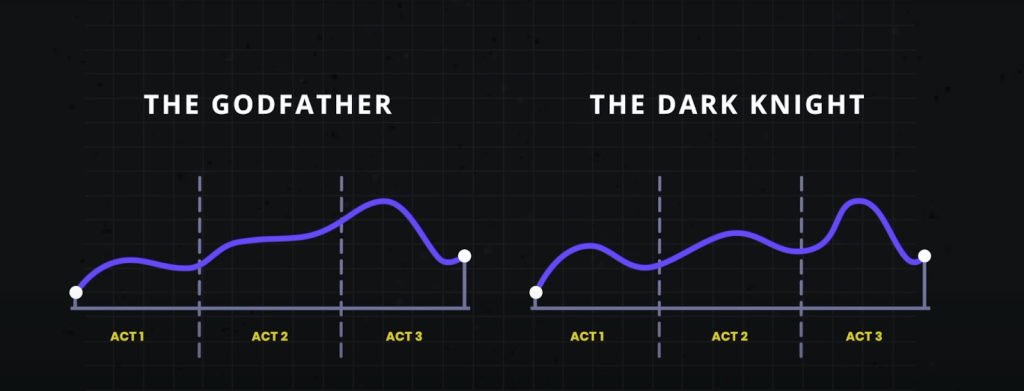
    Think of your favorite movie. More than likely it follows a three-act structure that’s commonly seen in storytelling: the setup, the conflict, and the resolution. The first act shows what exists today, and it helps you get to know the characters and the challenges and problems that they face. Act two introduces the conflict, where the action is. Here, problems grow or get worse. And the third and final act is the resolution. This is where the issues are resolved and the characters learn and change. I believe that this structure is also a great way to think about user research, and I think that it can be especially helpful in explaining user research to others.

    Use storytelling as a structure to do research

    It’s sad to say, but many have come to see research as being expendable. If budgets or timelines are tight, research tends to be one of the first things to go. Instead of investing in research, some product managers rely on designers or—worse—their own opinion to make the “right” choices for users based on their experience or accepted best practices. That may get teams some of the way, but that approach can so easily miss out on solving users’ real problems. To remain user-centered, this is something we should avoid. User research elevates design. It keeps it on track, pointing to problems and opportunities. Being aware of the issues with your product and reacting to them can help you stay ahead of your competitors.

    In the three-act structure, each act corresponds to a part of the process, and each part is critical to telling the whole story. Let’s look at the different acts and how they align with user research.

    Act one: setup

    The setup is all about understanding the background, and that’s where foundational research comes in. Foundational research (also called generative, discovery, or initial research) helps you understand users and identify their problems. You’re learning about what exists today, the challenges users have, and how the challenges affect them—just like in the movies. To do foundational research, you can conduct contextual inquiries or diary studies (or both!), which can help you start to identify problems as well as opportunities. It doesn’t need to be a huge investment in time or money.

    Erika Hall writes about minimum viable ethnography, which can be as simple as spending 15 minutes with a user and asking them one thing: “‘Walk me through your day yesterday.’ That’s it. Present that one request. Shut up and listen to them for 15 minutes. Do your damndest to keep yourself and your interests out of it. Bam, you’re doing ethnography.” According to Hall, [This] will probably prove quite illuminating. In the highly unlikely case that you didn’t learn anything new or useful, carry on with enhanced confidence in your direction.”  

    This makes total sense to me. And I love that this makes user research so accessible. You don’t need to prepare a lot of documentation; you can just recruit participants and do it! This can yield a wealth of information about your users, and it’ll help you better understand them and what’s going on in their lives. That’s really what act one is all about: understanding where users are coming from. 

    Jared Spool talks about the importance of foundational research and how it should form the bulk of your research. If you can draw from any additional user data that you can get your hands on, such as surveys or analytics, that can supplement what you’ve heard in the foundational studies or even point to areas that need further investigation. Together, all this data paints a clearer picture of the state of things and all its shortcomings. And that’s the beginning of a compelling story. It’s the point in the plot where you realize that the main characters—or the users in this case—are facing challenges that they need to overcome. Like in the movies, this is where you start to build empathy for the characters and root for them to succeed. And hopefully stakeholders are now doing the same. Their sympathy may be with their business, which could be losing money because users can’t complete certain tasks. Or maybe they do empathize with users’ struggles. Either way, act one is your initial hook to get the stakeholders interested and invested.

    Once stakeholders begin to understand the value of foundational research, that can open doors to more opportunities that involve users in the decision-making process. And that can guide product teams toward being more user-centered. This benefits everyone—users, the product, and stakeholders. It’s like winning an Oscar in movie terms—it often leads to your product being well received and successful. And this can be an incentive for stakeholders to repeat this process with other products. Storytelling is the key to this process, and knowing how to tell a good story is the only way to get stakeholders to really care about doing more research. 

    This brings us to act two, where you iteratively evaluate a design or concept to see whether it addresses the issues.

    Act two: conflict

    Act two is all about digging deeper into the problems that you identified in act one. This usually involves directional research, such as usability tests, where you assess a potential solution (such as a design) to see whether it addresses the issues that you found. The issues could include unmet needs or problems with a flow or process that’s tripping users up. Like act two in a movie, more issues will crop up along the way. It’s here that you learn more about the characters as they grow and develop through this act. 

    Usability tests should typically include around five participants according to Jakob Nielsen, who found that that number of users can usually identify most of the problems: “As you add more and more users, you learn less and less because you will keep seeing the same things again and again… After the fifth user, you are wasting your time by observing the same findings repeatedly but not learning much new.” 

    There are parallels with storytelling here too; if you try to tell a story with too many characters, the plot may get lost. Having fewer participants means that each user’s struggles will be more memorable and easier to relay to other stakeholders when talking about the research. This can help convey the issues that need to be addressed while also highlighting the value of doing the research in the first place.

    Researchers have run usability tests in person for decades, but you can also conduct usability tests remotely using tools like Microsoft Teams, Zoom, or other teleconferencing software. This approach has become increasingly popular since the beginning of the pandemic, and it works well. You can think of in-person usability tests like going to a play and remote sessions as more like watching a movie. There are advantages and disadvantages to each. In-person usability research is a much richer experience. Stakeholders can experience the sessions with other stakeholders. You also get real-time reactions—including surprise, agreement, disagreement, and discussions about what they’re seeing. Much like going to a play, where audiences get to take in the stage, the costumes, the lighting, and the actors’ interactions, in-person research lets you see users up close, including their body language, how they interact with the moderator, and how the scene is set up.

    If in-person usability testing is like watching a play—staged and controlled—then conducting usability testing in the field is like immersive theater where any two sessions might be very different from one another. You can take usability testing into the field by creating a replica of the space where users interact with the product and then conduct your research there. Or you can go out to meet users at their location to do your research. With either option, you get to see how things work in context, things come up that wouldn’t have in a lab environment—and conversion can shift in entirely different directions. As researchers, you have less control over how these sessions go, but this can sometimes help you understand users even better. Meeting users where they are can provide clues to the external forces that could be affecting how they use your product. In-person usability tests provide another level of detail that’s often missing from remote usability tests. 

    That’s not to say that the “movies”—remote sessions—aren’t a good option. Remote sessions can reach a wider audience. They allow a lot more stakeholders to be involved in the research and to see what’s going on. And they open the doors to a much wider geographical pool of users. But with any remote session there is the potential of time wasted if participants can’t log in or get their microphone working. 

    The benefit of usability testing, whether remote or in person, is that you get to see real users interact with the designs in real time, and you can ask them questions to understand their thought processes and grasp of the solution. This can help you not only identify problems but also glean why they’re problems in the first place. Furthermore, you can test hypotheses and gauge whether your thinking is correct. By the end of the sessions, you’ll have a much clearer picture of how usable the designs are and whether they work for their intended purposes. Act two is the heart of the story—where the excitement is—but there can be surprises too. This is equally true of usability tests. Often, participants will say unexpected things, which change the way that you look at things—and these twists in the story can move things in new directions. 

    Unfortunately, user research is sometimes seen as expendable. And too often usability testing is the only research process that some stakeholders think that they ever need. In fact, if the designs that you’re evaluating in the usability test aren’t grounded in a solid understanding of your users (foundational research), there’s not much to be gained by doing usability testing in the first place. That’s because you’re narrowing the focus of what you’re getting feedback on, without understanding the users’ needs. As a result, there’s no way of knowing whether the designs might solve a problem that users have. It’s only feedback on a particular design in the context of a usability test.  

    On the other hand, if you only do foundational research, while you might have set out to solve the right problem, you won’t know whether the thing that you’re building will actually solve that. This illustrates the importance of doing both foundational and directional research. 

    In act two, stakeholders will—hopefully—get to watch the story unfold in the user sessions, which creates the conflict and tension in the current design by surfacing their highs and lows. And in turn, this can help motivate stakeholders to address the issues that come up.

    Act three: resolution

    While the first two acts are about understanding the background and the tensions that can propel stakeholders into action, the third part is about resolving the problems from the first two acts. While it’s important to have an audience for the first two acts, it’s crucial that they stick around for the final act. That means the whole product team, including developers, UX practitioners, business analysts, delivery managers, product managers, and any other stakeholders that have a say in the next steps. It allows the whole team to hear users’ feedback together, ask questions, and discuss what’s possible within the project’s constraints. And it lets the UX research and design teams clarify, suggest alternatives, or give more context behind their decisions. So you can get everyone on the same page and get agreement on the way forward.

    This act is mostly told in voiceover with some audience participation. The researcher is the narrator, who paints a picture of the issues and what the future of the product could look like given the things that the team has learned. They give the stakeholders their recommendations and their guidance on creating this vision.

    Nancy Duarte in the Harvard Business Review offers an approach to structuring presentations that follow a persuasive story. “The most effective presenters use the same techniques as great storytellers: By reminding people of the status quo and then revealing the path to a better way, they set up a conflict that needs to be resolved,” writes Duarte. “That tension helps them persuade the audience to adopt a new mindset or behave differently.”

    This type of structure aligns well with research results, and particularly results from usability tests. It provides evidence for “what is”—the problems that you’ve identified. And “what could be”—your recommendations on how to address them. And so on and so forth.

    You can reinforce your recommendations with examples of things that competitors are doing that could address these issues or with examples where competitors are gaining an edge. Or they can be visual, like quick mockups of how a new design could look that solves a problem. These can help generate conversation and momentum. And this continues until the end of the session when you’ve wrapped everything up in the conclusion by summarizing the main issues and suggesting a way forward. This is the part where you reiterate the main themes or problems and what they mean for the product—the denouement of the story. This stage gives stakeholders the next steps and hopefully the momentum to take those steps!

    While we are nearly at the end of this story, let’s reflect on the idea that user research is storytelling. All the elements of a good story are there in the three-act structure of user research: 

    • Act one: You meet the protagonists (the users) and the antagonists (the problems affecting users). This is the beginning of the plot. In act one, researchers might use methods including contextual inquiry, ethnography, diary studies, surveys, and analytics. The output of these methods can include personas, empathy maps, user journeys, and analytics dashboards.
    • Act two: Next, there’s character development. There’s conflict and tension as the protagonists encounter problems and challenges, which they must overcome. In act two, researchers might use methods including usability testing, competitive benchmarking, and heuristics evaluation. The output of these can include usability findings reports, UX strategy documents, usability guidelines, and best practices.
    • Act three: The protagonists triumph and you see what a better future looks like. In act three, researchers may use methods including presentation decks, storytelling, and digital media. The output of these can be: presentation decks, video clips, audio clips, and pictures. 

    The researcher has multiple roles: they’re the storyteller, the director, and the producer. The participants have a small role, but they are significant characters (in the research). And the stakeholders are the audience. But the most important thing is to get the story right and to use storytelling to tell users’ stories through research. By the end, the stakeholders should walk away with a purpose and an eagerness to resolve the product’s ills. 

    So the next time that you’re planning research with clients or you’re speaking to stakeholders about research that you’ve done, think about how you can weave in some storytelling. Ultimately, user research is a win-win for everyone, and you just need to get stakeholders interested in how the story ends.

  • The Best Daredevil Fight Scenes in the Netflix Series and Born Again

    The Best Daredevil Fight Scenes in the Netflix Series and Born Again

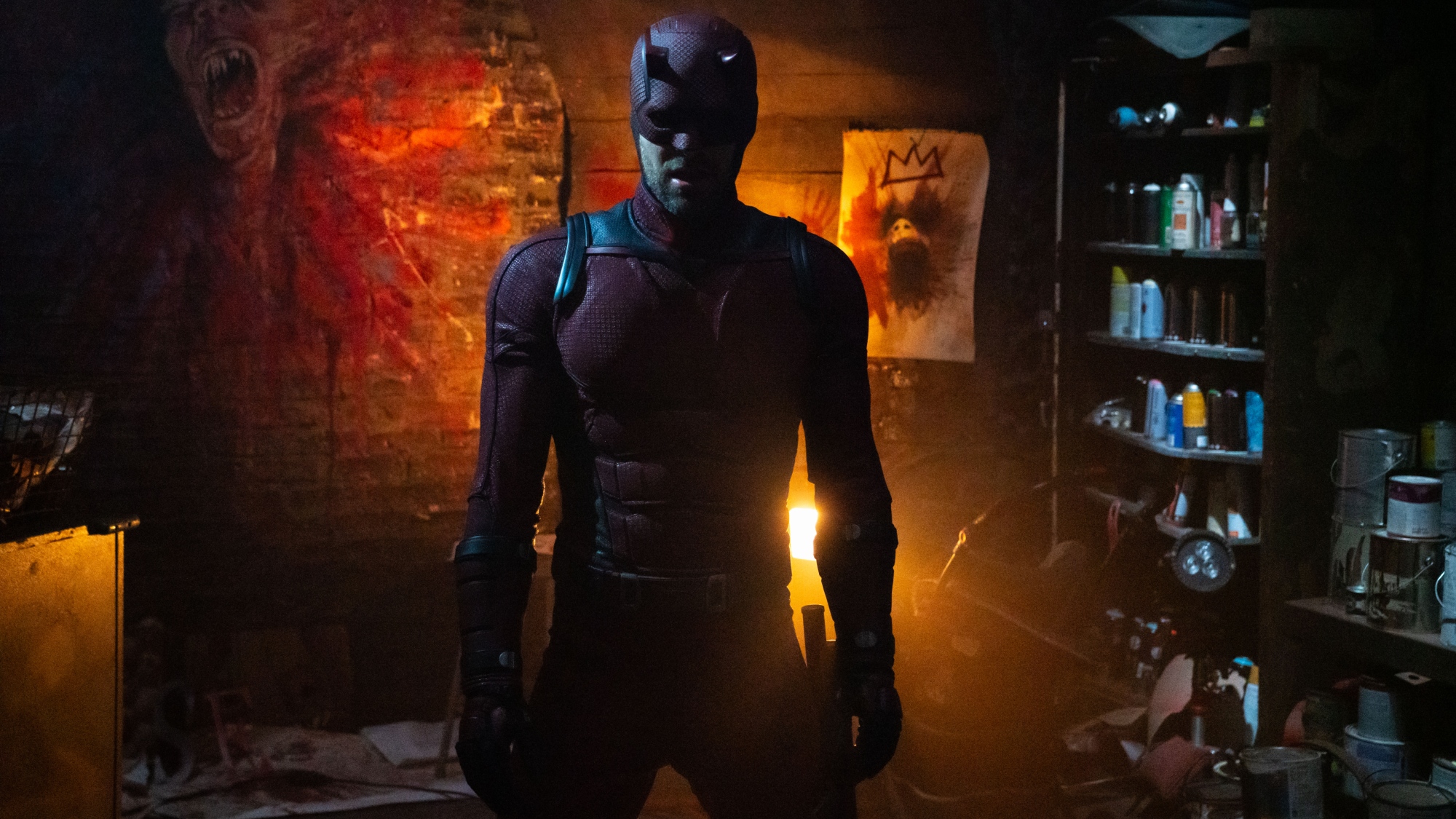
    This article contains spoilers for Daredevil seasons 1-3 and Daredevil: Born Again episodes 1-2. Daredevil is a character well known for being an impeccable fighter. He may not be able to visually see his opponents, but his other heightened senses allow him to detect their movements. The Netflix series Daredevil did a great job of […]

    The post The Best Daredevil Fight Scenes in the Netflix Series and Born Again appeared first on Den of Geek.

    They’re here! The officially stamped episode titles for all eight adventures in the new series of Doctor Who have arrived, and it turns out that the leaks and rumours were… more or less right.

    Four of the new episodes have been written by showrunner Russell T Davies (he’s done the first two and last two, and has a co-writing credit on ep three), with three writers making their Doctor Who TV debut and one returning Who screenwriter, Pete McTighe, in the middle. The new eps are titled as follows: 1) The Robot Revolution, 2) Lux, 3) The Well, 4) Lucky Day, 5) The Story & The Engine, 6) The Interstellar Song Contest, 7) Wish World, and 8) The Reality War.

    cnx.cmd.push(function() {
    cnx({
    playerId: “106e33c0-3911-473c-b599-b1426db57530”,

    }).render(“0270c398a82f44f49c23c16122516796”);
    });

    The episode titles were announced with spiffy motion title cards teasing what’s to come in each. Click on the links below to see them, and pay particular attention to a teensy caption at the bottom of the read-out screen in the one for “The Robot Revolution”, which appears to say: “Planet Belinda”.

    Screengrab of motion title card for Doctor Who episode "The Robot Revolution" featuring an old-fashioned digital medical device.

    We know that Varada Sethu’s new companion’s name is Belinda Chandra, and “The Robot Revolution” will be her first adventure with the Doctor. So, what’s this planet business all about? A coincidence, or a hint that this apparently Earth-based medical companion (she introduces herself as “the nurse” in the series 15 trailer) has more to her than meets the eye…?

    Episode 1: The Robot Revolution

    Air date: 12 April

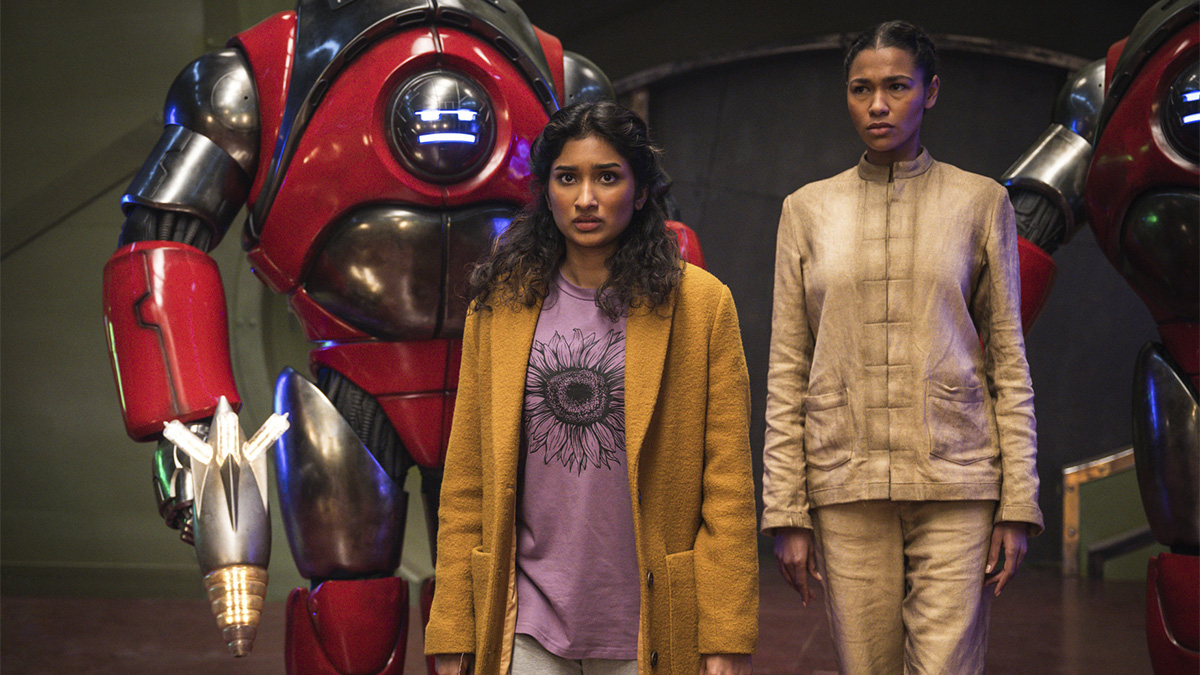
    Guest-starring Evelyn Miller, and featuring some shiny, red and lethal-looking robots, this episode will be our introduction to new companion Belinda.

    Episode 2: Lux

    Expected Air date: 19 April

    Set in 1950s Miami, this episode features the voice of guest star Alan Cumming as a cartoon character who steps out of the screen.

    Episode 3: The Well

    Expected Air date: 26 April

    “The Well” is rumoured to be this series’ scariest episode and to feature guest star Rose Ayling-Ellis.

    Episode 4: Lucky Day

    Expected Air date: 3 May

    We’re back with Millie Gibson’s Ruby Sunday and UNIT in this episode featuring a spiky monster and new guest star Jonah Hauer-King. Is he playing podcast host Conrad Clark?

    Episode 5: The Story & The Engine

    Expected Air date: 10 May

    Set in Nigeria, this episode is rumoured to feature the spider god Anansi.

    Episode 6: The Interstellar Song Contest

    Expected Air date: 17 May

    Guest-starring Rylan Clark, this one features Anita Dobson as Mrs Flood, alongside guest star Kadiff Kirwan, and is set at the final of the 803rd Interstellar Song Contest.

    Episode 7: Wish World

    Expected Air date: 24 May

    Thought to be the first of a two-part finale, “Wish World” looks like it’s continuing the fantasy theme set up by the arrival of the Toymaker and Fourteen making his salt circle at the edge of the universe.

    Episode 8: The Reality War

    Expected Air date: 31 May

    What do you need for a reality war? A reality bomb? Probably not, but great title nonetheless.

    Doctor Who series 15/season two arrives on Saturday April 12 on BBC iPlayer at 8am UK time and BBC One in the UK, and on Disney+ at 12am PT around the world.

    The post Doctor Who Series 15 Episode Titles Tease “Planet Belinda” Mystery appeared first on Den of Geek.

  • The Best Deliciously Dark Books Exploring Female Fury

    The Best Deliciously Dark Books Exploring Female Fury

    Women are angry – and women writers are channelling that fury and turning it into cathartic thrillers, tales of revenge and cannibalistic horror stories and my God, it’s delicious. I know this as a reader, an author and a woman who, like many, struggles to even look at daily news headlines without my insides churning […]

    The post The Best Deliciously Dark Books Exploring Female Fury appeared first on Den of Geek.

    They’re here! The officially stamped episode titles for all eight adventures in the new series of Doctor Who have arrived, and it turns out that the leaks and rumours were… more or less right.

    Four of the new episodes have been written by showrunner Russell T Davies (he’s done the first two and last two, and has a co-writing credit on ep three), with three writers making their Doctor Who TV debut and one returning Who screenwriter, Pete McTighe, in the middle. The new eps are titled as follows: 1) The Robot Revolution, 2) Lux, 3) The Well, 4) Lucky Day, 5) The Story & The Engine, 6) The Interstellar Song Contest, 7) Wish World, and 8) The Reality War.

    cnx.cmd.push(function() {
    cnx({
    playerId: “106e33c0-3911-473c-b599-b1426db57530”,

    }).render(“0270c398a82f44f49c23c16122516796”);
    });

    The episode titles were announced with spiffy motion title cards teasing what’s to come in each. Click on the links below to see them, and pay particular attention to a teensy caption at the bottom of the read-out screen in the one for “The Robot Revolution”, which appears to say: “Planet Belinda”.

    Screengrab of motion title card for Doctor Who episode "The Robot Revolution" featuring an old-fashioned digital medical device.

    We know that Varada Sethu’s new companion’s name is Belinda Chandra, and “The Robot Revolution” will be her first adventure with the Doctor. So, what’s this planet business all about? A coincidence, or a hint that this apparently Earth-based medical companion (she introduces herself as “the nurse” in the series 15 trailer) has more to her than meets the eye…?

    Episode 1: The Robot Revolution

    Air date: 12 April

    Guest-starring Evelyn Miller, and featuring some shiny, red and lethal-looking robots, this episode will be our introduction to new companion Belinda.

    Episode 2: Lux

    Expected Air date: 19 April

    Set in 1950s Miami, this episode features the voice of guest star Alan Cumming as a cartoon character who steps out of the screen.

    Episode 3: The Well

    Expected Air date: 26 April

    “The Well” is rumoured to be this series’ scariest episode and to feature guest star Rose Ayling-Ellis.

    Episode 4: Lucky Day

    Expected Air date: 3 May

    We’re back with Millie Gibson’s Ruby Sunday and UNIT in this episode featuring a spiky monster and new guest star Jonah Hauer-King. Is he playing podcast host Conrad Clark?

    Episode 5: The Story & The Engine

    Expected Air date: 10 May

    Set in Nigeria, this episode is rumoured to feature the spider god Anansi.

    Episode 6: The Interstellar Song Contest

    Expected Air date: 17 May

    Guest-starring Rylan Clark, this one features Anita Dobson as Mrs Flood, alongside guest star Kadiff Kirwan, and is set at the final of the 803rd Interstellar Song Contest.

    Episode 7: Wish World

    Expected Air date: 24 May

    Thought to be the first of a two-part finale, “Wish World” looks like it’s continuing the fantasy theme set up by the arrival of the Toymaker and Fourteen making his salt circle at the edge of the universe.

    Episode 8: The Reality War

    Expected Air date: 31 May

    What do you need for a reality war? A reality bomb? Probably not, but great title nonetheless.

    Doctor Who series 15/season two arrives on Saturday April 12 on BBC iPlayer at 8am UK time and BBC One in the UK, and on Disney+ at 12am PT around the world.

    The post Doctor Who Series 15 Episode Titles Tease “Planet Belinda” Mystery appeared first on Den of Geek.

  • Doctor Who Series 15 Episode Titles Tease “Planet Belinda” Mystery

    Doctor Who Series 15 Episode Titles Tease “Planet Belinda” Mystery

    They’re here! The officially stamped episode titles for all eight adventures in the new series of Doctor Who have arrived, and it turns out that the leaks and rumours were… more or less right. Four of the new episodes have been written by showrunner Russell T Davies (he’s done the first two and last two, […]

    The post Doctor Who Series 15 Episode Titles Tease “Planet Belinda” Mystery appeared first on Den of Geek.

    They’re here! The officially stamped episode titles for all eight adventures in the new series of Doctor Who have arrived, and it turns out that the leaks and rumours were… more or less right.

    Four of the new episodes have been written by showrunner Russell T Davies (he’s done the first two and last two, and has a co-writing credit on ep three), with three writers making their Doctor Who TV debut and one returning Who screenwriter, Pete McTighe, in the middle. The new eps are titled as follows: 1) The Robot Revolution, 2) Lux, 3) The Well, 4) Lucky Day, 5) The Story & The Engine, 6) The Interstellar Song Contest, 7) Wish World, and 8) The Reality War.

    cnx.cmd.push(function() {
    cnx({
    playerId: “106e33c0-3911-473c-b599-b1426db57530”,

    }).render(“0270c398a82f44f49c23c16122516796”);
    });

    The episode titles were announced with spiffy motion title cards teasing what’s to come in each. Click on the links below to see them, and pay particular attention to a teensy caption at the bottom of the read-out screen in the one for “The Robot Revolution”, which appears to say: “Planet Belinda”.

    Screengrab of motion title card for Doctor Who episode "The Robot Revolution" featuring an old-fashioned digital medical device.

    We know that Varada Sethu’s new companion’s name is Belinda Chandra, and “The Robot Revolution” will be her first adventure with the Doctor. So, what’s this planet business all about? A coincidence, or a hint that this apparently Earth-based medical companion (she introduces herself as “the nurse” in the series 15 trailer) has more to her than meets the eye…?

    Episode 1: The Robot Revolution

    Air date: 12 April

    Guest-starring Evelyn Miller, and featuring some shiny, red and lethal-looking robots, this episode will be our introduction to new companion Belinda.

    Episode 2: Lux

    Expected Air date: 19 April

    Set in 1950s Miami, this episode features the voice of guest star Alan Cumming as a cartoon character who steps out of the screen.

    Episode 3: The Well

    Expected Air date: 26 April

    “The Well” is rumoured to be this series’ scariest episode and to feature guest star Rose Ayling-Ellis.

    Episode 4: Lucky Day

    Expected Air date: 3 May

    We’re back with Millie Gibson’s Ruby Sunday and UNIT in this episode featuring a spiky monster and new guest star Jonah Hauer-King. Is he playing podcast host Conrad Clark?

    Episode 5: The Story & The Engine

    Expected Air date: 10 May

    Set in Nigeria, this episode is rumoured to feature the spider god Anansi.

    Episode 6: The Interstellar Song Contest

    Expected Air date: 17 May

    Guest-starring Rylan Clark, this one features Anita Dobson as Mrs Flood, alongside guest star Kadiff Kirwan, and is set at the final of the 803rd Interstellar Song Contest.

    Episode 7: Wish World

    Expected Air date: 24 May

    Thought to be the first of a two-part finale, “Wish World” looks like it’s continuing the fantasy theme set up by the arrival of the Toymaker and Fourteen making his salt circle at the edge of the universe.

    Episode 8: The Reality War

    Expected Air date: 31 May

    What do you need for a reality war? A reality bomb? Probably not, but great title nonetheless.

    Doctor Who series 15/season two arrives on Saturday April 12 on BBC iPlayer at 8am UK time and BBC One in the UK, and on Disney+ at 12am PT around the world.

    The post Doctor Who Series 15 Episode Titles Tease “Planet Belinda” Mystery appeared first on Den of Geek.

  • Beyond Snow White: Fandom Must Stop Falling for the Hate

    Beyond Snow White: Fandom Must Stop Falling for the Hate

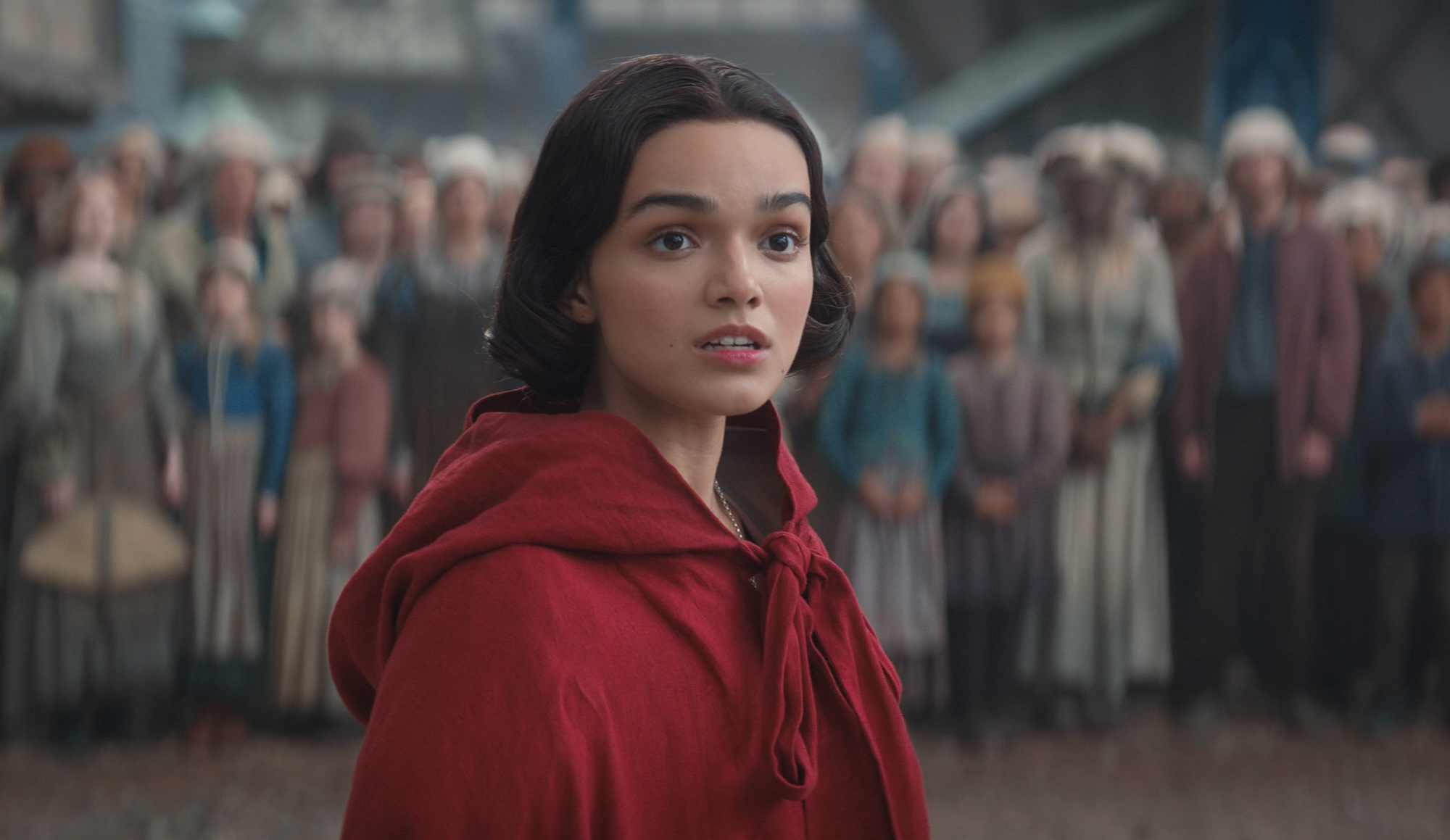
    After years of internet scrutiny, memes, and vitriolic podcasts, it’s official: Disney’s Snow White remake debuted as a box office disappointment. With studio estimates pegging the film’s opening at around $43 million in the U.S., the new musical comes in south of Tim Burton’s remake of a similarly antiquated Disney property, Dumbo, which opened soft […]

    The post Beyond Snow White: Fandom Must Stop Falling for the Hate appeared first on Den of Geek.

    They’re here! The officially stamped episode titles for all eight adventures in the new series of Doctor Who have arrived, and it turns out that the leaks and rumours were… more or less right.

    Four of the new episodes have been written by showrunner Russell T Davies (he’s done the first two and last two, and has a co-writing credit on ep three), with three writers making their Doctor Who TV debut and one returning Who screenwriter, Pete McTighe, in the middle. The new eps are titled as follows: 1) The Robot Revolution, 2) Lux, 3) The Well, 4) Lucky Day, 5) The Story & The Engine, 6) The Interstellar Song Contest, 7) Wish World, and 8) The Reality War.

    cnx.cmd.push(function() {
    cnx({
    playerId: “106e33c0-3911-473c-b599-b1426db57530”,

    }).render(“0270c398a82f44f49c23c16122516796”);
    });

    The episode titles were announced with spiffy motion title cards teasing what’s to come in each. Click on the links below to see them, and pay particular attention to a teensy caption at the bottom of the read-out screen in the one for “The Robot Revolution”, which appears to say: “Planet Belinda”.

    Screengrab of motion title card for Doctor Who episode "The Robot Revolution" featuring an old-fashioned digital medical device.

    We know that Varada Sethu’s new companion’s name is Belinda Chandra, and “The Robot Revolution” will be her first adventure with the Doctor. So, what’s this planet business all about? A coincidence, or a hint that this apparently Earth-based medical companion (she introduces herself as “the nurse” in the series 15 trailer) has more to her than meets the eye…?

    Episode 1: The Robot Revolution

    Air date: 12 April

    Guest-starring Evelyn Miller, and featuring some shiny, red and lethal-looking robots, this episode will be our introduction to new companion Belinda.

    Episode 2: Lux

    Expected Air date: 19 April

    Set in 1950s Miami, this episode features the voice of guest star Alan Cumming as a cartoon character who steps out of the screen.

    Episode 3: The Well

    Expected Air date: 26 April

    “The Well” is rumoured to be this series’ scariest episode and to feature guest star Rose Ayling-Ellis.

    Episode 4: Lucky Day

    Expected Air date: 3 May

    We’re back with Millie Gibson’s Ruby Sunday and UNIT in this episode featuring a spiky monster and new guest star Jonah Hauer-King. Is he playing podcast host Conrad Clark?

    Episode 5: The Story & The Engine

    Expected Air date: 10 May

    Set in Nigeria, this episode is rumoured to feature the spider god Anansi.

    Episode 6: The Interstellar Song Contest

    Expected Air date: 17 May

    Guest-starring Rylan Clark, this one features Anita Dobson as Mrs Flood, alongside guest star Kadiff Kirwan, and is set at the final of the 803rd Interstellar Song Contest.

    Episode 7: Wish World

    Expected Air date: 24 May

    Thought to be the first of a two-part finale, “Wish World” looks like it’s continuing the fantasy theme set up by the arrival of the Toymaker and Fourteen making his salt circle at the edge of the universe.

    Episode 8: The Reality War

    Expected Air date: 31 May

    What do you need for a reality war? A reality bomb? Probably not, but great title nonetheless.

    Doctor Who series 15/season two arrives on Saturday April 12 on BBC iPlayer at 8am UK time and BBC One in the UK, and on Disney+ at 12am PT around the world.

    The post Doctor Who Series 15 Episode Titles Tease “Planet Belinda” Mystery appeared first on Den of Geek.

  • John Carpenter and Bong Joon Ho Make a Perfect Collaboration

    John Carpenter and Bong Joon Ho Make a Perfect Collaboration

    After battling deep into the heart of a desolate city to retrieve the kidnapped President of the United States, Snake Plissken (Kurt Russell) hands over a cassette tape at the end of Escape from New York. The tape, we’re told, contains the secret to nuclear fusion, a technology that could convince the warring nations of […]

    The post John Carpenter and Bong Joon Ho Make a Perfect Collaboration appeared first on Den of Geek.

    They’re here! The officially stamped episode titles for all eight adventures in the new series of Doctor Who have arrived, and it turns out that the leaks and rumours were… more or less right.

    Four of the new episodes have been written by showrunner Russell T Davies (he’s done the first two and last two, and has a co-writing credit on ep three), with three writers making their Doctor Who TV debut and one returning Who screenwriter, Pete McTighe, in the middle. The new eps are titled as follows: 1) The Robot Revolution, 2) Lux, 3) The Well, 4) Lucky Day, 5) The Story & The Engine, 6) The Interstellar Song Contest, 7) Wish World, and 8) The Reality War.

    cnx.cmd.push(function() {
    cnx({
    playerId: “106e33c0-3911-473c-b599-b1426db57530”,

    }).render(“0270c398a82f44f49c23c16122516796”);
    });

    The episode titles were announced with spiffy motion title cards teasing what’s to come in each. Click on the links below to see them, and pay particular attention to a teensy caption at the bottom of the read-out screen in the one for “The Robot Revolution”, which appears to say: “Planet Belinda”.

    Screengrab of motion title card for Doctor Who episode "The Robot Revolution" featuring an old-fashioned digital medical device.

    We know that Varada Sethu’s new companion’s name is Belinda Chandra, and “The Robot Revolution” will be her first adventure with the Doctor. So, what’s this planet business all about? A coincidence, or a hint that this apparently Earth-based medical companion (she introduces herself as “the nurse” in the series 15 trailer) has more to her than meets the eye…?

    Episode 1: The Robot Revolution

    Air date: 12 April

    Guest-starring Evelyn Miller, and featuring some shiny, red and lethal-looking robots, this episode will be our introduction to new companion Belinda.

    Episode 2: Lux

    Expected Air date: 19 April

    Set in 1950s Miami, this episode features the voice of guest star Alan Cumming as a cartoon character who steps out of the screen.

    Episode 3: The Well

    Expected Air date: 26 April

    “The Well” is rumoured to be this series’ scariest episode and to feature guest star Rose Ayling-Ellis.

    Episode 4: Lucky Day

    Expected Air date: 3 May

    We’re back with Millie Gibson’s Ruby Sunday and UNIT in this episode featuring a spiky monster and new guest star Jonah Hauer-King. Is he playing podcast host Conrad Clark?

    Episode 5: The Story & The Engine

    Expected Air date: 10 May

    Set in Nigeria, this episode is rumoured to feature the spider god Anansi.

    Episode 6: The Interstellar Song Contest

    Expected Air date: 17 May

    Guest-starring Rylan Clark, this one features Anita Dobson as Mrs Flood, alongside guest star Kadiff Kirwan, and is set at the final of the 803rd Interstellar Song Contest.

    Episode 7: Wish World

    Expected Air date: 24 May

    Thought to be the first of a two-part finale, “Wish World” looks like it’s continuing the fantasy theme set up by the arrival of the Toymaker and Fourteen making his salt circle at the edge of the universe.

    Episode 8: The Reality War

    Expected Air date: 31 May

    What do you need for a reality war? A reality bomb? Probably not, but great title nonetheless.

    Doctor Who series 15/season two arrives on Saturday April 12 on BBC iPlayer at 8am UK time and BBC One in the UK, and on Disney+ at 12am PT around the world.

    The post Doctor Who Series 15 Episode Titles Tease “Planet Belinda” Mystery appeared first on Den of Geek.

  • Exploring O’Dessa’s Roots in Old School VHS Video Store Glory

    Exploring O’Dessa’s Roots in Old School VHS Video Store Glory

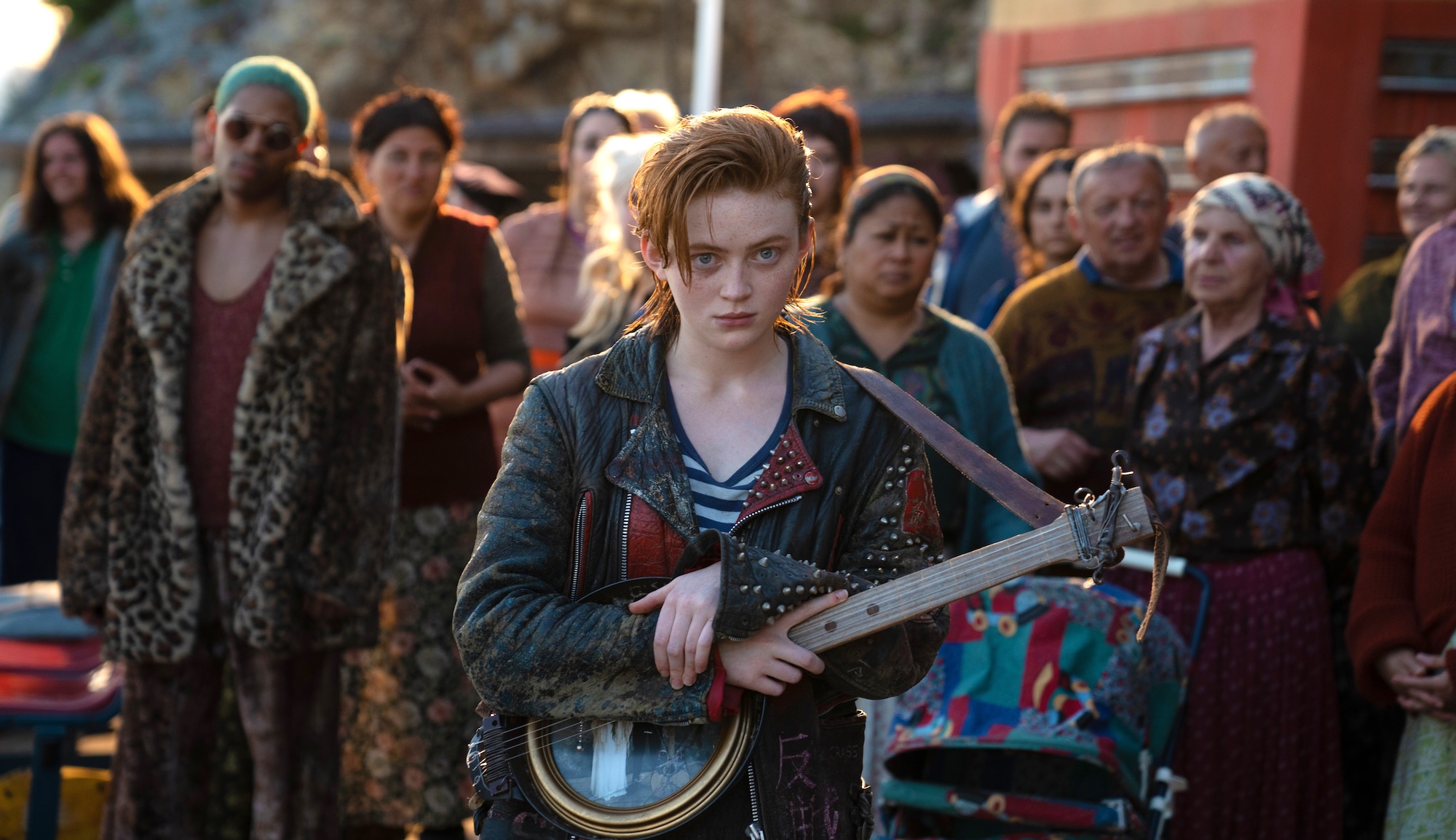
    “In another time, in another place… the world has been poisoned.” So opines the introductory wall of text in O’Dessa. Marketed ahead of its release as writer-director Geremy Jasper’s new rock opera fantasia starring Sadie Sink and Kelvin Harrison Jr., from the outside the film looks of its current moment with the stars of Stranger […]

    The post Exploring O’Dessa’s Roots in Old School VHS Video Store Glory appeared first on Den of Geek.

    They’re here! The officially stamped episode titles for all eight adventures in the new series of Doctor Who have arrived, and it turns out that the leaks and rumours were… more or less right.

    Four of the new episodes have been written by showrunner Russell T Davies (he’s done the first two and last two, and has a co-writing credit on ep three), with three writers making their Doctor Who TV debut and one returning Who screenwriter, Pete McTighe, in the middle. The new eps are titled as follows: 1) The Robot Revolution, 2) Lux, 3) The Well, 4) Lucky Day, 5) The Story & The Engine, 6) The Interstellar Song Contest, 7) Wish World, and 8) The Reality War.

    cnx.cmd.push(function() {
    cnx({
    playerId: “106e33c0-3911-473c-b599-b1426db57530”,

    }).render(“0270c398a82f44f49c23c16122516796”);
    });

    The episode titles were announced with spiffy motion title cards teasing what’s to come in each. Click on the links below to see them, and pay particular attention to a teensy caption at the bottom of the read-out screen in the one for “The Robot Revolution”, which appears to say: “Planet Belinda”.

    Screengrab of motion title card for Doctor Who episode "The Robot Revolution" featuring an old-fashioned digital medical device.

    We know that Varada Sethu’s new companion’s name is Belinda Chandra, and “The Robot Revolution” will be her first adventure with the Doctor. So, what’s this planet business all about? A coincidence, or a hint that this apparently Earth-based medical companion (she introduces herself as “the nurse” in the series 15 trailer) has more to her than meets the eye…?

    Episode 1: The Robot Revolution

    Air date: 12 April

    Guest-starring Evelyn Miller, and featuring some shiny, red and lethal-looking robots, this episode will be our introduction to new companion Belinda.

    Episode 2: Lux

    Expected Air date: 19 April

    Set in 1950s Miami, this episode features the voice of guest star Alan Cumming as a cartoon character who steps out of the screen.

    Episode 3: The Well

    Expected Air date: 26 April

    “The Well” is rumoured to be this series’ scariest episode and to feature guest star Rose Ayling-Ellis.

    Episode 4: Lucky Day

    Expected Air date: 3 May

    We’re back with Millie Gibson’s Ruby Sunday and UNIT in this episode featuring a spiky monster and new guest star Jonah Hauer-King. Is he playing podcast host Conrad Clark?

    Episode 5: The Story & The Engine

    Expected Air date: 10 May

    Set in Nigeria, this episode is rumoured to feature the spider god Anansi.

    Episode 6: The Interstellar Song Contest

    Expected Air date: 17 May

    Guest-starring Rylan Clark, this one features Anita Dobson as Mrs Flood, alongside guest star Kadiff Kirwan, and is set at the final of the 803rd Interstellar Song Contest.

    Episode 7: Wish World

    Expected Air date: 24 May

    Thought to be the first of a two-part finale, “Wish World” looks like it’s continuing the fantasy theme set up by the arrival of the Toymaker and Fourteen making his salt circle at the edge of the universe.

    Episode 8: The Reality War

    Expected Air date: 31 May

    What do you need for a reality war? A reality bomb? Probably not, but great title nonetheless.

    Doctor Who series 15/season two arrives on Saturday April 12 on BBC iPlayer at 8am UK time and BBC One in the UK, and on Disney+ at 12am PT around the world.

    The post Doctor Who Series 15 Episode Titles Tease “Planet Belinda” Mystery appeared first on Den of Geek.

  • Link Tank: Visit ‘Future Pastime,’ a New Exhibit from Syd Mead of Blade Runner Fame

    Link Tank: Visit ‘Future Pastime,’ a New Exhibit from Syd Mead of Blade Runner Fame

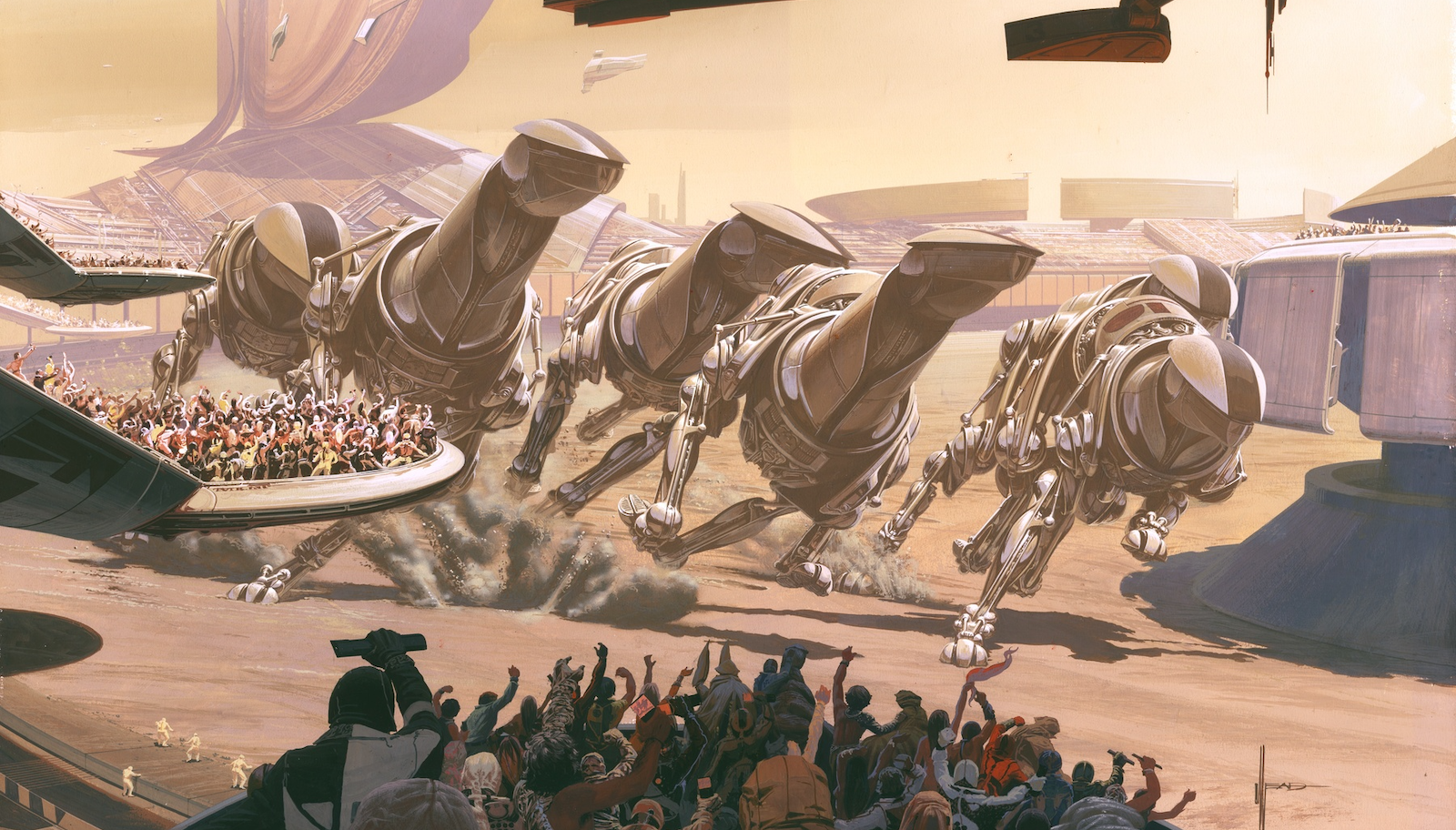
    Come to the New York exhibit Syd Mead: Future Pastime, featuring the familiar yet fantastical work of the artist behind Blade Runner, Aliens, and TRON. “Robert Wise enlisted Mead’s talents for Star Trek: The Motion Picture (1979). Steven Lisberger brought him on board for TRON (1982). Ridley Scott commissioned Mead to conceptualize the world of […]

    The post Link Tank: Visit ‘Future Pastime,’ a New Exhibit from Syd Mead of Blade Runner Fame appeared first on Den of Geek.

    They’re here! The officially stamped episode titles for all eight adventures in the new series of Doctor Who have arrived, and it turns out that the leaks and rumours were… more or less right.

    Four of the new episodes have been written by showrunner Russell T Davies (he’s done the first two and last two, and has a co-writing credit on ep three), with three writers making their Doctor Who TV debut and one returning Who screenwriter, Pete McTighe, in the middle. The new eps are titled as follows: 1) The Robot Revolution, 2) Lux, 3) The Well, 4) Lucky Day, 5) The Story & The Engine, 6) The Interstellar Song Contest, 7) Wish World, and 8) The Reality War.

    cnx.cmd.push(function() {
    cnx({
    playerId: “106e33c0-3911-473c-b599-b1426db57530”,

    }).render(“0270c398a82f44f49c23c16122516796”);
    });

    The episode titles were announced with spiffy motion title cards teasing what’s to come in each. Click on the links below to see them, and pay particular attention to a teensy caption at the bottom of the read-out screen in the one for “The Robot Revolution”, which appears to say: “Planet Belinda”.

    Screengrab of motion title card for Doctor Who episode "The Robot Revolution" featuring an old-fashioned digital medical device.

    We know that Varada Sethu’s new companion’s name is Belinda Chandra, and “The Robot Revolution” will be her first adventure with the Doctor. So, what’s this planet business all about? A coincidence, or a hint that this apparently Earth-based medical companion (she introduces herself as “the nurse” in the series 15 trailer) has more to her than meets the eye…?

    Episode 1: The Robot Revolution

    Air date: 12 April

    Guest-starring Evelyn Miller, and featuring some shiny, red and lethal-looking robots, this episode will be our introduction to new companion Belinda.

    Episode 2: Lux

    Expected Air date: 19 April

    Set in 1950s Miami, this episode features the voice of guest star Alan Cumming as a cartoon character who steps out of the screen.

    Episode 3: The Well

    Expected Air date: 26 April

    “The Well” is rumoured to be this series’ scariest episode and to feature guest star Rose Ayling-Ellis.

    Episode 4: Lucky Day

    Expected Air date: 3 May

    We’re back with Millie Gibson’s Ruby Sunday and UNIT in this episode featuring a spiky monster and new guest star Jonah Hauer-King. Is he playing podcast host Conrad Clark?

    Episode 5: The Story & The Engine

    Expected Air date: 10 May

    Set in Nigeria, this episode is rumoured to feature the spider god Anansi.

    Episode 6: The Interstellar Song Contest

    Expected Air date: 17 May

    Guest-starring Rylan Clark, this one features Anita Dobson as Mrs Flood, alongside guest star Kadiff Kirwan, and is set at the final of the 803rd Interstellar Song Contest.

    Episode 7: Wish World

    Expected Air date: 24 May

    Thought to be the first of a two-part finale, “Wish World” looks like it’s continuing the fantasy theme set up by the arrival of the Toymaker and Fourteen making his salt circle at the edge of the universe.

    Episode 8: The Reality War

    Expected Air date: 31 May

    What do you need for a reality war? A reality bomb? Probably not, but great title nonetheless.

    Doctor Who series 15/season two arrives on Saturday April 12 on BBC iPlayer at 8am UK time and BBC One in the UK, and on Disney+ at 12am PT around the world.

    The post Doctor Who Series 15 Episode Titles Tease “Planet Belinda” Mystery appeared first on Den of Geek.

  • Create customer experiences online like Open the Shop With Me videos, and in person, like Silent Book Club

    Create customer experiences online like Open the Shop With Me videos, and in person, like Silent Book Club

    When Kathleen Minogue of Crowdfund Better mentioned Common Ground Coffee and Market to me, I discovered that their Instagram feed was full of stealable concepts for little company social media marketing. We initially discussed how they kept customers informed of changes to their work schedule. They reside in Boise, Idaho, which is not a little city.

    When Kathleen Minogue of Crowdfund Better mentioned Common Ground Coffee and Market to me, I discovered that their Instagram feed was full of stealable concepts for little company social media marketing.

    We first discussed how to notify consumers when their workdays change.

    They are in Boise, Idaho, which, I am aware, is not a smaller area. I swear I won’t discuss ideas with anyone unless they were also active in small-town companies.

    These concepts work well in coffee shops, gambling establishments, and other gathering places where people assemble and socialize.

    Any small-scale company may record their film, Open the factory with me, or any of their staff users as a group.

    A screenshot of the Common Ground Coffee and Market Instagram feed, showing four images, a group of people with valentine hearts, a group of staff members, one person facing the camera for an explainer video, and one video with text that says "open the shop with me"

    Steal this thought: would an &#8220, opened the shop with me&#8221, movie! Boise, Idaho’s Common Ground Coffee and Market Instagram photo.

    Partner with various organizations and organizations, perhaps in small way.

    You don’t need to plan, plan, and then manage every occasion. Begin looking for another organizations, individuals, and corporations to work with. What are some entertaining things that people in your town like to do? Consider collaborating with those people to improve the way things are in your company.

    A chalkboard sign outside Common Ground Coffee and Market says, "This week in the shop: Wednesday Wise Ones with Workshop, Thursday Silent Book Club with The Lit Room, Saturday Spring Zine Gathering with High Desert Coven."

    Take note of how each of these occasions collaborates with a different neighborhood organization or company. Boise, Idaho’s Common Ground Coffee and Market Instagram photo.

    Another book club idea to grab: SILENT.

    I&#8217, d love to join someone&#8217, s passive book team! And how simple would it be to create one?

    In another image, the Common Ground team displayed a stack of publications on the table to start the conversation. Simply take some of your own used or To Be Read mound from house, some used books from the library sales, or simply ask around!

    No regulations. Only read a book.

    Want more ideas for coffee shops and gathering places?

    Test out these previous idea-fests:

    Subscribe to SmallBizSurvival.

  • Beware the Cut ‘n’ Paste Persona

    Beware the Cut ‘n’ Paste Persona

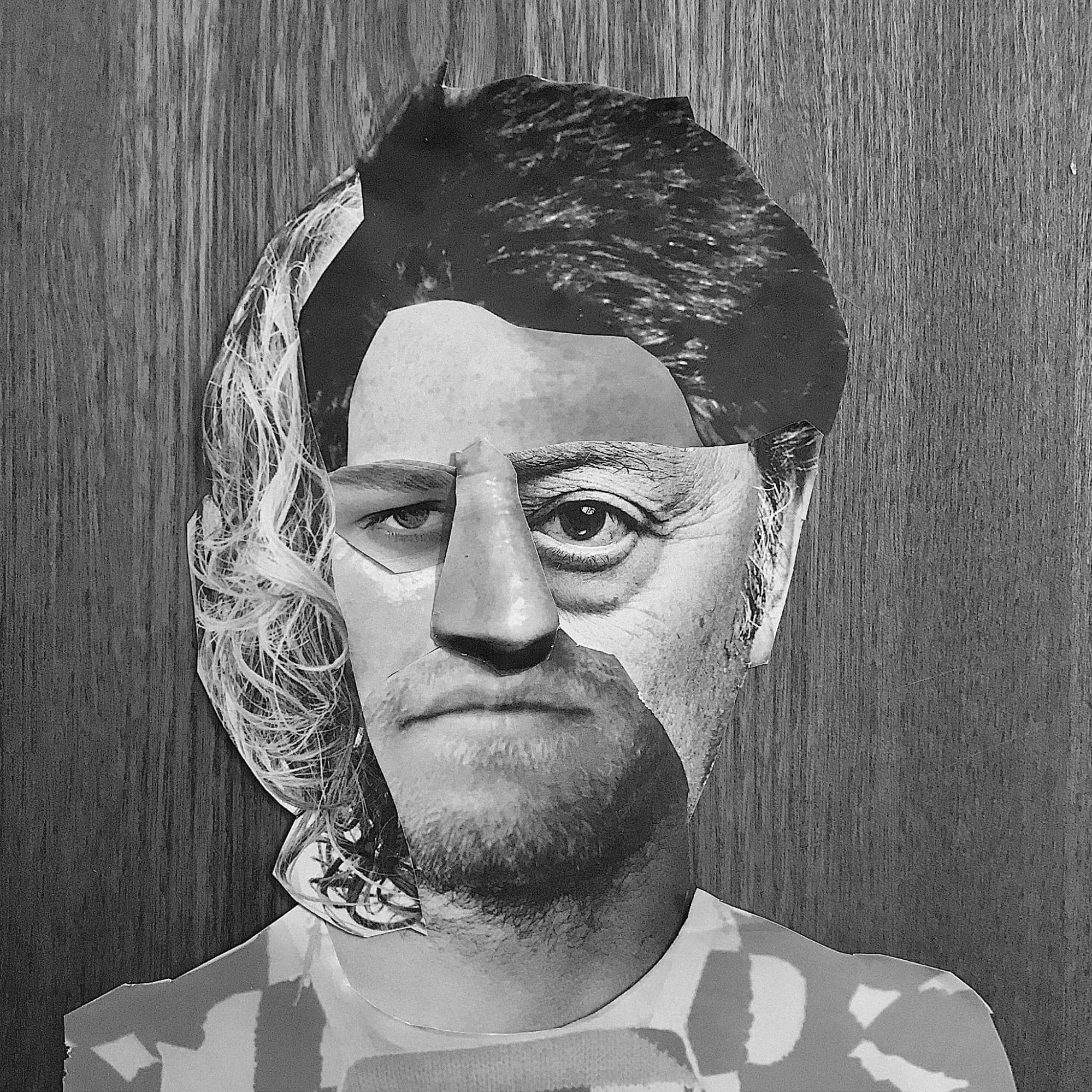
    A machine learning algorithm is used to create human faces on this person does not occur. It takes actual photos and recombines them into false people faces. We just squirted past a LinkedIn post that claimed this site might be helpful “if you are developing a image and looking for a photo.”

    We agree: the computer-generated heads could be a great fit for personas—but not for the purpose you might think. Ironically, the website highlights the core issue of this very common design method: the person ( a ) does not exist. Personas are deliberately created, just like in the photos. Data is taken out of natural environment and recombined into an isolated preview that’s detached from reality.

    However, oddly enough, manufacturers use personalities to inform their designs for the real world.

    Personas: A action up

    Most manufacturers have created, used, or come across personalities at least once in their profession. The Interaction Design Foundation defines profile as “fictional characters that you create based on your research in order to represent the various consumer types that might use your company, product, blog, or brand,” according to their article” Personas- A Simple Introduction.” In their most complete expression, personas typically consist of a name, profile picture, quotes, demographics, goals, needs, behavior in relation to a certain service/product, emotions, and motivations ( for example, see Creative Companion’s Persona Core Poster ). According to design firm Designit, the goal of personas is to “make the research relateable, ]and ] easy to communicate, digest, reference, and apply to product and service development.”

    The decontextualization of personalities

    Personas are common because they make “dry” research information more realistic, more people. However, this approach places a cap on the author’s ability to exclude the target users from their particular contexts. As a result, personalities don’t describe important factors that make you know their decision-making method or allow you to connect to users ‘ thoughts and behavior, they lack stories. You are aware of the persona’s actions, but you lack the history knowledge to understand why. You end up with images of people that are really less people.

    This “decontextualization” we see in identities happens in four way, which we’ll discuss below.

    People are assumed to be dynamic, according to people.

    Although many companies still try to box in their employees and customers with outdated personality tests ( referring to you, Myers-Briggs ), here’s a painfully obvious truth: people are not a fixed set of features. Depending on how you feel, how you act, think, and think, you go about doing things. You appear distinct to different people, you may act pleasant to some, tough to others. And you change your mind all the time about choices you’ve taken.

    Current psychologists concur that while individuals typically act in accordance with specific patterns, how people act and make decisions is ultimately influenced by a combination of history and culture. The context—the atmosphere, the effect of other people, your feelings, the whole story that led up to a situation—determines the kind of person you are in each particular time.

    Personalities do not account for this variation in their attempt to improve reality; instead, they present a consumer as a predetermined set of features. Like character tests, personas seize people away from real life. Even worse, individuals are reduced to a brand and categorized as” that kind of guy” with no means to practice their inherent flexibility. This behavior discredits variety, perpetuates stereotypes, and doesn’t indicate reality.

    Personas rely on people, not the setting

    You’re designing for a perspective, not an individual, in the real world. Each individual lives in a community, a group, an habitat, where there are environmental, social, and cultural factors you need to consider. A pattern is not meant for a single customer. Instead, you create a pattern for one or more specific situations where a certain product might be used by a large number of people. Personas, yet, show the customer alone rather than define how the consumer relates to the environment.

    Would you choose the exact course of action repeatedly? Maybe you’re a dedicated vegan but also decide to buy some meats when your family are coming across. As they depend on various situations and characteristics, your decisions—and behavior, thoughts, and comments —are no absolute but extremely contextual. Because it doesn’t explain the grounds for your decisions, the persona that “represents” you doesn’t take into account this interdependence. It doesn’t provide a rationale of why you act the way you do. People practice the well-known attribution error, which states that they too often attribute others ‘ behavior to their personalities and not to the circumstances.

    As mentioned by the Interaction Design Foundation, identities are often placed in a situation that’s a” specific environment with a problem they want to or have to solve “—does that mean environment actually is considered? However, what frequently happens is that you take a hypothetical figure and based on that fantasy decide how this character may deal with a particular situation. How could you possibly comprehend how someone you want to represent behave in new circumstances given that you haven’t even fully investigated and understood the current context of the people you want to represent?

    Personas are meaningless averages

    A persona is depicted as a specific person but is not a real person, as stated in Shlomo Goltz’s introduction article on Smashing Magazine; rather, it is synthesized from observations of many people. A well-known critique to this aspect of personas is that the average person does not exist, as per the famous example of the USA Air Force designing planes based on the average of 140 of their pilots ‘ physical dimensions and not a single pilot actually fitting within that average seat.

    The same limitation applies to mental aspects of people. Have you ever heard a famous person say something like,” They took what I said out of context!” They used my words, but I didn’t mean it like that”. Although the celebrity’s statement was literally reported, the reporter failed to explain the context of the statement and to explain the non-verbal expressions. As a result, the intended meaning was lost. You do the same when you create personas: you collect somebody’s statement ( or goal, or need, or emotion ), of which the meaning can only be understood if you provide its own specific context, yet report it as an isolated finding.

    However, personas go a step further, combining a decontextualized finding with another decontextualized finding from someone else. The resulting set of findings often does not make sense: it’s unclear, or even contrasting, because it lacks the underlying reasons on why and how that finding has arisen. It lacks any significance. And the persona doesn’t give you the full background of the person ( s ) to uncover this meaning: you would need to dive into the raw data for each single persona item to find it. What, then, is the usefulness of the persona?

    The validity of personas is deceiving.

    To a certain extent, designers realize that a persona is a lifeless average. To combat this, designers create and add “relatable” details to personas to make them appear to be real people. Nothing captures the absurdity of this better than a sentence by the Interaction Design Foundation:” Add a few fictional personal details to make the persona a realistic character”. In other words, you add non-realism in an attempt to create more realism. Wouldn’t it be much more responsible to emphasize that John is only an abstraction while deliberately obscuring the fact that” John Doe” is an abstract representation of research findings? If something is artificial, let’s present it as such.

    After accepting that people’s personalities are fixed, dismissed the importance of their environment, and added hidden meaning by joining isolated, non-generalizable findings, designers create new context to create ( their own ) meaning. In doing so, as with everything they create, they introduce a host of biases. As phrased by Designit, as designers we can” contextualize]the persona ] based on our reality and experience. We make connections that are well-known to us. This practice reinforces stereotypes, doesn’t reflect real-world diversity, and gets further away from people’s actual reality with every detail added.

    Everyone should use their own empathy and develop their own interpretation and emotional response if we want to conduct good design research by reporting the reality “as-is” and making it relatable for our audience.

    Dynamic Selves: The alternative to personas

    If we shouldn’t use personas, what should we do instead?

    Designit suggests using mindsets rather than personas. Each Mindset is a” spectrum of attitudes and emotional responses that different people have within the same context or life experience”. It challenges designers to avoid becoming fixated on just one person’s way of life. Unfortunately, while being a step in the right direction, this proposal doesn’t take into account that people are part of an environment that determines their personality, their behavior, and, yes, their mindset. Therefore, Mindsets are also not absolute but change in regard to the situation. What determines a certain Mindset, remains to be seen.

    Another alternative comes from Margaret P., author of the article” Kill Your Personas“, who has argued for replacing personas with persona spectrums that consist of a range of user abilities. For instance, a visual impairment could be permanent ( blindness ), temporary ( recovery from eye surgery ), or situational (screen glare ). Persona spectrums are highly useful for more inclusive and context-based design, as they’re based on the understanding that the context is the pattern, not the personality. Their limitation, however, is that they have a very functional take on users that misses the relatability of a real person taken from within a spectrum.

    We want to change the traditional design process to be context-based by creating an alternative to personas. Contexts are generalizable and have patterns that we can identify, just like we tried to do previously with people. How can we identify these patterns, then? How do we ensure truly context-based design?

    Understand real individuals in multiple contexts

    Nothing about reality can be more relatable and inspiring. Therefore, we have to understand real individuals in their multi-faceted contexts, and use this understanding to fuel our design. Dynamic Selves is how we define it.

    Let’s take a look at what the approach looks like, based on an example of how one of us applied it in a recent project that researched habits of Italians around energy consumption. We drafted a design research plan aimed at investigating people’s attitudes toward energy consumption and sustainable behavior, with a focus on smart thermostats.

    1. Choose the right sample

    We frequently get slammed for saying,” Where are you going to find a single person who encapsulates all the information from one of these advanced personas ]” when we debate personas. The answer is simple: you don’t have to. You don’t need to have information about many people for your insights to be deep and meaningful.

    In qualitative research, accuracy comes from accurate sampling rather than quantity. You select the people that best represent the “population” you’re designing for. If this sample is chosen wisely and you have a deep understanding of the sampled people, you can infer how the rest of the population thinks and acts. There’s no need to study seven Susans and five Yuriys, one of each will do.

    Similarly, you don’t need to understand Susan in fifteen different contexts. Once you’ve seen her in a few different settings, you’ve come to understand how Susan responds to various circumstances. Not Susan as an atomic being but Susan in relation to the surrounding environment: how she might act, feel, and think in different situations.

    It becomes clear why each person should be portrayed as an individual because each already represents an abstraction of a larger group of people in similar circumstances because each person is representative of a portion of the population you’re researching. You don’t want abstractions of abstractions! These selected people need to be understood and shown in their full expression, remaining in their microcosmos—and if you want to identify patterns you can focus on identifying patterns in contexts.

    However, the question persists: how do you choose a representative sample? First of all, you have to consider what’s the target audience of the product or service you are designing: it might be useful to look at the company’s goals and strategy, the current customer base, and/or a possible future target audience.

    We were creating an application for those who own a smart thermostat in our example project. In the future, everyone could have a smart thermostat in their house. Right now, though, only early adopters own one. We had to understand the causes behind these early adopters ‘ development in order to create a sizable sample. We therefore recruited by asking people why they had a smart thermostat and how they got it. There were those who had made the decision to purchase it, those who had been influenced by other people’s decisions, and those who had discovered it in their homes. So we selected representatives of these three situations, from different age groups and geographical locations, with an equal balance of tech savvy and non-tech savvy participants.

    2. Conduct your research

    After having chosen and recruited your sample, conduct your research using ethnographic methodologies. This will give you more examples and anecdotes to enrich your qualitative data. In our example project, given COVID-19 restrictions, we converted an in-house ethnographic research effort into remote family interviews, conducted from home and accompanied by diary studies.

    To gain an in-depth understanding of attitudes and decision-making trade-offs, the research focus was not limited to the interviewee alone but deliberately included the whole family. Each interviewee would provide a story that would then become much more interesting and precise with the additions made by their spouses, husbands, kids, or occasionally even pets. We also focused on the relationships with other meaningful people ( such as colleagues or distant family ) and all the behaviors that resulted from those relationships. With this extensive investigation, we were able to create vivid images of dynamic situations involving multiple actors.

    It’s essential that the scope of the research remains broad enough to be able to include all possible actors. Therefore, it normally works best to define broad research areas with macro questions. Interviews should be conducted in a semi-structured manner, with follow-up questions delve into subjects that the interviewee has blatantly mentioned. This open-minded “plan to be surprised” will yield the most insightful findings. One of our participants responded,” My wife doesn’t have the thermostat’s app installed; she uses WhatsApp instead,” when we asked how his family controlled the temperature in the house. If she wants to turn on the heater and she is not home, she will text me. I am her thermostat”.

    3. Analysis: Create the Dynamic Selves

    You begin to represent each individual with several Dynamic Selves, each” Self” representing one of the circumstances you have examined throughout the research analysis. The core of each Dynamic Self is a quote, which comes supported by a photo and a few relevant demographics that illustrate the wider context. The research findings themselves will show which demographics are relevant to show. The key demographics were family type, number and type of homes owned, economic status, and technological maturity in our case because our research focused on families and their way of life to understand their needs for thermal regulation. ( We also included the individual’s name and age, but they’re optional—we included them to ease the stakeholders ‘ transition from personas and be able to connect multiple actions and contexts to the same person ).

    Interviews must be recorded on video and verbatim whenever possible in order to capture precise quotations. This is essential to the truthfulness of the several Selves of each participant. In the case of real-life ethnographic research, photos of the context and anonymized actors are essential to build realistic Selves. As long as these photos are realistic and depict meaningful actions that you associate with your participants, they should be taken directly from field research, but an evocative and representative image can also work. For example, one of our interviewees told us about his mountain home where he used to spend every weekend with his family. We depicted him hiking with his young daughter as a result.

    At the end of the research analysis, we displayed all of the Selves ‘” cards” on a single canvas, categorized by activities. Each card displayed a situation, represented by a quote and a unique photo. Each participant had several cards about themselves.

    4. Identify potential design challenges

    Once you have collected all main quotes from the interview transcripts and diaries, and laid them all down as Self cards, you will see patterns emerge. These patterns will highlight the opportunity areas for new product creation, new functionalities, and new services—for new design.

    There was a particularly intriguing insight around the concept of humidity in our example project. We realized that people don’t know what humidity is and why it is important to monitor it for health: an environment that’s too dry or too wet can cause respiratory problems or worsen existing ones. This highlighted a significant opportunity for our client to train users about the concept and work as a health advisor.

    Benefits of Dynamic Selves

    When you use the Dynamic Selves approach in your research, you start to notice unique social relations, peculiar situations real people face and the actions that follow, and that people are surrounded by changing environments. One of the participants in our thermostat project, Davide, has come to know as a boyfriend, dog lover, and tech nut.

    Davide is an individual we might have once reduced to a persona called “tech enthusiast”. However, there are also those who are wealthy or poor, who are tech enthusiasts and have families or are single. Their motivations and priorities when deciding to purchase a new thermostat can be opposite according to these different frames.

    Once you have understood Davide in multiple situations, and for each situation have understood in sufficient depth the underlying reasons for his behavior, you’re able to generalize how he would act in another situation. You can infer what he would think and do in the circumstances ( or scenarios ) you design for using your understanding of him.

    The Dynamic Selves approach aims to dismiss the conflicted dual purpose of personas—to summarize and empathize at the same time—by separating your research summary from the people you’re seeking to empathize with. This is crucial because scale affects how we feel empathy for people; the bigger the group, the smaller it is to feel empathy for others. We feel the strongest empathy for individuals we can personally relate to.

    If you take a real person as inspiration for your design, you no longer need to create an artificial character. No more developing plot devices to “realize” the character, and no more need for additional bias. It’s simply how this person is in real life. We all know that these characters don’t really exist, so in our experience personas quickly turn into nothing more than a name in our priority guides and prototype screens.

    Another powerful benefit of the Dynamic Selves approach is that it raises the stakes of your work: if you mess up your design, someone real, a person you and the team know and have met, is going to feel the consequences. It might stop you from taking shortcuts and will remind you to conduct daily checks on your designs.

    Finally, real people in their specific contexts provide a better foundation for anecdotal storytelling and are thus more persuasive. Documentation of real research is essential in achieving this result. The circumstances of your design proposals resound in your mind when you encounter Alessandra. Noise, bad ergonomics, lack of light, you name it. If we go for this functionality, I’m afraid we’re going to add complexity to her life”.

    Conclusion

    Designit stated in their article on Mindsets that “design thinking tools offer a shortcut to deal with reality’s complexities, but this process of simplification can occasionally flatten out people’s lives into a few general characteristics.” Unfortunately, personas have been culprits in a crime of oversimplification. They fail to account for the complex nature of our users ‘ decision-making processes and don’t take into account the fact that people are immersed in environments.

    Design needs simplification but not generalization. You have to look at the research elements that stand out: the sentences that captured your attention, the images that struck you, the sounds that linger. Use those as metaphors for the person in all of their contexts. Both insights and people come with a context, they cannot be cut from that context because it would remove meaning.

    It’s high time for design to break away from fiction and use reality as our guide and inspiration, in its messy, surprising, and unquantifiable beauty.